University of Warwick institutional repository: http://go.warwick.ac.uk/wrap
A Thesis Submitted for the Degree of PhD at the University of Warwick
http://go.warwick.ac.uk/wrap/60269
This thesis is made available online and is protected by original copyright. Please scroll down to view the document itself.
By
Mark Francis Wilkes
B.Se.
(HoDs),
M.Se.
A thesis submitted
infulfilment of the requirements for the degree of
Doctor of Philosophy
Centre for Catalytic Systems and Materials Engineering
School of Engineering
University of Warwick
1 - V Contents
1 Acknowledgements 1 Declaration
2 Abstract
3 Chapter 1 Introduction 10 Chapter 2 Literature Review 10 11 11 13 13 17 19 21 22 23 2S 29 31 2.1 34 34 41 43 44 45 50 56 57 59 65 69 71 78 Materials 2.1.1 Structure 2.1.1.1 Ceria
2.1.1.1.1 Ceria - A Non-stoichiometric oxide 2.1.1.1.2 Solid/Gas Equilibrium
2.1.1.2 Lanthana
2.1.1.3 Aliovalent Doped Ceria Solid Solutions 2.1.1.4 Microstructure - Dopant Effects
2.1.1.5 Defect Reactions 2.1.1.6 Defect Interactions
2.1.1.7 Phase Diagrams for Binary Eutectic 2. 1.1.8 Solute Incorporation
2.1.1.9 Solid State Reaction Techniques
2.1.2 Transport Studies - Ionic Conductivity 2.1.2.1 Theory
2.1.2.2 Conductivity Measurements 2.1.2.3 Conductivity of Fluorite Oxides
2.1.2.3.1 Undoped Ceria 2.1.2.3.2 Doped Ceria
2.1.3 Surface Composition and Enrichment
2.1.3.1 Surface Composition Modelling
2.2 Catalysis
2.2.1 Interactions with CO 2.2.2 Interactions with O2
2.2.3 Interactions with CH4
89 Chapter 3 Experimental 89 3.1 Materials Preparation
89 3.1.1 Ceramic
90 3.1.2 Coprecipitation
93 3.2 X-ray Powder Diffraction 93 3.2.1 Introduction
93 3.2.2 Theory
94 3.2.3 Experimental Applications
94 3.2.3.1 Phase
94 3.2.3.2 Lattice Parameters
95 3.2.3.3 Crystallite Size
96 3.2.4 Instrumentation and Procedure 97 3.2.5 Errors and Reproducibility
98 3.3 98 99 101 102 102 103 104 105 3.4 105 106 107 108 108 3.5 108 111 112 112 3.6 113 114 115 115 3.7 115 116 117 118
Surface Area Measurement 3.3.1 Introduction
3.3.2 Apparatus and Instrumentation 3.3.3 Sample Preparation
3.3.4 Single Point Measurement 3.3.4. 1 Calibration
3.3.4.2 Experimental Procedure 3.3.5 Errors and Reproducibility
X-ray Photoelectron Spectroscopy 3.4.1 Introduction
3.4.2 Apparatus and Instrumentation 3.4.3 Analysis of Spectra
3.4.4 Errors and Reproducibility
Catalytic Measurements 3.5.l Apparatus
3.5.2 Experimental Determination Of Mass Transfer Limitations 3.5.3 Error and Reproducibility
Temperature Programmed Desorption 3.6.l Apparatus
3.6.2 Experimental Procedure 3.6.3 Error and Reproducibility
In Situ Diffuse Reflectance Infrared Fourier Transform Spectroscopy
3.7.1 Introduction 3.7.2 Apparatus
119 Chapter 4 Results andDiscussion 119 4.1 119 126 126 134 144 155 4.2 156 159 162 165 165 165 168 173 183 184 4.3 184 192 192 192 193 193 194 195 196 197 200 203 205 210 211 4.4 211 212 212 215 216 217 219 219 222 224 225 225
X-ray Diffraction and Surface Area Studies
4.1. 1 Ceramic Materials
4.1.2 Coprecipitated Materials
4.1.3 Calcination Parameters - Investigation and Optimisation
4. 1.4 Systematic Study
4.1.5 Sintering Study
XPS Surface Composition Studies
4.2.1 Segregation with Temperature
4.2.2 Segregation with Time
4.2.3 Segregation with Bulk Composition
4.2.3.1 Analysis and Discussion
4.2.3.1.1 Segregation Modelling
4.2J .1.1.1 McLean Model
4.2.3.1.1.2 Mackrodt and Tasker Model
4.2.3.1.1.3 Wynblatt and Ku Model
4.2.3.1.1.4 Summary
Temperature Programmed Desorption Studies
4.3.1 Basicity Study - CO2 4.3.2 CH4
4.3.3 CO
4.3.3.1 Blank Runs
4.3.3.2 Temperature Effects Study
4.3.3.2.1 Ceria
4.3.3.2.2 Lanthana
4.3.3.2.3 Quantitative Analysis
4.3.3.3 Effect of Oxygen
4.3.3.3.1 Ceria
4.3.3.3.2 Lanthana
4.3.3.3.3 Summary
4.3.3.4 Effect of Catalyst Composition
4.3.3.5 Summary
In Situ Diffuse Reflectance Infrared Fourier Transform Spectroscopy
4.4.1 Experimental Methodology
4.4.2 Results Analysis
4.4.2.1 Initial Spectra - Compositional Variations
4.4.2.2 Final Spectra - Compositional Variations
4.4.2.3 CO Oxidation - Compositional Variations
4.4.2.4 CH4 Oxidation - Compositional Variations 4.4.2.5 Spectral Variations with Cell Environment
4.4.2.5.1 Ceria
4.4.2.5.2 Lanthana
4.4.2.5.3 Ceo.9sL80.os01.97S
4.4.2.5.4 Ceo.osL80.9s0l.S+x
Page 226 4.5 227 227 230 231 233 236 242 244 245 245 247 249 250 252 254 258 259 260 266 266 270 271 273 275 279 282 284 285 285 286 287 288 293 294 295 296 297 300 305 Catalysis Study
4.5.1 Preliminary Experiments
4.5.1. 1 Investigation of Rate Diffusion Limitations
4.5.2 Ternary Oxide Study
4.5.3 CO Oxidation - Systematic Study
4.5.3.1 CO Oxidation - Standard Activity Measurements
4.5.3.2 CO Oxidation - Arrhenius Studies
4.5.3.3 CO Oxidation - Compensation Effect
4.5.3.4 CO Oxidation - Kinetic Studies
4.5.3.4.1 Ceria
4.5.3.4.l.1 The Effect of CO Partial Pressure
4.5.3.4.l.2 The Effect of O, Partial Pressure
4.5.3.4.l.3 The Effect of CO2 Partial Pressure
4.5.3.4.1.4 Mechanistic Discussion
4.5.3.4.2 Lanthana
4.5.3.4.2.1 The Effect of CO Partial Pressure
4.5.3.4.2.2 The Effect of'O, Partial Pressure
4.5.3.4.2.3 The Effect of CO2 Partial Pressure
4.5.3.4.2.4 Mechanistic Discussion
4.5.3.4.3 Ce1_).a,P2_x12Mixed Oxides
4.5.3.4.3.1 The Effect of CO Partial Pressure
4.5.3.4.3.2 The Effect
ero,
Partial Pressure4.5.3.4.4 Summary - Nature of the Active Species
4.5.4 CH4 Oxidation - Systematic Study
4.5.4.1 CH4 Oxidation - Standard Activity Measurements
4.5.4.2 CH4 Oxidation - Arrhenius Studies
4.5.4.3 CH4 Oxidation - Compensation Effect 4.5.4.4 CH4 Oxidation - Kinetic Studies
4.5.4.4.1 Ceria
4.5.4.4. 1. 1 The Effect of CH4 Partial Pressure 4.5.4.4. 1.2 The Effect of O2 Partial Pressure
4.5.4.4.1.3 The Effect of CO2 Partial Pressure
4.5.4.4. 1.4 Mechanistic Discussion
4.5.4.4.2 Lanthana
4.5.4.4.2. 1 The Effect of CH4 Partial Pressure
4.5.4.4.2.2 The Effect of'O, Partial Pressure
4.5.4.4.2.3 The Effect of CO2 Partial Pressure
4.5.4.4.2.4 Mechanistic Discussion
4.5.4.4.3 Ce1_).a,P2_xl2 Mixed Oxides
4.5.3.4.4 Summary - Nature of the Active Species
308 Chapter 5 Summary and Conclusions 308 5.1
310 5.2 317 5.3 318 324
Solid State Studies Surface Studies Catalytic Studies
5.3.1 CO Oxidation Systematic Study
5.3.2 CH4 Oxidation Systematic Study
Page
Appendices
336 Appendix 2.1
338 Appendix 3.1
339 Appendix 3.2
339 343 344 345 349 351
Kroger-Vink Notation
Raw Materials
XR.D Theory
A3.2.1 The Production of X-Rays
A3.2.2 The Properties of X-Rays
A3.2.3 Diffraction
A3.2.4 The Bragg Law
A3.2.S Crystallography
A3.2.6 Crystal Planes InvolvedinDiffraction
355 Appendix 3.3 XR.D Reference Patterns
357 Appendix 3.4 Surface Area Measurement byGas Adsorption - Theory
362 Appendix 3.5 XPS Theory
370 Appendix 3.6 Catalysis Experimental Theory
370 A3.6.1 Experimental Theory and
Calculation of Reaction Rate
374 A3.6.2 Limitations of the Plug Flow Model
Approximations and Assumptions
374 A3.6.2.1 Wall Effects
377 Appendix 3.7 DRIFTS Theory
377 A3.7.1 General Description
377 A3.7.2 Diffuse Reflectance Theory
379 A3.7.3 Kubelka - Munk Theory
379 A3.7.4 Fourier Transform Spectroscopy
384 Appendix 4.1 Patent Study
384 A4.1.1 Patent Study
387 A4.1.2 Ternary Oxide Catalytic Study
387 A4.1.2.1 Experimental
388 A4.1.2.2 Results Summary
388 A4.1.2.2.l CH4 Oxidation
Acknowledgements
I wish to thank my project supervisors: Dr Percy Hayden MBE, for all of his
time and efforts which have been greatly appreciated, especially given the difficult
working circumstances over the last two years of the project; and Dr Ashok
Bhattacharya for allowing me to use the facilities within the Centre for Catalytic
Systems and Materials Engineering. I would also like to thank the technical staff within
the group: John Pillier, Richard Reynolds and Ellen Williams for the excellent support
and technical assistance they have provided throughout the project. Inaddition to the
technical staff I would also like to express my gratitude to members of the academic
staffwithin the group, particularly Dr James Sarginson and Alex Kinniburgh for their
help and camaraderie. Outside the University I also wish to thank Dr Isla Mathieson at
the Institute of Surface Science and Technology (Loughborough University), for
providing X-Ray Photoelectron Spectroscopy derived surface composition data on a
consultancy basis.
On a personal note, I would also like to express my eternal gratitude to my
mother, father, and especially my girlfriend Kate Wood, who have provided me with
love and support throughout the duration of the project.
Declaration
I do hereby declare that this thesis is my own work, and has not been submitted for a
Abstract
In this study of the catalytic oxidation of CO and CH4 over lanthanum doped
ceria, it is demonstrated that dopant concentration is the dominant factor in the
variation in catalytic properties. This composition dependency of catalytic properties is
correlated with the variations in solid state and adsorption properties. The aim of the
thesis is to determine precisely which of the dopant concentration dependent material
properties are the major influencing factors in catalytic property variations.
As heterogeneous catalysis is a surface phenomenon, full characterisation of the
surface of the materials is necessary in a fundamental study. Surface composition is
shown to vary significantly from that of the bulk, due to a surface segregation
phenomenon which is studied in detail. A known model based on electrostatic
interactions and atomistic simulations is successfully used to rationalise surface
segregation. Catalytic properties and other surface characterisation data are
subsequently interpreted with respect to surface composition. Catalyst surface
composition studies are also used to estimate the variation in surface free oxide anion
vacancy concentration with composition, based on the assumption that surface
conductivity varies with composition similarly as does bulk conductivity. Surface
conductivity is thus derived from literature bulk conductivity data.
In the case of the catalytic oxidation of CO the addition of lanthanum dopant retards catalytic activity under the standard reaction conditions. The catalytic reaction
rate equation activation energy and specific pre-exponential factor are demonstrated to
vary similarly, peaking strongly at the surface composition coincident with maximum
free oxide anion vacancy concentration. The catalytic properties are therefore
proposed to be dependent on the free oxide anion vacancy population in the surface.
In the case of the catalytic oxidation of CH4 the addition of lanthanum dopant
is shown to promote activity under the standard reaction conditions. A synergistic
promotion effect is demonstrated for surface base and redox functionalities which is
shown to be maximised at the equicationic surface composition. The base function is
shown to be enhanced with lanthanum surface concentration and is proposed to result
in enhanced methane activation activity by acidlbase site deprotonation. The Celv ~
CeIII redox function is attributed to surface cerium, resulting in enhanced oxidation of
Chapter 1 Introduction
Ceria (ce02) is a fluorite structured oxide, which depending on temperature
and oxygen partial pressure is able to exist in a range of oxygen stoichiometries of the
general formula ce02_x' The range of compositions occurs by virtue of a facile CellI ~
CeJVredox, thus limiting the compositional range between the dioxide (Ce02), and the
sesquioxide (C~03)' The redox properties of cerium are the basis of several industrial
applications as a heterogeneous catalyst.
As a consequence of reduction of ceria, the incorporation of oxide anion
vacancies into the fluorite lattice occurs. Within a given range of concentrations, these
vacancies give rise to significant levels of anionic conductivity. The production of
anion vacancies can similarly be achieved under non-reducing conditions by
substitutional incorporation of trivalent dopants, such as lanthanide cations, in the
fluorite lattice. Inthis case, anion vacancies are formed as charge compensating defects
during the solid solution formation reaction. The resulting solid solution series can be
described in terms of the trivalent lanthanide (Ln), dopant concentration, x, as
Cel_)..~02_x12V; xI2where Ln is the trivalent lanthanide species and V; is an oxide
anion vacancy, one of which is introduced into the lattice as a charge compensating
defect for every two trivalent Ln cations.
The substitutional incorporation of lanthanide cations into the fluorite
structured ceria lattice, and the resulting solid solutions, have been a focus of both
academic and industrial interest over the last 40 years. The large range of lanthanide
dopant concentrations able to be accommodated by the ceria lattice has rendered such
systems ideal for the production of solid oxide anionic conductors, which show
variations in conductivity properties with dopant type and concentration. Likewise, the
correlation between anionic conductivity and catalytic activity for several different test
reactions has also been a research goal for several different groups over the last four
decades.
The main industrial application of ceria is in 'three-way' vehicle emission
high surface area alumina washcoat, as a promoter of the water-gas shift reaction (CO
+~O ~ CO2 + ~), and as an oxygen storage component. The uses of ceria as an
oxidation, partial oxidation and oxidative coupling catalyst have been the major focus
of recent research on doped ceria systems, in order that catalytic reactions can be
better understood and that the catalyst materials can be optimised.
Despite the obvious interest over the years in the mechanistic implications of
promotion of catalytic reactions over ceria, and particularly lanthanide doped ceria, the
exact nature of the empirically observed activity promotions are still not exactly
defined. Several possible factors involved in the dopant dependency of catalytic activity
over ceria have been proposed in the literature, including enhancement of surface
basicity and adsorption properties, enhancement of conductivity properties, and
modification of catalyst composition dependent morphological properties. However in
previous studies the direct correlation of all of these properties with catalytic activity
has not as yet been achieved, thus it has not been determined which of these factors are
the most important factors in the promotion of catalytic activity. Itis also likely that
for reactions with different mechanisms, the factors dominating the variations in
catalytic activity will also differ.
Looking in more detail at specific prior art, a particular synergistic promotion
of catalytic CH4 oxidation activity was reported in a US patent by W. C. Mackrodt
(USP 3,070, 165. 1991). Inthe patent, the variation in CH4 oxidation activity with
dopant concentration for various combinations oflanthanide dopants was investigated
in terms of activity per unit weight of catalyst. The addition oflanthanide dopants was
determined to result in an increase in activity, which was generally found to be
maximised for a dopant concentration of20 - 30 cation %lanthanum in the bulk. A
synergistic promotion effect was claimed for a combination of lanthanum and
praseodymium dopants at this pre-determined optimum total dopant concentration,
with respect to either of the dopants separately at the same optimum total dopant
concentration. The claimed synergistic effect of the combination of dopants was
promissory with regards elucidation of significant and fundamental implications, and
Preliminary work was carried out in which the synergistic CH4 activity
promotion effects reported in the patent were reproduced, the results of which are
reported in Appendix 4.1. Further characterisation of the catalyst in terms of specific
surface area was also completed in order to express the activity of the materials in
terms of specific activity, effectively eliminating the influences of gross morphological
differences between the catalysts. Subsequent analysis of the relative specific activities
of the doped and undoped materials revealed that the synergistic effect claimed was
actually due to dopant dependent morphological differences between the catalysts. A
significant promotion of specific activity was observed on the addition of dopants in
comparison with the undoped ceria, but catalysts doped at the same concentration with
different lanthanides were found to have the same specific activity as each other. Itwas
clear from these initial results that the concentration of the lanthanide dopant was the
dominant factor in terms of variations in catalytic activity, rather than the type of
dopant.
The primary aim of the work reported in this thesis was to determine which of
these dopant dependent factors are dominant with regards variation in catalytic
properties, and to assess the interplay between such factors within selected catalytic
reaction systems. In order to better understand the nature of the dopant induced
promotion of catalytic activity, it was necessary to complete a systematic catalytic
study of the lanthanum doped ceria binary oxide system. To this end, the dependence
of morphological, surface and solid state properties on dopant concentration within the
binary catalyst series was investigated, and correlated where possible with specific
catalytic activity and kinetic data for CH4 oxidation and for CO oxidation. The CO
oxidation reaction was included in the study to provide a comparison with the CH4
oxidation reaction in terms of ease of reactant activation and catalytic reaction
mechanism. Within the preliminary experiments it was determined that the inclusion of
lanthanide dopants in ceria had a detrimental effect on the CO oxidation reaction
catalytic activity of ceria, in stark contrast to the promotion effect observed with the
CH4 oxidation reaction. This emphasised the differing dependencies of the two
in CO catalytic oxidation properties with lanthanum dopant concentration was
continued to provide comparative catalytic data to compliment the CH4 oxidation
study. Solid state characterisable properties include specific surface area, bulk phase,
lattice parameter, crystallite size, oxide anion vacancy concentration, anionic
conductivity and surface composition. Additionally, the dopant concentration
dependence of surface adsorption properties was also investigated in temperature
programmed desorption, and in situ diffuse reflectance infrared spectroscopy studies.
Kinetic studies were completed for each reaction over a range of catalyst
compositions, in order to elucidate and compare reaction mechanisms for both
reactions over similar catalysts, and to determine the variation in reaction mechanism
with catalyst composition for each individual reaction. Correlation of solid state,
surface adsorption and catalytic data was then attempted, in order to determine the
physical nature of the dependence of catalytic properties on dopant concentration.
This thesis is divided into several chapters. Chapter 2provides a general
overview of prior artwithin the open literature. The ceriallanthana binary oxide
catalyst system is described in terms of the phase structures of the series end members
and solid solutions of intermediate compositions. The formation of doped ceria solid
solutions and the effects of dopant type and concentration on phase, structure and
morphology are reviewed, along with the known effects of dopant concentration with
respect to anionic conductivity. The known trends and models for surface composition
variation with temperature and bulk dopant concentration are also examined for the
mixed oxide materials. Finally, surface adsorption and catalytic properties of the
ceriallanthana series are addressed and the current understanding of both CO and CH4
catalytic oxidation over ceria, lanthanum doped ceria and lanthana catalysts is
reviewed.
A notable omission within the literature is the description of catalytic activity in
terms of surface composition of the Cel_).a,P2_x12materials. The prior art has
identified that surface segregation occurs with most mixed oxides, and since catalysis is
a surface phenomenon, a fundamental description of the catalytic action of these mixed
composition. One of the aims of this thesis was to determine this variation over a range
of mixed oxide compositions for both CH4 and CO oxidation reactions. A further aim
has been to identify the factors influencing surface segregation in the ceria/lanthana
mixed oxides, to describe surface segregation quantitatively, and to compare the
predictive abilities of theoretical models of surface segregation.
The preparation and characterisation techniques for the catalyst materials used
in the present study are addressed in chapter 3. Materials were made using a ceramic
processing technique and a coprecipitation technique, the latter of which was adopted
for the systematic catalyst composition variation study. Three different experimental
techniques were used in the study to characterise solid state properties including X-ray
powder diffractometry (bulk phase, lattice parameter and crystallite size studies),
surface area (N2 adsorption techniques), and surface composition, (X-ray
photoelectron spectroscopy). Surface adsorption properties were investigated in order
to bridge the gap between solid state, surface composition and catalytic measurements.
This included CO, CH4 and CO2 temperature programmed desorption experiments to
determine the type, strength and surface density of reactant/product adsorption sites,
and in situ diffuse reflectance infrared spectroscopy studies to determine the nature of
adsorbed species under both catalytic oxidation reaction conditions. Finally, the
micro-reactor based catalytic measurements used in the present study are discussed. This
includes a detailed account of the apparatus and experimental techniques used to
determine specific activity, activation energy and active site density data.
The results of the various characterisation methods are presented and discussed
in chapter 4. Initial experiments were completed in order to determine the solid
solution limits within the ceriallanthana binary oxide system and to
optimise/standardise the catalyst preparation technique with respect to the
requirements of the characterisation and catalytic activity measurement apparatus
available. The major requirements for the catalysts were a specific surface area greater
than Sm2g-1coupled with morphological stability at high reaction temperatures. This
minimum surface area was determined in order to avoid experimental error due to
catalytic studies. Of the preparation techniques assessed, a coprecipitation technique
was determined to best meet the requirements of the study. The coprecipitate
processing parameters were subsequently optimised, thus deriving a standard
preparation method for catalysts used in the systematic compositional study. A full
systematic compositional variation series of catalysts was then prepared using the
standard preparation method. The resulting series of catalysts were subsequently
characterised using the techniques described in chapter 3.
A major achievement of the solid state studies was the experimental
characterisation and subsequent rationalisation of surface segregation processes in the
ceria/lanthana solid solution ranges, in terms of a known model based on electrostatic
interaction theory and atomistic simulations. Further analysis using an alternative
model based on lattice energy calculations demonstrated that the variation inthe free
energy of segregation with composition was predominantly due to composition
dependent variation in the solute-solvent interaction energy, thus ratifying the use of
the electrostatic model.
CH4 and CO oxidation reactions were used for the systematic catalyst
compositional studies, due to the potential of very different reaction mechanisms. The
rate determining steps for the two reactions being generally categorised within the
open literature as base catalysed deprotonation in the case of CH4 oxidation, and
electron transfer in the case of CO oxidation. The potential development of a low
temperature combustion catalyst for these two important reactions was also in mind
throughout the study, as a possible commercial application for the binary oxide
materials.
Inthe case of CO oxidation, sharply defined variations in reaction activation
energy and specific pre-exponential factor were observed; the coincident peaks of
which also coincided with the estimated compositional dependent maxima in both
surface anionic conductivity, and electronic conductivity. An experimental study of the
variation in surface conductivity with composition was attempted using ac. impedance
spectroscopy methods. This method allows the factorisation of the contributions
Unfortunately, suitable samples could not be prepared at the standard catalyst
calcination temperature. Although direct measurement of surface conductivity was not
possible in the present study, physical reasoning indicated that bulk and surface
conductivity within the catalyst materials were likely to differ, due to the
aforementioned segregation dependent compositional differences, based on the
reasonable assumption that bulk and surface conductivities exhibit similar
compositional dependencies. It was thus possible to use the surface segregation study
data, in combination with literature regarding the variations in conductivity with bulk
composition for the Ce1o)..a,P2ox/2 series, to rationalise the dependence of the measured
catalytic properties on both bulk and surface catalyst composition and conductivity.
The study demonstrated that the CO catalytic oxidation activation energy and specific
pre-exponential factor exhibited a dependence on the surface free oxide anion vacancy
population.
The known dependency of CH4 activation activity on surface basicity required
characterisation of the systematic compositional series of catalysts in terms of specific
basicity, in order to rationalise compositional variations inthe measured CH4 oxidation
reaction catalytic properties. A synergistic activity promotion effect by basic and redox
surface functionalities was determined for the CH4 oxidation reaction using parametric
response modelling techniques. This was explained in terms of surface composition and
ceriumllanthanum surface cationic functions.
The conclusions of the project are described in chapter 5, in which the results
Chapter 1 Literature Review
1.1 Materials
The materials used as catalysts throughout this study are based on ceria,
lanthanum doped ceria and lanthana. (In some cases ceria has also been doped with
other lanthanides). (In this text the term lanthanide is used as the collective name for
the 15 elements from 57 (La) through to 71 (Lu) - the 4felements. Occasionally the
term rare earth is also used in reference to Se,Y, La and Lu).
Both cerium and lanthanum were discovered by C. G. Mosander in 1885.
Cerium is characterised by having two stable oxidation states Ce3+ (cerous) and Ce4+
(eerie). The latter ion is a powerful oxidising agent, but is completely stabilised when
associated with the strong coordinating ligand oxygen in the ce02 oxide. The bulk of
the world's cerium is derived from two minerals; bastnasite (LnFC03) and monazite
(Ln, Th)P04 which are found ineconomically significant deposits inCalifornia USA
and in Baiyunebo inInner Mongolia, China. The lanthanides are generally separated
from the ore by acid extraction and precipitation methods to yield a mixed lanthanide
solution. The individual lanthanide fractions are then further separated by solvent
extraction, selective precipitation and using ion exchange extraction techniques.' The
electronic structure of the lanthanides is difficult to define as the atomic spectra are
complex, but are generally [Xe]4fb5do6s2. The outer electron configuration of neutral
cerium is [Xe]4f15dl6s2, in the case of neutral lanthanum it is [Xe]4fOSdI6s2. In the
case of cerium the sudden contraction and reduction inenergy of the 4f orbitals
immediately after La is not sufficient to avoid occupancy of the 5d orbital. The
predominant oxidation state for lanthanide chemistry is therefore +3, except in the
cases of Ce and Pr where the +4 oxidation states are also common. I, 2 The doping of
ceria with other rare earth cations results inthe formation of solid solutions in which
the host oxide structure is retained at relatively high dopant loadings, thus allowing the
effect of isostructural dopant concentration variations on material and catalytic
the formation and material properties of solid solutions it is first necessary to define
the structures of the host and dopant materials.
2.1.1 Structure
2.1.1.1 <:e()2
Compounds such as ceria are based on face-centre cubic structure packing of
cations with all of the tetrahedral sites filled by anions.v' Since there are twice as
many tetrahedral sites as there are atoms, the stoichiometry of the material must be
~, as is the case with ceria. This structure is known as fluorite (named after the
mineral fluorite, CaF2). In the case of ceria, the fluorite structure is stable from room
temperature up to the melting point.5This structure is particularly common for binary
compounds in which the cation is large, such that eight-fold coordination is preferred.
The coordination of cations around anions is4, and thus the bond strength contributed
by each cation is 4/8. As four cations surround each anion, the sum of bond strengths
is2, which is the valence of the anion. In tum, the anionic bond strength is2/4. As
each cation is coordinated with eight anions, the sum of bond strengths is4, which is
the valence of the cation. Thus charge neutrality of the structure is preserved. The
fluorite structure of ceria is presented in figure 2.1below.
Figure 2.1 The fluorite structure ofCe02.3
The FCC cation packing of the fluorite structure is emphasised by the
superimposed cubic framework (dotted lines). The four-fold coordination of cations
around each anion is clear within the FCC framework and the eight-fold coordination
of anions around each cation is demonstrated by the inclusion of the full complement
of anions around the face-centre cation in the right-hand side face. The unit cell of the
fluorite structure consists of a cube made up of 8 individual cubes where the vertices
are anion positions. The cation positions within the unit cell are at the body centre
. position within diagonally opposed individual anion cubes. This unit cell is complicated
and difficult to present schematically and is therefore generally presented in the
literature as half of the true unit cell for reasons of clarity.S? However, the full unit cell
is represented in figure 2.2 below.
Figure 2.2 A diagram of the fluorite ceria unit cell.
e
Ceo
0It should be noted that it is possible under highly reducing conditions for the
formation of the sesquioxide (C~03) to occur." The reduction process is accompanied
by a colour change from pale yellow to dark brownf and the reduced C~03 is known
to be unstable in air, quickly re-oxidising back to Ce02. The lattice parameters for both
cubic structured and hexagonal structured C~03 have been published; hexagonal: a
=
3.89
A,
c=
6.07A,
cubic: c=
11.16A.6
These figures can be compared with theo.ooosA. S.4IIA from JCPDS cards", and S.426 by Sanchez and Gazquez.'? The
cubic form ofC~03 has been determined as containing 32 metal atoms and 48 oxygen
atoms per unit cell related to a double edge fluorite structure with one quarter of the
oxygen sites vacant and regularly ordered.s It should be noted that this
structure/composition combination is not common, and is the least well known of the
rare earth sesquioxides. The structures of the various rare earth oxides are discussed
further in the excellent review by Adachi and Imanaka (1988).6 The reducibility of
Ce02 will be discussed further later in this section, but as under general preparation
(calcination inair), and catalytic experimental conditions (high Po ), reduction of the
2
material is unlikely, further discussion of the sesquioxide is beyond the scope of this
text.
2.1.1.1.1 Ceria - a Nensteiehiemetric OIide
Ceria can be generally classified as a grossly nonstoichiometric oxide with a
broad composition range. The nature of the defects, and hence the classification of the
non stoichiometry , stem from the capacity of the system to become vastly oxygen
deficient whilst still retaining the fluorite structure. The oxygen deficiency is generally
expressed fonnulaically as ce02_x. Before embarking on a more detailed account of the
nature of non stoichiometry, it is useful to introduce the concept of Kroger Vink
notation which is the standard notation used for the description of defects in ionic
materials. Details of Kroger Vink notation can be found in Appendix 2.1. The nature of
the nonstoichiometry of ceria stems from the dynamic equilibrium between the solid
and gaseous oxygen.
2.1.1.1.2 Solid/Gas Equilibrium
Inthe case of fluorite structured oxides generally, oxygen is known to diffuse
far more rapidly than the metal cations. Oxygen diffusion coefficients in Ce02_x have
been measured in the literature. II A summary of oxygen diffusion data on fluorite
nonstoichiometric oxides exhibited similar behaviour with diffusion coefficients and
activation enthalpies proportional to their melting temperature. In all cases of sub- and
super-stoichiometric compositions, diffusion was faster than for stoichiometric
compounds, as would be expected. (In super-stoichiometric compounds oxygen
diffusion is by an oxygen interstitialcy mechanism). Little reliable data exists within the
literature on the metal diffusion rate within fluorite oxides, and due to relatively low
diffusion coefficients compared with oxygen, is only relevant to the preparation of
these materials.
The predominant defects in oxides of the fluorite structure, and hence in
nonstoichiometric
ce0
2_xare doubly ionised oxygen vacancies.Pt" Sub stoichiometricCe02_x contains predominantly oxygen vacancies rather than metal interstitials as
previously thought, IS as confirmed by X-ray and neutron diffraction studies.w'? In
the case of Ce02_x> reduction of the cation from Ce'" to Ce'" creates localised Ce3+
cations and the charge balance of the crystal is then restored by the creation of a
relatively positively charged anion vacancy. The reduction process has been determined
as being rate controlled by the rate of oxide ion diffusion.P Equilibration of the
surface with the atmosphere by a fast reduction stage is followed by a uniform
reduction rate, limited by the rate of oxide ion transport; the diffusion constant for the
oxide ions being independent of the concentration gradient within the solid material.
The activation energy for the reduction process was reported as 27.2 kcal mol'! (113.9
kJ mol') which is in good agreement with the oxygen self diffusion activation energy
of24.8 ±3.5 kcal mol-I(103.8 ± 14.7 kJ mol+) reported by Steele and Floyd!' for
Ce02 with POl =0.21atm. The formation of cation interstitials as an alternative charge
compensating species is unlikely in fluorite structured oxides as the cation Frenkel
energy ishigh in ionic oxides.'? The presence of anion vacancies in fluorite type oxides
is general has been shown to occur at concentrations up to 17% of the oxygen
sub-lattice, before any phase change. The reason for the high activation energy for anionic
mobility is that the ratio between the opening between adjacent cations that effectively
cage the oxide ions and the oxide ion diameter is usually 0.682. The cation lattice
In such systems the interactions between the vacancies and other species
within the lattice play an important role in the defining material properties, such that
the properties of the materials are probably better described in terms of defect
complexes rather than point defects. The variations in oxygen mobility and oxide ion
conductivity are probably the most important property typical of nonstoichiometric
fluorite oxides, as these properties govern the uses of such materials in applications
such as catalysis, solid oxide fuel cells and sensors.'! The quasi-chemical equation
expressing the formation of doubly charged oxygen vacancies can be written;
(2.1)
In the case of nonstoichiometric ceria the change in oxidation state from CeIVto CeDI
occurs readily, facilitating the reaction. Applying the law of mass action;
K "=[V··].[Cel ]2. pl/2
Vo 0 Cc 0, (2.2)
In order to preserve charge neutrality [Ce~]
=
2[V~·],thus the law of mass actionequation can be rewritten in terms of vacancy concentration and oxygen partial
pressure such that;
K ..
=
4[V"]3 .pl/2Vo 0 01 (2.3)
The vacancy concentration can now be expressed in terms of the fraction of
unoccupied sites in the oxide anion lattice, i.e., x in Ce02_x such that [V;]
= ~
x. Themass action law equation can thus be further expressed as;
(2.4)
It can thus be seen that the formation of doubly charged oxide anion vacancies in the
xex:p-1/6
°2
(2.5)Other types of defects and indeed defect clusters would give rise to other exponents of
the general form;
(2.6)
where n is characteristic of the type of defect, for example for a neutral defect n
=
2and for a singly charged oxygen vacancy n
=
4.20 The main flaw in this model is that itis assumed in the law of mass action that the defects are randomly distributed through
the material and do not interact with each other. This assumption is generally only true
however for very small deviations from stoichiometry. The association of defects can
however be considered as being the formation of new defect complex species, to which
the mass action law may be applied at intermediate defect concentrations. At high
defect concentrations, extensive ordering of defects will preclude further use of the
law. The association of defects is discussed further later in this chapter in section
2.1.1.6. The ordering of defects results in the formation of a homologous series of
metastable sub stoichiometric phases depending on oxygen partial pressure and
temperature. Several discrete phases within the homologous series have been
determined in the literature'! including C~012' C~016' Cel1020, Ce16030, Ce19034,
C~90S2' C~9070' Ce4QOn and Ce6201l2, and the existence of further members of the
series is highly probable. A phase diagram for Ce02_xfor 0 <x <0.5 has been
determined by Touzelin (1981).9 and Komer et al, (1989).22 The reductive behaviour
of the Ce02_x system has been reviewed in greater depth by Trovarelli, (1996),23
including the temperature programmed reduction (TPR) of ceria with hydrogen and
carbon monoxide. Temperature programmed reduction studies of ceria and doped
ceria was studied by Zotin et al (1993).24 The conclusion of the study was that the
TPR was difficult to quantify due to complications involved in the reduction of
add-species such as adsorbed surface carbonates. The stability of the add-add-species was
likewise also a function of the preparation process of the material, specifically the
increase the stability of surface add-species following reaction with them to form new
species.
2.1.1.2
The sesquioxide oflanthanum is known to have a hexagonal structure above c.
590oe25 This structure is similar to that of corundum (cx.Al203). The structure can be
best described as hexagonally close packed oxygen with two thirds of the octahedral
sites filled with La3+cations, and is shown below in figure 2.3. The structure can thus
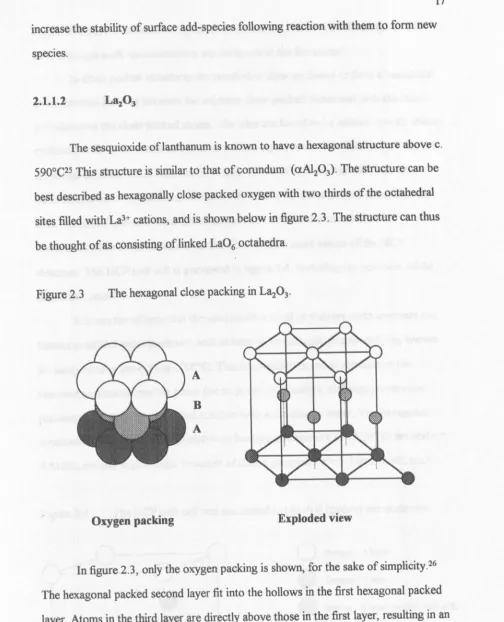
[image:24.529.14.518.19.641.2]be thought of as consisting of linked La06 octahedra.
Figure 2.3 The hexagonal close packing in L~03'
A
B
A
Oxygen packing Exploded view
In figure 2.3, only the oxygen packing is shown, for the sake of simplicity.P
The hexagonal packed second layer fit into the hollows in the first hexagonal packed
layer. Atoms in the third layer are directly above those in the first layer, resulting in an
A B AB ... stacking sequence. This structure differs from that of a face-centred cubic
structure in that the third layer atoms are placed in the hollows in the third layer
resulting in an ABe ABe ... repeating sequence. The atom positions of the Fee
structure first layer repeat every fourth layer, rather than every third layer as is the case
crystal structure is difficult to represent graphically and is beyond the scope of this text, although such representations can be found in the literature."
In close packed structures the octahedral sites are found to form a hexagonal array, centred halfway between the adjacent close packed layers and with the same periodicity as the close packed atoms. The sites are found to be neither directly above or directly below the atoms in the close packed layers A and B in HCP materials, but are found to be co-linear with the third layer (C) in FCC materials. The ratio of octahedral sites to atoms within the unit cell is unity for close packed structures. In each hexagonal unit cell there can be found two octahedral sites which form
continuous rows oriented normal to the close packed atom planes of the HCP structure. The HCP unit cell is presented in figure 2.4, including the positions of the
octahedral sites.
Itis worthy of note that the sesquioxides of all of the rare earth elements are known to exhibit polymorphism" with at least three different structures being known for temperatures lower than 2000°C. This has resulted in much variation in the reported structures over the years due to purity of materials, differing preparative processes and the adsorption and reaction with atmospheric water. The hexagonal structured L~03 has been reported with lattice parameters ofa =0.39372 nm and c= 0.61295 nm and with a cubic structure oflattice parameter c
=
1.136 ±0.002 nm.sFigure 2.4 The HCP unit cell and associated octahedral (cation) site positions.
o
Oxygen: A layer Oxygen: B layerOxygen: B layer (outside unit cell)
The rare earth sesquioxides are also known to become hydrated and carbonated
if they are exposed to atmospheric carbon dioxide and water vapour at ambient
temperature and pressure." Oxides that belong to the lighter rare earth series (L~03'
N~03' Sm203) transform partially to carbonated hydroxides under such conditions,
although in contrast to the hydration, the carbonation process is limited to the outer
layers of the oxides. In this study, all samples were inevitably exposed to atmospheric
air under storage conditions and the formation of carbonated hydroxides during
storage was therefore highly probable. In order to ensure test materials were oxides
only, each 800°C calcined material was heated to 600°C for approximately 30 minutes
immediately prior to use in order to decompose the carbonated hydroxides to oxides.
2.1.1.3 Aliovalent Cation Doped Ceria Solid Solutions.
Earlier in this chapter the solid/gas equilibrium and nature of nonstoichiometry
in anion deficient ceria (Ce02_x) was discussed in terms of essentially intrinsic defects.
The reduction of Ce'" to CeIII(using reduced oxygen partial pressureslreductants at
elevated temperature), charge compensated by the formation of anion vacancies was
used to explain the nature of the nonstoichiometry. It is also possible, however to alter
the charge balance of fluorite materials by the substitutional addition of aliovalent
dopant ions the lattice, thereby inducing a charge compensating defect population
within the material, exactly as in nonstoichiometric systems." In the case of ceria, the
addition of trivalent lanthanide cations to the lattice has the same charge perturbing
effect as the reduction of cerium ions, thus resulting in an effectively simulated
nonstoichiometry within the material.
The study of equilibrium phase diagrams of binary systems shows that an
element; (solute), can be introduced into the crystal lattice of another; (solvent), up to
a certain concentration; (known as the solid solution limit), whilst retaining
homogeneity. Such homogeneous regions of the phase diagram are generally referred
to as solid solutions." An effective definition of a solid solution is thus 'a crystalline
phase with variable composition'. Changes in the composition of a solid solution
characterised, rationalised and used to design and engineer new materials with desired
properties, and to enhance such properties in existing materials. There are numerous
examples of such technology in present use, for example, several thermo-mechanical
and electrical applications of magnesia, alumina and zirconia based their solid
solutions.t"
In this present study, the addition of various concentrations of lanthanum solute
to a fluorite structured ceria host material has been studied in order to correlate solute
concentration with variations in measurable physical and catalytic properties for the
heterogeneous oxidation of methane and carbon monoxide.
The addition of trivalent dopant ions to a ceria-host solid solution results in
changes in the lattice parameters of the materials.t? Modelling of the lattice parameter
variations with composition involves determining the expansion of the lattice if the
dopant cations are larger than that of the host, and an accompanying contraction of the
lattice due to the creation of cation vacancies as charge compensating species. This
contraction can be thought of as an effective decrease in the effective anionic radius
with increasing dopant concentration.P In the case of doped ceria, an empirical
equation for the lattice parameter variation with dopant concentration has been
reported by Kim (1989)~
dee =0.5413 +m[O. 0220( rdopant - rhost) +0.000 15( Zdopant - Zhost )] (2.7)
for the case of a single dopant. In the equation, m is the cation % of dopant in the solid
solution, r denotes cationic radius in nm, and Z the valence state. Inthe case of
lanthanum doped ceria, the highest reported solid solution limit is 68 cation %30. (The
solubility oflanthanide dopants is very high in comparison with other common dopants
e.g., 25 cation % Ca as reported by Adham and Hammou, (1983)31) and Arai et al
(1986)32. Substitution of the ionic radii data into the empirical equation results in a
theoretical maximum lattice parameter (for a saturated solid solution of lanthanum in
ceria) of5.553352
A.
It should also be noted that there is also a more limited solubility of cerium
study, additions of up to approximately 5 cation %Ce to lanthana resulted in single
phase solid solutions. The solubility of cerium in lanthana has also been reported by
Eyring.t+
2.1.1.4 Microstructure - The Effect of Dopants
There are four main techniques available for the characterisation of the
microstructure of oxide materials. These include electron microscopy, density
measurement, surface area/porosity measurement and the estimation of primary
crystallite size using x-ray techniques. In this study the materials are primarily
characterised as catalysts and therefore the latter two of the four aforementioned
techniques were most appropriate. Suitable apparatus for accurate density
measurement was not available in this study, and the insulating nature of the oxide
rendered electron microscopy studies unsuitable due to sample charging effects.
The effects of lanthanum doping of ceria has been investigated with respect to
surface area stability by Pijolat et al (1993)35 The sintering of ceria based materials was
determined to be the result of a loss in microporosity accompanied by an increase in
crystallite size. For pure ceria, the kinetic rate of crystallite growth was found to vary
as a function of p~1/6. The addition of lanthanum dopants was observed to slow the
2
rate of crystallite growth. The crystal growth inhibiting effect was observed to increase
with dopant level up to tocation %. This was explained in terms of retardation of the
rate determining step (ambipolar diffusion of oxygen and electrons), by lanthanum.
Another study by Rienacker and Wu (1962)33 also observed that additions of
lanthanum to ceria up to a level of approximately lOcation % resulted in a significant
increase in surface area resistance to sintering. Higher lanthanum dopant levels were
found to result in a progressive decrease in the surface area stability with respect to
sintering, up to approximately 60 cation %where results were similar to those of pure
2.1.1.5 Defect Reactions
All processes involving the formation of defects or a reaction ina crystal may
be expressed as defect chemical reactions. In the case of aliovalent solute
incorporation, as is the case with lanthanum doping of ceria, the valence difference
between host and solute cationic species must be compensated for by the formation of
further defects. (As a result of this, the free energy of solution for aliovalent solutes
also includes the energy offormation of the associated compensating defects). Inthe
case of lanthanum incorporation in the ceria lattice, the general defect reaction can be
written as8 ;
) 2La~ +30~+V~· (2.8)
or
xLa01.5 +(1- x}Ce02 --+xLace +O.5xV~· +(1- x)Ce~e +(2 - O.5x)O~ (2.9)
As can be seen, an oxide anion vacancy is introduced into the lattice as charge
compensation for the substitutional incorporation of two lanthanum cations at host
cation sites in the ceria lattice. Itis possible for the defects to exhibit multiple valence
states; in the case of oxygen vacancies relative 2+, 1+charges and neutrality with
respect to the "perfect crystal latticeIIare possible, although generally one valence is
predominant at any given temperature. The resulting formulation of the
non stoichiometric oxide simulated by aliovalent cation doping can be expressed
similarly to other chemical formulae with the use of Kroger - Vink notation. For ceria
doped with trivalent lanthanum ions the formulation of the solid solution phase can be
written;
Ce La' 0 V"
Ce(l-X) ce, o(l_~)
0<w
(2.10)This general formulation is used to represent the catalyst material series in an
abbreviated fashion such that any material can be defined with respect to its
2.1.1.6 Defect Interactions
The interaction and clustering of defects in nonstoichiometric oxides has
considerable influence over the thermodynamic, transport and associated material
properties. Generally for defect concentrations exceeding 0.5 - 1%, defect interactions
occur." The mechanisms of stabilisation of the high levels of disorder associated with
high defect concentrations can be classified in terms of aggregation (kinetically
controlled Coulombic interaction between a dopant ion and its associated charge
compensation species), and elimination (crystallographic shearing processes along
shear planes consisting of defect aggregates). The type of mechanism adopted by the
oxide is dependent largely on the metal - oxygen interaction potentials. The simplest
clusters consist of dopant - charge compensating defect pairs, but these are generally
replaced by more complex structures at higher defect concentrations. A defect cluster
is represented schematically in figure 2.5.7
Figure 2.5 A schematic representation of a defect cluster in a nonstoichiometric
oxide.
o~
6
OIygen vacancyCerium IV ion
The simplest possible neutral cluster consists of one vacancy and two
trivalent (reduced or aliovalent dopant) cations and effectively has the ~03 formula.
Such ~03 nuclei can grow incrementally by doubling, tripling, etc., in size to form the
many substoichiometric phases within the ceria (and also other fluorite oxides) phase
diagram.36-37 The defect association reaction for the simple neutral cluster in the case
of the ceriallanthana system can be written;
(2.11)
Itis also possible for a charged defect cluster to form, the defect association reaction
for which can be written;
(2.12)
The probability of formation of these two associated defect clusters has been
discussed in the literature by Kilner and Steele (1981 )38 and further by Kilner (1983).39
They concluded that the formation of the charged defect cluster would be favoured
over the uncharged cluster due to the random nature of the distribution of dopant
cations within the host cation lattice, after quenching the material from high (mobile
cation) temperatures. The possibility of two dopant cations situated in adjacent anion
coordination polyhedra is therefore far less likely than the single cation dopant
situation. Itshould however be noted that this situation will hold only for low dopant
cation concentrations; with increasing dopant levels the probability of neutral, and
further more complex charged associated defect clusters is increased.
There is a lack of detailed defect structure information within the literature,
with regards clustering in nonstoichiometric fluorite oxides, and even less for doped
materials. The reason for this is due to the complexity of such systems presenting many
theoretical uncertainties, and the requirement for high temperature studies of doped
materials in order to ensure kinetic control of the defect structure. Low cation mobility
is however a plethora of data regarding transport studies (see later section), of fluorite
oxide materials which provides supporting evidence for defect interaction theories.
2.1.1.7 Phase Diagrams for a Typical Binary Eutectic
The simplest form of solid solution system is one in which complete miscibility
of both solid and liquid states occurs, such that solid solutions can be formed at all
compositions. In most binary eutectic solid solution systems, (as in the case of
ceriallanthana), the crystalline phases only exhibit partial solubility within each other. A
general phase diagram representative ofthis type of system is shown in figure 2.6.
Crystals ofY (e.g. L~03) dissolve in crystals of X (e.g. Ce02) forming a solid
solution. The composition limit of solid solution is dependent on temperature and is
denoted by the lines abc(for solutions ofY inX), and def(for solutions of X inY).
Near the melting point of each pure material, the composition limit of solubility is
reduced due to melting of the other material, resulting in solid solutions of reducing
solute composition and liquid solute. As temperature is reduced, a maximum in the
solution composition limit is reached at point b (for solutions of Y inX) and point e
(for solutions of X inY). Ineach case, this temperature is known as the solidus
temperature. As temperature is further reduced, so do the solid solution composition
limits along the lines aband ef. The region described byabe!consists of at least two
phases, saturated solid solutions of Y in X and X in Y, and possibly other intermediate
phases. It should be noted that this phase diagram is meant only to provide a general
description of an ideal binary phase diagram and is not meant to accurately represent
the phase diagram for the ceriallanthana binary system which is yet to be reported in
the literature. Certain features in the phase diagram are however deliberately
representative of the system, for example, the solubility of lanthanum in ceria is much
greater than that of cerium in lanthana, and is represented by the relative compositions
at band e.Ceria and lanthana also have similar melting points denoted bycand d
(2750°C for ceria40• and 2304 ± 5 °C for lanthana=).
Solid solutions can generally be further classified into three broad types;
host crystal lattice), interstitial solid solutions (where solute atoms occupy positions in
the interstices of the host crystal lattice - generally limited to solute species of small
ionic radii), and defect solid solutions (where sites within the host lattice remain
vacant, usually in order to charge-compensate for aliovalent solute atoms).
Figure 2.6 An example phase diagram for a binary eutectic system with limited
solid solubility of end members in each other.
Temperature
Uquid
C X loUd lolution and Uquid , Y loUd lolution and Uquid
X loUd solution
X loUd IOlution
and
Y loUd lolution
and
other pluue(s)
X
E.g.,Ce
Compolition Y
E.g., L.
Generally, it can be assumed that the ability of given materials to form solid
solutions depends on structure (and bonding), and the degree of closeness in ionic size
of the solvent and solute ions (usually the larger ion should be less than 15% larger
than the smaller ion). Discussing these factors in turn, the bonding in two isostructural
materials is not necessarily the same - in order to form a solid solution it is generally
necessary for the bonding of both materials to be either predominantly ionic or
covalent in nature. The fact that the materials are isostructural does not in itself ensure
the possibility of solid solution formation. It is also known for materials with different
structures exhibiting similar bonding to form at least partial solid solutions over limited
compositional ranges, provided that the bonding in both materials is similar. This is the
The main implication of an ionic size miss-match between solute and solvent
atoms is the introduction of an element of local lattice strain, which in tum results in
either an expansion or contraction (depending on the dopant cation radius), of the
mean lattice parameter of the host lattice with solute addition. Incontinuous solid
solutions of ionic salts, the lattice parameter of the solution is directly proportional to
the atomic fraction of solute ions present in the solution - a relationship known as
Vergard's Law.26 Deviation from the Vergard's Law relationship between lattice
parameter and solute fraction is an indication of the formation ofa defect solution. For
example, beyond a certain level of substitution, further increases in the solute
concentration may result in either a phase change in the solid solution, or in the
formation of an additional phase along with what can be described as a saturated solid
solution. Under such conditions, the lattice parameter of the solution can be observed
to undergo a sudden departure from the constant slope predicted by Vergard's Law, at
a specific solid solution composition. This composition is known as the solid solution
limit. The ionic radius for lanthanum (La3+ 103.2 pnr") is within 18.6% of that of
cerium (Ce4+ 87 pm+') and therefore lies slightly outside that of the previously
mentioned 15% general limitation.
Experimentally determined lattice parameter data can be used to produce a
solvus curve - a curve forming the boundary between the single phase solid and two
phase solid regions of the binary phase diagram. In the case of ionic materials this is
generally achieved by producing a series of solid solutions of increasing, accurately
known solute content using a fixed method, and measuring the lattice parameter using
X-ray diffraction techniques (see experimental chapter section 3.2 and Appendix 3.2).
A parametric model can be constructed based on these observations such that the
variation inlattice parameter with composition can be determined for that system and
preparative method. For the formation of a limited solid solution with a defined solid
solution limit, the system should exhibit a discontinuity from a linear relationship
between lattice parameter and composition at the solid solution limit solute
concentration, beyond which the lattice parameter should remain constant at the
saturated solution value. Furthermore, observation of the diffraction patterns should
beyond the solution limit. An example of such a plot is shown below in figure 2.7. The
solid solution limit oflanthanum in ceria has been estimated in the literature as being
between 5042 and 6830 cation %lanthanum.
Figure 2.7 An example plot of the variation inlattice parameter with solute content
for a typical oxide solid solution.
Solid solution limit
Lattice parameter of saturated
solid solution ~-X-ray single phase~___.;v~Addition!ll phases~ present
IDX-ray
Vergard's Law
>
Lattice parameter of host phase Lattice parameter
Solute content
From the above figure, the solid solution limit at the given preparation
temperature is given by the intersection of the two branches of the parameter curve.
The effect of variations inpreparation temperature are to produce similar curves but
shifted such that for a lower temperature, the Vergard's Law branch would be shorter
and the solid solution branch would be found at a lower lattice parameter.e All other
points on the solvus curve can then be determined by equilibrating one of the fixed
composition materials at various temperatures. Measured parameters can then be used
in conjunction with the parameter/solute content plot to determine the solute content
at the other equilibrium temperatures, effectively using the portion of the parameter
curve which obeys Vergard's Law as a master curve for the determination of the whole
within the phase diagram which would require full phase analysis at all temperatures
and compositions to be complete.
2.1.1.8 Solute Incorporation.
The most widely used method of preparation of polycrystalline materials is the
solid state direct reaction of precursor materials. The rate of solid state reactions at
room temperature is generally such that there is a requirement for high temperatures to
be used to give an acceptable rate of reaction, thereby demonstrating the importance of
both thermodynamic and kinetic factors. The incorporation of lanthanum and other
lanthanides into the ceria lattice are well known solid state reactions which have
numerous reports in the literature, and are therefore clearly favoured
thermodynamically. The kinetics ofthe solid solution formation reaction are however
dependent on several factors. These factors include the reaction conditions, the relative
structures of the reactants, the nature of the nucleation and diffusion processes, and the
surface area and degree of intimacy of the initial mixture of the reactants.
Discussing each of these factors in tum, reaction conditions generally refer to
reaction temperature (although reactant concentration, pressure, and often reaction
atmosphere can also have significant influence over reaction rate). The temperature
required for a given reaction rate depends entirely on the other factors (discussed next)
and can only be determined experimentally. Experiments determining the rate of
reaction over a range of temperatures allow the derivation of a reaction enthalpy by the
Arrhenius method.
The role of the structures of the reactants is to determine the degree of
structural reorganisation required in product formation, and the ease of nucleation of
the product. The thermally activated diffusive migration of atomic species is limited by
structural constraints, effectively trapping them in their appropriate lattice sites. The
thermal energy required for such species to move is therefore dependent on the species
involved in the process and the lattice structure.
Nucleation of the product material occurs at the interface between two of the
boundary. At a sufficiently high temperature, the first stage of the solid state reaction is
the formation of a layer of reacted product at the grain boundary which may be
isostructural with one or both of the reactant crystals, or may have a completely
different structure. This nucleation process is rate limited by the difficulty of structural
change (if any), the breaking and forming of bonds required by the reaction and the
diffusion rate of the species required to migrate. The ease of nucleation also depends
on the surface structure (and therefore surface reactivity) of the reacting phases, which
can vary significantly from the bulk material, and from crystal face to crystal face. The
reactivity of the surfaces also depends on surface crystal defects, especially in the
product phase.
The next stage of the solid state reaction process involves the propagation of
the reactant/product boundary layer into the bulk of the reactant crystals, in order to
allow the product layer to grow. In the case of the ceriallanthana solid solution
formation, this requires the counter diffusion of cerium and lanthanum cations through
the bulk solid solution material to the propagating reaction interfaces. The rate limiting
step for the solid solution reaction will be the diffusion of the slowest diffusing species.
The presence of lattice vacancies in the product material (which isintum dependent on
lanthanum content inthe present study), often enhances the diffusion of ions through
it. This inter -diffusion followed by reaction process is known as the Wagner
Mechanism.P A complete account of diffusion in ceramic materials is beyond the scope
of this text but several excellent reviews exist inthe literature which provide excellent
background reading on this subject.44•48 From this discussion, as well as ionic
diffusion rates and the rate of product nucleation, it is also clear that the rate of
reaction will also be proportional to the intimacy of the reactant mixture. As the
reaction rate is dependent on contact between reactant grains, the total contact area
has a great influence on the rate of reaction. Higher reactant surface areas result in
higher contact areas and therefore rates. In practice, contact between all of the reactant
2.1.1.9 Solid State Reaction Techniques
The principles of solid state reactions are derived taking into account the
principles of diffusion theory, typically to produce an intimate mixture of suitable
reactant materials and to then subject the mixture to a thermal treatment in order to
drive the solid state reaction. The theory of the technique is simple, yet there are
several complicating factors which must be taken into consideration. The most
important factors are the choice of reactant materials, purity, and the method used to
produce the initial intimate mixture.
The purity of the starting materials is generally dictated by the end use of the
product material. During thermal treatment, many impurities are known to segregate to
the surface and grain boundaries of the material, thus changing the solid state reaction
and sintering properties, (e.g., the work ofPijolat et al, (1993)3S investigating the
effect of lanthanum doping on the sintering properties of ceria), and the grain boundary
conductivity (e.g., the increase in grain boundary resistance caused by segregated
silicon in doped ceria as determined by Gerhardt and Nowick, (1986)49 which was said
to form a liquid/glassy phase at the grain boundaries by Tanaka etal(1987)SO). For
refractory materials the presence of minute levels of impurity can have a large influence
over the microstructural and therefore mechanical, electrical and surface properties of
the product material. Inthe case of ceriallanthana, the major impurities in cerium based
materials are known to be other lanthanides due to the difficulties associated with
lanthanide separation. In order that the composition of the solid solution materials at
low lanthanum levels could be accurately estimated, only materials of> 99.99 % purity
were considered to be suitable for use in this study.
In the case of the preparation of doped oxidic materials, the simplest reactants
to use are the oxides comprising the desired product, mixed inthe correct proportions
to provide the desired composition. However, there are several problems implicit with
this method. Taking the ceriallanthana system as an example, the reaction of the oxides
to form a solid solution is complicated due to the difficulty in forming an intimate
mixture of the oxides in the starting material. Ceria in particular is a hard material, its