University of South Carolina
Scholar Commons
Theses and Dissertations
5-2017
Effectiveness of Pictorial Health Warning Labels for
Indonesia's Cigarette Packages
Dien Anshari
University of South Carolina
Follow this and additional works at:https://scholarcommons.sc.edu/etd Part of theOther Medicine and Health Sciences Commons
This Open Access Dissertation is brought to you by Scholar Commons. It has been accepted for inclusion in Theses and Dissertations by an authorized administrator of Scholar Commons. For more information, please [email protected].
Recommended Citation
E
FFECTIVENESS OFP
ICTORIALH
EALTHW
ARNINGL
ABELS FORI
NDONESIA’
SC
IGARETTEP
ACKAGESby
Dien Anshari
Bachelor of Science Universitas Indonesia, 2004
Master of Science Universitas Indonesia, 2006
Submitted in Partial Fulfillment of the Requirements
For the Degree of Doctor of Philosophy in
Health Promotion, Education and Behavior
The Norman J. Arnold School of Public Health
University of South Carolina
2017
Accepted by:
James F. Thrasher, Major Professor
Rachel E. Davis, Committee Member
Sei-Hill Kim, Committee Member
David Hammond, Committee Member
DEDICATION
To the loving memory of my parents, Adnan and Dimrona, who passed away
before ever read this work. Your love will always light my way.
To my guardian angel, Ringking, and my little angels, Rosabelle and Michael,
who have been my constant source of support, encouragement and excitement during this
challenging graduate life.
To my sister and brothers, Susi, Hasan, Zaki and Ibnu, who inspired me to take
this quest and have been supportive in every way possible.
ACKNOWLEDGEMENTS
My deepest appreciation to my committee chair Professor James Francis Thrasher
for persevering with me as my advisor from the first stage of my doctoral training to the
time I complete this research and write the dissertation. His guidance and persistent help
have made this dissertation possible.
I am truly grateful as well to my committee members, Professors Rachel E. Davis,
Sei-Hill Kim, and David Hammond, for their sage advice, insightful feedback, and
passionate encouragement throughout the field research and the dissertation writing.
I would also like to thank to the Fulbright Program for granting the opportunity to
undertake doctoral training in the U.S., and the Institute for Global Tobacco Control of
the Johns Hopkins Bloomberg School of Public Health for their financial support to
conduct the research in Indonesia.
ABSTRACT
Pictorial health warning labels (PHWL) on cigarette packaging is a key way to
communicate with consumers about the harms from tobacco, particularly in the low- and
middle-income countries that do not have the resources for effective mass media
campaigns. Research is needed to determine the most effective PHWL content for
Indonesia, a country with one of the largest populations of smokers in the world and
amongst the weakest tobacco policy environments. This research aimed to determine the
most effective PHWL content for Indonesia’s cigarette packages, including the social and
psychological factors that may influence PHWL effects.
Data for this study came from a field experiment with Indonesian adult smokers
(n=584), and 15- to 18-year-old adolescent smokers (n=280) and nonsmokers (n=313)
using both between- and within-subject manipulations. First, we assessed effects of
health warning label (HWL) characteristics, including warning type (text-only versus
pictorial warnings = within subject), imagery type (graphic, suffering, and symbolic
imagery = within subject), and textual type (didactic versus testimonial = between
subject), on negative emotional responses, message credibility, and perceived
effectiveness of the HWLs. Second, we assessed whether the effects of HWLs on these
outcomes were moderated by variables for which theories indicated differential responses
to HWLs were likely (i.e., smoker identity and self-efficacy to quit among smokers,
were estimated using linear mixed effects models to adjust for correlated data due to
repeated measures.
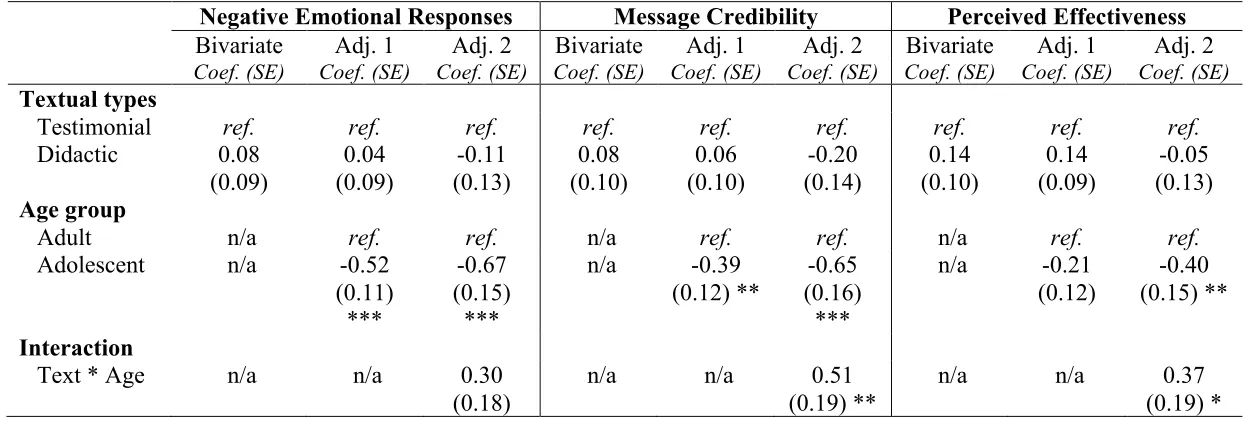
We found that compared to text-only warnings, PHWLs were rated significantly
higher on all outcomes. Within the PHWLs, those with graphic imagery were rated the
highest on all outcomes, followed by suffering imagery, and symbolic imagery. No
significant differences were found between textual types for any outcome. Smoker
identity was negatively associated only with perceived effectiveness, with no significant
interactions found. Self-efficacy was positively associated with all outcomes, finding a
significant interaction with imagery type in models for negative emotions, suggesting that
rating differences between text-only HWLs and symbolic PHWLs were greater amongst
those with higher self-efficacy. Reactance was positively associated with all outcomes,
significantly interacting with imagery type in models assessing negative emotions and
perceived effectiveness. This suggests the differences between symbolic and suffering
PHWLs were greater amongst those with low reactance than those with high reactance,
although the pattern of results with regard to which HWL image styles had the strongest
effects was the same. Advertising exposure was positively associated with all outcomes
and significantly interacting with textual and imagery types when assessing message
credibility and perceived effectiveness. This suggests that didactic HWLs were rated
lower than testimonials in low exposure group but were rated higher in high exposure
group, while differences between graphic and suffering PHWLs were greater in low
exposure than in high exposure groups.
Overall, specific types of HWL content produced a pattern of responses for
recommendations to adopt graphic PHWLs, with no evidence found to suggest the
PREFACE
This dissertation outlines the epidemic of tobacco use in Indonesia as its
underlying problem for the research. This dissertation also adds scientific evidences
around the effectiveness of pictorial health warning label (PHWL) in the developing
countries, and around characteristics of PHWLs that is most likely to be effective across
subgroups of population. The method section of this dissertation provides details to
conduct field experimental research as a cost-effective way to collect data targeted
population. The chapter four of this dissertation lay outs two unpublished manuscripts as
the result of the study, while chapter five provides summary and conclusion, along with
practical and scientific implications, and suggestion for future research.
This dissertation should be of interest for decision makers, specifically in the
Ministry of Health Republic of Indonesia, as well as for tobacco control advocates and
researchers. It should also be of interest to scholars of public health, health
TABLE OF CONTENTS
DEDICATION ... iii
ACKNOWLEDGEMENTS ... iv
ABSTRACT ...v
PREFACE ... viii
LIST OF TABLES ... xi
LIST OF FIGURES ... xii
LIST OF ABBREVIATIONS ... xiii
CHAPTER 1:INTRODUCTION ...1
CHAPTER 2:BACKGROUND AND SIGNIFICANCE ...6
CHAPTER 3:METHODOLOGY ...32
CHAPTER 4:RESULTS ...42
MANUSCRIPT 1–EFFECTS OF IMAGERY AND TEXTUAL TYPES ON NEGATIVE EMOTIONAL RESPONSES, MESSAGE CREDIBILITY, AND PERCEIVED EFFECTIVENESS OF HEALTH WARNING LABELS FOR INDONESIA’S CIGARETTE PACKS ...42
MANUSCRIPT 2–DIFFERENTIAL EFFECTS OF PICTORIAL HEALTH WARNINGS FOR CIGARETTE PACKS IN INDONESIA:ASSESSING MODERATION BY SMOKER IDENTITY, ADVERTISING EXPOSURE, SELF-EFFICACY, AND REACTANCE ...70
CHAPTER 5:SUMMARY,IMPLICATIONS AND RECOMMENDATIONS ...107
REFERENCES ...111
APPENDIX A–MEAN AND (STANDARD ERROR) OF STIMULUS ...125
APPENDIX D–EFFECTS OF PHWLIMAGERY TYPES ON OUTCOMES ...132 APPENDIX E–TESTIMONIALS VERSUS DIDACTIC TEXTS ...133 APPENDIX F–PREDICTORS OF SMOKER IDENTITY,SELF-EFFICACY,REACTANCE, AND
LIST OF TABLES
Table 2.1 Government regulations on cigarette warning label in Indonesia since 1999 ...10
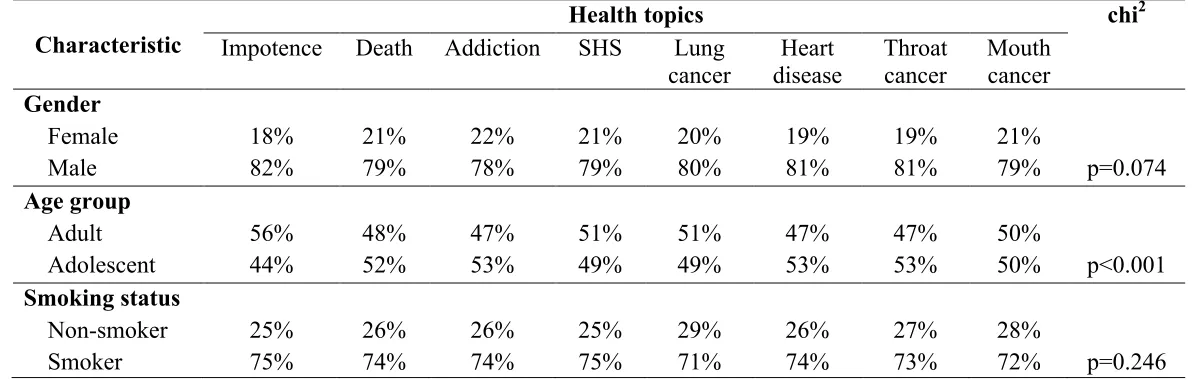
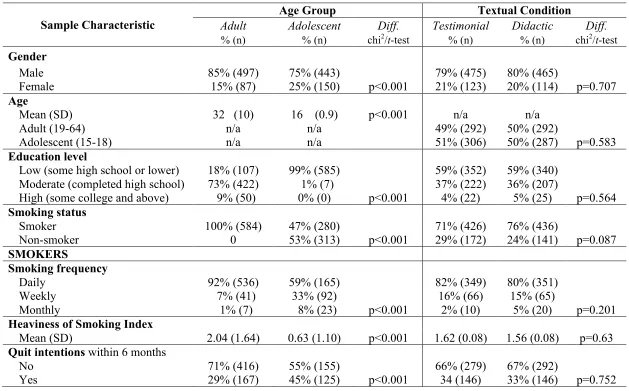
Table 4.1 Sample characteristics by health topics ...66
Table 4.2 Sample characteristics by age group and textual condition ...67
Table 4.3 Effects of warning types on outcomes ...68
Table 4.4 Effects of PHWL imagery types on outcomes ...68
Table 4.5 Effects of textual types of PHWLs on outcomes ...69
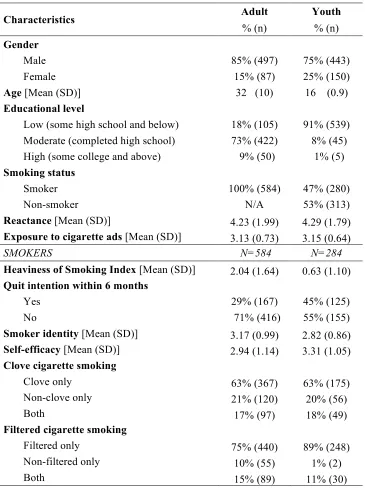
Table 4.6 Sample characteristics by age group and smoking status ...102
Table 4.7 Effects of smoker identity, advertising exposure, self-efficacy, and reactance on outcomes ...103
LIST OF FIGURES
Figure 2.1 Adapted Thailand images for the first round of PHWL in Indonesia ...11
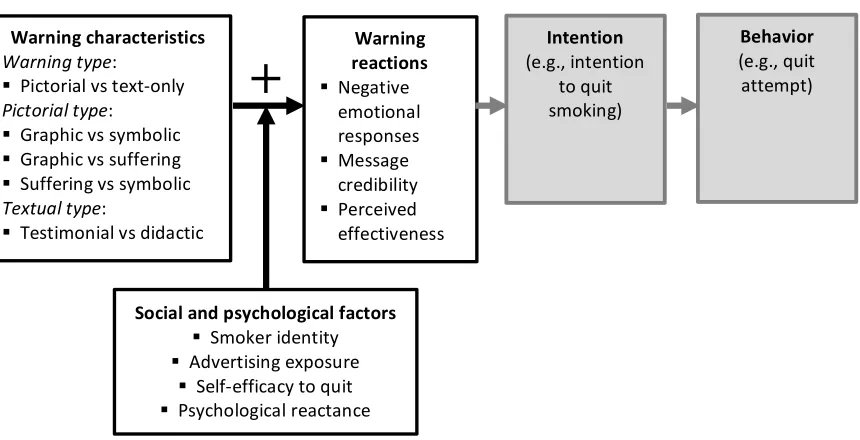
Figure 2.2 Relationship between warning characteristics, moderators and warning reactions (scope of this study), and expected behavior change ...31
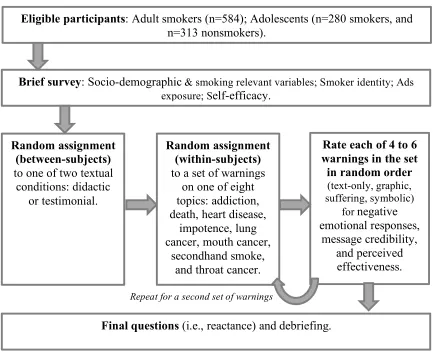
Figure 3.1 Study protocol flowchart ...33
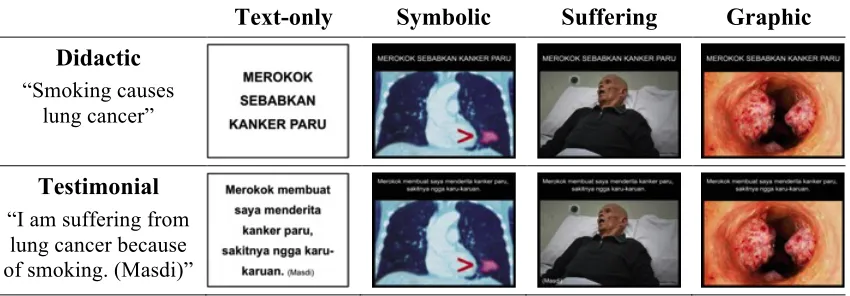
Figure 3.2 Example of image and text types used as study stimuli ...35
LIST OF ABBREVIATIONS
FCTC ... Framework Convention on Tobacco Control
GATS ... Global Adult Tobacco Survey
GYTS ... Global Youth Tobacco Survey
HIC ... High-income countries
HWL ... Health warning label
LMIC... Low- and middle-income countries
MIC ... Middle-income countries
MoH-RI ... Ministry of Health Republic of Indonesia
PHWL ... Pictorial health warning label
PP ... Peraturan Pemerintah (Government Regulation)
SES ... Socio-economic status
UU ... Undang-Undang (Law)
CHAPTER
1
INTRODUCTION
Tobacco use killed almost six million people in 2011, and nearly 80% of these
deaths occurred in low and middle-income countries (Eriksen, Mackay, & Ross, 2012).
Globally, tobacco use also accounts for 12% of all deaths among adults (aged 30 years
and above), making it the second major cause of mortality in the world (World Health
Organization, 2012b). In Indonesia, the proportion of deaths attributable to tobacco use is
even higher: 16% of all deaths among adults aged 30 years and above (World Health
Organization, 2012b). Indonesia has the fourth largest population in the world and is
classified as a lower-middle income economy (i.e., countries with gross national income
per capita in between US$1,046 and US$4,125; World Bank, 2014). Despite its
lower-middle income status, Indonesia is currently among the top four cigarette consuming
countries after China, Russia, and the United States, with total consumption increasing
from 182 billion cigarettes in 2001 to nearly 240 billion in 2014 (Eriksen, Mackay,
Schluger, Islami, & Drope, 2015). The estimated direct cost of tobacco use in Indonesia
is about US$13.9 billion (Eriksen, Mackay & Ross, 2012) while the total tax revenue
from all tobacco products is about US$ 6.5 billion (World Health Organization, 2012a).
In June 2003, the World Health Organization introduced the Framework
Convention on Tobacco Control (WHO-FCTC), the world’s first international public
supply-reduction strategies in response to the global tobacco epidemic (World Health
Organization, 2005). Up to March 2015, 180 countries have ratified the WHO-FCTC,
while Indonesia has neither signed nor ratified it. This apparent lack of political will
around tobacco issues helps explain why Indonesia has lagged behind its neighbors in
combating the tobacco epidemic. Thailand, for example, has successfully reduced
smoking prevalence among men from 60% in 1991 to 45.6% in 2011 through the
implementation of strong measures recommended by the WHO-FCTC, including tax
increases, marketing bans, smoke free zones, and graphic pictorial warnings on tobacco
packaging (Murdoch, 2012).
Pictorial health warning label (PHWL) is one of the six key measures promoted
by the WHO-FCTC to assist in reducing the demand for tobacco products (World Health
Organization, 2005). To date, over 100 countries have adopted this recommendation
(Canadian Cancer Society, 2016). Despite its reluctance to ratify the WHO-FCTC, in late
2012, the Indonesian government authorized a new government regulation on PHWLs.
Under this regulation, PHWLs should include pictorial and textual messages on the
health-related effects of smoking and cover 40% of the front and 40% of the back of
cigarette packages (Pengamanan Bahan Adiktif, 2012), which is in accordance with
guidelines for Article 11 of the WHO-FCTC.
Theories suggest that text with picture may be more persuasive than text alone
(Chaiken, 1980; Petty & Cacioppo, 1986; Slovic, Finucane, Peters, & MacGregor, 2007;
Strahan et al., 2002) and ample of evidence have been provided from the field of health
communication (Chang, 2013; Houts, Doak, Doak, & Loscalzo, 2006). In warning label
knowledge about the risks of smoking (Evans et al., 2015; Hammond, Fong, McNeill,
Borland, & Cummings, 2006; Swayampakala et al., 2015) while also promoting other
psychological and behavioral responses that are related to smoking cessation, such as
negative emotional reactions (e.g., Hammond, Fong, McDonald, Brown, & Cameron,
2004; Nonnemaker, Choiniere, Farrelly, Kamyab, & Davis, 2015), credibility of the
message (e.g., Cantrell et al., 2013; Peters et al., 2007), thinking about quitting (e.g.,
Hammond et al., 2007; Thrasher et al., 2012), and quit intention as well as quit attempt
(e.g., Brewer et al., 2016). Nevertheless, further research is still needed to explore the
potential impact of different executional styles for warning content (e.g., the use of brief
testimonial messages, non-health consequences of tobacco use, etc.), as well as to explore
social and psychological factors that might moderate the impact of warning content.
Furthermore, although studies in different cultural contexts, such as in Mexico (e.g.,
Thrasher, Hammond, Fong, & Arillo-Santillán, 2007) and Malaysia (Fathelrahman et al.,
2010), have shown that smokers respond to warnings in ways that are similar with those
from high-income countries, research is still needed to determine the impacts of PHWLs
in low- and middle-income countries (LMICs), particularly countries like Indonesia,
where other tobacco control policies are relatively weak. Findings from this study aim not
only to provide evidence on the most effective PHWL content, but also to inform the
Ministry of Health Republic of Indonesia (MoH-RI) selection of content for the second
round PHWLs in Indonesia.
Objective
The objective of this study is to determine the most effective PHWL content for
well as to assess social and psychological factors that may moderate PHWL impacts.
Findings from this study aim to inform the Indonesian Ministry of Health’s selection of
content for the second round of PHWLs, while adding to scientific evidence on the most
effective PHWL content.
To meet the objective, we manipulated the imagery and the textual types of the
study stimuli. The imagery used in this study was classified based on the fear appeal
theory (Witte, 1992) from the most frightening (PHWLs with graphic imagery),
moderately frightening (PHWLs with suffering imagery), less frightening (PHWLs with
symbolic imagery) and the least frightening (HWLs with no image). Evidences suggest
that warnings with images that strongly arouse negative emotion (e.g., open heart
surgery) were perceived as more effective (Humphris & Williams, 2014) and were more
likely to induce cessation behavior (Hammond et al., 2004) than those with low negative
emotional arousal (e.g., a bended cigarette symbolizing impotence). For the textual type,
we used short version of testimonials, assessing its relative effectiveness compared to
more common didactic texts (i.e., presenting factual arguments about cause and effect).
For the assessment of outcomes, we used warning reactions (i.e., negative emotional
responses and message credibility) and perceived effectiveness that has been considered
as measures for immediate outcomes in the message impact framework for the cigarette
pack warning (Noar, Hall, et al., 2016). We laid out two specific aims for this study: 1)
To assess which different image types and textual strategies for PHWLs are most likely
to reduce tobacco use among Indonesian adult smokers and adolescents; 2) To assess
main and moderating effects of social and psychological factors (i.e., smoker identity,
Preview
This presentation consists of five chapters. The first chapter outlines the problem,
provides a problem statement, and justifies the research. The second chapter discusses the
background and significance of the study, providing a fuller treatment of the scientific
literature reviews, specific aims, and hypotheses. The third chapter describes the
methodology, while the fourth chapter presents study results in the form of two
manuscripts prepared for submission to scientific journals. The final chapter summarizes
CHAPTER 2
BACKGROUND AND SIGNIFICANCE
In this chapter, I will provide a brief history of tobacco use and warning label
regulations in Indonesia as background for this study. After that, I will review scientific
studies of PHWL characteristics and variables used in this study, followed by a summary
statement of the research problem. At the end of this chapter, I will outline specific
hypotheses that will be tested and describe the conceptual model that orients this study.
Tobacco Use in Indonesia: From Betel Quid to Clove Cigarettes
Long before Indonesians started smoking cigarettes, betel chewing was popular
for its relaxant, analgesic, and social benefits (e.g. to entertain guests as with tea in
British culture). Tobacco was first brought by the Dutch expedition to the Indonesian
island of Java in the early 17th century (A. Reid, 1985). The Dutch pipe smoking habits
were then imitated by the local elites in Java. Merokok, the Indonesian term for smoking
was actually adapted from the Dutch verb “to smoke”, roken (Achadi, Soerojo, & Barber,
2005). Not only was smoking introduced during Dutch colonization, but so were tobacco
plantations. The growing of tobacco spread quickly on the islands of Java and Sumatra,
and with this spread, tobacco use came within reach of almost all Indonesians, gradually
replacing the thousand-year-old rituals of betel chewing in the Indonesian archipelago
(Reid, 1985).
key ingredients (i.e. areca, betel, and lime) for betel chewing, Indonesians have the
longstanding habit of adding spices and aromatics, and the most frequently used additives
were camphor, cloves, nutmeg, ambergris, cardamom, and musk (A. Reid, 1985). By the
end of 18th century, however, two additions had become standard in betel chewing in
Indonesia: extract of uncaria gambir and tobacco. When Indonesians started to roll their
own cigarettes in late 19th century, they followed the practice of adding spices and
aromatics, and clove was among the most popular flavors, whose combination with
tobacco resulted in the unique Indonesian kretek cigarettes (Achadi et al., 2005).
Nowadays, around 80% of Indonesian smokers only smoke clove cigarettes and about
half of clove cigarette smokers only smoke non-filtered varieties (Achadi, Kosen,
Soerojo, & Barber, 2004). Clove, or kretek cigarettes are comprised of 30%-40% of dried
clove buds, which contain eugenol, commonly used as local anesthetic in dentistry
(Achadi et al., 2005). Because of its anesthetic effect, eugenol in kreteks decreases the
harshness of tobacco smoke, which allows for slower, yet deeper inhalation (Hurt,
Ebbert, Achadi, & Croghan, 2012). Indonesian kreteks also yield more nicotine than
cigarettes sold in the U.S., which some suggest has made kreteks more addictive than the
non-clove and filtered cigarettes (Achadi et al., 2005; Hurt et al., 2012).
Similar to other Southeast Asian countries, smoking in Indonesia is more common
for males than females, with 56.7% vs 1.9% adult smokers age 16 and over, respectively,
and 36.2% vs 4.3% for youth age 13-15, respectively (World Health Organization, 2015).
The low prevalence of smoking among Indonesian females is commonly attributed to
cultural values that stigmatize female smokers (Barraclough, 1999). In contrast with
are older than 15 has been increasing, from 26.9% in 1995 (Achadi et al., 2005) to 33.2%
in 2013 (World Health Organization, 2015). Among youth aged 13 to 15 years old,
smoking prevalence has also been increasing, going from 12.6% in 2006 (Aditama, 2008)
to 20.3% in 2014 (World Health Organization, 2015).
Cigarette Warning Label Regulations in Indonesia
Cigarette consumption in Indonesia increased rapidly after their manufacture was
transformed in the 1970s with the mechanization of clove cigarette production, making
their producers big industries in Indonesia (Achadi et al., 2005; A. Reid, 1985). The
major tobacco companies (e.g. Gudang Garam, Djarum, and Sampoerna) are among the
10 biggest taxpayers and have strong political linkages, which were particularly notable
during Suharto’s authoritarian regime from 1967 to 1998 (Lawrence & Collin, 2004;
Multinational Monitor, 2005). This likely accounts for why tobacco control was not on
public health policy agenda until late 1990s (Reynolds, 1999).
Only after the fall of Suharto regime in 1998 did Indonesia have its first
government regulation on tobacco, which was signed by Suharto’s successor, President
Habibie in 1999 (Achadi et al., 2005). This regulation authorized the first health warnings
on cigarette packages, using one health message (i.e., “Smoking can cause cancer, heart
attacks, impotence and harm pregnancy and fetal development”) and specifying that tar
and nicotine levels be printed on cigarette packages (Government of Indonesia, 1999). In
the following year, Habibie’s successor President Wahid signed an amendment including
the adoption of five additional health warnings (Government of Indonesia, 2000).
However, in 2003, Wahid’s successor President Megawati signed an amendment that
health warning was specified at 15% of the package (Government of Indonesia, 2003).
These repeated changes likely reflect how governmental policy protects and promotes the
tobacco industry (Hurt et al., 2012). Research on formerly secret internal tobacco
industry documents has also provided evidence of tactics that the tobacco industry used
to resist government regulation of its products, including funding political parties and
preventing strong legislation by pressing for the adoption of weaker laws (Saloojee &
Dagli, 2000).
In 2009, after years of political battle between public health activists and the
tobacco industry in Indonesia, the House of Representatives passed a new health law that
classifies tobacco as an addictive substance and allows stronger measures to reduce
tobacco use, including the implementation of PHWLs and banning the use of misleading
descriptive terms (e.g. mild, light, low tar, etc.) that accompany cigarette brand names
(see Table 2.1 for comparison of the changes in health warning regulation in Indonesia
since 1999). Still, it took more than three years for the government to approve the
regulations and for the law to be implemented and enforced. In late December 2012, the
then President Yudhoyono finally signed a new tobacco control regulation. Under the
new regulation, tobacco companies are obligated to print PHWLs on 40% of the front and
the back of cigarette packs. The new regulation specified that the first round of PHWLs
should appear 18 months after the regulation was signed, or by June 24th, 2014, and these
PHWLs would be printed for at least two years (Government of Indonesia, 2012). The
first round of PHWLs includes five different PHWLs, all of which were used originally
in Thailand (see Figure 2.1). The MoH-RI is empowered to propose the next round of
10
Table 2.1. Government regulations on cigarette warning label in Indonesia since 1999
Regulation / PP* PP No. 81 PP No. 38 PP No. 19 PP No. 109
Regulation Year 1999 2000 2003 2012
Governing Law / UU** (Year)
UU No. 23 (1992) UU No. 23 (1992) UU No. 23 (1992) UU No. 36 (2009)
Accessibility Health warnings must be easy to read.
Health warnings must be easy to read.
Health warnings must be placed on and comprise at least 15% of the side of the package.
Health warnings must be placed on top and use 40% of the front, 40% of the back of the pack, 15% of the side of the package. Message The one authorized health
warning reads: “Smoking can cause cancer, heart attacks, impotence and harm pregnancy and fetal development.”
The MoH and
Coordinating Ministry for Social Welfare authorized five alternative text warnings.
The one and only authorized health warning reads: “Smoking can cause cancer, heart attacks, impotence and harm pregnancy and fetal development.”
Five pictorial and textual warnings for every two-year starting on June 24th, 2014.
Tar and nicotine disclosure
Tar and nicotine levels must be disclosed on cigarette package.
Tar and nicotine levels must be disclosed on cigarette package.
Tar and nicotine levels must be disclosed on cigarette package.
Tar and nicotine levels must be disclosed on cigarette package. * UU stands for Undang-Undang, or Law.
Warning: Smoking kills.
Warning: Smoking causes lung cancer and
chronic bronchitis.
Warning: Smoking causes
mouth cancer.
Warning: Smoking near
children is harmful.
Warning: Smoking causes
throat cancer.
Figure 2.1. Adapted Thailand images for the first round of PHWL in Indonesia (Source: Peraturan Menteri Kesehatan No. 28, 2013)
Pictorial Health Warning Label (PHWL) Effects
Studies of warning labels on cigarette packaging highlight how packaging is an
important medium for communicating with smokers. Given that people have a
fundamental right to information about the harms of tobacco use, health warnings on
cigarette packages provide needed information about the dangers of smoking (Eriksen et
al., 2012). In its report on the global tobacco epidemic, the World Health Organization
(WHO) noted that many smokers still do not fully understand the magnitude or range of
risks that smoking causes to their own health or the health of others, despite clear
evidence about the dangers of smoking (World Health Organization, 2011). Fortunately,
during the last decade, research on PHWLs has grown substantially as the number of
countries/jurisdictions requiring PHWLs on cigarette packages has increased from only
one in 2001, when Canada first introduced this policy, to over 100 countries in 2016
Measures to Evaluate the Effectiveness of PHWLs
Measures to evaluate the effects of PHWLs vary depending on the study objective
and design. Observational studies can assess longer term impacts of implemented
warning regulation such as changes in knowledge, beliefs, attitude, intention and
behavior (Fong et al., 2006; Noar, Francis, et al., 2016). However, isolating the effects of
different warning characteristics in such studies will be difficult. On the other hand,
experimental studies can assess the relative impacts of different message characteristics
measuring only immediate outcomes, such as negative emotional responses, message
credibility, and perceived effectiveness.
Emotional appraisal is critical because it can be associated with particular action
tendencies that are automatic and impulsive (Slovic et al., 2007; Turner, Skubisz, &
Rimal, 2011). Theory suggests that negative emotion such as fear can positively affect
the perceived severity of a threat (Witte, 1992) and measure of negative emotion can be
used to predict the persuasiveness of health messages (Dillard & Anderson, 2004).
Message credibility is one of cognitive evaluations that can increase message acceptance,
shift attitude, thus can lead to behavior change (Petty & Briñol, 2015; Petty & Cacioppo,
1986). Measure of message credibility can also be used to assess the relative believability
of different warning characteristics among targeted audiences (IARC, 2008).
Another immediate outcome that has been commonly used in formative work is
perceived effectiveness. Measure of perceived effectiveness can be used to assess the
persuasive outcome of message characteristics (Dillard, Weber, & Vail, 2007; Dillard &
Ye, 2008; Yzer, LoRusso, & Nagler, 2015). In a study assessing the effectiveness of two
correlated with changes in both quit intention and quit attempts (Brennan, Durkin,
Wakefield, & Kashima, 2014). These three measures have also been considered as
immediate outcomes in a message impact framework that guided a review that
meta-analyzed results from 37 experimental studies on PHWLs (Noar, Hall, et al., 2016). This
framework was built on psychological and communication theory (Fishbein & Ajzen,
2009; McGuire, 2013; Petty & Cacioppo, 1986; Witte, 1992) as well as previous tobacco
warning theory and research (Fong et al., 2006; IARC, 2008; Strahan et al., 2002).
Pictorial vs Text-only Warnings
Dual process theories, such as the heuristic-systematic model (HSM) of
information processing (Chaiken, 1980), the elaboration likelihood model (ELM) of
persuasion (Petty & Cacioppo, 1986), and the affect heuristic (Slovic et al., 2007),
suggest that text with picture may be more persuasive than text alone, particularly
because the former require minimal cognitive effort to process than the latter. Research in
health communication area has also found that health messages with pictures can increase
perceived severity and efficacy (Chang, 2013), and generally can increase attention,
recall, and comprehension, especially for those with low literacy skill (Houts et al.,
2006).
In warning label literature, evidence of the superiority of pictorial warnings over
the text-only warnings is abundant. Observational studies in high-income countries have
found the superior effectiveness of PHWLs over the text-only warnings (e.g. Thrasher et
al, 2007b; Borland et al, 2009; Agaku et al, 2014; Hitchman et al, 2014). Similarly,
observational studies in upper-middle-income countries, like in Mexico (Thrasher et al,
(Yong et al, 2013), have shown that smokers respond to warnings in ways that are
comparable with those from high-income countries. Stronger support for PHWLs over
the text-only warnings was also provided from experimental studies in high-income
countries (Cantrell et al., 2013; McQueen et al., 2015; Nan, Zhao, Yang, & Iles, 2015;
Noar et al., 2015; Rousu, Marette, Thrasher, & Lusk, 2014; Thrasher, Carpenter, et al.,
2012; Thrasher, Rousu, Hammond, Navarro, & Corrigan, 2011; Veer & Rank, 2012;
Bansal-Travers et al, 2011) and upper-middle-income countries, like Malaysia
(Fathelrahman et al., 2010) and Mexico (Hammond et al., 2012; Thrasher et al., 2012).
Experimental research in high-income countries have also found that PHWLs elicit
greater negative emotional reactions (Evans et al., 2015; Kees, Burton, Andrews, &
Kozup, 2010; Nonnemaker et al., 2015) and are rated as having greater credibility (e.g.,
Cantrell et al., 2013) compared to text-only warnings. Nevertheless, these findings come
from countries with more developed economies, with long histories of tobacco control
and where other tobacco control policies are generally strong. Evidence from
experimental research in low- and middle-income countries, like Indonesia, are still
lacking. This research is particularly important for Indonesia, where tobacco control
policies are generally weak, although PHWLs have been adopted, and may provide one
of the few strategies for preventing tobacco use.
Pictorial Types in PHWLs
Different types of picture can generate different effects. In communication studies
for example, evidence show that compared to abstract images, photographs led to more
favorable attitude toward advertised brands (Babin & Burns, 1997; Miller & Stoica,
that the effects of messages vary with the extent to which they contain gruesome content
or to which the messages elicit negative reaction (O’Keefe, 1990; Witte, 1992). Evidence
from PHWL research also suggests that effects of PHWLs vary with the type of images
used in the content and the negative emotion such as disgust may explain audience
reaction to PHWLs (Humphris & Williams, 2014).
To date, a great variety of images have been used in over 70 countries that have
implemented PHWLs (Canadian Cancer Society, 2016). Following fear appeals principle,
however, images used in PHWLs generally can be classified into three different types
based on their goriness: 1) Graphic, defined as PHWLs that include vivid depictions of
diseased or damaged body parts that result from smoking; 2) Suffering, defined as
PHWLs that include personal portrayals of smoking related-health outcomes, usually
showing the face of the person experiencing the consequences; and 3) Symbolic, defined
as PHWLs that include symbolic or abstract representations of toxicants in cigarette
products or their health consequences (e.g., a bomb to represent pending heart attack;
hypodermic needle to represent addiction). This classification of message content is also
in line with its audience reaction toward whereas graphic PHWLs have been found to
elicit the greatest negative emotional reactions, followed by suffering, and symbolic as
the least (Anshari, Yong, et al., n.d.; Hammond, Thrasher, et al., 2012; Thrasher et al.,
2012).
Evidence for the greater effectiveness of graphic PHWL and suffering PHWLs
over symbolic PHWLs has been provided from observational studies in high- and
middle-income countries. Similarly, graphic PHWLs with vivid depictions of damaged body part
countries (e.g., Thrasher, Carpenter, et al., 2012) and middle-income countries (e.g., Fong
et al., 2010; Hammond, Thrasher, et al., 2012; Thrasher, Arillo-Santillán, et al., 2012),
with some evidence that PHWLs that combine graphic and suffering elements are most
effective (e.g., Hammond, Thrasher, et al., 2012). Recent work suggests that this pattern
of responses found in experiments is similar to that which applies after smokers are
exposed to PHWLs in the real-world (Huang, Thrasher, Reid, & Hammond, 2016),
although an observational study in Canada, Australia and Mexico found that suffering
PHWLs may be perceived as more credible, followed by graphic and symbolic PHWLs
(Anshari et al, n.d.). Despite the extensive support for the effectiveness of graphic
imagery over the other type of imagery, fewer studies have examined the impact of
different types of textual accompaniments for pictorial imagery.
Textual Types
Textual information that accompanies imagery on PHWLs merits greater
scientific attention. Most countries with PHWLs have used short, didactic textual
messages that convey factual arguments about cause and effect (e.g., Smoking causes
heart attacks). However, a few PHWL studies have compared effects of didactic text with
short testimonials, which present information in brief personal stories. Both textual
message strategies can be persuasive (e.g., De Wit, Das, & Vet, 2008; Kreuter et al.,
2010), although some evidence suggests that narrative forms of communication, like
testimonials, can be particularly effective (e.g., Green, 2006; Kreuter et al., 2007; De Wit,
Das, &Vet 2008), while other studies have found that factual arguments in the form of
statistical evidence have a stronger influence on beliefs and attitudes than narrative
In narrative communication, testimonials and other forms of stories have the
potential to transport their audience into the narrative world (Kreuter et al., 2007).
Transported individuals are absorbed into the story, melding their attention, imagery and
feelings on story events, thus making them more likely to change their real-world beliefs
with ones that the story offer (Green, 2006). Furthermore, Green (2006) proposed three
ways in which transportation into the story can change audience: (1) by making
connections with the characters through identification, modeling, shift in norms, and
emotional response; (2) by reducing counterarguing; and (3) by increasing realism with
concrete examples, mental imagery and mental stimulation. Nevertheless, short version
of testimonials as used in PHWL research and practice hardly meet the definition of a
story in narrative communication, although one can argue that such short testimonials
may tap into some elements of transportation effects, thus making them more effective
than the commonly used didactic text. For example, short testimonials of someone who
suffered from smoking-related diseases be more persuasive for adults than adolescents
because such diseases are commonly associated with older smokers, making adolescents
hardly identify with the characters in the testimonials.
Previous PHWL studies have shown mixed results when comparing testimonial
and didactic textual content for PHWLs (e.g., Hammond, Reid, Driezen, & Boudreau,
2012; Hammond, Thrasher, et al., 2012; Thrasher, Arillo-Santillán, et al., 2012). An
experimental study among Mexican smokers and young adults by Thrasher et al (2012)
found that PHWLs with textual risk-information in didactic form was perceived as having
greater credibility, relevance, and effectiveness than PHWLs with testimonials, although
and that, amongst older people, they will work as well as didactic text for smokers with
lower education (Thrasher et al., 2012). On the other hand, Hammond et al (2012) found
that PHWLs with short testimonial texts were rated as more effective than those with
short didactic text among both Mexican smokers and youth (Hammond, Thrasher, et al.,
2012) and among US adult smokers and youth (Hammond, Reid, et al., 2012).
Differences in study design may account for these inconsistencies. For each health topic
addressed in the PHWL, one study showed participants two elaborated testimonials and
one elaborated didactic message (Thrasher et al., 2012), whereas the other study showed
one short testimonial compared to multiple PHW images with the same short didactic
messages (Hammond, Thrasher, et al., 2012) – hence, the novelty of the testimonial
message relative to the didactic messages may help explain these discrepant findings.
Further research is needed to determine the relative effects of different types of textual
content, specifically with more balanced, systematic experimental manipulations of
PHWL content.
Effects of Social and Psychological Factors on PHWL impacts
Communication theories and previous empirical studies suggest that social and
psychological factors may enhance or reduce the effects of PHWLs.
Smoker Identity
Previous studies have shown that identity independently predicts behavioral
intentions (Charng, Piliavin and Callero, 1988; Rise, Sheeran & Hukkelberg, 2010). The
role of smoker identity in smoking behavior can be explained from social psychological
theories of self-identity and social identity. Self-identity is the salient part of a person’s
the extent to which a person sees himself or herself as fulfilling the criteria of a particular
social category. Therefore, if a person sees himself/herself as a smoker, he/she may
conform to his/her self-concept (i.e. keep smoking) as a way to make his/her behavior
consistent with relevant aspects of self-definition.
Social identity theory suggests a similar process. Social identity is the individual’s
knowledge that he/she belongs to certain social groups together with some emotional and
valued significance to the group membership (Tajfel & Turner, 2004). Accordingly, the
extent to which people identify themselves as a member of social group determines their
tendency to act in ways that are consistent with and relevant to the social groups of which
they are members. Smoker identity theory hypothesizes that the stronger identification
people have with being smokers, the more likely they are to behave as smokers and the
less likely they are to quit smoking.
Smoker identity, defined as the extent to which individuals self-identify with the
social category of smoker (Falomir & Tomei, 2001), is associated with greater smoking
frequency (Levinson et al., 2007), smoking escalation amongst youth (Hertel &
Mermelstein, 2012), and with lower quit intentions (Falomir & Invernizzi, 1999) and quit
attempts (Tombor, Shahab, Brown, & West, 2013). Moreover, stronger smoker identity
has been associated with stronger perceived support of friends for continuing to smoke
and with decreased effectiveness of anti-tobacco messages on attitudes about refraining
from smoking (Falomir & Invernizzi, 1999). Hence, stronger smoker identity might
undermine the effects of PHWLs on cigarette packages, especially in Indonesia where
tobacco advertising, promotion and sponsorship is still ubiquitous, and tobacco marketing
PHWLs are expected to spoil smoker identity (Chapman & Freeman, 2008), which makes
assessing smoker identity crucial for understanding the denormalisation of smoking. To
date, however, there are no studies of the relationship between smoker identity and
PHWLs.
Advertising Exposure
Indonesia allows tobacco advertising, promotions and sponsorship, with only
minor restrictions (Government of Indonesia, 2012). Indeed, Indonesia is the only
country in the South-East Asia region that still allows cigarette advertisements to be aired
on TV and radio, and ads are also printed in newspapers, magazines, and on billboards.
Among Indonesian youth ages 13-15 who participated in Global Youth Tobacco Survey
(GYTS) in 2009, 89.3% of them reported that they had seen advertisements for cigarettes
on billboards within the past month, and 76.6% reported seeing advertisements for
cigarettes in newspapers or in magazines (WHO, 2015). Among Indonesian adults ages
above 15 who participated in Global Adult Tobacco Survey (GYTS) in 2011, 84.6% of
them reported that they had seen any cigarette advertisements, sponsorship and
promotion within the past month (World Health Organization, 2012a).
Although tobacco companies deny that their marketing targets young nonsmokers,
internal industry documents reveal an undeniable interest in marketing cigarettes to youth
(Cummings, Morley, Horan, Steger, & Leavell, 2002), whose smoking behaviors the
industry carefully monitors and promotes to ensure industry survival. Accordingly,
cigarette product characteristics (e.g. use of filters, low tar), packaging (e.g. size, design,
and color), and advertising have been developed specifically to attract teenage smokers
were designed to appear lighter and healthier by portraying images that convey a sense of
wellbeing, harmony with nature, and intelligence. As in the rest of the world, tobacco
advertising strategies in Indonesia promote cigarette initiation among non-smoking
youth, while lessening adult smokers’ concerns about the health risks of smoking.
The impact of PHWLs might be undermined by tobacco advertising, which
provides competing message that promote smoking (Cummings et al., 2002; Ling &
Glantz, 2002; Pollay, 2000). Indeed, anti-smoking communication strategies need to
break through the clutter of competing messages about smoking (Levy & Friend, 2000)
that may otherwise dampen their effects (Wakefield, Flay, Nichter, & Giovino, 2003a).
Research is needed to assess whether pro-tobacco advertising moderates responses to
PHWLs, as this may provide further evidence for restricting advertising where it is still
allowed.
Self-efficacy
Self-efficacy, defined as people’s beliefs about their capabilities to exercise
control over their own level of functioning and over events that affect their lives
(Bandura, 1993), is central to human functioning and to theories of behavior change, such
as the health-belief model (Rosenstock, Strecher, & Becker, 1988) and the theory of
planned behavior (Ajzen, 1991). Indeed, people’s beliefs in their capabilities have been
shown to be an important predictor of many health promoting behaviors (Shannon,
Bagby, Wang, & Trenkner, 1990; McAuley, 1992; Sullum, Clark, & King, 2000;
Basen-Engquist & Parcel, 1992), including smoking cessation (Baldwin et al., 2006; Ockene et
al., 2000; Schuck, Otten, Kleinjan, Bricker, & Engels, 2014; Spek et al., 2013).
2000), although the directionality of the relationship is not always clear (Gwaltney,
Metrik, Kahler, & Shiffman, 2009). However, findings from longitudinal studies showed
that reading warning labels is a positive predictor for efficacy beliefs (Thrasher et al.,
2016), and self-efficacy was also a positive predictor for thinking about the harms and for
forgoing cigarettes (Thrasher et al., 2016).
In warning label research using experimental designs, self-efficacy has been
studied as an outcome variable (e.g., Schneider, Gadinger, & Fischer, 2012), mediating
variable (e.g., Ho, 1992), and moderating variable (Harris, Mayle, Mabbott, & Napper,
2007; Mays et al., 2014; Romer, Peters, Strasser, & Langleben, 2013). Findings from
single-exposure experiments on moderation of PHWLs effects by self-efficacy (e.g., Ho,
1992; Harris, Mayle, Mabbott, & Napper, 2007; Mays et al., 2014; Romer, Peters,
Strasser, & Langleben, 2013) are generally consistent with the extended parallel process
model (EPPM), which posits that the effects of fear arousing messages depend both on
the strength of the emotional response to the message and on the efficacy beliefs (Witte
& Allen, 2000; Witte, 1994), that is, message would be accepted when both perceived
threat and efficacy beliefs are high, and conversely, message would be rejected when
both perceived threat and efficacy beliefs are low. However, recent observational studies
have not found evidence of moderation (Thrasher et al., 2016).
More research is needed to better understand how self-efficacy influences
responses to PHWL ratings. If self-efficacy (in quitting or refraining from smoking)
positively influences responses to PHWLs, then the development of PHWLs should
consider messaging strategies that target those with low self-efficacy. This can be done
Allen (2000). Canada has pioneered incorporating efficacy messaging into PHWLs
regulations, with some evidence supporting this approach (e.g. Hammond et al, 2004;
Azagba & Sharaf, 2013; Thrasher et al, 2014).
Reactance
Psychological reactance is the motivational state when individuals perceive that
their freedom is threatened and are motivationally aroused to restore their freedom
(Brehm & Brehm, 2013). As such, persuasive messages can elicit reactance that
compromise message effects. For example, Witte’s Extended Parallel Process Model
(EPPM) explains that when people are more motivated to control their fear rather than to
control the danger elicited in a message, they will eliminate fear through denial,
defensive avoidance, and reactance (Witte & Allen, 2000; Witte, 1992).
In warning label research, evidence for this phenomenon is mixed. For example,
an experimental study with Australian adult smokers found that smokers who were
exposed to graphic PHWLs were much more likely to report elevated reactance than
those who exposed to the text-only warnings (Erceg-Hurn & Steed, 2011). Another
experimental study with American college students also found similar results, suggesting
that PHWL is counterproductive to tobacco control strategy (LaVoie, Quick, Riles, &
Lambert, 2015). Meanwhile, other PHWL studies have examined the implications of
reactance, finding that it does not necessarily compromise PHWL effects. For example,
an online experiment with young adults in the U.S. found no support for the moderating
effects of reactance when considering the effects of PHWLs on quit intention (Blanton,
Snyder, Strauts, & Larson, 2014). Observational research of countries with PHWLs has
observational research has even found that affective state reactance (i.e., anger) towards
PHWLs is associated with stronger responses to PHWLs and greater likelihood of trying
to quit, suggesting that reactance may be one of a variety of negative emotional responses
that could actually promote desired behavior changes (Cho et al., 2016).
More research is needed to determine whether reactance compromises or
enhances PHWL effectiveness, as well as whether reactance differs across sociocultural
settings, since countries in which reactance has been studied may place especially high
value on individual freedom of choice, which is the basis for reactance and its potentially
negative effects.
Summary
The growing evidence for the effectiveness of PHWLs overwhelmingly came
from research conducted in HICs and MICs, while tobacco use is increasing in low- and
middle-income countries (LMICs). More research is needed to show whether PHWLs
may have greater or lesser impacts across different population settings. Research on the
specific characteristics of PHWLs (e.g., pictorial and textual types) that are most
effective is also lacking, while such information is necessary for selecting specific
PHWLs for use in LMICs that generally have limited resources for conducting
pre-market studies. Moreover, evidence of social and psychological factors that may
influence the relative effectiveness of PHWLs is also lacking, and where studies have
addressed these issues, the results are rather mixed.
The EPPM suggests that self-efficacy moderates the impact of fear arousing
messages, but results from experimental and observational studies provide inconsistent
evoke reactance that, in turn, will diminish message effects on the desired outcome, but
findings were also still mixed. Other than self-efficacy and reactance, identity of smokers
is also thought to have influences on smoking cessation, but no study have assessed its
influence on PHWL impact. Lastly, and specifically for the Indonesian context where
tobacco advertising is still allowed across the range of mass media, competing messages
from advertising exposure may reduce PHWL effectiveness, but no study has directly
addressed this potential concern. Additionally, implementation of PHWLs in Indonesia
may need to be adjusted to its social cultural context, such as its lower-middle-income
status, the highly disproportionate prevalence of male smokers over female smokers, the
high use of clove cigarettes, and the relatively small display area for PHWL on cigarette
packs (i.e., 40% of the front and back of the cigarette pack as oppose to 85% in
Thailand).
Our study objective is to determine the most effective PHWL content for
Indonesia, including assessment of the similarities and differences in PHWL responses
between Indonesians and other countries. The results were provided to the Indonesian
Ministry of Health to inform the selection of PHWL content for the second round of
PHWLs. The PHWLs used in this study were classified into four types, ranging from the
most frightening to the least frightening based on the fear appeal theory (Witte, 1992):
1) Graphic imagery: Vivid depiction of negative health consequences or physical
effects of smoking;
2) Suffering imagery: Personal lived experience and portrayal of smoking-related
health outcomes, including negative social and emotional impact on quality of
3) Symbolic imagery: Abstract or symbolic representation of the negative effects of
smoking; and
4) No image: Health warning that contains only text.
To assess the impact of textual content, participants were randomized to view textual
messages that were either: 1) brief testimonials or: 2) a short didactic textual. This study
had the following specific aims:
Specific Aim 1
The first aim of this study is to assess which different imagery types and textual
strategies for PHWLs are most likely to enhance understanding of tobacco-related risks
and to reduce tobacco use among Indonesian adult smokers and adolescents.
Communication theory and evidence from health communication research suggest that
text with picture may be more persuasive than text alone (Chaiken, 1980; Chang, 2013;
Houts et al., 2006; Petty & Cacioppo, 1986; Slovic et al., 2007; Strahan et al., 2002).
Previous studies in other countries have also found that PHWLs are more effective than
warning labels that contain only text (e.g., Alaouie, Afifi, Haddad, Mahfoud, & Nakkash,
2015; Brewer et al., 2016; Evans et al., 2015; Huang, Thrasher, Reid, & Hammond,
2016). Furthermore, theory suggests that PHWL effects may vary with the extent to
which they contain gruesome content or to which they elicit negative emotion (O’Keefe,
1990; Witte, 1992), and past research in other countries has showed PHWLs with graphic
and suffering imagery appear more effective than those with symbolic imagery (Anshari,
Yong, et al., n.d.; Hammond, Thrasher, et al., 2012; Thrasher et al., 2012). The current
study aims to determine whether PHWL effects work similarly among Indonesian
systematically manipulated using a within-subject design in order to test the following
hypotheses:
Hypothesis 1: Ratings of PHWLs on negative emotional responses, message
credibility and perceived effectiveness will be stronger than the
text-only warnings.
Hypothesis 2: Among PHWLs, ratings of negative emotional responses, message
credibility and perceived effectiveness will be strongest for those
with graphic imagery, followed by those with suffering and
symbolic imagery.
The textual type for messages might also produce different impacts. Currently, didactic
text (i.e., citing facts or statistics) is the predominant style for both text-only and pictorial
warnings. On the other hand, testimonials and other forms of stories have the potential to
absorb audiences’ attention, imagery and feelings on story events, making them more
likely to change their beliefs and behavior according to the story (Green, 2006). Although
the testimonials used in PHWL usually in a much shorter version than those use in
narrative communication literature, further research is merit to assess its relative
effectiveness compare to the commonly used didactic text. Countries like Canada and
Australia have incorporated brief testimonials in some of their PHWLs (see
tobaccolabels.ca for examples). In warning label studies, however, comparisons of
testimonial and didactic strategies have produced mixed results (e.g., Hammond et al.,
2012; Thrasher, Arillo-Santillán, et al., 2012). To determine the effect of testimonial
textual type on responses to warning labels, a between-subject manipulation was included
either didactic texts (condition 1) or testimonial texts (condition 2).
Hypothesis 3: Compared to warnings with didactic messages, warnings with testimonials
will be rated greater on all outcomes, and association between textual type
and outcomes will be stronger among adult smokers than among
adolescents.
Specific Aim 2
The second aim of this study is to assess main and moderating effects of social
and psychological factors on the effects of PHWLs toward the three outcomes, for which
there is theoretical or empirical basis for moderation.
Smoker identity
Stronger identification with a smoker identity is associated with lower likelihood
of quitting smoking (Hertel & Mermelstein, 2012; Levinson et al., 2007) and weaker
impact of anti-tobacco messages (Falomir & Invernizzi, 1999). Based on these findings,
we hypothesize the following:
Hypothesis 4: Among smokers, smoker identity will have an inverse association with
warnings ratings and moderate the effects of warnings, such that the
relationship between warning label characteristics and ratings of warning
labels on negative emotional responses, message credibility and
perceived effectiveness will be stronger for those with weaker smoker
identity than for those with stronger smoker identity.
Advertising exposures
Indonesia is the only country with PHWLs while also allowing cigarette
billboards). Just as pro-tobacco advertising might reduce the effects of anti-smoking
campaigns on youth smoking uptake (Wakefield et al., 2003a), so it might moderate
PHWL effects.
Hypothesis 5: Self-reported frequency of exposure to cigarette advertisements will have
an inverse association with warning ratings and will moderate the effects
of warnings, such that the relationship between warning label
characteristics and ratings of warning labels on negative emotional
responses, message credibility and perceived effectiveness will be weaker
for those with high exposure to cigarette advertisements than for those
with low exposure to cigarette advertisements.
Self-efficacy
The extended parallel process model (EPPM) posits that the effects of fear
arousing messages depend both on the strength of the emotional response to the message
and on the efficacy beliefs, including self-efficacy (i.e., confidence) to engage in the
recommended behavior (Witte, 1992). In studies of warning labels among adult smokers,
self-efficacy to quit smoking is positively associated with desirable warning label
responses (e.g., Fathelrahman et al., 2009; Partos, Borland, Yong, Thrasher, &
Hammond, 2013); however, evidence for the moderation of warning effects by
self-efficacy is still mixed (e.g., Ho, 1992; Romer, Peters, Strasser, & Langleben, 2013;
Thrasher et al., 2016).
Hypothesis 6: Among smokers, self-efficacy will be positively associated with warning
responses and will moderate the effects of warning labels, such that the
labels on negative emotional responses, message credibility and
perceived effectiveness will be stronger for those with high self-efficacy
than for those with low self-efficacy.
Reactance
Psychological reactance theory posits that individuals are motivated to restore
their freedom when they perceive that their freedom is threatened (Brehm & Brehm,
2013). According to the EPPM, fear arousing messages can create reactance when people
are more motivated to control their fear, rather than to control the danger as elicited in the
messages (Witte & Allen, 2000; Witte, 1992, 1994). In warning label research, evidence
on the effects of reactance is mixed (e.g., Blanton, Snyder, Strauts, & Larson, 2014; Cho
et al., 2016; Erceg-Hurn & Steed, 2011; LaVoie, Quick, Riles, & Lambert, 2015).
Hypothesis 7: Reactance will be positively associated with negative emotional
responses but negatively associated with message credibility and
perceived effectiveness, and will moderate the effects of warning labels,
such that the relationship between warning label characteristics and
ratings of warning labels on outcomes will be weaker for those with
higher reactance than for those with lower reactance.
By meeting the two specific aims above, this study will provide the evidence
needed to inform the future development of PHWLs in Indonesia and contribute to the
Conceptual Model
Figure 2.2 Relationship between warning characteristics, moderators and warning reactions (scope of this study), and expected behavior change.
Warning characteristics Warning type:
§ Pictorial vs text-only Pictorial type:
§ Graphic vs symbolic
§ Graphic vs suffering
§ Suffering vs symbolic Textual type:
§ Testimonial vs didactic
Warning reactions § Negative
emotional responses
§ Message credibility
§ Perceived effectiveness
Intention
(e.g., intention to quit smoking)
Behavior
(e.g., quit attempt)
Social and psychological factors § Smoker identity
§ Advertising exposure
§ Self-efficacy to quit
CHAPTER 3
METHODOLOGY
In this chapter, we will describe our study design and protocol, stimuli
development process, sample, measurement and specification of variables, and data
analysis.
Study Design and Protocol
The study design involved both between-subject (i.e., textual type) and
within-subject (i.e., imagery type) manipulations. After determining eligibility and receiving
consent, participants answered a brief survey on demographics and smoking behaviors,
after which they were randomly assigned into either the didactic or testimonial condition
(i.e., the between subject manipulation). Each condition included eight sets of stimuli in
the form of warning labels addressing a range of different health topics associated with
smoking (i.e., addiction, heart disease, death, lung cancer, mouth cancer, throat cancer,
secondhand smoke, and impotence). Each set of stimuli included a text-only version and,
to the extent possible, three different pictorial types (i.e., graphic, suffering, and
symbolic), resulting four to six stimuli in each set. Eight sets of stimuli in the didactic
condition and eight sets of stimuli in the testimonial condition were identical in terms of
health topics, imagery type, and number of stimuli (i.e., 41 stimuli in each condition). To
reduce participant burden, participants in each condition were randomly assigned to
imagery/text-only; graphic imagery of diseased/damaged body part; suffering imagery of
the smoker and/or an affected family member; symbolic imagery with abstract
representations of risk or danger). To reduce biases due to ordering effects, the stimuli
within each set were presented in random order.
Figure 3.1 Study protocol flowchart
The questionnaire was designed by the research team and then translated into
Bahasa Indonesia. The translated questionnaire was then pretested using cognitive
interviewing techniques (Willis, 2004) with adults (n=8) and adolescents (n=8) to ensure
that the questions were understood clearly by respondents. An iPad based computer-Eligible participants: Adult smokers (n=584); Adolescents (n=280 smokers, and
n=313 nonsmokers).
Brief survey: Socio-demographic & smoking relevant variables; Smoker identity; Ads exposure; Self-efficacy.
Random assignment (between-subjects) to one of two textual conditions: didactic
or testimonial.
Random assignment (within-subjects) to a set of warnings
on one of eight topics: addiction, death, heart disease,
impotence, lung cancer, mouth cancer,
secondhand smoke, and throat cancer.
Rate each of 4 to 6 warnings in the set
in random order (text-only, graphic, suffering, symbolic)
for negative emotional responses,
message credibility, and perceived effectiveness.
Final questions (i.e., reactance) and debriefing.
assisted personal interviewing (CAPI) program was specifically developed for this study
and pretested with adults (n=16) and adolescents (n=16) prior the data collection. The
survey program was designed to be self-administered with guidance from interviewers.
For ease of conducting the randomized experiments, each stimulus was shown to
participants on an iPad as a stand-alone image (i.e., not as a part of the cigarette pack)
with the size comparable to that which characterizes the Indonesian regulation for
PHWLs (475 by 380 pixels). Participants rated the stimuli, one at a time (see
measurement, below), after reviewing the stimulus on the iPad. Participant responses
were automatically saved in the iPad and then uploaded to an online database at the end
of each day. The study protocol was reviewed and approved by Ethics Review Board of
the Faculty of Public Health, Universitas Indonesia, while the analysis plan was reviewed
and approved by the IRB of the University of South Carolina.
Stimuli Development
Selection of images in PHWLs involved consideration of those used in prior
studies (e.g., Hammond et al, 2012) and actual PHWLs implemented in different
countries (Canadian Cancer Society, 2014). To the extent possible, imagery used in other
countries or that was available for low cost was used because the results were to inform
specific recommendations to the Indonesian Ministry of Health for content in the second
round of PHWLs. Some PHWL imagery was shot with Indonesian subjects to ensure
visual fit of imagery within the cultural context. For example, of the 41 PHWLs used, 15
were re-photographed with Indonesians as the models. Real victims of smoking-related
diseases (i.e., lung and throat cancers patients) were recruited, because the Ministry of
graphic designer edited all the images, including those used in prior studies, so that they
matched the warning size format specified by Indonesian regulations (i.e., cover 40% of
the pack). The five PHWLs that already had been selected for use in the first PHWL
round in Indonesia were also included to evaluate their performance relative to other
options (see Figure 2.2). Workshops with Ministry of Health representatives and other
stakeholders (e.g., physicians, health promotion experts, NGOs, smokers and
ex-smokers) were held to select the final warnings used in this study (see Figure 3.2 for
example and Appendix A for all selected stimuli in this study).
Text-only Symbolic Suffering Graphic Didactic
“Smoking causes lung cancer”
Testimonial “I am suffering from
lung cancer because of smoking. (Masdi)”
Figure 3.2 Example of image and text types used as study stimuli
Sample
Data were collected from a convenience sample of 15- to 18-year-old adolescents
(n=280 smokers; n=313 nonsmokers) and adult smokers (n=584), half of whom were
recruited in the city of Jakarta and half in a suburb area of Bogor district. Adult smokers
were recruited in both areas using comparable street intercept techniques in public places