University of South Carolina
Scholar Commons
Theses and Dissertations
2018
Family And School Impact On Psychological
Functioning From Childhood To Late
Adolescence: A Longitudinal Study Of Rural
Chinese Youth
Yang Yue
University of South Carolina
Follow this and additional works at:https://scholarcommons.sc.edu/etd Part of theSocial Work Commons
This Open Access Dissertation is brought to you by Scholar Commons. It has been accepted for inclusion in Theses and Dissertations by an authorized administrator of Scholar Commons. For more information, please [email protected].
Recommended Citation
F
AMILY ANDS
CHOOLI
MPACT ONP
SYCHOLOGICALF
UNCTIONING FROMC
HILDHOOD TOL
ATEA
DOLESCENCE:
A
L
ONGITUDINALS
TUDY OFR
URALC
HINESEY
OUTHby
Yang Yue
Bachelor of Science Northwest University, 2009
Master of Social Work University of South Carolina, 2011
Submitted in Partial Fulfillment of the Requirements
For the Degree of Doctor of Philosophy in
Social Work
College of Social Work
University of South Carolina
2018
Accepted by:
Bethany A. Bell, Major Professor
Huong Nguyen, Committee Member
Kristina Webber, Committee Member
Robert L. Johnson, Committee Member
D
EDICATION
My Mother, Xun Zhang
For your unconditional love and unstoppable support
My Father, Fuqiang Yue
For your unwavering devotion and confidence in me
My Husband, Huaxi Zheng
For your patience and guidance throughout our enriching journey
A
CKNOWLEDGEMENTSI would like to gratefully and sincerely thank my advisor, Dr. Bethany Bell, for her
guidance, understanding, support, and confidence throughout graduate school. She always
has the best way to encourage me whenever I need it. I would not be where I am today
without her. I would also like to thank the other members of my committee, Dr. Huong
Nguyen, Dr. Kristina Webber, and Dr. Robert Johnson, for their valuable input.
I am forever grateful for unfaltering love and support I continue to receive from
those who are dearest to me. To my mother, thank you for believing higher education was
in my future, and encouraging me to pursue it across the Pacific Ocean. I have been
difficult through the years, but you have always loved and wanted what was best for me.
To my father, thank you for teaching me to think critically, to be resilient and positive.
Your confidence in me has been steadfast which making it impossible for me to lose
confidence in myself. To my in-laws, Chongsu Zheng and Yang Zhuang, since Huaxi and
I embarked on our journey, you have always provided care, guidance, and support. I will
never be able to pay you back but I will do my best to pay it forward.
Huaxi, without you, I could not have succeeded. Thank you so much for always
being there for me, offering love, wisdom, reassurance and encouragement, even on those
days when I did not deserve it. You are my constant source of strength and happiness
when challenges were overwhelmed and seemed never-ending. Thank you for reminding
stepping into another stage of life, I can’t wait to experience many more sweet days,
A
BSTRACTThe transition from childhood to adolescence can be a significant stressor for
youth, leading to increases in internalizing problems for those who are vulnerable.
Compared to the mounting research conducted on U.S. youth, children and adolescents in
China have received less attention on their psychological adjustment. As Chinese youth
constitute roughly 15% of the world’s population (World Health Organization, 2010), and
the disproportionate quantity of longitudinal investigation on Chinese youth psychological
functioning, understanding the influence of risk and protective factors, and their
interactive effects on internalizing problems among Chinese youth is critical.
According to Life Course Theory, Ecological Systems Theory, and Risk and
Resilience Framework, we need to look beyond one snapshot, one risk or protective factor
and analyze the interactions among multiple factors nested in multiple environments
across time. Unfortunately, the longitudinal investigation of perceived family and school
experiences on youth psychological functioning in rural China is rare. Thus, this study
investigated four research questions: 1. What is the nature of internalizing problems
among rural Chinese youth? 2. Are gender and perceived school experiences associated
with internalizing problems in childhood among rural Chinese youth? Are they associated
with changes in internalizing problems from childhood to late adolescence among rural
Chinese youth? 3. Do perceived parental behaviors moderate the effect of gender on
behaviors moderate the effect of gender on changes in internalizing problems among rural
Chinese youth? 4. Do perceived parental behaviors moderate the effect of school
experiences on internalizing problems in childhood among rural Chinese youth? Do
perceived parental behaviors moderate the effect of perceived school experiences on
changes in internalizing problems among rural Chinese youth?
This study used data from Wave I (2000) to Wave III (2007) of the Gansu Survey
of Children and Families, which is one of the first projects to obtain data at the individual
and village levels in four waves from 2000 to 2009 in rural China (Gansu Survey of
Children and Families [GSCF], 2010a). The time-varying dependent variable was
internalizing problems measured by a summative scale adapted from the Child Behavior
Checklist and Youth-Self Report. The Level-1 time-variant predictor was youth age. The
Level-2 time-invariant predictor was child gender, and the Level-2 time-variant predictors
included perceived parental warmth, lack of teacher support, and adverse classroom
climate. Research questions were examined using two-level growth curve models with
time nested in individuals. All multivariate data analyses were conducted using PROC
MIXED in SAS v9.4.
The results showed that on average levels of internalizing problems decreased over
time among rural Chinese youth from childhood to late adolescence. In addition, youth
gender was not associated with internalizing problems, there were no differences between
boys and girls in childhood in internalizing problems nor were their differences between
boys and girls in changes in internalizing problems. As for perceived lack of teacher
support and adverse classroom climate, both had positive effects on childhood
their classrooms were predicted to have lower levels of internalizing problems. In
addition, teacher support was also related to changes in internalizing problems from
childhood to adolescence. Youth who reported more lack of teacher support were
predicted to have a steep downward trajectory of internalizing problems in the
developmental period examined, which indicates the effect of lack of teacher support is
more detrimental in childhood compared to adolescence. Furthermore, parental warmth
moderated the relationship between lack of teacher support and childhood internalizing
problems. Lack of teacher support had a less impact on internalizing problems in
childhood when youth perceived higher levels of parental warmth. Also, parental warmth
moderated the relationship between adversity in classroom and changes in internalizing
problems from childhood to adolescence. Adverse classroom climate had a less impact on
the internalizing problems trajectory when youth perceived higher levels of parental
warmth. The current investigation adds to the literature by examining the unique and
interactive effects of individual characteristics, family and school experiences on
internalizing symptoms from childhood to late adolescence. Results of the current study
emphasize the importance of fostering responsive and supportive relationships within the
family and school contexts early on and continually. Social workers in China have the
potential to engage large teachers, students and school personnel to promote changes in
rural school contexts and consult parents on strategies to improve family context. Social
workers in China are also well positioned to advocate for national mental health policies
T
ABLE OFC
ONTENTSDEDICATION ... iii
ACKNOWLEDGEMENTS ... iv
ABSTRACT ... vi
LIST OF TABLES ... x
LIST OF FIGURES ... xi
CHAPTER 1 INTRODUCTION ... 1
CHAPTER 2 LITERATURE REVIEW ... 10
CHAPTER 3 METHODS ... 35
CHAPTER 4 RESULTS ... 60
CHAPTER 5 DISCUSSION ... 77
REFERENCES ... 94
APPENDIX A ANALYSIS OF MISSING DATA ... 107
APPENDIX B MEASUREMENTS ... 110
L
IST OFT
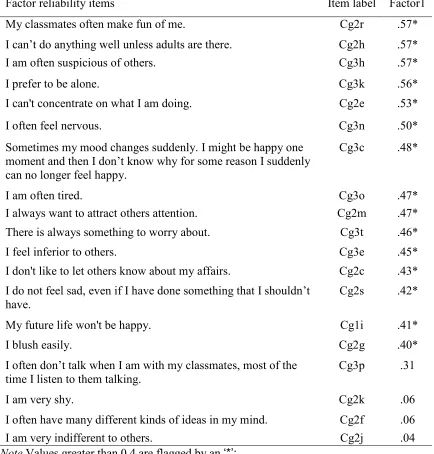
ABLESTable 3.1 Factor Loadings for Exploratory Factor Analysis with Varimax Orthogonal
Rotation of Internalizing Problems Items (n=1,173) ... 45
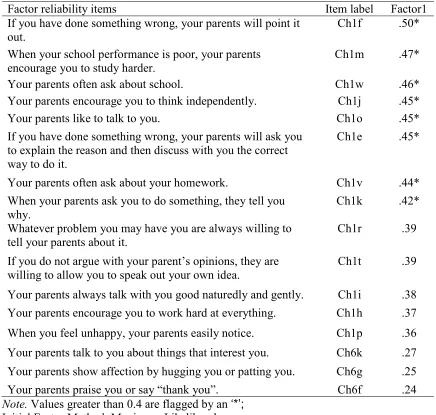
Table 3.2 Factor Loadings for Exploratory Factor Analysis with Varimax Orthogonal Rotation of Positive Parenting Practices Related Items (n=1,173) ... 46
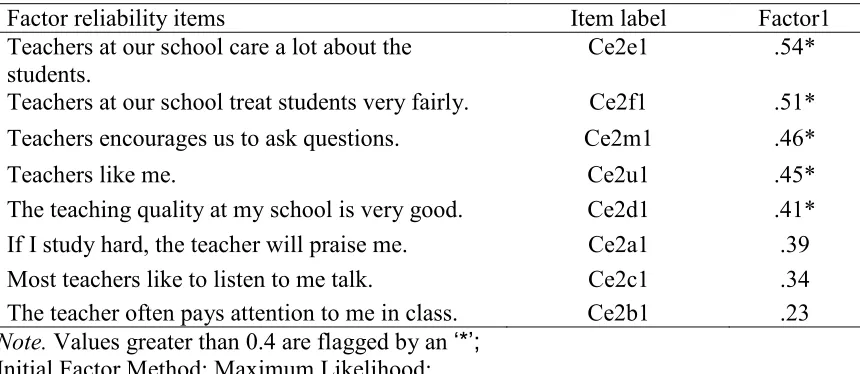
Table 3.3 Factor Loadings for Exploratory Factor Analysis with Varimax Orthogonal Rotation of Lack of Teacher Support Related Items (Reverse Coded) (n=1,173) ... 49
Table 3.4 Factor Loadings for Exploratory Factor Analysis with Varimax Orthogonal Rotation of Adverse Classroom Climate Related Items (n=1,173) ... 49
Table 3.5 Summary of Model Structure for the Two-Level Growth Curve Model ... 54
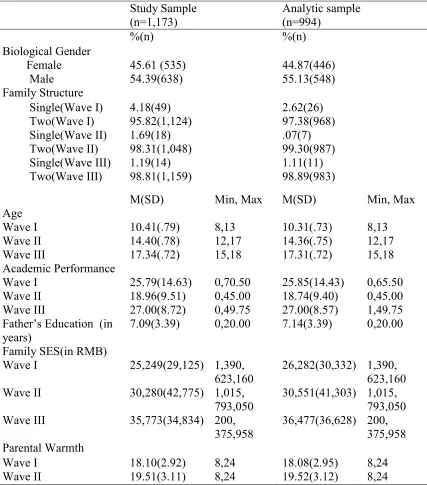
Table 4.1 Individual Characteristics for Study Sample (n=1,173) and Analytic Sample (n=994) ... 61
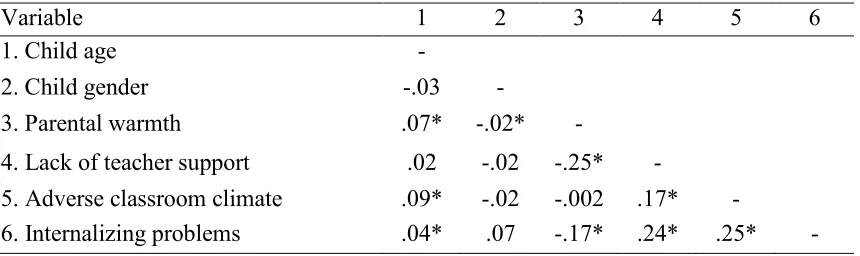
Table 4.2 Intercorrelations of Variables of Interest at Wave I (n=994) ... 63
Table 4.3 Intercorrelations of Variables of Interest at Wave II (n=994) ... 63
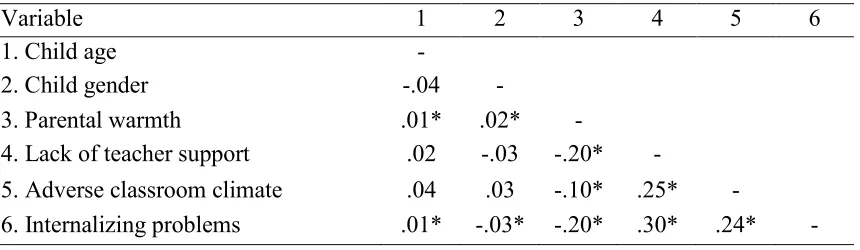
Table 4.4 Intercorrelations of Variables of Interest at Wave III(n=994) ... 64
Table 4.5 Parameter Estimates for Internalizing Problems Models and Models of Interest with Two-Way Interactions (n=994) ... 67
Table 4.6 Parameter Estimates for Internalizing Problems Models and Models of Interest with Three-Way Interactions (n=994) ... 69
Table A.1 Frequency of Missing Variables Across Observations (n=1,173)... 107
L
IST OFF
IGURESFigure 2.1 Conceptual framework of hypothesized relationships among individual-level
risk and protective factors, and internalizing problems trajectory. ...18
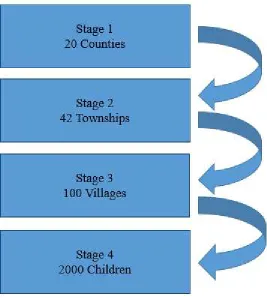
Figure 3.1 Multi-stage cluster sampling process of GSCF. ...38
Figure 4.1 The effect of perceived lack of teacher support on internalizing problems trajectory ...72
Figure 4.2 The moderating effect of perceived parental warmth on lack of teacher support in childhood (agemean=13.99) internalizing problems ...75
Figure 4.3 The moderation effect of perceived parental warmth on the relationships between adverse classroom climate and internalizing problems trajectory ....76
Figure A.1 Stem-and-leaf display of correlations between missingness on variables (n=1,173) ...108
Figure A.2 Stem-and-leaf display of correlations between missingness and observed values (n=1,173) ...109
Figure C.1 Distribution of Level-1 residuals: Overall residual and for each Level-2 unit (the first plot in the series) ...114
Figure C.2 Partial output from MIXED_DX normality summary table for Level-1 residuals: Overall and for each Level-2 unit ...115
Figure C.3 Distribution of the variance of Level-1 residuals for all observations ...116
Figure C.4 MIXED_DX output for Levene’s homogeneity of variance test of Level-1 residuals ...117
Figure C.5 Level-1 residuals*predicted value for all observations ...118
Figure C.6 Level-2 residual*predicted intercept value for all Level-2 units ...119
Figure C.7 Distribution of Level-2 residuals ...120
C
HAPTER1
I
NTRODUCTIONStatement of the Problem
Internalizing problems have not been largely recognized in traditional Chinese
culture, wherein individual psychological well-being is considered less important than the
welfare and interests of the collective (Chen & Li, 2000). However, Chinese people are
not spared from mental health disorders. According to Global Burden of Disease Study in
2015, 4.2% and 3.1% of total population in China suffered from depressive and anxiety
disorders, respectively, including youth aged 15 to 19 (WHO, 2017c). In a cross-national
study in seven countries, Verhulst et al. (2003) found that adolescents aged 12-18 years in
China scored much higher in the anxious/depressed domain of internalizing problems
compared to U.S. adolescents, and above the mean compared to five other countries,
including Australia, Israel, Jamaica, the Netherlands, and Turkey. Unfortunately, sharply
contrasted with the amount of research conducted in the U.S. and other developed
countries, very limited comprehensive studies on youth psychological adjustment, in
particular internalizing problems, have ever been conducted in Mainland China.
Nevertheless, there have been several attempts to understand youth depressive and anxiety
symptoms in metropolitan areas of China, and these studies indicate that despite
cross-cultural differences exist in experiences of internalizing problems, it is a global crisis that
affecting not only childhood or adolescence but also adulthood (e.g., Greenberger, Chen,
Tally, & Dong, 2000; Yi, Wu, Chang, & Chang, 2009). It is noted that it is crucial to
assess not only clinical emotional disorders but also the presence of mild, enduring
internalizing symptoms that might lead to functional impairment and a more severe
disorder in the future (WHO, 2016). Thus, in the current study, internalizing problems
refers to the presence of depressive and anxiety symptoms.
Rural youth across the world are vulnerable to the deleterious effects of cumulative
adversity on mental health outcomes. A majority of Chinese children and adolescents,
who account for over 14.8% of the total world population (WHO, 2010), reside in
deprived rural areas (The United Nations Children’s Fund, 2013). Children and
adolescents in poor rural communities experience more day-to-day deprivations and
stressors than urban youth (Davidson & Adams, 2013; Hannum & Adams, 2008), and they
often grow up in families with financial constraints and attend schools with limited
resources to devote to the psychological development of youth. Taken together, these
circumstances might translate to more internalizing problems among rural youth. Given
the salience of the abundant stress experienced by rural youth beyond the individual level
in the realms of family and school, it is essential to understand both the ways in which
contextual adversity affects psychological adjustment and potential factors that promote
resilience for this population.
Considering that internalizing symptoms often emerge in childhood and persists
into adolescent years (Merikangas et al., 2010), there is a continued need for longitudinal
studies to better understand how internalizing problems change over time among rural
changes in trajectory of internalizing problems over the course of development. To
address this gap, this study improved upon prior research by applying two-level Growth
Curve Models to data from a longitudinal panel to investigate internalizing problems
trajectory among youth in rural China. In doing so, the effects of multiple risk and
resilience factors in individuals on the trajectory were investigated. The findings from this
investigation provide insights into the processes by which internalizing problems evolve
among rural Chinese youth and how individual differences unfold during childhood to late
adolescence. In addition, the results of the current study provide implications for
community and school social work practice and policy in China, as social workers there
are playing more critical roles in promoting family and school experiences than before.
Policies to support positive home and school climate in rural China in relation to
sustainability and economic support are also needed.
Purpose
The current study had four key purposes: 1) To examine changes in the trajectory
of internalizing problems from childhood to late adolescence among rural Chinese youth;
2) To examine if the trajectory of internalizing problems from childhood to late
adolescence among rural Chinese youth differs by gender and perceived school
experiences; 3) To determine if perceived parental behaviors moderate the relationship
between gender and trajectory of internalizing problems from childhood to late
adolescence among rural Chinese youth; 4) To determine if perceived parental behaviors
moderate the relationship between perceived school experiences and internalizing
Study Rationale
The rationale for the current study is rooted in a number of understandings that are
established in the current literature base. Life course theory (Elder, Johnson, & Crosnoe,
2003), ecological system theory (Bronfenbrenner, 1979) and risk and resilience
framework (Rutter, 1979) combined were employed in current study, because they are
well-known perspectives for organizing the influences of multiple sources of stress and
resource in individuals and surrounding contexts on psychological adjustment over life
span. Thus, to study human development effectively, we need to look beyond one single
environment, one snapshot, one risk or protective factor and analyze the interactions
among multiple factors nested in multiple environments across time. The Mental Health
Gap Action Programme Intervention Guide emphasizes that “the quality of home and
social educational environments influence children’s and adolescents’ wellbeing and
functioning”, and “exploring and addressing psychosocial stressors along with
opportunities to activate supports” is critical to youth mental health (WHO, 2016, p.69).
In a quest to understand factors associated with youth psychological outcomes,
researchers have focused on individual and family characteristics, as well as on social and
environmental influences. The current study focused on the positive dimension of
parenting practices as it exerts a significant influence on many youth developmental
outcomes even when negative influences of other social contexts (e.g., school-level,
community-level, or culture-level circumstances) are taken into consideration (Davidson
& Adams, 2013; Galambos et al., 2003). McLeod and colleagues (2007a, b) have
conducted two meta-analyses of more than forty studies (45 studies on youth depression
outcomes. The two studies showed that exposure to inept parenting practices, including
lack of support or rejection by a parent, put youth at risk of psychological malfunctioning,
whereas having parents displaying of consistent responsiveness and sensitivity to youth’s
socioemotional and developmental needs and demands has been linked to youth mental
well-being (McLeod, Weisz, & Wood, 2007a; McLeod, Wood, & Weisz, 2007b).
Although parenting practices and their effects on offspring might vary across diverse
cultural backgrounds (Lamborn & Felbab, 2003), a number of empirical studies in a
Chinese context suggest that warm, supportive or nurturing relationships with parents
buffer against youth internalizing problems, especially for children and adolescents living
in rural deprivation (e.g., Davidson & Adams, 2013; Liu, 2003).
Beyond the parenting literature, an increasing number of studies support the
potential of school-level characteristics to predict individual psychological outcomes
during childhood and adolescence. Examples of significant school characteristics related
to youth psychological adjustment include school classroom climate and teacher support
(Kuperminc, Leadbeater, & Blatt, 2001; Reddy, Rhodes, & Mulhall, 2003). Importantly,
these contextual characteristics have been found to be applicable to Chinese youth
psychological functioning (Adams & Hannum, 2016; Davidson & Adams, 2013; Yang et
al., 2013).
However, the longitudinal investigation of individual, family and school influences
simultaneously on internalizing problems among rural Chinese youth is rare, and the
examination of parenting behaviors as moderators of individual gender and school
influences on the internalizing problems trajectory among rural Chinese youth appears to
impacts have been examined longitudinally, most did not take into account the nested
structure of the data. Consequently, results from these studies do not delineate how much
variation in the psychological outcome of interest is related to age or developmental stage,
and how much is related to differences in individual characteristics. Given only knowing
the onset of internalizing problems among rural Chinese youth is insufficient, there is a
need to understand how problems change over time to better understand mechanisms that
maintain or inhibit the problems.
Statement of Potential Significance
This study offers three contributions to the current literature on youth internalizing
problems. The current study includes a longitudinal and less-studied sample in a
developing country that allowed for an assessment of growth trajectory of internalizing
problems among rural Chinese youth over time. This study contributes to our
understanding of the dynamic relationship between individual, family, school effects, and
their relative influences on the trajectory of youth internalizing problems. The current
study employs the appropriate statistical method, i.e., multilevel growth modeling, to
address the longitudinal and hierarchical nature of the data, and contributes to the limited
number of psychological development studies among Chinese youth that have used
multilevel modeling.
Further, the current study offers potential practical contributions. Besides the
potential to advance scholarship, policymakers and social workers in China could be better
informed by this study as they continue to work towards promoting youth mental
well-being. Mental health of youth is in the best interest of the community as healthy youth go
coordinated efforts between ecological systems that touch children’s lives to promote
health and wellness. This includes school-level interventions, community-level
interventions, and interventions in the home. From a prevention perspective, identifying
early and ongoing predictors of increasing internalizing problems over the early life course
is important because continually internalizing problems during childhood and adolescence
is predictive of adult mental health problems (WHO, 2017c). Identifying those at risk can
facilitate interventions that reduce the continuity of internalizing symptoms before a
chronic course of symptoms is established. The current study could provide implications
for social workers in China looking to widen intervention efforts to target broader family
and school contextual influences. This is critical as Chinese social workers are
increasingly counted on to intervene at multiple intertwined levels beyond the individual
level to improve youth outcomes.
Research Questions
1. What is the nature of internalizing problems among rural Chinese youth?
1.1. What is the average level of internalizing problems in childhood? Is there
variation in internalizing problems among rural Chinese youth in childhood?
1.2. How do internalizing problems change from childhood to late adolescence?
Does change in internalizing problems vary among rural Chinese youth?
2. Are gender and perceived school experiences associated with internalizing problems in
childhood among rural Chinese youth? Are they associated with changes in internalizing
3. Do perceived parental behaviors moderate the effect of gender on internalizing
problems in childhood among rural Chinese youth? Do perceived parental behaviors
moderate the effect of gender on changes in internalizing problems among rural Chinese
youth?
4. Do perceived parental behaviors moderate the effect of school experiences on
internalizing problems in childhood among rural Chinese youth? Do perceived parental
behaviors moderate the effect of perceived school experiences on changes in internalizing
problems among rural Chinese youth?
Consistent with past literature, we hypothesize that youth will vary in their
internalizing problems scores during childhood and in their change rate of internalizing
problems. Additionally, there will be a positive relationship between being girls,
experiencing lack of teacher support and adverse classroom climate, and internalizing
problems in childhood and change rate in internalizing problems. Specifically, we
hypothesize that parental warmth moderates the relationship between gender, school
experiences, and internalizing problems in childhood, as well as internalizing problems
trajectory. We hypothesize perceived parental warmth buffers the impacts of being girls,
and experiencing lack of teacher support and adverse classroom climate on youth
internalizing problems and the trajectory.
Structure of the Dissertation
The remainder of this dissertation follows in four chapters. Chapter 2 offers an
overview of Elder’s life course theory (2003), Bronfenbrenner’s ecological system theory
(1979), and Rutter’s risk and resilience framework (1979), followed by a review of the
internalizing problems trajectory. Chapter 3 provides a discussion of the research method,
including a description of the data sources, study sample, measures, and data analysis.
Chapter 4 describes the results yielded from the data analysis. Finally, Chapter 5 offers a
discussion of the results of the research, including limitations of the study, implications for
the field, and directions for future research.
C
HAPTER2
L
ITERATURER
EVIEWIntroduction
This chapter provides an overview of the three theoretical perspectives, life course
theory (Elder et al., 2003), ecological systems theory (Bronfenbrenner, 1979), and risk and
resilience framework (Rutter, 1979) that guided the study, followed by a synthesis of
research that has addressed the influences of youth gender, parenting practices, and school
experiences on youth internalizing problems trajectory. The chapter concludes with a
summary of significant individual and contextual attributes that have been identified in the
U.S. and Chinese literature.
When possible, the information presented in this chapter is limited to studies in the
U.S. and the greater China areas (including Hong Kong and Taiwan, which share a similar
cultural background with Mainland China) that rigorously examined individual attributes
and contextual influences on youth internalizing problems and the trajectory of
internalizing problems. This decision was made because the number of validated studies
on youth psychological development in Mainland China is on the low side, especially
when such studies are compared with those in Western contexts (Yue, 2017). There are
several possible factors leading to this observed phenomenon. First, the foundation of
development of the research in the social sciences in education exists between Western
countries and Mainland China (Healy, 2008). Following the communist party takeover in
1949, all social sciences were banned from Chinese universities by 1952, labeled capitalist
subjects. For almost 30 years, there was no contact between China and world, relating to
social science (Healy, 2008). Second, there is a common belief among Chinese that
children and adolescents will “automatically” grow up and will “naturally” grow out of
internalizing problems if they have any (Shek & Yu, 2011). Third, internalizing problems,
such as depression and anxiety, in Chinese adults and youth are often obscured by stigma,
misconceptions, and shame (Kleinman, 1986). As such, the effort spent on youth mental
health is insufficient. Finally, the spirit of evidence-based research and practice is just at
its beginning stage in China. As commented by Shek and Yu (2011), the emphasis on
evidence-based research and practice in China was far from enough. The combination of
historically political constrains and cultural beliefs undermine the development of youth
mental well-being research in China.
Given American society represents wide ethnic/racial, socioeconomic, geographic,
structural and cultural diversity and exerted tremendous influence on the Chinese society
and academic community, including conceptualization of psychological adjustment (Liu,
2009), studies on U.S. children and adolescents are chosen to be compared with research
on Chinese youth regarding internalizing problems trajectory and its attributes. Although
there is large amount of variation between China and the U.S. in terms of sociopolitical
status and economic-cultural contexts, and that findings from U.S. are not generalizable to
the population of interest in the current study, these studies provide significant resources
limited literature conducted on Chinese youth, and to present the most relevant research
related to youth internalizing problems, this chapter is limited to China and U.S. based
studies to the extent possible.
Theoretical Framework
Human development is a dynamic process, influenced by innate characteristics and
life experiences. The current study is informed by three theories of human development:
Life Course Theory (Elder et al., 2003), Ecological Systems Theory (Bronfenbrenner,
1979), and Risk and Resilience Framework (Rutter, 1979).
Life course theory. The life course theory is a theoretical orientation with
particular relevance to the study of human development and mental health (Elder et al.,
2003). Rather than being a static, trait-like phenomenon, internalizing problems vary
depending on multiple factors including developmental stage, personal resources, life
experiences, and social location (Merrell, 2013). Within and across stages in the life
course, individuals are confronted with potential developmental transitions and
developmental change. Developmental transitions entail movement into or out of a social
role, such as graduating from school. Developmental change entails transformations
within an individual, such as children’s social network changing from parents to peers. In
order to assess developmental transitions and change, it is necessary to study the same
group of individuals over an extended period of time. Longitudinal panel studies are a key
feature in life course research.
There are five paradigmatic principles of the life course perspective: agency,
linked lives, time and place, life-span development, and timing (Elder et al., 2003). The
Bronfenbrenner’s ecological system theory), which presume that individuals are the active
agents of their behaviors and decisions are made within the opportunities and constraints
of history and social environment. It is assumed that individuals’ choices or the adaptive
strategies used can have important implications for their mental health. The principle of
linked lives refers to the interdependency of lives and how the social and historical context
influences the network of these shared relationships. This principle encompasses the
importance of the individual experiencing multiple social relationships across the life
span. Also, linked lives resemble the interpersonal level of influence in the ecological
models, for which both of them point to the possibility of using different possible
intervening units, for example, family, school, and networks of friends. The principle of
time and place explains how the life course is shaped by the experience of historical
events and geographical locations. The novel contributions of the life course perspective
in mental health promotion are the tenets that human development and aging are lifelong
processes (i.e., the principle of life-span development), which start from birth and continue
throughout the whole life, and that the determinants and impacts of events and transitions
vary as a function of their timing in life (i.e., the principle of timing). The principle of
life-span development connects the past to the present, and emphasizes that development is a
continuous process. Given life course theory examines development over time and
includes the reciprocal relationship between the individual and the environment (Elder et
al., 2003), framing the current study from life course perspective allows for an
examination of role of linked lives, including youth, parents, teachers, and peers in rural
China, individual trajectory from childhood to late adolescence, and the interactions
Bronfenbrenner’s ecological systems theory. Social work has a unique
perspective from other disciplines in that youth development is considered in the
complexity of the social contexts in which youth navigate. Additionally, given that social
work practice in China is expanding to involve not only intervening at the individual unit
but also with larger settings that impacts youth outcomes, a broader theoretical perspective
that encompasses multiple settings is helpful. Bronfenbrenner’s theoretical model (1979)
provides a way to conceptualize and understand the array of potential influences on youth
outcomes.
Bronfenbrenner’s theory embraces the person-in-environment perspective and
examines the interactions between individuals and their environment (1979). That is, the
biological and psychological systems of the individuals act in combination with the social
systems of the family, school, community, and society in which they live. The positive
environments around youth have the chance to cultivate overall healthy child and
adolescent development, whereas the disruptions and instability in environments have the
opportunity to inhibit healthy development, especially in the primary settings (i.e., family,
community, and school) in which youth’s psychological adjustment is developed. In
addition, the theory also highlights that the individual is an active participant in
environmental interactions. For youth who are developing within a complex system of
relationships, their biological and intrapsychic characteristics also influence the attitudes
and behaviors of others towards them.
According to Bronfenbrenner (1979), individuals exist among four interrelated
systems – the microsystem, the mesosystem, the exosystem, and the macrosystem. The
system is composed of influence from youth’s immediate surroundings such as families,
schools, neighborhoods, and peer groups in which an individual is active. The next layer,
the mesosystem, comprises the connections between the components of youth’s
microsystem. For example, negative peer influences in school impacting relationships with
family members, and parental rejection causing a child to have behavioral problems at
school, and difficult relationships with teachers and peers. The exosystem is a larger social
system in which the youth does not directly interact; however, it impacts the individual
through an interaction with a component of the microsystem. Examples of exosystem level
influences for youth include government policy and funding for school that impact youth
school access. The macrosystem is the broadest level of an individual’s environment and
is composed of the values, cultures, laws, beliefs, and policies of their context. For
example, son preference in Asian countries contributes to sex-selective abortion and
excess female mortality in very early life (Attane, 2009). The effects of the macrosystem
are felt throughout the other systems. Each system has a significant impact on not only
each other but also on individual development (Bronfenbrenner, 1979).
Given family and school are the most important and immediate contexts to
Chinese youth (Yi et al., 2009), the current study focuses on the interrelations of these two
different microsystems within the mesosystems, that is the interaction between family and
school contexts in relation to development trajectory. Instead of examining the influence
of a single environment or a static developmental point, the current study examines the
influence of two contexts on youth psychological adjustment over three time points from
Risk and resilience framework. Internalizing problems are often understood from
a risk and resilience framework that is informed by an ecological systems perspective
(Rutter, 1979). Childhood through adolescence represents a crucial transition point
characterized by multiple biological, developmental, and social changes. This
developmental period is a time of turmoil and adjustment, contributing to the risk of initial
onset of internalizing problems (Graber & Sontag, 2009; Kessler et al., 2001). A better
understanding of the factors that place youth at risk for psychological malfunctioning and
of those factors that moderate such negative influences can help guide the development of
interventions designed to promote the positive development of youth, particularly for
those facing challenging environments.
Although important gains have been made in identifying factors that place youth at
risk for internalizing problems, much less progress has been made in identifying resilience
factors (Davidson & Adams, 2013; Substance Abuse and Mental Health Services
Administration, 2015). One issue that has complicated efforts to identify risk and
protective factors has been the lack of consistent definitions regarding the mechanism by
which they produce their effect. In this study, risk factors are defined as “any influences
that increase the chances of harm or, more specifically, influences that increase the
probability of onset, digression to a more serious state, or maintenance of a problem
condition” (Fraser et al., 2004, p. 14), whereas resilience factors are defined as “both
internal and external resources that modify risk” (Fraser et al., 2004, p.28), which alter the
trajectory from risk exposure to negative outcome.
Youth development is the dynamic interplay between risk and protective factors
protective factors increase resiliency. Although some youth residing in disadvantaged
environments seem to do less well, many children and adolescents are resilient and doing
well. There is growing interest in understanding ways to reduce the negative effects of risk
factors on youth psychological adjustment. Considerable research with large school- or
community samples shows that high levels of parental warmth (including listening,
providing praise, affection, empathizing, trust, warm involvement, respect, and
responsiveness) are protective factors for internalizing problems among youth (Cornwell,
2003; Needham, 2008). Further, interest in the social determinants of internalizing
problems, or what features of the broader social context in which children and adolescents
are embedded affect their risk for internalizing problems, has increased in the past decade.
Although schools are gaining more interest from social science researchers recently,
research on the role of schools in youth internalizing problems is lacking outside of a
small number of studies. These studies, which have primarily focused on school
socioeconomic status, ethnic/racial composition, and school climate, have shown that each
of these elements are associated with internalizing problems among students (Goodman,
Huang, Wade, & Kahn, 2003; Kuperminc et al., 2001; Reddy et al., 2003; Walsemann,
Bell, & Maitra, 2011). However, it remains unclear whether the parental warmth received
in family context is effective in diminishing effects in the association between perceived
lack of teacher support, perceived adverse classroom climate and internalizing problems in
Chinese context. Accordingly, the current study aims to address this gap. The following
section presents the hypothesized model to be tested in this dissertation and the empirical
Conceptual Framework
Based on a review of the risk and protective factors for youth internalizing
problems, individual, family, and school dimensions were selected and categorized within
the relevant ecological systems level and risk and protective conceptualization. The
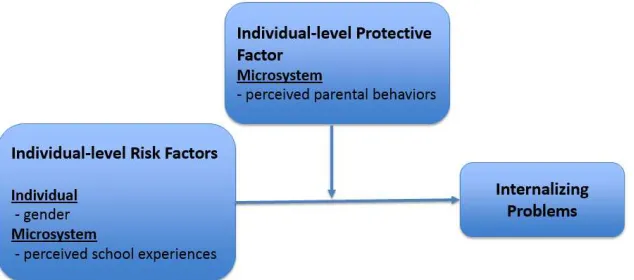
conceptual model to be tested in the current study is depicted in Figure 2.1. Consistent
with life course theory (Elder et al., 2003), ecological systems theory (Bronfenbrenner,
1979), and risk and resilience framework (Rutter, 1979), internalizing problems trajectory
is hypothesized to be directly influenced by gender and perceived school experiences;
perceived parental behaviors is hypothesized to moderate the relationship between these
factors and internalizing problems trajectory. In the current study, perceived lack of
teacher support and adverse classroom climate were used to conceptualize school
experiences; parental warmth was used to conceptualize the positive dimension of
parenting practices; being female was used to conceptualize as a “risk” factor for
internalizing problems in rural China. These dimensions were drawn from previous
literature and are particularly relevant to youth psychological adjustment in the area
examined.
Figure 2.1 Conceptual framework of hypothesized relationships among individual-level
Longitudinal Trajectory of Internalizing Problems
Previous studies in the U.S. that have focused on identifying the trajectory of
internalizing problems from childhood to adolescence have revealed a mixed picture due
to different informants and nuances in developmental stage examined (Galambos et al.,
2004; Letcher et al., 2009; Montague, Cavendish, Enders, & Dietz, 2010). For example,
Letcher and colleagues (2009) identified the trajectory of internalizing problems among
1,684 youth from 3 to 15 years old. Parents reported that most boys and girls exhibited
decreasing level of internalizing problems over time. Another study examined
internalizing problems trajectory from late childhood through late adolescence by
following a school sample of predominantly minority youth (Montague et al., 2010).
Teachers indicated adolescents exhibited a decrease in internalizing problems between
ages 12 to 19 years (Montague et al., 2010). In contrast, Galambos et al. (2004) found
levels of depressive symptoms increased by youth self-report across the sampled four-year
period (1994-1998) among the youngest cohort aged 12 to 13 in 1994. Overall, research
indicates that internalizing problems occur at a lower rate in childhood (Hammen &
Rudolph, 2003), but increase to incidence rates of approximately 2% to 8% by age 15 (see
reviews by Lewinsohn & Essau, 2002; Zahn-Waxler et al., 2000).
Previous research on internalizing problems among Chinese children and
adolescents have identified factors related to the onset of depression and anxiety in youth
in cross-sectional studies (Greenberger et al., 2000; Yu & Seligman, 2002), but little
research has studied a longitudinal course of internalizing problems from childhood into
late adolescence. One longitudinal study in Taiwan examined the development of
over a 6-year period (Yi et al., 2009). Assessments of depression were obtained by youth
self-report at ages 13 through 18. Findings from the six-wave repeated measure analysis of
variance indicated that rates of depressive symptoms increased from ages 13 to 15, and 17
to 18, but decreased from ages 15 to 17.
Gender Differences in Internalizing Problems Trajectory
Gender plays a critical role in the development of internalizing problems. Using
the National Comorbidity Survey Replication Adolescent Supplement, Kessler and
colleagues (2012) found that among 13 to 17-year-old, girls presented with significantly
higher 12-month prevalence and 30-day prevalence of mood disorders. In cohort samples
of 9 to 16 years old, girls were significantly more likely than boys to experience the onset
of depression and anxiety disorders in later adolescence (Costello et al., 2003). Two
longitudinal epidemiological studies suggested that the gender difference in internalizing
problems began to emerge in early adolescence with a continued increase into late
adolescence. For example, in a nationally representative sample for 10 years among New
Zealand youth aged 11 to 21, Hankin et al. (1998) found small gender differences in rates
of depressive disorders between ages 13 to 15, with girls’ rates slightly greater than boys’,
and the greatest differences began to be evident between ages 15 to 18. Similarly, using
Canada’s National Population Health Survey across a four-year period, Galambos and
colleagues (2004) found that among youth aged 12 to 19 years old, adolescent girls
reported more internalizing problems than adolescent boys. A small-scale longitudinal
study on rural youth in Iowa found girls showed a linear increase in depressive symptoms
from 8th to 12th grade, whereas boys showed a decline in symptoms between 7th and 9th
Consistent with findings on gender difference in Western countries, adolescent
girls exhibited greater severity as well as more rapid development in internalizing
problems from childhood to adolescence (Cohen et al., 2015; Wang, Chan, Lin, & Li,
2015; Wu et al., 2010; Yang, Soong, Kuo, Chang, & Chen, 2004). Traditional preference
among Chinese parents for boys over girls might play a role in explaining these findings.
Son preference is deeply rooted in the Chinese culture and is still prevalent in the
contemporary society. It resulted from the patrilineal clan system, which can be traced
back to Confucius more than 2,000 years ago (Short, Zhai, Xu, & Yang, 2001). In China,
as well as other Asian countries under the great influence of Confucius values, sons are
deemed the ones who can carry family lines and receive family inheritance (Short et al.,
2001). Son preference combined with the one-child policy has driven up the sex ratio in
China during last three decades. Sex ratios at birth, males born per hundred females born,
are about 105 in populations where no human intervention is occurring (United Nations
Population Fund [UNFPA], 2012). The nationwide trend in sex ratio at birth was normal
(106) at the beginning of the 1970 but has increased substantially after the implementation
of one-child policy and reached a historical high of 120 in 2005 (UNFPA, 2012). In
Gansu, estimates showed normal sex ratios at birth in 1981 (106), elevated sex ratios in
1989 (111), and extremely elevated sex ratios by 1999 (119) (Lai, 2005).
In conditions of extreme poverty, son preference is expressed through the excess
mortality of females aged 0-4 years by sex-selective abortion and baby girls abandonment
(Attane, 2009). Further, in conditions of general poverty, son preference becomes manifest
through limited investments in girls’ nutrition, health and education, resulting in marked
2008), as well as educational attainment (Connelly & Zheng, 2003). Regarding
psychological adjustment, rural girls are still considered one of the most powerless and
understudied social groups in contemporary China. Fortunately, there are several attempts
in understanding personality traits among rural girls. Researchers found that rural girls are
more likely to feel isolated, anxious, and depressed than rural boys and urban children in
general; they were also sensitive to changes, tended to withdraw, and lacked confidence
(Fu & Fu, 2002; Wang, Lu, Zhang, & Chen, 2007). In a qualitative study with rural girls,
Wang (2003) reported that a little girl said she wants to be a boy, because her brother can
go to school and does not have to do the house chores. Given traditional cultural
preference for sons and consequently investing more resources in sons has contributed to
the cultural denigration of girls, to illiteracy and to the inescapable impoverishment of
women as they grow older in rural China, understanding the trajectory of internalizing
problems among rural girls and boys from childhood to late adolescence and factors that
influence the trajectory is critical.
The Association between Parental Warmth and Youth Internalizing Problems
Considerable research with large community samples in both countries shows that
high levels of parental warmth (including listening, providing support, encouragement,
affection, empathizing, trust, warm involvement, respect, and responsiveness) are
protective factors for internalizing problems among children and adolescents (Davidson &
Adams, 2013; Galambos et al., 2003; Liu, 2003; Needham, 2008). Recent meta-analyses
have provided robust evidence that youth have fewer internalizing problems when parents
show nurturing, support, and reassurance toward offspring, and are sensitive and available
lack of parental warmth is associated with increased levels of depressive symptoms and
anxiety (Bayer, Sanson, & Hemphill, 2006; Dallaire et al., 2006; Letcher et al., 2009).
Longitudinal studies show particularly compelling evidence that low levels of
parental warmth predict youth’s psychological maladjustment including depression and
anxiety over multiple time points (Colarossi & Eccles, 2003; Cornwell, 2003; Needham,
2008; Rueger, Chen, Jenkins, & Choe, 2014; Rueger, Malecki, & Demaray, 2010). For
example, Cornwell (2003) examined the effects of changes in social support on depressive
symptoms over a one-year period with adolescents in grades 7 to 12 participating in the
National Longitudinal Study of Adolescent Health (Add Health). Higher levels of parental
warmth were associated with lower levels of depressive symptoms one year later, such
that a 25% increase in initial levels of parental warmth resulted in a 2.7% decrease in
depressive symptoms over time. Growth in parental warmth over time was also
significantly associated with declines in depressive symptoms, whereas decrease in
parental warmth over time was related to increases in symptoms (Cornwell, 2003).
Similarly, Needham (2008) investigated the relation between parental warmth and
depression during the transition from mid adolescence to young adulthood. Using three
waves of the Add Health adolescents’ self-reports on depressive symptoms and parental
warmth, the study revealed that parent warmth during adolescence was inversely
associated with initial symptoms of depression (Needham, 2008). Overall, adolescents
who experienced increases in levels of depressive symptoms over time also reported lower
levels of parental warmth as young adults (Needham, 2008). Similar results have also been
found by Rueger and colleagues (2010) in a longitudinal analysis of social support in early
year were predictive of the levels of depressive symptoms, anxiety, and self-esteem.
Accordingly, the relation between parenting and youth development may be best
conceptualized as a transactional process between parents and youth in which the
development of the child is seen as the product of dynamic transactions between the child
and his/her context (Sameroff, 2010).
Parental warmth may be important in reducing the association between negative
school experiences and internalizing problems, because parents who are perceived
supportive or responsive might be more likely to be approached for help in solving their
children’s problems or conflicts with teachers or peers (Perren & Hornung, 2005).
Findings from emerging research demonstrate that parental warmth is effective in
protecting peer victimized youth from internalizing problems. For example, Rigby (2000)
investigated the cross-sectional associations among peer victimization, perceived overall
social support, and mental health in a large sample of adolescents aged 12 to 16 years.
Peer victimization was measured by self-reports for four subtypes of victimization: verbal
(e.g., being teased or called hurtful names), relational (e.g., being left out of things on
purpose), physical (e.g., being kicked or hit), and being threatened with harm. Overall
levels of social support were assessed by adolescents’ reports of how much help they
thought they would receive from their parents, teachers, and friends if they were
experiencing serious problems at school. Mental health was assessed using self-reports of
somatic symptoms, anxiety, social dysfunction, and depression. Adolescents who
experienced frequent peer victimization and who had low overall levels of social support
were at greater risk of poor mental health compared to those with high overall levels of
from parents than from teachers and classmates. Although these results provided evidence
for the protective effect of parental support on peer victimization and poor mental health,
the moderating effects of parental warmth on other aspects of school experiences, such as
lack of teacher support and adverse classroom climate (not limited to peer victimization),
were not examined.
Although parenting practices and their effects on offspring may vary across
diverse cultural backgrounds (Lamborn & Felbab, 2003), parental warmth has meaning in
Chinese culture that is similar to its meaning in the West (Ho, 1986; Lau, Lew, Hau,
Cheung, & Bernt, 1990). Parental warmth is defined in terms of emotional support, caring,
concern, affection, kindness and tenderness in Chinese context (Ho, 1986). A number of
empirical studies among Chinese youth suggested that warm or supportive relationships
with parents buffer against youth internalizing problems, especially for children and
adolescents living in poverty. For example, in a study of rural children using Wave II of
GSCF, parental warmth was found to be a beneficial factor for youth living with
cumulative poverty-related adversities, such as chronic illness or dying of family
members, poor academic performance, and peer conflicts at school (Davidson & Adams,
2013). Similarly, in urban areas of China, it has been reported that parental care and
responsiveness to children emotional needs contribute to youth concurrent psychological
well-being (Chen, Li, Li, Li, & Liu, 2000; Chen et al., 2003) and later adaptive
functioning (Chen, Liu, & Li, 2000). Despite increasing research efforts devoted to
understanding the effects of parenting on Chinese youth outcomes, scarce research has
focused on those in rural China even though more youth reside in rural than urban areas.
Statistics of China, 2016). Considering parents in rural China tend to have lower levels of
education and wealth, and rear more than one child, there is a need to examine the level of
parental warmth and influence of parental warmth on youth mental health problems.
Although the role of parental warmth is clear, gender-specific differences are less
obvious. The gender differences in the frequency of internalizing problems can be traced
back to variations in parenting, and the same parenting practices might function differently
by gender (Scaramella, Conger, & Simons, 1999). For example, McKee et al. (2007)
found that relative to girls, boys experienced less parental warmth and harsher
verbal/physical discipline, with both types of discipline contributing to their internalizing
problems. In contrast, there were several studies finding the level of parental warmth was
similar for both boys and girls (Demaray & Malecki, 2003; Malecki & Demaray, 2003;
Rueger, Malecki, & Demaray, 2008). In addition, Kim et al. (2005) found that lax
parenting contributed to internalizing problems in girls and externalizing problems in
boys, whereas overreactive parenting predicted externalizing symptoms in girls and
internalizing symptoms in boys. Though receiving similar levels of maternal warmth, Ge
et al. (1994) found that maternal warmth moderated the negative impact of life changes
among adolescent girls more so than for boys.
Research in China has suggested that rural parents’ long-term expectations of
economic and emotional support from their children differ by gender, with higher
expectations of such support from sons because of the parents’ reliance on sons for
support in their old age (Hannum, Kong, & Zhang, 2009), but it is unclear whether these
differential expectations affect Chinese parents’ rearing practices of boys and girls,
rural areas nowadays, “girls are encouraged to be dependent, relationally oriented, and
successful in domestic affairs, whereas boys are socialized to be independent,
economically successful, and become a strong financial source of support to the family
later on” (Chen & Liu, 2012, p.486). It would be important to investigate whether these
differential cultural expectations in gender socialization translate into variation in parental
warmth of boys and girls. Furthermore, because it is common for daughters choosing or
being chosen to sacrifice in times of financial hardships in traditional Chinese culture
(e.g., daughters have to drop school to work or get married to support their original
families and male siblings to continue education), daughters would be more susceptible to
parenting practices because they have given too much to the family (Shek, 2005). To shed
light on the extent to which cultural factors play a role in gender differences in child
rearing, this study examined variations in the relationship between child gender and youth
internalizing problems by accounting for the effect of perceived parental warmth.
School Experiences and Youth Internalizing Problems
As school-aged children and adolescents spend at least half of their waking hours
in schools, schools present a critical setting for developing youth. Patterns of activities and
interpersonal relationships experienced by the individual in the immediate context such as
the classroom or the school directly affect the individual (Bronfenbrenner, 1979).
Negative school experiences have been offered as an explanation for youth psychological
maladjustments, such as lack of teacher support and adverse classroom climate
(Kuperminc et al., 2001; Loukas & Robinson, 2004).
teacher takes primary responsibility for shepherding a defined class of students throughout
their time at the school, indicates that this teacher and group of class peers are likely to be
particularly salient to youth school experiences (Adams & Hannum, 2016). Compared to
students in U.S., students in China spend more time studying together and have more
opportunities for social interactions with teachers (Chen, Greenberger, Farruggia, Bush, &
Dong, 2003) and classmates (Jia et al., 2009). Due to the data availability of this
secondary analysis as well as evidence from previous research (e.g., Reddy, Rhodes, &
Mulhall, 2003; Watkins & Aber, 2009), “negative” school experiences, i.e., perceived lack
of teacher support and perceived adverse school climate, were examined.
Perceived lack of teacher support. For some students, the relationships with
educators are among the most meaningful in their lives (Anderson, Christenson, Sinclair,
& Lehr, 2004; Chen et al., 2003). Teacher support refers to ongoing warmth and trust,
united with open communication, instructional support, and positive involvement, which
assists youth in developing internal representations of relationships with teachers (Reddy
et al., 2003). On the other hand, lack of teacher support is commonly characterized by
perceived indifference and unfair treatment from teachers, and having hardships to get
along with teachers, which is associated with increased levels of internalizing problems
(Reddy et al., 2003).
Ample studies have shown low level of teacher support is positively associated
with psychological maladjustment (e.g., Joyce & Early, 2014; Reddy et al., 2003). For
example, in a longitudinal sample of 2,585 students followed from 6th to 8th grades,
Reddy and colleagues (2003) found that students who reported decreasing levels of
cross-sectional study of a nationally representative adolescent sample in grades 7-12, Joyce and
Early (2014) found youth with lower perceptions of teacher support were associated with
more depressive symptoms. Besides poor psychological adjustment, Way et al. (2007) and
Wang (2009) have demonstrated that less support from teachers led to more disruptive
behaviors among youth. Beyond these, an extensive review of the literature by Davis
(2003) showed a range of positive youth outcomes as a result of nurturing and supportive
teacher–student relationships. These positive outcomes included higher educational
attainment, fewer delinquent behaviors, better frustration tolerance, and better
psychosocial functioning. In particular, student perceptions of teachers being fair are
independently associated with decreased rates of suicide attempts providing support for
the importance of the teacher support in reducing risk (Fleming, Merry, Robinson, Denny,
& Watson, 2007). To sum up, perceived support from teachers has been inversely
associated with internalizing problems, both cross-sectionally and longitudinally.
However, there is conflicting information on the effect of teacher support on changes in
psychological adjustment over multiple time points. In one of the few studies focused on
effects of teacher support on depressive symptoms over time, Rueger et al. (2014) found
that support from teachers in 7th grade predicted fewer depressive symptoms in 7th grade,
and predicted decreases in depressive symptoms from 7th to 9th grade. In contrast, another
study of youth found that teacher support from 6th grade predicted depressive symptoms
in 6th grade, but did not predict changes in depressive symptoms from 6th to 8th grade
(Reddy et al., 2003). More work is needed to elucidate the impact that lack of teacher
The review of the literature on Chinese youth yielded few studies that investigated
the relationship between lack of teacher support and youth internalizing symptoms, but
still, the significant role of high level teacher support in youth’s psychological adjustment
is well supported. In a sample of Gansu adolescents aged 13 to 16 years old, Davidson and
Adams (2013) found that among youth who experienced cumulative adversities in rural
villages, high level teacher support buffered the impact of family and academic risk
factors on internalizing problems. Similarly, in a study of 221 urban adolescents,
perceived social support from teachers was the strongest predictor of Chinese youth
positive psychological functioning (Tian, Liu, Huang, & Huebner, 2013). In a comparison
study on Chinese and American students, Jia et al. (2009) found that when compared to
parental support, teacher support was a stronger predictor of psychological adjustment for
both groups.
Overall, most Western studies indicate that although teacher support is more
emotional for younger students (Buyse, Verschueren, Doumen, Van Damme, & Maes,
2008), the support becomes more instrumental and informational for adolescent students
(Malecki & Demaray, 2003). In rural China where resource is constrained, teachers are
expected to be mentors and caregivers to provide guidance on a range of issues from
problems at home to conflicts with friends, thus transmitting knowledge and skills to
students is only one of many diverse responsibilities. When youth entered into middle
schools (which are typically out of town), most rural students live on campus to save time
and money on the commute, and they usually go home once every week or less, their head
teachers often are in charge of everything besides their academic life (Liu, Li, Chen, &
attachment figures and desire teacher support. Previous research supported that rural youth
were more responsive to the positive effect of consistent teacher support, as well as the
negative effect of low teacher support (Luo, Gao, & Zhang, 2011). Given teachers are
highly valued in Chinese culture and the unique circumstances in rural areas, it is
reasonable to assume that rural youths are especially susceptible to the influences of
teachers, and perceived lack of teacher support is a critical risk factor for youth
psychological development.
Perceived adverse classroom climate. School class is contended to be an
important unit in studying the growth trajectory of Chinese children and adolescents.
When a child enters school, she or he is assigned to a specific class, and that class
becomes the immediate school environment. Because all courses are taught within the
same classroom, the class provides the closest school experiences for the next several
years (Yi et al., 2009). Classroom climate is a construct that had been useful in examining
the quality of classroom interactions. It refers to “global classroom atmosphere and the
degree to which the classroom as a whole function smoothly and harmoniously and is
characterized by interactions with a positive tone or, conversely, by frequent disruption,
conflict, and disorganization” (Gazelle, 2006, p.1180). Thus, an adverse classroom climate
is characterized by high levels of conflict and disruptive behaviors.
Initial investigators focused on the relationship between classroom climate and
academic and behavioral outcomes (e.g., Bradshaw, Sawyer, & O’Brennan, 2009; Buyse
et al., 2008); however, classroom climate studies now also consider the relationship
between classroom climate and psychological outcomes among youth. Adverse classroom
(Kuperminc et al., 2001; Smith & Brian, 2000; Way et al., 2007). In a study of 460
children and adolescents in 6th and 7th grade, Kuperminc and colleagues (2001) found the
perceptions of the school classroom climate (i.e., fairness, order, discipline, sharing of
resources, and student interpersonal relationships) accounted for 2% of the variance in
anxious-depressed symptoms and 7% in behavioral problems at the 12-month follow-up.
Declines in dimensions of positive school classroom climate, such as peer support, student
autonomy, and clarity and consistency in school rules and regulations also were associated
with declines in psychological adjustment measured by depression and self-esteem over
time (Way et al., 2007). Research also suggested adverse classroom climate characterized
by bullying and peer victimization was associated with low self-esteem, depression, and
suicide (Klomek, Marrocco, Kleinman, Schonfeld, & Gould, 2007; Smith & Brian, 2000).
In the Chinese context, there is limited research on the relationship between
classroom climate and depressive symptoms in children and adolescents leading some
researchers to suggest classroom climate is an underexplored parameter in the arena of
adolescent mental health (Jia et al., 2009). However, the available research suggested a
strong link between classroom climate and adolescent depression (Jia et al., 2009) and
suicidal ideation and suicide attempts (Li, Bao, Li, & Wang, 2016). In a study that
examined 706 children and adolescents from Nanjing, Jia and colleagues (2009) found
that perceived positive school climate was negatively associated with depressive
symptoms. In measuring classroom climate, Jia et al. (2009) explored two more
dimensions besides teacher support, i.e., student-student support and opportunities for
autonomy. When compared with support from teacher and parents, student-student