INTEGRATED FRAMEWORK OF INSTITUTIONAL ANALYSIS TOWARDS AND DEVELOPMENT ON EFFECTIVE
MARINE SPATIAL PLANNING IN MALAYSIA
MUHAMMAD HAFIZ BIN MOHD YATIM
A thesis submitted in fulfilment of the requirements for the award of the degree of
Doctor of Philosophy
Faculty of Built Environment and Surveying Universiti Teknologi Malaysia
iii
DEDICATION
Specially to my beloved grandmother, Zainab binti Yahaya Thank you for everything
All your loves and kindness Always be there In my heart forever
To my mother, Rohana Tang binti Abdullah and
To my father, Mohd Yatim bin Abu Bakar Thank you for made me happen into this world
To my brothers and sister Amir & Ila, Duan and Mira & Izwan
Thank you for all the love
To my aunt family, Sarifah and Tahir And to my uncle family, Saridan Thank you for your cares and concerns
Along the way to my graduation
Also special thanks to my best friend, Shafiq Zokri Families in Pulau Sebang-Tampin
Wan, Atok Sabjan, Makcik Noor, Pak Dara, Angah, Abg Adi, Along, Kak Zue,
Ashraf, Aizzat, Maklang Suri, Paklang Zul, Mak Teh, Pak Teh, Mak Busu, Pak Busu, Mak Uda, Uncle Saleem & Makcik Idah
And to all my Qasidah Al Falah team
Paan, Syahmi, Dayat, Imran, Wafir, Nabil, Syamim Syakir, Abun, Aqil, Fariz, Aidil, Som, Dikbi, Faiz, Adam
Mahyuddin, Taufik, Atif, Akiff, Afiff, Hanif Zaqwan, Haziq, Firdaus, Anje, Aliff, Nukman & Alang
All your loves, cares and memories Will always remain
In me… forever
Last but not least, to all of my friend Hopefully the friendship that we build
iv
ACKNOWLEDGEMENT
In preparing this thesis, I was in contact with many people, researchers, academicians, and practitioners. They have contributed towards my understanding and thoughts. In particular, I wish to express my sincere appreciation to my main thesis supervisor, Dr. Abdullah Hisam bin Omar, for encouragement, guidance, critics and friendship. I am also indebted to all FGHT’s staff that has contributed so much information that could be very important for the completion of the software.
My sincere and special appreciation also extends to my second supervisor, Dr Nazirah binti Mohamad Abdullah because you has contributed much on the completion of my thesis. Without any doubt, both of you deserve special thanks for all your advices, motivations as well as friendships.
Furthermore, I would like to acknowledge the Semporna Marine Spatial Planning committee especially to Mr Shahrum Radzlee bin Mohd Samlih, officers from Town and Regional Planning Depatment of Sabah and Miss Choo Poh Leem from WWF-Malaysia for the great collaboration during the 1st Sabah State Conference on Marine Spatial Planning that being held in Kota Kinabalu, Sabah.
v ABSTRACT
vi ABSTRAK
vii
TABLE OF CONTENTS
TITLE PAGE
DECLARATION ii
DEDICATION iii
ACKNOWLEDGEMENT iv
ABSTRACT v
ABSTRAK vi
TABLE OF CONTENTS vii
LIST OF TABLES xi
LIST OF FIGURES xiv
LIST OF ABBREVIATIONS xvii
LIST OF APPENDICES xviii
CHAPTER 1 INTRODUCTION 1
1.1 Introduction 1
1.2 Background of the Research 2
1.3 Problem Statement 6
1.4 Knowledge Gap and Hypothesis 11
1.5 Research Questions 14
1.6 Aim and Objectives 15
1.7 Scope of Research 15
1.8 Significance of Research 17
1.9 General Methodology 18
1.10 Structure of Thesis 19
CHAPTER 2 MARINE SPATIAL PLANNING PRACTICE 21
2.1 Introduction 21
viii
2.3.1 Conceptual Definition 24
2.3.2 Operational Definition 26
2.4 Marine Spatial Planning Issues 29
2.4.1 Understanding on Legislation Practice 50
2.4.2 Spatial Data Governance 51
2.4.3 Integration among Marine Institutions 52 2.5 Semporna Marine Spatial Planning (SMSP) 52 2.6 Stages of Marine Spatial Planning Implementation 53 2.7 Effectiveness of Marine Spatial Planning Practice 59
2.7.1 Stakeholder Involvement 66
2.7.2 Evidence and Uncertainty 68
2.7.3 Leadership and Communication 70
2.7.4 Capacity, Learning and Awareness 71
2.7.5 Land-Sea Coordination 71
2.8 Summary 72
CHAPTER 3 THE INSTITUTIONAL ANALYSIS AND
DEVELOPMENT (IAD) FRAMEWORK 73
3.1 Introduction 73
3.2 The Institutional Analysis and Development
Framework 74
3.3 A Modified Framework of Effective Institutional
Marine Spatial Planning Practice 80
3.4 Summary 87
CHAPTER 4 RESEARCH METHODOLOGY 88
4.1 Introduction 88
4.2 Research Approach 88
4.3 Research Design 91
4.4 Research Techniques 93
4.4.1 Qualitative Research Technique 93
4.4.2 Quantitative Research Technique 96
ix
4.6 Quasi Experimental Procedure 105
4.7 Research Instruments 107
4.7.1 Questionnaire 107
4.7.2 Telephone Interview 113
4.7.3 Other Documented Resources 113
4.8 Research Validation 113
4.8.1 Questionnaire Validation 114
4.8.2 Pilot Study 115
4.9 Research Analysis 115
4.9.1 Descriptive Analysis 116
4.9.2 Inferential Analysis 116
4.10 Research Process 118
4.11 Research Framework 121
4.12 Summary 123
CHAPTER 5 THE RESULTS ON EFFECTIVE MARINE
SPATIAL PLANNING PRACTICE 124
5.1 Introduction 124
5.2 Demographic Informations 124
5.3 Factor Analysis 128
5.3.1 Result of Factor Analysis for Pilot Study 131
5.4 Reliability Test 133
5.5 Normality Distribution Test 134
5.6 Descriptive Analysis 141
5.7 Differential Analysis on the Effective Semporna Marine
Spatial Planning 156
5.8 Correlation Analysis between the Effective
Components of Semporna Marine Spatial Planning 170 5.9 Additional Component of Effective Semporna Marine
Spatial Planning 171
x CHAPTER 6
ANALYSIS OF THE FRAMEWORK OF THE INSTITUTIONAL ANALYSIS AND
DEVELOPMENT
177
6.1 Introduction 177
6.2 The Institutional Analysis of Effective MSP 178 6.3 Validation of the Modified Effective IAD-MSP
Framework 199
6.4 Summary 204
CHAPTER 7 CONCLUSION AND RECOMMENDATION
FOR FUTURE WORK 205
7.1 Conclusion 205
7.2 Recommendation for Future Work 208
REFERENCES 209
LIST OF PUBLICATIONS 232
APPENDIX A 233
APPENDIX B 244
APPENDIX C 252
xi
LIST OF TABLES
TABLE NO. TITLE PAGE
Table 1.1 Knowledge Gap Conditions 13
Table 2.1 The Definitions of Marine Spatial Planning from
International Organisations 27
Table 2.2 Recommendations from Previous Studies
Related to Marine Spatial Planning 31
Table 2.3 Recommendations on the MSP Key Components
Practice 50
Table 2.4 Previous studies on Effectiveness of Marine
Spatial Planning Practice 61
Table 3.1 Details on the Rules in Action Situations 79
Table 3.2 Modified Components of IAD Framework 84
Table 4.1 List of Technical Committee of Semporna MSP 100 Table 4.2 List of Implementer Committee of Semporna
MSP 101
Table 4.3 List of Respondents of Implementer Committee 102 Table 4.4 List of Experts to Validate the Research 104 Table 4.5 The References of Questionnaires’ Items for the
Research 108
Table 4.6 Criteria for Type of Data asked in Questionnaire 116 Table 4.7 Pearson Correlation Coefficient and Correlation
Strength 118
Table 4.8 Phases of research objectives and the
corresponding research methods 119
Table 5.1 Tabulation of Respondents’ Demographic
Information 125
Table 5.2 Communalities of Factor Analysis 128
xii
Table 5.4 Reliability Test 133
Table 5.5 Normality Test Result 140
Table 5.6 Evidence and Uncertainty 142
Table 5.7 Capacity, Learning and Awareness 144
Table 5.8 Institution Involvement 147
Table 5.9 Leadership and Communication 149
Table 5.10 Medium of Communication Used 150
Table 5.11 Medium Used To Share the Spatial Information 151 Table 5.12 The Most Effective Medium of Communication 152 Table 5.13 The Reason to Choose Effective Medium of
Communication 153
Table 5.14 Land-Sea Coordination 154
Table 5.15
T-test of Differences of Evidence & Uncertainty, Capacity, Learning & Awareness, Institution Involvement, Leadership & Communication and Land-Sea Coordination Based on Respondents Gender
157
Table 5.16
One-way ANOVA Differences for Evidence and Uncertainty, Learning and Awareness,
Leadership, Communication and Land Sea Coordination based on Level of Education
158
Table 5.17
T-test Differences for Evidence and Uncertainty, Learning and Awareness, Leadership,
Communication and Land Sea Coordination based on the Position of the Respondent
160
Table 5.18
T-test Differences for Evidence and Uncertainty, Learning and Awareness, Leadership,
Communication and Land Sea Coordination based on Position of The Respondent
161
Table 5.19
One-way ANOVA Differences for Evidence & Uncertainty, Capacity, Learning & Awareness, Institution Involvement, Leadership &
xiii
Communication and Land-Sea Coordination Based on Institutions Committee Group
Table 5.20
One-way ANOVA Differences for Evidence & Uncertainty, Capacity, Learning & Awareness, Institution Involvement, Leadership &
Communication and Land-Sea Coordination based on Service Period
165
Table 5.21
One-way ANOVA Differences for Evidence & Uncertainty, Capacity, Learning & Awareness, Institution Involvement, Leadership &
Communication and Land-Sea Coordination based on Service Period
167
Table 5.22
One-way ANOVA Differences for Evidence & Uncertainty, Capacity, Learning & Awareness, Institution Involvement, Leadership &
Communication and Land-Sea Coordination based on Institution Background
169
Table 5.23
Correlation between Evidence & Uncertainty, Capacity, Learning & Awareness, Institution Involvement, Leadership & Communication and Land-Sea Coordination with SMSP
170
Table 5.24 List of Respondents’ Answers from Open-Ended
Questions 172
Table 5.25 Analysis of Additional Component of Effective
Semporna MSP 173
xiv
LIST OF FIGURES
FIGURE NO TITLE PAGE
Figure 1.1 Malaysia Neighbouring Countries 3
Figure 1.2 Connection of Marine Spatial Planning and Marine
Spatial Governance 5
Figure 2.1 Marine Spatial Planning Stages by Tyldesley 54 Figure 2.2 Institutions Involvement in Marine Spatial Planning
Stages 56
Figure 2.3 Marine Spatial Planning Stages by Calado et al 57 Figure 2.4 Marine Spatial Planning Stages by Heffernan 58 Figure 2.5 Implementation Stages of Semporna MSP 59 Figure 2.6 Components of Effective Marine Spatial Planning
Practice 66
Figure 2.7 Components of Evidence 69
Figure 2.8 Components of Resourcing 70
Figure 3.1 A Framework of Institutional Analysis and
Development 75
Figure 3.2 Internal Structure of Action Situations Unit 76 Figure 3.3 The internal structure of the action situation related
to the rules in the IAD framework 78
Figure 3.4 Level of Analysis in IAD Framework 80
Figure 3.5 Modified IAD Framework for the Research 86
Figure 4.1 Stages of Research Approach 89
Figure 4.2 Multiphase Design 92
Figure 4.3 Qualitative Approach Research Design 94
Figure 4.4 Guideline to Choose the Suitable Inferential Test 97
Figure 4.5 Selection of Sampling Method 98
Figure 4.6 Quasi Experimental Research Design 105
Figure 4.7 The Option to Choose the Suitable Test for
Inferential Analysis 117
xv
Figure 4.9 Research Framework 121
Figure 5.1 Normal Q-Q Plot Distribution of Education 134 Figure 5.2 Normal Q-Q Plot Distribution of SMSP Committee 135 Figure 5.3 Normal Q-Q Plot Distribution of Committee
Involvement 135
Figure 5.4 Normal Q-Q Plot Distribution of Period of Service 136 Figure 5.5 Normal Q-Q Plot Distribution of Institutions
Background 136
Figure 5.6 Normal Q-Q Plot Distribution of Evidence and
Uncertainty 137
Figure 5.7 Normal Q-Q Plot Distribution of Learning and
Awareness 137
Figure 5.8 Normal Q-Q Plot Distribution of Leadership 138 Figure 5.9 Normal Q-Q Plot Distribution of Communication 138 Figure 5.10 Normal Q-Q Plot Distribution of Land Sea
Coordination 139
Figure 5.11 Normal Q-Q Plot Distribution of Effective Practice
of Semporna MSP 139
Figure 5.12 The Effective Components of Malaysia MSP 174
Figure 6.1 Semporna MSP Working Committee 179
Figure 6.2 Proposed Plan for the Implementer Committee of
Semporna MSP 180
Figure 6.3 Overview of modified framework of IAD to study
on effective MSP practice in Semporna, Malaysia 182 Figure 6.4 Overall Framework of Semporna MSP Policy
Development 183
Figure 6.5 Institutions that Involve in Implementer Committee
Semporna MSP Practice 191
Figure 6.6 Semporna MSP Plans and the Institutions assigned
under the Plans 192
Figure 6.7 Aggregation Rules of Semporna MSP 195
Figure 6.8 Informations Flow of Semporna MSP
xvi
Figure 6.9 Integrated Framework of Institutional Analysis on
xvii
LIST OF ABBREVIATIONS
ANOVA - Analysis of Variance
IAD - Institutional Analysis and Development
MSP - Marine Spatial Planning
NGO - Non-Governmental Organization
PITAM - Population, Intervention, Theory, Analysis and UNCLOS - United Nation Convention on the Law of the Sea UNESCO - United Nations Educational, Scientific and Cultural NOAA - National Oceanic and Atmospheric Administration
WWF - World Wildlife Fund
MMEA - Malaysian Maritime Enforcement Agency
ESSCOM - The Eastern Sabah Security Command
UMS - Universiti Malaysia Sabah
LKIM - Lembaga Kemajuan Ikan Malaysia
ESSCOM - The Eastern Sabah Security Command
UTM - Universiti Teknologi Malaysia
ITB - Institut Teknologi Bandung
xviii
LIST OF APPENDICES
APPENDIX TITLE PAGE
Appendix A Sample of Questionnaire 233
Appendix B Validation Questionnaire 244
Appendix C Interview Questions 252
Appendix D Photos During the 1st Sabah State Conference on Marine Spatial Planning
1 CHAPTER 1
INTRODUCTION
1.1 Introduction
This research explores on institutional effectiveness towards the practice of marine
spatial planning (MSP) in Malaysia especially in Semporna, Sabah which had been chosen
as the pilot study for MSP implementation. Presently, there are no established policy
framework at the international level on the indicator of institutional arrangement towards
an effective marine spatial planning practice. Likewise, at the national level also witnesses
that there are no marine policy on governing the marine institutions’ activities for Malaysia
marine spaces. Hence, in order to propose into the solution, this first chapter introduces
the concept of the research. It consists of ten main sections started with the overview and
introduction of the research, followed by the background of the research, formulation of
the problem statements and addressing the research gap. Later, this chapter states the
research questions, the aim and objectives, scopes of the research that bound the direction
of the research, significance of the research, general methodology and summarizes it with
2 1.2 Background of the Research
Malaysia has given a high priority to the marine ecosystem and marine boundaries management since the ratification of international marine jurisdiction known as the United Nations Convention on the Law of the Sea (UNCLOS) onwards from the date of 14 October 1996. The reason concerning the ratification of the law is due to preserving the security and protection offered by the Convention following the maritime claim of neighbouring states and neighbouring countries (Cockburn et al, 2003; Sutherland & Nichols, 2006a; Marroni, 2014 ). Moreover, the Convention is about the international juridical agreement that provide the guideline of the rights, responsibilities, and restrictions of maritime countries especially in dealing with the limit and boundaries of governing the marine activities (United Nation, 2013). Therefore, the ratification into UNCLOS is a starting point for Malaysia to prepare towards having an effective and sustainable governance of the maritime territory.
3
Figure 1.1 Malaysia Neighbouring Countries
Realizing the critical need to effectively and sustainably manage and maintain the marine territory, Malaysia is deliberately study on developing a marine plan to strive for effective governance of the marine spaces. Moreover, it is an alternative to preserve the marine treasures mainly when the proposition to govern and plan the marine spaces was highlighted in the Eleventh Malaysia Plan that discussed on the strategic plan of Malaysia between the years of 2016 towards year of 2020. Significantly, the priority to produce a sustainable and effective plan to govern the marine spaces is due to the undefined marine jurisdictions for the institutional arrangement (Abdullah et al, 2014; Omar et al, 2015). Clearly, the undefined marine jurisdictions in Malaysia and other maritime nations are caused by the difficulty to determine the institutional territory of the marine spaces. Moreover, according to number of scholars, the institutional territory is important to propose the marine policies towards the integration of marine and terrestrial spatial plan (Binns, 2004; Tsamenyi & Kenchington, 2012; Mills et al, 2015)
4
transportation, submarine cable and pipeline routes, fishing areas, port, shipping, light house for shipping, living and non-living resources, natural resources, forestry, wildlife, jurisdiction, enforcement, tourism, heritage and telecommunication (Vivero & Mateos, 2012; Mayer et al, 2013; Calado & Bentz, 2013; Abdullah et al, 2014; Heffernan, 2015; Omar et al, 2015; Flannery et al, 2016; Putten et al, 2016; Gorman et al, 2017; Smythe, 2017) had caused the state of undefined and overlapped task of institutional network. Eventually, the growing number of complicated networking among marine institutions lead to the overlapping of rights, restrictions and responsibilities among them (Yatim et al, 2016; Fujita et al, 2013; Binns, 2004 and Bennett, 2007). Hence, in order to deal with these complicated circumstances of the marine space governance, an effective planning process should be adopted into a system known as marine spatial planning (Collie et al, 2013; Fletcher et al, 2013; Flannery & Cinneide, 2012; Olsen et al, 2014; Santos et al, 2015; Caldow et al, 2015; Scarff et al, 2015; Jay et al, 2016).
5
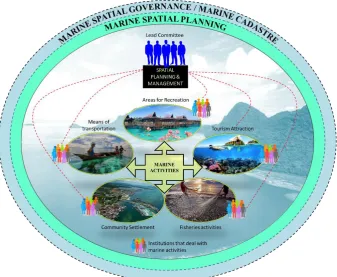
Figure 1.2 Connection of Marine Spatial Planning and Marine Spatial Governance
6
Above all, since marine spatial planning implementation is regarded as the integrated managerial tool to achieve effective and sustainable governance, the new knowledge chosen to be integrated with the MSP process is known as the Institutional Analysis and Development (IAD) Framework (Ostrom, 2014; 2011; 2010a; 2010b; 2003). The selection of integration with the IAD framework concept had developed the analysis of collective action problems involving social structures, positions, and rules in order to understand the institution behaviour and the changes over time to guaranteed the sustainability of the plan (Herzberg & Allen, 2012; Bitzer & Glasbergen, 2010; Glover et al, 2014; Raheem, 2014). Thus, a framework that combines the effective practice of marine spatial planning with institutional analysis and development should highlight the working rules adapted in the IAD framework. This is done to evaluate the behaviour within the institutional arrangements among marine spatial planning committee in Malaysia.
1.3 Problem Statement
The early stages of marine spatial planning practice in Malaysia highlighted three (3) problematic phenomena that lead towards the need to perform this research. Hence, the problem statement of the research is explain as follows:
1.3.1 Overlapping Roles among Marine Institutions
7
of the maritime nations have move towards having a specific management approach to measure the effectiveness of marine spatial governance. Malaysia now is laterally moving forward among the others to have an effective tool of marine spatial governance. It seems that the first thing needed is a proper effective spatial plan on the institutional behaviours to gain insight of the working MSP committee in Malaysia.
The need to study the institutional behaviours among institutions is important. This is because marine institutions exist in various platforms (government, non-government and academic institution), and they also came with a mandate to regulate different activities on marine spaces. The existence of various institutions might create unclear competencies due to overlapping rights, restrictions and responsibilities from the confusion on the institutions roles, duplication of work and complex managerial implementation (Liu et al, 2012). However, adaptation of the marine spatial planning concept in the governance system is regarded as a mean to reduce conflicts between marine users from different institutions (Liu, et al, 2011; Deidun et al, 2011; Lockhart et al, 2012; Flannery & Cinneide, 2012; Kvalvik, 2012; Longley & Lipsky, 2013; Lester et al, 2013; Calado & Bentz, 2013; Soma et al, 2014; Uzun & Celik, 2014; Scarff et al, 2015; Jay et al, 2016).
8
Above all, the need to have an effective management of marine spatial planning practice is crucial for the maritime nations. It is especially important for Malaysia that is surrounded by approximately 4,320 kilometres of coastlines and variety of biodiversity activities in its coast. In addition, along the shoreline distance of 4,492 kilometres in Peninsular Malaysia and 2,755 km in Sabah and Sarawak, there are clusters of more than 32 attractive islands (Department of Marine Park Malaysia, 2012) for tourist attraction. Without an effective plan to manage the environment, it will definitely affect the sovereignty of the country.
1.3.2 Redundancies of Marine Spatial Information
Secondly, the need to have an effective marine spatial planning practice is due to the duplication of marine data collection among different marine institutions. This duplication leads to redundancies of marine spatial information. Since there are no centralised institutions that are assigned to manage all of the process of data gathering, processing, and distribution of the marine information, a condition known as “data silo” should be created (Binns, 2004a; Binns et al, 2004b; Ng’ang’a et al, 2004; Abdullah et al, 2014; Omar et al, 2015; Jay et al, 2016). The “silo” phenomenon refers to the same process of data collection, data processing, and data distribution performing separately by multiple institutions to ensure the data are available to the public or certain needs.
9
However, the proposal to assign the leading institution to manage the marine information has always ended without a specific solution. The reason why the problem occurs is that there is a lack of awareness and communication among the marine committees that is resulted from the ‘silo’ phenomenon discussed earlier (Fletcher et al, 2011; Fletcher et al, 2013; Tarmidi et al, 2016). Since there is no central institution to group all the marine institutions under one roof of management, it creates the uncontrolled activities of extracting benefits from the oceans. Moreover, the process of sharing knowledge or spatial information is difficult due to the reluctance to release the information to other institutions. The condition of ‘institutional-listic’ among the stakeholders themselves were difficult to be avoided due to the price they need to pay in order to retrieve the information. Therefore, the implementation of an effective institutional behaviour for marine spatial planning practice will analyse the relationship among the institutions regarding the perspective of managing the marine spatial information. As a result, from the effective marine plan, the leading institution will be able to resolve the institutional conflicts on the dissemination of spatial information.
10
1.3.3 Need for the Framework of Institutional Analysis and Development in Marine Spatial Planning Practice
The pressure for maritime nations to focus on the institutional arrangement, especially for marine spatial planning practice is to make sure that each institution is able to communicate and work together in an integrated way as a team (Olsen et al, 2014). More importantly, since the need to involve all marine institutions under a centralised management is critical for marine spatial planning practice, the focus should be to understand how these institutions could influence marine spatial planning activities. It is commonly known that involvement from multiple institutions would create a messy web of interactions among them. Therefore, the arrangement to study the behaviour of the marine institutional interactions can be achieved through the integration with the Institutional Analysis and Development (IAD) Framework.
The integration of IAD framework and effective marine spatial planning practice proposed in the research is to fill the gap of establishing the marine policy for the institutions (Flannery & Ó Cinnéide, 2012; Domínguez-Tejo et al, 2016). Providing that the institutional gap is able to affect the majority of the marine institutions involved especially in the same realm as Malaysia towards an effective marine spatial planning practice since it is an important and complex procedure to develop a marine policy. According to Binns et al (2004), regarding the complexity of developing a marine policy, the study needs to be focused on the marine institutional relationship to achieve an effective and sustainable framework of institutional behaviour.
11
effectiveness of MSP implementation to form an effective institutional behaviour among the marine committees (Omar et al, 2015; Domínguez-Tejo et al, 2016).
Limited studies have been conducted on establishing the integrated institutional analysis and development framework for effective marine spatial planning practice. Hence, this study attempts to fill the gap of knowledge. Moreover, an effective MSP should be able to propose a solution to resolve the marine spatial governance issues on legislation, data management, and institution (Smythe, 2017). Moreover, by combining the institutional analysis and development idea with marine spatial planning, the outcome is about deriving the action-situation unit from the framework for MSP practice as highlighted in the research questions which will be answered.
1.4 Knowledge Gap and Hypothesis
12
13
Table 1.1 Knowledge Gap Conditions
No. Abbreviation Knowledge Gap Elements Description
a) P Population Previous research did not cover all criteria that represent the population such as gender, academic background, location, religion, occupation etc.
b) I Intervention
Previously, the intervention or the method that is being implemented by other scholars is outdated and new intervention was proposed for the current research.
c) T Theory
There are new theories acquired from current scholars to make it suitable to be tested with same previous research. In addition, the theories integrated also make the gap available to be studied.
d) A Analysis
Different types of statistical analysis will give different result of final output. Hence, the use of most suitable analysis to analyse the final output will lead to result that is more precise.
e) M Methodology
14
Although studies on marine spatial planning are increasing among scholars, there are none of the studies that integrate the framework of institutional analysis and development with the effective components of marine spatial planning practice. No studies on this were reported in small countries including Malaysia. Since the research on the issue is minimal, not only in Malaysia but also in other international countries, the lack of research in the issue and can be considered as the knowledge gap in the research. Therefore, to fill in the gap, this study aims to develop a framework of institutional analysis and development for an effective practice of marine spatial planning in Malaysia. Since this is the first attempt to integrate the institutional analysis and development (IAD) idea into the effective practice of marine spatial plan, it is believe that the outcomes are able to make a significant contribution to the knowledge within the marine spatial planning field.
1.5 Research Questions
Accommodating all the concerns of establishing the framework of institutional analysis of effective marine spatial planning practice, the research questions to be answered in the research are:-
a) What are the effective practices of marine spatial planning in Malaysia?
b) What are the institutional behaviours upon implementing the marine spatial planning in Malaysia?
15 1.6 Aim and Objectives
The aim of this research is to develop a framework of institutional analysis for an effective marine spatial planning practice in Malaysia.
For this aim, there are three (3) specific objectives of the research:
a) To identify and analyse the major components that lead into effective marine spatial planning practice in Malaysia;
b) To examine the institutional behaviour among the marine spatial planning committees in Malaysia;
c) To develop the Malaysia Framework of Institutional Analysis towards the effective Marine Spatial Planning practice and validate the effectiveness’s reliability and applicability.
1.7 Scope of Research
To develop and validate a framework of institutional analysis for an effective marine spatial planning practice, the scope of the study is as follows:
16
marine institutions that are involved with the development of Semporna Marine Spatial Planning.
b) The marine institutions that are involved with the development of Semporna MSP can be divided into three groups; Steering Committee, Technical Committee, and Implementer Committee. The first objective of the research is the identification of the effective practice of MSP and the respondents involved are from the Technical Committee since the committees are involved with the decision-making process and data management for the planning system. Later, in answering the second objective, the respondent is from the Implementer Committee since there are five (5) spatial plans that were put in charge for the committee. The institutional behaviour of the Implementer Committee suggests that the pilot outcome that can be guidelines for Malaysia to have an effective institutional framework for MSP practice.
c) Hence, in order to analyse the institutional behaviour among the committee of Semporna MSP, the Institutional Analysis and Development (IAD) framework was adapted in the research. Moreover, the analysis proposes the solution of the policy reformation, especially regarding the economic efficiency, fiscal equivalence, distributional equity, accountability, sustainability, and conformance to value of marine committee.
17 1.8 Significance of the Research
The significance of the research is to highlight the importance of institutional study towards ensuring effective marine spatial planning practices and to prepare Malaysia towards sustainable governance of marine spaces. Moreover, when a maritime nation is planning to produce an effective and sustainable spatial plan for marine planning, the involvement from every related institution is crucial, especially at the early stage of implementation. Similarly, to Malaysia, the idea of starting a marine spatial planning practice was initiated by the Town and Regional Planning Department of Sabah (TRPD) with the collaboration of WWF-Malaysia as the leading institutions to produce the plan starting from the district of Semporna, Sabah and being used a reference by other districts as well as other states in Malaysia. WWF-Malaysia stands for World Wide Fund for Nature, the the international conservation organization that focus on scientific research which covers the broader issues of the natural environment, incorporating such aspects as policy work, environmental education, public awareness and campaigns.
Since the issue in the development of the plan is to manage the needs and converging the roles for each institution, therefore, the outcome of the research is important for the evaluation of the institutional behaviours towards the establishment of centralised institution to lead the marine governance in Malaysia. The research highlights the effectiveness components for an effective practice of marine spatial planning. Even though the responses were acquired from the committee of Sabah as the pioneer plan in Malaysia, the strategy may be adopted by other states and the whole Malaysia towards the reformation of marine policy.
18 1.9 General Methodology
The overall research methodology consists of literature review and questionnaire distribution are conducted to gain the result on the effective components for marine spatial planning practice in Sabah. Additionally, telephone interviews were conducted to map the institutional behaviour for marine institutions in Sabah. Both integration of quantitative and qualitative measures for establishing the selection framework were employed in this study. In summary, the research is conducted through the following methodology.
i) Literature Review
An extensive literature review on the effective practice of marine spatial planning and institutional analysis and development framework was carried out. The process of literature review involves data gathering from journals, conferences papers, books, and research reports.
ii) Questionnaire Distribution
Semi structured questionnaires were distributed to the Technical Committee of Semporna MSP practice to gather information on effective practice of marine spatial planning. The questionnaires were distributed on a conference session that was held in Tabung Haji Kota Kinabalu, Sabah that includes the Technical Committee as the audience.
iii) Telephone Interview
19 iv) Questionnaire Distribution (Validation)
The final stage of the research is to validate the findings of the effectiveness practice of marine spatial planning integrated with the framework of IAD for Semporna case study. The experts selected to validate the outcome were among the practitioner that have experiences in marine spatial planning and marine spatial governance. The method used to validate the findings is using the questionnaire distribution among the experts.
Detailed explanations of the research methodology and analysis method as well as
the institutions that are involved for each committee and the experts’ selection are
elaborated in Chapter 4: Research Methodology of the thesis.
1.10 Structure of the Thesis
This research has been structured into seven (7) main chapters. The chapters of this study are outlined as follows.
Chapter 1 introduces the current review of effective marine spatial planning practice and the relation towards achieving the sustainable marine spatial governance. The problem of the research was identified by constructing clear objectives and the direction of the study.
209 REFERENCES
Abdullah, A., Omar, A. H., Chan, K. L., Mat Arof, Z., Jamil, H., & Teng, C. H. (2014). The Development of Marine Cadastre Conceptual Model for Malaysia. FIG Congress 2014. Kuala Lumpur, Malaysia, 16
Omar, A.H., Abdullah, N.M., Rambat, S., Yahaya, N.A.Z., Rahibulsadri, R., Abdullah, A., Yahya, R., Jamil, H., Hua, T.C. and Lim, C.K. (2017). Sustainable Marine Space Managements: Malaysian Perspective. WCS-CE - The World Cadastre Summit, Congress & Exhibition Istanbul, Turkey. 20 –25 April 2015. Turkey. Abdullah, N. M., Omar, A. H., Desa, G., & Rambat, S. (2014). Towards The
Development Of A Framework For Sustainable Marine Space Governance: An Analysis Of Collaborative Design Approach. Jurnal Teknologi, 72(5), 85–88. Agardy, T., di Sciara, G. N., & Christie, P. (2011). Mind the gap: Addressing the
shortcomings of marine protected areas through large scale marine spatial planning. Marine Policy, 35(2), 226–232. doi:10.1016/j.marpol.2010.10.006 Alesina, A., & Giuliano, P. (2015). Culture and Institutions (No. 9246). Journal of
Economic Literature (Vol. 53). Retrieved from http://link.springer.com/10.1007/s10897-010-9345-6
Alexander, K. A., Angel, D., Freeman, S., Israel, D., Johansen, J., Kletou, D., … Potts, T. (2016). Improving sustainability of aquaculture in Europe: Stakeholder dialogues on Integrated Multi-trophic Aquaculture (IMTA). Environmental Science & Policy, 55, 96–106. doi:10.1016/j.envsci.2015.09.006
Aligica, P. D. (2006). Institutional and stakeholder mapping: Frameworks for policy analysis and institutional change. Public Organization Review, 6(1), 79–90. doi:10.1007/s11115-006-6833-0
Almeida, J., Costa, C., & Nunes da Silva, F. (2017). A framework for conflict analysis in spatial planning for tourism. Tourism Management Perspectives, 24, 94–106. doi:10.1016/j.tmp.2017.07.021
Alon, A., & Dwyer, P. D. (2016). SEC’s acceptance of IFRS-based financial reporting: An examination based in institutional theory. Accounting, Organizations and Society, 48, 1–16. doi:10.1016/j.aos.2015.11.002
http://www.speed-program.com/wp-210
content/uploads/2015/03/2015-SPEED-Report-011-Annex-B-Cabo-Delgado- Sustainable-Development-Forum-Institutional-and-Stakeholder-Analysis-EN.pdf
Ault, J. K. (2016). An institutional perspective on the social outcome of entrepreneurship: Commercial microfinance and inclusive markets. Journal of International Business Studies, 47(8), 951–967. doi:10.1057/jibs.2016.18
Backer, H. (2011). Transboundary maritime spatial planning: a Baltic Sea perspective. Journal of Coastal Conservation, 15(2), 279–289. doi:10.1007/s11852-011-0156-1
Baiju, K. K. (2013). Institutional Analysis of Marine Fisheries Management Practices in Kerala, India. PhD Thesis, Cochin University of Science and Technology. Balasubramanian, N. (2013). Gender Equality, Inclusivity and Corporate Governance
in India. Journal of Human Values, 19(1), 15–28. doi:10.1177/0971685812470327
Balram, S., & Dragićević, S. (2005). Attitudes toward urban green spaces: integrating questionnaire survey and collaborative GIS techniques to improve attitude measurements. Landscape and Urban Planning, 71(2–4), 147–162. doi:10.1016/j.landurbplan.2004.02.007
Ban, N. C., Bodtker, K. M., Nicolson, D., Robb, C. K., Royle, K., & Short, C. (2013). Setting the stage for marine spatial planning: Ecological and social data collation and analyses in Canada’s Pacific waters. Marine Policy, 39(1), 11–20. doi:10.1016/j.marpol.2012.10.017
Barratt, M. J., Ferris, J. A., & Lenton, S. (2015). Hidden Populations, Online Purposive Sampling, and External Validity: Taking off the Blindfold. Field Methods, 27(1), 3–21. doi:10.1177/1525822X14526838
Battista, T., & O’Brien, K. (2015). Spatially Prioritizing Seafloor Mapping for Coastal and Marine Planning. Coastal Management, 43(1), 35–51. doi:10.1080/08920753.2014.985177
Bazile, P. (2007). GIS: concepts , methods & tools. GIS: Concepts , Methods & Tools, (2), 30.
211
Bennett, R. (2007). Property rights, restrictions and responsibilities: their nature, design and management. PhD Thesis, The University of Melbourne.
Bezzina, F., Cassar, V., Tracz-Krupa, K., Przytuła, S., & Tipurić, D. (2017). Evidence-based human resource management practices in three EU developing member states: Can managers tell truth from fallacy? European Management Journal, 35(5) 1–13. doi:10.1016/j.emj.2017.02.010
Binet, T., Diazabakana, A., Laustriat, M., & Hernandez, S. (2015). Sustainable Financing of Marine Protected Areas in the Mediterranean: A Financial Analysis. Vertigo Lab, MedPAN, RAC/SPA, WWF Mediterranean, 114.
Binns, A. (2004). Defining a marine cadastre: legal and institutional aspects. Master Thesis, Department of Geomatics, The University of Melbourne.
Binns, A., Collier, P. a, & Williamson, I. a N. (2004). Developing the Concept of a Marine Cadastre : An Australian Case Study. Integration The Visi Journal, No. 6, 12.
Binns, A., Rajabifard, A., Collier, P. A., & Williamson, I. (2003). Issues in Defining the Concept of a Marine Cadastre for Australia. FIG/UNB Seminar/Meeting On Marine Cadastre (pp. 1–14).
Bitzer, V., & Glasbergen, P. (2010). Partnerships for Sustainable Change in Cotton: An Institutional Analysis of African Cases. Journal of Business Ethics, 93(2), 223–240. doi:10.1007/s10551-010-0562-6
BorneoPost Online. (2016). Semporna Marine Spatial Plan shortlisted for award.
Retrieved December 13, 2017, from
http://www.theborneopost.com/2016/03/11/semporna-marine-spatial-plan-shortlisted-for-award/
Botero, C. M., Fanning, L. M., Milanes, C., & Planas, J. A. (2016). An indicator framework for assessing progress in land and marine planning in Colombia and Cuba. Ecological Indicators, 64, 181–193. doi:10.1016/j.ecolind.2015.12.038 Boucquey, N., Fairbanks, L., St. Martin, K., Campbell, L. M., & McCay, B. (2016).
The ontological politics of marine spatial planning: Assembling the ocean and shaping the capacities of ‘Community’ and ‘Environment.’ Geoforum, 75, 1–11. doi:10.1016/j.geoforum.2016.06.014
212
Buttivant, H., & Knai, C. (2012). Improving food provision in child care in England: a stakeholder analysis. Public Health Nutrition, 15(03), 554–560. doi:10.1017/S1368980011001704
By, R. A. de, Knippers, R. A., Sun, Y., Ellis, M. C., Kraak, M.-J., Weir, M. J. C., Georgiadou, J., Radwan, M. M., van Westen, C. J., Kainz, W. and Sides, E. J. (2001). Principles of Geographic Information Systems, An Introductory Textbook. The International Institute for Aerospace Survey and Earth Sciences (ITC), Enschede, The Netherlands.
Calado, H., & Bentz, J. (2013). The Portuguese maritime spatial plan. Marine Policy, 42, 325–333. doi:10.1016/j.marpol.2013.03.014
Calado, H., Bentz, J., Ng, K., Zivian, A., Schaefer, N., Pringle, C., Johnson, D. and Phillips, M. (2012). NGO involvement in marine spatial planning: A way forward? Marine Policy, 36(2), 382–388. doi:10.1016/j.marpol.2011.07.009 Calado, H., Ng, K., Johnson, D., Sousa, L., Phillips, M., & Alves, F. (2010). Marine
spatial planning: Lessons learned from the Portuguese debate. Marine Policy, 34(6), 1341–1349. doi:10.1016/j.marpol.2010.06.007
Caldow, C., Monaco, M.E., Pittman, S.J., Kendall, M.S., Goedeke, T.L., Menza, C., Kinlan, B.P. and Costa, B.M. (2015). Biogeographic assessments: A framework for information synthesis in marine spatial planning. Marine Policy, 51, 423–432. doi:10.1016/j.marpol.2014.07.023
Campbell, J., & Shin, M. (2011). Essentials to Geographic Information Systems. California, USA: Flat World Knowledge, Inc.
Carneiro, G. (2013). Evaluation of marine spatial planning. Marine Policy, 37, 214– 229. doi:10.1016/j.marpol.2012.05.003
Cavana, R. Y., Delahaye, B. L., & Sekaran, U. (2001). Applied business research: Qualitative and quantitative methods. John Wiley & Sons Australia.
Chang, Y., & Lin, B.-H. (2016). Improving marine spatial planning by using an incremental amendment strategy: The case of Anping, Taiwan. Marine Policy, 68, 30–38. doi:10.1016/j.marpol.2016.02.004
213
Chua, Y. P. (2014). Reka Bentuk Kajian. McGraw-Hill Education.
Clement, F. (2010). Analysing decentralised natural resource governance: proposition for a “politicised” institutional analysis and development framework. Policy Sciences, 43(2), 129–156. doi:10.1007/s11077-009-9100-8
Cockburn, S., Nichols, S., & Monahan, D. (2003). UNCLOS’ Potential Influence On A Marine Cadastre: Depth, Breadth, And Sovereign Rights. Proceedings of the Advisory Board on the Law of the Sea to the International Hydrographic Organization (ABLOS) Conference “Addressing Difficult Issues in UNCLOS”,
1–14.
Cohen, J. (1988). Statistical power analysis for the behavioral sciences (2nd Editio). Lawrence Erlbraum Associates.
Cole, D. H. (2014). Formal Institutions and the IAD Framework: Bringing the Law Back In. SSRN Electronic Journal, (297), 1–43. doi: 10.2139/ssrn.2471040 Cole, D. H., Epstein, G., & McGinnis, M. (2014). Toward a New Institutional Analysis
of Social-Ecological Systems (NIASES): Combining Elinor Ostrom’s IAD and SES Frameworks. Maurer School of Law Legal Studies Research Paper Series, (299), 1–22.
Coleman, H., Foley, M., Prahler, E., Armsby, M., & Shillinger, G. (2011). Decision Guide: Selecting Decision Support Tools for Marine Spatial Planning. Palo Alto: Board of Trustees of the Leland Stanford Junior University, 56.
Collie, J.S., Beck, M.W., Craig, B., Essington, T.E., Fluharty, D., Rice, J. and Sanchirico, J.N. (2013). Marine spatial planning in practice. Estuarine, Coastal and Shelf Science, 117, 1-11. doi:10.1016/j.ecss.2012.11.010
Collingridge, D. (2014). Validating a Questionnaire. Retrieved December 22, 2017, from https://www.methodspace.com/validating-a-questionnaire/
Coomber, F. G., D’Incà, M., Rosso, M., Tepsich, P., Notarbartolo di Sciara, G., & Moulins, A. (2016). Description of the vessel traffic within the north Pelagos Sanctuary: Inputs for Marine Spatial Planning and management implications within an existing international Marine Protected Area. Marine Policy, 69, 102– 113. doi:10.1016/j.marpol.2016.04.013
Cooper, J. C. B. (1983). Factor Analysis: An Overview. The American Statistician, 37(2), 141. doi:10.2307/2685875
214
Cresswell, J. W., Plano-Clark, V. L., Gutmann, M. L., & Hanson, W. E. (2003). An Expanded Typology for Classifying Mixed Methods Research Into Designs. In A.
Tashakkori & C. Teddlie (Eds.), Handbook of mixed methods in social and behavioral research (pp. 209–240). Thousand Oaks, CA: Sage.
Creswell, J. W. (2013). Research Design: Qualitative, Quantitative, and Mixed Methods Approaches. California: SAGE Publications.
Creswell, J. W., Klassen, A. C., Plano Clark, V. L., & Smith, K. C. (2011). Best Practices for Mixed Methods Research in the Health Sciences. Bethesda (Maryland): National Institutes of Health. http://doi.org/10.1002/cdq.12009. Deidun, A., Borg, S., & Micallef, A. (2011). Making the Case for Marine Spatial
Planning in the Maltese Islands. Ocean Development & International Law, 42(1– 2), 136–154. doi:10.1080/00908320.2011.542108
Department of Marine Park Malaysia. (2012). FAKTA-FAKTA TENTANG PENGURUSAN TAMAN LAUT. Retrieved November 2, 2015, from http://www.dmpm.nre.gov.my
Department of Statistics Malaysia Sabah. (2015). Buku Tahunan Perangkaan Sabah 2014. Department of Statistics Malaysia Sabah.
Devkar, G. A., Mahalingam, A., & Kalidindi, S. N. (2009). Analyzing the Institutional Framework for Urban Public Private Partnerships in Indian States. In Construction Research Congress 2009: Building a Sustainable Future. pp. 201-210.
Domínguez-Tejo, E., Metternicht, G., Johnston, E., & Hedge, L. (2016). Marine Spatial Planning advancing the Ecosystem-Based Approach to coastal zone management: A review. Marine Policy, 72, 115–130. doi:10.1016/j.marpol.2016.06.023
Douvere, F. (2010). Marine Spatial Planning: Concepts, current practice and linkages to other management approaches. PhD Thesis, Ghent University, Belgium. Douvere, F., & Ehler, C. (2001). Issues and Prospects Ecosystem-Based Marine
Spatial Management : An Evolving Paradigm for the Management of Coastal and Marine Places. Management, 44, 563–566.
215
Dunstan, P. K., Bax, N. J., Dambacher, J. M., Hayes, K. R., Hedge, P. T., Smith, D. C., & Smith, A. D. M. (2016). Using ecologically or biologically significant marine areas (EBSAs) to implement marine spatial planning. Ocean & Coastal Management, 121, 116–127. doi:10.1016/j.ocecoaman.2015.11.021
Edwards, P. N., Mayernik, M. S., Batcheller, A. L., Bowker, G. C., & Borgman, C. L. (2011). Science friction: Data, metadata, and collaboration. Social Studies of Science, 41(5), 667–690. doi:10.1177/0306312711413314
Ehler, C. (2014). A Guide To Evaluating Marine Spatial Plans. IOC Manuals and Guides. Paris: UNESCO.
Ehler, C. N. (2011). Marine Spatial Planning in the Arctic: A First Step Toward Ecosystem-Based Management. The Shared Future: Aspen Institute Dialogue and Commission on Arctic Climate Change.
Ehler, C. N. (2013). The Present and Future of Marine Spatial Planning around the
World. Retrieved January 1, 2017, from
https://www.openchannels.org/blog/cehler/present-and-future-marine-spatial-planning-around-world
Elo, S., Kaariainen, M., Kanste, O., Polkki, T., Utriainen, K., & Kyngas, H. (2014). Qualitative Content Analysis: A Focus on Trustworthiness. SAGE Open, 4(1), 1– 10. doi:10.1177/2158244014522633
Flannery, W., Ellis, G., Ellis, G., Flannery, W., Nursey-Bray, M., van Tatenhove, J.P., Kelly, C., Coffen-Smout, S., Fairgrieve, R., Knol, M. and Jentoft, S., 2016. Exploring the winners and losers of marine environmental governance/Marine spatial planning: Cui bono?/“More than fishy business”: epistemology, integration and conflict in marine spatial planning/Marine spatial planning: power and scaping/Surely not all planning is evil?/Marine spatial planning: a Canadian perspective/Maritime spatial planning–“ad utilitatem omnium”/Marine spatial planning:“it is better to be on the train than being hit by it”/Reflections from the perspective of recreational anglers and boats for hire/Maritime spatial planning and marine renewable energy. Planning Theory & Practice, 17(1), 121-151. doi:10.1080/14649357.2015.1131482
216
Flannery, W., & Ó Cinnéide, M. (2012). A roadmap for marine spatial planning: A critical examination of the European Commission’s guiding principles based on their application in the Clyde MSP Pilot Project. Marine Policy, 36(1), 265–271. doi:10.1016/j.marpol.2011.06.003
Fletcher, S., McKinley, E., Buchan, K. C., Smith, N., & McHugh, K. (2013). Effective practice in marine spatial planning: A participatory evaluation of experience in
Southern England. Marine Policy, 39, 341–348.
doi:10.1016/j.marpol.2012.09.003
Fletcher, S., Potts, J., & Butler, C. (2011). Effective marine (spatial) planning: a systematic review of evidence. Littoral 2010–Adapting to Global Change at the Coast: Leadership, Innovation, and Investment, 08002. doi:10.1051/litt/201108002
Fujita, R., Lynham, J., Micheli, F., Feinberg, P. G., Bourillón, L., Sáenz-Arroyo, A., & Markham, A. C. (2013). Ecomarkets for conservation and sustainable development in the coastal zone. Biological Reviews, 88(2), 273–286. doi:10.1111/j.1469-185X.2012.00251.x
Gill, S. P. (2007). Designing for Inclusivity. In Universal Acess in Human Computer Interaction. Coping with Diversity. Berlin, Heidelberg: Springer Berlin Heidelberg.
Gilliland, P. M., & Laffoley, D. (2008). Key elements and steps in the process of developing ecosystem-based marine spatial planning. Marine Policy, 32(5), 787– 796. doi:10.1016/j.marpol.2008.03.022
Glover, J. L., Champion, D., Daniels, K. J., & Dainty, A. J. D. (2014). An Institutional Theory perspective on sustainable practices across the dairy supply chain. International Journal of Production Economics, 152, 102–111. doi:10.1016/j.ijpe.2013.12.027
Goh, C. S., & Lee, K. T. (2010). A visionary and conceptual macroalgae-based third-generation bioethanol (TGB) biorefinery in Sabah, Malaysia as an underlay for renewable and sustainable development. Renewable and Sustainable Energy Reviews, 14(2), 842–848. doi:10.1016/j.rser.2009.10.001
217
Gorman, D., Corte, G., Checon, H. H., Amaral, A. C. Z., & Turra, A. (2017). Optimizing coastal and marine spatial planning through the use of high-resolution benthic sensitivity models. Ecological Indicators, 82, 23–31. doi:10.1016/j.ecolind.2017.06.031
Griffith-Charles, C., & Sutherland, M. (2014). Governance in 3D , LADM Compliant Marine Cadastres. 4th International Workshop on 3D Cadastres. 9-11 November 2014, Dubai, United Arab Emirates, 83-98
Grigg, N. S. (2016). Institutional Analysis of Drinking Water Supply Failure: Lessons from Flint, Michigan. Journal of Professional Issues in Engineering Education and Practice, 139(3), 05016014. doi:10.1061/(ASCE)EI.1943-5541.0000312 Grigg, N. S., & Asce, M. (2005). Institutional Analysis of Infrastructure Problems :
Case Study of Water Quality in Distribution Systems. Journal of Management in Engineering, 21, 152–158. doi:10.1061/(ASCE)0742-597X(2005)21:4(152) Hagedorn, K. (2007). Towards an institutional theory of multifunctionality. In
Multifunctional Land Use. Berlin, Heidelberg: Springer Berlin Heidelberg. pp. 105–124.
Hageman, A. M. (2015). A review of the strengths and weaknesses of archival, behavioral, and qualitative research methods: recognizing the potential benefits of triangulation. In Advances in Accounting Behavioral Research. 1–30. doi:10.1016/S1475-1488(08)11001-8
Hanson, W. E., Creswell, J. W., Clark, V. L. P., Petska, K. S., & Creswell, J. D. (2005). Mixed methods research designs in counseling psychology. Journal of Counseling Psychology, 52(2), 224–235. doi:10.1037/0022-0167.52.2.224 Havard, L., Brigand, L., & Cariño, M. (2015). Stakeholder participation in
decision-making processes for marine and coastal protected areas: Case studies of the south-western Gulf of California, Mexico. Ocean & Coastal Management, 116, 116–131. doi:10.1016/j.ocecoaman.2015.06.017
Hayes, T., Murtinho, F., & Wolff, H. (2015). An institutional analysis of Payment for Environmental Services on collectively managed lands in Ecuador. Ecological Economics, 118, 81–89. doi:10.1016/j.ecolecon.2015.07.017
Heffernan, P. B. (2015). Enablers Task Force on Marine Spatial Planning. Retrieved from http://www.ouroceanwealth.ie/publications
218
Herzberg, R. Q. (2015). Governing their commons: Elinor and Vincent Ostrom and the Bloomington School. Public Choice, 163(1–2), 95–109. doi:10.1007/s11127-015-0243-1
Hijdra, A., Woltjer, J., & Arts, J. (2015). Troubled waters: An institutional analysis of ageing Dutch and American waterway infrastructure. Transport Policy, 42, 64– 74. doi:10.1016/j.tranpol.2015.05.004
Hodgson, G. M. (2006). What Are Institutions? Journal of Economic Issues, XL(1), 1–
25. Retrieved from
http://www.geoffrey-hodgson.info/user/image/whatareinstitutions.pdf
Huang, W., Corbett, J. J., & Jin, D. (2015). Regional economic and environmental analysis as a decision support for marine spatial planning in Xiamen. Marine Policy, 51, 555–562. doi:10.1016/j.marpol.2014.09.006
Huber-Stearns, H. R., Goldstein, J. H., Cheng, A. S., & Toombs, T. P. (2015). Institutional analysis of payments for watershed services in the western United States. Ecosystem Services, 16, 83–93. doi:10.1016/j.ecoser.2015.10.009
Huisman, O., & By, R. A. de. (2009). Principles of Geographic Information Systems. The International Institute for Geo-Information Science and Earth Observation (ITC).
Imperial, M. T. (1999). Institutional Analysis and Ecosystem-Based Management: The Institutional Analysis and Development Framework. Environmental Management, 24(4), 449–465. doi:10.1007/s002679900246
Irvine, A. (2011). Duration , Dominance and Depth in Telephone and Face-to-Face Interviews : A Comparative Exploration. International Journal of Qualitative Methods, 10(3), 202–220.
Jabatan Pengairan dan Saliran Malaysia. (2012). Integrated Shoreline Management Plan for Negeri Sabah.
Jarvis, R. M., Bollard Breen, B., Krägeloh, C. U., & Billington, D. R. (2015). Citizen science and the power of public participation in marine spatial planning. Marine Policy, 57, 21–26. doi:10.1016/j.marpol.2015.03.011
219
Jay, S., Ellis, G., & Kidd, S. (2012). Marine Spatial Planning: A New Frontier? Journal of Environmental Policy & Planning, 14(1), 1–5. doi:10.1080/1523908X.2012.664327
Jay, S., Klenke, T., Ahlhorn, F., & Ritchie, H. (2012). Early European Experience in Marine Spatial Planning: Planning the German Exclusive Economic Zone. European Planning Studies, 20(12), 2013–2031. doi:10.1080/09654313.2012.722915
Jay, S., Klenke, T., & Janßen, H. (2016). Consensus and variance in the ecosystem approach to marine spatial planning: German perspectives and multi-actor
implications. Land Use Policy, 54, 129–138.
doi:10.1016/j.landusepol.2016.02.015
Jentoft, S., & Knol, M. (2014). Marine spatial planning : risk or opportunity for fisheries in the North Sea? Maritime Studies, 12(13), 1–16.
Karmel, T. S., & Jain, M. (1987). Comparison of Purposive and Random Sampling Schemes for Estimating Capital Expenditure. Journal of the American Statistical Association, 82(397), 52–57. doi:10.1080/01621459.1987.10478390
Kastrisios, C., & Tsoulos, L. (2016). A cohesive methodology for the delimitation of maritime zones and boundaries. Ocean & Coastal Management, 130, 188–195. doi:10.1016/j.ocecoaman.2016.06.015
Keh, H. T., Chu, S., & Xu, J. (2006). Efficiency, effectiveness and productivity of marketing in services. European Journal of Operational Research, 170(1), 265– 276. doi:10.1016/j.ejor.2004.04.050
Kelly, C., Gray, L., Shucksmith, R. J., & Tweddle, J. F. (2014a). Investigating options on how to address cumulative impacts in marine spatial planning. Ocean & Coastal Management, 102, 139–148. doi:10.1016/j.ocecoaman.2014.09.019 Kelly, C., Gray, L., Shucksmith, R., & Tweddle, J. F. (2014b). Review and evaluation
of marine spatial planning in the Shetland Islands. Marine Policy, 46, 152–160. doi:10.1016/j.marpol.2014.01.017
Kenchington, R., & Day, J. (2011). Zoning , a fundamental cornerstone of effective Marine Spatial Planning : lessons learnt from the Great Barrier Reef , Australia. Journal of Coastal Conservation, 15(2), 271–278.
220
Kidd, S. (2013). Rising to the integration ambitions of Marine Spatial Planning: Reflections from the Irish Sea. Marine Policy, 39, 273–282. doi:10.1016/j.marpol.2012.11.004
Klaas, B. (2008). From miracle to nightmare: An institutional analysis of development failures in Côte d’Ivoire. Africa Today, 55(1), 109–126.
Knox, S., Maklan, S., & French, P. (2005). Corporate Stakeholder Social Responsibility: Relationships Exploring and Programme Reporting across Leading FTSE Companies. Journal of Business Ethics, 61(1), 7–28. doi:10.1007/sl0551-005-0303-4
KoUn Kim. (2012). The institutional development and outcomes of water partnerships in Korea: A comparative case study based on a modified Institutional Analysis and Development (IAD) framework. PhD Thesis, The London School of Economics and Political Science (LSE).
Kvalvik, I. (2012). Managing institutional overlap in the protection of marine ecosystems on the high seas. The case of the North East Atlantic. Ocean & Coastal Management, 56, 35–43. doi:10.1016/j.ocecoaman.2011.09.009
Kyriazi, Z., Maes, F., Rabaut, M., Vincx, M., & Degraer, S. (2013). The integration of nature conservation into the marine spatial planning process. Marine Policy, 38, 133–139. doi:10.1016/j.marpol.2012.05.029
Lacy, S., Watson, B. R., Riffe, D., & Lovejoy, J. (2015). Issues and Best Practices in Content Analysis. Journalism & Mass Communication Quarterly, 92(4), 791– 811. doi:10.1177/1077699015607338
Langlois, L., Lapointe, C., Valois, P., & de Leeuw, A. (2014). Development and validity of the Ethical Leadership Questionnaire. Journal of Educational Administration, 52(3), 310–331. doi:10.1108/JEA-10-2012-0110
Lapointe, C., Langlois, L., Valois, P., Aksu, M., Arar, K.H., Bezzina, C., Johansson, O., Norberg, K. and Oplatka, I. (2016). An International Cross-Cultural Validation of the Ethical Leadership Questionnaire ( ELQ ). ISEA, 44(2), 55–77. Lawrence, T. B., & Shadnam, M. (2008). Institutional Theory. International
Encyclopedia of Communication, 5, 2288–2293. Retrieved from www.test.de Lee, C., Bobko, P., Early, P. C., & Locke, E. A. (1991). An Empirical Analysis of a
221
planning. Marine Policy, 38, 80–89. doi:0.1016/j.marpol.2012.05.022
Li, J. Y., Notteboom, T. E., & Wang, J. J. (2017). An institutional analysis of the evolution of inland waterway transport and inland ports on the Pearl River. GeoJournal, 82(5), 867–886. doi:10.1007/s10708-016-9696-0
Li, R., Li, Y., van den Brink, M., & Woltjer, J. (2015). The capacities of institutions for the integration of ecosystem services in coastal strategic planning: The case of Jiaozhou Bay. Ocean & Coastal Management, 107, 1–15. doi:10.1016/j.ocecoaman.2015.02.001
Li, R., van den Brink, M., & Woltjer, J. (2016). Rules for the governance of coastal and marine ecosystem services: An evaluative framework based on the IAD
framework. Land Use Policy, 59, 298–309.
doi:10.1016/j.landusepol.2016.09.008
Liddle, S., & El-Kafafi, S. (2010). Drivers of sustainable innovation push, pull or policy. World Journal of Entrepreneurship, Management and Sustainable Development, 6(4), 293–305. doi:10.1108/20425961201000022
Lin, H. (2007). Knowledge sharing and firm innovation capability: an empirical study. International Journal of Manpower, 28(3/4), 315–332. doi:10.1108/01437720710755272
Liu, W.-H., Ballinger, R. C., Jaleel, A., Wu, C.-C., & Lin, K.-L. (2012). Comparative analysis of institutional and legal basis of marine and coastal management in the East Asian region. Ocean & Coastal Management, 62, 43–53. doi:/10.1016/j.ocecoaman.2012.01.005
Liu, W., Wu, C., Jhan, H., & Ho, C. (2011). The role of local Government in marine spatial planning and management in Taiwan. Marine Policy, 35(2), 105–115. doi:10.1016/j.marpol.2010.08.006
Lockhart, G. G., Swingle, W. M., Bort, J., Lynott, M. C., Barco, S. G., & DiGiovanni, R. A. (2012). A crowded ocean: Including biological monitoring results in marine spatial planning efforts. In 2012 Oceans (pp. 1–8). IEEE. http://doi.org/10.1109/OCEANS.2012.6404958
Longley, K., & Lipsky, A. (2013). Human use characterization and visualization in marine spatial planning efforts in the Northeast. Northeast. IEEE.
222
Maes, F. (2008). The international legal framework for marine spatial planning. Marine Policy, 32(5), 797–810. doi:10.1016/j.marpol.2008.03.013
MAMPU. (2018). Kolej Komuniti Semporna. Retrieved April 2, 2018, from http://mampu-apps.mampu.gov.my/index.php?page=hotels&hid=5930
Mannaart, M. (2010). Effective Marine Spatial Planning and Marine and Coastal Nature Protection Policy: A study for the optimization of marine spatial planning systems, based on literature research, interviews and the comparison of case studies in three countries along the Greater North Sea. Master Thesis, Open University The Netherlands.
Mannetti, L. M., Göttert, T., Zeller, U., & Esler, K. J. (2017). Expanding the protected area network in Namibia: An institutional analysis. Ecosystem Services, 28, 207– 218. doi:10.1016/j.ecoser.2017.08.008
Marchington, M., Goodman, J., Wilkinson, A., & Ackers, P. (1992). New Developments in Employee Involvement. Manchester School of Management UMIST. http://doi.org/10.1039/b400318g
Marroni, E. V. (2014). The importance of public policy for Blue Amazon marine spatial planning. Development Studies Research, 1(1), 161–167. doi:10.1080/21665095.2014.919233
Martinez, C. (2009). Barriers and challenges of implementing tobacco control policies in hospitals: Applying the institutional analysis and development framework to the catalan network of smoke-free hospitals. Policy, Politics, and Nursing Practice, 10(3), 224–232. doi:10.1177/1527154409346736
Mason, C., Kirkbride, J., & Bryde, D. (2007). From stakeholders to institutions: the changing face of social enterprise governance theory. Management Decision, 45(2), 284–301. doi:10.1108/00251740710727296
Matutinović, I. (2007). An Institutional Approach to Sustainability: Historical Interplay of Worldviews, Institutions and Technology. Journal of Economic Issues, 41(4), 1109–1137. doi:10.1080/00213624.2007.11507089
Mayer, I., Zhou, Q., Lo, J., Abspoel, L., Keijser, X., Olsen, E., Nixon, E. and Kannen, A. (2013). Integrated, ecosystem-based Marine Spatial Planning: Design and results of a game-based, quasi-experiment. Ocean & Coastal Management, 82, 7–26. doi:10.1016/j.ocecoaman.2013.04.006