COMPARING AN INTERACTIVE CONCUSSION EDUCATION PLATFORM TO CURRENT EDUCATION STANDARDS: A RANDOMIZED CONTROL TRIAL
Brittany Marie Ingram
A thesis proposal submitted to the faculty of the University of North Carolina at Chapel Hill in partial fulfillment of the requirements for the degree of Master of Art in the Department of Exercise and Sport Science (Athletic Training) in the College of Arts &
Sciences.
Chapel Hill 2020
Approved By:
Johna K. Register-Mihalik J.D. DeFreese
Zachary Y. Kerr
© 2020
ABSTRACT
Brittany Marie Ingram: Comparing an Interactive Concussion Education Platform to Current Education Standards: A Randomized Control Trial
(Under the direction of Johna K. Register-Mihalik)
There is limited evidence concerning effective concussion education. Objective: The study purpose was to evaluate the effectiveness of a theory-driven, concussion-specific education platform. Participants: 38 college-aged recreational athletes.
Methods: The study was a single blind randomized control trial. Participants completed a survey assessing concussion knowledge, attitudes, perceived norms, and behavioral intentions pre- and post-intervention. Intervention arms included: an interactive
TABLE OF CONTENTS
LIST OF TABLES ... viii
LIST OF FIGURES ... ix
LIST OF ABBREVIATIONS ... x
CHAPTER 1: INTRODUCTION ... 1
1.1 Concussion in Sport... 1
1.2 Concussion Prevention ... 1
1.3 Theoretical Framework ... 3
1.4 Summary of Rationale ... 5
1.5 Research Question ... 6
1.5 Hypothesis ... 7
1.6 Research Design ... 7
1.7 Independent Variables ... 7
1.8 Dependent Variables (all obtained from the study questionnaire) ... 7
1.9 Operational Definitions ... 8
1.10 Assumptions ... 9
1.11 Limitations ... 10
CHAPTER 2: LITERATURE REVIEW ... 11
2.1 Sport-Related Concussion and Traumatic Brain Injury ... 11
2.1.1 Overview and Definition ... 11
2.1.2 Epidemiology ... 14
2.2 Clinical Presentation of Sport-Related Concussion ... 15
2.2.1 Signs & Symptoms ... 15
2.2.2 Evaluation... 16
2.3 Sport-Related Concussion Management ... 18
2.4 Potential Long-Term Consequences of Sport-Related Concussion ... 20
2.4.1 Post-concussion syndrome ... 20
2.4.2 Second Impact Syndrome ... 21
2.4.3 Long-Term Neurodegeneration ... 22
2.4.4 Non-disclosure of concussion ... 23
2.5 SEM and Concussion Prevention and Care ... 24
2.7 Concussion Awareness Mandates and Legislation ... 26
2.9 Methodological Considerations ... 29
2.9.1 Theory of Planned Behavior ... 30
2.9.2 Social Norms Theory... 31
2.9.3 BANK Platform ... 32
2.10 Study Rationale ... 33
CHAPTER 3: METHODS ... 35
3.2.2 Exclusion Criteria ... 36
3.4 Instrumentation ... 37
3.6 Sample Size and Statistical Analysis ... 40
3.6.1 Power Analysis ... 40
3.6.2 Statistical Analysis ... 41
CHAPTER 4: MANUSCRIPT ... 44
4.1 Results Summary ... 44
4.2 Introduction ... 45
4.3 Methods ... 48
4.3.1 Research Design ... 48
4.3.2 Participants... 49
4.3.3 Intervention... 49
4.3.4 Instrumentation ... 50
4.3.5 Procedures ... 52
4.3.6 Statistical Analysis ... 52
4.4 Results ... 53
4.5 Discussion ... 55
4.5.1 Intervention Effects on Knowledge ... 56
4.5.2 Intervention Effects on Attitude ... 57
4.5.3 Intervention Effects on Perceived Norms ... 58
4.5.4 Intervention Effects on Behavioral Intention ... 58
4.5.5 Limitations ... 59
4.6 Conclusion ... 60
APPENDICES ... 76
Appendix A: NCAA Concussion Information Sheet ... 76
Appendix B: Decision-based concussion education platform ... 78
Appendix C: Sham Intervention ... 79
Appendix D: Surveys ... 80
Appendix D.1: Pre-Intervention Survey... 80
Appendix D.2: Post-Intervention Study ... 94
LIST OF TABLES
Table 2.1: Theoretical underpinning of BANK platform...37
Table 3.1: Concussion knowledge, attitudes, & perceived norm constructs…...45
Table 4.1: Overview of study constructs of interest and application to the BANK platform...60
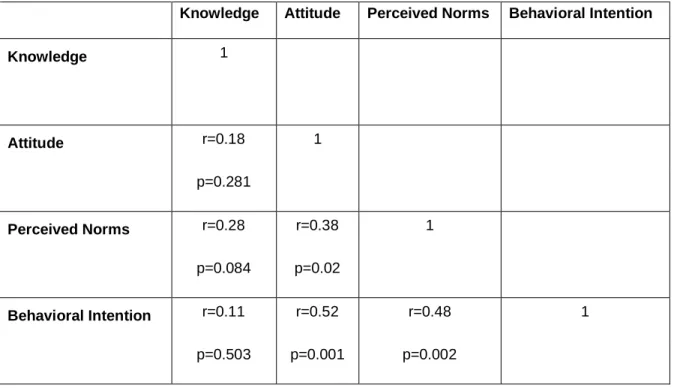
Table 4.2: Pearson correlation coefficients for pre-test outcome variables...61
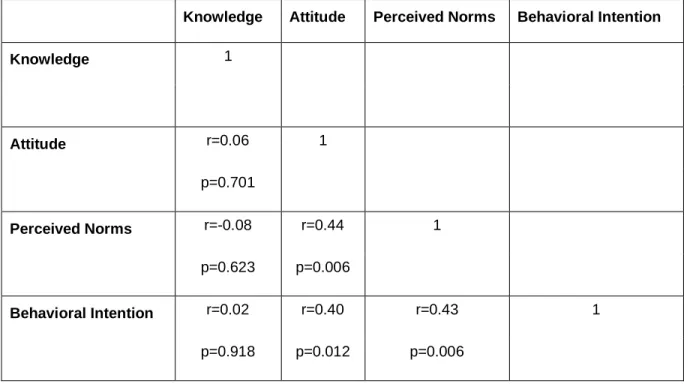
Table 4.3: Pearson correlation coefficients for pre-test outcome variables...62
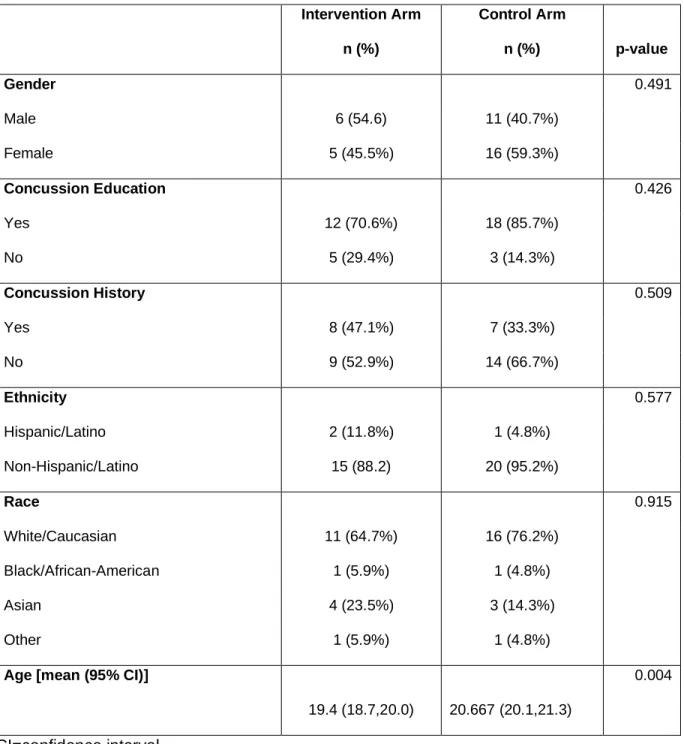
Table 4.4: Baseline comparison of demographic factors...63
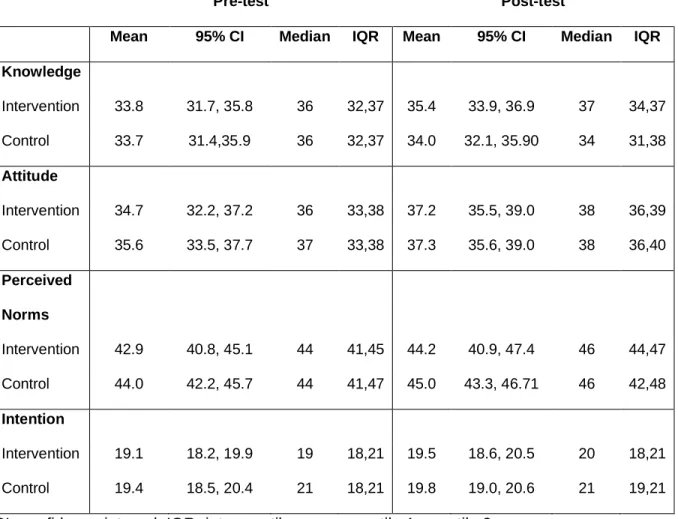
Table 4.5: Descriptive means for major outcome variables...64
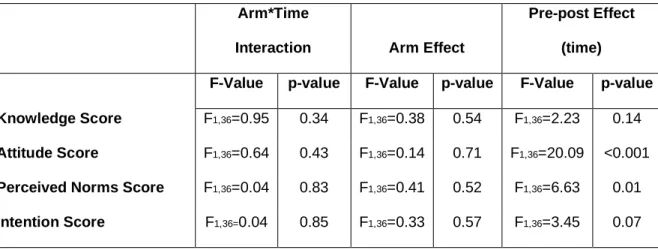
Table 4.6: Model effects and p-values for knowledge, attitudes, perceived norms, and intention scores...65
LIST OF FIGURES
Figure 4.1: Consolidated standards of reporting flow (CONSORT) diagram...67 Figure 4.2:Knowledge means and 95% confidence
intervals by study arm and time....68 Figure 4.3: Attitude means and 95% confidence intervals by study arm and time...69 Figure 4.4: Perceived norms means and 95% confidence
intervals by study arm and time...70 Figure 4.5: Behavioral intention means and 95%
LIST OF ABBREVIATIONS
NCAA National Collegiate Athletic Association SEM Socioecological Model
SNT Social Norms Theory
CHAPTER 1
INTRODUCTION
1.1 Concussion in Sport
Concussions are a prevalent injury in organized sports.Currently, sport related concussion (SRC) accounts for between 5.8 and 9.4% of all injuries in collegiate athletics.1–8 Epidemiology studies have identified the highest incidence of SRC in field hockey, football, and ice hockey.3 However, there is no gold standard of diagnosis for concussion. Much of the identification process relies on self-disclosure by student-athletes. In order for an athlete to disclose a potential SRC to a trusted individual, they must be able to identify a SRC in either themselves or a teammate. Early identification and disclosure is essential for student-athletes to enter the appropriate care pathway and reduce further harm.9 Despite the benefits of disclosing a SRC, it is estimated over 50% of concussions go unreported.10 Key reasons for non-disclosure include the lack of recognition of signs and symptoms associated with SRC and the fear of disappointing teammates, parents, and coaches.11,12
1.2 Concussion Prevention
college-aged student-athletes do not report concussion symptoms for various reasons.13 These reasons range from external pressure to lack of knowledge. Previous studies suggest reporting behaviors for athletes are closely linked to misperceptions about concussions, including how individuals perceive their peers’ intentions to report SRCs (concussion reporting norms) and what key symptoms present post-concussion.14,15 Addressing these misperceptions may increase disclosure of probable concussions by improving recognition and response to concussive injuries.16
In an effort to increase awareness of SRC and its symptoms, as well as mitigate the potential long-term consequences, many governing bodies issued laws and rules concerning concussions. Currently, all fifty states have enacted laws concerning
concussions in high schools and some at the youth level.17 These laws are multifaceted and include clauses that require that athletes do not return to play the same day as their injury.18 It is also required that they are cleared by a medical professional following the return to play protocol before returning to their sport.19 The immediate removal and stepwise progression return to play protocols have helped to improve cognitive and physical treatment for student-athletes and provide a more optimal environment for them to return to their sport.20
programs have been produced as a result of the NCAA’s recent efforts. However, currently, the only mandated piece of education is a single fact sheet to educate student-athletes about concussions and the associated symptoms. The release of this concussion education sheet came in accordance with the NCAA’s mandate requiring all participating student-athletes to be provided with educational materials about
concussions.22The effectiveness of the concussion education sheet alone has not been assessed.
The progress seen in improved treatment as a result of legislation and the NCAA efforts, serves as a keystone to further improve recognition, treatment, and awareness of SRCs. Building upon that foundation, educational efforts aim to further progress towards achieving these objectives. The success of these educational interventions in conjunction with new principles and frameworks can be a catalyst to improve athletes’ ability to recognize and respond to SRCs. However, these efforts should be guided by both theoretical frameworks and practical considerations specific to the student-athlete population.
1.3 Theoretical Framework
framework commonly used in public health that illustrates how different levels of society and culture interact to influence each other as it pertains to specific behaviors.23 Areas within the model that are in need of intervention can easily be identified through the examination of different levels of society.25 These levels include: intrapersonal (athletes), interpersonal (stakeholder; i.e.: coaches, parents, and teammates),
community, and society and policy.25 Kerr et al.10 identified the SEM as a useful tool to assess factors including legislation, sport culture, external support, and concussion knowledge as well as identify gaps in current educational methods. For example, using the SEM, researchers were able to identify that a SRC not only affects an athlete in their sport but also in their educational and social life.10 Recognizing the different settings that can be impacted by a SRC, educational efforts can include ways to tailor
accommodations in an effort to help athletes return to normal function in their sport, academically, and in society.10
Key stakeholders interact on multiple levels of the SEM. Coaches play a unique role within sports where they have an inter-personal relationship with athlete which can help with knowledge transfer, but they also report to an organization and are subject to their policies including mandated education. In addition to playing roles in the inter-personal level and policy level, coaches also are a part of creating the culture around a sport at the environment level. The multiple levels that stakeholders interact in suggests that concussion education interventions should be multifactorial.25
The TPB is a theoretical framework used to predict an individual’s behavioral intentions. The TPB is built on the foundation that behavior heavily relies on an
the perceived norms of their peers, and that their intention to perform a given behavior (e.g., disclose concussion symptoms) is closely related to their actual behavior.24 In the context of SRC, athlete’s decision on whether not to report concussion-like symptoms is based on whether or not they believe their teammates would disclose an SRC.
Implementation of an intervention that encompasses the TPB may promote a positive attitude and behavior change by addressing factors that influence sport culture and the norms of a team.26 Chrisman et al.27 hypothesized that an intervention that utilized the TPB would increase the knowledge and positively affect the attitude that student-athletes have toward SRC, the ability to recognize associated signs and
symptoms, and reporting intentions by addressing key factors that influence disclosure behaviors. The combination of these theoretical frameworks has the potential to be the basis of a standardized concussion education intervention for student-athletes by providing targeted factors for future educational interventions to change negative perceived norms.
1.4 Summary of Rationale
There is increasing emphasis on education efforts for SRC that can drive
perceived norms and behaviors towards safer decision-making around concussion. The NCAA has been at the forefront of this increased effort by piloting programs such as the Mind Matters challenge and mandating concussion education for all
with the NCAA mandate have been shown to be ineffective in increasing knowledge and positively altering attitudes and behaviors, likely due to its passive nature.14 Additionally, the vagueness of the NCAA mandate also lends for the use of a variety of different education platforms, and not all platforms are/may be effective in enhancing knowledge recall and improving attitudes and behavioral intentions in student-athletes.
Finding an effective, theory-driven (e.g., SEM and/or TPB) education platform that can improve concussion-related norms and perceptions would better serve to adequately inform athletes and improve concussion-related decision-making. We believe that the incorporation of the SEM and TPB will rectify flaws in current
educational interventions. Therefore, this study will determine the effectiveness of a decision-based interactive concussion education module in addition to the NCAA concussion education sheet by examining changes in knowledge, attitudes, perceived norms and behavioral intentions before and after the implementation of the education module.
1.5 Research Question
1.5 Hypothesis
HR: Individuals who consume the NCAA concussion education sheet and the decision-based interactive concussion education platform will report greater improvements pre- to post-intervention in concussion-related total knowledge, attitudes, perceived norms, and behavioral intentions scores compared to those consuming the NCAA concussion education sheet and a sham nutritional education platform.
1.6 Research Design
Single Blind (Participants) Randomized Controlled Trial
1.7 Independent Variables
1. Intervention
a. An interactive concussion education platform with the NCAA concussion education sheet
b. The NCAA concussion education sheet with a sham educational intervention similar in length to the interactive concussion education platform
2. Time
a. Pre-intervention b. Post-intervention
2. Total perceived norms score [range 7-49] 3. Total attitude score [range 7-42]
4. Total behavioral intention score [range 7-21]
1.9 Operational Definitions
1. Attitudes: sum of six survey items, scored 1-7, identifying an individual’s beliefs about a certain behavior (e.g., concussion disclosure).25 Higher scores indicated more favorable attitudes towards concussion care-seeking and disclosure.
2. Club team: a student-run organization that competes against other sports club teams from different colleges and universities. Athletes are not provided with an athletic scholarship from the university.
3. Decision-based platform: an online educational intervention that calls upon users to consider their knowledge and values through the use of decisive questions. 4. Behavioral Intention: summed score from three questions, scored 1-7, derived from a previously validated survey assessing intention to disclose a concussion or concussion-like symptoms. Higher scores indicated more favorable intentions towards disclosure.
5. Intramural sports: a university-run organization comprised of athletic teams containing university students who compete against each other. Athletes are not provided with an athletic scholarship or benefits from the university.
treatment, and return to play following a sport-related concussion. Higher scores indicate better knowledge.
7. Nutritional sham intervention: an educational video introducing concepts of basic nutrition to serve as a control for the decision-based platform.
8. Perceived norms: sum of seven questions, scored 1-7, on a previously validated survey identifying what an athlete thinks are important to people in his or her environment would do with respect to concussion reporting. Higher scores indicated more favorable perceived social norms.
9. Sport Related Concussion: a traumatic brain injury induced by biomechanical forces that may be caused by a direct blow to the body with an impulsive force transmitted to the head. It may result in short-lived impairment of neurological function and neuropathological changes. SRC can be represented by a large range of clinical signs and symptoms that may or may not involve a loss of consciousness.28
1.10 Assumptions
1. The recreational student-athletes from club and intramural sports organizations are a representative sample.
2. Participants remained focused on the intervention to the best of their ability. 3. The survey was reliable and valid for measuring concussion knowledge,
attitudes, perceived norms, and behavioral intention.
1.11 Limitations
1. Participants from a single institution.
2. Small sample size in the preliminary analysis.
3. Participants may not have felt comfortable answering questions honestly. 4. Participants were not NCAA athletes. (note: club and recreational athletes were
chosen as a proxy population for proof-of-concept that could allow for findings to expand to other populations & settings)
1.12 Significance of proposed study
CHAPTER 2
LITERATURE REVIEW
Consistent, regular physical activity and athletic participation is considered the hallmark of a healthy individual.29 Many young adults choose to participate in organized athletics to meet this hallmark.29 When athletes participate in organized athletics there is a varying degree of inherent assumed risk of SRC.2 If not properly managed, SRC can have potentially deleterious effects, making it imperative that young athletes understand the associated prevention, presentation, and consequences. This literature review emphasizes the prevalence of SRC in college-aged student-athletes, followed by the vague and various SRC clinical presentations, the trend of non-disclosure among student-athletes, followed by current concussion awareness and education efforts, and finally the rationale for incorporating theoretical framework to provide more effective education efforts. This study will specifically focus on examining the effectiveness of a decision-based educational platform intervention to define methods that may positively impact student-athletes’ knowledge, attitudes, perceived norms, and behavioral
intention as they pertain to the disclosure of SRC among college-aged student-athletes.
2.1 Sport-Related Concussion and Traumatic Brain Injury
that may be caused by a direct blow to the body with an impulsive force transmitted to the head. It may result in short-lived impairment of neurological function and
neuropathological changes. A large range of clinical signs and symptoms that may or may not involve a loss of consciousness may represent a SRC.28 Key features of this definition include the rapid but short-lived onset of neurological impairment that resolves spontaneously, clinical signs and symptoms that reflect a functional disturbance, may or may not involve a loss of consciousness, and often don’t present on neuroimaging studies. 28
While there is not a true universal definition for a concussion, many professional bodies and health professionals use the definition provided by the Concussion in Sport Group as the basis for forming their own definition.
The National Athletic Trainers’ Association19 acknowledges the strength and multifactorial definition of the Concussion in Sport Group but simplifies the definition to read as “a trauma-induced alteration in mental status that may or may not involve loss of consciousness.”
The American Medical Society for Sports Medicine in their position statement defined a concussion as “a traumatically induced transient disturbance of brain function that is caused by a complex pathophysiological process.”30 This definition deviated from the Concussion in Sport definition by stating the duration is transient rather than short-lived.
bounce around or to twist in the skull, creating chemical changes in the brain and sometimes stretching and damaging cells.”31
Though the current concussion definitions share similar aspects, the reality that there is no consistent definition and a lack of consistency between the terms used makes it difficult for the general public to identify and understand a concussion.
Educational interventions should be used to help create an adequate understanding of the definition and presentation of SRC and mild traumatic brain injuries.
Additionally, though there has been a decrease in the use of colloquial terms for a SRC such as “ding”, “bell ringer”, and “clearing the cobwebs” in research, these phrases are still common in public use.19 These colloquial terms refer to the state of confusion a person may experience following a concussive impact, but the connotation of the terms serves to undermine the potential severity of a concussion.32 The continued use of these terms in sport culture creates confusion amongst the general public about what is and what is not considered a concussion.
A mild traumatic brain injury (mTBI) and SRC can occur from a direct or indirect impact. A direct impact occurs when a force makes direct contact with the head. Direct impact in an athletic setting can occur through a variety of mechanisms including
prevalent in sports they can occur in non-athletic settings as well. If student-athletes do not recognize the signs and symptoms associated with a concussion, they are likely to not report concussive instances that occur outside of athletics. This delayed reporting may lead to prolonged recovery and more time missed from their sport. Educational interventions should address potential mechanisms of injuries in both athletic settings and everyday situations in order for student-athletes to have a better understanding of how one sustains a concussion and conceptualizes the importance of prompt
recognition and reporting. 2.1.2 Epidemiology
College-aged individuals make up a significant proportion of all athletes, with approximately 460,000 athletes participating in varsity collegiate athletics annually.35 Increased participation in organized group athletics makes college-aged athletes more prone to SRC.1,4
The Injury Surveillance Program (ISP) prospectively tracks all NCAA injuries and gathers information from data and reports provided by the athletic trainers of various NCAA member institutions. Recent examinations by Zuckerman et al.4 and Wasserman et al.1 using ISP data reported that between 2009 and 2014, SRC accounted for 6.2% of all injuries across all NCAA sports.
likely to sustain a concussion compared to their male counterparts.4 Zuckerman et al.4 hypothesized that because female athletes tend to be smaller and have weaker neck muscles than their male counterparts, they may be at greater risk for a SRC.
Overall, the most common mechanism of SRC within athletics is player contact (68.5%).4 Different characteristics of play including contact, protective equipment, and the presence of projectiles characterized the most common mechanism of SRC within each sport.1,4 The increased prevalence of SRC in organized sports, especially contact sports, is why concussion is noted as a public health concern.36 Educational programs designed with a specific focus on SRC risk and the clinical signs and symptoms
associated with injury may promote sport safety.
2.2 Clinical Presentation of Sport-Related Concussion
2.2.1 Signs & Symptoms
Concussions can result in both acute and chronic effects. These effects are caused by molecular, hemodynamic, and electrophysiologic changes which can lead to changes in physical presentation, cognitive dysfunction, and behavioral changes.37 The changes associated with SRC can manifest and present in various ways making it important for student-athletes to understand how it can affect different components of their normal function. Specifically, following a SRC, an athlete may immediately
or motor impairments.28,38 Some SRC may result in a loss of consciousness though it is not mandatory for an athlete to experience a loss of consciousness in order to diagnose a mTBI as a SRC.28 Each SRC is its own unique case with different clinical
presentations. Some signs and symptoms may be more ambiguous and require
student-athletes honestly disclose them to a trusted healthcare professional. Therefore, effective education methods should identify and describe all possible symptoms
associated with SRC to help with athlete recognition and disclosure. 2.2.2 Evaluation
There is currently no gold standard or specific guideline for diagnosing a SRC, but it is often not diagnosed through the exclusion of other injuries and conditions after careful observation over time.39 The clinical presentation of a concussion is not identical in every individual and can often present similarly to common experiences including dehydration, fatigue, and anxiety.19 Therefore, the SRC clinical evaluation requires a multifaced approach including baseline testing, symptom inventory, balance,
neurocognitive testing, motor control, and cognitive assessment to identify concussive injury.32
Subjective symptoms assessments should be performed and be used in
conjunction with other evaluation tools, as some symptoms of a SRC are comparable to symptoms that arise with dehydration and extensive physical exertion.41 Symptoms that may be reported for both dehydration and SRC are dizziness and headache. Relying on subjective assessment alone may make it difficult to differentiate between the two conditions, but the use of subjective assessment in conjunction with tools that are not sensitive to changes caused by dehydration can help to rule out dehydration as a cause for self-reported symptoms.41 Currently, there are multiple tools for concussion
assessment that evaluate subjective symptom reporting including the Head Injury Scale, Graded Symptom Checklist, and Sport Concussion Assessment Tool 5.19,28
Deficits in motor control including postural stability and neurocognitive function have also been identified following concussive injuries.42 These deficits are associated with problems with sensory interaction and decreased neurophysical function. Being such, motor control systems should be assessed. Currently, the Sensory Organization Test and the Balance Error Scoring System (BESS) can be used to quantify balance deficits as a result of decreased motor control.43
Neurocognitive testing can be used to objectively identify subtle, transient cognitive changes following a SRC.42 Computerized neurocognitive tests such as the Immediate Post-concussion Assessment and cognitive test (ImPACT) use a
can be compared with their baseline test to detect post-concussive neurocognitive deficits.46
Though a SRC can occur with or without the loss of consciousness, there is still a transient effect on the mental status of an individual.28 Therefore, cognitive function should be assessed as a part of SRC evaluation. The Standardized Assessment of Concussion (SAC) is a brief, thorough test that examines orientation, immediate memory, concentration, and delayed recall.47 The brevity and clinical value of the SAC make it a useful concussion evaluation tool, but it cannot be used in isolation to
diagnose a SRC.19 Sideline concussion assessments, like the SAC and others, can measure changes that have occurred psychologically, cognitively, and physiologically.
McCrory et al.28 proposed that an athlete should be removed from play if they present with initial obvious physical signs associated with SRC, observers notice cognitive or behavioral changes, an athlete self-reports concussive symptom, or the athlete has an abnormal neurocognitive examination.39 The variety of clinical evaluation and assessment tools allow for the clinician to effectively diagnose SRC and identify deficits that have occurred as a result.19 A comprehensive concussion assessment battery can aid in identifying red flags for removing an individual from play, but athletes’ disclosing concussion-like symptoms, particularly the less profound symptoms, can aid in appropriate and timely SRC management.
2.3 Sport-Related Concussion Management
recovering, they should reduce activities that exacerbate concussion symptoms
including physical or cognitive activity.19,28 Once the athlete demonstrates a cessation of symptoms, restoration of motor control, and neurocognitive function on par with pre-injury levels they may begin a controlled gradual return to sport and learning.19
Though examples have been provided, there is no standard return-to-learn
progression. Schools are encouraged to have a policy in place to educate teachers and other non-medical staff on SRC.28 They are also encouraged to provide avenues for special accommodations for students based on the signs and symptoms they are experiencing.28
The return-to-sport progression consists of six stages each separated by a minimum of twenty-four hours. The first stage is immediately post-injury where the athlete should not partake in any physical activity. Once an athlete returns to preinjury clinical levels, and or receive physician clearance, they can begin Stage 2 of a return to play
injury more severe than a SRC.19 In those instances, the patient should be referred to local emergency medical services for additional evaluation (i.e., computed tomography and magnetic resonance imaging) not to diagnose a SRC, but to rule out other
injuries.19 Therefore, a concussion education program that fully describes SRC treatment and management may minimize deleterious long-term consequences.
2.4 Potential Long-Term Consequences of Sport-Related Concussion
2.4.1 Post-concussion syndrome
Though there is no standardized definition, cognitive impairment for a substantial amount of time after a concussion is considered post-concussion syndrome. The CDC defines post-concussion syndrome as persistent post-concussive symptoms lasting three months or longer which prolong recovery and ultimately return to play.49
Additionally, the World Health Organization alternatively defines post-concussion syndrome as “a syndrome that occurs following head trauma and includes a number of disparate symptoms such as headache, dizziness, fatigue, irritability, difficulty in
concentration and performing mental tasks, impairment of memory, insomnia, and reduced tolerance to stress, emotional excitement, or alcohol.”50 Cognitive impairment associated with post-concussion syndrome is often characterized by impaired memory, impaired concentration, and a decreased attention span. These symptoms may also lead to long-term impaired social interaction, academic performance, and job
performance.51 Differential diagnoses for post-concussion syndrome include
The consequential effects of post-concussion syndrome underscore the
importance of educating student-athletes about the signs and symptoms and effects of SRC. Educational efforts to improve knowledge retention about SRC may motivate student-athletes to promptly disclose concussive events and swiftly begin the recovery process.
2.4.2 Second Impact Syndrome
Second impact syndrome has been defined as a malignant cerebral edema that can occur if the athlete suffers a subsequent impact while they are still symptomatic from the first impact.19 The typical trajectory of an athlete who sustains second impact syndrome is they are still suffering from post-concussion associated symptoms and return to completion before the symptoms subside. While participating in activity, they sustain a relatively minor impact causing accelerative forces to the brain. The athlete will often continue and complete the play, not losing consciousness. However, when the play is over and the athlete leaves the field, within the next few minutes they will
collapse experiencing rapidly dilating pupils, loss of eye movement, and ultimately respiratory failure as a result of disruption to the brain’s blood autoregulatory system.52 Saunders et al.53, Bruce et al.54, and Cantu et al52. have reported cases where an athlete was cleared to returned to play following a mTBI and subsequently died
2.4.3 Long-Term Neurodegeneration
Surveys conducted in retired professional National Football League (NFL) players in recent years have suggested that because of multiple concussions
throughout their career they have developed cognitive impairment and depression.56 A similarly designed study was conducted in former National Hockey League (NHL) players where it is suggested that depression, anxiety, and suicidal ideation are associated with multiple concussions in a former hockey player.In addition to
depression, NHL players felt that the consequences of their concussion significantly impacted their personal relationships and made them a burden to those around them.57
The results of studies in both former professional football and hockey players suggest the effects of concussions sustained throughout their career can have effects that last long after they discontinue competing in their respective sports.57
Recent research in neurology has suggested a link between multiple mild traumatic brain injuries in athletes and the development of chronic traumatic
encephalopathy (CTE). It is defined as the progressive degeneration of brain injury caused by repeated mTBI. The symptoms associated with CTE progress in stages with stage I is characterized by headaches, decreased attention span, and impaired
concentration. Stage II includes depression, a decrease in impulse control, and short-term memory loss. Stage II is often characterized by the disruption of higher brain function that regulates other brain process and cognitive impairment. Stage IV, the final stage, is often associated with dementia, anomic aphasia, and aggression.58
lack of concentration, irritability, impaired memory, mental slowing, morbid jealousy, mood disorders explosive behavior, pathological intoxication, paranoia, tremor, dysarthria, and parkinsonian movement disorders.56 Since a large portion of clinical diagnosis relies on self-reporting, ensuring athletes understand the potential
consequences of SRC is integral to helping athletes conceptualize its severity. Due to the fact that CTE can only be diagnosed posthumously, research in this area is growing but is still in its infancy. Educational efforts should adapt and reflect new findings about the effects of CTE as they are published.
2.4.4 Non-disclosure of concussion
McCrea et al.59 found that athletes often do not report probable concussions or concussive symptoms because they do not perceive SRC to be severe enough to warrant medical attention or were not aware of the definition or associated signs and symptoms. Overall, athlete non-disclosure of SRC is thought to be due to a lack of knowledge and the important role sport plays in athlete’s identity. The gap in knowledge about SRC causes student-athletes to underestimate the severity of the potential
consequences of SRC. It has also been suggested that student-athletes, especially collegiate-aged athletes, experience external pressure to play through injuries or to not let the team down which leads them to not disclose concussions.60 Being that there is no gold standard for diagnosis and self-disclosure is an integral component of
diagnosing a concussion, non-disclosure poses a barrier to timely diagnoses.13
2.5 SEM and Concussion Prevention and Care
In the public health sector, the socioecological model (SEM) is commonly used to analyze interactions between the individual, collective behaviors, and the sociophysical environment for health promotion.23 The SEM allows for the complex factors involved with health concerns and their associated behaviors to be addressed as a part of an organizational structure comprised of levels beginning with the intrapersonal, and building upon that to interpersonal, community, and society and policy.23 Identifying gaps in current education efforts through the assessment of each level within the SEM can lead to the development of new educational programs to increase knowledge and promote positive attitudes and thus behaviors. Previous literature in SRC called for the involvement and equal emphasis on the community and policy levels in order to
promote behavior change.61 Using the SEM allows that emphasis to be incorporated in concussion education efforts by addressing factors found on each level.
In an athletic environment, the intrapersonal level refers to the athlete and factors or characteristics that can affect their behavior. The interpersonal level refers to
interactions between an athlete and individuals that play a large role in an individual’s athletic identity.25 Community within the SEM is defined as a group of people with diverse characteristics who are linked by social ties, shared common perspectives, and engage in joint action in geographical locational or sections.62 In the terms of athletics, a community would refer to a team and organizing bodies that can directly impact the function of an athletic team. Lastly, the policy level refers to legislation and other
The community surrounding athletics plays a pivotal role in the implementation of interventions. The community determines the culture of athletics and how its members prioritize and view safety. Many factors including socioeconomic status and
stakeholders can affect the effectiveness of an intervention by giving rise to the
structure and identity of a specific sport. Kerr at al.61 discussed the need to involve key stakeholders in intervention methods and consider the barriers and facilitators they provide. The involvement of the community in an intervention aids in impacting every level of the SEM to implement and adopt new safety policies and practices.
Recent literature highlights the viability of SEM in relation to SRC interventions. Kerr et al10 reviewed literature pertaining to factors that affect concussion disclosure and analyzed how previous efforts align within the levels of the SEM. Their findings
suggested that SRC interventions, especially when disclosure is of concern, may be more successful if they are comprehensive and involve multiple levels of the SEM.10
Register-Mihalik et al.25 concluded that the unique role that an athletic trainer (AT) plays in the lives of athletes can help them to intercede at every level of the SEM. An AT can enforce policies enacted through legislation or school and team policies. On the community level of the SEM, ATs can foster a safe environment for athletics by providing consistent, adequate medical coverage. ATs can also intercede in the
Concussion education methods should utilize the SEM as a reference on how different levels of the model interact with each other. However, it is limited in that it likely cannot address all levels through the use of a single educational intervention.
2.6 General Concussion Awareness
Previous research has investigated the knowledge and perceptions the general public has about SRC and mTBI. Gouvier et al.63 through a public survey suggests that many misconceptions about mTBI signs and symptoms and recovery exist in the general population. Though there has been an increased effort to educate student-athletes and important stakeholders in athletics, there is room for improvement especially in the areas of concussion recognition, management, and long-term consequences.
2.7 Concussion Awareness Mandates and Legislation
All fifty states in the United States have also enacted laws concerning concussions.27 These laws are multifaceted and include clauses that require that athletes are cleared by a medical professional and undergo a return to play protocol before returning the sport.
symptoms of a concussion and did not bring it to the attention of their coach, athletic trainer, or team doctor. Concussion underreporting, especially in adolescent
populations, poses a major barrier to the care and prevention of concussions. Educational efforts must adapt and improve the understanding of the severity of concussions to help increase the likelihood to report concussions in athletes.
Since the passage of the Zackery Lysdet law, all fifty states have adopted similar laws.17 In most states, concussion legislation is based on guidelines put forth in the International Concussion Consensus Statement. At a federal level, the United States Centers for Disease Control and Prevention has launched a program, “Heads Up: Concussion in Youth Sports,” which provides free educational materials (i.e. pamphlets, magnets, toolkits, and fact sheets) for athletes, parents, and coaches.9
2.8 Concussion Education Interventions
In accordance with these laws, in 2010, the NCAA implemented a new
concussion policy mandating annual concussion education for the athlete, removal from play if an athlete is suspected to have a SRC, and clearance by a physician before an athlete can return to play following a concussion.22 As the NCAA policy reads now, there is no requirement about the content that needs to be covered as a part of the education or the method by which it should be delivered. The goal, as with all
Kroshus et al.14 evaluated the effectiveness of education provided in compliance with the NCAA mandate. As a part of the study, a written survey was administered before and after their institution’s respective concussion education program and assessed concussion knowledge, attitudes, and behavioral intention. The study found that there was no change in knowledge or attitudes regarding SRC following the receipt of educational material about concussions.14 However, there was a small decrease in the intention to continue playing with concussive symptoms. As a part of the study, the effectiveness of different techniques of education was also assessed. The results suggest that simple fact sheet such as the CDC/NCAA Concussion Fact Sheet for Student-Athletes, which is publicly available on the CDC website, are not effective as most who received it did not recall ever receiving the information and did not report a significant change in knowledge, attitudes, or behaviors.14
In 2007, the Center for Disease Control (CDC) released an education intervention geared towards educating youth sport coaches with an emphasis on
Though the educational materials were free and widely accessible, many coaches and parents did not utilize these resources.68
Previous studies have identified the content delivered during current concussion education interventions as well as the method of delivery and content that college-aged student-athletes prefer.69 Most education interventions include information regarding the signs and symptoms associated with a concussion, the proper management of a
concussion, potential long-term consequences of a concussion on both athletic and academic performance, and the importance of reporting concussive symptoms. 69 When questioned on their preferences for concussion education, athletes preferred the
information delivered in the form of a lecture or a video and indicated they wanted to information relayed to them by their athletic trainer as well as their team doctor and coach.69 Future education interventions should consider and meet the preferences of student-athletes. By presenting information in a manner that athletes prefer, this may improve knowledge retention among individuals.
2.9 Methodological Considerations
Research has shown that there is an association between increased concussion knowledge and intention to report but cannot determine if the relationship is causal.70,71 Concussion education interventions that address every level of the SEM work to
their decision on whether or not to disclose concussion-like symptoms. Understanding that these perceptions may play a role in concussion reporting, it is important to
understand other factors and motivations for disclosing a concussion in order to develop effective education strategies that promote a change in behavior.
Currently in athletic training and sports medicine research, and particularly research concerning SRC, there is no set theory-driven intervention to help address knowledge, attitudes, perceived norms, and behavioral intention related to SRC. The unique role that athletic trainers and health care providers play in the diagnosis, treatment, and return to play following a SRC provides an opportunity to implement theory-based interventions using foundations of knowledge that have been successful when applied to other public health concerns.
2.9.1 Theory of Planned Behavior
The TPB combines the knowledge of attitudes, norms, and behavior in a way that allows for the prediction of behavior in specific contexts.24 TPB can be used to predict an individual’s intention to engage in different behaviors given the context. TPB is driven by behavioral intention as a combination of attitudes, norms, and perceptions.
Behavioral intention as it is measured through the TPB represents an individual’s
exploring this theory proposed that knowledge can be used to predict behavior only if the knowledge links to the intrinsic motivation to change the behavior whether negative or positive. To assess TPB, the most common method used is a questionnaire with questions addressing attitudes, norms, behaviors, and intentions using an 8-point Likert scale.
Chrisman et al.72 suggested that the use of TPB in combination with a multilevel approach, such as the SEM, that addresses both intrinsic and extrinsic factors that may influence an athlete’s behavior. By developing an understanding of factors present, future education efforts can be designed in a manner that addresses and rectify factors that inhibit effective education.
2.9.2 Social Norms Theory
The SNT suggests that individuals when evaluating their own behavior have a tendency to compare their actions to others to determine if they’re behaving
appropriately or not.73 Athletes much like other groups base their self-appraisal off of communication and observation of their peers.74 When an athlete chooses to partake in a behavior, the reaction they get from their peers, whether positive or negative,
reinforces whether or not a behavior is desirable.75 Cialdini et al.75 explored this theory and suggested that reinforcement of behavior whether positive or negative can establish appropriate behaviors in certain contexts. It has also been suggested that
counterintuitive individual behaviors exist if there is a perception that it will benefit the group at large.76
symptoms. Perceived norms play a large role in the social norms theory as they drive the decision on whether or not an induvial partakes in a behavior. Kroshus et al.60 evaluated perceived norms as it pertains to SRC in collegiate ice hockey players and found that athletes believe that other athletes are engaging in less safe reporting practices than them which identifies a misperception of the norm. When there is a misperceived norm, athletes believe their preference and intended actions are different as compared to the group norm and choose not to defy the norm in fear of disapproval from their cohort.77 This phenomenon of not wanting to defy the perceived norm is called the spiral of silence.78 Education interventions should seek to address misperceived norms in order to influence positive behavioral intention. 2.9.3 BANK Platform
As a derivative of the Mind Matters Challenge, the Behaviors, Attitude, Norms, and Knowledge (BANK) educational platform was introduced. The platform is grounded in theoretical frameworks and preliminary data15,79,80 including the SEM and the TPB to address the limitations of current educational materials. Taking into consideration athlete’s preferences, the platform is a decision-based interactive module. The platform uses gender-specific scenarios centered on competition-related activities with
2.10 Study Rationale
Concussions are a prevalent injury among collegiate-aged athletes participating in organized sports. Though concussions are prevalent, they are difficult to diagnose because there is no gold standard of diagnosis and clinicians rely heavily on athletes’ self-reporting or identifying SRC in their peers. Therefore, educating athletes on the clinical presentation of SRC is important to increase the likelihood that athletes report. Educational efforts that incorporate theoretical frameworks such as the SEM, TPB, and SNT can help us understand and better develop effective educational paradigms for student-athletes by involving and addressing all factors that compromise the multi-dimensional structure of sport culture. The use of the SEM alongside an intervention that utilizes the ideas present as a part of the TPB and SNT can help to create more positive impacts on knowledge, attitudes, and behaviors concerning SRC.
The BANK platform incorporates the SEM by showcasing how SRC affects the different levels in each model. It also incorporates the TPB by asking questions to
identify the user’s attitude towards certain behaviors. Additionally, the platform may help address misperceived social norms, addressing components of SNT. An effective
Table 2.1. Theoretical Underpinning of BANK Platform
Recognize Respond Recover
Goal
Recognize concussion-like symptoms
Respond appropriately and in a timely manner
Adequate Recovery Associated survey items Knowledge: 7-40 Attitude: 47-52 Perceived norms: 53-59
Behavioral intention: 60-62
Perceived norms: 53-59 Behavioral intention: 60-62 Correlated Construct Knowledge
Attitude and perceived norms
Behavioral intentions
Chapter 3
METHODS
3.1 Research Design
This study was a single-blind (participants) randomized control trial that assessed the effects of the NCAA concussion information sheet (Appendix A) combined with a decision-based concussion education platform (Appendix B) vs. the NCAA concussion information sheet on concussion-related knowledge, attitudes, perceived norms, and behavioral intentions, combined with a sham online nutritional platform (Appendix C) of a comparable time frame. This study utilized a pre-validated questionnaire to assess these constructs across two separate testing time points: prior to and immediately following the educational intervention.
3.2 Participants
written informed consent prior to any study participation. Participants received a $10 incentive following their completion of the single testing session.
3.2.1 Inclusion Criteria
Club and recreational sport athletes, rostered at a single institution were recruited for participation in this study. A total of 38 participated in the preliminary analyses,
representing the following sports: swimming, basketball, gymnastics, football,
running/jogging, soccer, softball, team handball, volleyball, golf, rugby, tennis, water polo, baseball, cheerleading, dance, yoga, rock climbing, ultimate frisbee, boxing, cycling, futsol, wallyball, sand volleyball, and spikeball.
3.2.2 Exclusion Criteria
There were no exclusion criteria for rostered club and intramural athletes at the study institution.
3.3 Interventions
Two interventions were utilized in the current study. The control group (n=21 was given the standard NCAA concussion education sheet (Appendix A), and an
is organized in a concise, easy to read format and gives the reader an additional resource to learn more information.
The intervention group (n=16) was given the same NCAA concussion education sheet following the same procedures as the control group and then completed a 5-10-minute decision-based interactive concussion education platform. The platform
reinforced many of the concepts in the NCAA concussion education sheet, and summarized messages with a focus on key areas of value to the athlete (e.g., performance and peer value). Section 2.9.3 provides additional details about the platform. The platform can be viewed at http://tbiresourcebank.org. (Appendix B)
3.4 Instrumentation
A questionnaire, including basic demographic information and prevalidated items tested in a previous research study, served as the instrumentation for this current
study.15 All questions in the survey were derived from a previous BANK survey. The BANK survey was adapted from Regiester-Mihalik et al.81,82 The outcomes of interest included concussion knowledge (Cronbach’s alpha =0.89), perceived behavioral norms (Cronbach’s alpha =0.80), attitudes (Cronbach’s alpha =0.81), and behavioral intention total scores. Each calculated score is a derivative of relative survey components. In addition to these measures, the questionnaire included questions inquiring about basic demographics, concussion history, concussion education history, and athletic
pre-completed intervention. Appendices D.1 and D.2 include the full pre- and post-intervention surveys.
Concussion knowledge was assessed using forty yes-no questions concerning
symptom recognition, potential long-term effects of SRC and the consequences of premature return to play. Scores represent the total number of correct answers—scale ranges from 0 to 40 where higher scores indicate better concussion knowledge.
Disclosure and care-seeking attitude was assessed using six, 7-point Likert scale
items rated 1-7, concerning an individual’s feelings towards concussion symptom
disclosure and concussion in general. The scale range for these items is 6 to 42; higher scores indicate more favorable attitudes.
Perceived norms were assessed using seven 7-point Likert scale items, rated
1-7, concerning perceptions of an organization, social expectations, and actions
concerning SRC. The associated range for perceived norms was 7 to 49; higher scores indicate more favorable perceived norms.
Behavioral Intention was defined as the intention to disclose concussive
symptoms was assessed using three questions concerning an individual’s intention to report concussive symptoms to different stakeholders. Responses to this question were recorded using a 7-point Likert scale, rated 1-7, resulting in an associated range of 3-21. Higher scores represented a stronger intention to disclose concussion-like
3.5 Procedures
A convenience sample of participants was recruited from the University of North Carolina at Chapel Hill student-body from November through March via campus emails, in class recruitment, flyers/informational sheets, and word of mouth from fellow
participants. During the beginning of recruitment, efforts were targeted towards males with participant numbers being carefully monitored. The targeted recruitment was in an effort to recruit an even number of males and females. Interested participants were contacted to confirm interest and those who remained interested were schedule to complete the study session. All scheduled participants reported to an on-campus athletic training facility or research laboratory.
Participants then completed the written, informed consent process. The consent form indicated that they would be completing a sport-related educational intervention and to not disclose the information they would receive in an effort to keep participants blind to their intervention group assignment. Once the consent form was signed, participants were assigned a unique identifier and randomized (simple) without replacement to one of the two study arms, using a pre-determined random number generator in Excel. Participants then completed the pre-questionnaire in a quiet location via a tablet/computer provided by the research team. There was no time limit for
completion of the questionnaire. The survey featured an item that prompts individuals if they miss a question, but does not force participants to respond. After initial
athletes completed a test version of the questionnaire. Upon completing the post-intervention questionnaire, participant’s participation in this portion of the study was complete and they received the $10 incentive. Following each survey, a research team member verified and assessed for missing answers, giving participants an opportunity to complete any missed questions that they wished to answer. All participants, following completion of this portion of the study [and an additional portion not included in this thesis], were informed of the true purpose of the study and provided access to the BANK platform.
3.6 Sample Size and Statistical Analysis
3.6.1 Power Analysis
Previous work by Kroshus et al.14 examined changes in knowledge, attitudes, perceived norms, and behavioral intentions following an educational intervention. This study examined 146 Division I NCAA hockey players who completed a written survey before and after receiving a formal concussion education program and analyzed the change scores between the two surveys. The similarity between the population and outcome measures analyzed by Kroshus et al.14 made it an appropriate comparison for this study. A power analysis utilizing group norms conducted in Gpower suggested a necessary sample of 74 total athletes to provide 80% power with alpha level set to 0.05.
a priori. We estimated a small effect (Cohen’s D = 0.29) for perceived norms as a
3.6.2 Statistical Analysis
All data were analyzed utilizing SAS v9.4 statistical software. The use of means, frequencies, correlations, and measures of skewness were computed for all variables of interest and categorized by intervention group. Means and 95% confidence intervals were calculated for all quantitative variables. Frequencies and proportions were
calculated for categorical variables. We proposed mean imputation by study arm group for each primary outcome to account for missing data. We also proposed to describe missingness and characteristics of participants with missingness. However, no data were missing in the interim analysis set.
Table 3.1. Concussion Knowledge, Attitudes, and Perceived Norm Constructs
Knowledge Constructs
Signs & symptomsa
Question: Do you consider the following to be a primary sign or symptom of concussion (yes/no)? (true=correct answer)
- Headache (true)
- Pressure in head (true)
- Neck pain (true)
- Nausea or vomiting (true)
- Dizziness (true)
- Blurred vision (true)
- Balance problems (true)
- Sensitivity to light (true)
- Skin rash (false)
- Sensitivity to noise (true)
- Feeling slowed down (true)
- Feeling like in a fog (true)
- Don’t feel right (true)
- Difficulty concentrating (true)
- Difficulty remembering (true)
- Fatigue or low energy (true)
- Confusion (true)
- Drowsiness (true)
- Joint pain (false)
- Trouble falling asleep (true)
- More emotional (true)
- Irritability (true)
- Sadness (true)
- Nervous or anxious (true)
Consequences of returning to play too soona
Question: What do you think can happen to someone returning to their sport or physical activity too soon after a concussion? (check all that apply)
(true=correct answer)
- No bad things can ever happen (false)
- You may be more likely to get another concussion (true)
- Skin rash (false)
- Difficulty with everyday activities (true)
- Brain damage (true)
- Trouble with schoolwork or homework (true)
- Changes in social life (true)
- I don’t know what might happen (false) Consequences of multiple concussions
Question: What do you think can happen to someone as a result of suffering multiple
concussions over their lifetime? (check all that apply)
- You may be more likely to get another concussion (true)
- Skin rash (false)
- Brain damage (true)
- Trouble with schoolwork or homework (true)
- Difficulty with everyday activities (true)
- Changes in social life (true)
- I don’t know what might happen (false)
Attitude and Perceived Norm Constructs
Attitudes (rated on a 1-7 scale with 7 being more favorable)
Question: Reporting possible concussive symptoms to a medical professional or
someone in authority during physical activity is:
- Cowardly…Brave - Shameful…Prideful - Harmful…Beneficial
- Extremely Difficult…Extremely Easy - Bad…Good
- Unimportant…Important
Perceived Norms (rated on a 1-7 scale with 7 being more favorable)
Question: Directly listed below as asked in the survey.
- In my current activity or sporting environment, most people I know would report their possible concussive symptoms to a medical professional or someone in authority if they experience them.
- Schools like mine provide appropriate care for individuals with a concussion.
- If I suffered a concussion, I would feel supported by my school.
- When I experience concussive symptoms, I am expected to report them to a medical professional or someone in authority.
- When I experience possible concussive symptoms, people who are important to me would approve of me reporting them to a medical professional or someone in authority.
- When other athletes I know experience possible concussive symptoms, they report them to a medical professional or someone in authority.
Behavioral Intentions
(rated on a 1-7 scale with 7 being more favorable)
Question: Directly listed below as asked in the survey.
- When I experience possible concussive symptoms, I intend to report them to a medical professional or someone in authority.
- When I experience possible concussive symptoms, I plan to report them to a medical professional or someone in authority.
Chapter 4
MANUSCRIPT
4.1 Results Summary
Few evidence-based concussion education strategies are currently available. This study aimed to evaluate the effectiveness of a theory-driven education platform to improve concussion-related norms and perceptions in an effort to improve student-athlete concussion-related decision-making. Thirty-eight college-aged recreational athletes were allocated to one of two educational intervention arms. The study arms included: 1) an interactive concussion education platform along with the NCAA
concussion education sheet (intervention n=17); and 2) the NCAA concussion education sheet along with a sham educational intervention similar in length to the concussion education platform (control n=21). Participants in each arm completed a previously validated questionnaire assessing concussion knowledge, attitudes, perceived norms, and behavioral intentions immediately pre- and post-receipt of their designated
interim analyses, there was no additive effect of the concussion-specific interactive education module.
Keywords: Concussion, Injury education, Reporting, care-seeking
4.2 Introduction
Concussions are a prevalent injury among collegiate-aged athletes participating in organized sports.1,8 Though concussions are prevalent, they are difficult to diagnose because there is no gold standard of diagnosis. As such, clinicians rely heavily on athletes’ self-reporting or identification of concussions in their peers. Concussions manifest in different ways, the symptoms may not be apparent and as a result approximately 50% of concussions go unreported.10 McCrea et al.59 observed that athletes often do not report probable concussion or concussive symptoms because they do not perceive concussions to be severe enough to warrant medical attention or were not aware of the associated signs and symptoms. Researchers also suggest that student-athletes, especially collegiate-aged athletes, experience external pressure to play through injuries or to not let the team down which leads them to not disclose concussive symptoms.60 These knowledge gaps, negative attitudes, and unfavorable perceived norms about concussion disclosure may lead student-athletes to
underestimate the severity of concussion consequences, as well as potential benefits of early care-seeking. Therefore, education concerning the clinical presentation and
In 2010, the NCAA implemented a new policy mandating, amongst other requirements, annual concussion education for the student-athlete.22 The goal of this effort, as with all concussion education, is to inform student-athletes about concussions in order to increase reporting of concussive symptoms to the appropriate personnel. The rationale behind increased concussion education interventions is by effectively improving concussion knowledge, attitudes, and potentially social norms that there will be a positive change in care-seeking behaviors.
One main component of this policy includes providing all student-athletes with a single, prescribed fact sheet at the beginning of each season [the “CDC/NCAA
Concussion Fact Sheet for Student-Athletes” (see Appendix A), here after known as the NCAA concussion education fact sheet]. The NCAA concussion education fact sheet was created by the NCAA Sport Science Institute and includes information about the basic signs and symptoms of concussion, as well as steps to take if an individual sustains a concussion and reinforces the need to report the injury. The NCAA concussion education fact sheet represents the standard of care for NCAA athletes. This fact sheet is not the standard of care for recreational athletes, but it represents a common method of education delivery for athletes of all levels and ages.
Beyond the fact sheet, there is currently no requirement about the content that needs to be covered as a part of the education or the method by which it should be delivered. Kroshus et al.14 evaluated the effectiveness of education provided in
did not report a significant change in knowledge, attitudes, or behaviors.14 Fact sheet-only presentation may not address the multifaceted approach to effectively increase student-athlete’s intention to report concussion related symptoms.
Currently, there are few theory-driven educational interventions to help address knowledge, attitudes, perceived norms, and behavioral intentions related to
concussions. The unique role that athletic trainers and health care providers play in the diagnosis, treatment, and return to play following a concussion provides an opportunity to implement theory-based interventions using foundations of knowledge that have been successful when applied to other public health concerns. One of the only studies to date that prospectively evaluated such a tool, compared the efficacy of a theory-driven
educational intervention to the standard of care for collegiate athletes (simple fact sheet presentation only).83 When comparing the two interventions, student-athletes utilizing the theory-driven multimedia platforms had greater improvements in their concussion knowledge, attitude, and reporting behavioral intentions. Schmidt et al.83 suggested that the use of a theory driven intervention is more effective at addressing all aspects of the factors influencing a student-athlete to seek care for symptoms.
for student-athletes by involving and addressing all factors that compromise the multi-dimensional structure of sport culture.
Therefore, the purpose of this study was to evaluate the effectiveness of a concussion-specific theory-driven education platform to improve concussion-related norms and perceptions in an effort to improve student-athlete’s concussion-related decision-making. This intervention was compared to a control, consisting of a sham nutrition educational platform. Both arms of the study included the NCAA concussion education fact sheet. We evaluated the additive effect of a theory-driven education platform while controlling for intervention time. This comparison will serve as proof of concept to identify how such interventions may change key factors and can provide foundational information to then scale-up to other populations. We hypothesized that individuals in the intervention arm would report greater improvements pre- to post-intervention in concussion-related total knowledge, attitude, perceived norms, and behavioral intention scores compared to the control arm.
4.3 Methods
4.3.1 Research Design
The current study was a single-blind (participants) randomized control trial
(NCT04122274, interim analysis for this trial). The trial compared concussion-related
information fact sheet. This study utilized a pre-validated questionnaire15,40,84 to assess the outcome measures prior to and immediately following the education platforms. 4.3.2 Participants
We recruited recreationally-active college students from a single institution. Participants were informed of the requirements for full participation in the study through campus emails, websites, team-based information platforms, and/or medical staff on campus. Participants were randomly allocated and blinded to study arm. They were only told they would complete an injury-related educational intervention. The University’s Institutional Review Board approved all methods. All potential participants provided written informed consent prior to any study participation. Participants received a $10 incentive following their completion of the single testing session. Inclusion criteria
included being rostered student-athletes on intramural or club sports teams at the study institution. There were no exclusion criteria for rostered club and intramural athletes. Recreationally-active college students were chosen as a proxy sample to examine proof-of-concept for the BANK educational intervention to change outcomes that may be expanded to other populations.
4.3.3 Intervention