Depressed Mood in Pregnancy, Birthweight, and DNA Methylation at Imprint Regulatory
Elements
By Ying Liu
A Master's Paper submitted to the faculty of the University of North Carolina at Chapel Hill
in partial fulfillment of the requirements for the degree of Master of Public Health in
the Public Health Leadership Program
Chapel Hill
Table of Contents
Overall Abstract page 3
Abstract: Systematic Review page 4
Systematic Review page 6
Appendix A: Systematic Review Figures & Tables page 22
Manuscript Cover Page page 28
Manuscript page 29
Overall Abstract (word count=250)
Background: Depressed mood in pregnancy has been linked to low birthweight (LBW), a risk factor for adult-onset chronic diseases in offspring.
Objective: Examine maternal depressed mood in relation to birthweight and evaluate the role of DNA methylation at regulatory sequences of imprinted genes in this association.
Methods: We measured depressed mood among 922 pregnant women using the CES-D scale and obtained birthweight data from hospital records. Using bisulfite pyrosequencing of cord blood DNA from 508 infants, we measured methylation at differentially methylated regions (DMRs) regulating imprinted genes IGF2/H19, DLK1/MEG3, MEST, PEG3, PEG10/SGCE, NNAT and PLAGL1. Multiple regression models were used to examine the relationship between depressed mood, birthweight and DMR methylation levels.
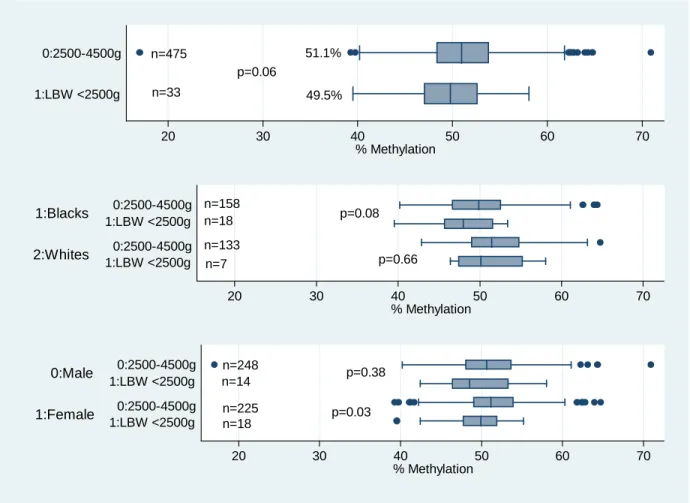
Results: Severe depressed mood was associated with a >3-fold higher risk of LBW (birthweight <2500grams) (OR 3.6, 95% CI 1.1-11.4) after adjusting for delivery mode, parity, education, cigarette smoking, folic acid use, and preterm birth. The association may be more pronounced in offspring of Black women (OR 7.2, 95% CI 1.8-28.7) and female infants (OR 7.5, 95% CI 1.5-38.9). Compared to infants of women without depressed mood, infants born to women with severe depressed mood had a 2.4% higher methylation at the MEG3 DMR (p=0.02). Whereas LBW infants had 1.6% (p=0.06) lower methylation at the IGF2 DMR, high birthweight (>4500grams) infants had 5.9% (p=0.02) higher methylation at PLAGL1 DMR compared to normal birthweight infants.
Systematic Review: Depression during Pregnancy and Poor Birth Outcomes
Abstract
Context: Maternal depression during pregnancy, a common problem with substantial morbidity,
has been associated with poor birth outcomes that may predispose to chronic diseases in
adulthood. Both depression and poor birth outcomes are more common in minority groups,
which may contribute to disparities in health.
Objective: To estimate the risk of poor birth outcomes (low birth weight, preterm birth, small
for gestational age) associated with maternal prenatal depression and whether this association
differs among racial/ethnic groups.
Data Sources: We searched the MEDLINE, PsychInfo, and Cochrane databases between Oct
17th, 2011 and Jan. 13th, 2012, limiting studies to English language and dates 1990-present.
Search terms included maternal depression, major depressive episode, NOT postpartum
depression, pregnancy outcomes, Low Birth Weight, Preterm Birth, Prenatal Exposure, Race,
Ethnicity, African-American, Black, Hispanic, using MeSH terms when possible. Additional
articles were included based on bibliographic searches of relevant reviews.
Study Selection: Cohort studies, both community and clinic-based, that examined the exposure
of depression (measured using clinical diagnosis or validated scale) and the outcomes of low
birth weight, preterm birth, or small for gestational age compared to a control group of
non-depressed women were included in this study. Studies were limited to those conducted in the
U.S. with at least 50% of the study population consisting of minorities.
Data Abstraction: One reviewer abstracted data into standardized data tables, which included
information about study characteristics and results. The same reviewer performed quality
Data Synthesis: A total of 318 abstracts were screened and 37 articles underwent full review of
which 8 articles describing 8 studies were included in this review. 6 out of 8 studies found an
association between depression/depressive symptoms in pregnancy and poor birth outcomes.
Studies were limited by small sample size, heterogenous measures of the exposure, different
definitions for the outcomes, and the observational nature of the studies that prevent
establishment of causation due to multiple possible confounders.
Conclusions: We found limited evidence for a mild association between depression/depressive
symptoms in pregnancy and poor birth outcomes. There is insufficient evidence to determine if
this association differs among different racial/ethnic groups. More research is needed,
particularly in minority groups, to further explore this association and elucidate any differences
Introduction
Depression during pregnancy is a common problem with substantial morbidity for both
mother and child.1 Estimates of the prevalence of depression in the prenatal period range from
10-15% of women, with one review estimating that 12.7% of pregnant women undergo a major
depressive episode during their pregnancy.2 This prevalence may be higher in African-American
and Hispanic pregnant women, with over half showing depressive symptoms during the prenatal
period. 3 Some experts hypothesize that this may be related to more stress and negative life
events and fewer sources of social support for minority pregnant women.
In addition to depression causing harm to the mother during pregnancy, there may be
added harm to the child with potential long term effects. There is growing support for the
developmental origins of disease hypothesis which postulates that the prenatal environment and
in utero exposures can affect disease susceptibility in adulthood. 4 Over 25 years ago,
epidemiological data from England and Wales revealed an association between geographical
areas with high infant mortality and areas with high rates of cardiovascular disease.4, 5 Since
most of the infant mortality was attributable to low birth weight, it was hypothesized that
undernutrition and growth restriction in utero may result in metabolic and physiological changes
that could increase susceptibility to cardiovascular disease in adulthood.
Since then, studies describing the survivors of the Dutch winter of hunger 1944-456, 7 and
survivors of the Chinese famine of 1959-618, 9 have found that those exposed to famine in utero
have increased rates of poor birth outcomes, obesity, dyslipidemia, hypertension, and
schizophrenia/affective disease. Although exact mechanisms of these associations are unknown,
epigenetic changes that alter hormonal regulation and the hypothalamus-pituitary-adrenal (HPA)
perturbations in the early environment may result in persistent changes in the epigenome that can
increase disease susceptibility in adulthood.11 Growing evidence suggests that poor birth
outcomes such as low birth weight (LBW) and preterm birth (PTB) may be reflections of
conditions during pregnancy and that these poor birth outcomes are associated with later chronic
disease such as coronary heart disease, stroke, metabolic syndrome/type II diabetes, and
osteoporosis.12
Moreover, in addition to the disparities that exist with respect to the prevalence of
depression in minority women, there are also disparities present when examining birth outcomes
by race/ethnicity. The infant mortality rate (IMR) in 2007 for Non-Hispanic Blacks was
13.31/1000 births compared to 5.63/1000 births in Non-Hispanic Whites. The majority of this
difference can be attributed to disparities in rates of LBW and PTB between the two groups.13
Race has been proposed as an independent risk factor for poor birth outcomes, and psychosocial
determinants of health, such as depression and stress, have also been implicated in this
association.14 Geronimus proposed the “weathering” hypothesis which states that
African-American women undergo additional stress and health deterioration due to repeated and
cumulative social, economic, and political exclusion. 15 He found that among Blacks, but not
Whites, advancing maternal age above 15 years is associated with increased odds of LBW
suggesting that psychosocial weathering may be associated with poor birth outcomes in Blacks.16
Understanding psychosocial determinants of health such as stress and depression may be integral
in combating disparities in birth outcomes for minority women.
Current evidence suggests that psychosocial risk factors including depression may affect
birth outcomes. ACOG (American Congress of Obstetricians and Gynecologists) has issued a
depression and elevated stress during pregnancy to prevent poor birth outcomes.17 A systematic
review conducted in 2007 concluded that the majority of the studies showed an overall
association between depressive symptoms during pregnancy and negative obstetric, fetal, and
neonatal outcomes. However, the authors noted that their review was limited by variations in the
timing and instrument used to measure the exposure as well as incomplete assessment of relevant
confounders.18 A subsequent review in 2012 found that although the evidence is limited, there
may be an independent association between depression during pregnancy and poor birth
outcomes.19 Their review examined a limited number of studies and focused mainly on
differences between medicated and unmedicated women. No review to date has examined this
association in diverse populations to assess if differences exist across race/ethnicity.
Depression is a common problem in pregnancy that may contribute to substantial
morbidity during and after pregnancy for both mother and child. Epidemiological evidence
suggests that in utero exposures, such as depression, may affect birth outcomes and chronic
disease later in life. Reviews of the current literature, although limited, do suggest an association
between maternal depression in pregnancy and poor birth outcomes. Although evidence suggests
that minority women experience higher rates of depression during pregnancy and higher
incidences of poor birth outcomes, no review to date has fully assessed potential differences in
the association between maternal prenatal depression and the poor birth outcomes of low birth
weight, preterm birth, and small for gestational age among groups by race/ethnicity.
This review seeks to systematically examine the evidence surrounding the association
between depression in pregnancy, measured using clinical diagnosis or validated scale, and the
outcomes of preterm birth, low birth weight, and small for gestational age as compared to
the U.S. in order to elucidate any differences in this association by race/ethnicity, which may
contribute to disparities in birth outcomes. Specifically, we seek to answer the following
questions: What is the association between prenatal depression during pregnancy and poor birth
outcomes, including preterm birth (PTB), low birth weight (LBW), and small for gestational age
(SGA), compared to non-depressed pregnant women in diverse populations? Is there a
difference in this association across race/ethnicity, and is the association greater for
African-American and Hispanic women, which may contribute to disparities in birth outcomes among
minority women?
Table 1: PICOTTS-Eligibility Criteria
Eligibility Criteria
Population: Participants are pregnant women prior to delivery
• Limited to Studies in the U.S. with at least 50% minority women
Intervention /Exposure
Assesses exposure of prenatal depression using clinical diagnosis from interview, self-reported diagnosis or validated scale to measure depressive symptoms
• Depression assessed prospectively, prior to outcome of interest
• Will accept retrospective abstraction of medical records for a diagnosis of depression if depression was assessed prior to outcome
Comparator Has a group of non-depressed pregnant women as a comparator
Outcomes Primary outcomes of interest are preterm birth (PTB) and low birth weight (LBW) or a combination of birthweight adjusted for gestational age/SGA
• Abstracted from medical records by trained personnel after birth or self-reported with validation from medical records
• Study quantifies risk of poor birth outcome using a quantitative measure (ex. Odds ratio, beta coefficient…etc.)
Timing Limited to studies between 1990-January 2012 and English Language
Methods:
Literature Search
We searched the Medline, PsychInfo, and general Cochrane databases from October 17th,
2011 to January 13th, 2012. Search terms included maternal depression, major depressive
episode, NOT postpartum depression, pregnancy outcomes, Low Birth Weight, Preterm Birth,
Prenatal Exposure, Race, Ethnicity, African-American, Black, Hispanic, using MeSH terms
when possible. We also reviewed bibliographies from relevant systematic and narrative reviews.
In addition, we used Web of Science to examine the citation web for the oldest accepted article
(Steer et al. 20) examining this association. Studies were limited to those between 1990 and
present and published in English language.
Study Selection/Eligibility
A single reviewer (YL) conducted initial screening of all the titles and abstracts generated
by the search using the above eligibility criteria (Table 1) to find an initial group of relevant
studies. The single reviewer then reviewed the full-text of these initial articles using the same
eligibility criteria to determine the final studies to be included in this review. We chose to limit
studies to the U.S. because of the unique racial make-up and history that may contribute to
disparities in health among different racial/ethnic groups. We also limited our review to studies
that included greater than 50% minorities so that the sample size would be sufficient to examine
any differences in the association between maternal depression in pregnancy and poor birth
outcomes among different racial/ethnic groups.
Data Extraction and Management
All citations were imported into EndNote X3 for management and review. Data from
information about the study design, study population, exposure, primary and secondary
outcomes, and any race/ethnicity – specific outcomes.
Quality Assessment (individual studies)
Quality was assessed by one reviewer (YL) using standardized criteria for assessing the
potential for bias and for degree of external validity based on guidelines (CRD) to grade
individual studies: poor, fair or good. Studies were graded based on four quality areas describing
risk of bias/internal validity: quality of study design (reporting, loss to follow-up, comparability
of control and exposure group), quality of exposure measurement, quality of outcome
assessment, quality of analysis (power, adjustment for confounders, quantifies risk), and one
quality area assessing external validity/generalizability. Each of the five criteria was graded
(good, fair, poor) and reasons were each grade were given in standardized abstraction forms. An
overall good study had a grade of good for at least four of the five categories with no grades of
poor. Fair studies had a grade of good for at least one of the five categories with no grades of
poor. All other studies and those with a fatal flaw were classified as poor.
Grading of the Strength of the Evidence (Body of Studies)
Once all the individual studies were compiled and graded, the overall strength of the
evidence was assessed using the criteria of aggregate risk of bias/internal validity, consistency,
directness, and precision. 21 The principal summary measure analyzed was the odds ratio or risk
ratio that quantified added risk of poor birth outcome associated with the exposure of prenatal
Results
Study Selection
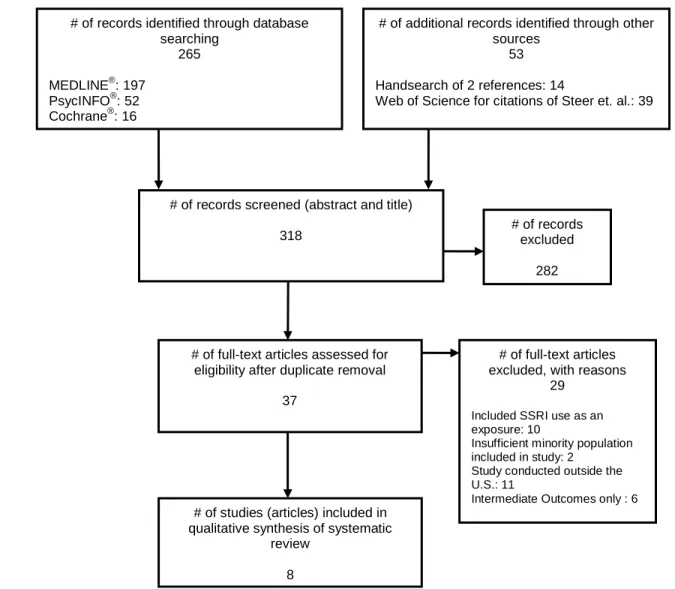
Figure 1 shows the flowchart for the study selection process. 256 titles were obtained
from the MEDLINE, PsychInfo and the Cochrane database searches. An additional 53 titles
were obtained from the references of relevant reviews and articles for a total of 318
abstracts/titles that were screened. Of those, 282 were excluded due to being duplicates or not
meeting inclusion criteria, and 37 underwent full-text review. Of those, 29 were excluded due to
assessing a different exposure (n=10), insufficient minority population (n=2), having been
conducted outside the U.S. (n=11), and assessing only intermediate outcomes (n=6). In total, 8
published articles from 8 studies were included in the final systematic review.
Study Characteristics
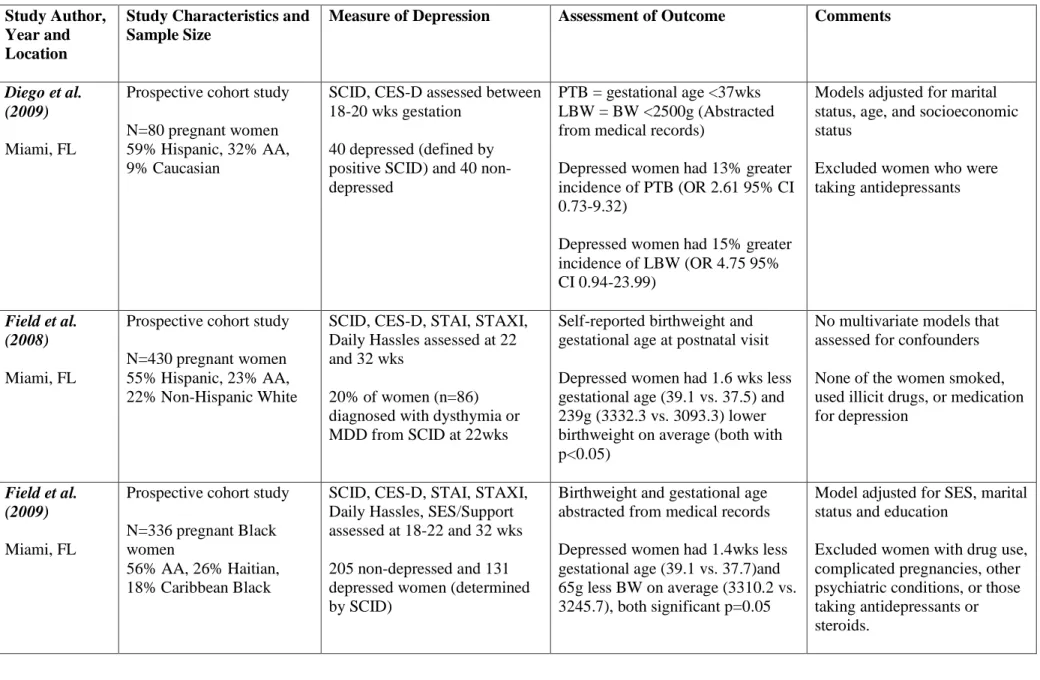
Table 1 shows the study characteristics from the eight studies included in this review. All
eight of the studies were conducted in the US and were published in English. Six of the eight
were prospective cohort studies.20, 22-26 One was a retrospective cohort study using data
abstracted from medical records,27 and the other was a nested retrospective cohort study within
the Black Women’s Health Study.28 All studies examined pregnant women during gestation with
six studies examining only adult women22-26, 28, one examining only adolescent women27, and
one examining both.20 Six of the studies examined women from multiple racial/ethnic where the
majority of women were from minority groups.20, 22-24, 26, 27 Two studies examined
African-American women only.25, 28 Four studies used validated scales to measure depressive symptoms
including the Centers for Epidemiological Studies Depression Scale (CES-D) and the Beck
Depression Inventory (BDI).20, 25, 26, 28 Three studies used a combination of clinical diagnosis and
four-question non-validated four-questionnaire.27 All studies assessed the exposure prior to the outcome,
most during the 2nd trimester, with two studies repeating the assessment during the third
trimester. 23, 24 One study assessed the exposure at enrollment but did not specify the exact
times during gestation.28 All studies included a comparator group of non-depressed women. Five
of the studies assessed the outcomes of birth weight and gestational age20, 22-24, 27, while three
studies focused on preterm birth only.25, 26, 28 Of note, four studies specifically excluded women
taking medications or receiving treatment for depression,22-24, 27 and none of the studies
examined the effect of antidepressants on birth outcomes. In summary, most of the trials were
prospective cohort trials of moderate sample size that assessed exposure and outcome using
validated methods and accounted for multiple possible confounders.
Risk of Bias within Studies
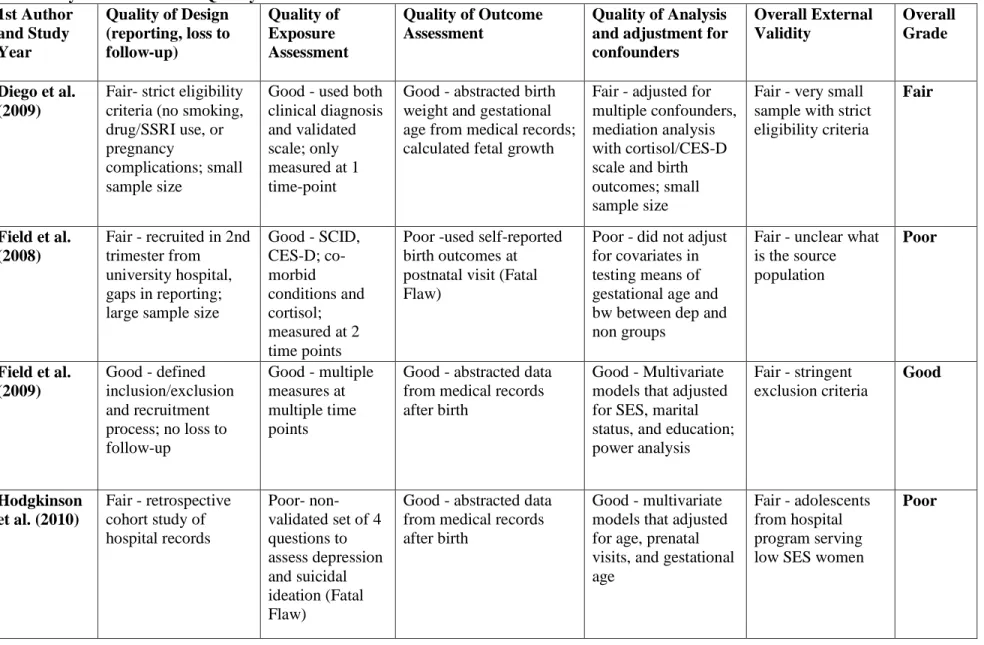
Table 2 shows quality ratings based on internal validity and external validity for all
studies included in this review. Four studies were given a grade of “good” after being assessed
for risk of bias/internal validity and external validity.20, 23, 25, 26 These studies were all
prospective cohort trials with good reporting and minimal loss to follow-up. The exposure was
measured using a validated scale or clinical diagnosis prior to the outcome, and the outcomes
were abstracted by trained personnel after delivery. All used multivariate models that adjusted
for multiple possible confounders and had large sample sizes and adequate power. All had
reasonable eligibility criteria and fair generalizability. Given our inclusion criteria and focus on
this association in minority groups, generalizability to the population as a whole is limited. Four
studies were graded as either fair or poor.22, 24, 27, 28 The fair study was limited by a small sample
size and poor generalizability, although methodology was sound.22 Poor studies either collected
one study, the exposure was assessed using a non-validated questionnaire27, and in two studies,
the outcome was either defined using non-conventional methods or assessed using self-reported
responses with minimal validation with medical records.24, 28 Overall, the studies were of fair
quality, with four given a good rating, one a fair rating, and three a poor rating with fatal flaws.
Synthesis of Results
Six of the studies found increased risk of poor birth outcomes (lower birth weight or
shorter gestational age) for women with depression/depressive symptoms during pregnancy as
compared to women without depression/depressive symptoms.20, 23-27 The magnitude of this
difference ranged from 1-2 gestational weeks and 200-300 grams of birth weight. Odds ratios for
the association between depression in pregnancy and preterm birth ranged from 2-3 fold
increases. Odds ratios for the association between depression in pregnancy and low birth weight
or small for gestational age ranged from 3-4 fold increases. One study found borderline
associations between maternal depression and low birth weight and preterm birth.22 Another
study found no association after adjustment for multiple maternal variables including maternal
age, martial status, education, BMI, smoking, parity and comorbid conditions. 28 Overall, most of
the studies did find a mild to moderate association between depression/depressive symptoms in
pregnancy and poor birth outcomes (LBW, PTB, SGA).
Results Related to Ethnicity/Race
Two studies specifically examined the possible modification effect of race/ethnicity on
the association between depression/depressive symptoms in pregnancy and poor birth outcomes.
Hodgkinson et al. stratified by race when examining this association, but found no differences.27
Orr et al. noticed that the association between depression/depressive symptoms and poor birth
interaction term of depression and race/ethnicity was not significant in their logistic regression
models. In addition, the two studies that only examined African-American women give
conflicting results. Orr et al. conducted a prospective cohort study of 1399 women and found an
association between depressive symptoms in pregnancy (measured by CES-D score stratified at
the 10th percentile) and spontaneous preterm birth, OR 1.96 (95% CI 1.04-3.72).25 Phillips et al.
conducted a retrospective cohort study from medical records for 2627 women and also used the
CES-D scale to measure depressive symptoms, but they defined spontaneous preterm birth using
self-reported responses of being three or more weeks early.28 They found that a CES-D scale
score >33 was associated with spontaneous preterm birth with odds ratio 2.0 (95% CI 0.94-4.25),
p=0.09. Overall, there is insufficient evidence to determine if this association varies by
race/ethnicity, and existing evidence is conflicting.
Overall Assessment of Evidence
There is moderate risk of bias in the reviewed studies. Although the overall quality of the
studies was fair to good, the nature of observational studies makes them susceptible to bias and
confounders that may not have been fully assessed. The studies are moderately consistent as six
out of eight studies found an association between depression/depressive symptoms and poor birth
outcomes. The two studies that did not find an association were of fair/poor quality and limited
by poor characterization of the exposure and outcome and small sample size. The directness of
the link between the exposure and the outcome is minimal as there are multiple possible
confounders involved, and observational studies are unable to fully assess causation. The
precision of the studies are moderate as estimates of the risk are within similar ranges across
studies; however, the confidence intervals surrounding these estimates are relatively broad. In
and both reported that no significant effect in their sample. Moreover, the two studies conducted
in African-American populations are conflicting. The generalizability of these studies to the US
population as a whole is only fair. Most of these studies were conducted in urban settings with a
high proportion of minorities. Overall, there is limited evidence suggesting a mild association
between depression/depressive symptoms and poor birth outcomes in diverse populations in the
US. There is insufficient evidence to determine if this effect is different in African-American
women.
Discussion
Summary of Evidence
This review examined eight studies that met our inclusion criteria. Most of these studies
used either a validated scale or clinical diagnosis of depression/depressive symptoms and
assessed depression during the 2nd trimester, with two studies repeating this assessment in the
third trimester. Almost all studies abstracted birth outcomes data from medical records, but two
used self-reported outcomes after birth. Sample sizes varied, but most of the studies were large
with adequate power and measured/adjusted for multiple possible confounders. Due to the urban
nature of most of these studies and high percentage of minority women, the generalizability to
the overall population as a whole is fair.
Of these studies, six found a significant association between depression/depressive
symptoms during pregnancy and poor birth outcomes including low birth weight, preterm birth,
and small for gestational age. The magnitude of this association ranged from a 2-4 fold increase
in risk for poor birth outcome associated with depression. Differences in gestational age and
from 1-2 weeks and 200-300g of birth weight. Only two studies assessed effects of race/ethnicity
through stratification or adding cross-product terms to the multivariate model, but neither study
found race to be a significant effect modifier of this association. The two studies conducted in
African-American only populations are conflicting. Overall, there is limited evidence to suggest
a mild association between depression/depressive symptoms and poor birth outcomes. There is
insufficient evidence to determine if this association varies between different racial/ethnic
groups.
Additional Studies
Two other studies examined the association between depression/depressive symptoms
and birth outcomes and the possible role of race/ethnicity and socio-economic class; however,
neither met our inclusion criteria. Hoffman and Hatch studied a cohort of 666 pregnant women in
New York and Pennsylvania, and stratified them by socioeconomic status (SES) using
occupational status scores stratified at a score of 50.29 Because they did not describe the
racial/ethnic make-up of their cohort, they were excluded from our review. They assessed
psychological well being in all three trimesters using the CES-D scale, Life Events Scale,
Fischer's Social Network Interview, and the External Locus of Control and Chance Scale, and
measured the outcomes of birth weight and gestational age abstracted from medical records.
They found that in low SES women only, a one-point increase on the CES-D scale at 28wks was
associated with 9.1g reduction in gestational-age adjusted birth weight that was still significant
after adjustment for multiple confounders. This association was not significant in high SES
women or for depressive symptoms in any other trimester. In addition, Field et al. studied a
cohort of 86 pregnant minority women, 54% Hispanic and 46% AA, and also stratified by SES
using the CES-D and the Profile of Mood States (POMS) scales, and then they measured fetal
activity, physiology, and behavior. They found differences between the groups by race/ethnicity
and SES, suggesting that both variables are important in associations between maternal
psychosocial condition and infant/fetal profiles.30
Limitations
There are many limitations to these studies examining associations between psychosocial
risk factors and birth outcomes. The greatest is the inability to determine causation due to the
epidemiological nature of these studies and the inability to adjust for all possible confounders. In
addition, it is difficult to fully assess depression/depressive symptoms because there are many
contributing factors such as stress, anxiety, social support, and life events that contribute to
morbidity. Other complex variables that are difficult to assess, such as socioeconomic factors,
income, education, neighborhoods, attitudes, and social context, may also be involved in this
association.
The studies reviewed are limited by the use of multiple different measures of
depression/depressive symptoms at different times in pregnancy. Many did not repeat
measurements. Although studies have shown that depression/depressive symptoms measured in
one trimester of pregnancy is consistent throughout,24 some studies have found that the
association between depression and poor birth outcomes was limited to a specific trimester.29
There was also heterogeneity among outcomes measured. Some studies examined only preterm
birth, categorized as either spontaneous or medically-indicated, while others also examined low
birth weight and small for gestational age. Sample size varied considerably, and some studies
In addition, studies examining race/ethnicity are limited by the heterogeneity of many
groups and the difficultly of properly defining and characterizing groups. Although all studies
were diverse (>50% minority women), only two studies explicitly studied the effect of
race/ethnicity on associations between depression/depressive symptoms in pregnancy and poor
birth outcomes. Disparities in health and particularly in birth outcomes are becoming an
increasingly large problem in the US, and more research in large, diverse populations is needed
to fully assess this association in order to better understand risk factors for poor birth outcomes
and reduce these disparities in health. These studies should examine not only adult exposures in
the peri-conceptual and prenatal periods but also assess life course and social context to fully
understand complex interactions, which may vary by race/ethnicity, that affect birth outcomes.
Conclusions
Depression and other psychosocial risk factors during pregnancy are common and may
potentially have long-lasting effects on offspring. Although studies in the U.S. on diverse
populations are limited, there is a suggestion of an association between maternal
depression/depressive symptoms in pregnancy and the poor birth outcomes of low birth weight,
preterm birth, and small for gestational age. Elucidating this association is important because
these poor birth outcomes have been associated with later chronic disease, and identification of
risk factors may lead to earlier treatment and prevention. Since both depression in pregnancy and
poor birth outcomes are more common in certain minority groups, this association may be
important in understanding health disparities. Current research is insufficient to determine if this
not only peri-conceptual risk factors but also life course and social context are needed to better
understand this association and disparities in health.
References:
1. Meltzer-Brody S. New insights into perinatal depression: pathogenesis and treatment during pregnancy and postpartum. Dialogues Clin Neurosci. 2011;13(1):89-100. 2. Gavin NI, Gaynes BN, Lohr KN, Meltzer-Brody S, Gartlehner G, Swinson T. Perinatal
depression: a systematic review of prevalence and incidence. Obstet Gynecol. Nov 2005;106(5 Pt 1):1071-1083.
3. Zayas LH, Cunningham M, McKee MD, Jankowski KR. Depression and negative life events among pregnant African-American and Hispanic women. Womens Health Issues.
Jan-Feb 2002;12(1):16-22.
4. Barker DJ. The origins of the developmental origins theory. J Intern Med. May 2007;261(5):412-417.
5. Ravelli GP, Stein ZA, Susser MW. Obesity in young men after famine exposure in utero and early infancy. N Engl J Med. Aug 12 1976;295(7):349-353.
6. Lumey L, Stein AD, Kahn HS, et al. Cohort Profile: The Dutch Hunger Winter Families Study. International Journal of Epidemiology. December 1, 2007 2007;36(6):1196-1204. 7. Lumey LH, Stein AD, Kahn HS, Romijn JA. Lipid profiles in middle-aged men and
women after famine exposure during gestation: the Dutch Hunger Winter Families Study.
Am J Clin Nutr. Jun 2009;89(6):1737-1743.
8. St Clair D, Xu M, Wang P, et al. Rates of adult schizophrenia following prenatal exposure to the Chinese famine of 1959-1961. JAMA. Aug 3 2005;294(5):557-562. 9. Huang C, Li Z, Wang M, Martorell R. Early life exposure to the 1959-1961 Chinese
famine has long-term health consequences. J Nutr. Oct 2010;140(10):1874-1878. 10. Meaney MJ, Szyf M, Seckl JR. Epigenetic mechanisms of perinatal programming of
hypothalamic-pituitary-adrenal function and health. Trends Mol Med. Jul 2007;13(7):269-277.
11. Waterland RA, Michels KB. Epigenetic epidemiology of the developmental origins hypothesis. Annu Rev Nutr. 2007;27:363-388.
12. Gluckman PD, Hanson MA, Cooper C, Thornburg KL. Effect of in utero and early-life conditions on adult health and disease. N Engl J Med. Jul 3 2008;359(1):61-73.
13. MacDorman M, Mathews T. Understanding Racial and Ethnic Disparities in U.S. Infant Mortality Rates. NCHS Data Brief. 2011(74):1-8.
14. Hogan VK, Rowley D, Bennett T, Taylor KD. Life Course, Social Determinants, and Health Inequities: Toward a National Plan for Achieving Health Equity for African American Infants-a Concept Paper. Matern Child Health J. Jul 7 2011.
16. Geronimus AT. Black/white differences in the relationship of maternal age to birthweight: a population-based test of the weathering hypothesis. Soc Sci Med. Feb 1996;42(4):589-597.
17. ACOG Committee Opinion No. 343: psychosocial risk factors: perinatal screening and intervention. Obstet Gynecol. Aug 2006;108(2):469-477.
18. Alder J, Fink N, Bitzer J, Hosli I, Holzgreve W. Depression and anxiety during
pregnancy: A risk factor for obstetric, fetal and neonatal outcome? A critical review of the literature. Journal of Maternal-Fetal & Neonatal Medicine. 2007;20(3):189-209. 19. Davalos DB, Yadon CA, Tregellas HC. Untreated prenatal maternal depression and the
potential risks to offspring: a review. Arch Womens Ment Health. Jan 4 2012.
20. Steer RA, Scholl TO, Hediger ML, Fischer RL. Self-reported depression and negative pregnancy outcomes. J Clin Epidemiol. Oct 1992;45(10):1093-1099.
21. Owens DK, Lohr KN, Atkins D, et al. AHRQ series paper 5: grading the strength of a body of evidence when comparing medical interventions--agency for healthcare research and quality and the effective health-care program. J Clin Epidemiol. May
2010;63(5):513-523.
22. Diego MA, Field T, Hernandez-Reif M, Schanberg S, Kuhn C, Gonzalez-Quintero VH. Prenatal depression restricts fetal growth. Early Hum Dev. Jan 2009;85(1):65-70. 23. Field T, Diego M, Hernandez-Reif M, et al. Depressed pregnant black women have a
greater incidence of prematurity and low birthweight outcomes. Infant Behav Dev. Jan 2009;32(1):10-16.
24. Field T, Diego M, Hernandez-Reif M, et al. Chronic prenatal depression and neonatal outcome. Int J Neurosci. Jan 2008;118(1):95-103.
25. Orr ST, James SA, Blackmore Prince C. Maternal prenatal depressive symptoms and spontaneous preterm births among African-American women in Baltimore, Maryland.
Am J Epidemiol. Nov 1 2002;156(9):797-802.
26. Orr ST, Miller CA. Maternal depressive symptoms and the risk of poor pregnancy outcome. Review of the literature and preliminary findings. Epidemiol Rev.
1995;17(1):165-171.
27. Hodgkinson SC, Colantuoni E, Roberts D, Berg-Cross L, Belcher HM. Depressive
symptoms and birth outcomes among pregnant teenagers. J Pediatr Adolesc Gynecol. Feb 2010;23(1):16-22.
28. Phillips GS, Wise LA, Rich-Edwards JW, Stampfer MJ, Rosenberg L. Prepregnancy Depressive Symptoms and Preterm Birth in the Black Women's Health Study. Annals of Epidemiology. Jan 2010;20(1):8-15.
29. Hoffman S, Hatch MC. Depressive symptomatology during pregnancy: evidence for an association with decreased fetal growth in pregnancies of lower social class women.
Health Psychol. Nov 2000;19(6):535-543.
Figure 1: PRISMA Figure
# of records identified through database searching
265 MEDLINE®: 197
PsycINFO®: 52 Cochrane®: 16
# of additional records identified through other sources
53 Handsearch of 2 references: 14
Web of Science for citations of Steer et. al.: 39
# of records screened (abstract and title)
318 # of records excluded 282
# of full-text articles assessed for eligibility after duplicate removal
37
# of studies (articles) included in qualitative synthesis of systematic
review 8
# of full-text articles excluded, with reasons
29 Included SSRI use as an exposure: 10
Insufficient minority population included in study: 2
Study conducted outside the U.S.: 11
Intermediate Outcomes only : 6
E
lig
ib
ilit
y
Inc
lude
d
Id
e
n
tif
ic
a
tio
n
S
c
re
e
ni
Table 1: Systematic Review - Study Characteristics Study Author,
Year and Location
Study Characteristics and Sample Size
Measure of Depression Assessment of Outcome Comments
Diego et al. (2009)
Miami, FL
Prospective cohort study
N=80 pregnant women 59% Hispanic, 32% AA, 9% Caucasian
SCID, CES-D assessed between 18-20 wks gestation
40 depressed (defined by positive SCID) and 40 non-depressed
PTB = gestational age <37wks LBW = BW <2500g (Abstracted from medical records)
Depressed women had 13% greater incidence of PTB (OR 2.61 95% CI 0.73-9.32)
Depressed women had 15% greater incidence of LBW (OR 4.75 95% CI 0.94-23.99)
Models adjusted for marital status, age, and socioeconomic status
Excluded women who were taking antidepressants
Field et al. (2008)
Miami, FL
Prospective cohort study
N=430 pregnant women 55% Hispanic, 23% AA, 22% Non-Hispanic White
SCID, CES-D, STAI, STAXI, Daily Hassles assessed at 22 and 32 wks
20% of women (n=86) diagnosed with dysthymia or MDD from SCID at 22wks
Self-reported birthweight and gestational age at postnatal visit
Depressed women had 1.6 wks less gestational age (39.1 vs. 37.5) and 239g (3332.3 vs. 3093.3) lower birthweight on average (both with p<0.05)
No multivariate models that assessed for confounders
None of the women smoked, used illicit drugs, or medication for depression
Field et al. (2009)
Miami, FL
Prospective cohort study
N=336 pregnant Black women
56% AA, 26% Haitian, 18% Caribbean Black
SCID, CES-D, STAI, STAXI, Daily Hassles, SES/Support assessed at 18-22 and 32 wks
205 non-depressed and 131 depressed women (determined by SCID)
Birthweight and gestational age abstracted from medical records
Depressed women had 1.4wks less gestational age (39.1 vs. 37.7)and 65g less BW on average (3310.2 vs. 3245.7), both significant p=0.05
Model adjusted for SES, marital status and education
Hodgkinson et al. (2010)
Washington DC
Retrospective cohort study
N=294 pregnant adolescents enrolled in Teen Alliance for Prepared Parenting (TAPP) program 76% AA and 24%
Hispanic/Latina
4-item psychosocial intake form to assess depressive symptoms and SI/SA
28% of women reported depressive symptoms; 17% with SI/SA
Birthweight and gestational age abstracted from medical records
Depressed adolescents with SI/SA had 239.5g less BW on average (p<0.05) than non-depressed adolescents
Stratified by race, but no difference in depressive symptoms or SI/SA between groups
Model adjusted for age, prenatal visits, and gestational age
None of the adolescents were receiving psychotherapy or psychopharmacological treatment
Orr et al. (1995)
Baltimore, MD
Prospective cohort study
N=1861 pregnant women 77% AA and 23% White
CES-D score at first prenatal visit, stratified by upper 10th (depression) and lower 90th (no depression)
10% of women classified as depressed
PTB = gestational age <37wks (Abstracted from medical records)
Differences in rates of PTB by depression not present in White women but attenuated in Black women ( 16.5% in depressed women vs. 10.1% in non-depressed, p=0.03 in bivariable and p=0.06 in logistic regression models)
Interaction term for race and CES-D not significant in logistic regression models
Models adjusted for low pre-pregnancy weight,
hospitalization, HTN, previous poor outcome
Orr et al. (2002)
Baltimore, MD
Prospective cohort study
N=1399 100% AA
CES-D score at first prenatal visit, stratified by upper 10th (depression) and lower 90th (no depression)
10% of women classified as depressed
Spontaneous PTB = gestational age <37wks abstracted from medical records
Adjusted OR for spontaneous PTB given elevated CES-D score (10th percentile) was 1.96 (95% CI 1.04-3.72)
Phillips et al. (2010)
USA
Nested retrospective cohort study (Black Women’s Health Study)
N=2627 100% AA
CES-D completed at entry into study divided into quartiles of <16, 16-22, 23-32, and >33
25.9% had scores >=16; 11.0% >=23, and 2.9% >=33
Retrospective self-reporting of PTB (3 or more weeks early,
spontaneous or medically
indicated). Validated these reports against medical records in two small groups
Borderline association between CES-D >=33 and spont. PTB as compared with CES-D <16 OR 2.0 (0.94-4.25) p=0.09
Model adjusted for age, marital status, education, BMI,
smoking, parity, mother born PTB, and comorbid conditions
No significant association with spont. PTB at any other CES-D levels or with medically indicated PTB
Steer et al. (1992)
Camden, NJ
Prospective cohort study
N=323 adolescents and 389 adults
28.7% Puerto Rican, 61.8% Black, 9.6% White
Beck Depression Inventory (BDI) at 28 wks
Cutoff of BDI score >21 for clinical depression
PTB = gestational age <37wks LBW = bw <2500g
SGA = less than 10th percentile (All abstracted from medical records)
For clinically depressed adult women, risk of outcomes was: LBW OR 3.97 (3.8-4.14), PTB OR 3.39 (3.24-3.56), and OR SGA 3.02 (2.88-3.17)
Model adjusted for multiple confounders depending on outcome. Of note, models for PTB and LBW were adjusted for black race/ethnicity
No effect seen with adolescents
Table 2: Systematic Review - Quality of Studies 1st Author
and Study Year
Quality of Design (reporting, loss to follow-up)
Quality of Exposure Assessment
Quality of Outcome Assessment
Quality of Analysis and adjustment for confounders
Overall External Validity
Overall Grade
Diego et al. (2009)
Fair- strict eligibility criteria (no smoking, drug/SSRI use, or pregnancy
complications; small sample size
Good - used both clinical diagnosis and validated scale; only measured at 1 time-point
Good - abstracted birth weight and gestational age from medical records; calculated fetal growth
Fair - adjusted for multiple confounders, mediation analysis with cortisol/CES-D scale and birth outcomes; small sample size
Fair - very small sample with strict eligibility criteria
Fair
Field et al. (2008)
Fair - recruited in 2nd trimester from university hospital, gaps in reporting; large sample size
Good - SCID, CES-D; co-morbid conditions and cortisol; measured at 2 time points
Poor -used self-reported birth outcomes at postnatal visit (Fatal Flaw)
Poor - did not adjust for covariates in testing means of gestational age and bw between dep and non groups
Fair - unclear what is the source population
Poor
Field et al. (2009)
Good - defined inclusion/exclusion and recruitment process; no loss to follow-up
Good - multiple measures at multiple time points
Good - abstracted data from medical records after birth
Good - Multivariate models that adjusted for SES, marital status, and education; power analysis
Fair - stringent exclusion criteria
Good
Hodgkinson et al. (2010)
Fair - retrospective cohort study of hospital records
Poor- non-validated set of 4 questions to assess depression and suicidal ideation (Fatal Flaw)
Good - abstracted data from medical records after birth
Good - multivariate models that adjusted for age, prenatal visits, and gestational age
Fair - adolescents from hospital program serving low SES women
1st Author and Study Year
Quality of Design (reporting, loss to follow-up)
Quality of Exposure Assessment
Quality of Outcome Assessment
Quality of Analysis and adjustment for confounders
Overall External Validity
Overall Grade
Orr et al. (1995)
Good - prospective cohort study, good reporting, minimal loss to follow-up
Good - used validated scale at 1 time point; stratified at 10th percentile
Good - abstracted data from medical records after birth; used only spontaneous PTB
Good - multivariate logistic analysis to adjust for multiple confounders
Fair - all AA, urban population with high minority population
Good
Orr et al. (2002)
Good - prospective cohort study, good reporting, minimal loss to follow-up
Good - used validated scale at 1 time point; stratified at 10th percentile
Good - abstracted data from medical records after birth; used only spontaneous PTB
Good - multivariate logistic analysis to adjust for multiple confounders
Fair - all AA, urban population with high minority population
Good
Phillips et al. (2010)
Fair - retrospective cohort study of hospital records Good-used validated scale assessed prospectively, multiple strata
Poor - self-reported outcomes, only validated a small subset against medical records; used >3 weeks early as outcome instead of more accepted definition of <37wks (Fatal Flaw)
Fair - multivariate logistic regression analysis with multiple confounders
Good - sample taken from all AA in the U.S.; some responder bias
Poor
Steer et al. (1992)
Good - prospective cohort study, good reporting, minimal loss to follow-up
Good - used validated scale at 1 timepoint, stratified at multiple cutoffs
Good - well-defined, abstracted from medical records after birth
Good - multivariate models adjusting for multiple confounders, large sample size
Fair - inner city population, mostly minority women
Good
Depressed Mood in Pregnancy, Birthweight, and DNA Methylation of Imprint Regulatory
Elements
Ying Liu, B.S.a, Susan K. Murphy, Ph.D.b, Amy P. Murtha, MD c, Bernard F Fuemmeler, Ph.D. M.P.H.d,k, Joellen Schildkraut,Ph.D. d,e, Zhiqing Huang, MD, Ph.D.b,Francine Overcash MPH f, Joanne Kurtzberg MD e,g, Randy Jirtle, Ph.D. h, Edwin S. Iversen, Ph.D. i, Michele R. Forman, Ph.D.j and Cathrine Hoyo, Ph.D. e,f
a
School of Medicine, Duke University; bDepartment of Obstetrics and Gynecology, Division of Gynecologic Oncology, Duke University Medical Center; cDepartment of Obstetrics and Gynecology, Division of Maternal-Fetal Medicine, School of Medicine, Duke University;
d
Department of Community and Family Medicine, Division of Prevention, School of Medicine, Duke University; eDuke Comprehensive Cancer Center, School of Medicine, Duke University;
f
Department of Obstetrics and Gynecology, Division of Epidemiology, School of Medicine, Duke University; gDepartment of Pediatrics, School of Medicine, Duke University; hDepartment of Radiation Oncology, School of Medicine, Duke University; iDepartment of Statistical
Science, Duke University; jDepartment of Nutritional Sciences, University of Texas at Austin
k
Department of Psychology and Neurosciences, Duke University
Conflict of Interest: None of the authors have any conflicts of interest to report
Ethical Statement: This study was approved by the Duke IRB, and all research was conducted in accordance with guidelines.
Key words: epigenetics, low birth weight, fetal growth retardation, DNA methylation, depression, health status disparities
Senior author to whom correspondence may be directed: Cathrine Hoyo, Ph.D.
[email protected] 2200 W Main St. Suite 600 Durham, NC 27705
Phone: 919 681 2441 Fax: 919 684 8675
Abbreviations:
INTRODUCTION
Low birthweight (LBW), defined as birthweight <2500 grams, is a common measure of
overall fetal and maternal health.1 Several lines of evidence suggest that LBW may also function
as a marker of adult health2, as LBW neonates are at increased risk of coronary heart disease,
stroke, type 2 diabetes, obesity, and some cancers in adulthood.3-8 This epidemiological evidence
supports the developmental origin of health and disease (DOHAD) hypothesis, which postulates
that the adaptive response to prenatal and early postnatal environment can affect disease
susceptibility in adulthood.6, 9-11
Prenatal depression has been associated with poor birth outcomes including LBW,12and a
growing emphasis has been placed on screening for psychosocial risk factors during pregnancy
as a strategy to reduce poor birth outcomes.13 Depression is one of the more common psychiatric
disorders among young adults and is associated with substantial morbidity, particularly during
pregnancy.14 In the United States (US), the prevalence of depressive symptoms in the antenatal
period ranges from 10-15% depending on gestational age, race/ethnicity, and socioeconomic
factors.15 As many as 12.7% of pregnant women experience at least one major depressive
episode during pregnancy.15 Both maternal depression and these poor birth outcomes
disproportionately affect Blacks and Hispanics compared to Whites.16-18 Mechanistic insights
that can guide public health or therapeutic intervention efforts to alleviate this disparity are
required.
Hormonal dysregulation due to abnormalities of the hypothalamus-pituitary-adrenal
(HPA) axis driven by epigenetics has been proposed as a potential explanation for associations
between maternal depression and LBW.19 Empirical data supportive of epigenetic mechanisms
target promoter regions of genes, as research on tumor suppressor genes has suggested that
aberrant methylation at promoter regions may lead to transcriptional silencing.11 However,
imprinted genes, or parent of origin dependent monoalleleic expression regulated by methylation
that is established differentially on the two parental chromosomes, may play a role in many
disease processes.20 Epigenetic changes at cis-acting differentially methylated regions (DMRs)
that regulate imprinted gene expression are important not only in maintaining the imprinted
status of these genes but also in controlling their levels of expression.21, 22 Since these
methylation marks are established before gastrulation, they are maintained in all somatic
tissues.21, 22 Because these genes occur in clusters, are enriched for growth regulators, and
intricately interact to coordinate early growth, methylation alterations at a single DMR may lead
to changes in the regulation of multiple genes.21, 23, 24 The objectives of this analysis were to
examine the association between prenatal maternal depressed mood in relation to birthweight and
to evaluate the role of DNA methylation at nine imprinted regulatory sequences in this
association. Because the effects of depression may be more severe in Blacks compared to
Whites25, 26 and epigenetic perturbations may be sex-specific,27, 28 we also examine these
associations by race/ethnicity of the mother and sex of the offspring.
METHODS
Study Participants
Study participants were identified among pregnant women during their first prenatal visit
and were recruited as part of the Newborn Epigenetics STudy (NEST).29 Between 2009 and
2011, pregnant women were recruited from five prenatal clinics with delivery capabilities at
Duke and Durham Regional hospitals, the only two obstetric facilities serving Durham and
obstetric facilities for delivery. Exclusion criteria included plans to relinquish custody of the
child, plans to move from the area in the subsequent three years, and infection with HIV due to
the limited research on the relationships between HIV, its treatment, and DNA methylation in the
offspring.
As of December 2011, 2,548 women had been approached and 1700 (66.6%) consented
to participate. The 848 women who declined were similar to those who consented with respect to
age (p=0.70) but different with respect to race/ethnicity (p<0.001), with the group that declined
more likely to be Asian and Native American but similar with respect to other racial/ethnic
groups. Of the 1700 women, 396 were withdrawn due to miscarriage (n=109), death of infant
after birth (n=4), illiteracy (n=1), being underage (n=1), or other (n=21); or refused further
participation (n=146); or gave birth at an outside hospital (n=114), such that 1304 (76.7%)
women remained enrolled in the study up to the time of analysis. These analyses are limited to
the 922 women in whom both depressed mood and parturition data are available. The study
protocol was approved by the Duke University Institutional Review Board (IRB).
Data collection
Assessment of Depressed Mood
At enrollment (gestational age at visit ranged from 4-32.5 weeks with mean and median
of 12 and 11 weeks respectively) all pregnant women completed a questionnaire about
sociodemographic characteristics, maternal lifestyle factors, and health conditions. This included
an assessment of depressed mood using two measures: a self-reported history of being diagnosed
with depression at questionnaire completion and a self-reported assessment of depressive
symptoms over the two weeks preceding the interview using the Centers for Epidemiological
consistency (Cronbach’s alpha coefficient of 0.85 in the general population and 0.90 in
psychiatric patients), that has also been found to correlate well with other scales, symptoms, and
life events.30 The scale consists of 20 items that are scored by summation of responses (0=rarely,
1=some of the time, 2=occasionally or moderately, 3=most or all the time) with a range of 0-60.
Questions 4 (You felt that you were just as good as other people), 8 (You felt hopeful about the
future), 12 (You were happy), and 16 (You enjoyed life) were reverse-scored according to
guidelines.30
From CES-D scores, women were first dichotomized as either having depressed mood
(CES-D scale score≥16) or having no depressed mood (<16), according to guidelines.30 Because
there is no recommended CES-D cutoff for severe depressed mood,30 we further categorized
depressed mood using a history of depression. Women who self-reported a history of depression
(checked yes when asked if they currently had depression) and also scored 16 or more points on
the CES-D were classified as having severe depressed mood. Women who did not self-identify
as having a history of depression but scored 16 or more on the CES-D were classified as having
moderate depressed mood. All women who did not self-identify as having a history of depression
and also scored below 16 on the CES-D depression scale were classified as no depressed mood.
Women with missing mood data, defined as one or more missing items (n=390), and the 68
women who self-identified as having a history of a diagnosis of depression but scored below a 16
on the CES-D were excluded from this analysis. To assess the reliability of our characterization
of depressed mood using both the CES-D scale and a history of diagnosis of depression to
categorize severe depressed mood, we repeated the multivariate logistic regression analysis of
LBW and depressed mood using the CES-D scale only to categorize degree of depressed mood
scale score of <16) depressed mood corresponding to approximately the 90th and 75th percentiles
of the CES-D scale distribution.
Birth Outcomes
Birth outcomes data including birthweight, gestational age at birth, infant sex, and
delivery mode were abstracted by trained personnel from medical records after delivery. Only
data from singleton births were included in these analyses. Birthweight was divided into three
categories: LBW (<2500g), normal weight (2500g-4500g) and high birthweight (>4500g), since
morbidity increases with birthweight, and >4500g may be a better predictor of neonatal
morbidity.31 Gestational age at birth was divided into two categories: preterm <37 weeks
gestation, and term >37 weeks gestation. Delivery mode was defined as either vaginal delivery or
Cesarian section (C-section).
Measurement of Co-variables
Maternal age was calculated as the difference between self-reported birthdate year and
2011, year when last delivery occurred. Education was self-reported by highest grade or year of
school completed. Annual household income, marital status, employment status, and parity were
self-reported. “Black” women self-identified as “Black/African American” or as “Biracial/
Multiracial” and had a Black mother, “White” women self-identified as “Non-Hispanic White”
or “Biracial/Multiracial” and had White mothers, “Hispanic” women self-identified as “Hispanic
White” or “Biracial/Multiracial” and had Hispanic mothers and “Other” women self-identified as
“Asian/Pacific Islander”, “American Indian/Native American”, or “Other” or if they chose
“Biracial/Multiracial” and had Biracial mothers or if they did not fall into any other category.
Smoking status was categorized into three groups: smoking prior to pregnancy only, smoking
Women who answered that they had smoked at least 100 cigarettes in a lifetime and had smoked
either in the last six months, during the first trimester, after the LMP (last menstrual period), or at
the time of interview were classified as having smoked during pregnancy. Women who smoked
at least 100 cigarettes in their lifetime but had not smoked in the past 6 months, during the 1st
trimester, since their LMP or at the time of questionnaire completion, were classified as having
smoked prior to pregnancy only. Women who responded that they had not smoked at least 100
cigarettes in their lifetime were classified as non-smokers. Alcohol status was classified as
alcohol use during pregnancy if the woman responded “Yes” to drinking >2 drinks/week in the
month after last menstrual period, or “Yes” to drinking any alcoholic beverages at the time of
questionnaire completion. All other women without missing data were classified as alcohol
non-users during pregnancy. Use of prescribed psychotropic medication was defined as responding
“Yes” to using any of the following in the six months prior to the interview: tranquilizers (n=18),
antidepressants (n=80), sleeping pills (n=72), or anticonvulsants (n=6). Folic acid use was
defined as responding “Yes” to using a regular dose multivitamin, a multivitamin with additives,
prenatal vitamins, or single dose folic acid for at least six of twelve months prior to interview.
Current maternal body mass index (BMI) was calculated from self-reported weight and height at
the time of enrollment converted to kilograms and meters using the formula weight in kg/height
in m2. Maternal BMI at LMP was calculated using self-reported weight at LMP. Health status
was obtained from responses to a single question (How would you describe your current health?)
using the responses of excellent, very good, good, fair, and poor. Anxiety was defined as a
positive response to a single question (Check “yes” for any of the listed ailments you may
currently have) to the listed ailment of anxiety/panic attacks.
Maternal peripheral blood samples were collected at enrollment and infant cord blood
specimens were collected at birth. Samples were collected in EDTA-treated tubes and
centrifuged using standard protocols to allow for collection of plasma and buffy coat for DNA
extraction (Qiagen; Valencia, CA); samples were stored at -80 degrees C until required. DNA
was extracted using Puregene reagents according to the manufacturer’s protocol (Qiagen) and
quantity and quality assessed using a Nanodrop 1000 Spectrophotometer (Thermo Scientific;
Wilmington, DE). Maternal and infant genomic DNA (800 ng) was modified by treatment with
sodium bisulfite using the Zymo EZ DNA Methylation kit (Zymo Research; Irvine, CA).
Bisulfite treatment of denatured DNA converts all unmethylated cytosines to uracils, but leaves
methylated cytosines unchanged, allowing quantitative definition of cytosine methylation status.
Pyrosequencing was performed using one of two Pyromark Q96 MD pyrosequencers (Qiagen).
Nine imprinted DMRs for both mothers and infants were analyzed including: the paternally
methylated and expressed IGF2 DMR, the paternally methylated H19DMR, the paternally
methylated gametic MEG3-IG DMR (located intergenic to DLK1 and MEG3) and the paternally
methylated somatic MEG3 DMR (promoter), the maternally methylated PEG3 DMR, the
maternally methylated MEST DMR, the maternally methylated PEG10 DMR, the maternally
methylated NNAT DMR and the maternally methylated PLAGL1 DMR. Pyrosequencing assay
design, genomic coordinates, assay conditions and assay validation are described in detail
elsewhere.27, 32 Briefly, assays were designed to query established imprinted gene DMRs using
the Pyromark Assay Design Software (Qiagen). PCR conditions were optimized to produce a
single, robust amplification product by adjusting annealing temperature and magnesium chloride
concentrations. Defined mixtures of fully methylated and unmethylated control DNAs were used
methylation increased (Pearson r >0.99 for all DMRs). Once optimal conditions were defined,
each DMR was analyzed using the same amount of input DNA from each specimen (40 ng,
assuming complete recovery following bisulfite modification), keeping the thermocycler and
pyrosequencer constant. Percent methylation for each CpG cytosine was determined using Pyro
Q-CpG Software (Qiagen).
Statistical Analysis
Pearson’s chi-square tests were performed to compare the distribution of demographic
and obstetric descriptors among women with severe and moderate depressed mood and those
with no depressed mood. Variables were selected based on their known or suspected associations
with either LBW or depressed mood in the population. Multivariate logistic regression models
were fit to examine the relationship between maternal prenatal depressed mood and LBW,
adjusting for covariates. Initial models were fit using all variables considered clinically important
in this association and included maternal age, race/ethnicity, marital status, employment, parity,
household income, education, maternal health status, maternal BMI at enrollment, maternal BMI
at last menstrual period, smoking, alcohol use, maternal anxiety, psychotropic use, folic acid use,
trimester at enrollment, infant sex, delivery mode, and preterm birth. All non-binary variables
were added to multivariate models using indicator variables. A stepwise approach (exclusion
p>0.10 and inclusion p<0.09) was used to refine the model, and log likelihood tests were used to
create the final parsimonious model; with significant covariates parity, education, smoking,
delivery mode, folic acid use, and preterm birth. We also repeated multivariate logistic
regression analyses using the CES-D scale only stratified at the 75th and 90th percentile (0-15,
(>4500g) infants were excluded in regression models of depressed mood and birth weight
because no women with severe depressed mood gave birth to high birth weight infants.
Among the 508 mother-infant pairs where methylation data for at least one of the nine
DMRs was available, we examined the extent to which DMR methylation modified the
association between maternal depressed mood and LBW. These 508 mother-infant pairs were
similar to the original sample with respect to maternal age (p=0.74), maternal CES-D score
(p=0.85), and proportion of LBW infants (p=0.81). We first assessed each DMR for normality
using the Kolmogorov-Smirnov test. We found that with the exception of PLAGL1 (p<0.01),
PEG3 (p<0.01), MEG3-IG (p<0.01), and PEG10 (p=0.03), all other DMRs were normally
distributed (p>0.05). Confirmatory analysis for individual CpGs revealed Cronbach’s alphas for
all DMRs were >0.89 suggesting mean methylation levels for each DMR could be used in
models. T-tests were calculated to compare DMR methylation differences among LBW
(<2500grams) and high birth weight (>4500grams) infants, each compared to normal birth
weight (2500-4500grams) infants, and among women with severe and no depressed mood.
Wilcoxon- rank sum tests were used for DMRs that were not normally distributed.
Epidemiologic evidence suggests that although high and low birthweight are both associated
with poor outcomes in adulthood, mechanisms may differ;33 thus they were compared separately
with normal birth weight infants. In addition, mean values for all nine DMRs were added
individually to the model of depressed mood and LBW with covariates described above. DMRs
that resulted in attenuation of the odds ratio (ORs) between severe depressed mood and LBW by
>10%, before and after inclusion in the model were considered possible effect modifiers of the
association between maternal depressed mood and LBW. To explore possible effects of maternal
Prior studies have suggested that the effects of depression may be more severe in Blacks and
those with low socioeconomic status 35, 36 possibly due to increased allostatic load from
socioeconomic and cultural stressors.25, 37-39 The Dutch Famine studies28 and our own analysis of
the effects of maternal cigarette smoking27 suggest that epigenetic dysregulation may be
sex-specific. Hence, refined models adjusting for parity, education, smoking, delivery mode, folic
acid use, and preterm birth were used to examine potential effects ofa priori defined
race/ethnicity and infant sex, and analyses were conducted among three racial/ethnic groups
(Blacks, Whites and Hispanics) as well as by sex of the offspring. Race/ethnicity specific models
were adjusted for infant sex, and sex-specific models were adjusted for race/ethnicity. All
analyses were conducted using STATA 12.0 (StataCorp College Station, TX).
RESULTS
The distribution of maternal sociodemographic characteristics is summarized in Table 1
by D and history of depression. The median D scale score was 10, and the mean
CES-D scale score was 12.7, S.CES-D. 9.6. Seven percent (n=90) of pregnant women were classified as
having severe depressed mood, 24% (n=307) moderate depressed mood, and 872 reported no
depressed mood. Compared to women with no depressive symptoms, both groups of women
with depressed mood were more likely to be younger (p<0.01), Black (p<0.01), unmarried
(p<0.01), unemployed (p<0.01), report poorer health (p<0.01), be of lower income (p<0.01), and
be enrolled later in gestation (p<0.001). Women with depressed mood were also more likely to
smoke (p<0.01), have anxiety p<0.01), use psychotropic medications (p<0.01), but not take folic
acid (p=0.02). Women at extremes of education, notably those less than high school or having