AN EXPLORATORY STUDY OF mHEALTH TECHNOLOGY ACCEPTANCE FOR TYPE 2 DIABETES SELF-MANAGEMENT AMONG ADULTS IN LATER LIFE
Tia-Jane’l Simmons
A dissertation submitted to the faculty of the University of North Carolina at Chapel Hill in partial fulfillment of the requirements for the degree of Doctor of Public Health in the
Department of Health Policy and Administration in the School of Public Health.
Chapel Hill 2014
Approved by: Sandra Greene
Peggye Dilworth-Anderson Ed Fisher
iii ABSTRACT Tia-Jane’l Simmons:
An Exploratory Study of mHealth Technology Acceptance for Type 2 Diabetes Self-Management among Adults in Later Life
(Under the direction of Sandra Greene)
In 2011, the Center for Disease Control and Prevention (CDC) reported that diabetes affects 8.3 percent of the entire U.S. population. These numbers continue to rise, and they increase as people grow older; about a million people between 45 and 65 were newly diagnosed cases in 2010. Further, as of March 6, 2013, a study commissioned by the American Diabetes Association cited that diabetes costs have risen from $174 billion to $245 billion in 2012; which is a 41% increase in the numbers from five years before. Astronomical costs provide evidence that the link between self-management and healthier outcomes has not been effective. Without systems that make it easy for people to manage their disease, along with some support in doing so, these numbers will continue to rise.
iv
A modified version of a previously used Patient Technology Acceptance Model guided my research to look at factors that could influence acceptance of mHealth technology for use in this population made of up limited mobile phone users, within three domains: beliefs, attitudes, and practices; external facilitating conditions; and patient-centered antecedent factors.
v
With love and gratitude to my grandmother, Dorothy B. McNeil, and my mother, Dottie M. Simmons. You have always encouraged me to have strong faith in God, and instilled in me strength of character to know that if I start something, then I already have everything I need to finish it – no matter what rough patches or obstacles may come my way. To my close family and best friend (Aunt Carol, Aunt Judy, Ashley, Kailey, and April), thank you for
always providing me with unchanging, unwavering stability, and support in so many ways, and the constant motivation to reach my goals.
“What lies behind us and what lies before us are tiny matters compared to what lies within us.”
vi
ACKNOWLEDGEMENTS
The completion of this dissertation would not have been possible without the guidance and support of many mentors and peers over the years. My utmost thanks goes to Dr. Sandra Govan, without whom I would not have understood the true value of pursuit of higher education. For almost twenty years since the McNair Scholars Program, you have steadily encouraged your “babies” to continuously excel and exceed expectations. Gratitude also goes to my dissertation support group, “SisterMentors.” Without these women, I would not have etched out a small trail along my journey of life to finish this work, and met so many wonderful new sister-friends along the way [Maha, Juone, Melissa, Saunji, Beth,
Sheherezade, Shanna, Treda, Nere, and most importantly, Dr. Shireen Lewis, for having the vision for this much-needed network – love you all]. I owe sincere gratitude to my
vii
viii
TABLE OF CONTENTS
List of Tables... xi
List of Figures... xii
List of Abbreviations... xiii
Chapter 1: Introduction... 1
A. The Issue: Diabetes... 1
B. Background: Exploring the Issue of mHealth... 3
More about mHealth... 7
The Concept Stimulus... 9
C. Significance: Diabetes and mHealth... 11
Two kinds of Disparities the “Digital Divide” and Health... 13
D. Purpose, Specific aims, and Research Questions... 16
Chapter 2: Literature Review... 19
A. Part I: mHealth and Diabetes Management... 19
B. Part II: mHealth and Adults in Later Life: Barriers and Unmet Needs... 30
C. Part III: mHealth and Health Disparities... 36
D. Methods, Limitations and Conclusions... 40
ix
Chapter 3: Methodology... 45
A. Theoretical Framework Development and Background... 45
B. Qualitative Research Design... 52
Setting the Stage for Data Analysis: the Framework Method... 53
Data Collection: Sampling Justification and Inclusion/Exclusion Criteria... 56
Data Collection: Recruitment... 61
Data Collection: the Interview Process... 68
C. Qualitative Data Analysis... 71
Qualitative Data Analysis Software... 72
Procedures for Analysis... 72
Chapter 4: Findings... 80
A. Profile of Research Participants... 80
B. Findings of the Study... 84
C. Summary... 99
Chapter 5: Discussion... 101
A. Synthesis of Findings Related to the Aims and Research Questions... 101
B. Application of Findings to the Theoretical Framework... 103
C. Limitations of the Research Study... 118
D. Implications for Future Research... 119
x
A. mHealth D2: Design Process... 123
B. mHealth D2: a Model for “Training”... 124
C. mHealth D2: Marketing... 127
D. Evaluation of mHealth D2... 129
E. mHealth D2: Alignment with ADOPT Model... 130
F. Leadership Implications for mHealth D2... 131
G. Conclusions and Next Steps... 132
Appendices... 135
Appendix A: Literature Review Highlights and Keywords/Search Terms... 135
Appendix B: Interview Guide... 148
Appendix C: Interview Consent Form... 156
Appendix D: PEW Internet and American Life Project Technology User Typology Questionnaire... 158 Appendix E: Codebook/List of Codes for NVIVO Analysis... 161
Appendix F: Tables of Emergent Themes... 162
xi
LIST OF TABLES
Table 1. The Four Domains of Information and Communication Technology (ICT)... 6
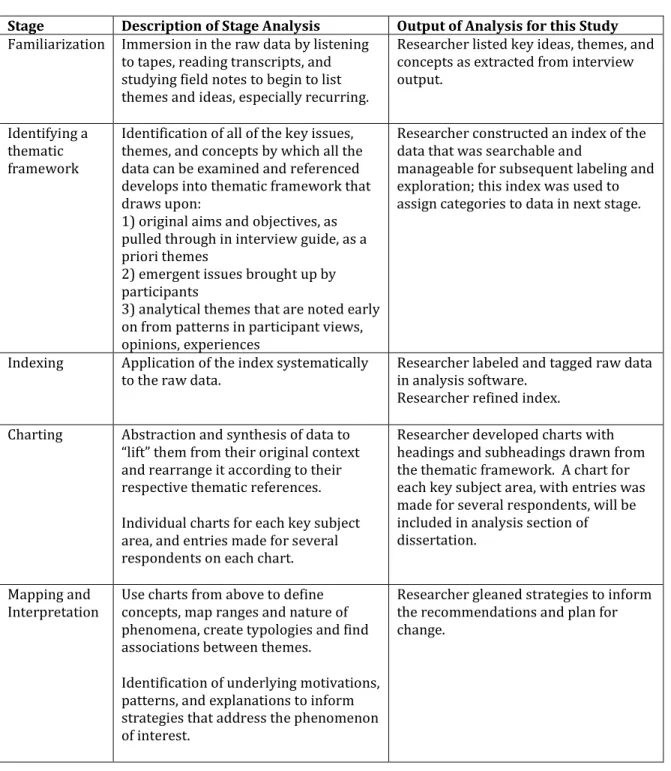
Table 2. The ‘Framework’ Method... 55
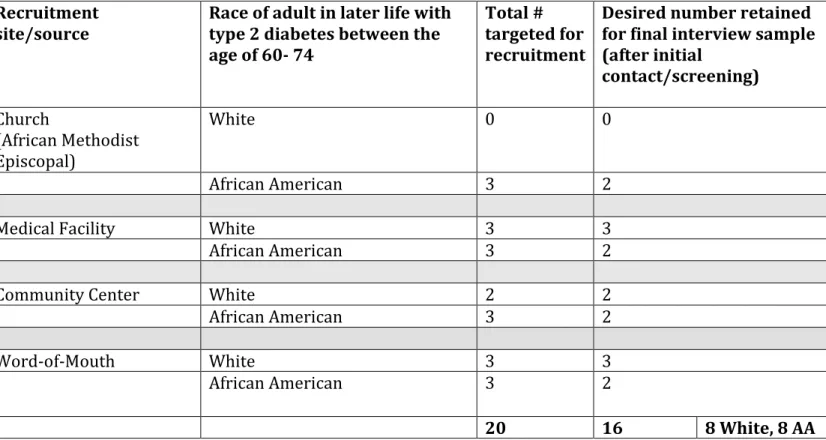
Table 3. Ideal Sampling Frame for Recruitment... 60
Table 4. Inclusion and Exclusion Criteria for Study... 64
Table 5. Interview Question Development... 70
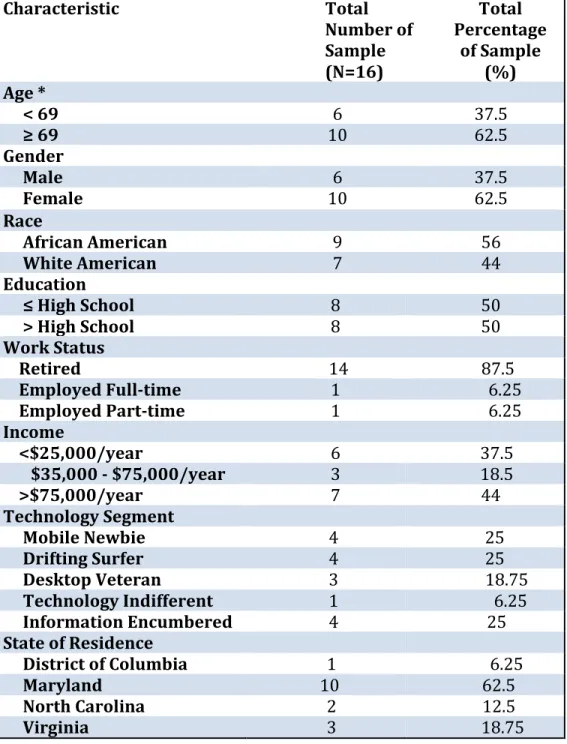
Table 6. Sample Characteristics of Study Participants... 83
Table 7. Benefits of the mHealth Technology... 85
Table 8: Findings of the Study... 100
Table 9: Proposed Evaluation Plan for mHealth D2... 129
xii
LIST OF FIGURES
Figure 1. A Theoretical Framework for Acceptance of mHealth Technology for Type 2 Diabetes Self-Management among Adults in Later Life who are Limited Mobile
Phone Users... 51
Figure 2. Prevalence of diabetes in men and women in the U.S. population, based on the Health and Nutrition Survey, HANES III... 57
Figure 3: Gender and Race Demographics... 82
Figure 4: Technology Types by Gender and Race... 82
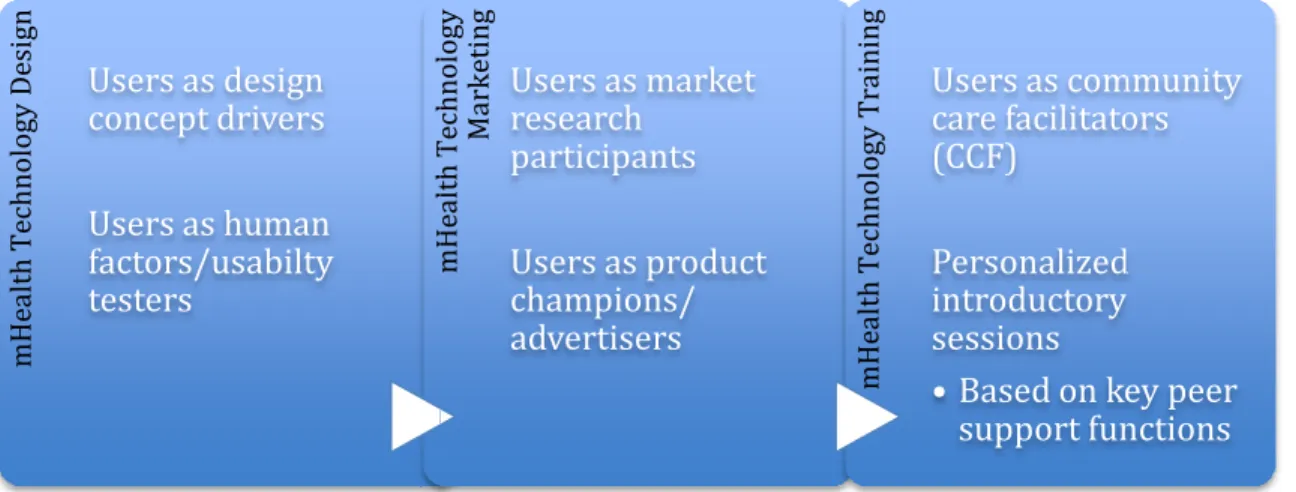
Figure 5: mHealth D2 – mHealth Diversity and Diffusion... 122
xiii
LIST OF ABBREVIATIONS
mHealth Mobile Health
ICT Information and Communication Technology
BG Blood Glucose
HbA1c Hemoglobin A1c
MPT Mobile Prescription Therapy TAM Technology Acceptance Model
PTAM Patient Technology Acceptance Model
UTUAT Unified Theory of User Acceptance of Technology PI Principal Investigator
PWP Patient Web Portal
1
CHAPTER 1: INTRODUCTION
“Public policy should continue to provide incentives to developers of technology while guaranteeing that resulting innovations are available, affordable, and acceptable to patients in later life and boomer families who are low income, poorly educated, and less tech savvy.”
-Coughlin, J.F. et al. 2006
I have always had a passion for health program development that provides training, resources, and overall empowerment for people to live healthier lives. While working at a healthcare technology company, I questioned the acceptance of a particular self-management product by some people and not others. This acceptance was spurred by speaking with
members of the community who seemed less enthusiastic with using it, during routine product testing. Statements like “Oh no honey, I don’t want to push the buttons,” indicated that
something needed to be done if the technology was going to help everyone, not just those already technologically inclined. It was this experience that brought me back to focusing on my passion for health disparities. This experience has also driven my curiosity for technology acceptance and how I could make an impact to ensure broad acceptance by all.
A. The Issue: Diabetes
In 2011, the Center for Disease Control and Prevention (CDC) reported that diabetes affects 25.8 million people in the United States (“CDC - 2011 National Diabetes Fact Sheet -
Publications - Diabetes DDT,” n.d.),or 8.3 percent of the entire U.S. population, and of that number, 7 million still do not know they have the disease. These numbers continue to rise, and increases as people grow older. In 2010, it was estimated that about a million people between the ages of 45 and 64 were newly diagnosed diabetes cases (“CDC - 2011 National Diabetes Fact Sheet - Publications - Diabetes DDT,” n.d.). Diabetes is the seventh leading cause of death in the U.S., and it is a major contributing factor for heart disease and stroke. But it is not just the U.S.; the problem is global and pandemic. The World Health
2
that in another 20 years, deaths in the world attributable to diabetes complications will increase by two-thirds (“WHO | Diabetes,” n.d.).
Diabetes is a chronic condition in which the pancreas does not produce enough insulin, or the body does not use the insulin that it does produce efficiently. Insulin is the hormone that regulates blood sugar in the body. A person’s blood glucose (or blood sugar) can increase for a variety of reasons, from eating too many carbohydrates to not taking their diabetes medication as prescribed; or, they might not know it is high because they are not monitoring as they should. When blood sugars are not controlled in a person living with diabetes, it can lead to a hyperglycemia (consistent high blood glucose) and result in life-altering complications such as amputations, blindness, and kidney failure(“WHO |
Diabetes,” n.d.).
The statistics presented for diabetes are indeed bleak, but there is hope in lifestyle changes that can prevent or delay onset of this condition. A healthy diet that monitors
carbohydrate intake (as carbohydrates convert to sugar in the blood), regular physical activity, and maintenance of a healthy weight can aid people who are currently living with diabetes in preventing further complications, and help those without the condition to avoid it (“WHO | Diabetes,” n.d.). The American Association of Diabetes Educators (AADE)
3
are vital for the person living with diabetes. Diabetes requires appropriate clinical
decision-making in conjunction with effective self-management to prevent complications. In 2007, the U.S. spent $174 billion dollars in indirect and direct diabetes medical costs (this includes time lost from work, etc.) (“CDC - 2011 National Diabetes Fact Sheet - Publications - Diabetes DDT,” n.d.). In 2011, The International Diabetes Federation (IDF) estimated that global healthcare expenditures were an upwards of $465 billion U.S. dollars, and more than three-quarters of this amount is spent on diabetes care for people in later life between the ages of 50 and 79 (International Diabetes Federation, 2010). As of March 6, 2013, a research study commissioned by the American Diabetes Association cited that diabetes costs have risen from $174 billion to $245 billion in 2012; which is a 41% increase in the numbers from five years previous; the increased costs are attributed to higher
financial burdens, more health resources used, and an increase in lost productivity
(American Diabetes Assocation, n.d.). Such astronomical costs, especially for preventable complications, provide evidence that the link between self-management and healthier outcomes has not been effective for many diabetes patients. Without systems in place that make it easy for people to manage their disease, along with some support in doing so, these numbers will continue to rise. Due to the ubiquitous nature of mHealth, it can be part of a solution that helps people better manage their diabetes, if we establish how to best reach the people who need it most to encourage acceptance and use.
B. Background: Exploring the Evolution of mHealth
4
traditional face-to-face personal methods that support patient care with electronic
communication and system networking capabilities to provide, exchange and/or facilitate exchange of health-related information (Bashshur, Grigsby, Krupinski, & Shannon, 2011). With ICT, networked computers and information systems allow for in-person contact, communications among providers and between providers and patients, and patient and provider access to sources of health information, decision-making and support systems. There are four domains of ICT: 1) telemedicine, 2) telehealth, 3) e-health, and 4) mHealth (Bashshur et al., 2011). Emerging technologies, as well as increasing sophistication of their functionality and innovative application in health care, drive these domains. Though there are some representations of the interconnected nature and overlap of these domains, it is important to distinguish and define these domains in the scope of ICT, because ICT is such a multidimensional concept, and meanings can vary depending on the context, technological configuration, application and interface uses. To this end, clear definitions will be useful in classification of the domains and constructing a more organized taxonomy for
understanding and application (Pawar, Jones, van Beijnum, & Hermens, 2012),(Bashshur et al., 2011). They are described here from an evolutionary perspective.
Telemedicine
As the first health domain of ICT, telemedicine evolved in 1905, with the earliest known telephonic transmission of electrocardiographic information between providers
(comparable to what later became fax transmission). The World Health Organization’s Department of Essential Health Technologies defines telemedicine as:
The delivery of health care services, where distance is a critical factor, by health care professionals using ICT for the exchange of valid information for diagnosis,
5
health of individuals and their communities. (World Health Organization, Department of Essential Health Technologies., 2003)
It is especially noteworthy to distinguish the domain of telemedicine, as many people use the term to refer inclusively to all systems, modalities, and applications that are described under ICT (Bashshur et al., 2011).
Telehealth
Decades later, in 1978, experts coined the term “telehealth” in order to expand the original scope of telemedicine by considering dimensions of health care that could be affected without the usual physical patient-provider contextual setting and physical interaction, then adding elements of patient and provider education and other patient care. Even more definitively, Field and colleagues wrote:
Sometimes the term telehealth is used to encompass educational, research, and administrative uses as well as clinical applications that involve nurses,
psychologists, administrators, and other non-physicians. (Field MJ, 2002)
e-Health
By the late 1990s, electronic health (e-Health) comprised a domain of ICT characterized by increased functionality of the Internet and electronic data systems used to capture, analyze and exchange health care information (Bashshur et al., 2011). Eysenbach offers the
following definition of e-Health:
E-health is an emerging field in the intersection of medical informatics, public health and business, referring to health services and information delivered or enhanced through the Internet and related technologies. In a broader sense, the term characterizes not only a technical development, but also a state-of-mind, a way of thinking, an attitude, and a commitment for networked, global thinking, to improve health care locally, regionally, and worldwide by using information and
6
With the definition above, Eysenbach intends to be broad enough to depict that e-health is more than just “Internet and Medicine,” as was the general understanding of this domain as a “buzzword” in its early years. He wants the term to convey the dynamic environment and capabilities that the Internet can offer to health care (Eysenbach, 2001).
mHealth
By 2003, mHealth emerged and set itself apart as a separate domain through the personalization of networks with mobile phones. This emergence gave way to patient-centered care available anywhere due to the ubiquitous nature of the mobile phone and Internet connectivity. Istepanian and his colleagues, who are thought leaders in the field of mHealth, offer the most popularly cited definition of mHealth: “mHealth can be defined as the emerging mobile communications and network technologies for healthcare systems.” (Istepanian, Pattichis, & Laxminarayan, 2006)
Table 1: The Four Domain of Information and Communication Technology
Domain Year of Inception Summary of Distinction
Telemedicine 1905 Describes distance-based health care service
delivery
Telehealth 1978 Extends beyond telemedicine’s care delivery to
patient and provider education and other clinical/non-clinical service delivery
e-Health 1990s Includes Internet-driven capabilities but does not
necessarily denote remoteness
mHealth 2003 Focuses on use of wireless technology and on
resulting patient mobility
7
as platforms), to more savvy wireless and mobile configurations. Pawar and his colleagues thought the Istepanian definition did not fully speak to the mobility of the person involved in the healthcare system; it focused too much on the mobile computing aspect. To this end, Pawar and colleagues offered the following definition to ensure a patient-centered
approach:
mHealth is the application of mobile computing, wireless communications and network technologies to deliver or enhance diverse healthcare services and
functions in which the patient has a freedom to be mobile, perhaps within a limited area.(Pawar et al., 2012)
More about mHealth
8
In late September of 2012, the mHealth Task Force released a pre-publication public draft, listing specific examples of mHealth (Goldman, Jarrin, & Trauner, 2012). These examples included medical devices that are used in multiple environments for remote monitoring, health- related software applications that allow patients ubiquitous interaction with their data, body area network sensors, such as for heart and pulse monitoring, that wirelessly monitor and send physiological data for further analysis and reporting. This list also named medical implant devices that restore function or sensing to non-functional limbs and organs, systems that allow for various data manipulations such as transfer, storage, and display through wireless (or wired) products, mobile diagnostic imaging that can be accessed virtually, and lastly, patient care portals that can be used for patient management by designated health care providers, such as nurses and case managers (Goldman et al., 2012).
So what are the key aspects of mHealth that make it advantageous above the other three domains of ICT? In short, the wireless connectivity that allows for expanded and
continuous communication, the compact size and chargeability (and long life battery power) that allow for greater portability, and the computing power that supports a variety of multimedia software applications (Free et al., 2010); with the evolution of Smartphones, the ability to have all of these characteristics in one device is now possible.
9
educational content and patient coaching, and a means of clinical decision support for providers from sophisticated trend and pattern analysis (Bingol, 2012). mHealth experts asserted in 2006 that “the increased availability, miniaturization, performance, enhanced data rates and expected convergence of future wireless communication and network technologies around mobile health systems will accelerate the deployment of mHealth systems and services within the next decade.” (Istepanian et al., 2006)
The Concept Stimulus
Mobile Prescription Therapy (MPT), an mHealth technology solution, was utilized as a concept stimulus for the purposes of this study. WellDoc’s MPT system represents mHealth technology, clinical and behavioral science, and validated clinical outcomes combining to create a health care solution that was initially defined as “Mobile Integrated Therapy” (MIT) and is now recognized as this new category of treatment for type 2 diabetes (Bingol & Anthony Kouyate, 2012)(Peeples, Malinda & Iyer, Anand K., 2014). MPT holistically engages a patient in the self-management of their disease on a continuous basis. Further, it provides individualized, contextualized patient coaching and reminders for clinical visits, labs and exams. The longitudinal data that an MIT system can collect and analyze from acquired information (such as blood glucose, or BG values, or tracking of condition-related episodic events) can provide clinicians with more meaningful data to inform the decisions that they make for their patients.
10
11
C. Significance: Diabetes and mHealth
Given the diabetes landscape, there is a compelling need to explore mHealth interventions that will support self-management for patients of diverse demographic backgrounds, addressing and WellDoc is one of many health care technology companies that is establishing themselves as a provider of products and services that support patients’ clinical and behavioral needs. In order to address the needs of intended users, companies that develop mHealth solutions for consumer use, conduct human factors testing (or design validation) on their products. The purpose of this testing is to ensure appropriate user interface and user experience outcomes. In short, the testing is done to ensure that the technology works as intended and is safe for specific groups of intended users.
For the reader’s clarity, it is important to define the term “later life” prior to setting the stage for the impetus of this research. It is quite clear from perusal of literature in the gerontology and geriatric evidence bases, that this term has grown increasingly acceptable, and is used interchangeably with “elderly,” “older,” and “aging.” Further, there is discourse in other social science fields such as sociology, social psychology and public health around the life course approach, that also use this term when describing latter stages in life (Lynch & Smith, 2005). Throughout this dissertation, the term “later life” will be used to describe the general age group of the people in which the researcher observed the phenomenon of interest, which was mid-fifty to mid-seventy, as well as the targeted age of the study sample in the proposed research, which is 60 to 74 (more justification for this age group is
12
As the facilitator of human factors testing process, I noted some interesting characteristics among a subset of participants. Though interviews with these participants did not uncover safety issues, there were some distinct barriers in using the technology among these
individuals, who were all African Americans in later life. They experienced hesitation, difficulty and discomfort using the smartphone technology for the tasks presented, which would ultimately be the same tasks they would perform for diabetes self-management using the product. This phenomenon and the potential implications it could have for product uptake and use intrigued me. First, I wanted to explore whether this phenomenon was more widely applicable, or whether it was a coincidence among my small group of human factors participants. As many of these human factors participants expressed that they were not comfortable, or that they were limited or low-tech users, I was especially interested in exploring adults in later life and their barriers to mHealth use. For the
purposes of this current study, the concept of being a “limited mobile phone user” was first self-assessed by the potential study participant when determining initial study interest. Upon recruitment, a participant’s self-designation regarding use was confirmed through the results of a validated survey instrument, and used as a pre-screening criterion for recruitment (as further described in Chapter 3). Given what I experienced with the
13
the evidence around the phenomenon of interest, I understood that what I experienced might be associated with a concept called the “digital divide.”
In terms of the overall significance of the proposed study, Piette and Liang published reviews that portray how mobile phones have been used to improve diabetes-related outcomes; they depict some of the general challenges and potential for these technology-based interventions (Liang et al., 2011; Piette, 2007),(Joseph, 2006). Other reviews, such as one completed by Mulvaney et al in 2011, focused on evaluating the component features of various mHealth system designs, in order to see which ones were most efficacious for improving diabetes outcomes (Mulvaney, Ritterband, & Bosslet, 2011). Further, Holtz and Lauckner also evaluated studies that showed promise in using cell phones to help people manage their diabetes effectively (Holtz & Lauckner, 2012). It is clear that the mHealth world realizes the capabilities that mobile technology holds for improving diabetes outcomes with regard to assessing the patient, prompting patient behaviors and actions, educating and engaging the patient (Mulvaney et al., 2011).
Two Kinds of Disparities: The “Digital Divide” and Health
14
of Commerce) first made the concept of “digital divide” popular. Since then, there have been three additional reports written about the concept, and the latter from 2000 uses national survey data to posit noticeable demographic divides that exists between people with different levels of education, income, race, age, and geography (Pinkett, 2003). Most of the data from more than ten years ago were based largely on availability and access to Internet and computer-based technologies, and in most cases internet use was equated to computer use (Hayes & Aspray, 2010). Pew Internet and American Life Project cites that in current times, the ICT considered in the still existing digital divide does not preclude
developing technologies that are electronic and provide Internet access as well (such as cell phones, laptops, e-readers, and tablets) (Zickuhr & Smith, 2012). The ICT that Pew refers to is more aligned with mHealth technology tools of focus in this study. Further, despite the common characterization of adults in later life being “computer-phobic,” there is evidence that a growing segment of baby boomer retirees are exposed to computers at work and also continue to use them at home in retirement (Hayes & Aspray, 2010). These baby boomers are a part of the population included in this study.
According to Hayes and Aspray, “although there is a proliferation of new technologies that convey information, many health care providers serve vulnerable populations or
15
technologies (as described in the Hayes and Aspray statement above), and factors that might influence acceptance of type 2 diabetes mHealth technology, within the context of a model called the Patient Technology Acceptance Model (PTAM).
As a subpopulation, the grave health disparity in African Americans with diabetes is
apparent. African Americans are twice as likely to be diagnosed with diabetes and die from related complications as their White counterparts. African Americans are at a 77%
increased risk of diagnosis than White Americans (“CDC - 2011 National Diabetes Fact Sheet - Publications - Diabetes DDT,” n.d.). Further, with regard to later life, diabetes plagues one quarter of African Americans between the ages of 65-74, and one in four African American women over the age of 55 has the condition (American Diabetes Assocation, n.d.; Office of Minority Health, n.d.). These statistics define a group with looming disparities and potential opportunities to employ mHealth technology strategies for patient self-management. The window of opportunity to impact this population also seems to be open, as challenges to ICT use among minorities are already being identified in the health care arena (Goel & Sarkar, 2012), and the use of mobile phones among African Americans is high. Eighty-seven percent of African Americans own cell phones, compared to 80% of White Americans; they also use more of the features that their phones offer (Horrigan, 2009). Despite some continued claims about the “digital divide” or lack of technology access for African Americans, nearly 2/3 also use wireless Internet (Goel & Sarkar, 2012). There was not enough evidence-based literature regarding both African Americans in later life and ICT or mHealth barriers for acceptance among African
16
factors testing; further, only three studies found in the literature alluded to such barriers to ICT use within African American populations with differing age ranges (Artinian et al., 2003), (Glasgow et al., 1997),(Joseph, 2006). However, given the barriers identified for ICT acceptance and use by adults in later life broadly, and the current landscape of mobile use and opportunity to impact the general populations’ interactions with mHealth, this study moved to concentrate on elucidating factors that influence mHealth acceptance for type 2 diabetes self-management among adults in later life who are limited mobile phone users. Further, the researcher included a mix of racial demographics in the study, reflective of those described in the “digital divide,” that might indicate or lead to further exploration of differences that could support the general notion of a “digital divide” within this
exploratory study.
In their 2011 text that describes use of ubiquitous computing and information technology for diabetes management, Hayes and Aspray recognize and promote the need for health information designers to be aware of the many challenges in attitudes, demographic differences, and disparities described above (Hayes & Aspray, 2010). It is for this reason that this research study contributes to the current body of ICT knowledge on equalizing access in spite of the “digital divide.”
D. Purpose, Specific Aims, and Research Questions
17
My aims in this research were threefold. First, I intended to examine literature relevant to information and communication technology use in diabetes management (of which
mHealth technology is a part) and its use in populations of adults in later life. Second, I wanted to explore factors in three distinct domains that might influence acceptance of mHealth technology. Third, I aimed to use the qualitative findings for acceptance from the previous aim in application of how health leaders might promote use of mHealth
technology for diabetes management among adults in later life who are limited mobile phone users.
To address the specific aims outlined above, research questions were developed. The main research question that guides this study is "What influences acceptance of mHealth
technology for type 2 diabetes management among adults in later life who are limited mobile phone users?"
Aim 1 was addressed through literature review, and the related research sub-questions are as follows:
Research sub-question 1a: How has Information and Communication Technology (ICT), which mHealth is a part, been used for diabetes management?
Research sub-question 1b: What ICT strategies have been used in aging populations? Which have succeeded? Which have failed? Why?
Aim 2 was addressed through qualitative inquiry using the following research sub-question:
Research sub-question 2: From among three domains of factors, which factors might influence acceptance of mHealth technology for type 2 diabetes management among adults in later life who are limited mobile phone users?
18
19
CHAPTER 2: LITERATURE REVIEW
This literature review will be presented in three parts, because each part has specific relevance to the purpose of the proposed study. This review and analysis of the peer-reviewed literature was approached from three different perspectives that give insight and frame the study with respect to 1) use of mHealth for diabetes management, 2) mHealth use barriers and unmet needs to consider for adults in later life, and 3) mHealth
development and implementation and their effect on health disparities. As cited earlier, the scope of ICT is wide and variable, so Appendix A gives an overview of specific features of the mHealth technology included in each study.
A. Part I: mHealth and Diabetes Management
Just as the number of diabetes diagnoses continues to rise, so does the availability of mHealth applications that help a patient manage their diabetes; the number of apps available in iTunes increased by 400%, up from 60 in 2009 to 260 as of 2011 (Chomutare, Fernandez-Luque, Årsand, & Hartvigsen, 2011). Growth and interest in mobile
20
have appeal, utility, and feasibility for patient use (Katz & Nordwall, 2008). Early studies of specific health care interventions with cell phones focused on text messaging, or short message service (SMS) messaging, to improve health care processes and outcomes. These studies realized improvements in asthma symptoms, HbA1c, medication adherence, stress levels, self-efficacy, and smoking cessation rates; healthcare processes improved in the way of quicker medical diagnosis and treatment, improved teaching and training, and fewer missed appointments (Krishna, Boren, & Balas, 2009). Even as recently as 2010,
researchers were still focused on exploring mHealth through mobile phone text messaging as aids to body weight loss, reducing alcohol consumption, and sexually transmitted
infection prevention and testing (Free et al., 2010). Though the use of text messaging showed potential, there are even greater benefits for both outcomes and health care processes when going beyond the use of SMS as a key function. Of specific interest, some studies that have looked at the use of mobile phones for diabetes management with this broader view, citing design features and qualities of “messaging” that may contribute to effectiveness and usability, such as the level of tailoring, time relevance (feedback that is immediately driven by patient interaction with the system), and behavior change
21
feedback is critical for patients to better recognize and understand patterns, solve
problems, and change behaviors with regard to self-monitoring of their BG, carbohydrate intake, and insulin titration over time; and recommendations for self-care can be tailored according to patient input and data (Chomutare et al., 2011). This review also uncovered the need for mobile diabetes applications as a whole to include clinically based,
personalized and structured education or feedback as a feature, as this feedback is what builds the self-efficacy and skills a patient needs to benefit from monitoring their blood glucose. Also missing consistently from current technologies are social media applications that would support a patient’s social engagement with peers. In addition to education and social media, the Chomature et al review recommends the following features as important in diabetes self-management per evidence-based clinical guidelines: diet management, weight management, physical activity, provider communication and patient monitoring, medication management, other self-care (eye, foot), physical activity, psychosocial care, labs and immunizations, and complication management (Chomutare et al., 2011).
The studies aforementioned have sophisticated features and design potential; they do not rely solely on SMS messaging as a means for providing content, and the content generated is individualized, tailored, and/or customized. They focus on incorporating an overall system design, and are representative of the types of mHealth studies that will be the focus of diabetes management interventions described in the remainder of this section, as well as what will be used as the concept stimulus in this study.
22
DiabetesManager® (Quinn et al., 2008). This mHealth system provided real-time feedback on BG values, displays medication administration schedules and reminders on the phone, and includes treatment recommendations based on high and low reports of BG that are generated from proprietary algorithms. The type 2 diabetes patients in the intervention group who used the system experienced 2.03% decrease in HbA1c, which was clinically and statistically significant, as were patient and provider satisfaction with the system. The providers, who received electronic logs of BG values with suggested treatment plans, reported that using the system helped facilitate clinical decision-making, yield organized patient data, and reduced patient data review time (Quinn et al., 2008). Similarly, Yoo et al conducted an RCT study that used both cellular phone technology and the Internet to look at the effects of a multifactorial intervention that targeted blood glucose and related factors such as blood pressure and weight control in overweight, hypertensive, type 2 diabetes patients (Yoo et al., 2009). The system, called Ubiquitous Chronic Disease Care (UCDC), sent alarms to the patients reminding them to measure their BG using the monitoring device that was attached to the phone, as well as their blood pressures and body weight. As soon as data was entered, patients received algorithm-driven messaging, as well as
23
HbA1c (about 0.5%) as compared to the control. There were also significant
improvements in blood pressure and cholesterol levels, all major markers for increased risks of cardiovascular complications (Yoo et al., 2009).
Another RCT conducted by Farmer et al showed a potential need for type 1 diabetes patients to receive real-time decision support for medication dosing and changes in lifestyle behaviors, such as diet and exercise, in addition to nurse support and real time feedback via an mHealth system (Farmer et al., 2005). This study population was
comprised of young adults 18-30 years old, and the intervention used real-time transfer of patient data with feedback of the results. There was also a phone-based diary for insulin, physical activity, and food. The last and most integral component was nurse-initiated support through clinical advice and structured counseling, including goal setting and development of patient action plans. Though the decrease in HbA1c between the intervention and control groups in this study was not significant, over the course of the study, the median BG value reported by intervention participants was lower, and a higher proportion in the intervention group experienced an HbA1c reduction of 0.7% or greater by the end of the trial. Further, intervention participants transmitted more BG values than did those in the control group, indicating potential value and acceptability of the system for this group of participants (Farmer et al., 2005).
24
investigated the feasibility and acceptance of the DID, and the effectiveness of the system on metabolic control. The system consisted of a carbohydrate and bolus insulin calculator, and a feature enabling communication between the patient and his or her provider via SMS. The system guided and supported behavior change around diet, physical activity, and bolus insulin titration with feedback driven by an algorithm. Patients reported information around BGs, insulin doses, food choices, and levels of physical activity, and they received real-time feedback including suggestions on daily carbohydrate intake and insulin dose changes based on back-end automatic calculations, in addition to other therapeutic and behavioral advice. For the first feasibility study, the patients overwhelmingly considered the system easy to use and helpful, citing the carbohydrate counter and insulin calculator as the most useful functions; over 63% of patients said that it had changed their eating habits (Rossi et al., 2009). The second study on clinical effectiveness for metabolic control showed non-significant HbA1c decrease; however, fasting BGs (after a night’s sleep) and postprandial (after meal) BGs decreased significantly (Rossi et al., 2009). Not only can carbohydrate counting be difficult for patients, but those who are new to insulin and/or those going through insulin adjustments usually require frequent visits back to their provider as well as contact via telephone. Based on this information, Turner et al
conducted an exploratory study to look at provision of additional type 2 diabetes patient support through an mHealth system for insulin initiation that can be integrated into patients’ day-to-day lives (Turner, Larsen, Tarassenko, Neil, & Farmer, 2009). The
25
values, and an electronic diary enabled patients to log insulin doses. The BG values were captured using a BG monitoring device connected to the cell phone and transmitted via Bluetooth. Given all of this information reported by patients, immediate feedback was given to them in the form of summaries and charts that helped them monitor as needed and make self-management decisions (accompanied by nurse review and follow-up). The initial experience and level of engagement of providers regarding the system indicated that it was a valuable support tool for helping to manage patients new to insulin and those who continued to have uncontrollable BGs. Patients reported both feeling more “in control” of their diabetes, and increased levels of self-efficacy in self-management, particularly for insulin titration (Turner et al., 2009). Patients also experienced a non-significant 0.52% decrease from the start of the intervention, but the change in HbA1c was not a specific clinical outcome of interest for this study (Turner et al., 2009). Furthermore, this type of integration of glucose monitoring devices into the mobile phone was studied elsewhere and also considered a useful tool for diabetes management with regard to automatic data upload (Carroll, Marrero, & Downs, 2007).
The five studies above show that, overall, mobile phone interventions that aim to effect glycemic control through diabetes self-management tend to reduce HbA1c values, and greater reductions are seen in those interventions that occur in a type 2 diabetes
population. Having the ability to input, view and even send BG values might make a patient more attentive to them. However, a system that generates clinical feedback with
information that a patient can use in self-management actions, such as the appropriate actions to fix a low or high BG, the amount of insulin or carbs to take, or clinically
26
The ability for a provider, whether a doctor or nurse, to review patient-reported data and send clinical feedback is also beneficial; using a BG monitor that is integrated with the mobile device decreases the chance for user error or other problems with self-report even more by making the transfer and collection of data seamless over the network. But, the fact that a user can simply track their BGs via a mobile device that is with them at all times should not be dismissed, as this circumstance leads to increased attention to the actual BG values for some patients. These studies show several instances where an algorithm is used in the back end of the system in order to generate user-specific clinical advice, based on patterns of values and other patient-reported data points. These algorithms are indicators of a system that can support a patient with exactly what they need, and be able to deliver that support in real time through a means that is always “on” and available. This support can be in the form of clinical or behavioral guidance, and is important for a patient’s overall ability to self-manage their disease.
Knowing that CDC statistics underscored how difficult it is for the majority of type 2
27
and positive changes in patient self-efficacy and activities related to self-management. These results demonstrated that technology that provides tailored advice by gathering patient-specific information (name and confirmation of BG checking, in this case) will benefit the patient, and can enhance their ability to self-manage (Katz & Nordwall, 2008). Similarly, Faridi et al conducted another feasibility study to examine how the Novel
Interactive Cell-phone technology for Health Enhancement (NICHE) would impact both self-management and clinical outcomes (Faridi et al., 2008). This mHealth system also used biometric devices to collect patient data on weight, physical activity and BGs, and transmitted them to an online server. In return, the patient was sent tailored feedback that prompted them to enhance their self-care behavior. The system indicated improvements of self-efficacy in the study population. Even though HbA1c decreased among the study population, there were no significant results indicated for any of the clinical outcomes of interest (Faridi et al., 2008).
The previous two studies were not robust in their original system feedback to patients, nor in the level of their disease education or behavioral motivation components, but they do further make the case for wireless transmission of biometric data, so that the patient spends less time and feels less burdened by record keeping and input (Faridi et al., 2008; Katz & Nordwall, 2008). Further, they support the use of tailored feedback that is
28
A few of the other studies reviewed do not possess as diverse a set of mHealth technology features as the ones cited above, but there are implications from these studies that are applicable to mHealth development efforts. For instance, usability testing of food registration technologies in a population of type 1 and 2 diabetes patients piloted
approaches with a mobile phone, web-based application, and a photo blog using both the mobile phone and the PC (Årsand, Tufano, Ralston, & Hjortdahl, 2008). User comments indicated that this type of application that supports healthy eating habits should be integrated with those that support other critical management actions, such as BG self-monitoring and exercise. Specifically, the study participants commented that no matter what form of technology they used, simply recording and reviewing their daily dietary habits was motivating for healthier eating habits. They also cited that mobility and
configuration of such technology was important to address their own unique needs. Lastly, they wanted rewards and educational content as a result of input in order to keep them motivated (Årsand et al., 2008). Another study based largely on texting of BG values by patients and subsequent review and comment by a provider after a span of time using the WellMate system, indicated two important points (Vähätalo, Virtamo, Viikari, & Rönnemaa, 2004). First, if the intent of the technology was to replace some of the patient’s clinic visits, then this technology still proved very time-consuming from a provider involvement perspective. Perhaps cost savings would come in the form of less expensive providers who monitor patients using the device for communication and support. Second, this technology seemed to work best for those who were motivated to use it (Vähätalo et al., 2004).
29
Training and educational materials could aid patients in understanding how the product works to help them, and convey a sense of novelty and excitement about the product and how it can fit into their daily life to benefit them most. Further, work has been done with type 1 diabetes that tests methods of insulin dose calculation based on an individual patient’s lifestyle. The results show that using the Intelligent Neural Network for
Suggesting Unambiguous Levels of Insulin via Need (I.N.N.S.U.L.I.N.) application to select food options, servings, and exercise, holds value in calculating insulin dosages (Curran, Nichols, Xie, & Harper, 2010). The benefit of their system is the central server that collects and analyzes data, and presents it to both patients and providers in ways that are
actionable and user-friendly.
In conclusion, of the 11 studies reviewed, eight showed some positive decrease in A1c, a marker for improvement in blood glucose control in diabetes self-management. Of the remaining three studies, two were usability studies of mHealth technology, and one was a feasibility trial; none of these studies were looking at specific health indicators as outcomes of interest. The studies explored have given a greater understanding and broader overview of all of the features that can be included in mHealth in order to improve diabetes health. Of these specific studies, the following features seem to commonly align with A1c
30
B. Part II: mHealth and Adults in Later Life: Barriers and Unmet Needs
There was one study among those related to mHealth and diabetes management that had implications for use barriers in a population of adults in later life (Ferrer-Roca, Cárdenas, Diaz-Cardama, & Pulido, 2004). This study found that mainly young and elderly patients recorded their BGs and body weight, and they received text messages to acknowledge receipt of the information. The researchers asserted that the SMS diabetes system was really beneficial to the elderly population because they are known to have trouble
controlling their diabetes. The study also revealed that since some of the elderly patients needed younger relatives to help them with data entry on the mobile phone, there was good reason to use biometric devices to automatically transmit this information, like the systems used by Katz and Norwald, and Faridi (Faridi et al., 2008; Ferrer-Roca et al., 2004; Katz & Nordwall, 2008).
31
to experience success in task performance, understand both the benefits and usefulness of the technology, and be provided with adequate support during technology interaction. Second, many forms of ICT also include a patient web portal, it is relevant to point out barrier-related highlights from a review of patient web portals (PWPs) as they relate to an elderly population (Osborn et al., 2010). Evaluation of various patient web portals have shown success with the following: enhancing patient provider communications, improving a patient’s ability to manage their disease, expanding a patient’s access to health
32
health literacy and numeracy skills of the seniors contributed to their lack of understanding when reading charts (row and cells/columns), seeing patterns of change, and being able to draw correct inferences from data displayed and understand other diabetes relevant materials and common terminology (Kaufman et al., 2006). Outside of the cognitive framework, it is important to note that these seniors also exhibited problems with their self-efficacy; when tasks were difficult or a participant was unable to complete it, their decreased self-efficacy affected their willingness to keep going. The usability and training studies led to system redesign, as well as focused training collateral and methods that aimed to reduce many of these system barriers described above that might keep older adults from using the system (Kaufman et al., 2006). Though the system described above did not incorporate use of a mobile phone, it considered many of the same modalities that are used in mHealth, such as a web portal interface, patient data uploads (i.e. for glucose values) and clinical data storage and analysis. The use of a mobile phone in the IDEATel intervention would be what Coughlin et al considers “ …putting the panoply of devices and gadgets into practical use” (Coughlin, Pope, & Leedle, 2006). His team posits “the aging population, its health care needs, and the availability of a wide range of novel technologies are creating a wide range of possibilities to drive innovation and collaboration in disease management… “ (Coughlin et al., 2006)
33
patients needed help with both entering and updating information in the PHIMS; further, the majority of patients could not do either activity independently, largely due to computer anxiety and a lack of computer literacy (levels of computer illiteracy and anxiety affected their ability to do so even more than cognitive and physical impairment, and health
34
and understandable to the user, and the user should not have to go many levels “deep” to find information. Guidelines regarding the electronic communication between providers and patients, and security measures, should be followed. All of these guidelines that Demiris described could help increase access and use of a clinical system in an elderly population that has functional limitations and/or inexperience with computer technologies (Demiris et al., 2001).
35
their BGs, and generated patient-specific messages in the form of instant feedback regarding medication or lifestyle (diet and exercise) changes. Also, if a patient’s BG was low, then their designated family member received notification to ensure that the episode was treated. Overall, this system proved successful in achieving greater glycemic control and fewer hypoglycemic episodes than the control groups among elderly diabetes patients (Lim et al., 2011). This study is particularly useful in showing the utility of mHealth
(referred by Lim et al as ubiquitous, or u-healthcare) in an older diabetes population when it gives automated real-time data and generates real-time, individualized feedback.
36
u-Healthcare and iCare, purports two important points that are relevant to current and future mHealth development (Kang et al., 2010). First, there needs to be an infrastructure that can direct relevant data to specific members of a patient’s health care team. If all the information goes to the provider all the time, especially without any analysis or clinical decision support tools that render useful, actionable information, it could result in information overload. Second, the study cites a critical need for the technology to be designed in ways that make it easy for adults in later life to use (Kang et al., 2010).
In conclusion, much literature exists that is related to use of ICT and mHealth among elderly populations. However, the fact still remains that there are multiple barriers facing this population that must be explored in order to reach this age group, especially to better serve their health needs. As Kaufman put it, “understanding the dimensions of this (digital) divide is essential for meaningfully engaging seniors in computer-mediated healthcare activities.”(Kaufman et al., 2006) Now that these barriers have been established, this knowledge can inform the theoretical framework and methods for research in this population in Chapter 3, with the intent of ultimately engaging this population in using mHealth technology.
C. Part III: mHealth and Health Disparities
37
ensure uptake and usability in ways that can meaningfully impact clinical outcomes. Kaiser Permanente found significant differences between use of personal health records between White Americans and African American members; 30.1% of African American members registered for using a personal health record online, while 41.7% of White members registered (Roblin, Houston, Allison, Joski, & Becker, 2009). Further, minority populations are less likely to go online than White Americans. However, notable in this world wide web-based digital divide is opportunity in that minority Americans use mobile phones, and their related Internet functions and applications, more than White Americans (Horrigan, 2009). Pew Research Center studies show that “nearly two-thirds of African Americans are wireless Internet users, and minority Americans are significantly more likely to own a cell phone than their White counterparts,” and minority Americans use more of their phone’s data functionality and capabilities (Gibbons, 2011; Horrigan, 2009). Further, trends and usage in social media via the web support increasing options to use health-related ICT to address health disparities among minority populations, promulgating the growth of health related applications, interactive systems and tools that can support people engaging with and managing their health care (Gibbons, 2011). According to Dr. Michael Christopher Gibbons of John Hopkins, specific barriers to adopting such health ICT could increase or exacerbate the existing health disparities in minority populations (Gibbons, 2011). One of these barriers, from a human factors design and development perspective, is minority patient interaction with the technology in the care process; it may not serve those who need it most to develop the technology with assumed similarities in interaction across a population of users (Gibbons, 2011). A lack of addressing user needs could result in
38
clinical outcomes. Another category of patient utilization barriers specific to minorities are a lack of perceived benefit from the technology, and inconvenience or inability for patients to fit the technology into their everyday lives; other patient-related barriers include lack of trust, technical problems, lack of computer skills, ill-suited training, technology fears, and cognitive and/or physical disabilities (Gibbons, 2011). There are numerous opportunities for health ICT to address healthcare disparities by connecting minority patients and providers for more clinical monitoring that could improve clinical decision support and treatment changes. Health ICT could also increase access to the provider, and promote shared decision-making, patient engagement and patient empowerment, all integral in improving patient-provider relationships. Additionally, it could support provision of patient health education in ways that are relevant, accessible and appropriate to the patient (Gibbons, 2011), as well as support behavior modification through messaging, interaction, and social support (Roblin et al., 2009). Many major players in the field of health ICT recognize the potential that it has to eliminate health disparities, while emphasizing the importance of supporting patient engagement in ways that provide
patients with meaningful, relevant, and actionable information that can be used to improve their own care; they also are proponents of monitoring whether members of disparate patient populations use such technologies, and establishing approaches that ensure that they do (Tirado, 2011). The latter aligns with how this study will contribute to this field of knowledge, specifically related to how people in later life accept and use mHealth
technology for diabetes management.
39
initiatives, but little attention is paid to how the use of technologies could actually worsen the disparities that exist (Weinick & Hasnain-Wynia, 2011). Two noteworthy studies included in a systematic review of the effectiveness of such technologies in minority populations provides evidence that health ICT could be a useful, yet challenging approach in decreasing diabetes disparities. The first study demonstrated that patient access to a personalized, computer-generated report of diabetes values and goals improved HbA1c among an African American patient population (Levetan, Dawn, Robbins, & Ratner, 2002). On the other hand, even though the second study found that exposure to multimedia education about diabetes resulted in increased disease susceptibility, the authors
underscored the practical challenges regarding technical support, testing, and user skills that need to be considered when developing health technologies for minority populations, as the lower-literacy study participants in this population did not spend as much time on the computer (Gerber et al., 2005).
40
Goel and Sarkar assert as having an effect on the acceptance, uptake and use of health ICT like mHealth: the high level of complexity in the design of these technologies, lack of awareness of the technologies, and availability of training and technical support; the end goal of this research, much like theirs, is to ensure that there is “no patient left behind” (Goel & Sarkar, 2012).
D. Methods, Limitations and Conclusions
As each part of this literature review has its own section for discussion and implications, this chapter will conclude by tying all three of those sections together. Overall, if one considers mHealth with respect to 1) diabetes management, 2) use in an aging population, and 3) how it could affect health disparities in minority populations, then one would see that these realms have yet to be integrated to produce a school of thought around how the technology is used by a specific disparate population, African Americans in later life, for their diabetes management. There is definitely a paucity of literature for any empirical evidence linking directly to African Americans in later life and how they use cell phones for diabetes management. Opinions and evidence exists regarding the negative impacts on disparities if minority population access, uptake and use are not supported, but
41
are no more than five years old (unless inclusion of the article was necessary for other reasons).
Much of the "highlighted” literature for the diabetes management section was based on randomized controlled trials. I chose studies that were either targeting a type 1 or type 2 adult diabetes population, mostly due to the similarity in the nature of self-management actions between the two conditions, which largely resulted in similar intervention components. I excluded children/adolescents because of the amount of parental involvement to be considered, making much of the disease management activities and necessary intervention components focused on caregiver needs for patient support, rather than patient self-management (and the younger the child, the more parental guidance that would be necessary).
For the literature featured in Appendix A for mHealth and adults in later life (focused on barriers), only two of the five were directly related to studies in diabetes patients. Other studies were exemplary of using mHealth technology with an elderly population, which is still insightful to the research. Moreover, a few other articles of interest that informed this part of the literature review were from studies of mobile technology in the eastern part of the world, showing how progressive other countries are with using mHealth to support the health of their elders.
Literature that was connected to this third area around mHealth and health disparities was quite different from the rest; only three articles were highlighted that were found to
42
health disparities and ICT, and the current challenges we face; sometimes, they even offered broad suggestions on what can be done to ensure that we do not perpetuate such disparities with technology, as it continues to evolve as a tool in chronic disease
management.
For this literature review, more than 50 articles relevant to the three areas were
considered, but there were 33 that met standards of inclusion and exclusion as described above. From that group, 19 provided the most support to the proposed study with regard to the intervention design, and barriers (see Appendix A).
E. Literature Review Summary
There are two research sub-questions previously cited that are addressed by this literature review:
Research sub-question 1a: How has Information and Communication Technology (ICT) been used for diabetes management?
ICT has been used in a variety of ways for diabetes management that have been covered in the scope of this literature review. Most noteworthy is that the majority of technology in related literature shows clinical improvements in diabetes outcomes. It is also clear that there is a wide variety of features and functions included in ICT technologies, including mobile phones, web-based portals, and other electronic monitoring devices. Finally, the pieces of such systems that relate most closely with clinical improvements are multiple modalities of interaction, communication with provider, tailored/adaptive design, and real-time feedback and interaction.
43 Which have succeeded? Which have failed? Why?
The ICT strategies that have been used in aging populations align with many of the same technologies that were cited for use in the general population for diabetes management. Success of ICT in these populations seem to be tied to training and introduction to the technology, support, and understanding of use of the technology, especially with regard to ease of use. Failure can be linked with not including adults in later life in the design phase in order to address potential barriers up front; there are issues about visual interaction and interface that should be considered in design, especially in aging populations. Lastly, it seems that in countries that have an expressed reverence for supporting aging loved ones in place, there is intentional development and planning around the capabilities and communications with the social support system.
44
45
CHAPTER 3: METHODOLOGY
A. Theoretical Framework Development and Background
The theoretical framework for this study was built on an existing model, called the Patient Technology Acceptance Model (PTAM) (Or et al., 2008). The constructs in this model were specifically used to test predictors of technology use for homecare patients in later life with chronic disease. This model was developed from earlier work with the original Technology Acceptance Model (TAM), which included constructs of perceived ease of use and perceived usefulness of technology among employees in the corporate sector (Davis, 1989). The Unified Theory of User Acceptance of Technology (UTUAT) was also built from the TAM, and expanded to predictors of behavioral intention to use technology, which theoretically leads to the behavioral outcome of technology use (Venkatesh, Morris, Davis, & Davis, 2003).
As aforementioned, the previous research upon which this study is built identified
predicting factors for acceptance of web technology for chronic disease management from PTAM (K.l & Karsh, 2006). However, prediction assumes that one would be able to
compare the factors and conditions related to intended use with the end result of actual use or not. Since the mHealth technology used as a concept stimulus for this research is not widely available on the market for general consumers, it is not in the scope of this research to determine whether the factors and conditions studied would actually predict use;
46
would also lend to a quantitative research design. For these reasons, in the scope of this study, these factors were applied to mHealth technology for diabetes management to explore their application for influencing acceptance among adults in later life who are limited mobile phone users; other factors deemed important to the population of interest from the literature review were also included.
A modified version of the PTAM combines relevant constructs from the TAM and UTUAT to focus on three domains of factors that could influence acceptance of mHealth technology in the study population. The first domain includes beliefs, attitudes and current practices for mHealth technology use that could influence mHealth technology acceptance. The second domain includes external facilitating conditions and factors that could influence mHealth technology acceptance. The third domain includes patient-centered antecedent factors existing prior to the participants’ exposure to the concept stimulus that could influence mHealth technology acceptance. It is theorized that the three domains described above are directly linked to behavioral intention to use mHealth, which will affect actual mHealth technology use behavior (K.l & Karsh, 2006). This research is focused on investigating the factors that might influence patient acceptance of mHealth technology for diabetes
management among adults in later life who are limited mobile phone users.
Specific Constructs of the Theoretical Framework – Beliefs, Attitudes and Practices
47
“the degree to which a person believes that using a particular system would enhance his or her job performance.” Venkatesh refers to the constructs as effort expectancy and
performance expectancy, respectively (Venkatesh et al., 2003). Davis, who developed the TAM model, asserted that if users found a technology easy, then they would consider it beneficial (Davis, 1989). These constructs are also predictors that have been shown to influence technology acceptance and use.
Subjective norm is a construct in the Theory of Reasoned Action, and is a predictor of acceptance according to the PTAM (K.l & Karsh, 2006). Within this construct, an individual has perceived social influence to perform or not perform a particular behavior. Further, patients are more likely to accept a technology if they believe that others who are
important to them think they should use it.
Intrinsic motivation and computer affect are two psychological factors that appear to have an influence on technology acceptance and related use (Venkatesh, 2000). They refer to the attitudes of individuals towards a specific health information technology (K.l & Karsh, 2006). For the purpose of this study, computer affect will be called mHealth technology affect.
If people don’t feel confident in their ability to use computers (low self-efficacy for computer use), then they might experience anxiety around using them.