HEALTH LITERACY IN TREATMENT ASSIGNMENT AND MEDICATION ADHERENCE: APPLICATION TO STABLE ANGINA PECTORIS
Samuel T. Savitz
A dissertation submitted to the faculty at the University of North Carolina at Chapel Hill in partial fulfillment of the requirements for the degree of Doctor of Philosophy in the Department of Health Policy
and Management in the Gillings School of Global Public Health.
Chapel Hill 2018
ABSTRACT
Samuel T. Savitz: Health Literacy in Treatment Assignment and Medication Adherence: Application to Stable Angina Pectoris
(Under the direction of Sally C. Stearns)
Health literacy is a major determinant of health outcomes, spending, and hospital admissions. However, gaps in the literature remain on the relationship between health literacy and health behaviors. The objective of this dissertation was to assess the relationship between health literacy and key health behaviors for patients with stable angina pectoris. The dissertation had three aims: 1) evaluate the relationship between health literacy and treatment assignment: medication only, percutaneous coronary intervention (PCI), or coronary artery bypass grafting (CABG) surgery; 2) assess patient and clinician behavior during treatment planning conversations; and 3) evaluate the relationship between health literacy and adherence to anti-anginal medications for stable angina.
We used a 20 percent Medicare claims sample from 2007-2013 to evaluate the first and third aims. Health literacy was assessed using an area-based measure. Multinomial logistic regression was used to evaluate the relationship between health literacy and treatment assignment. Probit regression, inverse probability of treatment weighting, and two-stage residual inclusion were used to assess the relationship between health literacy and medication adherence. For the second aim, we used recorded patient-clinician encounters and questionnaire data from the PCI Choice Trial. In this data source, health literacy was assessed using a validated screening question.
important determinants of communication quality. Low health literacy may act as barrier to patient-clinician communication. Living in low health literacy areas was also associated with significantly lower medication adherence when using the quartile specification of health literacy (-2.8 percentage points), but not the dichotomous specification. There was also strong evidence for selection into treatment
ACKNOWLEDGMENTS
My dissertation research was made possible with the invaluable support of my committee members, fellow students, and family.
First, I would like to thank Sally Stearns in her role as my program mentor and dissertation chair. For the past five years, Sally has shared her wisdom and guided me through many issues during the doctoral program. I worked as a Research Assistant with Sally for three years on the Atherosclerosis Risk in Communities (ARIC) study. During this time, Sally taught me many skills in conducting health services research and collaborating with clinical experts. Sally also served as my dissertation chair and helped me navigate the challenges that I had. In particular, I appreciate her support during the R36 submission and advice on how to handle the data access issues.
Next, I would like to thank all of my other committee members for their input and support. I especially appreciate their patience and guidance they provided as I had to revise the approach when I encountered issues with sample size. Thank you to Stacy Cooper Bailey for your guidance on the health literacy measures and how to apply them in my research. Thank you to Stacie Dusetzina for the
methodological support and for everything you taught me in your class on healthcare data management. Thank you to Schuyler Jones for contributing your clinical expertise and helping to ensure my results were applicable to a clinical audience. Thank you to Justin Trogdon for your methodological support and advice on how to handle the instrumental variables analysis for Aim 3. Thank you also to Antonia Bennett for her support on Aim 2 even though she was not a member of my dissertation committee.
I appreciate the support from theKnowledge and Education Research (KER) Unit at the Mayo Clinic in Rochester, MN. The KER Unit made the previously collected recordings from the PCI Choice Trial available to be analyzed for my Aim 2 analysis.In particular, I would like to thank Nilay Shah, Victor Montori, Claudia Dobler, and Sara Dick for their help in accessing and analyzing the data.
TABLE OF CONTENTS
LIST OF TABLES ... xi
LIST OF FIGURES ... xiii
LIST OF ABBREVIATIONS ... xiv
CHAPTER 1. INTRODUCTION ... 1
1.1. Specific Aims ... 1
1.2. Background ... 3
1.2.1. Overview of Stable Angina Pectoris ... 3
1.2.2. Treatment for Stable Angina Pectoris ... 4
1.2.3. Relationship of Health Literacy with Treatment Assignment and Medical Decision-Making ... 6
1.2.4. Relationship Between Health Literacy and Medication Adherence ... 7
1.3. Significance ... 8
1.4. Innovation ... 9
1.5. Conceptual Models ... 10
1.5.1. Conceptual Model for Aims 1 and 3 ... 10
1.5.2. Conceptual Model for Aim 2 ... 12
REFERENCES ... 15
CHAPTER 2. TREATMENT ASSIGNMENT FOR STABLE ANGINA PECTORIS: THE ROLE OF HEALTH LITERACY ... 22
2.1. Overview ... 22
2.2. Introduction ... 23
2.3. Methods ... 24
2.3.2. Sample Selection ... 25
2.3.3. Variable Selection ... 25
2.3.4. Statistical Methods ... 27
2.3.5. Sensitivity Analysis ... 27
2.4. Results ... 27
2.4.1. Descriptive Statistics ... 27
2.4.2. Regression Results ... 28
2.4.3. Sensitivity Analysis ... 29
2.5. Discussion ... 29
2.5.1. Summary of Findings ... 29
2.5.2. Possible Mechanisms ... 30
2.5.3. Limitations ... 32
2.5.4. Conclusions ... 33
2.6. Tables ... 34
2.7. Figures ... 36
REFERENCES ... 38
CHAPTER 3. PATIENT-CLINICIAN TREATMENT PLANNING FOR STABLE ANGINA PECTORIS ... 42
3.1. Overview ... 42
3.2. Introduction ... 42
3.3. Methods ... 45
3.3.1. Data Source ... 45
3.3.2. Measures ... 45
3.3.3. Patient Engagement Measures ... 46
3.3.4. Sample Selection ... 46
3.3.5. Statistical Methods ... 47
3.4. Results ... 48
3.4.1. Descriptive Statistics ... 48
3.4.2. Patient Questions ... 48
3.4.3. Patient Expressions of Preference ... 49
3.4.4. Clinician Communication Patterns ... 49
3.4.5. Outcome Measures by Health Literacy Level ... 50
3.5. Discussion ... 51
3.5.1. Summary of Findings ... 51
3.5.2. Limitations ... 52
3.5.3. Conclusions ... 53
3.6. Tables ... 55
3.7. Figures ... 57
REFERENCES ... 61
CHAPTER 4. MEDICATION ADHERENCE FOR STABLE ANGINA PECTORIS: THE ROLE OF HEALTH LITERACY AND TREATMENT ASSIGNMENT ... 63
4.1. Overview ... 63
4.2. Introduction ... 64
4.3. Methods ... 66
4.3.1. Data Sources ... 66
4.3.2. Variable Selection ... 67
4.3.3. Statistical Methods ... 69
4.3.4. Sensitivity Analyses ... 72
4.4. Results ... 72
4.4.1. Sample Characteristics ... 72
4.4.2. Approach One: Probit Regression ... 72
4.4.3. Approach Two: Probit Regression with IPTW ... 73
4.4.5. Sensitivity Analysis ... 74
4.5. Discussion ... 74
4.5.1. Summary ... 74
4.5.2. Possible Mechanisms and Implications... 75
4.5.3. Limitations ... 75
4.5.4. Conclusions ... 77
4.6. Tables ... 78
4.7. Figures ... 82
REFERENCES ... 85
CHAPTER 5. CONCLUSIONS ... 90
5.1. Summary ... 90
5.1.1. Health Literacy and Treatment Assignment... 90
5.1.2. Characterization of Treatment Planning Discussions ... 91
5.1.3. Health Literacy and Medication Adherence ... 92
5.2. Implications for Policy ... 93
5.3. Limitations ... 95
5.4. Future Research Directions ... 97
5.5. Conclusion ... 99
REFERENCES ... 100
APPENDIX 1. APPENDIX TABLES FOR CHAPTER 2 ... 102
APPENDIX 2. APPENDIX TABLES FOR CHAPTER 3 ... 120
APPENDIX 3. APPENDIX TABLES FOR CHAPTER 4 ... 125
LIST OF TABLES
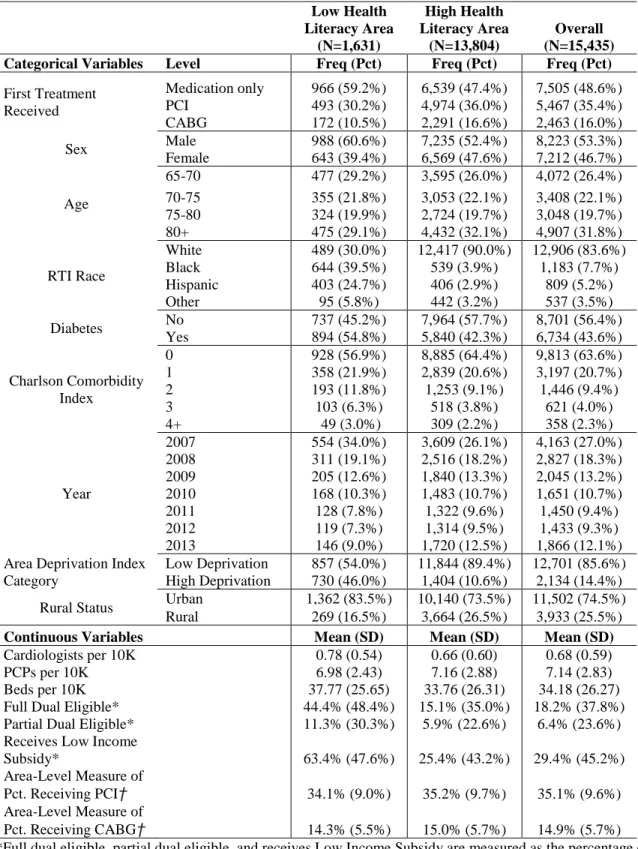
Table 2.1. Descriptive Statistics by Health Literacy Category ... 34
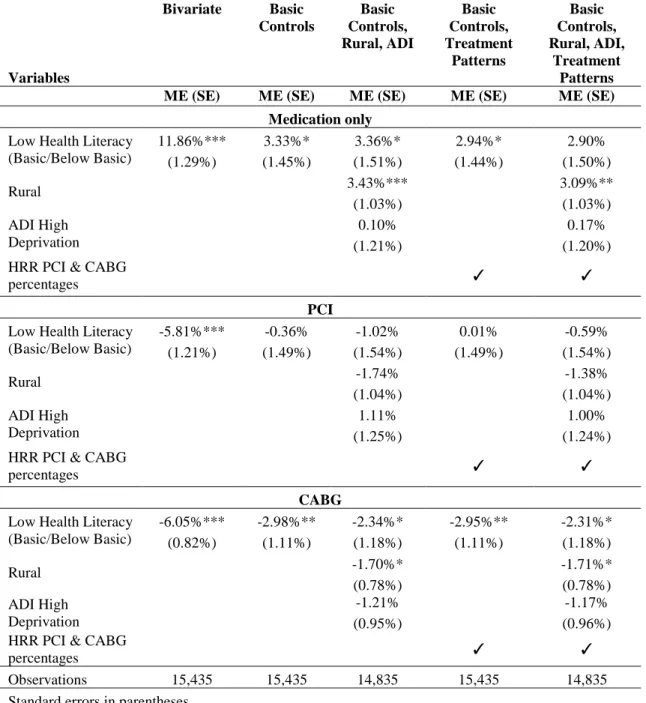
Table 2.2. Marginal Effects for Multinomial Logistic Regression with Dichotomous Specification of Health Literacy Variable ... 35
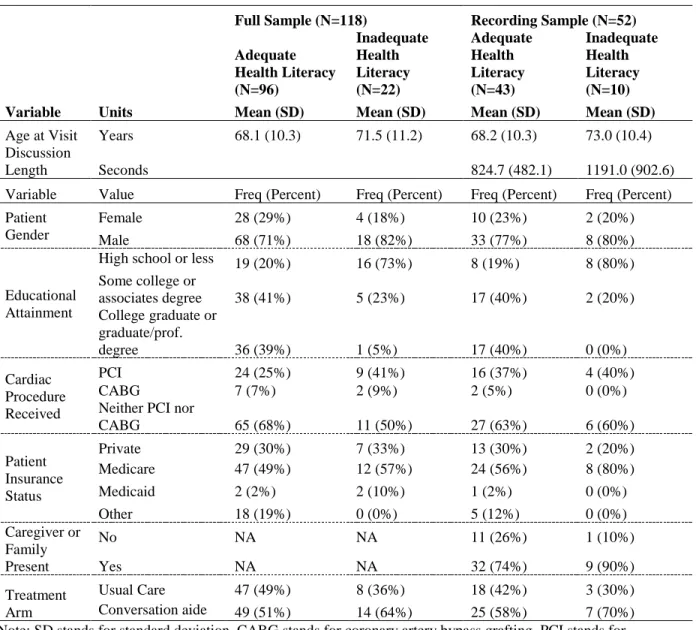
Table 3.1. Descriptive Statistics for Full Sample and Recording Sample by Health Literacy Category ... 55
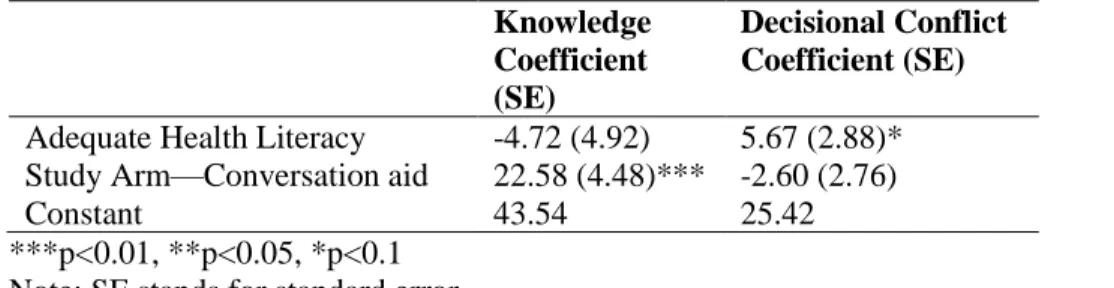
Table 3.2. Regression Output for Knowledge Questions and Decisional Conflict Scale ... 56
Table 4.1. Descriptive Statistics by Treatment Category ... 78
Table 4.2. Regression Output Using Binary Health Literacy Variable ... 79
Table 4.3. Sensitivity Analysis Stratified by Health Literacy Level ... 81
Appendix Table 1. Diagnostic Algorithms for Identifying Stable Angina Pectoris ... 102
Appendix Table 2. International Classification of Diseases, Ninth Revision 4 ... 102
Appendix Table 3. Procedural Codes ... 103
Appendix Table 4. Descriptive Statistics by Health Literacy Quartile ... 104
Appendix Table 5. Marginal Effects for Quartile Specification ... 105
Appendix Table 6. Full Model Marginal Effects for Multinomial Logistic Regression with Quartile Specification of Health Literacy Variable ... 106
Appendix Table 7. Full Model Marginal Effects for Multinomial Logistic Regression with Dichotomous Specification of Health Literacy Variable ... 113
Appendix Table 8. Marginal Effects for Logistic Regression with Quartile Specification of Health Literacy Variable... 118
Appendix Table 9. Marginal Effects for Logistic Regression of Treatment with Dichotomous Specification of Health Literacy Variable ... 119
Appendix Table 10. Engagement Measures ... 120
Appendix Table 11. Outcome Measures ... 122
Appendix Table 12. Health Literacy Measure ... 124
Appendix Table 13. Diagnostic Algorithms for Identifying Stable Angina Pectoris ... 125
Appendix Table 14. International Classification of Diseases, Ninth Revision ... 125
Appendix Table 16. Standardized Differences Before and After IPTW for Binary Health
Literacy ... 127 Appendix Table 17. Descriptive Statistics by Health Literacy Category ... 129 Appendix Table 18. Regression Output Using Quartile Health Literacy Measure ... 130 Appendix Table 19. Marginal Effects for Alternative Residual Specifications with Binary
Health Literacy... 132 Appendix Table 20. Marginal Effects for Alternative Residual Specifications with
LIST OF FIGURES
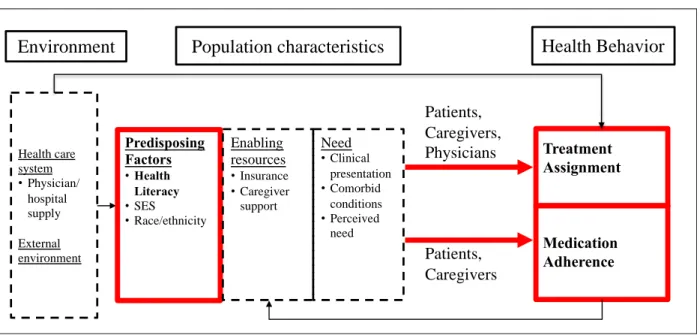
Figure 1.1. Modified Andersen Conceptual Model of Healthcare Utilization76 ... 11
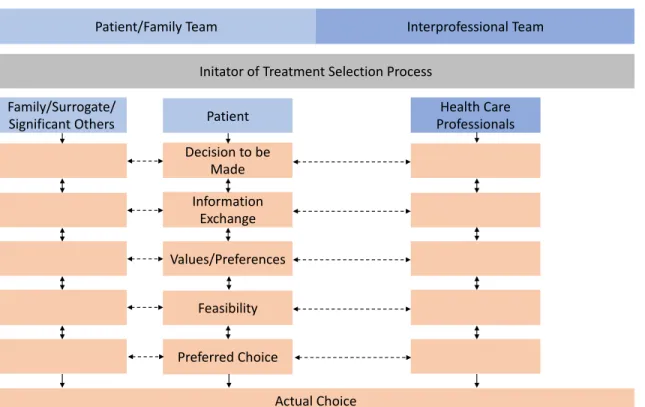
Figure 1.2. Modified Version of the Inter-professional Shared Decision-making Model82 ... 13
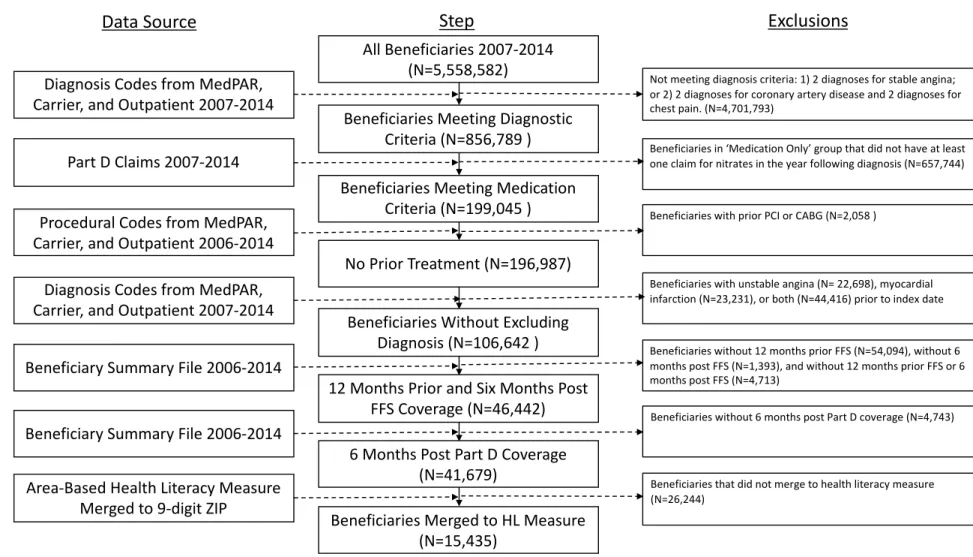
Figure 2.1. Analysis File Flow Diagram. ... 36
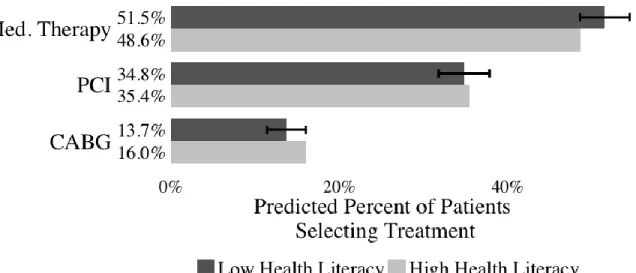
Figure 2.2. Predicted Probabilities of Treatment by Health Literacy Dichotomous Specification with Full Controls ... 37
Figure 2.3. Predicted Probabilities of Treatment by Health Literacy Quartile Specification with Full Controls ... 37
Figure 3.1. Sample Flow Diagram ... 57
Figure 3.2. Topics of Patient Questions (N=200) Asked at Encounters (N=53) ... 58
Figure 3.3. OPTION12 Scores for Clinicians with 8+ Encounters ... 59
Figure 3.4. Distribution of Correct Responses to Knowledge Questions ... 60
Figure 3.5. Distribution of Decisional Conflict Scale ... 60
Figure 4.1. Sample Flow Diagram ... 82
Figure 4.2. Propensity Score Density Plot for Receiving Medication Only ... 83
Figure 4.3. Propensity Score Density Plot for Receiving PCI ... 83
Figure 4.4. Propensity Score Density Plot for Receiving CABG ... 83
Figure 4.5. Marginal Effects for Health Literacy ... 84
Appendix Figure 1. Days After Initial Diagnosis Until CABG Surgery ... 133
LIST OF ABBREVIATIONS
2SRI Two-stage residual inclusion ADI Area deprivation index
CABG Coronary artery bypass grafting surgery
HL Health literacy
IPTW Inverse probability of treatment weighting IV Instrumental variable
ME Marginal effect
PCI Percutaneous coronary intervention SAP Stable angina pectoris
CHAPTER 1. INTRODUCTION
1.1. Specific Aims
About a quarter of all Americans have poor health literacy.1 This number is expected to grow in the coming years due to increases in the share and absolute numbers of elderly and individuals who speak English as a second language.2 Poor health literacy is associated with worse access to care, quality of care, and health outcomes. The associations between health literacy and these outcomes have been documented for a wide array of conditions.3 However, the existing literature does not adequately address the causal pathways of health literacy with treatment assignment and important patient behaviors such as medication adherence. Few studies have explored health literacy’s impact on treatment assignment; the existing studies have been small and used non-generalizable populations.4 Further, prior studies on the relationship between health literacy and medication adherence show mixed results.3 Patient
comprehension of treatment options and effectiveness will become even more important as medicine transitions towards patient-centered care and shared decision-making.
type and risk of complications.13,14 Patients with poor health literacy may find it more difficult to weigh the risks and benefits of alternative treatments and to make an informed choice. Many of the risk factors associated with SAP (advanced age,15 lower socioeconomic status,16 and minority status5) are also associated with lower health literacy.1,17 Two prior studies analyzed how poor comprehension of the advantages and disadvantages of treatment alternatives affects treatment selection for SAP.18,19 The studies found that many patients who received PCI erroneously believed that the procedure would decrease their risk of death or myocardial infarction (MI) relative to medication therapy alone. This finding suggests that current patient-physician interactions are not resulting in informed decision making.19 For medication adherence, no identified studies have assessed health literacy and medication adherence among patients with SAP. Nevertheless, medication is a key component of treatment for all treatment alternatives including PCI and CABG.6
The long-term goal of this research is to improve our understanding of how health literacy patient treatment for chronic conditions , particularly as it relates to treatment assignment and adherence. The objective of this study is to evaluate the association of health literacy with treatment assignment and medication adherence among Medicare patients with SAP. The central hypothesis is that living in a low health literacy area (as measured by a validated area-based measure17,20) will be associated with a higher probability of receiving more invasive treatment (PCI or CABG) and lower medication adherence. This research will enhance our understanding of how health literacy acts as a barrier to informed decision-making and improve patient adherence with assigned treatments.
Aim 1: Evaluate the association between an area-based measure for health literacy and
assignment to more or less invasive treatment (i.e., medical therapy vs. PCI and CABG) for SAP.
Aim 2: Evaluate clinician-patient interactions during treatment planning discussions for
SAP. Hypothesis: The analysis evaluates potential barriers to effective clinician-patient communication including low health literacy and identify potential limitations in the claims data for Aim 1. The analysis used previously collected data from the PCI Choice Trial including audio and video recordings of clinician-patient encounters and patient questionnaires.
Aim 3:Evaluate the association of area-based health literacy with post-treatment
medication adherence. Hypothesis: Living in areas with low health literacy is associated with worse medication adherence. Medication adherence is assessed as the proportion days covered for any of the following medications: beta-blockers, calcium channel blockers, long-acting nitrates, and ranolazine. The relationship with the health literacy measure was assessed using probit regression, inverse propensity score treatment weighting (IPTW), and two-stage residual inclusion.
The findings from this mixed-methods study on treatment assignment and health literacy supports interventions to improve patient comprehension and shared decision-making; similarly, results on patient adherence to medications informs interventions to improve medication adherence by identifying the role of health literacy.
1.2. Background
1.2.1. Overview of Stable Angina Pectoris
1.2.2. Treatment for Stable Angina Pectoris
Patients with SAP have three main treatment options. The first option is medical therapy (for clarity, this alternative will be referred to as ‘medication only’). Patients that receive medication only are prescribed anti-anginal medications, which include short-acting nitrates, long-acting nitrates, beta-blockers, calcium channel beta-blockers, and ranolazine. Short-acting nitrates are taken as needed and the other medications are taken daily. The anti-anginal medications primary function is to manage the symptoms of angina.6 If patients do not achieve sufficient reduction in their symptoms, then they may receive one of the other treatment alternatives.6 The second alternative is percutaneous coronary intervention (PCI) plus medication. PCI is a non-invasive procedure in which a catheter is inserted into the blocked artery (or arteries) and a balloon on the end of the catheter is expanded to push the plaque against the walls of the artery. Usually, a stent is then positioned in the artery to keep it from
re-narrowing. The stents are either bare metal stents (BMS) or drug-eluting stents (DES) that release a drug to prevent reblockage6,21 The third alternative is coronary artery bypass graft (CABG) surgery. CABG is an invasive surgery in which the chest is opened to access the blocked artery. Then, healthy arteries or veins from other parts of the body are grafted to bypass the blocked or narrowed coronary arteries.6,21 Patients who receive PCI or CABG also receive the same anti-anginal medications that patients in the medication only group receive.6
The treatment alternatives have key tradeoffs in terms of cost, symptom relief, and complications. Medication only is the least expensive alternative.7 Patients who receive medication only generally have similar outcomes in terms of MI and death as patients who receive PCI or CABG.27,28 However, these findings do not extend to the small subset of patients with left main disease who have often been excluded from trials.6,27,28 Long-term symptom relief for patients who receive medication only is comparable to patients who receive PCI.12 But, a greater proportion of patients who receive PCI experience short-term symptom relief than patients who receive medication only.12 The recent ORBITA trial found no statistical difference in exercise time at six weeks between PCI plus medications and a sham procedure plus
medications.29 These findings raise the possibility that the difference in short-term relief may be partially due to a placebo effect from receiving a procedure. However, it is difficult to make definitive conclusions from this study because the population was relatively small and the main outcome (exercise time) was an intermediate outcome.29 PCI is more expensive than mediation only7 and less expensive than CABG.8 The main complications for PCI are stent thrombosis26 and restenosis, which is a reblockage of the artery that may require additional revascularization.30 CABG is the most expensive and most invasive alternative.8 CABG also leads to more complete reduction of symptoms than PCI or medication only.9,11,31 CABG and PCI have similar outcomes for patients who have uncomplicated coronary artery disease. For patients with complex coronary artery disease, CABG reduces the risk of MI.10,11 In addition, CABG has better outcomes for patients with diabetes32,33 Due to the invasive nature of the procedure, CABG requires surgical recovery34 and rehabilitation.6 In contrast, patients who receive PCI typically have faster recovery35 and it is increasingly common for PCI to be performed as an outpatient procedure.36
presented a hypothetical treatment scenario for SAP to individuals in the general community. Participants were randomized to one of three arms that varied by how patients were presented information on PCI and the risk of MI (no information, an explicit statement that PCI does not reduce the risk of my, or an explanation of why PCI does not reduce the risk of MI). Most individuals (71%) in the ‘no information’ arm believed that PCI reduced the risk of MI.18 A smaller share of patients in the ‘explicit statement’ arm (39%) and ‘explanation’ arm (31%) believed that PCI reduced the risk of MI.18 Individuals who believed PCI reduced the risk of MI were much more likely to opt for PCI.18 The results of these studies suggest that individuals have a strong tendency to believe that PCI will reduce the risk of MI and that there may be barriers to information exchange on this topic between physicians and patients. These barriers may be partially overcome by how the information is presented.
1.2.3. Relationship of Health Literacy with Treatment Assignment and Medical Decision-Making
The prior literature on health literacy and treatment assignment is difficult to summarize due to inconsistencies in the studies. Specifically, a scoping review of the literature on health literacy and medical decision-making found that there was little overlap in the type of health literacy measure used (e.g., REALM37 or TOFHLA38), the aspect of medical decision-making being evaluated, and the study populations.4 The review concluded that general statements about how health literacy relates to medical decision-making was not possible due these limitations.4
Several studies have examined the relationship of health literacy with preferences for
also found to regularly use unclarified jargon terms in a population of low health literacy patients.44 Therefore, patients with low health literacy may have similar degrees of involvement as other patients if clinicians tailor their explanations to the patient’s health literacy level.
Low health literacy has also been linked to a preference for more aggressive care. Several studies have found that patients with low health literacy prefer more aggressive care in the context of end-of-life treatment for dementia.45-47 These findings may suggest that patients with low health literacy may also prefer more aggressive care (CABG or PCI) for the treatment of (SAP). However, it is unclear how applicable these findings are since the decision for treatment of SAP is very different than the decision for end-of-life care for dementia. We were unable to identify any studies that evaluated the relationship between health literacy and treatment preferences for aggressive care with respect to cardiovascular disease.
1.2.4. Relationship Between Health Literacy and Medication Adherence
The prior literature on the relationship between low health literacy and medication adherence has found mixed results. Three recent systematic reviews have examined this relationship.3,48,49 Two reviews found inconsistent evidence3,48 and one that included a meta-analysis found a small, significant
association between low health literacy and worse medication adherence.49 Many of the studies in two of the reviews3,49 focused on medication adherence for HIV and these results may be less applicable to medication adherence for SAP. One of the systematic reviews focused on medication adherence for cardiovascular disease and diabetes48 and as such may be more applicable. Of the seven studies included in the systematic review,50-58 only one study found a significant association between low health literacy and worse medication adherence.56 Two additional studies found associations between low health literacy and worse adherence that were only significant in unadjusted comparisons.54,58 Recent studies that were published after this systematic review have continued to provide conflicting evidence: some have found a significant association for health literacy and medication adherence59,60 while others have not found a significant association.61,62 Overall, the conflicting findings make it difficult to make a definitive
reviews concluded that more evidence was necessary to evaluate this relationship.3,48,49 In particular, research is needed that addresses some of the methodological weaknesses of the existing studies, which include small sample sizes and populations that are difficult to generalize from.48
1.3. Significance
SAP is a promising area for research. The high prevalence of the condition (eight million patients in the US5) means SAP imposes a large public health burden. Patients with SAP appear to have confusion regarding treatment alternatives. Compelling evidence indicates that patients tend to believe—often mistakenly—that more invasive treatment with PCI reduces the risk of MI and mortality compared to medical therapy.19,63 Using cardiovascular disease medications as prescribed is strongly associated with better angina-related outcomes. However, medication non-adherence is still a common issue for cardiovascular drugs.64 Therefore, it is important to understand adherence patterns for these patients.
Health literacy is a key factor that may affect both treatment assignment and medication adherence for SAP patients. Low health literacy may contribute to the confusion surrounding the treatment alternatives for SAP. Previous research suggests that health literacy may act as a barrier for patients making health-related decisions.39,65,66 However, these studies had small sample sizes and poor generalizability. Low health literacy may also be linked to worse medication adherence. Previous
systematic reviews on health literacy and medication adherence found the evidence for such a relationship inconclusive but limited.3,48,49 The studies included in the reviews typically had small samples and limited generalizability because they are drawn from a single institution or region.48 Health literacy is an
important factor to target since it is potentially modifiable or it can be targeted with interventions. Past research has shown that interventions that are sensitive to health literacy can improve health outcomes and reduce disparities by level of health literacy.67-71 In contrast, other factors associated with health are either fixed (e.g., age and sex) or are difficult to address with office-based interventions (e.g., socio-economic status).
The proposed research is significant because it overcomes limitations found in past studies and
of Medicare claims to generate a larger and more generalizable sample than in previous research. The results provide evidence on how area-based health literacy is related with treatment assignment and medication adherence. The descriptive analysis of the recorded patient-clinician encounters provides additional depth to the analysis. The findings help to inform interventions so they are suitable for patients with limited health literacy skills such as shared decision-making tools67 and medication reminders.71 1.4. Innovation
This dissertation is innovative because it combines Medicare claims data and an area-based measure for health literacy. As noted earlier, samples for prior studies were typically drawn from single or few geographic sites.40-43,45-47,50-62 Therefore, external validity is a major concern. In addition, the sample sizes for most of these studies was also small (fewer than 500 individuals).40-43,45-47,50-53,55-62 Such studies were expensive to conduct in part because they required an in-person assessment of health literacy. Medicare data have been used to study medication adherence and treatment assignment outside of the health literacy literature,72-74 but analyses of health literacy have not included large claims analyses since health literacy measures are typically unavailable with claims data. The area-based measure for health literacy has only recently been developed and validated.20 The validation study also linked the area-based measure to Medicare claims data to analyze the relationship between community health literacy and 30-day readmissions for patients with acute MI.20 The area-based health literacy measure has not yet been used to study treatment assignment or medication adherence in a claims database. There are also important limitations to using an area-based measure for health literacy. The limitations include the ecological fallacy and the high correlation between an based measure for health literacy and area-based measures for low-income like the ADI.75 However, using an area-based measure is the only approach that would enable an analysis with a large claims database.
to answer research questions that cannot be answered with claims data alone and for which a prospective study is infeasible due to the sample size and resources required.
1.5. Conceptual Models
1.5.1. Conceptual Model for Aims 1 and 3
Figure 1.1. Modified Andersen Conceptual Model of Healthcare Utilization76
Note: SES stands for socio-economic status
Environment: The model describes how the environment can interact with patient characteristics to affect health behavior for SAP. The analyses considered physician/hospital supply as key
characteristics of the health care system. Prior research suggests that low medical supply in a region is linked to worse outcomes.78 As such, the analyses controlled for the supply of primary care physicians, cardiologists, and hospital beds per 10,000 residents at the county level. The analyses also controlled for whether a county is rural, since rural areas tend to have lower medical supply than more urban areas.79 Another key aspect of the external environment is the year in which the beneficiary receives care. Over the period of the study, there were new studies27 and clinical practice guidelines6 that may have affected how patients were treated. The year of diagnosis was included in models to account for any changes in clinical practice over time.
Predisposing factors: The analyses focused on the predisposing factor of health literacy as the key independent variable. Specifically, the analyses used an area-based measure of health literacy to assess the relationship between community health literacy with treatment assignment and medication adherence. The methods sections for each analysis describes how the area-based health literacy measure was developed and applied.17,20 Socio-economic status (SES) is another important predisposing factor that
Health care system •Physician/ hospital supply External environment Predisposing Factors •Health Literacy •SES •Race/ethnicity Medication Adherence
Environment
Population characteristics
Health Behavior
has been found to be significantly associated with health literacy.17 If SES were not included in the models, then SES would likely be a confounder for health literacy with respect to treatment assignment and medication adherence. As such, the analyses included the area-deprivation index as a control variable for SES.75 Race and ethnicity may also act as predisposing factors since minority status has been linked to lower quality of care.80 A control variable for race and ethnicity was also included in the models.
Enabling resources: The main enabling resources are insurance status and caregiver support. For the analyses, all patients had Medicare fee-for-service coverage and there were no uninsured patients. The only differences in insurance status were that some low-income patients qualified as full dual eligible, partial dual eligibles, or recipients of the low-income subsidy for Part D. Full dual eligibles receive cost-sharing reduction and premium support and partial dual-eligibles just receive premium support.36 Patients who receive the low-income subsidy have lower Part D premiums and lower cost-sharing for
medications.36 The analyses included variables for the proportion of time that a patient was a full dual eligible, partial dual eligible, or received the low-income subsidy. Caregiver support could not be identified in the claims data.
Need: The important clinical aspects that affect care for SAP include the number of arteries that are blocked, which arteries are blocked, the extent of the blockage, anatomic variants, symptom status, age, and important co-morbidites.6 Many of these characteristics were not available in the claims data. We were able to identify and exclude patients with unstable angina or previous MI. We were also able to identify co-morbidities. We controlled for general co-morbidities by using the Charlson co-morbidity index81 and separately included an indicator for diabetes, which is associated with treatment outcomes.10 We also controlled for the age of the patient.
1.5.2. Conceptual Model for Aim 2
not reflect well what actually occurs for many encounters. Nevertheless, the model is helpful for observing how well actual conversations conform to it. The key elements include the environment in which the medical decision is being made and the family/patient and professional teams working together to make the health decision. The teams work together through five steps that lead to a treatment decision. The two-way arrows between the steps indicate that it is possible to revisit earlier steps at a later point. Figure 1.2. Modified Version of the Inter-professional Shared Decision-making Model82
Environment: The environment in which the discussions take place affects the subsequent steps and the individuals that are involved in the teams. For the Aim 2 analysis, the recording took place at the general cardiology clinic or cardiac catheterization lab at the Mayo Clinic in Rochester, MN. The encounters may have been affected by taking place at the Mayo Clinic, which is a premier health system that may have different approaches to patient-clinician interactions than most health systems. The conversations may have also been affected by whether they took place at the general cardiology clinic or cardiac catheterization lab. Patients seen at the cardiac catheterization lab may be much more likely to
Environment
Patient/Family Team Interprofessional Team
Initator of Treatment Selection Process Family/Surrogate/
Significant Others Patient
Health Care Professionals Decision to be
Made Information
Exchange Values/Preferences
Feasibility
Preferred Choice
receive PCI than patients seen at the general cardiology clinic since the catheterization lab is where PCI is performed.
Teams: The two teams are the patient/family team and the interprofessioanl team. The
patient/family team includes the patient, family members, significant others, or other surrogates. In the analysis of recordings, we identified whether the patient had a family member or caregiver present during the encounter. Prior research suggests that family members and caregivers can help support patients with low health literacy.84 The interprofesional team includes physicians, nurses, and other health providers.
REFERENCES
1. Kutner, M., Greenburg, E., Jin, Y., & Paulsen, C. (2006). The Health Literacy of America's Adults: Results from the 2003 National Assessment of Adult Literacy. NCES 2006-483. National Center for Education Statistics.
2. Parker, R. M., Wolf, M. S., & Kirsch, I. (2008). Preparing for an epidemic of limited health literacy: weathering the perfect storm. J Gen Intern Med, 23(8), 1273-1276. doi:10.1007/s11606-008-0621-1
3. Berkman, N. D., Sheridan, S. L., Donahue, K. E., Halpern, D. J., & Crotty, K. (2011). Low health literacy and health outcomes: an updated systematic review. Ann Intern Med, 155(2), 97-107.
doi:10.7326/0003-4819-155-2-201107190-00005
4. Malloy-Weir, L. J., Charles, C., Gafni, A., & Entwistle, V. A. (2015). Empirical relationships between health literacy and treatment decision making: a scoping review of the literature. Patient Educ Couns, 98(3), 296-309. doi:10.1016/j.pec.2014.11.004
5. Mozaffarian, D., Benjamin, E. J., Go, A. S., Arnett, D. K., Blaha, M. J., Cushman, M., et al. (2015). Heart disease and stroke statistics—2015 update: a report from the American Heart Association.
Circulation, 131(4), e29-e322.
6. Fihn, S. D., Gardin, J. M., Abrams, J., Berra, K., Blankenship, J. C., Dallas, A. P., et al. (2012). 2012 ACCF/AHA/ACP/AATS/PCNA/SCAI/STS Guideline for the diagnosis and management of patients with stable ischemic heart disease: a report of the American College of Cardiology Foundation/American Heart Association Task Force on Practice Guidelines, and the American College of Physicians, American Association for Thoracic Surgery, Preventive Cardiovascular Nurses Association, Society for
Cardiovascular Angiography and Interventions, and Society of Thoracic Surgeons. J Am Coll Cardiol, 60(24), e44-e164. doi:10.1016/j.jacc.2012.07.013
7. Weintraub, W. S., Boden, W. E., Zhang, Z., Kolm, P., Zhang, Z., Spertus, J. A., et al. (2008). Cost-Effectiveness of Percutaneous Coronary Intervention in Optimally Treated Stable Coronary PatientsCLINICAL PERSPECTIVE. Circulation: Cardiovascular Quality and Outcomes, 1(1), 12-20. 8. Zhang, Z., Kolm, P., Grau-Sepulveda, M. V., Ponirakis, A., O'Brien, S. M., Klein, L. W., et al. (2015). Cost-effectiveness of revascularization strategies: the ASCERT study. J Am Coll Cardiol, 65(1), 1-11. doi:10.1016/j.jacc.2014.09.078
9. Bravata, D. M., Gienger, A. L., McDonald, K. M., Sundaram, V., Perez, M. V., Varghese, R., et al. (2007). Systematic review: the comparative effectiveness of percutaneous coronary interventions and coronary artery bypass graft surgery. Ann Intern Med, 147(10), 703-716.
10. Kappetein, A. P., Head, S. J., Morice, M. C., Banning, A. P., Serruys, P. W., Mohr, F. W., et al. (2013). Treatment of complex coronary artery disease in patients with diabetes: 5-year results comparing outcomes of bypass surgery and percutaneous coronary intervention in the SYNTAX trial. Eur J
11. Morice, M. C., Serruys, P. W., Kappetein, A. P., Feldman, T. E., Stahle, E., Colombo, A., et al. (2010). Outcomes in patients with de novo left main disease treated with either percutaneous coronary intervention using paclitaxel-eluting stents or coronary artery bypass graft treatment in the Synergy Between Percutaneous Coronary Intervention with TAXUS and Cardiac Surgery (SYNTAX) trial.
Circulation, 121(24), 2645-2653. doi:10.1161/circulationaha.109.899211
12. Weintraub, W. S., Spertus, J. A., Kolm, P., Maron, D. J., Zhang, Z., Jurkovitz, C., et al. (2008). Effect of PCI on quality of life in patients with stable coronary disease. N Engl J Med, 359(7), 677-687. doi:10.1056/NEJMoa072771
13. Nalysnyk, L., Fahrbach, K., Reynolds, M. W., Zhao, S. Z., & Ross, S. (2003). Adverse events in coronary artery bypass graft (CABG) trials: a systematic review and analysis. Heart, 89(7), 767-772. 14. Steinhubl, S. R., Berger, P. B., Mann III, J. T., Fry, E. T., DeLago, A., Wilmer, C., et al. (2002). Early and sustained dual oral antiplatelet therapy following percutaneous coronary intervention: a randomized controlled trial. Jama, 288(19), 2411-2420.
15. Hemingway, H., McCallum, A., Shipley, M., Manderbacka, K., Martikainen, P., & Keskimäki, I. (2006). Incidence and prognostic implications of stable angina pectoris among women and men. Jama, 295(12), 1404-1411.
16. Pujades-Rodriguez, M., Timmis, A., Stogiannis, D., Rapsomaniki, E., Denaxas, S., Shah, A., et al. (2014). Socioeconomic deprivation and the incidence of 12 cardiovascular diseases in 1.9 million women and men: implications for risk prediction and prevention. PLoS One, 9(8), e104671.
17. Martin, L. T., Ruder, T., Escarce, J. J., Ghosh-Dastidar, B., Sherman, D., Elliott, M., et al. (2009). Developing predictive models of health literacy. J Gen Intern Med, 24(11), 1211-1216.
doi:10.1007/s11606-009-1105-7
18. Rothberg, M. B., Scherer, L., Kashef, M. A., Coylewright, M., Ting, H. H., Hu, B., et al. (2014). The effect of information presentation on beliefs about the benefits of elective percutaneous coronary intervention. JAMA Intern Med, 174(10), 1623-1629. doi:10.1001/jamainternmed.2014.3331
19. Rothberg, M. B., Sivalingam, S. K., Ashraf, J., Visintainer, P., Joelson, J., Kleppel, R., et al. (2010). Patients' and cardiologists' perceptions of the benefits of percutaneous coronary intervention for stable coronary disease. Ann Intern Med, 153(5), 307-313. doi:10.7326/0003-4819-153-5-201009070-00005
20. Bailey, S. C., Fang, G., Annis, I. E., O'Conor, R., Paasche-Orlow, M. K., & Wolf, M. S. (2015). Health literacy and 30-day hospital readmission after acute myocardial infarction. BMJ Open, 5(6), e006975. doi:10.1136/bmjopen-2014-006975
21. National Heart Lung and Blood Institute. (2013). Angina. Retrieved from https://www.nhlbi.nih.gov/health-topics/angina
22. Turner, R. C., Millns, H., Neil, H. A., Stratton, I. M., Manley, S. E., Matthews, D. R., et al. (1998). Risk factors for coronary artery disease in non-insulin dependent diabetes mellitus: United Kingdom Prospective Diabetes Study (UKPDS: 23). Bmj, 316(7134), 823-828.
24. van Werkum, J. W., Heestermans, A. A., Zomer, A. C., Kelder, J. C., Suttorp, M. J., Rensing, B. J., et al. (2009). Predictors of coronary stent thrombosis: the Dutch Stent Thrombosis Registry. J Am Coll Cardiol, 53(16), 1399-1409. doi:10.1016/j.jacc.2008.12.055
25. Schomig, A., Neumann, F. J., Kastrati, A., Schuhlen, H., Blasini, R., Hadamitzky, M., et al. (1996). A randomized comparison of antiplatelet and anticoagulant therapy after the placement of coronary-artery stents. N Engl J Med, 334(17), 1084-1089. doi:10.1056/nejm199604253341702 26. Iakovou, I., Schmidt, T., Bonizzoni, E., Ge, L., Sangiorgi, G. M., Stankovic, G., et al. (2005). Incidence, predictors, and outcome of thrombosis after successful implantation of drug-eluting stents.
Jama, 293(17), 2126-2130. doi:10.1001/jama.293.17.2126
27. Boden, W. E., O'Rourke, R. A., Teo, K. K., Hartigan, P. M., Maron, D. J., Kostuk, W. J., et al. (2007). Optimal medical therapy with or without PCI for stable coronary disease. N Engl J Med, 356(15), 1503-1516. doi:10.1056/NEJMoa070829
28. Frye, R. L., August, P., Brooks, M. M., Hardison, R. M., Kelsey, S. F., MacGregor, J. M., et al. (2009). A randomized trial of therapies for type 2 diabetes and coronary artery disease. N Engl J Med, 360(24), 2503-2515. doi:10.1056/NEJMoa0805796
29. Al-Lamee, R., Thompson, D., Dehbi, H. M., Sen, S., Tang, K., Davies, J., et al. (2017). Percutaneous coronary intervention in stable angina (ORBITA): a double-blind, randomised controlled trial. Lancet. doi:10.1016/s0140-6736(17)32714-9
30. Alfonso, F., Byrne, R. A., Rivero, F., & Kastrati, A. (2014). Current treatment of in-stent restenosis. J Am Coll Cardiol, 63(24), 2659-2673.
31. Yusuf, S., Zucker, D., Peduzzi, P., Fisher, L. D., Takaro, T., Kennedy, J. W., et al. (1994). Effect of coronary artery bypass graft surgery on survival: overview of 10-year results from randomised trials by the Coronary Artery Bypass Graft Surgery Trialists Collaboration. Lancet, 344(8922), 563-570.
32. Hlatky, M. A., Boothroyd, D. B., Bravata, D. M., Boersma, E., Booth, J., Brooks, M. M., et al. (2009). Coronary artery bypass surgery compared with percutaneous coronary interventions for multivessel disease: a collaborative analysis of individual patient data from ten randomised trials. The Lancet, 373(9670), 1190-1197.
33. BARI Investigators. (1997). Influence of diabetes on 5-year mortality and morbidity in a randomized trial comparing CABG and PTCA in patients with multivessel disease: the Bypass Angioplasty Revascularization Investigation (BARI). Circulation, 96(6), 1761-1769.
34. Peterson, E. D., Coombs, L. P., Ferguson, T. B., Shroyer, A. L., DeLong, E. R., Grover, F. L., et al. (2002). Hospital variability in length of stay after coronary artery bypass surgery: results from the Society of Thoracic Surgeon's National Cardiac Database. Ann Thorac Surg, 74(2), 464-473. 35. Borkon, A. M., Muehlebach, G. F., House, J., Marso, S. P., & Spertus, J. A. (2002). A
comparison of the recovery of health status after percutaneous coronary intervention and coronary artery bypass. Ann Thorac Surg, 74(5), 1526-1530.
37. Arozullah, A. M., Yarnold, P. R., Bennett, C. L., Soltysik, R. C., Wolf, M. S., Ferreira, R. M., et al. (2007). Development and validation of a short-form, rapid estimate of adult literacy in medicine. Med Care, 45(11), 1026-1033. doi:10.1097/MLR.0b013e3180616c1b
38. Parker, R. M., Baker, D. W., Williams, M. V., & Nurss, J. R. (1995). The test of functional health literacy in adults: a new instrument for measuring patients' literacy skills. J Gen Intern Med, 10(10), 537-541.
39. Goggins, K. M., Wallston, K. A., Nwosu, S., Schildcrout, J. S., Castel, L., & Kripalani, S. (2014). Health literacy, numeracy, and other characteristics associated with hospitalized patients' preferences for involvement in decision making. J Health Commun, 19 Suppl 2, 29-43.
doi:10.1080/10810730.2014.938841
40. Naik, A. D., Street, R. L., Jr., Castillo, D., & Abraham, N. S. (2011). Health literacy and decision making styles for complex antithrombotic therapy among older multimorbid adults. Patient Educ Couns, 85(3), 499-504. doi:10.1016/j.pec.2010.12.015
41. Aboumatar, H. J., Carson, K. A., Beach, M. C., Roter, D. L., & Cooper, L. A. (2013). The impact of health literacy on desire for participation in healthcare, medical visit communication, and patient reported outcomes among patients with hypertension. J Gen Intern Med, 28(11), 1469-1476. doi:10.1007/s11606-013-2466-5
42. Johnson, V. R., Jacobson, K. L., Gazmararian, J. A., & Blake, S. C. (2010). Does social support help limited-literacy patients with medication adherence? A mixed methods study of patients in the Pharmacy Intervention for Limited Literacy (PILL) study. Patient Educ Couns, 79(1), 14-24. doi:10.1016/j.pec.2009.07.002
43. Kripalani, S., Jacobson, T. A., Mugalla, I. C., Cawthon, C. R., Niesner, K. J., & Vaccarino, V. (2010). Health literacy and the quality of physician-patient communication during hospitalization. J Hosp Med, 5(5), 269-275. doi:10.1002/jhm.667
44. Castro, C. M., Wilson, C., Wang, F., & Schillinger, D. (2007). Babel babble: physicians' use of unclarified medical jargon with patients. Am J Health Behav, 31 Suppl 1, S85-95.
doi:10.5555/ajhb.2007.31.supp.S85
45. Volandes, A. E., Ferguson, L. A., Davis, A. D., Hull, N. C., Green, M. J., Chang, Y., et al. (2011). Assessing end-of-life preferences for advanced dementia in rural patients using an educational video: a randomized controlled trial. J Palliat Med, 14(2), 169-177. doi:10.1089/jpm.2010.0299
46. Volandes, A. E., Paasche-Orlow, M., Gillick, M. R., Cook, E. F., Shaykevich, S., Abbo, E. D., et al. (2008). Health literacy not race predicts end-of-life care preferences. J Palliat Med, 11(5), 754-762. doi:10.1089/jpm.2007.0224
47. Volandes, A. E., Paasche-Orlow, M. K., Barry, M. J., Gillick, M. R., Minaker, K. L., Chang, Y., et al. (2009). Video decision support tool for advance care planning in dementia: randomised controlled trial. Bmj, 338, b2159. doi:10.1136/bmj.b2159
49. Zhang, N. J., Terry, A., & McHorney, C. A. (2014). Impact of health literacy on medication adherence: a systematic review and meta-analysis. Ann Pharmacother, 48(6), 741-751.
doi:10.1177/1060028014526562
50. Bains, S. S., & Egede, L. E. (2011). Associations between health literacy, diabetes knowledge, self-care behaviors, and glycemic control in a low income population with type 2 diabetes. Diabetes Technol Ther, 13(3), 335-341. doi:10.1089/dia.2010.0160
51. Cordasco, K. M., Asch, S. M., Bell, D. S., Guterman, J. J., Gross-Schulman, S., Ramer, L., et al. (2009). A low-literacy medication education tool for safety-net hospital patients. Am J Prev Med, 37(6 Suppl 1), S209-216. doi:10.1016/j.amepre.2009.08.018
52. Estrada, C. A., Martin-Hryniewicz, M., Peek, B. T., Collins, C., & Byrd, J. C. (2004). Literacy and numeracy skills and anticoagulation control. Am J Med Sci, 328(2), 88-93.
53. Fang, M. C., Machtinger, E. L., Wang, F., & Schillinger, D. (2006). Health literacy and anticoagulation-related outcomes among patients taking warfarin. J Gen Intern Med, 21(8), 841-846. doi:10.1111/j.1525-1497.2006.00537.x
54. Gazmararian, J. A., Kripalani, S., Miller, M. J., Echt, K. V., Ren, J., & Rask, K. (2006). Factors associated with medication refill adherence in cardiovascular-related diseases: a focus on health literacy. J Gen Intern Med, 21(12), 1215-1221. doi:10.1111/j.1525-1497.2006.00591.x
55. Gerber, B. S., Cho, Y. I., Arozullah, A. M., & Lee, S. Y. (2010). Racial differences in medication adherence: A cross-sectional study of Medicare enrollees. Am J Geriatr Pharmacother, 8(2), 136-145. doi:10.1016/j.amjopharm.2010.03.002
56. Kripalani, S., Gatti, M. E., & Jacobson, T. A. (2010). Association of age, health literacy, and medication management strategies with cardiovascular medication adherence. Patient Educ Couns, 81(2), 177-181. doi:10.1016/j.pec.2010.04.030
57. Kripalani, S., Henderson, L. E., Chiu, E. Y., Robertson, R., Kolm, P., & Jacobson, T. A. (2006). Predictors of medication self-management skill in a low-literacy population. J Gen Intern Med, 21(8), 852-856. doi:10.1111/j.1525-1497.2006.00536.x
58. Cho, Y. I., Lee, S. Y., Arozullah, A. M., & Crittenden, K. S. (2008). Effects of health literacy on health status and health service utilization amongst the elderly. Soc Sci Med, 66(8), 1809-1816.
doi:10.1016/j.socscimed.2008.01.003
59. Fan, J. H., Lyons, S. A., Goodman, M. S., Blanchard, M. S., & Kaphingst, K. A. (2016). Relationship Between Health Literacy and Unintentional and Intentional Medication Nonadherence in Medically Underserved Patients With Type 2 Diabetes. Diabetes Educ, 42(2), 199-208.
doi:10.1177/0145721715624969
60. Oramasionwu, C. U., Bailey, S. C., Duffey, K. E., Shilliday, B. B., Brown, L. C., Denslow, S. A., et al. (2014). The association of health literacy with time in therapeutic range for patients on warfarin therapy. J Health Commun, 19 Suppl 2, 19-28. doi:10.1080/10810730.2014.934934
61. Rose, L. E., Sawyer, A. L., & Everett, A. (2014). Cardiovascular health literacy and treatment adherence in persons with serious mental illness. Issues Ment Health Nurs, 35(2), 88-99.
62. Thurston, M. M., Bourg, C. A., Phillips, B. B., & Huston, S. A. (2015). Impact of health literacy level on aspects of medication nonadherence reported by underserved patients with type 2 diabetes.
Diabetes Technol Ther, 17(3), 187-193. doi:10.1089/dia.2014.0220
63. Coylewright, M., Dick, S., Zmolek, B., Askelin, J., Hawkins, E., Branda, M., et al. (2016). PCI Choice Decision Aid for Stable Coronary Artery Disease: A Randomized Trial. Circ Cardiovasc Qual Outcomes, 9(6), 767-776. doi:10.1161/circoutcomes.116.002641
64. Ho, P. M., Bryson, C. L., & Rumsfeld, J. S. (2009). Medication adherence: its importance in cardiovascular outcomes. Circulation, 119(23), 3028-3035. doi:10.1161/circulationaha.108.768986 65. Mazor, K. M., Rubin, D. L., Roblin, D. W., Williams, A. E., Han, P. K., Gaglio, B., et al. (2016). Health literacy-listening skill and patient questions following cancer prevention and screening
discussions. Health Expect, 19(4), 920-934. doi:10.1111/hex.12387
66. Smith, S. K., Dixon, A., Trevena, L., Nutbeam, D., & McCaffery, K. J. (2009). Exploring patient involvement in healthcare decision making across different education and functional health literacy groups. Soc Sci Med, 69(12), 1805-1812. doi:10.1016/j.socscimed.2009.09.056
67. Barton, J. L., Trupin, L., Schillinger, D., Evans-Young, G., Imboden, J., Montori, V. M., et al. (2016). Use of Low-Literacy Decision Aid to Enhance Knowledge and Reduce Decisional Conflict Among a Diverse Population of Adults With Rheumatoid Arthritis: Results of a Pilot Study. Arthritis Care Res (Hoboken), 68(7), 889-898. doi:10.1002/acr.22801
68. Pignone, M., DeWalt, D. A., Sheridan, S., Berkman, N., & Lohr, K. N. (2005). Interventions to improve health outcomes for patients with low literacy. A systematic review. J Gen Intern Med, 20(2), 185-192. doi:10.1111/j.1525-1497.2005.40208.x
69. Smith, S. K., Trevena, L., Simpson, J. M., Barratt, A., Nutbeam, D., & McCaffery, K. J. (2010). A decision aid to support informed choices about bowel cancer screening among adults with low education: randomised controlled trial. Bmj, 341, c5370. doi:10.1136/bmj.c5370
70. van Dalem, J., Krass, I., & Aslani, P. (2012). Interventions promoting adherence to cardiovascular medicines. Int J Clin Pharm, 34(2), 295-311. doi:10.1007/s11096-012-9607-5
71. Zullig, L. L., McCant, F., Melnyk, S. D., Danus, S., & Bosworth, H. B. (2014). A health literacy pilot intervention to improve medication adherence using Meducation(R) technology. Patient Educ Couns, 95(2), 288-291. doi:10.1016/j.pec.2014.02.004
72. Kuykendal, A. R., Hendrix, L. H., Salloum, R. G., Godley, P. A., & Chen, R. C. (2013). Guideline-discordant androgen deprivation therapy in localized prostate cancer: patterns of use in the medicare population and cost implications. Ann Oncol, 24(5), 1338-1343. doi:10.1093/annonc/mds618 73. Mojtabai, R., & Olfson, M. (2003). Medication costs, adherence, and health outcomes among Medicare beneficiaries. Health Affairs, 22(4), 220-229.
74. Weinstein, J. N., Bronner, K. K., Morgan, T. S., & Wennberg, J. E. (2004). Trends and
75. Health Innovation Program. (2014). Area Deprivation Index. Retrieved from http://www.hipxchange.org/ADI
76. Andersen, R. M. (1995). Revisiting the behavioral model and access to medical care: does it matter? Journal of health and social behavior, 1-10.
77. Babitsch, B., Gohl, D., & von Lengerke, T. (2012). Re-revisiting Andersen's Behavioral Model of Health Services Use: a systematic review of studies from 1998-2011. Psychosoc Med, 9, Doc11.
doi:10.3205/psm000089
78. Parchman, M. L., & Culler, S. D. (1999). Preventable hospitalizations in primary care shortage areas: an analysis of vulnerable Medicare beneficiaries. Archives of family medicine, 8(6), 487. 79. Kindig, D. A., & Movassaghi, H. (1989). The adequacy of physician supply in small rural counties. Health Affairs, 8(2), 63-76.
80. Johnson, R. L., Roter, D., Powe, N. R., & Cooper, L. A. (2004). Patient race/ethnicity and quality of patient–physician communication during medical visits. Am J Public Health, 94(12), 2084-2090. 81. Deyo, R. A., Cherkin, D. C., & Ciol, M. A. (1992). Adapting a clinical comorbidity index for use with ICD-9-CM administrative databases. J Clin Epidemiol, 45(6), 613-619.
82. Legare, F., Stacey, D., Gagnon, S., Dunn, S., Pluye, P., Frosch, D., et al. (2011). Validating a conceptual model for an inter-professional approach to shared decision making: a mixed methods study. J Eval Clin Pract, 17(4), 554-564. doi:10.1111/j.1365-2753.2010.01515.x
83. Couët, N., Desroches, S., Robitaille, H., Vaillancourt, H., Leblanc, A., Turcotte, S., et al. (2015). Assessments of the extent to which health‐care providers involve patients in decision making: a
systematic review of studies using the OPTION instrument. Health Expectations, 18(4), 542-561. 84. Yuen, E. Y. N., Knight, T., Ricciardelli, L. A., & Burney, S. (2018). Health literacy of caregivers of adult care recipients: A systematic scoping review. Health Soc Care Community, 26(2), e191-e206. doi:10.1111/hsc.12368
85. Elwyn, G., Hutchings, H., Edwards, A., Rapport, F., Wensing, M., Cheung, W. Y., et al. (2005). The OPTION scale: measuring the extent that clinicians involve patients in decision‐making tasks. Health Expectations, 8(1), 34-42.
CHAPTER 2. TREATMENT ASSIGNMENT FOR STABLE ANGINA PECTORIS: THE
ROLE OF HEALTH LITERACY
2.1. Overview
Background: Prior research suggests that patients with stable angina pectoris (SAP) have difficulty understanding tradeoffs between treatment alternatives. More invasive treatment has not been associated with better clinical outcomes (e.g., myocardial infarction or death), however, many patients believe that more invasive treatment reduces the risks of these outcomes. Patients living in communities with lower average health literacy may be more likely to have misconceptions and receive more invasive treatment.
Methods: Analysis of fee-for-service (FFS) Medicare beneficiaries (20% random sample). The sample included beneficiaries with an incident diagnosis of SAP in 2007-2013. The treatment alternatives were: 1) medication only, 2) percutaneous coronary intervention (PCI), and 3) coronary artery bypass grafting (CABG) surgery. The key independent variable was an area-based health literacy measure at the census block group level derived from a validated predictive model. This variable was specified as a dichotomous measure (low vs. high). The relationship between treatment and health literacy was evaluated using multinomial logistic regression, controlling for socio-demographic and case mix measures.
Conclusions: Living in communities with lower average health literacy was associated with lower utilization of invasive treatment (PCI or CABG) and higher use of medication only. Treatment assignment may be driven by other factors such as physician assessments or access to care.
2.2. Introduction
About 80 million people, a quarter of all Americans, have poor health literacy.1 Low health literacy is associated with worse access to care, poorer quality of care, and negative health outcomes for a wide array of conditions.2 Health literacy may also impact patient’s ability to understand treatment alternatives and to participate in treatment decisions.3 Patient comprehension of treatment options will become even more important as medicine transitions towards patient-centered care and shared decision-making.
The treatment of stable angina pectoris (SAP) is a promising area for evaluating the impact of health literacy on treatment decisions. Treatment depends in part on patient preferences,4 so patients’ ability to understand the tradeoffs between treatment options may influence the care they receive. The most commonly used treatments for SAP are medication only (treatment with prescription medications), percutaneous coronary intervention (PCI) with medication, and coronary artery bypass grafting (CABG) with medication. The alternatives vary in terms of cost, how long it takes to receive symptom relief, and type and risk of complications.
The purpose of this analysis was to examine the relationship between health literacy and treatment assignment for SAP among Medicare beneficiaries. Such analyses have historically been difficult to conduct, as measuring literacy skills on an individual-level is logistically difficult and generally involves conducting in-person assessments; this is not plausible for large study samples. Recently, a predictive model of health literacy, which utilizes data from the US census to estimate the average health literacy skills of individuals living in a census block group, was published and
validated.15,16 Such a model allows for investigations of the relationship between health literacy and SAP treatment assignment on an unprecedented level. To assess this potential relationship, the analysis used claims for a 20 percent sample of Medicare beneficiaries. We examined the treatment that patients received (medication only, PCI, or CABG) and evaluated the association with the area-based health literacy measure while controlling for other factors.
2.3. Methods
2.3.1. Data Sources
2.3.2. Sample Selection
Figure 2.1. details the steps in the sample selection process. The steps were designed to select patients with incident diagnoses of SAP on inpatient or outpatient claims who were eligible to receive medication only treatment. Appendix Tables 1-3 provide additional information on the specific codes used in this analysis.
2.3.3. Variable Selection
The dependent variable was a categorical variable for the treatment received: medication only, PCI, and CABG. Patients were categorized as PCI or CABG if they had the treatment within one year of the index date. If patients received both PCI and CABG within the first year, then the patients were assigned based on which treatment occurred first. Patients were categorized as medication only if they had at least one claim for a nitrate and no claims for PCI or CABG within one year of the index date (i.e., date of first claim with a diagnosis of SAP after January 2007).
The key independent variable was health literacy. The analysis used an area-based measure for health literacy. The health literacy measure was estimated using a predictive model developed from the 2003 National Assessment of Adult Literacy (NAAL).15,16 The predictive model included measures for gender, age, race/ethnicity, education, income, marital status, language spoken at home, rurality, and time in the US.15 For this study, the demographic measures were derived from the 2010 US Census.17 The predicted health literacy scores range from 0-500 and are sorted into four NAAL designations: below basic (0-184), basic (185-225), intermediate (226-309), and proficient (310-500). These NAAL designations are based on what skills patients in those categories are able to perform.1 The use of the predictive model for health literacy has been validated in prior research.15,17 The variable was
referred to as “low health literacy.” The quartile specification was also used because it allowed for a more detailed assessment of the pattern of association of health literacy with treatment assignment.
The individual-level variables were limited to the information available in the claims data. The patient-level control variables included race/ethnicity (white, black, hispanic, and other),20 age, sex, the Deyo version of the Charlson comorbidity index,21 and indicators for diabetes. Diabetes was included separately from the Charlson comorbidity index because CABG may be more beneficial for patients with diabetes.22 The analysis also included county-level measures of primary care physicians, cardiologists, and hospital beds per 10,000 residents to control for regional medical supply. Year and state fixed effects controlled for time trends and time-invariant state-specific characteristics.
In our primary analysis, variables for rural status, area deprivation index (ADI),18,23 and the proportion of patients receiving CABG or PCI from physicians in the service area (defined as the Hospital Referral Region) were excluded because they were expected to be highly correlated with the health literacy variable. The ADI is a neighborhood-level measure for socioeconomic status. The ADI for this analysis was derived from 2000 Census data and it incorporated variables including education, income, employment, and housing.18,23 The predictive model used to create the health literacy variable also included area-based measures for rurality and income.15 We included these variables in alternative specifications to assess the robustness of our findings. Rural status was calculated at the county level and was derived from the AHRF. The ADI was merged at the nine-digit ZIP code level. The ADI variable was specified as a dichotomous variable24 and as quartiles of the ADI based on national data. The
dichotomous measure for ADI was used in the models with the dichotomous measure for health literacy and the quartile version of ADI was used in the models with the quartile measure for health literacy.
proportion receiving PCI or CABG was not affected by the patient’s own treatment status. HRR fixed effects to control for time-invariant HRR characteristics were considered but ultimately not included given the large number of HRRs.
2.3.4. Statistical Methods
Multinomial logistic regression models were used to assess the relationship between health literacy and treatment assignment. The dependent variable was a three-category variable: Medication only, PCI, and CABG. The results are presented using the average marginal effects for each variable. The independence of irrelevant alternatives (IIA) assumption was tested using the Hausman-McFadden test25 to assess the regression coefficients. The results of the test were dependent on which outcome was omitted from the analysis. When medication only was omitted, the test statistic was non-significant (p=0.95). However, when PCI was omitted, the test statistic was significant (p<0.01). For this analysis, the multinomial logit models were maintained as the main specification.
Five models were estimated for the main analysis. The first model was a bivariate regression of treatment received on health literacy. The second model included the basic controls, excluding area-level variables that were expected to be correlated with health literacy. The third model added both rural status and ADI. The fourth model added the two HRR treatment measures. The fifth model included rural status, ADI, and the two area-based treatment measures. The five models were separately run once using the health literacy dichotomous measure and another time using the health literacy quartiles.
2.3.5. Sensitivity Analysis
To assess the IIA violation, the relationship was re-estimated with treatment collapsed as a two-category variable. The categories were procedures (CABG or PCI) and medication only.
2.4. Results
2.4.1. Descriptive Statistics
Living in areas with low health literacy was also associated with a higher probability of being low-income (full or partial dual eligible or LIS) or being in worse health (diabetes and slightly higher Charlson
Comorbidity scores). About half of beneficiaries living in low health literacy areas also lived in areas with high ADI. The correlation coefficient between the health literacy measure and ADI variables was 0.31, which indicates a moderate degree of correlation between these area-based measures. The greatest shares of observations occur in the earliest years. Descriptive statistics stratified by the quartile measure of health literacy are presented in Appendix Table 4. The quartile results were largely consistent with the dichotomous statistics in that living in low health literacy areas tended to be associated with a higher proportion of racial/ethnic minority residents, being in worse health, and having lower median census-tract income.
2.4.2. Regression Results
We focus on regression results for the dichotomous measure of health literacy (Table 2.2.); results for the quartile measure are available in an online appendix. Before adjustment, patients living in the low health literacy areas were more likely to receive medication only (11.9 percentage points) and less likely to receive CABG (-6.1 percentage points) or PCI (-5.8 percentage points) as compared with patients living in high health literacy areas. After adding controls, the effect was reduced for medication only (3.3 percentage points difference between the low and high groups) and CABG (-3.0 percentage points), though both were still statistically significant. Higher deprivation, rural status, dual enrollment in Medicaid, receiving a low-income subsidy, and black race were associated with being more likely to receive medication only and less likely to receive either CABG or PCI. Using the quartile specification of health literacy with adjustment for covariates (Appendix Table 5), medication only and PCI use remained statistically significantly lower among patients living in the lowest health literacy quartile versus the highest quartile, while CABG became non-significant.
area-based measures. The marginal effect for CABG by health literacy level remain significant when compared to the highest level for all models. Figures 2.2. (dichotomous) and 2.3. (quartile) show the results in terms of the predicted percentage of patients receiving each treatment alternative in the final model that controls for ADI, rural status, and treatment area-based measures. Figure 2.3 shows that, for the quartile specification, there is a consistent pattern across the quartiles. For example, the first quartile has the highest use of medication only, the fourth quartile has the lowest use of medication only, and the two middle quartiles have levels of use in between the first and fourth quartile.
2.4.3. Sensitivity Analysis
The sensitivity analysis from the logit model for receiving either invasive procedure (PCI or CABG) versus medication only yielded results that were largely consistent with the main specifications (Appendix Tables 8 and 9). Living in a low health literacy area (both dichotomous and quartile
specifications) was associated with being less likely to receive either CABG or PCI. After adding ADI and rural status to the models, the dichotomous specification was no longer significant and only the marginal effect for the lowest quartile was still statistically significant.
2.5. Discussion
2.5.1. Summary of Findings
This analysis provided a novel assessment of the relationship between health literacy and treatment assignment for patients with SAP. Patients living in communities with lower average health literacy were more likely to receive medication only. For CABG, the opposite was true: patients living in areas with lower average health literacy were significantly less likely to receive CABG. After adding controls for ADI, rural status, and an area-based measure of patients receiving PCI and CABG, the magnitude of the marginal effects became smaller, but many remained significant. These findings suggest that while some of the association between these variables may be explained other factors such as