EXPLORING COGNITIVE RESERVE AND COMPENSATORY BEHAVIORS USED TO MAINTAIN EXECUTIVE CONTROL FUNCTION
IN ADULTS WITH PRIMARY BRAIN TUMORS
Deborah Dawn Hutchinson Allen
A dissertation submitted to the faculty at the University of North Carolina at Chapel Hill in partial fulfillment of the requirements for the degree of Doctor of Philosophy in the
School of Nursing
Chapel Hill 2014
ii © 2014
iii ABSTRACT
Deborah Dawn Hutchinson Allen: Exploring cognitive reserve and compensatory behaviors used to maintain executive control function in adults with primary brain tumors
(Under the direction of Virginia J. Neelon, PhD, RN)
Technological advances have improved survival in primary brain tumor (PBT) patients, bringing a need to understand the relationship between executive control function (ECF) and self-reported cognitive function (SRCF) in survivors. Neuropsychological testing demonstrates few objective changes in some who report significant cognitive difficulties. To date, little research has explored the discrepancy between objective cognitive performance (OCP) and SRCF. This study describes the congruence of OCP to SRCF in 40 adult PBT survivors. Structured interviews with 7 exemplars describe compensatory behaviors.
Neuropsychological test scores were converted to z-scores using age- and education-specific norms. A z-score of -1.3 determined cognitive impairment; Everyday Cognitions Scale scores determined SRCF. Analyses include descriptive statistics, graphical plots, correlations, chi-square and t-tests.
iv
(incongruent) SCRF scores. Both groups were mostly female, middle-aged, well-educated, and 6-8 years removed from diagnosis of high-grade PBT. Those with high cognitive reserve (CR) had congruent OCP/SRCF scores and less impact of PBT-specific symptoms on quality of life; those with low CR tended to have incongruent OCP/SRCF scores, more severe symptoms that impacted quality of life, and more depressive symptoms. Low CR exemplars were socially isolated and had curtailed activities since diagnosis. High CR exemplars continued cognitively-engaging activities. During testing, all subjects exhibited similar compensatory behaviors to maintain cognitive function. Those with congruent scores tended to be less aware that they used compensatory strategies.
v
To my best friend and my love, my husband Scott. I could not have done this without your love and support.
In memory of those we have lost and In honor of survivors with primary brain tumors,
vi
ACKNOWLEDGEMENTS
First and foremost, the UNC School of Nursing Biobehavioral Laboratory has provided a rich environment for me to begin on my research journey. The resources have been
extraordinary and I owe the rigor of my research protocol to the voluntary participation of the BBL staff, Brant Nix and Victoria Benson, in practice sessions to ‘get it perfect.’ They have provided the overdue laughs, supportive smiles, mid-morning nourishments, and been my roadside warriors to keep me going.
My research assistant, Cheryl Koenig, did a wonderful job with performing the study battery according to the protocol, yet made the subjects feel comfortable and engaged in the study. Without her endless hours and willingness to be available for the quickly scheduled subjects, we would still be recruiting or collecting data. Your notes were fantastic and the data was impeccable.
Many thanks go to my editor, Dr. Frank Neelon, who endured many pitiful drafts to shape it into this document. I can only hope to learn this skill over time. Additionally, Vern Doupe provided several hours of proof reading to provide an error-free document. So enjoy your reading.
I thank the faculty at the UNC School of Nursing who have guided me through the processes of identifying the problem, embracing theory, and diving into the research this
vii
research. Dr. Neelon has provided countless hours of thought-provoking critique while we pour through the data; it is due to her love of being a scientist and a teacher that this work is even possible. Dr. Mishel provided many research opportunities from intervener to data manager in her R01 funded studies. I will always think of our conversations in delineating the problem and identifying which theories may be most useful. Of course, Dr. Carlson provided the essential tools to move me and shape this research and I have enjoyed my statistical consultations with John Carlson. Dr. Raynor provided many quick curbside consults to help problem solve and the supporting smiles that make you know you may be on the right track. Lastly, I thank Dr.
Thoyre’s support and help with finishing this product.
I must acknowledge the support the UNC SON Research Support Center has provided with guidance in submitting successful applications for the American Cancer Society Doctoral Scholarship in Nursing awards. I also wish to thank the UNC SON Speight Foundation Doctoral Scholarship and North Carolina Nurses’ Association Doctoral Scholarship for their support
I thank both neuro-oncology cancer centers, UNC Lineberger and the Preston Robert Tisch Brain Tumor Center at Duke, the for their support. Drs. Wu and Desjardins provided essential consultation and sponsorship for both Cancer Protocol Committee and IRB
applications. The responders and study participants were eager and felt very supported in their participation as both centers engage their patients in gaining knowledge through research.
viii
TABLE OF CONTENTS
TABLE OF TABLES ... xi
LIST OF FIGURES ... xiv
LIST OF ABBREVIATIONS ... xv
CHAPTER 1: INTRODUCTION ... 1
Background and Significance ... 2
Overview and Purpose of the Study ... 5
CHAPTER 2: REVIEW OF THE LITERATURE ... 6
Significance of Cognitive Impairment ... 6
Objective Findings of Cognitive Impairment ... 8
Subjective Findings of Cognitive Impairment ... 9
Discrepancy between Objective and Subjective Cognitive Impairment ... 11
Compensatory Strategies ... 13
Cognitive Reserve ... 14
Study Purpose and Specific Aims ... 15
CHAPTER 3: REPORT ON FEASIBILITY STUDY... 18
Preliminary Report of Subject Scores ... 19
Compensatory Strategies ... 22
Symptom Experience for 2 Survivors of PBT ... 24
ix
Study Design ... 27
Sample ... 28
Setting and Recruitment ... 29
Eligibility and Scheduling ... 29
Screening and Scheduling Procedures ... 32
Protection of Human Subjects ... 37
Variables and their Measurement ... 38
Data Collection Procedures ... 50
Research Training & Fidelity Protocols ... 53
Data Management Procedures ... 55
Power Analysis ... 55
Data Analysis ... 56
CHAPTER 5: RESULTS ... 62
Sample Description ... 62
Specific Aim 1 ... 75
Specific Aim 2 ... 89
Specific Aim 3 ... 98
Specific Aim 4 ... 114
CHAPTER 6: DISCUSSION ... 130
Objective Cognitive Performance ... 130
Self-Reported Cognitive Function ... 132
x
Cognitive Impairment ... 135
Compensatory Strategies ... 138
Study Strengths and Limitations ... 139
Implications for Future Research ... 145
APPENDIX A: IRB APPROVALS ... 147
APPENDIX B: IRB CONSENT FORMS ... 157
APPENDIX C: RECRUITMENT STRATEGIES... 173
APPENDIX D: TELEPHONE SCREENING ... 180
APPENDIX E: LABORATORY SCREENING ... 199
APPENDIX F: STUDY BATTERY ... 205
APPENDIX G: REFERRAL LETTERS ... 247
APPENDIX H: BBL SAFETY PLAN ... 250
APPENDIX I: FEASIBILILTY STUDY ... 253
APPENDIX J: PROXIES OF COGNITIVE RESERVE ... 331
xi
Table 3.1 Comparison of executive control function by subject scores ...20
Table 3.2 Characteristics of behaviors exhibited by PBT subjects during testing procedures ...23
Table 3.3 Matrix of survivorship issues over the illness trajectory in 2 survivors with PBT ...25
Table 4.1 Two-step screening procedures ...32
Table 4.2 Criteria for eligibility ...33
Table 4.3 Variables, their measurement and reliability ...39
Table 4.4 Standardized schedule: study procedures, their components, and time for completion ...52
Table 4.5 Normative data by test and course, stratified for age and years of education levels ...58
Table 5.1 Sample demographics of survivors with PBT ...63
Table 5.2 Primary brain tumor location at time of diagnosis ...64
Table 5.3 Frequency and percentage of subjects by type of therapeutic intervention ...65
Table 5.4 Tumor recurrence by WHO-PBT grade classification ...65
Table 5.5 Frequency of daily medications by classifications and tumor grade ...69
Table 5.6 Key medical events occurring within last 3 months as reported by subjects with PBT ...70
Table 5.7 Summation of key medical event...71
Table 5.8 Self-reported quality of life and symptom interference for survivors of PBT ...72
Table 5.9 Subject scores on HVLT subscales for memory ...76
xii
SDMT ...78 Table 5.12 Frequency of impairment (-1.3 SD or more below norm) on 3 tests
of attention ...80 Table 5.13 Subject scores on the COWA for verbal fluency ...80 Table 5.14 Frequency of impairment (-1.3 SD or more below norm) across all
seven tests ...81 Table 5.15 Component extraction matrix using PCS...82 Table 5.16 Self-reported cognitive function on the Everyday Cognitions Scale
and 6 subscales ...91 Table 5.17 Self-reported quality of life and symptom interferences for survivors
of PBT ...93 Table 5.18 CTB Composite and ECog scores: Subject and tumor-related
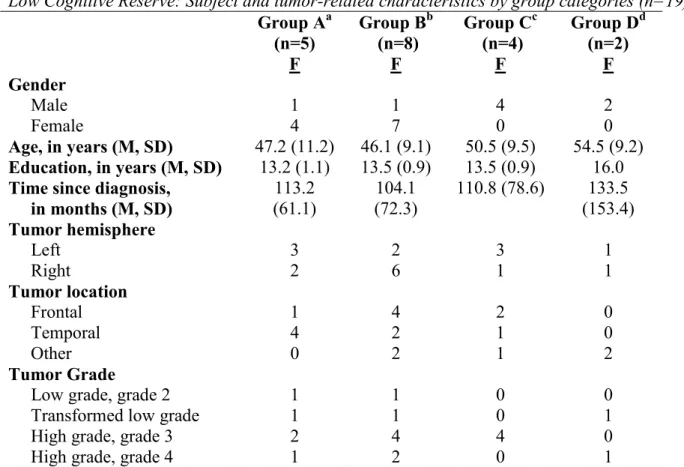
characteristics by group categories ...102 Table 5.19 CTB Composite and ECog scores: Self-reported symptom assessments
by group categories ...103 Table 5.20 TMT Difference and ECog scores: Subject and tumor-related
characteristics by group categories ...106 Table 5.21 TMT Difference and ECog scores: Self-reported symptom assessments
by group categories ...107 Table 5.22 EXIT-25 and ECog scores: Subject and tumor-related characteristics
by group categories ...109 Table 5.23 EXIT-25 and ECog scores: Self-reported symptom assessments by
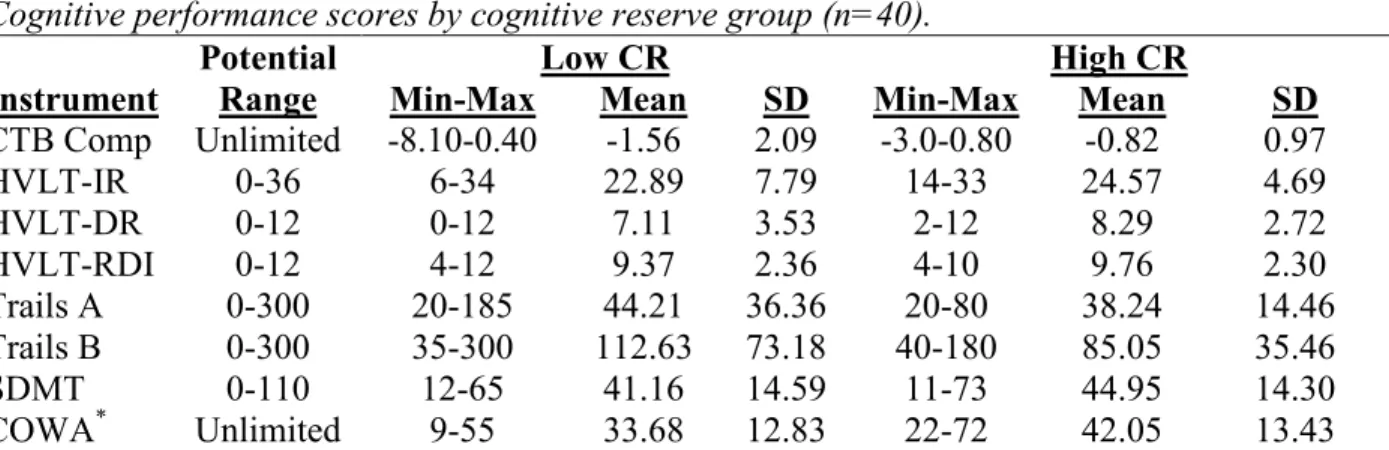
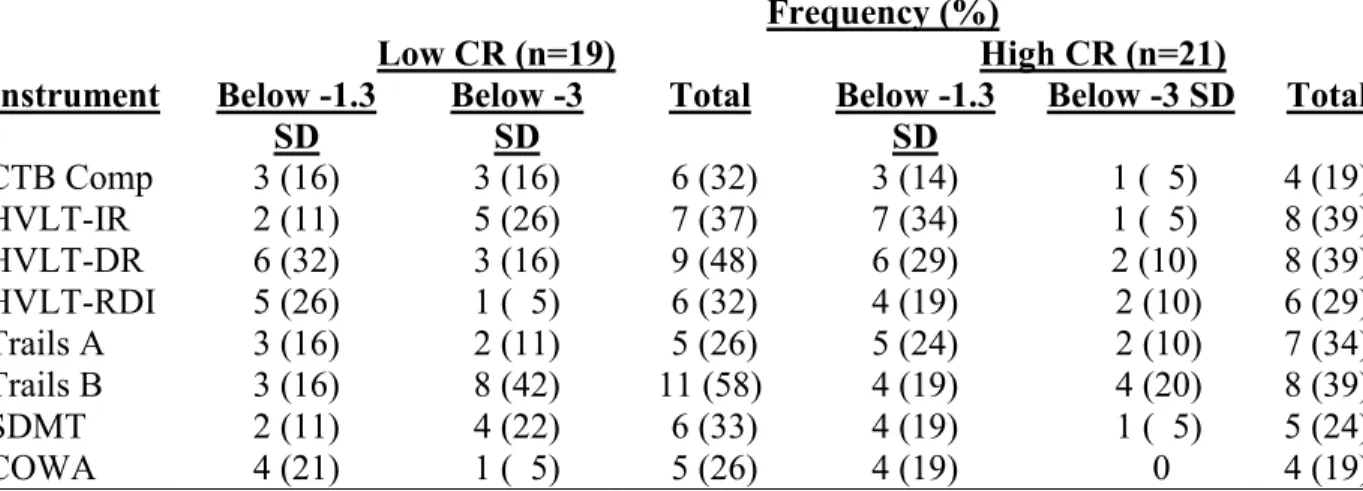
group categories ...110 Table 5.24 Cognitive performance scores by cognitive reserve group ...116 Table 5.25 Number of subjects with mild to severe cognitive impairment for
xiii
diagnosis on the ECog by high and low CR ...118 Table 5.28 High cognitive reserve: subject and tumor-related characteristics
by group categories ...122 Table 5.29 Low cognitive reserve: subject and tumor-related characteristics
xiv
Figure 4.1 Study design ...27
Figure 4.2 Flow diagram of study recruitment ...31
Figure 4.3 Categorization of behaviors according to cognitive function ...61
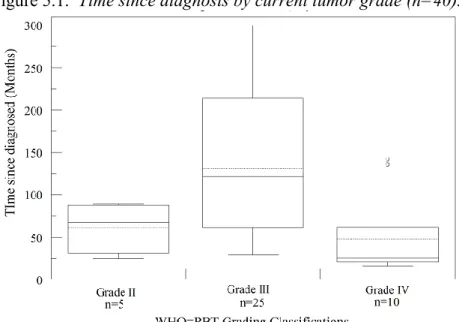
Figure 5.1 Time since diagnosis by current tumor grade...66
Figure 5.2 Time since original diagnosis in months by WHO-PBT classification ...68
Figure 5.3 Distribution of CTB Composite scores ...84
Figure 5.4 Distribution of TMT Difference scores ...85
Figure 5.5 Distribution of EXIT-25 scores ...87
Figure 5.6 EXIT-25 performance scores by CTB Composite scores ...87
Figure 5.7 Self-reported symptom impact on quality of life versus cognitive function ...95
Figure 5.8 Self-reported symptom severity versus cognitive function ...96
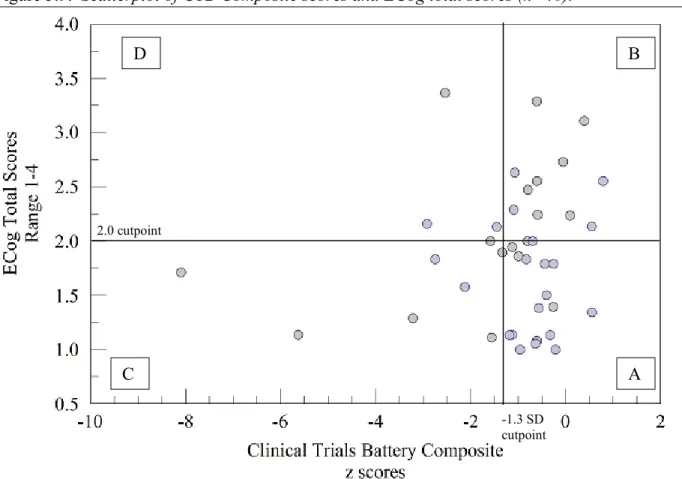
Figure 5.9 Scatterplot of CTB Composite scores and ECog total scores ...101
Figure 5.10 Scatterplot of TMT Difference scores and ECog total scores ...104
Figure 5.11 Scatterplot of EXIT-25 scores and ECog total scores ...108
Figure 5.12 Self-reported cognitive function and performance by subjects with high CR ...121
xv BBL Biobehavioral Laboratory
CBTRUS Central Brain Tumor Registry of the United States
CESD-R Center for Epidemiological Studies Depression-Revised Scale COWA Controlled Oral Word Association
CTB Clinical Trials Battery Composite DSMT Digit Symbol Modalities Test ECF Executive control function ECog Everyday Cognition Scale
EMQ Everyday Memory Questionnaire
EORTC QLQ-C30 European Organisation for Research and Treatment of Cancer Quality of Life Questionnaire Core 30
EORTC QLQ-BN20 European Organisation for Research and Treatment of Cancer, Quality of Life Questionnaire Brain 20
EXIT-25 Executive Interview-25
FACT-BT Functional Assessment of Cancer Therapy – Brain Tumor Scale FCAS Florida Cognitive Activities Scale
FSIQ Full Scale Intelligence Quotient
HC Healthy control
HVLT-DR Hopkins Verbal Learning Test, Revised – Delayed Recall HVLT-IR Hopkins Verbal Learning Test, Revised – Immediate Recall
HVLT-RDI Hopkins Verbal Learning Test, Revised – Recognition Discrimination Index
IRB Institutional Review Board
xvi
MDASI-BT M. D. Anderson Symptom Inventory – Brain Tumor Scale MMSE Mini-Mental State Examination
MMX Extended Mini-Mental State Examination NAART North American Adult Reading Test NIH National Institutes of Health
OARS Older Adults Resource Services
PBT Primary brain tumor
SD Standard deviation
SON School of Nursing
TICS Telephone Interview for Cognitive Status
Tisch Preston Robert Tisch Brain Tumor Center at Duke, Durham, North Carolina
TMT Diff Trails Making Test Part B minus A Difference Trails A Trails Making Test Part A
Trails B Trails Making Test Part B
UNC University of North Carolina at Chapel Hill
1
CHAPTER 1: INTRODUCTION
Advancements in cancer treatments have improved survival for patients with primary brain tumors (PBT) (Jemal et al., 2009). As a result, increasing emphasis has been placed on symptom recognition and on lessening symptom impact on the cancer survivor’s quality of life (Armstrong, Cohen, Eriksen, & Hickey, 2004; Dodd, Miaskowski, & Paul, 2001). Survivors of PBT experience a variety of distressing symptoms, particularly cognitive impairment, across the trajectory of their illness (Edvardsson & Ahlstrom, 2005; Fox, Lyon, & Farace, 2007).
2 Background and Significance
Adult survivors of PBT report that dealing with the impact of symptoms presents challenges to their everyday life (Adelbratt & Strang, 2000), and that altered cognitive abilities, particularly regarding functions that require executive control, are the most distressing (Fox, Lyon, & Farace, 2007; Edvardsson & Ahlstrom, 2005; Moretti, Torre, Antonello, Cazzato, Bava, et al., 2005). These cognitive difficulties hamper their ability to return to work or participate in social activities, and result in long-term changes in their daily lives (Correa, 2010; Godbout, Grenier, Braun, & Gagnon, 2005). Survivors of PBT are usually between 45 to 55 years of age, in the prime of their lives, when they are diagnosed, so there is an expectation that they will resume their prior lives after completion of their cancer treatment (Edvardsson & Ahlstrom, 2005; Godbout et al., 2005). Some survivors of PBT may continue to work, but they have to make adaptations to accommodate the effects of illness and treatment (Davies, Hall, & Clarke, 2003; Edvardsson & Ahlstrom, 2005).
Objective findings of cognitive impairment.
The neuropsychological effects of cancer treatment include deficits in memory, attention, concentration, organizational ability, motor skill, language skill, and multi-tasking ability
(Anderson-Hanley, Sherman, Riggs, Agocha, & Compas, 2003). Even when survivors of PBT report difficulties performing cognitive functions in everyday life, standardized cognitive
3
The functional decline related to memory, attention, and executive control function (ECF) is known to impact the quality of life for survivors of PBT (Wefel, et al., 2004). These long-term neuropsychological effects are associated with depression, decreased quality of life, inability to perform normal activities of daily living, and failure to return to work (Anderson-Hanley et al., 2003).
Discrepancy between subjective and objective reports of cognitive impairment. Few studies have explored the discrepancy between cognitive performance on
neuropsychological tests and self-reported cognitive function. Raffa (2010) suggests that this discordance reflects survivor compensation to maintain cognitive performance.
Compensatory strategies comprise techniques or behaviors that individuals use to help perform tasks and maintain function (Tomey & Sowers, 2009; Wilson, 2000). Compensation may occur by adapting the physical environment to reduce the need for a function or by making residual function more effective using functional aids like canes, talking books and voice reminders, or using rehearsal strategies and mnemonics to enhance existing residual function (Tomey & Sowers, 2009; Wilson & Watson, 1997; Wilson, 2000). Survivors with PBT describe their use of storytelling or of taking breaks during neuropsychological testing as typical of the changes they have employed in everyday activities since their diagnosis, even when they were not found to be cognitively impaired on neuropsychological evaluation. The behaviors they used during the present study may have been compensatory means to optimize their performance or to maintain function through pacing themselves. The observation of these behaviors raises
4
neuropsychological assessments, what compensatory behaviors positively and negatively affect their effort, and how these compensatory behaviors are incorporated into their activities.
Similarly, breast cancer survivors with mild post-treatment cognitive decline reported having more difficulty performing work-related tasks (Wefel et al., 2008). They described having to use an increased effort to maintain their functional abilities (Wefel et al., 2008). A better understanding of the type of strategy used to maintain function, and the effort required will help guide future interventions.
Compensation and cognitive reserve.
Compensation after treatment of PBT may occur through recruitment of alternative neural paths or adaptations in existing neural pathways (Goh & Park, 2009). Functional MRI scanning has demonstrated that adaptive neural recruitment is one of the compensatory processes used by elderly subjects while performing cognitive tasks in.
Cognitive reserve refers to resilience of cognitive function to brain damage; it is amassed through educational and occupational activities. Cognitive reserve has been invoked to explain individual variability in cognitive function (Satz, 1993; Stern, 2002; 2003) by postulating that individuals with high cognitive reserve can maintain cognitive function in the face of
5 Overview and Purpose of the Study
6
CHAPTER 2: REVIEW OF THE LITERATURE
This review of the literature describes the significance of cognitive impairment in adult survivors of PBT with a focus on subjective and objective research findings and the discrepancy between these findings. The use of compensatory strategies and cognitive reserve to explain this discrepancy will be discussed.
Significance of Cognitive Impairment
Cognitive impairments related to cancer or its treatment has been described since the 1980’s when the term chemobrain was coined by Shilberfarb (1983). While originally proposed to describe the impairments observed during chemotherapy treatments, cognitive impairment may be due to the development of cancer or effects from treatment and can endure beyond treatment administration (Archibald et al, 1994; Wefel, Witgert, & Meyers, 2008).
7
2004). Factors pertaining to the person include age, gender, education, socioeconomic status, genetic susceptibility, and immune reactivity may protect or accelerate the development of cognitive impairment (Klein et al., 2003; Taphoorn & Klein, 2004).
One meta-analysis, that included studies up to 2002, examined the neuropsychological effects of varying cancer treatments across different cancers in adult patients (Anderson-Hanley, et al., 2003). The authors reported large effect sizes, d = -.89 to -.90, for impairment by at least one standard deviation in executive functioning and verbal memory. However all domains were declined in cancer patients receiving systemic therapies by ⅓ to 1 SD below normative samples or control groups. Most of these studies had small sample sizes and only examined cognitive function the first six months after completing treatment. These results substantiate the existence of cognitive decline during and after completion of cancer-related therapies for persons with non-central nervous system cancers. Thus, the effect of treatment on cognitive function may be more severe or prevalent for those with the additional burden of neuropathology from a PBT.
8
Mukand, Blackinton, Crincoli, Lee, & Santos, 2001). Our increased awareness, measurement, and knowledge of cognitive impairment in cancer survivors, particularly those with PBT, has led to improvements in the delivery or dose of therapeutic modalities to protect cognitive function (Ahles & Saykin, 2001; Armstrong et al., 2004; Surma-aho et al., 2001).
Objective Findings of Cognitive Impairment
Cognitive impairment by neuropsychological evaluation has been found to be as high as 89% in samples of survivors with PBT (Imperato, Paleologos, & Vick, 1990; Klein et al., 2001, 2003). Thus, several studies have explored whether tumor specific factors (tumor grade and location) influenced the development of cognitive impairment in survivors of PBT. Klein and colleagues (2003) observed that poorer cognitive function before treatment in older survivors with WHO Grade IV tumors had the shorter survival times. In high grade PBT survivors (WHO Grade III and IV tumors), poorer cognitive function at diagnosis was a predictor for tumor recurrence (Bosma et al., 2006). In addition, they observed that survivors on antiepileptic medications had more impairment in the domains of attention and executive control function. However, Kayl and Meyers (2003) did not find any differences in cognitive function between 24 newly diagnosed survivors with WHO Grade III and WHO Grade IV tumors after surgical resection. Survivors with left hemispheric lesions that involved the survivor’s dominant hemisphere had more cognitive dysfunction after radiation therapy (Hahn et al., 2009).
9
of these studies, the cognitive domains predominately affected were those of memory, attention, and executive control function.
Treatments involving surgical resection, radiation therapy, and chemotherapy have been shown to have some effects on cognitive function or development of cognitive impairment. The area that has received the most attention has been the short-term and long-term effects of
radiation therapy. Several studies have found that survivors of low grade PBT treated with radiotherapy had poorer cognitive function, particularly with memory and attention, than those survivors who did not receive radiation therapy (Douw et al., 2009; Goldstein, Armstrong, John, & Tallernt, 2003; Klein et al., 2002). In addition, there were no differences on performances of memory three months after completion of radiation therapy only (Lilja, Portin, Hӓmӓlӓinen, & Salminen, 2001) or when combined with chemotherapy (Hilverda et al., 2010). Laack and colleagues (2005) found that cognitive performances for attention, memory, and verbal fluency were improved 18 months after radiation therapy; however this was not sustained at the 3 year follow-up. Long-term survivors of low grade PBT treated with radiation therapy 1 to 22 years earlier also demonstrated declines in those same domains (Moretti et al., 2005; Klein et al., 2002). Unlike findings with radiation therapy, surgical resection of the tumor has been found to improve cognitive performance (Duffau et al., 2003; Scheibel, Meyers, & Levin, 1996).
Subjective Findings of Cognitive Impairment
While this review has focused primarily on the objective findings of cognitive
10
associated with the presence of other self-reported symptoms in survivors of PBT (Armstrong et al., 2006; Fox, Lyon, & Farace, 2007). Cognitive impairment, depression, fatigue, pain, and sleep disturbance were significantly correlated and were found to explain 62% of the variance in reported quality of life and functional status of long-term survivors with malignant PBT (Fox, Lyon, & Farace, 2007).
11
Grenier, Braun, & Gagnon, 2005; Steinbach, Blaicher, Herrlinger, Wick, Nagele, et al., 2006; Meyers & Brown, 2006). For survivors of PBT, specific cognitive impairments reported on self-reported questionnaires include their forgetfulness, inability to concentrate or feeling distracted, slowed processing and reaction times, difficulty in prioritizing, inability to problem-solve, and lack of motivation (Dietrich, Monje, Wefel, & Meyers, 2008; Brown, Buckner, Uhm, & Shaw, 2003). All are common to ECF dysfunction.
Discrepancy between Objective and Subjective Cognitive Impairment
There were several studies that performed both objective and subjective instruments to measure cognitive impairment in survivors of PBT. Correa and colleagues (2008) found that 9 survivors with low grade PBT who had radiation therapy and concurrent chemotherapy had mild declines in cognitive function as compared to their baseline measures; this was associated with self-reported measures of function. In another study with 24 survivors of low grade PBT, significant changes in psychomotor function was found 4 to 5 years after completing radiation therapy yet self-reported function yielded few cognitive complaints. In a large oncology rehabilitation study with 119 subjects, the researchers found that subjective and objective cognitive function scores were not associated (Poppelreuter et al., 2004). Although 25% of the sample demonstrated some cognitive impairment by objective performance scores, up to 38.7% of the sample reported cognitive complaints of reductions in their ability to process quickly, maintain attention, and get motivated.
12
cognitive performance scores (Ahles et al., 2002; Debess, Riis, Engebjerg, & Ewertz, 2010; Castellon et al., 2004; Downie, Mar Fan, Houede-Tchen, Yi, & Tannock, 2006; Fliessback et al., 2005; Harder et al., 2004; Hermelink et al., 2007, 2010; Jenkins et al., 2006; Mallinson, Cella, Cashy, & Holzner, 2006; Mehnert, et al., 2007; Reid-Arndt, Hsieh, & Perry, 2010; Schagen et al., 1999, 2002, 2008; Shilling & Jenkins, 2007; van Dam et al., 1998; Weis et al., 2009). Most of the subjects for these studies were survivors of breast cancer (n=16) but sample size varied across study. The two most commonly used self-report instruments for cognitive function were the European Organization for Research and Treatment of Cancer Quality of Life Questionniare and the Questionnaire for Self-perceived Deficits in Attention. However, objective measures for cognitive performance varied greatly, as well as the definitions used for cognitive impairment (z score of 1, 1.5, or 2 SD below norm; 1 SD below sample mean; performance below 10th or 5th percentile; and number of impaired tests).
To explain the discrepancy between subjective and objective cognitive function, some have suggested that the instruments of objective cognitive function do not have high enough sensitivity or specificity (Kayl, Wefel, & Meyers, 2006; Middleton, Denney, Lynch, &
13 Compensatory Strategies
Compensatory strategies are techniques or behaviors that individuals use to perform tasks that are often difficult for them to perform otherwise (Tomey & Sowers, 2009; Wilson, 2000). Compensation may occur by adapting the physical environment to reduce the need for a function or to make residual function easier, using functional aids like canes, talking books and voice reminders, or using rehearsal strategies and mnemonics to enhance existing residual function (Tomey & Sowers, 2009; Wilson & Watson, 1997; Wilson, 2000). Many individuals fail to recognize that they adopt strategies and incorporate behaviors to maintain their function as the compensation has been done subconsciously (Weiss, Hoenig, & Fried, 2007).
Survivors of PBT who have continued to be engaged and active reported fewer physical and cognitive problems (Davies, Hall, & Clarke, 2003). Further, they indicated they had found ways to cope or adapt with their disabilities (Davies, Hall, & Clarke, 2003). Rehabilitation programs focused on functional outcomes have described improvements in self-reported cognitive function in survivors of PBT. Those who sustained cognitive improvements had longer survivorship, thus cognitive improvement predicted overall prognosis (Huang et al., 2001; Tang et al., 2008). As most neurological rehabilitation centers foster engagement in mentally-challenging activities, this latter study suggests that one may be able to restore and sustain function and live longer by active participation in daily activities early in their treatment phase.
14
cerebral areas that are normally not used for specific functions until damage has occurred (Ricker, Hillary, & DeLuca, 2001; Scheibel et al., 2007; Scarmeas et al., 2004; Cabeza,
Anderson, Locantore, & McIntosh, 2002). It has been suggested that the activation of alternate neural pathways to circumvent damaged areas to maintain function may explain some of the disparity between neuropathology and cognitive function (Wefel, Witgert, & Meyers, 2008). Further functional imaging research is needed to understand if these compensatory mechanisms are observed among survivors with PBT.
Cognitive Reserve
Stern (2003) proposed compensation as the recruitment of alternate neural networks or use of cognitive strategies to maintain cognitive function when neuropathology disrupts normal processes. He further suggests that the efficiency of the brain to process cognitive tasks relates to the level of cognitive reserve one possesses. Cognitive reserve is the accumulation of a lifetime of cognitive achievements and experiences that create the efficient neural networks for
15
& Jonker, 2003; Fritsch, et al., 2007). Engagement in activities in late life can also promote higher levels of cognitive reserve as demonstrated in differences of cognitive function (Wang, et al., 2002; Fratiglioni, et al., 2000) and cerebral blood flow (Scarmeas et al., 2003) in those with mild cognitive impairment or mild dementia. Thus, the continued engagement in cognitive activities throughout the lifespan may protect against cognitive decline (Wilson et al., 2002).
There has been one study with cancer survivors exploring whether cognitive reserve may explain the variability in cognitive impairment (Ahles et al., 2010). Using a longitudinal design, subjective and objective cognitive function was assessed prior to treatment, and 1 month, 6 months, and 18 months after completion of treatment in 60 breast cancer survivors. Survivors treated with chemotherapy who had lower premorbid intelligence had lower performance scores for processing speed as compared to those who did not receive chemotherapy. The subjective and objective reports of cognitive function were not associated although those who received chemotherapy self-reported more cognitive symptoms. Further, younger survivors with higher premorbid intelligence reported the persistence of cognitive symptoms but maintained a normal objective cognitive performance. The authors suggested that they may be more aware of the changes in their cognitive capacity or using compensatory strategies to maintain performance.
Study Purpose and Specific Aims
16
what is useful, successful, or requires more effort to maintain cognitive function. Thus, the exploration of compensation may aid in directing future research for the development of intervention and prevention strategies in which to preserve, restore, or diminish the decline of cognitive function. It is hoped that this research will provide essential insights for teaching patients and families cues to discern early cognitive decline and strategies to manage cognitive changes or prevent decline.
Therefore, the purpose of this study was to explore the relationship of ECF and self-reported cognitive function in 40 adult survivors of PBT. In a subset of 7 PBT subjects who reported concerns in ECF, the relationship of ECF and compensatory behaviors was explored through a structured interview using the FCAS. The specific aims are:
Aim 1: To describe executive control function (ECF) and its components in adults following treatment for primary brain tumor (PBT). This aim was addressed by examining subject scores on the following standardized tests of ECF.
a. Memory was measured by Hopkins Verbal Learning Tests (HVLT) on Immediate Recall (IR), Delayed Recall (DR), and Recognition Discrimination Index (RDI), b. Attention was measured by Trails Making Test Parts A A) and B
(Trails-B) and Symbol Digit Modalities (SDMT),
c. Verbal Fluency (semantic memory) was measured by Controlled Oral Word Association (COWA), and
17
Aim 2: To describe self-reported cognitive function in adults following treatment for PBT. This aim was addressed by examining subject self-reported scores on the Everyday
Cognitions Test (ECog).
a. Self-reported cognitive function (ECog total scale score), b. Self-reported Memory (ECog memory subscale),
c. Self-reported Attention (ECog attention subscale),
d. Self-reported Verbal Fluency (ECog language subscale), and
e. Self-reported PBT-specific symptom assessment by Functional Assessment of Cancer Therapy-Brain Tumor (FACT-BT) and MD Anderson Symptom Inventory-Brain Tumor (MDASI-BT).
Aim 3: To describe the relationship of ECF performance scores and subject self-report scores. This aim was addressed by exploring the congruence/incongruence:
a. CTB Composite score and ECog total score, b. TMT Difference score and ECog total score, and c. EXIT-25 score and ECog total score.
Aim 4: To explore whether cognitive reserve or compensatory behaviors explain the
congruence or incongruence between ECF performance scores and subject self-report scores. This aim was addressed by two items:
a. Cognitive reserve as measured by the Hollingshead Index, and
18
CHAPTER 3: REPORT ON FEASIBILITY STUDY
This chapter reports data from a pilot study to determine the feasibility of using a brief neuropsychological battery and self-report questionnaires to identify dysfunctional executive control in survivors of PBT (see Chapter 4, Methods, for descriptions for the instruments used and Appendix A-F for Study Protocol, IRB Approval, and Consents). A secondary goal was to compare executive control function (ECF) in adults with PBT to healthy controls.
Neuropsychological measures used were the Mini-Mental Status Exam (MMSE), Executive Interview (EXIT-25), Trails Making Test-Part B (Trails B), Symbol Digit Modalities Test (SDMT), North American Adult Reading Test (NAART), and the Controlled Oral Word
Association Test (COWA). Symptom assessments were derived from a demographic and health history form, Everyday Cognitions Scale (ECog), Everyday Memory Questionnaire (EMQ), Florida Cognitive Activities Scale (FCAS), Functional Assessment of Cancer Therapy-Brain Tumor (FACT-BT), MD Anderson Symptom Assessment-Brain Tumor (MDASI-BT). Scores from 3 survivors of PBT were compared to those from 11 healthy control subjects.
19
them. Being able to answer the symptom assessments at home allowed the neuropsychological measures to be performed early in the study protocol, thereby reducing subject fatigue.
Preliminary Report of Subject Scores
A total of 14 subjects participated: 3 men and 8 women in the healthy control (HC) group; 1 man and 2 women survivors of PBT. The two female PBT subjects also participated in a structured interview that focused on describing their symptom experience trajectory. Ages for all subjects (listed in Table 3.1) were similar, with healthy controls (HC) averaging 46.5 years [standard deviation (SD) 7.7 years]; PBT subjects averaged 46.0 years (SD 1.0 years).
Education, while not matched, was slightly higher for HC group at 13.7 years (SD 2.4 years) compared to the PBT group at 12.3 years (SD 0.6 years). Survivors of PBT all had malignant tumors, diagnosed 9 years (SD 1.4 years) before study enrollment; all three received similar therapies, consisting of gross total resection, radiation, and chemotherapy for at least one year.
Both groups reported a similar global health status (Table 3.1). Several HC subjects were on blood pressure medications, but no subjects took medications for sleep, anxiety, or
20
EXIT-25=Executive Interview-25; COWA=Controlled Word Association Test; SDMT=Symbol Digit Modalities Test; OARS=Older Adults Resource Services Activities of Daily Living and Independent ADL; FCAS=Florida Cognitive Activities Scale; ECog=Everyday Cognitions Questionnaire
On the EXIT-25, HC subjects averaged 0.9 (SD 1.4) points out of 50 while the PBT group averaged 4.3 points (SD 0.5). Items that were consistently missed by the PBT group were design fluency (creating designs with 4 straight lines), a complex Luria hand sequence (three rapidly alternating hand movements), and a visual counting task (number of fish with a
Table 3.1.
Comparison of Executive Control Function by Subject Scores.
Normal
Range PBT #1 Scores PBT #2 Scores PBT #3 Scores Healthy Controls Range Mean SD(n=11) Subject Characteristics
Age 45 47 46 30-52 46.5 7.7
Education 12 12 13 8-16 13.7 2.4
Global Health Characteristics
MMSE 0-30 29 28 30 29-30 29.9 0.3
NAART 0-61 18 37 15 10-60 39.7 20.5
CESD-R 0-60 35 27 26 20-33 23.4 3.9
Executive Control Function
EXIT-25 0-50 4 4 5 0-4 0.91 1.4
COWA Total Letter C Letter F Letter L
Unlimite
d 54 22 20 12 45 14 17 14 17 13 4 0 48.5 16.7 15.7 16.0 3.9 4.1 3.1 4.9
Trails B 0-300 112 120 80 45-109 73.9 21.5
SDMT 0-72 51 2 35 30-56 45.2 9.3
Self-Reported Everyday Function OARS: Total ADL IADL 0-28 0-14 0-14 26 13 13 28 14 14 28 14 14
27-28 27.9 14 13.9
0.3
FCAS: Current
10 years ago 0-100 84 91 120 97 87 73 94.7 88.3
Everyday Memory 0-52 38 34 17 14-26 18 3.2
ECogTotal Memory Language Visuospatial Planning Organization Divided Attention 0-4.0 0-4.0 0-4.0 0-4.0 0-4.0 0-4.0 0-4.0 3.3 4.0 3.0 2.4 2.4 3.5 4.0 1.9 2.8 2.0 1.4 1.2 1.3 2.0 1.1 1.1 1.0 1.0 1.0 1.2 1.5
21
distractor). Subjects in both groups averaged the same number of words on COWA for letter C (HC 16.7, SD 4.1; PBT 16.3, SD 4.9); the second letter F showed more variation, with HC producing 15.7 words (SD 3.1) compared to 13.7 (SD 8.5) in the PBT group. One subject with PBT opted not to continue with the third letter, L; HC group averaged 16.0 words (SD 4.9) and the two PBT subjects averaged 13.0 words (SD 1.4). For the SDMT, the HC group substituted 43.6 items correctly (SD 9.3), compared to PBT group’s 29.3 (SD 25.0). One subject with PBT did not follow instructions resulting in a score of 2 although she did substitute 55 items correctly during the timed examination. The HC subjects performed Trails-B in 73.4 seconds (SD 21.5), but subjects with PBT were delayed for an average of 104 seconds (SD 21.2). One subject with PBT had errors and opted not to proceed after corrective instructions.
22 Compensatory Strategies
The compensatory strategies subjects with PBT incorporated into their performance are shown in Table 3.2. Field notes were recorded during study participation. Using constant comparative analysis (Charmaz, 2006; Glaser & Strauss, 1967), the field notes and answers on the FCAS were reviewed to detect recurring behaviors.
Behavioral observation: These types of behaviors were observed during the feasibility study. 1. The survivors of PBT took more time to complete the study battery, ranging of 1.5 to 3.5
hours as compared to 45 minutes for the healthy control group.
2. All 3 survivors of PBT took more breaks during the study. During these breaks they told stories, talked about their families, and asked health-related questions. All of the healthy control subjects attended to the study battery moving from test to test to complete the battery quickly. They did not take any of the breaks offered.
3. All 3 survivors with PBT stayed focused on the testing tasks, especially the timed instruments. Thus, the stories and questionnaires tended to occur during times between tasks or while answering items on the questionnaires. Then, the PI was required to redirect the subject’s attention back to the study battery for completion.
4. One survivor with PBT focused on speed for two timed instruments rather than accuracy in completing the task according to directions; this resulted in more errors.
23 Table 3.2.
Characteristics of behaviors exhibited by PBT subjects during testing procedures.
Characteristics of Behaviors PBT #1 PBT #2 PBT #3
Time to complete in hours 1.5 1.7 3.5
Fatigue X X X
Pacing X X X
Repetition X
Engagement X X
Perfectionism X X
Motivation X X
Effort X X X
Frustration X X
Early Termination X X
FCAS: The FCAS provides an opportunity to explore the cognitive activities subjects perform currently, and what activities or behaviors have changed since diagnosis. Using it in an
interview format allowed the PI to probe for more information regarding why they changed the behaviors. In general, the healthy control subjects stated they had not changed activities over the past 10 years. The responses from the 3 survivors with PBT are as follows:
The most common reason that behaviors or activities were stopped was that the subjects did not enjoy it much anymore. Additional reasons included: the activity required too much time, it involved interaction with others, or it was more difficult to perform since their diagnosis.
Subjects engaged in fewer social activities than before their diagnosis, primarily because they felt others became frustrated with their slower performance.
24
lost. Further, none of the survivors with PBT drove on highways because they felt unsafe and distracted by the other vehicles.
Subjects used lists to remember appointments, conversations, and shop.
Subjects did not recall when they had started altering behaviors or activities but believed the changes occurred predominately during their chemotherapy treatments. While they did not resume any activities they had stopped during treatment, they continued to reduce their activities over time.
Symptom Experience for 2 Survivors of PBT
Two of the survivors with PBT participated in a structured interview to explore the symptom experience. The questions were open-ended, promoting subject perception of symptoms experienced since diagnosis and the perception of impact on their lives. In these interviews, symptoms of cognitive impairment, fatigue, and sleep disturbance were described as persistent, interfering with quality of life, and causing the most distress in the respective order of severity. Furthermore, the subjects were unaware that these symptoms might persevere after treatment completion and during remission (both survivors had been diagnosed 10 years before the interview). Using constant comparative analysis (Glaser & Strauss, 1967; Charmaz, 2006), differences in symptoms through their trajectory of illness are outlined on Table 3.3.
25 Table 3.3.
Matrix of survivorship issues over the illness trajectory in 2 survivors with PBT.
Issue Diagnosis Treatment Survivorship Health Care Process Many doctors Throwing fits Demanding scan Surgery Radiation Chemotherapy
“Fighter” with aggressive therapies Balancing scientific vs. spiritual meaning in their lives
Symptoms Intense headaches Visual disturbances Projectile vomiting “Something is wrong”
Nausea, Constipation Weak spells or fatigue
“Brain cancer is different”
Anxiety, apprehension Memory/cognitive
Getting lost, forgetting tasks
“Feeling dumb”
Support Husband on phone, Family flew in, Intensive care
Husband, family, church
and community support Husband, family, children Helping other cancer patients
Life
Impact Frustrating experience Concern @ hair, Loss of others with cancer
Frustrating disability, loss of work, near bankruptcy, fear of driving, loss of independence, concerns about being safe
Summary of Feasibility and Pilot Findings
Feasibility: By adding measures of psychomotor control to standard measures of ECF and more clinically relevant evaluations of ECF, differences in the relationship of ECF to everyday function were observed in the adult survivors with PBT when compared to healthy control subjects. Feedback from subjects was used to modify battery protocol, instruments used, subject burden, and reduce time for study completion.
26
27
CHAPTER 4: METHODS
The specific aims for this study were to: 1) describe executive control function (ECF) and its components in adult survivors of PBT; 2) describe self-reported cognitive function in those survivors; 3) describe the relationship of ECF performance scores to subject self-report scores, and 4) explore whether cognitive reserve or compensatory behaviors explain the agreement or disagreement between ECF performance scores and subject self-report scores.
Study Design
28 Figure 4.1. Study Design
Aims 1-3
Cognitive Battery & Questionnaire only
Aim 4 Structured interview
Sample
Twenty-two female and 18 male subjects were recruited from UNC and Duke Cancer Centers; all were English-speaking, and between 30 and 65 years old. All participants
demonstrated adequate global cognitive function by scoring >30 on the Telephone Interview for Cognitive Status (TICS) (Brandt, Spencer, & Folstein, 1988) and accumulating >24 points (M 28.6, SD 1.6) on the Mini-Mental State Examination (MMSE) (Folstein, Folstein, & McHugh, 1975). All subjects had received chemotherapy, radiation therapy, or both for treatment of their PBT, and had completed treatment at least 1 year before their participation in this study. All subjects denied additional neurological, cardiovascular disorders, or psychiatric disorders that might mask treatment-related cognitive impairment. All subjects were determined by their neuro-oncologist to have a stable tumor status within 15 days of study participation. Subjects with epilepsy related to their PBT were medically stable, and had had no change in medications during the 6 months before participation.
Exemplar subset.
Subjects who reported 5 or more cognitive concerns on the Everyday Cognitions Scale (ECog) during telephone screening (described in Telephone Screening Procedures) were eligible to participate in a structured interview following the cognitive battery and questionnaire; 7 of the
40 subjects with PBT
29
40 subjects were eligible and completed the structured interview. This exemplar subset
comprised 4 women and 3 men aged 52.3 years old (SD 6.6 years). They had an average of 15 years of education (SD 1.3) and scored an average of 28.3 on the MMSE (SD 0.9). Six subjects were retired but one was still employed; 3 of the subjects lived alone.
Setting and Recruitment
Participants were recruited at two sites: 1) the Lineberger Neuro-Oncology Clinic of University Hospital (Lineberger), University of North Carolina in Chapel Hill, North Carolina, and 2) the Preston Robert Tisch Brain Tumor Center, Duke University Health System (Tisch), Durham, North Carolina. Both clinics are NIH-designated Comprehensive Cancer Centers that provide care to people of varying socio-economic and cultural backgrounds from time of diagnosis through end-of-life. Physician support was provided by Dr. Wu at UNC and Dr. Desjardins at Duke. Recruitment began in December 2011 and was completed in September 2012.
The study was conducted in two locations at the subject’s convenience: Duke University Tisch Neuro-Oncology sites or the UNC School of Nursing (SON) Biobehavioral Lab (BBL). Both locations provided a comfortable setting with a convenient bathroom and an area for breaks.
Eligibility and Scheduling
30
scheduled at the UNC Lineberger Neuro-Oncology clinic, met the criteria for study participation (Figure 4.2). Three hundred opt-in recruitment letters were sent, and 60 individuals who
expressed interest (a 20% response rate). Another 2 subjects were identified during their clinic visit and referred to the PI for discussion. Both met eligibility criteria and agreed to participate. Although recruiting took place at two sites, 61 of the 62 responders were patients at the Preston Robert Tisch Brain Tumor Center at Duke.
The opt-in letter instructed all responders to leave a voice message on the PI’s private office line requesting more study information. All responder phone numbers were correct and all responders were contacted within 24 hours of their initial call or at a time requested by the
responder. In 7 cases (11%) an additional call from the PI was needed to arrange the telephone screening.
Of the 62 responders, 7 were not eligible for study due to neurological instability or recent illnesses. Twelve of the remaining 55 had scheduling conflicts and opted not to
31 Figure 4.2. Flow diagram of study recruitment.
300 Opt-in Letters
2 Staff Referral
62 Phone Screens
UNC = 1 302 Eligible
UNC = 1
Duke = 299 Duke = 1
3 Withdrawn due to Clinical Issues
40 Completed Study
12 Opted Not to Participate 7 Ineligible on phone screen
3 Wait Listed
55 Eligible on Phone
Screen
43 Schedul
ed 1326 Screened
32 Screening and Scheduling Procedures
Subjects were screened in two phases (a telephone screen and a laboratory screen), whose components are listed in Table 4.1.
Table 4.1.
Two Step Screening Procedures
Telephone
Screen Laboratory Screen Time to Complete Phone Recruitment &
Description of Study X 2 minutes
Mini-Consent for Health
Screening Questionnaire X 1 minute
Health Questionnaire, Telephone Cognitive Screen, & Modified ECog Questionnaire
X 8 minutes
Subject Information Packet X 2 minutes
Subject ID & Scheduling X 2 minutes
Informed Consent X 5-10 minutes
Laboratory Health Screen X 5 minutes
Mini-Mental Status Examination X 5 minutes
Subject Eligibility Form X 1 minute
Telephone screening protocol.
The telephone screen determined eligibility based on a few questions about health status, medications, and dementia status. The telephone screen was performed by the PI because it involved medical information with which the research assistant had no experience. On average, this screen took 15 minutes to complete.
Study description &verbalmini-consent.
33
Eligibility determination.
A health history and medication tool was used to survey all subjects regarding their health history and current medication use. Subjects were excluded if they had neurological or cardiovascular disorders prior to their PBT diagnosis, were taking psychoactive medications, had a history of alcoholism or illegal substance abuse, or if there was a family history of dementia syndromes (Table 4.2).
Table 4.2.
Criteria for eligibility
Eligibility Criteria Screen Phone Screen Lab
Age 30 to 65 years old X
Read and write English language X
Primary Brain Tumor:
Treated with prior chemotherapy or radiation therapy No signs of paresis or aphasia.
Has stable tumor status determined by neuro-oncologist
X
Stable seizure status for last six months with no antiepileptic
medication changes in the last six months X
TICS > 30 points X
MMSE > 24 points X
Signed informed consent X
* Exclusion Criteria: Exclude subject if yes to any of these
General anesthesia within the last six months X
Paresis or Aphasia X
Known neurologic or cardiovascular disorders listed in Health History Screen (Example: Parkinson’s disease, multiple sclerosis, Alzheimer’s disease, CVA, immune disorders, depression, sleep disorder)
X
Medications:
Dopaminergics (Pramipexole, Ropinirole, Carbidopa, Levodopa)
Major anticholinergics (Example: Phenothiazines, Antiparkinson meds)
Alzheimer’s medications (Aricept, Remeril, Exelon, Namenda)
X
Chemotherapy: Carmustine, Lomustine (CeeNU), Carboplatin, Temozolomide (Temodar), Etoposide (Vepesid, VP-16), Irinotecan (CPT-11, Camptosar), Procarbazine (Matulane)
34
The Telephone Interview for Cognitive Status (Brandt, Spencer, & Folstein, 1988) was administered to screen for dementia. This screening tool uses 11 items to assess orientation, immediate and delayed recall, attention, language and verbal fluency, counting and calculating, and nonverbal praxis. Scores range from 0 to 41, with higher scores indicating higher cognitive performance. This screen has 94% sensitivity and 100% specificity for dementia with cutoff scores at 30. Test-retest reliability is .965 and the intra-class correlation coefficient is .99 (Brandt, Spencer, & Folstein, 1988).
Exemplar subset screening.
The Everyday Cognitions Scale (ECog) (Farias et al., 2008), was modified to screen potential subjects for ECF impairment. Individuals with mild, multiple-domain cognitive
impairment report difficulties on a third or more items on the ECF subscales (Farias et al., 2008), so it was hypothesized that inability to complete one-third of the 15 items would identify PBT responders with ECF impairments who could be interviewed regarding use of compensatory behaviors and engagement in cognitive activities. Seven subjects were thus identified and agreed to participate in the additional structured interview.
Subject information packet.
Subject information packets were sent to all eligible responders. This packet provided directions to UNC SON Biobehavioral Laboratory or the Tisch neuro-oncology clinic laboratory room in Durham, the date and time they were scheduled, and specific information regarding instructions for the night prior to and morning of the study procedures.
Subject ID assignment.
35
completion of the telephone screen. These IDs were linked with data collection forms used during study procedures.
Subject scheduling for study participation.
Upon completion of the telephone screen, the PI completed the Scheduling Form, which listed subject study date and time preferences, and served to facilitate the scheduling time in the UNC SON BBL or the Tisch BTC clinic laboratory room. Because many of the subjects come from long distances for their neuro-oncology care, every attempt was made to schedule the study battery at their convenience. Since neuro-oncology clinic visits may be long and stressful and long, and in order to obtain their best cognitive performance, study subjects were encouraged to participate the day before or after their clinic encounter. Responders living near the study sites were offered other scheduling opportunities To promote optimal cognitive performance, study participation was scheduled 10 am and 2 pm.
Laboratory screening protocol.
Laboratory site.
Data collection took place in the same room as the laboratory consent and screening at either the Tisch neuro-oncology clinic or UNC SON BBL. Each subject was escorted by the PI or research assistant to a comfortable room containing all essential study equipment. The room temperature was kept between 70 to 72 degrees to promote a similar and comfortable atmosphere at both facilities.
Laboratory consent.
36
purpose and procedures. The subject was then allowed to read the consent, or to have the PI or research assistant read the consent to them if they preferred. The study purpose, procedures, duration, risks, benefits were explained, as well as the subjects’ right to confidentiality and to withdraw from the study at any time without reprisal. Subjects were encouraged to discuss questions or concerns regarding participation in the study and were informed how to contact the PI should they wish to discuss issues after study completion.
Laboratory screen.
After obtaining consent, the research assistant inquired about health or medication changes that might affect eligibility status, and recorded their vital signs. The study was rescheduled if the subject reported any of the following conditions that might interfere with cognitive function: use of “cold” medications within the past week; procedures requiring general anesthesia within the past two weeks; alcohol intake in the last 24 hours; smoking of tobacco products within four hours of testing procedures; use of sedative or hypnotic medications the night prior to study procedures unless routinely taken; or a fever or cold at the time of study procedures. The health and medication answers and vital signs were recorded on the Health Information Survey form.
The Mini-Mental Status Examination (MMSE) (Folstein, Folstein, & McHugh, 1975) was administered upon completion of the health eligibility screen. The MMSE takes
37
calculated score and all papers used for drawing were kept with the subject data files. If subjects were to fail to score above 24, data collection would cease and the PI or research assistant would conclude participation by thanking the subject for his or her interest. The protocol also called for the PI to discuss their ineligibility with them due to the low score on the MMSE and urge them to contact a medical provider for appropriate follow-up. The data were not to be retained, but a log indicating that the subject was ineligible due to low MMSE score was developed.
Protection of Human Subjects
Risks to subjects were considered minimal, but include that subjects may perceive that they were either depressed or too cognitively impaired to complete the study. To minimize distress, the PI was available throughout testing procedures to respond to concerns about the procedures. The test batteries were assigned tolerable time intervals (<15 minutes each), performed in a private room, and subjects observed for signs and reports of fatigue. All issues regarding subject responses to any component of the study protocol were discussed in weekly meetings with Dr. Carlson.
38 Variables and their Measurement
39 Table 4.3.
Variables, their Measurement and Reliability.
Variable Measurement Internal Consistency (α) Test-Retest Reliability (r) Executive Control Function & components: ECF Attention Verbal Fluency Working Memory EXIT-25 CTB Composite TMT Difference
Trail Making Tests, Parts A and B
Symbol Digit Modalities Test
Controlled Oral Word Association
Hopkins Verbal Learning Test
.83 (Royall et al., 1992)
.96 (Lezak et al., 2004) .70 (Smith, 1991)
.83 (Ruff et al., 1996)
.74 (Mitrushina et al., 2005)
.95 (Lezak et al., 2004) .74 (Mitrushina et al., 2005)
.74 (Ruff et al., 1996)
.74 (Mitrushina et al., 2005) Observed
Compensatory Behaviors (from field notes)
Identified during cognitive testing, may include: Taking a break Corrections Starting Over Halting Repeating Self-reported cognitive
function Everyday Cognitive Scale .80 (Farias et al., 2008) .82 (Farias et al., 2008) Cognitive reserve Hollingshead Index
NAART 72 (Blair & Spreen, 1989) Self-reported
Compensatory Behaviors *
Florida Cognitive Activities
Scale .65 (Schinka et al., 2005) .55 (Dotson et al., 2008) Descriptive Measures Demographics Survey
Health Information Survey CESD-R
MDASI-BT FACT-BT
.90 (Burnam et al., 1988) .91 (Armstrong et al., 2006) .83 (Weitzner et al., 1995)
.40 (Radloff, 1977)
.80 (Armstrong et al., 2005) .78 (Weitzner et al., 1995)
* Subset of 7 survivors with PBT participated in structured interview at end of study battery.
CESD-R=Center for Epidemiologic Studies for Depression, Revised scale; EXIT-25=Executive Interview-25; CTB
40
Executive control is defined as the capacity to plan, organize, and monitor the performance of goal-directed activities from beginning to end of an activity (NIH, 2010). Executive control is an everyday function (Valenzuela & Sachdev, 2006). demonstrated by coordinating activities, making decisions, planning and sequencing actions, correcting errors or inhibiting behaviors through the initiation and organization of goal-directed activities (Farias et al., 2008). Executive control dysfunction, defined as impairment in one or several components of function, such as attention or memory, is predictive of inability to perform activities of daily living ([ADL]; Royall, Palmer, Chiodo, & Polk, 2004). Executive control dysfunction was measured by the following instruments and composite scores:
1. The Executive Interview-25 (EXIT-25) (Royall, Mahurin, & Gray, 1992) is a 25-item functional examination developed to elicit responses indicating global executive control function. EXIT-25 assesses verbal and design fluency, motor and impulse control, frontal release signs, imitation behaviors and clinical signs of frontal lobe dysfunction. Each item is scored individually according to subject response: 0 = correct answer, 1 = partially correct (as determined by Royall and colleagues), or 2 = incorrect, failure to complete, or refusal to answer. Response items are summed, with total scores ranging from 0 to 50. Scores of 15 or higher indicate ECF impairment, with higher scores indicating more severe impairment. The EXIT-25 total score correlates well with Trails B (r=.64) test, and is predictive of ADL function (Royall et al., 2004). This examination is completed in 30 minutes or less. 2. Clinical Trials Battery Composite (CTB Composite) (Johnson, Sawyer, Meyers, O’Neill, &
41
study, the difference between raw performance scores for each instrument and the age- and education-specific normed mean for that instrument was calculated. This difference was divided by the normative SD to determine the z-score, and the z-scores for each instrument were averaged to derive the subject’s CTB Composite score.
3. Trails Making Test Parts B minus A Difference score (TMT Difference) measures the difference in cognitive demand between the Trails Making Test Parts A and B by controlling for the motor, visual, and speed components required in both tests (Arbuthnott & Frank, 2000; Sánchez-Cubillo et al., 2009). The raw scores from Parts A and B are subtracted to calculate the subject’s difference score. This is then subtracted from age- and education-specific normed TMT Difference scores and subsequently divided by the normative SD to determine the TMT Difference z-score.
Components ofExecutive Control.
As with many cognitive functions, measurement of the components of ECF often overlap, but are considered to have two main subcomponents: attention and working memory.
Attention.
42
in slowed processing, diminished performance accuracy and an increased error rate. Thus this study assessed attention with the following tests: 1) processing speed, or the capacity to perform a function accurately within a specified timeframe, measured by the Trail-Making Test – Part A; 2) set-shifting, the capacity to switch among multiple aspects of a strategy or task, is measured by the Trail-Making Test - Part B; 3) inhibition of automatic response tendencies that interfere with achieving a goal is measured by the Trails Making Tests and Symbol Digit Modalities Test. 1. The Trail Making Tests ([Trails A and B]; Partington & Leiter, 1949) are designed to measure
43
neuropsychology battery developed by Meyers and Brown (2006) for use in adults with PBT. 2. Symbol Digit Modalities Test (SDMT) (Smith, 1991) tests attention through visual search.
The SDMT requires subjects to scan and track 9 symbols that are paired with 9 substitute numbers. The SDMT presents 11 rows containing varying symbols with 110 total blank squares beneath paired responses. The subject is instructed to enter the correct substitute number beneath the symbol, and complete the sequential rows within 90 seconds; accuracy is emphasized over speed. The total number of correct items is counted, and scores range from 0-110, with higher scores indicating better performance in attention. The SDMT correlates highly with the Wechsler Adult Intelligence Scale Revised Digit Symbol test, r = 0.91 (Morgan & Wheelock, 1992) in neurology clinic outpatients. This measure is a component of the NIH Toolbox for use in brain-injured patients.
Working memory.
Working memory an updated construct for “short-term memory,” refers to a cognitive
storage buffer with limited capacity (Baddley, 2010; Repovš & Baddeley, 2006) and no ability to process beyond the capacity. Working memory is responsible for: 1) processing information across tasks and modalities, 2) storing this information in a short-term buffer, 3) manipulating the information for further cognitive processing, and 4) subsequently storing the outcomes or products (of #3) in the same short-term buffer (Baddley, 2010). Working memory was assessed using the Hopkins Verbal Learning Test.
44
summed to provide a maximum total score of 36. The maximum time allowed for this portion of the test is 5 minutes;. at the end of 5 minutes, the total number of words successfully recalled constitutes the HVLT Recall score. Following a delay, the subject is presented with a yes or no recognition test (HVLT Recognition). The subject is read a list of 24 words; 12 of which were not formerly presented but are used as distracters because they are semantically related to the previous words. The total HVLT Recognition score sums correct identifications minus misidentifications; this score may range from -12 to +12. The final portion of this test is a 25-minute delayed free recall (HVLT Delayed) in which the subject is asked to recall the original 12 words; maximum score is 12. The HVLT is a valid measure of memory that is highly correlated with the Brief Visuospatial Memory Test-Revised in patients with non-lateralized brain injuries or psychiatric illness, r = 0.80 (Benedict et al., 1996). HVLT is a component of the preferred neuropsychology battery developed by Meyers and Brown (2006) for use in adults with PBT.
Verbal fluency.
Verbal fluency refers to the ability to use one or more strategies to rapidly generate specific exemplars of a response category (e.g., words that begin with specific letters or types of animals) while avoiding response repetition (working memory component). Verbal fluency was measured by the Controlled Oral Word Association Test.
45
subsequent letters in each series are more difficult than the preceding letter. The total words produced using all three letters, regardless of early cessation or refusal to continue, are summed for a total score. Duplicate words, multiple word reiterations, and use of proper nouns are summed as errors. The COWA is a valid measure of ECF, particularly attention, and correlates moderately well with ability of individuals with Alzheimer’s disease to read a telephone book, r
= 0.40, or balance a checkbook, r = 0.45ease (Loewenstein et al., 1992). The COWA is not highly influenced by prior education, and correlates poorly with the Wechsler Adult Intelligence Scale Verbal IQ (r =.14) used to measure premorbid intelligence (Yeudall et al., 1986). The COWA is a component of the preferred neuropsychology battery developed by Meyers and Brown (2006) for use in adults with PBT.
Self-reported cognitive function.
Self-reported cognitive function was assessed by the Everyday Cognitive Scale (Ecog) (Farias et al., 2008). The ECog Scale uses a 39-item questionnaire to assess subjects self-rating of current cognitive ability to perform everyday activities. There are a total of 6 subscales: memory, language, visuospatial and perceptual ability, and three ECF subscales. For each item, subjects are asked to compare their current ability to perform activities to their ability before their diagnosis, using the following choices: 1=better or no change, 2=questionable or