• No results found

Special issue - 2019

N/A
N/A
Protected

Academic year: 2020

Share "Special issue - 2019"

Copied!
410
0
0

Loading.... (view fulltext now)

Full text

(1)

(2)

Selected Papers E-Book

6

th

International Conference on Applied Linguistics Issues

(ALI 2019)

19-20 July 2019, St. Petersburg, Russia

(3)

Selected Papers E-Book

Welcome to the 5th Internation

6th International Conference on

Applied Linguistics Issues (ALI 2019)

Published by ISCDBU Inc.

978-600-97941-6-4

:

ISBN

(4)

Welcome to the 6

International Conference on Applied Linguistics Issues

19-20 July 2019, St. Petersburg, Russia

We are pleased that you could join us for two intense days of collaborative examination of the

issues related to “applied linguistics”, an interdisciplinary field of study that has long fascinated

scholars. Notwithstanding its longevity, applied linguistics seems not fully capable of dealing with

many recently emerging “applied” issues of language. In particular, in the post method era of

language teaching, many emerging issues have not yet been deeply delved into by scholars and

researchers in the field. With new problems always arising for analysis, applied linguistics seems to

be a highly fascinating and challenging filed with a miscellaneous coverage of issues in both theory

and practice.

In addition to a busy and exciting program of papers presented by participants, we had two

distinguished plenary speakers: Professor Ana M. Gimeno-Sanz with special focus on Technology

Today to Satisfy Ever More Demanding Foreign Language Learners, and Professor Alireza Jalilifar

with orientation on Conventionalized Text Transference.

I would like to express my gratitude to all participants for making ALI 2019 a vibrant and

significant intellectual event. I am also thankful to the

ISCDBU, Bauman Moscow State

Technical University,

Adam Mickiewics University

(the Faculty of Modern Languages and

Literatures),

University of Zielona Gora,

and

NAS RA

for their academic contribution to the

event. The quality of the conference surely is due to the attempts made by all the respected

members on the scientific committee and reviewers as well.

Sincerely,

Hassan Soleimani

Conference Scientific Chair

Payame Noor University, Iran

July. 10, 2019

(5)

Hassan Soleimani

Conference Chair

Associate Professor of Applied Linguistics

Payame Noor University, Iran

Hassan Soleimani is an associate professor of applied linguistics at Payame Noor University, Iran.

Dr. Soleimani received his Ph. D. in applied linguistics from Isfahan University in 2008. He has

authored several books including

Non-Parametric Statistics for Applied Linguistics Research

in

2010 and a chapter in Issues in

Materials Development

by Sense Publishers, the Netherlands, in

2016. He is the author of several articles and has presented some papers in international

conferences. His special interests are SLA issues in general and CALL in particular. He is presently

teaching Computer Assisted Language Learning (CALL), First Language Acquisition, and EFL

Curriculum at PNU PhD post graduate school. Dr. Soleimani is the editor-in-chief of Applied

Linguistics Research Journal (ISSN 2651-2629).

E-mail: [email protected]

[email protected]

https://webgarden.academia.edu/HassanSoleimani

PUBLICATIONS

ARTICLES IN JOURNALS

(Thomson Reuters Web of Science)

Soleimani, H. & Rahmanian, M. (2018). Effect of bilingualism and trilingualism on metacognitive

processing: Detrimental or beneficial? Journal of Psycholinguistic Research, Vol. 47, Issue 4,

803-815.

Jafarigohar, M., Rahmanian, M. & Soleimani, H. (2018). Technique feature analysis or involvement

load hypothesis: Estimating their predictive power in vocabulary learning, Journal of

Psycholinguistic Research. Vol. 47, Issue 4, 859-869.

Sharifi, M., Soleimani, H., & Jafarigohar, M. (2017). E-portfolio evaluation and vocabulary

learning: Moving from pedagogy to andragogy, British Journal of Educational Technology, 48, 6,

1441-1450.

Jamalvandi, B., Sadeghi, H., & Soleimani, H. (2017). Computer assisted language learning and EFL

teachers’ literacy: A case in Iran. International Journal of English Linguistics, 7,1, 201-214.

Soleimani, H., Rostami Abu Saeedi, A. A., & Rahmanian, M. (2016). Security challenges in Mobile

Assisted Language Learning in the millennium for education, Advanced Education, 6, 4-10.

(6)

Soleimani, H., Rahmanian, M., & Jafarigohar, M. (2016). The Effect of caretakers’ frequency and

positional saliency on noun bias in Persian children: A study on child language development,

BRAIN. Broad Research in Artificial Intelligence and Neuroscience, 7, 2, 59-68.

Soleimani, H. & Sharifi, F. (2012). On the relationship between right-brain and left-brain

dominance and reading comprehension test performance of Iranian EFL learners, BRAIN, Research

in Artificial Intelligence and Neuroscience, Vol. 3, Issue 2, 43-58.

Soleimani, H. & Najafi, L. (2012). The noticing function of classroom Pop quizzes and formative

tests in the uptake of lexical items of EFL intermediate learners, International Journal of English

Linguistics, Vol. 2, No. 4, 73-84.

Scientific Research Journals (Elmi-Pazhooheshi)

Kalanzadeh, Jafarigohar, M., Ghonsooli, & Soleimani, H. (in press). Mixed effects of input

enhancement, explicit instruction, corrective feedback and pushed output in an input-output

mapping practice, Journal of Research in Applied Linguistics, 9(1),

Soleimani, H., Rohani, M., & Jafarigohar, M. (2017). Computer, information, and multimedia

literacy among EFL teachers: Construction and validation of a scale, Iranian Distance Education

Journal, 1, 1, 43-54.

Mortazavi, M., Jafarigohar, M., Rouhi, A., & Soleimani, H. (2016). The effect of scaffolding

through structuring and problematization on EFL learners’ writing self-regulatory skills, essay

writing skills, and global planning time, Research in School and Virtual Learning, 3/15, 15-26.

Soleimani, H. & Rostami Abu Saeedi, A. A. (2016). The interaction between involvement load

hypothesis evaluation criterion and language proficiency: A case in vocabulary retention, Iranian

Journal of Applied Language Studies, 8/1, 173-194.

Morshedian, M., Hemmati, F., Sotoudehnama, E., & Soleimani, H. (2016). The impact of training

EFL learners in self-regulation of reading on their EFL literal and critical reading comprehension:

Implementing a model, Journal of Teaching Language Skills, 35,2, 99-122.

Soleimani, H. & Heidarikia, H. (in press). The effect of translation on noticing and learning

complex grammatical structures by Iranian EFL learners, Journal of Research in Applied

Linguistics.

Fakher Ajabshir, Z., Vahdany, F., Jafarigohar, M., & Soleimani, H. (2016). The effect of mixed and

matched level dyadic interaction on Iranian EFL learners' comprehension and production of

requests and apologies, Journal of Teaching Language Skills, 35/1, 1-30.

Jafarigohar, M., Rouhi, A., Soleimani, H., & Ghelichi, M. (2015). Next or beyond next: Effect of

contrastive phrase-based treatment on stage again across self-paced and more time-constrained

tasks, Journal of Research in Applied Linguistics, 6,2, 3-20.

Soleimani, H. & Rahmanian, M. (2015). Self-, peer-, and teacher assessment in writing

improvement: A study of complexity, accuracy, and fluency, Journal of Research in Applied

Linguistics, 5,2, 128-148.

Soleimani, H. & Rezazadeh, M. (2014). The effect of increase in task cognitive complexity on

Iranian EFL learners’ accuracy and linguistic complexity: A test of Robinson’s cognition

hypothesis, Applied Research on English Language, 3, 1, 41-54.

Soleimani, H. & Alavi, S. M. (2013). A dynamical system approach to research in second language

acquisition, Journal of English Language Teaching and Learning, 11, 127-143.

Soleimani, H. & Mahdavipour, M. (2014). The effect of variations in integrated writing tasks and

proficiency level on features of written discourse generated by Iranian EFL learners, The Journal of

Teaching Language Skills, 6, 2, 131-159.

Soleimani, H. & Mahmoodabadi, Z. (2014). The impact of interactive output tasks on developing

vocabulary knowledge of Iranian EFL learners, Iranian Journal of Applied Linguistics, 17,2, 71-86.

(7)

Soleimani, H. Ketabi, S., & Talebinejad, M. R. (2008). The effect of output fronted activities to

enhance noticing and acquisition of rhetorical structure of contrast paragraphs. Iranian Journal of

Applied Linguistics, Vol. 10, No. 2, 141-166.

ISC, Scopus, International Journals

Soleimani, H. & Ghajar Khosravi, A. (2018). The effect of Kagan’s cooperative structure on

speaking skill of Iranian EFL learners. International Journal of English Language and Translation

Studies, 6(1), 20-31.

Heidari, J., Khodabandeh, F., & Soleimani, H. (in press). A comparative analysis of face to face

instruction vs. Telegram mobile instruction in terms of narrative writing. The JALT CALL Journal,

Khodabandeh, F., Alian, J. & Soleimani, H. (2017). The effect of MALL-based tasks on EFL

learners’ grammar learning, Teaching English with Technology, 17,2, 29-41.

Kamalian, B., Soleimani, H. & Safari, M. (2017). The effect of task-based reading activities on

vocabulary learning and retention of Iranian EFL learners, The Journal of Asia TEFL, 14, 1, 32-64.

Vahdany, F., Fakher Ajabshir, Z., Jafarigohar, M., & Soleimani, H. (2016). The frequency and

resolution of language related episodes in collaborative dialogue of homogeneous and

heterogeneous dyads, International Journal of Language and Translation Studies, 4/4, 53-66.

Ghassemzadeh, A., & Soleimani, H. (2016). The impact of feedback provision by Grammarly

software and teachers on learning passive structures by Iranian EFL learners, Theory and Practice in

Language Studies, 6, 9, 1884-1894.

Sadeghi, H., Biniaz, M., & Soleimani, H. (in press, 2016). The impact of project-based language

learning on Iranian EFL learners’ comparison/contrast paragraph writing skills, International

Journal of Asian Social Science, 6 (9), 510-524.

Javidkar, S. & Soleimani, H. (2016). On the relationship between Iranian EFL teachers’ interaction

style and L2 learning motivation, International Journal of Asian Social Science, 6 (9),525-536.

Soleimani, H. & Nouraei Yeganeh, M. (2016). The study of politeness and face in 2013 presidential

election candidates of Iran, Theory and Practice in Language Studies, 6,5, 978-987.

Soleimani, H. & Nouraei Yeganeh, M. (2016). An analysis of pragmatic competence in 2013

presidential election candidates of Iran: A comparison of speech acts with poll outcomes, Theory

and Practice in Language Studies, 6,4, 706-715.

Soleimani, H., & Fallahpour, H. (2016). The correlation between creativity in male and female

Iranian EFL learners and guessing through etymology, International Journal of English Language

and Literature Studies, 5, 2, 82-84.

Eskandari, M. & Soleimani, H. (2016). The effect of collaborative discovery learning using

MOODLE on the learning of conditional sentences by Iranian EFL learners, Theory and Practice in

Language Studies, 6, 1, 153-163.

Sadeghi, N. & Soleimani, H. (2015). A description and evaluation of Hot Potatoes web-authoring

software in educational setting, Theory and Practice in Language Studies, 5, 11, 2407-2415.

Soleimani, H. & Kheiri, S. (2016). An evaluation of EFL postgraduates’ testing classroom activities

and assignments based on Bloom’s revised taxonomy, Theory and Practice in Language Studies, 6,

4, 861-869.

Soleimani, H., & Rahmanian, M. (2015). Visiting involvement load hypothesis and vocabulary

acquisition in similar task types, Theory and Practice in Language Studies, 5, 9, 1883-1889.

Soleimani, H., Rahmanian, M. & Sajedi, Kh. (2015). A revisit to vocabulary acquisition in

involvement load hypothesis, Procedia Social and Behavioral Sciences, 192, 388-397.

Soleimani, H. & Raeesi, A. (2015). Hot Potatoes: Merits and demerits, Theory and Practice in

Language Studies, 5, 6, 1291-1295.

(8)

Soleimani, H. & Nazari, M. (in press). CALL globalization in Iranian EFL context, Journal of

Social Issues and Humanities, 3, 10,

Soleimani, H. & Rahmanian, M. (2015). Vocabulary acquisition and task effectiveness in

involvement load hypothesis: A case in Iran. International Journal of Applied Linguistics and

English Literature, 4, 5,. 198-205.

Soleimani, H., Rahimi, Z., & Sadeghi, H. (2015). Project-based learning and its positive effects on

Iranian intermediate EFL learners’ reading ability and vocabulary achievement, International

Journal of English Language and Literature Study, 4,1, 1-9.

Soleimani, H. , Jahangiri, K., & Jafarigohar, M. (2015). The effect of explicit and implicit

instruction on implicit knowledge of English past tense, International Journal of Asian Social

Science, 5,5, 257-265.

Jafarigohar, M., Hemmati, F., Soleimani, H., & Jalali, M. (2015). The efficacy of input-based

instruction in promoting the acquisition of English embedded questions, International Journal of

Asian Social Sciences, 5, 5, 266-281.

Jafarigohar, M., Hemmati, F., Soleimani, H., & Jalali, M. (2015). An investigation of the role of

explicit and implicit instruction in second language acquisition: A case of English embedded

questions. International Journal of Applied Linguistics and English Literature, 4,3, 98-108.

Soleimani, H. & Karami, A. (2015). The co-construction of EFL pedagogical content knowledge in

discussion forums, International Journal of Asian Social Science, 5,3, 126-139.

Mahmoodabadi, Z., Soleimani, H., Jafarigohar, M., & Iravani, H. (2015). The effect of sequence of

output tasks on noticing vocabulary items and developing vocabulary knowledge of Iranian EFL

learners, International Journal of Asian Social Science, 5,1, 18-30.

Soleimani, H. & Ghelichi, M. (2014). Language curriculum development from a complex nonlinear

system perspective, Jurnal Pendidikan Malaysia (Malaysian Journal of Education), 39, 2, 125-131.

Soleimani, H. & Najafgholian, S. (2014). The relationship between creativity in thinking and

writing performance of Iranian EFL learners on comparison/contrast, International Journal of

English Language and Literature Studies, 3,3, 223-233.

Soleimani, H. & Kargozari, H. R. (2014). Uncovering new trends of investigation in written task

planning, International Journal of Asian Social Science, 4, 9, 991-1002.

Soleimani, H. & Zanganeh, H. (2014). A survey on knowledge, disposition, and performances of

pre-service EFL teacher training programs in Iran, Procedia: Social and Behavioral Sciences, 98,

1802-1810.

Soleimani, H. & Molla esmaili, M. (2014). Explicit instruction of context-embeded hyperlinked

thematic words and vocabulary recall, Procedia: Social and Behavioral Sciences, 98, 1794-1801.

Kalanzadeh, G. A., Soleimani, H., & Bakhtiarvand, M. (2014). Exploring the influence of

technology on Iranian EFL students’ motivation, Procedia: Social and Behavioral Sciences, 98,

814-823.

Soleimani, H. & Rahmanian, M. (2014). The role of language glossing in a rooted theory: The

involvement load hypothesis, IJALEL, 3, 4, 6-13.

Soleimani, H. & Farrokh Alaee, F. (2014). Complexity theory and CALL curriculum in foreign

language learning, International Journal of Applied Linguistics and English Literature, 3, 3, 19-25.

Khodabandeh, F., Jafarigohar, M., Soleimani, H., & Hemmati, F. (2014). Investigating Iranian EFL

learners’ writing problems and examining back transfer, Asian EFL Journal, 16 (1), 225-268.

Soleimani, H. & Zanganeh, H. (2013). Disposition in teacher education: A case of Iranian EFL

teachers in pre-service training programs, The Iranian EFL Journal, 9 (5), 228-249.

Barzegar, K., Soleimani, H., & Fattahi Bafghi, A. (2013). The development, validation, and

justification of a comprehensive textbook evaluation model, Journal of Educational Research,

Reviews and Essays, 1 (1), 1-12.

(9)

Fard Kashani, A., Soleimani, H., & Javadi, A. (2013). Exploring L2 Learners' Attitude towards

High-stakes and Low-stakes Tests. International Journal of English and Education, 2(4), 40-64.

Khodabandeh, F., Jafarigohar, M., Soleimani, H. & Hemmati, F. (2013). The impact of explicit,

implicit, and no-formal genre-based instruction on argumentative essay writing, The Linguistics

Journal, Vol. 7, Issue 1, 134-166.

Soleimani, H. & Ghaderi, E. (2013). What do language teachers think about Interchange and

American English Files? Teachers’ evaluation of two textbooks in Iran, International Journal of

Applied Linguistics and English Literature, Vol. 2, No. 5, 42-50.

Zolfagharijooya, Sh., Jafarigohar, M., & Soleimani, H. (2013). The differential effects of glossing

for different parts of speech on vocabulary retention and

reading comprehension, International Journal of English and Education, vol. 2, Issue, 3, 346-360.

Soleimani, H. & Dadmohammadi, M. (2013). The function of negotiation in the acquisition of

vocabulary by Iranian EFL learners, International Journal of Applied Linguistics and English

Literature, Vol. 2, No. 4, 161-173.

Soleimani, H. & Khanjani, A. (2013). Iranian EAP practitioners’ attitude toward and familiarity

with CALL: A case at Guilan University, International Journal of Applied Linguistics and English

Literature, Vol. 2, No. 4., 31-38.

Soleimani, H., Jafarigohar, M., & Ramezani, A. (2013). Extroversion/introversion and test

performance of Iranian EFL students on multiple-choice and true/false reading comprehension test,

International Journal of English and Education, Vol.2, Issue 2, 211-224.

Khodabandeh, F. Jafarigohar, M., Soleimani, H. & Hemati, F. (2013). Overall rhetorical structure of

students’ English and Persian argumentative essays, Theory and Practice in Language Studies, Vol.

3, No. 4, 684-690.

Jafarigohar, M., Soleimani, H. & Soleimani, Z. (2013). The effects of reciprocal teaching vs.

think-aloud on reading comprehension of pre-intermediate students in Iran, International Journal of

English and Education, Vol. 2, No. 1, 191-202.

Soleimani, H. & Mohammadi, E. (2012). The effect of text typographical features on legibility,

comprehension, and retrieval of EFL learners, English Language Teaching, Vol. 5, No. 8, 207-216.

Soleimani, H. & Khalilian, M. (2012). Professional development in Iranian distance education PNU

EFL university teachers and traditional non-PNU EFL university teachers, TOJDE, Vol. 13, No.3,

362-374.

Soleimani, H. & Molaesmaili, M. (2012). The effect of explicit instruction of clustering new words

on vocabulary learning of Iranian intermediate EFL learners through hyperlinks, International

Journal of Applied Linguistics and English Literature, Vol. 1, No. 1, 112-126.

Soleimani, H., Saeedi M., & Mohajernia, R. (2012). The effect of keyword and context methods on

vocabulary retention of Iranian EFL learners, International Journal of Applied Linguistics and

English Literature, Vol. 1, No. 1, 49-55.

Soleimani, H. & Nabizadeh, F. (2012). The effect of learner constructed, fill in the blank concept

map technique, and summarizing strategy on Iranian pre-university students’ reading

comprehension, English Language Teaching, Vol. 5, No. 9, 78-87.

Soleimani, H. & Moradi, E. (in press). High/Low interpersonal intelligence and vocabulary uptake

through cooperative-based reading comprehension asks by Iranian male and female EFL students,

Journal of Language Teaching and Research, Vol.4, No. 1.

Soleimani, H., Ketabi, S. & Talebinejad, M. R. (2008). The noticing function of output in

acquisition of rhetorical structure of comparison paragraphs of Iranian EFL students. Linguistik

Online, Vol. 34, No. 2, 34-74.

(10)

Soleimani, H. (2005). EAP in Iran: SAMT EAP textbooks drawbacks. In Gh. R. Kiany & M.

Khayamdar (Eds.), Proceedings of the first national ESP/EAP conference. Vol. 3. Tehran: SAMT

Publication.

Books

Soleimani, H. & Heidarikia, H. (2017). Translation role in noticing and learning grammatical

structures. Germany: Lambert Academic Publishing.

Aghayani, B. & Soleimani, H. (2016). Locus of control, self-regulation, and vocabulary acquisition,

Germany: LAP Lambert Academic Publishing.

Soleimani, H. & Mola Esmaili, M. (2016). Technology in materials development: A CALL

perspective. In M. Azarnoosh, M, Zeraatpishe, A. Faravani, and Kargozari, H. R. (Eds.), Issues in

materials development (135-145). The Netherlands: Sense Publishers.

Rahmanian, M, Soleimani, H., & Moeenei, M. R. (2015). Revisiting involvement load hypothesis

and vocabulary learning, Germany: LAP Lambert Academic Publishing.

Soleimani, H. & Molla Esmaeili, M. (2013). Computer-mediated technology and vocabulary

learning: The effect of explicit instruction of clustering new words through Power Point. Germany:

LAP Lambert Academic Publishing.

Zanganeh, H. & Soleimani, H. (2013). Pre-service EFL teacher training programs. Germany: LAP

Lambert Academic Publishing.

Soleimani, H. (2009). Non-Parametric statistics for applied linguistics research: An introduction.

Tehran: Rahnama Press.

Soleimani, H. (2009). 2500 words: Teach yourself advanced vocabulary. Tehran: Rahnama Press.

Soleimani, H. (2001). Language teaching methodology tests. 2nd ed., Qom: Nasr Publication.

Soleimani, H. (1998). Language teaching methodology tests. Qom: Nasr Publication.

(11)

Plenary Speaker

Ana Gimeno-Sanz,

Professor of Applied Linguistics

Department of Applied Linguistics, Universidad Politécnica de Valencia, Spain

Email:

[email protected]

Ana Gimeno-Sanz is Full Professor of English Language in the Department of Applied Linguistics

at the Universidad Politécnica de Valencia (UPV), Spain, where she has also held various

managerial positions. She has published numerous research papers on language learning and

teaching, more specifically in the fields of English for Specific Purposes (ESP) and

Computer-Assisted Language Learning (CALL). Prof. Gimeno-Sanz is Head of the CAMILLE Research

Group, devoted to research in CALL and e-Learning. She has been Project Manager of several

funded multimedia CALL research and development projects that have led to the publication of a

number of language courses on CD-ROM and online. Through

Proyecto InGenio,

funded by UPV,

she has created an online dedicated CALL authoring tool and content manager to enable the

publication of interactive courseware for foreign language learning on the web. With this tool she

has co-authored

Intermediate Online English

and

FCE Online Course and Tester,

two courses

which are delivered through the

InGenio

learning environment and which are widely used by

learners around the world. In 2016, she also co-authored the first Spanish as a foreign language

Massive Open Online Course (MOOC) delivered on the US-based edX platform, which attracted

over 100.000 learners from around the world. Ana Gimeno-Sanz serves on the Editorial Boards of

two major CALL journals:

ReCALL

(CUP) and

Computer-Assisted Language Learning Journal

(Taylor and Francis), as well as being editor-in-chief of

The EUROCALL Review.

She has been

President of the European Association for Computer Assisted Language Learning (EUROCALL)

for 6 years (2005-2011) and is currently President of WorldCALL.

Professor Ana m. Gimeno-Sanz Publications on CALL

Some of my Powerpoint conference presentations: http://www.slideshare.net/anagimeno712

Gimeno

Sanz,

A.

(Ed.)

The

EUROCALL

Review.

Available

from

ttp://polipapers.upv.es/index.php/eurocall/index and

http://eurocall.webs.upv.es/index.php?m=menu_00&d=newsletter

Gimeno Sanz, A. (2017). Analysing learner attitudes to learning ESP online with the InGenio

Content Management System.

(12)

Sevilla-Pavón, A.; Gimeno Sanz, A. y García-Laborda, J. (2017). Actitudes docentes hacia los

ejercicios de la Prueba de Acceso a la Universidad informatizada. Educação e Pesquisa, pp. 1-22.

http://dx.doi.org/10.1590/s1517-9702201612149283

Gimeno Sanz, A. and Martínez Sáez, A. (2016). The design and integration of ESP content in an

upper-intermediate online course. Revista de Lenguas para Fines Específicos, 22(1): 31-35.

http://ojsspdc.ulpgc.es/ojs/index.php/LFE/article/view/470

Sevilla Pavón, A.; Gimeno Sanz, A. M. y Martínez Sáez, A. (2016). Viabilidad de la

informatización del examen lengua extranjera de las Pruebas de Acceso a la Universidad. Revista

de Educación a Distancia, No. 49, pp. 1-15. http://dx.doi.org/10.6018/red/49/11

Gutiérrez-Colón Plana, M., Gimeno, A., Appel C. and Hopkins, J. (2015). Chapter 15. Improving

Learners’ Reading Skills Th rough Instant Short Messages: A Sample Study Using WhatsApp.

WorldCALL: Sustainability and Computer-Assisted Language Learning. London: Bloomsbury

Academic, pp. 266-281.

www.bloomsbury.com/9781474248303

Gimeno Sanz, A. (2015). Moving a step further from “integrative CALL”. What’s to come?

Computer

Assisted

Language

Learning.

Assisted

Language

Learning.

http://dx.doi.org/10.1080/09588221.2015.1103271

Gimeno Sanz, A. (2015). Digital Storytelling as an Innovative Element in English for Specific

Purposes. Procedia - Social and Behavioural Sciences, 178. doi: 10.1016/j.sbspro.2015.03.163

Gimeno Sanz, A. (2014). Chapter 22. Helping Teachers Improve their Attitude toward Technology

in the English Language Classroom. In Marina Dodigovic (ed.), Attitudes to Technology in

ESL/EFL Pedagogy. Dubai: TESOL Arabia Publications, pp. 316-329.

Gimeno Sanz, A. (2014). Chapter 2: Fostering Learner Autonomy in Technology-Enhanced ESP

Courses. In Elena Bárcena, Timothy Read & Jorge Arús (eds.), Languages for Specific Purposes in

the

Digital

Era,

en

la

serie

Educational

Linguistics.

Springer,

pp.

27-44.

http://www.springer.com/education+%26+language/linguistics/book/978-3-319-02221-5

Book reviewed by Otero de Juan, N. & García Laborda, J. (2014). Book review: Languages for

Specific Purposes in the Digital Era, Educational Technology & Society, 17 (3), 359–361.

Book reviewed by Dina T. Mousawa and Sahar Fadel (2014). International journal of Science

Commerce and Humanities, 2(4):76-77.

García Laborda, J.; Gimeno Sanz, A. Mª. & Magal Royo, T. (Eds.) (2012). Nuevas perspectivas en

la sección de idiomas de la Prueba de Acceso a la Universidad. Revista de educación nº 357.

Available from http://www.revistaeducacion.educacion.es/re357.htm

Gimeno Sanz, A. M.; Martínez Sáez, A.; Sevilla Pavón, A. y de Siqueira Rocha, J.M. (2011).

Fostering autonomy in a pedagogically sound e-learning environment for learners of English for

specific purposes. Multiple Voices in Academic and Professional Discourse: Current Issues in

Specialised

Language

Research,

Teaching

and

New

Technologies,

pp.

547-560.

http://www.cambridgescholars.com/multiple-voices-in-academic-and-professional-discourse-16

Gimeno Sanz, A. & de Siqueira Rocha, J.M. (2011). EURODIS: a new searchable database and

website for project dissemination. The EUROCALL Review, No. 19, pp. 13-21.

http://www.eurocall-languages.org/review/19/index.html#eurodis

Gimeno Sanz, A., de Siqueira Rocha, J.M. & García Laborda, J. (Eds.) (2011). Educación y

tecnologías digitales: experiencias innovadoras / Educação e tecnologias digitais: experiências

inovadoras.

Valencia:

Editorial

Universidad

Politécnica

de

Valencia.

http://riunet.upv.es/handle/10251/16995

García Laborda, J.; Gimeno, A. & de Siqueira, J.M. (2011). Experimentación de las soluciones

tecnológicas del proyecto PAULEX para optimizar la prueba de inglés del examen de acceso a la

(13)

universidad en España. ETD - Educação Temática Digital, Vol. 12, pp. 1-11. http://www.

fae.unicamp.br/revista/index.php/etd/article/view/2278/pdf_44

Gimeno Sanz, A. (Ed.) (2010). New Trends in CALL: Working Together. Proceedings of the

EUROCALL 2009 Conference. London: Macmillan ELT.

Gimeno Sanz, A. (2010). Intermediate Online English: An Example of Self-Access Courseware

Development. WorldCALL: International Perspectives on Computer Assisted Language Learning.

Routledge, New York, pp. 172-187. http://www.routledge.com/books/details/9780415880862/

Martínez Sáez, A.; Sevilla Pavón, A.; Gimeno Sanz, A. & de Siqueira Rocha, J.M . (2010). Práctica

y evaluación de los conocimientos en inglés nivel B2 a través del curso preparatorio y del programa

de evaluación online FCE, implantados mediante el sistema ingenio. Actas del XXVIII Congreso

Internacional de la Asociación Española de Lingüística Aplicada: Analizar datos > Describir

variación. Vigo: Universidad de Vigo, pp. 874-883

de Siqueira Rocha, J.M .; Gimeno Sanz, A.; Martínez Sáez, A.; de Moraes, I. y de Almeida, J.

(2010). La formación de profesores para el uso de las TICs en el aula: estudio de caso en Brasil.

Actas del XXVIII Congreso Internacional de la Asociación Española de Lingüística Aplicada:

Analizar datos > Describir variación. Vigo: Universidad de Vigo, pp. 884-891.

García Laborda, J. & Gimeno Sanz, A. (2010). Aproximación cualitativa observacional a los

problemas de la sección de inglés de la PAU asistida por ordenador. Actas del XXVIII Congreso

Internacional de la Asociación Española de Lingüística Aplicada: Analizar datos > Describir

variación. Vigo: Universidad de Vigo, pp. 746-755.

Seiz Ortiz, R.; Gimeno Sanz, A.M. & de Siqueira Rocha, J.M. (2010). Aspectos interdisciplinares

de la evaluación pedagógica del aprendizaje de lenguas asistido por ordenador basado en la Web. El

caso del Proyecto CALL@C&S: Online courseware for learners of Czech and Slovak. Actas del

XXVII Congreso Internacional de la Asociación Española de Lingüística Aplicada. Modos y formas

de la comunicación humana. Ciudad Real: Servicio de Publicaciones de la Universidad de Castilla

la Mancha, pp. 391-398.

Gimeno Sanz, A. M.; Martínez Sáez, A.; Sevilla Pavón, A. & de Siqueira Rocha, J.M. (2010).

Student assessment in the InGenio online authoring system: results taken from Intermediate Online

English. Linguistic Tools for Teachers of English: Towards a Bilingual Education. Salamanca:

Ediciones Universidad de Salamanca, pp. 51-77.

de Siqueira, J.M.; Gimeno Sanz, A. M.; de Moraes Sarmento Rego, I. & de Almeida Amorim; J.

(2010). Algunos dilemas contemporáneos en torno a las tecnologías de la información y de las

comunicaciones en la educación: propuesta para la formación de profesores para la producción y el

uso de vídeo en el aula. In Revista Latinoamericana de Tecnología Educativa, RELATEC, 9 (2), pp.

21-35. http://campusvirtual.unex.es/revistas/index.php?journal=relatec

Gimeno Sanz, A. (2010). Intermediate Online English: An Attempt to Increase Learner Autonomy.

Teaching English with Technology – Developing Online Teaching Skills Special Issue, 10(2).

IATEFL Poland Computer Special Interest Group, pp. 35-49.

http://www.tewtjournal.org/VOL%2010/ISSUE%202/volume_10_issue_02-05_article_3.pdf

Gimeno Sanz, A. (2009). Online Courseware Design and Delivery: The InGenio Authoring System.

Teaching Academic and Professional English Online. Bern: Peter Lang, pp. 83-105. Visit website.

Book review published by Antonio Martínez Sáez in The Eurocall Review, No. 16, March 2010.

http://www.eurocall-languages.org/review/16/index.html#gonzalez-pueyo

Book

review

published

by

Tim

Lewis

in

ReCALL

23(1):

79-82,

2011.

doi:

10.1017/S0958344010000297.

Gimeno Sanz, A., Seiz Ortiz, R. & de Siqueira Rocha, J.M. (2009). La evaluación del aprendizaje

de segundas lenguas a través de la Plataforma Web INGENIO. Actas del XIV Congreso

(14)

Internacional de Tecnologías para la Educación y el Conocimiento: Hacia la web 3.0. Madrid:

Anaya.

García Laborda, J.; Gimeno, Ana Mª & Pardo Suárez, J. (2009). Consideraciones sobre las actitudes

de los profesores de inglés de bachillerato valencianos ante la automatización informática de la

Prueba de Acceso a la Universidad. Actas del XXVI Congreso Internacional de la Asociación

Española de Lingüística Aplicada. La lingüística aplicada actual: comprendiendo el lenguaje y la

mente. Almería: Servicio de Publicaciones de la Universidad de Almería, pp. 1383-1390.

de Siqueira Rocha, J.M. & Gimeno Sanz, A. (2009). Evaluación del aprendizaje de lenguas asistido

por ordenador: análisis de resultados del curso Intermediate Online English del sistema InGenio.

Actas del XXVI Congreso Internacional de la Asociación Española de Lingüística Aplicada. La

lingüística aplicada actual: comprendiendo el lenguaje y la mente. Almería: Servicio de

Publicaciones de la Universidad de Almería, pp. 1349-1361.

Gimeno Sanz, A. & García Laborda, J. (2009). Wikis y el nuevo estudiante de lenguas extranjeras.

Red U – Revista de Docencia Universitaria. Publicación en línea de la Red Estatal de Docencia

Universitaria. Año III. Número Monográfico V: Número especial dedicado a WIKI y educación

superior en España (II parte), en coedición con Revista de Educación a Distancia (RED).

http://revistas.um.es/redu/article/view/92751

Gimeno Sanz, A. (2009). Les nouvelles pratiques éducationnelles basées sur les TIC au service du

développement des relations interculturelles. In Syn-Thèses – Revue annuelle 2. Thessaloniki:

Aristotle University, pp. 19-44.

Gimeno Sanz, A. (2009). How can CLIL benefit from the integration of Information and

Communications Technologies? In Content and Language Integrated Learning: Cultural Diversity.

Series: Linguistic Insights – Studies in Language and Communication, Vol. 92. Frankfurt: Peter

Lang, pp. 77-102.

Book review published by Ana Sevilla Pavón in The EUROCALL Review, No.16, March 2010.

http://www.eurocall-languages.org/review/16/index.html#carrio

Book review published by Guzmán Mancho Barés in Ibérica 24 (Fall 2012), pp. 293-328. http://w

ww.aelfe.org/?s=revista&veure=24

García Laborda, J. & Gimeno Sanz, A. M. (2008). Adaptación del examen de inglés de las Pruebas

de Acceso a la Universidad a un entorno informático: estudio sobre las tipologías de pregunta.

Actas del XXV Congreso Internacional de la Asociación Española de Lingüística Aplicada: 25

Años de Lingüística Aplicada en España: Hitos y Retos. Murcia: Servicio de Publicaciones de la

Universidad de Murcia, pp. 723-730.

Gimeno Sanz, A. M. (2008). InGenio: A dedicated CALL authoring shell, content manager and

courseware delivery platform. Aprendizaje de lenguas asistido por ordenador: herramientas de autor

para el desarrollo de cursos a través de la web. Valencia: Editorial Universidad Politécnica de

Valencia, pp. 93-117.

Gimeno Sanz, A. (Ed.) (2008). Aprendizaje de lenguas asistido por ordenador: herramientas de

autor para el desarrollo de cursos a través de la web. Valencia: Editorial de la Universidad

Politécnica de Valencia.

Gimeno Sanz, A. (2006). Proyecto inGenio. Gestor de recursos para el aprendizaje de idiomas.

MarcoELE. Revista de didáctica. Nº 2, abril 2006. http://www.marcoele.com/num/2/index.html

Gimeno Sanz, A. (2005). New challenges in developing an online CALL authoring shell, content

manager and courseware: the IN6ENIO model. In The EUROCALL Review, No. 7, May 2005.

http://www.eurocall-languages.org/review/7/index.html#projects

Gimeno Sanz, A. (2002). E-language learning for the airline industry. In ReCALL, Vol. 14, No 1,

Cambridge:

Cambridge

University

Press,

pp.

129-139.

http://dx.doi.org/10.1017/S0958344002000514

(15)

Gimeno Sanz, A. (Ed.) (2002). Tecnologías de la información y de las comunicaciones en la

enseñanza de ELE. Valencia: Servicio de Publicaciones de la Universidad Politécnica de Valencia.

Gimeno Sanz, A. (2002). CALL Software Design and Implementation: the template approach.

Valencia: Servicio de Publicaciones de la Universidad Politécnica de Valencia.

Gimeno Sanz, A. (2002). Principles in CALL software design and implementation. In Pérez

Paredes, P. & Cantos Gómez, P. (Eds.) International Journal of English Studies, II.1, New Trends in

Computer Assisted Language Teaching / Learning. Murcia: Universidad de Murcia, pp. 109-128.

Gimeno Sanz, A. & Davies, G. (2000). CALL software design and implementation. In ICT for

Language Teachers (http://www.ict4lt.org), pp. 52-92.

(16)

Plenary Speaker

Alireza Jalilifar,

Professor of Applied Linguistics

Speech Title

The Past to the Present: An Innovative Attempt into Conventionalized Text Transference

Shahid Chamran University of Ahvaz, Iran

Email:

[email protected]

Alireza Jalilifar is Professor of Applied Linguistics at Shahid Chamran University of Ahvaz, Iran,

where he teaches discourse analysis, applied linguistics and advanced research. He has published

extensively and presented papers in many conferences on academic discourses. He is also the author

of three books in academic discourse and two books in reading for academic purposes. Jalilifar is

the editor-in-chief of Journal of Research in Applied Linguistics and member of the editorial board

of a few other journals. Besides, Jalilifar has supervised more than 70 MA and 15 PhD theses in

Iran. His main interests include second language writing, genre analysis, and academic discourse.

Qualifications

PhD in applied linguistics

, Isfahan University, Iran, awarded June, 2005 (His dissertation project

was a genre-based study of thesis and dissertation abstracts written by native and non-native

English researchers in nine disciplines).

MA in applied linguistics

, Shahid Chamran University of Ahvaz, Iran, awarded June 1997 (His

thesis was a critical analysis of ESP courses presented to medical students).

His research interests are

academic discourse, genre Analysis, meta-discourse knowledge, and

Systemic Functional Linguistics

2009 Associate professor

: accreditation issued by Shahid Chamran University of Ahvaz

2015 Professor

: accreditation issued by Shahid Chamran University of Ahvaz

Professional Experience

2018- current vice-chancellor for Academic Affairs, Shahid Chamran Uiversity of Ahvaz, Iran

2014- 2018 Dean of the Faculty of Letters & Humanities, Shahid Chamran Uiversity of Ahvaz,

Iran

2010-2014 Lecturer and Director of International Relations Office, Shahid Chamran University

of Ahvaz, Iran

2005-2010 English instructor and lecturer at BA and MA levels, Shahid Chamran University of

Ahvaz, Iran

(17)

Articles published in international journals

51. Jalilifar, A.R., & Moradi, Y. (Forthcoming, 2019). Tourism discourse revisited: An analysis of

evaluative strategies in tourist brochures from a systemic functional linguistics perspective.

Journal

of English Studies

, Vol. 17.

Scopus

50. Jalilifar, A. R., Banari, R., & Shooshtari, G. Z. (2019). Exploring the patterns of evaluative

language in physics blurbs: The appraisal strategies in focus.

International Journal of Society,

Culture and Language

49. Biparva Haghighi, S., Shooshtari, Z. G., & Jalilifar, A.R. (2019). Discipline specificity and

students’ English writing proficiency: A case of collaborative teaching for transfer.

TESOL Journal,

9, 1-19.

Scopus, ISI

48. Jalilifar, A.R., & Qoreishi, S.M. A. (2018). From the perspective of: Functional analysis of

formulaic sequences in Applied Linguistics research articles.

International Journal of English

Studies

, 18

(2),

161-186. Scopus; JCR, Q1

47. Jalilifar, A.R., Hayati, S., & Don, A. (2018). Investigating metadiscourse markers in book

reviews and blurbs: A study of interested and disinterested genres.

Studies About Languages

, 33,

90-107.

Scopus

46. Jalilifar, A.R., Elhambakhsh, S.E., White, P.R.R. (2018). Nominalization in applied linguistics

and medicine: The case of textbook introductions and book reviews.

Journal of Research in

Language

, 16

(3), 313-334. Scopus; SCImago Journal Rank (SJR) 2017: 0.154; Source Normalized

Impact per Paper (SNIP) 2017: 0.229

45. Tavassoli, F., Jalilifar, A.R., White, P. (2018). British newspapers’ stance towards the Syrian

refugee crisis: An appraisal model study.

Discourse & Society

29

(6), 1-21. JCR

44. Elhambakhsh, E., Jalilifar, A. R., White, P. (2018). A comparative genre analysis of academic

textbook introductions in applied linguistics and medicine.

Research in Language

, 16

(3). Scopus;

De Gruyter

43. Maniati, M., Jalilifar, A. R. (2018). Strategies for publishing in English journals: A study of the

perceptions of Iranian scholars. In

Learned Publishing

, 31

(4), 355-365. JCR

42. Jalilifar, A. R., Soltani, P., & Shooshtari, Z. G. (2018). Improper textual borrowing practices:

Evidence from Iranian applied linguistics journal articles.

Journal of English for Academic

Purposes,

35

, 42-55. JCR

41. Jalilifar, A.R., Saleh, E., & Don, A. (2017). Exploring nominalization in the introduction and

method sections of applied linguistics research articles: A qualitative approach.

Romanian Journal

of English Studies

, 14

, 64-80. De Gruyter

40. Jalilifar, A.R., Golgol, S., Saidian, S. (2016). Research article introductions and literature

reviews in applied linguistics: A genre-based study.

Greek Journal of Applied Linguistics, 31

,

15-33.

39. Shooshtari, Z. G., Jalilifar, A. R., & Shahri, S. (2017). Ethnolinguistic influence on citation in

English and Persian hard and soft science research articles.

The Southeast Asian Journal of

English Language Studies

23

(2), 58 – 74. (

Scopus, Q1

)

38. Jalilifar, A. R., & Abbasi Montazeri, E. (2017). Thematicity in applied linguistics textbooks: A

comparative study of foreword, introduction and preface.

Iranian Journal of Language Teaching

Research

, 5

(2), 15-36. (

Scopus; ISC

)

37. Jalilifar, A.R., Keivan, M., & Don, A. (2017). The effect of writing prompts on developing

argumentative essays of Iranian university students of English.

Journal of Modern Languages

, 27

,

48-76.

(18)

36. Jalilifar, A.R., Simin, S., & Fazli, N. (2016). A comparative study of headings in theses and

research articles in Applied Linguistics.

Global Journal of Foreign Language Teaching, 6

(3),

152-167.

35. Jalilifar, A.R., Qoreishi, S.M., & Emam Roodband, S. A. (2017). Developing an inventory of

core lexical bundles in English research articles: A cross-disciplinary corpus-based study.

Journal

of World Languages

,

6

(3), 184-203.

Taylor & Francis

34. Jalilifar, A.R., White, P.R.R., & Malekizadeh, N. (2017). Exploring nominalization in scientific

textbooks: A cross-disciplinary study of hard and soft sciences .

International Journal of English

Studies

, 17

(2),

1-20. Scopus; JCR, Q1

33. Saidian, S., & Jalilifar, A. R. (2016). Mayhem! Absolute Mayhem! Exploring the promotional

metadiscursive features in the sportscasts of the 2014 World Cup semifinal between Brazil and

Germany.

Discourse, Context, & Media

,

14

, 9-17.

ISI; JCR, Q1

32. Jalilifar, A.R., & Moazzen, F. (2014). Attitudinal Language in Research Article Discussions: A

Contrastive Study of ISI and Non-ISI Journals.

Taiwan International ESP, 6

(1), 1-30

.

31. Jalilifar, A. R., & Yazdani, A. (2015). A comparative study of multimodality in

English and Persian spam letters of advertising.

Journal of Modern Languages

, 25, 1-34

.

30. Jalilifar, A. R. & Tanavar, L. (2015). In search of the generic identity of the Book review: A

chronological and pragmatic study.

Linguistik Online, 72

, 51-67.

29. Jalilifar, A. R., Baninajjar, M., Saeedian, S. (2015. The rhetorical organization of research

article discussion sections: An investigation into genre evolution in applied linguistics,

Global

Journal of Foreign Language Teaching,

5

(1), 85-100.

28. Alipour, M. Jalilifar, A. R., & Zarea, M. (2013). A corpus study of lexical bundles across

different disciplines.

Iranian EFL Journal, 9

(6), 11-35

.

27. Jalilifar, A. R., Khazaee, S., & Hekmatshoar Tabari, B. (2013). An investigation into the

complication or duplication role of image in Persian children’s story.

Iranian EFL Journal, 9

(6),

242-257.

26. Jalilifar, A. R., & Elhambakhsh, S. E.(2014). Research methods in child language: A practical

guide [book review].

Journal of Infant & Child Development

, 23

(2), 213-215.

ISI; JCR

25. Jalilifar, A. R., & Nattaq, F. (2013). Reflective Teaching in the Context of a Video Club:

Nurturing Professional Relationships and Building a Learner Community.

International Journal of

Society, Culture, and Language,

24. Jalilifar, A. R. (2010). Writing titles in applied linguistics: A comparative study of theses and

research article.

Taiwan ESP Journal

, 2

(1), 27-52.

23. Alavi-Nia, M., & Jalilifar, A. R. (2013). We believe the Iranian nation can: The manifestation of

power in Iranian televised presidential debates.

Language & Communication. 33

(1), 8-25. ISI;

JCR

22. Jalilifar, A. R., & Hoseini Marashi, M. (2011). Authorial presence in single-authored research

article introductions in English and Persian: a cross-disciplinary and cross-linguistic study,

ESP

Across Cultures

, 8

, 65-88.

Scopus

21. Jalilifar, A. R. (2011). Appraisal and thematic patterning in the centrality claim

section of research articles.

The Asian ESP Journal

, 7

(4), 100-122.

Scopus

20. Jalilifar, A. R., Hayati, A. M., & Namdari, N. (2012). A comparative study of research article

discussion sections of local and international applied linguistic journals.

The

Journal of Asia

TEFL

, 9

(1), 1-29.

Scopus

19. Hayati, A. M., Jalilifar, A. R., & Mashhadi, A. (2011). Using short message service (SMS) to

teach English idioms to EFL learners.

British Journal of Educational Technology. ISI; JCR

(19)

18. Jalilifar, A. R., & Alavi-Nia, M. (2011). We are surprised; wasn’t Iran disgraced there?: A

functional analysis of hedges and boosters in televised Iranian and American presidential debates.

Discourse and Communication

,6

(2), 1-29.

ISI; JCR

17. Jalilifar, A. R. (2012). Academic attribution: Citation analysis in master’s theses and research

articles in applied linguistics.

International Journal of Applied Linguistics

, 22

(1), 23-41.

ISI;

JCR

16. Jalilifar, A. R., Firoozmand, S., & Roshani, S. (2011). Genre analysis of problem statement

sections of MA proposals and theses in applied linguistics.

The International Journal of

Language,

Society, and Culture

, 33

, 85-93.

15. Jalilifar, A. R., & Beitsayyah, L. (2011). Genre Analysis of Enquiry Letters across Cultures:

Perspectives on Rhetorical Structures.

Concentric Studies in Linguistics

, 37

(1), 309-333.

ISI; JCR

14. Hayati, A. M., Jalilifar, A. R., & Bardideh, A. (2011). A comparative study of morphosyntactic

and discourse errors of intermediate and advanced EFL learners’ writing.

Poznań Studies in

Contemporary Linguistics

47

(2), 361–379.

ISI; JCR

13. Jalilifar, A. R., & Shooshtari, Z. G. (2011). Metadiscourse awareness and ESAP

comprehension.

Journal of College Reading and Learning

, 41

(2), 53-74.

ISI; JCR

12. Hashemian, M., Jalilifar, A. R., & Raghaian, K. (2011). A pragmatic study of refusal speech act

by Iranian L2 learners and American native speakers.

Language studies in the Muslem world

(145-178). HUM press

11. Hayati, M., & Jalilifar, A. R. (2010). Task-based teaching of micro-skills in an EAP situation.

Taiwan International ESP Journal

, 2

(2), 49-66.

10. Jalilifar, A. R. (2010). The rhetoric of English and Persian advertisements.

The International

Journal of Language, Society, and Culture

, 30(

3), 25-39.

9. Jalilifar, A. R. (2010). The status of theme in applied linguistics articles.

Asian ESP Journ

al,

6(

2), 7-39.

Scopus

8. Jalilifar, A. R. (2010). Thematization in students’ composition and its relation to academic

experience.

RELC

, 41

(1), 31-45.

ISI; JCR

7. Jalilifar, A. R. (2010). The effect of cooperative learning techniques on college students’

readingُ comprehension.

System,

38

(1), 96-108.

ISI; JCR

6. Jalilifar, A. R. (2009). Thematic development in English and translated academic text.

Journal of

Language and Translation

, 10

(1), 81-111.

5. Jalilifar, A. R. (2009). Submission letters across English Language Teaching and Mathematics.

English Language Teaching

, 2

(3), 80-92.

4. Hayati, A. M., & A. R. Jalilifar (2009). The Impact of Note-taking Strategies on Listening

Comprehension of EFL Learners.

English Language Teaching,2

(1), 101-111.

3. Jalilifar, A. R. (2009). Request strategies: Cross-sectional study of Iranian EFL learners and

Australian native speakers,

English Language Teaching, 2

(1), 46-61.

7

. Jalilifar, A. R., & Alipour, M. (2007). How explicit instruction makes a difference:

Metadiscourse markers and EFL learners’ reading comprehension.

Journal of College Reading and

Learning

38(1),

35-52. The University of Texas at Austin.

ISI; JCR

2. Jalilifar, A. R. (2007). All the way through the hedges: A corpus analysis of hedges in research

articles.

Greek Journal of Applied Linguistics, 23

, 39-63.

1. Jalilifar, A. R., & Assi, R. (2008). The role of cultural nativization in comprehension of short

stories in EFL reading contexts.

International Journal of Language, Society, and Culture, 26

.

(20)

Articles published in local journals

48. Mehrabi, K., Jalilifar, A.R., Hayati, A.M., & White, P. (2018). Investigating action

nominalization in the introduction sections of research articles: A Cross-disciplinary study of hard

and soft sciences.

Journal of Teaching English Language, 12

(2), 1-26.

47. Rouhani, M., Hayati, A.M., & Jalilifar, A.R. (2018). Classification of EFL students: EFL

teachers’ criteria and a case study.

Applied Research on English Language, 7

(2), 205-240.

46. Jalilifar A.R., & Memari, M. (2017). Exploring Nominalization in Physics and Applied

Linguistics Textbooks with Different Levels of Difficulty: Implications for English for Specific.

Teaching English Language,11

(2), 131-159.

45. Shooshtari, G. Z., Jalilifar, A. R., & Ahmadpour Kasgari, Z. (2016). Learning styles and the

writing process in a digitally blended environment: Revising, switching, and pausing behaviors in

focus.

Issues in language Teaching, 5

(1), 51-82.

44. Jalilifar, A.R., Alipour, M., & Rabiee, M. (2017). A comparative study of thematicity in the

argumentative writing of university EFL students and the introduction section of research articles.

Journal of Teaching Language Skills, 36

(1), 85-110.

43. Jalilifar, A.R., & Mostatabi, S.L. (2015). Oral requests in advanced level English coursebooks

and English movies: An evaluative study.

Iranian Journal of Applied Language Studies, 7

(2),

85-122.

42. Jalilifar, A.R., Hayati, A.M., Moosavinia, S.R., & Jafar, D. (2016). A cross-cultural analysis of

English and Arabic blurbs: An investigation into generic structure and appraisal markers,

TEL

10(2), 1-23.

41. Jalilifar, A. R., & Shirali, F. (2014). A Comparative Study of Nominalization in an

English Applied Linguistics Textbook and its Persian Translation.

Issues in Language Teaching

3

(2), 185-207.

40. Jalilifar, A. R., & Hemmati, A. (2013). Construction of Evaluative Meanings by

Speaking

Learners

of

English:

A

Comparison

of

High-

and

Low-Graded

Argumentative Essays.

Issues in Language Teaching, 2

(2), 57-84.

38. Jalilifar, A. R., & Amin, F. (2013). The discourse of war in the middle east: Analysis of Syria’s

civil crises in English editorials published in Iran, Turkey and Saudi Arabia.

Journal of Teaching

Language Skills,

5

(3), 1-21.

37. Jalilifar, A. R., Alipour, M., & Parsa, S. (2014). Comparative Study of Nominalization in

Applied Linguistics and Biology Books.

Journal of Research in Applied Linguistics, 5

(1), 24-43.

36. Jalilifar, A. R., & Mohammadi, M. J. (2014). Cross-Cultural Investigation into Generic

Structure of Dissertation Acknowledgements in English and Persian: Reflections on Politeness

Strategies.

Journal of Teaching Language Skills, 6

(1), 23-47.

35. Khazaee, S., Hayati, A. M., & Jalilifar, A. R. (2013). Contribution to Mobile-Enhanced English

Language Pedagogy among Iranian L2 Learners.

Journal of English Language Teaching and

Learning, 12,

63-92.

34. Jalilifar, A. R., & Savaedi, Y. (2012). They want to eradicate the nation: A cross-linguistic study

of the attitudinal language of presidential campaign speeches in the USA and Iran.

Iranian Journal

of Applied Language Studies,

4

(2), 59-96.

33. Jalilifar, A. R., Shooshtari, Z. G., & Khazaee, S. (2012). Attitude and cognitive specificity of

second language learning: A study of mobile-assisted Islamic culture-based vocabulary learning.

Journal of Language, Culture, and Translation

,

1

(3), 69-92.

32. Jalilifar, A. R., & Mehrabi, K. (2013). A cross-disciplinary and cross-cultural study of directives

in discussions and conclusions of research articles,

Iranian Journal of Language Teaching

Research, 2

(1), 27-44.

(21)

31. Jalilifar, A. R., & Shahvali, P. (2013). Writing suggestions for further research in Iranian

applied linguistics theses: A generic and metadiscoursal investigation.

Iranian Journal of Applied

Linguistics, 16

(1), 79-105.

30

Shokouhi,

H.,

Hayati,

A.

M.,

Jalilifar,

A.

R.,

&

Farrokhian,

E.

(2011).

(Dis)agreementsinIranians’InternetRelayChats.

Iranian Journal of Applied Language Studies, 3

(2),

109-138.

29. Jalilifar, A. R., & Yousefi Shokri, F. (2013). Does emotional intelligence take on

the mantle of learning vocabulary and vocabulary learning strategies? In S. Baleghizadeh & K.

Zahedi,

The handbook of current research in teaching English language skills

(pp. 249-270).

Tehran: Shahid Beheshti University.

28. Jalilifar, A. R., Hayati, A. M., & Mashhadi, A. (2013). Evaluative strategies in Iranian and

international research article introductions: Assessment of academic writing

. Journal Research in

Applied Linguistics, 3

(1), 81-109.

27. Shooshtari, G., Jalilifar, A. R., & Khazaei, S. (2013). Mobile, L2 vocabulary learning and

fighting illiteracy: A case study of Iranian illiterates beyond transition level.

Applied Research on

English Language, 2

(2), 65-79.

26. Jalilifar, A. R., & Dinarvand, R. (2013). An analysis of Iranian EFL learners’ dis-preferred

responses in interactional discourse.

Journal of Teaching Language Skills, 5

(1), 19-44.

25. Izadi, A., & Jalilifar, A. R. (2010). Politeness in LAP assessment: Dissertation defense sessions

in focus.

Iranian Journal of TEFLL, 2

(2), 71-90.

24. Jalilifar, A. R., & Ansari, S. (2010). Pure and embedded film genres on the movie

comprehension of Iranian EFL learners.

Iranian Journal of Applied Language Studies, 2

(2),

109-132.

23. Jalilifar, A. R. (2010). A contrastive discourse analysis of English newspaper headlines: Facing

syntactic challenges in translation.

Teaching English Language and Literature, 4

(1), 49-68.

22. Jalilifar, A. R., & Alavi-Nia, M. (2011). Power and politics of language use: A survey of

hedging devices in political interviews.

Journal of Teaching Language Skills, 3

(3), 43-66.

21. Jalilifar, A. R. (2011). World of attitudes in research article discussion sections: A

cross-linguistic perspective.

Journal of Technology of Education 5

(3), 177-186.

20. Shooshtari, Z. G. & Jalilifar, A. R. (2010). Citation and the construction of disciplinary

knowledge.

Journal of Teaching Language Skills, 2

(1), 45-66.

19. Jalilifar, A. R., & Vahid Dastjerdi, H. (2010). A contrastive generic analysis of thesis and

dissertation abstract: Variations across disciplines and cultures.

Journal of the Faculty of Letters

and Humanities of Shahid Bahonar University of Kerman, 26,

19-50.

18. Jalilifar, A. R., & Amin, F. (2010). Classroom vocabulary learning: Investigating the role of

task types on Iranian high schools learners of English as a Foreign Language.

TELL, 2

(8), 79-111.

17. Jalilifar, A. R., & Hashemian, M. (2010). Uh well, you know, I mean it: Discourse markers in

Discourse Markers Use by Non-Native Students in Interview Settings,

Iranian EFL Journal, 6

(1),

101-122.

16. Jalilifar, A. R., & Mehregan, K. (2010). On the explicit instruction of metacognitive learning

strategies in listening comprehension.

Roshd Foreign Language Teaching, 40

(1), 40-53.

15. Jalilifar, A. R. (2009). Investigating parameter resetting by Persian learners of English as a

second language: The case of null subject value.

Glossa.

14. Gorjian, B., Jalilifar, A. R., & Mousavi, H. (2009). Redundant versus consistent stems in

multiple-choice vocabulary.

Iranian EFL Journal, 4,

41-70.

13. Allami, H., Jalilifar, A. R., Hashemian, M., & Shooshtari, Z. G. (2009). Are Iranian school

students’ needs taken into account.

Iranian Journal of Language Studies, 3

(1), 125-142.

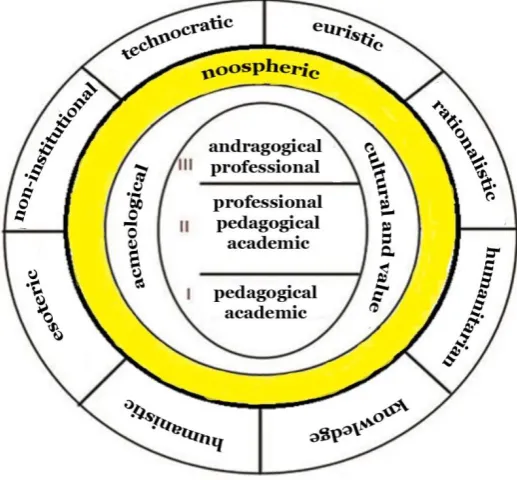
Figure

Fig. 1. Quantitative and percentage distribution of PUs according to their components  lexeme “heart’
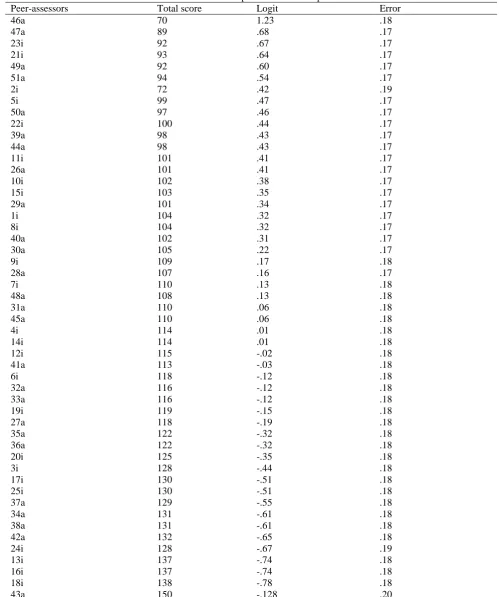
Table 1. Measurement report for individual peer-assessors Total score Logit
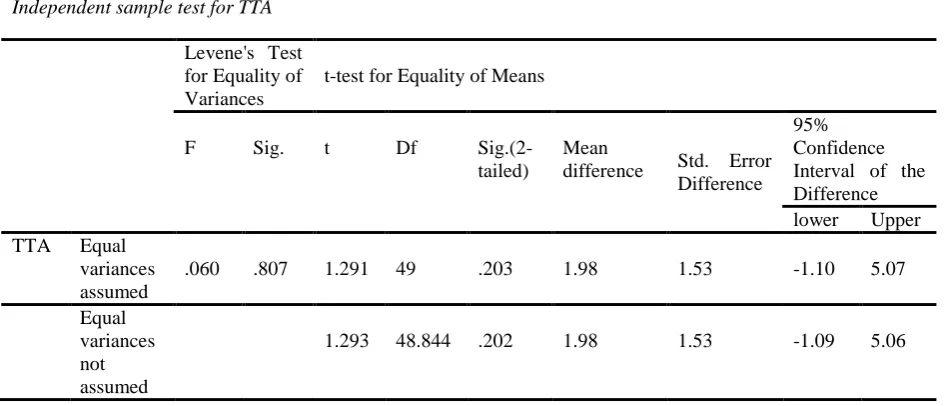
Table 5. Inferential Statistics for TTA
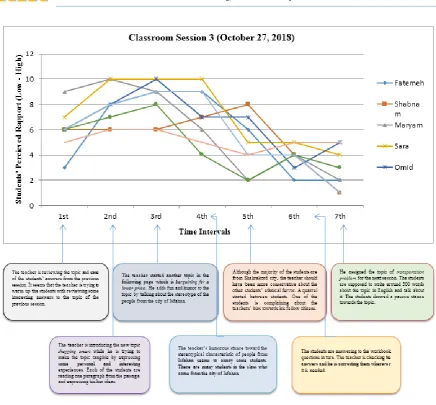
Fig. 1. Composite Data Display Chart Sample Based on Motometers
+7

References

Related documents

Compared with other active drug interventions, however, two of the three meta-analyses (recall that Vasilaki et al., 2006, included only alcohol studies) produced negative effect

As the plots indicate, Weighted Average Consensus(WAC) starts with a high error but exponentially converges to a steady value as all agents update model parameters and reach an

On its own, the good performance of reasoning in groups is not a very strong argument in favor of the argumentative theory of reasoning and against the classical

• undertaking research in relevant areas—for example, motorbike injury, farm machinery injury, child injury on farms, noise injury, road traffic injury, stress and suicide in

Patients were treated with anti–PD-1 monotherapy or combination therapy, and responses determined by Response Evaluation Criteria in Solid Tumors version 1.1 (RECIST v1.1)

We invite unpublished novel, original, empirical and high quality research work pertaining to the recent developments & practices in the areas of Com- puter Science &
We also tested the hypothesis that the succession dynamics of ant assemblage must be different between areas, so we expected a higher species turnover along time in burned than

Multivariate functional diversity (FD) was a better predictor of and explained more variance in predator, grazer, and recruiting invertebrate biomass than species richness, based