University of Kentucky University of Kentucky
UKnowledge
UKnowledge
Theses and Dissertations--Early Childhood,Special Education, and Rehabilitation Counseling
Early Childhood, Special Education, and Rehabilitation Counseling 2017
Developing Technology Applications for Improving the
Developing Technology Applications for Improving the
Problem-Solving Skills of Middle School Students with Learning Disabilities
Solving Skills of Middle School Students with Learning Disabilities
Samuel Y. Choo
University of Kentucky, [email protected]
Digital Object Identifier: https://doi.org/10.13023/ETD.2017.068
Right click to open a feedback form in a new tab to let us know how this document benefits you. Right click to open a feedback form in a new tab to let us know how this document benefits you.
Recommended Citation Recommended Citation
Choo, Samuel Y., "Developing Technology Applications for Improving the Problem-Solving Skills of Middle School Students with Learning Disabilities" (2017). Theses and Dissertations--Early Childhood, Special Education, and Rehabilitation Counseling. 38.
STUDENT AGREEMENT: STUDENT AGREEMENT:
I represent that my thesis or dissertation and abstract are my original work. Proper attribution has been given to all outside sources. I understand that I am solely responsible for obtaining any needed copyright permissions. I have obtained needed written permission statement(s) from the owner(s) of each third-party copyrighted matter to be included in my work, allowing electronic distribution (if such use is not permitted by the fair use doctrine) which will be submitted to UKnowledge as Additional File.
I hereby grant to The University of Kentucky and its agents the irrevocable, non-exclusive, and royalty-free license to archive and make accessible my work in whole or in part in all forms of media, now or hereafter known. I agree that the document mentioned above may be made available immediately for worldwide access unless an embargo applies.
I retain all other ownership rights to the copyright of my work. I also retain the right to use in future works (such as articles or books) all or part of my work. I understand that I am free to register the copyright to my work.
REVIEW, APPROVAL AND ACCEPTANCE REVIEW, APPROVAL AND ACCEPTANCE
The document mentioned above has been reviewed and accepted by the student’s advisor, on behalf of the advisory committee, and by the Director of Graduate Studies (DGS), on behalf of the program; we verify that this is the final, approved version of the student’s thesis including all changes required by the advisory committee. The undersigned agree to abide by the statements above.
Samuel Y. Choo, Student Dr. Brian A. Bottge, Major Professor Dr. Ralph M. Crystal, Director of Graduate Studies
DEVELOPING TECHNOLOGY APPLICATIONS FOR IMPROVING THE PROBLEM-SOLVING SKILLS OF MIDDLE SCHOOL
STUDENTS WITH LEARNING DISABILITIES
DISSERTATION
A dissertation submitted in partial fulfillment of the requirements for the degree of Doctor of Philosophy in the College of Education at the University of Kentucky
By Samuel Y. Choo Lexington, Kentucky
Director: Dr. Brian A. Bottge, William T. Bryan Endowed Chair in Special Education Technology in the Department of Early Childhood, Special Education, and
Rehabilitation Counseling Lexington, Kentucky
and Co-Director: Dr. Margaret E. Bausch, Professor and Chair in the Department of Early Childhood, Special Education, and Rehabilitation Counseling
Lexington, Kentucky 2017
ABSTRACT OF DISSERTATION
DEVELOPING TECHNOLOGY APPLICATIONS FOR IMPROVING THE PROBLEM-SOLVING SKILLS OF MIDDLE SCHOOL
STUDENTS WITH LEARNING DISABILITIES
The achievement gap in mathematics education continues to be a concern in the United States. Students with disabilities (SWD) are often excluded from the general education curriculum or the least restrictive environment due to their low performance in
mathematics and disability-related deficits. Legislative and professional reports have addressed the needs of SWD by promoting evidence-based math interventions using instructional technology. However, the focus of many math interventions with
instructional technology has been limited to basic facts instruction or drill-and-practice routines. In this study, I developed a curriculum-based technology tool called Anchored Instruction with Technology Applications (AITA) based on pedagogical concepts of Enhanced Anchored Instruction (EAI). For more than a decade, research has shown EAI to be effective in improving the math achievement of SWD. EAI is based on situated cognition learning theory and combines multimedia-based instruction with hands-on problems in real world contexts. AITA integrates technology applications such as 3D printers with EAI curriculum for improving problem-solving skills of SWD. The study examined differential effects of AITA in resource rooms and inclusive classrooms. Results showed significant improvement in favor of AITA for SWD in both problem-solving and computation performance.
KEYWORDS: Enhanced Anchored Instruction, Instructional Technology, Math
Intervention, Problem Solving, Students with Disabilities in Mathematics Samuel Y. Choo
Author’s Signature 4/17/2017 Date
DEVELOPING TECHNOLOGY APPLICATIONS FOR IMPROVING THE PROBLEM-SOLVING SKILLS OF MIDDLE SCHOOL
STUDENTS WITH LEARNING DISABILITIES By
Samuel Y. Choo
Dr. Brian A. Bottge Director of Dissertation Dr. Margaret E. Bausch Co- Director of Dissertation Dr. Ralph M. Crystal Director of Graduate Studies 4/17/2017 Date
This dissertation is dedicated to my beloved parents, InSoo and SunHee, and brother, Youn-Seung.
ACKNOWLEDGEMENTS
First and above of all, I am ever grateful to God, the Almighty, for providing me this opportunity. The following dissertation, while an individual work, benefited from the insights and direction of several people. I am most thankful to my Dissertation Chair, Dr. Brian Bottge, for his expert guidance and undivided support throughout the time of my dissertation research. His academic excellence, passion for educational technology, commitment to research, and sense of humor have inspired me to pursue evidence-based practices in education. Next, I would like to express my gratitude to Dr. Margaret Bausch, Dr. Xin Ma, and Dr. Allen Allday for their continued encouragement, professional and personal support, and thoughtful guidance. I would like to acknowledge the full
committee, including Dr. Margaret Rintamaa for the expertise to improve the final
product as well. Thank you for the time and investment you have provided me throughout my doctoral program as well as dissertation process. In addition to the academic support of the committee, I am thankful to my colleagues, friends, and family for their ongoing support. Thank you to Dr. Linda Gassaway and Meg Gravil for your timely efforts in support of my research, including material preparation, secondary observation, and scoring protocols. Thank you to the students, teachers, and administrators at Bondurant Middle School, Bourbon County Middle School, Robert D. Campbell Junior High School, School for the Creative and Performing Arts, West Jessamine Middle School, and The Learning Center for your participation in this study. Thank you to all my colleagues at the University of Kentucky, Kentucky State University, and Frankfort Independent Schools for your encouragement throughout my program of study. Lastly, thank you to my family
TABLE OF CONTENTS
Acknowledgements ... iii
List of Tables ... vi
List of Figures ... vii
Chapter One: Introduction ...1
Introduction to Problem ...1
Background of the Study ...4
Learning Disabilities in Mathematics ...4
Math Interventions ...5
Educational Technology in Special Education ...6
Statement of Problem ...8
Purpose of the Study ...11
Research Questions ...11
Significance of the Study ...12
Theoretical and Conceptual Framework ...13
Nature of the Study ...15
Definition of Terms ...16
Assumptions ...18
Chapter Two: Literature Review ...19
Instructional Technology for Students with Disabilities ...19
Textbooks ...19
Manipulatives ...20
Calculators ...21
Computer Applications ...22
Other Technology Applications ...26
Mathematics Problem-Sovling Interventions ...28
Graduated Instructional Sequences ...28
Schema-Based Instructions ...32
Cognitive Strategy Instructions ...36
Anchored Instruction ...39
Enhanced Anchored Instruction ...42
Main Characteristics of EAI ...44
Effects of EAI Curriculum ...47
Theoretical Foundation of EAI ...50
Chapter Three: Methods ...56
Setting and Participants ...56
Research Goal and Hypotheses ...56
Research Hypotheses ...57
Research Design ...58
Description of BAU ...59 Description of EAI ...62 Description of AITA ...64 Academic Measures ...68 Professional Development ...70 Classroom Observations ...70
Data Collection and Analysis Procedures ...71
Data Collection ...71
Data Analysis Procedure ...72
Ethical Considerations ...76
Recruitment Process ...76
Informed Consent Process ...76
No Harm to Participants ...76
Anonymity and Confidentiality ...77
IRB Approval ...77
Chapter Four: Results ...78
Descriptive Information ...78
Student Demographics ...78
Descriptive Statistics ...79
Research Findings ...82
Partitions of Variances ...82
Findings Related to Research Hypotheses ...83
Chapter Five: Discussion ...89
Discussion of the Study ...89
Limitations of the Study ...93
Implications of the Study ...94
Suggestions for Future Research ...97
Conclusion ...98
Appendices Appendix A: Sample AITA Lesson Plans ...100
Appendix B: IRB Approval Forms ...107
References ...114
LIST OF TABLES
Table 1, Alignment of SketchUp Tools with Math Skills ...67
Table 2, Demographic Characteristics of Participants ...80
Table 3, Descriptive Statistics of Pretest and Posttest ...81
Table 4, Partitions of Variances ...82
LIST OF FIGURES
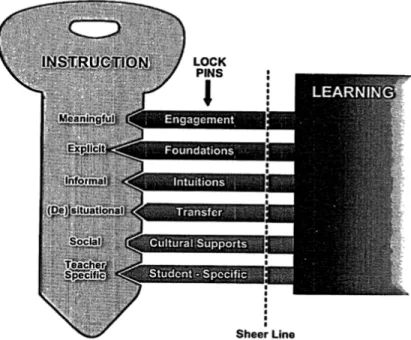
Figure 1, The Key Model of Problem Solving ...14
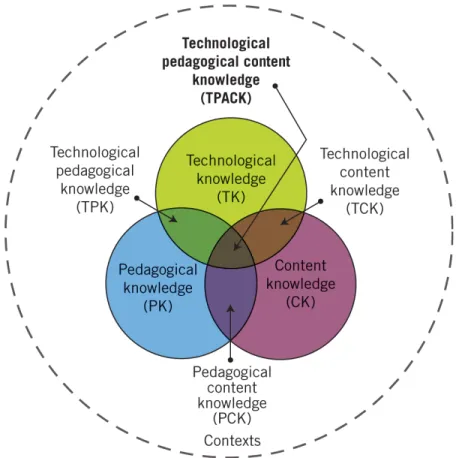
Figure 2, The Technological Pedagogical Content Knowledge Framework ...15
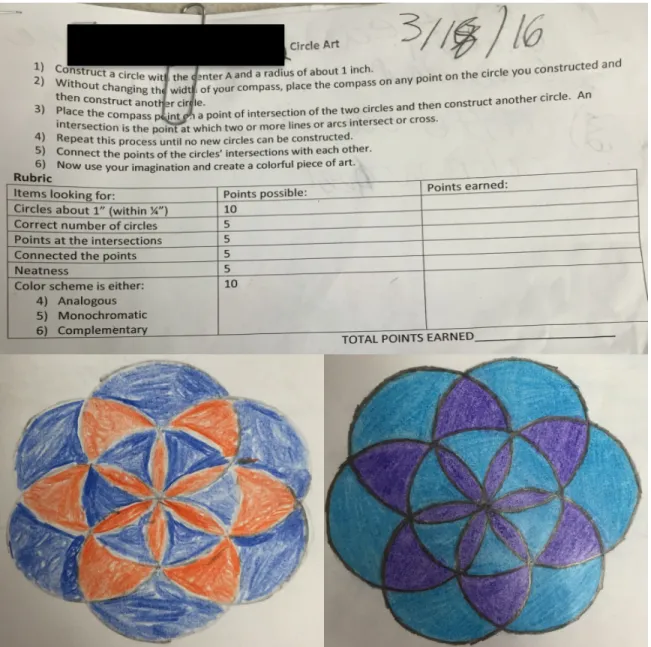
Figure 3, BAU Student Work Sample 1 ...60
CHAPTER 1. INTRODUCTION Introduction to Problem
The quality of math education has been a longstanding concern in the United States. After the development of the atomic bomb in the 1940’s, Steelman (1947) addressed the need to invest in basic math and science and to develop secondary school math programs that would produce greater number of highly trained engineers and scientists for the nation’s future. Later, the Soviet’s launch of Sputnik in the 1950’s caused math educators and researchers to initiate math education reform movement with the extensive federal funding to compete internationally (Kilpatrick, 1992). However, not much attention had been paid to the fact that many American students struggle with low achievement in math education until the National Commission on Excellence in
Education published A Nation at Risk (U.S. Department of Education, 1983). The authors pointed out several indicators of the risk from the mediocracy in math education across the nation. They stated that “… only one-third [of 17-year-old] can solve a mathematics problem requiring several steps” (p. 9) and many American students did not possess the higher order thinking math skills as expected.
Several attempts have been made to improve math education in the United States. For example, the National Council of Teachers of Mathematics (NCTM) has undertaken reform efforts aimed at improving math performance for American students. In their publications, An Agenda for Action (1980) and the Curriculum and Evaluation Standards (1989), for example, NTCM developed math standards focusing on instructional and curricular emphases to ensure that students would develop strong math skills for a competent workforce and informed society (NCTM, 1989). Although NCTM’s efforts to
restructure math instruction and curriculum seemed appealing to math education in general and promising for all students, special education professionals thought that NCTM’s standard-based approach did not consider students with disabilities (SWD) and, which in turn, caused critical issues such as the inequities and low achievement among SWD (Hofmeister, 1993; Hutchinson, 1993b; Mercer, Harris, & Miller, 1993; Rivera, 1993, 1997).
In 2001, as a part of the efforts to resolve achievement gap issues, the No Child Left Behind Act ([NCLB], P.L. 107-110) was authorized to ensure equitable educational opportunity for every student, including SWD. One of the NCLB legislation highlights was improving “student academic achievement through the use of technology in schools” (U.S. Department of Education, 2002, p. 85) to bring all students to grade level in both reading and math by 2014. However, despite of the legislative efforts with NCLB, SWD continued to perform lower than their peers without disabilities, and continuous
achievement gaps between SWD and students without disabilities (SWOD) were evident (National Center for Education Statistics [NCES], 2015). The new legislation, Every Students Succeeds Act ([ESSA], P.L. 114-95), was passed to replace NCLB in 2015 and to resolve the ongoing low achievement issues. The ESSA mandated schools to develop an evidence-based plan to help low-achieving subgroups of students who were falling behind, such as minority students or SWD (U.S. Department of Education, 2016). One major difference of the ESSA legislation from NCLB is its emphasis on the “effective” use of technology to improve the academic achievement and growth for all students including SWD as mentioned as following:
Technology can expand growth opportunities for all students while affording historically disadvantaged students greater equity of access to high-quality learning materials, field experts, personalized learning, and tools for planning for future education. Such opportunities can also support increased capacity for educators to create blended learning opportunities for their students, rethinking when, where, and how students complete different components of a learning experience. However, for technology to be truly transformative, educators need to have the knowledge and skills to take full advantage of technology-rich learning environments (U.S. Department of Education, 2016, pp. 31-32).
This indicates that educators not only need to seek evidence-based technology tools, but they also need to have technology-related knowledge and skills in order to use
technology applications “effectively” in the instructional settings.
One of the research-based instructional approaches using technology is called Enhanced Anchored Instruction (EAI), which is multimedia-based instruction to improve the problem-solving skills of SWD and SWOD (Bottge, Heinrich, Chan, & Serlin, 2001). For more than a decade, Bottge and colleagues have studied the effectiveness of EAI for improving math achievement of SWD (Bottge, 2001b; Bottge & Hasselbring, 1993; Bottge et al., 2001; Bottge, Heinrichs, Mehta, & Hung, 2002; Bottge, Ma, Gassaway, Toland, Butler, & Cho, 2014; Bottge, Toland, Gassaway, Butler, Choo, Griffen, & Ma, 2015).
Another technology-based approach for improving the math skills of students uses 3D printers. Over the past several years, 3D printing technology has been a part of school curriculum including math education and continues to have a significant impact on
students’ academic achievement and their everyday lives as well (Lacey, 2010; Murray, 2013; Sheridan, Halverson, Litts, Brahms, Jacobs-Priebe, & Owens, 2014; Sheridan, Clark, & Williams, 2013). When these technology-based instructional approaches are “carefully designed and thoughtfully applied, technology can accelerate, amplify, and expand the impact of effective practice that support student learning, increase community engagement, foster safe and healthy environment, and enable well-rounded educational opportunities” (U.S. Department of Education, 2016, p. 31).
Background of the Study Learning Disabilities in Mathematics
The recent National Assessment of Educational Progress reports indicated that continuous achievement gaps for SWD and other subgroup populations have been evident and their mathematics performance in the state assessments has been persistently low, while most students in the United States have made progress of mathematics
achievement over the years (NCES, 2011, 2012, 2013, 2015). NCES’s latest report in 2015 revealed that 45% of fourth-grade, 68% of eighth-grade, and 77% of twelfth-grade SWD perform below Basic level in mathematics compared to only 14% of fourth-grade, 23% of eighth-grade, and 34% of twelfth-grade low-performing SWOD. In addition, a technical report of National Center on Educational Outcomes (2012) showed that low-performing middle school SWD more likely stay in the low-low-performing group when they attend high school than low-performing SWOD.
In addition to the underachievement issue in national assessments, another concern is the growing number of students with learning disabilities in mathematics
receive special education services (NCES, 2015), 4.9% of the total population are affected by specific learning disabilities and often experience math-related difficulties (NCES, 2012). The NCES also indicated that the number of students with learning disabilities has grown more than 300% since 1976, and there might be an
overrepresentation of minorities in this category (Barbaresi, Katusic, Colligan, Weaver, & Jacobsen, 2005; Fuchs & Fuchs, 2002; Fuchs, Fuchs, & Hollenbeck, 2007; Geary, 2004; Gross-Tsur, Manor, & Shalev, 1996; Mazzocco, 2005; Mazzocco & Devlin, 2008).
SMD have more likely struggled in a traditional classroom than SWOD due to their difficulties to participate in a typical classroom environment, and the
underachievement problem of SMD has been persistently consistent compared to SWOD (Hasselbring & Glaser, 2000). According to the Individuals with Disabilities Education Improvement Act of 2004 ([IDEA], P.L. 108-446), SMD often struggle with mathematics calculation and mathematics problem solving. Researchers have examined characteristics of SMD and found that those students tend to have working memory deficits (Fuchs & Fuchs, 2002; Geary, 2004; Gonzalez & Espinel, 2002), fact retrieval and computation problems (Fuchs & Fuchs, 2002; Gonzalez & Espinel, 2002), difficulties in solving multi-step problems (Bryant, Bryant, & Hammill, 2000; Fuchs & Fuchs, 2002), and lack of mathematical vocabularies (Bryant et al., 2000).
Math Interventions
Researchers have conducted meta-analyses of mathematics interventions to identify the most effective for SMD (Gersten, Chardk, Jayanthi, Baker, Morphy, & Flojo, 2009; Kroesbergen & Van Luit, 2003; Swanson & Hoskyn, 1998; Swanson & Sachse-Lee, 2000). The results from four meta-analyses indicated that direct or explicit
instruction (e.g., teaching step-by-step procedures) was one of the most effective mathematics interventions from studies conducted with SMD. However, some
researchers (e.g., Woodward, 2004; Woodward, Baxter, & Robinson, 1999) argued that direct instruction can often cause retention problems of SMD. Other investigators (e.g., Hasselbring, Lott, & Zydney, 2006) suggested that mathematical knowledge taught by procedural instruction is accessed only in a restricted set of contexts, and such knowledge cannot be used in real-world contexts (i.e., inert knowledge).
To resolve retention problems and the inert knowledge issue, the Cognition and Technology Group at Vanderbilt (CTGV) developed an instructional strategy called Anchored Instruction (AI). AI immerses students in complex problem situations with video-based stories and then requires students to sift through embedded relevant
information to formulate and solve problems (CTGV, 1990, 1992). CTGV proposed that learning mathematics in the context of the video story provides learning opportunities for students to connect their math skills to real-world situations. However, SMD especially those who significantly underperform, experienced another issue with AI approach. Bottge and colleagues found that low-achieving students without proper foundation skills were not engaged in complexed problem-solving situation. They copied other students’ work or often avoided tasks (Bottge et al., 2002). Bottge’s research has continued to improve both basic computational skills and problem-solving skills specifically for SMD as an “enhanced” version of AI (Bottge, 1999, 2001b; Bottge et al., 2002).
Educational Technology in Special Education
with Disabilities Act (Tech Act) was first passed in 1988 (P.L. 100-407) and reauthorized in 1994 (Blackhurst, 2005a; Bryant & Seay, 1998; Roper, 2006). In addition, the
Assistive Technology Act of 1998 (P.L. 105-394) defined and extended the use of
technology for SWD (U.S. Department of Education, 2006), and the IDEA mandated that every Individualized Education Program should consider whether the child needs
assistive technology devices and services in order to access the general curriculum within the least restrictive environment. A number of researchers suggested that the integration of technology has been effective in providing SWD with new opportunities to engage in important classroom activities (Blackhurst, 2005b; Bryant, Bryant, & Raskind, 1998; Hasselbring & Glaser, 2000; Lewis, 1998, 2000; Okolo, 1990; Okolo & Diedrich, 2014).
Technology for SWD is often referred to assistive technology, and assistive technology is defined as “any item, piece of equipment, or product system, whether acquired commercially off the shelf, modified, or customized, that is used to increase, maintain or improve functional capabilities of individuals with disabilities” (U.S. Department of Education, 2006, p. 6). However, researchers have shown that for SWD, technology has been used not only as personal assistive devices (assistive technology), but also an extension of instructional aids (computer-assisted instruction), information management devices (computer-managed instruction), instructional delivery tools, other technology tools, or combination of assistive and instructional technology (Hofmeister, 1984; Lewis, 1998, 2000; Roper, 2006).
Blackhurst (2005b) stated that technology in special education can be categorized into six different types: technology of teaching (i.e., teaching strategies); instructional technology (see Presidential Commission on Instructional Technology, 1970); assistive
technology (see U.S. Department of Education, 2006); medical technology (that allows people to stay outside of hospital or other medical settings); technology productivity (that enables people to work more effectively and efficiently); and information technology (that provides access to knowledge and resources on a wide range of topics). Such educational technology has been beneficial for SWD in various areas not limited to functional capabilities of individuals (Blackhurst, 2005b). Educational technology is defined as “the study and ethical practice of facilitating learning and improving
performance by creating, using, and managing appropriate technological processes and resources” (Association for Educational Communications and Technology, 2007, p. 1), and technology-based educational materials deliver learning content and support the learning process (Cheung & Slavin, 2013).
Statement of Problem
For several decades, improving students’ problem-solving skills in math has been emphasized in math education research community and government-based reports. In An Agenda for Action, NCTM (1980) proposed that schools should organize math curricula around problem solving. NCTM has continuously led math educators to create learning environment in which students apply problem-solving strategies across all mathematical content areas and has encouraged researchers to examine effective ways to develop problem-solving skills for students (NCTM, 1989, 1991, 2000). Especially, in the Principles and Standards for School Mathematics, NCTM (2000) emphasized the importance of conceptual understanding and mathematical problem-solving approach. The council stated that problem-solving skills should be a top priority in math instruction,
government reports such as Goals 2000: Educate America Act (U.S. Department of Education, 1994) and What Work Requires of Schools: A SCANS Report for America 2000 (U.S. Department of Labor, 1991) supported the importance of problem solving in mathematics as well.
In general, problem solving is “a complex cognitive skill that characterizes one of the most intelligent human activities” (Chi & Glaser, 1985, p. 227). More specifically, problem-solving ability refers to an individual’s capacity to use cognitive process where the solution is not immediately obvious, and prior knowledge is required to find a
solution (Hudson & Miller, 2006; Schoenfeld, 1985; Swanson & Sachs-Lee, 2000). Since Polya (1945) introduced four-step heuristics (e.g., understanding question, devising a plan, carrying out the plan, and looking back and checking), problem-solving success has been considered as a primary outcome variable in mathematics education, and number of studies have been conducted to support for problem-solving instructions across the nation (National Governors Association Center for Best Practices & Council of Chief State School Officers, 2010; National Mathematics Advisory Panel [NMAP], 2008; NCTM, 2002).
Despite of the importance of problem solving, many researchers have shown that problem solving is one of the most difficult mathematical skills that secondary school students experience whether or not they have disabilities (Jitendra, DiPipi, & Perron-Jones, 2002; Montague, Enders, & Dietz, 2011; Xin, Jitendra, Deatline-Buchman, 2005). For SWD, difficulties in problem solving are more evident for SWD. For example, Geary (1994, 2000, 2004) stated that computational (arithmetic) and problem-solving (e.g., word problems) deficits are consistent among SWD. Moreover, Bryant and colleagues
(2000) argued that word problem solving is the most problematic area for SWD. From their elementary school years, SWD experience difficulties in working memory, fact retrieval, problem conceptualization, and problem solving (Jordan & Hanich, 2000; Krawec, 2014). When SWD attend in middle school, they continue struggling with problem solving, because they are less likely to use representational strategies or
metacognitive approaches when solving mathematics problems (Montague, Applegate, & Marquard, 1993). In addition to the problem-solving deficits that SWD often have, many teachers still spend significantly more time on computational and procedural skills than reasoning and problem-solving skills (Fuchs & Fuchs, 2002; National Research Council, 2001). For example, some studies suggested that only 19% of teachers engage their students in any kind of problem-solving activities (Hiebert & Stigler, 2000).
One suggested instructional approach for improving students’ problem-solving skills involves using video anchors with hands-on projects such as Enhanced Anchored Instruction (EAI). Studies from Bottge and colleagues showed that EAI has effectively improved problem solving skills of SWD in various grade levels and instructional
settings (Bottge et al., 2002; Bottge, Rueda, LaRoque, Serlin, & Kwon, 2007; Bottge, Ma, Gassaway, Toland et al., 2014; Bottge et al., 2015). Technology is another essential tool in teaching and learning math that can improve students’ problem-solving skills (NCTM, 2000), yet technology by itself does not guarantee automatic improvement of student learning (Bransford, Brown, Cocking, Donovan, & Pellegrino, 2000). The essence of the problem is, then, how can technology be integrated into the EAI curriculum and become an important element of students’ education to enhance problem-solving skills of SWD?
Purpose of the Study
The purpose of the study is to develop a curriculum-based technology tool, called Anchored Instruction with Technology Tools (AITA), for improving problem-solving skills of middle school SWD and SWOD. AITA is a collection of technology tools that extends the applications of EAI, which Bottge and his colleagues have shown effective. It is important to examine the link between the EAI curriculum and the use of technology applications in the actual instructional setting when testing its effectiveness. Thus, this study compared the differential effects of AITA implementation on student math
achievement compared to Business as Usual (BAU) instruction and to the current version of EAI. Considering SWD receive math instruction in either resource room or inclusive classroom, this study examined the impact of instructional setting and its interaction effect with AITA as well. The study further investigated the effects of participating students’ variables including disability status.
Research Questions
The overall research questions that guided this study were:
1. What are the differential effects of three instructional conditions (AITA group, EAI group, BAU group) on the problem-solving skills of middle school SWD?
2. How do learning theories help to explain the findings in research question 1? The results of this study determined the main effect of the AITA curriculum on middle school students’ math achievement tests compared to the BAU curriculum and/or the EAI curriculum. In addition, the main effect of classroom factor, such as instructional setting between resource room and inclusive classroom on middle school students’ math
achievement tests was investigated. The study also compared the interaction effect between treatment conditions (AITA, EAI, BAU) and the classroom factor (instructional setting). Finally, the study examined the impacts of student characteristics, such as age, ethnicity, gender, and disability status on student achievement for math problem-solving skills.
Significance of the Study
Over the past several decades, math education in the United States has been significantly grown. Math education reform efforts have been evident by government reports, research and professional communities, and practicing educators (Dossey, McCrone, & Halvorsen, 2016; NCTM, 2016; Wu, 1997). However, the field of special education tends to conduct more research on reading intervention than math intervention. In fact, the focus of math instruction in special education settings has been limited to basic facts or simple computation and using drill and practice for brief intervention (Fuchs, Compton, Fuchs, Paulsen, Bryant, & Hamlett, 2005). The contributions of this study would be of interest to researchers in math education, special education, and practicing educators, particularly those who seek effective instructional technology for improving math skills of SWD. The study also proposes to develop an evidence-based math intervention to improve student outcomes with effective instructional technology, as mandated by the ESSA, for schools where student subgroups including SWD are
struggling with low achievement issues.
Middle school mathematics has been and continues to be a concern to educators and researchers in mathematics and special education (Bouck, Kulkarni, & Johnson,
curriculum for many students, including SWD throughout their school ages (Bryant et al., 2000). Due to their underachievement in math and other disability-related deficits, SWD have been excluded from general education settings and have not made progress through the general education curriculum; yet IDEA mandated the right of SWD to have access to the general education curriculum in the least restrictive environment. Many researchers have attempted to identify the most effective instructional approach for SWD such as EAI and through the use of instructional technology tools, but up to date, little research has been attempted to blend both approaches to improve problem-solving skills for middle school SWD.
Theoretical and Conceptual Framework
The main theoretical framework for this study is Bottge’s (2001a) the Key Model of Problem Solving (p. 104). Based on historical learning theories including Whitehead (1929), Dewey (1959), Wertheimer (1959), and Bruner (1960), Bottge developed important conditions for successful teaching and learning. As illustrated in Figure 1, Bottge proposed that each component of successful learning – (a) engagement, (b) foundations, (c) intuitions, (d) transfer, (e) cultural supports, and (f) student-specific – can be achieved by each aspect of instruction – (a) meaningful, (b) explicit, (c) informal, (d) (de)situational, (e) social, and (f) teacher-specific teaching (respectively). The model suggests that if any of the instructional components is missing or does not support any learning components, student learning would be limited.
Figure 1. The Key Model of Problem Solving. Adapted From “Reconceptualizing Mathematics Problem-Solving for Low-Achieving Students” by B. Bottge, 2001, Remedial and Special Educations, 22(2), p. 104.
Another conceptual framework for the present study is the Technological
Pedagogical Content Knowledge Framework (Koehler & Mishra, 2009; Koehler, Mishra, Kereluik, Shin, & Graham, 2014; Mishra & Koehler, 2006). Based on Schulman’s (1986, 1987) notion of relationship between content and pedagogy, Mishra and Koehler (2006) proposed the importance of the connections between technology, pedagogy, and content knowledge. As illustrated in Figure 2, each component among technology, pedagogy, and content knowledge is paired with another knowledge creating new domains such as pedagogical content knowledge, technological content knowledge, technological
pedagogical knowledge, and all three taken together as technological pedagogical content knowledge. As Mishra and Koehler (2006) argued that “good teaching requires an
effective use of educational technology must be considered within the context of the subject matter (content) and the means of teaching it (pedagogy).
Figure 2. The Technological Pedagogical Content Knowledge Framework. Adapted from “The technological pedagogical content knowledge framework” by M.J. Koehler, P. Mishra, K. Kereluik, T. S. Shin, & C. R. Graham, 2014, Handbook of Research on Educational Communications and Technology, p. 103.
Nature of the Study
The current study used a variation of quasi-experimental design based on factorial design and multiple treatments and controls with pretest. The factorial design makes it possible for the researcher to examine the main effects of three different instructional conditions (AITA, EAI, BAU) and two different instructional settings (resource room, inclusive classroom) on students’ math achievement tests as well as the interaction effect
study was multiple treatments and controls with pretest, which would ensure that multiple treatment conditions are equally effective (or ineffective) and would minimize internal validity issues that multi-group designs may cause (Shadish et al., 2002). The hybrid research design for this study can be diagramed in this way:
NR O1234 XA1 O1234 NR O1234 XA2 O1234 NR O1234 XB1 O1234 NR O1234 XB2 O1234 NR O1234 C1 O1234 NR O1234 C2 O1234
where NR represents non-randomized group assignment. The first O (observation, measurement) represents pretests, and the second O represents posttest with the four subscripts corresponding to the four different measures. For experimental groups, XA1 represents AITA implemented in resource room, XA2 represents AITA implemented in inclusive classroom, XB1 represents EAI implemented in resource room, and XB2
represents EAI implemented in inclusive classroom. The control groups are represented as C1 and C2 with the subscript number corresponding to resource room and inclusive classroom, respectively.
Definition of Terms
BAU. BAU refers to the control group instruction aligned with Common Core State Standards for Mathematics ([CCSS-M], National Governors Association Center for Best Practices & Council of Chief State School Officers, 2010) and modified by districts, schools, or individual teachers.
EAI. EAI refers to the project-based instruction with contextualized problems delivered through multimedia tools. For this study, the instructional units of EAI
conditions include Fraction of the Cost (FOC) and Hovercraft (HOV). Two instructional units focus on improving problem-solving skills based on the concepts of Ratios and Proportional Relationships, Number System, and Geometry. Participating teachers received training for EAI curriculum implementation, had access to daily lesson plans, and were supplied with all instructional materials.
AITA. AITA refers to the curriculum-based technology tool based on the EAI instructional units. The AITA condition includes FOC, one of the EAI’s instructional units, to ensure students’ foundational skills for the following two units of Flatland (FL) and 3D-Hovercraft (3D-HC), which consist of video story and the use of computer-aided drawing (CAD) software and 3D printers. Participating teachers received training for AITA curriculum implementation with daily lesson plans and all instructional materials.
SWD. SWD refers to students who have any diagnosed disabilities. SWD receive special education services in resource rooms and/or inclusive classrooms indicated by their Individualized Education Plans.
SWOD. SWOD refers to students without disabilities including those who receive special education instructions in inclusive classrooms with SWD.
SMD. SMD refers to students with learning disabilities in mathematics or math disabilities. This is not limited to specific learning disabilities in general but includes particularly those who struggle in learning mathematics with low achievement.
Resource Room. Resource room refers to a self-contained classroom where a single special education teacher teaches. Only SWD are placed in resource room to receive math instruction with Individualized Education Programs.
Inclusive Classroom. Inclusive classroom refers to a general math classroom where one math teacher and one special education teacher teach together. In inclusive classroom, both SWD and SWOD are placed to receive math instruction.
Assumptions
The following assumptions were made as part of the present study: 1. Students and teachers are equivalent across the groups.
2. All students respond to the math achievement tests, and the results of pretests and posttests accurately show the level of their math performance.
3. Students’ problem-solving skills can be measured by the Problem-Solving test, Spatial Thinking Ability Test, and The Iowa Tests of Basic Skills. 4. All teachers deliver math instructions effectively, and teachers in EAI and
AITA conditions effectively teach all units of each curriculum.
5. Teachers in AITA conditions effectively use technology tools such as 3D printers and CAD software.
6. All three treatment conditions cover the same math curriculum aligned with CCSS-M (2010).
CHAPTER 2. LITERATURE REVIEW
Instructional Technology for Students with Disabilities
Students with disabilities (SWD) more likely play passive roles in academic settings, and their progress is substantially slower than students without disabilities (SWOD) unless there is additional support in their class to mediate the instruction (Lewis, 2005; Woodward, 2004). Researchers revealed that instructional technology enables SWD to compensate in areas where they lack the necessary learning skills and helps them improve certain skill deficiencies (Cavalier, Ferretti, & Okolo, 1994; Garner & Campbell, 1987; Hasselbring & Bausch, 2005; Lewis, 1998). In addition, numerous studies have shown that technology has a profound impact on specifically improving academic performance, such as literacy, communication, and math skills (Bouck & Flanagan, 2009; Bryant et al., 1998; Hasselbring & Glaser, 2000; Hasselbring et al., 2006; Lewis, 1998, 2000; Okolo & Diedrich, 2014; Roper, 2006; Woodward, 2004). While many technology applications used for SWD include computer-based technology in teaching and learning, traditional instructional materials, such as textbook,
manipulatives, or calculators, have been used as instructional aids to help student learning or as teaching tools to carry out academic contents (Kidwell, Ackerberg-Hastings, & Roberts, 2008). Such materials can meet students’ individual needs when carefully evaluated and systematically designed to teach SWD (Blackhurst, 2005a; Kelly, Gersten, & Carnine, 1990).
Textbooks
Textbooks have been one of the primary teaching tools in U.S. education history (Anderson & Armbruster, 1984; Kidwell et al., 2008; Lovitt & Horton, 1994). Textbooks
also have been an integral part of typical classroom instruction, as they consist of teaching goals and objectives, sequentially planned materials, and learning activities (Silbert, Carnine, & Stein, 1981). However, inadequate use of textbook caused
generalization and maintenance problems among SWD (Lambert, 1996). Lambert argued that textbooks should be modified to meet individual needs of SWD. When textbooks are modified or customized to improve academic performance of SWD, they can serve as an instructional technology tool.
Bergerud, Lovitt, and Horton (1988), for example, conducted a study to examine the effect of textbook adaptations of high school SWD on retention skills in science class. Two different textbook adaptation methods were used, such as graphics and study guides, and the adaptations were compared to traditional passage-based textbooks. The results indicated that addition of graphics was the most effective on student science performance on a retention measure among three types of textbooks. However, no difference was found between the use of study guides and traditional passage-based textbooks. This study supported the proper use of educational technology with existing resources because textbooks were modified to “increase, maintain, or improve” science skills of SWD.
Manipulatives
SWD often struggle in textbook-oriented teaching due to their deficits in language or reading skills (Mastropieri & Scruggs, 1994; McCarty, 2005). Although textbooks convey academic contents and include learning activities, such activities are paper-and-pencil tasks, and SWD are rarely encouraged to apply what they have learned into real-world problems. Lambert (1996) argued that manipulatives can be used to teach a variety
involved in learning process. According to Maccini and Gagnon (2000), manipulatives are hands-on, concrete materials to represent a variety of academic concepts.
Studies have shown that using manipulatives improve the mathematics skills of SWD (Cass, Cates, Smith, & Jackson, 2003; Funkhouser, 1995; Jordan, Miller, &
Mercer, 1998). For example, Cass and colleagues (2003) conducted a single-subject study to examine the effect on acquisition, maintenance, and generalization of geometry skills among high school SWD. In conjunction with teaching strategies (modeling, guided practice, and independent practice), three manipulatives (geoboards, rubber bands, and measuring tape) were employed to improve problem-solving skills in finding area and perimeter. The results indicated that the manipulative-based instruction resulted in the rapid acquisition and maintenance of the geometry problem-solving skills. In addition, the participating students demonstrated their ability to transfer the academic skills to paper-and-pencil-based tasks. This study not only supported findings of previous studies, but it also showed that hands-on items could serve as technology tools to “increase, maintain, or improve” mathematical skills of SWD.
Calculators
After Title I of the Elementary and Secondary Education Act of 1965 provided special funds for students from low-income families, the use of calculators has been common in mathematics classrooms for SWD (Kidwell et al., 2008). Especially, calculators are one of the most common mathematical accommodations written on
Individual Education Plans in order for SWD to access grade level mathematical contents (Bouck & Yadav, 2008; Maccini & Gagnon, 2000; Thurlow, Lazarus, Thompson, & Morris, 2005; Shaftel, Belton-Kocher, Glasnapp, & Poggio, 2003). However, some
educators and researchers in mathematics argued that the use of calculator should be limited to complex problems (Kauffman, McGee, & Brigham, 2004), or the impact of calculators on SWD would not be clearly significant (Fuchs, Fuchs, Eaton, Hamlet, & Karns, 2000; Shaftel et al., 2003).
Despite criticism of some researchers, calculators have played a role in enhancing mathematics performance among SWD. Bouck and Bouck (2008) examined the effects on four-function calculators as an accommodation on a mathematics assessment for sixth grade SWD. Another study conducted by Bouck and Yadav (2008) investigated the effectiveness of graphing calculators on open-ended, problem-solving assessments for SWD. Results from both studies showed that the use of calculators was beneficial for SWD in increasing the accuracy of math tests and by reducing computational errors. However, Bouck and Yadav concluded that calculators could not enhance student conceptual understanding that many SWD lack. This implies that some technology applications have limitations, and technology by itself does not guarantee improvement of student learning for certain knowledge.
Computer Applications
According to Hasselbring and Glaser (2000), the use of computers became pervasive and more common in classrooms, and many students have benefited from the integration of computer-based technologies into regular classrooms. Educators and researchers in special education have also attempted to find ways in which computer applications are beneficial for SWD (Lewis, 2005). Examples include word processors, computer-assisted instruction (CAI), and the use of video or embedded multimedia
computer-based applications have not only enhanced academic performances of SWD in primary and secondary education settings (Bouck & Flanagan, 2009; Hasselbring & Bausch, 2005; Hetzroni & Shrieber, 2004), but educational technology has been also incorporated into their post-secondary transition process (Mull & Sitlington, 2003).
Word processing applications. Word processing and other computer software have been effective on improving writing skills of SWD. More specifically, word processing applications can enhance poor handwriting, spelling, grammar, and editing skills that SWD often struggle with (Hasselbring & Glaser, 2000; Lewis, 1998, 2000, 2005). For example, the Enhancing Writing Skills Project conducted by Lewis, Graves, Ashton, and Kieley (1998) examined the effects of using word processing tools to improve the writing skills of SWD in fourth to twelfth grades. The word processing applications used in the project included speech synthesis, word prediction, and spelling and grammar checking functions. Lewis and colleagues concluded that word processing technology helped SWD improve their writing speed, quantity, quality, and accuracy and their attitudes toward the writing process as well.
Commercially available word processing software can also play as a
compensatory tool on the writing skills of SWD. Hetzroni and Shrieber (2004) examined the effectiveness of Microsoft Word 2000® on academic outcomes of three junior high school SWD. The results indicated that all participants benefited from the word processor in improving their spelling, organizing, and reading skills. For example, “the use of the red underline feature and the availability of the spell checker increased their awareness of the existence of their errors in the text” (p. 152). Hetzroni and Shrieber concluded that the
technology application enabled SWD to take control over their assignments while using their strengths instead of their deficits.
Computer-assisted instruction applications. Computer-assisted instruction (CAI) is one of the instructional approaches using computer applications. CAI is defined as the use of a computer to provide instructional contents, and it has been the most typical application of educational technology for SWD (Okolo, 1992; Poplin, 1995; Seo & Bryant, 2009). CAI usually consists of drill, practice, and self-tutorial applications, simulation tasks, and instructional games, and its applications have been recognized as promising instructional tools for SWD (Hofmeister, 1984; Lewis, 2000; Seo & Bryant, 2009; Soe, Koki, & Chang, 2000). However, little research to date has shown its effects on academic performance of SWD (Seo & Bryant, 2009).
One of the few evidence-based CAI examples is READ 180, published by Scholastic, Inc. (Davidson & Miller, 2002). Hasselbring and Bausch (2005) discussed that READ 180 is an individualized reading intervention to enhance overall reading skills of SWD. According to Davidson and Miller, instruction and practice in READ 180 is customized based on individual student abilities to prevent frustration that SWD often have in reading activities. READ 180 includes videos to present students with the context necessary to help them understand new vocabulary words and academic language by presenting images and background information. The materials are age appropriate, so students are more likely engaged and motivated and are able to access grade level reading contents (Davidson & Miller, 2002; Hasselbring & Bausch, 2005).
information, such as text, photographs, television, video, sound, graphics, and computing, and this type of connection is referred to hypertext or hypermedia. Hypertext (or
hyperlinks) is another form of CAI applications, but it further provides students with immediate access to vast amounts of information by the click of a computer mouse (Hasselbring & Glaser, 2000; Higgins & Boone, 1990). Studies conducted with high school SWD (Higgins & Boone, 1990; Higgins, Boone, & Lovitt, 1996) revealed that the use of hypertext improved academic performances on grade-level social studies daily quizzes, posttests, and retention tests. As Hasselbring and Glaser pointed out, hypertext applications enable students to create “meaningful learning experiences through quick and easy links between new and previously learned information” (p. 108).
Text-only technology applications (i.e., hypertext) hold a promise to help SWD improve academic performance; yet educational applications need to keep up with the rapid change of the technology (Babbitt & Miller, 1996; Higgins et al., 1996). In addition, Higgins and colleagues argued that multi-information applications (i.e., multimedia) are more effective on student retention skills than text-only information support (i.e., hypertext). The concept of multimedia as instructional technology has been extended to media-enhanced learning environments. Hasselbring and Glaser (2000) argued that the educational use of multimedia applications would promote students’ conceptual understanding “by linking visual imagery and sound effects to information that is difficult to understand when presented in text alone” (p. 109).
Based on the promising benefits of multimedia-based learning approach, the Cognition and Technology Group at Vanderbilt ([CTGV], 1990, 1997) developed
problem-solving skills, in an engaging, supportive environment (Bransford, Sherwood, Hasselbring, Kinzer, & Williams, 1990; Hasselbring & Goin, 2004). AI involves the use of video as a context for instruction, which helps students build mental models from text (CTGV, 1991). Because SWD often bring limited subject-related background knowledge to the classroom, incorporating dynamic images and sounds are especially helpful to address background knowledge problem of SWD (Hasselbring & Glaser, 2000). Studies showed that AI has been successfully implemented for SWD and improved their
mathematical performances (Bottge, 1999; Bottge & Hasselbring, 1993).
Each of the above computer technology applications has shown significant impacts on academic performance for SWD. However, such applications can be used in combination with another type of technology application. Based on tehe pedagogical concepts of AI, Bottge and colleagues developed Enhanced Anchored Instruction (EAI) in which students are first presented with multimedia-based mathematics problems and then applied their skills to hands-on-based, contextualized learning activities (see Bottge, Grant, Stephens, & Rueda, 2010; Bottge, Ma, Gassaway, Butler, & Toland, 2014; Bottge, Rueda, Grant, Stephens, & LaRoque, 2010; Bottge, Rueda, LaRoque et al., 2007; Bottge et al., 2015).
Other Technology Applications
Hand-held mobile device. Over the past decades, technological advances have changed our world in which people access to vast amounts of web-based information with the touch of fingertips on a hand-held device, and these technology tools have reshaped the area of education as well (Vinu, Sherimon, & Krishnan, 2011). However,
SWD. Retter, Anderson, and Kieran (2013) conducted a study to investigate the
effectiveness of a tablet computer and software (e.g., iPad and app) on reading skills of high school SWD. The results indicated that the use of iPad and app was effective to increase reading comprehension and vocabulary skills.
3D printers. Another technology application that has been recognized to have potential benefits in the education fields over the past several years is 3D printers (Lacey, 2010; Murray, 2013). 3D printers already have been a part of school curriculum,
especially in STEM (science, technology, engineering, and math) education (Sheridan et al., 2013; Sheridan et al., 2014), and there has been some research to examine the effects of 3D printers on mathematics performance of elementary school students (Berry, Bull, Browning, Thomas, Starkweather, & Aylor, 2010). In Berry and colleagues’ study, although it was not conducted with SWD, 3D printing technology was used to introduce engineering design concepts associated with mathematical contents. The authors found that 3D printing technology was successfully integrated into elementary curriculum and used as an authentic context for teaching students.
For SWD, Lipson (2007) stated that 3D printing (or rapid prototyping) technology can improve their abilities that they often experience with the use of 2D pictures or abstract concepts. Cass and colleagues (2003) revealed that researches have shown the effects of hands-on materials on the acquisition and retention skills. The majority of literature employed concrete-semiconcrete/representational-abstract (CSA or CRA) teaching sequence with the use of 3D printers, and researchers argued that learning spatial and physical concepts is enhanced through concrete rather than abstract learning experiences (Butler, Miller, Crehan, Babbitt, & Pierce, 2003; Maccini & Ruhl, 2000;
Morin & Miller, 1998; Scheuerman, Deshler, & Schumaker, 2009). Lipson (2007) stated that 3D visualizations would bring the technology trend to classrooms and replace
traditional hands-on manipulatives in teaching and learning special knowledge and skills. Lipson also argued that it is not only because 3D printers produce hands-on materials, but 3D printing technology also creates active learning environments by providing accessible and customized physical models that meet specific needs of SWD.
Mathematics Problem-Solving Interventions Graduated Instructional Sequences
Researchers have shown that graduated instructional sequences can improve problem-solving skills among SWD, particularly SMD by approaching a mathematical concept at different cognitive levels (Butler et al., 2003; Maccini & Ruhl, 2000; Morin & Miller, 1998; Scheuerman et al., 2009). Graduated instructional sequence has been represented as Concrete-Representational-Abstract (CRA) or Representational-Abstract (RA), Concrete-Semi-concrete-Abstract (CSA), and Concrete-Pictorial-Abstract (CPA) in literature. This instructional approach has three instructional stages in common: (a) concrete, (b) semi-concrete (representation), and (c) abstract. The sequence moves through three stages in order, and each stage builds on the previous stage to promote student problem-solving skills. The first stage is the concrete level, and it involves manipulatives or other three-dimensional objects that students can handle.
Representational level includes two-dimensional drawing (e.g., chart, diagram, or graph) as visual cues. Abstract stage refers to a symbolic level in which only numbers,
Research examples. Several researchers have examined the effects of graduated instructional sequence approaches. Morin and Miller (1998) conducted a single-subject study to evaluate the effectiveness of CRA combined with an instructional strategy on improving problem-solving performance as well as computational skills. Multiplication Facts 0 to 81 (Mercer & Miller, 1992) was used to teach multiplication facts within CRA, and a mnemonic strategy was implemented for multiplication-related word problems. The mnemonic approach used in the study was DRAW: (a) discover the sign; (b) read the problem; (c) answer, or draw and check; and (d) write the answer. In addition, the Multiplication Facts contained teaching materials such as organizers, demonstrations, guided practice with feedback, and independent practice with feedback. The teaching materials were delivered through direct instruction within CRA consequence.
Three seventh-grade SWD participated in a special education classroom. All participants had been identified as having intellectual disabilities as their primary disabilities, and two students had visual impairment or physical disability as secondary disabilities. All participants had shown significantly low math performing in computation and problem solving. The intervention focused mainly on multiplication facts (i.e.,
computational skills) using CRA consequences (e.g., manipulatives, visual cues), and the word problem in the study contained key words (e.g., groups, blocks) as clues of
multiplication. The results showed that overall student performance was significantly increased, but the performance across the participants was lower in problem-solving practices than computation lessons.
Maccini and Ruhl (2000) conducted a single-subject study to investigate effects on teaching algebraic subtraction when CSA approach is integrated with other teaching
strategies. Problem-solving approaches used in the study included STAR mnemonic strategy similar to Morin and Miller’s (1998) DRAW strategy. The mnemonic strategy provided students with cues in problem-solving process: (a) search the word problem, (b) translate the words into a mathematical equation, (c) answer the problem, and (d) review the solution. CSA (i.e., graduated instructional sequence) approach, general problem-solving strategies (e.g., modeling, guided/independent practice, feedback), and self-monitoring strategies were combined with the mnemonic strategy.
Three eighth-grade students participated in the study. All participants were SMD and had received specialized math instruction due to their difficulties in math. Results indicated that all three participants successfully improved problem-solving skills involving algebraic subtraction concepts, and one student even exhibited generalized treatment effects in new instructional structures. However, students had difficulties to remember some stage of STAR mnemonic strategy, and this remained as one of the study limitations.
Butler and colleagues (2003) investigated the effects of two forms of graduated instructional sequence (e.g., CRA or RA) on fraction-related procedural and problem-solving skills. The study was conducted in resource settings, and there were 50 students participating in the study. Participants were in sixth- to eighth-grade SMD. The results indicated significant improvement on procedural skills from both treatment groups, but no clear understanding of fraction concepts, abstract problems, and word problems was shown. Post hoc analysis revealed that students from CRA group demonstrated better conceptual understanding than RA group, but this was significant only in quantity tests.
Overall, SMD could benefit from both CRA and RA approaches for positive attitudes toward mathematics and fraction-related word problems.
Scheurmann and colleagues (2009) implemented CRA intervention through explicit instruction to improve algebraic problem-solving skills among 14 middle school SMD in both general education and special education settings. Participants were in grades six through eight, were diagnosed with learning disabilities, and exhibited low performing in various math achievement assessments. The results showed improvement of problem-solving skills and generalization of the skills to a variety of situations. The findings of the study supported the effectiveness of CRA when it has been taught explicitly.
Strength and weakness. The use of concrete materials has been common in teaching mathematics concepts. According to NMAP (2008), physical representations help students connect mathematics concepts to real-world experiences. Graduated instructional sequences allow students to make sense of physical objects by presenting hands-on learning materials. Then, representational pictures help them model the manipulatives at the next level, and eventually abstract sequence is introduced with numbers and symbols. As the instruction proceeds to the next stages (e.g., from concrete to semi-concrete), the previous stage serves as a scaffolded learning support so that students can progress from the physical representation to the abstract concept. SWD more likely benefit from the scaffolded format as it gradually releases responsibility of learning to students so that students take control of their own learning (NMAP, 2008).
The sequence of this instructional approach might cause a transitioning issue for some SMD, when it is implemented solely. Although students have their learning control,
they need to demonstrate thorough understanding at each stage so that they can progress to the next stage. More abstract and difficult concepts should be introduced only after students master or internalize easier and more concrete representations at the each stage. In addition, transitioning from concrete or representation understanding to abstract concepts might be a too broad cognitive leap and cause confusions or misconceptions. SMD often lack appropriate mathematical concepts from their early ages, so additional instructional supports might be required to refine mathematical understanding when using the graduated instructional sequences.
Schema-Based Instructions
Researchers in mathematics education agreed that visual representations play important roles in improving mathematical understandings (Gersten et al., 2009; Griffin & Jitendra, 2009). According to Hegarty and Kozhevnikov (1999), there are two different types of visual imageries. One is schematic (e.g., spatial relationships between objects) imagery, and the other is pictorial (e.g., visual appearance of the objects) imagery. Based on the concept of heuristic developed by Polya (1945), researchers have attempted to evaluate the efficacies of schema-based strategy instruction (SBI) focusing on problem-solving skills.
Research examples. Jitendra, Hoff, and Beck (1999) investigated the
effectiveness of SBI on problem-solving performance among four middle school SMD. This study was to replicate the earlier research (Jitendra, Griffin, McGoey, Gardill, Bhat, & Riley, 1998) in which SBI was implemented to improve problem-solving skills among elementary school SMD. In Jitendra and colleagues’ study (1999), four middle school
group diagram, and compare diagram) were delivered through a direct instruction approach, and two different intervention stages were implemented (one-step word problems and two-step word problems). Twenty-one third-grade average-achieving students were involved in the study as a comparison group for testing, and the study took place in a special education resource room. The results of the study indicated SBI was effective to improve problem-solving skills in solving one- and two-step word problems across the participants.
Jitendra and colleagues (2002) extended the previous study described above. Jitendra and colleagues conducted a single subject study with four eighth-grade students. The participating SMD received learning support for mathematics instruction. The instructional materials included schema diagrams and multiplication/division word problems. Four experimental phases were implemented, including baseline, problem schema identification condition (e.g., story situations with problem schemata diagrams), problem solution condition (e.g., problem schemata within word problem context), and generalization and maintenance. Results of the study indicated that all participants improved their problem-solving performance. The findings of the study supported the previous research showing the efficacy of SBI on conceptual understanding of problem solving (Jitendra et al., 1998; Jitendra et al., 1999).
Xin and colleagues (2005) also extended Jitenda and colleagues’ studies (Jitendra et al., 1999; Jitendra et al., 2002) and investigated the differential effects of two problem-solving instructional approaches. The first approach was SBI in which students were taught to identify the problem structure and use a schema diagram to represent and solve the problem. The second approach, on the other hands, involved the use of a general
strategy, and students learned to draw semi-concrete pictures to represent information in the problem and facilitate problem solving. The general strategy was adapted from commercial mathematics textbooks, and it had four steps: (a) read to understand, (b) develop a plan, (c) solve, and (d) look back.
The participants in the study were 22 middle school SMD, and the participating students were consisted of 18 with learning disabilities, one with severe emotional disorders, and three were at risk for mathematics failure. Results showed that students in the first instructional approach (SBI) performed significantly better than the second approach (general strategy) on all measures of acquisition, maintenance, and
generalization. The findings of the study support the effectiveness of SBI in solving mathematical word problems.
Van Garderen (2007) conducted a single subject study to examine the effectiveness of SBI on word problems. Three eighth-grade SMD participated in the study, and SBI intervention was delivered in a separate classroom. As a form of SBI, diagrams were used to help students visualize the structure of problem in order to simplify complex situations. The results indicated all students improved word problem performance, generalized to a different type problem, and satisfied with the instruction. Van Garderen concluded that a schematic diagram was more beneficial and associated to success in mathematical problem solving than a pictorial diagram.
Krawec (2014) investigated the differential effects of visual representation with paraphrasing accuracy on problem-solving performance of SMD. There were 84 eighth-grade students from four middle schools participated in the study. Among the participants,
and the rest 29 were average-achieving students. The instructional intervention used in the study was a form of visual representation (pictorial imagery instead of schematic) followed by a paraphrasing strategy. For example, students were first asked to explain a problem in their own words and then to identify important information to solve the problem. Then, students were directed to draw a picture that would help them solve the problem. The results showed that all students improved problem-solving performance regardless of their achievement levels, and mathematics problem-solving skills were not limited by their disability status. The findings of study supported the efficacy of visual representation on math problem solving, and Krawec concluded “effective problem solving begins with the problem representation phase” (p. 105).
Strength and weakness. The studies above showed that SMD could benefit from explicit schema instruction in problem solving. Although the schemas were varied from study to study, the nature of SBI helped students improve recognizing a problem’s
schema and solve word problems by using visual imageries such as diagrams. Since SMD often struggle with reading comprehension, they more likely experience difficulties in solving mathematics problems represented in text formats (Fuchs, Fuchs, Hamlett, Lambert, Stuebing, & Fetcher, 2008). The use of schematic diagrams in SBI was
particularly effective for students to identify problems and set up a plan during problem-solving process.
As described in the studies above, SBI was effective on visualizing text-base information when solving word problems. However, the studies did not attempt to decrease the use of schematic diagrams over time or to generalize the strategy in other problem-solving situations. Unless diagrams should be used as a tool to solve problems,
students might become too dependent on “the” diagram. This limitation less likely promotes students’ problem-solving skills in unfamiliar situations and provides less opportunity to “extend what they already know” (NCTM, 2000, p. 52).
Cognitive Strategy Instructions
Researchers in mathematics education with special education perspectives (Dalziel, Thopmson, Grismer 2008; Ketterlin-Geller, Chard & Fien, 2008) have argued that cognitive strategy instruction (CSI) may be one of the most effective instructional approaches for SMD along with graduated instructional sequences (CRA) and visual representations (SBI). According to Dalziel and colleagues (2008), CSI is an instructional support in order for students to direct their actions to meet learning goals (e.g., solving problems). CSI emphasizes cognitive process, such as metacognitive skills, through which students monitor and evaluate their problem-solving strategies (Montague, 2008), and it involves identifying and utilizing effective strategies that are particularly relevant to comprehension (Dalziel et al., 2008). CSI often includes written cues or prompts (e.g., mnemonic) to guide students through the mathematics problem-solving process (Bryant, Bryant, Gersten, Scammacca, & Chavez, 2008; Hutchinson, 1993a; Jitendra et al., 2002; Ketterlin-Geller et al., 2008; Owen & Fuchs, 2002; Xin et al., 2005).
Research examples. Montague (1992) conducted a single-subject study to investigate the effect of CSI and metacognitive strategy instruction (MCSI) on problem-solving performance of six middle school SMD. Using a multiple baseline, across-subjects design, two types of CSI treatments were implemented. The first approach focused on direct instruction through CSI (e.g., demonstration and guided practice), while