Development of a Learning Resource Manual for Nurses New to
Thoracic Surgery
by © Laura Malone
A practicum report submitted to the School of Graduate Studies in partial fulfillment of the requirements for the degree of
Master of Nursing School of Nursing
Memorial University of Newfoundland
November 2015
Abstract
Background:Patients with lung and esophageal cancer often have surgery as a means of treatment. In Newfoundland and Labrador, patients with lung and esophageal issues are cared for on Six East, the General/Thoracic Surgery unit at St. Clare’s Mercy Hospital. These patients frequently require chest tubes, which are managed and assessed by Registered Nurses (RNs) on the unit. For nurses new to thoracic surgery, fulfilling their new role and caring for chest tube systems can be daunting. Purpose: The purpose of this practicum project was to develop a learning resource manual for nurses who are new to thoracic surgery. Via self-directed learning, the manual can increase the knowledge and self-efficacy of nurses who are caring for thoracic surgery clients and assessing chest tube systems. Methods: An informal needs assessment, integrated literature review, and several consultations via in-person interviews were conducted. Results: Based on the findings from these
methodologies, Knowles’ Adult Learning Theory, and Benner’s Novice to Expert Model, a learning resource manual was created. The manual was divided into chapters covering various aspects of patient and chest tube system care and
assessment. Conclusion: For the purpose of this practicum project, no evaluation was conducted. However, a plan for future evaluation of the learning resource manual has been developed to determine if the manual assisted with increasing the knowledge and self-efficacy of nurses new to thoracic surgery. “Test Your Knowledge”
questions were included at the end of each chapter in the manual as well as case study scenarios to allow for participant self-evaluation.
Key words: thoracic surgery; chest tubes; integrated literature review; learning resource manual.
Acknowledgements
Professor Joy Maddigan, Practicum Supervisor: Thank-you for your feedback, support, and guidance. Your positivity, nursing expertise, and genuine spirit have made this an invaluable experience.
Michelle Caines-Puddester, Academic Program Assistant: Your patience and dedicated hard-work does not go unnoticed. What you do for us Nursing Graduate Students is much appreciated.
Staff of Six East, St. Clare’s Mercy Hospital: I could never say thank-you enough to my “Six East Family”: management, physicians, fellow RNs, support staff, and inter-professional team. I have felt supported, mentored, and encouraged by you all in this endeavour.
Melissa, my sister: For proofreading my work for the past three years and being an academic role model my entire life, thank-you.
Tom and Wanda, my parents: I will never be able to repay all you’ve done for me. You have both encouraged me every step of the way and helped in every way possible. Eternally grateful is simply an understatement.
Terry, my husband: Your unconditional patience, support, and love in my quest for advanced education have been incredible. Thank-you for being proud of me – it has meant the world.
Table of Contents Introduction ………. 6 Background ………. 6 Rationale ……….. 7 Practicum Project ………... 8 Resource ………... 8 Contact Person ……… 9 Ethical Approval ………. 9
Practicum Goals and Objectives ……… 9
Overview of Methods ……….. 10
Summary of Literature Review ………. 11
Search Methods ………... 11
Experiencing a Cancer Diagnosis ……….. 11
Experience of New Nurses ……….. 12
Caring for Clients with Chest Tube Systems ……… 13
Summary of Consultations ………. 14
Overview of the Learning Resource Manual ……… 16
Self-directed Learning ……… 16
Theoretical Basis ………. 16
Knowles’ Adult Learning Theory ……….. 16
Benner’s Novice to Expert Model ……….. 17
Learning Resource Manual Content ………. 17
Implementation ………... 18
Evaluation ……… 19
Advanced Practice Nursing Competencies ………... 20
Clinical Competence ………... 20
Research ………... 20
Leadership ………... 21
Consultation and Collaboration ……… 21
Conclusion ……… 21
References ……… 23
Appendix A – Literature Review ………... 29
Appendix B – Consultations ………... 71
Development of a Learning Resource Manual for Nurses New to Thoracic Surgery When transitioning into the role of a Registered Nurse (RN), new graduate nurses often lack confidence, have difficulty with organizing work-related tasks and communicating with the interprofessional team, and require clarification and guidance in their new, demanding roles (McPhee, 2015; Fero, Witsberger, Wesmiller, Zullo, & Hoffman, 2008; Dyess & Sherman, 2009). New graduates, however, are not the only RNs that experience uncertainty; many seasoned RNs feel challenged when faced with a role change in a new clinical environment in which they have little or no experience (Butt et al., 2002). Beginning work on a thoracic surgery unit is no exception to this, as caring for clients with chest tube systems is a unique skill that may feel daunting to those inexperienced in the field (Magner, Houghton, Craig, & Cowman, 2013). Working in a thoracic surgery environment requires the RN to be well versed in patient assessment and chest tube management to enhance critical thinking and provide safe and competent care (Fero et al., 2008; Dyson, Hedgecock, Tomkins, & Cooke, 2009).
Background
Many conditions of the lung require treatment with a chest tube; such conditions include a pneumothorax, hemothorax, or an empyema (Marhuenda et al., 2015; Wakai, 2008). These patients are frequently admitted to thoracic surgery units for inpatient care and, if necessary, undergo surgical procedures. In addition, much of the thoracic surgery population is made up of clients admitted post-operatively after various surgical procedures for the treatment of lung and esophageal cancers.
In Canada, lung cancer is the most commonly diagnosed type of cancer with an estimated 72 Canadians being given this diagnosis daily (Canadian Cancer Society,
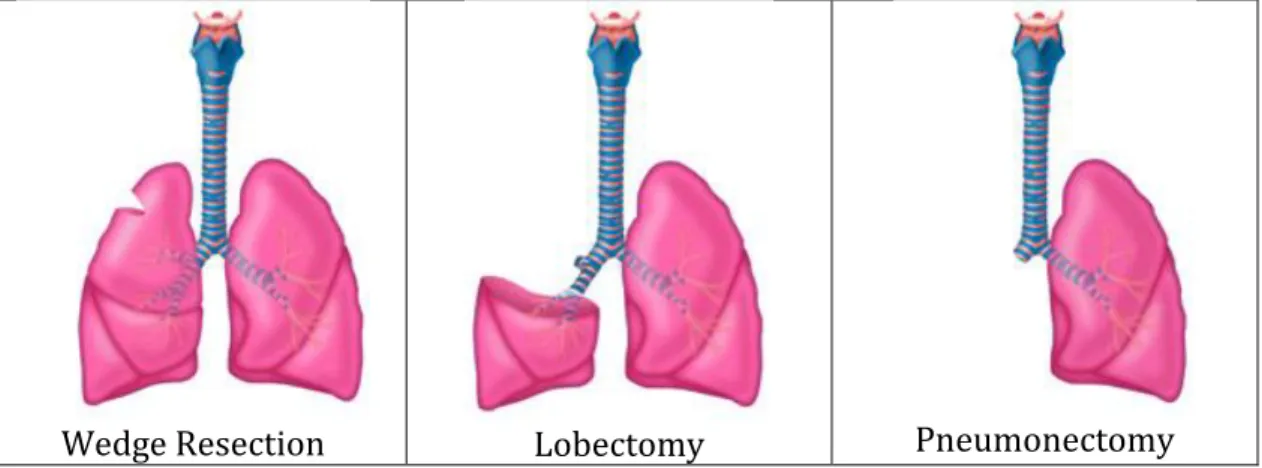
2015). In Newfoundland and Labrador, lung cancer is the leading cause of cancer death for both men and women (Canadian Cancer Society, 2015). For those with non-small cell lung cancer, surgery may be used as a treatment option to remove a small portion of the lung (wedge resection), one lobe of the lung (lobectomy), or the entire lung (pneumonectomy) depending on the portion of lung affected. Patients with a diagnosis of esophageal cancer are also often operated on by thoracic surgeons to remove a portion of esophagus (partial esophagectomy) or the entire structure (total esophagectomy). Although this condition is less common than lung cancer, over 2000 Canadians are diagnosed with esophageal cancer each year (Canadian Cancer Society, 2015).
Six East is the General/Thoracic Surgery unit at St. Clare’s Mercy Hospital (SCMH), a facility of Eastern Health in St. John’s, NL. All of the aforementioned surgeries are performed at SCMH; it is also important to note that the thoracic surgeons at SCMH are the only physicians in Newfoundland and Labrador who perform some of these surgeries. Thus, this client population is very specific to Six East as this is where these clients are cared for in the post-operative period. At any given time, approximately 25 percent of the clients on Six East are being treated for various thoracic conditions. In general, almost all of these clients are treated with a chest tube; thus it is of utmost importance that the RNs working on this unit be competent and comfortable with assessing and caring for clients following thoracic surgery and their associated chest tube systems.
Rationale
As a nursing student I completed my third year preceptorship on Six East. Also, as a new graduate nurse I worked on Six East and have currently worked there
on a full-time basis for over four years. During these years, I have been a preceptor to three students and have mentored many independent nursing students and new
graduate nurses. It has been my experience that nurses who are new to thoracic surgery often feel intimidated when caring for chest tube systems. Currently, there is no resource on the floor specifically pertaining to thoracic surgery or chest tube systems that nurses can use as a guide or reference when new to the unit.
Prior to beginning this practicum project I conducted an informal needs assessment. In doing so, I spoke with the unit manager, surgical clinical educator, the program coordinator for regional surgical services, and several nurses working on Six East. I discovered their experiences were similar to mine and there was, in fact, a need for a tangible resource regarding thoracic surgery and chest tube system care for the unit.
Practicum Project Resource
For my practicum project I decided to meet the need for a resource for nurses working in thoracic surgery that could be used by nursing students on the unit, new graduate nurses, experienced RNs who have not worked with thoracic surgery clients, or any member of the health care team who wanted to know more about thoracic surgery and chest tube systems. As Six East is a busy unit and some individuals requiring the resource may need a great deal of instruction whereas others may only want information on specific aspects of thoracic surgery, it was decided that a learning resource manual would best meet the need of this population. Those using the manual may decide to focus on one particular chapter or complete the manual in its entirety depending on their own learning needs.
Contact Person
While developing a learning resource manual for thoracic surgery two individuals served as agency contacts: the unit manager of Six East, Ms. Pauline Taite, and program coordinator for regional surgical services, Ms. Carla St. Croix. Both individuals were in full support of this practicum project idea and have been updated throughout the process of creating the learning resource manual.
Ethical Approval
The Health Research Ethics Authority (HREA) Screening Tool was used to determine if this project should be submitted to a Research Ethics Board for approval. This screening tool, and the checklist as appropriate to this project, can be found in Appendix “B3” of this paper along with the consultation report. After completing this screening tool, it was determined this project does not need to involve the HREA, as it is not a research project (please see Appendix “B4”).
Practicum Goals and Objectives The main goals of this practicum project were:
-To complete an integrated literature review pertaining to the care of patients following thoracic surgery, the experience of new nurses, and the experience of individuals after a cancer diagnosis;
-To consult with those experienced in the care of thoracic surgery clients; -To demonstrate Advanced Nursing Practice (ANP) competencies; and -To create a learning resource manual for nurses new to thoracic surgery.
The overall goal for this practicum project was to create a learning resource manual for novice nurses or experienced nurses that are new to thoracic surgery. Several project goals pertaining to this included the following:
-To increase the knowledge level of nurses new to thoracic surgery; -To enhance self-efficacy of nurses new to thoracic surgery;
-To enhance the confidence level of new nurses in caring for patients with chest tubes;
-To improve assessment skills relating to patients with chest tube systems. Overview of Methods
Two main methods were used to better understand the care of thoracic surgery clients and how nurses new to thoracic surgery relate to caring for clients with chest tubes. First, an integrated literature review was conducted; results pertained to the experience of new graduate nurses, the experience of nurses caring for chest tube systems, the experience of being diagnosed with lung and esophageal cancer, and issues surrounding the care of chest tube systems. Two applicable learning theories were also researched during this literature review: Knowles’ Adult Learning Theory and Benner’s Novice to Expert Model. Second, a consultation process was completed via in person interviews with four individuals within the thoracic surgery program: the unit manager, the surgical clinical educator, a thoracic surgeon, and a RN experienced in thoracic surgery.
A summary of the results from these methods will be discussed in this paper. For the complete integrated literature review or consultation results, please see Appendices “A” and “B” of this paper respectively. The proposed learning resource manual was then created based on the results of the literature review and
consultations. The completed learning resource manual for nurses new to thoracic surgery can be found in Appendix “C” of this paper.
Summary of Literature Review Search Methods
To begin the integrative literature review process, a search was completed in PubMed and CINAHL using search terms related to chest tubes (and chest drains), and “nursing”, “nursing care”, and “nursing interventions”. The experience of new nurses was also included in the search. The generated articles were reviewed for applicability with a focus on research studies completed in the last ten years. Quantitative studies were rated using the Public Health Agency of Canada (PHAC) quality-rating tool while the methodology, scientific merit, clarity, and rigor of qualitative studies was assessed. Once the articles were deemed appropriate and content analyzed, three general themes emerged: the experience of a cancer diagnosis, the experience of new graduate nurses, and issues surrounding the care of clients with chest tube systems.
Experiencing a Cancer Diagnosis
Studies examined from the literature review showed that experiencing a cancer diagnosis can be a very difficult time for individuals. In addition to being given a diagnosis that is potentially life threatening, the person must deal with a potential surgery, hospital stay, and treatment. Surgeries of the lung and esophagus can be very painful and result in multiple wounds and drains which can be frightening for the patient (Hodgson, 2006; Kol, Erdogan, & Karsh, 2012). Experiencing such a diagnosis, surgery, hospital stay, and treatment can negatively impact the patient’s life-style as their physical and mental-health is being compromised (Lehto, 2013; Hodgson, 2006; McCarthy & Dowling, 2009). It is crucial that RNs caring for such patients be aware of the impact of their diagnosis and care for them with positivity
and open communication while fostering hope and discussing their beliefs (Wright & Bell, 2009; McCarthy & Dowling, 2009; Hodgson, 2006).
Experience of New Nurses
Multiple studies from the literature review focused on the experience of new graduate nurses. The transition from being a student to working independently is proven to be a very difficult time for new graduate nurses. New graduate nurses are inexperienced and lack a fully developed skill set; as these nurses are required to care for acutely ill clients to their full scope of practice often after a short orientation period, it can be a challenging and stressful time (Ketelaar, Nieuwenhuijsen, Frings-Dresen, & Sluiter, 2015; Honan Pellico, Brewer, & Tasone Koverner, 2009;
Wangensteen, Johansson, & Nordstrom, 2008).
New graduate nurses are often uncomfortable communicating with the inter-professional team, which can impede appropriate patient care and create a safety issue (Dyess & Shermann, 2009; Casey et al., 2004; Pfaff, Baxter, Jack & Ploeg, 2014). Time management can also be a challenge for new graduate nurses, especially when demands on them are high due to issues such as understaffing and high nurse-patient ratios (Honan Pellico et al., 2009; Wangensteen et al., 2008; Casey et al., 2004). Some new graduates feel they were sheltered from caring for very acute patients during their student experiences and are therefore ill equipped to care for such patients as independent nurses (McCalla-Graham & De Gagne, 2015). In complex situations, it is often difficult for new graduates to act appropriately as they lack experience, nursing knowledge, and critical thinking skills (Fero et al., 2008; Casey et al., 2004; Dyess & Sherman, 2009). Research also shows that new nurses are
Caring for Clients with Chest Tube Systems
The literature review revealed thatnurses play an important role in the care and assessment of chest tube systems. Complications, such as subcutaneous emphysema and pneumothoraxes, can cause extreme respiratory distress; thus, knowing how to assess for and recognize such complications are invaluable skills (Cerfolio et al., 2005; Woodrow, 2013). As chest tubes are a potential infection source, knowledge of appropriate wound care and assessment is another important aspect of patient care (Kane, York, & Minton, 2013; Sullivan, 2008; Woodrow, 2013).
The literature also revealed pain control and ambulation to be important aspects of care for those with chest tubes in the post-operative period. Many thoracic surgeries require a thoracotomy; that is, an incision through the large muscle of the chest. Pain due to this type of incision can be quite severe (Kol Erdogan, & Karsh, 2012). The concepts of pain and ambulation are directly related as the patient’s pain must be managed for them to deep breathe, cough, and ambulate. Without the proper pain control to perform these tasks, the patient is at risk for complications such as respiratory issues, blood clots, and increased hospital stay (Milgrom et al., 2004; Nesbitt et al., 2012; Nett, 2010). Nurses must be knowledgeable in pain management and be able to educate the patient and their family on the importance of post-operative ambulation.
Seasoned nurses experiencing job change may also have inadequate
knowledge and skills related to their new clinical environments and require further education and skill upgrades (Butt et al., 2002). Nurses, at varying levels of experience, are often uncomfortable caring for clients with chest tube systems and
lack knowledge in chest tube assessment, care, and management (Lehwaldt &
Timmins, 2007; Lehwaldt & Simmons, 2005; Magner, Houghton, Craig & Cowman, 2013). Thus, nurses new to thoracic surgery, even those who have been nurses for decades, may need education and instruction when caring for clients with chest tubes.
Summary of Consultations
Those interviewed during the consultation process were asked open-ended questions in a semi-structured style. Questions pertained to their experience working with new graduate nurses in relation to thoracic surgery clients. Results from the consultations confirmed the findings of the literature review and added some new information pertinent to the creation of the learning resource manual and what it should include.
Via the consultations, it was determined that those experienced in thoracic surgery feel that new graduate nurses lack confidence and are anxious when caring for thoracic surgery clients. Having experience as a student on Six East was deemed an asset to graduate nurses who are hired on the unit as they have greater exposure to chest tube systems. Several participants noted that nurses who are hired on Six East require more education regarding chest tube systems than what is learned during their undergraduate programs. Also, the importance of being exposed to complex thoracic surgery clients during orientation to facilitate their transition was discussed.
Participants identified various aspects of assessment that are critical when caring for thoracic surgery patients: taking vital signs, proper respiratory assessment, and patient inspection. Being able to troubleshoot a chest tube system in the event of an air leak, checking for fluctuation, proper dressing changes, monitoring drainage, and assessing for subcutaneous emphysema were also noted as important aspects of
care. Interviewees also mentioned the need for new nurses to follow policy and know when patients with chest tubes should be accompanied off the unit. It was noted many nurses require assistance with collecting drainage from chest tube systems and some are unsure when it is appropriate to clamp the chest tube; both of these activities being important teaching points.
Providing care with confidence and compassion was a resounding theme in all four consultations. Participants noted the significance of a trusting relationship between the nurse, patient, and the patient’s family. The importance of providing the patient and their family with appropriate information and support was acknowledged; this was noted to be difficult if the nurse is unconfident in the care they are providing. As many patients travel across Newfoundland and Labrador to receive the surgical services at SCMH, the importance of recognizing this and assessing the need for support was identified.
Informed was gleaned regarding how new nurses are currently gaining expertise when beginning work on Six East. It was learned that policies regarding chest tube care are discussed during orientation and a teaching guide exists on the unit (with very little information regarding thoracic surgery, however). It was discovered that new nurses are mostly learning about chest tube care during their orientation when they are co-assigned to a senior nurse on the unit. As new nurses generally lack knowledge regarding thoracic surgery and this type of care is very specific to Six East, all participants agreed a learning resource manual for nurses new to thoracic surgery would be highly beneficial to the unit.
It was suggested this manual contain information regarding anatomy and physiology of the lungs, thoracic conditions and surgeries, and assessment of the
patient and chest tube system. In addition, the importance of physiotherapy for thoracic surgery clients was mentioned in several consultations. This was an important finding via the consultations, as it was not discovered via the literature review.
Overview of the Learning Resource Manual Self-directed Learning
Via the literature review process it was identified that learning resource manuals are an effective way of providing education to nurses. Learning resource manuals allow nurses to read and analyze the material at their own pace and convenience (Abbasi et al., 2013). To assist with self-directed learning, self-study questions and case studies were incorporated throughout the manual; in this way, the learner can be sure they understand the material.
Theoretical Basis
Knowles’ Adult Learning Theory.
Self-directed learning in nursing is often based on the principles of Adult Learning Theory, as adults are considered autonomous and capable of independent study (Mitchell & Courtney, 2005; Dunning, 1995). Thus, Knowles’ Adult Learning Theory was used to guide the creation of the learning resource manual. According to Adult Learning Theory, adults need to know why they are learning, they are
motivated to learn by the need to solve problems, their previous experience must be respected and built upon, the learning approaches should match background and diversity, and they should be actively involved in the learning process (Cooke et al., 2014; Bryan, Kreuter, & Brownson, 2009).
To ensure those reading the manual knew its purpose, an introduction to the manual was created explaining the purpose and intended audience. In developing the manual, it was intentionally divided into chapters; in this way, a very novice learner could read and learn from the entire manual or a seasoned nurse could choose to explore the chapters they were unfamiliar with. The division of chapters was chosen to ensure respect for the learner with the intent of adding to their previous knowledge while appreciating a diverse audience. To engage the learner, motivate them, and keep them involved in the learning process, “test your knowledge” sections and case studies were created. A motivation to use the manual is expected to come from the nurse’s interest in becoming a more knowledgeable and component thoracic surgery health care professional.
Benner’s Novice to Expert Model.
Benner’s Novice to Expert Model was also used to guide the development of the learning resource manual. This model outlines five levels of competence among nurses with each stage building on the previous: novice, advanced beginner,
competent, proficient, and expert (Fero et al., 2008; Morrow, 2009). The learning resource manual was created to assist nurses who are novice in caring for thoracic surgery clients move toward an advanced beginner stage; thus, they would require less cuing, have a more advanced knowledge, and be more skillful in their practice (Benner, 1982; NSW Health, 2011).
Learning Resource Manual Content
The learning resource manual was based on the findings from the integrated literature review and consultation process and was guided by Knowles’ Adult
Learning Theory and Benner’s Novice to Expert Model. The manual was divided into seven chapters:
Anatomy and Physiology of Human Lungs; Caring for Thoracic Surgery Clients; Chest Tube Systems;
Assessing Clients Following Thoracic Surgery; Pain Management and Dressing Changes; Supportive Roles; and
Additional Resources and Case Studies.
To begin, basic concepts of lung anatomy and physiology were reviewed. This first chapter was intended to refresh the nurse’s memory of familiar concepts and thus build on their previous knowledge. The following chapters proceed to explain the type of client conditions cared for on Six East, how these clients should properly be assessed, what chest tube systems are used, and how they can be properly assessed and cared for. The last two chapters explain the importance of the interprofessional team in caring for clients following thoracic surgery, provide additional resources for those who wish to acquire more information, and present case studies in which the learner can test their comprehensive knowledge.
Implementation and Evaluation Plan Implementation
At the end of this practicum project, the final product (a completed learning resource manual) will be presented to key stakeholders on Six East. Once approved by the unit manager and surgical clinical educator, implementation of this learning resource manual will occur. This will involve making the manual available on Six
East and introducing it to new graduate nurses during their orientation. Also, with the permission of the unit manager, the learning resource manual will be discussed in staff meetings and Six East education days to make unit nurses aware of the resource and its usefulness for new nurses, seasoned nurses who are new to thoracic surgery, nursing students completing clinical rotations on the unit, or anyone who simply wishes to know more about the care of thoracic surgery clients.
Evaluation
Once the learning resource manual is implemented, a formative evaluation of its effectiveness and need for improvement will be completed (McKenzie, Neiger, & Thackeray, 2013). Evaluation will be based on the principles of Kirkpatrick’s Evaluation Model; this will evaluate changes in learning, behavior, and results (Rouse, 2011). This framework consists of four hierarchical levels to evaluate outcomes: “learner satisfaction or reaction to the program; measures of learning attributed to the program; changes in learner behavior in the context for which they are being trained; and the program’s final results in its larger context” (Frye & Hemmer, 2012, p. 293).
Learner satisfaction and learning attributed to the learning resource manual will be evaluated by providing new graduate nurses with an anonymous survey approximately six months after their unit orientation. This survey will assess whether those new to the unit felt the learning resource manual provided them with beneficial knowledge and enhanced their competence in caring for thoracic surgery clients from their perspective. To evaluate learner behavior and the effectiveness of the learning resource manual in the larger context, the unit manager and senior thoracic surgery nurses will be interviewed. This will determine, from their perspective, if care of
clients following thoracic surgery by new graduate nurses has improved, overall, on the unit.
Advanced Practice Nursing Competencies
According to the Canadian Nurses Association (CNA), “competencies are the specific knowledge, skills, judgment and personal attributes required for a registered nurse to practise safely and ethically in a designated role and setting” (CNA, 2008, p. 21). Use of ANP competencies has been highly significant throughout this practicum project. Each of the four competencies identified by the Canadian Nurses Association (CNA) (2008) has been important in this process: clinical competence, research, leadership, and consultation and collaboration.
Clinical Competence
My personal experience as a thoracic surgery nurse greatly assisted with my ability to complete this practicum project. With this solid foundation in clinical practice and use of updated research I was able to create a learning resource manual to enhance the clinical competence of novice thoracic surgery nurses (Tracy, 2014). With my expertise in this clinical setting, I was able to anticipate potential client situations and problems and add solutions to such problems in the manual as well as create case studies with potential real life scenarios.
Research
The importance of research and evidence-based practice in developing the learning resource manual cannot be overemphasized. It was vital to ensure all information provided in the learning resource manual was based on current and accurate information (Gray, 2014). During the literature review process a large amount of current literature was consumed and critiqued. Information presented in
the learning resource manual was based on this research; thus, ensuring the information was based on reliable and updated information was fundamental. Leadership
According to the CNA (2008), Advanced Practice Nurses (APN) are “agents of change, consistently seeking effective new ways to practise, to improve the delivery of care, to shape their organization, to benefit the public and to influence health policy” (p. 24). The ANP competency of leadership was demonstrated by taking the initiative to complete such a practicum project that will be beneficial to novice thoracic surgery nurses. This learning resource manual is a means of
mentoring novice nurses, promoting professional growth, and initiating change on Six East (CNA, 2008). My hope is this practicum project is innovative and will empower others by enhancing their clinical practice (Tracy & Hanson, 2014).
Consultation and Collaboration
Consultation and collaboration competencies have been important during the entire practicum process. During each aspect of the practicum I have consulted with my professor, Dr. Joy Maddigan, and have relied on her scholarly guidance and suggestions. This competency was also invaluable when completing the consultation process with stakeholders and experts in the field of thoracic surgery. These
collaborative relationships have assisted with producing a refined and useful final product (learning resource manual).
Conclusion
The main goals of this practicum project were met; that is, an integrated literature review was completed, individuals experienced in the care of thoracic surgery clients were consulted, and ANP competencies were demonstrated. The
overall goal of creating a learning resource manual for nurses new to thoracic surgery was also accomplished. Via the completion of these goals, I personally feel more competent in caring for thoracic surgery clients and have a much clearer
understanding of the patient and family experience. Also, being more aware of the experience of new graduate nurses, I am better able to mentor and assist students and new graduate nurses as they prepare to care for thoracic surgery clients. Throughout the process of this practicum project my ANP competencies, especially in leadership and consultation, have been strengthened. These enhanced ANP competencies will be invaluable to me for the remainder of my nursing career.
RNs working on thoracic surgery units must be skilled in patient assessment and chest tube system care. In this final report, I have explained the background and rationale for this practicum project as well as the practicum goals. An overview of the practicum methods has been discussed and a summary of results from the
literature review and consultation process has been included. The theoretical basis for the learning resource manual creation has been outlined as well as a brief summary of the learning resource manual content. Next steps have been identified including implementation and evaluation of the learning resource manual after completion of the practicum project. Lastly, APN competencies utilized throughout the practicum process have been discussed. The complete literature review, consultation report, and learning resource manual can be found in appendices “A”, “B”, and “C” of this paper respectively.
References
Abbasi, K., Hazrati, M., Mohamadi, N., & Rajaeefard, A. (2013). The effect of learning via module versus lecture teaching methods on the knowledge and practice of oncology nurses about safety standards with cytotoxic drugs in Shiraz University of Medical Sciences. Iranian Journal of Nursing and Midwifery Research, 18(6), 483-487.
Benner, P. (1982). From novice to expert. The American Journal of Nursing, 82(3), 402-407.
Bryan, R. L., Kreuter, M. W., & Brownson, R. C. (2009). Integrating adult learning principles into training for public health practice. Health Promotion Practice, 10(4), 557-563. doi: 10.1177/1524839907308117
Butt, M., Baumann, A., O’Brien-Pallas, L., Deber, R., Blythe, J., & DiCenso, A. (2002). The learning needs of nurses experiencing job change. The Journal of Continuing Education in Nursing, 33(2), 67-73.
Canadian Cancer Society. (2015). Esophageal cancer. Retrieved from
http://www.cancer.ca/en/cancer-information/cancer-type/esophageal/statistics /?region=bc
Canadian Cancer Society. (2015). Lung cancer. Retrieved from
http://www.cancer.ca/en/cancer-information/cancer-type/lung/statistics/ ?region=on
Canadian Nurses Association. (2008). Advanced nursing practice: A national framework. Retrieved from http://www.cna-aiic.ca/~/media/cna/page- content/pdf-en/anp_national_framework_e.pdf
experience. Journal of Nursing Administration, 34(6), 303-311.
Cerfolio, R. J., Bryant, A. S., Singh, S., Bass, C. S., & Bartolucci, A. A. (2005). The management of chest tubes in patients with a pneumothorax and an air leak after pulmonary resection. Clinical Investigations, 128(1), 816-820.
Cooke, M., Moyle, W., Venturato, L., Walters, C., & Kinnane, J. (2014). Evaluation of an education intervention to implement a capability model of dementia care. Dementia, 13(5), 613-625. doi: 10.1177/1471301213480158
Dyess, S. M., & Sherman, R. O. (2009). The first year of practice: New graduate nurses’ transition and learning needs. Journal of Continuing Education in Nursing, 40(9), 403-410. doi: 10.3928/00220124-20090824-03
Dunning, T. (1995). Development of a nursing care manual to improve the knowledge of nurses caring for hospitalized patients with diabetes. The Journal of
Continuing Education in Nursing, 26(6), 261-266.
Dyson, L., Hedgecock, B., Tomkins, S., & Cooke, G. (2009). Learning needs assessment for registered nurses in two large acute care hospitals in Urban New Zealand. Nurse Education Today, 29(1), 821-828. doi:
10.1016/j.nedt.2009.04.007
Fero, L., Witsberger, C., Wesmiller, S., Zullo, T., & Hoffman, L. (2008). Critical thinking ability of new graduate and experienced nurses. Journal of Advanced Nursing, 65(1), 139-148. doi: 10.1111/j.1365-2648-2008.04834.x
Frye, A. W., & Hemmer, P. A. (2012). Program evaluation models and related theories: AMEE Guide No. 67. Medical Teacher, 34(1), 288-299. doi: 10.3109/0142159X.2012.668637
Gray, M. (2014). Evidence-based practice. In A. B. Hamric, J. A. Spross, & C. M. Hanson (Eds.), Advanced practice nursing: An integrative approach (5th ed., pp. 237-265). St. Louise, MO: Elsevier Saunders.
Hodgson, T. (2006). Oesophageal cancer: experiences of patients and their partners. British Journal of Nursing, 15(21), 1157-1160.
Honan Pellico, L., Brewer, C. S., & Tassone Kovner, C. (2009). What newly licensed registered nurses have to say about their first experiences. Nursing Outlook, 57(4), 194-203. doi: 10.1016/j.outlook.2008.09.008
Kane, C. J., York, N. L., & Minton, L. A. (2013). Chest tubes in the critically ill patient. Dimensions of Critical Care Nursing, 32(3), 111-117. doi: 10.1097/DCC.0b013e3182864721
Ketelaar, S. M., Nieuwenhuijsen, K., Frings-Dresen, M. H. W., & Sluiter, J. K. (2015). Exploring novice nurses’ needs regarding their work-related health: a qualitative study. International Archives of Occupational and Environmental Health, 1(1), 1-10. doi: 10.1007/s00420-015-1022-5
Kol, E., Erdogan, A., & Karsh, B. (2012). Nature and intensity of the pain following thoracotomy. International Journal of Nursing Practice, 18(1), 84-90. doi: 10.1111/j.1440-172X.2011.01999.x
Lehto, R. H. (2013). Pre- and postoperative self-reported cognitive effectiveness and worry in patients with suspected lung malignancy. Oncology Nursing Forum, 49(3), 135-141.
Lehwaldt, D., & Timmins, F. (2007). The need for nurses to have in service education to provide the best care for clients with chest drains. Journal of Nursing Management, 15(1), 142-148.
Lehwaldt, D., & Timmins, F. (2005). Nurses’ knowledge of chest drain care: an exploratory descriptive survey. British Association of Critical Care Nurses, Nursing in Critical Care, 10(4), 192-200.
Magner, C., Houghton, C., Craig, M., & Cowman, S. (2013). Nurses’ knowledge of chest drain management in an Irish Children’s Hospital. Journal of Clinical Nursing 22(1), 2912-2922. doi: 10.1111/jocn.12299
Marhuenda, C., Barcelo, C., Fuentes, I, Guillen, G., Cano, I., & Lopez, M. (2014). VATS or urokinase for treatment of empyema. Indian Pediatrics, 134(1301-7), 57-60.
McCalla-Graham, J. A., & De Gange, J. C. (2015). The lived experience of new graduate nurses working in an acute care setting. The Journal of Continuing Education in Nursing, 46(3), 122-128. doi: 10.3928/00220124-20150220-17 McCarthy, I., & Dowling, M. (2009). Living with a diagnosis of non-small cell lung
cancer: patients’ lived experiences. International Journal of Palliative Nursing, 15(12), 579-587.
McKenzie, J. F., Neiger, B. L., & Thackeray, R. (2013). Planning, implementing & evaluating health promotion programs: A primer. (6th ed.). USA: Pearson Education.
McPhee, K. (2015). Teaching new graduate nurses about infusion therapy in a nurse residency program. Infusion Nurses Society, 38(1), 57-61. doi:
10.1097/NAN.0000000000000084
Milgrom, L., Brooks, J., Qi, R., Bunnell, K., Wuestefeld, S., & Beckman, D. (2004). Pain levels experienced with activities after cardiac surgery. American Journal of Critical Care, 13(2), 116-125.
Mitchell, M. L., & Courtney, M. (2005). Improving transfer from the intensive care unit: the development, implementation and evaluation of a brochure based on Knowles’ Adult Learning Theory. International Journal of Nursing Practice, 11(1), 257-268.
Morrow, S. (2009). New graduate transitions: leaving the nest, joining the flight. Journal of Nursing Management, 17(1), 278-287. doi: 10.1111/j.1365-2834.2008.00886.x
Nesbitt, J., Deppen, S., Corcoran, R., Cogdill, S., Huckabay, S., McKnight, D., Osborne, B., Werking, K., Gardner, M., & Perrigo, L. (2012). Postoperative ambulation in thoracic surgery patients: standard versus modern ambulation methods. Nursing in Critical Care, 17(3), 130-137. doi: 10.1111/j.1478-5153.2011.00480.x
Nett, M. P. (2010). Postoperative pain management. Orthopedics, 33(9), 1-4. doi: 10.3928/01477447-20100722-60
NSW Health. (2011). Benner’s stages of clinical competence. WOW Project tool. Retrieved from
http://www.health.nsw.gov.au/nursing/projects/Documents/novice-expert-benner.pdf
Pfaff, K. A., Baxter, P. E., Jack, S. M., & Ploeg, J. (2014). Exploring new graduate nurse confidence in interprofessional collaboration: a mixed methods study. International Journal of Nursing Studies, 51(1), 1142-1152. doi:
Rouse, D. (2011). Employing Kirkpatrick’s evaluation framework to determine the effectiveness of health information management courses and programs.
Perspectives in Health Information Management, 8(1), 1-5.
Sullivan, B. (2008). Nursing management of patients with a chest drain. British Journal of Nusing, 27(6), 388-393.
Tracy, M. F. (2014). Direct clinical practice. In A. B. Hamric, J. A. Spross, & C. M. Hanson (Eds.), Advanced practice nursing: An integrative approach (5th ed., pp. 147-182). St. Louis, MO: Elsevier Saunders.
Tracy, M. F., & Hanson, C. M. (2014). Leadership. In A. B. Hamric, C. M. Hanson, M. F. Tracy, & E. T. O'Grady (Eds), Advanced practice nursing: An
integrative approach (5th ed., pp. 266-298). St. Louis, MO: Elsevier Saunders.
Wakai, A. (2008). Spontaneous pneumothorax. Clinical Evidence, 3(1), 1-11.
Wangensteen, S., Johansson, I., & Nordstrom, G. (2008). The first year as a graduate nurse – an experience of growth and development. Journal of Clinical Nursing, 17(1), 1877-1885. doi: 10.1111/j.1365-2702.2007.02229.x
Woodrow, P. (2013). Intrapleural chest drainage. Nursing Standard, 27(40), 49-56. Wright, L. & Bell, J. (2009). Beliefs and Illness: A Model for Healing. Canada: 4th
Appendix A
Integrative Literature Review: Thoracic Surgery and its Implications for Nursing Care Laura D. Malone (200508042)
Abstract
Many patients with lung and esophageal cancer have surgery as a means of treatment. As a result of this surgery, the individual is admitted to the hospital and, in the post-operative period, has a chest tube system to manage chest drainage. This can be a very challenging time for patients and their families. Registered Nurses (RNs) are required to provide care to these patients and manage and assess their chest tube systems. Many new graduate nurses struggle with communication, critical thinking, and new skills. For nurses new to thoracic surgery, caring for chest tube systems can initially be a daunting task. The purpose of this paper is to better understand the difficulties associated with caring for thoracic surgery patients and chest tube systems for nurses new to thoracic surgery. To fulfill this purpose, an integrated literature review was completed exploring the experience of a lung or esophageal cancer diagnosis, the learning needs of new graduate nurses, issues surrounding chest tube care, and the usefulness of learning resource manuals in nursing education. Benner’s Novice to Expert Theory and Knowles’ Adult Learning Theory are also explored in relation to creating a learning resource manual for nurses new to thoracic surgery.
Key words: thoracic surgery; chest tubes; integrated literature review; learning resource manual.
Integrative Literature Review: Thoracic Surgery and its Implications for Nursing Care Cancer, in its various forms, is a leading cause of morbidity and mortality in Canada and throughout the world (World Health Organization (WHO), 2015). Not only are individuals with cancer faced with a life-altering diagnosis, many of them, such as those with non-small cell lung cancer and esophageal cancer, need surgery as a treatment option and are admitted to hospital for this reason (Canadian Cancer Society, 2015). These cancer surgeries, along with various other conditions, require patients to have a chest tube inserted to remove fluid or air from the pleural space (Cerfolio & Bryant, 2010). Nurses working in acute care settings where these patients are admitted need a thorough understanding of thoracic conditions and proper
assessment skills to provide safe and competent care (Lehwaldt & Timmins, 2005; Canadian Nurses Association (CNA), 2008). In this paper I will provide an
integrative literature review examining the difficulties experienced by these patients, the learning needs of new graduate nurses and those new to thoracic surgery,
complexities associated with chest tube care, and indications for effective professional development. Learning theories associated with developing competencies for caring for such clients will also be discussed. Literature summary tables will be provided for research studies relevant to the topic of this paper.
Integrative Literature Review Background and Topic Relevance
Lung and esophageal cancers rank among the most common causes of cancer death worldwide with 1.59 million and 400 000 deaths in 2012 respectively (WHO, 2015). In Canada, lung cancer is the most commonly diagnosed type of cancer with approximately 72 Canadians being given this diagnosis daily (Canadian Cancer
Society, 2015). In Newfoundland and Labrador, lung cancer is the leading cause of cancer death for both men and women (Canadian Cancer Society, 2015). Surgery is a treatment option used for many patients with non-small cell lung cancer in which a portion of the lung (wedge resection), a lobe of the lung (lobectomy), or the entire lung (pneumonectomy) is removed depending on where the cancer exists (Canadian Cancer Society, 2015). Also, over 2000 Canadians each year are diagnosed with esophageal cancer (Canadian Cancer Society, 2015). According to the Canadian Institute for Health Information (CIHI) (2011), surgical interventions for esophageal cancer are among the most demanding measures performed by surgeons. Eighty-three percent of acute care hospitals in Canada do not perform esophagectomies required to treat esophageal cancer (CIHI, 2011). All of the aforementioned lung surgeries, as well as esophagectomies, are performed by various thoracic surgeons on 6 East at St. Clare’s Mercy Hospital in St. John’s, Newfoundland. Care of these patients in the post-operative period requires the Registered Nurses (RNs) on this unit, and other similar units, to both understand thoracic conditions and be competent in care of these patients and resulting chest tube systems.
Search Terms and Databases
The drains inserted in thoracic surgery patients are known as a chest tube or chest drain. Thus, mesh terms “chest tube” and “chest drain” were derived and added to a PubMed search. Then, “nursing”, “nursing care” and “nursing interventions” were also added to this search. Various patient care and safety issues were also added to the search to obtain research on post-operative ambulation, pain management, wound care, and chest tube assessment. Several articles regarding pain management, assessment, and ambulation were retrieved however, little research was found on
wound care and infection with respect to thoracic surgery and chest tubes. The experience of new graduate nurses was also searched and several articles regarding this topic were included in this literature review.
Relevant articles were accessed and reviewed, with the most recent and pertinent research to the topic analyzed for this integrated literature review. Research studies of a quantitative nature were rated using the Public Health Agency of Canada (PHAC) quality-rating tool. Qualitative studies were evaluated for methodology, scientific merit, clarity, and rigor. Literature summary tables of many of these research studies were created for the purpose of this literature review. The search terms above were also used to conduct a search in CINAHL and the findings were similar.
Experiencing a Cancer Diagnosis
For many patients, receiving a cancer diagnosis and its associated life-threatening consequences is an emotional event potentially causing much worry and anxiety (Lehto, 2013; Hodgson, 2006). Sometimes, cancers (such as that of the esophagus) can be debilitating and impact the individual’s lifestyle as well as their psychological and physical well-being (Hodgson, 2006). With a looming cancer diagnosis, many individuals feel ineffective in daily activities requiring their attention (Lehto, 2013). Often, those suffering from cancer have difficulty maintaining their normal life; that is, they are unable to work and continue with social relationships as they once did (McCarthy & Dowling, 2009).
In addition to a devastating diagnosis, patients with lung and esophageal cancers often have to endure surgical treatment. After having a portion or an entire lung removed, patients will have a resulting chest tube drain in the post-operative
period. After a partial or total esophagectomy, patients will have multiple wounds and drains in both their abdominal and thoracic cavities (Hodgson, 2006). Chest tubes are left in place for varying amounts of time and are generally removed when drainage has minimized and the surgeon is comfortable with the patient’s chest x-ray. Depending on the physiologic problem, the patient may only need the chest tube for a couple days; however, some patients require them for several weeks.
Pain experienced by patients after a thoracotomy is considered “the most severe type of post-operative pain” as the incision cuts through the large muscles of the chest (Kol, Erdogan, & Karsh, 2012, p. 85). Evidence suggests patients
undergoing surgical procedures for lung cancer treatment have a high prevalence of post-traumatic stress disorder (PTSD) symptoms, especially if they were anxious in the pre-operative period or had high levels of pain in the post-operatively (Jeantieu et al., 2014). Even up to six years following lung cancer surgery, patients experience distressing symptoms such as pain, fatigue, dyspnea, anxiety, and depression (Lowery et al., 2014). Many patients experience functional limitations due to these symptoms and, if two or more concurrent symptoms are experienced, poorer quality of life may result (Lowery et al., 2014; Kenny et al., 2008).
Being diagnosed with cancer and enduring a hospital admission is daunting for many patients. The need for surgery, the possibility of death, and simply having a chest tube are all stressors for many patients before and during their hospital stay (Parvan, Zamanzadeh, Lakdizaji, & Shabestari, 2012). Many patients requiring these specialized surgeries must travel from rural areas for care; this may also be a source of stress for the patient and their families (CIHI, 2011). From the patient perspective, nurses are often seen as very busy with little time to talk and answer questions
(McCarthy & Dowling, 2009; Hodgson, 2006). It is, however, important for nursing staff to exude positivity and provide explanations, teaching, and encouragement to such patients in the pre and post-operative period (McCarthy & Dowling, 2009; Hodgson, 2006). Nurses must be skilled and provide competent care, but must also have a grasp on the complexity of being diagnosed with such diseases, having surgery and treatment, and the aftermath. Taking the time to discuss beliefs with the patient and their family is a tremendously important aspect of holistic care (Wright & Bell, 2009). Often, the ability to “focus on the future in the face of a chronic or life-threatening illness enables families to experience the healing phenomenon of hope” (Wright & Bell, 2009, p. 211). Nurses must understand the psychological aspect of a cancer diagnosis and treatment and care for the patient with this in mind.
The Experience of New Nurses
“Nursing students as well as newly qualified nurses who have only just recently started working as a qualified nurse seem particularly vulnerable to developing health problems and making mistakes, precisely because they are inexperienced and therefore do not have fully developed skills yet” (Ketelaar, Nieuwenhuijsen, Frings-Dresen, & Sluiter, 2015, p. 1). The experience of new graduate nurses has been widely documented in the literature and can be a very challenging time for many professionals. In many health jurisdictions, new graduate nurses are expected to function in their role after only a short orientation. They must provide care for a full patient load, some of which are critically ill individuals; this requires thorough assessment skills, organization, and clinical competence (Honan Pellico, Brewer, & Tasone Kovner, 2009; Wangensteen, Johansson, & Nordstrom, 2008). With novice nurses (with less than five years of experience) accounting for
more than 23 percent of nurses in acute care facilities, it is essential they be adequately prepared for their new, demanding roles and feel supported by the organization of which they are now a part (Morrow, 2008).
Although new nurses are eager and excited about their new roles, many are fearful and uncomfortable during their first year of practice (Dyess & Sherman, 2009; McCaalla-Graham & De Gagne, 2015; Casey, Fink, & Propst, 2004).
Communication is a major barrier for many new nurses. These communication issues range from new graduates experiencing horizontal violence and the resulting
difficulty communicating with their coworkers, feeling uncomfortable communicating with the inter-professional team, and being afraid to contact physicians regarding their patients (Dyess & Sherman, 2009; Casey et al., 2004; Pfaff, Baxter, Jack & Ploeg, 2014). When new graduate nurses have issues with communication, it can impact patient care. If a new graduate is unconfident, hesitant to ask questions, or fearful to call the physician about a sick patient, this creates a potential risk to patient safety.
Some new graduates feel the expectations placed on them are very high and, while they are still gaining competence, they are expected to time-manage and care for the same patient acuity and load as a senior nurse (Honan Pellico et al., 2009; Wangensteen et al., 2008). New graduates often feel overwhelmed in their new role and this is further exacerbated when understaffing is an issue, nurse to patient ratios are high, and breaks are missed (Honan Pellico et al., 2009; Casey et al., 2004).
In addition to the aforementioned issues, some new nurses lack confidence in their clinical skills and have deficits in their critical thinking and nursing knowledge (Fero et al., 2008; Casey et al., 2004). Some new graduate nurses have difficulty initiating appropriate nursing interventions, recognizing there is a problem,
understanding the problem urgency, and then, in turn, they do not report essential clinical data (Fero et al., 2008). Such critical thinking issues improve greatly with years of experience however, for the new graduate nurse this can be quite challenging (Fero et al., 2008). When patient situations become complex, it is often difficult for these new graduates to make high-level decisions essential for positive patient outcomes (Dyess & Sherman, 2009).
Participants in McCalla-Graham and De Gagne’s (2015) study felt nursing school inadequately prepared them to practice independently in acute care as they were kept from “worst-case scenarios” during their clinical rotations and were thus not equipped to deal with such situations as a RN (p. 124). A study by Casey et al. (2004) indicated new graduates are, in fact, uncomfortable with certain interventions including code blue situations and caring for clients with chest tubes. Often in complex situations new graduates are unsure how to respond and feel unable to ask for help (Dyess & Sherman, 2009). This, once again, may put patients at risk when the nurse is unsure how to act and unable to do so quickly.
New graduates are not the only nurses who have learning needs when dealing with new situations. Nurses, even those who have been practicing for a number of years, need further education when transferring to a new unit or new hospital. When nurses experience job change they often require an upgrading of their clinical skills and some degree of new knowledge (Butt et al., 2002). These nurses need education regarding disease conditions with which they are unfamiliar and technical procedures they have not encountered in their practice to date (Butt et al., 2002). Many nurses experiencing job change may require further independent study regarding the unit policies, protocols, and nursing interventions. Such learning needs would be very
relevant to an experienced nurse transferring to a thoracic surgery ward if they had never cared for thoracic surgery patients or chest tube systems.
Caring for Chest Tubes
Chest tubes (or chest drains) are commonly inserted intra-operatively during various cardiothoracic surgeries to drain fluid and air from the thorax (Sullivan, 2008). Although physicians insert these drains, nurses play an intricate role in their care. Nurses are often responsible to assist with drain insertion and removal and are required to assess the chest tube system and monitor for subcutaneous emphysema, drainage, air leaks, fluctuation, and bubbling (Sullivan, 2008; Briggs, 2010; Cerfolio & Bryant, 2010).
According to Eastern Health (2012) policy, the RN is responsible for assisting with tube insertion, ongoing assessment, and patient monitoring and care. This includes setting up drainage systems to appropriate levels of suction and, every four hours, assessing and documenting the client’s chest sounds, vital signs, level of consciousness, anxiety level, pain, subcutaneous emphysema, respiratory distress, oxygen saturation, dressing integrity, colour, consistency, and fluctuation of drainage, system placement and connections, level of suction, and checking the system for an air leak (Eastern Health, 2012). If a patient experiences any distress or issues, assessment and monitoring would become even more frequent. At St. Clare’s Mercy Hospital, post-operatively following a lobectomy, the patient is monitored in a Special Care Unit on 6 East where their vital signs, intake and output, and respiratory status are assessed and documented every hour and continuous oxygen saturation
Adequate assessment skills in such areas are essential as patients with an air leak may experience an enlarging pneumothorax; in turn, this may result in hypoxia or air leaking uncontrollably from the lung (subcutaneous emphysema) causing patient distress (Cerfolio et al., 2005). Subcutaneous emphysema, if severe, can quickly obstruct the patient’s airway; thus, keen nursing assessment skills are needed to recognize when an issue is arising (Briggs, 2010). Nurses must also be
knowledgeable about wound care around the drain insertion site, when to clamp the drain, and how to monitor and change the system suction (Woodrow, 2013). To avoid infection at the chest tube insertion site, dressing changes must be performed using proper sterile technique (Kane, York, & Minton, 2013). It is difficult to find accurate statistics regarding the prevalence of surgical and chest tube site infections following thoracic surgery. However, chest tube sites are, in fact, a potential infection source and it is imperative for nurses to properly assess for signs of infection, ensure the area is kept dry, and change dressings using the proper technique (Sullivan, 2008;
Woodrow, 2013). If a patient was to acquire an infection at their surgical or chest tube site it would delay their recovery in the post-operative period, possibly requiring antibiotics and introducing the worry of possible sepsis (a life-threatening
complication).
Pain and ambulation are also very important considerations when caring for post-operative clients and those with chest tubes. Pain due to a thoracotomy can be very severe as the incision is through the large muscle of the chest (Kol, Erdogan, & Karsh, 2012). Following a thoracotomy, patients often experience pain when ambulating, coughing or breathing, and with shifting of their chest tube (Kol et al., 2012). This pain is highest in the first 48 hours after surgery, may feel like throbbing
or stabbing, and can be relieved with pain medication and position stabilization (Kol et al., 2012). While the tube is in situ or being removed from the patient’s chest, additional pain medication or application of cold dressings is often necessary (Demire & Khorshid, 2010). As well, if a chest tube were inserted at the patient’s bedside in an emergency situation, pain management would be required (Given, 2010). Nurses must be able to assess the patient’s level of pain, understand what procedures are likely to cause pain, and be knowledgeable about pharmacological and non-pharmacological interventions available to assist in pain control (Given, 2010; Friesner, Curry, & Moddeman, 2006).
Appropriate pain control and ambulation are related in the post-operative period; patients must have adequate pain relief to ambulate, deep breathe, and avoid complications associated with immobility (Milgrom et al., 2004). Nurses must be knowledgeable about the importance of post-operative ambulation for patients following thoracic surgery as early ambulation can improve patient outcomes and decrease their length of hospital stay (Nesbitt et al., 2012). Without being aware of the importance of pain control and ambulation for this population, patients may not experience optimal outcomes.
It is imperative for RNs to educate patients and their families about the importance of pain control and ambulation. Without adequate pain relief (allowing patients to breathe deeply and move freely) and early, frequent ambulation, patients are at risk for atelectasis or a blood clot, the latter of which can be fatal (Nett, 2010). In addition to this, patients need education regarding the chest tube system itself; they must understand the importance of not tipping over the chest tube system (making it difficult to measure drainage), the importance of not disconnecting system suction,
and the importance of leaving the system below the level of their chest (ensuring drainage does not flow back into the lung). As discussed earlier, having a cancer diagnosis and the resulting surgery can be a difficult time for patients and their families. Thus, it is essential RNs provide care in a non-hurried manner; allow communication lines to be open between them, the patient, and their family in which vocalizing questions and concerns is encouraged; and create a trusting relationship in which hope and positivity is fostered.
As discussed earlier, some new graduate nurses do, in fact, feel uncomfortable caring for chest tube systems. However, in addition to this, many nurses at varying levels of experience feel uncomfortable caring for chest drains or are uncertain of specific aspects of care. Many nurses do not have adequate knowledge regarding the underpinning concepts of conditions requiring chest tubes, their placement, or their management (Lehwaldt & Timmins, 2007; Magner, Houghton, Craig, & Cowman, 2013). Studies indicate a large percentage of nurses do not understand proper
positioning for chest drain insertion, how to manage air leaks, what bubbling means in the system, or that patients may require additional pain medication for chest tube insertion (Lehwaldt & Timmins, 2007; Lehwaldt & Timmins, 2005; Magner et al., 2013).
Nurses who have the least contact with chest tube systems may require the most education regarding their care (Magner et al., 2013). In general, the learning needs of newer graduate nurses often requires a more direct focus on client care and those working in acute care settings often require additional education regarding dealing with emergency situations and the pathophysiology of disease processes (Dyson, Hedgecock, Tomkins, & Cooke, 2009). Nurses who care for clients with
chest tube systems are no exception to this; that is, they need proper and ongoing instruction on how to properly care for thoracic surgery clients (Magner et al., 2013). Self-directed Learning
New graduates and nurses new to a particular unit need support and education to ensure their transition is a smooth one and they are comfortable and confident in their new role (Rush, Adamack, Gordon, Janke, & Ghement, 2015). Often, novice nurses are eager to participate in professional development opportunities that allow them to both gain knowledge and prepare for unfamiliar situations they may face in practice (Pool, Poell, Berings, & ten Cate, 2015; Dyson et al., 2009). Eagerness to learn can be driven by the need to perform new tasks their daily work entails or when the need for a new skill arises (Pool et al., 2015).
“Nurses must be confident about their knowledge, competence, and technical skills in order to effectively function …” (Abbasi, Hazrati, Mohamadi, & Rajaeefard, 2013, p. 484). Self-direct learning manuals are an effective means of education for nurses; allowing them to read and learn at their own pace at a time convenient for them (Abbasi et al., 2013). Such learning modules provide education for nurses who have diverse work schedules and when face-to-face teaching is unavailable (Riley-Doucet, 2008; Abbasi et al., 2013). The self-directed learner must be sure they have, in fact, gained knowledge. In the case of the learning resource manual for nurses new to thoracic surgery being proposed in this practicum project, the learner will have access to self-study questions (and the answers) at the end of the manual to test their knowledge. Self-directed learning in the nursing environment is largely based on the concepts of adult learning theory; this will be discussed later in this paper (Dunning, 1995).
Theoretical Basis Benner’s Novice to Expert Model
In developing a self-directed learning manual for nurses new to thoracic surgery, Benner’s Novice to Expert Model will be used as a theoretical basis. Benner identifies five levels of competence among nurses: novice, advanced beginner, competent, proficient, and expert (Fero et al., 2008; Morrow, 2009). According to this theoretical framework, each stage builds from the previous and becoming an expert is always accompanied by experience (Morrow, 2009).
At the novice level, the individual lacks confidence in their practice, requires cuing, and does not have experience with situations they are faced with (Benner, 1982). Then, at the advanced beginner level, the nurse gains some experience and becomes more efficient and skillful in their practice and requires less cuing as their knowledge is advancing (NSW Health, 2011). Next, a nurse would progress to the competent stage, which according to Benner (1982), requires two to three years of experience to attain. Here the nurse is beginning to feel confident in their actions, is more timely and efficient, and they are able to act with long-range goals in mind (Benner, 1982; NSW Health, 2011). In the competence stage the nurse is able to distinguish which aspects of a situation are most important for proper care (Fero et al., 2008). In stage four the nurse is considered proficient in providing care. Here, the nurse sees the situation as a whole and is able to reflect on their previous experience to modify their plan of care based on the circumstance (Fero et al., 2008; NSW Health, 2011). Lastly, at the expert level, nurses are intuitive and able to fully understand the situation and act appropriately (Benner, 1982; NSW Health, 2011).
“Once in the practice setting, many graduate nurses feel unready for practice but not incompetent; novices work in the present without a full grasp of clinical implications, do not appreciate the nuances and competing risks in clinical situations, and have inherent trust in coworkers” (Morrow, 2009, p. 281). As the proposed thoracic surgery learning resource manual will be mainly directed toward new
graduate nurses, the definition of a novice nurse according to Benner’s theory will be used to better understand their learning needs. Nurses who are new to thoracic surgery but have years of experience in other areas may also utilize this manual; although they may be advanced or expert nurses, they can still benefit from a learning resource manual regarding a subject with which they are unfamiliar. The manual will be a resource to assist novice nurses and those new to thoracic surgery in their
understanding of thoracic conditions and how to assess and properly care for clients with a chest tube. In this manner, the manual will help nurses gain confidence in their knowledge and skill level with chest tubes and assist them in their progress from the novice to the advanced beginner stage.
Adult Learning Theory
The principles of Knowles’ Adult Learning Theory will be used in the creation of the learning resource manual. Adults learn differently than children and are
“responsible for their own decisions and acquire knowledge and skills more
effectively when working with instructors in varied educational opportunities rather than just attending lectures” (Ludlow, Gaudine, & Jacobs, 2007, p. 47). This theory is built on the premise that adults are autonomous and self-directed learners (Mitchell & Courtney, 2005). Several principles of adult learning are: adults need to know why they are learning; they are motivated to learn by the need to solve problems; their