Doctoral Projects Kirkhof College of Nursing
3-30-2017
Toolkit Development for a Community-Based
Palliative Care Program
Tanya A. Rowerdink
Grand Valley State University, [email protected]
Follow this and additional works at:http://scholarworks.gvsu.edu/kcon_doctoralprojects Part of theMedicine and Health Sciences Commons
This Project is brought to you for free and open access by the Kirkhof College of Nursing at ScholarWorks@GVSU. It has been accepted for inclusion in Doctoral Projects by an authorized administrator of ScholarWorks@GVSU. For more information, please [email protected].
Recommended Citation
Rowerdink, Tanya A., "Toolkit Development for a Community-Based Palliative Care Program" (2017).Doctoral Projects. 16.
Toolkit Development for a Community-Based Palliative Care Program Tanya A. Rowerdink
Grand Valley State University
Advisor: Dianne Conrad DNP, RN, FNP-BC
Project Team Members: Evelyn Clingerman PhD, CNE, RN, FNAP Simin Beg MD, MBA, FAAHPM
Table of Contents
Abstract ...3
Executive Summary ...4
Introduction and Background ...7
Problem Statement...8
Evidence-Based Initiative ...10
Palliative Care Guidelines...11
Program Development in the Literature ...11
Community-Based Palliative Care Outcomes ...16
Center to Advance Palliative Care Implementation Principles...19
Conceptual Models...19
Theory of Symptom Management ...20
PARIHS Framework ...22
Need and Feasibility Assessment of Organization ... 26
Project Plan ...27
Purpose of Project ...27
Project Objectives ...28
Type of Project ...28
Setting and Needed Resources ...29
Design for the Evidence-Based Initiative ...29
Ethics and Human Subject Protection...30
Measurements: Sources of Data ...30
Steps for Project with Timeline ...32
Project Evaluation ...33
Project Outcomes ...34
Data Analysis of Current MCCM Program ...34
Pre-Post Cost-Savings Analysis of Current MCCM Program ...35
Proposed New CBPC Program ...36
Budget ...36
Inclusion Criteria ...37
Program Evaluation Plan ...38
Sustainability Plan ...39
Educational Resources ...40
Implication for Practice ...40
Successes of Project ...41 Difficulties of Project ...41 Strengths of Project ...42 Weaknesses of Project ...42 Limitations of Project ...43 DNP Essentials ...44 Dissemination of Outcomes ...47 References ...48 Appendices ...55
Abstract
The quality of care in the U.S. at the end of life is poor, yet comes with a high price. Since the Institute of Medicine’s (IOM) report Approaching Death in 1997, inpatient palliative care programs in hospitals with 50 beds or more have grown by 165%. In 2015, the IOM had a follow up report, Dying in America that indicates the need for community-based palliative care programs to increase access of care for individuals who are homebound or live in rural
communities. In January 2016, the Centers for Medicare and Medicaid Services (CMS) initiated the Medicare Care Choices Model (MCCM) to provide community-based palliative care services to Medicare beneficiaries. A Midwest health system with a hospice and palliative care division has been one of the organizations participating in cohort one. Since initiation in January 2016 through December 2016, 15.93% of patient referred by primary care providers and specialists were admitted to the program and 14.29% were directly admitted to hospice. Therefore, approximately 69.78% of patient referred to MCCM do not qualify or receive supportive, palliative care services within this organization. The development and implementation of a sustainable and feasible evidence-based community-based palliative care (CBPC) program could bridge the gap in care within this organization. Utilizing the Theory of Symptom Management and the Promoting Action on Research Implementation in Health Services (PARIHS)
Framework, a toolkit for the development and implementation of a CBPC program for
individuals who do not qualify for MCCM was created. This toolkit includes the care model with correlating budgets, pre-post cost-savings analysis, implementation timeline, evaluation tools, and sustainability plan.
Executive Summary
The quality of care in the U.S. at the end of life is poor, yet comes with a high price. Since the Institute of Medicine’s (IOM) report Approaching Death in 1997, inpatient palliative care programs in hospitals with 50 beds or more have grown by 165%. In 2015, the IOM had a follow up report, Dying in America that indicates the need for community-based palliative care programs to increase access of care for individuals who are homebound or live in rural
communities.
In response to this recommendation and high costs of care, the Centers for Medicare and Medicaid Services (CMS) initiated the Medicare Care Choices Model (MCCM). MCCM
provides hospice-like supportive services to individuals with a terminal prognosis of 6 months or less, who can choose to concurrently receive curative measures for their life limiting illness (CMS, 2017). A Midwest health care system with a hospice and palliative care division has been participating in cohort one of the MCCM program. Since the initiation of the MCCM program in this organization in January 2016 through December 2016, 15.93% of patient referred by
primary care providers and specialists were admitted to MCCM and 14.29% were directly admitted to hospice. Therefore, approximately 69.78% of patient referred to MCCM do not qualify or receive supportive, palliative care services within this Midwest health care system. Due to this gap in care delivery, a toolkit for a community-based palliative care (CBPC) program that is feasible and sustainable within this organization was created.
The toolkit created includes a pre-post cost-savings analysis of the MCCM program, a care team with correlating budgets, implementation timeline, evaluation tools, and sustainability plan. The sample included patients admitted to the MCCM program within the Midwest health care system that had either died or discharged. Due to the small sample size, n=28, a pre-post
cost-savings analysis was performed. The overall average cost-savings per patient was $1,220.34 for Medicare and $1,686.83 for private insurers. A paired two-tailed t-test was performed to determine statistical significance. A p-value of less than or equal to 0.05 indicated statistical significance. The overall p-value was 0.61, indicating no statistical significance in cost savings per day. The data was also analyzed by diagnosis of cancer, congestive heart failure (CHF), and chronic obstructive pulmonary disease (COPD) to determine if a statistical significance of cost per day existed between diagnoses. No statistical significance was found, however CHF was close to being statistically significant with a p-value of 0.065.
A budget for the initial pilot of a new innovative program to address the identified gaps in palliative care delivery is included in the toolkit. The revenue was based on a 100-visit analysis performed by a financial analyst within the Midwest health system hospice and palliative care division. An initial pilot will aim to include 25 patients, which would be approximately 50 visits per month. The care team is provider based with a 0.1 full-time equivalent (FTE) physician, 0.4 FTE nurse practitioner, 0.1 FTE coordinator, 0.1 FTE skilled nurse, and 0.1 FTE social worker. Two budgets were created, one without the indirect cost and one including the indirect cost. The indirect costs of a CBPC program include items such as driving expenses, office space, and supplies. Typically within this Midwest health system, the indirect cost is not added for pilot programs, however is beneficial in tracking for when the pilot will become a formal program within the organization.
An evaluation plan tracking patient information, program and patient utilization, processes, visit standardization, and symptom improvement is included in the toolkit. A spreadsheet was created that correlates with the data points to be collected. An evaluation plan
with timeline and suggested program modifications for the initial CBPC program pilot is included in the toolkit.
A sustainability plan modified from recommendations and actions by Bull et al. (2012) is included in the final CBPC program toolkit. The major components of the sustainability plan include: standardizing palliative care visits, standardizing data collection and analysis, program growth, expanding work force, creating a culture of accountability, using time efficiently, and accurately coding and billing services. Additional resources were created for the toolkit to impact sustainability. These include visit standardization guidelines, interdisciplinary team collaboration guidelines, billing and coding references for providers, and health care team educational
materials on communication strategies.
A feasible and sustainable toolkit for the development and implementation of a CBPC program within the identified Midwest healthcare system was created. Current clinical practice, existing programs such as MCCM, and evidence in the literature was used to create an evidence-based toolkit. The recommendation is for the hospice and palliative care division within this Midwest healthcare system to utilize this toolkit to implement an initial program pilot.
Toolkit Development for a Community-Based Palliative Care Program
The United States has an increasing number of aging individuals with complex comorbid conditions, chronic or life limiting illnesses, neurologic degenerative diseases, cancers, and frail states (Institute of Medicine [IOM], 2014). The poor quality of care provided for these patients was first addressed in the IOM (1997) report Approaching Death. The IOM (2015) published an update on the care provided at the end of life in the report Dying in America. Palliative care programs were expanded to improve the quality of care at the end of life. Palliative care is an approach to care that improves the quality of life of patients and their families who are facing problems associated with life limiting illness. This is achieved through the prevention and relief of suffering through early identification, assessment, and treatment of pain and physical
symptoms, as well psychosocial and spiritual aspects of care (World Health Organization [WHO], 2016). Since the 1997 IOM report, palliative care has significantly grown with a 165% increase in hospital-based palliative care programs in hospitals with 50 beds or more (Center to Advance Palliative Care [CAPC], 2015). Although the number of hospital-based programs has increased, community-based programs have not grown as significantly. Individuals in rural communities and those who are homebound due to life limiting illnesses still do not have adequate access to palliative care (IOM, 2015). The IOM recommendation in the 2015 report is to transform care delivery models in palliative care to provide care in the community. These community-based palliative care (CBPC) programs should be patient and family centered, built on evidence-based practice, and cost-effective (IOM, 2015).
The purpose and outcomes of community-based palliative care programs align with the national initiative of the Quadruple Aim. This initiative was previously called the Triple Aim, however a new goal of improving staff satisfaction was added. The four goals of the Quadruple
Aim include: improve individual experience of care and patient satisfaction, improve the health of populations, reduce the cost per person of populations, and improve the work life of health care professionals (Bodenheimer & Sinsky, 2014). The cost of care for populations of
individuals with chronic and life limiting illnesses is high due to frequent utilization of the health care system. Congestive heart failure (CHF) is the most common hospital admission diagnosis of Medicare beneficiaries (Pfuntner, Wier, & Stocks, 2013). Additionally, other chronic diseases are increasing in hospital admission rates. Patients with the diagnosis of acute renal failure had a 264% rate increase in hospitalizations from 1997 to 2010 (Pfuntner, Wier, & Stocks, 2013). Participation in a CBPC program improves patient and family satisfaction with care, improves quality of life, and decreases cost of care for individuals with life-limiting illness by hospital encounter aversion (Brumley et al., 2007; Bakitas et al, 2009). Patients participating in CBPC programs experience improved quality of and decreased cost of end of life care. In addition, care team members can potentially experience an improved work life due to process standardization, interdisciplinary meetings, and use of administrative staff to perform clerical to increase the job satisfaction of care providers (Bodenheimer & Sinsky, 2014).
Problem Statement
Individuals with life limiting illness receive poor quality of care at a high cost to the health care system. Currently, 60% of all deaths in the U.S occur in the hospital when
researchers have determined the majority of people, 52-92%, want to die at home (Brumley et al., 2007; Gomes, Calanzani, Gysels, Hall, & Higginson, 2013). Additionally, according to the Centers for Medicare and Medicaid Services ([CMS], 2015) policy, individuals qualify for hospice when the terminal prognosis is six months or less. The current median length of stay (LOS) on hospice is 17.4 days, with a large percentage of 35.5% dying or being discharged from
hospice within seven days or less (National Hospice and Palliative Care Organization [NHPCO], 2015). Another quality indicator of care for individuals with life limiting illness is the
completion of advance care planning (ACP). Patients can experience autonomy at the end of life by predetermining the care he or she would want to receive if they were unable to make
decisions. Advance care planning includes aspects such as decisions on life-sustaining
treatments, resuscitation attempt status, an advance directive, and designation of a durable power of attorney of health care. However, ACP is completed by less than 30% of individuals, with lack of awareness being the major reason for not having an advance directive (Steele & Davies, 2015; Brikman, 2013). Furthermore, the cost of health care at the end of life is high. The sickest 5% of the U.S. population consumes over half of all health care expenditures, with the majority of those individuals having chronic or life limiting illnesses (Kerr et al., 2014). Additionally, 25% of annual Medicare expenditures are attributed to beneficiaries in their last year of life (Riley & Lubitz, 2010). Innovative interventions must be implemented to accomplish high-value care for individuals with life limiting illnesses at the end of life.
One of these innovative interventions by CMS is the Medicare Care Choices Model (MCCM). This program provides hospice-like support for Medicare beneficiaries who have a prognosis of six months or less (CMS, 2017). The goals of MCCM are to increase patient satisfaction and quality of life, improve access to quality care, and reduce Medicare
expenditures. MCCM was initiated in 2016 with the first cohort, and a second cohort will begin participating in 2018. The first cohort consists of 141 participating hospices across the United States (CMS, 2017). In order to be included in the MCCM program, the organization must have a hospice division. One of the organizations in the first cohort is a Midwest healthcare system that has a hospice and palliative care division.
This organization is one of the largest health care systems in the Midwest. The health care system includes a hospital group serving in 12 hospitals, a medical group with 181 ambulatory clinics, and an insurance company with 654,000 members. The hospice and palliative care division of this organization offers hospice services inpatient and outpatient in homes, while palliative care services are only offered inpatient and in a few specialty clinics. Therefore, the organization identified a need to provide palliative care services in the community and in patient homes. MCCM was initiated within this organization with the intent to fill this care delivery need. However, from the initiation of the pilot in January 2016 through December 2016, only 15.93% of patient referrals from specialists and primary care providers were admitted to the MCCM program. An additional 14.29% of the referred patients were admitted directly to hospice. Therefore, 69.78% of the 182 patients referred to MCCM did not qualify for the program or declined services. Since a large percentage of patients referred to this Midwest organization are still unable to receive quality, home-based palliative care services through MCCM, what is an evidence-based CBPC program that is feasible and sustainable within this organization? Reviewing the available literature on CBPC programs as well as analyzing current programs in practice such as MCCM will inform the development of a new evidence-based CBPC program.
Evidence-Based Initiative
The current evidence for the initiation of a CBPC program will be reviewed related to a variety of aspects. First, the current evidence-based guidelines for palliative care will be
determined. Second, the inclusion criteria, care models, and outcomes of CBPC programs in the literature will be discussed. Finally, the evidence-based guidelines for the formation of a CBPC program by the Center to Advance Palliative Care (CAPC) will be described.
Palliative Care Guidelines
The National Consensus Project (NCP) for Quality Palliative Care (2013) has created practice guidelines to improve the quality of palliative care delivered in the U.S., standardize palliative care practice, and promote continuity of palliative care across care settings. The NCP guidelines support the collaboration of palliative care services amongst hospitals, outpatient clinics, community settings, and patient homes to guarantee quality and access to palliative care services for patients with life limiting illnesses. The NCP guidelines can be broadly understood in eight domains:
1. Structure and Processes of Care 2. Physical Aspects of Care
3. Psychological and Psychiatric Aspects 4. Social Aspects of Care
5. Spiritual, Religious, and Existential Aspects of Care 6. Cultural Aspects of Care
7. Care of the Patient at the End of Life 8. Ethical and Legal Aspects of Care
Program Development in the Literature
Exploring the inclusion criteria and care model within the literature will inform the development of a CBPC program. Inclusion criteria define the population in which a program will serve (CAPC, 2016). Additionally, inclusion criteria standardize care and control the growth of newly implemented programs. A defined care model determines who will be included in the multidisciplinary team, as well as who will collaborate and coordinate patient care. The care model also informs the direct cost within a program budget.
Inclusion criteria. Inclusion criteria into CBPC programs vary from program to program, as well as between government funded programs and those that are supported by private payers. The literature was examined for CBPC inclusion criteria. A comparison can be made to determine similarities and difference between programs (Appendix A).
Diagnoses for inclusion into a community-based palliative care program were mostly consistent in the literature. Enguidanos, Cherin, and Brumley (2005) and Brumley et al. (2007) both included patients with chronic obstructive pulmonary disease (COPD), congestive heart failure (CHF), and cancer. A national organization in the U.S., Aspire Health (2016), and Faith Hospice (2016) in the Midwest all include individuals with illnesses such as, but not limited to, cancer, CHF, COPD, kidney failure or liver failure, Amyotrophic Lateral Sclerosis (ALS), and advanced dementia. Meyer, Kerr, & Cassel (2014) reviewed four different case studies of CBPC programs. Each of the four organizations reviewed have similarities to the identified Midwest healthcare system with a hospice and palliative care division. Inclusion criteria differed amongst these four CBPC programs. Stanford Health Care, an academic medical center that included an outpatient CBPC program in 2012, offers CBPC services to patients with cancer, blood
disorders, as well as cardiac, pulmonary, and neurologic conditions. Palo Alto Medical Foundation is a multispecialty group with 1,300 physicians that initiated a CBPC program in 2013 to include patients with cancer, dementia, and organ disease. Palliative Care Center of Silicon Valley is affiliated with a hospice organization to offer CBPC for individuals with cancer, illness or symptom progression, Alzheimer’s, dementia, Parkinson’s, heart or pulmonary disease, liver disease, renal disease, and general decline in health status. Finally, Hoag Hospital is a non-profit hospital with multiple locations that started an outpatient or CBPC program in
2013. The Hoag program does not have specific diagnoses for inclusion into a CBPC program; instead inclusion is based on life expectancy.
Life expectancy was consistent throughout the literature for inclusion into a community-based palliative care program. Enguidanos, Cherin, and Brumley (2005), Brumley et al. (2007), and Meyer, Kerr, & Cassel (2014) included individuals with a prognosis, or life expectancy, of 12 months or less into the CBPC program. Enguidanos, Cherin, and Brumley (2005) and Brumley et al. (2007) used the Palliative Performance Scale (PPS) to determine severity of illness. Individuals with a PPS score of 70% or less qualified for home-based palliative care. The PPS is modified from the Karnofsky scale, which determines an individual’s performance on a scale of 0 to 100%. Death would be 0% and normal health would be 100% (Brumley et al., 2007). A score of 70% would include reduced ambulation and an inability to do normal work due to disease. A life expectancy of 12 months or less was consistent amongst the literature reviewed.
Brumley et al. (2007) examined CBPC from a narrower perspective by addressing patients who qualify for home-based palliative care. Additional inclusion criteria included a homebound status and one hospital encounter in the past year. Home-based palliative care is a form of community-based palliative care that requires additional inclusion criteria to narrow the patient population served within a CBPC program.
The Medicare Care Choices Model (MCCM) is an initiative by CMS to increase access to hospice-like supportive care to improve quality of life and care satisfaction for patients and families (CMS, 2017). MCCM inclusion criteria are more detailed than what was cited in other literature. MCCM inclusion criteria includes enrollment in Medicare parts A, B, and D, has not been enrolled in other care organizations managed by Medicare in the last two years, has specific
diagnoses identified by ICD-9 or ICD-10 coding, has had at least two hospitalizations in the last 12 months and three or more office visits correlated with the identified diagnosis, has a
completed certification of terminal illness filled out by Medicare enrolled healthcare provider, has not been enrolled or elected for Medicare or Medicaid hospice benefits in the last 30 days, lives in a traditional home for 30 days before being admitted to MCCM, and has completed paperwork confirming participation (CMS, n.d.). Accepted diagnoses include COPD, CHF, terminal cancers, or human-immunodeficiency virus (HIV). Inclusion criterion for MCCM is continually changing based on pilot evaluation and feedback.
Care models. A care model describes how care services will be delivered to patients and
families (Agency for Clinical Innovation, 2013). The care model ensures patients are receiving quality care by utilizing appropriate interdisciplinary team members. The interdisciplinary care teams of CBPC programs have similarities and differences. Similarly, each program has healthcare professionals such as physicians, nurse practitioners, physician assistants, nurses, social workers, and chaplains working together in an interdisciplinary team to provide collaborative and coordinated care (Coyle, 2015). However, the interdisciplinary teams vary from program to program. The literature, as well as the MCCM program were explored for care team composition. Appendix B is an overview of the various interdisciplinary teams found in the literature.
The physician and registered nurse (RN) are the two most common and consistent
members of a palliative care program, with other health care professionals being integrated based on patient need (Coyle, 2015). Brumley et al. (2007) and Enguidana, Cherin, and Brumley (2005) both had a core team of a physician, nurse, social worker, the patient, and family. However, Brumley et al. (2007) also included a chaplain or spiritual counselor, home aide,
bereavement counselor, physical therapist, occupational therapist, speech language therapist, pharmacists, dieticians, and volunteers. Faith Hospice (2016) utilizes both physicians and nurse practitioners as palliative care providers. Other health care professionals can be added, such as physical therapists, however Faith Hospices uses members who provide billable services that are reimbursed by insurance companies. Aspire Health (2016) includes a physician, nurse
practitioner, and nurse, with the addition of a social worker or chaplain based on patient need. The MCCM care team is determined by patient need. The care model includes the patient’s current primary care provider or specialist, a palliative care physician, skilled nurses, medical social worker, nurse navigator or coordinator, home health aides, homemakers, and volunteers (CMS, n.d.).
Meyers, Kerr, and Cassel (2014) reviewed the care team of four different community-based palliative care programs with the inclusion of full-time equivalents (FTE) for each role. The Palliative Care Center of Silicon Valley reports 233 outpatient encounters per year with a total of 2.9 FTEs comprised of an administrator, nurse practitioner, licensed clinical social worker. Hoag hospital has 1,654 outpatient encounters with a total of 1.5 FTEs comprised of a physician, clinical nurse specialist, and clinical social worker. Palo Alto Medical Foundation reports about 832 to 1200 outpatient encounters per year with three geographically placed teams. These three programs each have 200-300 patients on service with 4.0 to 5.0 FTE of staffing. Finally, Stanford Health Care has a CBPC program that includes 1,075 outpatient encounters per year. The care team includes a total of 3.2 FTEs comprised of a physician, advance practice registered nurse (APRN), care coordinator, and licensed clinical social worker. Additionally, the Palliative Care Action Community (PCAP) performed a survey of care models and FTEs. The medians include 0.38 FTE physician, 1.0 FTE APRN or physician assistant, 3.0 FTE RN, 0.25
FTE chaplain, and 0.55 for a social worker, care manager, or care coordinator. In total, home-based palliative care programs use a median of 2.23 FTEs. Amongst these programs and surveys, the FTEs used for number of patients served are not consistent. Regarding care model and FTEs, CAPC (2016) recommends piloting assumptions of needed care members and evaluating
processes, utilization, and outcomes to inform care model change.
Bull et al. (2012) reviewed the community-based palliative care program at Four Seasons in North Carolina. This large program reports approximately 13,375 visits a year to 620 patients with a provider focused care team. Physicians and advance practice registered nurses (APRN) have primarily made up the care team, with the recent addition of physician assistants (PA) to fill the shortage of palliative care providers. The staffing ratio Bull et al. (2012) found to be
sustainable is a 2.25 full time APRN or PA to every one full time physician. Therefore, the current staffing model includes six PAs, four APRNs, and four full time physicians to provide services to the recipients of care in the Four Season program.
The Palliative Care Action Community performed a survey of staff composition based on setting. In 2014, ten home-based palliative care programs were surveyed. Of these ten programs, 70% had physicians, 50% APRNs, 50% RNs, 80% social worker, case manager, or care
coordinator, 30% a chaplain, 0% a psychologist or licensed clinical social worker. Additionally, 90% of the programs had greater than one discipline (Meyers, Kerr, Cassel, 2014). In reviewing these results, the most common members of a CBPC care model include a physician or APRN, RN, and social worker or care manager.
Community-Based Palliative Care Outcomes
CBPC program outcomes including cost-savings, patient satisfaction, and quality of life provide significant evidence for the benefits of implementation of community-based programs.
Appendix C provides an overview of the outcomes observed in a review of the literature. Since CBPC is a relatively new concept, the literature is limited or lacking disseminated work by organizations (Meyers, Kerr, & Cassel, 2014).
Researchers from the insurance company Kaiser Permanente performed two studies to determine the outcomes of community or home-based palliative care programs. The first study, performed by Enguidanos, Cherin and Brumley (2005), was a comparison study of individuals in a home-based palliative care program, compared to those who received usual care managed by diagnoses specific specialists. The population included individuals with the diagnoses of CHF, COPD, and cancer. The researchers determined a decrease in cost for patients diagnosed with CHF, COPD, and cancer by 52%, 67%, and 35% respectively. In addition, individuals who received home-based palliative care were 21 times more likely to die at home than the comparison group. The second study performed by Brumley et al. (2007) was a randomized controlled trial between two home-based palliative care settings. The population also included individuals with diagnoses of CHF, COPD, and cancer. The researchers determined that home-based palliative care increased patient satisfaction at 30 and 90 days after admission, as increased the likelihood of dying at home. Patients on home-based palliative care also had an average decrease in cost of care by 33%.
Kerr et al. (2014) specifically analyzed the cost savings of home-based palliative care programs by conducting a prospective, observational database study to review insurance claims. The population included individuals who participated in a private insurance funded home-based palliative care program. Kerr et al. (2014) determined a cost savings at three months and two weeks prior to death. Other findings included a 45% higher entry rate into hospice and a 25-day
increase in hospice length of stay. Both of these results infer that CBPC programs improve hospice quality outcomes and patient care at the end of life.
Hui et al. (2014) performed a retrospective review of patients with advanced cancer who received palliative care services. Early palliative care referral was associated with a 20%
decrease in emergency department (ED) visits and 34% decrease in hospitalizations. In addition, community-based patient referrals compared to inpatient referrals were correlated with less aggressive care at the end of life and a decrease in deaths in the hospital setting.
Blackhall et al. (2015) and Bakitas et al. (2009) both researched specific community-based palliative care intervention. The populations for both studies included individuals with advanced cancer. Blackhall et al. (2015) reviewed the Comprehensive Assessment with Rapid Evaluation and Treatment (CARE Track) program which offers outpatient palliative care
services. Patients referred to the CARE Track program had a 20% decrease in hospitalizations, a 21.4% increase in patient referrals to hospice, a decrease of deaths in the hospital setting, and a decrease in health care cost in the last 3 months of life. Bakitas et al. (2009) examined an
intervention entitled ENABLE, which is an APRN led, telephone-based palliative care program. Services provided included education, assessment, coaching, symptom management, advanced care planning, and crisis management. Individuals were found to have significantly (p = 0.02) improved quality of life and mood with this community-based palliative care intervention.
Community-based palliative care programs have a variety of significant outcomes. These outcomes include decrease in cost of care by aversion of ED visits or hospitalizations, decrease of deaths in the hospital setting, increase in patient referrals to hospice and hospice length of stay, increase in mood and quality of life, and increase in patient and family satisfaction. These
outcomes demonstrate a benefit for the inclusion of community-based palliative care programs within an organization to improve quality of end of life care and decrease cost.
Center to Advance Palliative Care Implementation Principles
The Center to Advance Palliative Care (CAPC) has identified the growing trend of CBPC programs since the 2015 IOM report. Due to the limited literature and dissemination of
programs, CAPC has gathered program data to provide a guide for implementation of CBPC programs. The seven principles for implementation include:
1. Assess need by considering stakeholder priority
2. Understand the local environment including patient need, available resources, and community relationships
3. Pilot the program by starting small, monitoring the process, and evaluating outcomes 4. Ensure financial support
5. Collect program data to ensure value and quality 6. Coordinate care to produce safe transitions 7. Assure quality
The seven principles by CAPC (2016) for CBPC program development can inform the initiation of a CBPC within an organization. Aspects such as assessing the stakeholder priority and understanding the local environment provide evidence for the feasibility of a CBPC within an organization. Additionally, piloting, monitoring, collecting data, and ensuring financial support all inform the sustainability of a program. The CAPC principles were used to develop and implement a feasible and sustainable CBPC program.
Conceptual models provide direction and a scope or lens in which to understand the phenomenon of interest. The development and implementation of a feasible and sustainable evidence-based CBPC program to improve quality of care for patients with life limiting illnesses is the phenomenon of interest. Related to this phenomenon, a conceptual model can be used to describe and understand the population of patients with life-limiting illness who experience symptoms and disability due to disease. Additionally, a framework for implementation can inform the translation of evidence into clinical practice. The Theory of Symptom Management and the Promoting Action on Research Implementation in Health Services (PARIHS) framework were applied to the formation of a toolkit for the development and implementation of a new CBPC program.
Theory of Symptom Management
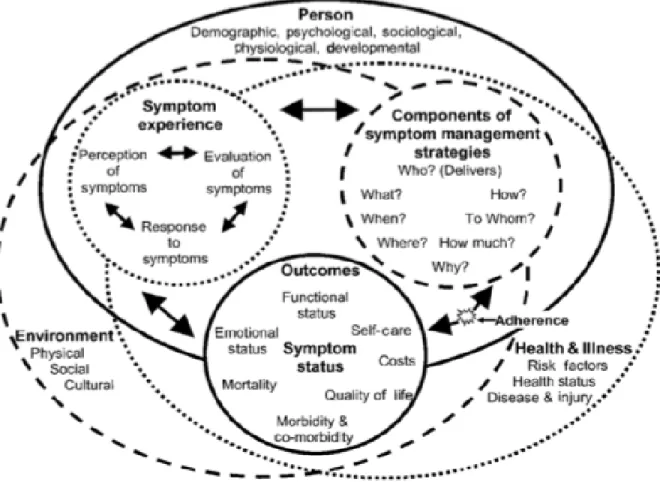
The Theory of Symptom Management is a middle range nursing theory that can be used to explain the phenomenon of providing palliative care services in the community or home setting for patients with life limiting illnesses. The faculty at the University of California, San Francisco (UCSF) introduced the Theory of Symptom Management to guide nurses to manage symptoms by either eliminating the symptom or removing the distress of the symptom
(Humphreys et al., 2014). The Theory of Symptom Management has three major concepts including symptom experience, symptoms management strategies, and symptom status outcomes (Dodd et al., 2001). The relationships between these major concepts are displayed in the revised conceptual model in Appendix D. Symptom experience is how the individual perceives,
evaluates, and responds to what he or she is feeling (Humphreys et al., 2014). Patients who qualify to receive CBPC services experience symptoms related to the extent of debilitation from disease. The goal of CBPC is to understand how patients experience symptoms and create plans
of care to reduce those symptoms. Symptom strategies are the ways to avert or minimize the symptom experience. This can be applied to CBPC programs because health care professionals are able to create patient and family centered care plans that incorporate strategies within the home to minimize symptoms. This can be achieved by reducing frequency, relieving suffering, and reducing the symptom experience. Symptom strategies can include pharmacological intervention, as well as psychological interventions such as having a social worker or chaplain come to the patient’s home. Symptom outcomes are the objective and measurable outcomes after using a symptom strategy. Outcomes can include improved physical status, psychological well being, or overall quality of life. In CBPC programs, outcomes can be remaining in the home, completing ACP to identify patient’s wishes and desired location of death, and maintaining or improving quality of life and psychological well being through home-based interventions.
The three major concepts are understood within the three nursing domains of person, health/illness, and environment (Dodd et al., 2001). Personal aspects include age, gender, and genetic factors. These factors can be collected and analyzed within a CBPC program to evaluate the populations being serviced and where gaps in care exist. Environmental aspects include culture, beliefs, and the location an individual lives or receives care. The IOM (2015) has
identified rural communities as having limited access to palliative care services. CBPC programs fill this gap in care for individuals in rural communities. Additionally, where and how an
individual lives inform symptom experiences, strategies, and outcomes. Health care
professionals must assess an individual in the context of where they live. In CBPC programs, the health care professionals are able to physically see and experience where a patient lives. Finally, health/illness is the current state of health an individual has in light of diagnosis or disease state (Humphreys et al., 2014). CBPC programs serve individuals who are physically disabled due to
illness, however overall health can be intact. Symptoms can be understood and managed by comprehensively assessing the patient in the place he or she lives.
The Theory of Symptom Management can also be utilized within a CBPC program to determine aspects and outcomes of the program to be evaluated. First off, assessment of symptom outcomes should be incorporated into a toolkit for the development of a CBPC program. Symptom outcomes can include assessing completion of ACP, improvement in physical symptoms such as pain, and improvement in psychological symptoms such as low quality of life. Additionally, the domains in the Theory of Symptom Management was used to determine the inclusion criteria of a CBPC program, as well as gaps in care for certain
populations. The environmental factor of living in a rural location or health/illness status of being physically limited due to disability of illness were used to determine who qualifies for a CBPC program. Objective tools, such as the Palliative Performance Scale, will be used within the toolkit to measure health/illness status for inclusion into a CBPC program. The Theory of Symptom Management concepts and domains were used to inform program evaluation to ensure the program is improving the symptom experience of patients, as well as being inclusive to all demographic populations.
PARIHS Framework
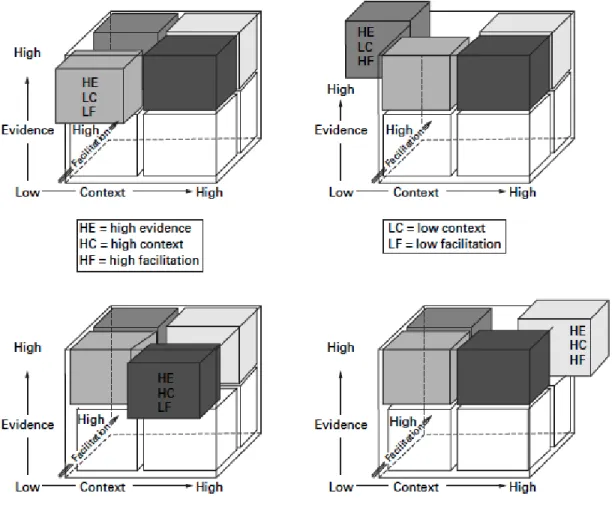
The Promoting Action on Research Implementation in Health Services (PARIHS) framework by Kitson, Harvey, and McCormack was used to create an implementation plan for a CBPC program within a large Midwest health system with a hospice and palliative care division. The PARIHS framework is utilized to assist researchers and practitioners translate research and knowledge into practice (Kitson et al., 2008). The three major concepts within this framework include evidence, context, and facilitation. The relationship amongst these concepts is that if
evidence, context, and facilitation are strong or high, then the ideal situation for implementation into practice will be achieved (Appendix E) (Kitson, Harvey, & McCormack, 1998; Kitson et al., 2008). Each of these concepts will be described and applied to the organization in which
implementation will occur.
Evidence. Evidence includes research, clinical expertise, and patient choice related to a
specific phenomenon (Kitson, Harvey, & McCormack, 1998). The evidence for a CBPC is strong. First, the research, though limited due to the innovative nature of CBPC programs, includes comparison trials that reveal favorable outcomes (Meyers, Kerr, & Cassel, 2014; Bull et al., 2012). Luckett et al. (2014) performed a systematic review of databases and grey literature to identify superior evidence-based palliative care models to inform policy change. Grey literature includes non-conventional reports and publications within an organization, industry, or
government entity (New York Academy of Medicine, n.d.). From this review, Luckett et al. (2014) determined that community-based palliative care programs utilizing palliative care experts improve transitions and coordination of care across health care settings; therefore, showing that CBPC programs are found to be best practice.
The identified organization has clinically observed the need for a CBPC program to bridge the current gaps in care delivery. High or strong clinical experience includes consensus and consistency in views amongst staff (Kitson, Harvey, & McCormack, 1998). In addition, the IOM (2015) report on the need for CBPC programs to be implemented is based on research reviewed, as well as expert or clinical experience. The organization is piloting the MCCM to provide hospice-like supportive care to individuals in the home. However, within nine months of pilot initiation, a gap in community or home-based supportive care for non-Medicare
Clinical and administrative team members within the organization have determined the need for a CBPC program to meet the needs of this patient population in the Midwest.
Evidence is also informed by patient preferences, with the highest evidence being found in partnerships with patients and families (Kitson, Harvey, & McCormack, 1998). Palliative care is a patient and family-centered approach of care for those with life limiting illnesses to improve quality of life and suffering through a holistic approach (WHO, 2016). Palliative care is
continually informed by the partnerships formed between patients and families, and health care team members.
Context. The context is comprised of the environment and setting in which the proposed
implementation takes place (Kitson, Harvey, & McCormack, 1998). The context is comprised of the culture, leadership, and measurements within an organization. Using the Burke-Litwin (1992) model to guide the data collection of an organizational assessment of the identified health care system, culture and leadership were both variables assessed. The collaborative culture at the Midwest health care system values each interdisciplinary team member to provide patient-centered care. The culture is impacted by continual quality improvement initiative and education on best practice within hospice and palliative care. The leadership within the Midwest health care system is clearly defined by organizational chains of command. Individual roles within the organization are less clearly defined, however each employee knows the leadership role to which they report. Finally, the measurements within the hospice and palliative care division of the organization are indicated to employees and routinely reported. These measurements include mean and average length of stay on hospice, as well as the number of admissions into MCCM or hospice. A few measurable areas within the organization that are lacking include cost saved, ED visits and hospitalizations avoided, and routine audits and feedback to employees about charting,
coding, and productivity. Measurements were addressed within the proposed CBPC program to have successful and sustainable implementation.
Facilitation. Facilitation includes the support required within the organization to change
workflow, habits, and attitudes to assist with successful implementation of practice change (Kitson, Harvey, & McCormack, 1998). Facilitation is comprised of characteristics, role, and style of the organization and the individuals within it. The identified Midwest hospice and palliative care division has high levels in each of these areas. Due to the nature of hospice and palliative care, individuals within this organization have high levels of empathy and respect. In addition, hospice care is most commonly performed in patient homes. Since employees are not working within an office with continual supervision, employees are credible and reliable to the work they are performing. Also related to care being provided in the community setting, health care professionals must routinely be flexible due to patient need, geographic location, and variability in visit length. The Midwest health system hospice and palliative care division has consistent and appropriate support in place. Individuals in leadership are easily accessible and transparent about change within the organization. The facilitation is high for implementation of a CBPC program within the Midwest health system hospice and palliative care division.
The PARIHS framework by Kitson, Harvey, & McCormack (1998) was used to assist in the implementation of knowledge and research into practice to initiate a CBPC program within an identified organization. The evidence within the literature and clinical setting, the context of the Midwest health care system, and support for facilitation were considered in developing the program for this project and in the implementation recommendations. Consideration to evidence, context, and facilitation was incorporated for successful implementation of a feasible and
Need and Feasibility Assessment of the Organization
The Midwest health care system with a hospice and palliative care division has identified the need for a community-based palliative care program to fill a gap in care delivery within the organization. This Midwest health care system includes a hospital group, medical group, and health insurance company. The organization offers home-based primary care for beneficiaries of the health care system insurance company who have a prognosis of three years or less.
Additionally, supportive care is provided in the organization through MCCM for Medicare beneficiaries with advanced disease and a prognosis of six months or less. This delivery system has two major gaps (Appendix F). One of these gaps in care is the lack of home-based primary care for individuals who have insurance through companies other than the Midwest health care system insurance company. Another gap in care delivery is supportive care in the last six to twelve months of life or less for patients lacking insurance coverage through companies other than Medicare.
Palliative care is a form of supportive care for patients with advanced disease (Hui et al., 2013). The Midwest healthcare system is offering palliative care like services through the Medicare Care Choices Model. However, from the program initiation in January 2016 through December 2016, the admission rate has been approximately 15.93%. An additional 14.29% of the patient referrals were admitted directly to hospice. Therefore, 69.78% of patients requiring palliative care services in the community setting did not receive this care within the organization. However, implementing a feasible and sustainable evidence-based CBPC program can bridge this gap in supportive care delivery.
An organizational assessment of the hospice and palliative care division within the Midwest health system has been performed using the Burke Litwin Model of Organizational
Performance and Change (1992). The Burke Litwin Model provides a comprehensive
understanding of the organization by addressing 12 organizational variables. These 12 variables that explore organization structure and feasibility include: external environment, mission and strategy, leadership, organizational culture, structure, management practices, systems including policies and procedures, work unit climate, tasks and skills, motivation, individual needs and values, and individual and organizational performance (Burke & Litwin, 1992). Of these variables, a few specifically determine the need and feasibility of a CBPC program within the organization.
The external environment includes the conditions outside the organization that influence the organization (Burke & Litwin, 1992). The competitive healthcare climate in West Michigan impacts Midwest health system hospice and palliative care division. Other major organizations in the Midwest have palliative care programs, including CBPC programs. The patients who do not qualify for MCCM must refer to other organizations to receive the community-based palliative care services since the identified Midwest organization does not have other supportive care programs in place.
The mission at the Midwest health system is to improve the health of the communities they provide care in. In addition, the vision within the organization is to be a national leader in health care by 2020. In order to achieve the vision and mission of the organization, innovative care delivery models like a CBPC programs are needed.
Project Plan Purpose of Project
The purpose of this Doctor of Nursing Practice (DNP) scholarly project was to address the gap in delivery of community or home-based supportive care within the identified Midwest
health system. This was addressed by answering the clinical question: What is an evidence-based community-based palliative care program that is feasible and sustainable within this Midwest organization?
Project Objectives
A toolkit for a community-based palliative care initial pilot and program was developed by:
• Performing a pre-post cost-savings analysis of MCCM data to substantiate value
• Determining a sustainable care-model to provide quality palliative care
• Creating budget based on determined care-model, allotted full-time equivalents (FTE) of available staff to pilot the program, and projected revenue
• Creating an evaluation plan to measure outcomes related to quality, sustainability, processes, and symptom management
• Creating a sustainability plan with projected growth in patient admission to the program
• Dissemination of the toolkit to key stakeholders for acceptance for implementation as an initial pilot
Type of Project
This DNP scholarly project is a quality improvement project utilizing available evidence and current practice within the organization to develop a CBPC program. Quality improvement is a systematic approach to improve health care performance and services to improve health care outcomes (Health Resources and Services Administration, 2011). Aspects of quality
improvement include: collecting and analyzing data, sharing results with team members and key stakeholders, determining areas for improvement, and continual evaluation of programs and processes (American Academy of Family Physicians, n.d.).
Within this DNP scholarly project, an organizational assessment at the macro and micro levels was completed. This assessment provided information about gaps in care and needs within the organization that must be addressed to improve practice. Utilizing current practice data, and available evidence a toolkit for the development of a CBPC program was created to improve quality and access to care, while decreasing health care cost.
Setting and Needed Resources
The setting for the development of this DNP scholarly project is at a Midwest healthcare system that has a hospice and palliative care division. The implementation and care delivery will occur in community settings such as patient homes or assistive living facilities. The resources for this project included access to the electronic medical records to collect and analyze data. Another resource included the time of clinicians and administrator to collaborate in meetings to discuss program development. Additionally, the clinicians and administrative staff within the Midwest healthcare system must agree upon a CBPC program design to implement and initially pilot into practice.
Design for the Evidence-Based Initiative
The PARIHS framework by Kitson, Harvey, & McCormack (1998) was used to guide the development of an initial CBPC program pilot at the Midwest health system.
• Evidence: The available research was compiled in an integrated literature review to determine the outcomes of CBPC programs, as well as evidence-based inclusion criteria and care teams. Additionally, current practice experience with the MCCM initiation was analyzed to inform toolkit development.
• Context: The culture of the Midwest health system hospice and palliative care division is patient and family centered with high value put on quality of care. The implementation of
a CBPC program is identified as a need by both staff and leadership to improve access to quality end of life care and bridge gaps in supportive care delivery.
• Facilitation: The facilitation of a program was considered in the inclusion criteria, care model, and sustainability plan. Specifics about the program and processes were included within the toolkit as electronic documents for staff reference.
Ethics and Human Subject Protection
This DNP scholarly project is program development for quality improvement; therefore no contact with human subjects took place during toolkit development. Data was collected from EMRs and the protected network drive within the organization. The data was protected and de-identified by utilizing protocols. An application was submitted to Grand Valley State University Human Research and Review Committee (HRRC) for Institutional Review Board (IRB)
approval, as well as the IRB within the Midwest organization. Both entities approved the
application and concluded this DNP scholarly project was quality improvement with non-human subjects (Appendix G).
Measurements: Sources of Data
Data collection to inform the development of a CBPC program was performed by the DNP student and administrative staff. The DNP student routinely consulted a data analyst within the Midwest health care system. The data collected was used to analyze MCCM statistics, a budget for a CBPC program pilot, and a cost-savings analysis of MCCM to substantiate the need for a CBPC program.
The DNP student was required to sign a Nursing Student and Faculty Confidentiality Statement & Code of Excellence Acknowledgement prior to starting data collection within the organization (Appendix H). A different division of the Midwest health system employs the DNP
student, so exemption of orientation to the organization and electronic medical record (EMR) was permitted. Additionally, the DNP student was granted access to the EMRs used within the organization and hospice and palliative care division. These EMRs include Homeworks and Cerner Powerchart. Also, the DNP student was granted access to the protected network where all documents for the hospice and palliative care division are stored and shared.
The data collected from the EMRs was placed in created electronic spreadsheets to analyze the data (Appendix I). The data was collected retrospectively from patients who have either deceased or discharged from MCCM. A number was assigned to each patient to de-identify the information.
Budget. The CBPC program was not implemented during this DNP scholarly project,
however the project does include the formation of a budget for an initial CBPC program pilot. Two components were considered in creating a budget for a CBPC program. The first
component was the payment structure, which is fee-for-service linked to quality. The second component was a sustainable care model and FTEs available within the organization for the initial pilot.
Cost-savings analysis. A cost-savings analysis was performed using the MCCM data
from the Midwest health care system from initiation in January 2016 through December 2016. A pre-post analysis was performed to determine intervention effect. Utilization of the health care system six months prior to admission to the MCCM program and while admitted to the MCCM program were determined for each patient by performing chart reviews in Cerner Powerchart. Utilization was determined by ED visits and inpatient admissions. The insurance company within the Midwest health system provided average costs for ED visits and inpatient admissions for both Medicare and private insurance companies. An average cost savings per patient per day
was calculated, as well as an analysis of cost per day six months prior to MCCM admission compared to MCCM admission.
The average cost-savings per patient per day was calculated using health care system utilization data, as well as direct cost of care on MCCM. Appendix J contains the spreadsheet used to collect data and calculate the daily cost of each patient six months prior to MCCM admission and cost on MCCM. The daily cost while admitted to MCCM was then subtracted from the daily cost six months prior to determine the daily savings. The total cost savings was determined by multiplying the daily savings by the number of days on MCCM. The EMR
Homeworks was then used to run reports on the time spent with each patient by the skilled nurse, social worker, and chaplain while on MCCM. The time used by each patient was then multiplied by the hourly wage plus benefits of each discipline to determine the direct cost of care. The direct cost was then subtracted from the total savings to determine the adjusted cost savings. The average savings per patient was calculated, as well as the average savings per patient per day while on MCCM.
Steps for Toolkit Development
During the development of a CBPC toolkit, the DNP student (Appendix K):
• Analyzed the MCCM data from January 2016 through December 2016 to determine: average and median length of stay (LOS) on MCCM, percentage of transfers to hospice from MCCM, average and median LOS on hospice when transferred from MCCM, and utilization by each patient of the health care disciplines including skilled nursing, social work, and chaplain
• Utilized Cerner Powerchart to evaluate patient utilization of the health care system by emergency department visits and inpatient admissions six months prior to MCCM admission
• Utilized Cerner Powerchart to evaluate patient utilization of the health care system by emergency department visits and inpatient admissions while admitted to MCCM
• Used Homeworks to run reports on patient use of skilled nurse, social work, and chaplain while on MCCM
• Developed a pre-post cost-savings analysis of six months prior to MCCM admission compared to admission to MCCM
• Created a budget for initial pilot based on 100 visit revenue analysis already created within the organization
• Created evaluation tools to determine quality, outcomes, and areas of improvement for the a new CBPC program pilot
• Created a sustainability plan for a new CBPC program within the Midwest organization
• Created documents to standardize processes within the new CBPC program including a referral process and visit standardization form
• Produced the toolkit in a digital folder on the protected network drive within the organization.
• Defended the final DNP project at Grand Valley State University.
Project Evaluation
This DNP scholarly project is the creation of a toolkit for the development and
implementation of a CBPC program. The toolkit includes processes and program logistics that will be feasible and sustainable within the Midwest health care system. Specifically, aspects of
the toolkit include: analysis of MCCM data and a cost-savings analysis of MCCM from January 2016 through December 2016, as well as the budget, inclusion criteria, program evaluation plan, and sustainability plan for an a new CBPC program pilot. This DNP scholarly project will be evaluated by acceptance of the toolkit for pilot initiation by key stakeholders within the Midwest organization. The Chief Operating Officer of Continuing Care has already approved a CBPC program pilot. The Director of Hospice and Manager of Business and Program Development of Hospice are the two key stakeholders that will accept the toolkit for implementation in an initial pilot. The DNP student will present the final toolkit to these two key stakeholders for acceptance.
Project Outcomes Data Analysis of Current MCCM Program
Medicare Care Choices Model data was analyzed from the pilot initiation in January 2016 through December 2016 (Appendix L). There were a total of 182 patient referrals. Of these patient referrals, 29 patients were admitted to the MCCM program and 26 patients were admitted directly to hospice. Therefore, 127 patients were unable to receive community-based palliative care services within this organization. Of the 29 who were admitted to MCCM, 7% had a diagnosis of COPD, 38% CHF, 55% cancer, and 0% HIV/AIDS. The patients admitted to MCCM were not racially or ethnically diverse, with 93.1% and 6.9% being classified as white and black respectively.
The MCCM data was also analyzed for average and median length of stay (LOS). The average LOS on MCCM was approximately 71.5 days, with a median of 56 days. Of the 29 patients admitted to MCCM, 79.31% transferred to hospice. One patient died while admitted to the MCCM program, four were discharged due to prolonged prognosis past 6 months or changes in insurance coverage, and one was still admitted to the MCCM program. The average LOS on
hospice for those transferred to hospice from MCCM was 30.67 days, with a median of 11 days. The current median LOS on hospice for this Midwest health care organization is nine days; therefore there was an increase in median LOS by two days.
Further analysis of median length of stay was performed to determine if a statistical significance existed between diagnostic groups. The COPD sample only included one patient, so it was added to the CHF sample to determine if there was statistical difference in median LOS between cancer and the other two diagnoses. A Mann-Whitney U test was performed to compare the two sample medians. The Z-score p-value was 0.35238, therefore indicating no statistical significance between the median LOS on hospice for cancer patients transferred from MCCM compared to CHF and COPD patients.
Pre-Post Cost-Savings Analysis of Current MCCM Program
A pre-post cost-savings analysis was performed of patients admitted to the MCCM program that discharged, died, or transferred to hospice. Utilization of the health care system 6 months prior to MCCM and while on MCCM was measured by the number of emergency department (ED) visits and inpatient admissions. A data analyst at the Midwest health care system insurance company provided the average costs for Medicare and private insurance for ED visits and inpatient admissions. For Medicare, the average costs were $1,000 and $13,000 for ED and inpatient visits respectively. For private insurers, the average costs were $1,500 and $16,000 for ED and inpatient visits respectively. The overall utilization savings for both Medicare and private insurance was calculated per patient on MCCM (Appendix M). The average utilization cost savings per patient admitted to the MCCM program was $1,220.34 and $1,686.83 for Medicare and private insurance respectively. A pre-post analysis was performed versus an entire cohort since the small sample size, n = 28, was not powerful enough to reflect the outcomes.
Further analysis of cost savings was performed to determine if a statistical significance existed between diagnostic groups. A paired two-tailed t-test was performed to compare mean costs per day six months prior to MCCM and admission to MCCM. Appendix N contains the p-values for all MCCM patients and then broken down into diagnostic groups. The overall p-value was approximately 0.61 for both Medicare and private insurance. Therefore indicating no
statistical significance in cost-savings per day. All three diagnostic groups did not have statistical significance with a p-value of less than or equal to 0.05 indicating significance. The CHF group was close to demonstrating significance with a p-vale of approximately 0.065 for both Medicare and private insurance.
Proposed New CBPC Program
Budget. A budget for the new CBPC program pilot was created utilizing a 100-visit analysis
performed within the organization, feasible care model within the organization, average wages for each discipline plus benefits, and payment structure. The senior financial analyst within the hospice and palliative care division has previously created a 100-visit analysis that includes monthly revenue. The revenue was determined using a statistically determined combination of visit billing codes. Since this analysis was based on 100 visits, this revenue was altered to reflect the expected 50 visits per month in the initial pilot.
The care model for the initial CBPC program pilot was based on care models in the literature, available full-time equivalents (FTE) in the organization to feasibly start a pilot. The initial pilot is provider focused since physicians and nurse practitioners provide billable services. The initial pilot includes a 0.4 FTE nurse practitioner and a 0.1 FTE physician. A 0.1 FTE was included for both a skilled nurse and social worker to provide phone support and make visits as necessary. Finally, a 0.1 FTE coordinator is included to review referred patients, schedule visits,
and help with program evaluation. The FTEs per discipline will increase with program growth. Two budgets were created, one including indirect cost and another excluding indirect cost (Appendix O). Direct cost includes the items in the budget that can be easily identified in the direct care of the patient. Indirect cost or overhead, include more abstract items or those that do not directly impact the patient. Items comprising the indirect cost include building expenses, education, office supplies, and travel expenses. The indirect cost within the hospice and
palliative care division of the Midwest health system is $68.19 per patient per day. The indirect cost was determined by multiplying this amount by the 25 expected patients and average of 30 days per month. The payment structure for this program is fee-for-service linked to quality and value. Therefore, the organization covers indirect cost due to the value it identifies in the program. However, indirect cost should still be monitored for future organizational budgeting. Additionally, the organization does not typically include indirect cost for newly piloted
programs.
Inclusion criteria. The inclusion criteria for the new CBPC program pilot were determined
using the common inclusion criteria in the literature; as well what seemed feasible within the organization. Discussion with administrative and clinical stakeholders led to inclusion criteria decisions. The initial pilot inclusion criteria will include: congestive heart failure (CHF) or other life-limiting cardiac diagnosis, a prognosis of 12 months or less, the patient lives within a 30 minute drive from the main hospital within this organization, the patient has any form of
insurance coverage both private and government funded, and scores 70% or less on the Palliative Performance Scale (PPS). The PPS is a valid and reliable tool that provides an objective
measurement of patient performance (Wilner & Arnold, 2004). The initial pilot program will be evaluated every two to four weeks to determine if inclusion criteria needs to be broadened to
capture more patients. The first inclusion criteria to change will be distance, from a 30 minute drive to a 60 minute drive. The second change to inclusion criteria will be including patients who do not qualify for MCCM within this organization.
An intake process was determined using the inclusion criteria. Appendix P contains the intake form for administrative staff to use to determine if a patient qualifies for inclusion into the CBPC pilot program. Questions were created related to the PPS, so both administrative and clinical staff could determine a PPS score with ease.
Program evaluation plan. A comprehensive evaluation plan was created for the new CBPC
program pilot. The evaluation plan includes various metrics to determine utilization, program processes, and visit standardization. These metrics determine quality, as well as provide
objective data for accountability to sustainability. A timeline for the initial pilot is also included to ensure program evaluation is completed to inform program change. Appendix Q contains the evaluation procedure, program timeline, and data collection spreadsheets.
The Midwest organization is beginning to utilize the Palliative Care Quality Network (PCQN) community-based data collection resources, including a survey of symptoms and well-being (Appendix R). In order to determine the quality of care in a CBPC program, patient symptoms must be rated and evaluated to determine improvement. In addition, the nursing Theory of Symptom Management was applied as a lens to create this CBPC program. The PCQN contains a variety of physical and psychological symptoms that can be rated at initial
consultation, as well as at subsequent visits to determine if symptoms are being managed through this innovative palliative care program. Furthermore, this survey can initiate the conversation between the patient and the healthcare team on what physical, psychological, and sociological
factors are contributing to the patient’s symptom experience and effective strategies to improve outcomes.
Sustainability plan. The sustainability plan for this CBPC program is based on action plans
recommended by Bull et al. (2012) for a sustainable CBPC program. Modifications to the action plans were made to make the sustainability plan feasible within this organization. The action plans included within this CBPC program toolkit include: standardize the palliative care visit, standardize data collection and analysis, program growth and expanding the workforce, creating a culture of accountability, efficient use of time, and accurate billing and coding. Appendix S contains the sustainability plan with under each action.
Program standardization. Visit standardization creates structure to visits, as well as decreases the variability between health care professionals (Bull et al., 2012). Aspects to standardize within visits include the length of time of each visit, the number of visits expected per day per location, what data is collected, and how data is collected. Visit standardization guidelines (Appendix T) are included within this toolkit. In addition, the Midwest organization is adopting the use of the PCQN community based data collection card to ensure all pertinent patient data is being collected.
Another aspect of the program requiring standardization are the interdisciplinary team meetings. These meetings occur for the members of the health care team to discuss the current care plan of patients admitted to the CBPC program. Within this initial CBPC program pilot, the feasible care model is provider focused. Therefore, team meetings will occur between the
physician and the nurse practitioner. Interdisciplinary collaboration guidelines (Appendix U) are included within this toolkit to ensure provider time is being utilized efficiently to maximize billable, patient time.