University of Wollongong University of Wollongong
Research Online
Research Online
Faculty of Science, Medicine and Health -
Papers: part A Faculty of Science, Medicine and Health
1-1-2017
The feasibility and acceptability of nurse-led chronic disease management
The feasibility and acceptability of nurse-led chronic disease management
interventions in primary care: An integrative review
interventions in primary care: An integrative review
Catherine StephenUniversity of Wollongong, [email protected] Susan McInnes
University of Wollongong, [email protected] Elizabeth J. Halcomb
University of Wollongong, [email protected]
Follow this and additional works at: https://ro.uow.edu.au/smhpapers
Part of the Medicine and Health Sciences Commons, and the Social and Behavioral Sciences Commons
Recommended Citation Recommended Citation
Stephen, Catherine; McInnes, Susan; and Halcomb, Elizabeth J., "The feasibility and acceptability of nurse-led chronic disease management interventions in primary care: An integrative review" (2017). Faculty of Science, Medicine and Health - Papers: part A. 4992.
https://ro.uow.edu.au/smhpapers/4992
Research Online is the open access institutional repository for the University of Wollongong. For further information contact the UOW Library: [email protected]
The feasibility and acceptability of nurse-led chronic disease management
The feasibility and acceptability of nurse-led chronic disease management
interventions in primary care: An integrative review
interventions in primary care: An integrative review
Abstract Abstract Aims
Aims: To explore the feasibility and acceptability of nurse-led chronic disease management and lifestyle risk factor reduction interventions in primary care (general practice/family practice).
Background
Background: Growing international evidence suggests that interventions delivered by primary care nurses can assist in modifying lifestyle risk factors and managing chronic disease. To date, there has been limited exploration of the feasibility and acceptability of such interventions.
Design
Design: Integrative review guided by the work of Whittemore and Knafl (2005). Data Sources
Data Sources: Database search of CINAHL, Medline and Web of Science was conducted to identify relevant literature published between 2000-2015.
Review Methods
Review Methods: Papers were assessed for methodological quality and data abstracted before thematic analysis was undertaken.
Results
Results: Eleven papers met the inclusion criteria. Analysis uncovered four themes: (1) facilitators of interventions; (2) barriers to interventions; (3) consumer satisfaction; and (4) primary care nurse role. Conclusion
Conclusion: Literature supports the feasibility and acceptability of nurse-led interventions in primary care for lifestyle risk factor modification. The ongoing sustainability of these interventions rests largely on organizational factors such as funding, educational pathways and professional support of the primary care nursing role. Further robust research around primary care nurse interventions is required to strengthen the evidence base.
Disciplines Disciplines
Medicine and Health Sciences | Social and Behavioral Sciences Publication Details
Publication Details
Stephen, C., McInnes, S. & Halcomb, E. (2018). The feasibility and acceptability of nurse-led chronic disease management interventions in primary care: An integrative review. Journal of Advanced Nursing, 74 (2), 279-288. .
Full Title: The feasibility and acceptability of nurse-led chronic
disease management interventions in primary care: an
integrative review.
Running Head: Nurse-led CDM interventions in primary care
Catherine STEPHEN RN BN(Hons) PhD Candidate
School of Nursing
University of Wollongong
Susan MCINNES RN BN(Hons) Lecturer
School of Nursing
University of Wollongong
Elizabeth HALCOMB RN BN(Hons) PhD Professor of Primary Health Care Nursing School of Nursing University of Wollongong Corresponding author: Catherine Stephen School of Nursing University of Wollongong
Northfields Ave Wollongong NSW 2522
P: +61 2 4221 3784 | F: +61 2 4221 3137 | E: [email protected]
Funding Statement: This research received no specific grant from any funding agency in the public, commercial, or not-for-profit sectors.
Abstract
Aims: To explore the feasibility and acceptability of nurse-led chronic disease management and lifestyle risk factor reduction interventions in primary care (general practice / family practice).
Background: Growing international evidence suggests that interventions delivered by primary care nurses can assist in modifying lifestyle risk factors and managing chronic disease. To date, there has been limited exploration of the feasibility and acceptability of such interventions.
Design: Integrative review guided by the work of Whittemore and Knafl (2005).
Data Sources: Database search of CINAHL, Medline and Web of Science was conducted to identify relevant literature published between 2000 - 2015.
Review Methods: Papers were assessed for methodological quality and data abstracted before thematic analysis was undertaken.
Results: Eleven papers met the inclusion criteria. Analysis uncovered four themes: 1) facilitators of interventions; 2) barriers to interventions; 3) consumer satisfaction; and 4) primary care nurse role.
Conclusion: Literature supports the feasibility and acceptability of nurse-led interventions in primary care for lifestyle risk factor modification. The ongoing sustainability of these interventions rests largely on organisational factors such as funding, educational pathways and professional support of the primary care nursing role. Further robust research around primary care nurse interventions is required to strengthen the evidence base.
Key words: literature review, primary care nurse, chronic disease management, nurse-led intervention, primary health care.
SUMMARY STATEMENT Why is this review needed?
• The prevalence of chronic disease is rising globally. Interventions that reduce lifestyle risk
factors and promote chronic disease management are central to primary care services.
• Understanding the feasibility and acceptability of primary care nurse delivered
interventions, can make significant contributions to improved health outcomes and in alleviating workforce demands in primary care.
What are the key findings?
• This review demonstrates the feasibility and acceptability of nurse-led interventions in
primary care to reduce lifestyle risk factors.
• The tailored advice, support and motivation provided by primary care nurses has the
potential to improve health outcomes for individuals with or at risk of chronic disease.
How should the findings be used to influence policy / practice / research / education?
• Future nurse-led interventions can be informed by consideration of the educational
preparation and supports available to primary care nurses.
• While primary care nurses have the knowledge and skills to deliver lifestyle interventions,
organisational factors and role ambiguity impede intervention implementation. Enhanced health policy and funding programs would, therefore, facilitate nurses to implement lifestyle interventions in usual care.
INTRODUCTION
An increased prevalence of chronic disease presents a significant challenge to primary care systems internationally. Changing lifestyles, aging populations, health workforce retirement and reduced supply of general practitioners adds further complexity to global trends associated with the shift
from acute to chronic illness (Australian Institute of Health and Welfare 2015, Hegney et al. 2013a). In response, primary care providers are increasingly focused on prevention and optimal management strategies to improve health outcomes for those with chronic disease (Wilcox 2014).
To meet the growing demand for chronic disease management and lifestyle risk factor reduction the nursing workforce in primary care has grown significantly (Phillips and Hall 2013, Australian Medicare Local Alliance 2012). These nurses have the potential to both enhance the range of services offered in primary care and assist in managing the increasing demand for community based care (Halcomb et al. 2004). This evolutionary path has seen marked changes in defining primary care nurses from primarily a receptionist or assistant (Condon et al. 2000), to a key health professional in the primary care team (Australian College of Nursing 2015). Despite this professional growth, the full potential and contribution of primary care nurses remains underdeveloped (Halcomb et al. 2014, Merrick et al. 2014, McInnes et al. 2015).
BACKGROUND
International studies have explored the health outcomes from nurse-led interventions which aim to reduce the impact of behavioural risk factors and the progression of chronic disease. In their systematic review of primary care nurse interventions for CVD risk, Halcomb et al. (2007) reported improvements in blood pressure, cholesterol level, diet and physical activity following GPN-led intervention. Additionally, positive health outcomes have been reported in a range of lifestyle risk areas including smoking cessation (Zwar et al. 2015), weight management (Sargent et al. 2012), diabetes (Furler et al. 2014) and alcohol minimisation (Clossick and Woodward 2014).
Despite the growing body of evidence around improved health outcomes, there remains little synthesis of the overall acceptability and feasibility of these interventions to either health professionals or the consumers who receive them. Consumer satisfaction with a nurse-led model of care is an important, yet poorly understood factor in the evaluation process (Mahomed et al. 2012,
Desborough et al. 2015). Those consumers who experience positive health encounters are more likely to engage with services, adhere to treatment and enact advice from health professionals (Halcomb et al. 2015a, Sofaer and Firminger 2005). In light of this, lifestyle interventions that aim to improve health outcomes must be designed and delivered in a way that best reflects the preferences and needs of target individuals (Vogus and McClelland 2016). To date, there has been limited exploration of the feasibility and acceptability of primary care nurse interventions to reduce lifestyle risk. If nurse-led interventions are to become a significant feature of the primary care landscape they must inspire confidence and acceptance from consumers and health professionals alike. Therefore, it is timely to investigate the feasibility and acceptability of nurse-led chronic disease management and lifestyle risk factor reduction interventions in primary care.
THE REVIEW Aim
This integrative review seeks to synthesize the literature on the acceptability and feasibility of nurse-led interventions for chronic disease management and lifestyle risk factor modification in primary care.
Design
Given the paucity of literature in this area, an integrative review methodology was selected (Torraco 2005) to allow for the comparison of heterogeneous literature (Whittemore and Knafl 2005). The review framework proposed by Whittemore and Knafl (2005) was used to guide the review process.
Search methods
Relevant literature was identified through a structured search of electronic databases and reference list searches of identified papers. CINAHL, Medline and Web of Science databases were searched
using relevant keyword terms including ‘primary care’, ‘lifestyle risk factor*’ nurs* and ‘nursing intervention’.
Papers were eligible for inclusion if they described original research about the feasibility and acceptability of implementing a registered nurse-led intervention for chronic disease management or lifestyle risk factor modification in a primary care setting (Table 1). Given the significant changes in the primary care sector and implications of a changing disease profile, results were limited to papers published between 2000-2015. Resource constraints precluded the inclusion of papers in languages other than English. Papers reporting interventions provided by nurse practitioners, enrolled (diploma prepared) nurses or nurse assistants were excluded as these individuals have different scopes of practice and thus need to be considered separately. Additionally, papers were excluded if they did not report data around the delivery of a specific intervention.
Table 1. Inclusion and exclusion criteria
Inclusion criteria Exclusion criteria
Published between 2000 – 2015 Focused on extended nursing roles eg; Nurse practitioners.
Published in English language Did not describe the implementation of a specific nurse-led intervention
Reported data about the feasibility and / or acceptability of a nurse-led intervention in the primary care setting
Literature reviews, editorials, discussion papers.
Search outcome
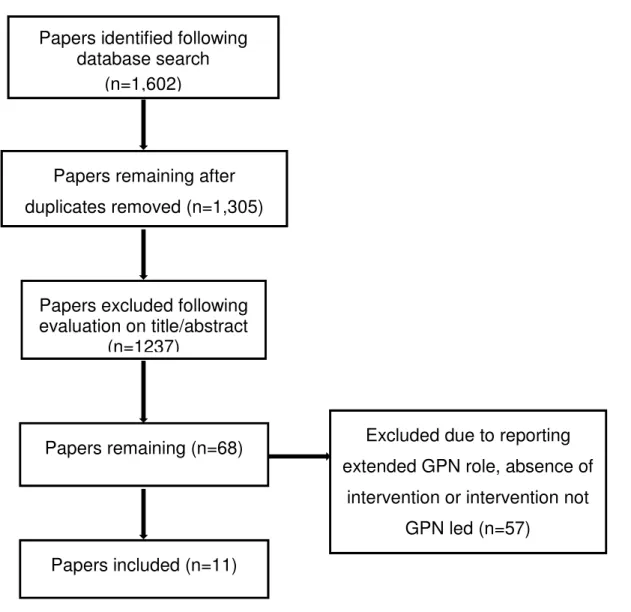
Database searches were imported into Endnote© Version X8. After the removal of duplicates, 1,305
papers were identified (Figure 1). Evaluation of titles and abstracts by one reviewer against the inclusion criteria excluded 1237 papers. The remaining 68 papers were subjected to a full independent review by two researchers. Fifty-seven of these papers were excluded as they did not report specifically on the primary care nurse or there was absence of an intervention. Following review of the full text, 11 studies were identified by agreement of all authors as meeting the inclusion/exclusion criteria.
Quality appraisal
Evaluating the quality of papers in a review is a complex process as each methodology has its own criteria for measuring quality (Whittemore and Knafl 2005). In this review, papers were appraised by two researchers independently using a modified point scoring system developed by Pluye et al. (2009). While there are inherent challenges in appraising diverse research types in a singular tool, Pluye et al. (2009) Mixed Methods Appraisal Tool (MMAT) was used to identify the methodological strengths and flaws of each paper.
The first step in appraisal was to determine if each study clearly articulated their research objectives and data collection methods. Studies were then assessed against criteria specific to each methodology. Qualitative studies which clearly stated data collection process and acknowledged researcher bias received favourable responses regarding methodological quality. Quantitative studies were required to state instruments/measurements, sampling strategy and response rate (Pluye et al. 2009). Research design and data integration were appraised in mixed methods studies (Pluye et al. 2009). The 11 included papers were determined by all reviewers to be of similarly high methodological quality and so no papers were excluded due to quality.
FIGURE 1. Process of paper selection – Prisma Flow diagram
Data abstraction and synthesis
Data were extracted into a matrix summary table where common patterns and themes were identified (Table 2). Due to the heterogeneity of the papers a process of thematic analysis was used to guide the synthesis (Whittemore and Knafl 2005, Braun and Clarke 2006). The method described by Braun and Clarke (2006) was chosen to facilitate the identification and interpretation of patterns in the data. For the two papers which included quantitative data (Zwar et al. 2011, Lock et al. 2006) during the process of generating initial codes and searching for themes we considered the numerical
Excluded due to reporting extended GPN role, absence of
intervention or intervention not GPN led (n=57)
Papers excluded following evaluation on title/abstract
(n=1237)
Papers remaining after duplicates removed (n=1,305)
Papers identified following database search
(n=1,602)
Papers included (n=11) Papers remaining (n=68)
findings within the broader context of their meaning. That is, we identified the meaning of the data statement and clustered this statement with the appropriate qualitative data to form a code and, subsequently, theme (Table 2). Synthesis of the qualitative findings was guided by the ENTREQ framework for enhancing transparency in reporting the synthesis of qualitative research (Tong et al. 2012). One researcher (CS), conducted the analysis and proposed an initial thematic structure. Themes were then confirmed following discussion and consensus by all members of the research team.
Results
Included papers
The 11 included papers reported nine interventions, with the papers by Hegney et al. (2013a) and Mahomed et al. (2012) reporting on aspects of the same intervention (Table 2). Three studies focussed on smoking cessation (Halcomb et al. 2015b), two looked at physical activity (Beighton et al. 2015, Verwey et al. 2012), another two on blood pressure control (Hanley et al. 2015, Hanley et al. 2013) and one each explored alcohol use (Lock et al. 2006), weight management (McQuigg et al. 2008) and a multifaceted lifestyle risk factor reduction (Hegney et al. 2013a, Mahomed et al. 2012). Papers reflected countries with strengths in nursing in primary care, namely; The UK (N=5), Australia (N= 4), New Zealand (N= 1) and Holland (N= 1). Most papers were qualitative (N=9), with one each of quantitative and mixed methods designs.
Theoretical components of interventions were varied from behavioural change techniques (Beighton et al. 2015), motivational interviewing (Halcomb et al. 2015b), the transtheoretical model of change (McLeod et al. 2005a), smoking cessation counselling (5A’s)(Zwar et al. 2011) and weight management techniques (McQuigg et al. 2008).
Four themes emerged from the included papers: 1) facilitators of interventions; 2) barriers to
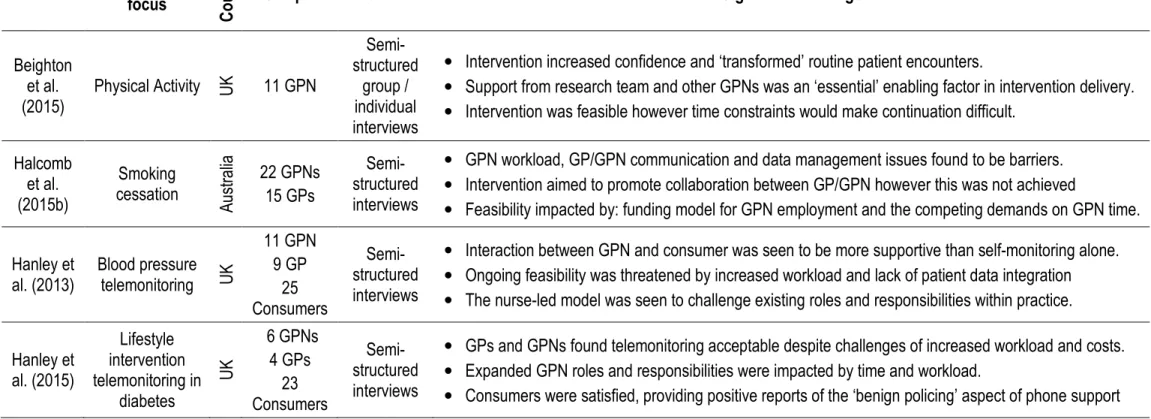
Table 2: Summary Table Reference Intervention focus C o u n tr y
Sample Methods Significant Findings
Beighton et al. (2015) Physical Activity UK 11 GPN Semi- structured group / individual interviews
• Intervention increased confidence and ‘transformed’ routine patient encounters.
• Support from research team and other GPNs was an ‘essential’ enabling factor in intervention delivery. • Intervention was feasible however time constraints would make continuation difficult.
Halcomb et al. (2015b) Smoking cessation A us tr al ia 22 GPNs 15 GPs Semi-structured interviews
• GPN workload, GP/GPN communication and data management issues found to be barriers. • Intervention aimed to promote collaboration between GP/GPN however this was not achieved
• Feasibility impacted by: funding model for GPN employment and the competing demands on GPN time.
Hanley et al. (2013) Blood pressure telemonitoring UK 11 GPN 9 GP 25 Consumers Semi-structured interviews
• Interaction between GPN and consumer was seen to be more supportive than self-monitoring alone. • Ongoing feasibility was threatened by increased workload and lack of patient data integration • The nurse-led model was seen to challenge existing roles and responsibilities within practice.
Hanley et al. (2015) Lifestyle intervention telemonitoring in diabetes U K 6 GPNs 4 GPs 23 Consumers Semi-structured interviews
• GPs and GPNs found telemonitoring acceptable despite challenges of increased workload and costs. • Expanded GPN roles and responsibilities were impacted by time and workload.
Reference Intervention focus C o u n tr y
Sample Methods Significant Findings
Hegney et al. (2013b) Lifestyle - type 2 diabetes, hypertension and/or ischemic heart disease. A us tr al ia 3 PM 5 GPN 5 GP 38 Consumers Semi- structured interviews
• Collaboration between GP / GPN was intrinsic to consumer acceptability of model
• GPN support empowered consumers with a greater sense of accountability for self-management. • GPNs reported greater confidence, competence and satisfaction as a result of role expansion. • Ongoing sustainability dependent on appropriate funding model and adequate space for GPNs.
Lock et al. (2006) Brief alcohol intervention UK 24 GPN 67 Consumers Survey
• Intervention group did not attain better health outcomes compared to standard advice. There was a
reduction in excessive drinking across both groups of the trial over time.
• GPNs role in health promotion through delegation not merit. GPs delegated role due to lack of time.
McLeod et al. (2005b) Smoking cessation N ew Z ea la nd 3 GPs 16 GPNs Interviews
• GPNs reported enjoying the counselling aspect of the work.
• Internal practice organisation, including the GPN role, significantly impacted success of implementation. • Without some autonomy, reduced administrative tasks, and uninterrupted time, GPNs could not fulfil
their role to its potential. McQuigg et al. (2008) Weight management UK 15 GPNs 7 GPs 37 Consumers Structured interviews Focus groups
• GP/GPN engagement was influenced by their beliefs and attitudes, the way in which the intervention
was initialised/delivered and existing organisational factors.
• ‘Successful’ practices were characterised by active GP involvement, strong ownership and staff
members acting as ‘Counterweight Champion’. Mahomed et al. (2012) Lifestyle - type 2 diabetes, hypertension and/or ischemic heart disease. A us tr al ia 38 Consumers In-depth interviews, grounded theory
• Once rapport was established consumer and GPN were perceived to ‘work together’ to manage care. • Consumer trust was enhanced when the GP was seen to be involved in care.
• Most consumers were confident and accepting of the GPN role however some viewed them as GP
Reference Intervention focus C o u n tr y
Sample Methods Significant Findings
Verwey et
al. (2012) Physical activity Holla
nd 11 GPNs 3 GPs 2 Physios Interviews Focus groups
• Several GPNs were critical of the time demands of the intervention.
• Physical activity data generated via monitoring was useful to enhance motivation and goals tracking. • Intervention supported the GPN role in physical activity counselling in a ‘structured and profound’ way.
Zwar et al. (2011) Smoking cessation A us tr al ia 31 GPNs 35 GPs 498 Consumers Survey and Semi- structured interviews
• GPNs were enthusiastic about the intervention, perceiving it within their skills and scope of practice. • Finding time to fulfil their smoking cessation counselling role and routine duties was a major issue • Consumers who attended 4 or more visits with GPN were significantly more likely to quit smoking.
Facilitators of interventions
Pre-intervention education, ongoing support and collaborative practice were identified as considerable enabling factors in the interventions. In terms of intervention preparation, several papers cited nurse training to be an essential foundation to effective intervention delivery (Beighton et al. 2015, Halcomb et al. 2015b, McLeod et al. 2005a, McQuigg et al. 2008, Verwey et al. 2012, Zwar et al. 2011). Education provided in the smoking cessation studies by Halcomb et al. (2015b) and Zwar et al. (2011) were seen to enhance primary care nurses knowledge and confidence. However, both studies also reported that primary care nurses requested more intensive ongoing training.
Several studies used mentoring support to guide the primary care nurses beyond the training and implementation stages of the intervention (Halcomb et al. 2015b, McQuigg et al. 2008, McLeod et al. 2005a, Zwar et al. 2011, Lock et al. 2006). Telephone mentoring assistance from the research team was commonly described by primary care nurses as supportive and confidence building (McLeod et al. 2005a, McQuigg et al. 2008, Halcomb et al. 2015b). Reflexive research was evidenced in several studies wherein primary care nurse feedback was used to improve and adapt the intervention process and protocols during the study (Beighton et al. 2015, McQuigg et al. 2008, Verwey et al. 2012).
Collaboration between general practitioners (GP) and primary care nurses was found to enhance intervention delivery (Hegney et al. 2013a, Mahomed et al. 2012, McQuigg et al. 2008). Interventions marked by active GP involvement and support of the nurse-led model were associated high levels of consumer satisfaction and confidence (Hegney et al. 2013a, Mahomed et al. 2012). Similarly, McQuigg et al. (2008) identified that practices with a collegial approach to the intervention reported positive experiences with study involvement from both staff and consumers.
Commonly cited barriers to the intervention were associated with inadequate preparation of primary care nurses, lack of support, workload and funding (Beighton et al. 2015, Halcomb et al. 2015b, Hanley et al. 2013, Hegney et al. 2013a, Verwey et al. 2012, Zwar et al. 2011). Variability was seen in the amount of preparatory education and ongoing support provided to nurses. The brief 30-40 minute training session offered by Lock et al. (2006) aimed to prepare primary care nurses to deliver an alcohol intervention, however, many reported uncertainties with study protocol and opted out prior to intervention completion. Similarly, primary care nurses who expressed feeling inadequately prepared or poorly consulted during the implementation stage reported difficulties in delivering the intervention (Zwar et al. 2011, McLeod et al. 2005a, Beighton et al. 2015, McQuigg et al. 2008). McQuigg et al. (2008) identified that such uncertainties placed primary care nurses at risk of becoming disenfranchised with the study process. In an effort to boost confidence and guide primary care nurses through periods of uncertainty, several studies provided ongoing telephone support (Halcomb et al. 2015b, McLeod et al. 2005a, Zwar et al. 2011). However, uptake of these services was reportedly minimal and largely initiated by the research team.
The challenge of integrating interventions into existing nursing practice in primary care was another key barrier identified across included studies (Beighton et al. 2015, Halcomb et al. 2015b, Hegney et al. 2013a, Verwey et al. 2012, Zwar et al. 2011). For some primary care nurses, there was a struggle to find time to deliver the interventions in an already busy workload. Additionally, time constraints were directly associated with funding in several studies, where the sustainability of interventions was questioned due to the lack of funding to remunerate primary care nurse activity (Beighton et al. 2015, Halcomb et al. 2015b, Hanley et al. 2013, Verwey et al. 2012, Lock et al. 2006).
Consumer satisfaction
Most studies confirmed the acceptability of nurse-led interventions to primary care consumers (Beighton et al. 2015, Halcomb et al. 2015b, Hanley et al. 2015, Hanley et al. 2013, Hegney et al.
2013a, Mahomed et al. 2012, McLeod et al. 2005a, McQuigg et al. 2008, Zwar et al. 2011). Consumer satisfaction was broadly reported in terms of the primary care nurses’ ability to build therapeutic relationships, deliver individualised care and provide motivational support (Beighton et al. 2015, Halcomb et al. 2015b, Hanley et al. 2013, Hegney et al. 2013a, Mahomed et al. 2012). Primary care nurses were seen to have an approachable and open communication style which appealed to consumers (Halcomb et al. 2015b, Hegney et al. 2013a, Mahomed et al. 2012, McQuigg et al. 2008, Zwar et al. 2011). Both McLeod et al. (2005a) and Beighton et al. (2015) highlighted how primary care nurses tailored interventions to the specific needs of the individual. Several studies also identified the important role played by the primary care nurse in supporting and monitoring consumer progress towards health goals (Verwey et al. 2012, Hanley et al. 2013, Beighton et al. 2015). Consumer satisfaction with care and motivation to maintain health goals was further boosted by more frequent primary care nurse follow-up (Zwar et al. 2011, Mahomed et al. 2012).
Despite professional endorsement of the primary care nurses’ role, role ambiguity was identified with some consumers reporting confusion as to what the primary care nurse could do (Hanley et al. 2013, Mahomed et al. 2012, McQuigg et al. 2008). While Mahomed et al. (2012) found that consumers were generally confident with nurse-led primary care, some perceived them to be GP assistants with little autonomy. Similarly, Hanley et al. (2013) found that despite consumer satisfaction with nurse telemonitoring of blood pressure, several consumers ‘bypassed’ the nurse to access the doctor directly.
Primary care nurse role
The focus of primary care nurses as intervention leader was explored in terms of role expansion (Hanley et al. 2013, Hegney et al. 2013a, Zwar et al. 2011), ability to fulfil the intervention role (Halcomb et al. 2015b, Hanley et al. 2015, Hanley et al. 2013) and role ambiguity (Hanley et al. 2013, Mahomed et al. 2012, McQuigg et al. 2008). Intervention delivery provided an opportunity
for primary care nurses to expand their current role in health promotion activities within their scope of practice (Hanley et al. 2013, Hegney et al. 2013a, McLeod et al. 2005a). Hegney et al. (2013a) identified that their nurse-led chronic disease management intervention was a new way of working which had a positive impact on primary care nurses’ job satisfaction and confidence. Similarly, Beighton et al. (2015) found that primary care nurses held a strong sense of identity perceiving their professional knowledge, skills and experience to be the appropriate qualifications for intervention delivery. This confidence was shared by GPs who reported feeling confident in the primary care nurses’ ability (Hegney et al. 2013a, Zwar et al. 2011). A key finding in several studies was that this confidence extended into the nurses’ practice beyond the intervention (Beighton et al. 2015, Hegney et al. 2013a).
DISCUSSION
This review suggests that nurse-led interventions for chronic disease management and risk factor reduction are acceptable and feasible in primary care. Despite this, it has identified the limited evidence-base for nurse-led interventions in primary care and generated questions around educational opportunities, organisational structures and the nurses’ professional identity in this setting. This review has also highlighted the value that primary care nurses place on education and mentoring support. The importance of primary care nurses educational preparation is consistent with previous research where nurses were reluctant to undertake work in areas which they perceived inadequately trained (Halcomb et al. 2008). The need for ongoing education around risk factor reduction and chronic disease management has also been identified in broader studies of primary care nurses roles (Halcomb et al. 2014). These findings highlight that ongoing professional development is both required and desired by primary care nurses if they are to continue the kinds of roles advocated by the trials in this review. To achieve such development requires strategies to overcome the barriers of lack of employer support, limited leave or time release for education and
scholarship access (Hallinan and Hegarty 2016, Halcomb et al. 2009). Such strategies require a positive policy environment to be developed and effectively enacted.
The issue of ongoing support systems for primary care nurses was also identified as having an impact on the sustainability of nurse-led interventions, as external mentoring usually ceased when the study was completed. O'Donnell et al. (2010) identified that the primary care work environment is defined by small nursing teams or nurses working in isolation. As such, opportunities for peer support and mentoring are limited. This highlights the importance of nurse networks and professional associations in providing support structures and opportunities for local and national networking.
The included literature provided limited exploration of the planning of the interventions, engagement with participating practices and implementation in the broader clinical workload. Future studies may be strengthened by considering theoretical frameworks to inform integration of interventions in practice. For example, the normalisation process theory provides clarity around how interventions might be implemented, embedded and integrated into primary care practice (Halcomb 2009). Examining the ways primary care nurses respond and adapt to new ways of working could prove insightful in future evaluation of nurse-led interventions (Halcomb 2009, Tierney et al. 2016).
While primary care nurses may approach intervention studies with optimism and enthusiasm, confidence can wane if they feel unsupported (Kennedy et al. 2014). In this review, inadequately consulted, ill prepared and insufficiently supported primary care nurses reported difficulties in delivering the intervention (Lock et al. 2006, McQuigg et al. 2008). This finding is not dissimilar to the broader literature, where levels of support facilitate the primary care nurses’ role development and satisfaction with the workplace (Halcomb et al. 2008).
This review suggests that primary care nurses found enhanced job satisfaction in the counselling role, which extended their current role and clinical practice (Zwar et al. 2011, McLeod et al. 2005a). This reflects research which demonstrates that primary care nurses sought greater opportunities to engage in health promotional activities (Keleher and Parker 2013) and that working to the full extent of their scope of practice increases nurses’ job satisfaction (White et al. 2008).
While many of the interventions were supported by research funding, their sustainability is dependent on funding models to remunerate general practices for nurse time (Halcomb et al. 2015b, Zwar et al. 2011). The move in Australia away from item based funding to block funding is a step towards creating a model that allows primary care nurses to provide the type of nursing services that are required in primary care (Merrick et al. 2014). A similar system operates in the UK and New Zealand where a government funded fee for service model supports the primary care nurse’s role (Hoare et al. 2012). A key complexity in countries like Australia, is the small business model of primary care, whereby the GP is not only the clinical peer but also the nurses’ employer (McInnes et al. 2015, O'Donnell et al. 2010). This relationship means that the scope of the nurses work may be framed in financial considerations in the context of small business or the personal preferences of the GP as their employer (McInnes et al. 2015).
This review acknowledges several limitations. Despite the growth in the primary care nursing workforce a paucity of literature exists on the acceptability and feasibility of nurse-led interventions in primary care. The relatively small number of included papers represents an internationally diverse sample with varying experiences of intervention delivery. However, the heterogeneity of papers makes comparison across settings problematic. The paucity of literature and the small sample sizes of included studies highlights the need for further robust research around nursing interventions in primary care. While this review synthesises knowledge pertaining to the feasibility and acceptability of nurse-led interventions this focus is limited and does not consider the cost or
health effectiveness of such interventions. Investigation into the cost and health effectiveness of these nurse-led interventions is warranted to provide a more holistic evaluation.
The high level of consumer satisfaction with primary care nurse interventions identified in this review is like the wider literature around consumer satisfaction and comfort with nurses in primary care (Bazeley 2013, Parkinson and Parker 2013, Halcomb et al. 2015a, Desborough et al. 2015). Additionally, the finding that there was a level of confusion about the primary care nurses role and scope of practice reflects the broader literature (Halcomb et al. 2013). Ensuring that the nature and scope of the primary care nurses role is communicated to consumers and the wider community is likely an important step towards alleviating ambiguity, managing expectations and promoting primary care nurses’ potential (Halcomb et al. 2016).
CONCLUSION
This review supports the acceptability and feasibility of nurse-led interventions for lifestyle risk factor reduction and chronic disease management in primary care. Consumers reported high levels of satisfaction with nurse-led care and the interventions were seen to reveal the potential of the primary care nurses’ role. Nurse-led models represent a change to current practice and as such, require professional, organisational and policy adaptation to ensure sustainability. Due to the rapidly evolving nature of the primary care nurse’s role and the limited evidence-base, further robust research into nurse-led interventions in primary care is warranted. In particular, robust randomised control trials to test the impact of such interventions on health outcomes and cost-effectiveness has the potential to build a greater evidence basis for nurse-led care in general practice and thus inform future policy direction.
Understanding factors which have an impact on the feasibility and acceptability of nurse-led chronic disease management and lifestyle risk factor reduction interventions in primary care is essential to their evaluation. Whilst measuring the impact of interventions on health outcomes is
important, understanding the complex issues around the implementation of interventions are important to inform policy makers and clinical practice to ensure the fidelity and implementation of the intervention is optimised. This review has highlighted how current health policy could better support primary care nurses to engage in chronic disease management and lifestyle risk factor reduction interventions in primary care. Improved funding models for primary care, expanded educational pathways and additional support of the primary care nursing role could all facilitate enhanced implementation of nurse-led interventions in primary care. Additionally, the impact of the intervention on nursing practice is essential to ensure that appropriate support is provided for nurses to ensure safe practice and optimise nursing care.
REFERENCES
Australian College of Nursing (2015) Nursing in General Practice: A guide for the general practice team. Australian College of Nursing, Canberra, ACT.
Australian Institute of Health and Welfare (2015) Australian Burden of Disease Study: Fatal burden of disease 2010. Australian Burden of Disease Study series no. 1. Cat. no. BOD 1. AIHW, Canberra, ACT.
Australian Medicare Local Alliance. (2012). General Practice nurse national survey report.
Retrieved April 16, 2015, from
http://www.apna.asn.au/lib/pdf/Resources/AMLA2012-General-Practice-Nurse-National-Survey-Report[1].pdf
Bazeley, P. (2013) Qualitative data analysis : practical strategies, London : SAGE, 2013.
Beighton, C., Victor, C., Normansell, R., Cook, D., Kerry, S., Iliffe, S., Ussher, M., Whincup, P., Fox-Rushby, J., Woodcock, A. & Harris, T. (2015) "It's not just about walking...it's the practice nurse that makes it work": a qualitative exploration of the views of practice nurses delivering complex physical activity interventions in primary care. BMC Public Health, 15, 1-15.
Braun, V. & Clarke, V. (2006) Using thematic analysis in psychology. Qualitative research in
psychology, 3(2), 77-101.
Clossick, E. & Woodward, S. (2014) Effectiveness of alcohol brief interventions in general practice. British Journal of Nursing, 23(11), 574-580.
Condon, J., Willis, E. & Litt, J. (2000) The role of the practice nurse: an exploratory study. Australian Family Physician, 29(3), 272-277.
Desborough, J., Phillips, C., Banfield, M., Bagheri, N. & Mills, J. (2015) Impact of nursing care in Australian general practice on the quality of care: A pilot of the Patient Enablement and Satisfaction Survey (PESS). Collegian, 22, 207-214.
Furler, J.S., Blackberry, I.D., Walker, C., Manski-Nankervis, J.-A., Anderson, J., O’Neal, D., Young, D. & Best, J. (2014) Stepping up: A nurse-led model of care for insulin initiation for people with type 2 diabetes. Family Practice, 31(3), 349-356.
Halcomb, E., Davies, D. & Salamonson, Y. (2015a) Consumer satisfaction with practice nursing: A
cross-sectional survey in New Zealand general practice. Australian Journal of Primary
Health, 21(3), 347–353.
Halcomb, E., Furler, J., Hermitz, O., Blackberry, I., Smith, J., Richmond, R. & Zwar, N. (2015b) Process evaluation of a practice nurse-led smoking cessation trial in Australian general
practice: views of general practitioners and practice nurses. Family Practice, 32(4), 468–
473.
Halcomb, E.J. (2009) Feasibility and sustainability of a model of multidisciplinary case conferencing in residential aged care. Australian Journal of Primary Health, 15(3), 238-243. Halcomb, E.J., Davidson, P., Daly, J., Yallop, J. & Tofler, G. (2004) Australian nurses in general practice based heart failure management: Implications for innovative collaborative practice. European Journal of Cardiovascular Nursing, 3(2), 135-147.
Halcomb, E.J., Davidson, P.M., Salamonson, Y. & Ollerton, R. (2008) Nurses in Australian general practice: Implications for chronic disease management. Journal of Clinical Nursing, 17(5A), 6-15.
Halcomb, E.J., Meadley, E. & Streeter, S. (2009) Professional development needs of general practice nurses. Advances in Contemporary Nursing, 32(1-2), 201-210.
Halcomb, E.J., Moujalli, S., Griffiths, R. & Davidson, P.M. (2007) Effectiveness of general practice nurse interventions in cardiac risk factor reduction amongst adults: A systematic review. International Journal of Evidence-Based Healthcare, 5(3), 269-295.
Halcomb, E.J., Peters, K. & Davies, D. (2013) A qualitative evaluation of New Zealand consumers
perceptions of general practice nurses. BMC Family Practice, 14(26),
http://www.biomedcentral.com/1471-2296/14/26.
Halcomb, E.J., Salamonson, Y., Davidson, P.M., Kaur, R. & Young, S.A.M. (2014) The evolution of nursing in Australian general practice: a comparative analysis of workforce surveys ten
years on. BMC Family Practice 15(52), http://www.biomedcentral.com/1471-2296/15/52.
Halcomb, E.J., Stephens, M., Ashley, C., Foley, E. & Bryce, J. (2016) Nursing competency
standards in the primary health care setting: an integrative review Journal of Clinical
Nursing, 25(9), 1193-1205.
Hallinan, C.M. & Hegarty, K.L. (2016) Advanced training for primary care and general practice
nurses: enablers and outcomes of postgraduate education. Australian Journal of Primary
Health, 22(2), 113-122.
Hanley, J., Fairbrother, P., McCloughan, L., Pagliari, C., Paterson, M., Pinnock, H., Sheikh, A., Wild, S. & McKinstry, B. (2015) Qualitative study of telemonitoring of blood glucose and blood pressure in type 2 diabetes. BMJ Open, 5(12).
Hanley, J., Ure, J., Pagliari, C., Sheikh, A. & McKinstry, B. (2013) Experiences of patients and professionals participating in the HITS home blood pressure telemonitoring trial: a qualitative study. BMJ Open, 3(5).
Hegney, D.G., Patterson, E., Eley, D.S., Mahomed, R. & Young, J. (2013a) The feasibility, acceptability and sustainability of nurse-led chronic disease management in Australian
general practice: The perspectives of key stakeholders. International Journal of Nursing
Hegney, D.G., Patterson, E., Eley, D.S., Mahomed, R. & Young, J. (2013b) The feasibility, acceptability and sustainability of nurse-led chronic disease management in Australian general practice: the perspectives of key stakeholders. Int J Nurs Pract, 19(1), 54-9.
Hoare, K.J., Mills, J. & Francis, K. (2012) The role of government policy in supporting nurse-led care in general practice in the United Kingdom, New Zealand and Australia: An adapted realist review. Journal of Advanced Nursing, 68(5), 963-980.
Keleher, H. & Parker, R. (2013) Health promotion by primary care nurses in Australian general practice. Collegian, 20(4), 215-221.
Kennedy, A., Rogers, A., Bowen, R., Lee, V., Blakeman, T., Gardner, C., Morris, R., Protheroe, J. & Chew-Graham, C. (2014) Implementing, embedding and integrating self-management support tools for people with long-term conditions in primary care nursing: A qualitative study. International Journal of Nursing Studies, 51, 1103-1113.
Lock, C.A., Kaner, E., Heather, N., Doughty, J., Crawshaw, A., McNamee, P., Purdy, S. & Pearson, P. (2006) Effectiveness of nurse-led brief alcohol intervention: a cluster randomized controlled trial. Journal of Advanced Nursing, 54(4), 426-439.
Mahomed, R., St John, W. & Patterson, E. (2012) Understanding the process of patient satisfaction
with nurse‐led chronic disease management in general practice. Journal of Advanced
Nursing, 68(11), 2538-2549.
McInnes, S., Peters, K., Bonney, A. & Halcomb, E. (2015) An integrative review of facilitators and barriers influencing collaboration and teamwork between general practitioners and nurses working in general practice. Journal of Advanced Nursing, 71(9), 1973-1985.
McLeod, D., Cornford, E., Pullon, S., de Silva, K. & Simpson, C. (2005a) Can Quit Practice: a
comprehensive smoking cessation programme for the general practice team. New Zealand
Medical Journal, 118(1213), U1415-U1415.
McLeod, D., Cornford, E., Pullon, S., de Silva, K. & Simpson, C. (2005b) Can Quit Practice: a
comprehensive smoking cessation programme for the general practice team. The New
Zealand Medical Journal, 118(1213), U1415-U1415.
McQuigg, M., Brown, J.E., Broom, J.I., Laws, R.A., Reckless, J.P.D., Noble, P.A., Kumar, S., McCombie, E.L., Lean, M.E.J., Lyons, G.F., Mongia, S., Frost, G.S., Quinn, M.F., Barth, J.H., Haynes, S.M., Finer, N., Haslam, D.W., Ross, H.M., Hole, D.J. & Radziwonik, S. (2008) Engaging patients, clinicians and health funders in weight management: the Counterweight Programme. Family Practice, 25 Suppl 1, i79-i86.
Merrick, E., Fry, M. & Duffield, C. (2014) Australian practice nursing: collaboration in context. Journal of Clinical Nursing, 23(23/24), 3525-3532.
O'Donnell, C.A., Jabareen, H. & Watt, G.C.M. (2010) Practice nurses' workload, career intentions and the impact of professional isolation: A cross-sectional survey. BMC Nursing, 9, 1-10. Parkinson, A.M. & Parker, R. (2013) Addressing chronic and complex conditions: what evidence is
there regarding the role primary healthcare nurses can play? Australian Health Review,
37(5), 588-593.
Phillips, C. & Hall, S. (2013) Nurses and the wise organisation: techne and phronesis in Australian general practice. Nursing Inquiry, 20(2), 121-132.
Pluye, P., Gagnon, M.P., Griffiths, F. & Johnson-Lafleur, J. (2009) A scoring system for appraising mixed methods research, and concomitantly appraising qualitative, quantitative and mixed
methods primary studies in Mixed Studies Reviews. International Journal of Nursing
Sargent, G.M., Forrest, L.E. & Parker, R.M. (2012) Nurse delivered lifestyle interventions in primary health care to treat chronic disease risk factors associated with obesity: a systematic review. Obesity Reviews, 13(12), 1148-1171.
Sofaer, S. & Firminger, K. (2005) Patient perceptions of the quality of health services. Annual
Review of Public Health, 26, 513-559.
Tierney, E., McEvoy, R., O'Reilly-de Brún, M., Brún, T., Okonkwo, E., Rooney, M., Dowrick, C., Rogers, A. & MacFarlane, A. (2016) A critical analysis of the implementation of service user involvement in primary care research and health service development using normalization process theory. Health Expectations, 19(3), 501-515.
Tong, A., Flemming, K., McInnes, E., Oliver, S. & Craig, J. (2012) Enhancing transparency in
reporting the synthesis of qualitative research: ENTREQ. BMC Medical Research
Methodology, 12(181).
Torraco, R.J. (2005) Writing integrative literature reviews: Guidelines and examples. Human
Resource Development Review, 4(3), 356-367.
Verwey, R., van der Weegen, S., Tange, H., Spreeuwenberg, M., van der Weijden, T. & de Witte, L. (2012) Get moving: the practice nurse is watching you! A case study of the user-centred design process and testing of a web-based coaching system to stimulate the physical activity of chronically ill patients in primary care. Informatics In Primary Care, 20(4), 289-298. Vogus, T.J. & McClelland, L.E. (2016) When the customer is the patient: Lessons from healthcare
research on patient satisfaction and service quality ratings. Human Resource Management
Review, 26(1), 37-49.
White, D., Oelke, N.D., Besner, J., Doran, D., Hall, L. & Giovannetti, P. (2008) Nursing scope of practice: descriptions and challenges. Nursing Leadership - Academy of Canadian Executive Nurses, 21(1), 44.
Whittemore, R. & Knafl, K. (2005) The integrative review: updated methodology. Journal of
Advanced Nursing, 52(5), 546-553.
Wilcox, S. (2014) Chronic diseases in Australia: The case for changing course. In Australian Health Policy Collaboration Issues paper No. 2014-02 Melbourne: Australian Health Policy Collaboration.
Zwar, N.A., Richmond, R.L., Forlonge, G. & Hasan, I. (2011) Feasibility and effectiveness of nurse-delivered smoking cessation counselling combined with nicotine replacement in Australian general practice. Drug and Alcohol Review, 30(6), 583-588.
Zwar, N.A., Richmond, R.L., Halcomb, E.J., Furler, J.S., Smith, J.P., Hermitz, O., Blackberry, I.D., Jayasinghe, U.W. & Borland, R. (2015) Quit in general practice: A cluster randomized trial of enhanced in-practice support for smoking cessation. Family Practice, 32(2), 173-180.
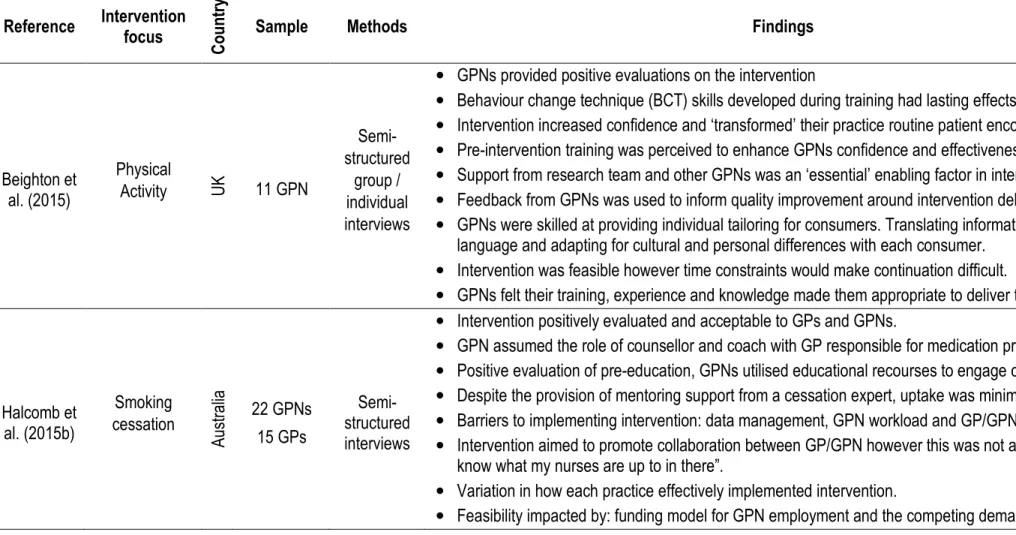
Table 2: Summary Table Reference Intervention focus C o u n tr y
Sample Methods Findings
Beighton et al. (2015) Physical Activity UK 11 GPN Semi- structured group / individual interviews
• GPNs provided positive evaluations on the intervention
• Behaviour change technique (BCT) skills developed during training had lasting effects on GPN practice. • Intervention increased confidence and ‘transformed’ their practice routine patient encounters.
• Pre-intervention training was perceived to enhance GPNs confidence and effectiveness.
• Support from research team and other GPNs was an ‘essential’ enabling factor in intervention delivery. • Feedback from GPNs was used to inform quality improvement around intervention delivery.
• GPNs were skilled at providing individual tailoring for consumers. Translating information into plain
language and adapting for cultural and personal differences with each consumer.
• Intervention was feasible however time constraints would make continuation difficult.
• GPNs felt their training, experience and knowledge made them appropriate to deliver the intervention.
Halcomb et al. (2015b) Smoking cessation A us tr al ia 22 GPNs 15 GPs Semi-structured interviews
• Intervention positively evaluated and acceptable to GPs and GPNs.
• GPN assumed the role of counsellor and coach with GP responsible for medication prescription. • Positive evaluation of pre-education, GPNs utilised educational recourses to engage consumers. • Despite the provision of mentoring support from a cessation expert, uptake was minimal.
• Barriers to implementing intervention: data management, GPN workload and GP/GPN communication. • Intervention aimed to promote collaboration between GP/GPN however this was not achieved “I don’t
know what my nurses are up to in there”.
• Variation in how each practice effectively implemented intervention.
Reference Intervention focus C o u n tr y
Sample Methods Findings
Hanley et al. (2013) Blood pressure telemonitoring UK 11 GPN 9 GP 25 Consumers Semi-structured interviews
• Consumers reported greater motivation to maintain optimal blood pressure as a result of telemonitoring. • Interaction between GPN and consumer was seen to be more supportive than self-monitoring alone. • Ongoing feasibility was threatened by the increased workload created by telemonitoring.
• Intervention did not place consumers in a ‘sick role’ as some GPs/GPNs feared before the trial. • The nurse-led model was seen to challenge existing roles and responsibilities within practice. • GPNs required more time to accommodate extra consultations, make calls and monitor BP data. • Lack of integration with patient records was seen to impede effective implementation in practice. • Despite the consensus among GPs and GPNs that a nurse-led monitoring service was most
appropriate some consumers felt they needed medication changes and bypassed GPN to access GP.
Hanley et al. (2015) Lifestyle intervention telemonitoring in diabetes U K 6 GPNs 4 GPs 23 Consumers Semi-structured interviews
• Compared to previous 2013 study, telemonitoring was more widely perceived as feasible in practice. • GPs and GPNs found telemonitoring acceptable despite challenges of increased workload and costs. • Several GPNs and GPs voiced reluctance with moving away from traditional “face-to face’ care. • Underrepresentation of ethnic minorities and socio-economically deprived population in sample. • Enhanced motivation to self-manage diet was reportedly increased by telemonitoring of blood glucose. • Expanded GPN roles and responsibilities was impacted by time and workload.
• Consumers were satisfied, providing positive reports of the ‘benign policing’ aspect of phone support –
‘its good to have a policeman somewhere….’
• The convenience of homebased monitoring was acceptable to consumers and a useful way to
communicate with the GPN/GP. Consumers perceived it to be a good ‘fit’ with their lifestyle and felt less ‘burdensome’ on the practice by visiting less.
Reference Intervention focus C o u n tr y
Sample Methods Findings
Hegney et al. (2013b) Lifestyle intervention for consumers with type 2 diabetes, hypertension and/or ischemic heart disease. A us tr al ia 3 Practice Managers 5 GPN 5 GP 38 Consumers Semi- structured interviews
• Intervention was found to be acceptable to GPNs, GPs and consumers.
• Collaboration between GP and GPN was intrinsic to consumer acceptability of nurse-led model. • GPN support empowered consumers with a greater sense of accountability for self-management. • GPNs reported greater confidence, competence and satisfaction as a result of role expansion. • Supportive, collaborative working relationship with GP enhanced GPN job satisfaction.
• Integrating intervention was initially challenging but acceptance grew as feasibility became evident. • The time offered by the GPN was acceptable to consumers however this time has cost implications. • Ongoing sustainability dependent on appropriate funding model and adequate space for GPNs.
Lock et al. (2006) Brief alcohol intervention UK 24 GPN 67 Consumers Survey
• Intervention group did not attain better health outcomes compared to standard advice. However, there
was a reduction in excessive drinking across both groups of the trial over time.
• Limitations include a high nurse participant dropout rate which left data ‘underpowered’.
• Research team aimed to involve GPNs in the study decision making process yet did not describe how
this was enacted.
• Enthusiasm for the intervention was low among GPNs. Uncertainties with the protocol were identified. • GPNs role in health promotion through delegation not merit. GPs delegated role due to lack of time. • Consumers who refused GPN screening were significantly younger than those who accepted care.
Reference Intervention focus C o u n tr y
Sample Methods Findings
McLeod et al. (2005b) Smoking cessation N ew Z ea la nd 3 GPs 16 GPNs Interviews
• The acceptability to consumers was confirmed by the mixed demographics of recruited patients. • Recruitment to training was time intensive.
• Barriers to recruitment for training included perceptions that many patients would continue or return to
smoking, and lack of time to attend the training.
• The relevance and value of the training was identified, particularly the physical resources. • Evidence of GPNs tailoring cessation advice to clients’ individual circumstances.
• Many found site visits useful as an opportunity for communication and to see how the program had
been implemented elsewhere, although the research team almost always initiated these.
• GPNs reported enjoying the counselling aspect of the work.
• Internal practice organisation, including the GPN role, significantly impacted success of implementation. • Without some autonomy, reduced administrative tasks, and uninterrupted time, GPNs could not fulfil
their role to its potential.
McQuigg et al. (2008) Weight management UK 15 GPNs 7 GPs 37 Consumers Structured interviews Focus groups
• GP/GPN engagement was influenced by their beliefs and attitudes, the way in which the intervention
was initialised/delivered and existing organisational factors.
• Patient engagement was influenced by practice endorsement of the programme, clear understanding of
programme goals, structured proactive follow-up and belief in achieving positive outcomes.
• ‘Successful’ practices were characterised by active GP involvement, strong ownership and staff
members acting as ‘Counterweight Champion’.
• In ‘less successful’ practices, GPNs were not consulted prior to implementation and had little
knowledge of the intervention. This resulted in GPN disenfranchisement, poor ownership and lack of commitment. Less successful practices ceased the intervention prior to the 12month completion date.
• Consumers perceived the intervention to have ‘credibility’, engaging support materials and recourses. • GPNs were uncertain in using recourses & lacked confidence in their ability to deliver the intervention. • GPNs received 8 hours training and ongoing support by dieticians (weight management advisors),
Reference Intervention focus C o u n tr y
Sample Methods Findings
Mahomed et al. (2012) Lifestyle intervention for consumers with type 2 diabetes, hypertension and/or ischemic heart disease A us tr al ia 38 Consumers In-depth interviews, grounded theory
• Consumers navigate through a 3 step process; determining needs, forming relationships and having
confidence. If any stage fails to develop consumers are likely to opt out of nurse-led care.
• Consumers found it acceptable for GPN to monitor stable conditions yet preferred GP care when
conditions deteriorated.
• Once rapport was established consumer and GPN were perceived to ‘work together’ to manage care.
The amount and quality of GPN consultation, open communication style and continuity of care cemented the GPN/consumer relationship.
• Consumer trust was enhanced when the GP was seen to be involved in care.
• Continuity of care was valued, consumers preferred follow up with the GPN whom they had rapport. • Perceptions of GPN varied. Most consumers were confident and accepting of the GPN-led model
however some viewed them as GP assistants with little autonomy.
Verwey et al. (2012) Physical activity H ol la nd 11 GPNs 3 GPs 2 Physios Interviews Focus groups
• GPNs were quick to adopt the web based monitoring system reporting ease of use.
• Despite positive evaluations several GPNs were critical of the time demands of the intervention. • The extra time required to utilise and monitor the web based system disrupted existing GPN workflow. • GPNs were central to intervention design with GPN requirements and feedback considered and
enacted by researchers. This enabled constant improvement of the intervention.
• Physical activity data generated via monitoring was useful to enhance motivation and goals tracking. • Intervention supported the GPN role in physical activity counselling in a ‘structured and profound’ way.
Reference Intervention focus C o u n tr y
Sample Methods Findings
Zwar et al. (2011) Smoking cessation A us tr al ia 31 GPNs 35 GPs 498 Consumers Survey and Semi- structured interviews
• GPNs were enthusiastic about the intervention, perceiving it enhance their skills and extend scope of
practice. They also felt it was an appropriate role which could contribute to enhanced consumer care
• Finding time to fulfil their smoking cessation counselling role and routine duties was a major issue • GPNs felt a longer training package was required, many utilised the ongoing supportive mentoring • Data indicated the GPN led intervention was acceptable to GPNs GPs and consumers.
• Enhanced follow–up was valued. Consumers appreciated regular ‘face to face’ contact with the GPN. • Consumers who attended 4 or more visits with GPN were significantly more likely to quit smoking. • GPNs believed that consumers felt comfortable or ‘more relaxed and open’ with nursing care. • Intervention congruent with GPN scope of practice, role could be optimised with ongoing education. • Sustainability of expanded GPN role unfeasible without funding to support GPN consultation time.