Bridging the gap between embodied
cognition and cognitive load theory
Von der Fakultät für Human- und Sozialwissenschaften der Technischen Universität Chemnitzgenehmigte
Dissertation
zur Erlangung des akademischen Grades doctor rerum naturalium
(Dr. rer. nat.) vorgelegt
Von: M.Sc. Alexander Skulmowski
Geboren am: 28.07.1986 in Bonn-Duisdorf Tag der Einreichung: 17.04.2019
Gutachter:
Prof. Dr. Günter Daniel Rey Prof. Dr. Peter Ohler
Acknowledgments
I would like to express my gratitude to the people who have made this dissertation possible. First, I want to thank my supervisor, Professor Dr. Günter Daniel Rey, for giving me creative freedom and providing me with excellent conditions to pursue my research interests. My work has greatly benefited from his methodological rigor and knowledge. I thank Professor Dr. Peter Ohler for his support and help throughout the years.
I wish to thank my colleagues at the Chair of Psychology of Learning with Digital Media for providing helpful insights. Thanks to the people at the Research Training Group “CrossWorlds” for building an inspiring work environment. I am grateful for the generous financial support of GRK 1780/1 by the German Research Foundation/DFG. Moreover, I would also like to thank my colleagues and the students at the Institute for Media Research for making it a dynamic place to work and teach.
I am deeply thankful to my family and friends for their support during the process of writing this thesis. Without the support of my parents, I could not have chosen this path. In particular, I want to thank Andreas Bunge for his constant help and encouragement throughout all the phases of writing this dissertation.
Summary
This dissertation presents a theoretical and empirical investigation of the design of interactive learning media. Interactivity is understood in a broad sense, ranging from minimally interactive user controls allowing learners to change the display of learning contents up to fully immersive virtual reality environments. Theoretically, this dissertation is grounded in the models of cognitive load theory and embodied cognition. Cognitive load theory advises instructional designers to limit the cognitive load involved in a learning task, but embodied cognition research usually focuses on the benefits of activity for cognitive processes. The chapters in this dissertation aim to bridge the gap between these two seemingly contradicting approaches. Chapter 1 offers an overview of the contents of this dissertation and describes the implications of the results. In Chapter 2, an extended overview of embodiment research in the field of learning (also referred to as embodied learning) is presented and a taxonomy of embodied learning is outlined. Chapter 2 highlights that there may be ways of designing interactive learning settings while not infringing upon the principles of cognitive load theory. Chapter 3 affords a reflection on the intricacies of measuring cognitive load in tasks that involve embodiment or interactivity. An important assertion of Chapter 3 is that there may be differences in the suitability of different cognitive load measurement instruments for tasks differing in their instructional approach. The suitability of different cognitive load survey instruments for measuring (extraneous) cognitive load is empirically evaluated in Chapter 4. In two experiments, extraneous load (i.e., cognitive load brought about by the implementation of a learning task) was measured using two different cognitive load surveys. Participants either used a noninteractive or an interactive implementation of anatomy learning tasks. In one experiment, the difference in extraneous load between the two versions was high for one survey and low for another survey. Based on this result, the chapter recommends to view extraneous load not as a uniform concept, but rather as a collection of different load types. Moreover, the three studies in Chapter 4 test hypotheses concerning the design of tests for media using interactive learning components. Finally, Chapter 5 intends to formulate general recommendations for advancing embodied cognition research, thereby drawing
on the taxonomy of Chapter 2. In sum, this dissertation uses embodied cognition and cognitive load theory to inform each other and to provide a starting point for upgrades for both theories.
Zusammenfassung
Diese Dissertation enthält eine theoretische und empirische Untersuchung der Gestaltung interaktiver Lernmedien. Interaktivität wird hierbei breit definiert und umfasst sowohl minimal interaktive Benutzersteuerungen, die Lernenden eine Änderung der Darstellung von Lerninhalten erlauben, bis hin zu voll immersiven Umgebungen in der virtuellen Realität. Theoretisch ist die Dissertation auf den Modellen der Cognitive Load Theory und dem Ansatz der Embodied Cognition verankert. Der Ansatz der Cognitive Load Theory rät zu einem Instruktionsdesign bei dem die kognitive Belastung innerhalb einer Lernaufgabe begrenzt wird, jedoch stellt Forschung im Paradigma der Embodied Cognition zumeist die Vorteile von Aktivität für kognitive Prozesse heraus. Die Kapitel dieser Dissertation zielen darauf ab, diese zwei scheinbar widersprüchlichen Ansätze miteinander zu versöhnen. Kapitel 1 bietet einen Überblick über die Inhalte dieser Dissertation und beschreibt die Implikationen der Resultate. In Kapitel 2 wird ein weitreichender Überblick über Forschung zu Embodied Cognition im Bereich des Lernens (auch bekannt als Embodied Learning) präsentiert und eine Taxonomie des Embodied Learning wird beschrieben. Ein wichtiger Beitrag von Kapitel 2 ist die Betrachtung, dass eine Gestaltung von interaktiven Lernumgebungen, die nicht gegen die Grundsätze der Cognitive Load Theory verstoßen, möglich ist. Kapitel 3 leistet eine Reflexion über Detailfragen zur Messung der kognitiven Belastung bei Aufgaben, in denen körperliche Faktoren oder Interaktivität eine Rolle spielen. Eine wichtige Behauptung aus Kapitel 3 besteht darin, dass es Unterschiede hinsichtlich der Passung verschiedener Messinstrumente der kognitiven Belastung für Aufgaben mit einem unterschiedlichen Lehransatz geben könnte. Die Passung verschiedener Fragebogeninstrumente zur Erfassung der (extrinsischen) kognitiven Belastung wird in Kapitel 4 empirisch evaluiert. In zwei Experimenten wurde die extrinsische Belastung (d.h. jene kognitive Belastung, die aus der Umsetzung einer Lernaufgabe herrührt) mit zwei verschiedenen Fragebogeninstrumenten gemessen. Die Versuchspersonen nutzten dabei entweder eine nicht-interaktive oder eine interaktive Implementation von Lernaufgaben zur Anatomie. Bei einem der Experimente stellte sich heraus, dass der gemessene Unterschied in der extrinsischen Belastung zwischen den beiden Versionen bei einem der Fragebögen hoch und bei dem anderen gering ausfiel. Basierend
auf diesem Ergebnis wird in dem Kapitel empfohlen, die extrinsische Belastung nicht als einen einheitlichen Begriff, sondern als eine Ansammlung unterschiedlicher Belastungsarten zu betrachten. Darüber hinaus werden in den drei Experimenten in Kapitel 4 Hypothesen hinsichtlich der Gestaltung von Lerntests für Medien aufgestellt, die interaktive Komponenten verwenden. Zum Abschluss zielt Kapitel 5 darauf ab, allgemeine Empfehlungen zur Verbesserung von Forschung im Paradigma der Embodied Cognition zu formulieren und greift dabei auf die Taxonomie aus Kapitel 2 zurück. Insgesamt betrachtet verwendet diese Dissertation die Ansätze der Embodied Cognition und der Cognitive Load Theory um die Theorien gegenseitig anzuregen und um Ansätze zur Überarbeitung beider Theorien zu bieten.
Contents
Acknowledgments...i Summary...iii Zusammenfassung...v List of abbreviations...x 1 Synopsis...1 1.1 Overview...2 1.2 Embodied Cognition...2 1.2.1 History...21.2.2 Explanatory Scope of Embodied Cognition Research...3
1.3 Embodied learning...4
1.3.1 Cognitive Load Theory...5
1.3.2 History and recent developments...5
1.4 Overview of the following chapters...6
1.4.1 Chapter 2...7
1.4.2 Chapter 3...7
1.4.3 Chapter 4...8
1.4.4 Chapter 5...9
1.5 Summary of the results...10
1.6 Outlook...10
1.7 References...11
2 Embodied learning: introducing a taxonomy based on bodily engagement and task integration ...15
2.1 Abstract...16
2.2 Significance...17
2.3 Introduction...17
2.4 Review...18
2.4.1 Embodiment and multisensory cognitive processing...18
2.4.2 Gestures...19
2.4.3 Physical and virtual embodied learning...19
2.4.4 Taxonomies of embodiment in education...20
2.4.5 Integrated and incidental forms of embodiment...23
2.4.6 Bodily engagement...26
2.4.7 Summary...31
2.5 Conclusion and outlook...33
2.6 Abbreviations...34
2.7 Declarations...34
2.8 References...35
3.1 Abstract...44
3.2 Embodied Learning Scenarios and Cognitive Load...45
3.3 Cognitive Load Theory...46
3.3.1 Load Types...47
3.3.2 Cognitive Load Measurement for Embodied Learning...47
3.4 Outlook and Conclusion...51
3.5 Author Contributions...52
3.6 Funding...52
3.7 Conflict of Interest Statement...53
3.8 References...53
4 Different types of extraneous load? Assessing the appropriateness of surveys and tests in the context of cognitive load theory...61
4.1 Abstract...62
4.2 Introduction...63
4.2.1 Cognitive load theory...63
4.2.2 Interactive learning...64
4.2.3 Conceptualizing and measuring extraneous load in interactive learning...64
4.2.4 Metacognitive judgments...66
4.2.5 Choosing appropriate tests in the context of interactive learning media...67
4.3 Experiment 1...70
4.3.1 Method...71
4.3.2 Results and Discussion...76
4.4 Experiment 2...78
4.4.1 Method...80
4.4.2 Results and Discussion...84
4.5 Experiment 3...86
4.5.1 Method...88
4.5.2 Results and Discussion...92
4.6 General Discussion...93
4.6.1 Implications of the measurement of extraneous load in interactive learning media...94
4.6.2 Implications for the design of learning tests for interactive learning media...96
4.6.3 Limitations...97
4.6.4 Conclusion...97
4.7 Authors’ contributions...98
4.8 Acknowledgment...98
4.9 References...98
5 Adjusting sample sizes for different categories of embodied cognition research...109
5.1 Introduction...110
5.2 Identifying Problematic Embodiment Research...111
5.2.1 Bodily Engagement and Task Integration...112
5.2.2 Categorization Based on Directness...113
5.2.3 Adjustments Based on Moderating Factors and Boundary Conditions...114
5.3 Conclusion...114
5.5 Funding...115 5.6 Conflict of Interest Statement...115 5.7 References...115 Selbstständigkeitserklärung...I
List of abbreviations
ANOVA Analysis of variance CLT Cognitive load theoryEC Embodied cognition
NASA-TLX NASA Task Load Index SVG Scalable vector graphic
1 Synopsis
1.1 Overview
This dissertation is aimed at gaining insights into the interplay between theories of embodied cognition (EC; e.g., Barsalou, 1999) and the instructional framework of cognitive load theory (CLT; Sweller, van Merrienboer, & Paas, 1998). The application of findings based on EC theory to research in the area of education is also known as embodied learning (e.g., Johnson-Glenberg, Birchfield, Tolentino, & Koziupa, 2014). The main focus of this dissertation is the design of embodied and interactive learning media. Interactive learning media are considered to be potential contributors to captivating learning experiences (e.g., Domagk, Schwartz, & Plass, 2010), but their optimal design is a debated issue investigated in theoretical (e.g., Domagk et al., 2010) and empirical (e.g., Kalet et al., 2012; Plass et al., 2012) research projects. Some research projects have linked interactive media theoretically with embodied learning and CLT (e.g., Skulmowski, Pradel, Kühnert, Brunnett, & Rey, 2016). The purpose of the papers in this dissertation is (1) to systematically assess current problems of embodied learning and CLT (see Chapters 2 and 3, respectively); (2) to empirically investigate how and why some of these problems occur (Chapter 4); (3) to develop guidelines on how to improve EC research (Chapter 5) and CLT research (Chapter 4).
1.2 Embodied Cognition
1.2.1 History
To understand the relevance of EC for current research, it is important to take a brief look at the historical development of cognitive theory. Glenberg, Witt, and Metcalfe (2013) describe how in the year 1988, the mainstream opinion within cognitive research was that cognitive processes rely on symbolic entities in the mind that bear an arbitrary relation to entities in the world (Glenberg et al., 2013 cite Newell & Simon, 1976, as an example for this view). Glenberg and colleagues (2013) list a variety of problems of this view of cognition. Importantly, notions such as the arbitrary nature of symbols and the idea that the processing of these symbols can be regarded as being isolatable from the symbols themselves were not left unchallenged (Glenberg et al., 2013). Concerning the former issue, Glenberg and colleagues (2013) cite, among others,
Metcalfe’s (1990) account as one attempt at connecting representations with the fact that they need to be realized through actual neurons in the brain. When explaining the latter issue of regarding representational contents and their processing procedures as isolatable entities, Glenberg and colleagues (2013) cite Gibson (1979) as an exemplary contrasting account that describes how action is interdependent with perception.
Barsalou’s (1999) paper on perceptual symbol systems contains another alternative to theories centered around arbitrary relations. Barsalou (1999) distinguishes between amodal and modal symbols. On the one hand, Barsalou (1999) describes amodal symbols (Barsalou, 1999, cites, among others, Newell & Simon, 1976, and Fodor, 1975, as examples) as not containing perceptual contents. On the other hand, Barsalou (1999) presents modal symbols, also referred to as perceptual symbols, as being located in the same neural systems that were utilized during the initial perception of their referents. Simply put, Barsalou’s (1999) perceptual symbol systems account states that humans use the same neural systems during perception, action, and mental simulation of an entity. Therefore, the symbols used in cognitive processes contain perceptual contents obtained from the sensory modalities (Barsalou, 1999).
However, the term “embodiment” (or “embodied cognition”) can mean much more than a model of mental information processing as can be seen from Wilson’s (2002) overview. Among others, Wilson (2002) summarizes that some lines of embodied cognition research investigate how not only the body but the environment can become a constituent of cognitive systems (among others, Wilson, 2002, cites Clark, 1998, as one example for this claim). In response to the variety of research questions in EC research, there has been criticism focused on the unspecific definition and use of the term “embodied cognition” (Goldinger, Papesh, Barnhart, Hansen, & Hout, 2016). In a recent article, Barsalou (2016) chooses to speak of “grounded cognition” instead of “embodied cognition” in order to be able to include a wider range of phenomena.
1.2.2 Explanatory Scope of Embodied Cognition Research
Over the last few years, there has been a considerable debate over various issues pertaining to research conducted under the label of embodied cognition (for a critical view, see Goldinger et al., 2016). For instance, some authors have criticized the embodiment framework for lacking
explanatory power (e.g., Goldinger et al., 2016) and for having produced potentially unreliable results (Lakens, 2014; Rabelo, Keller, Pilati, & Wicherts, 2015). In particular, some authors have questioned whether embodiment theory can be used to explain enough mental phenomena to be considered as a comprehensive account of cognition (Goldinger et al., 2016). For example, one contentious issue remains the question of how the human cognitive system can form abstract thoughts if cognition is as highly dependent on concrete perceptual information as embodiment theorists claim it to be (for two different perspectives on this debate, see Barsalou, 2016, and Goldinger et al., 2016).
Despite Goldinger and colleagues’ (2016) critical view of EC based largely on basic research in cognitive psychology and related fields, researchers investigating more applied research questions have found substantial evidence for a connection between concrete experience and abstract contents (e.g., Lindgren, Tscholl, Wang, & Johnson, 2016; for an overview, see Gallagher & Lindgren, 2015). As suggested by Barsalou (2016), one promising way of conducting grounded cognition research is by testing hypotheses related to basic cognitive functions in settings that are constructed in a more realistic fashion. Barsalou (2016) emphasizes that research should investigate how the mind interacts with the body and the environment. Interestingly, the aforementioned idea of considering the system resulting from the interactions between learners and their surroundings has become a notable area of educational research (e.g., Choi, van Merriënboer, & Paas, 2014). Future research will show whether insights gained in settings modeled after real-life settings will be able to inform EC theory.
1.3 Embodied learning
The aforementioned inclusion of embodiment theory in educational research is referred to as embodied learning (e.g., Johnson-Glenberg et al., 2014). This dissertation contains a review of embodied learning research in Chapter 2 (published as Skulmowski & Rey, 2018b). Importantly, there has been work towards design principles for embodied learning environments using current technology (e.g., Lindgren & Johnson-Glenberg, 2013). Chapter 2 (published as Skulmowski & Rey, 2018b) and Chapter 3 (published as Skulmowski & Rey, 2017) focus on theoretical concepts developed within CLT and therefore, the following section presents an overview of this theory.
1.3.1 Cognitive Load Theory
CLT is a theory targeted at the design of learning materials (Sweller et al., 1998). The theory rests on the proposition that our working memory is bounded and therefore recommends to consider this fact in the design of learning materials (Sweller et al., 1998). The model proposed by Sweller and colleagues (1998) divides the demands on working memory during learning into three parts, that is to say, intrinsic load, extraneous load, and germane load. Sweller and colleagues (1998) state that intrinsic load is determined by the number of components concurrently attended to. Extraneous load is produced by the manner in which learning materials are designed (Sweller et al., 1998). Germane load is present when learners have memory resources left and can use these deliberately for learning (Sweller et al., 1998). Concerning CLT, two aspects are of particular importance throughout this dissertation: cognitive load measurement (see Chapters 3 and 4) and the conceptualization of extraneous load (see Chapter 4).
1.3.2 History and recent developments
A recent article by Sweller, van Merriënboer, and Paas (2019) concisely summarizes the historical development of cognitive load theory and traces its roots to several older papers (Sweller & Levine 1982; Sweller, 1988; Sweller et al., 1998). In the studies by Sweller and Levine (1982) and Sweller (1988), problem-solving tasks were used as learning objectives. The three components and their relationships have been formulated over time in various papers, such as the relationship between intrinsic and extraneous load (Sweller, 1994). An important historical development of the theory concerns the definition of germane load. Sweller and colleagues (2019) describe that in the earlier iteration of the theory presented in Sweller and colleagues (1998), germane cognitive load is postulated to increase the collective cognitive load. However, Sweller and colleagues (2019) recently proposed an updated model in which germane load does not count towards the global cognitive load. Most of the chapters in this dissertation focus on the element of extraneous load and are therefore not directly affected by the debate around germane load. Sweller and colleagues (2019) present a variety of effects related to CLT and cite some newer discoveries such as the human movement effect (Paas & Sweller, 2012). The human movement effect states that learning from dynamic learning materials can be enhanced by including movements performed by human agents in these learning materials (Paas & Sweller, 2012). A
number of articles have demonstrated links between CLT and EC (e.g., Paas & Sweller, 2012; Sweller et al., 2019), thereby highlighting the relevance of the connection between these two theories. Furthermore, Choi and colleagues (2014) argue that CLT could be applied to analyze the demands of the physical surroundings on memory.
An important aspect of CLT is the measurement of cognitive load (for overviews, see Paas, Tuovinen, Tabbers, & van Gerven, 2003; Sweller et al., 2019). Chapter 3 (published as Skulmowski & Rey, 2017) illustrates the specific challenges facing researchers attempting to measure cognitive load while utilizing learning materials that incorporate embodiment or interactive elements. Moreover, Chapter 4 contains empirical studies concerned with cognitive load measurement for interactive learning systems.
1.4 Overview of the following chapters
The following four chapters of this cumulative dissertation each represent individual papers that have either already been published in peer-reviewed journals (Chapters 2, 3, and 5) or are planned to be submitted for publication (Chapter 4). The citations are given in the following list.
Chapter 2. Skulmowski, A., & Rey, G. D. (2018). Embodied learning: introducing a taxonomy based on bodily engagement and task integration. Cognitive Research: Principles and Implications, 3:6. doi: 10.1186/s41235-018-0092-9
Chapter 3. Skulmowski, A., & Rey, G. D. (2017). Measuring cognitive load in embodied learning settings. Frontiers in Psychology, 8:1191. doi: 10.3389/fpsyg.2017.01191
Chapter 4. Skulmowski, A., & Rey, G. D. (2019). Different types of extraneous load? Assessing the appropriateness of surveys and tests in the context of cognitive load theory. Manuscript in preparation.
Chapter 5. Skulmowski, A., & Rey, G. D. (2018). Adjusting sample sizes for different categories of embodied cognition research. Frontiers in Psychology, 9:2384. doi: 10.3389/fpsyg.2018.02384 Throughout this synopsis, the chapters of this dissertation and the corresponding articles are cited interchangeably. The content of these chapters and their role within this dissertation are summarized in the following sections.
1.4.1 Chapter 2
Chapter 2 offers a detailed review of current embodied learning research. In addition to providing an overview of the empirical literature, the chapter also contains summaries and critical discussions of taxonomies of embodied learning. The chapter summarizes findings from studies in which bodily aspects have been included in order to foster learning. The major contribution of this chapter is the construction of a taxonomy for embodied learning. The taxonomy presented in Chapter 2 features the two dimensions bodily engagement and task integration. While bodily engagement is used to measure the level of bodily involvement utilized in a learning task (ranging from low levels such as gesturing to activities involving the entire body), task integration represents the degree to which a given form of bodily engagement is embedded into the task. Using these two dimensions, the reviewed research is evaluated in Chapter 2. An important conclusion that is drawn in Chapter 2 is that stronger bodily engagement does not necessarily lead to greater learning success. Additionally, the dimension task integration is emphasized as an important contributor to embodied learning in Chapter 2. Furthermore, Chapter 2 discusses the close relationship between research on embodied learning and interactive learning media. The research reviewed in Chapter 2 highlights some important issues for future research. For instance, based on Johnson-Glenberg and Megowan-Romanowicz (2017), the chapter describes that the embodiment level of learning tests should correspond to the embodiment level of the learning phase. Aspects of the issue of testing are empirically investigated in Chapter 4.
1.4.2 Chapter 3
In Chapter 3, the specific obstacles of measuring cognitive load in learning settings built around the notion of embodiment are discussed. The chapter gives a short summary of relevant methods for measuring cognitive load and lists examples of cognitive load measurement from the embodied learning literature. These methods include surveys, secondary tasks, and physiological data. Furthermore, the chapter discusses the advantages and problems of these methods. Most importantly, the chapter raises the issue that some methods of cognitive load measurement may be less compatible with embodied learning research. As an example, the chapter describes some cognitive load surveys to be more compatible with conventional forms of learning settings in
which written or oral instructions are the predominant mode of instruction. This conclusion is empirically tested in Chapter 4.
1.4.3 Chapter 4
Chapter 4 contains three empirical studies (N1 = 35; n2 = 50; n3 = 42) that combine insights gained
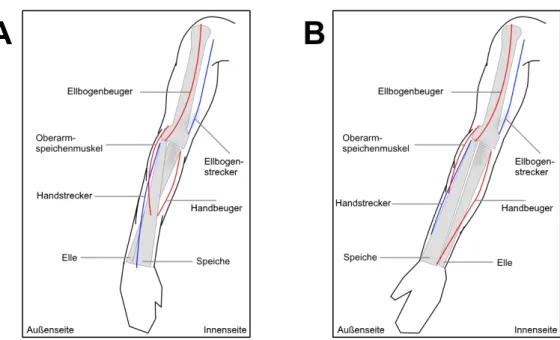
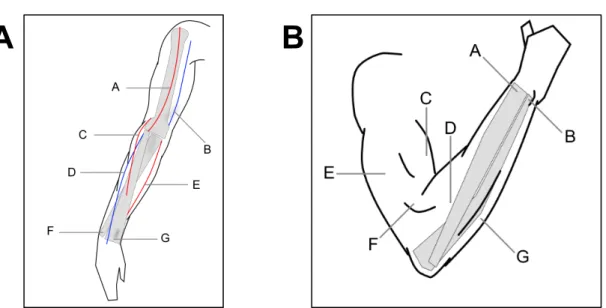
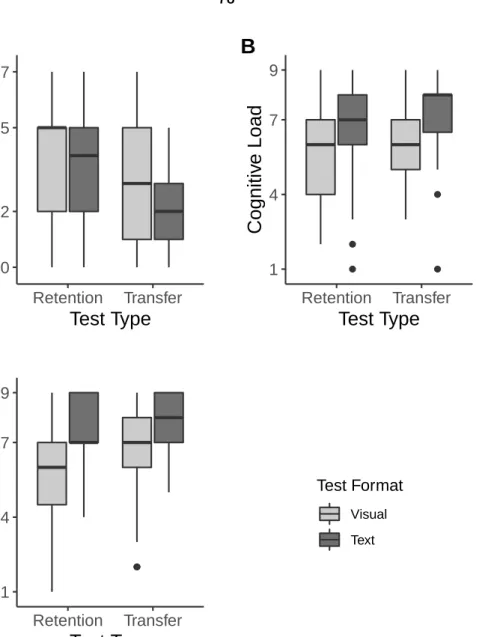
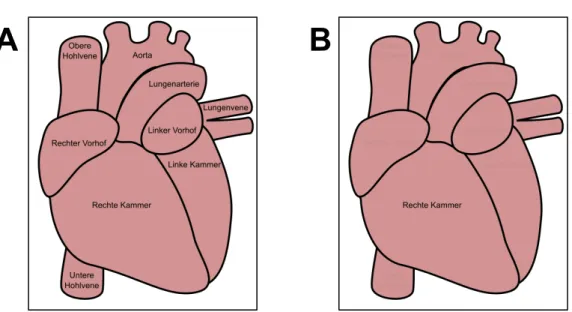
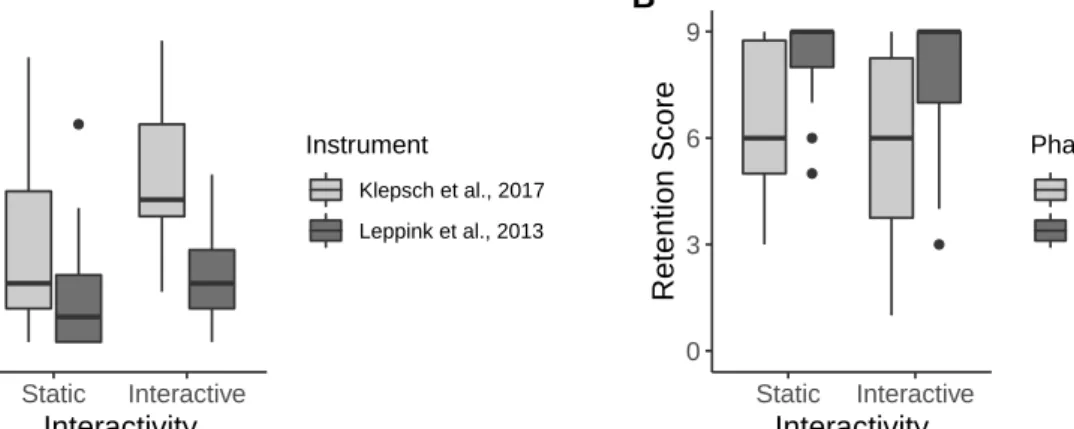
from the theoretical reviews of Chapter 2 and Chapter 3 and applies these to issues concerning the design of interactive learning materials and the measurement of extraneous cognitive load. The learning contents employed in these three studies are diagrams depicting anatomical information and, in the case of Experiments 1 and 2, were supported by short learning texts. Experiment 1 was used to assess which sorts of learning tests are the most suitable for an interactive learning task. All participants utilized an interactive diagram of arm anatomy. The four learning tests which all participants completed differed in the degree of how much participants had to mentally rearrange the information they had learned during the learning phase. A 2 × 2 repeated-measures design was used that included the factors test type (retention vs. transfer) and test format (visual test vs. text-based test). Concerning learning performance, transfer tests resulted in lower test scores compared to retention tests. Transfer tests correspondingly were rated as more difficult compared to retention tests. Tests including visuals produced a lower self-reported cognitive load as well as a lower perceived difficulty compared with tests in text format. These results imply that the mental operations necessary to rearrange information from mere retention towards transfer and from a visual to a more abstract, verbal format are similar and may be varieties of mental simulation.
Experiments 2 and 3 featured mixed 2 × 2 designs with interactivity (noninteractive vs. interactive variants of the learning materials) as the between-subjects factor. Both experiments examined cognitive load measurement and the effects of aspects related to testing. Concerning the latter issue, Experiment 2 evaluated whether a picture-based test involving the mouse movements required by the interactive version of the learning phase would give learners using that interactive version an advantage over those learners who used a noninteractive version. Experiment 3 assessed whether an interactive learning setting would lead to a particularly strong increase in
retention scores over two test measurements compared with the static version. Both test-related hypotheses were not confirmed.
The main contribution of Chapter 4 lies in the experimental investigation of cognitive load measurement issues described in Chapter 3. In Experiment 2 and Experiment 3, two cognitive load surveys are contrasted with each other concerning their ability to measure the extraneous load produced by interactivity. Although this comparison did not achieve significance in Experiment 2 despite intriguing descriptive data, Experiment 3 included a stronger study design and found a clear difference between the two surveys in measuring extraneous load. Therefore, Chapter 4 confirmed the theoretical idea presented in Chapter 3 that different surveys need to be used to adequately measure extraneous load depending on the design of the task. This result is used in Chapter 4 to substantiate the claim that there may be various specific types of extraneous load that could be used to further elaborate CLT.
1.4.4 Chapter 5
Based on some of the ideas developed in Chapter 2, Chapter 5 (published as Skulmowski & Rey, 2018a) represents a compilation of current issues related to performing reliable EC research. Chapter 5 aims to give solutions to the difficulty that some results of embodiment studies could not be replicated (the chapter cites Rabelo et al., 2015, as an example replication). Three facets of embodied cognition studies are explained in the chapter. The taxonomy of embodied learning presented in Chapter 2 is repurposed for the broader field of EC research in Chapter 5. The chapter uses this taxonomy to suggest sample size corrections for EC studies in danger of resulting in unreliable data. Furthermore, Chapter 5 introduces the dimension of directness to distinguish between embodiment effects. Directness is described in Chapter 5 as the position of a study design on a range between metaphor-mediated effects and more direct effects. Finally, the chapter includes a discussion of moderating factors and how they can weaken embodiment manipulations. All in all, the chapter offers a compilation of signs to alarm researchers to the fact that particular types of embodiment studies may result in weak effects or may require modifications such as larger sample sizes.
1.5 Summary of the results
Based on these results, both EC theory and CLT can be expanded. Research on embodied learning has provided ample evidence that bodily engagement is a valuable resource that can be exploited for educational purposes (see Chapter 2). Yet, some aspects of interactivity can put these potential benefits at peril (see Chapter 2). Therefore, Chapter 2 warns of excessive and distracting forms of bodily engagement that may induce extraneous load. Chapter 3 illustrates the complexity of measuring cognitive load in embodied and interactive learning environments. Even when using fine-grained tools such as cognitive load surveys that measure the different load types postulated in CLT separately, Chapter 3 raises the point that not all surveys are necessarily optimized for all educational settings. This hypothesis is empirically tested and confirmed in Chapter 4 in studies comparing two different instruments for measuring extraneous load. The learning tasks used in Chapter 4 focus on basic interactivity patterns and revealed that interactivity results in different extraneous load scores when measured with different survey instruments. As discussed in Chapter 4, the experiments give reason to assume that extraneous load cannot be thought of as a monolithic concept, but rather should be thought of as being constituted of multiple components dependent on the learning task. Finally, Chapter 5 contains a number of systems to think about embodied cognition research and puts the taxonomy from Chapter 2 in a broader perspective. Thereby, the results of embodied learning research are made more accessible for all researchers working on issues related to embodied cognition in Chapter 5.
1.6 Outlook
Research in the field of embodied learning has matured in recent years and works on a diverse range of research questions as summarized in Chapter 2. The most important suggestion for future research in this field stemming from the papers in this dissertation is to view embodied learning as having various strengths and problems depending on the execution (see Chapter 2). As emphasized in Chapter 2, embodied learning is not the most successful when bodily activity is maximized in a task. Instead, Chapter 2 gives reason to assume that the integration of that bodily activity into a learning task is important as well. The relevance of this aspect is emphasized by another theoretical system with the aim of categorizing learning research involving bodily
aspects that was recently presented by Mavilidi and colleagues (2018). In their system, studies are distinguished using the dimensions relevance and integration (Mavilidi et al., 2018).
Since the publication of Chapter 2 (published as Skulmowski & Rey, 2018b) of this dissertation, the ideas conveyed therein have been discussed in other scientific works (e.g., Johnson-Glenberg, 2018). For instance, Duijzer, Van den Heuvel-Panhuizen, Veldhuis, Doorman, and Leseman (2019) conducted an analysis of embodiment-based mathematics learning for which they developed the dimension bodily involvement based on ideas conveyed by Johnson-Glenberg and colleagues (2014) and Chapter 2 (published as Skulmowski & Rey, 2018b). It will be interesting to see which (combinations of) dimensions will be the most useful for distinguishing between embodied learning studies.
Concerning the issue of cognitive load measurement, as discussed in Chapter 3 and Chapter 4, the real work of isolating different facets of extraneous load can now begin and will certainly benefit the specification of CLT. Further research is needed to provide more precise and accessible guidelines on how to apply the findings of this dissertation to practical educational problems. For example, educational practitioners and instructional designers would benefit from more specific constraints on how to integrate bodily activity in learning settings for different age groups. The papers in this dissertation provide a starting point.
1.7 References
Barsalou, L. W. (1999). Perceptual symbol systems. Behavioral and Brain Sciences, 22, 577–660. Barsalou, L. W. (2016). On staying grounded and avoiding quixotic dead ends. Psychonomic
Bulletin & Review, 23, 1122–1142.
Choi, H. H., van Merriënboer, J. J., & Paas, F. (2014). Effects of the physical environment on cognitive load and learning: towards a new model of cognitive load. Educational Psychology Review, 26, 225–244.
Clark, A. (1998). Embodied, situated, and distributed cognition. In W. Bechtel & G. Graham (Eds.), A companion to cognitive science (pp. 506–517). Malden, MA: Blackwell.
Domagk, S., Schwartz, R. N., & Plass, J. L. (2010). Interactivity in multimedia learning: An integrated model. Computers in Human Behavior, 26, 1024–1033.
Duijzer, C., Van den Heuvel-Panhuizen, M., Veldhuis, M., Doorman, M., & Leseman, P. (2019). Embodied Learning Environments for Graphing Motion: a Systematic Literature Review. Educational Psychology Review. Advance online publication. doi: 10.1007/s10648-019-09471-7
Fodor, J. A. (1975). The language of thought. Harvard University Press.
Gallagher, S., & Lindgren, R. (2015). Enactive metaphors: Learning through full-body engagement. Educational Psychology Review, 27, 391–404.
Gibson, J. J. (1979). The ecological approach to visual perception. Boston, MA: Houghton Mifflin. Glenberg, A. M., Witt, J. K., & Metcalfe, J. (2013). From the revolution to embodiment: 25 years of
cognitive psychology. Perspectives on Psychological Science, 8, 573–585.
Goldinger, S. D., Papesh, M. H., Barnhart, A. S., Hansen, W. A., & Hout, M. C. (2016). The poverty of embodied cognition. Psychonomic Bulletin & Review, 23, 959–978.
Johnson-Glenberg, M. (2018). Immersive VR and education: embodied design principles that include gesture and hand controls. Frontiers in Robotics and AI, 5:81. doi:10.3389/frobt.2018.00081
Johnson-Glenberg, M. C., Birchfield, D. A., Tolentino, L., & Koziupa, T. (2014). Collaborative embodied learning in mixed reality motion-capture environments: Two science studies. Journal of Educational Psychology, 106, 86–104.
Johnson-Glenberg, M. C., & Megowan-Romanowicz, C. (2017). Embodied science and mixed reality: How gesture and motion capture affect physics education. Cognitive Research: Principles and Implications, 2:24. doi:10.1186/s41235-017-0060-9
Kalet, A. L., Song, H. S., Sarpel, U., Schwartz, R., Brenner, J., Ark, T. K., & Plass, J. (2012). Just enough, but not too much interactivity leads to better clinical skills performance after a computer assisted learning module. Medical Teacher, 34, 833–839.
Lakens, D. (2014). Grounding social embodiment. Social Cognition, 32, 168–183.
Lindgren, R., & Johnson-Glenberg, M. (2013). Emboldened by embodiment: Six precepts for research on embodied learning and mixed reality. Educational Researcher, 42, 445–452.
Lindgren, R., Tscholl, M., Wang, S., & Johnson, E. (2016). Enhancing learning and engagement through embodied interaction within a mixed reality simulation. Computers & Education, 95, 174–187.
Mavilidi, M. F. M., Ruiter, M., Schmidt, M., Okely, A. D., Loyens, S., Chandler, P., & Paas, F. (2018). A narrative review of school-based physical activity for enhancing cognition and learning: The importance of relevancy and integration. Frontiers in Psychology, 9:2079. doi:10.3389/fpsyg.2018.02079
Metcalfe, J. (1990). Composite Holographic Associative Recall Model (CHARM) and blended memories in eyewitness testimony. Journal of Experimental Psychology: General, 119, 145–160.
Newell, A., & Simon, H. A. (1976). Computer science as empirical inquiry: symbols and search. Communications of the ACM, 19, 113–126.
Paas, F., & Sweller, J. (2012). An evolutionary upgrade of cognitive load theory: Using the human motor system and collaboration to support the learning of complex cognitive tasks. Educational Psychology Review, 24, 27–45.
Paas, F., Tuovinen, J. E., Tabbers, H., & Van Gerven, P. W. (2003). Cognitive load measurement as a means to advance cognitive load theory. Educational Psychologist, 38, 63–71.
Plass, J. L., Milne, C., Homer, B. D., Schwartz, R. N., Hayward, E. O., Jordan, T., ... & Barrientos, J. (2012). Investigating the effectiveness of computer simulations for chemistry learning. Journal of Research in Science Teaching, 49, 394–419.
Rabelo, A. L., Keller, V. N., Pilati, R., & Wicherts, J. M. (2015). No effect of weight on judgments of importance in the moral domain and evidence of publication bias from a meta-analysis. PLoS ONE 10:e0134808. doi:10.1371/journal.pone.0134808
Skulmowski, A., Pradel, S., Kühnert, T., Brunnett, G., & Rey, G. D. (2016). Embodied learning using a tangible user interface: The effects of haptic perception and selective pointing on a spatial learning task. Computers & Education, 92-93, 64–75.
Skulmowski, A., & Rey, G. D. (2017). Measuring cognitive load in embodied learning settings. Frontiers in Psychology, 8:1191. doi: 10.3389/fpsyg.2017.01191
Skulmowski, A., & Rey, G. D. (2018a). Adjusting sample sizes for different categories of embodied cognition research. Frontiers in Psychology, 9:2384. doi: 10.3389/fpsyg.2018.02384 Skulmowski, A., & Rey, G. D. (2018b). Embodied learning: introducing a taxonomy based on bodily
engagement and task integration. Cognitive Research: Principles and Implications, 3:6. doi: 10.1186/s41235-018-0092-9
Skulmowski, A., & Rey, G. D. (2019). Different types of extraneous load? Assessing the appropriateness of surveys and tests in the context of cognitive load theory. Manuscript in preparation.
Sweller, J. (1988). Cognitive load during problem solving: Effects on learning. Cognitive Science, 12, 257–285.
Sweller, J. (1994). Cognitive load theory, learning difficulty, and instructional design. Learning and Instruction, 4, 295–312.
Sweller, J., & Levine, M. (1982). Effects of goal specificity on means–ends analysis and learning. Journal of Experimental Psychology: Learning, Memory, and Cognition, 8, 463–474.
Sweller, J., van Merrienboer, J. J., & Paas, F. G. (1998). Cognitive architecture and instructional design. Educational Psychology Review, 10, 251–296.
Sweller, J., van Merriënboer, J. J., & Paas, F. (2019). Cognitive architecture and instructional design: 20 years later. Educational Psychology Review, 31, 261–292.
2 Embodied learning: introducing a taxonomy
based on bodily engagement and task
integration
Chapter 2 is a reformatted version of a published article with the following citation: Skulmowski, A., & Rey, G. D. (2018). Embodied learning: introducing a taxonomy based on bodily engagement and task integration. Cognitive Research: Principles and Implications, 3:6. https://doi.org/10.1186/ s41235-018-0092-9
Copyright and license information reproduced verbatim from the original article (except for the removal of the embedded hyperlink to the license):
© The Author(s). 2018 Open Access This article is distributed under the terms of the Creative Commons Attribution 4.0 International License (http://creativecommons.org/licenses/by/4.0/), which permits unrestricted use, distribution, and reproduction in any medium, provided you give appropriate credit to the original author(s) and the source, provide a link to the Creative Commons license, and indicate if changes were made.
2.1 Abstract
Research on learning and education is increasingly influenced by theories of embodied cognition. Several embodiment-based interventions have been empirically investigated, including gesturing, interactive digital media, and bodily activity in general. This review aims to present the most important theoretical foundations of embodied cognition and their application to educational research. Furthermore, we critically review recent research concerning the effectiveness of embodiment interventions and develop a taxonomy to more properly characterize research on embodied cognition. The main dimensions of this taxonomy are bodily engagement (i.e. how much bodily activity is involved) and task integration (i.e. whether bodily activities are related to a learning task in a meaningful way or not). By locating studies on the 2 × 2 grid resulting from this taxonomy and assessing the corresponding learning outcomes, we identify opportunities, problems, and challenges of research on embodied learning.
2.2 Significance
The aim of this theoretical paper is to build a bridge between theoretical and applied advances in the field of embodied cognition (EC) research as it pertains to learning and education. To this end, we will present the major theoretical roots of current EC research, discuss whether embodiment approaches have been found to enhance learning processes in applied empirical studies, and offer an interpretation concerning the meaning of these findings for theoretical models. In addition, we aim to develop a taxonomy that can be used to classify the highly diverse implementations of EC in the field of learning and instruction.
2.3 Introduction
Educational research incorporating findings from the research area of EC, often referred to as embodied learning, has established itself as an important field in the past few years (Lindgren & Johnson-Glenberg, 2013). EC is a research paradigm within the cognitive sciences describing how our body and our environment are related to cognitive processes (Barsalou, 1999; Beilock, 2015; Glenberg, 2010; Shapiro, 2010). Due to the growth of the field of embodied learning, a closer look at the different approaches to EC, their potential for educational settings, as well as current demonstrations of their effectivity is needed.
As we will present in the following, there is a wide variety of ways to transfer EC into learning to be found in the current literature (for a related discussion, see Skulmowski & Rey, 2017b). On the one hand, a large part of embodied learning research is concerned with instructional settings involving learners’ entire body (e.g. Johnson-Glenberg, Birchfield, Tolentino, & Koziupa, 2014; Lindgren, Tscholl, Wang, & Johnson, 2016). However, other researchers have focused on the potential uses of embodied phenomena besides full-body movement for educational contexts. These aspects include gesturing (for overviews, see Goldin-Meadow, 2011; Pouw, de Nooijer, van Gog, Zwaan, & Paas, 2014; Roth, 2001) or even minor implementations of EC such as assessing whether the display of human hands in animations can aid learning compared with disembodied arrow symbols (de Koning & Tabbers, 2013). Although some theoretical models emphasize the role of extensive forms of bodily movement (such as locomotion) in embodied learning research
(e.g. Johnson-Glenberg et al., 2014), we propose a more general model based on the dimensions of bodily engagement and task integration. This taxonomy allows us to compare and discuss embodied learning studies ranging from only limited degrees of movement to full-body movement systematically and informatively (for similarly broad perspectives on educational EC research, see de Koning & Tabbers, 2011; van Gog, Paas, Marcus, Ayres, & Sweller, 2009). In this paper, we aim to develop such a taxonomy while reviewing recent literature on embodied learning. The following overview presents the most important theoretical origins of EC and emphasizes how many different types of research questions are included in the umbrella term of embodiment.
2.4 Review
Several reviews and theory papers concerning the role of EC within the field of educational psychology introduced current findings from cognitive psychology and neuroscience to a wider audience within the field of educational and instructional psychology (e.g. de Koning & Tabbers, 2011; Paas & Sweller, 2012; van Gog et al., 2009). The following sections are aimed at illustrating the wide variety of approaches to EC that more applied fields focusing on learning and education currently utilize. A taxonomy of embodied learning will need to be able to categorize research drawing on all of these different aspects of EC.
2.4.1 Embodiment and multisensory cognitive processing
One of the most influential theoretical approaches of EC has been Barsalou’s (1999) framework of perceptual symbol systems. This account suggests that humans use their sensory neural structures to create multisensory representations of their environment (for overviews on EC and language, see Pulvermüller, 2013; Zwaan, 2014). This thread of research revealed that humans reuse those brain structures that are active during perception when mentally imagining an object or action (Barsalou, 1999, 2003, 2008; for an overview on this aspect, see Anderson, 2010). Barsalou’s (1999) model explicitly breaks with the idea of Fodor’s (1975) abstracted forms of symbolic representations as a description of the human conceptual system (see Glenberg, Witt, & Metcalfe, 2013, for a contrast between abstract and embodied theories of cognition). Based on the embodied view of human cognition, educational researchers have started to develop interventions aimed at making learning contents easier to grasp by directly appealing to
multisensory processing (for an overview, see de Koning & Tabbers, 2011). A variety of examples of EC-based interventions will be presented in the following sections.
2.4.2 Gestures
Evidence for the importance of bodily action in the context of learning stems from gesture research (for reviews on gesture research, see Alibali, 2005; Pouw et al., 2014; for an overview of gesture research relevant to learning, see Goldin-Meadow, 2010). Experimental research conducted with young children is said to be a demonstration of the close relation between gesturing and language learning (Iverson & Goldin-Meadow, 2005). In the field of mathematics education, children were shown to benefit from observing teachers’ use of gestures as it increased the children’s inclination towards gesturing themselves (Cook & Goldin-Meadow, 2006). In that study, those children that performed gestures scored higher on a test (Cook & Goldin-Meadow, 2006). An explanation for the positive effects of gesturing may be an eased generation of knowledge structures in long-term memory compared to teaching methods relying solely on children’s verbalization (Cook, Mitchell, & Goldin-Meadow, 2008). Furthermore, a number of additional recent experiments have shown increases in learning outcomes when letting participants perform gestures (e.g. de Nooijer, van Gog, Paas, & Zwaan, 2013; Stieff, Lira, & Scopelitis, 2016; Toumpaniari, Loyens, Mavilidi, & Paas, 2015). Importantly, gesturing is not only relevant at a young age, but remains an important aspect of embodiment-based learning during later years (Kontra, Goldin-Meadow, & Beilock, 2012).
2.4.3 Physical and virtual embodied learning
In addition to gestures, other forms of bodily activity have been investigated in the context of embodied learning. For instance, a significant theoretical component of EC theory is the notion of enactment (Gallagher & Lindgren, 2015). The bodily enactment of learning targets occurs when bodily movements are semantically related to these targets (see Hutto, Kirchhoff, & Abrahamson, 2015 and Gallagher & Lindgren, 2015, for overviews; see also de Koning & Tabbers, 2011). Educational researchers have begun to exploit learning strategies focusing on enactment in several ways (see Fiorella & Mayer, 2016, for an overview). One example discussed by Fiorella and Mayer (2016) are studies focusing on reading comprehension (such as Glenberg, Gutierrez, Levin,
Japuntich, & Kaschak, 2004). As reading comprehension is considered to be related to EC (for an overview of this relation, see de Koning & van der Schoot, 2013), several studies demonstrated how reading comprehension can be enhanced when children physically perform a story they are reading (e.g., Glenberg, 2011; Glenberg et al., 2004).
A wide variety of research questions inspired by EC are investigated using digital learning media (for overviews, see de Koning & Tabbers, 2011; Lindgren & Johnson-Glenberg, 2013). For example, Pouw, van Gog, Zwaan, and Paas (2016) demonstrated that animations depicting learning content from the domain of physics can be enhanced by including a drawing of a human to help learners understand an otherwise abstract relation. Other examples include studies examining whether particular types of tablet computer interactions yield higher learning results (e.g. Agostinho et al., 2015; Dubé & McEwen, 2015) or whether interactive mixed reality settings involving bodily movement can offer advantages for learning (e.g. Johnson-Glenberg et al., 2014; Johnson-Glenberg, Megowan-Romanowicz, Birchfield, & Savio-Ramos, 2016; Lindgren et al., 2016).
2.4.4 Taxonomies of embodiment in education
The reviewed literature suggests an enormous diversity of research questions and embodiment implementations when translated to learning and educational settings (see also Skulmowski & Rey, 2017b). Several taxonomies focusing on embodiment interventions in the context of education have been presented recently and will be described below.
Melcer and Isbister (2016) developed a framework encompassing several categories that enables comparisons between the design of embodied learning settings. Their categorization system is of a rather technical nature and was developed as a means to determine new combinations of embodied learning features for digital learning media (Melcer & Isbister, 2016). The seven main categories in the Melcer and Isbister (2016) system are: physicality; transforms; mapping; correspondence; mode of play; coordination; and environment. Each of these dimensions may be assigned different properties to categorize an embodied learning implementation (Melcer & Isbister, 2016). For instance, the dimension environment allows to categorize (components of)
such an implementation as being developed as a virtual reality application, a mixed reality system, or as taking place in the non-virtual world (Melcer & Isbister, 2016).
Malinverni and Pares (2014) compiled a number of relevant categories to perform a systematic review of EC studies, including the theoretical context in which a study was performed, but also aspects of the user interface. Five main categories are listed by Malinverni and Pares (2014): theoretical framework; design strategy; educational context; interaction design; and evaluation. These categories contain additional subcategories (Malinverni & Pares, 2014).
Johnson-Glenberg et al. (2014) developed a taxonomy for educational EC research. Their taxonomy comprises three factors: motoric engagement; gestural congruency; and perceived immersion (Johnson-Glenberg et al., 2014). Johnson-Glenberg et al. (2014) emphasize the role of locomotion as a major contributor to motoric engagement. Furthermore, they define gestural congruency as the degree of how well a gesture matches a particular learning item (Johnson-Glenberg et al., 2014). Lastly, perceived immersion is understood as it pertains to virtual reality and related technologies (Johnson-Glenberg et al., 2014). Johnson-Glenberg et al. (2014) list specific combinations of these three factors that yield four distinct levels. They define the first level as non-interactive learning settings with materials being presented on a desktop computer or a tablet computer (Johnson-Glenberg et al., 2014). The next level introduces interactivity to the learning environment while the third level is reached when larger displays, full-body interactions (using motion-tracking devices), or both are integrated into an embodied learning setting (Johnson-Glenberg et al., 2014). The fourth and highest level of embodiment in learning settings requires learning environments to feature high degrees of bodily movement involving locomotion (Johnson-Glenberg et al., 2014).
However, Tran, Smith, and Buschkuehl (2017) have questioned the claim of a relation between these four embodiment levels defined by Johnson-Glenberg et al. (2014) and learning performance. We would like to expand this criticism of Tran et al. (2017) and identify additional weaknesses in the taxonomy proposed by Johnson-Glenberg et al. (2014): (1) considering the other reviewed taxonomies, we doubt that the combinations of the three factors motoric engagement, gestural congruency, and perceived immersion suggested by Johnson-Glenberg et
al. (2014) are the optimal descriptive dimensions for educational embodiment; and (2) we consider the four embodiment degrees to be lacking in theoretical foundation.
Concerning the first issue, the three factors Johnson and colleagues (Johnson-Glenberg et al., 2014) propose have been the subject of several studies and have shown varying degrees of success in increasing learning performance (for a related criticism, see Tran et al., 2017). As we will present in more detail in the following sections, there have been studies in favor of bodily movement (e.g. Mavilidi, Okely, Chandler, Cliff, & Paas, 2015; Mavilidi, Okely, Chandler, & Paas, 2016; Ruiter, Loyens, & Paas, 2015) as well as studies arguing for more restrained instructional designs that offer only very basic interactions such as starting and pausing a simulation (e.g. Song et al., 2014). Concepts similar to the second factor, gestural congruency, have been presented as a contributor to the effectivity of embodied learning (Hald, de Nooijer, van Gog, & Bekkering, 2016; Hald, van den Hurk, & Bekkering, 2015). However, another study found no statistically significant differences regarding the accuracy in a transfer test between implementations that vary in regard to this factor (Pouw, Eielts, van Gog, Zwaan, & Paas, 2016). Therefore, one may argue that gestural congruency should be a factor to be considered in the design of embodiment interventions; yet, based on the reviewed results, we think that this aspect may not be informative enough to be used as a central classifier for EC research and should be revised. Lastly, while perceived immersion has been investigated in the context of embodied learning (e.g. Lindgren et al., 2016; see Dede, 2009, for an overview of immersion in the context of education), there are recent studies that did not lead to significantly higher learning scores when devices that offer higher degrees of immersion (as supposed by the authors of the studies) were used (e.g. Johnson-Glenberg et al., 2016; Johnson-Glenberg, Birchfield, Savvides, & Megowan-Romanowicz, 2011). However, it should be noted that these studies (Johnson-Glenberg et al., 2011, 2016) did not actually measure participants’ perceived immersion and are therefore based on the assumption that the different learning setups should, in theory, have led to different levels of immersion. Johnson-Glenberg et al. (2016) evaluated a mouse-controlled simulation, learning with a digital whiteboard, and a mixed reality learning setting. In addition, several of the embodied learning studies we reviewed earlier did not feature immersive digital environments but rather took place in ordinary instructional settings without the use of digital technology (e.g.
Mavilidi et al., 2015; Ruiter et al., 2015). Hence, these scenarios cannot be distinguished informatively using the dimension of immersion proposed by Johnson-Glenberg et al. (2014). Thus, we conclude that immersion should not be regarded as one of the central factors for a taxonomy of embodiment research in the context of learning.
From our criticisms concerning the three dimensions of Johnson-Glenberg et al.’s (2014) taxonomy, we derive doubts concerning the logic behind the four levels of embodiment resulting from these three dimensions. As Tran et al. (2017) state, it is still to be determined whether a higher level of embodiment according to the four-level model presented by Johnson-Glenberg et al. (2014) necessarily entails a better learning performance. Furthermore, one may question why these four particular combinations should be the optimal way to categorize embodied learning research given the arguments we presented earlier.
With all the reviewed taxonomies, it is a matter of debate whether the particular dimensions of a taxonomy can be considered the most central and relevant properties of embodied learning settings. We consider taxonomies which include details concerning embodiment implementations (e.g. Malinverni & Pares, 2014; Melcer & Isbister, 2016) to be especially useful for educational technologists and related applied fields. The approach developed by Johnson-Glenberg et al. (2014) appears to be more appropriate for the analysis of educational embodiment research as it pertains to more basic building blocks of embodiment theory, such as the role of different types of movement (for an overview of the role of movement in EC, see Koziol, Budding, & Chidekel, 2012). Although the taxonomy developed by Johnson-Glenberg et al. (2014) enables us to assess whether bodily resources are involved in a learning setting, the semantic nature of actions, and whether the learning environment offers immersive qualities, we consider other factors to be at least as important for determining whether and how a learning task can be regarded as being influenced by EC.
2.4.5 Integrated and incidental forms of embodiment
In order to describe an embodied learning setting in a meaningful way, we think that it is valuable to determine whether the intended form of embodiment is deeply integrated into the learning task or whether it is merely an incidental aspect. This approach follows the criticisms against a large
part of EC research put forward by Wilson and Golonka (2013). Wilson and Golonka (2013) distinguish between two broad types of EC research. On the one side, Wilson and Golonka (2013) emphasize that EC research should consist of studies examining interactions between mental processes and their physical surroundings (including bodily capacities) as they pertain to the completion of tasks. On the other side, they present examples of experiments aimed at investigating how bodily influences can prime cognitive processes. Consequently, Wilson and Golonka (2013) consider the latter type of experiments to be of lower value for embodiment research than task-oriented studies testing hypotheses concerning the use of cognitive and physical resources. We define integrated forms of embodied learning to be aligned with Wilson and Golonka’s (2013) notion of task-related embodiment manipulations and incidental forms of embodied learning as examples of those studies that Wilson and Golonka (2013) describe as dealing with bodily priming effects. We will discuss examples of these types of studies below. Research on embodiment often involves the manipulation of cognitive processes using incidental cues (e.g. Ackerman, Nocera, & Bargh, 2010), such as making information appear more important by presenting it on a heavy instead of a light object (e.g. Jostmann, Lakens, & Schubert, 2009). Such types of embodiment experiments have often been carried out in the context of judgment and decision-making (e.g. Ackerman et al., 2010), but more recently in the field of learning and metacognition (e.g. Alban & Kelley, 2013; Skulmowski & Rey, 2017a). For instance, Alban and Kelley (2013) were able to influence ratings concerning the ability to remember words by increasing the weight of the boxes that these words were attached to. Heavier boxes induced higher subjective ratings concerning one’s own ability to recall these words in later tests (Alban & Kelley, 2013). Skulmowski and Rey (2017a) extended this finding with studies indicating that wearing a heavy backpack during learning increased recall judgments and also heightened recall performance (at least when the learning contents were easy). Transferred to the field of education, we call such manipulations incidental forms of embodied learning.
On the other end of the spectrum, we consider studies in which embodiment aspects are connected inseparably with a learning task based on Wilson and Golonka’s (2013) task-oriented view of embodiment. For instance, this can entail comparisons between learning settings built around bodily activities compared with those enabling learning without requiring motor activity
(e.g. Johnson-Glenberg et al., 2014; Song et al., 2014) or presenting information for multiple sensory modalities compared with only providing information for one modality (e.g. Skulmowski, Pradel, Kühnert, Brunnett, & Rey, 2016). We call such manipulations integrated forms of embodied learning (see Mavilidi et al., 2015, for a recent study and literature review on integration in embodied learning). Mavilidi et al. (2015) operationalized, among other conditions, the factor of integration by comparing a language learning intervention that lets children bodily enact foreign language words with merely exerting physical activity with a comparable degree of effort. Crucially, Mavilidi et al. (2015) demonstrated that an integrated physical learning task leads to higher learning performance than letting learners perform bodily exercises without a relation to the learning contents. A similar result was obtained in a study by Brooks and Goldin-Meadow (2016) that found an advantage for content-related movements over unrelated movements when teaching children mathematics (for an overview of the aspect of meaning-congruency in the context of embodied cognition, see Hald et al., 2016). These results clearly demonstrate that task integration is an important factor for embodied learning.
The factor of task integration bears some resemblance to the factor gestural congruency as defined by Johnson-Glenberg et al. (2014). A highly integrated form of embodiment and an implementation featuring a high gestural congruency would both exhibit a semantic relationship between a bodily activity and learning targets. However, the concept of task integration with a spectrum ranging from integrated to incidental is more general and thus can be applied to more types of embodiment research than gestural congruency. For instance, the embodiment manipulations found in some of the reviewed studies operating on incidental bodily cues (Alban & Kelley, 2013; Skulmowski & Rey, 2017a) can be categorized in a more informative way as examples of incidental embodied learning variants instead of merely referring to them as having a low gestural congruency (or none at all) in Johnson-Glenberg et al.’s (2014) model. Furthermore, categorizing studies using the dimension of task integration pertains to the more global aspect of how a study is designed rather than how a learning setting is used to implement embodiment. Thus, we suggest using Johnson-Glenberg et al.’s (2014) dimension of gestural congruency when discussing the concrete implementation(s) of embodiment aspects related to semantic
relationships within study designs but argue for a distinction between integrated and incidental forms of embodiment when comparing study designs at a more abstract level.
In contrast to incidental forms of embodiment, integrated forms of embodiment can pose additional challenges when designing embodiment experiments (for an overview, see Wilson and Golonka, 2013). A crucial factor in ensuring a high internal validity of such experiments is the appropriate choice of control groups (see Castro-Alonso, Ayres, & Paas, 2016, for a related criticism of research in the field of multimedia learning). Educational embodiment researchers tend to perform research using widely available devices, such as video game consoles (e.g. Pouw, van Gog, et al., 2016) and tablets (e.g. Agostinho et al., 2015), which potentially puts limits on the amount of control experimenters have over the learning task. In some instances, studies rely on several different devices in order construct experimental groups aimed to assess the effects of different levels of embodiment on learners (e.g. Johnson-Glenberg et al., 2016). Under such circumstances, care must be taken when extrapolating conclusions due to confounding factors (Castro-Alonso et al., 2016; Rey, 2010).
2.4.6 Bodily engagement
As the second dimension of our taxonomy, we propose to include bodily engagement. Bodily engagement and related notions of motor activation have been proposed as major characteristics of (educational) embodiment research in existing classification systems (e.g. Clifton et al., 2016; Johnson-Glenberg et al., 2014, 2016). We prefer the more general term bodily engagement instead of the term motor engagement introduced by Johnson-Glenberg et al. (2014) since it includes aspects of embodiment that lie beyond the nervous system (for overviews on environmental aspects of cognition, see Clark, 2008 and Wilson, 2002).
As Johnson-Glenberg et al. (2014) divide their scale of embodiment into four levels, they assign each of these four levels specific ranges of motor engagement. The first two levels of their embodiment model only feature restricted levels of motor engagement allowing learners to watch animations (first level) or to interact with simulations (second level) using desktop computers or tablets while remaining seated (Johnson-Glenberg et al., 2014). For the factor bodily engagement in our taxonomy, we would consider such forms of embodiment as lower levels of bodily
engagement. Research on observing gestures and other human movements has been linked to embodiment research in the context of mirror neuron activity (de Koning & Tabbers, 2011; see also van Gog et al., 2009) and may be regarded to exhibit a similar level of bodily engagement that Johnson-Glenberg et al. (2014) define as their first level of embodiment. Many recent examples of gesture research (e.g. de Koning & Tabbers, 2013; Post, van Gog, Paas, & Zwaan, 2013) would fall into the first or second level of embodiment of Johnson-Glenberg et al.’s (2014) taxonomy. The third and fourth levels of embodiment in the model of Johnson-Glenberg et al. (2014) encompass letting learners perform bodily movements and locomotion, respectively. We define forms of embodiment qualifying for these two levels to be higher levels of bodily engagement in our taxonomy.
Several recent studies paint a positive picture concerning the inclusion of high levels of bodily engagement into learning tasks (e.g. Johnson-Glenberg et al., 2014; Lindgren et al., 2016; Mavilidi et al., 2015, 2016; Ruiter et al., 2015). Some of these studies focus on the effects of instructional activities incorporating walking and report positive results of movement-based interventions compared with teaching methods lacking bodily involvement (e.g. Johnson-Glenberg et al., 2014; Ruiter et al., 2015). However, there are studies demonstrating only small benefits of EC-based instruction featuring high bodily engagement. For instance, Johnson-Glenberg et al. (2016) could not find a significant overall learning advantage for higher embodiment levels that included a higher gestural congruency and in some instances a higher degree of sensorimotor engagement according to a taxonomy based on Johnson-Glenberg et al. (2014). Yet, Johnson-Glenberg et al. (2016) were able to detect higher knowledge retention with a delayed test for those participants who were assigned to an implementation involving a higher level of embodiment.
Various recent studies featuring minimal forms of bodily engagement have focused on the effects of basic interaction patterns involving hand movements and finger tracing on learning. Several studies support the idea that performing tracing activities with fingers and other simple hand movements can aid learners (e.g. Agostinho et al., 2015; Brooks & Goldin-Meadow, 2016; Dubé & McEwen, 2015; Ginns, Hu, Byrne, & Bobis, 2016; Hu, Ginns, & Bobis, 2015; Ouwehand, van Gog, & Paas, 2016). Results such as these can be taken as evidence for the claim that even very minor changes in interaction design towards bodily engagement can affect learning performance (see