Fischler College of Education: Theses and
Dissertations Abraham S. Fischler College of Education
1-1-2016
A Study of Cultural Differences on the Supervisory
Process in a Graduate School Program
Nancy M. Gauvin
Nova Southeastern University,[email protected]
This document is a product of extensive research conducted at the Nova Southeastern UniversityAbraham S. Fischler College of Education. For more information on research and degree programs at the NSU Abraham S. Fischler College of Education, please clickhere.
Follow this and additional works at:http://nsuworks.nova.edu/fse_etd Part of theEducation Commons
Share Feedback About This Item
This Dissertation is brought to you by the Abraham S. Fischler College of Education at NSUWorks. It has been accepted for inclusion in Fischler College of Education: Theses and Dissertations by an authorized administrator of NSUWorks. For more information, please contact
NSUWorks Citation
Nancy M. Gauvin. 2016.A Study of Cultural Differences on the Supervisory Process in a Graduate School Program.Doctoral dissertation. Nova Southeastern University. Retrieved from NSUWorks, Abraham S. Fischler College of Education. (69)
by
Nancy Marie Gauvin
An Applied Dissertation Submitted to the Abraham S. Fischler College of Education
in Partial Fulfillment of the Requirements for the Degree of Doctor of Education
Nova Southeastern University 2016
ii
the persons listed below. It was submitted to the Abraham S. Fischler College of Education and approved in partial fulfillment of the requirements for the degree of Doctor of Education at Nova Southeastern University.
Delores Smiley, EdD Date
Committee Chair
Elizabeth Roberts, PhD Date
Committee Member
Lynne R. Schrum, PhD Date
iii
Statement of Original Work I declare the following:
I have read the Code of Student Conduct and Academic Responsibility as described in the
Student Handbook of Nova Southeastern University. This applied dissertation represents my original work, except where I have acknowledged the ideas, words, or material of other authors.
Where another author’s ideas have been presented in this applied dissertation, I have acknowledged the author’s ideas by citing them in the required style.
Where another author’s words have been presented in this applied dissertation, I have acknowledged the author’s words by using appropriate quotation devices and citations in the required style.
I have obtained permission from the author or publisher—in accordance with the required guidelines—to include any copyrighted material (e.g., tables, figures, survey instruments, large portions of text) in this applied dissertation manuscript.
___________________________ Signature
Nancy Marie Gauvin__________
Name
March 30, 2016_ ________ Date
iv
Acknowledgments
My parents always led me to make the best decisions for my life. It is only fitting that the first person to acknowledge is my wonderful, intelligent, and beautiful mother Jacqueline Gauvin. She inspires me to always be my best and to work hard to succeed in everything that I do. Without her sacrifice, strength, guidance, and love, I would not have had the perseverance to obtain a doctoral degree. Next, I would like to acknowledge my father Georges Gauvin who encouraged me to question whether I truly did my best. It is because of a promise to my father that I decided to pursue a doctoral degree. I would like to thank the most important person in my life, my beloved and wonderful son Jaden-Sebastien. He continues to inspire me to strive for the best in life.
I would like to personally thank Dr. Sheryl Rosin and Dr. Wanda Gwyn for their continued encouragement, time, guidance, strength, support and friendship. I would also like to thank my committee chair, Dr. Delores Smiley, and member, Dr. Elizabeth Roberts, for their continued faith and support in me. Without their understanding and leadership, I would not have been able to finish my dissertation. A special thank you to Vikki Deal-Williams for kick starting my journey and Dr. Rachel Williams for her support. I also acknowledge Jocelyn Slater and Ann Reynolds for their friendship and encouragement. I also want to thank my SLP friends at Nova Southeastern University.
I would also like to thank my closest friends Dr. Yanick Vibert and Shishona Jackson, who are my true sisters. I also want to acknowledge my cousins Christine Cameau-Hyppolite and Max-Alix Cameau, who have always encouraged me to reach for the stars. I dedicate my dissertation to my mother, son, friends, and family.
v Abstract
A Study of Cultural Differences on the Supervisory Process in a Graduate School Program. Nancy Marie Gauvin, 2016: Applied Dissertation, Nova Southeastern University, Abraham S. Fischler College of Education. ERIC Descriptors: Speech-Language Pathology Databases, Speech-language Pathology, Supervisors, Supervision, Supervisory Training.
This applied dissertation was designed to provide new knowledge that will add to the field of speech-language pathology in both practice and theory. Investigating the need for cultural competency training for Speech-language pathology (SLP) supervisors can offer future supervisors improved relationships with graduate students. Currently, no formal training exists to address cultural diversity sensitivity at the supervisory level. The data were gathered by utilizing an online survey to receive responses from SLP supervisors to ascertain their cultural diversity and sensitivity. The study results were determined by using a t-test and exploratory factor analysis to examine if a need for cultural diversity training existed in the SLP field for speech-language pathologists in the United States. The researcher used a survey targeting SLP supervisors regarding their experiences with working with culturally diverse graduate students. The survey utilized a 5-point Likert scale to ascertain the supervisory experiences of SLPs. The intent of the survey was to ascertain the thoughts and beliefs of SLP supervisors who have had experience with graduate students with diverse backgrounds. Results of the study revealed that SLP supervisors have limited experiences with cultural diversity training as it specifically pertains to supervision of culturally diverse graduate students.
vi
Table of Contents
Page
Chapter 1: Introduction ... 1
Background and Justification ... 2
Statement of the Problem ... 5
Deficiencies in the Evidence ... 7
Audience ... 8
Definition of Terms... 8
Purpose of the Study ... 9
Chapter 2: Literature Review ... 11
History of Multiculturalism and Supervision ... 12
Supervision ... 15
Cultural Differences ... 18
Growth in Cultural Differences ... 20
Racism... 21
Students ... 22
Education ... 23
Perceptions and Reflections ... 24
Gender ... 25
Region and Dialect ... 28
Generational Differences ... 30
Cultural Diversity Training ... 32
Theoretical Framework ... 39 Research Questions ... 39 Chapter 3: Methodology ... 41 Introduction ... 41 Participants ... 41 Instruments ... 42
Validity and Reliability ... 44
Research Design... 45 Procedures ... 46 Recruitment ... 47 Inclusionary Criteria ... 48 Exclusionary Criteria ... 48 Data Collection ... 48 Data Analysis ... 49 Limitations ... 51 Chapter 4: Results ... 53 Introduction ... 53
Description of the Sample ... 54
vii
Data Preparation... 57
Measured Variables ... 58
Presentation of Data and Results of the Analysis ... 58
Summary ... 68
Chapter 5: Discussion ... 70
Introduction ... 70
Summary of the Findings ... 71
Discussion of the Results ... 71
Response to Research Question 1 ... 72
Response to Research Question 2 ... 73
Response to Research Question 3 ... 73
Response to Research Question 4 ... 74
Discussion of the Conclusions in Relation to the Literature in the Field ... 75
Limitations and Cautions of the Study... 76
Implications for Change ... 77
Recommendations for Future Studies ... 78
Conclusions ... 79
References ... 80
Appendix Concerns About Counseling Racial Minority Supervisees (Modified From Concerns About Counseling Racial Minority Clients)Meifen Wei, Ruth Chu-Lien Chao, Pei-Chin Tsai & Raquel Botello-Zammaron... 87
Tables 1 Gender ... 55 2 Race... 55 3 Years of Experience ... 55 4 Cultural Diversity... 56 5 Recoded Variables ... 58 6 Variable Definitions ... 59 7 Ethnicity ... 59
8 Managing Cultural Differences ... 60
9 KMO and Bartlett’s Tests ... 60
10 Ethnicity ... 62
11 Supervisory Perceptions... 62
12 KMO and Bartlett’s Tests ... 63
13 Ethnicity ... 64
14 Damaging the Supervisory Relationship ... 64
15 KMO and Bartlett’s Tests ... 65
16 Ethnicity ... 67
viii
18 KMO and Bartlett’s Tests ... 68
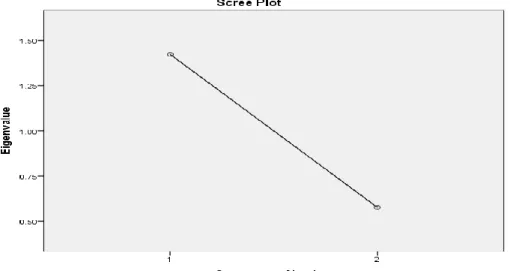
Figures 1 Scree Plot 1 ... 61
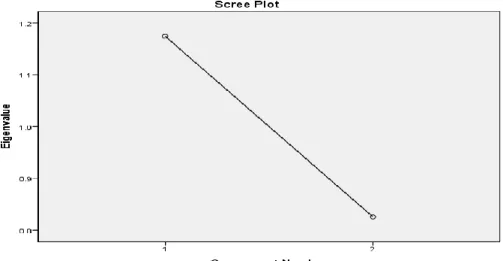
2 Scree Plot 2 ... 63
3 Scree Plot 3 ... 66
Since the start of the 21st Century, the population of the United States has grown and so has the cultural diversity of the nation. In 2012, the United States Census Bureau reported a trend and increase in students from diverse cultural backgrounds and races. In 2008, The American Speech-Language-Hearing Association (ASHA) reported a trend of more graduate students entering the field from culturally diverse backgrounds which may directly affect the role of supervisors within the field. In addition, “recognizing the importance and complexity involved in the supervisory process, it is critical that increased focus be devoted to knowledge of the issues and skills in providing clinical supervision across the spectrum of a professional career in speech-language pathology” (ASHA, 2008, p. 1). In training, the supervisory process begins at the level of graduate schools with supervisees. Supervisees include potential students from various cultural and regional backgrounds. Entering graduate students include a more diverse population; therefore, the supervisors need to learn how to interact with diverse students who enter into graduate level programs.
As the diverse population in the United States continues to increase, this change presents challenges to improving speech and language pathology outcomes. Speech-language pathology supervisors must be ready to address learning and teaching strategies to educate SLP supervisees in order to effectively infuse cultural content as it addresses the changing demographics in the United States. Dudas (2012) pointed out that the population of United States citizens born in another country is 12.9%. Moore (2009) reported that more than 6,000 speech-language pathologist members and affiliates have identified as belonging to a minority race, with an increase each year. With the continued
demands within the field of speech-language pathology, supervisors will need increased training in order to address the various backgrounds of their supervisees. Cultural competency must become a major part of the speech-language pathology theory and practice in order toprepare supervisees and possibly avoid any type of ethnic and racial inequality in the field. Amerson (2012) theorized that cultural competency is a multi-faceted learning process which includes parting of didactic information, practical
experiences, the assessment of personal beliefs, and values. Cultural diversity training is a way to improve the supervisory process for supervisees from culturally different backgrounds.
Background and Justification
The supervisory process is necessary in the clinical training of many professions. Supervisees are dependent upon learning outcomes to improve their clinical skills. The cultural diversity and multicultural issues of supervisees and supervisors can and will change, as will the patients and clients. Green and Dekkers (2010) stated that “diversity is becoming more important in clinical training programs as clients; students and
supervisors become more diverse” (p. 293). As this trend continues, a change in supervisory responsibilities is evident. Perng and Watson (2014) postulated cultural competency can be developed by providing training for supervisors who work with clients and supervisees from diverse cultural backgrounds. In the field of speech-language pathology, there is a consistent increase in cultural diversity and multicultural issues. As a result, multicultural issues, such as understanding nuances and sensitivity to
supervisees from various cultural backgrounds, are factors that should be considered and included in the supervisory process.
Deal-Williams (2012) discussed addressing cultural diversity at the student level during a workshop created by the Minority Student Leadership Program (MSLP) that was held at the 2011 ASHA convention. According to Deal-Williams (2012), “the workshop focused on resolving conflict, exploring intent and effect of communication, practicing responsive injury, and broadening listening skills for success across cultural dimensions” (p. 1). Although cultural diversity is being targeted in some ways, supervision of
supervisees is presently not being focused on cultural diversity. Gatmon et al. (2001) postulated that awareness of gender, racial/ethnic concerns, and sexual orientation differences are necessary elements of therapy. Moreover, as the increase of diverse supervisees continue to enter into the field of speech-language pathology, it is imperative that multicultural concerns be included within the supervisory process.
Cultural diversity and supervision are becoming more closely aligned with the supervisory process, especially since the racial climate for supervisees of diverse backgrounds has been discussed but not formally included within the supervisory process. In addition, Black and diverse students have a higher attrition rate than other graduate students as a whole. Barker (2011) reported that racial climate for Black graduate or doctoral students may be a reflection of the student’s interaction with the institution, department, and faculty members. Moreover, students from diverse
backgrounds may also feel a greater sense of racial discrimination as compared to their White or Latino counterparts. Barker (2011) postulated that Black students have reported
feeling less important and under-appreciated in graduate school programs. Their experiences are unique to their cultural background instead of their abilities as a supervisee. Multicultural competence is critical to addressing the needs of supervisees from diverse backgrounds within the supervisory process in order to address the underlying cultural diversity concerns of supervisees.
In order for the supervisory process to make a positive impact, supervisors must include cultural differences within supervision. Moore (2009) stated that “in order for supervision to be effective, supervisors must be willing to engage in dialogue about issues related to cultural differences” (p. 33). Supervisees should be able to feel comfortable discussing cultural diversity concerns with their supervisors. Green and Dekkers (2010) stated that when supervisors are more culturally competent, supervisees are more comfortable in having discussions regarding cultural differences and diversity. However, the lack of formal cultural diversity training provides challenges within the SLP field.
In 2008, the American Speech-Language-Hearing Association summarized guidelines for SLPs who supervise students. The guidelines are used to provide an understanding of what qualifications would make supervisors eligible to supervise supervisees. The guidelines included the amount of years of experience an SLP must have and general recommendations regarding cultural experience, but does not provide a formalized training for potential supervisors. Due to this lack of formalized training, there remains a continued need and importance for addressing cultural diversity and
the increase in cultural diversity and multicultural issues amongst supervisees and supervisors also continues to change.
According to Gatmon et al. (2001), cultural variables in supervision have influenced the supervisory process in regards to the supervisory satisfaction of
supervisees. Therefore, supervisors would benefit from a training that would improve the quality of supervision by teaching cultural diversity for supervisors that would improve multicultural understanding and sensitivity within the supervisory process. Trepal and Hammer (2014) discussed the need for formal supervisory training for doctoral students. In their study, supervisees were found to be more successful in following instructions and understanding the supervisory process with formal supervisory training. Moreover, the doctoral students were found to be more critical in understanding their strengths and weaknesses and were able to work successfully with their supervisors to improve their areas of weakness. Lastly, supervisees reported that they felt a stronger interpersonal relationship with their supervisors after their supervisors had formal supervisor training. The benefits of a formal supervisory training would strongly benefit the overall success of supervisees. Additionally, training focused on cultural diversity would further strengthen the supervisory process (Trepal & Hammer, 2014).
Statement of the Problem
The problem this study addressed is the lack of minority students successfully graduating from a speech-language-hearing program that educates students within the United States. Barker (2011) pointed out that despite the various cultures attending graduate programs, African-Americans and other minority students have the highest rates
of attrition. This has been attributed to having a sense of isolation and lack of
connectivity with their non-minority supervisors, and, as a result, African-American and other minority students are less successful in completing their graduate studies.
Green and Dekkers (2010) reported that there is a need for increased
understanding of cultural differences in order to support and increase graduation rates among culturally diverse populations. It is important to address cultural diversity issues as “supervision is an important aspect of training because supervisors are in a position of power and can influence the clinical, social, and professional development of
supervisees” (p. 294). The supervisory process requires a supervisor with clinical, educational experience, and cultural competency that can teach and educate the graduate students that they serve (ASHA, 2008). The supervisory process is in need of adjustments in order for supervisors to meet the diversity requirements of their supervisees.
Additionally, there is a gap in the research on clinical supervision in speech-language pathology. Ostergren (2011) stated that the “largest body of research on clinical supervision was conducted more than 30 years ago which is problematic because there are different requirements and recommendations for the clinical supervision of speech pathology students” (p. 62). As reported in ASHA’s position statement on clinical supervision in speech-language pathology, “clinical supervision, is a distinct area of practice in speech-language pathology and is an essential component in the education of students and the continual professional growth of speech-language pathologists” (ASHA, 2008, p. 1). The supervisory process should be applied differently based on race, religion, creed, gender, or cultural diversity (ASHA, 2008).
Burkard et al. (2006) reported that “93% of supervisors in their study had no experience supervising trainees who were racially or culturally different from
themselves” (p. 288). As Burkard et al. (2006) summarized, supervisors have minimal training and experience with cross-cultural supervision. Arguably, supervisors may not be comfortable, competent, and confident in addressing diversity within the supervisory process.
Moreover, when supervisors interact with supervisees, cultural competence should be considered. Dixon (2014) stated that
cultural competence involves understanding and appropriately responding to the unique combination of cultural variables--including ability, age, beliefs, ethnicity, experience, gender, gender identity, linguistic background, national origin, race, religion, sexual orientation and socioeconomic status--that the professional and client/patient/student bring to interactions. (p. 1)
Therefore, there is a need for consistent supervisory training in order to become culturally competent, comfortable, and confident in ensuring student success.
Deficiencies in the Evidence
While the literature contains research that clearly depicts the influence of culture differences in the supervisory process, there is a deficiency in available research that shows how those cultural differences have played a part in lower graduation success and overall improvements within supervision. In addition, some of the issues that currently exist include the need to make key assumptions, as the literature is largely found in nursing, family therapy, and psychology and limited in the field of speech-language pathology. Therefore, the study was based on the existing literature, which was limited and may not have expressed broader realities.
Audience
This research was intended to provide information regarding cultural diversity and the impact that it may have on the supervisory process. The audience benefitting from this study will be speech-language pathology supervisors who supervise graduate level supervisees. The focus was to determine if cultural diversity training should be mandated for future supervisors in the field of speech-language pathology across all disciplines on cultural diversity training and addressed the implications that it may have on their future supervisees from various diverse backgrounds.
Definition of Terms
Behaviorsare defined as“any change of an entity with respect to its surroundings” as cited by Rosenblueth, Wiener, and Bigelow (1943, p. 18).
Beliefs occur when an individual is in a “mental state which has as its content a proposition that is accepted as true by the individual holding it, although the individual may recognize that alternative beliefs may be held by others” as cited by Borg (2001, p. 146).
Cultural differences are "traditional traits and cultural markers of that group to varying degrees… from ‘not at all’ to ‘exclusively and intensely” as cited by McIntyre (1996, p. 138).
Cultural diversity is defined as the cultural variety and diversity that exist in the society, world and institution as cited by Zeichner, 1992.
Ecological systems theory is Bronfenbrenner’s scientific study of the mutual accommodation throughout the life course between an active, growing, highly complex
organism characterized by an “evolving interrelated dynamic capacity for thought, feeling and action-and the changing properties of the immediate setting in which the developing person lives” (Darling, 2007, p. 203).
Graduate student isany student who is seeking a graduate degree. The student would have to be admitted to a master’s degree program and carry at least eight semester units, as cited by Piero (2011).
Knowledge is defined as “a body of facts and principles accumulated by mankind in the course of time” (Clarke, 2001, p. 1).
Multiculturalism is defined as a “system of beliefs and behaviors that recognizes and respects the presence of all diverse groups in an organization or society” as cited by Rosado (1996, p. 2).
Perceptionis defined as the understanding of how individuals perceive others from different religious, racial, ethnic or regional groups as cited by Adams, Thomas-Tormala, and O’Brien (2006).
Speech-language pathology is a profession that addresses working with patients with communication disorders as cited by ASHA (2008).
Purpose of the Study
The purpose of this study was to examine the need for training in cultural differences within the supervisory process for speech-language pathologists. This researcher sought to determine if there was a need for cultural diversity training for supervisors of graduate students in the field of speech-language pathology located in the United States. Specifically, the study was used to ascertain if cultural diversity training
was beneficial to supervisors who supervised graduate students from multicultural backgrounds.
Other professions, such as nursing, counseling, education, and psychology, have often provided mandated supervisory training so that they may have knowledge and skills in the supervisory process of graduate students in order to recognize their own cultural differences that can affect their students’ success (Trepal & Hammer, 2014). The intent was to ascertain how the supervisory process has affected supervisors’ attitudes,
perceptions, and knowledge of cultural diversity, if at all, and to address supervision to assessthe impact that cultural diversity has had on their clinical training. Perng and Watson (2012) pointed out that supervisory trainings have been found to highlight the cultural diversity areas that nursing supervisors need to improve as well as an overall increase in supervisory success with supervisees from diverse cultural backgrounds.
The information gathered during this study provided new knowledge that added to the field of speech-language pathology in both practice and theory. Investigating the need
for cultural competency training for supervisors can offer opportunity for potential supervisors of graduate students. This training may improve the success and attrition
rates of culturally diverse graduate students in the field of speech, language, and communication disorders (Barker, 2011).
Chapter 2: Literature Review
Given the need of supervision in any professional setting, cultural differences may need to be incorporated within the supervision process. Nilsson and Duan (2007) were part of a new wave of research regarding cultural responsiveness as it relates to
supervision of ethnic minorities by White supervisors. They postulated that due to increased numbers of ethnic minority students entering into graduate programs, there is a need for more training programs in cross-racial supervision. The number of minorities in speech pathology programs is increasing, and cross racial supervision is required as these graduate programs diversify.
Speech-language pathologists must also diversify to meet the needs of the modern world. Stockman, Boult, and Robinson (2008) stated that “population shifts in the latter part of the 20th century have expanded the cultural contexts for the professional practices of speech-language pathologists (SLPs) and audiologists in the United States” (p. 241). These population changes have necessitated more considerations for cultural diversity. According to Green and Dekkers (2010), “diversity is becoming more important in clinical training programs as clients, students, and supervisors become more diverse” (p. 293). Although many graduate programs include courses on multicultural diversity, most of those programs in speech-language pathology lack specific training in conducting supervision with diverse individuals or multicultural populations. Cultural differences are still not addressed directly within supervision in a graduate school setting (Stockman et al., 2008). In order to understand how supervision can be affected by cultural differences, it is important to understand the history.
History of Multiculturalism and Supervision
The need for multiculturalism within the field of speech pathology was first identified in the 1960s. In 1968, a speech-language pathologist by the name of Orlando Taylor began a dramatic change in how ASHA addressed multicultural topics and issues (Moore, 2009). Taylor discussed the social responsibility of SLPs at the 1968 convention. This was the first attempt to emphasize cultural diversity as the National Black
Association for Speech-Language-Hearing (NBASLH) has been an advocate for infusing cultural diversity in speech pathology for over 30 years, Taylor proposed continued change within the SLP field to include cultural diversity (Reeves & Beverly-Ducker, 2008). In response to Taylor and an increased awareness of cultural diversity, SLPs developed organizations that sought to address cultural disparities within the field.
Several caucuses focused on minority populations rose at this time along with generalized organizations that dealt with overarching cultural affairs. The Black Caucus was created to address how African-American children were assessed in comparison to the monocultural speech and language norms of children of other races (Moore, 2009). This measure was taken so that African-American children’s cultural linguistics could be added to standardized testing for evaluative purposes. The organizations ASHA and OMA would follow and address more minority populations.
ASHA’s multicultural efforts began to increase in cultural diversity. For example, ASHA created the Office of Multicultural Affairs (OMA) in 1969 (ASHA, 2014). OMA was created to address the increased cultural differences in the population
across the nation. OMA focused on increasing SLP awareness of diverse populations and addressed linguistic and cultural diversity as they related to the profession.
As that awareness became more relevant, so did the observation that SLPs were not taught to consider the differences between patients or differences between students within the supervisory process (Moore, 2009). Early on in the field of speech-language pathology, students within graduate programs received the same supervision without consideration of their cultural differences. According to Goldberg (1997),
speech-language pathologists were not taught to consider the dialectal differences of patients, nor were SLPs taught ways of supervising graduate students from culturally different
backgrounds.
As in any other process, supervision continues to improve and change with experience. In supervision, this experience allows supervisors to identify shortcomings and recognize the need for change. McCrea (2014) wrote that “the recognition of the complexity of the supervisory process and the implications of this complexity on the success of supervisory experiences has renewed interest in preparation models for the supervisory process” (p. 2). In other words, supervisors identified that a need existed for formalized training to account for the complexities encountered in their relationships with supervisees. In response, ASHA’s (2012) Board of Directors appointed an ad hoc
committee to consider the need for formal training of clinical supervisors (McCrea, 2014). At present, since supervisors are not formally trained, supervisees learn clinical practice through unguided supervision that may not meet their specific needs.
The needs of supervisees entail an understanding of differing personality traits and the consideration of multicultural differences (Cederbaum & Klusaritz, 2009). The fostered relationship between supervisor and supervisee allows the student to apply learned theory into clinical practice through guided feedback (Cederbaum & Klusaritz, 2009). Since supervisors lacked formal training in addressing these concerns, fostered relationships became a detriment as the supervisee developed a rift with his or her supervisor over cultural differences.
Other organizations began to address cultural differences within the SLP profession as the emphasis on cultural diversity grew. For example, NBASLH was founded in 1978 at Howard University. The primary purpose for organizing this committee was to meet the professional needs of the African-American SLPs and graduate student clinicians. Additionally, NBASLH was used as a platform to begin tailoring service delivery to children and adults from culturally diverse backgrounds (Goldberg, 1997). NBASLH used their platform to “establish a viable mechanism through which the professional needs of the Black professionals, students and the communicatively handicapped community could be met” (NBASLH, n.d.). Annual conventions and countless meetings are held to provide a continued conversation to increase cultural diversity within the speech and language field.
Another group in support of culturally diverse backgrounds was formed in Atlanta, Georgia in 1991, the Lesbian, Gay Association of Speech Pathologists (L’GASP). According to OMA (2014), L’GASP was formed to “provide a forum for networking along with education and research on matters relevant to the professions and
professional practice” (ASHA, 2014, p. 1). L’GASP’s focus was to support and encourage actively all lesbian, bisexual, transgendered and gay audiologists, speech-language pathologists, and students within the profession. Additionally, L’GASP’s focus was to also increase compassion and sensitivity of L’GASP members while
professionally promoting a social platform of awareness within the speech and language community.
According to ASHA (2014), OMA, NBASLH and other organizations are meant to provide education, information and support. These constituency groups were created to “increase cultural competency and improvement in the speech, language and hearing services” (p. 1).
Stockman et al. (2008) have recognized the need for cultural diversity training within the supervisory process; however, this type of training continues to be overlooked. It is assumed that the general application of cultural diversity in the SLP field is adequate, but there is a need for more exact training on the subject of cultural diversity for SLP supervisors in graduate programs. Stockman et al. (2008) stated that faculty in
educational programs for SLPs and audiologists have not conducted studies regarding the need for cultural diversity training in graduate programs. Moreover, Levy et al. (2009) postulated that “further research is needed to determine how to prepare and support” graduate student clinicians (p. 11).
Supervision
The supervisory process is meant to be meaningful and eventful for both the supervisor and supervisee. Supervision should include mentoring, nurturing, professional
acceptance, modeling, and constructive feedback (Levy et al., 2009). Additionally,
“supervisors are invested in preparing trainees who have both the knowledge base and the skills to practice effectively” (Kindsvatter & Desmond, 2013, p. 212). Since supervisors have the power to influence their supervisees clinically, professionally, and socially, they must provide an example for cultural sensitivity and establish a framework for future supervisors. The supervisors may use guided reflection for themselves to hyper-analyze their interactions with their supervisees in order to improve the supervisory process (Levy et al., 2009).
In addition to the aforementioned benefits of a culturally sensitive supervisor, the supervisee may see increased cognitive development as the result of a positive
relationship. According to Kindsvatter and Desmond (2013), supervisees who are better trained and supervised with guidance display higher levels of cognitive complexity. Taylor, Hernandez, Deri, Rankin, and Siegel (2006) argued the supervision process must continue to develop through diversity initiatives. The authors made several additional recommendations, as they believed that social location impacted the supervisory process. Taylor et al. (2006) believed that there was a need to mentor the next generation of therapists. The supervisee is meant to be able to utilize the learned skills within the supervision process and apply it to their clinical skills (Winstanley, 2003). In order for multicultural issues and cultural diversity to improve within the supervisory process, it is necessary to research potential changes in trends within diverse populations. According to ASHA (2009), the speech-language pathology field continues to diversify; and therefore, this change should be reflected within the supervisory process.
Unfortunately, the supervisory process continues to lack sensitivity to cultural diversity, multicultural issues, and gender bias (Nilsson & Duan, 2007). According to Nilsson and Duan (2007) “the cultural backgrounds of both supervisors and supervisees can influence the content, process, and outcome of supervision” as they play significant roles in the supervisees’ training (p. 219). According to Nilsson and Duan (2007), among cross-cultural interactions in the past, there was a presence of unspoken White privilege in cross cultural interactions that may have directly influenced the supervisory process. In addressing cultural diversity and differences within the supervisory process, it is
necessary to address any supervisory incompatibility in order to increase a successful supervisory process between supervisors and their supervisees. According to Kissil, Davey, and Davey (2014), “supervisors’ multicultural competence is important… [and] refers to a supervisor’s ability to help the supervisee develop more self-awareness and knowledge about multicultural factors and the translation of these into multicultural clinical skills” (p. 187).
Hein, Lawsons, and Rodriquez (2013) stated that supervisee compatibility can be “viewed as critical to the effective functioning of supervision” (p. 261). A high level of compatibility between the supervisor and supervisee can result in increased openness, authenticity, and trust between the two parties. Moreover, supervisory feedback has a positive effect on shaping the supervisee within the supervisory process (Hein et al., 2013). When supervisory incompatibility exists, there can be a decrease in learning and difficulty with giving and receiving feedback from their supervisors (Hein et al., 2013). The supervisory process can be affected by various factors. Hein et al. (2013) postulated
that supervisee incompatibility can reduce the general productivity and pace of the supervisory process; incompatibility may even impede the growth of the supervisee’s training and therapy techniques within the therapy sessions.
Cultural Differences
Despite the growth of racial and ethnic minorities in the United States,
supervisors have not considered cultural sensitivity as part of their supervisory process. Cultural differences need to be understood and respected in order to be addressed within the supervisory process (Nilsson & Anderson, 2004). It is important to consider that the cultural differences of both the supervisee and the supervisor can influence the process, content, and outcome of supervision (Nilsson & Duan, 2007). Although it is understood that supervision plays a pertinent role in clinical training, very little is known about “how cross-racial supervisory relationships influence U.S. racial and ethnic minority students’ training experiences” (Nilsson & Duan, 2007, p. 219). In the area of supervision, cultural diversity and multicultural issues are necessary components that must be considered in the supervisory process (Stockman et al., 2008). The nature of cultural diversity means that no two supervisory relationships are the same because of human experience.
The foundational aspect of human experience is culture. According to Stockman, Boult, and Robinson (2004) “all communication interactions are inherently cultural experiences, and that culture can influence human experience (physical-biological,
mental, social, linguistic, emotional)” (p. 3). Cultural diversity and multicultural concerns are created based upon the supervisor’s lack of understanding of tradition; upbringing; race; religion, beliefs, and values; language exposure; environment; and social
experiences of their supervisees. Shared experiences aid in creating an understanding between two people who have had that joined experience; therefore, their relationship will be reinforced by that commonality (Stockman et al., 2004). In contrast, two people with varying cultural experiences will be less able to understand where the other is coming from within a working relationship, such as an SLP and his or her trainee.
For successful supervision to occur, cultural variables should be considered with respect to supervisors and supervisees. Gatmon et al. (2001) stated that cultural diversity variables such as race, religion, culture and background in supervision can be an
“influence on supervisory satisfaction and working alliance” when supervisors “initiated discussions of cultural variables” (p. 102). The authors recognized that the supervisory process may benefit from acknowledging and addressing the culturally diverse changes of the population and considering the influence of the multicultural issues that may present themselves (Gatmon et al., 2001).
Gatmon et al. (2001) presented a case for increased cultural diversity training in the SLP supervisory process because of the rising number of racial and ethnic minorities in the country.According to the most recent United States Census Bureau (2010), out of the 300 million people living in the United States, more than 37 million (12%) are foreign-born. With one-eighth of the population foreign-born, supervisors will likely supervise students from diverse backgrounds; there is a concern that supervisors may not be culturally sensitive to their supervisees (Gatmon et al., 2001). Thus, the argument for the need for cultural diversity training for SLP supervisors continues. According to the United States Census Bureau, there is a substantial demographic shift occurring both
nationally and in the SLP field in which women and minorities will comprise the majority of degree seeking students. Moore (2009) confirmed that these minority supervisees will most likely have a White supervisor. This cross cultural relationship can have positive and negative effects on both parties. In the SLP field supervisory training is adequate, but there is a documented need for more exact training on the subject of cultural diversity for SLP supervisors in graduate programs.
Growth in Cultural Differences
Cultural diversity and multicultural issues are factors that must be addressed in the SLP field. According to the United States Census Bureau (2012) resident population projections from 2010-2050, there will be more women and minorities enrolled in degree granting institutions than their White counterparts. At present, there are more female students than male students enrolled in colleges and universities, and minorities presently make up half of that population (U.S. Census Bureau, 2012). These population numbers will only continue to rise as demographics in the United States continue to change.
The population growth in the United States continues to increase, not only
because of increased birth rates but also due to the continued global migration that occurs annually. As people from various cultural backgrounds migrate to the United States, the influence of cultural diversity continues to be prevalent. According to Moore (2009), due to the continued growth of various cultures, “racial and cultural similarities and/or differences may impact the supervisor and supervisee relationship” (p. 1). The impact of cultural diversity needs to be explored when addressing the supervisory process.
As of 2010, “ASHA’s data base, of the 128,949 speech-language pathologist members and affiliates, 6,127 identified themselves as belonging to a race other than White” and the number continues to grow every year (Moore, 2009, p. 2). This
information provides further evidence that there is higher probability that non-White and non-Hispanic SLPs will be supervised by a White SLP. In looking at cultural diversity within the supervisory process, it is imperative to address the positive and negative implications of a cross cultural supervisory scenario. In most supervisee and supervisor situations, there is generally a sense of trust and support. Additionally, supervisees are continuing to improve their clinical skills, which can be considered a positive effect of the supervisory process. However, in looking at cultural diversity within the supervisory process, there are implications that a negative effect of cross-cultural supervision can negatively impact a supervisee within the supervisory process. Moore (2009) postulated that “supervisees did not sense that supervisors had the same level of regard for them;” moreover, “supervisors postulated that their supervisees were less willing to divulge information about themselves” than previously reported by the supervisees (p. 3). These different points of view can be due to the cross-cultural differences between the
supervisee and supervisor. Racism
Several culturally diverse populations have experienced negative outcomes as a result of the limited cultural sensitivity that presently exists within the supervisory process overall. African-American students comprise the largest increase in doctoral studies among other ethnic minority groups and are affected by how minimally race is
addressed within the supervisory process, as this group sees the highest rate of attrition in graduate and doctoral programs (Barker, 2011). African-American students attributed their sense of isolation to a belief that they did not relate to their non minority supervisors and that they had to outperform their White counterparts in their coursework, which created a sense of academic vulnerability (Barker, 2011).
Students
Supervision requires a clear understanding of the supervisory process from the perspective of the supervisee and supervisor. As graduate students are the supervisees, they may have concerns about race within the supervisory process that may be considered a sensitive topic of discussion. Barker (2011) discussed how race was minimally
addressed within the supervisory process because it was considered a taboo topic. However, Barker postulated how race was a direct influence on the outcome for those doctoral students. Additionally, how other diversity challenges have presented
themselves in the past decade and how relate to religion, other races and gender continues to affect the supervisory process in present day (Barker, 2011).
Lastly, Barker (2011) stated that “Black students in the United States have unique experiences that differ from other students of color and White students” (p. 389). These experiences are typically the same throughout all higher education opportunities.
Specifically, Black students experience a greater sense of racial discrimination than their Latino and White counterparts. Barker (2011) further postulated that Black students in higher education have a sense of social estrangement and socio-cultural alienation that make them feel undervalued and under-appreciated. Additionally, these students have
also expressed that they feel a sense of greater discrimination at predominantly White institutions. Furthermore, Yabusaki (2010) affirmed that “supervisees were afraid to discuss color and race in a ‘White’ environment” (p. 55). This fear was said to be rooted in having the perception of being seen as an excuse for the student’s subpar performance or a defense solely based on race. Yabusaki further asserted that fear is often a factor that can impede cultural sensitivity and discussion. In order to improve these perceptions, supervisors should consider these findings.
Education
Graduate school programs should be prescient to the changes of race and race relations within supervision. Race and the supervisory process must be a factor within supervision (Nilsson & Duan, 2007). For example, students, in general, are reluctant to speak to their supervisors whenever there is a problem. If race is also factored in, the hesitation rises to a level that becomes a hindrance for the student. Nilsson and Duan (2007) stated that “ethnic minority supervisees working with White supervisors may feel even more hesitant in raising such questions because of the dynamic associated with power and oppression” (p. 220). This is an additional consideration that is usually not considered within the supervisory process.
If a student is too hesitant to discuss pertinent information with his or her supervisor, then clinical skills and ability will be highly questionable going forward. Supervisors who are aware of these issues would be better prepared to discuss topics such as hesitation with their supervisees of culturally diverse backgrounds. Additionally, Nilsson and Duan (2007) postulated that in order for the concerns of racial and ethnic
minority supervisees to improve, it is imperative to understand the underlying perceived prejudice within the supervisory process. According to Nilsson and Duan (2007), “White privilege is present and unspoken in all cross-cultural interactions” and this dynamic presents itself as a systematic disadvantage for Black students (p. 219). While there is already a power differential within the supervisory process, the racial aspect compounds the power gap within the supervisory relationship, which in turn may leave some
supervisees vulnerable in their “efforts to meet their supervisor’s expectations” (Nilsson & Duan, 2007, p. 220). Additionally, race may continue to play a role in how the
supervisee feels that they are perceived by their supervisor. As there continues to be an increase of cross-cultural supervision, supervisory practices need to reflect these changes. Perceptions and Reflections
Perceptions are based on previous experiences. For example, Acker (2011) argued that people remain who they are in relation to their race, gender, and class when they participate in the supervisory process. Furthermore, Acker (2011) stated that a person’s background, gender, cultural experiences, histories, social and national locations remain part of the supervisor’s makeup and this may affect the dynamic of the overall
supervisory process. All of those components need to be considered when a supervisor works with any given supervisee.
In addition, the perception of power can be a factor in supervision. According to Liu and Pope-Davis (2003), “power sets the foundation that determines who and what will be recognized and legitimated” (p. 91). Within the supervisory process, power may be perceived as the supervisor providing constructive feedback to his or her supervisees,
as the feedback is meant to guide the supervisee. As multiculturalism and diversity continue to grow, so does the perception of power (Nilsson & Duan, 2007). For example, without a clear understanding of power, misunderstandings can occur. Supervisees may consider supervisors of one race or sex to have more power than another supervisor of another race or sex. Perceptions such as these are ever-changing. Liu and Pope-Davis (2003) postulated that multiculturalism and power need to be in unity with changing those perceptions. Lastly, multicultural issues need to be discussed and infused within the supervisory process.
Gender
Gender is also a factor that must be considered within the supervisory process. Despite the change in demographics within graduate student programs, there is still a shortage of male supervisors in the speech-language pathology field. As minority students are not equally supervised with a consideration of their cultural diversity as a factor, so is there a disparity of males within the SLP field. In a 2002-2012 comparison ASHA end-of-year survey, Rowden-Racette (2013) found that in 2002 only 4.7% of SLPs who hold the ASHA Certificate of Clinical Competence (CCC) and 3.1% of school-based SLPs are male. These numbers decreased over the course of the survey; by 2012, only 3.8% of those who held the ASHA CCC and 2.5% of school-based SLPs were male (Rowden-Racette, 2013).Furthermore, Rowden-Racette (2013) postulated that ASHA continues to struggle with the consistently low number of males in the field of speech-language pathology. This trend seems to be directly linked to salary, opportunities for advancements, finding employment, and limited opportunity for growth for working male
professionals (Maier, 2013). Maier (2013) further attested to the disparity between male and females in graduate programs. Specifically, Maier (2013) stated that “men seem to have awareness and knowledge of many other related services… but no inkling of what speech-language pathologists might do” (p. 2). Although there is a minimal male presence within the SLP field, it is necessary to consider the role of gender within the supervisory process. Each supervisee should be considered based on their individual needs within the supervisory process.
Gender differences play a role in supervision. For example, if the supervisor is female and the supervisee is male, gender may not play a factor. However, in reverse, if the supervisor is a male and the supervisee is a female, the power ratio is mildly more aggressive. Female supervisees may be more hesitant to share their concerns or questions with their male supervisors (Rowden-Racette, 2013). This trend is observed in female supervisees displaying limited feedback in their interactions with their male supervisors (Rowden-Racette, 2013). In all, the supervisory process should consider gender matching if it is an option.
Gender matching would indicate that male supervisees would benefit from having a male supervisor and vice versa for female supervisees and supervisors. Supervision should be considered a developmental process in which “supervisees have different needs at different developmental levels” (Jordan, 2006, p. 44). Moreover, Jordan (2006)
postulated that gender matching was more relevant when “dealing with potential supervisee gender issues (e.g., gender identity issues, difficulty relating to others of the same or opposite gender)” (p. 48). Additionally, addressing gender as a component
within the supervisory process aids in providing feedback that is more relevant to the supervisee as well as promotes a learning environment that includes patience and understanding. Some supervisees do prefer the same sex gendered supervisor in a supervisory setting. Those needs must be considered when developing a supervisory relationship.
Gender and cultural differences continue to affect clinical supervision. Another consideration of gender differences would be in the Lesbian, Gay, Bisexual and
Transgendered (LGBT) community; the supervisory process can be approached in an affirmative or nonaffirmative manner. As the increase of LGBT community is becoming more prevalent and open, so do the expectations of the supervisee from that community. Supervision is another potential avenue through which supervisors may receive cultural diversity training that includes LGBT concerns (Burkard, Knox, Hess, & Schultz, 2009). Some supervisees who are LGBT have stated that they have experienced inadvertent bias to their sexual orientation.According to Burkard et al. (2009), supervisees “reported bias
expressed by practicum supervisors included pathologizing, stereotyping, ridiculing, and speaking of “curing” lesbians, gays or homosexuality” within the supervisory process (p. 177). These findings highlight the insensitivity that the LGBT supervisees may be experiencing when working with their supervisors and what effects these experiences may have on their clinical training. Burkard et al. (2009) found that if a supervisor affirmed the needs of their LGBT supervisees by being compassionate and sensitive to their cultural differences, the supervisee felt that the supervisory process was a positive experience that deepened the relationship between the supervisee and their supervisor.
Moreover, when the supervisor affirmed the LGBT supervisee as they worked with clients, the LGBT supervisee was found to be more confident and felt that the supervisor was more sensitive to the clinical issues (Burkard et al., 2009). Factors such as these continue to exemplify the need for cultural sensitivity towards diversity within the supervisory process.
Region and Dialect
Population: Foreign born and Americans with a second language.
Speech-language pathologists recognize that cultural competence is necessary within the supervisory process as cultural views affect supervision. Supervisors should consider their own cultural views as they mentor supervisees. Supervisors should “model respectful verbal and nonverbal language and interactions in order to create a safe training context that promotes counseling self-efficacy among clinicians” (Kissil et al., 2014, p. 186).
In understanding their own cultural views, the supervisors should have a better understanding of their supervisory style, supervisory working alliances, and how to better foster their supervisory relationships. According to Moxley and Polovoy (2009), the United States experienced the largest recorded population growth between 1990 and 2000. There was an increase in population by “more than 18% of the American population over the age of 5 that speaks a language other than English in the home” (Moxley & Polovoy, 2009, p. 24).Moreover, Moxley and Polovoy found more than 12% of the United States population is bilingual, and that number is projected to increase. Therefore, foreign born people who become permanent residents will have cultural and
linguistic differences that could impact the supervisory process. Moreover, second-generation Americans who speak a foreign language are also impacted by cultural and linguistic differences due to their familial exposure. Cultural sensitivity training will need to be included within the supervisory process as cross-cultural clinical encounters are bound to take place. Little information is given to supervisors who supervise foreign-born supervisees.
With the use of U.S. Census Bureau statistical information, it is possible to infer there is a significant increase in foreign-born graduate students who will be practicing in the United States. With that said, supervisors will be working with a heightened number of foreign-born supervisees, but will have minimal training in cultural competence to best serve their supervisory needs. According to Kissil et al. (2014), “supervisors’
multicultural competence is important [and] refers to a supervisor’s ability to help the supervisee develop more self-awareness and knowledge about multicultural factors and the translation of these into multicultural clinical skills” (p. 187). Moreover, if a
supervisor’s multicultural competence level is high, that can significantly increase the supervisee’s experience with that supervisor.
Within supervision, accents may be a factor that may affect the supervisory process. According to Levy and Crowley (2012), SLP students with accents can often be treated differently than their peers with no accent. Levy and Crowley conducted a study to ascertain how SLP students in training are affected by their accent differences. SLP students with accents are often asked to participate in accent modification programs before they can begin providing therapy to clients who are English-only speakers. This
may be the case because their accents are often interpreted to mean that their
intelligibility is questionable and unreliable in therapy. In looking at ASHA’s (2008) technical report, the efficacies of accented SLPs are addressed. According to the aforementioned technical report (ASHA, 2008), SLPs continued to provide accurate diagnoses and effective treatment with an accent, as compared to their SLP colleagues without an accent. Additionally, in ASHA’s 2004 Knowledge and Skills report, it does state that one of the “roles of the SLP is to be sensitive to linguistic and cultural differences affecting services” (Levy & Crowley, 2012, p. 47). However, foreign-born graduates are not discussed within this report; these graduates may experience issues with cultural differences or a lack of sensitivity within the SLP program. Cultural diversity is not limited to race, gender, sex, or religion, but must also include language differences and accents.
Generational Differences
Graduate students are becoming supervisors at a faster rate than before. Former students become supervisors within two years of graduation. Additionally, the age gap between supervisor and supervisee is becoming closer over time. Levy et al. (2009) postulated that this can create a blur in the supervisor and supervisee relationship as supervisees might feel it is difficult to communicate with a supervisor who is further apart generationally or too closely related generationally. In addition, “supervisors would rate their clinical skills more favorably than students, and that older, more mature
students would be more critical of their supervisory skills than younger students” (Levy et al., 2009, p. 12). This discrepancy in supervisee feedback could challenge the overall
process in supervision in respect to how the supervision would be received by the supervisee. The age discrepancies in supervision do play a role within the supervisory process. In order to understand the generational differences, it is imperative to understand what a generational gap is.
Addressing the differences of perspectives from one generation to another is key to continued supervisory evolution. McCready (2011) stated that a generational gap is “the differences in customs, attitudes and beliefs between two generations, but especially between youths and adults” (p. 14). Durant-Jones and Kwiatkowski (2011) postulated that “conflicting expectations, attitudes, and behaviors can impact how supervisors and supervisees” interact with each other (p. 71).
Professionalism, expectations and overall supervision results can be impacted by these generational differences. McCready (2011) stated that generational disparities have become more relevant and involved because of the societal changes that have occurred in the past 60 years.
There are four generations to consider when generational gaps are discussed. According to McCready (2011), the Traditionalists are people born anywhere between 1900 and 1945, the Baby Boomers were born between 1946-1964, Generation X were born from 1965-1980, and the Millennials are those born from 1981 to 1999. If there are multiple generations represented during the supervisory process, the possibility that misunderstandings, assumptions, and unspoken attitudes increases (McCready, 2011). Experiences differ depending on the varying generations and may impact how a person relates to others based on their generational experiences (McCready, 2007).If a therapy
session is viewed by two different people of two variant generations, their perspectives might be very different. Additionally, their approach to that situation will be relevant to their generational experiences.
In order to improve the overall process of supervision, it is necessary for
supervisors to be cognizant and diligent in their attempt to bridge the gap between these disparities within generational experiences. Discussions are necessary for clarification and the acknowledgement that generational gaps are relevant and need to be considered within the supervisory process. McCready (2007) stated that “increased knowledge and understanding of defining events and values of the generational cohorts whose members may be clients or students need to be appreciated for their strengths” (p. 8).
Acknowledgement of change within the supervisory process is the beginning step in infusing growth within supervision.
Cultural Diversity Training
Within the supervisory process, there are other variables, aside from race, religion, dialect, gender, sexuality, and age that need to be considered. Since clinical supervision can be one of the most important experiences an SLP training, it is necessary to understand supervision. Since diversity is ever changing and increasing, it is
imperative to assess if diversity training is infused within the supervisory process.
Falender and Shafranske (2004) stated that “diversity was one of the most neglected areas in supervision training” (p. 115). Yabusaki (2010) postulated that a need for multicultural supervision should be considered a necessity for supervisors. Furthermore, Yabuksaki
(2010) stated that in order for multicultural supervision to improve, it is necessary to understand the power differential between the supervisee and the supervisor.
Supervisors can increase their understanding of cultural variables by first learning and understanding their own cultural influences. In Yabusaki’s (2010) findings, many supervisors “felt inadequately trained on diversity issues” (p. 55).Additionally, there is limited empirical evidence to support the models of ethnic and cross-cultural training. Minimal exploration of personal cultural biases and prejudices may impede the
supervisory process.Burkard et al. (2006) believed that training to provide cross-ethnic or racial supervisory feedback could be difficult and uncomfortable to provide, especially when the supervisor has not previously addressed beliefs, attitudes, stereotypes, values, or biases with their supervisee. If the feedback is provided with a clear understanding of cultural differences, the supervisee may view the supervisor as sensitive to their cultural needs. If the supervisor addressed cultural diversity within the supervisory process from the beginning, the supervisee would be more understanding of the negative feedback as it related to their clinical skills. Therefore, cultural diversity training would be useful in training supervisors to provide the best approaches to addressing cultural diversity with their supervisees within supervision.
Green and Dekkers (2010) also attest to the need to increase diversity training within supervision. They state that in order for cultural diversity to be infused within the supervisory process, it is imperative that there be a true level of commitment from the supervisor. Discussions between the supervisor and supervisee should include the topics of: power balance, openness about various cultures, diversity, and other general
differences. Lastly, training would be needed to demonstrate what that conversation
would look like within a supervisory meeting.In order for this unfiltered conversation to take place, it would be necessary for the supervisor to be culturally sensitive to their supervisees to have a natural and homogeneous discussion. According to Green and Dekkers (2010), the conclusion that had a positive impact on cultural diversity within supervision was the fact that diversity through curriculum aided in making the
supervisory process more relevant to cultural diversity. Moreover, the responsibility of the supervisor is to facilitate conversations about cultural diversity within the supervisory process, as it is always relevant.
Inman (2006) stated that competency guidelines may need to include cultural diversity and multicultural aspects within the training of supervisor. Inman (2006) asserts that “the supervisor is required to not only be culturally sensitive and address
multicultural issues within the supervisor-supervisee relationship, but also to teach the supervisee multicultural competences in working with and conceptualizing the client” (p. 75). Furthermore, if supervisors do not have the basic understanding of multiculturalism and cultural diversity, they may make assumptions about values and attitudes regarding their supervisees that may impede supervision. Ignoring cultural diversity and
multiculturalism should never be an option within supervision, as all supervision is considered to be multicultural (Inman, 2006).
From the supervisee’s perspective, a culturally competent supervisor is somewhat of an anomaly. Although multicultural competency is clearly necessary within
addressed within the supervisory process. Ancis and Marshall (2010) postulated that supervisors who attend to cultural variables in supervision may increase multicultural awareness with the supervisees that they train. Additionally, supervisees perceived supervisors who were culturally competent as genuine, open, nonjudgmental, patient, understanding and supportive (Ancis & Marshall, 2010). Supervisees who see their supervisors exhibit interest in their clients’ cultural backgrounds may be more sensitive to their future clients’ needs and would improve their therapeutic approach and
performance.Respectively, the supervisors without cultural diversity training are found to be close-minded and set in their ways.
In order to address the lack in cultural diversity training in the field of
psychology, Falender, Burnes, and Ellis (2013) researched “competency-based clinical supervision to showcase diversity of methodologically sound empirical approaches to study effective supervision, including multiculturally competent supervision and comparative perspectives on supervision cross-culturally” (p. 8).Falender et al. (2013) concluded that in order to promote supervision further, cultural diversity training must be included.Competency based supervision should make multicultural competence a
priority. By doing so, supervision would be more effective for the supervisee in
understanding cultural differences within themselves and this would make them a more effective clinician for their patients this should apply to the field of speech -language pathology as well. As stated previously, supervisors need to continue to grow and expand their supervisory skills to address these ever growing variables. Unfortunately, that is
often not the case; cultural variables are left unexplored, which may be harmful to the overall supervisory process.
In looking at cultural variables, it is necessary to first look at multiculturalism. Gatmon et al. (2001) stated that multiculturalism can radically affect the way a supervisor conceptualizes and approaches a supervisee. The awareness of gender, racial, ethnic, and sexual orientation differences have been “cited as an important element of the therapeutic relationship” (p. 102). Additionally, Gatmon et al. (2001) postulated that “although supervision literature has recognized the importance of cultural variables in the supervisory relationship, most of the multicultural supervision literature has been theoretical” (p. 102). In order for the supervisory theory to become a reality, it is
imperative that cultural variables be included within the supervisory process. The need to explore diversity within the supervisory process is necessary at the inception of the supervisor and supervisee relationship.
Supervision is meant to continuously evolve as new supervisory styles and concerns become more apparent. D’Andrea, Daniels, and Heck (1991) stated that the changing demographics in the United States may present many new challenges as there is a lack of counseling and training. With the increased need to address these cultural trends, training within the supervisory process should be considered. Adams (2009) stated that a successful supervisory relationship should include a level of safety, comfort, and understanding. In multicultural supervision, there needs to be open communication in order for the supervisor and supervisee to honestly and openly discuss multicultural issues. Adams (2009) postulated that the supervisor’s function and interpersonal roles can