Quantity and Quality of
Exercise for Developing
and Maintaining
Cardiorespiratory,
Musculoskeletal, and
Neuromotor Fitness in
Apparently Healthy
Adults: Guidance for
Prescribing Exercise
SUMMARY
The purpose of this Position Stand is to provide guidance to professionals who counsel and prescribeindividualizedexercise to apparently healthy adults of all ages. These recommendations also may apply to adults with certain chronic diseases or disabilities, when appropriately evaluated and advised by a health professional. This document supersedes the 1998 American College of Sports Medicine (ACSM) Position Stand, ‘‘The Rec-ommended Quantity and Quality of Exercise for Developing and Main-taining Cardiorespiratory and Muscular Fitness, and Flexibility in Healthy Adults.’’ The scientific evidence demonstrating the beneficial effects of exercise is indisputable, and the benefits of exercise far outweigh the risks in most adults. A program of regular exercise that includes cardiorespiratory, resistance, flexibility, and neuromotor exercise trainingbeyond activities of daily living to improve and maintain physical fitness and health is es-sentialfor most adults. The ACSM recommends that most adults engage in moderate-intensity cardiorespiratory exercise training forQ30 minIdj1on
Q5 dIwkj1for a total ofQ150 minIwkj1, vigorous-intensity cardiorespira-tory exercise training forQ20 minIdj1onQ3 dIwkj1(Q75 minIwkj1), or a
combination of moderate- and vigorous-intensity exercise to achieve a total energy expenditure ofQ500–1000 METIminIwkj1. On 2–3 dIwkj1, adults
should also perform resistance exercises for each of the major muscle groups, and neuromotor exercise involving balance, agility, and coordina-tion. Crucial to maintaining joint range of movement, completing a series of flexibility exercises for each the major muscle–tendon groups (a total of 60 s per exercise) onQ2 dIwkj1is recommended. The exercise program
should be modified according to an individual’s habitual physical activity, physical function, health status, exercise responses, and stated goals. Adults who are unable or unwilling to meet the exercise targets outlined here still
can benefit from engaging in amounts of exerciseless thanrecommended. In addition to exercising regularly, there are health benefits in concurrently reducing total time engaged in sedentary pursuits and also by interspersing frequent, short bouts of standing and physical activity between periods of sedentary activity, even in physically active adults. Behaviorally based ex-ercise interventions, the use of behavior change strategies, supervision by an experienced fitness instructor, and exercise that is pleasant and enjoyable can improve adoption and adherence to prescribed exercise programs. Ed-ucating adults about and screening for signs and symptoms of CHD and gradual progression of exercise intensity and volume may reduce the risks of exercise. Consultations with a medical professional and diagnostic ex-ercise testing for CHD are useful when clinically indicated but are not recommended for universal screening to enhance the safety of exercise.
Key Words:Practice Guidelines, Prescription, Physical Activity, Physical Fitness, Health, Aerobic Exercise, Resistance Exercise, Flexibility Exercise, Neuromotor Exercise, Functional Fitness
INTRODUCTION
Many recommendations for exercise and physical activity
by professional organizations and government agencies have
been published since the
sui generis
publications of the
American College of Sports Medicine (ACSM) (10,11). The
number of recommendations has escalated after the release
of the 1995 Centers for Disease Control and Prevention
(CDC)/ACSM public health recommendations (280) and the
1996 US Surgeon General’s Report (371), and the ostensibly
contradictory recommendations between these documents
have led to confusion among health professionals, fitness
professionals, and the public (32,155). The more recent
recommendations of the American Heart Association (AHA)
0195-9131/11/4307-1334/0MEDICINE & SCIENCE IN SPORTS & EXERCISEÒ CopyrightÓ2011 by the American College of Sports Medicine DOI: 10.1249/MSS.0b013e318213fefb
POSITION
STAND
This pronouncement was written for the American College of Sports Medicine by Carol Ewing Garber, Ph.D., FACSM, (Chair); Bryan Blissmer, Ph.D.; Michael R. Deschenes, Ph.D., FACSM; Barry A. Franklin, Ph.D., FACSM; Michael J. Lamonte, Ph.D., FACSM; I-Min Lee, M.D., Sc.D., FACSM; David C. Nieman, Ph.D., FACSM; and David P. Swain, Ph.D., FACSM.
and the ACSM (155,264) and the
2008 Physical Activity
Guidelines for Americans
(370) have helped clarify public
health recommendations for physical activity, and these
are now are incorporated into the current edition of the
ACSM’s Guidelines for Exercise Testing and Prescription
(14). The purpose of this Position Stand is to provide
scien-tific evidence-based recommendations to health and fitness
professionals in the development of
individualized
exercise
prescriptions for apparently healthy adults of all ages. When
appropriately evaluated and advised by a health professional
(e.g., physician, clinical exercise physiologist, nurse), these
recommendations may also apply to persons with certain
chronic diseases or disabilities, with modifications required
according to an individual’s habitual physical activity,
phys-ical function, health status, exercise response, and stated
goals. The advice presented in this Position Stand is intended
principally for adults whose goal is to improve physical
fit-ness and health; adult athletes engaging in competitive sports
and advanced training regimens can benefit from more
ad-vanced training techniques (13,212,254,255). The evidence
statements and summary exercise recommendations derived
from the scientific review are found in Tables 1 and 2.
This document updates the scientific evidence published
since the 1998 Position Stand (12). Epidemiological studies,
randomized and nonrandomized clinical trials, meta-analyses,
evidence-based guidelines, consensus statements, and
scien-tific reviews published from 1998 to 2010 were identified
through bibliographic searches using common computer search
engines (e.g., PubMed, Medline, Google Scholar, IndexCat,
PsychArticles, and CINAHL). References cited in the 2008
Physical Activity Guidelines Advisory Committee Report
(372),
the AHA/ACSM public health statements (155,264), and
arti-cle bibliographies were also reviewed by the writing group.
Interpretation of the available scientific evidence was made
by consensus of the writing group members using the evidence
rating system of the National Heart Lung and Blood Institute
(263) shown in Table 3. Observational studies of physical
ac-tivity and, to a lesser extent, physical fitness are the primary
sources of data supporting the benefits of exercise in reducing
the risks of mortality and morbidity, and these studies provided
guidance on the recommended patterns and volumes of exercise
to gain health and fitness benefits. Randomized clinical trials of
exercise training and meta-analyses contributed evidence for
the causal effects (effectiveness and efficacy) of exercise
train-ing (frequency, intensity, duration, mode, pattern, volume) for
improving physical fitness and biomarkers of chronic disease.
The focus of the recommendations in this Position Stand is
on
exercise
, which connotes
intentional
physical activity for
improving health and fitness. The terms
physical activity
and
physical fitness
are used when these terms more precisely
re-flect the nature of the scientific evidence that supports the
ex-ercise recommendations. The data supporting the benefits of
exercise have been derived primarily from observational
stud-ies that have evaluated
physical activity
, or less commonly,
physical fitness
(rather than exercise), while the randomized
clinical trials center mostly on
exercise
. Exercise, physical
ac-tivity, and physical fitness are closely related constructs, but
they have distinct meanings. Table 4 presents the definitions of
these and other common terms used in this Position Stand.
All terms used in this document conform with the definitions
found in the
Physical Activity Guidelines Advisory Committee
Report
(372) and the classifications of cardiovascular diseases
(CVD) of the AHA (229).
WHAT ARE THE HEALTH BENEFITS OF
PHYSICAL ACTIVITY AND EXERCISE IN
ADULTS?
Regular physical activity and exercise are
associated
with
numerous physical and mental health benefits in men and
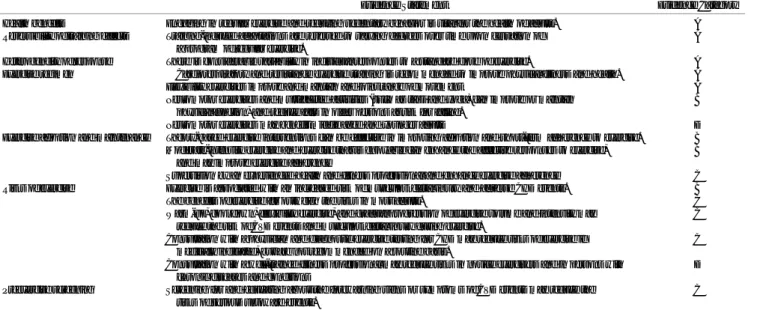
TABLE 1. Summary of the general evidence relevant to the exercise prescription.
Evidence Statement Evidence Category
Health benefits Engaging in regular exercise and reducing sedentary behavior is vital for the health of adults. A
Reversibility of training effects Training-induced adaptations are reversed to varying degrees over time upon cessation of a program of regular exercise.
A
Heterogeneity of response There is considerable variability in individual responses to a standard dose of exercise. A
Exercise regimen Cardiorespiratory and resistance exercise training is recommended to improve physical fitness and health. A
Flexibility exercises improve and maintain and joint range of movement A
Neuromotor exercises and multifaceted activities (such as tai ji and yoga) can improve or maintain physical function, and reduce falls in older persons at risk for falling.
B
Neuromotor exercises may benefit middle aged and younger adults D
Exercise adoption and maintenance Theory-based exercise interventions can be effective in improving adoption and short-term adherence to exercise. B Moderate-intensity exercise and exercise that is enjoyable can enhance the affective responses to exercise,
and may improve exercise adherence
B
Supervision by an experienced health and fitness professional and enhance exercise adherence C
Risks of exercise Exercise is associated with an increased risk of musculoskeletal injury and adverse CHD events. B
The benefits of exercise far outweigh the risks in most adults. C
Warm-up, cool down, flexibility exercise, and gradual progression of exercise volume and intensity may reduce the risk of CVD events and musculoskeletal injury during exercise.
C
Consultation with a physician and diagnostic exercise testing for CHD may reduce risks of exercise if medically indicated, but are not recommended on a routine basis.
C
Consultation with a well-trained fitness professional may reduce risks in novice exercisers and in persons with chronic diseases and conditions
D
Preexercise screening Screening for and educating about the forewarning signs or symptoms of CVD events may reduce the risks of serious untoward events.
C
Table evidence categories: A, randomized controlled trials (rich body of data); B, randomized controlled (limited body of data); C, nonrandomized trials, observational studies; D, panel consensus judgment. From the National Heart Lung and Blood Institute (263).
SPECIAL
C
OMMUNICA
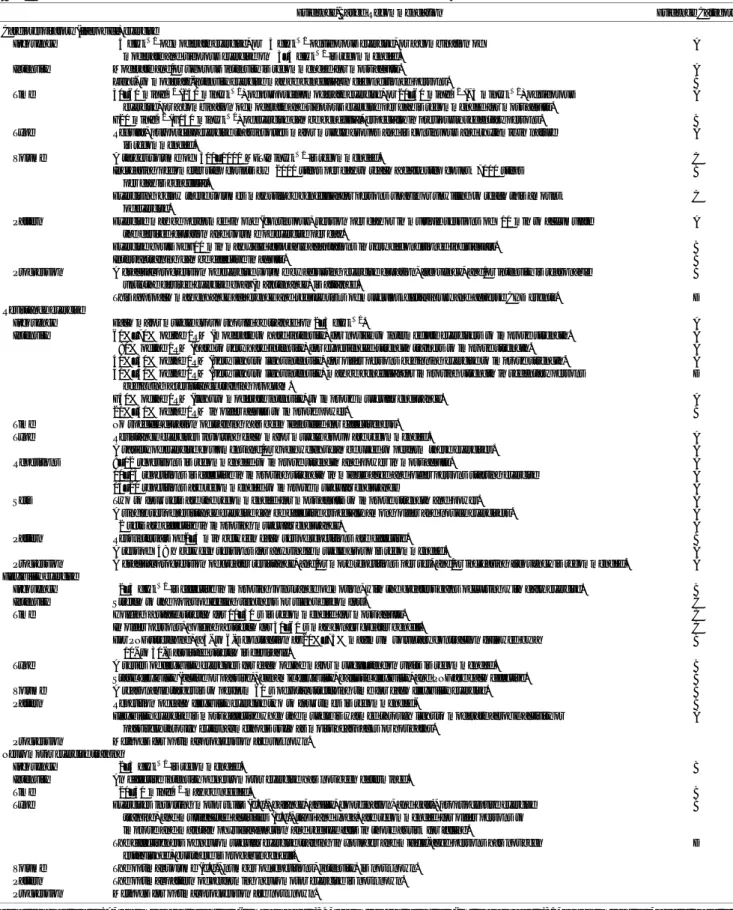
TABLE 2. Evidence statements and summary of recommendations for the individualized exercise prescription.
Evidence-Based Recommendation Evidence Category
Cardiorespiratory (‘‘aerobic’’) exercise
Frequency Q5 dIwkj1of moderate exercise, orQ3 dIwkj1of vigorous exercise, or a combination of
moderate and vigorous exercise onQ3–5 dIwkj1is recommended.
A
Intensity Moderate and/or vigorous intensity is recommended for most adults. A
Light- to moderate-intensity exercise may be beneficial in deconditioned persons. B
Time 30–60 minIdj1(150 minIwkj1) of purposeful moderate exercise, or 20–60 minIdj1(75 minIwkj1) of vigorous
exercise, or a combination of moderate and vigorous exercise per day is recommended for most adults.
A
G20 minIdj1(G150 minIwkj1) of exercise can be beneficial, especially in previously sedentary persons. B
Type Regular, purposeful exercise that involves major muscle groups and is continuous and rhythmic in nature is recommended.
A
Volume A target volume ofQ500–1000 METIminIwkj1is recommended. C
Increasing pedometer step counts byQ2000 steps per day to reach a daily step countQ7000 steps per day is beneficial.
B
Exercising below these volumes may still be beneficial for persons unable or unwilling to reach this amount of exercise.
C
Pattern Exercise may be performed in one (continuous) session per day or in multiple sessions ofQ10 min to accumulate the desired duration and volume of exercise per day.
A
Exercise bouts ofG10 min may yield favorable adaptations in very deconditioned individuals. B
Interval training can be effective in adults. B
Progression A gradual progression of exercise volume by adjusting exercise duration, frequency, and/or intensity is reasonable until the desired exercise goal (maintenance) is attained.
B
This approach may enhance adherence and reduce risks of musculoskeletal injury and adverse CHD events. D Resistance exercise
Frequency Each major muscle group should be trained on 2–3 dIwkj1. A
Intensity 60%–70% of the 1RM (moderate to hard intensity) for novice to intermediate exercisers to improve strength. A
Q80% of the 1RM (hard to very hard intensity) for experienced strength trainers to improve strength. A 40%–50% of the 1RM (very light to light intensity) for older persons beginning exercise to improve strength. A 40%–50% of the 1RM (very light to light intensity) may be beneficial for improving strength in sedentary persons
beginning a resistance training program.
D
G50% of the 1RM (light to moderate intensity) to improve muscular endurance. A
20%–50% of the 1RM in older adults to improve power. B
Time No specific duration of training has been identified for effectiveness.
Type Resistance exercises involving each major muscle group are recommended. A
A variety of exercise equipment and/or body weight can be used to perform these exercises. A
Repetitions 8–12 repetitions is recommended to improve strength and power in most adults. A
10–15 repetitions is effective in improving strength in middle aged and older persons starting exercise A
15–20 repetitions are recommended to improve muscular endurance A
Sets Two to four sets are the recommended for most adults to improve strength and power. A
A single set of resistance exercise can be effective especially among older and novice exercisers. A
e2 sets are effective in improving muscular endurance. A
Pattern Rest intervals of 2–3 min between each set of repetitions are effective. B
A rest ofQ48 h between sessions for any single muscle group is recommended. A
Progression A gradual progression of greater resistance, and/or more repetitions per set, and/or increasing frequency is recommended. A Flexibility exercise
Frequency Q2–3 dIwkj1is effective in improving joint range of motion, with the greatest gains occurring with daily exercise. B
Intensity Stretch to the point of feeling tightness or slight discomfort. C
Time Holding a static stretch for 10–30 s is recommended for most adults. C
In older persons, holding a stretch for 30–60 s may confer greater benefit. C
For PNF stretching, a 3- to 6-s contraction at 20%–75% maximum voluntary contraction followed by a 10- to 30-s assisted stretch is desirable.
B
Type A series of flexibility exercises for each of the major muscle–tendon units is recommended. B
Static flexibility (active or passive), dynamic flexibility, ballistic flexibility, and PNF are each effective. B
Volume A reasonable target is to perform 60 s of total stretching time for each flexibility exercise. B
Pattern Repetition of each flexibility exercise two to four times is recommended- B
Flexibility exercise is most effective when the muscle is warmed through light to moderate aerobic activity or passively through external methods such as moist heat packs or hot baths.
A
Progression Methods for optimal progression are unknown. Neuromotor exercise training
Frequency Q2–3 dIwkj1is recommended. B
Intensity An effective intensity of neuromotor exercise has not been determined.
Time Q20–30 minIdj1may be needed. B
Type Exercises involving motor skills (e.g., balance, agility, coordination, and gait), proprioceptive exercise training, and multifaceted activities (e.g., tai ji and yoga) are recommended for older persons to improve and maintain physical function and reduce falls in those at risk for falling.
B
The effectiveness of neuromuscular exercise training in younger and middle-aged persons has not been established, but there is probable benefit.
D
Volume The optimal volume (e.g., number of repetitions, intensity) is not known. Pattern The optimal pattern of performing neuromotor exercise is not known. Progression Methods for optimal progression are not known.
Table evidence categories: A, randomized controlled trials (rich body of data); B, randomized controlled trials (limited body of data); C, nonrandomized trials, observational studies; D, panel consensus judgment. From the National Heart Lung and Blood Institute (263).
SPECIAL
C
OMMUNICA
women. All-cause mortality is delayed by regularly
engag-ing in physical activity; this is also the case when an
indi-vidual
increases
physical activity by changing from a
sedentary lifestyle or a lifestyle with insufficient levels of
physical activity to one that achieves recommended physical
activity levels (372). Exercise and physical activity decrease
the risk of developing CHD, stroke, type 2 diabetes, and
some forms of cancer (e.g., colon and breast cancers) (372).
Exercise and physical activity lower blood pressure;
im-prove lipoprotein profile, C-reactive protein, and other CHD
biomarkers; enhance insulin sensitivity, and play an important
role in weight management (372). Of particular relevance to
older adults, exercise preserves bone mass and reduces the
risk of falling (264). Prevention of and improvement in mild
to moderate depressive disorders and anxiety can occur with
exercise (35,155,244,250,305,337,398). A physically active
lifestyle enhances feelings of ‘‘energy’’ (294), well-being
(25,406), quality of life (81,139,302), and cognitive function
(203,318,333) and is associated with a lower risk of cognitive
decline and dementia (210,281,387,405).
WHAT ARE THE HEALTH BENEFITS OF
PHYSICAL FITNESS?
Each component of physical fitness (i.e., cardiorespiratory
fitness, muscular strength and endurance (muscular fitness),
body composition, flexibility, and neuromotor fitness)
con-ceivably influences some aspect of health. Quantitative data
on the relationships between fitness and health are
avail-able for only some fitness components, with the most data
available on body composition and cardiorespiratory
fit-ness. In the domain of body composition, overall and
ab-dominal obesity are associated with increased risk of
adverse health outcomes (12,37,92,301), whereas greater
fat-free mass is associated with a lower risk of all-cause
mortality (37,160). Higher levels of cardiorespiratory and
muscular fitness are each associated with lower risks for
poorer health (24,42,75,117,128,189,265,292,339).
Relationships between cardiorespiratory fitness,
biologi-cal risk factors, and clinibiologi-cal health outcomes tend to parallel
those for physical activity: apparently healthy middle-aged
and older adults with greater cardiorespiratory fitness at
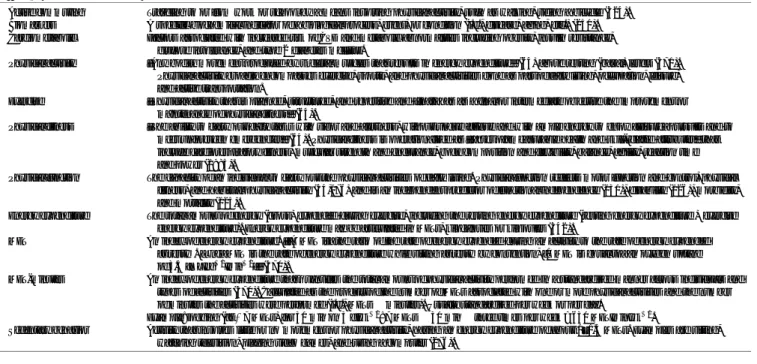
TABLE 3. Evidence categories.
Evidence Category Sources of Evidence Definition
A Randomized controlled trials
(RCT; rich body of data)
Evidence is from end points of well-designed RCT (or trials that depart only minimally from randomization) that provide a consistent pattern of findings in the population for which the recommendation is made. Category A therefore requires substantial numbers of studies involving substantial numbers of participants.
B Randomized controlled trials
(limited body of data)
Evidence is from end points of intervention studies that include only a limited number of RCT,post hocor subgroup analysis of RCT, or meta-analysis of RCT. In general, Category B pertains when few randomized trials exist, they are small in size, and the trial results are somewhat inconsistent, or the trials were undertaken in a population that differs from the target population of the recommendation.
C Nonrandomized trials,
observational studies
Evidence is from outcomes of uncontrolled or nonrandomized trials or from observational studies.
D Panel consensus judgment Expert judgment is based on the panel’s synthesis of evidence from experimental research described in the literature and/or derived from the consensus of panel members based on clinical experience or knowledge that does not meet the above-listed criteria. This category is used only in cases where the provision of some guidance was deemed valuable but an adequately compelling clinical literature addressing the subject of the recommendation was deemed insufficient to justify placement in one of the other categories (A through C). Evidence categories reprinted with permission from the National Heart Lung and Blood Institute (263).
TABLE 4. Definition of key terms.
Active commuting Traveling to or from work or school by a means involving physical activity, such as walking, riding a bicycle (324). Biomarkers A specific biochemical indicator of a biological process, event, or condition (i.e., disease, aging, etc.) (251). Cardiometabolic Factors associated with increased risk of CVD and metabolic abnormalities including obesity, insulin resistance,
glucose intolerance, and type 2 diabetes mellitus.
Physical activity ‘‘Any bodily movement produced by skeletal muscles that results in energy expenditure’’ (64) above resting (basal) levels (371). Physical activity broadly encompasses exercise, sports, and physical activities done as part of daily living, occupation, leisure, and active transportation.
Exercise ‘‘Physical activity that is planned, structured, and repetitive and [that] has as a final or intermediate objective the improvement or maintenance of physical fitness’’ (64).
Physical fitness ‘‘The ability to carry out daily tasks with vigor and alertness, without undue fatigue and with ample energy to enjoy [leisure] pursuits and to meet unforeseen emergencies’’ (64). Physical fitness is operationalized as ‘‘[a set of] measurable health and skill-related attributes’’ that include cardiorespiratory fitness, muscular strength and endurance, body composition and flexibility, balance, agility, reaction time and power (1985).
Physical function The capacity of an individual to carry out the physical activities of daily living. Physical function reflects motor function and control, physical fitness, and habitual physical activity (54,176) and is an independent predictor of functional independence (130), disability (126), morbidity, and mortality (125).
Energy expenditure The total amount of energy (gross) expended during exercise,includingthe resting energy expenditure (resting energy expenditure + exercise energy expenditure). Energy expenditure may be articulated in METs, kilocalories or kilojoules (342).
MET An index of energy expenditure. ‘‘[A MET is] the ratio of the rate of energy expended during an activity to the rate of energy expended at restI. [One] MET is the rate of energy expenditure while sitting at restIby convention, [1 MET is equal to] an oxygen uptake of 3.5 [mLIkgj1Iminj1]’’ (370).
MET-minutes An index of energy expenditure that quantifies the total amount of physical activity performed in a standardized manner across individuals and types of activities (370). Calculated as the product of the number of METs associated with one or more physical activities and the number of minutes the activities were performed (i.e., METsminutes). Usually standardized per week or per day.
Example: jogging (atÈ7 METs) for 30 min on 3 dIwkj1: 7 METs30 minthree times per week = 630 METIminIwkj1.
Sedentary behavior Activity that involves little or no movement or physical activity, having an energy expenditure of about 1–1.5 METs. Examples are sitting, watching television, playing video games, and using a computer (276).
SPECIAL
C
OMMUNICA
baseline, and those who improve fitness over time have a
lower risk of all-cause and CVD mortality and morbidity
(41,213,339,340). A decreased risk of clinical events is also
associated with greater cardiorespiratory fitness in
individ-uals with preexisting disease (75,213,247,262,338).
The minimum level of cardiorespiratory fitness required
for health benefit may be different for men and women and
for older and younger adults. This is because the
distribu-tion of cardiorespiratory fitness is different between healthy
men and women (14) and a nonlinear decline in
cardiore-spiratory fitness, which occurs with advancing age when
not accompanied by a program of regular exercise (118).
Sex- and age-specific norms for cardiorespiratory fitness
in apparently healthy adults are available in the
ACSM
Guidelines for Exercise Testing and Prescription
(14)
.
HOW MUCH PHYSICAL ACTIVITY IS
NEEDED TO IMPROVE HEALTH AND
CARDIORESPIRATORY FITNESS?
What volume of physical activity is needed?
Several
studies have supported a dose–response relationship
be-tween chronic physical activity levels and health outcomes
(155,372), such that greater benefit is associated with higher
amounts of physical activity. Data regarding the specific
quantity and quality of physical activity for the attainment of
the health benefits are less clear. Epidemiologic studies have
estimated the
volume
of physical activity needed to achieve
specific health benefits, typically expressed as kilocalories per
week (kcalIwk
j1), MET-minutes per week (METIminIwk
j1),
or MET-hours per week (METIhIwk
j1). Large prospective
cohort studies of diverse populations (216,237,320,353)
clearly show that an energy expenditure of approximately
1000 kcalIwk
j1of moderate-intensity physical activity (or
about 150 minIwk
j1) is associated with lower rates of CVD
and premature mortality. This is equivalent to an intensity of
about 3–5.9 METs (for people weighing
È
68–91 kg) and 10
METIhIwk
j1. Ten MET-hours per week can also be achieved
with
Q
20 minId
j1of vigorous-intensity (
QÈ
6 METs) physical
activity performed
Q
3 dIwk
j1or for a total of
È
75 minIwk
j1.
Previous investigations have suggested that there may be a
dose–response relationship between energy expenditure and
depression, but additional study is needed to confirm this
possibility (25,101).
In the general population, this 1000 kcalIwk
j1volume of
physical activity is accumulated through a combination of
physical activities and exercise of varying intensities.
There-fore, the
2008 Physical Activity Guidelines for Americans
(370), the 2007 AHA/ACSM recommendations (155,264),
and the ACSM guidelines (14) allow for a combination of
moderate- and vigorous-intensity activities to expend the
requisite weekly energy expenditure. An intriguing
observa-tion from several studies is that significant risk reducobserva-tions for
CVD disease and premature mortality begin to be observed at
volumes
below
these recommended targets, starting at about
one-half
of the recommended volume (i.e.,
È
500 kcalIwk
j1)
(214,237,320,353). This observation is congruent with the
findings from the DREW trial (76) among sedentary,
over-weight postmenopausal women, which showed that one-half
the currently recommended volume of physical activity was
sufficient to significantly improve cardiorespiratory fitness.
The available data support a dose–response relationship
between physical activity and health outcomes, so it is
rea-sonable to state with respect to exercise, ‘‘some is good;
more is better.’’ However, the shape of the dose–response
curve is less clear, and it is probable that the shape of the
curve may differ depending on the health outcome of
inter-est and the baseline level of physical activity of the
indi-vidual (155).
How
can studies of physical fitness help to clarify
the question of ‘‘
How
much physical activity is
needed?’’
The physical activity dose required to achieve a
specific health benefit may be further clarified by equating
specific amounts of physical activity to the levels of
cardio-respiratory fitness sufficient to confer health benefits. For
in-stance, a study of apparently healthy middle-aged adults (335)
showed that all-cause and CVD mortality rates were
ap-proximately 60% lower in persons with moderate compared
with low cardiorespiratory fitness, estimated from time to
fatigue on a treadmill test. The adults of moderate fitness in
this study reported a weekly energy expenditure in
moderate-intensity physical activity, such as brisk walking on level
ground, of
È
8–9 METIhIwk
j1. Therefore, a level of
cardio-respiratory fitness associated with substantial health benefit
seems to be attainable through a dose of exercise or physical
activity compatible with the recommendations in this Position
Stand and other current publications (14,155,264,370).
WHAT IS THE EFFECT OF EXERCISE
TRAINING ON CARDIORESPIRATORY
FITNESS AND CARDIOVASCULAR AND
METABOLIC DISEASE (CARDIOMETABOLIC)
RISK FACTORS?
What is the role of exercise intensity in
modify-ing the responses to exercise?
Either moderate- or
vigorous-intensity exercise, or both, can be undertaken to
meet current exercise recommendations, provided the
crite-rion for total volume of energy expended is satisfied. What
is less clear is this: for the same volume of energy expended,
is vigorous-intensity exercise associated with additional
risk reduction? The data are unclear because most
epidemi-ologic studies examining chronic disease outcomes and
randomized clinical trials of exercise training have not taken
into account the total volume of energy expended (323).
That is, in most studies where benefit is found for
vigorous-compared with moderate-intensity exercise, there is also a
greater volume of exercise in the vigorous-intensity
condi-tion. Thus, it is unclear whether the added benefit is due to
the vigorous-intensity
per se
or whether the results simply
reflect the additional benefit due to the higher
volume
of
energy expended. Nevertheless, there are some reports that
SPECIAL
C
OMMUNICA
support that vigorous-intensity exercise is associated with
greater risk reductions for CVD and all-cause mortality
compared with moderate-intensity activity of similar energy
expended (155).
Exercise intensity
is
an important determinant of the
physiological responses to exercise training (12,14,120).
Earlier randomized trials did not control for total exercise
volume, so the
independent
contributions of volume and
intensity were unclear, but more recent studies have
sup-ported the greater benefits of vigorous versus moderate
exercise. DiPietro et al. (97) found significant
improve-ments in glucose utilization in sedentary older men and
women who engaged in vigorous (80% maximal oxygen
uptake (V
˙ O
2max)) exercise but not in those who performedmoderate (65%V
˙ O2max) exercise, although all subjects
expended 300 kcalId
j1on 4 dIwk
j1. A comprehensive
re-view by Swain (343) concluded that there were greater
improvements in V
˙ O2max
with vigorous-intensity exercise
training compared with moderate-intensity exercise, when
the volume of exercise is held constant. Additional studies
support these conclusions (19,97,161,269,313,383).
Is there a threshold intensity of exercise needed
to improve cardiorespiratory fitness and to reduce
cardiometabolic risk?
According to the overload
prin-ciple of training, exercise below a minimum intensity, or
threshold
, will not challenge the body sufficiently to result in
increased V
˙ O2max
and improvements in other physiological
parameters (12,14). Evidence for a
minimum
threshold of
intensity for benefit is supported in many studies, but not all,
and the lack of consistent findings seems to be related to the
initial state of fitness and/or conditioning of the subjects
(12,345). Swain and Franklin (345) reviewed 18 clinical trials
that measured V
˙ O2max
before and after exercise training in
37 training groups and found that subjects with mean baseline
V
˙ O2max
values of 40–51 mLIkg
j1Imin
j1(
È
11–14 METs)
seemed to require an intensity of at least 45% oxygen uptake
reserve (V
˙ O
2R) to increase V˙ O
2max, but no apparentthresh-old was found for subjects with mean baseline V
˙ O
2maxG40 mLIkg
j1Imin
j1(G11 METs), although
È
30%V
˙ O2R
was the lowest intensity studied. Supporting these findings,
a comprehensive review of exercise training in runners
determined that ‘‘near maximal’’ (i.e., 95%–100%V
˙ O2max)
training intensities were needed to improve V
˙ O2max
in
well-trained athletes, while 70%–80%V
˙ O2max
seemed to
provide a sufficient stimulus in moderately trained athletes
(254). Thus, a threshold of exercise intensity may vary
depending on fitness level, and it may be difficult to precisely
define an exact threshold to improve cardiorespiratory fitness
(40,196,214). Additional randomized controlled trials and
meta-analyses are needed to explore the threshold
phenome-non in populations of varying fitness levels and exercise
training regimens because of the interactive effects of exercise
volume, intensity, duration, and frequency and individual
variability of response.
There are even fewer data available on the existence of a
threshold to favorably modify other cardiometabolic risk
factors. Two comprehensive reviews by Durstine et al.
(102,103) found little evidence for an intensity threshold for
changes in HDL cholesterol, LDL cholesterol, or
trigly-cerides, although most studies did not control for exercise
volume, frequency, and/or duration and were conducted at
intensities
Q
40%V
˙ O
2max. Similar methodological limitationspertain to studies evaluating blood pressure, glucose
intol-erance, and insulin resistance (6,284,361). Several studies
suggest that exercise intensity does not influence the
mag-nitude of loss of body weight or fat stores (99,266), but these
data are also confounded by variability in exercise volume
and other factors. Corroborating evidence is provided by a
study of sedentary subjects who walked at a self-selected
pace with fixed volume (10,000 steps per day on 3 dIwk
j1)
and improved lipoprotein profiles and expression of genes
involved in reverse lipid transport, without accompanying
changes in body weight and total body fat (56). Further, a
study of 16 pairs of same-sex twins with discordant physical
activity patterns found that greater volumes of exercise were
associated with lower total, visceral, liver, and intramuscular
body fat, with the active twin having on average 50% less
visceral fat and 25% less subcutaneous abdominal fat
com-pared with the inactive twin (221).
The short-term effects of exercise on mental health,
par-ticularly depression, may be a function of exercise intensity,
although a specific threshold has not been identified. There
are some data to suggest that the greatest benefit is conferred
through moderate- to vigorous-intensity activity consistent
with the recommendations presented in this Position Stand
(i.e.,
QÈ
17.5 kcalIkg
j1Iwk
j1;
È
1400 kcalIwk
j1) (101).
Does the pattern of exercise training make
a difference?
Current recommendations advise that
moderate-intensity physical activity may be
accumulated
in bouts of
Q
10 min each to attain the daily goal of
Q
30 minId
j1(14,155,264,370). The data supporting a
dis-continuous exercise pattern come primarily from
random-ized clinical trials examining short versus long bouts of
physical activity in relation to changes in cardiorespiratory
fitness, blood pressure, and studies of active commuting
(141,151). A comprehensive review (260) concluded that the
evidence comparing the effectiveness of long versus short
bouts of exercise for improving body composition,
lipopro-teins, or mental health is meager and inconclusive. Only one
study, in men, examined short (
e
15 min) versus long bouts
of physical activity in relation to chronic disease outcomes,
and the findings suggest it is the volume of energy expended
that is important rather than the duration of the exercise
(215). Durations of exercise
G10 min may result in fitness
and health benefits, particularly in sedentary individuals
(215); however, the data are sparse and inconclusive.
A different accumulation issue relates to a pattern of
physical activity sometimes called a ‘‘weekend warrior’’
pattern, where a large total volume of physical activity may
be accumulated over fewer days of the week than is
rec-ommended. There are few studies evaluating this exercise
pattern, but existing evidence supports the possibility of
SPECIAL
C
OMMUNICA
benefit, although the risks are unknown. A study of men
in-dicated that the weekend warrior pattern was associated with
lower rates of premature mortality, compared with being
sedentary, but only among men
without
cardiovascular risk
factors (217). These results suggest the possibility that
phys-ical activity might be needed on a regular basis to improve the
risk profile of men with risk factors. A randomized study
(253) showed that previously untrained middle-aged
partic-ipants who accumulated endurance training on consecutive
weekend days attained similar improvements in
cardiorespi-ratory fitness compared with those who completed similar
mode, volume (
È
1400 kcalIwk
j1), and intensity (90% of the
ventilatory threshold) of training but in a pattern consistent
with current recommendations (30 minId
j1at 5 dIwk
j1).
Another pattern of exercise involves varying the exercise
intensity within a
single
bout of exercise, termed
interval
training
. With interval training, the exercise intensity is
var-ied at fixed intervals during a single exercise bout, which can
increase the total volume and/or average exercise intensity
performed. A method commonly used in athletes, short-term
(
e
3 months) interval training has resulted in similar or greater
improvements in cardiorespiratory fitness and
cardio-metabolic biomarkers such as blood lipoproteins, glucose,
interleukin-6, and tumor necrosis factor
>
, and muscle fatty
acid transport compared with single-intensity exercise in
healthy adults (77,89,142,161,261,351,388) and persons with
metabolic, cardiac, or pulmonary disease (28,104,144,313,
383,399). However, a study of healthy untrained men (268)
found that interval running exercise was
more
effective than
sustained running of similar total duration (
È
150 minIwk
j1)
in improving cardiorespiratory fitness and blood glucose
concentrations but
less
effective in improving resting HR,
body composition, and total cholesterol/HDL ratio. It is clear
from these results that additional studies of interval training
are needed to more fully elucidate the effects, particularly
with respect to varying interval characteristics (e.g., exercise
intensity, work interval duration, rest interval duration) and in
diverse populations. Nonetheless, these studies show promise
for the use of interval training in adults, but the long-term
effects and the safety of interval training remain to be
eval-uated, although no adverse effects have been reported in the
literature to date.
A fourth activity pattern that has important implications
for health is sedentary behavior, which is an attribute distinct
from physical activity (276). Sitting and low levels of energy
expenditure are hallmarks of sedentary behavior and
encom-pass activities such as television watching, computer use, and
sitting in a car or at a desk (276). Spending long periods of
time in sedentary pursuits is associated with elevated risks of
CHD mortality (384) and depression (354), increased waist
circumference, elevated blood pressure, depressed lipoprotein
lipase activity, and worsened chronic disease biomarkers such
as blood glucose, insulin, and lipoproteins (158,159,276,
364,390). Sedentariness is detrimental even among in
indi-viduals who meet current physical activity recommendations
(158,276). When sedentary activities are broken up by short
bouts of physical activity or standing, attenuation of these
adverse biological effects can occur (157). This evidence
suggests it is not enough to consider whether an individual
engages in adequate physical activity to attain health benefits
but also that health and fitness professionals should be
concerned about the amount of time clients spend in activities
such as television watching and sitting at a desk.
WHAT IS THE EFFECT OF EXERCISE
TRAINING ON CARDIORESPIRATORY
FITNESS AND CARDIOVASCULAR AND
METABOLIC DISEASE (CARDIOMETABOLIC)
RISK FACTORS?
Studies substantiating the previous Position Stand (12),
the AHA/ACSM statements (155,264), the
2008 Physical
Activity Guidelines for Americans
(370), and
ACSM’s
Guidelines for Exercise Testing and Prescription
(14)
clearly demonstrate that exercise of the intensity, duration,
and frequency recommended here results in improvements
in cardiorespiratory fitness (i.e., V
˙ O
2max). Moreover, aplateau in the training effect occurs, whereby additional
increases in exercise volume result in little or no additional
improvements in V
˙ O2max
(12).
Cardiorespiratory exercise reduces several cardiometabolic
disease risk factors, although the magnitude of effect is
mod-est, varies according to individual and exercise program
characteristics, and a change in one cardiometabolic risk factor
apparently occurs independently of a change in another
(271,361,395). Favorable improvements in hypertension,
glucose intolerance, insulin resistance, dyslipidemia, and
in-flammatory markers have been reported in middle-aged and
older persons exercising within the volumes and quality
of exercise recommended here, even during weight regain
(47,102,103,184,260,284,288, 310,328,357,358,361,
376,385). The benefits of exercise on cardiometabolic risk
factors are acute (lasting hours to days) and chronic,
high-lighting the value of regular exercise participation on most
days of the week (360,388,389). Exercise without dietary
modification has a modest effect (
È
2%–6%) on short-term
(
e
6 months) weight loss (99), but favorable changes in
as-sociated cardiometabolic risk factors (e.g., visceral abdominal
fat, total body fat, and biomarkers) can occur even in the
absence of concomitant weight reduction (96,150,195,
288,361), albeit weight loss enhances these improvements
(102,103,256,361). Some risk factor changes, such as
reduc-tion of LDL and the attenuareduc-tion of decline in HDL
accom-panying reduced dietary intake of saturated fat, occur
only
when exercise is combined with weight loss (102,103,361).
What is the effect of varying exercise volumes on
the health and fitness of adults?
Although
epidemio-logical evidence demonstrates a dose–response
association
between the volume of exercise and health outcomes,
ran-domized clinical trials (RCT) are needed to demonstrate
causal
biological effects. Until recently, few data from
RCT were available comparing the effects of different
SPECIAL
C
OMMUNICA
fixed exercise volumes on fitness and biomarkers of
dis-ease. Church et al. (76) evaluated the effect of varying
ex-ercise volumes at a fixed intensity (50%V
˙ O2max) in
sedentary, overweight, or obese postmenopausal women
randomized to exercise volumes of 50%, 100%, or 150%
of the recommended weekly energy expenditure (4, 8, and
12 kcalIkg
j1Iwk
j1, respectively; or approximately 330, 840,
and 1000 kcalIwk
j1, respectively). A dose–response effect
across the three volumes was observed, and modest
im-provements in cardiorespiratory fitness (4%–8%) occurred at
6 months at exercise training volumes as low as one-half of the
recommended weekly volume. A preliminary report suggests
that initial level of fitness may affect the training responses to a
set volume of exercise (18), but more definitive evidence is
needed before the results of these studies can be generalized
to persons of higher fitness levels.
HOW ARE EXERCISE INTENSITY AND
VOLUME ESTIMATED?
Most epidemiologic and many laboratory studies
provid-ing evidence of the beneficial effects of exercise have
clas-sified intensity according to the
absolute
energy demands of
the physical activity (323). Measured or estimated measures
of absolute exercise intensity include caloric expenditure
(kcalImin
j1), absolute oxygen uptake (mLImin
j1or LImin
j1),
and METs. These absolute measures can result in
misclassi-fication of exercise intensity (e.g., moderate, vigorous)
be-cause they do not consider individual factors such as body
weight, sex, and fitness level (4,58,173). Measurement—and
consequently misclassification—error is greater when using
estimated rather than directly measured absolute energy
ex-penditure, and under free-living compared with laboratory
conditions (4,58,173). For example, an older person working
at 6 METs may be exercising at a vigorous to maximal
in-tensity, while a younger person working at the same absolute
intensity will be exercising moderately (173). Therefore, for
individual exercise prescription, a
relative
measure of
inten-sity (i.e., the energy cost of the activity relative to the
indi-vidual’s maximal capacity) is more appropriate, especially for
older and deconditioned persons (173,264).
There are several commonly used methods of estimating
relative exercise intensity during cardiorespiratory exercise:
V
˙ O2R, HRR, percent of the maximum HR (%HRmax),
%V
˙ O2max, and %METmax. Each of these methods for
pre-scribing exercise intensity has been shown to result in
improvements in cardiorespiratory fitness when used for
exercise prescription, thence can be recommended when
prescribing exercise for an individual (12).
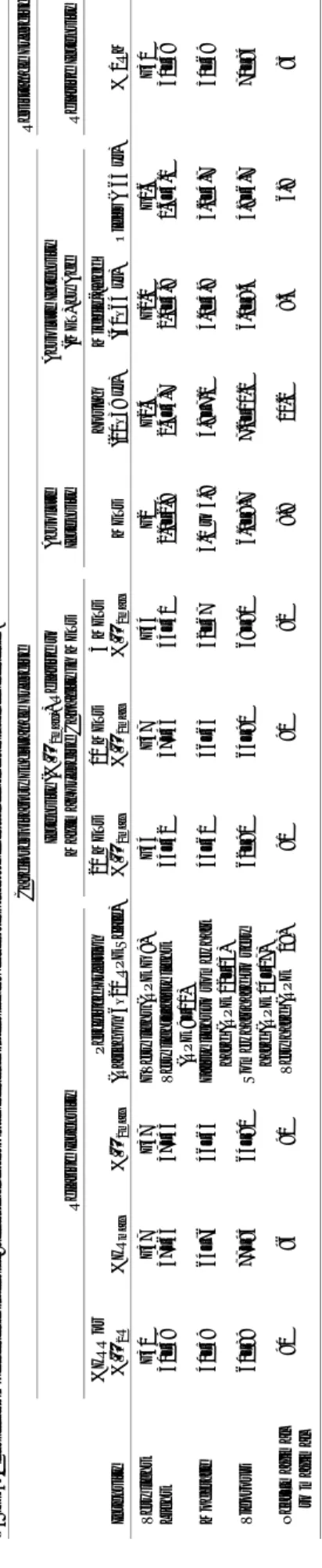
Table 5 shows the approximate classification of exercise
intensity using relative and absolute methods commonly
used in practice. No studies have compared all of the
methods of measurement of exercise intensity
simulta-neously; therefore, it cannot be assumed that one method of
determining exercise intensity is necessarily equivalent to
that derived using another method. It is prudent to keep in
TABLE5. Classification of exercise intensity: relative and absolute exercise intensity for cardiorespiratory endurance and resistance exercise . Cardiorespiratory Endurance Exercise Resistance Exercise Relative Intensity Intensity (%V ˙ O 2max) ) Relative to Maximal Exercise Capacity in METs Absolute Intensity Absolute Intensity (MET) by Age Relative Intensity Intensity %HRR or %V ˙ O 2 R %HR max %V ˙ O 2max P e rc ei ved E xe rtion (R a ti n go n6 – 2 0R P ES ca le ) 20 METs %V ˙ O 2max 10 METs %V ˙ O 2max 5 METs %V ˙ O 2max METs Young (20–39 yr) Middle-aged (40–64 yr) Older ( Q 65 yr) % 1RM Very light G 30 G 57 G 37 G Very light (RPE G 9) G 34 G 37 G 44 G 2 G 2.4 G 2.0 G 1.6 G 30 Light 30–39 57–63 37–45 Very light–fairly light (RPE 9–11) 34–42 37–45 44–51 2.0–2.9 2.4–4.7 2.0–3.9 1.6–3.1 30–49 Moderate 40–59 64–76 46–63 Fairly light to somewhat hard (RPE 12–13) 43–61 46–63 52–67 3.0 to 5.9 4.8–7.1 4.0–5.9 3.2–4.7 50–69 Vigorous 60–89 77–95 64–90 Somewhat hard to very hard (RPE 14–17) 62–90 64–90 68–91 6.0–8.7 7.2–10.1 6.0–8.4 4.8–6.7 70–84 Near–maximal to maximal Q 90 Q 96 Q 91 Q Very hard (RPE Q 18) Q 91 Q 91 Q 92 Q 8.8 Q 10.2 Q 8.5 Q 6.8 Q 85 Table adapted from the American College of Sports Medicine (14), Howley (173), Swain and Franklin (344), Swain and Leutholtz (346), Swain et al. (347) , and the US Department of Health and Human Services (370). HR max , maximal HR; %HR max , percent of maximal HR; HRR, HR reserve; V˙ O2max , maximal oxygen uptake; %V ˙ O 2max , percent of maximal oxygen uptake; V˙ O2 R, oxygen uptake reserve; RPE, ratings of perceived exertion (48).