GENE EXPRESSION DIFFERENCES BETWEEN SHORTLEAF PINE AND LOBLOLLY PINE
AFTER TOP-KILLING
By YANYAN LIU Bachelor of Agronomy China Agricultural University
Beijing 2002
Master of Agronomy China Agricultural University
Beijing 2005
Submitted to the Faculty of the Graduate College of the Oklahoma State University
in partial fulfillment of the requirements for
the Degree of
DOCTOR OF PHILOSOPHY July, 2009
GENE EXPRESSION DIFFERENCES BETWEEN SHORTLEAF PINE AND LOBLOLLY PINE
AFTER TOP-KILLING Dissertation Approved: Dr. Charles G. Tauer Dissertation Adviser Dr. Liuling Yan Dr. Yanqi Wu Dr. Rodney E. Will Dr. A. Gordon Emslie Dean of the Graduate College
ACKNOWLEDGMENTS
First, I would like to thank the Department of Natural Resource Ecology and
Management for financial support during the past four years for my study at Oklahoma State University. I would like to thank the service provided by the university and the community in Stillwater.
I would like to gratefully and sincerely thank my advisor Dr. Charles G. Tauer for his guidance, understanding, and patience during my graduate studies at Oklahoma State University. His great sense of humor always made me in a good mood even if my experiment was stuck. His continuous encouragement and support made my graduate study smoother. For everything you’ve done for me, Dr. Tauer, I thank you.
I would like to thank my committee members Dr. Liuling Yan, Dr. Yanqi Wu, and Dr. Rodney Will for their guidance over the years. I would also like to thank Dr.Yinghua Huang and Angela L. Phillips for their help and support during my first year of graduate study.
I would like to take this opportunity to thank members at the microarray facility and core facility at Oklahoma State University for their technical support during my microarray printing and DNA sequencing.
Additionally, I am very grateful for the friendship and company of John F. Stewart in our forest genetics lab, for his great ideas and suggestions for my experiments, and for his
sharing of his broad knowledge of American culture, which makes my graduate study more colorful.
A very special thanks to my friends Qiu Zhong, Lichao Zhao, Chengcheng Tan, Chao Huang, and Ning Zhang, for their help over all these years.
Finally, and most importantly, I would like to thank my husband, my parents and my parents-in-law for their support and encouragement during my Ph.D. study.
TABLE OF CONTENTS
Chapter Page
I. INTRODUCTION ...1
Shortleaf pine and loblolly pine ...1
Fire and pine species ...2
Natural regeneration and artificial regeneration ...3
Shortleaf pine is declining ...4
Prescribed fire ...5
Shortleaf pine sprouting and natural regeneration ...5
Utilizing microarrays to profile gene expression related to sprouting due to dormancy release ...6
Experimental objectives ...7
II. REVIEW OF LITERATURE...11
Sprouting ...12
Spouting potential of shortleaf pine and loblolly pine ...14
Genes related to sprouting ...16
What is dormancy? ...17
Bud dormancy vs. seed dormancy ...18
Types of bud dormancy ...19
Dormancy of axillary buds...19
Dormancy of buds of perennial plants ...21
Hormone controlled dormancy release in seeds and buds ...22
Sugar signaling and dormancy release ...24
Oxidative stress and dormancy release ...25
References ...27
III. METHODOLOGY ...36
Materials ...36
Construction of subtractive cDNA libraries ...37
Amplification of cDNA inserts and preparation of cDNA microarray ...38
Preparation of probes and microarray hybridization ...40
Microarray scanning and data analysis ...41
DNA sequencing and database search ...42
Chapter Page
IV. RESULTS ...45
cDNA library construction and array slides preparation ...45
Differentially expressed genes in shortleaf pine and loblolly pine detected by array experiments ...47
Function of differentially expressed genes determined by BLAST search ...48
Functional classification of genes ...49
Sequence annotation and analysis for differentially expressed genes ...50
Transcription factor related genes ...51
Genes in cell growth and maintenance ...53
Carbohydrate metabolism related genes ...56
Genes in signal transduction ...59
Hormone related genes...61
Fatty acids metabolism related genes ...64
Transporter related genes ...65
Protein and amino acid metabolism genes ...66
Stress responsive genes ...68
Translation related genes ...73
Real-time PCR to confirm the results from microarray ...74
References ...78
V. DISCUSSION ...80
Optimum tissue collection for gene profiling ...81
Functional classification of genes ...82
Carbohydrate metabolism related genes ...83
Hormone related genes...85
Genes in cell growth and maintenance ...87
Signal transduction related genes ...88
Transcription factor related genes ...89
Protein and amino acid metabolism genes ...90
Fatty acids metabolism genes ...91
Transporter related genes ...92
Stress responsive genes ...93
Translation related genes ...95
Transcribed loci with unknown function and genes with no hit in the dtabases ...96
Oxidative stress and dormancy release ...96
Hormone regulated dormancy release ...98
GA’s interaction with various genes in dormant bud release in shortleaf pine ...99
Application of array results to pine regeneration planning ...102
LIST OF TABLES
Table Page
Table 1 Number of upregulated and downregulated genes identified in microarray experiments ...110 Table 2 Transcription factor genes and their expression levels in shortleaf pine and
loblolly pine after topkilling ...111 Table 3 Genes related to cell growth and maintenance and their expression levels in
shortleaf pine and loblolly pine after top-killing ...112 Table 4 Carbohydrate metabolism genes and their expression levels in shortleaf pine and
loblolly pine after top-killing ...113 Table 5 Signal transduction genes and their expression levels in shortleaf pine and
loblolly pine after top-killing ...114 Table 6 Ubiquitin related genes and their expression levels in shortleaf pine and loblolly
pine after top-killing ...115 Table 7 Pathogenesis related genes and their expression levels in shortleaf pine and
loblolly pine after top-killing ...116 Table 8 Hormone related genes and their expression levels in shortleaf pine and loblolly
pine after top-killing ...117 Table 9 Fatty acid metabolism genes and their expression levels in shortleaf pine and
loblolly pine after top-killing ...118 Table 10 Transport genes and their expression levels in shortleaf pine and loblolly pine
after top-killing ...119 Table 11 Protein and amino acid metabolism genes and their expression levels in
shortleaf pine and loblolly pine after top-killing ...120 Table 12 Stress responsive genes and their expression levels in shortleaf pine and loblolly
pine after top-killing ...121 Table 13 Translation related genes and their expression levels in shortleaf pine and
loblolly pine after top-killing ...122 Table 14 Photosynthesis genes and their expression levels in shortleaf pine and loblolly
pine after top-killing ...123 Table 15 Transcribed loci with unknown function and their expression levels in shortleaf
pine and loblolly pine after top-killing ...124 Table 16 Genes with no hit in the databases and their expression levels in shortleaf pine
and loblolly pine after top-killing ...125 Table 17 Primers used in qRT-PCR...126
LIST OF FIGURES
Figure Page
Figure 1 Shortleaf pine and loblolly pine in the greenhouse...127
Figure 2 Top cut pines and untreated controls ...128
Figure 3 Pictures taken during tissue collection ...129
Figure 3A Shortleaf pine, two days after top-killing ...129
Figure 3B Loblolly pine, seven days after top-killing ...129
Figure 3C Shortleaf pine, one week after sprouting ...129
Figure 3D Loblolly pine, one week after sprouting ...129
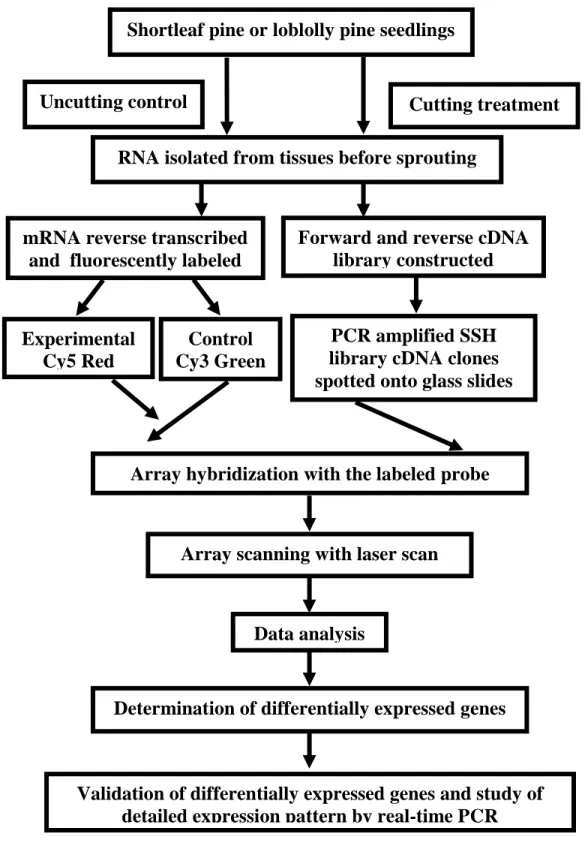
Figure 4 Detailed experimental outline ...130
Figure 5 Array slides layout ...131
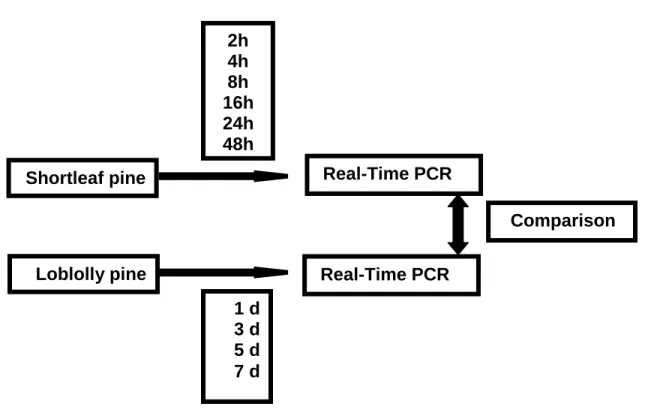
Figure 6 Tissue collection for Real-time PCR ...132
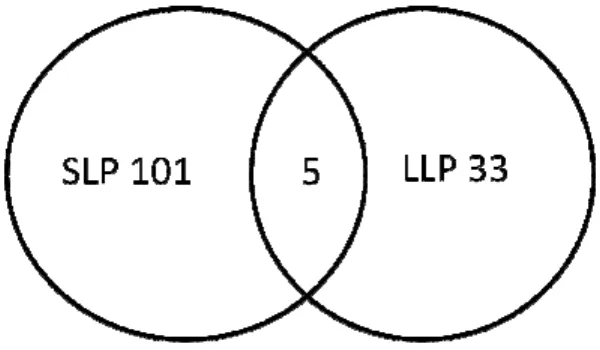
Figure 7 Venn diagrams of the origin of differentially expressed genes ...133
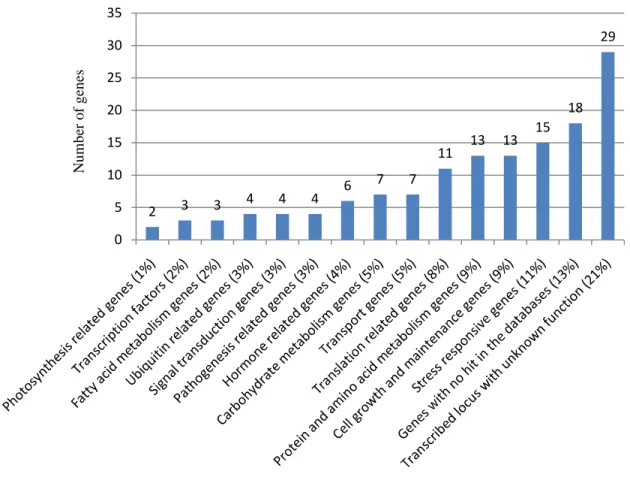
Figure 8 Functional categories of differentially expressed genes after top-killing treatment ...134
Figure 9 Nucleotide and deduced amino acid sequences of SLP1 ...135
Figure 10 Alignment of amino acid sequences of SLP1 with NAM proteins from several tree species ...136
Figure 11 Nucleotide and deduced amino acid sequences of SLP2 ...137
Figure 12 Alignment of amino acid sequences of SLP2 with STM proteins from diverse species. ... 138
Figure 13 Alignment of amino acid sequences of SLP3 with GT-l-like proteins from diverse species ...139
Figure 14 Alignment of amino acid sequences of SLP4 with expansin-like proteins from diverse species. ... 140
Figure 15 Alignment of amino acid sequences of SLP5 with pectin-methylesterase-like proteins from diverse species. ... 141
Figure 16 Alignment of amino acid sequences of SLP8 with cell wall-like proteins from diverse species. ... 142
Figure 17 Alignment of amino acid sequences of SLP11 with STT3B-like proteins from diverse species ...143
Figure 18 Alignment of amino acid sequences of LLP1 with O-methyltransferase-like proteins from diverse species. ... 144
Figure 19 Alignment of amino acid sequences of SLP13 with TET8-like proteins from diverse species ...145
Figure 20 Alignment of amino acid sequences of SLP15 with PPR motif from diverse species ...146
Figure 21 Alignment of amino acid sequences of SLP17 with malate synthase from diverse species ... 147 Figure 22 Alignment of amino acid sequences of SLP18 with pyruvate kinase from
diverse species ...148 Figure 23 Alignment of amino acid sequences of SLP19 with fructose-bisphosphate
aldolase from diverse species ...149 Figure 24 Alignment of amino acid sequences of SLP20 with glucose-6-phosphate 1-dehydrogenase from diverse species. ... 150 Figure 25 Nucleotide and deduced amino acid sequences of SLP21 ...151 Figure 26 Alignment of amino acid sequences of SLP 21 with invertase from diverse species ...152 Figure 27 Nucleotide and deduced amino acid sequences of SLP22 ...153 Figure 28 Alignment of amino acid sequences of SLP 22 with invertase from diverse
species ... 154 Figure 29 Nucleotide and deduced amino acid sequences of SLP24 ...155 Figure 30 Alignment of amino acid sequences of SLP 24 with protein phosphatase 2C
(PP2C) from diverse species ... 156 Figure 31 Nucleotide and deduced amino acid sequences of SLP25 ...157 Figure 32 Alignment of amino acid sequences of SLP 25 with the catalytic subunit of
protein phosphatase 2A (PP2A) from diverse species ... 158 Figure 33 Alignment of amino acid sequences of SLP_LLP1 with receptor kinase-like
proteins from diverse species ... 159 Figure 34 Nucleotide and deduced amino acid sequences of SLP34 ...160 Figure 35 Alignment of amino acid sequences of SLP34 with the DNA binding domain
of AP2/ERF from diverse species ...161 Figure 36 Nucleotide and deduced amino acid sequences of SLP35 ...162 Figure 37 Alignment of amino acid sequences of SLP35 with auxin-repressed protein
from diverse species ...163 Figure 38 Alignment of amino acid sequences of SLP37 with gibberellin 7-oxidase
from squash ...164 Figure 39 Alignment of amino acid sequences of SLP38 with anthocyanidin reductase
from diverse species. ... 165 Figure 40 Alignment of amino acid sequences of LLP3 with flavanone 3-hydroxylase
like proteins from two other species. ...166 Figure 41 Alignment of amino acid sequences of SLP39 with anthocyanidin reductase
from two other species ...167 Figure 42 Alignment of amino acid sequences of SLP40 with caleosin from diverse
species ... 168 Figure 43 Alignment of amino acid sequences of SLP41 with triacylglycerol lipase-like
proteins from diverse species ...169 Figure 44 Alignment of amino acid sequences of SLP42 with GNS1/SUR4 from diverse
species ...170 Figure 45 Alignment of amino acid sequences of SLP43 with ABC transporters from diverse species ...171 Figure 46 Alignment of amino acid sequences of LLP6 with nitrogen transporter-like
Figure 47 Alignment of amino acid sequences of SLP47 with serine-type peptidase/ signal peptidase from diverse species ... 173 Figure 48 Alignment of amino acid sequences of SLP48 with aleurain-like protease
from diverse species ... 174 Figure 49 Alignment of amino acid sequences of SLP49 with subtilisin-like protein
from diverse species ...175 Figure 50 Alignment of amino acid sequences of SLP51 with thioredoxin h from
diverse species ...176 Figure 51 Alignment of amino acid sequences of SLP57 with cystatin-like proteins
from diverse species ... 177 Figure 52 Alignment of amino acid sequences of LLP11 and LLP12 with peroxidase-like proteins from diverse species ...178 Figure 53 Alignment of amino acid sequences of SLP60 with secretory peroxidase-like
proteins from diverse species ...179 Figure 54 Alignment of amino acid sequences of SLP61 with cytochrome P450 from diverse species ... 180 Figure 55 Alignment of amino acid sequences of SLP62 with aldo/keto reductase-like
proteins from diverse species ... 181 Figure 56 Alignment of amino acid sequences of SLP63 with glutathione S-transferase
from diverse species ...182 Figure 57 Alignment of amino acid sequences of SLP_LLP4 with LEA from diverse species ...183 Figure 58 Alignment of amino acid sequences of LLP13 with galactinol synthase from
diverse species ... 184 Figure 59 Alignment of amino acid sequences of SLP36 with water deficit inducible
proteins from several other tree species ...185 Figure 60 Alignment of amino acid sequences of SLP70 with DCP1-like decapping
proteins from diverse species ... 186 Figure 61 qRT-PCR results for an invertase-like gene (SLP21) in shortleaf pine and
loblolly pine ... 187 Figure 62 qRT-PCR results for an amylase-like gene (SLP22) in shortleaf pine and
loblolly pine ...188 Figure 63 qRT-PCR results for an AP2/ERF transcription factor-like gene (SLP34) in
shortleaf pine and loblolly pine...189 Figure 64 qRT-PCR results for a KN3-like gene (SLP2) in shortleaf pine and loblolly
pine ...190 Figure 65 qRT-PCR results for a water deficit inducible protein (SLP36) in shortleaf pine
and loblolly pine ...191 Figure 66 qRT-PCR results for a receptor-like kinase (SLP_LLP1) in shortleaf pine and
loblolly pine ...192
CHAPTER I
INTRODUCTION
Shortleaf pine and loblolly pine
Shortleaf pine (Pinus echinata Mill.) and loblolly pine (Pinus taeda L.) are two important commercial conifers native to the southeastern United States. Both species have the ability to produce wood in large volumes on lands with soils unsuited to intensive agriculture (Nakane, 1994). These pines have the widest natural ranges among all southern pines, with shortleaf pine having the largest. Much of the geographic range of shortleaf pine and loblolly pine is shared. Shortleaf pine occurs in areas further north where it’s too cold for loblolly pine to survive.
However, loblolly pine is more financially attractive than shortleaf pine, due to its higher wood production rate resulting largely from its faster juvenile growth and greater full-grown size. Loblolly pines now occupy 65 percent of the commercial forest land in the southern United States and directly or indirectly contribute $30 billion to the economy of the region (Schultz, 1999; Conner and Hartsell, 2002). Hence, loblolly pine is entitled “the pine for the twenty-first century” (Schultz, 1999).
Fire and pine species
Fire is one of the most important ecological factors associated with pine (Agee, 1998). Fire is responsible in large part for the wide distribution of pines. Much of pine species’ current large ranges are due to its ability to quickly spread to open places created by various disturbances such as fire. Disturbances help remove the previous vegetation, recycle nutrition and create space for the development of pine seedlings. Without disturbance like fire, pines on better sites might be completely eliminated and replaced by hardwoods, because without disturbance the hardwood species develop more rapidly on these sites (Denevan, 1961; Kowal, 1966).
Some pine species have developed the capacity to resprout from the stem or root collar to help survive after disturbance (McCune, 1988). Shortleaf pine, pond pine (Pinus serotina Michx.) and pitch pine (Pinus rigida Mill.) are the three southern pines known to have strong basal sprouting ability (Fowells, 1965; Stone and stone, 1954). Vigorous resprouting from axillary buds can be produced at the base of the stem of seedlings of these species (Agee, 1998). The preformed buds, originally located in axils of primary needles, are well protected by bark and can sprout following fire in these pine species up to age 10 or older (Ledig and Little, 1979). These buds are connected to the pith by a bud trace. They remain almost dormant under the bark and grow only a little each year so that the tip can keep pace with cambial growth (Kozlowski et al., 1991). Under severe conditions when the leaves, or more seriously, the stem are lost by fire, the bud dormancy
is released (Kozlowski et al., 1991). Basel sprouting is, however, largely restricted to seedlings and small saplings (Stone and stone, 1954; McCune, 1988).
Species with sprouting ability may be more competitive than those that reproduce only by seeds because the sprouts grow faster than seedlings (Biswell, 1974; Kozlowski et al., 1991). Liming (1945) reported that shortleaf pines developed from sprouts caught up with other shortleaf pines planted at the same time as the originally top-killed shortleaf pines, and later even surpassed undamaged planted shortleaf pine in height.
Natural regeneration and artificial regeneration of pine
Natural regeneration of pine species includes regeneration through natural seedlings or from sprouts (Butler, 2003). However, most pines have limited ability to regenerate from sprouts, with several exceptions including shortleaf pine. Thus, natural regeneration of pines generally depends on seeds provided by older trees left there to regenerate the site (Duryea, 1992). Natural regeneration has its advantages, such as lower cost, less labor and ensured adaptation of the native stock to the site (Edward, 1987). However, due to limited seed production, and competition for light, nutrition and space, pine species’ natural regeneration rates can be quite low in any given year (Liming, 1945). The competition with natural regenerating of pine stands can come from other trees and shrubs, grasses, and woody vines.
Artificial regeneration methods include planting seedlings or direct seeding (Butler, 2003). In recent years, pine management has changed from dependence on natural regeneration to artificial regeneration by planting seedlings or sowing seeds (http://www.forestencyclopedia.net/p/p599). Despite its higher initial cost and labor, artificial regeneration has its own advantage: it reduces the time required for establishment, provides better control of spacing, and allows establishment of genetically improved trees (Edward, 1987). Due to the financial attractiveness of growing loblolly pine compared to shortleaf pine, many more areas of loblolly pine are being regenerated by artificial regeneration, even on those lands which were originally occupied by shortleaf pines (Moser et al., 2008).
Shortleaf pine is declining
The acreage and volume of shortleaf pine has been decreasing during the last several decades (Moser et al., 2008). The decline is due to the following two reasons. One is landowners’ preference for loblolly pine. In much of the original shortleaf pine range, shortleaf pine is being replaced by loblolly pine through plantation establishment. Secondly, shortleaf pine’s establishment is more dependent on disturbance like fire than most other tree species. However, disturbance is extremely restricted in today’s increasingly urbanized world (Johnson et al., 2002; Moser, 2003; Moser et al., 2008). Due to lack of disturbances like fire in shortleaf pine stands, when shortleaf pines become overmature and die, midstory hardwoods tend to dominate the stand and replace the original shortleaf pine.
Prescribed fire
Fire is an important factor in forest ecosystems. It is a major disturbance, and if uncontrolled, it can result in stand replacement. Unlike wildfire, prescribed fire is now utilized in forest management because it is helpful in improving regeneration. First, prescribed fire can effectively reduce built-up fuel levels, and chances for the outbreak of a stand-replacing wildfire are greatly reduced after application of prescribed fire. Second, after prescribed fire, site conditions are more favorable for the establishment of pine seedlings, as non-fire-adapted resource-competing species are eliminated. Third, more nutrition is available for pine seedling development, as otherwise immobilized nutrients from other understory vegetation are released to the soil after fire (Schultz, 1997). Therefore prescribed burning is used for regenerating southern pines either by artificial regeneration, or natural regeneration (Pritchett, 1979). Prescribed fire is considered the most economical site preparation tool (Luke et al., 2000).
Shortleaf pine sprouting and natural regeneration
Shortleaf pine’s strong sprouting ability and prescribed fire might be useful for natural regeneration in silvicultural applications. Prescribed fire not only helps to promote shortleaf pine seedling establishment on the site by providing a seed bed and nutrition recycled from other above-ground competing species, but also eliminates species with less fire resistance that would otherwise compete for the resources (Moser, 2003; Moser et al., 2008). When prescribed fire is applied, some shortleaf pine seedlings or saplings
might be killed, but sprouts developed from top-killed stems and new shortleaf pines developed from seeds may provide adequate regeneration. Spouting is much less common in loblolly pine than in shortleaf pine (Schultz, 1997).
Utilizing microarrays to profile gene expression related to sprouting due to dormancy release
Microarrays have been utilized to answer many diverse biological questions since the middle of the 1990s (Chee et al., 1996; van Hal et al., 2000). The microarray method was developed on the principle that complementary nucleic acids hybridize with each other. Unlike other techniques for the analysis of gene expression at the mRNA level, such as Northern blot hybridization (Kevil, 1996), differential display (Liang and Pardee, 1992), or serial analysis of gene expression (SAGE; Adams 1996), microarray technology can be utilized to examine the expression pattern of large subsets of genes simultaneously for any particular organism at any developmental stages and under varied environmental stimuli (Duggan et al., 1999; Richmond and Somerville, 2000).
The microarray method has been used for many different purposes, such as comparing global expression profiles under different environmental conditions (Reymond et al., 2000) and identifying genes of specific functions (Park et al., 2006; Ducreux et al., 2008). Recently several microarray experiments have been carried out to profile genes responsible for dormancy release of buds of perennial trees and perennial grasses (Huang et al., 2008; Mazzitelli et al., 2007; Pacey-Miller et al., 2003). Normally, for a cDNA
array, the cDNA clones printed on the slides and the labeled mRNA hybridized to it are from the same species, but researchers have utilized so called “cross hybridization”, and found that when fluorescent tagged leafy spurge (Euphorbia esula L.) mRNA is hybridized to Arabidopsis cDNA based array slides, 60% of the cDNAs show successful hybridization (Chao, 2002).
Experimental Objectives
Although there have been many investigations of dormancy, the molecular mechanisms that control the transitions into and out of dormancy are still unclear; and to this author’s knowledge, there is no report on the molecular mechanism involved in dormancy release that leads to sprouting in pine species. This study aimed to identify genes that lead to shortleaf pine’s quick bud break and prolific sprouting after top-kill; and to explain why shortleaf pine and loblolly pine have huge differences in response to dormancy release after top-killing besides the fact that dormant buds are better protected from disturbances by the J-shaped crook of shortleaf pine. The results generated from this experiment might be helpful in shortleaf pine regeneration planning as well as simply understanding the process.
REFERENCES
Adams MD (1996) Serial analysis of gene expression: ESTs get smaller. Bioessays 18: 261-262
Agee JK (1998) Fire and pine ecosystems. In: Richardson DM (ed) Ecology and biogeography of pinus. Cambridge: Cambridge University Press; p193-218
Biswell HH (1989) Prescribed burning in California wildland vegetation management. University of California Press, Berkeley
Butler S (2003) Regeneration as it relates to the establishment and maintenance of riparian forest buffers in the Northeastern US: A Literature Review. Washington, DC; USDA
Chee M, Yang R, Hubbell E, Berno A, Huang XC, Stern D, Winkler J, Lockhart DJ, Morris MS, Fodor SP (1996) Accessing genetic information with high-density DNA arrays. Science 274: 610-614
Chao WS (2002) Contemporary methods to investigate seed and bud dormancy. Weed Science 50:215-226
Conner R, Hartsell A (2002) Forest area and conditions. In Southern forest resource
assessment. Asheville, NC: U.S. Department of Agriculture, Forest Service, Southern
Research Station
Denevan WM (1961) The upland pine forests of Nicaragua: a study in cultural plant geography. Berkeley: University of California Press
Ducreux LJ, Morris WL, Prosser IM, Morris JA, Beale MH, Wright F, Shepherd T, Bryan GJ, Hedley PE, Taylor MA (2008) Expression profiling of potato germplasm differentiated in quality traits leads to the identification of candidate flavour and texture genes. J Exp Bot 59: 4219-4231
Duryea ML (1992) Forest Regeneration Methods: Natural Regeneration, Direct Seeding and Planting
Edward BM (1987) Natural regeneration of loblolly pine. In: A loblolly pine management guide
Fowells HA (1965) Silvics of forest trees of the United States. USDA Forestry Service, Agriculture Handbook No. 271 Washington, DC; USDA
http://www.forestencyclopedia.net/p/p599
Huang X, Xue TT, Dai SL, Gai SP, Zheng CC, Zheng GS (2008) Genes associated with the release of dormant buds in tree peonies (Paeonia suffruticosa). Acta Physiologiae Plantarum 30: 797-806
Johnson PS, Shifley SR, Rogers R (2002) The ecology and silviculture of oaks. New York: CABI Publishing. 501 p
Luke AB, Archibald DJ, Arnup RW, Wood NL (2000) Prescribed fire as a vegetation management tool. Northwest Sci. and Technol. Technical Note TN-45, in Bell FW,
McLaughlan M and Kerley J (compilers) Vegetation Management Alternatives -A Guide to Opportunities. Ont Min Natur Resour, Thunder Bay, Ont 12 pp
Kevil CG, Walsh L, Laroux FS, Kalogeris T, Grisham MB, Alexander JS (1997) An improved, rapid Northern protocol. Biochem and Biophys Research Comm. 238:277-279 Kowal NE (1966) Shifting cultivation, fire, and pine forest in the Cordillera Central, Luzon, Philippines. Ecological Monographs 36: 389-419
Kozlowski TT, Kramer PJ, Pallardy SG (eds) (1991) Fire. In: The physiological ecology of woody plants. pp. 401-424. New York: Academic Press
Ledig FT, Little S (1979) Pitch pine (Pinus rigida Milli): ecology, physiology, and genetics. In Pine Barrens: Ecosystem and landscape, ed. Forman RTT, pp.347-371; New York: Academic Press
Liang P, Pardee AB (1992) Differential display of eukaryotic messenger RNA by means of the polymerase chain reaction. Science 257: 967-971
Liming FG (1945) Natural regeneration of shortleaf pine in Missouri Ozarks. Journal of Forestry 43:339-345
Mazzitelli L, Hancock RD, Haupt S, Walker PG, Pont SD, McNicol J, Cardle L, Morris J, Viola R, Brennan R, Hedley PE, Taylor MA (2007) Co-ordinated gene expression during phases of dormancy release in raspberry (Rubus idaeus L.) buds. J Exp Bot 58: 1035-1045
McCune B (1988) Ecological diversity in North American pines. American Journal of Botany 75: 353-368
Moser WK (2003) Oaks explained. A book review of ecology and silviculture of Oaks. Forest Science 49(2): 377-378
Moser WK, Hansen M, McWilliams WH, Sheffield RM (2008) Shortleaf pine composition and structure in the United States. In: shortleaf pine restoration and ecology in the Ozarks: proceedings of a symposium. USDA, Forest Service, Northern Research Station, General Technical Report NRS-P-15, pp19-26
Nakane K (1994) Modeling the soil carbon cycles of pine ecosystems. In Environmental Constraints on the Structure and Productivity of Pine Forest Ecosystems: A Comparative Analysis. Ecological Bulletins 43 ed. Gholz HL, Linder S, McMurtie RE
Pacey-Miller T, Scott K, Ablett E, Tingey S, Ching A, Henry R (2003) Genes associated with the end of dormancy in grapes. Funct Integr Genomics 3: 144-152
Park SJ, Huang Y, Ayoubi P (2006) Identification of expression profiles of sorghum genes in response to greenbug phloem-feeding using cDNA subtraction and microarray analysis. Planta 223: 932-947
Richmond T, Somerville S (2000) Chasing the dream: plant EST microarrays. Curr Opin Plant Biol 3: 108-116
Pritchett WL (1979) Properties and management of forest soils. New York: John Wiley and Sons. 500 p
Reymond P, Weber H, Damond M, Farmer EE (2000) Differential gene expression in response to mechanical wounding and insect feeding in Arabidopsis. Plant Cell 12: 707-720
Stone EL, Stone MH (1954) Root collar sprouts in pine. Journal of Forestry 52:487-491 Schultz RP (1997) Loblolly pine: the ecology and culture of loblolly pine (Pinus taeda L.) agriculture handbook 713. Washington, D.C.: US Department of Agriculture
Schultz PR (1999) Loblolly-the pine for the twenty-first century. New Forests 17: 71-88 van Hal NL, Vorst O, van Houwelingen AM, Kok EJ, Peijnenburg A, Aharoni A, van Tunen AJ, Keijer J (2000) The application of DNA microarrays in gene expression analysis. J Biotechnol 78: 271-280
CHAPTER II
LITERATURE REVIEW
Loblolly pine (Pinus taeda L.) and shortleaf pine (Pinus echinata Mill.) are commercially important tree species in the southeastern United States, and stands may be successfully regenerated by either natural or artificial methods. In regenerated stands, pine seedlings are frequently top damaged by a wide variety of animals, insects, forestry operations and fire (Bond and Midgley, 2001). Small seedlings in natural strands are especially at risk, as they are not protected like seedlings in a nursery. Animals such as cows and deer may eat them. Harvest activities may damage existing natural regeneration. Wildfire is common in forest areas and prescribed fire is applied to reduce hazardous fuel buildup and help create an exposed soil bed to encourage desired regeneration. Both wildfire and prescribed fire can cause severe damage to pine seedlings. Thus, sprouting ability following top-kill may be an adaptation to insure survival following some of these kinds of damage.
Sprouting is a well-organized mode of vegetative recovery, which helps repair the damaged tree after top-killing (Blake, 1983; Yamada et al., 2001). A species’ sprouting ability is responsible for how well plants can recover following top damage. Shortleaf pine’s sprouting ability after top-kill by fire is well recognized among southern
pines (Boucher, 1990; Bellingham, 1994; Everham and Brokaw, 1996). Loblolly pine is also found to be able to sprout after top-kill, but its sprouting ability along the base of the stem after fire damage is significantly reduced compared to shortleaf pine (Shelton, et al., 2002). Shortleaf pine’s strong ability to sprout following fire is partially due to its characteristic J-crook, by which the stem of young shortleaf pine runs parallel to the ground for a few centimeters before growing vertically. This basal crook helps bring dormant buds in contact with the soil surface and allows shortleaf pine to sprout near ground line by avoiding fire kill of that portion of the stem. For loblolly pine, dormant buds on the stem above the cotyledons are exposed to and usually killed by fire (Shelton, et al., 2002).
Sprouting
Sprouting in plants is a form of vegetative recovery, which helps damaged plants to survive (Yamada et al., 2001; Bond and Midgley, 2001). For some tree species such as the rainforest tree Nothofagus cunninghamii, which can regenerate both from seeds and by sprouting, sprouting is more common than regeneration by seed following fire or drought on drier and less fertile sites (Read and Brown, 1996; Bellingham, 2000). After fire, plants that can not sprout (eg. non-fire adapted species) are probably most threatened by extinction from the site, while resprouters survive. Survival by sprouting is therefore a good adaptation for regeneration (Johnston and Lacey, 1983; Ohkubo, 1992; Midgley, 1996). Sprouting following top-kill can occur higher in the canopy or at the base of the plant (Bond and Midgley, 2003). For the latter, there are four basic sprouting types: “collar sprouts from the base of the trunk, sprouts from specialized underground stems (lignotubers and rhizomes), sprouts from roots (root suckering), and opportunistic sprouts
from layered branches” (Del Tredici, 2001; Bond and Midgley, 2003).
Sprouting at the base occurs in certain species when the above-ground portions of the plants are cut down or are killed by fire or other kinds of damage, such as animals browsing, logging, hurricanes, etc. (Putz et al., 1989; Yamada et al., 2001). In temperate and tropical forests, sprouting is a common means of regeneration after forest harvesting (Webb et al., 1972; Knight 1975; Zahner et al., 1985). Plants of different age and size have different sprouting abilities (Bond and Midgley, 2001). Many angiosperm tree species can sprout after top-killing when they are seedlings and saplings, while most conifers can only sprout when they are seedlings (Del Tredici, 2001; Bond and Midgley, 2003). Sprouting abilities also vary according to type and severity of injury (Bellingham and Sparrow, 2000; Bond and Midgley, 2001). Almost all plants are able to resprout when exposed to minor herbivory (Ito and Gyokusen, 1996; Chamberlin and Aarssen, 1996).
It is generally accepted that resources are needed from the remaining stems and roots for sprouting, when trees are top-damaged. But disagreement exists with regard to where these resources come from. Kramer and Kozlowski (1979) suggest that for the sprouting of woody plants, resources come from the stumps and roots; while the investigation of Sakai and Sakai (1998) shows that for the sprouting of a Mediterranean shrub named
Carbohydrates (mainly starch and soluble sugars) are the major resources used for sprouting. Bowen (1993) and Canadell (1998) reported that carbohydrate is most depleted among all nutrients (eg. Carbohydrate, nitrogen, phosphorus and so on) after sprouting of the shrub Stirlingia latifolia. It takes two years for the shrub to recover to pre-fire carbohydrate levels (Bowen and Pate, 1993). Will and Tauer (unpublished paper, 2006) proposed that a difference in carbohydrate availability is the reason why shortleaf pine sprouts more vigorously following a winter burn than a summer burn. In addition to carbohydrates, other nutrients such as nitrogen, phosphorus, potassium and magnesium, are required for sprouting (Miyanishi and Kellman, 1986; Canadell and Lopez-Soria, 1998). Pate (1990) reports starch storage is higher in roots for sprouters than for none-sprouters (also called seeders). The signal process involved in the use of these nutritional resources for sprouting is not known.
Sprouting potential of shortleaf pine and loblolly pine
Shortleaf pine and loblolly pine are two southern pines that at a young age can sprout after top-killing. When top damaged, the potential for recovery of both shortleaf pine and loblolly pine is good, with shortleaf pine having a stronger sprouting ability. Top-damaged shortleaf and loblolly pine sprout from dormant buds in the axils of the primary needles and the base of secondary needles. Lateral buds or shoots can also develop into dominant ones (Shelton and Cain, 2002). Spouting in pines is restricted to the portion of the stem above the cotyledons, where primary needles exist. No foliage is produced on the hypocotyl, which is the stem between the root collar and the cotyledons. Therefore, stem death below the cotyledons will lead to the death of the seedlings (Shelton and Cain,
2002). Adventitious buds on roots, which are used by hardwoods for vegetative propagation (Kramer and Kozlowski, 1979), are rarely seen in mature shortleaf pine and loblolly pine. Adventitious rooting ability of shortleaf pine and loblolly pine is lost with maturation (Diaz-Sala et al., 1997).
Top-killed shortleaf pine saplings can sprout from dormant buds, which are previously developed in the axils of the primary needles (Stone and Stone, 1954). Shortleaf pine has a characteristic J-shape-crook in its stem at ground-line, which is usually a few centimeters long. These crooks cause the stems of young shortleaf pine to run parallel to the ground before they grow vertically. These crooks help to keep the dormant buds near the soil surface, which is proposed to be responsible for facilitated sprouting (Shelton and Cain, 2000). Buds on the soil surface or in the litter-layer suffer less damage from animals and fire than erect stems. Loblolly pine has erect stems.
Shelton and Cain (2002) reported that more than 95% of one-year-old shortleaf pine seedlings survived by sprouting after a winter burn, which top-killed almost all the seedlings (>99%). Sprouting ability decreases when shortleaf pine becomes older and larger. But Harlow et al. (1979) reported that shortleaf pine can still sprout even when they are 10 years old, when their main stems are top-killed by fire or cutting. Moore (1936) reported that shortleaf pines of four or more inches in diameter did develop sprouts but with less vigor than younger and smaller trees. Even trees over six-eight inches in diameter may still sprout (Fowells, 1965).
Unlike shortleaf pine, no J-shape crook is developed on loblolly pine seedlings to protect the dormant buds from fire. But if loblolly pine seedlings are planted with the cotyledons below ground level, survival by sprouting is improved flowing top-damage. Shelton and Cain (2002) reported that for one-year-old loblolly pine seedlings, the average length of hypocotyls is 0.6-1.6 inches. For three-year-old seedlings, if cut above the cotyledon, the survival rate from sprouting was 97% for winter cut trees and 96% for summer cut trees (Shelton and Cain, 2002).
Genes related to sprouting
Sugars not only play a central role in metabolism to provide nutrition and energy, but also function in gene expression regulation (Koch, 1996; Smeekens, 1998). Regulation of gene expression by sugar is involved in a number of physiological and developmental processes, such as seed germination (Garciarrubio et al., 1997; Finkelstein and Lynch, 2000), flowering (Corbesier et al., 1998; Bernier et al., 1993), photosynthesis (Krapp et al., 1993; Araya et al., 2006) and tuber formation in potatoes (Muller-Rober et al., 1992; Gibson, 2000). Change of sugar concentration may be associated with the sprouting process, and it is possible that this kind of change may be responsible for regulation of gene expression involved in sprouting. However, to this author’s knowledge there is no report on sugar signal transduction associated with tree sprouting. What genes, how many genes, and how they are involved in sprouting is still obscure. With more and more research reported related to dormancy release in buds and seeds, a detailed review of genes related to dormancy release which leads to sprouting is of interest.
What is dormancy?
By definition, dormancy is “the temporary suspension of visible growth of any plant structure containing a meristem” (Lang et al., 1987). Woody perennial plants rely on dormancy for survival; bud break of woody perennials plants is regulated by a dormancy release mechanism seasonally (Olsen, 2002; Viemont and Crabbe, 2000; Rohde and Bhalerao, 2007). In addition, dormancy in some plant organs (such as seeds) or meristems also plays an important role in controlling plant morphogenetic characters (Horvath et al., 2003). Dormancy makes it possible for axillary buds to replace a damaged primary shoot (Shimizu-Sato and Mori, 2001; Olsen, 2002).
Dormancy can be classified into different types according to the different dormancy developmental stages: induction, maintenance, and breakage (Olsen, 2002). More commonly, dormancy is divided into three types: eco-, para- and endo-dormancy (Lang et al., 1987). Ecodormancy is suspension of growth provoked by limitations in environmental factors. Paradormancy is arrest of growth imposed by physiological factors coming from another part of the plant outside of the dormant tissue (Olsen, 2002). Endodormancy is a type of dormancy controlled by internal factors within the dormant tissue and it is released only when a chilling requirement is met (Lang et al., 1987). Dormancy of axillary buds fall into the paradormant category, as such dormancy is caused by apical dominance, an inhibitory effect caused by growing apical buds, which is a factor in the plant but outside of the dormant tissue (Olsen, 2002). Shortleaf pine and loblolly pine have axillary buds located in the axils of the primary needles. The buds remain in a paradormant state after formation. The buds are released from dormancy if
apical dominance is removed by loss of the main stem.
Bud dormancy vs. seed dormancy
There is some commonality between bud and seed dormancy. For example, seed germination and bud break may be induced or inhibited by similar growth regulators, and these processes are regulated similarly as well (Powell, 1987; Dennis, 1996; Olsen, 2002). In seeds of specific plant species, such as sweetgum (Liquidambar styraciflua), the chilling requirement for breaking dormancy is similar to that for the buds. However, seeds have potential internal controls, while buds are part of the plant and may be affected by other parts of the plant (Crabbé and Barnola, 1996; Olsen, 2002). It is reasonable to assume that differences exist between bud dormancy and seed dormancy of the same species, and also for bud dormancy or seed dormancy between different species. But until now, there is little detailed information on these differences.
Types of bud dormancy Dormancy of axillary buds
Axillary meristems, so called plant stem cells, are formed in the axils of leaves on the primary shoot axis (Geier et al., 2008). After initiation, axillary meristems form axillary buds (Schmitz and Theres, 2005; Beveridge, 2006). After formation, the buds may continue growth to form axillary shoots. Or, most often, the bud remains dormant indefinitely unless its growth is triggered by one or more cues from its developmental program or from the outside environment (McSteen and Leyser, 2005; Shimizu-Sato and
Mori, 2001).
Indefinite dormancy is caused by “apical dominance”, which is “the inhibitory control of the shoot apex over the outgrowth of lateral buds” (Cline, 1991; Napoli et al., 1999). Apical dominance was demonstrated by a well-known decapitation study, which examined the inhibiting function of the shoot tip on the outgrowth of axillary buds (Thimann and Skoog, 1933; Bangerth, 1994). Environmental cues or developmental programs or both can function to release apical dominance (Shimizu-Sato and Mori, 2001). Most interestingly, apical dominance plays an important role in plant survival mechanisms. If the primary shoot is damaged or removed after disturbance like grazing, pruning or fire, axillary meristems in indefinite dormancy might help the plant to survive by replacing the damaged primary shoot, as is seen in some tree and annual plant species (Klimesova and Klimes, 2003 and 2007; Anderson et al., 2001; Shimizu-Sato and Mori, 2001). For tree species, it seems that apical dominance is primarily limited to the juvenile stages (Cline, 2000), which may be why some tree species, like shortleaf pine, can resprout at an early age following top-kill or serious damage, but looses this ability with maturity.
It is known from the decapitation study that it is auxin, which is produced mainly in the growing shoot apex, that inhibits the immediate continued development of axillary meristems and results in so called “apical dominance”. It was further reported that by adding auxin to tops of decapitated Vicia faba plants, growth inhibition of their axillary buds is resumed (Thimann and Skoog, 1933). Transgenic studies also confirmed the role
of auxin in apical dominance, showing reduced branching ability with an increased level of auxin, and vice versa (Klee and Lanahan, 1995). Despite intensive research on the function of auxin, how it acts in plants is still much a mystery. To date, it is known that auxin works indirectly on the dormant bud, and direct application of auxin to buds does not inhibit their outgrowth (Klee and Lanahan, 1995; Ferguson and Beveridge 2009). It has been noted that levels of auxin in buds rise as they resume growth (Lincoln et al., 1990).
Although auxin is the major player in apical dominance, its function is regulated by several other secondary messengers, including cytokinin, abscisic acid (ABA), and a newly discovered hormone which inhibits bud growth in pea (Pisum sativum L.) and branching in Arabidopsis, named rms and max, respectively (Beveridge, 2000; Morris et al., 2001). Cytokinin functions to promote bud outgrowth, and by applying cytokinin to tops of decapitated Arabidopsis plants, buds begin to grown in spite of the existence of apical auxin (Chatfield et al., 2000). ABA is found to be associated with the maintenance of dormancy in both apical and axillary buds of woody plants (Frewen et al., 2000). The level of dominance can be determined by assessing the ABA concentration, which is found in both the decapitation study with regard to the effect of indefinite dormancy on European white birch (Betula pendula Roth) and in the study of isolated buds of Rosa
hybrida cultured in vitro (Galoch et al., 1998; LeBris et al., 1999). In Arabidopsis, ABA
application to tops of decapitated plants functions to enhance the inhibitory effect of apical dominance due to apical auxin (Chatfield et al., 2000).
Dormancy of buds of perennial plants
In perennial wood plants, dormancy is a key factor in their survival. Many temperate trees grow in a fashion of alternative bud flush and growth arrest (Crabbé and Barnola, 1996). By adopting a dormant state in meristems, during which the buds are insensitive to growth-promoting signals, woody plants remain freeze-tolerant to protect themselves against severe weather conditions in the winter (Kozlowski, 1943; Weiser, 1970). When weather conditions become favorable, woody plants resume growth with the release of dormancy in the bud meristems. There is little known about the mechanism behind the seasonal cycling between growth and dormancy of perennial trees and it is as yet unknown whether these dormancy mechanisms are similar to those of the axillary buds of herbaceous and woody plants (Rohde and Bhalerao, 2007).
Photoperiod is known to control the establishment of dormancy by triggering growth cession of many trees (Nitsch, 1957; Rohde and Bhalerao, 2007). The photoperiod signal is sent to the plant apex by leaves (Hemberg, 1949; Wareing, 1956), in which photochrome and two newly found genes FLOWERING LOCUS T (FT) and CONSTANS (CO) play an important role in sensing short-day signals for growth cessation (Bohlenius et al., 2006). Interestingly, the FT and CO genes had been previously found to be involved in floral meristem transition in photoperiodic controlled flowering in long- and short-day plants (Hayama and Coupland, 2004).
It is known that for most plant species, dormancy can only be released when a chilling requirement is met (Falusi and Calamassi 1990; Myking and Heide 1995). The most
interesting discovery with regard to woody plant dormancy release is the finding of a
FLC (FLOWERING LOCUS C)-like gene, which shows differential expression during the
completion of the chilling requirement in Populus (Chen and Coleman, 2006; Rohde and Bhalerao, 2007). FLC is found to be involved in vernalization of Arabidopsis (Sung and Amasino, 2005). The similarity between vernalization and dormancy release is that a chilling requirement must be met before growth resumes (Rohde and Bhalerao, 2007).
Hormone controlled dormancy release in seeds and buds
Most of what is known about hormone controlled dormancy release in seeds and buds is obtained from research reports on seed dormancy release before germination. Multiple factors work cooperatively to achieve seed dormancy release, including environmental cues, endogenous hormones, and other small molecules in the plants or seeds (Finkelstein et al., 2008). The relative abundance and sensitivity of endogenous ABA and GA are the key regulators of breaking dormancy, with ABA functioning to maintain dormancy, while GA progresses toward release and germination (Thomas et al., 2005).
Gibberellins (GA) are plant hormones belonging to a subfamily of tetracyclic diterpenes (Thomas et al., 2005). Increased GA levels and sensitivity are both reported to be associated with dormancy release in seeds of most species, but in no species is germination found to be stimulated by GA treatment alone (Finkelstein et al., 2008; Ali-Rachedi et al., 2004; Bewley, 1997; Derkx et al., 1994). GA functions to promote germination by inducing multiple enzymes, which work not only to induce mobilization of seed storage reserves, but also to promote embryo expansion (Bewley and Black, 1994). Resultant mobilized reserves and softened seed tissues ready the seed for growth
(Finkelstein et al., 2008).
GA synthesis is required for dormancy release. Investigations have shown that in dormancy released Arabidopsis seeds, the expression level of one GA biosynthetic gene GA3ox2 (GIBBERELLIN 3 OXIDASE) is about 40 times of that of seeds still in dormancy (Finch-Savage et al., 2007). Experiments on Arabidopsis and tomato (Solanum lycopersicum L.) show that those plants with mutant genes for GA synthesis fail to germinate (Mitchum et al., 2006; Steber et al., 2007). Seeds of some species have to go through stratification before germination. During stratification, function of genes involved in GA biosynthesis is increased, while function of those genes involved in GA catabolism is decreased (Yamauchi et al., 2004). One of the known negative regulators of GA is DELLA (named after a conserved amino acid motif; Sun and Gubler, 2004). GA stimulates germination by degradation of the DELLA proteins (Ariizumi and Steber, 2007; Tyler et al., 2004).
ABA can inhibit germination, and ABA’s concentration is positively correlated with the level of dormancy (Morris et al., 1991). Genes involved in ABA catabolism have been found to function in dormancy release (Cadman et al., 2006; Millar et al., 2006). Accumulated H2O2 can promote dormancy release through pathways that lead to ABA
breakdown (Bailly, 2004).
Ethylene is another kind of phytohormone found to promote dormancy release. It stimulates seed germination through antagonistic interaction with ABA signaling.
Increased dormancy, increased sensitivity to ABA during seed germination, and increased ABA synthesis are found in seeds of ethylene resistant receptor mutants (Beaudoin et al., 2000; Chibani et al., 2006; Ghassemian et al., 2000).
Sugar signaling and dormancy release
Sugars have been shown to function as signaling molecules in plant development through regulation of gene expression (Jang et al., 1997; Sheen et al., 1999; Ho et al., 2001). Sugar signaling and its role in dormancy release are best documented for leafy spurge (Euphorbia esula L.), an invasive perennial weed in North America (Horvath and Anderson, 2002). Chao et al. (2006) reported that bud break and new shoot growth results in decreased level of endogenous starch and sucrose, but an increased level of fructose, which is the exact opposite of what is found in buds that are in dormancy (Anderson et al., 2005). The increased level of fructose might not only supply an energy source for sprouting, but also function as a signal molecule to cross talk with other signalling molecules such as plant hormones, calcium, phosphatase and kinase. Interestingly, GA is proposed to promote the synthesis and activity of α-amylases and invertase, two key enzymes in carbon metabolism (Jones et al., 1998; Nakayama et al., 2002; Koch, 2004). Sugar is proposed to interact with GA (Gesch et al., 2007). A direct application of sucrose and glucose to leafy spurge roots inhibited root bud growth after decapitation, while the application of GA cancelled the effect, thus it was suggested that sucrose or its metabolites inhibited the GA response pathway or abundance of active GA’s is decreased due to the presence of excessive extrinsic sucrose (Gibson, 2004; Chao et al., 2006). Sugar-signaling is proposed to play an important role in regulating dormancy of leafy spurge’s underground adventitious buds (Anderson et al., 2005;
Horvath et al., 2003). Unlike in axillary buds, the paradormancy in the adventitious buds is not only controlled by auxin from the shoot apices, but also by sugar signals transmitted from the leaves (Horvath, 1998; Horvath, 1999; Horvath et al., 2002).
Oxidative stress and dormancy release
In general, active oxygen species (AOS) are highly reactive and can cause damage to a majority of biomolecules, such as nucleic acids, enzymatic proteins, and cell membranes, and therefore AOS are considered to be toxic to the cell (Foyer et al., 1997; Beckman and Ames, 1997; Bailly, 2004). AOS are produced during electron transport processes, where oxygen is originally involved as an electron acceptor (Bailly, 2004). Dormancy break in seeds and buds is associated with a sudden increase in respiratory activity and an enhanced production of AOS, as mobilization of lipid requires beta-oxidation, which produces H2O2 (Huang et al., 1983). Antioxidant molecules and enzymes, such as
catalase (CAT) and reduced glutathione, have been widely considered as being of particular importance for the AOS accumulation process (Kranner and Grill, 1993; De Gara et al., 2003; Tommasi et al., 2001). In addition, a rapid accumulation of H2O2 is
seen in wounded plants (Angelini et al., 1990). H2O2 has been found to function as a
second messenger for the induction of defense genes in the plant wounding response (Orozco-Cardenas et al., 2001).
Besides wounding, AOS are proposed to function as signaling molecules in plant responses to many other various stimuli through interactions with other proteins and molecules, such as MAP kinase (mitogen-activated protein kinase; Samuel et al., 2000),
calcium (Bowler and Fluhr, 2000; Rentel and Knight, 2004), phytohormones and jasmonic acid (Vranova et al., 2002). AOS are also found to be involved in the regulation of gene expression (Desikan et al., 1998; Desikan et al., 2001).
Of interest, AOS and antioxidants also play an important role in seed dormancy regulation (Bailly, 2004). Increased levels of H2O2 tend to promote dormancy release in
seeds of barley (Hordeum vulgare L.; Fontaine et al., 1994; Stacy et al., 1996) and apple (Malus Mill.; Bogatek et al., 2003). It was shown that by using chemicals that inhibit catalase activity, germination of sunflower (Helianthus annuus L.) seeds (Oracz et al., 2007) and sprouting of potato (Solanum tuberosum L.) are promoted due to dormancy release (Hendricks and Taylorson 1975; Bajji et al., 2007). With regard to bud dormancy break, high H2O2 levels were seen during dormancy release in the buds of grapevine
(Vitis vinifera L.; Pacey-Miller et al., 2003; Perez and Lira, 2005). It is proposed that H2O2 might decrease ABA content and activity through H2O2 signaling, and decreased
ABA activity in turn leads to dormancy release. There is abundant evidence supporting this hypothesis. For example, Bogatek et al. (2003) have shown that dormancy release of apple embryos by cyanide includes an increase in H2O2 concentration associated with a
decrease in ABA concentration. In addition to ABA, increased ethylene production promoted by H2O2 signaling is demonstrated to be involved in breaking seed dormancy
(Corbineau and Côme, 1995 and 2007).
Although there have been many investigations of dormancy, the molecular mechanisms that control the transitions into and out of dormancy are still unclear; to this author’s
knowledge, there is no report on the molecular mechanism involved in dormancy release that leads to sprouting in pine species. This study aimed to identify what genes lead to shortleaf pine’s quick bud break and prolific sprouting after top-kill; and to explain why shortleaf pine and loblolly pine have huge differences in response via dormancy release after top-killing. Hopefully, the results generated from this study might be helpful in shortleaf pine regeneration planning.
REFERENCES
Ali-Rachedi S, Bouinot D, Wagner MH, Bonnet M, Sotta B, Grappin P, Jullien M (2004) Changes in endogenous abscisic acid levels during dormancy release and maintenance of mature seeds: studies with the Cape Verde Islands ecotype, the dormant model of Arabidopsis thaliana. Planta 219:479-88
Anderson JV, Chao WS, Horvath DP (2001) A current review on the regulation of dormancy in vegetative buds. Weed Science 49: 581-589
Anderson JV, Gesch RW, Jia Y, Chao WS, Horvath DP (2005) Seasonal shifts in dormancy status, carbohydrate metabolism, and related gene expression in crown buds of leafy spurge. Plant Cell and Environment 28: 1567-1578
Angelini R, Manes F, Federico R (1990) Spatial and Functional Correlation between Diamine-Oxidase and Peroxidase-Activities and Their Dependence Upon Deetiolation and Wounding in Chickpea Stems. Planta 182: 89-96
Araya T, Noguchi K, Terashima I (2006) Effects of carbohydrate accumulation on photosynthesis differ between sink and source leaves of phaseolus vulgaris l. Plant and Cell Physiology. Plant Cell Physiol 47: 644-652
Ariizumi T, Steber CM (2007) Seed germination of GA-insensitive sleepy1 mutants does not require RGL2 protein disappearance in Arabidopsis. Plant Cell 19:791-804
Bailly C (2004) Active oxygen species and antioxidants in seed biology. Seed Sci. Res. 14:93-107
Bajji M, M'Hamdi M, Gastiny F, Rojas-Beltran JA, du Jardin P (2007) Catalase inhibition accelerates dormancy release and sprouting in potato (Solanum tuberosum L.) tubers. Biotechnologie, Agronomie. Société et Environnement 11:121-131
Bangerth F (1994) Response of cytokinin concentration in xylem exude of beans (Phaseolus vulgaris L.) plants to decapitation and auxin treatment and relationship to apical dominance. Planta 194, 439-442
Beveridge CA (2006) Axillary bud outgrowth: sending a message. Curr Opin Plant Biol 9: 35-40
Beaudoin N, Serizet C, Gosti F, Giraudat J (2000) Interactions between abscisic acid and ethylene signaling cascades. Plant Cell 12:1103-15
Beckman KB, Ames BN (1997) Oxidants, antioxidants, and aging. pp. 201-246 in Scandalios, J.G. (Ed.) Oxidative stress and the molecular biology of antioxidant defenses. New York, Cold Spring Harbor Laboratory Press
Bellingham PJ, Sparrow AD (2000) Resprouting as a life history strategy in woody plant communities. Oikos 89: 409-416
Bellingham PJ, Tanner EVJ, Healey JR (1994) Sprouting of trees in Jamaican montane forests, after a hurricane. J Ecol 82: 747-758
Bernier G, Havelange A, Houssa C, Petitjean A, Lejeune P (1993) Physiological signals that induce flowering. Plant Cell 5: 1147-1155
Beveridge CA (2000) Long-distance signalling and a mutational analysis of branching in pea. J Plant Growth Regul, 32:193-203
Bewley JD (1997) Seed germination and dormancy. Plant Cell 9:1055-66
Bewley JD, Black M (1994) Seeds: Physiology of Development and Germination. New York: Plenum. 367 pp
Blake TJ (1983) Coppice systems for short-rotation intensive forestry: the influence of cultural, seasonal and plant factors. Australian Forest Research 13:279-291
Bogatek R, Gawro´nska H, Oracz K (2003) Involvement of oxidative stress and ABA in CN mediated elimination of embryonic dormancy in apple. pp. 211-216 in Nicolas, G.; Bradford, K.J.; Côme, D.; Pritchard, H.W. (Eds) The biology of seeds: Recent research advances. Wallingford, CABI Publishing
Bond WJ, Midgley JJ (2001) Ecology of sprouting in woody plants: the persistence niche. Trends in Ecology and Evolution 16 (1): 45-51
Bond WJ, Midgley JJ (2003) The evolutionary ecology of sprouting in woody plants. International Journal of Plant Sciences 164: S103-S114
Bohlenius H, Huang T, Charbonnel-Campaa L, Brunner AM, Jansson S, Strauss SH, Nilsson O (2006) CO/FT regulatory module controls timing of flowering and seasonal growth cessation in trees. Science 312: 1040-1043
Bowen BJ, Pate JS (1993) The significance of root starch in post-fire shoot recovery of the resprouter Stirlingia latifolia R.Br. (Proteaceae). Ann Bot 72:7-16
Boucher DH, Vandermeer JH, Yih K, Zamora N (1990) Contrasting hurricane damage in tropical rain forest and pine forest. Ecology 71: 2022-2024
Bowler C, Fluhr R (2000) The role of calcium and activated oxygens as signals for controlling crosstolerance. Trends in Plant Science 5: 241-246
Cadman CS, Toorop PE, Hilhorst HW, Finch-Savage WE (2006) Gene expression profiles of Arabidopsis Cvi seeds during dormancy cycling indicate a common underlying dormancy control mechanism. Plant J 46:805-22
Canadell J, Lopez-Soria L (1998) Lignotuber reserves support regrowth following clipping of two Mediterranean shrubs. Functional Ecology 12: 31-38
Chamberlin EA, Aarssen LW (1996) The cost of apical dominance in white pine (Pinus strobus L.): growth in multi-stemmed versus single-stemmed trees. Bull Torrey Bot Club 123: 268-272
Chatfield SP, Stirnberg P, Forde BG, Leyser O (2000) Hormonal regulation of bud growth in Arabidopsis. Plant J 24:159-169
Chao WS, Serpe MD, Anderson JV, Gesch RW, Horvath DP (2006) Sugars, hormones, and environment affect the dormancy status in underground adventitious buds of leafy spurge (Euphorbia esula). Weed Science 54: 59-68
Chen KY and Coleman GD (2006) Type II MADS-box genes associated with poplar apical bud development and dormancy. Abstract presented at the American Society of Plant Biologists Meeting, Boston, MA, USA, 5-9
Chibani K, Ali-Rachedi S, Job C, Job D, Jullien M, Grappin P. (2006) Proteomic analysis of seed dormancy in Arabidopsis. Plant Physiol 142:1493-510
Cline MG (1991) Apical dominance. Bot Rev 57: 318-358
Cline MG (2000) Execution of the auxin replacement apical dominance experiment in temperate woody species Am J Botany 87: 182-190
Corbineau F, Côme D (1995) Control of seed germination and dormancy by the gaseous environment. pp. 397-427 in Kigel J, Galili G (Eds) Seed development and germination. New York, Marcel Dekker
Crabbé J, Barnola P (1996) A new conceptual approach to bud dormancy in woody plants. p.83-113. In: Lang GA (ed.), Plant Dormancy. Physiology, biochemistry and molecular biology. CAB International, Wallingford
Corbesier L, Lejeune P, Bernier G (1998) The role of carbohydrates in the induction of flowering in Arabidopsis thaliana: comparison between the wild type and a starchless mutant. Planta 206: 131-137
De Gara L, de Pinto MC, Moliterni VMC, D’Egidio MG (2003) Redox regulation and storage processes during maturation in kernels of Triticum durum. Journal of Experimental Botany 54: 249-258
Del Tredici P (2001) Sprouting in temperate trees: a morphological and ecological review. Bot Rev 67:121-140
Derkx MPM, Vermeer E, Karssen CM (1994) Gibberellins in seeds of Arabidopsis thaliana: biological activities, identification, and effect of light and chilling on endogenous levels. Plant Growth Regul 15:223-34
Dennis FG (1996) A physiological comparison of seed and bud dormancy. p.47-56. In: Lang GA (ed.), Plant Dormancy. CAB International, Wallingford, UK
Desikan R, Reynolds A, Hancock JT, Neill SJ (1998) Harpin and hydrogen peroxide both initiate programmed cell death but have differential effects on defence gene expression in
Desikan R, Mackerness SAH, Hancock JT, Neill SJ (2001) Regulation of the Arabidopsis transcriptome by oxidative stress. Plant Physiology 127: 159-172
Diaz-Sala C, Singer PB, Hutchison KW, Greenwood MS (1997) Molecular approaches to maturation-caused decline in adventitious rooting ability in loblolly pine (Pinus taeda L.). In: Somatic cell genetics and molecular genetics of trees. Ahuja MR, Boerjan W, Neale, DB eds. Kluwer Academic Publishers, Dordrecht, Netherlands. Pp. 57-61
Everham EM, Brokaw NVL (1996) Forest damage and recovery from catastrophic wind. Bot Rev 62:113-185
Falusi M, Calamassi R (1990) Bud dormancy in beech (Fagus sylvatica L.). Effect of chilling and photoperiod on dormancy release of beech seedlings. Tree Physiol 6: 429-438
Ferguson BJ, Beveridge CA (2009) Roles for auxin, cytokinin, and strigolactone in regulating shoot branching. Plant Physiol 149: 1929-1944
Finch-Savage WE, Cadman CS, Toorop PE, Lynn JR, Hilhorst HW (2007) Seed dormancy release in Arabidopsis Cvi by dry after-ripening, low temperature, nitrate and light shows common quantitative patterns of gene expression directed by environmentally specific sensing. Plant J 51:60-78
Finkelstein R, Lynch T (2000) Abscisic acid inhibition of radicle emergence but not seedling growth is suppressed by sugars. Plant Physiol 122: 1179-1186
Finkelstein R, Reeves W, Ariizumi T, Steber C (2008) Molecular aspects of seed dormancy. Annual Review of Plant Biology 59: 387-415
Fontaine O, Huault C, Pavis N, Billard JP (1994) Dormancy breakage of Hordeum vulgare seeds: effects of hydrogen peroxide and scarification on glutathione level and glutathione reductase activity. Plant Physiology and Biochemistry 32: 677-683
Frewen BE, Chen THH, Howe GT, Davis J, Rohde A, Boerjan W, Bradshaw HD (2000) Quantitative trait loci and candidate gene mapping of bud set and bud flush in Populus. Genetics 154:837-845
Foyer C, Lopez-Delgado H, Dat J, Scott I (1997) Hydrogen peroxide- and glutathione-associated mechanisms of acclamatory stress tolerance and signalling. Physiol Plant 100:241-254
Fowells HA (1965) Silvics of forest trees of the United States. USDA Forest Service, Agriculture Handbook. Washington, DC. Pp 762
Galoch E, Zelinska M, BurkackaLaukajtys E (1998) The effect of decapitation on the levels of IAA and ABA in the lateral buds of Betula pendula Roth. Acta Physiol Plant 20:399-403
Garciarrubio A, Legaria JP, Covarrubias AA (1997) Abscisic acid inhibits germination of mature Arabidopsis seeds by limiting the availability of energy and nutrients. Planta 203: 182-187
Geier F, Lohmann JU, Gerstung M, Maier AT, Timmer J, Fleck C (2008) A quantitative and dynamic model for plant stem cell regulation. PLoS ONE 3: e3553