University of Pennsylvania
ScholarlyCommons
Publicly Accessible Penn Dissertations
1-1-2013
The Impact of Cognitive-Behavioral Therapy on
the Recidivism of High Risk Probationers: Results
from a Randomized Trial
Jordan Hyatt
University of Pennsylvania, [email protected]
Follow this and additional works at:http://repository.upenn.edu/edissertations
Part of theCriminology Commons, and theCriminology and Criminal Justice Commons
This paper is posted at ScholarlyCommons.http://repository.upenn.edu/edissertations/644
For more information, please [email protected].
Recommended Citation
Hyatt, Jordan, "The Impact of Cognitive-Behavioral Therapy on the Recidivism of High Risk Probationers: Results from a Randomized Trial" (2013).Publicly Accessible Penn Dissertations. 644.
The Impact of Cognitive-Behavioral Therapy on the Recidivism of High
Risk Probationers: Results from a Randomized Trial
Abstract
Community corrections are being used with increasing regularity for the supervision and management of serious and violent offenders. Attempts to increase the frequency and severity of conditions of supervision have not resulted in meaningful decreases in crime rates among this population. Some encouraging results, however, have been observed when a treatment component is integrated into supervision protocols. This dissertation first examines the theories and current research that inform this shift in strategies. Secondly, we evaluate for the first time, a cognitive-behavioral therapy intervention developed to reduce recidivism within a high-risk, male probation population.
This dissertation begins with a review and synthesis of the literature, both in criminology and psychology, regarding the development of cognitive-behavioral techniques designed to reduce recidivism. Next, the unique characteristic of the intervention being evaluated are set out in Chapter 3. The logistics and
characteristics of the randomized trial itself are discussed in Chapter 4. This section includes an overview of the risk forecasting procedures used to identify the experimental sample and the randomization scheme employed. In the following section, the impact of the cognitive-behavioral intervention delivered in
Philadelphia is evaluated. Using techniques standard within experimental research, a significant reduction in the prevalence of non-violent offending and some forms of drug use are identified. An instrumental variable analysis is then used to better specify effect sizes in light of relatively high treatment dilution. Finally, implications for future research and public policy are discussed in Chapter 6.
After 12 months, there were some significant and meaningful differences within the measures of prevalence of offending. Fewer offenders assigned to the treatment group (33.9%) than control (40.5%) were charged with an offense of any kind (p=.041). Therefore, assignment to the Life Skills program caused a 7.5% decrease in the number of offenders committing non-violent crimes. Significant reductions were also noted in the proportion of urinalysis screenings that were positive for PCP and time-to-failure for non-violent offending. Using randomization as an instrumental variable to compensate for treatment dilution, the reduction in the prevalence of non-violent offending was estimated at 18.8%.
This research contributes to the broader literature by reinforcing the hypothesis that an integrated treatment-control supervision strategy is a viable approach for probation agencies seeking to both increase levels of control and reduce recidivism. Specifically, the results reported here represent the first, randomized outcome evaluations of an innovative form of cognitive-behavioral therapy with that specific goal. Secondly, the integration of these findings into the literature using meta-analytic techniques may better inform our understanding of the actual effects and promises of community-based recidivism-reduction programming. Finally, the innovations in experimental design and implementation developed during this project may serve as both an inspiration and a caution for other experimental criminologists.
Degree Type
Dissertation
Degree Name
Doctor of Philosophy (PhD)
Graduate Group
Criminology
First Advisor
Adrian Raine
Keywords
CBT, Cognitive-behavioral therapy, Probation, Randomized Control Trial, RCT, Recidivism
Subject Categories
Criminology | Criminology and Criminal Justice
i
THE IMPACT OF COGNITIVE-BEHAVIORAL THERAPY ON THE RECIDIVISM OF HIGH RISK PROBATIONERS:
RESULTS FROM A RANDOMIZED TRIAL
Jordan Michael Hyatt
A DISSERTATION
In Criminology
Presented to the Faculties of the University of Pennsylvania
In
Partial Fulfillment of the Requirements for the
Degree of Doctor of Philosophy
2013
Supervisor of Dissertation Graduate Group Chairperson
__________________________ __________________________
Dr. Adrian Raine Dr. Adrian Raine
Professor of Criminology, Professor of Criminology,
Psychology & Psychiatry Psychology & Psychiatry
Dissertation Committee:
Geoffrey Barnes Research Assistant Professor of Criminology
Robert Boruch University Trustee Chair Professor of Education & Statistics
William Laufer Julian Aresty Professor of Legal Studies, Business Ethics, Sociology & Criminology
ii In memory of
Bernice, Alvin and Ralph
iii
ACKNOWLEDGMENTS
This dissertation could never have been completed without the support of many,
many people. I am both appreciative of and indebted to:
Geoffrey Barnes. You have been my supervisor and guide for the duration of this
project and much of what I know about experimental research has been gleaned under
your watch. Perhaps more importantly, the passive voice was (mostly) beaten out of my
writings by you.
Adrian Raine, for recognizing my potential and taking on the duties as my chair.
Without your support and foresight, this dissertation and my career at Penn would never
have been possible.
The research staff and leadership of the Adult Probation and Parole Department,
including Ellen Kurtz, Robert Malvestuto, Charlie Hoyt, Kathy Intenzo, Steve Austin,
Vince Fiorintino, Kathres Davis, Amanda Tudor and Lindsay Ahlman. Without your
support, this project would never have gotten off the ground and could not have run as
smoothly as it did.
“Team CBT,” Ron Noble, Jill Eidson, Carrinnia Woodson, Chiquita Brice and
Keith Nigro. Your hard work and dedication are truly the backbone of this research.
John MacDonald. Much of this writing has been fueled by coffee. Even more
important than the caffeine, your advice and guidance during those breaks was
invaluable. You have been a mentor, even when not your obligation, and I remain
appreciative.
Lawrence Sherman. Your expertise and relationship building skills are the
iv
to bring me on to the Jerry Lee Center was the spark that set this dissertation, and my
career, in motion.
Richard Berk. Without your forecasting models and statistical expertise we
would all still be stumbling around in the dark, looking for our sample.
Freda Adler. Ever since I was your TA during both of our first terms at Penn, you
have been a tireless supporter of my potential to do meaningful work. I’ll always be
grateful.
Professors Rosenbaum and DeRubeis, for pointing me back in the right direction
when I was feeling especially lost.
Janel Baslice and Knaykia Hagans. We all know that, without the two of you, this
dissertation would be forever a pile of unfiled pages and a whole lot of wishful thinking.
My colleagues in the doctoral program, Seunghoon Han and Ben Grunwald.
You’ve both kept me grounded, listened to my ramblings and been immensely
supportive. Your advice on statistics (and where to find Stata and tea on short notice)
was irreplaceable.
My family, whose patience never completely waned, even when I decided to go
back for “one more” degree. This really is the last one, I promise.
And, finally, Lindsay Wilde, my spouse. You’ve probably suffered most of all
through this process. Between the extra dog walking, putting up with an epic finals beard
and the endless proofreading, you’ve earned this degree as much as I have. Though we
both know the greatest adventure is coming up, your unwavering support has made this
v
ABSTRACT
THE IMPACT OF COGNITIVE-BEHAVIORAL THERAPY ON THE RECIDIVISM OF HIGH RISK PROBATIONERS:
RESULTS FROM A RANDOMIZED TRIAL
Jordan Michael Hyatt
Adrian Raine
Community corrections are being used with increasing regularity for the
supervision and management of serious and violent offenders. Attempts to increase the
frequency and severity of conditions of supervision have not resulted in meaningful
decreases in crime rates among this population. Some encouraging results, however,
have been observed when a treatment component is integrated into supervision protocols.
This dissertation first examines the theories and current research that inform this shift in
strategies. Secondly, we evaluate for the first time, a cognitive-behavioral therapy
intervention developed to reduce recidivism within a high-risk, male probation
population.
This dissertation begins with a review and synthesis of the literature, both in
criminology and psychology, regarding the development of cognitive-behavioral
techniques designed to reduce recidivism. Next, the unique characteristic of the
intervention being evaluated are set out in Chapter 3. The logistics and characteristics of
the randomized trial itself are discussed in Chapter 4. This section includes an overview
vi
randomization scheme employed. In the following section, the impact of the
cognitive-behavioral intervention delivered in Philadelphia is evaluated. Using techniques standard
within experimental research, a significant reduction in the prevalence of non-violent
offending and some forms of drug use are identified. An instrumental variable analysis is
then used to better specify effect sizes in light of relatively high treatment dilution.
Finally, implications for future research and public policy are discussed in Chapter 6.
After 12 months, there were some significant and meaningful differences within
the measures of prevalence of offending. Fewer offenders assigned to the treatment
group (33.9%) than control (40.5%) were charged with an offense of any kind (p=.041).
Therefore, assignment to the Life Skills program caused a 7.5% decrease in the number
of offenders committing non-violent crimes. Significant reductions were also noted in
the proportion of urinalysis screenings that were positive for PCP and time-to-failure for
non-violent offending. Using randomization as an instrumental variable to compensate
for treatment dilution, the reduction in the prevalence of non-violent offending was
estimated at 18.8%.
This research contributes to the broader literature by reinforcing the hypothesis
that an integrated treatment-control supervision strategy is a viable approach for
probation agencies seeking to both increase levels of control and reduce recidivism.
Specifically, the results reported here represent the first, randomized outcome evaluations
of an innovative form of cognitive-behavioral therapy with that specific goal. Secondly,
the integration of these findings into the literature using meta-analytic techniques may
better inform our understanding of the actual effects and promises of community-based
vii
implementation developed during this project may serve as both an inspiration and a
viii
TABLE OF CONTENTS
Acknowledgments... iii
Abstract ... v
Table of Contents ... viii
List of Tables ... xi
List of Figures ... xiii
CHAPTER 1: INTRODUCTION ... 1
CHAPTER 2: LITERATURE REVIEW ... 5
I. Trends in Community-Based Supervision ... 5
II. Risk Prediction & Random Forest Forecasting Procedures ... 9
III. Development of Cognitive-Behavioral Therapy ... 13
a. Theoretical Foundations ... 14
b. Mechanisms ... 22
c. Cognitive-Behavioral Therapy and Criminological Theory ... 24
d. Models Of Cognitive-Behavioral Therapy ... 33
IV. Cognitive-Behavioral Therapy and Crime Prevention ... 34
a. The Implications Of Meta-Analysis ... 34
b. Meta-Analyses Of Cognitive-Behavioral Therapy & Crime ... 39
c. Prior Evaluations Of Similar Interventions ... 48
V. Conclusion ... 53
CHAPTER 3: THE COGNITIVE-BEHAVIORAL SKILLS INTERVENTION ... 55
I. Background ... 55
II. Thematic Structure of the Program ... 57
III. Session Scheduling ... 60
IV. Curriculum Design ... 62
V. Incentive Structures ... 64
VI. Course Materials ... 67
VII. Facilitators... 68
VIII. Evaluating Choosing to Think and Thinking to Choose ... 70
ix
CHAPTER 4: METHOD ... 77
I. Background ... 77
II. Risk Assessment Protocol ... 79
III. Setting ... 82
IV. Treatment Groups ... 87
V. Random Assignment Procedures ... 88
VI. Subject Eligibility ... 93
VII. Sample Size and Power Calculations ... 97
VIII. Participant Recruitment Procedures ... 101
IX. Treatment Rates ... 109
X. Outcome Measures ... 111
CHAPTER 5: RESULTS ... 113
I. Intention to Treat (ITT) Analysis ... 114
A. Post-Randomization Group Comparisons... 115
i. Age ... 116
ii. Race ... 116
iii. Risk Scores ... 117
iv. Juvenile Criminal History ... 118
v. Adult Criminal History ... 119
vi. Prior Incarceration Experiences ... 120
vii. Instant Offense ... 121
viii. Instant Sentence ... 122
ix. Experience while on Supervision ... 123
B. Results: Intention to Treat ... 127
i. Absconding ... 128
ii. Drug Use ... 129
iii. Offending ... 132
iv. Incarceration ... 135
v. Time to Failure ... 136
C. Summary ... 140
II. Treatment On The Treated (TOT) Analysis ... 142
A. Treatment on the Treated Sample Construction ... 144
B. Post-Randomization Group Comparisons... 144
i. Risk & Age at Assignment ... 144
ii. Offending History and Onset ... 145
iii. Prior Sanctioning History ... 148
iv. Instant Offense and Sentence Characteristics ... 149
v. Experience while on Supervision ... 150
C. Results: Treatment on the Treated ... 151
x
ii. Drug Use ... 152
iii. Offending ... 155
iv. Incarceration ... 156
v. Time to Failure ... 157
D. Summary ... 161
III. Instrumental Variable (IV) Analysis ... 163
A. Absconding (and an example) ... 168
B. Drug Testing and Use ... 169
C. Offending ... 172
D. Incarceration ... 174
E. Summary ... 175
CHAPTER 6: SUMMARY AND IMPLICATIONS ... 176
I. Summary ... 176
II. Discussion of Results ... 179
III. Integration of Findings ... 186
IV. Limitations ... 189
V. Implications for Future Interventions and Public Policy ... 193
VI. Directions for Forthcoming Research ... 194
VII. Conclusions ... 196
Appendices ... 198
Appendix A: Complete Life Skills Course Schedule ... 199
Appendix B: Judicial Letter and Revised Conditions of Supervision ... 200
Appendix C: APPD Departmental Organization and Hierarchy ... 202
Appendix D: Risk Prediction Variables ... 203
xi
LIST OF TABLES
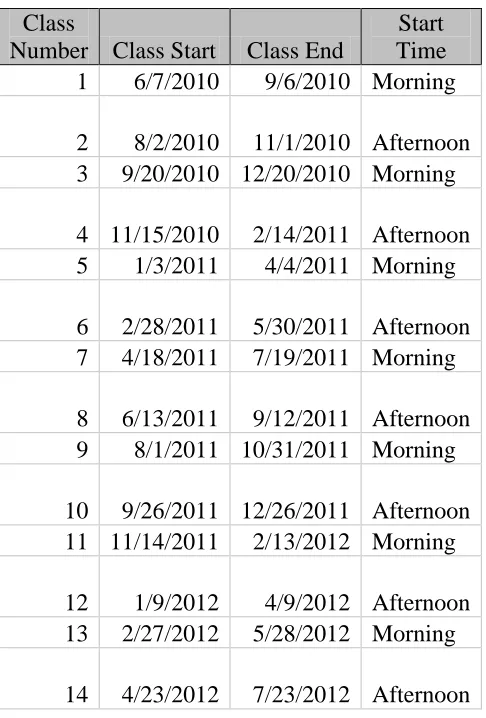
Table 3.1: Class Start and End Dates ... 61
Table 4.1: Snapshot of Unit Caseloads, July 2012 ... 84
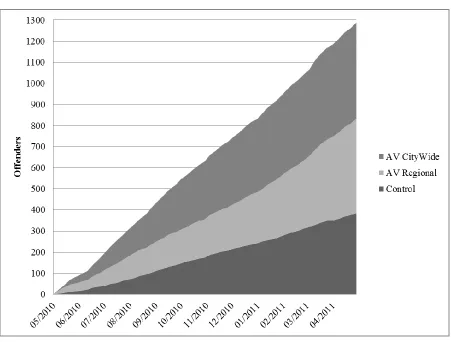
Table 4.2: Random Assignment Allocations over Time ... 91
Table 4.3: Enrollment Criteria for Anti-Violence Experiment ... 96
Table 4.4: Reasons Probationers were Excused from Life Skills Participation, Post- Interview ... 97
Table 4.5: Reasons Participants Were Not Screened For Eligibility ... 106
Table 4.6: Count of Removal Reasons ... 111
Table 5.1: ITT Reported Race ... 117
Table 5.2: ITT Actuarial Risk Scores ... 118
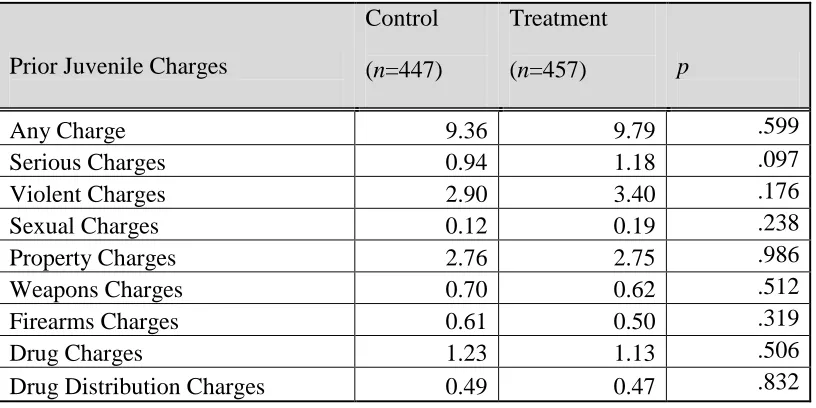
Table 5.3: ITT Prior Juvenile Offending History ... 119
Table 5.4: ITT Prior Adult Offending History ... 120
Table 5.5: ITT Prior Incarceration History ... 121
Table 5.6: ITT Instant Offense ... 122
Table 5.7: ITT Instant Sanctioning Characteristics ... 123
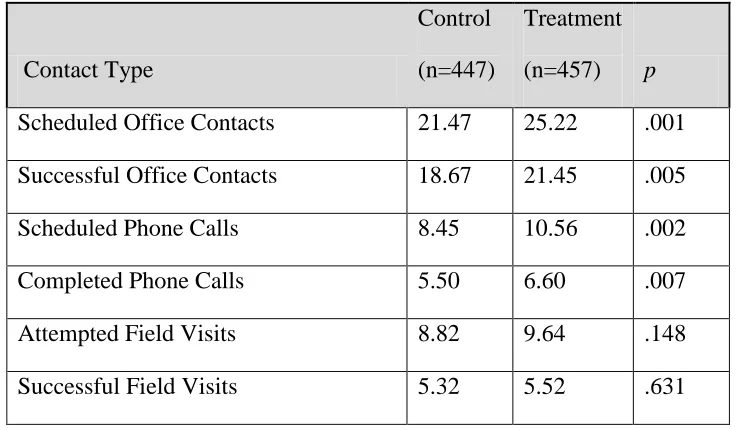
Table 5.8: ITT Supervision Contacts within 12 months ... 125
Table 5.9: ITT Results, Absconding ... 129
Table 5.10: ITT Results, Count of Positive Urinalysis Screenings ... 130
Table 5.11: ITT Results, Prevalence of Positive Urinalysis Screenings ... 131
Table 5.12: ITT Results, Proportion of Screenings with a Positive Result ... 132
Table 5.13: ITT Results, Average Number of Charges ... 133
Table 5.14: ITT Results, Proportion of Each Group Charged, by Offense ... 135
Table 5.15: ITT Results, Incarceration Characteristics ... 136
Table 5.16: ITT Results, Cumulative Probability of Failure (Log Rank Test) ... 137
Table 5.17: ITT Results, Average Time to First Incident Among Failures ... 140
Table 5.18: TOT Actuarial Risk Scores ... 145
Table 5.19: TOT Prior Juvenile Offending History ... 148
xii
Table 5.21: TOT Ages of Onset for Any Charge and for Violent Charges ... 148
Table 5.22: TOT Prior Sanctioning History ... 149
Table 5.23: TOT Instant Offense ... 149
Table 5.24: TOT Instant Sentences and Sentence Characteristics ... 150
Table 5.25: TOT Supervision Contacts within 12 months ... 151
Table 5.26: TOT Results, Absconding ... 152
Table 5.27: TOT Results, Urinalysis Screening Rates ... 153
Table 5.28: TOT Results, Count of Positive Urinalysis Screenings ... 153
Table 5.29: TOT Results, Prevalence of Positive Urinalysis Screenings ... 154
Table 5.30: TOT Results, Proportion of Screenings with a Positive Result ... 154
Table 5.31: TOT Results, Average Number of Charges ... 155
Table 5.32: TOT Results, Proportion of Each Group Charged, by Offense ... 156
Table 5.33: TOT Results, Incarceration Length and Characteristics ... 157
Table 5.34: TOT Results, Cumulative Probability of Failure (Log Rank Test) ... 158
Table 5.35: TOT Results, Average Time to First Incident Among Failures ... 161
Table 5.36: IV Results, Absconding ... 169
Table 5.37: IV Results, Count of Positive Urinalysis Screenings ... 170
Table 5.38: IV Results, Prevalence of Positive Urinalysis Screenings ... 171
Table 5.39: IV Results, Proportion of Screenings with a Positive Result ... 172
Table 5.40: IV Results, Average Number of Charges ... 173
Table 5.41: IV Results, Proportion of Each Group Charged, by Offense ... 174
xiii
LIST OF FIGURES
Figure 3.1: Life Skills Scheduling Schema ... 60
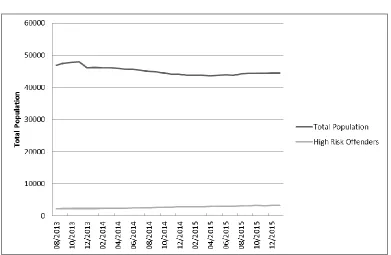
Figure 4.1: Changes in APPD Active Population, August 2010 to August 2012 .... 85
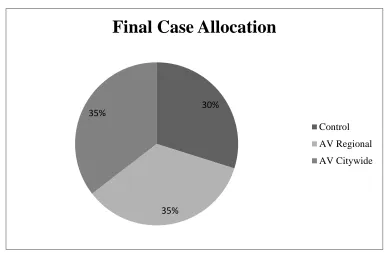
Figure 4.2: Final RCT Case Allocation ... 92
Figure 4.3: Forecasts, Screenings and Enrollment Rates ... 96
Figure 4.4: Sample Size and Enrollment ... 98
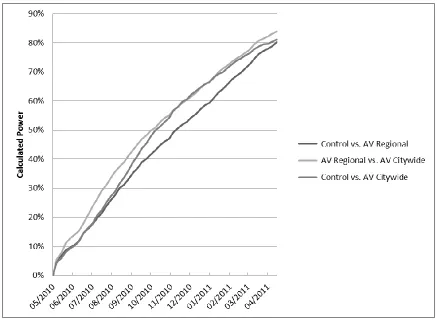
Figure 4.5: Relative Power Calculations Over Time ... 100
Figure 4.6: Enrollment and Attrition of Life Skills Participants ... 109
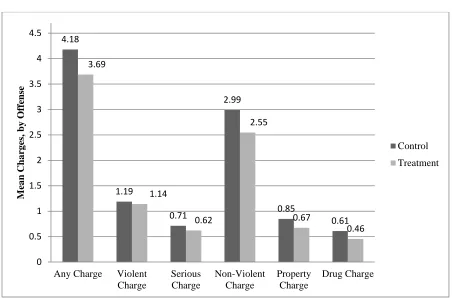
Figure 5.1: ITT Results, Average Number of Charges ... 134
Figure 5.2: ITT Results, Survival Functions for Non-Violent Offending ... 138
Figure 5.3: ITT Results, Survival Functions for Drug Offending ... 139
Figure 5.4: TOT Results, Survival Functions for Non-Violent Offending ... 159
Figure 5.5: TOT Results, Survival Functions for Violent Offending ... 159
1
CHAPTER 1: INTRODUCTION
Probation, as well as other community correctional sanctions, is being relied upon
with growing frequency in the modern criminal justice system. For example, in
Pennsylvania alone, 258,905 individuals were on probation or parole in 2007, a figure
more than 5.6 times the inmate population in the state’s correctional institutions (Emery,
Gasswint, Hartman, & Lategan, 2008). In light of increasingly pressing concerns
regarding budgetary constraints and prison overcrowding, the shift towards community
corrections is unlikely to abate. The increased reliance on non-penal sanctions has
placed the use of probation and parole into the vanguard of the modern crime policy, but
has done little to diminish perceptions that community corrections are an ineffective set
of sanctions, especially with regard to the prevention of serious crime.
In Philadelphia, the Adult Probation and Parole Department (APPD) is the
primary agency in the First Judicial District (FJD) responsible for the supervision of
offenders on probation and county-level parole within the city. Working with researchers
from the Jerry Lee Center of Criminology at the University of Pennsylvania (JLC), APPD
has worked to evaluate and implement evidence-based supervision policies. In recent
years, this has included the development of a risk assessment tool that is used to forecast
offender conduct while on supervision (Berk R. A., Sherman, Barnes, Kurtz, & Ahlman,
2009). This approach, now used to classify all incoming cases, is a key component of
APPD’s supervision strategy (Barnes & Hyatt, 2012). Additionally, risk stratified
supervision allows for the maintenance of supervision levels, even in light of decreased
2
In response to increasing numbers of serious offenders being placed on
community supervision, and ostensibly to ensure public safety, some agencies have
increased the strictness and frequency of supervision characteristics. This practice,
known as intensive supervisory probation (ISP), is often used for offenders considered to
be at an increased risk for criminal conduct (Petersilia & Turner, 1993). Since the
literature suggests that increase in supervision intensity may, in fact, have little effect on
crime rates, some researchers have begun to seek out interventions that, when delivered
in tandem with ISP, could result in crime reduction.
Advances in risk forecasting procedures have allowed for the use of standardized,
actuarial forecasting procedures in order to make policy decisions. Newer methods,
including the random forest model employed here, can, as Berk notes, “[address]
important concerns that result from model selection methods, symmetric loss functions,
and overreliance on linear models” (Berk R. A., 2008, p. 236). These approaches to
forecasting can then be used to assist probation agencies as they consider the amount and
nature of supervision that they can deliver (Austin, 2010). Risk prediction tactics can be
used to allocate supervision resources and to identify individuals and subgroups for
whom the inclusion of a treatment component could return some benefits (Sherman L.
W., 2007).
One of the most promising of these complimentary programs that has been both
identified and operationalized is Cognitive-behavioral Therapy (CBT). Most generally,
CBT is a family of psychological interventions derived from the principles of traditional
psychotherapy and behavior learning theories (Beck A. T., 1995). With decades of
3
the impact of CBT on crime-related outcomes has developed (Wilson & Lipsey, 1993).
Since a wide variety of programs fall under the umbrella of CBT-derived interventions,
direct comparisons are not always illustrative of the relative promise of the approach.
Meta-analytic techniques, however, indicate that CBT has an overall positive impact on
recidivism, especially when compared to an absence of treatment or other types of
non-cognitive, pro-social programming (Lipsey & Landenberger, 2005). In an area of the
criminal justice system where few programs are shown to be effective, especially for a
population at a high risk of violence, CBT is a promising intervention worth exploring.
A unique intervention, based upon the principles of CBT, was developed for use
in this project. Specifically, the program, called Choosing to Think, Thinking to Choose,
addresses the needs of the target population: high-risk, urban males on probation. This is
accomplished through the use of media clips, examples and conversation prompts that are
relatable for the target population. The full program lasts for 14 weeks and is conducted
in a classroom environment managed by trained probation officers. Within the
Department, the course was known as the ‘Life Skills’ program.
A randomized trial was conducted to evaluate the impact that the CBT program
had on recidivism. 904 probationers were assigned to receive both CBT and ISP or to
only receive the ISP component. Outcomes, including criminal recidivism, drug use,
absconding and time-to-failure, are reported for conduct within 12 months of random
assignment. Between-group differences are reported, as well as those from an
instrumental variable analysis conducted to adjust for incomplete treatment delivery.
This project contributes to the literature in three meaningful ways. First, as a
4
new and rigorous evaluation of a CBT-derived program. As evidenced within a review
of the literature, there are few field-based, experimental evaluations of CBT within the
community corrections context. Probations agencies, by virtue of the duration and nature
of supervision, are well suited to deliver CBT; these findings may be of value to
practitioners. They will also increase the extent to which community corrections-based
programs can be included in and weighted in future meta-analyses.
Secondly, this dissertation considers the potential theoretical mechanisms,
grounded in criminology, which may help to explain the impact of CBT-based programs
on recidivism. This is relevant to the development of newer interventions and to allow
for the refinement of current interventions, including the one evaluated here.
Lastly, strategies developed during the implementation phase of this evaluation
highlight the challenges in field trials and the need, stressed throughout the criminology,
5
CHAPTER 2: LITERATURE REVIEW
This chapter describes the literature relevant to this evaluation. Beginning with
an overview of developments in community corrections, subsequent sections describe the
risk forecasting methodologies utilized during this project, as well the development of
CBT within both the psychological and criminological literature. The concluding
sections review studies relevant to this dissertation, including meta-analyses and evidence
derived from evaluations of similar interventions.
I. Trends in Community-Based Supervision
Community corrections, most notably probation and parole, are some of the most
frequently relied upon criminal sanctions in the American justice system. At any given
time, approximately 1 in every 45 adults in the United States is under some form of
community correctional supervision (Pew Center on the States, 2009), far exceeding the
1% of adults representing the penal population (Pew Center on the States, 2008).
Further, the use of probation has shown regular and sustained growth. The total
community corrections population swelled by nearly one million individuals between
1995 and 2006 (Glaze & Bonczar, 2009). This growth places enormous pressure on
community corrections agencies, especially as historical data indicates that staff and
budgetary increases have not kept pace with an exploding population (Gifford, 2002).
Despite this increasing reliance, community corrections agencies are often faced
with criticism that their approach is “soft on crime” and cannot effectively prevent
criminal conduct (Petersillia 1997). This perception may also contribute to chronic
under-funding of probation agencies, resulting in an increasing inability to deliver
6
the same time, recidivism rates are high among probationers and parolees. Some studies
have placed the recidivism rate as high as 65% (Petersilia, 1985). The large majority
(77%) of community supervision violators sentenced to incarceration were returned to
prison for the commission of a new felony while under supervision (Cohen, 1995). These
high rates have caused some to “question the ability of community supervision to effect
meaningful behavioral change in a direction favorable to public safety” (Lowencamp,
Latessa, & Smith, 2006, p. 576). One way that probation agencies have responded to
these critiques is to intensify probation for certain groups of offenders.
Intensive supervision probation (ISP), as in the case of Philadelphia’s
Anti-Violence units, most often consists of increased office visits, more frequent drug testing
and a zero-tolerance policy towards minor infractions (Gill, 2010). Beginning in the
1950s, this model of supervision was presumed to result in lower levels of recidivism and
increased employment. It was suggested that smaller caseloads and more frequent
contacts would lead to lower recidivism rates. Early evaluations found little evidence
that the increase in intensity reduced recidivism (Carter & Wilkins, 1976).
ISP reemerged in the 1980s, as prison overcrowding necessitated the supervision
of increasingly serious offenders within the community. In addition to promising
reduced crime rates, the ISP approaches popularized at this time were also supposed to
conserve resources. However, a large, multi-site randomized trial found little difference
between this approach and traditional protocols or incarceration. In fact, the evaluation
found an increase in technical violations, possibly increasing the number of offenders
being returned to prison (Petersilia and Turner 1993). Subsequently, intensive probation
7
(Sherman L. W., 1997), effectively ending much of the academic debate about the utility
of the control focused ISP.
Despite this lack of convincing empirical support, ISP continued to be developed
as a community-based supervision program for offenders thought to pose a danger to the
community. In some cases, this approach was pursued as a sufficiently harsh alternative
such that it could approximate incarceration (Petersilia & Turner, 1990). Though
research has found that a quantitative increase in the number of probation contacts had
little effect on offending, there are other aspects of ISP programs that may be promising.
As Doris Mackenzie (1997) notes,
"Although research has not revealed a significant relationship between levels of surveillance and recidivism, there was some evidence that increased treatment of offenders in ISP programs may be related to significant reductions in rearrests. Follow-up analyses by the RAND researchers (Petersilia &Turner 1993a,b) and also researchers evaluating ISP programs in Massachusetts (Byrne & Kelly 1989), Oregon (Jolin & Stipack 1991) and Ohio (Latessa, 1993a,b) had found evidence that rearrests are reduced when offenders receive treatment services in addition to the increased surveillance and control of the ISP programs.”
Much of the early research on ISP largely focuses on the quantity, and not the
quality of the supervision. Taxman (2002), however, suggests that the use of therapeutic
techniques, in conjunction with more traditional means of supervision, may be essential
to recidivism reduction. This approach is also supported by Petersilia and Turner’s
(1993) evaluation of ISP, as those offenders who received some form of auxiliary
counseling services tended to perform better than those receiving similar protocols
lacking in these elements. Despite this, there remains a “tension in probation between
the goals of protecting community safety (‘control’) and promoting offender
rehabilitation (‘care’)” (Skeem & Manchak, 2008). Pragmatically, a supervision strategy
8
corrections agency. The duality can also be philosophically challenging for some, as the
allocation of resources and organizational priorities are distributed differently when
seeking to both supervise and treat than when the focus is simply control.
Despite the inherent difficulties, the consideration of the relationship between
offender needs and offender risk should be a viable component of supervision. At the
heart of this approach lies the idea of responsivity, that is providing targeted services to
those individuals known to have the potential to best benefit from them (Thanner &
Taxman, 2003). Similarly, the principle that underlies an approach to supervision known
as the “principles of effective intervention” (Andrews, Bonta, & Hogue, Classification for
effective rehabilitation: rediscovering psychology, 1990) reinforces the notion that
programming, regardless of context, should be targeted to an offenders’ specific risk and
need levels. Empirical evaluations have been supportive of this principle (Lowenkamp,
Latessa, & Holsinger, 2006). In practice, this suggests that both intensive supervision
and treatment opportunities should be allocated in a manner through which “the risk and
needs of the offender should drive the selection of an appropriate program that can
address the criminogenic factors (Taxman, Thanner, & Weisburd, 2006).
ISP, despite posing challenges, also creates the opportunity for the delivery of
time-intensive interventions. Some research has suggested that ISP programs consisting
of both treatment and control components can be more effective than approaches to
supervision that focus on a single dynamic (Fulton, Stone, & Gendreau, 1994). These
programs may encourage short-term compliance with supervision while, at the same
9
the use of deterrent measures to achieve additional compliance with the treatment
components of the ISP program (Petersilia & Deschenes, 1992).
The increase in the number and regularity of supervision contacts ensures that
offenders will physically report to the agency with the frequency necessary to permit
enrollment in, for example, a classroom-based program. Less intense forms of
supervision would require a program framework with larger delays between meetings,
potentially decreasing the total number of treatment hours or increasing the amount of
time necessary to complete the full program.
II. Risk Prediction & Random Forest Forecasting Procedures
The allocation of any scarce resource first requires the accurate identification of
the targeted population. In community corrections, and much of criminal justice, this
responsibility traditionally fell within the broad discretion accorded to individual officers.
Evidence has shown, for quite some time, that actuarially-developed forecasts can
out-perform subjective human judgments in most situations (Gottfredson & Moriarty, 2006).
Each approach to assessment represents an attempt to situate offenders “on a continuum
of risk using risk-related attributes, such as drug abuse, criminal offense history,
employment status, and childhood exposure to physical or sexual abuse” (Silver &
Miller, 2002) in a consistent and inclusive manner. Recent advancements in the
statistical procedures that underlie such tools have allowed for more precise identification
of subgroups within the probation population.
Risk assessment has long been a part of criminology, though the extent to which
10
varied. For example, Hart (1923) examined demographic and criminal history variables
for 680 parolees, finding 15 factors significantly correlated with rearrest (p<.01). Later,
Burgess (1928) developed a 21-variable risk instrument and used it to evaluate over 3,000
parolees. In his work, Burgess found that, of those men who scored poorly on his scale,
76% violated parole, while only 1.5% of the lowest risk group violated. Shortly
thereafter, Glueck and Glueck (1930) identified seven variables from their data set that
were identified as being highly correlated with subsequent criminal behaviors.
Risk assessment techniques have continued to develop, becoming increasingly
more specialized and accurate over time. During this time, risk assessment has become
more trait-focused and relies more heavily upon data gathered throughout the criminal
justice process. Clement, in his review of the development of assessment approaches,
concludes that, “these assessments typically involve both clinical and actuarial
approaches sent against ‘political second guessing’” (Clements, 1996, p. 123). Often,
instruments developed during this time assigned points for criminal history, offense
characteristic and, prior behaviors, as well as for psychological factors, social history and
observed personality (Clements, 1996). Over recent decades, the inclusion of
increasingly dynamic data, from a wider range of sources, led to an increase in relative
accuracy of the forecasting methods (Andrews, Bonta, & Wormoth, 2006). Research has
consistently shown that certain variables, including offender age, number of convictions,
pro-criminal attitudes and associations, and measures of antisocial personality predict
reoffending. Recent meta-analytic reviews have found that these variables reliably
predict general recidivism among juvenile delinquents, adult sex offenders, general adult
11
This is especially relevant for practitioners since, when comparing statistical assessments
to clinical decisions, the evidence-based, actuarial approaches are consistently more
accurate across multiple contexts (Gottfredson & Moriarty, 2006).
Risk assessment is more than a tool for the screening of offenders. Forecasts are
key in making certain that evaluation results reflect the potential impact of a program, as
accurate assessment is necessary to ensure that “the most costly and intensive services
should be reserved for those individuals who present the most serious challenges to
public safety and are apt to be in need of the interventions” (Taxman & Marlowe, 2006,
p. 3). Meta-analytic evidence supports the relationship between risk-targeted
interventions and larger effect sizes (Andrews, Bonta, & Hogue, 1990).
Sitting close to the leading edge of current prediction methods, the risk
forecasting procedures used in the this project allow for the more accurate identification
of the probationers best suited for the CBT focused, violence reduction intervention.
Random forest modeling techniques, a machine learning-based approach for prediction,
has a number of advantages over earlier, more traditional methods. Notably, these
statistical techniques allow for the inclusion of asymmetrical costs for errors and,
capitalizing on data-mining techniques, predictions can be made based on the untapped
power in large, machine-readable datasets (Berk R. , 2012). These “ensemble”
approaches also permit forecasting in absence of a causally specified model (Berk R. ,
2005).
A machine learning approach to prediction in a criminal justice context has
already proven successful. Advanced forecasting models using this approach have been
12
Ahlman, Forecasting Murder Within a Population of Probationers and Parolees: A High
Stakes Application of Statistical Learning, 2009), violence in a correctional setting (Berk
& de Leeuw, 1999) and the role of race in capital punishment (Berk, Azusa, & Hickman,
2005). Similar models have also been used, within the same probation population as in
this project, to identify those offenders who did not, at the time they began their sentence,
pose a threat of serious recidivism (Barnes, et al., 2009). Perhaps most significantly (at
least for the current endeavor), a random-forest prediction model developed by Dr.
Richard Berk was used to both identify and pre-screen probationers for this project,
ensuring that the intervention would be delivered, as designed, to high risk probationers
(Barnes & Hyatt, 2012).
Recently, the relationship between risk assessment and effective program
evaluation has been reinforced with meta-analytic evidence. Andrews, Bona and Hogue
(1990), completed a study examining the relationship between risk, needs, responsivity
and professionalism of treatment programs. They note that there is a significant
interaction between risk classification and outcomes. That is, programs that focus on
higher risk individuals are more likely to have larger, and more statistically significant,
results. For example, they note that the studies of adult probationer recidivism that used
LSI scores had RIOC (Relative Increase Over Chance) index rates of 43% to 56%1 Risk
of recidivism, in another recent meta-analysis, was shown to correlate with the magnitude
of effect sizes. At the same time, the targeting of a higher risk population resulted in
significantly smaller effects (Lipsey, Landenberger, & Wilson, 2007).
1 RIOC is an index of association that corrects for chance and limitations in predictive ability due to
13
Both Risk Needs Responsivity and the Principles of Effective Intervention require
the selection of an intervention appropriate for the designated population. The use of
actuarial risk predictions allows for the identification of the desired high-risk population.
This match allows for the generalization of findings to populations identified with similar
instruments in variable contexts. Additionally, accurate risk forecasting ensures that
resources are expended in efficient ways, including the enrollment of only those
offenders likely to commit a violent act in a violence reduction program or likely drug
users in an early stage addiction intervention.
Population identification is only the first step; an appropriate and relevant
intervention must still be developed. There are innumerable programs designed to
encourage desistance from crime, it has been suggested that better understanding the
cognitive processes that promote both continued offending and desistance from crime
may have significant utility in the development of effective interventions (Ward, Hudson,
Johnston, & Marshall, 1997). Though there are many programmatic approaches that
view the issue from that perspective, cognitive-behavioral therapy has received a
significant amount of attention.
III. Development of Cognitive-Behavioral Therapy
Over the past several decades, Cognitive-behavioral Therapy (CBT) has become
the most dominant, and perhaps most studied, approach to psychotherapy and behavior
modification (Baker, McFall, & Shoham, 2009). The foundation for this approach is the
principle that emotions arise from the operation of cognitive processes, both automatic
14
Psychological distress and nonconforming behaviors are, therefore, suggested to result
when “non-conscious [situational] evaluations have become sufficiently strong to
overcome . . . conscious attempts to control them” (Matthews, 1997, p. 48). The
development of “improved social and cognitive skills may result in the establishment of
stronger social bonds and increased social integration” (Kazemian, 2007). Ultimately,
these social skills may play a key role in the reduction of recidivism. A number of
promising interventions have been developed to apply these principles to criminal and
delinquent behaviors, potentially representing a shift in the intervention paradigm in
community corrections.
A. Theoretical Foundations
The role of thought processes in criminal behavior is not new to criminology. A
number of recognized, prominent theoretical approaches have key components that
include cognition, including Sutherland’s “definitions favorable to crime” (1939), Sykes
and Matza’s techniques of neutralization (1957) and the formulation of self-control under
Gottfredson and Hirschi’s theories (1990). Psychological research has linked
deficiencies in problem solving, self-control, anger management and decision-making to
criminal conduct (Gendreau, Little, & Goggin, 1996). Numerous treatment programs
have been developed to address these needs; cognitive-behavioral therapy has been one
of the most successful and widely studied.
CBT effectuates change through modifying the way that participants respond to
external stimuli. Cognitive structures, referred to as schemata, are used to process and
organize information and are thought to form during psychological development. Logical
15
foundation of later emotional problems. Generally, these stimuli arise during stressful
social situations and overt confrontations. This cognitive architecture, though it can be
managed or unlearned, may cause an individual to distort reality and predisposes them to
depression, anger or other psychological dysfunction, depending on the nature of the
distorted schema (Dobson & Block, 1988).
Cognitive-behavioral therapy is less a defined approach to behavior modification
and more a collection of beliefs about the relationship between thoughts and actions, with
a commonly used toolkit designed to impact both facets. Most forms of CBT feature “an
emphasis on broad human change, but with a clear emphasis on demonstrable, behavioral
outcomes achieved primarily through changes in the way an individual perceives, reflects
upon, and, in general, thinks about their life circumstances” (Dobson & Khatri, 2000, p.
908). The extent to which self-reflection characterizes the interventions, as well as the
predominant theoretical mechanisms thought to link cognition to action, has developed
over the past several decades.
In the large majority of instances, CBT focuses on identifying dysfunctional
cognitive-behavioral processes and replacing these routines with more acceptable and adaptive
practices (Dobson & Dozois, 2001), though the methods and contexts vary significantly.
Cognitive-Behavioral Therapy is not uniformly defined. There are, however, core
tenets that connect each form of the therapy and create the “fundamental propositions” of
the approach:
1. Cognitive activity affects behavior;
2. Cognitive activity can be monitored and altered;
16
Taken together, these assumptions allow for an approach to behavior modification
based on the thought that irrational or maladaptive cognitive schemata (attitudes and
beliefs), cognitive products (thoughts and images), and operations (processing) influence
problematic behaviors (Grave & Blissett, 2004).
The first proposition is a simplified restatement of the psychological mediation
model. In this general model, an antecedent variable affects a mediator variable and the
mediator variable subsequently affects a dependent variable, thus forming a chain of
relations among the three variables (MacKinnon & Fairchild, 2009). In this case,
cognitive activity acts as the antecedent variable and the restructuring as a mediator on
the dependent variable, here being criminal conduct. The exact relationships and
pathways of influence between antecedents, mediators and outcomes can be difficult to
test empirically (Hoffman, et al., 2007). The presence of that relationship, in some form,
is no longer a strongly contested issue within the psychological literature, although the
form of the relationship is constantly being reevaluated (Dobson & Block, 1988).
The second proposition assumes that participants have the meta-cognitive skills to
observe their own thought processes in situations. In practice, this skill is often generated
through analogy or vicarious examples. As Grave and Blissett (2004) note, “[i]t can be
argued that the cognitive capabilities required to understand and participate in this
therapeutic approach are likely to be self-reflection, perspective taking, understanding
causality, reasoning, and processing new information, as well as linguistic ability and
memory.” Since much of the CBT model requires self-reflection and self-reporting, this
aspect is difficult to evaluate empirically. Working with a criminogenic population with
17
ability to both monitor and reform thought processes, however, a CBT-based treatment
modality would not be effective.
The final assumption of cognitive-behavioral therapy restates that CBT, as an
interventional approach, has the potential to affect outcomes through the manipulation of
cognitive thought and attendant mental processes (Beck A. T., 1995). This emphasizes
the role of reformation of the negative cognitive mechanism through learning, as opposed
to reinforcement strategies focusing on supporting positive aspects, in effecting behavior
(Dobson & Block, 1988). As suggested by the mediation model approach, this is a
requisite assumption in order for a cognitively-focused intervention to, through the
suggested mechanisms, have an influence on behavioral outcomes.
These assumptions are neither uncommon nor unique to crime-prevention
interventions. Programs that fall under the umbrella of cognitive-behavioral therapy all
assume that internal, cognitive processes are employed in a manner that allows them to
be both responsive to and control external stimuli. Therefore, not only can the
restructuring of cognitive activity modify behavior, but, as some researchers have argued,
it may be an automatic and reflexive change. If that is the case, “behavioral change [can]
then be used as an indirect index of cognitive change” (Dobson & Block, 1988, p. 6).
It is important to distinguish cognitive-behavioral therapy from interventions that
are simply behavioral or cognitive in nature.2 As highlighted in the historical
development below, modern CBT is derived from tenets of both traditions, but it has
developed into a distinct, and stand-alone approach to treating psychological and
behavioral distress. Behavior therapy is focused on environmental determinates of
2 From a clinical perspective, the term “cognitive behavioral therapy” is often used to refer to both
18
behavior while cognitive approaches view only disposition and cognition as causal
(Arkowitz & Hannah, 1989). Behavioral therapy, which draws on classical and operant
conditioning models (Skinner, 1953), holds that behavior is structured through social
learning and reinforcement (Bandura, 1977).
On the other hand, purely cognitive approaches see behavior as exclusively and
directly derivative of cognitive dissonance (Arkowitz & Hannah, 1989). Similarly, social
learning approaches perceive cognition as a mediator, while in cognitive therapy it is both
mediational and causal (Schwartz, 1982). They also vary in their conceptualization of
the ideal form of the therapeutic relationship and the role of technique in effecting change
(Arkowitz & Hannah, 1989). Importantly, under both approaches, the role of cognition,
and its suitability as a target for behavior modification, is recognized and central
(Meichenbaum D. , 1977, p. 107). The hypothesized form of this relationship has
developed along with the advancement of the CBT approach.
Cognitive-behavioral therapy is under near-constant adaptation and refinement.
This “progressive, natural evolution,” is the result of developing technologies and
increasingly sophisticated methods of assessment, both of programs and of participants
(Herbert & Foreman, 2012, p. 4). CBT, like many other practice-driven approaches (as
opposed to those derived from a single, unifying theory), has developed in multiple
waves, each characterized by shifting emphases within the cognitive-behavioral process.
Hayes (2004) provides a useful framework to categorize and distinguish these
stages of development. With roots in classical behaviorism (Skinner, 1953, p. 5), the first
“wave” of CBT was developed in reaction to the weak support, within the psychological
19
based on the empirically-supported principles of learning theory. The focus of the
approach was behavior modification through methods similar to those used in
experiments of classical and operant conditioning. As Hayes (2004, p. 641) notes, the
approach “focused directly on problematic behavior and emotion, based on conditioning
and neo-behavioral principles. The goal [was] not to resolve the hypothesized
unconscious fears and desires …,” but to isolate associations between thoughts and
behaviors. By doing so, early therapies attempted only to encourage and reinforce
situationally appropriate conduct, not fundamentally change the way that thoughts were
managed. This suggests that, though the relationship between cognition, emotion and
action was understood, the direction of association was thought to be direct and
unidirectional and not cyclical and reflexive (Dobson & Block, 1988).
The second wave of CBT took shape in the 1960s when the focus shifted to the
interpretation of emotionally-charged and contextually-relevant patterns of cognition. In
this period, “neo-behaviorists began to abandon simple associative concepts of learning
in favor of more flexible mediational principles and mechanistic computer metaphors”
(Hayes, 2004, p. 642). The clinical practices and theoretical conceptualizations of this
era form the backbone of modern, commonly-accepted formulations of CBT.
Building on Bandura’s social learning framework, early cognitive-behavioral
therapy rejected the stimulus-response construct as overly simplistic. Basic behavioral
theory, developed by Pavlov, and later advanced by Skinner, was problematically limited
to observable behaviors. Additionally, the newer approach precluded the “psychoanalytic
emphasis on unconscious processes, historical material… and the need for long-term
20
1988, p. 9). Basic psychoanalytical models of behavior, though still thought to play a
role in the mediation of anxiety on cognition and cognitive processes, were overtly
rejected and so were not applied to new constructs of cognitive restructuring by design
(Doizos & Beck, 2012).
The primary treatment modality developed in this period is, in fact, the synthesis
of two unique but theoretically compatible traditions. Aaron Beck, in his research on
depression, developed an approach that was both a refutation of psychoanalytic treatment
and based upon the (very) early Stoic traditions (Beck, Rush, Shaw, & Emery, 1987, p.
8). In the 1960’s, Beck and others worked to integrate this methodology with
Rational-Emotive Therapy (RET), a primarily behaviorist approach advanced by Albert Ellis
(1969). RET similarly holds that evaluative beliefs play a translational role between
adverse events and resulting consequences (Ellis, 1957). This conceptualization of a
causal mechanism, focusing on the use of behavioral techniques for the management of
emotions, was used to expand the range of treatment options, primarily for major
depressive disorders (Beck A. T., Thinking and depression II: Theory and therapy, 1964).
CBT and RET share many of the same outward characteristics, but are derived from
different psychological and theoretical traditions and place varying emphases on
treatment modalities. For example, RET favors a more aggressive role for therapists in
challenging errors while CBT focuses on problem-solving frameworks (Ellis, 1980).
Under the CBT and RET approaches, impulses to commit crime are considered to
be responsive to cognizable thoughts, not only environmental or emotional cues. These
distortions in thinking include self-centeredness, misinterpretation of social cues, skewed
21
suggested that the automatic and antecedent thought processes and belief systems, not the
uncontrolled emotional reaction, drive anti-social and depressive behaviors.
Although more recent, academic and theoretical developments in some areas of
cognitive-behavioral therapy have begun to move away from Beck’s conceptual model of
cognition, this remains the dominant paradigm for CBT-based interventions, especially in
criminology and criminal justice. This third wave of CBT programs, according to Hayes
(2004), seeks to incorporate constructs of mindfulness and psychosocial acceptance into
the general CBT model. These approaches, therefore, are less attuned to situational
cognitive management, and instead intend to provide participants with a broad range of
tools to enhance overall wellbeing (Herbert & Foreman, 2012, p. 5). As Hayes notes,
therapies developed as a part of this third wave
tend to seek the construction of broad, flexible, and effective repertoires over an eliminative approach to narrowly defined problems, and to emphasize the relevance
of the issues they examine for clinicians as well as clients (2004, p. 648).
For criminologists interested in applied and targeted behavior modification, as
well as for those hoping to evaluate a program with discrete (and measureable) outcomes,
these more recent iterations of CBT are not of significant interest. From a practical
perspective, these newer approaches have been less utilized to manage specific and
situational conduct, like criminal conduct or to control impulsive anger. They focus
instead on building broad, flexible repertoires (Goldiamond, 2002, p. 121) that facilitate
change across contexts. However, these approaches still mirror Beck’s understanding of
anger (Beck A. , 1999), leaving open the possibility for additional avenues for
22
Overall, Beck recognizes the relationship between his model of cognitive change
and later iterations. He notes that "[a]lthough there have been many definitions of
cognitive therapy, I have been most satisfied with the notion that cognitive therapy is best
viewed as the application of the cognitive model of a particular disorder with the use of a
variety of techniques designed to modify the dysfunctional beliefs and faulty information
processing characteristic of each disorder" (Beck A. T., 1993, p. 194). Even though there
are multiple ways in which the CBT model has been operationalized, the mechanism, as
understood by its architects, remains sound.
B. Mechanisms
The models of CBT that form the foundation for this research are derived from
Beck’s foundational research but incorporate aspects from the more recent models as
well. Although the techniques have been adapted for use in non-traditional populations
and for new outcomes, the underlying and basic mechanisms remain the same. Chronic
offenders, much like depressed individuals, can be characterized by their faulty cognitive
habits. These patterns, including self-justification, perceptions of dominance and
victimization, misinterpretation of social cues and failures in moral reasoning, cause
offenders to respond inappropriately to stimuli (Beck A. , 1999). Individuals operating
under this schema tend to misinterpret actions, leading to apparently unprovoked, socially
unacceptable and potentially violent reactions.
This abnormality of cognitive habits directly correlates with behavioral outcomes.
Beck’s model of cognitive discord, especially of the type that often leads to anger or
23
upsetting event or stream of thought” (DeRubeis & Beck, 1988, p. 273). These thought
patterns are assumed to be both causally related and antecedent to observable behavioral
reactions; that is, the presence of a certain cognitive pattern has the ability to influence
conduct independent of external stimuli (Teasdale, 1997). There is a degree of
reciprocity between thought processes, control and action. Cognition plays a causal role
in the development of maladaptive and antisocial behavioral patterns; mental processes
both give rise to socially destructive behaviors and reinforce them over time (Beck A. T.,
1964).
Since learning processes are regarded as the result of internalized thoughts and
not external stimuli, an awareness of an individual’s cognitive structure allows for the
isolation and remediation or replacement of problematic patterns within the therapeutic
environment (Meichenbaum D. , 1977, p. 184). In many CBT interventions, this change
is accomplished by attempting to introduce or simulate stressful situations and then
training students to identify the antecedent cognitive processes and, subsequently,
providing them with the coping skills necessary to avoid antisocial or counterproductive
reactions (Mahoney & Arnkoff, 1978). Participants are also taught to identify cognitive
errors, repeated patterns of near-automatic thought, that lead individuals to attach
incorrect meaning to events or to draw- and act out on- inaccurate conclusions (DeRubeis
& Beck, 1988, p. 276). CBT focuses on preparing participants to exert control over these
cognitive processes. This is an especially important ability for offenders, as cognitive
errors reinforce feelings of victimization and isolation, both of which are frequent
24
Cognitive-behavioral therapies attempt to change subsequent behaviors by
altering thoughts, interpretations, and assumptions regarding external, behavioral stimuli.
There are two approaches to behavioral modification from a cognitive perspective:
cognitive restructuring and cognitive development. The program being evaluated
incorporated elements of both approaches. Restructuring programs focus on distortions
in thought, especially those noted by Beck, while developmentally focused programs
work to address deficits in problem solving and social skills (Baro, 1999). Most effective
CBT programs include elements from both approaches. As Dobson and Block (1988, p.
4) note, the assumption that individuals can recognize, as well as regulate, these cognitive
processes is essential to the approach. This conforms to earlier research on self-control,
especially with regard to the internal generation of the perceived goal structures and their
role in mediating, or failing to mediate, impulsive conduct (Ainslie, 1975).
Cognitive regulation, therefore, can be perceived as a measure of an individual’s
ability to orchestrate environmental and personal variables to achieve desirable levels of
behavioral regulation (Dobson & Block, 1988, p. 10). As Beck notes, “[e]ven when a
person is highly aroused to engage in antisocial behaviors, he usually must contend with
an inner deterrent to such behavior” (1999, p. 267). Accordingly, self-control can act as a
check on violent, and potentially criminal, conduct and serves as a key theoretical
mechanism.
C. Cognitive-Behavioral Therapy and Criminological Theory
In many ways, criminogenic thought patterns and conduct, from a CBT
25
disorders (Beck A. , 1999). When dealing with an offender population, the focus of the
intervention is on interpersonal and social skills, two distinct skill-sets thought to
influence the propensity to commit crime. This includes reinforcing attitudes necessary
to encourage responsible conduct, to develop empathy and to gauge consequences (Little,
2000), as well as reducing the influence of automatic thought patterns making individuals
prone to repeated, criminal and negativistic outcomes (Wanberg & Milkman, 2006).
Cognitive therapies, in some form, have been shown to be successful in
ameliorating a number of non-depressive symptoms across different contexts and for a
wide range of behavioral outcomes. For example, CBT has been shown to reduce
suicidal ideation (Stewart, Quinn, Pleyer, & Emmerson, 2009), to aid in smoking
cessation (Killen & al., 2008) and has shown promise in mediating adolescent drug use
(Liddle, Dakof, Turner, Craig, & Paul, 2008). Of most interest to criminologists are
those programs designed to address violence, delinquency and, in some cases, anger.
From a psychological perspective, self-control manages the cognitive regulatory
process, allowing an individual to override automatic or instinctive impulses. This is
especially relevant when deferring gratification or when perceptions of consequences
have changed (Ainslie, 1975). More recent psychological research has shown that
self-control, like a muscle, can be made stronger through repeated practice (Muraven,
Baumeister, & Dianne, 1999). There is also evidence suggesting that the associations
between self-control and behavior are significantly stronger for automatic behavior and
for imagined, not actual, behaviors (deRidder, Lensvelt-Mulders, Finkenauer, Stolk, &
Baumeister, 2011). Therefore, the ability to resist automatic thoughts and resulting