0 Improving Emergency Department Implementation of the
2014 NHLBI Sickle Cell Disease Management Guidelines By
Jackie Queen
A Master’s Paper submitted to the faculty of the University of North Carolina at Chapel Hill
in partial fulfillment of the requirements for the degree of Master of Public Health in
the Public Health Leadership Program
i Abstract
i. Research question: How can we improve implementation of NHLBI Sickle Cell disease guidelines in Emergency Department(ED) protocols?
ii. Importance: Many EDs are not using the evidence-based guidelines established by NHLBI for the care of patients with SCD. Patients often suffer from pain treatment delay, under-treatment of their pain, and report high levels of dissatisfaction with care. When the NHLBI guidelines are not incorporated seamlessly into treatment protocols, the quality of care for patients with SCD is not as high as it should be, and may be poor.
iii. Specific aim: I interviewed Emergency Department stakeholders involved in the ED’s care of patients with SCD to determine barriers to and opportunities for potential care approaches that can improve implementation of NHLBI SCD guidelines into the ED’s SCD management
practices.
iv. Methods: I digitally recorded interviews with ED leaders at UNC’s Hospital main ED using a semi-structured interview questionnaire, in order to uncover the current status of sickle-cell disease care in the ED, the current barriers to improving care, and explore potential solutions to improving implementation of guidelines.
v. Results: Results revealed the need for ongoing education of ED medical staff on sickle-cell disease management and the condition in order to debunk stigma and biases and improve implementation of the current individualized pain plans and PCA pump initiatives. Additionally, the study uncovered the need for a systematic approach to implementing the 2014 NHLBI SCD guidelines in an effort to improve consistency of care. Lastly the study exposed the demand for better communication between ED provider and SCD specialist. The results most importantly offered fundamental solutions to addressing each of these problems.
ii Acknowledgements
iii Table of Contents
Abstract……….……...i
Acknowledgements……….…………...ii
Table of contents……….……….…..iii
List of tables and figures……….……….….iv
Introduction...1
Background and Significance………...4
Methods...7
Results...8
Discussion ………...17
References...22
Appendix 1: Systematic Review of the Literature……….….…... 24
Appendix 2: Consent and Structured Interview Protocol for ED Leaders……..……45
iv List of Tables and Figures
Figure 1: Literature Review QUORUM Flow diagram………... 35
Table 1: Study Eligibility Criteria………36
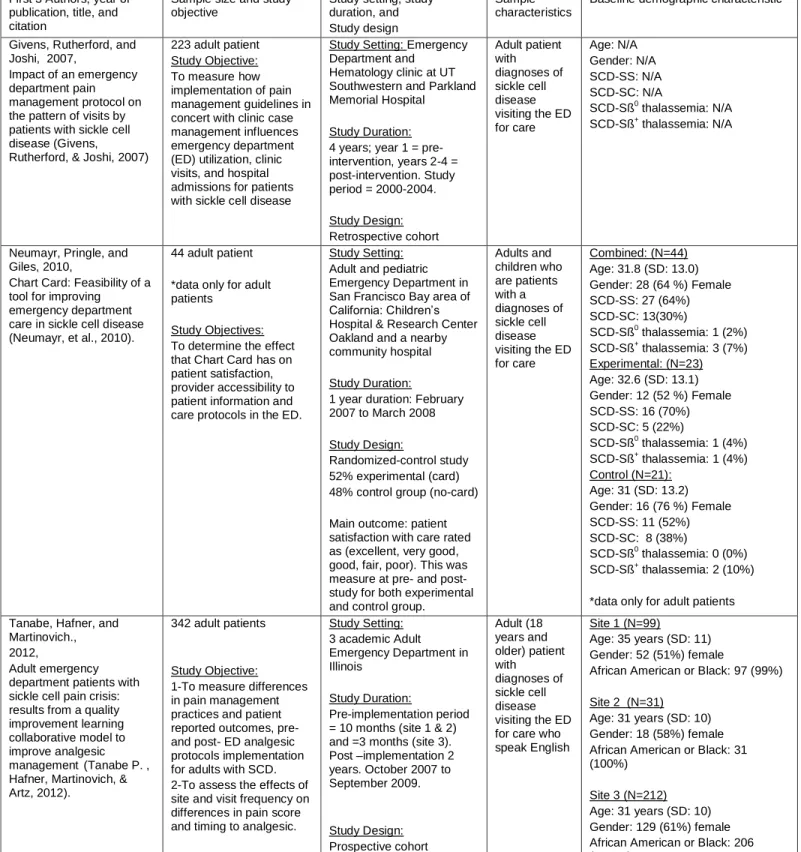
Table 2: Literature Review Study Characteristics……….………..37
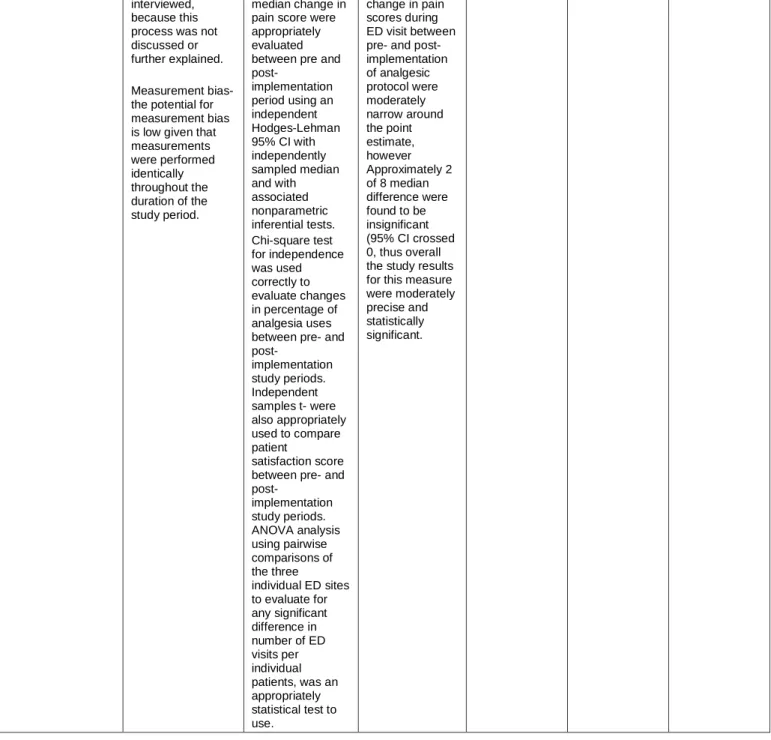
Table 3: Literature Review Study Results………38
1 Introduction
Sickle cell disease (SCD) is a genetically inherited chronic illness that has been affecting
African people for at least 5000 years (Winter). In 1910, the molecular basis for the disease was
discovered with the identification of sickled-shaped RBCs beneath the lens of a microscope by
U.S. Cardiologist Dr. James B. Herrick and his resident Dr. Walter Clement Noel (Winter). Later
on, SCD was found to be a condition in which an individual’s RBCs became sickled as a result
of physiologic stressors such as dehydration, exertion, cold weather and more. Today, the
disease affects millions of people worldwide (Sickle Cell Disease, 2016). In the U.S. the exact
number of individuals living with SCD is unknown, however it is estimated that close to 100,000
people are affected by the illness (Sickle Cell Disease, 2016). The condition mainly affects
people of African, Mediterranean, and Asian Descent, though in the US, it predominantly affects
African Americans (Sickle Cell Disease, 2016) (National Heart, Lung, and Blood institute: Who
Is at Risk for Sickle Cell Disease?, 2015). The disease is known for its ability to affect nearly all
major organ systems, including the lungs, kidneys, eyes and more. The common complications
of the disease include vaso-occlusive crisis (VOC), splenic sequestration, stroke, acute chest
syndrome (ACS) and infection just to name a few. However, the most commonly occurring SCD
complication is the vaso-occlusive crisis or sickle cell pain crisis. Among adults and children with
SCD, the VOC is the most common reason for emergency department (ED) visits and
hospitalization (Sickle Cell Disease: Complications and Treatment, 2015).
The VOC is thought to result from abnormally shaped RBC occluding blood vessels,
which leads to downstream effects such as tissue ischemic and/or organ damage, resulting in
extreme pain. The extreme pain can commonly present in the patient’s back, arms, legs, pelvis,
abdomen and chest. But in actuality the pain can present anywhere. Patients experiencing a
2 character. Classically VOC can last from three to nine days, but may be longer or shorter in
duration. VOC can be caused by certain triggers such as physiologic stress factors that increase
the patient percentage of sickled red blood cells, as mentioned above. However, VOC can often
have no precipitating causes that can be identified. VOC can be classified as complicated and
uncomplicated. Complicated VOC generally indicates the VOC is happening concurrently with
another medical complication (e,g, ACS, infection, MI, etc.). Uncomplicated VOC denotes that
the VOC is occurring in the absence of other medical complications or illnesses.
The VOC condition cannot be clinically diagnosed using any type of lab test, clinical
imaging device, or physical exam technique. From a patient perspective, the VOC condition is
easy to treat, given that the core tenets for treating an uncomplicated VOC are IV fluids to
correct any dehydration, parenteral opioids to treat pain, and time to let the pain pass on its
own. From a medical perspective, the condition can be difficult to treat given clinicians’ and
medical teams’ reluctance to give the patient adequate analgesia for tolerable pain control. The
reluctance to treat and manage the patient’s pain is the root of the problem. This resistance
stems from clinician hyper-concern with drug addiction in this patient population. This
heightened concern fostered the birth of a stigma, among the ED medical teams, that many
patients with SCD seeking care in the ED for VOC pain are drug seekers. This stigma had many
negative effects on the quality of care delivered to patients with SCD. In an attempt to improve
quality of care for patients with SCD, the National Heart, Lung, and Blood Institute (NHLBI)
released evidence-based management guidelines in 2014 for the treatment of all aspects of this
disease and its complications, and most importantly the VOC. However, according to the
literature, these guidelines are not being used by the ED medical teams. As a result of this
4 Background and Significance
In order to illustrate the complexities of this quality of care shortcoming, I will review the
background and context on the 2014 NHLBI SCD management guidelines, the clinician’s
traditional perspective on pain management, and insight into current VOC quality of care
shortcomings. According to the 2014 NHLBI SCD management guidelines when a patient with a
VOC arrives at the ED and is triaged, he or she should be given an emergency severity index
(ESI) score of two of five, which signifies that the patient medical condition is high priority
(Buchanan, Yawn, Afenyi-Annan, & Al, 2014). Thereafter the patient should receive rapid
initiation of parenteral opioids within either thirty minutes of triage or sixty minutes of ED
registration. With respect to management, guidelines recommend that clinicians’ analgesic
approach be based on “pain assessment, associated symptoms, outpatient analgesic use,
patient knowledge of effective agents and doses, and past experience with side effects”
(Buchanan, Yawn, Afenyi-Annan, & Al, 2014, p. 34). After initiation of opioid therapy, the
physician should continue to re-administer initial analgesia doses or consider increasing initial
doses by upwards of twenty-five percent every fifteen to thirty minutes until the pain is reported
to be controlled (Buchanan, Yawn, Afenyi-Annan, & Al, 2014). If available, guidelines advise
clinicians always to use a patient’s individualized prescribing and monitoring protocol (crafted by
the patient and his or her SCD specialist) in order to provide the most rapid, effective, and safe
pain management therapy (Buchanan, Yawn, Afenyi-Annan, & Al, 2014). This is not an
all-inclusive summary of the VOC treatment guidelines; however these recommendations highlight
how aggressively VOC pain should be managed, and how important patient input and feedback
should be to the VOC management process.
Historically, it has been established that the majority of ED physicians and nurses hold
5 patients with pain (Tanabe, Hafner, Martinovich, & Artz, 2012) (Shapiro, Benjamin, Payne, &
Heidrich, 1997). However according to the literature, the estimated prevalence of opioid
addiction in the sickle cell population is equivalent to that of the general population(less than
10%), not supporting beliefs about higher addiction rates among SCD patients (Solomon, 2008)
(Shapiro, Benjamin, Payne, & Heidrich, 1997). Given that many ED providers apply the
drug-seeking stigma to patients with SCD, patient care for those with VOC may be harmed. First, this
stigma fosters a degree of discomfort with respect to treating the SCD patient population. This
lack of comfort then breeds an element of mistrust in the clinician and patient relationship prior
to seeing the patient. Clinicians often become overly concerned about drug seeking behavior. A
study of physicians’ attitudes and practices in SCD pain management has shown that clinicians’
concerns about patient addiction in those with SCD have contributed to under-treatment of
patient pain (Labbé, Herbert, & Haynes, 2005). Clinicians harboring this concern about patient
addiction may believe that undertreating the patient’s pain can prevent opioid addiction,
dependency, and/or that they can treat opioid addiction by not enabling the supposed
drug-seekers. This discomfort then becomes exacerbated if the provider has knowledge gaps about
the disease process or discomfort with general pain management.
From a clinician’s perspective the 2014 NHLBI guidelines for management of the SCD
VOC may seem contrary to the traditional practices of emergency medicine with respect to
controlling pain. These guidelines recommend that providers in the acute setting immediately
trust and rely on patient input for analgesia type and dosing, given there is no other clinical test
to diagnose and assess for condition status and response to treatment, and only the patient can
indicate the presence of a VOC. Given the scenario of a patient coming in with a complaint of
pain and no abnormal finding on testing, and the patient is asking for a specific dose and type of
6 patient…in training, clinicians are warned about drug seeking behavior. When, on the other
hand, a patient presents in VOC, a condition that has been well characterized over the past 100
years as having a pathophysiologic basis for causing pain, and the patient is getting the level of
treatment comparable to that of a drug seeker, the rational for this dehumanizing quality of care
is inexcusable and unjustifiable even within the context of this traditional clinician perspective on
treating pain.
The 2014 NHLBI guidelines for VOC management are not being implemented to the
degree they should, and quality of patient care continues to suffer as a result. According to the
literature, the sickle cell patient population is reporting high levels of dissatisfaction with care,
delays in treatment of pain, and under-treatment of pain both in the ED and in-patient setting
(Mathias & McCavit, 2015)1 (Glassberg, et al., 2013). Many EDs across the U.S. have
measured their average time to analgesia administration for patient with SCD to be in excess of
80 minutes from triage departure (Mathias & McCavit, 2015) (Lazio, et al., 2010). This
treatment initiation is nearly an hour beyond NHLBI guideline recommendations. In a 2010 study
comparing ED analgesic pain management practices of patient with SCD vs. renal colic (kidney
stone), the study found that “ED patients with SCD experienced longer delays in the
administration of the initial analgesic compared with renal colic patients, despite higher arrival
pain scores and triage acuity levels” (Lazio, et al., 2010, p. 199). On average patient with SCD
were found to wait upwards of 30 minutes longer to receive initial analgesia in comparison to
patients with renal colic (Lazio, et al., 2010). Thus care and timing to analgesia does have the
potential to improve for patients with SCD, and the literature supports the fear that this care is
being delayed.
1
7 ED VOC quality of care is suffering for the following main reasons: guidelines are not
being followed; the drug-seeking stigmatization is harming the physician–patient relationship,
leading to under-treatment of pain; and analgesia care is delayed in the treatment of these
patients. With these shortcomings in mind and for the purposes of improving quality of care for
patients with SCD, the objective of this study is to uncover solutions to improving
implementation of NHLBI SCD guidelines in the ED. This study involves the recruitment of ED
leaders (Physicians, Nurses, Trainees and Pharmacists) interviewed with a semi-structure
interview protocol (see Appendix 2).
Methods
Ethical consideration
This study was approved by the Institutional Review Board at UNC Chapel Hill (IRB No.
16-1054). Participants, all Emergency Department stakeholders at UNC Hospitals, were free to
withdraw from the study at any time. The consent process required stakeholder consent to be
interviewed either in person or over the phone. The interviews were audio recorded with
permission from the participant, beginning with a recording of consent, and respondents were
asked for permission to name them and to use direct quotes from their interviews. I promised
anonymity to those who did not wish to be named. Each participant had to be consented for
publication of their name, job title, and direct quotes. The consent process was audio recorded
for all participants. Subsequently, audio and written consent were obtained from each
participant.
Participant Recruitment
I recruited, consented, and interviewed all study participants. I conducted interviews in
June 2016. I used the UNC ED “people” directory to search for nurse, pharmacy, and physician
8 attempted to schedule an interview with those who responded. I recruited 13 potential
respondents and 7 agreed to participate. They are listed in Appendix 3.
Data Collection and Analysis
I transcribed all interviews and coded them with a particular focus on identifying barriers
and recommend policy based-solutions for improving implementation of NHLBI SCD
management guidelines in UNC Hospital’s ED.
Results
In order to uncover the current status of sickle-cell disease care in the ED, the current
barriers to improving care, and to explore potential solutions to improving implementation of
guidelines I examined the interviews according to 10 major topics of sickle-cell care in the ED.
SCD Management Education in the ED
Overall, when the ED leaders were asked how often do ED providers and trainees
discuss ED management of patients with sickle cell disease 4 out of my 7 stakeholders
responded that the discussion occurred most commonly on a patient to patient basis, and
usually occurred during or immediately after care is given. Additionally most ED leaders a
different 4 of the 7 explained that most ED providers (especially nurses and trainees) received
the majority of their SCD population level education via certification exams, annual training
exams, ED conferences, and/or resident training conferences. However with respect to
continuing education for SCD management by either medical staff or trainees, all but one of my
respondents said they knew of no special training or seminar requirements on sickle-cell
disease management.
9 The overwhelming majority of ED leaders (6/7 stakeholders) felt that we could do better with
respect to improving management of sickle-cell disease patients:
“To be honest, I think there are a number of us that think that we could do a better job
than our status quo” (Hatfield, 2016)
In particular, when one of the ED leaders was asked how does the ED as a whole think about
improving SCD management as a quality of care problem? They responded:
“I would say probably not aggressively enough” (Leader 1, 2016)
A minority (2/7 stakeholders) said the current PCA (Patient-Controlled Analgesia) initiatives and
individualized pain plans created a couple years ago were good quality improvement initiatives,
but currently we need to better abide by them.
Are Guidelines Enough to Improve Implementation?
I asked all the ED leaders if guideline accessibility was a problem. All of the stakeholders
responded that the guidelines were easily accessible. However there are other barriers to using
them. The majority of ED leaders (4/7 Stakeholders) responded that guidelines were not
enough, and that we needed more in order to improve their implementation. UNC Hospital’s ED
Associate Professor Dr. Kevin Biese represented other stakeholders well when he was asked
whether guidelines were enough to improve implementation:
….there is a long distance to travel between writing guidelines and having them
implemented. It’s not having the availability of the guidelines that makes them easier to
implement. It’s creating systems that support implementation of the guidelines. So I think
that they’re accessible, but I don’t think that’s adequate enough to get the results that we
need, which is their application. (Biese, 2016)
10 EPIC is UNC Health Care’s electronic medical record. When the stakeholders were
asked how EPIC could improve the usefulness of guidelines, the overwhelming majority of ED
leaders (6/7 ED leaders) agreed that EPIC would be a useful solution to this problem.
Specifically, the majority of ED leaders (4/7 Stakeholders) responded that EPIC could be used
to standardize the use of individualized pain plans for patients with SCD. Four out of seven ED
Leaders also said that EPIC could be used to create customized treatment bundles or work
order set protocols for patients who present to the ED with SCD. One of ED leader explained
the potential of this technology particularly well:
“[In] EPIC you can...create what we call...an order set….and what that is, is a
comprehensive… algorithm built within EPIC and you can go in [and] click SCD pain
crisis and it will automatically populate based on the guidelines all the labs you need to
order, fluids, medications. It will direct you to specific things to think about ...I think with a
stepwise algorithmic approach like that it ties in very nicely to the guidelines but makes it
applicable with our day-to-day computer system. …On average …it takes us about 6-8
months for us to develop a treatment bundle. (Hatfield, 2016)
The ED leaders added that we could use EPIC to make the current individualized pain plans
time-based and threshold based via the use of time triggers within SCD based order sets, if we
did create an ED SCD order set.
Current things that work really well with ED SCD management
When the ED leaders were asked from their vantage point what things worked really well
in the ED management of patients with sickle cell disease, the majority did not converge on one
particular thing. Two of the seven ED leaders agreed that triage worked really well for patients
with sickle cell disease. Specifically, they felt that sickle-cell disease patients were appropriately
11 UNC MD felt the PCA pump utilization works really well for patients with SCD who present in
pain. Another ED faculty member responded that we could improve upon this PCA initiative by
further educating our staff and trainees on use of this technology, in order to further improve
utilization (Leader 2, 2016). Nurse Manager Jeff Phillips responded that we could improve on
our individualized pain plans initiatives by taking the next step:
…working in EPIC and seeing updated care plans for each particular
patient…..[because] they are not implemented very well now, [specifically] they are more
for the patients who are complicated. (Phillips, 2016 )
Greatest Barrier to Improving Sickle-Cell Care in the ED
I asked the ED leaders about the biggest barriers they saw to improving SCD care and 3
of 7 responded that lack of consistency in care was the greatest barrier. One faculty member
summarized the problem very well:
So many different doctors and residents do it [SCD pain management] different ways.
So you can come in one day and get one kind of care and pain medicine and the next
day…get a different kind. So I think not having it standardized now is not as good for the
patient as making it [SCD pain management] standardized. (Leader 1, 2016)
According to the Dr. Leah Hatfield:
Organization is one of our biggest limitations right now. And second …is education
having everyone, physicians, residences, nurses …all of our therapists and …all of our
pharmacists understand sickle-cell really well. I feel like we have certain sort of
champions that do… and we have others where I think it is sort of misunderstood and in
particular understanding pain in sickle cell a lot better. So I think mandatory education on
pain management for sickle cell patients would be a big added bonus. I see a lot of fear
12 that sometimes we are going to get them addicted, we are going to create problems for
them….And the reality is that we need to treat their pain. (Hatfield, 2016)
When Dr. Hatfield was asked how we could dismantle this barrier, she responded:
I think just communication and education. I think it’s something easily overcome and
…most of the time when I encounter these things with various disease states….it’s just
an education deficit and then once there is greater education or communication on
things they resolve themselves very quickly. (Hatfield, 2016)
According to another faculty member,
Patient arrival to medication administration is a big issue….. [And that a potential
solution to that barrier was] managing patients by acuity in making sure we have enough
staff to meet those acuities. (Leader 2, 2016)
Dr. Kevin Biese said
I think that there is a few of them…So one of the barriers to really making the
system better for patients with repeated episodes of pain is to overcome biases against
treating the pain while at the same time being aware that we do it in a way that is safe.
So it’s hard to navigate through that. I think that there’s also cultural and sort of cultural
biases that affect the way that people perceive people from different cultures that have
pain. And I think that….it’s reality….most health care providers are white and patients
with sickle cell disease are of African-American heritage and that there can be divides
there and there can be judgments there with patients that is not warranted, and
sometimes makes it even harder for them to get the care that they need. And I think that
all of our providers do the best to be providers and none of them are overtly biased
against anyone, but biases and cultural values influence all the decisions we make…one
13 greater awareness of those, and being proactive to sort of overcome biases that we may
have to make sure that we do the best we can to take care of our patients. (Biese, 2016)
Preparedness of the ED to Care for Patients with Sickle Cell Disease
When the ED leaders were asked how well prepared the ED was to care for patients
with sickle cell disease, given the barriers they currently face, the majority of ED leaders (6/7
Stakeholders) responded that the ED is well prepared to care for patients with sickle cell
disease. Additionally the majority of the stakeholders (4/7 ED leaders) responded that ED care
for these patients could be better.
Individualized Pain Plans and Making them the Standard of Care
When the ED leaders were asked about their views on improving the use of
individualized pain management plans, the majority of clinicians had many specific suggestions.
Two of the seven ED leaders responded that the individualized pain plans should be patient
centered. Typically, individualized pain plans usually specify type of medications, dosing, and
frequency at which medications should be administered. However, leaders want to make these
individualized pain plans more patient-centered with respect to applying certain things that are
more applicable to each person, according to Nurse Manager Jeff Phillips. For example, Dr.
Hatfield said that if patients for whatever reason don’t want PCA therapy, while PCA is a
standard of care, then ED care should be flexible enough to accommodate, and that those
desires should be documented within the individualized pain plan. Another two of the seven ED
leader agreed that the individualized pain plans should have a centralized location within EPIC,
and that location should be the FYI tab, which is already the location of the majority of
individualized pain plans. However, currently there is no standardized or agreed upon place
14 leaders, three responded that the individualized pain plans should be crafted by the patients and
their own sickle-cell disease providers, because these providers have relationships with these
patients and could create truly patient-centered plans.
When I asked ED leaders how we could make the individualized pain plans the standard
of care the ED leaders (3/7 Stakeholders) agreed that the ED and EPIC committee would have
to agree on how they would incorporate individualized pain plans in EPIC, then subsequently
the medical staff would have to be educated on the new individualized treatment. A few of the
ED leaders (2/7 Stakeholders), said that currently some ED providers are hesitant in using the
individualized pain plan protocols that are in place now. In response to this problem many ED
leaders had solutions. Dr. Hatfield said they felt that having a
…task force of folks that can really drive education and understanding and sort of
compliance, for lack of a better term, within the Department… and then having that
[individualized pain plan and SCD order set] bundle that goes through approval through
the Department and then approval from a hospital based perspective that says that this
is now…. the evidence based gold standard way that we are going to manage these
patients … And I think that one it’s a multi-piece thing but having a group of
champions…that helps to get everyone on board, and having the order set that allows
you to get on board easily and then ….[the] last step is making sure that you develop a
….patient-centered model from the very beginning that lends itself to…. more flexibility
and understanding of these patients as individuals. (Hatfield, 2016)
Dr. Biese said
We would advocate strongly at a leadership level in the Department that those plans are
followed. If there was a problem with the plan rather than refusing to give to the patient
that time, the correct channel would be set up for our Department to communicate back
15 plan. Let’s talk together about making a new plan that we’re comfortable with”….. If there
were any reasons or concerns to not utilize them then we would expect to be notified,
and we would expect them to email [ED Attending Leadership] … and email the person
that wrote the care plan, and say that I’m concerned because of this and that. You
cannot follow it and then not tell them that you’re not following. (Biese, 2016)
Improving ED Provider Communication Referral with Sickle Cell Specialist
The ED leaders were asked how they could improve communication with the patient’s
SCD providers. The majority of ED leaders (4/7 Stakeholders) responded that we could improve
our notification to the Hematology Department in order to follow up with patients that are
discharge from the ED, if the patient is seen at UNC Hematology Department. Specifically, UNC
Emergency Medical Service’s Director Christian Lawson responded
If the patient isn’t going to be admitted and going to be discharged we have worked with
a few other clinics, the DVT clinic and a fib clinic, to actually get follow-up appointments,
where our health unit coordinators have actually scheduled follow-up appointments for
the patient and their clinic so when they’re discharged the next day or day following, they
follow right up [and] they get appointment when they leave the ED, that’s continuity of
care. And I would really like to see how we could go around that…I would be more than
happy to talk to the clinic leadership about having a conversation about if this is even
possible or is this feasible. (Lawson, 2016)
In response to the SCD patients who often present to the ED and who have barriers to
following up in the sickle-cell disease clinic for chronic care, Dr. Biese said for patient who show
up very frequently in the ED, EPIC should, if not already programmed to do so, automatically
notify that patient’s sickle-cell provider within our health care system, requesting that they
16 ED Provider Comfort Level with Managing SCD
I asked ED leaders to judge the comfort level of their health care providers at UNC ED.
Six out of seven responded that overall ED staff are comfortable with caring for patients with
SCD. One faculty member who wanted to remain anonymous said
it’s[provider comfort level] probably all over the place; for the people who don’t see a lot
of sickle-cell they may be a little more uncomfortable, than people who see it more often
they may be a little more comfortable” (Leader 2, 2016)
When providers were asked how we could further improve the comfort level of providers
managing patients with SCD, the majority of ED leaders (5/7 Stakeholders) responded that
there is a need for more ongoing education about this disease. These same ED leaders (5/7
Stakeholders) agreed that there is still a drug seeking stigma surrounding the treatment of SCD
patients. In response, these 5 of 7 stakeholders called for more education to overcome that
stigma. Dr. Hatfield said
I would love to see a seminar with…one sickle cell expert clinician coming to speak
about the disease itself and pain. And what [is] our normal expectation? And what is
normal management and again guideline driven care? Another thing I [would] really like
to see is patient involvement, having patients come to talk about what it’s like to live with
SCD every day or what it like to have a family member’s live with sickle cell every day.
What’s it like to have a pain crisis, and what’s the difference between when its managed
well [in the healthcare setting] and not managed well, because I think that is what really
drives it home to us as providers…. when we hear from the patients... [then] we can
put… the sciences with the person and I think that is what really pulls it all together.
17 Discussion
This study has shown there are many barriers to improving implementation of the NHLBI
guidelines for managing sickle-cell disease. However the ED leaders who participated in the
study have demonstrated that there are many potential system-based and educational solutions
to improving implementation and utilization of the guidelines, in an effort to improve overall
quality of care for patients with sickle cell disease who present to the ED.
Current Status of Sickle-Cell Care and Barrier to Improving
Over the past couple of years two initiatives have been used to improve the quality of
care of patients with sickle cell disease who present the ED, the PCA pump and individualized
pain plan initiatives. Both of these initiatives have not yet been effectively incorporated into the
ED management process. Both PCA pump initiative and individualized pain plans need to be
used more consistently. Currently individualized pain plans are used only for the more
complicated sickle-cell patient. Other individualized pain plans, although implemented, are not
consistently used.
The overwhelming majority of ED leaders felt that we could do better when it comes to
quality. The guidelines alone are not enough to improve quality of care; respondents said that
we need more system-based approaches to improving utilization and implementation of the
guidelines. At present, the majority of ED leaders agreed that the greatest barrier to improving
SCD care is the lack of consistency in care management of these patients, including managing
the timing to analgesia administration.
The majority of ED providers are comfortable with managing patients with sickle cell
disease although a minority of providers is uncomfortable with treating this patient population.
The drug seeking stigma persists, and ED leaders agreed that there needs to be more
18 patient to patient basis and via general education outlets such as certification exams, annual
training exams, ED conferences and/or training conferences, but not via special, dedicated
training or seminar requirements on sickle-cell disease management. Many providers felt that
there is a great need for such specific education, especially on best practices in pain
management, individualized pain plans, and the PCA pumps.
ED leaders felt that we are currently well prepared to care for patients with sickle cell
disease but we can do better by focusing on system-based solutions.
Policy recommendations for improving SCD quality of care and Guideline Implementation
The four main policy recommendations that this study uncovered included providing
more education on sickle-cell disease and treatment guidelines, making individualized pain
plans the standard of care, improving ED provider and sickle cell specialist communication, and
using EPIC (EMR) to create sickle-cell-based order sets or treatment bundles.
Making Individualized Pain Plans the Standard of Care
The majority of ED leaders believe that we could use EPIC to make individualized pain
plans the standard of care for patients with sickle cell disease. ED leaders said this initiative
would improve consistency of care and further limit room for bias in the treatment of these
patients. With respect to individualized pain plan specifics, the majority of ED leaders agreed
that individualized pain plans should be created by the patient with his or her sickle-cell disease
provider and that the plan should include patient-specific needs, such as clear indications of
whether the PCA pump is what the patient wants. Stakeholders called for a task force or group
of sickle-cell champions to educate and help everyone embrace current and future systems of
19 guidelines and best standard of care. Stakeholders also insisted that providers need to follow
individualized pain plan pathways, and that communication channels to the sickle cell disease
provider remain open and strong.
Using EPIC (EMR) to Create Sickle-Cell-Based Order Sets
This study also demonstrated that the majority of ED leaders believe EPIC can be used
to create customized treatment bundles for patients who present with sickle cell disease in the
ED. The use of order sets can improve the feasibility of initiating an individualized pain plan, in
addition to improving consistency of care, according to the ED leaders. The order sets will also
improve consistency and feasibility of ordering labs, imaging, and will potentially provide an
innate algorithm for reminding clinicians as to whether the patient needs certain treatments such
as oxygen, IV fluids, and EKG. ED leaders have also proposed that through the use of a built-in
EPIC order set for patients with sickle cell disease an individualized pain plans could be made
time-based via the use of time triggers and reminders.
Improving ED Provider and SCD Specialist Communication
The majority of ED leaders agree that we could improve our notification to the
Hematology Department about patients with sickle cell disease who present for care and are
discharged directly from the ED. This measure would effectively serve to improve follow-up
appointments, potentially reduce readmissions, and improve continuity of care for patients with
sickle cell disease who present to the ED. For patients who experienced barriers to follow up in
the sickle cell disease clinic, one ED leader suggested that we could use EPIC to automatically
notify the patient’s SCD provider if the patient is appearing frequently in the ED. This could
enable hematology providers to reach out early to the patient in an effort to better manage his or
20 Education on Sickle-Cell Disease and Treatment Guidelines
Providers need further education on sickle-cell disease, its management, and the new
treatment guidelines. The majority of ED leaders agreed that we need more education in order
to overcome the stigma of drug-seeking. A few ED leaders proposed that sickle-cell expert
clinicians should potentially come in and speak about the disease itself and the pain, in addition
to expectations for normal management and guidelines of care. These ED leaders also
proposed that a SCD patient could even be invited to participate in these annual or semiannual
SCD seminars to talk about life with SCD, good ED care experiences, and poor ED care
experiences. This would connect the science behind the disease to the patient experience and
show providers in a vivid and immediate way how the ED can foster better patient care
experiences now and in the future.
Study limitations
The major limitation of this study was the small number of stakeholders who agreed to
be interviewed, ED leaders are all very busy, and follow-up communication was a barrier to
recruiting more participants that initially agreed to be interviewed, but could not schedule a time
to do it. This limitation could be addressed by extending the duration of the recruitment period.
This study did not include any interviews with patients, and being able to add the patient
perspective would be a strength. This study did not include any interviews with SCD specialist
which could have provided more solution and deeper prospective of potential barriers to
improving care.
21 With the help of seven ED leader participants, I have identified four fundamental policy
recommendations to improve SCD care in the ED. The four main policy recommendations are
providing more education on sickle-cell disease and treatment guidelines to ED medical staff;
making individualized plan plans the standard of care; using EPIC to create SCD-based order
sets, and improving ED provider and SCD specialist’s communications. With the implementation
of these four initiatives, ED management of patients with sickle cell disease can be improved at
22 References
National Heart, Lung, and Blood institute: Who Is at Risk for Sickle Cell Disease? (2015, June 12). Retrieved from NIH : http://www.nhlbi.nih.gov/health/health-topics/topics/sca/atrisk Sickle Cell Disease: Complications and Treatment. (2015, Feburary 18). Retrieved from CDC:
http://www.cdc.gov/ncbddd/sicklecell/treatments.html
Sickle Cell Disease. (2016, February 29). Retrieved from Centers for Disease Control and Prevention: http://www.cdc.gov/ncbddd/sicklecell/data.html
Biese, K. (2016, June 28). Associate Professor of UNC Department of Emergency Medicine, MD, MAT; Vice- Chair of Academic Affairs, Clincal Associate Professor of Internal Medicine, Division of Geriatrics; Co-Director, Division of Geriatric Emergency Medicine . (J. Queen, Interviewer) Buchanan, G., Yawn, B., Afenyi-Annan, A., & Al, e. (2014). Evidence-based Management of Sickle Cell
Disease: Expert Panel Report, 2014 . National Institutes of Health .
Glassberg, J., Tanabe, P., Chow, A., Harper, K., Haywood, C. J., DeBaun, M., & Richardson, L. (2013). Emergency provider analgesic practices and attitudes toward patients with sickle cell disease. Annals Of Emergency Medicine, 62(4), 293-302.
Hatfield, L. (2016, June 15). Assistant Professor of Clinical Education, PharmD, Emergency medicine clincal speciialty. (J. Queen, Interviewer)
Labbé, E., Herbert, D., & Haynes, J. (2005). Physicians' attitude and practices in sickle cell disease pain management. Journal of Palliative Care, 21(4), 246-251.
Lawson, C. (2016, June 23). UNC Emergency Medical Service's Director . (J. Queen, Interviewer)
Lazio, M., Costello, H., Courtney, D., Martinovich, Z., Myers, R., Zosel, A., & P, T. (2010). A comparison of analgesic management for emergency department patients with sickle cell disease and renal colic. The Clinical Journal of Pain, 26(3), 199-205.
Leader 1, E. (2016, June 16). Assistant Professor of UNC Hospital's Department of Emergency Medince. (J. Queen, Interviewer)
Leader 2, E. (2016, June 24). Assistant Clinical Professor, MD, FACEP, UNC Department of Medicine. (J. Queen, Interviewer)
23 Phillips, J. (2016 , June 20). Interim Nurse Manager, UNC Emergency Department at UNC Hospital . (J.
Queen, Interviewer)
Shapiro, B., Benjamin, L., Payne, R., & Heidrich, G. (1997). Sickle cell-related pain: perceptions of medical practitioners. Journal of Pain and Symptom Management, 14(3), 168-174.
Solomon, L. (2008). Treatment and prevention of pain due to vaso-occlusive crises in adults with sickle cell disease: an educational void. Blood, 111(3), 997-1003.
Tanabe, P., Hafner, J., Martinovich, Z., & Artz, N. (2012). Adult emergency department patients with sickle cell pain crisis: results from a quality improvement learning collaborative model to improve analgesic management. Academic Emergency Medicine, 19(4), 430-438.
24 Appendix 1: Systematic Review
Introduction and background
Approximately 90,000 to 100,000 Americans have Sickle Cell Disease (SCD) (National
Heart, Lung, and Blood institute: Who Is at Risk for Sickle Cell Disease?, 2015). The
populations affected by this disease are of African, Mediterranean, and Asian descent (National
Heart, Lung, and Blood institute: Who Is at Risk for Sickle Cell Disease?, 2015). SCD can affect
nearly all major organ systems. Some of the common complications of sickle cell anemia
include recurrent pain episodes, acute chest syndrome, stroke, and infection (Sickle Cell
Disease: Complications and Treatment, 2015; Sickle Cell Disease: Complications and
Treatment, 2015). Of the disease’s many complications, the vaso-occlusive pain crisis (VOC) is
the most frequently occurring one and the common reason patients with SCD seek care in the
emergency department (ED) (Sickle Cell Disease: Complications and Treatment, 2015)
(Tanabe, Hafner, Martinovich, & Artz, 2012). Patients and families receiving treatment for VOC
in the emergency department report high levels of patient dissatisfaction, delays in treatment,
and under-treatment of the pain (Mathias & McCavit, 2015)2 (Glassberg, et al., 2013).
In 2014, the National Heart, Lung, and Blood Institute (NHLBI) issued evidence-based
care guidelines for managing patients with SCD. But, despite the presence of several
well-defined guidelines, the EDs’ management of the VOC is still inadequate (Krishnamurti,
Smith-Packard, & Gupta, 2014). Since the 1990s, it has been well documented throughout the
literature that arguably the two major barriers to implementing the use of guidelines are
2
25 incomplete education of providers about guidelines, and the routine fear that adult SCD patients
are drug-seekers. Understanding the power of these implementation barriers requires context.
Historically, it had been established that the majority of ED physicians hold beliefs that
patients with SCD have a higher prevalence of drug addiction than does the general population
(Shapiro, Benjamin, Payne, & Heidrich, 1997). According to a nationwide survey, fifty-three
percent of ED physicians believed that more than one-in-five patients with SCD are addicted to
pain medication (Shapiro, Benjamin, Payne, & Heidrich, 1997). This is a prevalence estimate
on physicians’ parts that far exceeds that of the general population. The estimate of the actual
prevalence of opioid addiction in the sickle cell population is equivalent to that of the general
population, at less than 10% (Shapiro, Benjamin, Payne, & Heidrich, 1997) (Solomon, 2008).
Given physician assumptions, patients presenting to the ED with VOC are at risk of being
stigmatized as drug seekers by clinicians with inaccurate and offensive beliefs about this patient
population, especially when the patient’s pain is inadequately treated and patients are
requesting more medication for pain relief (Jenerette & Brewer, 2010) (Jacob, 2001).
The second barrier is educating ED physicians and nursing staff on appropriate VOC
pain management guidelines. In order for a VOC protocol to be implemented, the ED health
care team must understand the underlying evidence on which the guidelines are built. According
to a 2005 survey of physician from seven NIH funded universities with comprehensive sickle
centers, many physicians treating patients in VOC are using unreliable measures of pain
assessment for the purposes of guiding their treatment regime (Labbé, Herbert, & Haynes,
2005). Specifically this survey found that clinicians commonly used physiological and behavioral
measures to assess pain severity and infrequently used an objective pain rating scales to
document pain intensity (Labbé, Herbert, & Haynes, 2005). The study found physicians to be
relying on measures such as the patient’s facial grimace, heart rate, and blood pressure to
26 2005). Patient vital signs are dependent on causes other than pain, such as hydration status,
levels of stress, nutrition status, and infection. Facial grimace is not a reliable indicator for pain,
either, since personality can create substantial variation in people’s expression of pain. As a
consequence of inadequate knowledge of VOC management, clinicians are using incomplete or
inaccurate indicators of pain to guide the treatment plan. Apart from the ethical questions
associated with failing to treat patients who need it, delayed treatment may compound harm to
the patient, and poor assessment is a major barrier to the implementation of a VOC protocol
(Labbé, Herbert, & Haynes, 2005).
In an effort to improve this unacceptable level of quality, many health systems are
attempting to transform the ED’s SCD care practices. In addition to further educating ED staff,
most are going about this reform by adopting VOC management protocols and/or implementing
other unique quality improvement measures that incorporate the use of evidence base
guidelines. Despite the underlying reform measures, the goal of each effort is the same; to
improve the use of evidence-based VOC management guidelines in addition to enhancing
patient outcomes, management practices, and overall quality of VOC care in the ED. According
to the literature some health reform initiatives are leading to VOC quality of care improvements,
while others are not. Thus in order to discover the most effective approach to reform VOC
quality of care, we need a systematic review of the question what are the best quality
improvement practices (approach) regarding pain management of adults with sickle cell disease
who present to the emergency department.
Methods:
In order to answer the question, “What are the best quality improvement practices
(approach) regarding pain management of adult with sickle cell disease who present to the
27 following keywords: sickle cell disease, pain management, and emergency services. There
were many articles that addressed sickle cell pain, priapism, acute chest, day hospitals, and
drug trial in the ED. However I wanted to focus on articles that included adult sickle cell pain
management in U.S.-based EDs that were focused on improving quality of care. Additionally,
the articles had to include a quality improvement initiative with pre- and post- intervention
patient outcomes which include variables such as patient satisfaction, hospitalization rate,
length of stay, or timing to analgesia. This cross-sectional study design would allow for
assessment of the quality improvement intervention, with respect to improving patient
outcomes. The study had to be published within the past 15 years given the pace of updated
guideline recommendations and to rule out studies that were practicing very outdated
recommended treatment approaches.
Inclusion and Exclusion Criteria
The inclusion criteria for this study were based on patient populations, type of care
delivered, and setting of care delivery. The patient population was patient with sickle cell
disease. Type of treatment delivered was pain management. The place or setting of care
delivered was the emergency department. These inclusion criteria were chosen in such way to
broaden the scope of literature results found using the database search. See Table 1 for a full
overview of eligibility criteria.
The exclusion criteria was based on age of the patient population, location of care
delivery, present and type of quality improvement intervention, treatment types, and study
design measures. Given that U.S. EDs can be structured, operated, and organized very
differently than EDs in other countries, studies were excluded if they were not U.S.-based ED.
Studies were excluded if they included children defined as patients younger than 18 years of
28 was excluded if it lacked a quality improvement intervention, because this study seeks to find
the best improvement interventions. Articles were excluded if the quality improvement
intervention was not delivery of patient care-centered because this study is searching for best
ED-based pain management practice to treat patients with SCD experiencing a VOC. Articles
that were improving quality care solely through drug trials were excluded, because they are not
holistically focusing on improving the care delivery approach to managing the VOC. Study that
interventions that were not targeted to treating the vaso-occlusive crisis were excluded because
our study is focusing on finding the best practices for pain management in the ED. Study
designs that did not include a pre- and post-intervention patient outcome measures were
excluded, because measurement patient outcomes as the result of care delivery are the best
way to assess the interventions outcomes in comparison to the status quo.
Search Strategy
In order to find papers that addressed this study question, I searched Pubmed and
Embase. I used the following MeSh terms and operators for the Pubmed Search:
(anemia, sickle cell[mesh] OR sickle cell[title/abstract]) AND (Pain management[mesh]
OR Analgesia[Mesh] OR pain[mesh] OR pain measurement[mesh] OR
pain[title/abstract] OR painful[title/abstract] OR Analgesia[title/abstract] OR
Analgesics[MeSH Terms] OR Analgesic*[title/abstract]) AND (Emergency service,
hospital[mesh] OR emergency medicine[mesh] OR emergency[title/abstract] OR ED[title]
OR ER[title]). After using the following search criteria: publication in the past 15 years
and English only articles, the search recovered 213 articles on May 20, 2016.
I used an adapted MeSh term search for the Embase query:
(“sickle cell anemia”/exp OR “sickle cell”:ti,ab) AND (analgesia/exp OR pain/exp OR
“pain measurement”/exp OR pain:ti,ab OR painful:ti,ab OR “analgesic agent”/exp OR
29 “emergency medicine”/exp OR emergency:ti,ab OR ED:ti OR ER:ti). After using the
additional search criteria: turned off mapping, publication within past 15 years, selected
embase under sources, select English language, and selected articles, review,
conference paper, article in press under publication type, my search recovered 223
articles on May 20, 2016.
Both searches resulted in a total of 436 recovered articles. Then duplicate articles were deleted
and the two searches recovered a total of 285 unique articles. Titles and abstracts of all articles
were reviewed for inclusion and exclusion criteria. Searching sickle cell disease and emergency
medicine in clinicaltrials.gov recovered no relevant grey literature on May 20, 2016.
Result analysis of the eligible studies
The eligible articles were reviewed to exclude articles that included children in the study
population or that don’t characterize the study populations as being adult patients with SCD.
Then the remainders of the eligible articles were reviewed to assess for the intervention and
resulting patient-based outcome. Overall quality rating of the article were measured using a
BAPAM framework which assessed the studies overall risk of bias, method analysis, degree of
random error, generalizability of the results, and meaning of the results. There were 3 quality
ratings, good, fair, and poor which were based on the BAPAM assessment. Good was defined
as the study having no major weaknesses in the BAPAM assessment. Fair was having 1-2
major weakness in the BAPAM assessment. Poor was having 3 or more major weakness in the
BAPAM assessment.
Results
30 The Pubmed and Embase search recovered 5 articles that met eligibility criteria and
discussed improving quality of emergency medicine care for patients with sickle cell disease.
For full detail regarding the literature search used to recover the eligible studies see Figure 1.
After assessing the full text of all five articles, 3 were found to lack age characteristics of the
study population, therefore they were excluded because we could not rule in an adult sickle cell
population. The age characteristic was important because in the US many health care
institutions typically have an adult and children’s ED with different providers. Thus the
systematic review will only include 3 studies.
Description of eligible studies
The general description of the study and study characteristics is included in Table 2. The
full evidence table is listed in appendix A Table 3 and Table 4.
Synthesis of the evidence:
All studies were uniquely different from each other with respect to intervention, study
size, and location of the intervention. The studies did however have the same goal in mind of
improving the quality of SCD care through implementation of unique interventions that were
used to improve compliance with guideline recommendation. The study by Givens, Rutherford,
and Joshi, had the objective of reducing ED utilization, clinic visits, and hospital admission of
patients with SCD via improving implementation of pain management guideline in concert with
sickle cell (SC) clinic enhancing recruitment efforts of patient with SCD to the chronic
management clinic. The study demonstrated that with this dual intervention the SCD population
treated by these two healthcare systems required less ED visits, hospital admission, and 30 day
31 more require likely to hospital admission. The quality of this study was rated overall as fair.
(Givens, Rutherford, & Joshi, 2007)
The intervention by Neumayr, Pringle, and Giles implemented the use of a chart card
microchip technology that contained encrypted patient information, treatment algorithms, and
standard of care for treatment to improve patient satisfaction with ED care and provider
accessibility to patient information and care protocols. The results of this intervention
demonstrated that patient satisfaction with care remained unchanged according to survey
results. However patient interviews of the chart card group found that timeliness,
communication, staff knowledge, and attitudes had all improved, in addition to increased
efficacy in health care, as a result of chart card use. The study quality rating was good overall.
(Neumayr, et al., 2010)
The study by Tanabe, Hafner, and Martinovich implemented an analgesia protocol
intervention that was slightly different across three different ED’s. Two of the sites allowed the
nurse to administer subcutaneous opioids in the waiting room, while all three sites aimed to
reassess and re-administer additional opioids using fifteen to twenty miniature intervals for the
first three analgesia doses. All sites implemented nurse-initiated protocols that allowed the ED
nurse the autonomy to administer the first analgesic dose prior to physician evaluation. The
analgesia protocol’s major aim was to improve initiation timing of analgesia management and
overall pain management practice and efficiency. Results from the study demonstrated that the
intervention lead to improved difference in pain scores from ED arrival to discharge, however
median timing to analgesia was longer and patient satisfaction did not improve in the
post-intervention period. Overall, the quality of this study was rated as good. (Tanabe P. , Hafner,
Martinovich, & Artz, 2012)
32 With respect to the three eligible study interventions uncovered by this literature review
none stood out as the best quality improvement reform practices with regard to pain
management of adult patients with sickle cell disease who present to the emergency
department. All study interventions had their individual strengths, which left the evidence on this
question as to the best quality improvement reform practice as mixed. The study by Givens et
al, may have had the most influential results on patient outcomes by demonstrating significant
reduction in ED visits, hospital admission, and 30-day readmission post-discharge. However the
intervention’s overall quality was rated as fair because the study had two major weaknesses,
the lack of numeral degree of improvement in the measured patient outcomes, and, the study
population’s demographic and characteristic were not discussed. The study by Tanabe et al,
had the most polarizing results in which their analgesia protocol led to an improvement in pain
score changes from ED arrival to discharge, however the intervention left patients waiting longer
to receive initial analgesia administration and lead to no improvement in patient satisfaction
ratings. The chart card intervention by Lynne et al, had arguably the weakest effect on patient
outcomes because patient satisfaction with care remained unchanged. Additionally the chart
card intervention post- study intervention group interview showed that timeliness,
communication, staff knowledge, attitudes and efficacy of healthcare had all improved. However
the degree of improvement could not be quantified which was a shortcoming in study design.
Secondary findings
The study by Givens et al, found that 87% of the patients who visited the hospital during
the implementation year chose to return in the following post-intervention years. Thus the
pre-and post-intervention study population were significantly similar, given that this study is a
33 With respect to the chart card study by Lynne et al, in those that responded to the
pre-study patient rated ED physician knowledge of SCD survey, only 39% of the adults rate their ED
providers as excellent or very good. These proportions did not change in the post-study survey.
Thus even though chart card contained knowledge of guidelines for standards of care patient
did not report through survey that this was sufficient to improve ED providers knowledge of
SCD. Additionally, only 5% of the 21 adult ED providers who completed a baseline survey
regarding care of patients with SCD reported that familiarity with current NIH SCD management
guidelines as excellent or very good. Only 52% of 21 adult ED clinician rated there familiarity
with the current guidelines as good. These findings demonstrated that the close to 45% of ED
clinicians had a knowledge deficit with respect the SCD condition and were lacking a good
knowledge of the most updated guidelines for SCD management. The study also uncovered
that access to pain and fever protocols was excellent or very good for only 35% of the 21 adult
ED clinicians. This finding demonstrated the need for improved access to treatment protocols,
which was a problem that chart card was attempting to address.
The analgesia protocol by Tanabe et al had many secondary findings the first being
between pre- and post-implementation period there was a significant rise in the use of oral and
subcutaneous route access and reduction in IV route usage for analgesia administration. This
may have been secondary to common finding that most patients with SCD have poor IV access.
With respect to medication usage there was a reduction in morphine sulfate use and rise in
dilaudid use. This difference could be inconsequential because they can both achieve the same
pain relieving effects but it requires more morphine to achieve dilaudid’s pain relieving effects.
Limitations of the review
The literature review had certain limitations that were mainly search related. The search
34 study design did not separate the adult and children study groups respectively and separately
analyze the results. As mentioned earlier, pediatrics studies were excluded from eligible studies
because pediatric ED and adult ED are significantly different with respect patient population
served and diversity of problems, thus they face different types of limitations. Search results
were also limited because studies that were non-U.S. based were excluded, because ED
variations between countries are vastly different depending on resource availability,
organization, and practicing policies. Thus inclusion of foreign studies would limit the
generalizability of study results.
Limitation of the evidence
The main limitation of this systematic review evidences is the inappropriate combining of
heterogeneous studies. All of the eligible studies have different interventions, outcomes
measures, and regionally different study populations. These differences limit our ability to assert
which quality reform interventions yield the best pain management practices for adult patients
with sickle cell disease who present to the emergency department. Specifically, heterogeneity in
the study prevents effective comparison of different study interventions because there are
different outcomes measures and source population. The heterogeneity is a major limitation of
this study because the systematic review yielded only a few eligible articles, which limits our
ability to compare contrasting studies.
Conclusion
This literature review demonstrated mixed results with respect to the finding the best
quality improvement reform practices with regards to pain management of adult patients with
sickle cell disease who present to the emergency department. Of the three eligible studies the
35 may have shown the most benefits with respect to improving multiple patient outcomes such as
ED visits, hospital admission, and post-discharge readmission rates. However given that quality
of this study was fair at best, additional research is required to explore the potential implications
for such interventions given a stronger study design.
36 Table 1. Study Eligibility Criteria
PICOTS Criteria
Population(s) Adult patient with sickle cell disease in the US
Interventions Emergency department-based quality improvement programs targeted at improving care delivery for patient with sickle cell disease
Comparators Patient outcome measures pre and post quality improvement intervention
Outcomes Patient satisfaction with pain management, admission rate, 30 re-admission rates, and/or timing to analgesia
Timing
Outcome assessment must be measure for at least 1 year prior to intervention
implementation and 1 year post study-implementation, if the study design is a retrospective cohort. If the study is a randomized control design outcome assessment must be measure for at least 1 year.
37
First 3 Authors, year of publication, title, and citation
Sample size and study objective
Study setting, study duration, and Study design
Sample characteristics
Baseline demographic characteristic
Givens, Rutherford, and Joshi, 2007,
Impact of an emergency department pain management protocol on the pattern of visits by patients with sickle cell disease (Givens,
Rutherford, & Joshi, 2007)
223 adult patient Study Objective: To measure how implementation of pain management guidelines in concert with clinic case management influences emergency department (ED) utilization, clinic visits, and hospital admissions for patients with sickle cell disease
Study Setting: Emergency Department and
Hematology clinic at UT Southwestern and Parkland Memorial Hospital
Study Duration: 4 years; year 1 = pre-intervention, years 2-4 = post-intervention. Study period = 2000-2004.
Study Design: Retrospective cohort Adult patient with diagnoses of sickle cell disease visiting the ED for care
Age: N/A Gender: N/A SCD-SS: N/A SCD-SC: N/A
SCD-Sß0 thalassemia: N/A
SCD-Sß+ thalassemia: N/A
Neumayr, Pringle, and Giles, 2010,
Chart Card: Feasibility of a tool for improving emergency department care in sickle cell disease (Neumayr, et al., 2010).
44 adult patient
*data only for adult patients
Study Objectives: To determine the effect that Chart Card has on patient satisfaction, provider accessibility to patient information and care protocols in the ED.
Study Setting: Adult and pediatric Emergency Department in San Francisco Bay area of California: Children’s Hospital & Research Center Oakland and a nearby community hospital
Study Duration:
1 year duration: February 2007 to March 2008
Study Design:
Randomized-control study 52% experimental (card) 48% control group (no-card)
Main outcome: patient satisfaction with care rated as (excellent, very good, good, fair, poor). This was measure at pre- and post- study for both experimental and control group.
Adults and children who are patients with a diagnoses of sickle cell disease visiting the ED for care
Combined: (N=44) Age: 31.8 (SD: 13.0) Gender: 28 (64 %) Female SCD-SS: 27 (64%) SCD-SC: 13(30%)
SCD-Sß0 thalassemia: 1 (2%) SCD-Sß+ thalassemia: 3 (7%)
Experimental: (N=23) Age: 32.6 (SD: 13.1) Gender: 12 (52 %) Female SCD-SS: 16 (70%) SCD-SC: 5 (22%)
SCD-Sß0 thalassemia: 1 (4%) SCD-Sß+ thalassemia: 1 (4%) Control (N=21):
Age: 31 (SD: 13.2) Gender: 16 (76 %) Female SCD-SS: 11 (52%) SCD-SC: 8 (38%)
SCD-Sß0 thalassemia: 0 (0%) SCD-Sß+ thalassemia: 2 (10%)
*data only for adult patients
Tanabe, Hafner, and Martinovich., 2012,
Adult emergency department patients with sickle cell pain crisis: results from a quality improvement learning collaborative model to improve analgesic management(Tanabe P. , Hafner, Martinovich, & Artz, 2012).
342 adult patients
Study Objective: 1-To measure differences in pain management practices and patient reported outcomes, pre- and post- ED analgesic protocols implementation for adults with SCD. 2-To assess the effects of site and visit frequency on differences in pain score and timing to analgesic.
Study Setting: 3 academic Adult Emergency Department in Illinois
Study Duration:
Pre-implementation period = 10 months (site 1 & 2) and =3 months (site 3). Post –implementation 2 years. October 2007 to September 2009. Study Design: Prospective cohort Adult (18 years and older) patient with diagnoses of sickle cell disease visiting the ED for care who speak English
Site 1 (N=99)
Age: 35 years (SD: 11) Gender: 52 (51%) female
African American or Black: 97 (99%)
Site 2 (N=31) Age: 31 years (SD: 10) Gender: 18 (58%) female African American or Black: 31 (100%)
Site 3 (N=212) Age: 31 years (SD: 10) Gender: 129 (61%) female African American or Black: 206 (98.6%)