Female Autonomy and Facility Delivery in Honduras
by
Erin N. Escobar
A Master’s Paper submitted to the faculty of the University of North Carolina at Chapel Hill
in partial fulfillment of the requirements for the degree of Master of Public Health in
the Public Health Leadership Program.
Chapel Hill 2013
________________________________
Advisor:
________________________________
Second Reader:
2
Table of Contents
Abstract ...3
Introduction ...4
Maternal mortality: global burden and regional trends ...7
Female autonomy and maternal health outcomes: a conceptual model for analysis ...8
Female autonomy and facility delivery: a review of the literature ... 10
Gaps and limitations in the literature ... 13
Secondary Data Analysis ... 15
Description of target population in Honduras ... 15
Data and Sampling Methods ... 15
Decision-making variables ... 16
Outcome measure ... 17
Statistical analysis methods ... 17
Results ... 17
Discussion ... 21
Research limitations and strengths ... 22
Conclusion ... 24
References ... 27
3
Abstract
Honduras’ maternal mortality rate is estimated at 100 deaths per 100,000 live births, remaining higher
than the Latin America and Caribbean regional average of approximately 85 deaths per 100,000 live births.
Because the majority of maternal deaths arise suddenly during labor, delivery and the immediate post-partum
period, childbirth in a health facility equipped to manage complications is a crucial strategy for reducing
maternal mortality. While technological improvements are critical for improved maternal health outcomes,
relative power between partners has also been shown to impact reproductive health decisions, including place
of delivery, given that women are not likely to be autonomous agents within the household. This paper sought
to explore whether greater female autonomy in Honduras, as measured by household decision-making power,
is associated with childbirth in a health facility. Using data from the 2005-2006 Honduras Demographic and
Health Survey, binary logistic regression examined the influence and associations of four independent
decision-making variables on the outcome measure of facility delivery. Unadjusted ORs from the bivariate
analyses were significantly (p<.05) and positively associated with a facility delivery for each of the four
decision-making variables. A multivariate analysis was used to control for the influence of place of residence,
relative to a woman’s final say on household purchases for daily needs, on her delivery location. Results of the
multivariate analysis indicate that both rural/urban residence and autonomy are significantly associated
(p<.05) with delivery location. The secondary data analysis suggests that women with high autonomy have
higher odds of a facility delivery than women with low autonomy, relative to all four areas of household
decision-making, while both urban/rural residence and autonomy are also significantly associated with
delivery location. The paper highlights specific pathways by which female autonomy might improve maternal
health outcomes in Honduras, while underscoring the need to prioritize gender in future interventions to
4
Introduction
The 1994 International Conference on Population and Development (ICPD) held in Cairo represented a
landmark shift towards a holistic articulation of reproductive health. The ICPD delegates integrated the
physical, mental and social well-being of individuals into a normative definition of reproductive health that
includes family planning as only one key aspect in a broader portfolio of reproductive health services,
highlighting the significance of a life-cycle perspective beyond the child-bearing years (Sadana, 2002). The
Cairo conference is credited with initiating a paradigm change in population policy, a transformation which
shifted emphasis away from macro concerns of rapid population growth to an individual-based approach to
sexuality and reproductive rights (DeJong, 2000). In addition to family planning services (including infertility
treatment), the World Health Organization (WHO) definition of reproductive health encompasses safe
motherhood, including antenatal care, delivery care, post-partum, perinatal and newborn care; elimination of
unsafe abortion; prevention and treatment of sexually transmitted infections (STIs), including human
immunodeficiency virus (HIV), reproductive tract infections, cervical cancer and gynecological morbidities; and
healthy sexuality. The Cairo Plan of Action also included specific provisions for empowering women and
increasing male support for reproductive health stating that “…changes in both men's and women's
knowledge, attitudes, and behavior are necessary conditions for achieving a harmonious partnership of men
and women. This would open the door to gender equality in all spheres of life, including improving
communication between men and women on issues of sexuality and reproductive health, and improving
understanding of their joint responsibilities so that men and women are equal partners in public and private
life (UNFPA, 2004, p.29).”
Despite an expanded definition of reproductive health, there are challenges to developing and testing
practical indicators of reproductive health (DeJong, 2000). In the years since the Cairo conference, researchers
5 there is consensus around the need to monitor and evaluate reproductive health indicators, the actual
selection of priorities and effective interventions is challenging given country-specific contexts, including
factors such as the epidemiology of reproductive morbidity and the health care system (DeJong, 2000).
Nevertheless, progress in implementing elements of the Cairo Plan of Action is evident in many countries with
increased global attention focused on reproductive health in the developing world, particularly with respect to
the United Nations Millennium Declaration.
Adopted at the 2000 Millennium Summit, the Declaration identifies improving maternal health as the fifth
of its eight Millennium Development Goals (MDGs). Universal access to reproductive health was integrated as
an MDG target for Goal 5 in October 2007 following the 2005 World Summit Review of MDGs. MGD 5 is now
assessed by two targets for improving maternal health: a three quarters reduction of the maternal mortality
ratio (MMR) between 1990 and 2015, and universal access to reproductive health by 2015. The first target
(5A) is tracked by the following progress indicators: maternal mortality ratio and the proportion of births
attended by skilled health personnel; the second target (5B) is tracked by the following indicators:
contraceptive prevalence rate, adolescent birth rate, antenatal care coverage (at least one visit and at least
four visits), and unmet need for family planning. Because the majority of maternal deaths arise suddenly
during labor, delivery and the immediate post-partum period, childbirth attended by a skilled birth attendant
in a health facility equipped to manage complications is crucial for reducing maternal mortality (Singh, Bloom,
Haney, Olorunsaiye, & Brodish, 2012). The fact that skilled birth attendance was selected as a process
indicator for monitoring progress towards MDG 5 underscores the paramount importance of professional care
at birth (Fotso, Ezeh, & Essendi, 2009).
The international reproductive health community now also widely acknowledges that addressing gender
disparities in sexual relations and reproductive health decision-making is a fundamental mechanism for
improving the reproductive health outcomes of both men and women (Speizer, Whittle, & Carter, 2005).
6 influence between partners has been shown to impact reproductive health decisions, given that women are
not likely to be autonomous agents within the household. In low resource settings such as Honduras, one of
the poorest countries in the Western Hemisphere, strategic decisions must be made regarding delivery in a
health facility, “which is more expensive and less convenient than delivery in the home, and it is likely that
these decisions are influenced by partners and other household members” (Danforth, Kruk, Rockers, Mbaruku,
& Galea, 2009, p.696).
This paper uses data from the 2005-2006 Honduras Demographic and Health Survey (DHS) to evaluate
whether female autonomy - as measured by household decision-making power - is associated with childbirth
in a health facility. Since 1984, the Monitoring and Evaluation to Assess and Use Results Demographic and
Health Surveys (MEASURE DHS) project has provided technical assistance to more than 260 surveys in over 90
countries, advancing global understanding of health and population trends in developing countries. The DHS
are nationally-representative household surveys that provide data for a wide range of monitoring and impact
evaluation indicators in the areas of population, health, and nutrition. Standard surveys have large sample
sizes (usually between 5,000 and 30,000 households) and typically are conducted about every 5 years, to allow
comparisons over time. The MEASURE DHS project is primarily funded by the U.S. Agency for International
Development (USAID).
The secondary data analysis will be supplemented by gender-related findings from qualitative research
conducted during the summers of 2011 and 2012 in conjunction with the Honduran Health Alliance (HHA), an
initiative of the UNC Schools of Medicine and Public Health. The author fulfilled her field work practicum by
serving as one of two Public Health Leaders for the 2012 HHA program, which annually partners with a local
Honduran collaborative to organize a series of community education workshops, followed by a week-long
women’s health clinic staffed by 12-15 UNC medical students, under the supervision of UNC attending
7
Maternal mortality: global burden and regional trends
Maternal mortality is the leading cause of maternal death for women of reproductive age in the
developing world, signaling an urgent global health priority. The International Statistical Classification of
Diseases and Related Health Problems defines maternal death as the “death of a woman while pregnant or
within 42 days of termination of pregnancy, irrespective of the duration and the site of the pregnancy, from
any cause related to or aggravated by the pregnancy or its management, but not from accidental or incidental
causes” (World Health Organization, 2010 Edition, p.156). As noted above, MGD 5A is designed to be assessed
by a three quarters reduction of the maternal mortality ratio (MMR) between 1990 and 2015 (Estimates
developed by WHO, UNICEF, UNFPA and The World Bank, 2010); the MMR is calculated as the number of
maternal deaths during a given time period per 100,000 live births during the same time-period. Global
estimates for 2008 approximate 358,000 maternal deaths in the world, or a MMR of 260 maternal deaths per
100,000 live births; this reduction represents only a 34 percent decline in the number of deaths, down from
546,000 in 1990 (Singh et al., 2012). Furthermore, for every maternal death, at least 20 women suffer injury,
infection or disability (Guliani, Sepehri, & Serieux, 2012).
According to Trends in Maternal Mortality: 1990 to 2008, the MMR was dramatically higher in developing
regions (290 deaths per 100,000 live births), compared to developed regions (14 deaths per 100,000 live births
overall in developed regions; 12.7 per 100,000 in the United States). The estimates developed by WHO,
UNICEF, UNFPA and the World Bank in 2010 approximate that sub-Saharan Africa (640 deaths per 100,000 live
births) and South Asia (280 deaths per 100,000 live births) account for the largest rates of maternal deaths.
The next highest rates are in Oceania (230 deaths per 100,000 live births), South- Eastern Asia (160 deaths per
100,000 live births), North Africa (92 deaths per 100,000 live births), followed by Latin America and the
Caribbean (85 deaths per 100,000 live births), Western Asia (68 deaths per 100,000 live births), and Eastern
8
Although important strides have been made in the last two decades towards improving reproductive
health, future improvements are needed for more substantial reductions in maternal mortality (Danforth et
al., 2009). Within the region of Latin America and the Caribbean (LAC), Honduras’ recent decline in maternal
mortality is cited as a rare success. Between 1990 and 1997 the country's MMR dropped 40 percent from 182
to 108 deaths per 100,000 live births, representing one of the largest and fastest reductions ever documented
in in the developing world (Shiffman, Stanton, & Salazar, 2004), “demonstrat[ing] how governments can
successfully prioritize and establish an ongoing commitment to the reduction of maternal mortality and …
implement cost-effective, nationally appropriate solutions by following through with their political and
financial commitments (Prata, Passano, Sreenivas, & Gerdts, 2010, p.317).” Despite dramatic progress in the
1990s, Honduras’ MMR remains higher than the LAC regional average at an estimated 100 deaths per 100,000
live births.
Female autonomy and maternal health outcomes: a conceptual model for analysis
The public health literature explores ways to quantify and analyze the impact of gender on maternal
health. Beliefs and attitudes about gender roles, attitudes about or experience of gender-based violence,
norms for gender relations in intimate relationships, and women’s autonomy have been shown to influence
health outcomes include (Singh, Bloom, & Brodish, August 2011). The latter domain, female autonomy, is a
complex social construct lacking a single definition, but is generally described “as the ability to make and
execute decisions regarding personal matters of importance on the basis of the woman's power over others,
access to information, control over material resources, and freedom from violence by her husband or other
men (Fotso et al., 2009, p.2).”
A subset of the social science literature over recent decades has focused on female status and autonomy,
indicating that low levels of autonomy in developing countries may serve as barriers to improving child
9 positioned to meet their reproductive health goals (Speizer et al., 2005). Autonomy is often quantified using a
combination of measures that may include levels of decision-making power, independent access to economic
resources, freedom of movement and attitudes toward gender roles. Autonomy is particularly relevant at the
household-level, given that this unit is central to the lives of many women, and this level appears to be most
influential relative to behavior and outcomes (Singh et al., 2012). On balance, the literature has revealed
positive associations between greater female autonomy and the use of health services.
According to Speizer et al. (2005), gender norms in Latin America - including the relative bargaining power
between men and women - are transforming against the backdrop of other rapid social, economic and
political changes emerging in the region over the last decades. In postcolonial Latin America, men of all social
classes have firmly held the role of family patriarch, historically assuming control of their wives’ access to
reproductive health services. However, civil wars, growing feminist movements, and rising unemployment,
inflation and migration rates and are driving major social changes. Central American women are now staying
in school longer, assuming more workforce participation, marrying later, using modern contraception and
having smaller families; evidence supports the links between increased workforce participation and higher
educational levels with increased contraception use in the region (Speizer et al., 2005).
Previous research examining the associations between a woman’s status and various health outcomes
helps informs the conceptual framework for this paper. Considering the literature - which will be discussed in
greater detail below – along with the shifting gender norms taking place in Latin America, the author
developed the conceptual model illustrated in Figure 1 to guide the quantitative analysis. The model is
intended to capture the dimensions of female autonomy which have been shown in the literature to positively
impact the decision to deliver in a health facility. The conceptual model quantifies female autonomy using four
independent variable groups (noted in blue): the level of female decision-making power relative to household
matters (low to high scale); the level of female decision-making power relative to financial matters (low to
10 to have sex (not justified versus justified). The framework hypothesizes that greater autonomy - indicated by a
positive sign - relative to each variable group is predictive of facility delivery. The model also predicts that
covariates related to socio economic status [age, parity, residence (urban/rural), education level, wealth, and
working status] can have a direct impact on facility delivery; health seeking behaviors such as the decision to
seek antenatal care may also mediate the pathway between a woman’s demographic profile and delivery in a
health facility. It is also important to note that model does not exhaustively capture additional distal and
structural determinants, such as distance to a health facility, which may also be predictive of facility delivery.
As highlighted in red, a quantitative analysis to follow will further explore the importance of household
decision-making as related to place of delivery.
Figure1. Author’s Conceptual Model
Female autonomy and facility delivery: a review of the literature
Recent analysis by Guliani et al. included DHS data for thirty-two low income countries in Asia,
sub-Saharan Africa and Latin America to assess a variety of individual-, household- and community-level
characteristics on a woman's decision to give birth at a health facility or at home (Guliani et al., 2012). The
analysis showed that prenatal attendance does significantly influence the use of facility delivery in all three
11 with no prenatal care to deliver at a health facility. The authors report geographic variations across the three
regions related to the influence of the number of prenatal visits, maternal age and education, parity, and
economic status of the mother; however, the results generally indicated that obstetric care is geographically
and financially more accessible to both urban and rural women from non-poor households than those from
poor households (Guliani et al., 2012).
To-date, much of the literature specifically examining the relationship between female autonomy and
facility delivery has focused on Asia, particularly south Asia, where positive associations have been clearly
observed(Beegle, Frankenberg, & Thomas, 2001; Bloom, Wypij, & Das Gupta, 2001). Research in Nepal found
that spousal discussion of family planning, not household decision-making autonomy or financial control over
earnings, was associated with a greater likelihood of receiving skilled antenatal care and delivery care.
However, control over economic resources was shown to be influential in Indonesia where researchers
observed that as a wife’s share of household assets increased up to 25%, so did her probability of obtaining
prenatal care and institutional delivery in a hospital or in a private physician’s office(Beegle et al., 2001).
While previous research in India found that decision-making autonomy increased the likelihood of facility
delivery by trained personnel, Bloom and colleagues reported that it did not (Bloom et al., 2001). Bloom et al.
found that women with greater freedom of movement had a higher probability of obtaining higher levels of
antenatal care and safe delivery, while control over finances and decision making were not predictive;
researchers also found that after controlling for demographic variables (including age, education, household
structure), women with closer ties to natal kin were more likely to have greater autonomy in each of these
three areas(Bloom et al., 2001). Recent research in India supports the hypothesis that greater female
autonomy (measured by decision-making autonomy, permission to go out, and financial autonomy) increased
the probability of receiving prenatal, delivery and postnatal care; however, different aspects of autonomy
were significantly associated with different aspects of pregnancy care(Mistry, Galal, & Lu, 2009b)(Mistry,
12 all three aspects of autonomy were predictive, and less important for delivery by a trained person for which
only financial autonomy was predictive. According to the findings, female decision-making power within the
home does not appear to be as important for accessing safe delivery care as for obtaining other pregnancy
services; in the analysis, financial autonomy was predictive for the receipt of delivery care by a trained person
and institutional deliveries, and permission to go out was significantly associated with institutional deliveries
(Mistry, Galal, & Lu, 2009a).
Although a clear positive relationship has been demonstrated between gender variables and a women’s
ability to both seek and advocate for health services for herself in Asia, far less empirical evidence is available
from sub-Saharan Africa “where the patterns of women’s status and social position have been shown to differ
from those observed in Asia and other parts of the developing world (Fotso et al., 2009, p.2).” Recent
research examines the associations between gender measures and health outcomes and service utilization by
African women. Fotso et al. (2009) found weak associations between gender measures and facility delivery
among poor and middle income women living in the slums of Nairobi, Kenya. Woldemicael (2010) used data
from the 2002 and 2005 DHS surveys in Eritrea and Ethiopia, respectively, to examine the link between female
autonomy and maternal health care relative to socioeconomic factors (Woldemicael, 2010). Woldemicael
found that although some dimensions of women's autonomy are significantly associated with a greater
likelihood of receiving health care, they do not appear to mediate the link between socioeconomic variables
and the utilization of antenatal and delivery care. In a recent technical report, researchers explored
associations between gender measures and facility delivery in eight African countries for which recent DHS
data was published: Democratic Republic of the Congo (DRC), Egypt, Ghana, Liberia, Mali, Nigeria, Uganda,
and Zambia (Singh et al., August 2011). Gender variables were significantly associated with facility delivery in
Ghana, Uganda and Nigeria. In an article published in September 2012, Singh and colleagues analyze data from
the 2008 Nigeria Demographic Health Survey (DHS) to examine ways in which measures of gender equality are
13 factors, two gender variables remained statistically significant: household decision-making and attitudes
regarding a wife’s ability to refuse sex.
Gaps and limitations in the literature
While research relating gender autonomy and place of delivery in the developing world has concentrated
primarily on Asia, with a relatively narrow focus on Africa, Latin America represents a significant regional gap
in the literature. Previous research in Latin America has focused on other predictors of delivery facility usage
such as prenatal care. Honduras data was included in the aggregated Latin America data used in the Guliani et
al. analysis noted above; in Latin America the likelihood of delivering in a health facility rose at an increasing
rate after 3 visits. The authors reported an incremental influence of primary and secondary education, with
post-secondary education increasing the odds of giving birth at health facility by 2.7 times (Guliani et al.,
2012).The authors also found that in Latin America, women’s employment status had little effect on her
choice of delivery location.
In a small study of 134 participants conducted by Becker et al. in Honduras’ remote highland community
of Yamaranguila, researchers found that thirty-six percent of women’s most recent child births took place
outside of a health facility; the study did not specifically measure female autonomy relative to place of
delivery, but found that antenatal care was predictive of facility delivery, while age, education, perception of
self-health and other demographic variables were not (Becker, Fonseca-Becker, & Schenck-Yglesias, 2006).
Becker and colleagues found that the decision-making power in Guatemala (measured by whether or not to
buy household items; what to do if a child becomes ill; whether or not to buy medicine for a family member
who is ill; what to do if a pregnant women becomes very ill) was significantly associated with household
planning for cases of emergency during the last pregnancy, delivery and postpartum, but was not predictive
14 analysis, indicating that some factor other than decision-making autonomy is important for place of delivery
and postpartum care (Becker et al., 2006)
Research conducted in Honduras has examined the impact of gender relations on reproductive
decision-making (Speizer et al., 2005), inconsistent fertility motivations and contraceptive use (Speizer, Irani,
Barden-O'Fallon, & Levy, 2009), and reasons for contraceptive discontinuation (Barden-Barden-O'Fallon, Speizer, Calix, &
Rodriguez, 2011). The Speizer et al. (2005) study assessed the role of gender dynamics in reproductive
decision-making in Honduras; the authors examined the relationship between male-centered attitudes
(meaning the husband alone made the decisions) and actual family planning method use, and found that
women who had ever used or were currently using modern contraceptive methods were significantly less
likely to hold male-centered decision-making attitudes than those who relied on traditional methods or had
never used a modern method. Overall, about 25 percent of women and 28 percent of men reported that men
alone should make decisions regarding family size or family planning. Speizer et al. reported that women
living in less urban areas, women with less than a secondary education, and women of medium or low
socioeconomic status had greater odds of: 1. believing that men alone should make reproductive decisions, 2.
living in a household in which the man made those decisions.
Qualitative data collected from the 2012 Honduran Health Alliance project are being prepared for
publication, and male opposition to contraceptive use was frequently mentioned as a barrier to contraceptive
uptake (Hall, Barrington, & Garrett, 2013). Female participants noted that while their own partners may
support family planning use, other men in the community may oppose family planning and believe that they
have the number of children that God gives them. Additional qualitative research in Choluteca found that
men were more likely than women to express disapproval of family planning, primarily because of religious
beliefs (Hinson & Dayton, 2012). Furthermore, the current study reports that some women covertly use
contraceptives as a response to partner oppositions, putting them at risk of unintended consequences such as
15 Previous research in Latin America has focused on other predictors of delivery facility usage such as
prenatal care and mother’s education level; however, there are few studies which specifically consider the
impact of gender on place of delivery (Becker et al., 2006). This paper aims to add to the literature by
specifically analyzing the impact of female autonomy on place of delivery in Honduras.
Secondary Data Analysis
Description of target population in Honduras
Located in the middle of Central America, Honduras has an estimated population of 7 million, according
the most recent housing survey conducted in 2005. In the last 53 years, the country experienced nearly a
fivefold population increase, which has challenged the implementation of social policies to address the basic
needs of the population. The country’s growth rate is generally declining, though the urban population
growth, compounded by rural migration to the cities, has resulted in metropolitan areas that are overcrowded
with limited access to water, electricity and basic sanitation services. The country is politically and
administratively divided into 18 departments. The official language is Spanish, although there are some small
indigenous groups located on the Atlantic seaboard who retain their native languages of Garifuna and Miskito.
Data and Sampling Methods
Data for this analysis came from 2005-2006 Honduras Demographic and Health Survey which was
conducted by the National Institute of Statistics, in coordination with the Ministry of Health and Macro
International(Secretaría de Salud [Honduras], Instituto Nacional de Estadística (INE) and Macro International,
2005-2006.). The dataset was obtained online by free download, which required the author to register online
with MEAURE DHS; when submitting the Honduras dataset request, the author was required to include an
abstract specifying that the data would be used solely for educational – not publication—purposes.
The survey used a probability sample, designed to be disaggregated by department, to represent the
16 and rural), with additional stratification within departmental municipalities. The total number of households
selected was distributed by department, but not in direct proportion to population size; i.e., the final number
of households was adjusted to ensure a minimum number of households in some priority departments. As a
result, the sample is not self-weighting; the secondary analysis presented here did not apply sampling weights
to account for the cluster approach of the DHS, making the results less generalizable at the national level.
Females aged 15-49 were eligible to participate in the survey. Field work was conducted between October
30, 2005 - May 11, 2006, and 19,092 households were visited; 18,683 homes were included for a household
response rate of 98 percent, excluding vacant or unavailable dwellings. Of a total of 21,634 eligible women,
19,948 females were interviewed for an individual response rate of 92 percent; respondents were not offered
incentives for participation. The survey report classifies this rate as satisfactory, particularly given challenges
in accessing certain subsets of the population such as mining communities (Secretaría de Salud [Honduras],
Instituto Nacional de Estadística (INE) and Macro International, 2005-2006.). Only women who had a birth in
the five years preceding the survey were included in this analysis, for a final sample of 8,046.
Decision-making variables
The DHS survey includes questions related to household decision-making. Responses to the following
specific questions were recoded to create four dichotomous independent variables:
1. Who has the final say on decisions about your own health care?
2. Who has the final say on making large household purchases?
3. Who has the final say on household purchases for daily needs?
4. Who has final say on visits to family or relatives?
Response categories included: respondent alone, respondent and husband/partner, respondent and other
person, husband/partner alone, someone else, and other. A low –high classification was created for each
question: women who were not involved in the decision (i.e., the decision was made by her husband/partner
17 who made each decision either alone or jointly with a husband/partner or another person were categorized as
having high autonomy (assigned value of 1).
Outcome measure
Delivery location for the last birth in the last five years was recoded as non-facility (0) or facility (1)
delivery to create a dichotomous dependent (outcome) variable. The response categories of respondent’s
home or other’s home were categorized as non-facility; response categories of hospital (private and public),
clinic (private, public, or non-governmental organization), or private doctor were categorized as facility.
Statistical analysis methods
A detailed descriptive analysis is presented first, and then supplemented by binary logistic regression
analysis to examine the influence and associations of the independent variables (decision-making variables) on
facility delivery; four separate models were analyzed – one for each decision-making variable (Forthofer, Lee,
& Hernandez, 2006). Multivariate analysis was used to control for the influence of place of residence, relative
to a women’s autonomy to make final say on household purchases for daily needs, on her delivery location.
STATA Version 12 was used for all statistical analysis (Acock, 2008).
Results
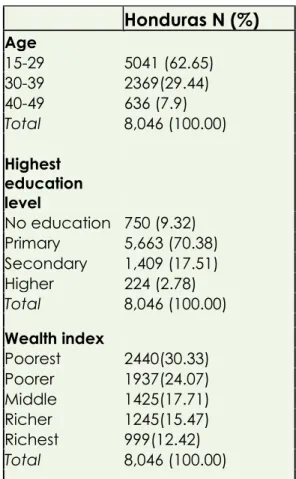
Table 1 and Table 2 present a description of the analysis sample. As noted in Table 1, the majority of the study
sample (63 percent) was between 15-29 years of age, with limited education (80 percent had primary or no
education). Over half (54 percent) of the women were in the lowest two wealth quintiles. Table 2 presents a
summative scale of autonomy [0=no involvement; 1=involved in 1 decision; 2= involved in 2 decisions;
3=involved in 3 decisions; 4= involved in all household decisions], illustrating that over 80 percent of the
women surveyed are involved in two or more household decisions, with over 50 percent of women involved in
18 Table 1. Description of Study Population (N=8046)
Honduras N (%)
Age
15-29 5041 (62.65) 30-39 2369(29.44) 40-49 636 (7.9)
Total 8,046 (100.00)
Highest education
level
No education 750 (9.32) Primary 5,663 (70.38) Secondary 1,409 (17.51) Higher 224 (2.78)
Total 8,046 (100.00)
Wealth index
Poorest 2440(30.33) Poorer 1937(24.07) Middle 1425(17.71) Richer 1245(15.47) Richest 999(12.42)
Total 8,046 (100.00)
Table 2. Female Autonomy Scale, N=8,046
Table 3 shows the bivariate associations between place of residence (urban/rural) and place of delivery. The
sample was split between 33.47 and 66.53 percent for urban and rural residence, respectively; overall, about
35 percent of women delivered at home, with approximately 65 percent giving birth at a facility. As shown in
Table 3, approximately 91 percent of urban women delivered in a facility, compared to only about 52 percent
among their rural counterparts.
19 Table 3. Cross Tabulation of Place of Residence (urban/rural) and Place of Delivery
Place of
residence Non-facility delivery Facility delivery Total
Urban 250 2443 2693
9.28 90.72 100.00
Rural 2591 2762 5353
48.4 51.6 100.00
Total 2841 5205 8046
35.31 64.69 100.00
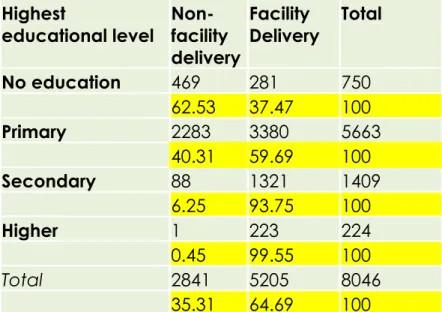
Table 4 shows the bivariate associations between educational level and place of delivery. As shown in Table 3,
among women with no education, 37 percent delivered in a facility, compared to above 90 percent of women
with at least a secondary education, indicating a clear trend of higher facility usage for child birth with higher
education.
Table 4. Cross Tabulation of Highest Educational Level and Place of Delivery
Highest
educational level Non-facility delivery
Facility
Delivery Total
No education 469 281 750
62.53 37.47 100
Primary 2283 3380 5663
40.31 59.69 100
Secondary 88 1321 1409
6.25 93.75 100
Higher 1 223 224
0.45 99.55 100
Total 2841 5205 8046
35.31 64.69 100
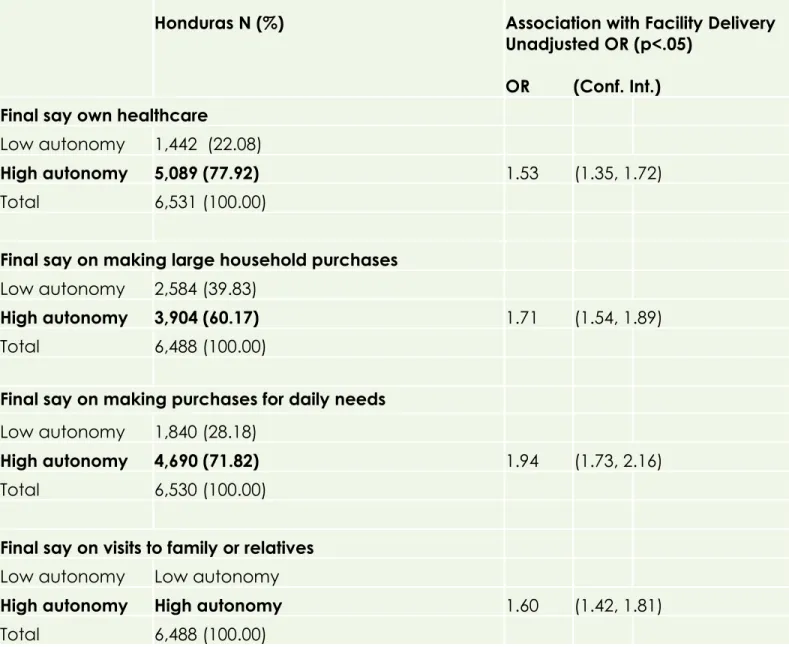
Table 4 presents frequencies for the household decision-making variables, along with the unadjusted odds
ratios (OR) from each of the four bivariate logistic regression analyses to measure the association of each
decision making variable with facility delivery. The statistical software excludes missing values from the
20 health care decisions, nearly 80 percent of women have high autonomy. Sixty and 72 percent of the study
sample have high autonomy in terms of decisions for large household and daily household purchases,
respectively. With respect to final decisions on visits to family and friends, 80 percent of women have high
autonomy. In Table 4, the unadjusted ORs and their respective 95% confidence intervals are presented; for all
four questions these ORs were shown to be significantly (p<.05) and positively associated with a facility
delivery. In this unadjusted analysis, women with high autonomy have higher odds of a facility delivery than
women with low autonomy, relative to all four areas of household decision-making.
Table 4. Frequency of Decision-Making Variables and Association with Facility Delivery (Unadjusted Odds Ratios)
Honduras N (%) Association with Facility Delivery
Unadjusted OR (p<.05)
OR (Conf. Int.)
Final say own healthcare
Low autonomy 1,442 (22.08)
High autonomy 5,089 (77.92) 1.53 (1.35, 1.72)
Total 6,531 (100.00)
Final say on making large household purchases
Low autonomy 2,584 (39.83)
High autonomy 3,904 (60.17) 1.71 (1.54, 1.89)
Total 6,488 (100.00)
Final say on making purchases for daily needs
Low autonomy 1,840 (28.18)
High autonomy 4,690 (71.82) 1.94 (1.73, 2.16)
Total 6,530 (100.00)
Final say on visits to family or relatives
Low autonomy Low autonomy
High autonomy High autonomy 1.60 (1.42, 1.81)
Total 6,488 (100.00)
21 Multivariate analysis
Of particular interest (the largest odds ratio listed above), is the fact that women with a high level of
household autonomy relative to final say on making household purchases for daily needs are nearly twice as
likely to deliver in a facility as women with low autonomy (OR =1.94, p<0.05). Given that this was the highest
observed odds ratio (1.94) a multivariate analysis was used to control for the effect of place of residence
(urban vs. rural) - relative to final say on purchases for daily needs - on place of delivery. Place of residence
was selected to determine whether or not autonomy would remain statistically significant even when
controlling for urban or rural setting, given that urban centers have more available and easily accessible health
facilities. Table 6 presents the results of multivariate analysis: both rural/urban residence and autonomy are
significantly associated (p<.05) with delivery location. Women with high autonomy relative to daily purchases
are 40 percent more likely to deliver in a facility than women with low autonomy relative to daily purchases,
adjusting for rural/urban residence. Rural women are about 90 percent less likely to deliver in a facility as are
urban women, adjusting for autonomy. This indicates that autonomy impacts delivery location independent of
urban/rural residence, and urban/rural residence is important for delivery location independent of autonomy.
Table 6. Multivariate Analysis
Adjusted OR (p<.05)
Final say on making purchases for daily needs 1.42 (1.26, 1.59)
Place of residence (rural) 0.11 (.097, 0.13)
Discussion
The statistical analysis sought to answer the following research question: is greater female autonomy in
Honduras, as measured by household decision-making power, associated with childbirth in a health facility?
22 autonomy is positively associated with facility delivery. The analysis indicates that women with high autonomy
do have higher odds of facility delivery than women with low autonomy relative to all four areas of household
decision-making. Multivariate analysis to control for the impact of place of residence indicates that autonomy
impacts delivery location independent of urban or rural residence, and residence is important for delivery
location independent of autonomy.
Research relating gender autonomy and place of delivery in the developing world has concentrated
primarily on Asia, with a relatively narrow focus on Africa. Latin America represents a significant gap in the
literature and previous research in the region has focused on other predictors of delivery facility such as
prenatal care, with few studies specifically considering associations between female autonomy and place of
delivery (Becker et al., 2006). The statistically significant findings from this analysis support the literature
which generally underscores a positive association between female autonomy and place of delivery.
Furthermore, to the extent that Honduras can serve as a regional illustration, the findings represent a new and
specific example of this association from Latin America, serving as a key strength of the analysis.
Research limitations and strengths
This analysis considered female autonomy at the level of household decision-making, which is particularly
relevant given that the household unit is central to the lives of many women. However, autonomy is a
multidimensional, complex social construct that lacks a single operational definition, therefore limiting the
generalizability of the results. Other key dimensions of female autonomy, including independent access to
economic resources, freedom of movement, and attitudes toward gender roles (including attitudes towards
wife beating and a wife’s refusal to have sex), should be considered relative to place of delivery. The analysis
did not examine these additional spheres of female autonomy, nor did it control for the influence of other
health-seeking behaviors such as prenatal care, which may increase the likelihood of a facility birth.
23 employment status. Additionally, the analysis did not apply sampling weights to account for the cluster
approach of the DHS.
While this does not invalidate the statistical significance reported here, it renders the results less
generalizable; specifically it prevents estimates from being derived at the national level. The issue of
generalizability to these patterns of association includes how representative this sample was of all women in
Honduras, specifically, and Latin America, in general. Further analysis of country-wide characteristics would be
required to address the former question; however given the scientific rigor used in choosing this probability
sample it is unlikely that major differences exist between the sample and overall population characteristic
women of child bearing age in Honduras. As discussed above, the application of proper sampling weightings
was not carried out, thus limiting these projections from being applied nationally; however this may not limit
the conclusions from being generalized nationally. Precise statements about generalizability beyond Honduras
to other Latin American countries are beyond the scope of this paper, and may be a subject for future
research.
Additional strengths of this study include the statistical techniques used to examine the unique
associations between female autonomy and place of delivery. Bivariate analysis allowed each decision-making
variable to be considered independently, revealing which particular dimensions of female autonomy within
the household have greater odds of a facility birth. Although this paper does underscore important public
health implications of these major demographic shifts, a more in-depth analysis of the broader societal
context is required to fully assess the impact of female autonomy on place of delivery. However, the analysis
represents a contribution using data from Latin America, and highlights the need to prioritize gender in future
interventions to expand access to facility delivery, a crucial strategy for reducing maternal mortality in the
24
Conclusion
A subset of the social science literature over recent decades has focused on female status and autonomy,
indicating that low levels of autonomy in developing countries may serve as barriers to improving
reproductive and maternal health outcomes. In contrast, women who possess some decision-making power
are better positioned to meet their reproductive health goals (Speizer et al., 2005). Autonomy is particularly
relevant at the household-level, given that this unit is central to the lives of many women, and this level
appears to be most influential relative to behavior and outcomes. The summative scale of autonomy
presented in this paper shows that Honduran women are highly involved in household decisions. The analysis
highlights specific pathways by which gender programs, such as those aimed at increasing female financial
management within the household, might improve maternal health outcomes in other similar Latin American
settings. As noted by Guliani and colleagues, policies designed to increase the use of obstetric care should be
linked with social development programs to enhance the status of women, such as efforts to expand primary
and secondary school enrollment rate among girls (Guliani et al., 2012).
Given that Central American women are now staying in school longer, assuming more workforce
participation, marrying later, using modern contraception and having smaller families, Honduras represents a
compelling landscape from which to examine the relationships between gender, female autonomy and
maternal health outcomes. Future research should also examine the unique political context of Honduras in
the early 1990s. Between 1990 and 1997, Honduran health officials successfully partnered with the
international donor community to institutionalize safe motherhood as a political priority, resulting in a 40
percent drop in the MMR (Shiffman et al., 2004). The decline represents one of the largest and fastest
reductions ever documented in the developing world, and lessons learned from Honduras’ tremendous
maternal health achievement might serve to inform future public health interventions in Latin America and
beyond. It is also important to assess whether or not these gains in maternal health are being sustained in
25 research should disaggregate rural data with the aim of improving access to health facilities in the most
remote areas, including those inhabited by indigenous people. Although there are only a few small indigenous
groups located on Honduras’ Atlantic seaboard, these populations have some of the worst health indicators
compared to urban and non-indigenous people.
The DHS survey questions about household decision-making, access to healthcare, and attitudes about
female control over sex, and acceptability of male violence were originally developed based upon literature
focused on Asian cultures, where research had first indicated that women’s education and autonomy
impacted fertility and other reproductive health outcomes (Schatz & Williams, 2012). Schatz and Williams
emphasize the need to supplement DHS data with qualitative studies to both contextualize and validate
current autonomy measures in other developing country settings, and inform the development of future DHS
surveys. Given that research relating gender measures and health outcomes in the developing world has
historically concentrated primarily on Asia, the need to supplement quantitative findings with smaller,
context-specific qualitative findings is even more pronounced for Latin America.
The work conducted over the last two years of the HHA project provides compelling support that
smaller-scale qualitative work can indeed reveal more nuanced concepts of gender norms and priorities, such as the
notion of “self-love” which emerged during qualitative data collection in 2011 (Garrett & Barrington, 2013).
While women described nearly all other aspects of their lives as being externally focused by caring for
children, satisfying their husbands, and supporting other women and families in the community, the
motivation for cervical cancer screening was explicitly contrary to this paradigm: the motivation for – and
benefit of—screening was for herself. Women displaying self-love in the HHA study were described as
engaging in other health-seeking behaviors (i.e., visiting the doctor, eating healthy foods and watching their
weight, and seeking care when sick). Future research could investigate this concept as a way to explore how
26 number of reproductive health outcomes, including greater uptake of cervical cancer screening and family
planning services.
While technological improvements are critical for improved maternal health outcomes, relative power
between partners has also been shown to impact reproductive health decisions, including place of delivery,
given that women are not likely to be autonomous agents within the household. In low resource settings such
as Honduras, couples must make strategic decisions regarding delivery in a health facility, given that is it more
expensive and less convenient than home delivery. The analysis sought to explore whether greater female
autonomy in Honduras, as measured by household decision-making power, is associated with childbirth in a
health facility. The results support the conceptual framework which hypothesized that greater autonomy is
predictive of facility delivery in the Honduran context. The paper highlights specific pathways by which female
autonomy might improve maternal health outcomes in Honduras, while underscoring the need to prioritize
27
References
Acock, A. C. (2008). A gentle introduction to stata. Stata press.
Barden-O'Fallon, J., Speizer, I. S., Calix, J., & Rodriguez, F. (2011). Contraceptive discontinuation among
Honduran women who use reversible methods. Studies in Family Planning, 42(1), 11-20.
Becker, S., Fonseca-Becker, F., & Schenck-Yglesias, C. (2006). Husbands' and wives' reports of women's
decision-making power in western Guatemala and their effects on preventive health behaviors. Social
Science & Medicine (1982), 62(9), 2313-2326. doi: 10.1016/j.socscimed.2005.10.006
Beegle, K., Frankenberg, E., & Thomas, D. (2001). Bargaining power within couples and use of prenatal and
delivery care in Indonesia. Studies in Family Planning, 32(2), 130-146.
Bloom, S. S., Wypij, D., & Das Gupta, M. (2001). Dimensions of women's autonomy and the influence on
maternal health care utilization in a north Indian city. Demography, 38(1), 67-78.
Danforth, E. J., Kruk, M. E., Rockers, P. C., Mbaruku, G., & Galea, S. (2009). Household decision-making about
delivery in health facilities: Evidence from Tanzania. Journal of Health, Population, and Nutrition, 27(5),
696-703.
DeJong, J. (2000). The role and limitations of the Cairo international conference on population and
development. Social Science & Medicine, 51(6), 941-953.
Estimates developed by WHO, UNICEF, UNFPA and The World Bank. (2010). Trends in maternal mortality:
1990 to 2008. ().
Forthofer, R. N., Lee, E. S., & Hernandez, M. (2006). Biostatistics: A guide to design, analysis and discovery.
Academic Press.
Fotso, J. C., Ezeh, A. C., & Essendi, H. (2009). Maternal health in resource-poor urban settings: How does
women's autonomy influence the utilization of obstetric care services? Reproductive Health, 6, 9. doi:
10.1186/1742-4755-6-9
Gakidou, E., Nordhagen, S., & Obermeyer, Z. (2008). Coverage of cervical cancer screening in 57 countries: Low
average levels and large inequalities. PLoS Med, 5(6), e132. Retrieved from
http://dx.doi.org/10.1371%2Fjournal.pmed.0050132
Garrett, J. J., & Barrington, C. (2013). ‘We do the impossible’: Women overcoming barriers to cervical cancer
screening in rural Honduras–a positive deviance analysis. Culture, Health & Sexuality, (ahead-of-print),
1-15.
Guliani, H., Sepehri, A., & Serieux, J. (2012). What impact does contact with the prenatal care system have on
women's use of facility delivery? evidence from low-income countries. Social Science & Medicine (1982),
28 Hall, M. G., Barrington, C. L., & Garrett, J. J. (2013).
La situación economica: Social determinants of contraceptive use in rural Honduras. Not Yet Submitted for Publication,
Hinson, L., & Dayton, R. (2012). Formative research with couples about family planning decision-making in
Choluteca department, Honduras. Unpublished Manuscript,
Mistry, R., Galal, O., & Lu, M. (2009a). "Women's autonomy and pregnancy care in rural India: A contextual
analysis". Social Science & Medicine (1982), 69(6), 926-933. doi: 10.1016/j.socscimed.2009.07.008
Mistry, R., Galal, O., & Lu, M. (2009b). "Women's autonomy and pregnancy care in rural India: A contextual
analysis". Social Science & Medicine (1982), 69(6), 926-933. doi: 10.1016/j.socscimed.2009.07.008
Prata, N., Passano, P., Sreenivas, A., & Gerdts, C. E. (2010). Maternal mortality in developing countries:
Challenges in scaling-up priority interventions. Women's Health (London, England), 6(2), 311-327. doi:
10.2217/whe.10.8
Sadana, R. (2002). Definition and measurement of reproductive health. BULLETIN-WORLD HEALTH
ORGANIZATION, 80(5), 407-409.
Schatz, E., & Williams, J. (2012). Measuring gender and reproductive health in africa using demographic and
health surveys: The need for mixed-methods research. Culture, Health & Sexuality, 14(7), 811-826.
Secretaría de Salud [Honduras], Instituto Nacional de Estadística (INE) and Macro International. (2005-2006.). Encuesta nacional de salud y demografía.
Shiffman, J., Stanton, C., & Salazar, A. P. (2004). The emergence of political priority for safe motherhood in
Honduras. Health Policy and Planning, 19(6), 380-390. doi: 10.1093/heapol/czh053
Singh, K., Bloom, S., & Brodish, P. (August 2011). Influence of gender measures on maternal and child health in
Africa. ().
Singh, K., Bloom, S., Haney, E., Olorunsaiye, C., & Brodish, P. (2012). Gender equality and childbirth in a health
facility: Nigeria and MDG5.Far J Repro’d Health, 16(3)
Speizer, I. S., Iran, L., Barden-O'Fallon, J., & Levy, J. (2009). Inconsistent fertility motivations and contraceptive
use behaviors among women in Honduras. Reproductive Health, 6, 19. doi: 10.1186/1742-4755-6-19
Speizer, I. S., Whittle, L., & Carter, M. (2005). Gender relations and reproductive decision making in Honduras. International Family Planning Perspectives, 31(3), 131-139. doi: 10.1363/ifpp.31.131.05
UNFPA. (2004). Investing in people: National progress in implementing the ICPD program of action 1994–2004.
Special report.
Woldemicael, G. (2010). Do women with higher autonomy seek more maternal health care? evidence from
Eritrea and Ethiopia. Health Care for Women International, 31(7), 599-620. doi:
29
Appendix
The Honduran Health Alliance - Project Profile
Cervical cancer is the leading cause of cancer death for women in
Honduras, in contrast to the 15th leading cause of death in the United
States; the age-standardized rate of incidence is 5.7 cases per 100,000
women versus 37.8 cases in the US. Incidence rates in the 1960s and
1970s in high-income countries were similar to current rates in the
developing world, and the dramatic decline in incidence and mortality is
largely attributed to effective screening programs. (Gakidou, Nordhagen, & Obermeyer, 2008) The dramatic
disparities are most often explained by two key factors: behavior risk and sub-optimal screening practices.
Given that there is no national screening program in Honduras, access to clinical services and appropriate
follow-up care is difficult, particularly for populations living in remote rural areas.
The Honduran Health Alliance (HHA), a student-run organization that facilitates a healthcare alliance
between University of North Carolina, Chapel Hill (UNC) and six rural communities in southwestern Honduras.
The program, originally designed and implemented by students from UNC’s School of Medicine, has since
grown to include public health students from UNC Gillings School of Global Public Health (SPH) and precepting
physicians from UNC’s Department of Family Medicine. HHA works to expand women’s health services,
including cervical cancer screening, in six remote villages in the southern state of Choluteca, one of the most
isolated regions of the country. HHA partners with a local Honduran collaborative, the Comunidades Unidas
(CU) or United Communities. HHA organizes an annual summer program which includes a series of community
education workshops, followed by a week-long women’s health clinic staffed by 12-15 UNC medical students,
under the supervision of UNC attending physicians.
Each spring, in preparation for the summer program, the student leadership team travels to meet with
the CU’s lay health adviser (LHA) team to solicit input about community priorities for revising and creating new
culturally appropriate reproductive health education materials. The annual revision of the workshops, known
as charlas, helps ensure that the educational content remains relevant, and also empowers community
leaders to assume a role in decision-making, project planning and long-term growth of the project. The
charlas are designed are designed to highlight the risk factors for cervical cancer and emphasize the benefits
of early detection through screening. Pairs of medical and public health students are sent to rural villages
30 the annual health clinic. Barriers such as transportation and childcare are addressed collectively, using both
community and project resources.
In addition to health education, the HHA program annually provides over 200 women with clinical health
services, including cervical cancer screening using the Pap procedure. Following the Pap screen, the results are
processed by a laboratory in the capital city; student pairs then return to the villages to provide test results
and individually counsel women. Any woman with an abnormal test result is advised regarding the
recommended follow-up regimen. As part of the program, HHA has established a fund which fully subsidizes
the cost of follow-up treatment and transportation expenses. When follow-up services are required, an LHA
from the respective community serves as the liaison to arrange logistics and accompanies the woman to all
required appointments. In this role, the LHA functions as a patient advocate, providing the essential social
support to navigate the healthcare system which can be unfamiliar and intimidating. By coordinating all
ongoing treatment efforts following the summer program, the LHA not only helps to sustain the clinical
benefits of screening, but also becomes a vital source of social capital for the rural women.
HHA is a well-structured program that exposes students to challenging international work, while
improving reproductive health in underserved communities through effective outreach interventions. The
project does use medical volunteers to conduct cytological screening, employing external resources and a
screening technique that is difficult to locally implement and sustain in the developing world; however, HHA
maintains a collaborative relationship which ensures that community stakeholders have a central role in
decision-making and project planning efforts. Such partnerships promote the continuity of the project, making
HHA not only a short-term medical service program, but an example of a successful community-based
intervention with local investment and support. Although HHA’s small-scale medical outreach is currently
effective, the program’s scope is indeed limited and does not represent a long-term solution for providing
critical health services, including screening, to rural populations. However, HHA’s integration of education,
clinical services and follow-up treatment is an example of a successful, multi-level intervention that provides a
continuum of care that would otherwise be unavailable.
Cervical cancer is a preventable cancer. Screening promotes early detection, and is an effective strategy
for decreasing cervical cancer morbidity and mortality. Although there are formidable challenges and barriers
in low-resource settings like Honduras, cost-effective screening and treatment options are currently available,
and donor commitment is growing to expand HPV vaccine access in the developing world. As more innovative
technologies are developed for the screening, treatment and vaccination of cervical cancer, these resources
must be allocated in culturally appropriate ways that meaningfully engage local communities and equitably