CARING FOR ‘OUR KIDS’: INTERNATIONAL ADOPTION MEDICINE AND THE FAMILIES IT HELPS CREATE
Emily J. Noonan
A dissertation submitted to the faculty of the University of North Carolina at Chapel Hill in partial fulfillment of the requirements for the degree of Doctor of Philosophy in Department
of Anthropology in the College of Arts and Sciences
Chapel Hill 2018
Approved by: Michele Rivkin-Fish Mara Buchbinder Jocelyn Chua Patricia Sawin Karla Slocum
iii ABSTRACT
Emily J. Noonan: Caring for ‘Our Kids’: International Adoption Medicine and the Families it Helps Create
(Under the direction of Michele Rivkin-Fish)
This dissertation is an ethnography of international adoption medicine, a U.S. pediatric subfield concerned with the healthcare of internationally adopted children. Two central research questions inform this study: (1) how do the knowledge and practices of international adoption medicine along with its practitioners promote or challenge the kinship identities among members of adoptive families? (2) how do members of adoptive families use the knowledge and practices of international adoption medicine to create kinship? As a specialty focused on one particular family form, international adoption medicine provides a unique site through which the entanglement of contemporary biomedical expertise in the production of families becomes visible.
Through interviews with clinicians and adoptive parents and through participant observation in an international adoption medicine clinic and conferences about adoption, I show how the specialty is a practice that aids in the formation of 21st century U.S. families. Inside and outside of the clinic, international adoption medicine and the knowledge it produces are used by adoptive families as they form themselves, negotiate what it means to be an internationally adoptive family, and produce health. International adoption medicine, in turn, builds its expertise on the experiences and needs of adoptive families.
Building on a history of the development of international adoption medicine practice, I focus on three processes key to family life: the nurturing of family feeling and cohesion, through discourse and practices of attachment, and through the caretaking and body work related to feces and toileting in which parents engage.
iv To my family.
v
ACKNOWLEDGEMENTS
As usual, there are far too many people to thank for this 14-year dissertation project. My earliest elementary and high school teachers, especially Joan Kenyon, Jim Protenic, and Cia White, may be to blame for this. They all taught me to read critically, ask hard questions, and indulge my curiosity. My undergraduate and graduate teachers also bear responsibility. Ben Feinberg introduced me to anthropology at Warren Wilson College and I never looked back. Georgia State University faculty Allaine Cerwonka, Emanuela Guano, Ted Friedman, and Layli Phillips helped me learn how to do graduate-level research and writing.
My dissertation chair and advisor, Michele Rivkin-Fish, continually and
enthusiastically supported my research interests, The other members of my dissertation committee—Mara Buchbinder, Jocelyn Chua, Patrica Sawin, and Karla Slocum—formed a supportive team that pushed my analysis, engaged with me on important questions, and stuck with me throughout children and illness. Bill Lachicotte’s early contributions to my dissertation project were invaluable. He is missed. Graduate students often tell horror stories about their committees. I have had the opposite experience—every member of my committee has been humane, generous, and constructive. Thank you.
vi
anthropology of globalization, gender and kinship, and social theory. Thank you to everyone at UNC.
Since finishing my coursework at UNC, I have been lucky to work at the University of Louisville in a variety of positions. My colleagues in Institutional Research and
Effectiveness, especially Il Barrow, Cheryl Gilchirst and Bob Goldstein, worked together to give me the flexibility I needed to conduct fieldwork. Faculty in the Department of
Anthropology, especially Jennie Burnet (now at Georgia State), Jonathan Haws, Lisa
Markowitz, Shawn Parkhurst, and Julie Peteet encouraged me and included me as an adjunct in the department. My students in my special topics course on Kinship, Family, and
Reproduction helped me think through kinship theory and how it relates to my ethnographic data. David Aylor saved my computer. He says it’s just his job, but his skills saved the day at a crucial moment. My colleagues in the UofL LGBT Center and School of Medicine have cheered me on as I finished my dissertation . I am lucky to get to work with Emily Carr, Susan Sawning, Stacie Steinbock, Aaron Weathers, and Laura Weingartner every day. I also want to thank Chaz Briscoe (now at UC-Irvine), Brian Buford, Priya Chandan, Ryan Combs, Katy Garrison, Lisa Gunterman, and Tamara Russell for their encouragement. Working with these teams has given me the professional support I need. Our projects are exciting and important and I am grateful you include me as a medical anthropologist.
vii
editor. I appreciate her willingness to read and edit this manuscript. That said, any mistakes are my own.
Much thanks to my chosen family members, especially Linda Oakleaf and Becky Richendollar. They made me finish the final draft in Phoenix and then they fed me tacos. Thanks to both of them for always believing in me.
My wife, Virginia. My poor, long-suffering wife. Anyone working on a dissertation knows that the real burden falls on the partner. I am lucky to have a partner who (mostly) consented to this project and willingly did the majority of the household reproductive labor in the last months of this effort. She is a dedicated partner and mother and a talented teacher; I have learned a great deal from her. The lessons I have learned as we partnered and mothered together have proved crucial to this analysis.
My sons, Silas and Oliver, are my light and love. Silas once reminded me that I should hug him on demand because I’m supposed to “know something about attachment.” Nice manipulation, dude. I will always fondly remember sitting in the room of requirement with him as I finalized my dissertation and he worked on his “Famous Kentuckian” report. I may have written more words than him, but I promise that his report was way more
interesting than mine.
viii
This project would not have been possible without the interest and engagement of IAM clinicians and adoptive parents. Thank you to the clinicians for inviting me into your work world and trusting me to tell the story of the work you do. Thank you to the parents who told me their stories. Thank you to the children who talked with me, played with me, and allowed me to be part of their lives for a short while. While I am disappointed that I was not able to include the voices of children more clearly in this manuscript, I hope that I will be able to concentrate on the experiences of adopted children in future research.
ix
TABLE OF CONTENTS
LIST OF TABLES ... xiii
LIST OF FIGURES ... xiv
LIST OF ABBREVIATIONS ...xv
CHAPTER 1: CONCEPTUAL FRAMEWORK ...1
Introduction ...1
Identity and the Making of Family ...2
The Anthropology of Kinship ...9
Medical Anthropology and the Family ...12
Conclusion to Chapter 1...31
CHAPTER 2: METHODOLOGY ...33
Field Sites...34
Interviews ...41
Documents ...43
Surveys ...44
Analysis...45
My Position ...46
x
Limitations ...50
About Language ...52
CHAPTER 3: OVERVIEW OF INTERNATIONAL ADOPTION IN THE U.S. ...53
International Adoption at its Peak...55
Recent Developments in International Adoption ...63
Conclusion to Chapter 3...73
CHAPTER 4: HISTORY AND PRACTICE OF INTERNATIONAL ADOPTION MEDICINE...74
What is International Adoption Medicine? ...74
Broader Context of IAM ...75
Purview of International Adoption Medicine ...82
Development of International Adoption Medicine ...88
Social Change and Advocacy ...90
Beyond Breakfast: Contemporary IAM Practice ...92
Role of IAM in Adoption Process ...95
Risk, the Unknown, and the Unpredictable ...119
Medicalization and IAM ...121
Conclusion to Chapter 4...122
CHAPTER 5: REALIZING THE CATEGORY OF FAMILY THROUGH HEATH CARE: IAM AND THE FORMATION OF FAMILY ...124
xi
Creating Family Feeling ...137
The Global Adoptive Family ...142
How IAM Helps Form Multi-Racial and Multi-Ethnic Families ...145
Conclusion to Chapter 5...159
CHAPTER 6: BALANCING CONNECTION AND SCIENCE: ATTACHMENT IN IAM ...162
Attachment Theory ...165
Anthropological Critiques of Attachment Theory ...171
Attachment Theory, Institutional Care, and IAM ...178
Attachment Expertise in the Family ...184
Conclusion to Chapter 6...193
CHAPTER 7: PARENTING AND BODY WORK ...195
Anthropology of Caretaking ...197
Dirty Practices of Poop and Parasites ...202
Anthropology of Poop...202
IAM and Poop ...204
Conclusion to Chapter 7...217
CHAPTER 8: CONCLUSION ...220
Douglas ...220
xii
APPENDIX A: EARLY IAM ARTICLES, 1975-2003 ...230 APPENDIX B: DIAGNOSES AND CIRCUMSTANCES OF
xiii
LIST OF TABLES
Table 1 - Birth countries represented in Clinic fieldwork……….35
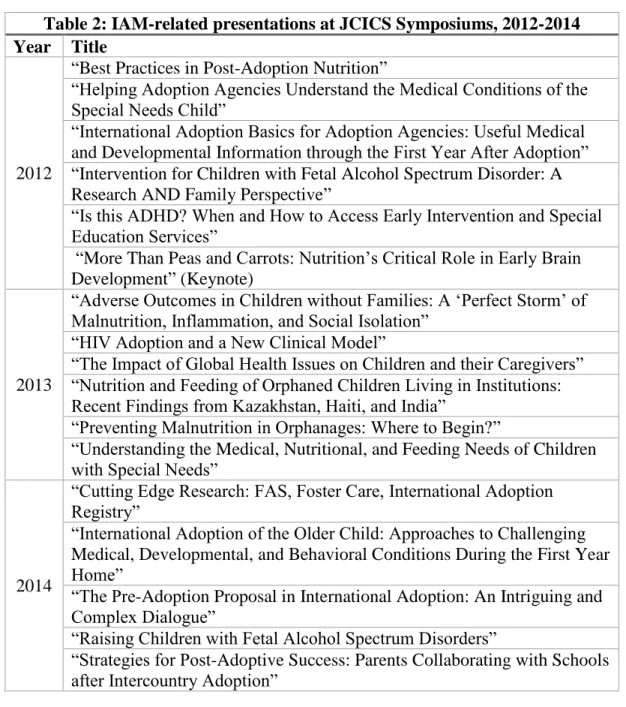
Table 2 - IAM-related presentations at JCICS Symposiums, 2012-2014………..38
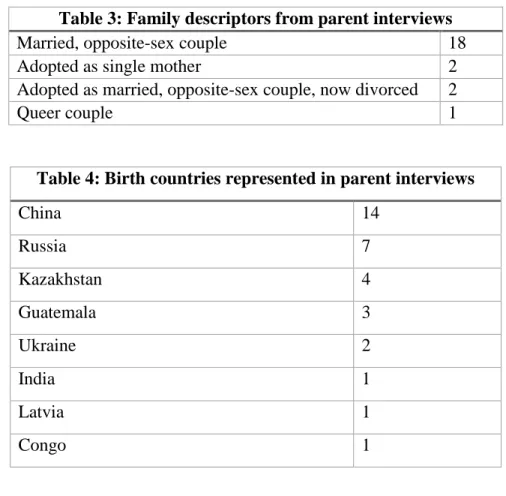
Table 3 - Family descriptors from parent interviewees……….…42
Table 4 - Birth countries represented in parent interviews………42
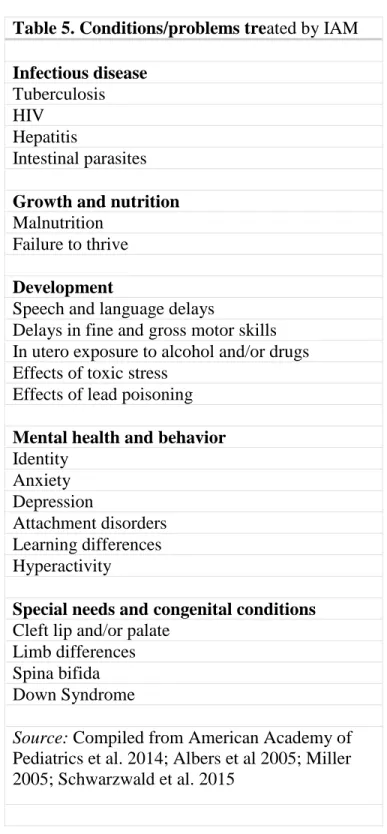
Table 5 - Conditions/problems treated by IAM………...83
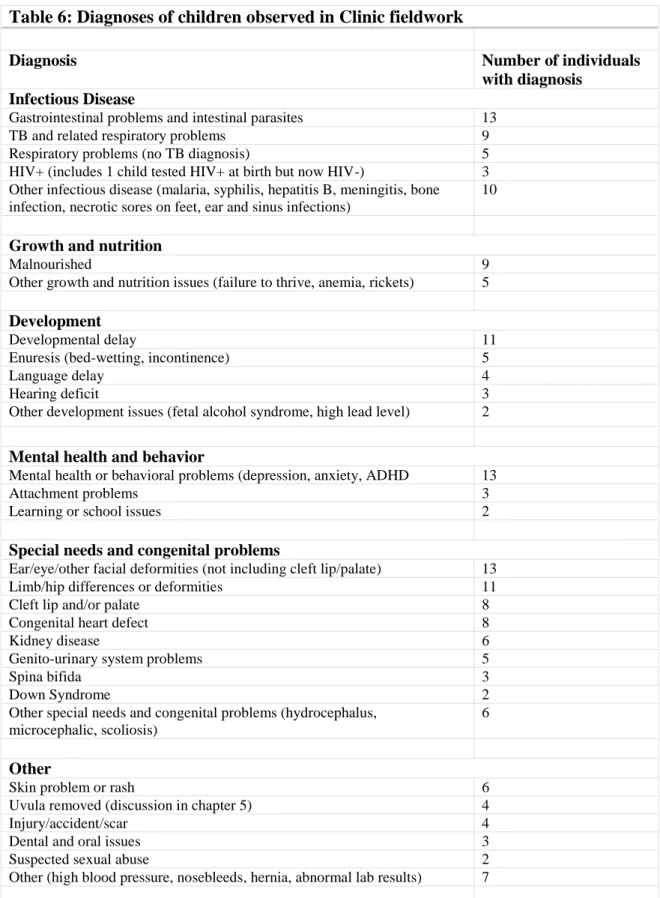
Table 6 - Diagnoses of children observed in Clinic fieldwork………..…93
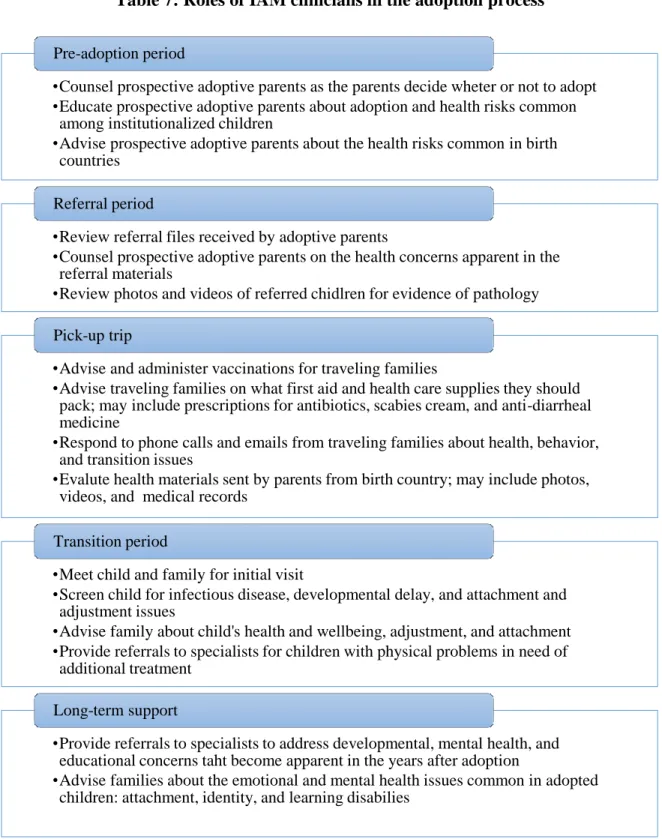
Table 7 - Roles of IAM clinicians in adoption process……….…96
xiv
LIST OF FIGURES
xv
LIST OF ABBREVIATIONS
AAP American Academy of Pediatrics
CDC Centers for Disease Control and Prevention ChIFF Children in Families First Act
FAS Fetal Alcohol Syndrome
IAM International Adoption Medicine
1
CHAPTER 1: CONCEPTUAL FRAMEWORK Introduction
My work provides an ethnographic “thick description” (Geertz 1973) of the pediatric subfield of international adoption medicine (IAM) in order to understand the role of this field in the production of kinship identities that emerge from the process of international adoption. Through ethnographic participant observation in a clinic serving internationally adopted children, interviews with clinicians and adoptive parents, and conferences about international adoption, I show how IAM operates as one space where kinship and biomedicine intersect.
While the anthropological literatures on kinship and biomedicine are vast and of central importance, little work has been done on the intersection of these literatures. International adoption medicine, as a pediatric specialty, has been largely unexplored by medical anthropologists and other social scientists who study health (but see Van Wichelen 2014).
International adoption medicine provides a unique site through which the entanglement of contemporary medical expertise in the production of families becomes visible. Also key are practices of health and wellness that occur outside the clinic and outside the purview of clinicians. A central goal of this project is to understand how medical facts and action, in this case those articulated and performed by adoption medicine and adoptive parents, transform categories of people and promote the creation of new identities (Clarke et al. 2003; Dumit 1997, 89).
2
1.) To identify how the knowledge and practices of international adoption medicine and its practitioners promote or challenge the kinship identities claimed by members of adoptive families
2.) To discover how members of adoptive families use the knowledge and practices of international adoption medicine to create kinship. That is, how they come to use IAM and health practices to understand, identify, and define their families.
Overview of Conceptual Framework
The purpose of this section is to provide the theoretical backdrop to my project. Situating my work in medical anthropology, kinship, theories of how family is made, I show how a particular medical subspecialty—international adoption medicine—plays an important role in the building of adoptive families. I start by positioning this project in relation to Pierre Bourdieu’s (1996) conceptualization of the family as “a realized category.” Family, for Bourdieu, is a field of “physical, economic,... and symbolic power relations” (22) (also see Atkinson 2014; Haimes 2003). Within this field, family comes about through talk of family and through practices that reinforce “family feeling.” I then review the anthropology of kinship in order to show how international adoption makes families and to situate my work in the context of this field. Finally, I review medical anthropology and anthropology of the clinic. This ethnography of international adoption medicine contributes to the growing literature on how individuals and families negotiate clinical settings (Buchbinder 2015a; Buchbinder and Timmermans 2011; Landsman 2009; Latimer 2007; Mattingly 2009; Rapp 2000; Stryker 2010).
Identity and the Making of Family
3
kinship that he initially explored in Outline of a Theory of Practice (1977), arguing that talk and action (both structural and individual) make family a social unit that transcends
individual members.
Bourdieu resists the understanding of family as a static, essentialized unit: “[N]othing seems more natural than the family; this arbitrary social construct seems to belong on the side of nature, the natural and the universal” (21). Though recognizing the social in the construction of family, he also resists the understanding of family as a mere social artifact. Rachael Stryker (2010), writing about attachment therapy in families, argues that Bourdieu’s argument is a response to social scientists who were dismissing family as purely an
oppressive construction or “discursive fiction” (9). Instead, Bourdieu recognizes, and calls for, a more complete and complex approach to the sociology of the family. Family is “an objective social category (a structuring structure)” that supports the “family as a subjective social category (a structured structure)” (21). This is cyclical; the actions and representations of the subjective social category reproduce the objective social category: “Every time we use a classificatory concept like ‘family’, we are making both a description and a prescription, which is not perceived as such because it is (more or less) universally accepted and goes without saying” (20). For example, the act of marriage and images of weddings reproduce marriages. This back and forth between “the subjective and objective categories provides the foundation for an experience of the world as self-evident, taken for granted” (21; also see Atkinson 2014).
4
creating the conditions of its own verification and therefore its own reinforcement, an institutional discourse which durably institutes itself in reality” (25). Familial and individual identities, as well as families themselves, are produced through talk (Kendall 2007, 4).
In addition to talk and discourse, Bourdieu (1996) describes how both structure and practice create family. Certain types of families are produced and reproduced by the state. The state does this by recognizing some kinds of families while ignoring others, bestowing benefits on some family forms (the child tax credit and the adoption tax credit come to mind), and simply by counting them, as in a census. Bourdieu says, “the family exists, we have met it under our statistical scalpel” (25). In turn, the practices that individuals engage in to obtain recognition by the state (e.g. submitting a marriage license to the state, filing birth certificates) reinforce the family as conceptualized and recognized by the state.
Bourdieu discusses how individual family members reinforce “family feeling” through action (22). He lists “the exchange of gifts, service, assistance, visits, attention, and kindnesses”—often women’s work—as ways the family is made real through action (22). In other words, the family is real because we engage in gift-giving, is real because we go through rituals like funerals and weddings together, and is real because there are carefully curated photos documenting our existence as a family. (In chapter 7, “Parenting and Bodywork,” I extend this to practices around caregiving.)
5
In this dissertation, I will show how the adoptive family becomes real through both the practice and discourse of biomedicine and health care. I want to be clear that I am not arguing that IAM is necessary for an adoptive family to be “real” or successful. For all families, multiple sites, institutions, and processes aid in the construction of the family. Instead, I mean that international adoption medicine is one of many practices and discourses (like those that Bourdieu lists) that aid in the construction of the adoptive family.
Family Identities That Depend on Discourse and Action
It is key to understand that all of these family-constituting matters—discourse, action, institutions—are sites of struggle. Definitions and understandings of family are not shared, either within U.S. culture or within a given family. Forming family is not only about inclusion; it is also about maintaining boundaries. Reflecting on Naples (2001), Margaret Nelson (2006) argues “in contrast to the casual assumption that doing family only involves forging and enhancing links among individuals...the interactional work of doing family can involve excluding some individuals from a set of valued relationships” (782).
6
boundaries. While individual children join U.S. families through international adoption, the child’s birth parents and extended biological kin are explicitly excluded through the legal process of adoption.
Contemporary sociologists have argued that it makes more sense to think of how people “do family” rather than how people “be” in families (Naples 2001; M. Nelson 2006; Silva and Smart 1999, 8; Suter, Reyes, and Ballard 2011). I want to focus here on family as an entity that comes into existence through practice. As I discussed in the previous section, Bourdieu (1996) argues that family is made through action, or practice. Contemporary sociologists (though not referencing Bourdieu, usually) have argued that some families are more dependent upon discourse and action than others. When a family is not seen as a family by those around them, they engage in purposeful action and talk to highlight their status as family.
Barbara Katz Rothman (2006), a sociologist and adoptive mother of an African American girl, writes about how her family has to “do family” in order to be recognized by others as family: “We don’t look like a family. I’m white and Victoria is black. So we’ve learned, over the years, the little tricks we need, to make you see us as a family” (4). For instance, when meeting new people, Rothman is quick to introduce Victoria as her daughter, making their family tie is clear to strangers.
In addition to transracial and some visibly adoptive families, other families that are not immediately read as families—families with same sex parents and families in which grandparents are parenting grandchildren, for example—are discourse and action dependent (Suter, Reyes, and Ballard 2011, 243).
7
internationally, uses the term “kinning” to describe the process through which a child “is brought into a significant and permanent relationship with a group of people that is expressed as a kin idiom” (465). Children are incorporated into the family through a variety of
practices, but Howell highlights how families photograph the children in Norwegian dress and doing typically Norwegian activities (being outside in the snow), and showing how the children have been loved and accepted by grandparents and extended family. Roots trips, where internationally adopted children and their adoptive parents travel to the child’s birth country, are a type of family adventures that acknowledge the child’s “dual identity” (477). In the end, Howell argues, these trips reinforce familial identity, as the adoptees are
Norwegian citizens traveling with their Norwegian parents, none of whom speak Korean or are familiar with Korean customs. Through this process of practice and discourse, adoptive parents make it so that the child and parents share a kinned future together; they must make it so that they can have a “familial future” (468).
Discourse
8
discourse, Bronwyn Davies and Rom Harré (1990) argue:
An individual emerges through the processes of social interaction, not as a relatively fixed end product but as one who is constituted and reconstituted through the various discursive practices in which they participate. Accordingly, who one is is always an open question with a shifting answer depending upon the positions made available within one’s own and others’ discursive practices and within those practices, the stories through which we make sense of our own and others’ lives (46).
Adoptive parents structure ‘who they are’ through their interactions with one another, as well as through their interactions with those not involved in the adoption process.
Ontological Choreography and the Making of Families
Also helpful is Charis Thompson’s (2005) concept of ontological choreography. In her work with patients in infertility clinics, Thompson argues that individuals engage in ontological choreography in order to become parents through pregnancy:
The term ontological choreography1 refers to the dynamic coordination of the technical, scientific, kinship, gender, emotional, legal, political, and financial aspects of [assisted reproductive technology (ART)] clinics. What might appear to be a hybrid mess is actually a deftly balanced coming together of things that are considered parts of different ontological orders... These elements have to be coordinated in highly staged ways so as to get on with the task at hand: producing parents, children, and everything that is needed for their recognition of such (8).
It is through a dance of technology, expertise, law, and kinship that people become parents through ART.
Using ontological choreography as a lens, we can see how international adoption medicine works to help create a family and familial identities. Children, parents, medical practitioners, social workers, medical records, and adoption referral paperwork interact in the service of creating family. All of the people and actions that have to come together in
adoption is a kind of choreography to make the adoptive family. People—children, birth
9
parents, adoptive parents, foster parents, social workers, orphanage staff, bureaucrats,
lawyers, diplomats, judges, and clinicians—come together in various configurations to make international adoption happen.
Thompson’s analysis is also useful because fertility clinics, like adoption, unsettle the primacy of birth and blood in kinship. She argues, “the clinic is a site where certain bases of kin differentiation are foregrounded and recrafted while others are minimized to make the couples who seek and pay for infertility treatment—the intended parents—come out through legitimate and intact chains of descent as the real parents” (145). Throughout this text, but especially in chapter 5 (“Realizing the Category of Family”), I show how IAM and practices of health and wellness operate to reinforce the adoptive family as a cohesive unit, while gently uncentering birth families. The adoption medicine clinicians I observed were careful to never demonize or negate the birth family. Noting that children have strong feelings of love and attachment even to abusive caregivers, it is “bad for kids” to talk negatively about birth parents. One doctor told me, “we have to assume they were doing the best they could.” Once in the IAM clinic, adoptive parents are the legal parents and caretakers who have committed to the child, usually for life. Clinicians foreground this relationship and work to reinforce “family feeling” between all members of the adoptive family.
The Anthropology of Kinship
10
(sex and reproduction by birth) and social ties that comprise other forms of relatedness (critiqued by Schneider 1984), the “new kinship studies” (e.g. Carsten 2000, 2004a; Franklin and McKinnon 2001; Franklin and Ragoné 1998; Ginsburg and Rapp 1995; Strathern 2005) emerged. In the 1980s and 1990s, biomedical reproductive technologies raised questions about how people understand their relatedness to others. Anthropologists, most thoroughly and significantly David Schneider (1980, 1984), questioned the divide between “natural” and “fictive”2 or social kinship, and began developing theoretical frameworks for understanding relatedness, and symbols of kinship (Faubion 2001, 6; Sahlins 2013). Anthropologists and other social scientists demonstrated the multiple ways kinship ties are understood to be formed—by blood and law (Schneider 1980), choice (Weston 1991), affinity (Mamo 2007), shared substance (Weismantel 1995), reciprocity and gift (Stryker 2010) and genetics (Finkler 2000, 2001). To be sure, biogenic relatedness—especially through genetics—is stressed in American conceptions of kinship (Finkler 2001; Howell 2009, 150; Lebner 2000), but anthropologists consistently question the universality of this assumption. Drawing on Schneider’s work, as well as their experiences as activists in the second wave of the U.S. women’s movement, feminist scholars from a range of disciplines examined how power and control are exercised through dominant expressions of kinship and reproductive practices (Rapp 2001, 468).
In post-Schneiderian kinship studies (Fabion 2001, 5) adoption emerged as a key site of analysis (Bowie 2004; Howell 2009; Leinaweaver 2008; Modell 1994; Yngvesson 2007). Adoption—the care and nurturing of children by adults other than their genitors—was considered a type of “fictive kin” by earlier scholars of kinship, but adoption practices have
2 The term “fictive kin” expresses that idea that familial relationships not formed through blood, biology, or
11
always highlighted the tension between nature and culture in kinship studies: “it is precisely because adoption challenges the very referential principle of flesh and blood in
Euro-American thinking that its significance cries out for analysis” (Howell 2009, 153). Most societies have adoption of some form, but the meaning and cultural understandings of adoption vary (Bowie 2004; Howell 2009; Terrell and Modell 1994). Jack Goody (1969) describes historical and contemporary (at the time of his writing) adoption practices in Rome, Greece, India, and China, arguing against imposing Eurasian understandings of adoption onto African fostering practices. Even in the last 200 years, North American and European
adoption practices have changed significantly. Children were once economically valuable as laborers (Zelizer 1985, 172). In the second half of the 19th century, orphan trains moved children “chosen for their promise, their hardiness” (Gordon 1999, 5) from New York and other centers of urban poverty to the American West where the “demand for [their] labor is practically unlimited” (7). Infants, however, were not an asset, and baby homes or nurses charged birth mothers for taking in their babies (Wedd 2009, 7; Zelizer 1985, 174–75).3
By the late 1800s and early 1900s this perspective had changed. The burgeoning social work movement pushed for the passage of child labor laws, and children became economically worthless. Instead, they were emotionally priceless. Adoption became a way to help needy children and provide parents with children; adoption became a way to form families. It was not until the 19th and 20th centuries that the legal system became involved in these exchanges (Herman 2002, 2009; Zelizer 1985, 190).
Distinct from other forms of adoption in the ethnographic record (informal fostering
3 In 18th century London, for example, the Foundling Hospital was so overcrowded and mothers so desperate to
12
or the circulation of children within kin networks), modern, state-coordinated adoption, both international and domestic, is marked by an infrastructure of legal and social service experts. In the contemporary U.S. and Western Europe, adoption is understood as the legal process of permanently transferring a child from a (usually) biological parent to non-biological adoptive parents and occurs within and between national borders. This process is marked by the participation of a cadre experts, professionals, or “rationalizers”: lawyers, social workers, state department bureaucrats or embassy officials, orphanage staff, and now, physicians (Herman 2002, 341; 2009).4 The transfer of a child from the care of one adult to another is not thought of as “real” or official unless the legal and immigration authorities of the birth country, the adoptive country, and international law consent to and facilitate the transfer. This bureaucratic and rationalized process (Herman 2002) is distinct from other forms of adoption in the ethnographic record.
This project is part of the broader anthropology of kinship and family. Looking at health care of children adopted throughout this legalized, rationalized, and international process, I explore how families are produced and supported.
Medical Anthropology and the Family
The practice of international adoption medicine and the primary field site for this project is centered on the clinic, a space in which patients seek medical care from experts. Understanding medicine and health care as a complex cultural system, as “a system of symbolic meanings anchored in particular arrangements of social institutions and patterns of interpersonal relations” (Kleinman, cited in Buchbinder 2015a, 7; also see Fortin 2008), I examine a pediatric clinic as a key site within that cultural system.
4 Exceptions to rationalized adoption do exist in the U.S. Judith Modell (1998, 159) describes the tension
13
In the decades since Foucault described the clinic as a site for the making of identity (1994), medical anthropologists have extended his arguments through their research, showing that clinics are sites where social relations are enacted, where race, class, and gender intersect (Buchbinder 2015a; Good 1994; Latimer 2007; Mattingly 2009; Raspberry and Skinner 2007); how the medical gaze, rooted in the clinic, also extends beyond the physical space of the doctor’s office to public policy, the law, and public discourse (C. Patton 2010); and how children’s identities as “normal” or “abnormal” are made in the space of the clinic (Davis 1982). Developmental or well-child checkups are key to determining whether an individual child’s body is “normal” or “not normal” (Kelle 2010, 10).
14
(176). Following Kleinman (1981, 1995), Good (1994), Fortin (2008), and others, I see culture imbricated in the health care system. It is not just patients who “have culture”; clinicians and the system in which they work “have culture” as well (J. Taylor 2003).
Children, Their Bodies, and Medical Anthropology
Childhood, like biomedicine and its articulations of disease and the body, is
biocultural. Though all children go through biologically-driven physical and developmental stages, these experiences are only understood and given meaning through cultural beliefs and practices (Lancy 2008; LeVine 2008; Scheper-Hughes and Sargent 1998, 1). What it means to be a child or what constitutes an appropriate childhood is not static. Rather, understandings of childhood and children are culturally and historically contingent (Ariès 1962; Bluebond-Langner and Korbin 2007; Lancy 2008, 2017; LeVine 2007, 247; Nieuwenhuys 1998; Zelizer 1985).
Anthropologists often study children as indicators of community or public health (e.g. (e.g. Kamat 2009); nutrition (e.g. Crooks 1996; Dettwyler 1998), in terms of their
development (LeVine 2008); in discussions of rites of passage and initiations such as
circumcision, genital cutting (Scheper-Hughes and Sargent 1998, 14; e.g. Gruenbaum 2009); and violence (Korbin 2003). There are few projects focusing on children’s experiences from their own perspectives or on children’s bodies as a site through which power and meaning are negotiated (Van der Geest 1996; but see Bluebond-Langner 1978; Buchbinder 2008, 2015a; Clark 2003; Spray 2018; Stryker 2010).
15
understood as gaining meaning from practices and institutions: “Children’s bodies then appear in a variety of roles: in the construction of social relations, meanings and experiences between children themselves and with adults; as products of and resources for agency, action, and interaction, as sites for socialization through embodiment” (Prout 2000, 11; also see Castañeda 2002; Hörschelmann and Colls 2009; J. McLaughlin, Coleman-Fountain, and Clavering 2016).
16
Medicalization and Risk
The process of medicalization is key to understanding IAM and the health care of international adoptees. Medicalization as the process through which human problems are understood as health problems, and therefore under the “jurisdiction of medicine” (Clarke et al 2003, 161). Medical anthropologists and sociologists have shown how bodily processes and behaviors related to reproduction (e.g. Davis-Floyd 2004; Malacrida 2015; B. Rothman 2000; Torres 2015), menopause (Bell 1987), erectile dysfunction (Carpiano 2001; Conrad and Leiter 2004), alcohol and drug use (Conrad and Schneider 2010, chs. 4-5; Tournier 1985), hyperactivity (Conrad and Potter 2000; Malacrida 2004; Rafalovich 2005), and challenging behaviors in school (Bosk 2013)—once understood as human problems or as slight deviations from typical behavior—are now described, defined, and treated by medical professionals (also see Conrad 2007).
The process of medicalization is apparent in pediatric practice: rather than being concerned only with illness and disease, contemporary pediatricians are concerned with “social” problems such as potty training, tantrums, and hyperactivity (Pawluch 2009, 131). In her text on the history of pediatrics, Pawluch (2009) describes the transition from the “old pediatrics”—concerned primarily with infectious and congenital disease—to the “new pediatrics,” also concerned with the social and behavioral issues of childhood. IAM is squarely part of this “new pediatrics,” as the scope of clinical practice includes control of infectious disease, treatment of acute illness, and management of “social” problems related to bonding, family dynamics, and education.
17
increasingly considered necessary for the correct forming of family. Leinaweaver (2009) shows how the phenomenon of adoption is medicalized at multiple levels: the birth family, the adoptive family, and the global flows of adoption.
In both political and medical discourse, risk has emerged as a key concept. Mary Douglas (1990) argues that risk no longer refers to the probability of a negative outcome, but to danger itself. In this construction, risk is the same as danger, but with an “aura of science,” or supposed verification through statistical tools (3-4; also see Skolbekken 1995). Harm is seen as coming from individual actions or failure to act, (as opposed to fate or outside forces) and individuals are charged with responsibility of acting to prevent or avoid harm.
For adoptive parents, the “unknown” of their child’s medical and genetic history is problematic, because the parents feel limited in their “medical preparation” (Lebner 2000, 376). Strathern (2005) describes how the child can be understood to have two bodies for which the biological parents (usually the mother) are responsible: the genetically given body and the one constructed through nurturing and careful attention to development (5). Parents have the responsibility to act on what they know about diet, exercise, nutrition, and education to insure their child’s proper development. Adoptive parents are in a different position. They have no control over the child’s genetically given body; they have passed on no
18
Davis (1982), writing about pediatric health care, posits that parents experience enormous responsibility for child health, even more than pediatricians: “The weighty
responsibility of a doctor for ‘his’ patients is mirrored by the responsibility which adults have for their children’s health and illness, a responsibility not backed by years of training, but with recipe knowledge and practical everyday judgment.” “Parents,” Davis argues, “are guardians of a hazardous and unpredictable new product...” (24). One of the mothers in my study echoed this sentiment: “I was in shock because here we were, in a hotel room in a strange country where we don’t speak the language. The kid is screaming and we don’t know why. Is he scared? Does he have an ear infection? Is he hungry? Does he just want a cookie? You don’t know.” Not only did the mother not know what why her child was crying, she also knew she was charged with managing the uncertainty of the situation. Regardless of the language barrier or what could be the child’s grieving, parents must resolve the situation.
Parents understand their roles within the “risk society” (Beck 1992; Douglas 1990; Giddens 1999) and perceive their roles to do all they can to position their child for future success. Scholars of parenting and childhood describe contemporary middle and upper middle class parenting in the U.S. and Western Europe as “anxious” and “intensive” (Francis 2012; Hoffman 2010; M. Nelson 2012; Stearns 2004). Parents are motivated to protect their children from immediate harm (abduction by strangers, violence, random accidents) but also future harm that occurs because they were not prepared or protected. I argue that IAM is one location and arena of interaction in which the risk of “not knowing” about adoptive children is managed through the use of clinical services and medical expertise.
The Family in the Clinical Encounter
19
Buchbinder and Timmermans 2011; Dimond 2014; Good 1994; Landsman 2009; Latimer 2007; Mattingly 2009; Rapp 2000; Rapp and Ginsburg 2001; Raspberry and Skinner 2007; S. White 2002). Medical anthropologists and other social scientists writing about health have shown that health is often linked to family dynamics. Linda Garro (2010, 2011) has argued that for middle-class California families, health is about family wellbeing and not simply the health of individual family members.
Pediatrics is unique in that the clinician’s gaze extends beyond the individual child to the family as a whole. Pediatricians are often seen as responsible for the family unit, as Buchbinder’s (2015a) ethnography of families of children being treated by a
multidisciplinary pediatric pain clinic shows how parents and children often share a “patient role” (also see Buchbinder 2012, 113; S. White 2002).
Jocelyn Chua (2011) shows how anxieties about youth suicide in Kerala, India have led to the promotion of parenting practices designed to “inoculate” children against suicide. Concerned that children who are “spoiled” and unable to cope with disappointment or delayed gratification will kill themselves, parents are instructed by experts to teach their children how to wait: for gifts, treats, attention. The problem of youth suicide is associated with parents and the solution is also located with the parents. In a dance among parents, experts, and children (126), making children wait has become a key to child mental health in Kerala.
Role of Parents
20
wellbeing. In his analysis of English-language textbooks and articles from [dates] on taking a medical history in pediatrics, physician and medical historian Jonathan Gillis (2005)
highlights, “Children have always had parents, and therefore, in any medical text dealing with children, parents are inevitably ‘present’” (394).
Examining this assumption—that parents are nearly always present at the pediatric appointment—is of particular importance to this project. While Gillis and others are correct in observing the importance of parents in pediatric care, this reality becomes more
complicated when talking about children who are orphaned (social or otherwise) or newly adopted into a family. Until adoption, most internationally adopted children are indeed without parents. Upon adoption, the child is with parents who simply do not know all that the child has experienced. For biological and social orphans, the absence of parents or adults who are familiar with their life stories makes the clinical history a distinct challenge. In international adoption medicine, the absent birth parents are a “phantom” presence, to borrow from Raspberry and Skinner (2007) on ancestors in pediatric genetics. Here, I want to note my agreement that the role of parents is key to understanding clinical pediatrics, but I also want to complicate this. In international adoption medicine, the position of the parents as parents to this specific child, responsible for their health and welling, is new and tenuous. The background of the child’s birth family and experiences with institutional care are almost always unknown to the adoptive parents.
21
is done to the child’s body. Parents also serve as narrators on behalf of most children, especially those who are very young, pre-verbal, or do not share a language with the
clinicians. Pediatrics can be more about the parent’s perception of the child’s health than the child’s perception of health. Furthermore, diagnoses and treatments are often a negotiation between clinicians and parents (Kelle 2010, 10)
Social scientists writing about the pediatric encounter have argued that “normative judgments about parents are a routine feature of the work” (S. White 2002, 428; also see Buchbinder 2015a, 113; Strong 1979). Family dynamics and behavior may contribute to a child being sick (Buchbinder 2012; 2015a, 100), parents may be inadequately following the doctor’s instructions regarding treatment, or the parents may not have the cognitive abilities necessary to follow treatment instructions (S. White 2002). Parents are regularly classified as “good parents” or “bad parents” in the pediatric encounter (Fortin 2008).
22
combined with the dedication of the parents set IAM apart from other pediatric practices: “International adoption pairs the most vulnerable and high risk pediatric population with the lowest risk parent group” as she perceives that adoptive parents are typically highly educated, financially secure, and have a low divorce rate (1263).
Clinic appointments were an opportunity for clinicians to help families explore their specialized identity as an “Adoptive Family.” Even the fact of the medical appointment positions parents as “good” parents who are seeking specialized care for their child. Knowing that the American Academy of Pediatrics (AAP) and most adoption agencies now
recommend that internationally adopted children see a clinician who specializes in adoption medicine, many parents understand the visit to the IAM clinic as “the right thing to do.” In chapter 5 (“Realizing the Category of Family”), I explore how the IAM clinic reinforces and structures familial identity.
Parental involvement in pediatrics is also marked by gender norms, with mothers nearly always present (Davis 1982, 21). In the 1970s and 1980s, Davis observed that when fathers are present and participate in the clinical encounter, they are often doubted and considered unreliable (34). Other scholars have observed that gendered expectations of parenthood are complex and often subtly communicated in the clinic (Buchbinder 2015a; Mattingly 2009; Tiitinen and Ruusuvuori 2015).
23 mother did (126-132).
In their study of gendered parenthood in pediatric health care, Tiitinen and
Ruusuvuori (2015) find that clinic staff assume mothers to be the primary caregivers with fathers relegated to a secondary role. I witnessed the privileging of mothers’ knowledge in a slightly different way in my own clinical observations. While clinicians rarely explicitly doubted father’s narratives, mothers sometimes did. In one memorable instance of a married heterosexual couple and their China-born child, when the father answered a question asked by the occupational therapist, the mother sighed, glared at him, said, “oh, you wouldn’t know about that!” and proceeded to give a slightly different answer. When fathers and mothers were both present at the appointment, the mother usually answered most questions. Fathers would frequently defer to mothers, saying that they (the mother) handled more of the bedtime/meal time/bathroom stuff. In the case of my participants, it wasn’t clinicians who expressed concern about gender dynamics in the household. Mothers usually occupied the role of expert on the child through their own assertion of knowledge and through the father’s assertion that they would know better. It may also be true that mothers are trying to assert their status as “good mothers” by claiming authority over the child’s health.
Cultural Health Capital
As Buchbinder (2015a, 38) points out, the concept of cultural health capital is key to understanding how parents or families as a whole understand and consume medical
24
attitude toward accumulating knowledge, the ability to understand and use biomedical information, and an instrumental approach to disease management” (2). In the context of pediatric health care for young children, cultural health capital is the ability of parents to productively communicate with clinicians with the goal of achieving health for their child. To do this, parents must be able to understand the language of biomedicine and the goals and norms of pediatrics, to learn more about what they do not know, and to be willing to act on the clinician’s advice. Clinicians noted when parents had a medical background, inferring that the parent was knowledgeable about biomedicine.
Not all parents can do this. While the IAM clinic usually saw only children adopted internationally, they occasionally saw children from the U.S. foster care system or children who had immigrated from abroad with their families. In one case, a mother and her four children went to the emergency room (ER) at the local children’s hospital. This refugee family was from Central Africa and spoke no English. The ER was able to address the immediate problem, but could not provide the screening and primary health care all of the children needed; it was clear that the children were in need of prompt and comprehensive care. Knowing that the adoption clinic was seeing patients the next day and that the clinic staff would be able to thoroughly evaluate all of the children, an ER staff member referred the family to the adoption clinic.
This referral and others like it border on accidental. If it had not been for an employee who knew that the adoption clinic staff would have the expertise to treat these children, they may not have received the primary and specialized care they need. Pediatric care in the U.S. lacks the infrastructure to fully address the needs of all immigrant children.
25
Central Africa. The kids showed signs of long-term malnutrition and the clinicians considered them at risk for tuberculosis, other infectious diseases, and parasites. Like
adoptees, they needed to be re-screened six months later, as many diseases don’t appear until some months after infection.
Why is it that there’s a safety net—in the form of a subspecialty and a widely articulated rationale for this subspecialty—for internationally adopted children but no such safety net for similar groups of children? I see several reasons for this peculiarity: health insurance, documentation, and parental status. U.S. citizens adopting children must meet prescribed standards, including the ability to provide health care for the child, so nearly all internationally adopted children have private health insurance provided by adoptive parents.
Unlike children in some similar pediatric populations, in almost all cases internationally adopted children enter the U.S. health care system with U.S. citizenship established. While health care—especially health care for children—should not depend on citizenship, in practice it often does. Immigrant families that are undocumented may be reluctant to engage with the public health system, especially in regions with strong anti-immigrant sentiment.
Parental status is critical here. By status, I mean the parent’s education, relative wealth, occupation, language, and comfort with the health care system. Parents of
26
Department, international treaties, governments of birth countries, orphanages, and foster homes.
When the refugee family I discussed above visited the adoption clinic, one of the practitioners remarked that she was concerned about the children’s future because, in
addition to their already poor health, they did not have a parent who could advocate for them: “I worry about them. Our other kids, our adopted kids, I don’t worry about them as much. They have parents who can make sure they are okay”. The immigrant mother speaks no English5 and must depend on others for the transportation, money, and knowledge needed to access the pediatric health care system. In other words, most parents of internationally adopted kids have the cultural health capital that makes it easier to engage with and navigate health care institutions.6 It is important for the reader to grasp the importance of the cultural health capital held by middle- to upper-class white adoptive parents. In the chapters that follow, I will highlight events or scenes where this capital is visible.
Pediatric Genetics
I want to briefly take on the social science literature on pediatrics genetics because the care of children based on genetics has an interesting, if indirect, relationship with
international adoption medicine. Howell’s (2009) point that adoption is key to kinship studies because adoption challenges “the very referential principle of flesh and blood in
Euro-American thinking” (153) is important here. Pediatric genetics is about the centrality of and implications of this flesh and blood principle. IAM is, at least in part, about families formed
5 After much difficulty and confusion around which language the family spoke, the hospital was able to provide
a translator via teleconference.
6 Note that cultural health capital is not limited to wealthy white people. Impoverished people and those
27
without the blood and gene connection, and the implications orphan-hood and adoption have on health.
As in IAM, parents occupy a unique position in pediatric genetics. As in the IAM clinic, parents act as facilitators, mediate access to the child’s body, and represent the child (Dimond 2014). But in the genetics clinic the parent occupies a more central role as a quasi-patient, as genetic screening and diagnosis are concerned with medical problems transmitted from parents to their biological children. Dimond argues that in pediatric genetics, the
“boundaries around the ‘patient’ are fuzzy, as the clinician’s gaze extends beyond the child to include family members. In the intersection of paediatric and genetic medicine, the role of the parent takes on new meaning” (2), as parents are quasi-patients. McLaughlin and Clavering (2011) posit that genetic medicine does two things for families. First, assuming that moral worth is linked to one’s family line, disease explanations based on genetics challenges this kin connection and their moral worth. Second, disease explanations based on genetics can protect an individual’s moral worth, as mutations are “random bad luck” (400) and not the results of a parent’s negligence. In IAM as well, the role of parent has unique meaning, and the clinician is concerned with the health of the family as a whole.
28
Ashley Lebner (2000) highlights the ways in which the medicalization and
geneticization of American culture have affected adoptive parent discourse.7 Interviewing 28 parents and exploring internet bulletin boards, Lebner explores American kinship’s dominant metaphor of blood ties and now, genes.8 Adoption has historically been stigmatized partially because the practice lacks such biogenetic kinship ties (Miall 1987, discussed in Lebner 2000, 373). Lebner found that all adoptive parents she interviewed articulated some anxiety or concern over their lack of blood or genetic tie to their child(ren). Adoptive parents were especially concerned about their children’s health and not knowing about the child’s birth family health history. This anxiety demonstrates how risk is managed by American parents. Now that many Americans believe that disease risk can be determined by genetics, screening and testing is seen as way to protect oneself and one’s children (373). To what extent is genetic management on behalf of one’s children part of being a good parent? For adoptive parents, the “unknown” of their child’s medical and genetic history is problematic, because the parents feel limited in their “medical preparation” (376). A central question that Lebner asks (and one that runs through adoption medicine) is: “how do [adoptive parents] experience this absence of knowledge?” Extending this, how do adoptive parents conceptualize genetics in relation to their families? Finally, Lebner calls on family doctors to recognize the
increasing medicalization and geneticization of American culture and to keep in mind the anxieties this often causes for adoptive families.
Although not writing specifically about international adoption, Kaja Finkler’s (2001)
7 Lebner defines medicalization as the process through which biomedicine is centered as the authority, and mass
media and the public internalize biomedical discourse. The term “geneticization” is used to “identify both the biomedical and political implications of the current drive to determine the genetic antecedents to illness, disease, and behaviours” (Lippman in Lebner 2000, 372).
8 Judith Modell’s (1986) work with U.S. birthparents also highlights how adoption discourse challenges
29
ethnographic work with domestic adoptees illustrates that for many adoptees, the search for one’s birthparents is in part motivated by their desire to meet people with whom they share genes. Like Lebner, Finkler notes the problems medicalization causes for adoptive families: “For the adoptees...the medicalization of family and kin produced fragmentation, internal conflict, and turmoil, creating special dilemmas that do not affect individuals who have been raised by blood kin” (246).
Genetic testing is also used by adoptive families in searches for birth parents (Lebner 2000). More recently, DNA testing has been used in searches for twins or siblings of
internationally adopted children, as well as to gather information on potential ancestry and health risks (Bahrampour 2016; Baptista et al. 2016; Crouch et al. 2015; May and Grotevant 2017; Swarns 2012). The results of these sibling searches have caused families to extend their kin networks and to consider both adoptive and biogenetic relatives kin to their adopted children (Volkman 2009).
There has been some discussion among bioethicists about the genetic screening of children available for adoption, but this does not appear to be a widespread practice in the United States. Rather, requests for testing by parents in the United Kingdom have spurred discussion on the ethics of genetic testing of adoptable children. The American Society of Human Genetics Social Issues Committee and the American College of Medical Genetics Social, Ethical, and Legal Issues Committee (2000) oppose most pre-adoption genetic testing on the grounds that it exposes children to “stigmatization and discrimination” while
providing little to no medical benefit. Such genetic testing is ethical only if it is “(1)
30
childhood or for which preventative measures or therapies may be undertaken during childhood, and (3) not used to detect genetic variations within the normal range” (766; also see Freundlich 1998; c.f. P. Taylor 2008). In my review of literature about international adoption medicine, I have not found genetic testing listed as a service commonly provided by international adoption clinics. In my interviews with clinicians, I asked whether they parents had asked about pre-adoption genetic testing. No clinicians had had such requests, and one seemed taken aback that I would even ask the question.
While the adoptive parents I interviewed are concerned about their lack of knowledge about their child’s genetic health history, none worked with a medical provider to get genetic tests done. Some families used popular DNA testing services (23andMe, Ancestry.com, etc.) to learn what the test revealed about the child’s ancestry, but for this was for “identity” more than “health.”
31
Conclusion to Chapter 1
Using ethnographic data, histories of adoption and IAM, and the tools of practice, structure, and discourse, I explore how “human beings make meaningful the world which makes them” (Bourdieu and Wacquant 1992, 7), specifically how parents and clinicians use IAM and health care in the establishment of adoptive families.
Chapter 2, “Methods,” is a description of the research tools and approaches I used to understand IAM and the health care of internationally adopted families. Chapter 3 is an overview of international adoption in the U.S., with particular attention to the factors shaping adoption during the period of my research. In chapter 4, I describe the pediatric subfield of IAM: the pediatric context in which it developed, its beginnings, the epidemiology of adoptee health, and provide an ethnographically grounded description of an IAM clinic.
In chapter 5, “Realizing the Category of Family,” I explore how adoption medicine as a whole, and the clinic visit in particular, reinforce Bourdieu’s (1996) “family feeling.” Detailing how IAM “makes family” before adoption, during the transition period when a child joins a family, and in long-term care, I show that IAM is an important site for reinforcing family feeling and negotiating what it means to be family. I will examine how IAM plays into broader issues such as the negotiation of race and ethnicity and feelings of kinship among adoptive families.
32
In chapter 7, “Parenting and Bodywork,” I examine how physical caretaking of children by parents is key to the making of the adoptive family. While Bourdieu shows how family is made through “clean” activities—gathering as a family, the gift-giving—I will show how the “dirty” practices of parenting—changing diapers, cleaning up vomit, collecting stool samples, feeding, and cleaning—contribute to “family feeling” and the making of family as much as, if not more than, “clean” practices.
33
CHAPTER 2: METHODOLOGY
In order to address my research aims of examining the intersection of kinship and medicine, I conducted a multi-sited ethnography (Marcus 1995), doing fieldwork in diffuse physical and virtual locations between 2011-2015: participant-observation at an International Adoption Medicine (IAM) clinic and conferences of adoption doctors, adoptive families, and adoption agency staff; in-depth interviews with adoption doctors and adoptive parents; analysis of documents produced by participant groups; and online surveys of adoption doctors and adoptive parents. I selected these methods based on their utility in uncovering implied, explicit, and official aspects of culture.
My primary method, participant observation, is best described by James Clifford (1998) as the “dialectic of experience and interpretation” (38). Ethnography and the representations it projects are always partial, as the perception of an individual cannot account for the multiple experiences and perspectives of the people involved in a given phenomenon. My project should be understood as a selection of the texts of IAM, an
34 Field Sites
Clinic as Site
The primary field site for my project is an International Adoption clinic (The Clinic) located in the outer suburbs of a large Midwestern city, on a satellite campus of a nationally recognized pediatric hospital system and teaching hospital. The building is relatively new, fewer than 10 years old. The interior is that bizarre combination of sterile and circus-like atmosphere unique to pediatric hospitals. The floors are tile and there seems to be a hand sanitizer dispenser every 25 feet, but there are splashes of bright colors on the wall, the TVs play Mickey Mouse Clubhouse, and there are video game consoles in waiting areas.
Once a week, The Clinic convenes to meet the needs of internationally adopted kids and their families. The clinic space is designed to be flexible, with different rotating
specialists moving in and out throughout the week; The Clinic uses space occupied by the ear, nose, and throat specialists on other days.
Director Barbara Smith, a pediatric infectious disease doctor, heads The Clinic. Other staff include a nurse practitioner (Carol Hite), an occupational therapist (Molly Sanders), and two licensed clinical social workers (Patty White and Caitlyn Schmidt). All staff members are female, white, and range in age from late 20s and early-50s. Occasionally, temporary nurses, therapists, and trainees are present.
Nearly every Monday for 15 months (October 2012-December 2013) I visited The Clinic to observe. In the course of this fieldwork, I observed some component of 75 children’s visits to the clinic.9 Fifty-seven percent of the patients I saw were identified as
9 This number excludes two families, as I was not able to account for individual members of these families. One
35
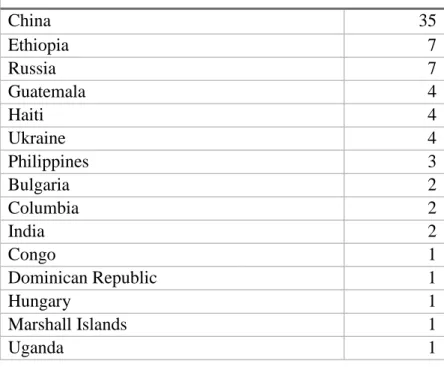
female and 43% were identified as male. Of the children and families I saw, children adopted from China were by far the largest number (n=35). The number of Ethiopian and Russian adoptees followed, with seven children from each of these countries (See table 1).10
Table 1. Birth countries represented in Clinic fieldwork
China 35
Ethiopia 7
Russia 7
Guatemala 4
Haiti 4
Ukraine 4
Philippines 3
Bulgaria 2
Columbia 2
India 2
Congo 1
Dominican Republic 1
Hungary 1
Marshall Islands 1
Uganda 1
I did not specifically ask adoptive parents about their own race or ethnicity. Based on my own perception, all were white, with the exception of two Asian parents (one Asian woman married to a white man and one Asian man married to a white woman).
Conferences
Conferences and meetings on adoption and adoption medicine are key sites of interaction among adoptive families, adoption doctors, and other adoption professionals. Schwartzman (1993) highlights the importance of participant-observation at meetings. The hierarchical structure of the organization and key values of the organization are on display.
adopted. The second family was a family of refugees, not international adoptees.
10 Chapter 4, “History and Practice of International Adoption Medicine,” includes additional details about The
36
Meetings say, this is who we are, this is what we think is important.
In the sections that follow, I describe two key conferences I attended multiples times: the national JCICS Symposium and the local Orphan Care Alliance. I also attended one conference hosted by a national adoption agency in Austin, Texas. Some of these
conferences are not directly related to child health or focused on adoption medicine, but are an indirect lens into IAM, as child health is a frequent topic. These conferences are also key sites for understanding the structure of adoptive family networks at the national and local levels.
The Symposium
Early in my research, I identified the Joint Council on International Children’s Services (JCICS) Annual Symposium on Child Welfare as a field site. The Joint Council is a non-profit trade and advocacy organization working with adoption service to support pro-adoption legislation, improve pro-adoption services, and advocate for orphans worldwide.11 For over three decades, the Joint Council has held an annual meeting (later called the
Symposium) that includes a full day of sessions focused on adoptee health, nutrition, and development. The Symposium is not necessarily the most important professional conference for IAM clinicians, but it is the conference at which IAM doctors communicate best practices of IAM to adoption professionals (social workers, adoption agency staff, and a handful of adoptive parents).12 I attended the 2012, 2013, and 2014 JCICS Symposiums. As such, it is a
11 JCICS is now closed; see chapter 3 for a brief discussion of the organization and its closure. An archived
copy of the JCICS website details the organization’s history (Joint Council on International Children’s Services 2013).
12 While adoption agencies were not the focus of my research, agency staff participation in conferences allowed
37
key location for participant-observation of IAM clinicians and adoption professionals. Attendance of and participation in the symposiums provided me a lens through which to see the translation of IAM to the adoption professionals; I saw how IAM knowledge was
38
Table 2: IAM-related presentations at JCICS Symposiums, 2012-2014 Year Title
2012
“Best Practices in Post-Adoption Nutrition”
“Helping Adoption Agencies Understand the Medical Conditions of the Special Needs Child”
“International Adoption Basics for Adoption Agencies: Useful Medical and Developmental Information through the First Year After Adoption” “Intervention for Children with Fetal Alcohol Spectrum Disorder: A Research AND Family Perspective”
“Is this ADHD? When and How to Access Early Intervention and Special Education Services”
“More Than Peas and Carrots: Nutrition’s Critical Role in Early Brain Development” (Keynote)
2013
“Adverse Outcomes in Children without Families: A ‘Perfect Storm’ of Malnutrition, Inflammation, and Social Isolation”
“HIV Adoption and a New Clinical Model”
“The Impact of Global Health Issues on Children and their Caregivers” “Nutrition and Feeding of Orphaned Children Living in Institutions: Recent Findings from Kazakhstan, Haiti, and India”
“Preventing Malnutrition in Orphanages: Where to Begin?”
“Understanding the Medical, Nutritional, and Feeding Needs of Children with Special Needs”
2014
“Cutting Edge Research: FAS, Foster Care, International Adoption Registry”
“International Adoption of the Older Child: Approaches to Challenging Medical, Developmental, and Behavioral Conditions During the First Year Home”
“The Pre-Adoption Proposal in International Adoption: An Intriguing and Complex Dialogue”
“Raising Children with Fetal Alcohol Spectrum Disorders”
“Strategies for Post-Adoptive Success: Parents Collaborating with Schools after Intercountry Adoption”
Source: JCICS Symposium programs, 2012-2014
39
of the individual children I was seeing, the doctor’s concerns, and treatment plan because I had a baseline knowledge of the diseases of IAM.
Orphan Care Alliance
When I began this project in 2010, I did not anticipate that religious or emerging Christian ministries would play a significant role. In my initial prospectus, I named “organized groups of adoptive families” such as Families with Children from China and Latin Family Connection as probable sites for participant observation among adoptive
families. Once I officially began my research, I found that these groups were largely inactive, or met annually for reunions; they did not meet regularly for family support and peer
interaction. I quickly learned that the local active groups for adoptive families were centered around a non-profit, Orphan Care Alliance (OCA) (Orphan Care Alliance, n.d., “About”), with roots in local evangelical churches (at least one is commonly described as a mega-church). OCA offered quarterly half-day “Seminars” on adoption, foster care, and “ministering to orphans,” and annual daylong local conferences or simulcasts of national conferences on parenting children who have experienced trauma. This local effort, along with similar ministries at evangelical churches throughout the U.S., is part of the orphan care ministry movement in which evangelical Christian churches devote time, money, and effort to ministering to abandoned children, usually through adoption (see Joyce 2013 on the national evangelical orphan ministry movement). I detail the orphan ministry movement in chapter 3, “Overview of International Adoption in the U.S.,” but will briefly discuss my interaction with the local movement here.