i
PREDICTING PHARMACOKINETIC BEHAVIOR AND DOSE OF SILDENAFIL AND
VORICONAZOLE IN NEONATAL AND PEDIATRIC POPULATIONS BY IN VITRO
METABOLISM AND PBPK MODELING
Nicole Rachele Zane
A dissertation submitted to the faculty of the University of North Carolina at Chapel Hill in partial fulfillment of the requirements for the degree of Doctor of Philosophy in the Eshelman
School of Pharmacy.
Chapel Hill 2015
iii ABSTRACT
Nicole Rachele Zane: Predicting Pharmacokinetic Behavior and Dose of Sildenafil and Voriconazole in Neonatal and Pediatric Populations by In Vitro Metabolism and PBPK
Modeling
(Under the direction of Dhiren R. Thakker)
Quantitative and qualitative differences in drug metabolizing enzymes (DMEs) from birth to adulthood affect drug clearance. Yet the effect of these differences on pediatric drug disposition is poorly understood. Moreover, drug disposition relies on both metabolic clearance and age-dependent differences in physiology.
The overall goal of this dissertation was to develop a bottom-up experimental and modeling approach to predict pharmacokinetics (PK) of drugs in pediatric populations. Voriconazole and sildenafil were selected because they are (i) cleared predominantly by oxidative metabolism and (ii) administered to children and premature neonates, respectively. Hepatic intrinsic clearance from adult and pediatric tissues was elucidated and then incorporated into a physiologically based pharmacokinetic (PBPK) model to predict PK for each drug.
The voriconazole model retrospectively validated this approach by comparing the model’s output against the abundant pediatric clinical data. It showed that the drug was cleared approximately 3-fold faster and bioavailability was nearly half in children ages 2-10 years compared to adults due to contribution differences in CYP2C19 and CYP3A4. Quantitative proteomic analysis of hepatic tissues revealed higher expression of CYP2C19 protein and higher catalytic efficiency in children compared to adults.
iv
CYP2C9. Furthermore, these studies revealed that CYP3A7 is a steroid-specific enzyme that generates a unique testosterone metabolite. The expression and functional activity of the three CYP3A isoforms in fetal, pediatric, and adult hepatic tissues was elucidated. This data along with hepatic in vitro sildenafil metabolism was incorporated into a prospective PBPK model for premature neonates. The model revealed how ontogeny affects sildenafil clearance in premature neonates. It also predicted the influence of physiological factors and the potential effect of drug-drug interactions (DDI) on sildenafil PK.
The key outcome was the development of a bottom-up PBPK model in pediatric populations by adapting a validated adult model, which was based on hepatic in vitro
v
vi
ACKNOWLEDGEMENTS
First and foremost, I would like to thank my advisor, Dr. Dhiren Thakker for all the scientific discussions and his patience while teaching me new techniques. His instruction and guidance have helped me to become the scientist I am today. On a personal level, Dhiren mentored me through one of the most challenging times of my life. Throughout this period, he was able to guide me through my dissertation project and help me find motivation when it seemed I could no longer find it myself. When most mentors would have accepted my resignation, Dhiren refused to allow me to give up on finishing my thesis and
encouraged me to continue, knowing that the worst was behind me. Dhiren saw my worth even when I couldn’t. I will be eternally grateful for his scientific and personal guidance.
I would also like to thank my entire dissertation committee. I was fortunate to meet Dr. Kim Brouwer while completing my PharmD. She convinced me to come to UNC and accepted the position as chair of my dissertation committee. Her suggestions always helped to push my science to a higher level. I would like to thank Dr. Rick Graham for always being available to discuss my project and professional development as well as providing me opportunities to learn more about modeling and simulation in addition to clinical
vii
I would be remiss if I did not thank every member of the Thakker laboratory including all current and past members. In particular, I would like to thank Dr. Ruth Everett. She has been an incredible inspiration and mentor. Her patience, and even sometimes her tough love, have helped me improve my writing by leaps and bounds in addition to helping me grow as a person. I would also like to thank Drs. Chester Costales, Kevin Han, and Ravindra Alluri for helping me develop my project. Finally, I would like to thank my current lab
members Hao Cai, Christine Lee, and Bryan Mackowiak for their scientific advice and friendship.
I would like to thank all my colleagues in the program who have always been incredibly helpful including Arlene Bridges, Kyunghee Yang, Stephanie Malone, Nicole White, Julie Dumond, Christina Won, Garrett Ainslie, and Craig Sykes.
viii
TABLE OF CONTENTS
LIST OF TABLES ix
LIST OF FIGURES x
LIST OF ABBREVIATIONS xiii
CHAPTER 1 Introduction to Developmental Pharmacology 1 CHAPTER 2 A Physiologically Based Pharmacokinetic Model for
Voriconazole Disposition Predicts Intestinal First-pass
Metabolism in Children 34
CHAPTER 3 Refining In Vitro Techniques to Predict Intestinal
First-pass Metabolism in Children 64
CHAPTER 4 Characterization of CYP and FMO Families Shows Age-dependent Differences in Expression and
Functional Activity 79
CHAPTER 5 Integrating In Vitro Sildenafil Metabolism into a
Physiologically Based Pharmacokinetic (PBPK) Model:
Validating a Bottom-up Modeling Approach 117
ix
LIST OF TABLES
Table 1. 1 Variations in Equations for Allometric Scaling 4 Table 2. 1 Summary of Voriconazole Intrinsic Pharmacokinetic
Parameters and Physiochemical Properties Used for
Model Development. 53
Table 2. 2 Summary of Voriconazole Pharmacokinetic Parameters
in the Pediatric and Adult Populations for Multiple Intravenous
Infusion Dosing Regimens. 54
Table 2. 3 Summary of Voriconazole Pharmacokinetic Parameters
in the Pediatric and Adult Populations for Multiple Oral Dosing
Regimens. 55
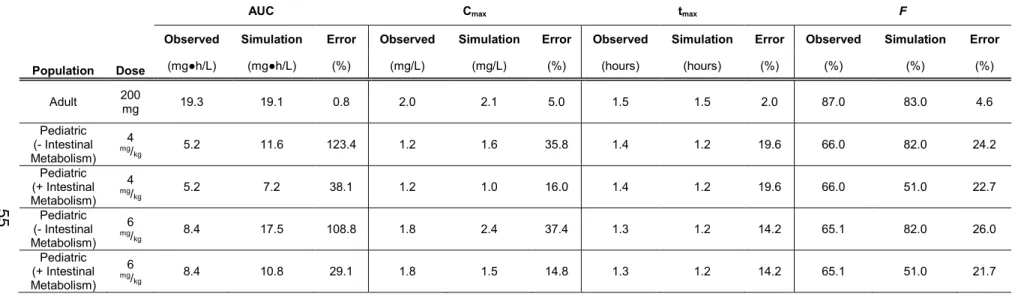
STable 2.1 Summary of Voriconazole PK Parameters in the Pediatric Populations for the Multiple Oral Dosing Regimens with Differing Intestinal Whole Organ Clearance Values Compared
Against the Observed Data 56
Table 4.1 Individual Human Liver Donors 103
Table 4. 2 Probe Substrates for Enzymatic Activity of Cytochrome
P450 and FMO Enzymes 104
Table 5. 1 Table Summary of Sildenafil Intrinsic PK Parameters and Physiochemical Properties Used for Model
x
LIST OF FIGURES
Figure 1. 1 Change in Liver Size as a Function of Age 7 Figure 1. 2 Developmental Changes in Renal Function 7
Figure 1. 3 Developmental Changes in Blood Flow 8
Figure 1. 4 Major Routes of Clearance 11
Figure 1. 5 Age-dependent CYP3A Expression 11
Figure 1. 6 Ontogeny of Human Hepatic FMO 15
Figure 1. 7 Number of Computational PK Modeling
Papers Published 19
Figure 1. 8 Diagram of Top-down versus Bottom-up Modeling
Approaches 19
Figure 1. 9 Proposed Pediatric Drug Development 22
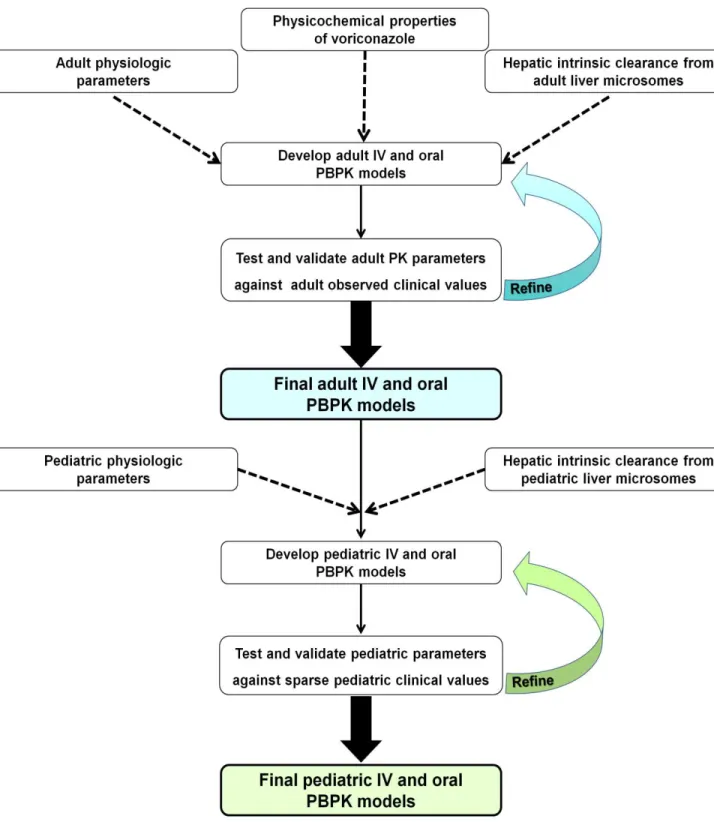
Figure 2. 1 Experimental Workflow for the Bottom-up Approach to
Scaling Voriconazole from Adults to the Pediatric Population. 57
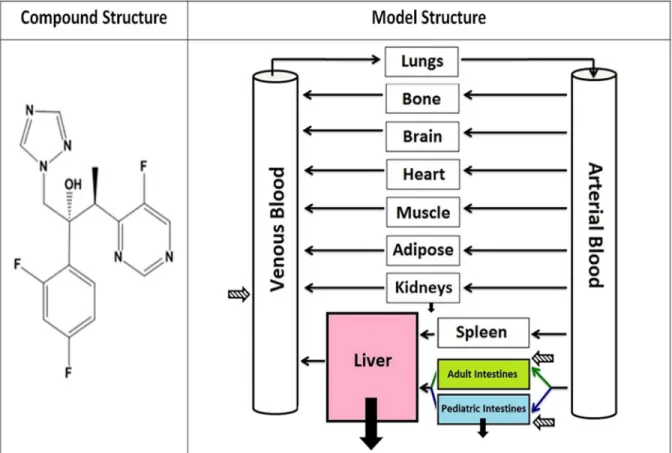
Figure 2. 2 Compound and PBPK Model Structure 58
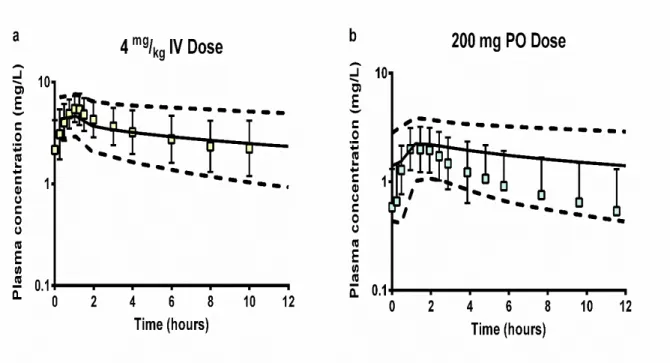
Figure 2. 3 Adult Intravenous and Oral Visual Predictive Checks 59 Figure 2. 4 Pediatric Intravenous and Oral Visual Predictive Checks. 60 Figure 2. 5 Adult and Pediatric Distributional Analysis of Hepatic and
Intestinal CYP3A4 and CYP2C19 Abundance 62
Figure 2. 6 Sensitivity Analyses for Small Intestinal Transit Time in
Adults and Children 63
Figure 3. 1 Formation of 1’-OH Midazolam by HIM that were Prepared Using Elution and Homogenization (Whole
Tissue or Intestinal Epithelium Only) 75
Figure 3. 2 Activity of Adult and Pediatric HIM Prepared by
Elution and Homogenization 76
Figure 3. 3 Intestinal CYP3A, CYP2C, and FMO Gene Expression 77 Figure 4. 1 Expression of CYP and FMO Genes in the Fetal, Pediatric,
and Adult Hepatic Tissues 105
Figure 4. 2 Expression of CYP3A, CYP2C, and FMO Proteins in Fetal, Pediatric, and Adult Hepatic Tissues Measured
xi
Figure 4. 3 Functional Activity of CYP3A Represented by the Formation of 6β-OH Testosterone in HLM and
Recombinant Enzymes 108
Figure 4. 4 Representative Chromatographs from the LC-MS/MS Analysis of Testosterone Metabolite(s) Formed by CYP3A
Enzymes 109
Figure 4. 5 Functional Activity of CYP3A Represented by the
Formation of 1’OH Midazolam 110
Figure 4. 6 Correlation Analysis of Enzyme Expression to Functional
Activity 111
Figure 4. 7 CYP2C9 Functional Activity as Shown by the Formation
of 4’OH Diclofenac 112
Figure 4. 8 CYP2C19 Functional Activity as Shown by the Formation
of 4’OH S-mephenytoin 113
Figure 4. 9 Correlation Analysis of CYP2C Enzyme Expression to
Functional Activity 114
Figure 4. 10 FMO Functional Activity as Shown by the Formation
of Cimetidine Sulfoxide 115
Figure 4. 11 Correlation Analysis of FMO Enzyme Expression to
Functional Activity 116
Figure 5. 1 Sildenafil Mechanism of Action 144
Figure 5. 2 Metabolism of Sildenafil by Drug Metabolizing Enzymes 145
Figure 5. 3 Sildenafil PBPK Model Workflow 146
Figure 5. 4 Sildenafil Minimal PBPK Model Utilized in Simcyp 148 Figure 5. 5 Sildenafil Metabolism as a Function of Microsomal
Protein Concentration by HLM from Adult, Infant,
and Fetal Tissues 148
Figure 5. 6 Concentration-dependent Formation of N-desmethyl
Sildenafil by HLM from Adult, Infant, and Fetal Tissues 149 Figure 5. 7 Contribution of CYP3A, CYP2C9, CYP2C19, CYP2D6,
and FMO1/3 to Sildenafil Metabolism by Human Liver
Microsomes 150
Figure 5. 8 Rates of Formation of N-desmethyl Sildenafil by
Recombinant CYP3A4, CYP3A5, and CYP3A7 151
xii
Figure 5. 10 Predictive Accuracy Plots for Clearance 153 Figure 5. 11 Visual Predictive Checks for Adult Intravenous
Infusions of Sildenafil 154
Figure 5. 12 Visual Predictive Checks for Adult Oral Sildenafil
Doses 155
Figure 5. 13 Visual Predictive Checks for an Intravenous
Infusion in Full Term Neonates 156
Figure 5. 14 Predicted Sildenafil Clearance from Birth until
Adulthood 157
Figure 5. 15 Ontogeny of the Fraction of Sildenafil Metabolized
by CYP3A Isoforms 158
Figure 5. 16 Visual Predictive Checks for Oral Doses to
Premature Newborns 159
Figure 5. 17 Sensitivity Analysis for Sildenafil Fraction Unbound 161 Figure 6. 1 Proposed Paradigm in Prediction of Pediatric Drug
xiii
LIST OF ABBREVIATIONS
AUC Area Under the Curve
BPCA Best Pharmaceuticals for Children Act
Cl Clearance
Clint Intrinsic Clearance
Cmax Peak Plasma Concentration
CV Coefficient of Variation
CYP Cytochrome P450
DDI Drug-Drug Interactions
DMEs Drug Metabolizing Enzymes
EMA European Medicines Agency
Fa Fraction Absorbed
FDA US Food and Drug Administration FMO Flavin-Containing Monooxygenasae
Fu Fraction Unbound in the Plasma
fu,mic Fraction of Unbound in Microsomal Incubation
HIM Human Intestinal Microsomes
HLM Human Liver Microsomes
HPLC High Performance Liquid Chromatography IRB Institutional Review Board
IV Intravenous
Km Concentration of Half-maximal Velocity (Michaelis-Menten Constant)
LC-MS/MS Tandem Liquid Chromatography Mass Spectrometry PAH Pulmonary Arterial Hypertension
PBPK Physiologically Based Pharmacokinetic
xiv
PDE-5 Phosphodiesterase 5
PK Pharmacokinetics
PO Oral
PREA Pediatric Research Equity Act
qRT-PCR Quantitative Real Time Polymerase Chain Reaction
Tmax Time to Reach Cmax
Vd Volume of Distribution
VPC Visual Predictive Check
1 CHAPTER 1
Introduction to Developmental Pharmacology
HISTORY OF PEDIATRIC DRUG DEVELOPMENT AND ETHICAL DILEMMAS Throughout the early 19th and 20th centuries, medicinal chemists and charlatans
peddled cures for a variety of ailments. Most of these medications lacked efficacy while others were blatantly toxic. Over the years, these toxicities spurred the United States
government to pass legislation to regulate the burgeoning pharmaceutical industry. Some of the more tragic events from unregulated medications involved the deaths of children. For instance, Mrs. Winslow’s soothing syrup was marketed as a medication to calm fussy children. However, it contained high levels of alcohol and morphine derivatives and,
2
However, the conceptualization of children as a special population began in the mid-19th century. Abraham Jacobi, famously known as the “father of American pediatrics”,
practiced medicine in New York City in the late 19th century. While the array of medical
specialties was not as extensive as it is today, Dr. Jacobi became the premier doctor who treated children. He was the first doctor to open a free pediatric clinic in America and raise awareness of pediatrics by teaching new doctors and becoming one of the first professors of pediatrics [2]. Contrary to the belief that children required smaller doses since they were just smaller people, his teachings stressed the importance of pediatrics as an independent population with different disease etiologies that required unique dosing [3].
Many reasons could be cited for the slow response to national tragedies and Dr. Jacobi’s teachings. One prominent case is the clinical trials conducted at Willowbrook State School in New York, which housed children with moderate to severe mental retardation. Over the span of approximately two decades, these children were enrolled in hepatitis A clinical trials in which some participants were injected with the active hepatitis A virus [4]. Along with other unethical trials such as the exploitation of poor African American men in Tuskegee experiments [5], the Willowbrook studies helped to develop the idea of informed consent and the core values of ethics. A more recent example of an ethically contentious study involved observing the effect of lead on children living in homes with lead paint in Baltimore. This study, conducted by the Kennedy Krieger institute, led to a lawsuit that resulted in an increase in protective measures in pediatric clinical trials in Maryland [6].
3
information in newborn and pediatric patients for drugs that have not been approved for this population. Furthermore, it has been observed in clinic that some drugs have higher dose requirements in children versus adults, which could make children vulnerable to under-dosing [7, 8]. As a result, scientific attitudes shifted the belief that not performing pediatric clinical trials is also unethical.
The first regulatory document, the Food and Drug Administration Modernization Act (FDAMA), that involves pediatric research, was passed in 1997. FDAMA encouraged pediatric clinical trials with an economic incentive of an extended 6-month exclusivity on brand name drugs. In 2002, the Best Pharmaceuticals for Children Act was enacted to allow the FDA to request pediatric clinical trials. In 2003, the Pediatric Research Equity Act
(PREA) was enacted which stated that pediatric clinical trials were mandated if children were likely to use the new drug [9]. As of November 2014, over 500 labeling changes have been made due to these key pieces of legislation in the United States [10]. Global regulatory bodies, such as the European Medicines Agency (EMA), have followed a similar path to protect children from the events described above [11].
Despite these successes, there are still significant obstacles to performing pediatric clinical trials. Besides ethical concerns, one major challenge is selecting the optimal dose. Many pediatric trials have failed due to narrow dose ranges selected, while successful trials tested a wide range of doses with no overlap in doses [12]. Wider dose ranges also require a larger sample size, which makes it challenging since a large number of pediatric subjects need to be recruited for such studies. To improve the clinical trial outcomes, novel
techniques are required for clinical trial design and dose range selection [8]. This
4
ALLOMETRIC SCALING TO PREDICT PEDIATRIC PHARMACOKINETICS
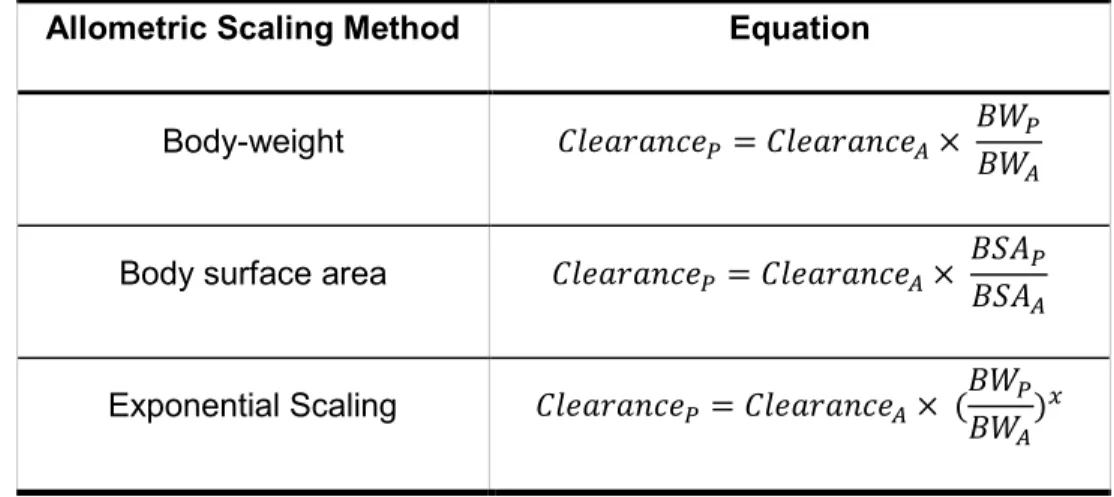
Conventional pediatric dose determinations used allometrically scaled adult doses to establish a pediatric dose. This method was adopted as drug development plans have consistently utilized this method to scale from non-clinical animal models to first-in-human doses. Even though significant differences are observed in the DNA sequence homology of drug metabolizing enzymes (DMEs) between these animal species and adult humans, allometric scaling provided a reasonable prediction [13]. Once the dose was established in human adults, allometry was then used to scale the clearance and dose to pediatrics. Three distinct methods were developed to scale the dose including scaling by body weight, body surface area, and body weight raised to a power function (Table 1. 1) [14]. The exponent generally used in the allometric scaling of metabolic rates for children is 0.75 [14].
Table 1. 1 Variations in Equations for Allometric Scaling.
Allometric Scaling Method Equation
Body-weight = ×
Body surface area = ×
Exponential Scaling = × ( )
5
It is not unusual for the predicted pediatric drug clearance from allometry to be substantially different than that observed in clinic. Allometric models can either under- or over-predict clearance for drugs depending on the class of the drug, its metabolic route, and the age of the patient. An inverse relationship is observed between the age and size of the child and prediction errors for dose and clearance. In other words, errors in clearance prediction increase as the gestational age or size of the children decreases [15].
In a review that examined the exponential scaling method, a span of values for the exponent applied (x) ranged from 0.75 to 1.0. This review by Mahmood et al. determined that none of these exponents worked well for every drug. Even for the same drug, none of the exponents worked well for all ages that were reviewed, with errors as high as 800% [16].
In a report by Edginton et al., the clearance of 39 drugs in children were predicted by body weight and body surface area scaling using two different types of simulations [17]. The first simulation used a mean adult clearance and the second simulation used a distribution of adult clearances for each drug. The authors concluded that allometric scaling predicted clearance well for children 6 years of age and older. Despite this conclusion, celecoxib, leflunomide, nelfinavir, pantoprazole, quietiapine, and other drugs metabolized by hepatic DMEs exhibited larger prediction errors between observed and predicted clearances.
In a follow-up review, Mahmood et al. investigated the previous method along with five additional methods [18]. Included in this analysis was a maturational model that accounted for maturation of clearance as a function of age. This model was described by the following equation:
= × (70 ) . × !
!+ ( %)!
Where Clstd is the average population clearance, PMA is post-menstrual age in
weeks, n is the hill coefficient, and Cl50% is the age that normalized clearance at 50% of the
6
0.75 had the highest prediction errors. In contrast, the maturational model had an average prediction error of approximately 35% with a range between 7 – 117%. This review clearly indicated that maturational changes need to be accounted for when predicting clearance and doses for pediatric patients. A limitation of this analysis was that only six drugs were considered. It is difficult to extrapolate this model to a wider array of drugs, since in the review by Edginton et al., larger predictive errors were seen with drugs that are metabolized by hepatic DMEs.
Overall, allometric scaling assumes that all organs and enzyme function increase proportionally with body size and, therefore, with age. Notably, all of these methods fail to include hepatic or intestinal enzyme ontogeny, polymorphisms and physiologic
developmental changes in renal function, gastrointestinal (GI) function, organ volumes, blood flows, and total body composition.
MATURATION OF PEDIATRIC PHYSIOLOGY
Developmental changes from the fetal period into adulthood include differences in the activity and abundance of DMEs and transporters, changes in GI function, adipose composition, water composition, organ sizes, and organ blood flows. All of these factors affect clearance and distribution of drugs within the body. This section will describe a few of the major age-dependent changes that affect drug PK and its variability. This section will introduce physiogical factors prioritized by the magnitude of their effect on pediatric PK. Clearance
Total body clearance is described by the following equation:
7 This equation establishes that the two main organs of clearance are the liver and the kidneys. Both systems undergo distinct
maturation from the fetal period into adulthood. Many traditional drug development processes that utilize standard in vitro and in vivo
screening methods and extrapolations do not take these developmental changes into account.
The liver is the main organ of clearance that is responsible for oxidative metabolism. It undergoes significant changes during childhood development. The biliary canals begin to form when the embryo is 18 days old and continue to mature throughout gestation. Bile ducts are not completely formed until four weeks after birth [19]. After birth, the size of the liver continues to grow with age. However, hepatic growth is not proportional to body size. Liver size, as a ratio of liver size to total body mass, reaches a maximum ratio between 1-4 years of age, which is then followed by a gradual decrease (Figure 1. 1) [20]. Hepatic DMEs undergo rapid changes from the fetal period into infancy, childhood, adolescence and finally adulthood. The total content of all cytochrome P450 (CYP) enzymes in fetal liver (30-60%
compared to adults) increases at birth and approaches adult levels by 10 years of age [21]. However, significant changes in CYP enzymes occur throughout this period.
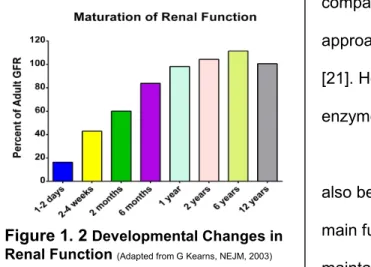
The development of the renal system also begins during gestation [22]. However, the main function of the kidneys at this stage is to maintain amniotic fluid levels [23]. Kidneys are not truly functional until the last trimester before birth. After birth, the kidneys continue to
Figure 1. 2 Developmental Changes in Renal Function(Adapted from G Kearns, NEJM, 2003)
Figure 1. 1 Changes in Liver Size as a Function of Age
8
develop until they reach mature filtration values by approximately 1-2 years of age (Figure 1. 2) [24]. This maturation function applies to only full term neonates. Glomerular filtration rates of premature neonates is approximately 30% compared to those of full term neonates at 2 weeks of life [25]. The renal function of premature neonates takes years to reach the same milestones as those observed in children born at full term.
Distribution
Physiological factors that affect drug distribution also change with age. Body
composition changes from the neonatal period into adulthood. Changes in body composition continue as adults enter the geriatric phase. Total blood volume and total fat content
increase with age, whereas the reverse is true for total body water [26]. For instance, the total body water (as a percentage of body weight) decreases from over 70% at birth to 50% in adults. The primary changes are in the ratio of extracellular to intracellular fluid
compartments. In neonates, body water is split evenly between these two compartments; whereas in adults, the water content is two-fold higher in the intracellular compartment compared to the extracellular compartment [27]. These differences affect the disposition and, ultimately, the clearance of drugs from the body.
Cardiac output increases with childhood growth and development (Figure 1. 3) [28]. Despite this proportional increase in cardiac output, the percentage of the cardiac output to individual organs changes with
age. Unique developmental patterns are seen with blood flow to each organ. For instance, blood flow to the brain is highest
between the ages of two and 10 years of age, and then decreases
until adulthood. Liver blood flow increases steadily with a small peak in the first in the first f Figure 1. 3 Developmental Changes in Blood Flow
9
few years of life. Differences in blood flows will affect how drugs distribute within the body after both oral and intravenous administration.
Protein binding is another major factor that influences the distribution of drugs. Both albumin and α1-acid glycoprotein are present at a lower levels in premature and full term neonates compared to adults [27]. Neonates and infants on average have 20% and 10% less albumin than adults, respectively [29]. One study, which examined the binding of diazepam in adults and neonates, showed that neonates had an unbound fraction 4-fold higher than adults indicating that the lower concentrations of albumin and plasma proteins significantly affect the binding of drugs in newborns [30]. Another study demonstrated that acetylsalicylic acid had lower binding in neonates compared to adults. Protein binding remained higher in adults even when adult plasma was diluted and bilirubin was added to bring the concentration to neonatal levels [31]. These results demonstrate that neonates have lower binding due to lower plasma protein expression, but also due to lower affinity of plasma proteins for drugs.
Absorption
Differences in the GI tract start to occur at the gastric level. In premature and full term neonates, the pH of the stomach is higher. Lower acidity in the stomach enhances the absorption of acid-labile drugs, such as penicillin [32]. Gastric emptying time also decreases with age. Preterm neonates had higher retention in the first few hours after birth compared to term neonates at the same post-natal age [33]. These data indicate that gestational age affects gastric emptying time which does not fully mature until approximately 6-8 months after birth [34].
10
slower rate of peristalsis could increase absorption, another study showed that absorption rates in neonates who were given the GI stimulant, metoclopramide, were slower compared to the absorption rates in infants [36]. While there is a dearth of information about the development of the intestine, it is presumed that the intestine is mature by approximately four months of age [24]. In addition, bile salt concentrations in the intestinal lumen are lower than in adults, which affect the solubility of many drugs [34]. Furthermore, the intestine is the first-line barrier for entry of exogenous compounds into systemic circulation. Little is known about the innate immunity of newborns throughout childhood, so the intestine is vital to protecting children [37].
Absorption and permeability issues are important factors in oral drug delivery to premature infants. Due to developmental delays, premature neonates can experience problems with suckling and feedings. In order to deliver sufficient nutrition to these children, parenteral nutrition or gastrostomy tubes are utilized [38, 37]. These types of feedings can increase the risk of necrotizing enterocolitis [37]. Furthermore, decreases in carrier-mediated absorption and increases in permeability affect the absorption of nutrients and compounds across the intestinal barrier [39]. Overall, the small intestine is underdeveloped in premature neonates, which can affect absorption of drugs differently depending on their
physicochemical properties.
It should be noted that there are also differences in skin thickness and body surface area which could affect topically administered medications [24]. However, for the purpose of this research project, oral and intravenous drug delivery were the main focus.
THE ONTOGENY OF DRUG METABOLIZING ENZYMES
11
cytochrome families includes 46% by CYP3A, 28% by CYP2C, 12% for CYP2D6, and 9% by CYP1A (Figure 1. 4) [40]. Families of enymes exhibit different maturational profiles [41, 24]. These differences in ontogeny can affect how drugs are metabolized in children, especially when two enzymes with different maturation profiles are involved. Preliminary studies utilized western-blot analysis and differential metabolism in an attempt to quantify the expression of these DMEs. While these methods are prone to generate confounding data due to antibody cross-reactivity and a lack of selectivity and specificity, they generated the first estimation of enzyme expression. CYP3A
The CYP3A family is the most abundant DME in the liver [42]. CYP3A4 mediates oxidative metabolism of many drugs on the market [43]. Despite the significant role it plays toward hepatic drug metabolism in adults, it is
virtually absent in fetal tissues where the dominant CYP3A isoform is CYP3A7. Gene expression of CYP3A7 is high throughout fetal gestation, is downregulated at birth, and by approximately 1 year of age, is virtually
undetectable. This downregulation of CYP3A7 expression corresponds to a switch from
CYP3A7 to the CYP3A4 isoform, which is upregulated over time until it reaches adult expression levels (Figure 1. 5) [44]. CYP3A5 is genetically polymorphic and African
Figure 1. 4 Major Routes of Clearance(Adapted from LC Wienkers, Nat Rev Dr, 2005)
Figure 1. 5Age-dependent CYP3A
12
Americans are found to express this enzyme at higher levels compared to other ethnicities [45, 41]. Due to the higher variability in CYP3A5 expression, a unique ontogeny profile of this enzyme has yet to be elucidated [46, 45].
Differences in the activities of these isoforms during development contribute to altered PK between adults and children. Midazolam and testosterone are two probes that are recommended for CYP3A activity. In vitro and in vivo studies have demonstrated a lower metabolic activity of CYP3A7 compared to CYP3A4 [47-49]. It has been reported that
metabolic activity of CYP3A7 is greater than 5-fold lower compared to that of CYP3A4 [50]. Furthermore, it is possible that these two isoforms of CYP3A display varying substrate affinities [49]. This difference in affinity and specificity was revealed during CYP3A7-mediated DHEA metabolism during which CYP3A7 converted DHEA to the 16α-OH
metabolite preferentially over the 7β-OH metabolite [44]. Overall, CYP3A7 displayed a lower metabolic activity compared to CYP3A5 and CYP3A4 [51].
CYP2C
CYP2C9 expression in the fetus is low during the first two trimesters of pregnancy. Expression levels begin to increase gradually during the third trimester, but reach adult levels within a week or two after birth [52]. CYP2C9 activity peaks within the first five months after birth and gradually declines to adult levels [52]. Dosing requirements for phenytoin is 14 mg/kg/day for infants (6 months to 3 years) and decreases to 8 mg/kg/day in children (4 years of age and older). This phenomenom was attributed to a higher Vmax [24, 53].
However, enzyme expression data do not explain this higher weight-based dosing requirement in infants compared to children and adults.
13
expression as high as adult levels in some neonates soon after birth. Polymorphisms in the CYP2C19 gene code for poor metabolizers (by CYP2C19*2 which is a nonfunctional allele of CYP2C19) and ultra-rapid metabolizers (by CYP2C19*17). Polymorphisms in the CYP2C19 pathway affect clearance of most proton pump inhibitors, clopidogrel,
voriconazole, and other drugs [54-56]. This hypervariability in CYP2C19 expression needs to be taken into consideration, in addition to its ontogeny, during pediatric drug development programs.
Despite the positive correlation between age and the expression of CYP2C19, clinical observations have described lower bioavailabilty of drugs in children (2-12 years of age) compared to adults. These differences in bioavailability have been observed for drugs such as proton pump inhibitors, nelfinavir, and voriconazole [7, 57-62]. In vitro experiments utilizing pediatric liver microsomes established that the contribution of CYP2C19 to
voriconazole metabolism was higher in children (2-10 years of age) compared to adults [63]. This discovery led to the hypothesis that higher hepatic clearance accounted for the lower bioavailability of voriconazole in children compared to adults. While this study also examined CYP2C19 protein expression, the variability in the western blots hindered a definitive
determination of higher protein expression of this enzyme in children. CYP2D6
The ontogeny of CYP2D6, that was determined by immunochemical inhibition of the enzyme, suggested that neonates had very low expression of CYP2D6 which steadily increased over the first few months of life [64]. Microsomal activity analyses showed that catalytic efficiency increased significantly from newborns into adulthood. These results were further substantiated in another in vitro experiment using the probe substrate
14
activity was observed with fetal HLM compared to adult HLM [65]. A full ontogeny profile of CYP2D6 was not determined until dextromethorphan was administered to infants during the first year of life. The ratio of parent-to-metabolite showed that metabolism of
dextromethorphan via CYP2D6 was similar from the first few weeks after birth to 12 years of age [66]. Further, these results showed that polymorphisms in CYP2D6 were consistent across these age groups indicating that CYP2D6 undergoes rapid maturation to adult levels within the first month after birth.
CYP1A2
CYP1A2 is an important hepatic enzyme in premature neonates since it is responsible for over 90% of caffeine metabolism, Caffeine is administered to premature neonates as a first-line therapy for apnea and bradycardia [41]. CYP1A2 expression is negligible in the fetal period and undergoes gradual increase. Development of CYP1A2 activity takes anywhere between 4-10 months after birth [41, 67, 24]. Litmited data are available on quantitative gene or protein expression of CYP1A2.
Flavin-containing Monooxygenases
15
Protein expression of hepatic FMO1 and FMO3 was examined in another report (Figure 1. 6) [69]. Results from this study corrorborated gene expression data that FMO1 is the predominant fetal isoform that is expressed at highest levels during weeks 8-15 of gestation. These levels of enzyme expression decline during fetal development until they are undectable by the first week after birth. FMO3, the adult hepatic isoform, then replaces FMO1 as the predominant isoform by approximately 1-2 years of age. However, there was only a 3-fold difference between hepatic FMO1 to FMO3 in contrast to the previous report. This dichotomy led to questions about whether the fold-differences between gene and protein expression were due to assay conditions or post-translational modifications. It also raised questions about which assay and report was a better estimate of actual expression.
FMO isoforms exhibit distinct
substrate specificity [70]. FMO3 metabolizes trimethylamine at a rate 100-fold greater than FMO1. Similarly, FMO3 also metabolizes benzydamine, another probe of FMO, at a rate 6-fold greater than FMO1 [71]. For most drugs, such as nicotine and cimetidine, FMO3 is thought to be the predominant enzyme due to its higher expression and greater metabolic efficiency for these substrates [72].
Intestinal Oxidative Metabolism
The intestine is the first barrier to admission into the systemic circulation that
exogenous compounds encounter after oral administration. The small intestine is the site of highest absorption and contains a variety of protective mechanisms. For instance, the intestine has a high level of transporters, both efflux and uptake, to help regulate the passage of compounds [73]. The intestine also has DMEs that regulate the absorption of
16
medications. CYP3A4 is the most highly expressed oxidative enzyme located within the small intestine followed by CYP2C9 and CYP2C19 [43, 74-78]. In adults, the regulation of intestinal CYP2C enzyme expression was not correlated to hepatic CYP2C regulation [79], which limits the extrapolation of regulation by hepatic DMEs to intestinal DME expression and functional activity in adults.
The ontogeny of DMEs in the small intestine is an area that is in need of significant research. Since the intestine constitutes only one component of first-pass metabolism, it is difficult to assess the ontogeny of all intestinal DMEs using in vivo studies as the data could be confounded by hepatic metabolism and overlapping metabolic routes. However, one small clinical study utilized oral midazolam, a prototypical intestinal CYP3A probe, to study first-pass metabolism and clearance in preterm neonates [47]. The 15 preterm neonates included in the study showed a lower midazolam clearance that was hypothesized to be due to lower CYP3A intestinal activity. The challenges associated with in vitro studies include the collection of healthy intestinal tissue from neonates to children (2-12 years of age). These procurement difficulties present an obstacle to determining the ontogeny of protein
17
The Ontogeny of Drug Transporters in Pediatric PK
While the major focus of this dissertation was on drugs that are completely cleared by oxidative metabolism, it should be noted that transporters play an equally important role in drug clearance. Additionally, the ontogeny of these drug transporters could be particularly important for drug-drug interactions (DDI) and drug-induced liver injury in neonates and children. Transporter-related changes with maturation have only begun to be studied [81]. A level of complexity associated with the study of the ontogeny, regulation, and function of transporters is their co-expression and overlapping substrate specificity [82, 83]. This
overlap leads to redundancy in function. Furthermore, unlike the expression of DMEs, which are mainly confined to the liver and intestine, transporters can be found throughout all organs in the body [73]. This wide spread expression of transporters adds another level of intricacy to correlating ontogeny and whole-body PK. Finally, unlike the DMEs, only the transporter proteins that are on cell membrane can modulate the movement of drug molecules in and out of the cell. Hence, quantitation of total transporter protein does not reflect its functional activity. It is expected that the ontogeny of transporters will play as much or greater role in defining drug PK and therapeutic outcomes as DMEs. Therefore, the ontogeny of transporters has not been covered in this section.
CLINICAL TRIAL LIMITATIONS
Despite all the challenges associated with pediatric clinical trials, they are
nonetheless being conducted. Many of these trials are conducted without accounting for the ontogeny of the metabolic routes. One prominent example of this was the pediatric clinical trials for voriconazole, which is a known CYP3A4 and CYP2C19 substrate. Over the span of 10 years, four different clinical trials for voriconazole in pediatric patients were conducted. Each trial attempted to explain the hypervariable PK, higher clearance, and lower
18
linear voriconazole PK over a larger dose range whereas adults showed non-linear PK when the drug was administered over a very narrow dose range, even when the doses were normalized to weight.
Pediatric clinical trials have been conducted in an attempt to explain PK variability due to genetic polymorphisms. Clinical trials that investigate a specific genetic polymorphism require a large cohort to prove an effect. To gain approval, pediatric clinical trials need to demonstrate benefit to the child. Therefore, assessing the effect of genetic polymorphisms on drug PK is challenging due to the impracticality of recruiting pediatric patients to
investigate the effect of a specific allele-carrier on the PK of drugs. It was also challenging for pediatric clinical trials that attempted to assess genetic polymorphisms to prove the effect of the polymorphism on PK. One specific example is a pediatric study that included
CYP2C19*2 poor metabolizers of pantoprazole, a proton-pump inhibitor. This study was able to recruit only two patients with the allele of interest, and therefore, could make no conclusions about the effect of the polymorphism on pediatric PK of pantoprazole [84]. Age and ontogeny can mask the effects of genetic polymorphisms on drug PK, thus adding another layer of complexity to pediatric clinical studies [85]. Therefore, a new method is required where a large number of patients are included in the study to increase the power to assess the effect of genetic polymorphisms on pediatric PK.
TOP-DOWN OR BOTTOM-UP MODELING
19
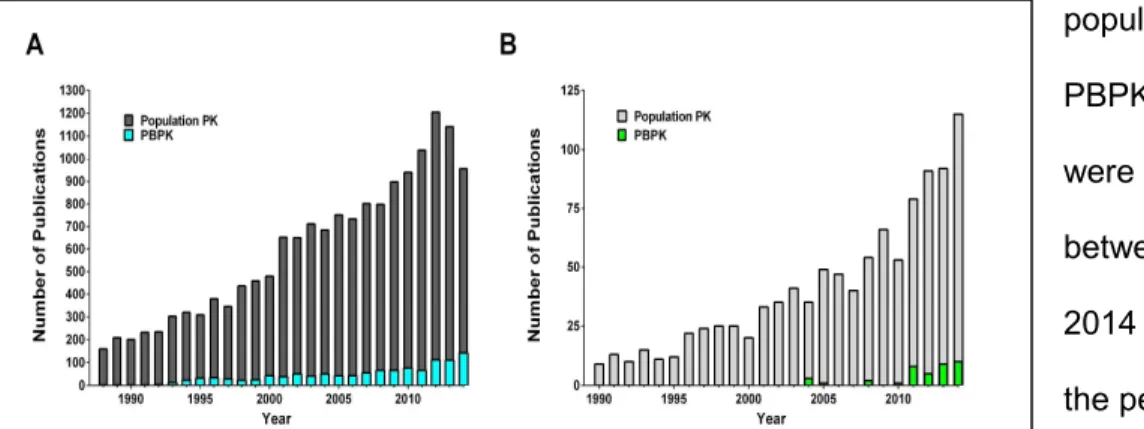
population PK and PBPK models that were published between 1988-2014 [A] and all of the pediatric population PK and PBPK models that were published between 1990-2014 [B].
Two types of whole-body modeling exist: top-down and bottom-up (Figure 1. 8). Top-down models analyze clinical PK profiles to understand variability within the population. Of the top-down modeling techniques used, population PK analysis is the more established technique. Population PK analyses derive inter- and intra-patient variability from plasma concentration-time profiles generated for each individual within a clinical trial [86]. The advantage of population PK studies is the ability of the model to utilize sparse samples to generate population estimates of PK parameters. This method succeeds pediatric clinical trials since blood draws are limited due
to small blood volumes in children, and therefore only a few plasma samples are usually collected [87]. Unlike allometric scaling, population PK evaluates pediatric plasma-concentration profiles for more than one covariate. These models enable detection of multiple
covariates, such as gestational age, weight, or gender, to better understand the causes of PK variability. Population PK analyses are useful to identify covariates and determine effective doses for a variety of medications [88, 89]. Although one notable pediatric
Figure 1. 7 Number of Computational PK Modeling Papers Published
Figure 1. 8 Diagram of Top-down Versus
20
population PK study predicted a dose range for voriconazole in children (2-12 years of age), a follow-up clinical trial assessing these predictions revealed that even higher voriconazole doses were needed as the doses determined by the population PK analysis were found to be inadequate [58, 90].
There are a few significant limitations with population PK studies. First, the size of the sample population used in the analysis can affect predictions. If a sample cohort is analyzed, then any random chances in PK variability have a greater effect on the output of the analysis. This limitation is amplified if the pediatric samples cover a large age range. As previously mentioned, many maturational changes occur during childhood requiring that children be binned into a specific age group [91]. Secondly, the PK predictions generated by the model do not always extrapolate to other age groups [92, 93]. Thus, if the population PK study only analyzes children within a narrow age range, then the results cannot always be applied to younger or older patients that are at a different stage of maturation. Finally, population PK studies cannot determine the cellular mechanisms for differences in PK.
PBPK models are the other PK modeling technique that can be used to generate population predictions. PBPK models can be split into top-down and bottom-up approaches. Both PBPK model types require the integration of clearance mechanisms and
physiochemical properties of the drug into the model. These models offer the advantage of allowing users to test how different input parameters could affect the predicted PK in simulated patients. This feature provides the ability to understand cellular and drug characteristics that most affect the model.
The first type of PBPK model is the top-down approach. Similar to population PK analyses, top-down PBPK models use clinical clearance values to simulate individuals. For this reason, this type of PBPK model has the same limitations as population PK models. These models integrate clearance as a whole-organ clearance or a back-extrapolation from
21
not necessarily represent younger or older individuals [94]. This limits the ability of the model to extrapolate predicted PK to other pediatric populations. Moreover, top-down PBPK models must also rely on external validation sets. Without these external validation sets, the model predictions are validated based on the same data set that was used to develop the model. An example of the challenge in modeling with in vivo clearance is shown by Yang et al. In their PBPK model, two pediatric data sets were discarded due to failure to correctly model methylphenidate in adolescents [95].
The bottom-up method is the second approach that can be used for PBPK modeling. Bottom-up PBPK models rely on in vitro data to calculate clearance within the model. This method generates clearance by scaling the in vitro data with cellular enzyme expression and ontogeny. These input parameters are incorporated into a model that also includes age-dependent physiological data. Since this type of model utilizes intrinsic clearance by a specific enzyme, changes can be simulated across a wide range of ages. In addition, it can also predict DDI and the fraction of drug metabolized by a specific isoform [96]. This method relies heavily on enzyme expression and the ontogeny of individual enzymes and
transporters since in vitro data are utilized for generating predicted clearance. Without accurate experimentally derived abundance and ontogeny data, the model will not be able to predict PK parameters. To date, bottom-up pediatric PBPK models have exclusively
22
CURRENT DIRECTIONS AND DISSERTATION PROJECT
In March 2012, the FDA Clinical Advisory Committee concluded that PBPK modeling should be incorporated into pediatric drug development programs [98]. PBPK models are a useful tool to evaluate drug disposition and clearance in adults. Since its acceptance by the FDA, the use of PBPK modeling in pediatric drug development is rising, with specific
emphasis on understanding the role of DMEs and transporters in defining the PK of drugs [99-104]. This modeling approach aids in optimizing trial design and dose selection, and permits drawing fewer samples from children, whose smaller blood volumes limit the use of comprehensive serial sampling. It also requires fewer subjects, thereby reducing the cost, and more importantly exposure of this vulnerable population to experimental drugs.
Bottom-up PBPK modeling is the most promising approach to determine pediatric PK without conducting extensive clinical studies involving children. However, previous research suggests that significant refinement is necessary. The overarching strategy developed for this dissertation research has certain unique aspects that have been applied to the bottom-up PBPK modeling for the first time (Figure 1. 9). Since these are the first set of studies being pursued to test the novel approach, the scope of the research was limited to drugs,
voriconazole and silidenafil, that are
predominantly cleared by oxidative metabolism. The strategy involves characterizing metabolic clearance in an in vitro system from adult tissues. Then a bottom-up PBPK model is constructed and refined using an iterative process until the predictions of the model converge with the observed clinical PK values in the adult population. Once validated, this process is adpated for children using in vitro data generated from pediatric tissues and then a preliminary validation of the pediatric model is made with available pediatric clinical data.
23 PROJECT RATIONALE AND SPECIFIC AIMS
The objective of this research was to develop a translational technique to evaluate how age-dependent differences in DMEs affect the PK of drugs. The approach involved studying differences in metabolism between adults and specific pediatric populations using hepatic and intestinal tissue, and correlating these in vitro data to in vivo clearance and bioavailability by developing a PBPK model so as to predict PK in target pediatric populations from PK in the adult population.
In order to validate this novel approach, two drugs, voriconazole and sildenafil, were chosen based on their exclusive clearance through oxidative enzymes. First, a retrospective bottom-up PBPK model was created for voriconazole, and the model was validated against clinically observed data on voriconazole from pediatric trials in children 2-12 years of age. After validating this strategy in children, this method was applied prospectively to premature neonates receiving sildenafil to not only determine how the ontogeny of DMEs affects sildenafil PK, but to extend this technique to the neonatal population.
The central hypothesis of the proposed research is that (i) age-dependent changes in the pattern and extent of expression in CYP and FMO enzymes play a pivotal role in determining the clearance and exposure of sildenafil and voriconazole in the neonatal and pediatric populations, respectively; (ii) clearance and bioavailability of drugs cleared predominantly by oxidative metabolism can be predicted in neonates and children using a PBPK model based on relevant in vitro metabolism data.
AIM 1. Characterize the oxidative metabolism of sildenafil by hepatic microsomes from the neonatal population, and determine the expression of relevant oxidative enzymes (e.g.
CYP3A, CYP2C, and FMO) in these tissues.
1.1 Determine the rate of sildenafil metabolism by CYP3A, CYP2C, and FMO (intrinsic clearance Vmax/Km) by hepatic microsomes in neonatal subjects.
24
1.3 Establish CYP3A, 2C, and FMO gene and protein expression in neonatal hepatic samples by qRT-PCR and quantitative mass spectrometric analyses, respectively. AIM 2. Determine the gene and protein expression of CYP3A, CYP2C9, CYP2C19, and FMO enzymes in intestinal tissue, as was done with hepatic tissue in children (2-10 years), and optimize an in vitro method to study intestinal intrinsic metabolic clearance of voriconazole.
2.1 Determine CYP3A4, CYP2C, and FMO gene expression in hepatic and intestinal samples by qRT-PCR.
2.2 Quantify protein expression of the aforementioned enzymes in hepatic tissue by quantitative mass spectrometric analyses.
2.3 Optimize an in vitro method to measure the rate of voriconazole metabolism utilizing a small sample of pediatric intestinal tissue.
AIM 3. Develop PBPK models using in vitro data from Aims 1 and 2 to describe the PK behavior of sildenafil and voriconazole in neonates and children ages 2-10, respectively.
3.1 Develop a PBPK model to determine the clearance of sildenafil in neonates based on available clinical data, known and experimentally derived ontogeny of organs and enzymes, as well as in vitro metabolism data generated in Aim 1
3.2 Develop a PBPK model to determine the oral bioavailability of voriconazole in adults and children based on available clinical data and in vitro metabolism data generated in Aim 2
25 REFERENCES
1. FDA. Significant Dates in U.S. Food and Drug Law History. US Food and Drug Administration. 2014.
2. Ligon-Borden BL. Abraham Jacobi, MD: father of American pediatrics and advocate for children's health. Seminars in pediatric infectious diseases. 2003;14(3):245-9.
3. Hinze C, Brunner HI. Pediatric rheumatology--its own specialty. Nature clinical practice Rheumatology. 2008;4(6):279. doi:10.1038/ncprheum0828.
4. Krugman S. The Willowbrook hepatitis studies revisited: ethical aspects. Reviews of infectious diseases. 1986;8(1):157-62.
5. Levine RS, Williams JC, Kilbourne BA, Juarez PD. Tuskegee redux: evolution of legal mandates for human experimentation. Journal of health care for the poor and underserved. 2012;23(4 Suppl):104-25. doi:10.1353/hpu.2012.0174.
6. Williams T. Racial Bias Seen in Study of Lead Dust and Children. The New York Times. 2011.
7. Ginsberg G, Hattis D, Sonawane B, Russ A, Banati P, Kozlak M et al. Evaluation of child/adult pharmacokinetic differences from a database derived from the therapeutic drug literature. Toxicological sciences : an official journal of the Society of Toxicology. 2002;66(2):185-200.
8. Laughon MM, Benjamin DK, Jr., Capparelli EV, Kearns GL, Berezny K, Paul IM et al. Innovative clinical trial design for pediatric therapeutics. Expert review of clinical pharmacology. 2011;4(5):643-52. doi:10.1586/ecp.11.43.
9. Wiles JR, Vinks AA, Akinbi H. Federal legislation and the advancement of neonatal drug studies. The Journal of pediatrics. 2013;162(1):12-5. doi:10.1016/j.jpeds.2012.08.034. 10. FDA. New Pediatric Labeling Information Database. 2014.
11. Gonzalez D, Paul IM, Benjamin DK, Jr., Cohen-Wolkowiez M. Advances in pediatric pharmacology, therapeutics, and toxicology. Advances in pediatrics. 2014;61(1):7-31. doi:10.1016/j.yapd.2014.03.005.
12. Benjamin DK, Jr., Smith PB, Jadhav P, Gobburu JV, Murphy MD, Hasselblad V et al. Pediatric antihypertensive trial failures: analysis of end points and dose range. Hypertension. 2008;51(4):834-40. doi:10.1161/HYPERTENSIONAHA.107.108886.
13. Mahmood I, Balian JD. Interspecies scaling: predicting clearance of drugs in humans. Three different approaches. Xenobiotica; the fate of foreign compounds in biological systems. 1996;26(9):887-95. doi:10.3109/00498259609052491.
26
15. Anderson BJ, Allegaert K, Holford NH. Population clinical pharmacology of children: modelling covariate effects. European journal of pediatrics. 2006;165(12):819-29. doi:10.1007/s00431-006-0189-x.
16. Mahmood I. Prediction of drug clearance in children from adults: a comparison of several allometric methods. British journal of clinical pharmacology. 2006;61(5):545-57. doi:10.1111/j.1365-2125.2006.02622.x.
17. Edginton AN, Shah B, Sevestre M, Momper JD. The integration of allometry and virtual populations to predict clearance and clearance variability in pediatric populations over the age of 6 years. Clinical pharmacokinetics. 2013;52(8):693-703. doi:10.1007/s40262-013-0065-6. 18. Mahmood I, Staschen CM, Goteti K. Prediction of drug clearance in children: an evaluation of the predictive performance of several models. The AAPS journal. 2014;16(6):1334-43. doi:10.1208/s12248-014-9667-7.
19. Crawford JM. Development of the intrahepatic biliary tree. Seminars in liver disease. 2002;22(3):213-26. doi:10.1055/s-2002-34508.
20. Goldman J, Becker ML, Jones B, Clements M, Leeder JS. Development of biomarkers to optimize pediatric patient management: what makes children different? Biomarkers in medicine. 2011;5(6):781-94. doi:10.2217/bmm.11.96.
21. Shimada T, Yamazaki H, Mimura M, Wakamiya N, Ueng YF, Guengerich FP et al. Characterization of microsomal cytochrome P450 enzymes involved in the oxidation of xenobiotic chemicals in human fetal liver and adult lungs. Drug Metab Dispos. 1996;24(5):515-22.
22. Sulemanji M, Vakili K. Neonatal renal physiology. Seminars in pediatric surgery. 2013;22(4):195-8. doi:10.1053/j.sempedsurg.2013.10.008.
23. Jose PA, Fildes RD, Gomez RA, Chevalier RL, Robillard JE. Neonatal renal function and physiology. Current opinion in pediatrics. 1994;6(2):172-7.
24. Kearns GL, Abdel-Rahman SM, Alander SW, Blowey DL, Leeder JS, Kauffman RE. Developmental pharmacology--drug disposition, action, and therapy in infants and children. The New England journal of medicine. 2003;349(12):1157-67. doi:10.1056/NEJMra035092. 25. Vanpee M, Blennow M, Linne T, Herin P, Aperia A. Renal function in very low birth weight infants: normal maturity reached during early childhood. The Journal of pediatrics. 1992;121(5 Pt 1):784-8.
26. Edginton AN, Schmitt W, Willmann S. Development and evaluation of a generic physiologically based pharmacokinetic model for children. Clinical pharmacokinetics. 2006;45(10):1013-34.
27
28. Krishnan K, Johanson G. Physiologically-based pharmacokinetic and toxicokinetic models in cancer risk assessment. Journal of environmental science and health Part C, Environmental carcinogenesis & ecotoxicology reviews. 2005;23(1):31-53. doi:10.1081/GNC-200051856. 29. Holt DW, Hayler AM, Healey GF. Effect of age and plasma concentrations of albumin and alpha 1-acid glycoprotein on protein binding of disopyramide. British journal of clinical pharmacology. 1983;16(3):344-5.
30. Nau H, Luck W, Kuhnz W. Decreased serum protein binding of diazepam and its major metabolite in the neonate during the first postnatal week relate to increased free fatty acid levels. British journal of clinical pharmacology. 1984;17(1):92-8.
31. Windorfer A, Kuenzer W, Urbanek R. The influence of age on the activity of acetylsalicylic acid-esterase and protein-salicylate binding. European journal of clinical pharmacology. 1974;7(3):227-31.
32. Huang NN, High RH. Comparison of serum levels following the administration of oral and parenteral preparations of penicillin to infants and children of various age groups. The Journal of pediatrics. 1953;42(6):657-8.
33. Gupta M, Brans YW. Gastric retention in neonates. Pediatrics. 1978;62(1):26-9.
34. Funk RS, Brown JT, Abdel-Rahman SM. Pediatric pharmacokinetics: human development and drug disposition. Pediatric clinics of North America. 2012;59(5):1001-16. doi:10.1016/j.pcl.2012.07.003.
35. Drozdowski LA, Clandinin T, Thomson AB. Ontogeny, growth and development of the small intestine: Understanding pediatric gastroenterology. World journal of gastroenterology : WJG. 2010;16(7):787-99.
36. Heimann G. Enteral absorption and bioavailability in children in relation to age. European journal of clinical pharmacology. 1980;18(1):43-50.
37. Neu J. Gastrointestinal development and meeting the nutritional needs of premature infants. The American journal of clinical nutrition. 2007;85(2):629S-34S.
38. Cohn R, Sunshine P. Gastrostomy in the premature and newborn infant. Arch Surg. 1968;96(6):933-5.
39. Rouwet EV, Heineman E, Buurman WA, ter Riet G, Ramsay G, Blanco CE. Intestinal permeability and carrier-mediated monosaccharide absorption in preterm neonates during the early postnatal period. Pediatric research. 2002;51(1):64-70. doi:10.1203/00006450-200201000-00012.
40. Wienkers LC, Heath TG. Predicting in vivo drug interactions from in vitro drug discovery data. Nature reviews Drug discovery. 2005;4(10):825-33. doi:10.1038/nrd1851.
28
42. Shimada T, Yamazaki H, Mimura M, Inui Y, Guengerich FP. Interindividual variations in human liver cytochrome P-450 enzymes involved in the oxidation of drugs, carcinogens and toxic chemicals: studies with liver microsomes of 30 Japanese and 30 Caucasians. The Journal of pharmacology and experimental therapeutics. 1994;270(1):414-23.
43. Paine MF, Hart HL, Ludington SS, Haining RL, Rettie AE, Zeldin DC. The human intestinal cytochrome P450 "pie". Drug metabolism and disposition: the biological fate of chemicals. 2006;34(5):880-6. doi:10.1124/dmd.105.008672.
44. Stevens JC, Hines RN, Gu C, Koukouritaki SB, Manro JR, Tandler PJ et al. Developmental expression of the major human hepatic CYP3A enzymes. The Journal of pharmacology and experimental therapeutics. 2003;307(2):573-82. doi:10.1124/jpet.103.054841.
45. Ince I, Knibbe CA, Danhof M, de Wildt SN. Developmental changes in the expression and function of cytochrome P450 3A isoforms: evidence from in vitro and in vivo investigations. Clinical pharmacokinetics. 2013;52(5):333-45. doi:10.1007/s40262-013-0041-1.
46. de Wildt SN, Kearns GL, Leeder JS, van den Anker JN. Cytochrome P450 3A: ontogeny and drug disposition. Clinical pharmacokinetics. 1999;37(6):485-505. doi:10.2165/00003088-199937060-00004.
47. de Wildt SN, Kearns GL, Hop WC, Murry DJ, Abdel-Rahman SM, van den Anker JN. Pharmacokinetics and metabolism of oral midazolam in preterm infants. British journal of clinical pharmacology. 2002;53(4):390-2.
48. Ince I, de Wildt SN, Wang C, Peeters MY, Burggraaf J, Jacqz-Aigrain E et al. A novel maturation function for clearance of the cytochrome P450 3A substrate midazolam from preterm neonates to adults. Clinical pharmacokinetics. 2013;52(7):555-65. doi:10.1007/s40262-013-0050-0.
49. Williams JA, Ring BJ, Cantrell VE, Jones DR, Eckstein J, Ruterbories K et al. Comparative metabolic capabilities of CYP3A4, CYP3A5, and CYP3A7. Drug metabolism and disposition: the biological fate of chemicals. 2002;30(8):883-91.
50. Maezawa K, Matsunaga T, Takezawa T, Kanai M, Ohira S, Ohmori S. Cytochrome P450 3As gene expression and testosterone 6 beta-hydroxylase activity in human fetal membranes and placenta at full term. Biological & pharmaceutical bulletin. 2010;33(2):249-54.
51. Ohmori S, Nakasa H, Asanome K, Kurose Y, Ishii I, Hosokawa M et al. Differential catalytic properties in metabolism of endogenous and exogenous substrates among CYP3A enzymes expressed in COS-7 cells. Biochimica et biophysica acta. 1998;1380(3):297-304.
52. Koukouritaki SB, Manro JR, Marsh SA, Stevens JC, Rettie AE, McCarver DG et al. Developmental expression of human hepatic CYP2C9 and CYP2C19. The Journal of pharmacology and experimental therapeutics. 2004;308(3):965-74. doi:10.1124/jpet.103.060137.
29
54. Lee S, Kim BH, Nam WS, Yoon SH, Cho JY, Shin SG et al. Effect of CYP2C19 polymorphism on the pharmacokinetics of voriconazole after single and multiple doses in healthy volunteers. Journal of clinical pharmacology. 2012;52(2):195-203. doi:10.1177/0091270010395510.
55. Tsantes AE, Ikonomidis I, Papadakis I, Bonovas S, Gialeraki A, Kottaridi C et al. Impact of the proton pump inhibitors and CYP2C19*2 polymorphism on platelet response to clopidogrel as assessed by four platelet function assays. Thrombosis research. 2013;132(2):e105-11. doi:10.1016/j.thromres.2013.06.015.
56. Weiss J, Ten Hoevel MM, Burhenne J, Walter-Sack I, Hoffmann MM, Rengelshausen J et al. CYP2C19 genotype is a major factor contributing to the highly variable pharmacokinetics of voriconazole. Journal of clinical pharmacology. 2009;49(2):196-204. doi:10.1177/0091270008327537.
57. Driscoll TA, Frangoul H, Nemecek ER, Murphey DK, Yu LC, Blumer J et al. Comparison of pharmacokinetics and safety of voriconazole intravenous-to-oral switch in immunocompromised adolescents and healthy adults. Antimicrobial agents and chemotherapy. 2011;55(12):5780-9. doi:10.1128/AAC.05010-11.
58. Driscoll TA, Yu LC, Frangoul H, Krance RA, Nemecek E, Blumer J et al. Comparison of pharmacokinetics and safety of voriconazole intravenous-to-oral switch in immunocompromised children and healthy adults. Antimicrobial agents and chemotherapy. 2011;55(12):5770-9. doi:10.1128/AAC.00531-11.
59. Leveque D, Nivoix Y, Jehl F, Herbrecht R. Clinical pharmacokinetics of voriconazole. International journal of antimicrobial agents. 2006;27(4):274-84. doi:10.1016/j.ijantimicag.2006.01.003.
60. Walsh TJ, Driscoll T, Milligan PA, Wood ND, Schlamm H, Groll AH et al. Pharmacokinetics, safety, and tolerability of voriconazole in immunocompromised children. Antimicrobial agents and chemotherapy. 2010;54(10):4116-23. doi:10.1128/AAC.00896-10. 61. Walsh TJ, Karlsson MO, Driscoll T, Arguedas AG, Adamson P, Saez-Llorens X et al. Pharmacokinetics and safety of intravenous voriconazole in children after single- or multiple-dose administration. Antimicrobial agents and chemotherapy. 2004;48(6):2166-72. doi:10.1128/AAC.48.6.2166-2172.2004.
62. Litalien C, Faye A, Compagnucci A, Giaquinto C, Harper L, Gibb DM et al. Pharmacokinetics of nelfinavir and its active metabolite, hydroxy-tert-butylamide, in infants perinatally infected with human immunodeficiency virus type 1. The Pediatric infectious disease journal. 2003;22(1):48-55. doi:10.1097/01.inf.0000042920.83593.7e.
63. Yanni SB, Annaert PP, Augustijns P, Ibrahim JG, Benjamin DK, Jr., Thakker DR. In vitro hepatic metabolism explains higher clearance of voriconazole in children versus adults: role of CYP2C19 and flavin-containing monooxygenase 3. Drug metabolism and disposition: the biological fate of chemicals. 2010;38(1):25-31. doi:10.1124/dmd.109.029769.
30
65. Jacqz-Aigrain E, Funck-Brentano C, Cresteil T. CYP2D6- and CYP3A-dependent metabolism of dextromethorphan in humans. Pharmacogenetics. 1993;3(4):197-204.
66. Blake MJ, Gaedigk A, Pearce RE, Bomgaars LR, Christensen ML, Stowe C et al. Ontogeny of dextromethorphan O- and N-demethylation in the first year of life. Clinical pharmacology and therapeutics. 2007;81(4):510-6. doi:10.1038/sj.clpt.6100101.
67. Cazeneuve C, Pons G, Rey E, Treluyer JM, Cresteil T, Thiroux G et al. Biotransformation of caffeine in human liver microsomes from foetuses, neonates, infants and adults. British journal of clinical pharmacology. 1994;37(5):405-12.
68. Zhang J, Cashman JR. Quantitative analysis of FMO gene mRNA levels in human tissues. Drug metabolism and disposition: the biological fate of chemicals. 2006;34(1):19-26. doi:10.1124/dmd.105.006171.
69. Koukouritaki SB, Simpson P, Yeung CK, Rettie AE, Hines RN. Human hepatic flavin-containing monooxygenases 1 (FMO1) and 3 (FMO3) developmental expression. Pediatr Res. 2002;51(2):236-43.
70. Krueger SK, Williams DE. Mammalian flavin-containing monooxygenases: structure/function, genetic polymorphisms and role in drug metabolism. Pharmacology & therapeutics. 2005;106(3):357-87. doi:10.1016/j.pharmthera.2005.01.001.
71. Lang DH, Yeung CK, Peter RM, Ibarra C, Gasser R, Itagaki K et al. Isoform specificity of trimethylamine N-oxygenation by human flavin-containing monooxygenase (FMO) and P450 enzymes: selective catalysis by FMO3. Biochemical pharmacology. 1998;56(8):1005-12. 72. Cashman JR. Human flavin-containing monooxygenase: substrate specificity and role in drug metabolism. Current drug metabolism. 2000;1(2):181-91.
73. Giacomini KM, Huang SM, Tweedie DJ, Benet LZ, Brouwer KL, Chu X et al. Membrane transporters in drug development. Nature reviews Drug discovery. 2010;9(3):215-36. doi:10.1038/nrd3028.
74. Kaminsky LS, Zhang QY. The small intestine as a xenobiotic-metabolizing organ. Drug metabolism and disposition: the biological fate of chemicals. 2003;31(12):1520-5. doi:10.1124/dmd.31.12.1520.
75. Paine MF, Khalighi M, Fisher JM, Shen DD, Kunze KL, Marsh CL et al. Characterization of interintestinal and intraintestinal variations in human CYP3A-dependent metabolism. The Journal of pharmacology and experimental therapeutics. 1997;283(3):1552-62.
76. Thummel KE, O'Shea D, Paine MF, Shen DD, Kunze KL, Perkins JD et al. Oral first-pass elimination of midazolam involves both gastrointestinal and hepatic CYP3A-mediated metabolism. Clinical pharmacology and therapeutics. 1996;59(5):491-502. doi:10.1016/S0009-9236(96)90177-0.
31
78. Zhang QY, Dunbar D, Ostrowska A, Zeisloft S, Yang J, Kaminsky LS. Characterization of human small intestinal cytochromes P-450. Drug metabolism and disposition: the biological fate of chemicals. 1999;27(7):804-9.
79. Lapple F, von Richter O, Fromm MF, Richter T, Thon KP, Wisser H et al. Differential expression and function of CYP2C isoforms in human intestine and liver. Pharmacogenetics. 2003;13(9):565-75. doi:10.1097/01.fpc.0000054122.14659.1e.
80. Fakhoury M, Litalien C, Medard Y, Cave H, Ezzahir N, Peuchmaur M et al. Localization and mRNA expression of CYP3A and P-glycoprotein in human duodenum as a function of age. Drug metabolism and disposition: the biological fate of chemicals. 2005;33(11):1603-7. doi:10.1124/dmd.105.005611.
81. Mooij MG, Schwarz UI, de Koning BA, Leeder JS, Gaedigk R, Samsom JN et al. Ontogeny of human hepatic and intestinal transporter gene expression during childhood: age matters. Drug metabolism and disposition: the biological fate of chemicals. 2014;42(8):1268-74. doi:10.1124/dmd.114.056929.
82. Han TK, Proctor WR, Costales CL, Cai H, Everett RS, Thakker DR. Four Cation-Selective Transporters Contribute to Apical Uptake and Accumulation of Metformin in Caco-2 Cell Monolayers. The Journal of pharmacology and experimental therapeutics. 2015. doi:10.1124/jpet.114.220350.
83. Yang K, Brouwer KL. Hepatocellular exposure of troglitazone metabolites in rat sandwich-cultured hepatocytes lacking Bcrp and Mrp2: interplay between formation and excretion. Drug metabolism and disposition: the biological fate of chemicals. 2014;42(7):1219-26. doi:10.1124/dmd.114.057190.
84. Ward RM, Tammara B, Sullivan SE, Stewart DL, Rath N, Meng X et al. Single-dose, multiple-dose, and population pharmacokinetics of pantoprazole in neonates and preterm infants with a clinical diagnosis of gastroesophageal reflux disease (GERD). European journal of clinical pharmacology. 2010;66(6):555-61. doi:10.1007/s00228-010-0811-8.
85. Leeder JS, Kearns GL. Interpreting pharmacogenetic data in the developing neonate: the challenge of hitting a moving target. Clinical pharmacology and therapeutics. 2012;92(4):434-6. doi:10.1038/clpt.2012.130.
86. Sherwin CM, Kiang TK, Spigarelli MG, Ensom MH. Fundamentals of population pharmacokinetic modelling: validation methods. Clinical pharmacokinetics. 2012;51(9):573-90. doi:10.2165/11634200-000000000-00000.
87. Marsot A, Boulamery A, Bruguerolle B, Simon N. Population pharmacokinetic analysis during the first 2 years of life: an overview. Clinical pharmacokinetics. 2012;51(12):787-98. doi:10.1007/s40262-012-0015-8.