LEVERAGING THE POWER OF RELATIONSHIPS: A CASE ANALYSIS OF THE CITY OF TUSCALOOSA AND THE AMERICAN RED CROSS’ RESPONSE TO THE
APRIL 27, 2011 TORNADO
Lieutenant Scott A. McBride U. S. Coast Guard
A thesis submitted to the faculty of the University of North Carolina at Chapel Hill in partial fulfillment of the requirements for the degree of Master of Arts in Mass
Communication in the School of Journalism and Mass Communication.
Chapel Hill 2013
Approved by: Lois Boynton, Ph.D.
Queenie Byars
ii ABSTRACT
LIEUTENANT SCOTT MCBRIDE, U.S. COAST GUARD: Leveraging the Power of Relationships: A Case Analysis of the City of Tuscaloosa and
the American Red Cross’ Response to the April 27, 2011 Tornado
(Under the Direction of Lois Boynton, Ph.D., Queenie Byars, LT Joseph Klinker) On April 27, 2011, an EF-4 tornado, larger than a mile wide in diameter, touched down in Tuscaloosa, Alabama resulting in 53 fatalities, 1,200 injuries and widespread damage and destruction throughout the city. In less than six minutes, the storm destroyed over 12 percent of the city and left 7,000 people unemployed. This study is a
TABLE OF CONTENTS
ABSTRACT………...ii
Chapter I. INTRODUCTION………..1
Coast Guard Advanced Education Requirement………....4
II. LITERATURE REVIEW…...6
Crisis Defined...6
Crisis Management Framework...9
Definition of Crisis Management...10
Publics and Stakeholders……….11
Three Stage Approach to Crisis Management…...………..12
Pre-crisis…...………...13
Crisis Response………15
Post-crisis……….15
Crisis Communication…………...………..17
Reputation Management……...………...17
Crisis Management: A Relational Perspective………21
Relationship Defined………...22
Relationship Management Theory in Public Relations………...22
iv
Corporate Governance Context to Crisis Management………..25
Conclusion………..26
III. BACKGROUND...……….……….28
The American Red Cross………….………28
Disaster Relief……….……….29
City of Tuscaloosa……….………..30
Tuscaloosa County Tornado History……….………..30
Fujita Tornado Scale……….………...32
Disaster Management……….………..33
IV. RESEARCH QUESTIONS & METHOD…….……….38
Case Study Method……….38
Interviews……….………...38
Communication Audit……….………39
Method...39
Limitations………..45
V. TUSCALOOSA TORNADO………….……….48
Pre-Crisis Phase……….……….50
ICS Training and Emergency Management….………..50
Disaster Planning and Interagency Coordination………...55
Crisis Action Plan………...58
Full Dress Rehearsal………...59
Crisis………...62
Post-Crisis………...76
VI. DISCUSSION, RECOMMENDATIONS, & CONCLUSION………..83
Pre-crisis Relationship Status………84
Relationship Strength………90
Crisis Communication Performance……….95
Post-crisis Lessons Learned………102
Conclusion………...104
APPENDICES……….………106
vi
LIST OF FIGURES
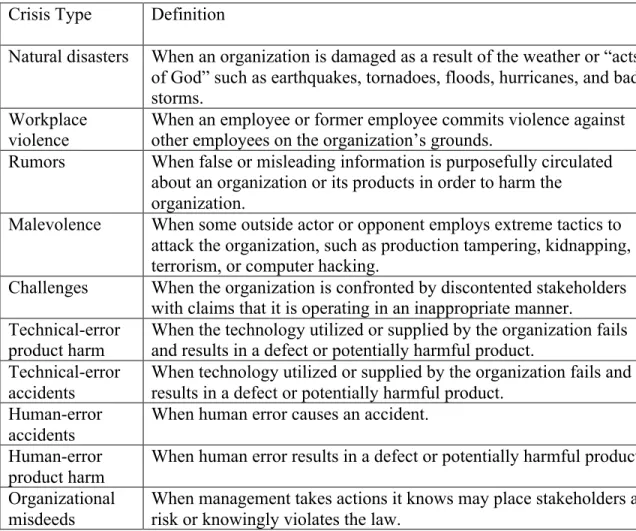
Figure 1, Crisis Typologies………....20
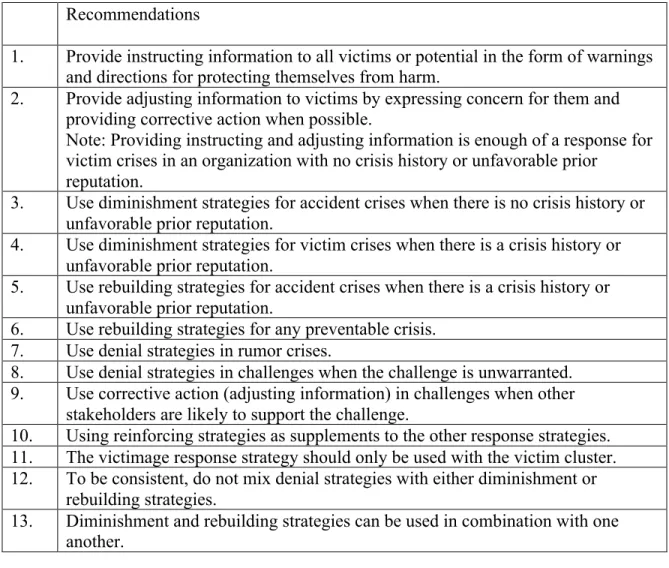
Figure 2, SCCT Recommendations for Crisis Response Selection………...20
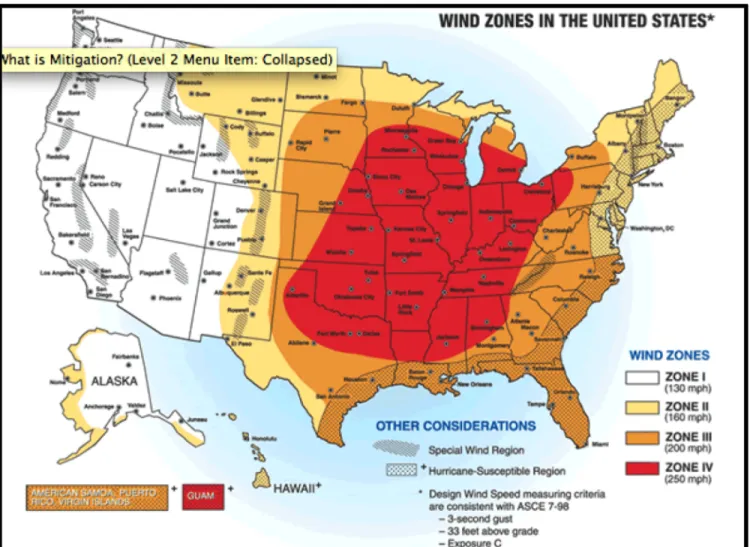
Figure 3, FEMA Wind Zone Map………..31
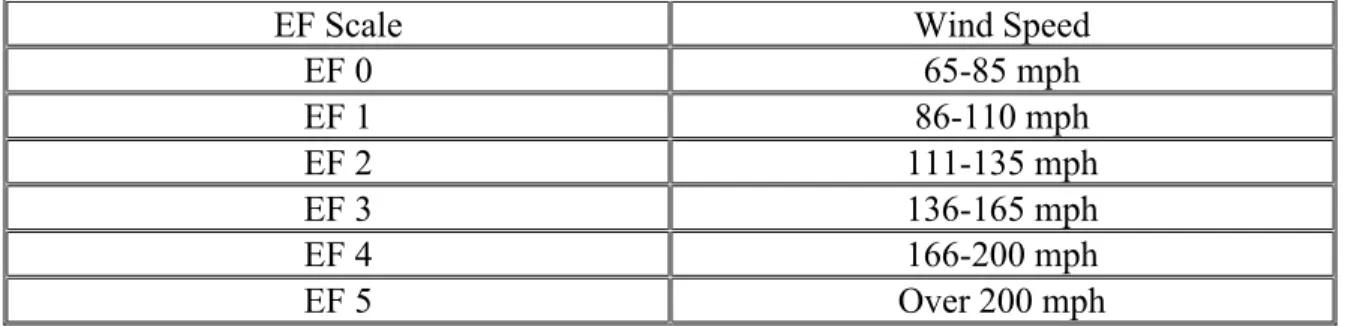
Figure 4, Enhanced Fujita Scale………....33
Figure 5, Incident Command Structure………..34
. Figure 6, Incident Command Management Function Descriptions………...35
Figure 7, Sample Red Cross Organizational Chart for Disasters………...37
Figure 8, Common Themes that Define Relationships………..49
Figure 9, FOX6 News Weather on April 26………...62
Figure 10, FOX6 News Video of Tornado………65
CHAPTER I: Introduction
If you were to open a newspaper, turn on the television or surf the Internet, you will not have to look hard to find any number of organizations that are experiencing some form of crisis. Whether it is caused by human-error or “acts of God,” crisis can come in all types, be unpredictable, and have potentially irreparable effects on an organization’s reputation and existence. Organizations willing to invest time, energy, resources, and preparation into crisis management may mitigate the effects of a crisis or potentially prevent one from even occurring in the first place (Hoffman, 2011). However, despite an organization’s best efforts, in some cases, such as natural disasters, crisis can be difficult to avoid.
In recent years, a string of natural disasters such as hurricanes, earthquakes, droughts, floods, and tornadoes have devastated communities and regions across the country, leaving an indelible mark on those who were affected. Because of the
unpredictability and severity of some of these events, disasters have costs in lost lives and resources spent. Additionally, disasters have created crises and tested emergency
2
At approximately 5:13 p.m. on April 27, 2011, an E-4 tornado, larger than a mile in diameter, touched down in the city of Tuscaloosa, Alabama, and carved out a six-mile path of destruction (Lynch, 2011). In less than six minutes, 12 percent of the city was destroyed and more than 7,000 people became unemployed. The deadly storm destroyed or damaged over 5,000 residences, damaged over 600 businesses, injured over 1,200 people, and resulted in 53 fatalities. In addition to the costly damages experienced by the citizens and residents of Tuscaloosa, the city’s emergency management resources were greatly impacted in the wake of the storm. Several elements of Tuscaloosa’s
infrastructure were severely damaged or destroyed including the facility that housed the county’s Emergency Management Agency (EMA), communication towers, over 50 vehicles from the Environmental Services Department, a fire station, police station, and numerous other response equipment and resources. On April 27, 2011, the City of Tuscaloosa was experiencing a crisis.
Although the crisis in Tuscaloosa may be over, rebuilding efforts are ongoing and continue today. What lessons can emergency managers take away from this terrible and tragic event? How did inter-organizational relationships affect internal and external coordination and communication with stakeholders? How can future organizations strengthen relationships and cultivate partnerships internally and externally so that they are better prepared and equipped when faced with a crisis of similar or greater
magnitude? What are some key takeaways about the role partnerships and inter-organizational relationships can play in non-disaster related crises? In order to answer these questions and others, this study will provide a case analysis using Coombs (2012) three-stage approach to crisis, to examine the relationships between the City of
Tuscaloosa and the American Red Cross and their response efforts, from the time of the initial tornado warning to the conclusion of post-crisis operations. This study will consist of:
• An overview of crisis management, crisis communication, and relationship management literature related to theory, organization, methods, and
phases
• A background of the National Incident Management System (NIMS) • A background of the Red Cross and the City of Tuscaloosa
• A statement of research questions and methods used to evaluate the local response
4
• A discussion and evaluation of the decisions and actions of the City of Tuscaloosa and the American Red Cross during all three phases of the crisis
• Recommendations for the future regarding inter-organization cooperation and relationships
Coast Guard Advanced Education Requirement
In the aftermath of 9/11, Hurricane Katrina, Deep Water Horizon, and countless
other events, the Coast Guard continually seeks best practices and lessons learned so it
can better respond to future crises. Part of my requirement as a Coast Guard-funded
graduate student is to conduct research that not only advances my own professional and
educational development, but also benefits the service as a whole.
Because the Coast Guard is relatively small, with a little more than 40,000 active
duty and reserve personnel, the service understands the importance of relationship
building and inter-organizational partnerships. The Coast Guard continually seeks to
cultivate relationships around the country with its port partners, industry, and other
government agencies in order to effectively execute its missions. In a time of shrinking
budgets and limited resources, partnerships between agencies play a crucial role in the
Coast Guard's ability to interdict drugs, prevent pollution, save lives, and defend the
homeland. Despite limited resources, the Coast Guard is expected to do its job
professionally, efficiently, and effectively. In ports where interagency relationships
thrive, the Coast Guard as well as its port partners, are better prepared and equipped to
Despite the many benefits of inter-organizational relationships and the myriad
lessons learned from recent events, some organizations have yet to realize the importance
of partnerships or have failed to see that a need even exists for cooperation. Many
organizations fail to realize how relationships can act as a “force multiplier,” especially in
times of crisis. As Coombs (2000) points out, "crisis managers must be shown how they
can apply a relational approach to crisis management" (p. 77).
In an attempt to illustrate the importance of relationship management and
inter-organizational cooperation to potential partners and crisis managers, the Coast Guard has
requested that I conduct research related to this topic. Because of the Coast Guard’s
intimate familiarity of maritime-related incidents and crises, I chose to conduct a study
involving a non-maritime event with the hope of expanding our overall corporate
knowledge. Fink (1971) states that, “no organization is immune to encounters of
disappointment or failure…. Far from being a prelude to failure as an organization, such
crises may actually be occasions for renewed growth and the beginning of truly
outstanding success” (p. 16). The willingness to observe and learn lessons, both from
within our own organization, and externally by observing the actions of others, will only
strengthen our service as we move ahead to better serve the public.
CHAPTER II: Literature Review
The field of crisis communication has grown over the past decade or so in both the professional and academic communities due to an increased demand for effective crisis management within organizations (Coombs, 2010). As an applied discipline by nature, crisis communication research is designed to employ theory to solve real-world problems for crisis managers and organizations. From a managerial perspective, crises cost money, which provides plenty of incentive for organizations to invest resources in order to avoid, respond, and mitigate the potential threat (Heath, 2010). Therefore, Coombs (2000) states that, “crisis managers want tools they can use in the heat of crisis” (p. 77).
In order to understand the importance of the role of inter-organizational
relationships in crisis management and crisis communication, a thorough review of the scholarly literature is required to provide a solid foundation and background for this study. This literature review will focus on the relevant theories related to crisis management, crisis communication, and relationship management in hopes of illuminating any gaps in the extant scholarly works.
Crisis Defined
Adkins (2010) states that, “establishing clear and distinct definitions for the term crisis has been a problematic issue in communication scholarship for many years” (p. 96). Scholars such as Shaluf, Ahmadun (2003), and Said have a similar assessment stating that the definition of crisis differs from one organization to another. One potential reason for a lack of universality of a crisis definition is because those who have defined the term come from a variety of academic and professional disciplines and backgrounds, some of which include public relations, management, and organizational communication
(Coombs, 2010).
Despite the variety of definitions, conceptual similarities do exist for how of crisis is defined (Coombs, 2010). For example, Weick (1995) describes crisis as low
probability-high impact events that place severe demands on sense-making for both participants and decision-makers. Similar to Weick’s definition, Pearson and Clair (1998) define crisis as “low probability, high-impact situations that [are] perceived by critical stakeholders to threaten the viability of the organization and that [are]
subjectively experienced by these individuals as personally and socially threatening” (p. 66).
According to Ulmer, Sellnow, and Seeger (2007), the definition of crisis is dependent on the unexpected nature of the event, non-routine demands of the
organization, production of uncertainty, and the threat to high-priority goals. Hoffman’s (2011) definition of crisis includes a problem of great magnitude that comes at a critical juncture. Hoffman further states that a crisis interrupts an organization’s ability to
8
whether real, rumored or alleged, that can focus negative attention on a company or organization internally, in the media or before key audiences” (p. 3).
Although many definitions exist on how researchers and professionals define the term “crisis,” Coombs and Benoit account for the primary research stream as well as the majority of published studies on crisis management and communication in public relations (Avery et al. 2010). According to Coombs (2012), crisis is defined as the “perception of an unpredictable event that threatens important expectancies of stakeholders and can seriously impact an organization’s performance and generate negative outcomes” (p. 2). Although crises are considered to be anomalies and difficult to predict in most cases, Coombs (2010) states that they are to be expected. The key point to Coombs’ (2012) definition is that crisis is perceptual and the perceptions of stakeholders are what define an event as a crisis. Like Coombs, Benoit also points to the relevance of perception. According to Benoit (1997), when it comes to the image of an organization, regardless of whether or not they are responsible for some unfavorable action, “perceptions are more important than reality” (p. 178).
discuss the theories of crisis management, crisis communication, and relationship management.
Crisis Management Framework
As previously mentioned, the discipline of crisis communication has witnessed tremendous growth over the past decade due to an increased demand for effective crisis management and crisis communications. As we move forward to understand crisis communication, it is important that we understand its relationship with crisis management. Coombs (2010) explains this relationship by stating that, “crisis communication is a critical element in effective crisis management” (p. 21).
Furthermore, Coombs (2012) states that, “crisis communication is the lifeblood of crisis management” (p. xi). When an organization’s crisis communication efforts are
ineffective, their crisis management efforts become ineffective as well. Lastly, Coombs (2010) states that any discussion of crisis communication cannot be conducted without fully understanding and exploring crisis management and its processes. For these reasons, I will begin to explore the crisis management process by briefly discussing its roots, defining the terms, and reviewing the process.
10
2010). Unlike disaster management, which focused on incident prevention and response, crisis management became a field of study focused on organizational crises.
Definition of Crisis Management
According to Coombs (2010), crisis management is defined as “a set of factors designed to combat crisis and to lessen the actual damages inflicted” (p. 20). In other words, crisis management protects organizations and stakeholders from harm by
attempting to prevent or mitigate the negative outcomes of crisis (Coombs, 2012). Crisis management comprises of four interrelated factors of prevention, preparation, response, and revision to either address the crisis or mitigate the damage inflicted.
Coombs (2012) defines prevention as the steps that are taken to avoid a crisis. These steps might include the creation of a crisis management plan (CMP), which is an organizational document that contains important information needed to manage a crisis. Preparation also includes diagnosing vulnerabilities, choosing and training spokespersons and crisis management team members, creating a crisis portfolio, and refining the crisis communication system.
The response factor, often considered the most public and critiqued, involves the actual response to the crisis (Coombs, 2012). The response factor not only applies all the preparation components, it uses all the crisis management resources as well. One
element that can help organizations become more effective during the response is to test the preparation components regularly, which through simulated exercises, helps
crises. The final step to the response factor is the recovery, where organizations return to normal operations and business continuity is achieved.
The fourth factor in crisis management is called revision. During revision, organizations evaluate the crisis response and create a set of lessons learned for future events (Coombs, 2012). Organizations thoroughly review positive and negative aspects of the response in order to develop insight into how to better prepare for future crises. When revisions are utilized by organizations, past mistakes can be avoided and the crisis management ability and response capacity become improved.
Publics and Stakeholders
Before I explore Coombs’ three-stage approach to crisis management, it is important to define the terms ‘publics’ and ‘stakeholders.’ These terms will be used throughout this case analysis, so it is important to define them now. The distinction between ‘publics’ and ‘stakeholders’ can be difficult to differentiate. According to Mackey (2006) the term ‘stakeholder’ has “become ubiquitous throughout business and political literature and is also common in public relations textbooks and journal articles” (p. 1). Cutlip, Center, and Broom’s (2000) definition of ‘public’ involves people who are interdependent with organizations.
12
stakeholders include investors, employees, customers, suppliers, and the government. Coombs defines secondary stakeholders as “those people or groups who can affect or be affected by the actions of an organization” (p. 37). Examples of secondary stakeholders include activist groups, media, and competitors. Because stakeholders are linked economically, socially and politically to an organization, one cannot underestimate the importance of their roles in crisis management. Because the definitions of publics and stakeholders both involve interdependence with organizations, I will use the terms interchangeably throughout this study.
Three-Stage Approach to Crisis Management
According to Coombs (2010), fields of research develop when models are used. Models not only help people understand processes but they also assist with
comprehension of key concepts. Coombs also points out that, “examining the crisis management process allows us to understand better the critical points where crisis communication enters the equation” (p. 22). For these reasons, it is entirely appropriate to explore Coombs’ three-stage approach to crisis management.
In his book, Crisis Management: Planning for the Inevitable, Fink (1986) uses a medical illness metaphor to illustrate his four-stage crisis lifecycle. Mitroff (1994) followed up Fink’s model by creating a five-phase model of crisis management.
According to Coombs (2012), both crisis management models were similar and valuable, noting that the biggest difference between the two is the prescriptive nature of Mitroff’s model compared to the descriptive nature of Fink’s model. Out of these two models came Coombs’ simplified three-stage model, which used insights from Fink and Mitroff as well as additional information from crisis management experts. Coombs’ model defines the crisis life cycles in three distinct phases: pre-crisis, crisis, and post-crisis. Coombs’ (2012) model is not only simplified and provides a “macro-level generality” to analyze crisis management, it also accommodates the dominant models in the field and allows for integration of ideas from crisis management experts.
Pre-crisis
It is fair to state that each step of the three-stage crisis management approach is important to crisis managers. Decisions and actions made during each stage will
ultimately determine the outcome and perception of overall success of the organization’s response to a crisis. The first step in this process is what Coombs (2012) calls the pre-crisis stage. During the pre-pre-crisis stage, Coombs suggests that members of the
organization take proactive measures to ensure that a crisis is prevented. The pre-crisis stage consists of actions that should be conducted prior to a crisis and is made up of three sub-stages that are: (1) signal detection, (2) prevention, and (3) crisis preparation.
14
scanning both the internal and external environments for crisis warning signs. As information is collected during this stage, it is important that analysis is also conducted on incoming data to ensure potential warning signs are detected.
Following signal detection is the prevention stage. During crisis prevention, crisis managers take proactive measures in attempts to prevent or avoid a crisis (Coombs, 2012). The crisis prevention stage is a five-step process that includes scanning sources, collecting and analyzing information, taking preventative action and evaluating the effectiveness of threat reduction. The last sub-stage in the pre-crisis phase includes crisis preparation. During this stage, organizations make preparations for “inevitable crises”. Organizations prepare for “inevitable crises” by diagnosing vulnerabilities, assessing crisis types, choosing and training crisis team members, selecting and training a
spokesperson, creating a CMP, and reviewing the crisis communication system (Coombs, 2012).
One important element that occurs between the pre-crisis and crisis response stages is crisis recognition. Crisis recognition is not considered one of the formal stages of Coombs’ three-stage approach, but the importance of its role is worth mentioning. According to Coombs (2012), not all crises are obvious and easy for organizations to recognize. Recognition of a crisis can be difficult for organizations because crisis is dependent on the perception of their stakeholders. As previously mentioned, a situation becomes a crisis when stakeholders perceive that one exists. Even when stakeholders perceive a crisis within an organization, some members of management may deny that one exists (Fink, Beak, & Taddeo, 1971). Fink et al. attribute this denial to a
followed by a fight-flight pattern. Finally, once a crisis is recognized, information must be collected and synthesized to ensure successful management of the crisis (Coombs, 2012).
Crisis Response
The next stage to Coombs’ three-stage model consists of the crisis response. According to Mitroff (1994), during this stage, an organization’s crisis team works to “contain the effects of a crisis from spreading further and, hence, from infecting other uncontaminated parts of an organization or the environment” (p. 106). It is during this stage when the first statements are made to the public regarding the crisis and first
impressions are formed regarding the organization’s response and communication efforts (Coombs, 2012). Messages are typically communicated to stakeholders and publics through some sort of mass media such as the television or Internet.
Coombs (2012) emphasizes that organizational responses to a crisis should be quick during the crisis response stage. Quick responses not only fill the information void, but they also ensure that the organization maintains control of the message and the public receives the “organization’s side of the story” (p. 141). According to Barton (2001), as technology advances, the window of opportunity that crisis teams have to respond to the crisis will continue to decrease. Lastly, Coombs (2012) emphasizes the importance of open, two-way communication with stakeholders. Continuous, open, two-way
communication between the organization and stakeholders is not only the lifeblood of a favorable organizational-stakeholder relationship, it is also essential to the crisis
16
According to Coombs (2010) the Chinese characters for crisis represent threat and opportunity. It is fair to state that Coombs’ final stage of the three-stage approach
represents the optimum time for opportunity for crisis managers. During the post-crisis stage, the situation is considered to be resolved and operations are able to return to a normal state for businesses and organizations. Even though the crisis may appear to be resolved, it’s important for crisis managers to continue to manage the after-effects, even after response operations have ceased.
Two important elements of the post-crisis stage include continuation of crisis communication and organizational learning (Coombs, 2010). According to Coombs, post-crisis communication consists of keeping stakeholders up-to-date on business continuity efforts. Like organizations, stakeholders desire a need to return to a state of normalcy. To satiate stakeholder needs, it’s important that crisis managers provide regular updates to their publics regarding the status of operations. Updates create a sense of calm and balance as well as give the perception to stakeholders that operations are back to normal.
Another important aspect of the post-crisis stage involves organizational learning (Coombs 2010). According to Pauchant and Mitroff (1992), a crisis creates excellent opportunities for organizations to learn valuable lessons. Organizations learn through data collection, analysis, and evaluation of their crisis management efforts (Coombs, 2012). Evaluations allow for organizations to review the decisions and actions made by crisis managers, in an effort to improve the overall crisis management process.
(Coombs, 2010). For this reason, organizations miss out on a tremendous opportunity to improve their crisis management processes for the future. However, organizations that are willing to take the time and energy to learn from past crises will reap the benefits of improved performance during future events (Coombs, 2012). Now that there has been a thorough review of the crisis management process, which included Coombs’ three-stage approach, we can discuss the relevant theories of crisis communication.
Crisis Communication
It was mentioned earlier that crisis communication is an essential element of crisis management. Coombs (2010) takes this a step further by stating that, “communication is the essence of crisis management” (p. 25). Because a crisis creates a demand for
information by stakeholders and publics, communication plays a crucial role in the crisis management process. Communication allows information to be collected, processed and shared by organizations.
Coombs (2010) emphasizes the importance of differentiating between the two “basic types” of crisis communication: (1) crisis knowledge management, and (2) stakeholder reaction management (p. 25). Crisis knowledge management is the internal process that identifies potential sources of crisis, information collection and analysis, knowledge sharing, and decision-making. Crisis knowledge management is the type of crisis communication that takes place “behind the scenes” and involves the creation of public responses by the crisis team. On the other hand, stakeholder reaction management consists of external communications efforts, through actions and words, to influence the stakeholder’s perception of the crisis.
18
One important element of crisis communication that needs to be discussed
involves the concept of reputation management. According to Allen & Caillouet (1994), one of the main goals of crisis communication is to protect an organization’s reputation. Coombs (2010) further states that, “reputations matter because it is an important
intangible resource for an organization” (p. 38). However, an organization’s reputation can be damaged and its legitimacy threated during any crisis, regardless if the
organization it at fault or not. For these reasons, public relations and marketing research began to investigate how crisis response strategies could be utilized to protect an
organization’s reputation during a crisis. In order to determine which crisis response strategies were appropriate for certain situations, researchers turned to attribution theory as a useful framework for matching the correct crisis response to the crisis situation (Coombs, 2012).
Coming from the research of Bernard Weiner (1986), attribution theory is based on the idea that people will attribute responsibility for negative and unexpected events (Coombs, 2012). According to Coombs, because crises tend to be negative and unexpected, they also tend to “provoke attributions of responsibility” (p. 153). Consequently, these attributions ultimately frame how stakeholders view and behave towards an organization.
Coombs and his colleagues developed Situational Crisis Communication Theory (SCCT), in 1995, under the same premise of attribution theory, which held that
organization’s reputation. Once the threat is diagnosed, SCCT recommends crisis response strategies, which are determined by the reputational threat level. Reputational threat levels are determined by crisis type, crisis history, and prior reputation of an organization.
The first step in assessing the reputational threat to an organization is to identify the crisis type (Coombs, 2012). Crisis types can range from accidents and earthquakes to terrorism and whistle blowing (see Figure 1). The next step in evaluating reputational threat is to conduct an assessment based on an organization’s prior crisis history and reputation.
Two theoretical tenants in crisis communication involve the Velcro and halo effects. According to Coombs and Holladay (2001), organizations with a history of crises or prior negative reputation will tend to attract additional reputation damage, like Velcro. This is known in the field of crisis communication as the Velcro effect. Whereas organizations without any prior negative performance history will be given the benefit of the doubt by its stakeholders.
Contrary to the Velcro effect, the halo effect, stemming from Ledingham and Brunig’s (1998) relational management perspective, posits that an organization’s favorable relationship history with its stakeholders along with its crisis history, will protect it from reputational damage during a crisis. Despite this common-sense
20
important and selecting the appropriate response to counter the threat will play a crucial role in their ability to survive a crisis. Once an organization assesses the reputational threat, crisis management can select the appropriate crisis response strategy (see Figure 2).
Figure 1: Crisis Typologies (Coombs, 2012, p. 73) Crisis Type Definition
Natural disasters When an organization is damaged as a result of the weather or “acts of God” such as earthquakes, tornadoes, floods, hurricanes, and bad storms.
Workplace violence
When an employee or former employee commits violence against other employees on the organization’s grounds.
Rumors When false or misleading information is purposefully circulated about an organization or its products in order to harm the
organization.
Malevolence When some outside actor or opponent employs extreme tactics to attack the organization, such as production tampering, kidnapping, terrorism, or computer hacking.
Challenges When the organization is confronted by discontented stakeholders with claims that it is operating in an inappropriate manner.
Technical-error product harm
When the technology utilized or supplied by the organization fails and results in a defect or potentially harmful product.
Technical-error accidents
When technology utilized or supplied by the organization fails and results in a defect or potentially harmful product.
Human-error
accidents When human error causes an accident. Human-error
product harm
When human error results in a defect or potentially harmful product. Organizational
misdeeds
Figure 2: Situational Crisis Communication Theory Recommendations for Crisis Response Selection (Coombs, 2012, p. 159)
Recommendations
1. Provide instructing information to all victims or potential in the form of warnings and directions for protecting themselves from harm.
2. Provide adjusting information to victims by expressing concern for them and providing corrective action when possible.
Note: Providing instructing and adjusting information is enough of a response for victim crises in an organization with no crisis history or unfavorable prior
reputation.
3. Use diminishment strategies for accident crises when there is no crisis history or unfavorable prior reputation.
4. Use diminishment strategies for victim crises when there is a crisis history or unfavorable prior reputation.
5. Use rebuilding strategies for accident crises when there is a crisis history or unfavorable prior reputation.
6. Use rebuilding strategies for any preventable crisis. 7. Use denial strategies in rumor crises.
8. Use denial strategies in challenges when the challenge is unwarranted. 9. Use corrective action (adjusting information) in challenges when other
stakeholders are likely to support the challenge.
10. Using reinforcing strategies as supplements to the other response strategies. 11. The victimage response strategy should only be used with the victim cluster. 12. To be consistent, do not mix denial strategies with either diminishment or
rebuilding strategies.
13. Diminishment and rebuilding strategies can be used in combination with one another.
Now that we’ve addressed the relevant theories associated with crisis
communications, we can move ahead to talk about the final piece relevant to this case analysis, the relational perspective of crisis management.
Crisis Management: A Relational Perspective
Because this case analysis will examine the role of relationships between the American Red Cross and the City of Tuscaloosa during the tornado of 2011, it is
22
relationship between an organization and its stakeholders” (Coombs, 2000, p. 73). According to Coombs, understanding the relational perspective not only provides crisis managers with valuable insights regarding the crisis, but also allows them to develop effective responses.
Relationship Defined
Before approaching the relational perspective to crisis management, it is
important to define the term “relationship.” Merriam-Webster’s online dictionary defines relationship as “the state of being related or interrelated” or “the relation connecting or binding participants in a relationship” (Relationship, 2012). Coombs (2012) defines relationships as the “interdependence of two or more peoples or groups” (p. 36). Coombs’ (2000) definition is a modification of O’Hair, Fridrich, Wiemann, and
Wiemann’s (1995) definition that stated that relationships were the “interdependence of two or more people” (p. 74). The key to both definitions is the notion that groups and individuals are interdependent of one another and therefore linked to each other in some form or fashion.
Relationship Management Theory in Public Relations
establishing the idea of relationships between organizations and their stakeholders as an organizing concept for the relational perspective. Ledingham echoed this sentiment and stated that, “The notion of relationship management represents a fundamental change in the function and direction of public relations, a movement away from traditional impact measurements, such as the quantity of communication messages produced or the number of stories placed in the mass media, and toward evaluation of public relations initiatives based on their impact on the quality of the relationship between the organization and the publics with which it interacts” (p. 466).
In 1994, Grunig, Grunig, and Ehling concluded that public relations contributes to overall organizational effectiveness when it helps to reconcile expectations between “strategic constituents” and organizational goals (Grunig, 2000). According to Grunig, research of more than 300 organizations in the United States, Canada, and the United Kingdom revealed that public relations has value when good relationships were
developed between the organization and its strategic publics. Center and Jackson (1995) capture the essence of the relational perspective by observing that, “The proper term for the desired outcome of public relations practice is public relationships” (p. 2).
Furthermore, Center and Jackson conclude that organizations achieve positive public relationships when they have effective public relations. It is clear that the relational approach to public affairs is important; however, the key element to relationships is the impact it has on the organization’s stakeholders.
Stakeholder Theory and Neo-institutionalism
24
One of the main tenants of stakeholder theory rests on the idea that corporations do not only affect stakeholders, but stakeholders also affect corporations (Elliot, 2010). Stakeholder management addresses how relationships between organizations and their stakeholders are managed, as well as explains how organizations interact with various groups within their environment (Carroll, 1989; Donaldson & Preston, 1995; Coombs, 2006).
Neo-institutionalism, on the other hand, helps conceptualize how relationships develop between organizations and their stakeholders and where crises fit in the relational history. Allen and Cailouet (1994), breaks down neo-institutionalism as the
organization’s ability to meet the social rules and expectations of their stakeholders. In short, neo-institutionalism focuses on an organization’s legitimacy and it’s right to continue operations.
As previously mentioned, a crisis occurs when stakeholders perceive that one exists and important expectations are not being met (Coombs, 2012). Because primary and secondary stakeholders are interdependent with organizations, and they can be bound together by social, economic, and political issues, it is important to talk about their relationships with organizations (Coombs, 2006).
management involves managing the relationship between an organization and its various stakeholders.
According to Coombs (2006), neo-institutionalism helps us understand how stakeholder-organization relationships are managed. One of the key elements to neo-institutionalism is the concept of organizational legitimacy.
According to Bedeain (1989), organizations are perceived to be legitimate by their stakeholders when they conform to certain social rules or expectations. Allen and
Caillouet (1994) state that organizations that are perceived to be legitimate by
stakeholders have the right to continue operations. On the contrary, organizations that lack legitimacy lose their right to continue operations. Therefore, the stakeholder-organization relationship history, or reputation, becomes dependent on the social rules and expectancies established by stakeholders (Coombs, 2006). Lastly Coombs points out that crises can threaten or challenge an organization’s legitimacy, which can ultimately lead stakeholders to question whether an organization is meeting its social responsibilities and expectations. From the research described in stakeholder theory and
neo-institutionalism, it is fair to state that relationship management is important to an organization’s success in avoiding or mitigating crisis. However, what role do
relationships play in organization-stakeholder relationship? The next section will briefly explore this question from a corporate governance context.
Corporate Governance Context to Crisis Management
26
response is dependent on an organization’s established relationship with its stakeholders. Pearson and Clair also argue that organizational success is determined by the level of accuracy of an organization’s understanding of how their stakeholders will behave during a crisis. Successful crisis management results when organizations build alliances,
achieve coordination, and share information with their stakeholders. Alliance building and information sharing is important to an organization’s success because stakeholders have “intrinsic value” and their perceptions can threaten an organization’s legitimacy.
Part of the relationship building aspect to crisis management is ensuring that stakeholders get involved with organizations. Nathan and Mitroff (1991) state that “the more efficient approach to crises requires the inclusion of as many stakeholders as possible during the crisis preparation and response stages, and allowing them to bring their perspective, identity, and knowledge to the analysis” (p. 164). In order to successfully accomplish this level of stakeholder involvement, Alpaslan et al. (2009) argue that treatment between both parties must be “sincere” and the relationship should be based on mutual trust and cooperation.
Because of globalization, the interdependent nature of relationships between organizations and stakeholders is on the rise (Alpaslan et al., 2009). With increased interdependence comes the higher potential that organizations will be affected by a crisis (Alpaslan et al., 2009). For this reason, Alpaslan et al. argue in favor of applying the stakeholder theory to crisis management.
Conclusion
and relationship management. By exploring crisis communication using Coombs’ (2012) three-stage approach to crisis management, crisis managers have a good prescription for how to prepare, handle, and recover from a crisis. In reviewing the crisis management literature from a relational perspective, one can conclude that strong relationships between organizations and stakeholders play a crucial role in the outcomes of crises.
Despite the depth and breadth of the scholarly literature, gaps do exist. Much of the crisis communication research speaks to relationships between stakeholders and organizations from a reputation management perspective. None of the literature found addresses how organizations can work together alongside primary and secondary stakeholders to get through a crisis. Although some literature does address the importance of relationship building pre-crisis, the field in general is lacking.
In a highly globalized world, where organizations are more interdependent, it will become more difficult to remain isolated when a crisis strikes. A great example that illustrates this point is the recent grounding of the Costa Concordia in January 2012 (CNN, 2012). Although the cruise line was under fire as a result of the ship’s grounding, the entire cruise ship industry as well as the U.S. Coast Guard fielded questions regarding the safety of the cruise ship industry. Because of the apparent lack in research on this topic, and increased globalization and interdependence of organizations, this topic should be scrutinized further. Ultimately, this study will end up contributing to the extant crisis communication literature. With this foundation laid, the following chapters will provide some background information and context for this case analysis as well as identify
CHAPTER III: Background
The American Red Cross was chosen for this study not only for its national and international reputation as a humanitarian organization, but also because of the
accessibility and availability of key members, who were involved in the tornado response. Furthermore, conducting a case analysis involving both a non-government organization such as the American Red Cross, and a government organization such as the City of Tuscaloosa, might provide some valuable insight in how two organizations such as these, through relationships, can leverage each other’s strengths and resources, especially during times of crisis.
The American Red Cross
Founded on May 21, 1881 by Clara Barton, the American Red Cross is one of the nation’s premier disaster relief organizations (“Our History,” n.d.). Registered as a 501(c)(3) nonprofit organization, this mostly volunteer agency responds to approximately 70,000 natural and man-made disasters in the U.S. annually (“Disaster relief,” n.d.; “Donate funds,” n.d.).
From its beginnings in the late 19th century, the Red Cross has conducted
aftermath of disasters. The Red Cross partnered with the Federal Emergency
Management Agency (FEMA) in 2006 to help organizations and communities to plan and coordinate for disasters. In addition to disaster preparation, FEMA and the Red Cross have worked together to provide feeding, sheltering, and family reunification services for communities affected by disasters. Because the Red Cross has a history of interagency coordination, it will be a perfect organization to assess for this study.
Today, volunteers and employees of the Red Cross carry out a variety of
missions, and provide care and relief in five primary areas. Primary Red Cross support areas include:
1. People affected by disasters in America
2. Support for members of the military and their families 3. Blood collection, processing and distribution
4. Health and safety education and training 5. International relief and development Disaster Relief
The Red Cross and its cadre of volunteers and employees respond to myriad natural and man-made disasters annually. Disasters run the gamut from fires, hurricanes, earthquakes, tornadoes, and floods to hazardous material (HAZMAT) spills,
30
possible. In addition to addressing the immediate needs of individuals, the Red Cross also feeds first responders and emergency workers, such as fire fighters and police, provides blood and blood products to disaster victims, assists family members outside the disaster area with inquiries, and helps victims access additional available resources. City of Tuscaloosa
The City of Tuscaloosa is located in Tuscaloosa County along the banks of the Black Warrior River in west-central Alabama (“City of tuscaloosa,” n.d.). Deriving its name from the Choctaw words “tushka” meaning warrior and “lusa” meaning black, the city was founded on December 1819 (“History of tuscaloosa,” n.d.). Tuscaloosa is the state’s fifth most populous city, is the county seat for Tuscaloosa County, and home to more than 90,000 residents (“Encyclopedia of Alabama,” 2012). As an education center, Tuscaloosa has three universities and colleges, the largest of which is the University of Alabama. In addition to its educational infrastructure, Tuscaloosa’s industrial base is supported by the Mercedes-Benz international assembly plant, which employs
approximately 4,000 employees. Tuscaloosa County Tornado History
experienced on the afternoon of April 27, 2011. A rare EF-4 tornado, considered to be one of the fiercest and most devastating tornadoes, because of its destructive force and what little it leaves behind in its aftermath.
Figure 3: FEMA Wind Zone Map
Based on FEMA Wind Zones. Information available at http://www.fema.gov/safe-rooms/wind-zones-united-states
Considered to be one of nature’s most-violent storms, tornadoes can spawn from powerful thunderstorms and cause complete devastation and destruction to cities, towns,
32
clouds that can reach winds in excess of 200 miles per hour, tornadoes often result in lost or damaged property, injuries, and fatalities, thus forever altering the lives of those individuals and communities that were affected by the storm’s aftermath.
Tornado season in Alabama typically commences in March and ends in early June, with April and June being peak months for observed tornado activity (“Tuscaloosa county hazard,” 2009). Observation of tornado data from January 1, 1997 to December 31, 2006 revealed that Tuscaloosa County experienced 27 tornadoes, ranging from F0 to F5 on the Fujita Tornado Scale, and three funnel clouds, which resulted in twelve deaths, 164 people injured and more than $19 million dollars in total damage. Two of the twisters, including an F2 and an F1 tornado, directly affected the City of Tuscaloosa in 1997 and 2003, respectively. From 2007 to April 2011, Tuscaloosa County experienced nine more tornadoes ranging from F1 to F3 on the Fujita Tornado Scale ("Alabama tornado occurrences," 2013).
Fujita Tornado Scale
Prior to the adoption of the Fujita Scale, no formal method existed to differentiate one tornado from another (“A guide to,” 2003). In an effort for standardization, the Fujita scale became the benchmark for estimating the intensity of tornadoes. According to the National Weather Service, the “original” Fujita Scale, created by Dr. Ted Fujita of the University of Chicago in 1971, gave ratings of F0 to F5 based on the type and
adopted the Enhanced Fujita Scale (EF-Scale) to rate tornadoes (see Figure 4). Created by a group of engineers, meteorologists, and experts at the Wind Science and
Engineering Research Center at Texas Tech University, the EF Scale has revised wind speed ranges and is used today to categorize tornadoes.
Figure 4: Enhanced Fujita Scale
Based on the Enhanced Fujita Tornado Intensity Scale, 2013.
Information available at http://www.weather.com/safety/tornadoes/enhanced-fujita-tornado-scale-20120330.
EF Scale Wind Speed
EF 0 65-85 mph
EF 1 86-110 mph
EF 2 111-135 mph
EF 3 136-165 mph
EF 4 166-200 mph
EF 5 Over 200 mph
Disaster Management
When analyzing any crisis or disaster, it is important to review the emergency management structures of the organizations involved. Understanding organizational structures will help shed light on how agencies and organizations respond during an emergency or disaster.
34
management structure, which enables managers to seamlessly coordinate an emergency response across multiple jurisdictions, and functional agencies. Due to its flexible nature, ICS can also be integrated to match the complexities and demands of any incident,
regardless of size or scope.
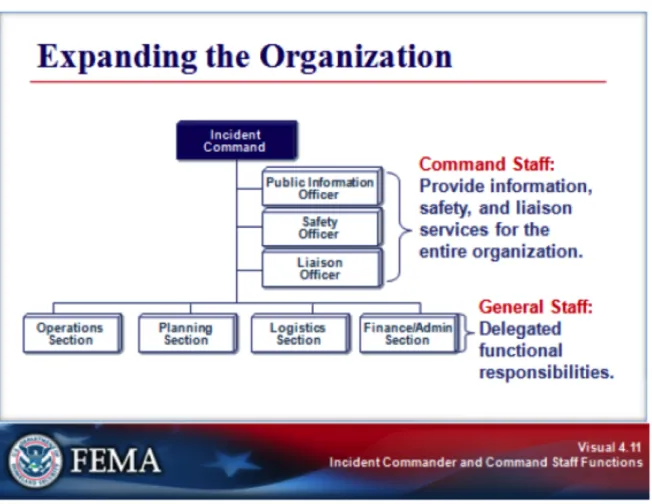
Every incident requires management functions to be performed (“Incident commander and,” 2010). When a disaster strikes and ICS is initiated, management functions are performed by a cadre of individuals, which include, Incident Command, Operations, Planning, Logistics, and Finance and Administration (See Figure 5). Figure 5: Incident Command Structure
Based on IS-100.b – Introduction to the Incident Command System (ICS)
The Incident Commander, who is overall responsible for managing the incident, sets objectives, and develops strategies on how to handle incidents. As incidents grow in size and scope, the Incident Commander may delegate his or her authority for certain
responsibilities to either the Command Staff or the General Staff. A brief description of other key management function descriptions can be found in Figure 6.
Figure 6: Incident Command Management Function Descriptions
Based on IS-100.b – Incident Commander and Command Staff Functions
Although it is well practiced in emergency management and ICS, the Red Cross
does not utilize the ICS structure during every response (S. Horsley, personal
communication, November 30, 2012). Instead, the Red Cross uses its own internal
36
organizational structure to respond to emergencies and disasters, although it closely
mirrors the ICS system (See Figure 7). One reason for the different structure is that the
Red Cross maintains a certain level of autonomy when responding to various crises.
Autonomy allows for a faster organizational response, as well as faster access and
delivery of resources if required. Despite some of its differences, the Red Cross
organizational structure is in many ways similar to ICS, with many of its positions
fulfilling parallel functions. For example, the Incident Commander is the title for the
person who manages and runs the operation in an ICS structure. However, during a Red
Cross response, management responsibilities are given to the Job Director. Despite
having different organizational structures and nomenclature, individuals from both
organizations are trained in ICS, which allows responders to have a common knowledge
and understanding when it comes to emergency management. Now that a thorough
background regarding the Red Cross and the City has been conducted, the next section
Figure 7: Sample Red Cross Organizational Chart for Disasters Based on Red Cross Toledo Chapter Organizational Chart (2007)
CHAPTER IV: Research Questions & Method This study aims to answer the following two research questions:
RQ1: What relationship did the City of Tuscaloosa have with the American Red Cross prior to April 27, 2011?
RQ2: How did the relationship between the City of Tuscaloosa and the American Red Cross affect their ability to conduct crisis communication and disaster response? Case Study Method
According to Wimmer and Dominick (2006), the case study approach to research allows the researcher to garner “as many data sources as possible to systematically investigate individuals, groups, organizations, or events” (p. 137). According to Yin (2009), case study research can be used in many different situations to “contribute to the overall knowledge of individual, group, organizational, social, political, and related phenomena” (p. 4). Yin also argues that case study methodology allows investigators to “retain the holistic and meaningful characteristics of real-life events — such as individual cycles, small group behavior, organizational and managerial processes, neighborhood change, school performance, international relations, and the maturation of industries” (p. 4).
Interviews
the investigator the mental world of an individual, they also offer an opportunity for researchers to experience the world through the eyes and mind of another person. Furthermore, long form interviews also take investigators “into the lifeworld of the individual, to see content and pattern of daily experience” (p. 9).
Communications Audit
According to Hargie and Tourish (2000), a communications audit can help gauge
the success or failure of a campaign or process because it gleans information from
multiple sources of information. Coffman (2004) states that strategic communications
audits are “systemic assessments, either formal or informal, of an organization’s capacity for, or performance of essential communications practices” (p. 2). Communications audits are also evaluative and help organizations determine what works and what doesn’t work with regards to their communication efforts. Lastly, communication audits help illuminate areas where organizations could strengthen their performance.
Method
This study used a mixed-method approach to answer the aforementioned research
questions, specifically, Wimmer and Dominick’s (2006) critical incident technique.
According to Wimmer and Dominick, “The critical incident technique is a combination
of in-depth interviewing and the case study approach. Its chief value is that it allows the
researcher to gather in-depth information about a defined significant incident from the
perspectives of those who were involved in it” (p. 406). An advantage to the critical
incident technique is that it provides a picture of a significant event through the eyes of
those who were directly involved. However, the information provided is only as reliable
40
sources were considered as part of this case analysis to enable a deeper examination of the relationship and interagency coordination between the City of Tuscaloosa and the American Red Cross. Primary and secondary data sources included qualitative semi-structured interviews with members of the City of Tuscaloosa and the American Red Cross, a review of the City’s Crisis Action Plan, the Tuscaloosa County Hazard
Mitigation Plan, organizational websites and documents, and any relevant news articles and documents from the National Weather Service, the National Oceanic and
Atmospheric Administration, and FEMA (see Appendix A).
Using Coombs’ (2012) three-stage approach as the crisis management model to
examine the actions of both organizations during the pre-crisis, crisis, and post-crisis phases, qualitative semi-structured interviews were conducted with key response personnel. In addition to semi-structured interviews, a communications audit was
conducted on the City of Tuscaloosa’s Crisis Action Plan. The American Red Cross did
not provide a Crisis Action Plan or a Crisis Communications Plan. Neither the city nor
the American Red Cross provided any other communications materials relevant to this
case study. Both qualitative methods helped to answer the research questions in order to
shed light on the nature of the relationship between the City of Tuscaloosa and the American Red Cross.
Six semi-structured interviews were conducted with key members from the City
of Tuscaloosa and the American Red Cross. All six participants played an active,
contributing role with their respective organizations during the tornado response on April
27. Participants were initially recruited via email to invite them to participate in the
and rapport building. All participants were given written consent forms that were signed
and returned to me prior to commencement of the interviews.
Primary interviews were conducted over a three-week period and set up at times
convenient to all parties. Interviews varied in length anywhere from 20 minutes to two
hours in duration, with the majority lasting about an hour. Interviews were conducted
with the Mayor of Tuscaloosa, the Incident Commander for the City of Tuscaloosa, the
Public Relations Coordinator for the City of Tuscaloosa, a Public Information Officer
(PIO) for the American Red Cross, Regional Communications Officer for the American
Red Cross, and the Executive Director of the West Alabama Chapter of the American
Red Cross. Follow-up interviews were conducted with participants when additional
information was required for the research. Follow-up interviews were conducted via
phone call. Out of respect to some of the more sensitive comments regarding the
response, some of participant’s quotes will remain confidential. The only identifiable
information will be the agency that they are from.
Participants were deliberately selected not only for their experience and expertise
during the tornado response, but also due to their varying degrees in level of
responsibility. For example, the City of Tuscaloosa’s Public Relations Coordinator
would have similar tactical responsibilities and duties as the PIO for the American Red
Cross. Additionally, the Mayor of Tuscaloosa would have similar strategic
responsibilities and duties as the Executive Director of the West Alabama Chapter of the
American Red Cross. All interviews were conducted via phone and digitally recorded
using appropriate phone recording software. All content from the interviews were
42
In order to answer the research questions, indicators were identified after the
interviews were conducted to help ascertain both the nature of the relationship (did it
exist or not), as well as relationship strength. Additionally, indicators were identified to
determine how the relationship between the city and the Red Cross affected crisis
communication and disaster response efforts during the storm.
In order to answer RQ1, interview questions focused solely on the pre-crisis phase
of the disaster. The pre-crisis phase included any inter-organizational actions taken
between the city and the Red Cross before the tornado struck on the afternoon of April
27. If interview participants mentioned any actions that involved inter-organizational
disaster planning, preparations, or training, then these might be good indicators that a
relationship existed prior to the storm. Other indicators might include any evidence of
formal agreements between the two organizations, such as memoranda of agreement
(MOAs) or memoranda of understanding (MOUs). Lastly, any internal documents such
as crisis communications plans or crisis action plans that specifically identify each
organization can also be a good indicator of a pre-existing relationship between the Red
Cross and the city.
In order to determine the strength of the relationship during the pre-crisis phase,
interview participants were asked questions that focused on how well they knew their
counterparts at the other agency. Additionally, questions were asked regarding frequency
of interaction. For example, how often did they interact or communicate with members
of the other organization? If participants knew people by name and or communicated
the relationship was strong. If participants had little to no interaction with the other
organization, then this would be a good indicator that the relationship was weak.
In order to answer RQ2, interview questions focused on the crisis and post-crisis
phases of the storm. The crisis and post-crisis phases included any inter-organizational
actions taken between the city and the Red Cross from the moment the tornado struck
until the time when both organizations returned to normal operations. The city and the
Red Cross entered the post-crisis phase at different times, which were determined by their
respective policies and procedures. Regardless of when the post-crisis phase began for
each organization, questions during the crisis and post-crisis phases remained focused on
interagency coordination and interaction. For example, if Red Cross and city personnel
communicated and coordinated frequently during the response, then this might be a good
indication that the impact was positive on their crisis communication and disaster
response efforts. Other indicators might include whether or not messages and press
releases were drafted jointly. If there was little coordination or there were indications of
confusion or conflict between the two organizations, then this might reveal that the
relationship negatively affected their performance. Lastly, if the Red Cross and the city
came together in the post-crisis phase to share lessons and develop best practices for
future storms, then this would be a good indication that the relationship had a positive
impact.
Interview questions were divided into three sections, using Coombs’ three-stage
crisis management model, which included the pre-crisis, crisis, and post-crisis phases.
Questions that were asked in the pre-crisis phase were designed to ascertain the nature
44
Cross prior to the tornado on April 27, 2011. Examples of questions asked during the
pre-crisis included:
1. What relationship (formal/informal) existed between the City of Tuscaloosa
and the American Red Cross prior to April 27, 2011?
2. If a relationship existed, was the relationship formal or informal? For
example, did formal memorandums of understanding (MOUs) or
memorandums of agreement exist in writing between the two organizations?
3. If a formal/informal relationship existed, how frequently did you interact or
communicate with each other prior to April 26, 2011?
4. What type of interaction took place between the City of Tuscaloosa and the
American Red Cross prior to April 27, 2011 (email/phone correspondence,
meetings, exercises etc.)?
Questions that were asked during the crisis phase were designed to ascertain the level of
coordination and cooperation during the tornado response. Examples of questions during
the crisis phase included:
1. Did you use an Incident Command Center (ICC) or Emergency Operations
Center (EOC) during the response?
2. Was the City/American Red Cross represented in the EOC/ICC?
3. Was a Joint Information Center (JIC) established?
4. Did the City of Tuscaloosa/American Red Cross have representatives in the
JIC?
5. Did you ever conduct joint press conference with the American Red
Questions that were asked during the post-crisis phase were designed to ascertain the
level of coordination and cooperation during the post-crisis phase. Examples of
questions during the post-crisis phase included:
1. What were some important lessons learned from the crisis response?
2. What things could you improve on in a future crisis?
3. What is the most important take away for future crises regarding your
relationship with the City of Tuscaloosa/American Red Cross?
4. Has your relationship strengthened from this experience?
5. How do you think it will help you during the next crisis?
For the complete interview guide, please see Appendix C.
Limitations
No matter how simple or complex a study can be all research seems to be
constrained by time and resources. Therefore, limitations are unavoidable fact of life for
researchers. Despite the valuable information and lessons provided from this study,
limitations do exist. Addressing these limitations in future studies will only make this
research more rich and fruitful for others to use.
One limitation from this study involves the timing of the research. Because the
tornado affected Tuscaloosa almost two years ago, interview participants had to rely on
memory to recall information from the response. Additionally, some participants no
longer work with the city or are in new positions with other organizations, making it
difficult to assess the nature of the relationship between the two organizations following
the crisis. Obviously, the opportune time to conduct interviews would have been
46
and participants still worked at their respective organizations.
This study is also limited because it only observes the relationship between the
City of Tuscaloosa, the American Red Cross, and the participants involved in those
organizations. It would have been useful to interview response personnel from other
organizations who were familiar with the Red Cross and city officials. These individuals
might have been able to shed an outside observer’s perspective on the relationship
between the two organizations.
To make this a more comprehensive study regarding inter-organizational
relationships, it would have been useful to examine the relationships between the City of
Tuscaloosa with other NGOs and nonprofits such as the Salvation Army, and other
religious organizations that all were involved in the response. Additionally, it would
have been useful to see how the city, local NGOs, and nonprofits coordinated with county
and state officials during the response.
In 2009, officials from both the Red Cross and the City of Tuscaloosa participated
in a full-scale exercise at FEMA’s Emergency Management Institute in Emmitsburg,
Maryland. Observing participants in any exercise can be useful, when attempting to
ascertain the nature of the relationship prior to the crisis event. Lastly, it would have
been useful to get access to key internal documents of both organizations in order to get a
better picture of their relationships prior to April 27, 2011.
learned for organizations that are preparing for future potential disasters. The following sections of this case study will provide a review of the results, as well as provide