United Nations Human Settlements Programme (UN-HABITAT) P.O. Box 30030, Nairobi 00100, KENYA
Tel: +254 20 762 3120
Website: www.unhabitat.org
Since 2005 Ethiopia has been implementing an ambitious government-led low- and
middle-income housing programme: The Integrated Housing Development Programme (IHDP) which
aims to construct 400,000 housing units, create 200,000 jobs, promote the development of
10,000 micro- and small- enterprises, and enhance the capacity of the construction sector.
This authoritative book documents the genesis of the programme and the country’s experience
since its inception. As it is intended for policy makers, public sector officials, and urban and
housing practitioners, it logically outlines the design of this programme and its effect on
the multiple dimensions of housing. Through documenting the Ethiopian experience other
developing countries with housing shortages and who face rapid urbanization and population
growth can adapt and apply this logic to their own housing systems.
In light of Ethiopia’s previously uncoordinated and inefficient housing sector, the Integrated
Housing Development Programme has proved to be a highly successful tool for affordable
housing delivery at a large scale. Importantly, the programme is not only a housing
programme but a wealth generation programme for low-income households. Its success lies
in its integrated nature - understanding housing as part of an integrated social, economic,
and political system - which has the opportunity to greatly improve the living conditions and
economic capacity of all sectors of society.
SUMMARY
CONDOMINIUM HOUSING
IN ETHIOPIA:
European Commission
The Integrated Housing
Development Programme
Series Summary:
Housing Practices: country experiences of designing and implementing affordable housing programmes
Housing Practices is an ongoing series that documents the experiences of countries who are implementing large-scale affordable housing programmes. It is a flagship series developed and produced by the Housing Policy Section of UN-HABITAT, which provides authoritative and independent documentation of innovative affordable housing programmes in countries of the developing world.
Rather than drawing from theory or abstract models, Housing Practices addresses the demand for practical guidance on housing programmes based on experience. Each volume holistically documents one ‘best-practice’ housing programme that has achieved significant results. The volumes are thoroughly researched and presented in a way that clearly communicates the country’s housing sector context, the elements of the programme, key achievements and challenges, and suggestions for further programme improvement.
Disseminating up-to-date information on country-specific large-scale housing programmes is vital to reveal to other developing countries the programmatic opportunities for addressing their housing shortages, reducing slum formation and growth, and improving the housing conditions of their citizens.
Copyright © United Nations Human Settlements Programme (UN-HABITAT), 2011 All rights reserved
United Nations Human Settlements Programme (UN-HABITAT) PO Box 30030, Nairobi, Kenya
Tel: +254 2 621 234 Fax: +254 2 624 266 www.unhabitat.org
Excerpts may be reproduced without authorization, on condition that the source is indicated:
UN-HABITAT (2010) The Ethiopia Case of Condominium Housing: The Integrated Housing Development Programme. United Nations Human Settlements Programme: Nairobi.
HS Number: HS/023/11E
ISBN Number (Series): 978-92-1-132033-6 ISBN Number (Volume): 978-92-1-132326-9 DISCLAIMER
The designations employed and the presentation of the material in this publication do not imply the expression of any opinion whatsoever on the part of the Secretariat of the United Nations concerning the legal status of any country, territory, city or area, or of its authorities, or concerning delimitation of its frontiers or boundaries, or regarding its economic system or degree of development. The analysis, conclusions and recommendations of the report do not necessarily reflect the views of the United Nations Human Settlements Programme, the Governing Council of the United Nations Human Settlements Programme or its Member States.
Photos: ©UN-HABITAT / Katherine Hegab
acknowledgements
This report was prepared by Matthew French and Katherine Hegab from the Housing Policy Section, UN-HABITAT. Katherine Hegab and Rasmus Precht undertook the UN-HABITAT mission to Addis Ababa where they conducted research through site-visits, interviews with key stakeholders and household surveys on condominium sites. Claudio Acioly, Christophe Lalande and Rasmus Precht from Housing Policy Section, UN-HABITAT, supervised and finalised all outputs of this project. Valuable comments were provided by UN-HABITAT’s Regional Office for Africa and the Arab States.
UN-HABITAT acknowledges the contribution of all individuals and organisations whose names are listed below. In addition to those mentioned here, appreciation is given to the households who participated in the household surveys undertaken in Bole Gerji and Gotera.
Oqubay Arkebe, Abraham Tekeste, Amare Asgedom, Manuela Graetz, Sissay Dejene, Tadesse G. Gtorgis, Getachew Erieso, Yassin Morku, Tenadem Zewdie, Yemane Tsegaye, Lealem Berhanu, Yigzaw Mekonnen, Tsedale Mamo, Wendwosen Demerew, Mesfin Ayalew, Esrael Tesfaye, Belaynesh Teklay, Tewodros Tigabu Alemu, Mesele Haile, Alessandra Tisot, Esayas Abebe, Mesfin Assefa, Abay Mehari, Yoseph Tesfaye, Mahlet Mekonnen, Tamrat G. Giorgis, Nigel Browne, Solomon Keffa, Matthew French, Christophe Lalande, Rasmus Precht, Ellen Daltrop.
This publication was funded by the Participatory Slum Upgrading Programme (PSUP), a joint initiative by the European Commission and the African, Caribbean and Pacific (ACP) Secretariat and implemented by UN-HABITAT.
contents
acknowledgements i
taBle oF contents ii
lIst oF taBles iii
lIst oF FIgURes iv
eXecUtIVe sUmmaRY vii
PaRt one: tHe etHIoPIan HoUsIng sectoR 1
1.1 introduCtion to etHiopia 1
1.2 BrieF HistorY oF Land and Housing in etHiopia 2
1.3 Current state oF tHe Housing seCtor 4
1.3.1 poLiCY and LegaL FrameWorKs reLated to Housing 4
1.3.2 KeY pLaYers in Housing 4
1.3.3 Housing stoCK 5
1.3.4 Housing needs and eFFeCtiVe demand 6
1.3.5 urBan inFrastruCture and BasiC urBan serViCes 7
1.3.6 Housing FinanCe 7
1.3.7 ConstruCtion industrY and BuiLding materiaLs 7
1.3.8 Cross-Cutting issues 9
1.3.9 Current LoW-inCome Housing approaCHes 9
1.4 tHe Vision oF tHe integrated Housing deVeLopment programme 10
PaRt two: tHe IntegRated HoUsIng deVeloPment PRogRamme 13
2.1 oVerVieW, origins and signiFiCanCe oF tHe programme 13
2.2 programme design 15
2.2.1 institutionaL FrameWorK 15
2.2.2 LegaL FrameWorKs 17
2.2.3 programme FinanCe 17
2.2.4 LoCation oF proJeCts 19
2.2.5 Consistent proJeCt speCiFiC Features 20
Condominium Housing tYpoLogies 20
CommerCiaL units 22
CommunaL BuiLdings 22
Costing, QuantitY surVeYing and ConstruCtion 24
target BeneFiCiaries and unit aLLoCation 26
2.3 proJeCt design 27
2.3.1 an oVerVieW oF proJeCts 27
2.3.2 proJeCt design and impLementation 27
site seLeCtion 27
preLiminarY site and Housing unit design 28
Land CLearanCe, Compensation, temporarY resettLement 28
ConstruCtion ContraCtor engagement 28
ConstruCtion stage 29
unit aLLoCation and transFer 29
post-oCCupanCY stage 30
2.4 Case studies 31
BoLe gerJi – tHe Condominium piLot proJeCt 31
Lideta – tHe First inner-CitY reLoCation proJeCt
lIst oF taBles
table 1: Houses constructed in addis ababa, 1996-2003 4
table 2: planned Condominium Housing unit construction, 2006-2010 11
table 3: initial financial structure for beneficiaries according to unit type 19
table 4: Breakdown of unit typologies in each condominium block 21
table 5: unit type and beneficiary income level 26
PaRt tHRee: PRogRamme PeRFoRmance 37
3.1 antiCipated resuLts and aCHieVements 37
impaCt on CountrY 37
Large sCaLe and LoW Cost 37
urBan and Housing deVeLopment 38
3.2 unantiCipated resuLts and aCHieVements 38
HigH demand and support For tHe programme 38
LoW-inCome LandLords 38
Land and rentaL Housing marKet 39
3.3 unantiCipated CHaLLenges FaCing tHe programme 39
aFFordaBiLitY 40
programme FinanCing 40
BeneFiCiarY ConsuLtation and management 41
proJeCt speCiFiC issues 41
post-oCCupanCY issues 43
PaRt FoUR: keY lessons and conclUsIons 47
4.1 KeY Lessons 47
4.2 suggestions For improVement 47
aFFordaBiLitY 47
inFormation, ConsuLtation and Compensation in tHe
resettLement proCess 48
design and ConstruCtion improVement 48
post-oCCupanCY 48
4.3 ConCLuding remarKs – an aCHieVement WitH positiVe
side eFFeCts and sCope For FurtHer improVements 49
lIst oF FIgURes
Figure 1: Bole gerji: the pilot project for condominium housing in ethiopia vi
Figure 2: addis ababa is rising from a city of two-storey buildings to a city of skyscrapers.
Bole, addis ababa viii
Figure 3: Kebele housing, addis ababa 3
Figure 4: market street, addis ababa 3
Figure 5: the colossal condominium site of Jemo i, ii, and iii. addis ababa 12
Figure 6: the hills of addis ababa 5
Figure 7: the physical form of housing in ethiopia is predominantly single-storey 6
Figure 8: small-scale enterprise in addis ababa 7
Figure 9: ‘Chikka’: the traditional construction material for residential construction 9
Figure 10: Construction methods in ethiopia are labour intensive 9
Figure 11: multi-storey buildings in addis ababa are typically constructed from
cast in-situ reinforced concrete frame with brick infill walls 9
Figure 12: Condominium housing of the integrated Housing development programme. 10
Figure 13: Jemo condominium site, addis ababa 22
Figure 14: institutional framework (national (mWud) and in addis ababa) 16
Figure 15: Bole summit, the last condominium site to be built on the periphery of the city
addis ababa 18
Figure 16: project sites include unit blocks arranged around outdoor green space. sengatera Ldp 1 20
Figure 17: Condominium models at the Hdpo Headquarters 21
Figure 18: Bole summit under construction. addis ababa 22
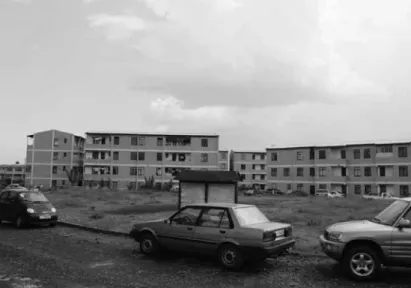
Figure 19: Finished condominiums in mikililand, addis ababa 22
Figure 20: Condominium block typical floor plan, snnpr. me engineering 23
Figure 21: Condominium block elevation, snnpr. me engineering 24
Figure 22: Condominium sites include commercial units at ground level in an effort to create
mixed-use environments. mikililand condominium site, addis ababa 25
Figure 23: a communal unit in Bole summit, addis ababa 26
Figure 24: national distribution of condominium projects across the nine regional states
of ethiopia 28
Figure 25: Lideta site being cleared 29
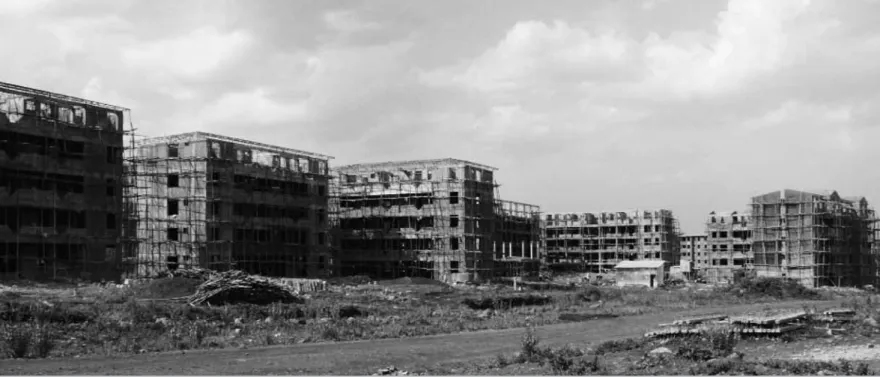
Figure 26: Construction of Bole summit, addis ababa 29
Figure 27: Quality checks on building materials are crucial to ensure a high-quality result
Lideta, addis ababa 30
Figure 28: Workman applying plaster to the first-storey of a condominium block
Bole summit, addis ababa 30
Figure 29: Lottery winners are announced around the city. Hdpo Headquarters, addis ababa 31 Figure 30: accumulated rubbish adjacent to condominium buildings. mikililand
condominium site, addis ababa 31
Figure 31: Labourers building the foundations for Lideta condominiums. Lideta, addis ababa 33
Figure 32: the latest condominium project under construction and the last one to be built
on the edge of the city: Bole summit, addis ababa 36
Figure 33: View from a communal corridor, Bole gerji, addis ababa 39
Figure 34: isolated natureof condominium sites on the periphery of the city. Bole summit,
lIst oF acRonYms
cIm Center for international migration and development
csa Central statistical authority
eIc ethiopian insurance Corporation
etB ethiopian Birr
etc ethiopian telecommunication Corporation
gdP gross domestic product
gtZ deutsche gesellschaft fur technische Zusammenarbeit
gtZis gtZ international services
HdPo Housing development project office
HPm Habitat programme manager
IHdP integrated Housing development programme
IHs institute for Housing and urban development studies
mFI micro-Finance institution
mHe mH engineering
mse micro and small enterprises
mwUd ministry of Works and urban development
newa network of ethiopian Women’s association
ngo non governmental organisation
Un-HaBItat united nations Human settlements programme
UnFPa united nations population Fund
Usd united states dollars
Vat Value added tax
The exchange rate used in this publication (as of June 2010): 1 USD = 13 ETB
Figure 35: significant improvement could be made to the design of the built environment
to improve the responsiveness to occupant needs and lifestyles 43
Figure 36: redundant communal building on mikililand condominium site, addis ababa 44
Figure 37: a completed condominium building prior to occupation. Jemo, addis ababa 46
Figure 1: the Pilot Project for the condominium Housing Programme built in Bole gerji. Bole gerji, addis ababa. © un-HaBitat / Katherine Hegab
EXECUTIVE SUMMARY
eXecUtIVe sUmmaRY
Since 2005 Ethiopia has been implementing an ambitious government-led low- and middle-income housing programme: The Integrated Housing Development Programme (IHDP). The initial goal of the programme was to construct 400,000 condominium units, create 200,000 jobs, promote the development of 10,000 micro - and small - enterprises, enhance the capacity of the construction sector, regenerate inner-city slum areas, and promote homeownership for low-income households. As the five-year programme nears completion, documentation of the programme is timely. This publication documents the IHDP and outlines how the project has been designed and implemented. The purpose of this publication is to document the genesis of the programme and the country’s experience since its inception, focusing predominantly on events within Addis Ababa as this is where most efforts have been made. The publication is based on desktop studies, literature reviews and a field survey undertaken by UN -HABITAT under invitation from the Ministry of Works and Urban Development of Ethiopia.
Factors and decisions that contributed to the success of the programme have been examined, and some of its current shortfalls have been evaluated, all with an aim to increase global understanding of the use of such an integrated programme to solve an existing low-cost housing shortage and reduce poverty through housing production. It documents a case study of the Ethiopian experience so that other countries may be able to adapt and apply this logic to their own public housing systems. The IHDP has been successful in many respects. Although the large-scale programme has not met all of its original targets, it has built 171,000 housing units to date, a significant achievement considering the previously limited capacity of the Ethiopian housing sector. The programme has greatly increased the number of homeowners that would never otherwise have owned a home within their lifetime, and, in parallel, has benefited the housing market by increasing the supply of owner-occupied housing and rental units. The programme has also built the capacity of the construction sector, addressed the existing slums and been a significant generator of employment opportunities.
There are, however, a number of unanticipated challenges facing the programme. The most pressing is the affordability of the units for low-income households, with the cost increases in the price of condominium houses deeming them no longer an option for many low-income households. Furthermore, the inability to pay the monthly mortgage and service payments forces many households to move out of their unit and rent it
out rather than risk loosing it through bank foreclosure. Many condominium sites are located on the periphery of the city and do not acknowledge the need for employment opportunities for residents, despite there living up to 10,000 households in some sites. This places further financial strain on beneficiaries in the form of daily transport costs. The quality and design of condominium blocks and the post-occupancy management are also critical factors that must be addressed to improve the sustainability of the programme.
This publication is intended for policy makers, public sector officials and urban practitioners. Accordingly, it aims to logically outline the design and effect of this programme on the multiple dimensions of housing (housing needs and demands, finance, infrastructure, the construction sector, and land). The first part of the publication gives a broad overview of the Ethiopian housing sector in order to situate the IHDP and highlight its significance in the Ethiopian context. The second part outlines the programme as a whole and then describes the individual project design phase. The third part documents the programme’s performance and the fourth part outlines the ‘lessons learnt’ and offers some conclusions in the programme.
tHis puBLiCation doCuments
tHe integrated Housing
deVeLopment programme (iHdp).
tHe purpose oF tHis puBLiCation
is to outLine tHe genesis oF tHe
programme and tHe eXperienCe
sinCe its inCeption, FoCusing
predominantLY on eVents WitHin
addis aBaBa.
Figure 2: addis ababa’s rising from a city of two-storey buildings to a city of skyscrapers. Bole, addis ababa. © un-HaBitat / Katherine Hegab
1
ChApTER onE
IntRodUctIon
to etHIoPIa
tHe etHIoPIan
HoUsIng sectoR
1.1 IntRoDUCtIon to ethIopIAThe Federal Democratic Republic of Ethiopia is a country of contrasts. Ancient rock-hewn churches sit alongside modern bustling cities. Cold mountainous regions counterpoint low-lying tropical monsoon climates. Eighty distinct ethnic groups and indigenous languages differentiate the ethnically diverse population. Small stable villages that are home to the majority of the population are distinct to the enormous and rapidly expanding urban areas. The country boasts vast areas of cultivable land yet regular food shortages and famine are common, and while there are a select few Ethiopians with considerable wealth a substantial proportion of Ethiopians live in extreme poverty.
Ethiopia is one of the poorest countries in the world. It is ranked 169th out of 175 countries in the United Nations Development Programme Human Development Index. Among other indicators demonstrating the massive developmental challenges facing Ethiopia, primary school enrolment is remarkably low at only 46 per cent, infant mortality is high at nearly ten per cent (98 child deaths per thousand), 53 per cent of the population is illiterate, and 40 per cent of the population lives below the poverty line1, 2. National unemployment is high at 16.7 per cent3, although in the capital city of Addis Ababa it is even higher at 32 per cent4.
With a population of 79 million, Ethiopia is the second most populous country in Africa. It is growing rapidly; the annual growth rate is 2.6 per cent, equating to two-million births per year5.
Despite having one of the lowest proportions of urban population in the world at only 16.7 per cent6, Ethiopia is rapidly urbanising at a high annual growth rate of 3.49 per cent7. In the space of seventeen years the urban population more than doubled from 6.4 in 1990 to 13.8 million in 20078. The population is very young with 45 per cent under 15 years of age9.
The combination of high population and urban growth rates coupled with a high prevalence of urban poverty have placed enormous strain on Ethiopian cites. 80 per cent of the population lives in sub-standard slum housing that needs either complete replacement or significant upgrading12, 13, 14. Ethiopian cities suffer from a high degree of homelessness, environmental degradation, urban decay, a shortage of infrastructure and basic services, and high unemployment. These factors combine to produce the critical urban issue addressed in
Contents
1.1 Introduction to Ethiopia 1.2 Brief history of land and
housing in Ethiopia
1.3 Current state of the housing sector
1.4 The vision of the Integrated housing Development programme
despite HaVing one oF tHe
LoWest proportions oF urBan
popuLation in tHe WorLd at
onLY 16.7 per Cent
10, etHiopia
is rapidLY urBanising at a
HigH annuaL groWtH rate oF
3.49 per Cent
11.
this publication: the lack of affordable, healthy housing for all sectors of the population.
Addis Ababa, the capital city, is relatively young having been established only one hundred and twenty years ago. It is located in the state of Oromiya and has a population of approximately 3.4 million, ten times larger than the second largest city in the country, Dire Dawa15,16. In the past ten years Addis Ababa has risen from a city of self-built single-storey homes, to a city of skyscrapers. This growth is set to continue as in the coming 15 years the population is projected to grow by 3.8 per cent per year17. 1.2 BRIeF hIstoRY oF LAnD AnD
hoUsInG In ethIopIA
During the first half of the twentieth century land and housing in Ethiopia were controlled by a select few individuals and groups who owned and tightly controlled land and housing development. Housing supply was led by the landowning elite with less than one per cent of the population owning more than 70 per cent of the arable land, on which 80 per cent of the peasants were tenants18. Low-income households had little option but to rent housing and this was done outside of any formal control or planning system. In 1962, for example, 58 per cent of the land in Addis Ababa was owned by only 1,768
individuals, equating to ownership of over 10,000m2 each19, leading to 55 per cent of housing units being rental housing20.
While government urban housing and land strategies were debated and documented at length they did not materialise into built projects to address the severe housing demand21 The government exhibited little national commitment to land and housing development for the low-income sector and there was no coherent approach or action toward land and housing provision. Therefore ad-hoc policies and approaches prevailed and informal, unauthorised housing proliferated22.
In 1974, the land and housing situation significantly changed as a result of the political revolution that saw the overthrow of Emperor Haile Selassie by the Soviet-supported junta, the ‘Derg’. In July 1975, Proclamation No. 47: ‘Government Ownership of Urban Lands and Extra Houses’ nationalised all urban land in an effort to force a fairer distribution of wealth across the country23. Two new typologies in the housing sector were established: Government-owned rental units, administered by the Agency for the Administration of Rental Houses, and Kebele Housing managed by Kebele Administration units, the smallest government administration unit, operating at the neighbourhood level. During this time approximately 60 per cent of housing in Addis Ababa was rental accommodation and Kebeles accounted for 93% of this rental accommodation24.
A consequence of the nationalisation was a significant reduction in the rental price for low-cost rental housing of between 15 and 50 per cent for occupants paying below ETB 300 (USD 23). In Addis Ababa, the rent of 80 per cent of the city’s population was reduced by 30 per cent25. Housing supply was controlled by the centralised government yet it was drastically insufficient to meet the large demand. For instance, in Addis Ababa between 1975 and 1995, only one-tenth of the projected dwellings were built because of “very low effective demand, rock-bottom national housing investment rates, and from regulatory constraints in the supply of land, credit, and building materials” (emphasis added) 26. During the late 1980s, the ‘Derg’ loosened its control of housing supply by allowing private house owners and tenants of public premises to sell and exchange their houses although in reality the government devolved very little control and maintained its position as the key driver of housing supply. Proclamation No. 292 of 1986 specified that “residential buildings could be produced only by state enterprises, municipal governments, housing cooperatives and individuals who build dwellings for their personal consumption”27, effectively excluding large-scale private sector housing developers to address the large demand.
The housing stock continued to be characterised by high rates of rental housing. By the mid-1980s, rental housing accounted for 60 per cent of the total housing stock in Addis Ababa28. The low rental rates resulted in little to no investment in housing which led to a further deterioration of housing quality. The housing conditions were poorest in the centre of Addis Ababa. According to the 1985 analysis report by the Municipal Technical College for the Teklehaimanot Upgrading Scheme, the average house had a floor area of 20m², 35 per cent of all houses had only one room, and 39 per cent of the urban
BY tHe mid-1980s, rentaL Housing
aCCounted For 60 per Cent oF
tHe totaL Housing stoCK in
addis aBaBa
30. tHe LoW rentaL
rates resuLted in LittLe to no
inVestment in Housing, WHiCH
Led to a FurtHer deterioration
oF Housing QuaLitY.
population lived in overcrowded housing that lacked basic services such as potable water and sanitation29. Since the overthrow of the ‘Derg’ by the Ethiopian People’s Revolutionary Democratic Force (EPRDF) in 1991, Ethiopia has been undergoing market-orientated reforms, structural adjustment policies, decentralization of governing structures, and a programme of agricultural development-led industrialization.
Following the new constitution and federal system of government, in 1994 a rural development policy, named the Land Reform Programme, was introduced. This sought to decentralize urban planning responsibilities and to encourage secondary cities to attract rural migrants to ease pressure on the already limited housing available for urban dwellers living in Addis Ababa and other major urban areas31. Addis Ababa’s first housing policy, incorporating the Government’s practice of maintaining public ownership, was also implemented at this time but it assumed that the housing market alone would meet the demand for affordable housing of the low-income population. Despite large subsidies and land provided at highly subsidised rates, the private sector has failed to deliver affordable housing at the large scale required. During this time house prices significantly rose making it extremely difficult for even professionals such as doctors and lawyers to access affordable housing.
The post-1991 housing sector can therefore be typified by the following four characteristics:
• The private housing sector has not been sufficiently engaged and therefore has not met the immense housing demand.
• The practice of low-cost government owned rental housing continues to be the dominant low-income housing strategy.
• The housing stock is of a very low quality, is poorly maintained, and needs either replacement or significant upgrading.
• Informal unplanned housing has proliferated as a result of high urbanisation, limited housing supply, and the limited affordability of formal housing.
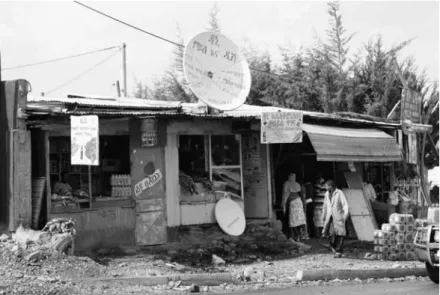
Figure 4: market street, addis ababa. © un-HaBitat/ Katherine Hegab
1.3 CURRent stAte oF the hoUsInG seCtoR
This section gives a broad but concise overview of the Ethiopian housing sector in an effort to highlight the significance of the Integrated Housing Development Programme. It does not, however, include aspects of the Integrated Housing Development Programme as these are discussed at length in Part Two.
1.3.1 policy and legal frameworks related to housing
Since 1991 Ethiopia has had a decentralised regulatory structure with considerable autonomy devolved to regional states regarding the management of their internal affairs. The country is divided into nine states (Kilils) and two autonomous administrative areas, the cities of Addis Ababa and Dire Dawa. The states are, in theory, financially independent from the national government. Each state comprises zones, districts (Woreda), cities, and neighbourhood administrations (Kebeles). In each region the districts are the basic planning unit and have jurisdiction over the kebeles32. The capital city of Addis Ababa has ten sub-city administrations containing 11 elected executives and 128 councillors at city level. There are 99 Kebeles within the capital and 300 councillors between them to represent 30,000 people. All land is property of the national government and is leased, not sold, for development.
Until recently, there were few national coordination policies regarding housing and urban development. In 2005, the Council of Ministers of the Federal Democratic
Republic of Ethiopia formulated and approved a consolidated Urban Development Policy to link together the small-scale efforts made by regional governments and cities since 2000. They also created the national Ministry of Works and Urban Development (MWUD) to guide the overall development of the country’s urban areas and conducting studies on its urbanisation patterns33. Within MWUD, the National Urban Planning Institute is responsible for preparing physical urban development plans, the Housing Development Bureau works towards the implementation of the IHDP including the MSE Development Programmes, the Urban Development Support Services deal with financial planning, human resources, and capacity building.
1.3.2 Key players in housing
The dominant player in housing is the state, manifested through its various arms such as regional governments, districts, and kebeles. The state controls the majority of the rental accommodation and influences the supply of new housing through active involvement in material production and importation, land supply, and housing finance.
Very few private housing developers exist. The private construction industry is very small and it is complicated and time consuming to start a company, register it, and conduct business34. Those that do exist operate only for high-income groups as there is little incentive to construct low-income housing.
Since the late 1970s housing cooperatives have also provided an avenue for home ownership35, 36. This delivery method was established in 1978, through
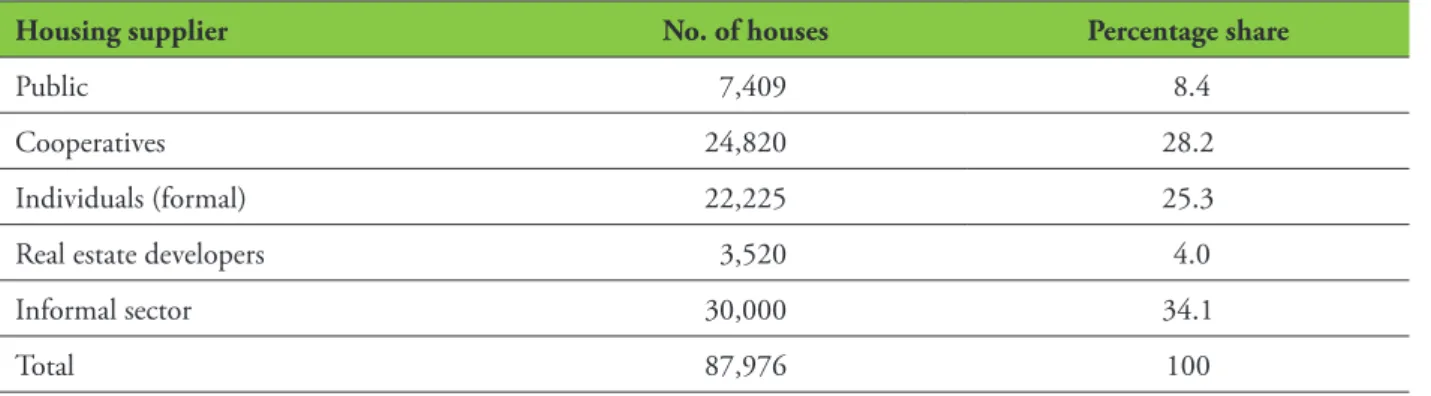
Housing supplier No. of houses Percentage share
Public 7,409 8.4
Cooperatives 24,820 28.2
Individuals (formal) 22,225 25.3
Real estate developers 3,520 4.0
Informal sector 30,000 34.1
Total 87,976 100
Source: Addis Ababa City Government, 2004, cited in haregewoin, Y. (2007) Integrated housing Development programs for Urban poverty Alleviation and Sustainable Development (The Case of Addis Ababa). proceedings, European network for housing Research 2007: Sustainable Urban Areas. Rotterdam, 25-28 June 2007. p.5.
Proclamation No. 138. The approach is for citizens to organize themselves into small groups (between 10 and 20 people), register as a cooperative group for land allocation, develop savings capacity, prepare settlement plans, receive land and secure tenure, and largely build their housing themselves incrementally37. Cooperatives have received varying levels of government support over the last 40 years. Between 1986 and 1992, housing supply by cooperatives did increase due to the significant subsidy of construction materials (60 per cent), land being allocated with no charge, and low mortgage interest rates, but this help was inadequate to meet the magnitude of housing demand. Between 1975 and 1992 housing, cooperatives produced a mere 40,539 units38. In addition to its small scale, cooperative housing is challenged by the undesirable peripheral location of land allocated, low quality of allocated land making construction costly and difficult, and the exclusion of the poorest sector of society who more often than not do not have a savings capacity at the scale demanded by this relatively expensive approach.
Informal unplanned housing provision constitutes a considerable proportion of the total housing supply, although there are vastly different estimates of the scale of urban informality. Informal housing is especially prevalent in Addis Ababa accounting for 34.1 per cent of total housing supply between 1996 and 2003 (Table 1), and it is the fastest growing supply method39. Involvement in the housing market by Non-Governmental Organisations (NGOs), both national and international, has been of small scale. While many NGOs operate in Ethiopia, few deal with housing and land issues. The three most visible NGOs dealing with housing are the Integrated Holistic Approach - Urban Development Project (IHA-UDP), CARE and
CONCERN, who have been involved in upgrading of sanitation and infrastructure and facilitating community participation in upgrading projects41. They work mainly at the city and kebele level. The German Technical Corporation (GTZ) has been operating in Ethiopia for many decades, primarily in providing technical support and building capacity in building construction.
1.3.3 Housing stock
The existing housing stock is of a very low physical quality. Using the UN-HABITAT slum definition, 80 per cent of Addis Ababa is a slum with 70 per cent of this comprising government owned rental housing. The majority of low-income Ethiopians reside in rented kebele housing. The quality of kebele housing
stock is low: typically constructed of mud, wood, and/ or discarded materials. Kebele houses are old, having been constructed many decades ago and little to no maintenance has been carried out. Some houses remain with no access to water and electricity, and many do not maintain minimum standards of sanitation. Government inactivity in kebele housing maintenance as well as the low rents are the major reasons why the kebele housing stock is of such a low quality. Although also of relatively low quality, owner occupied houses are of a higher standard than kebele housing. They are less deteriorated due to age and greater attention to maintenance. Data on the national stock of informal housing units is not available, although Addis Ababa in the year 2000, had an estimated 60,000 informal ‘squatter’ units representing 20 per cent of the city’s housing stock42.
inFormaL unpLanned Housing
proVision Constitutes a
ConsideraBLe proportion oF
tHe totaL Housing suppLY in
etHiopia. inFormaL Housing is
espeCiaLLY preVaLent in addis
aBaBa, aCCounting For 34.1 per
Cent oF totaL Housing suppLY
BetWeen 1996 and 2003, and it
is tHe Fastest groWing suppLY
metHod
40.
The physical form of Ethiopian housing has been dominated by single-storey construction, with a high proportion of ‘terrace housing’ (housing units adjoining other units rather than free-standing). Nationally, in the 1994 census, 98.3 per cent of buildings nationwide were single storied and the remaining 1.7 per cent were multi-storied buildings43.
In terms of tenure, private house ownership levels are low. In Addis Ababa only 30 per cent of houses are owner occupied. Rental housing is the dominant tenure mode. In Addis Ababa, in the 1994 census 57.3 per cent of the housing stock was government-rental, either through local municipalities, or the National Agency for Administration of Rental Housing44.
1.3.4 Housing needs and effective demand
The government estimates that the current housing deficit is between 900,000 and 1,000,000 units in urban areas, and that only 30 per cent of the current housing stock is in a fair condition, with the remaining 70 per cent in need of total replacement45. In Addis Ababa alone, 300,000 units are required to meet the deficit46. The housing deficit is set to increase concurrently with the foreseen high population and urbanization growth. Between 1983 and 2007, Ethiopia’s population more than doubled, from 33.5 million to 81.2 million47, and it is projected to more than double again by 2050 to reach 170.2 million. To accommodate future growth, the Urban Sector Millennium Development Goals Needs Assessment (2004) predicted that to meet the Millennium Development Goals (MDGs) in 2015 requires a total of 2,250,831 units, which equates to a considerable 225,000 houses per annum.
There is massive demand for serviced, healthy, affordable housing. This demand stems from both the current housing deficit and the poor quality of the existing kebele housing stock that is beyond repair. However, there is low effective demand. Effective demand is based on the ability and willingness to pay for housing, affected by income and what households are prepared to pay. Although effective demand is difficult to determine because it requires reliable data on income levels and expenditure patterns of households, their savings capacity and prioritisation of housing vis-à-vis other forms of investment, it is the case that the majority of Ethiopians cannot pay for formal housing supplied by the private market. Therefore, the greatest need is for affordable housing.
Figure 7: the physical form of housing in ethiopia is predominantly single-storey. © un-HaBitat
tHe pHYsiCaL Form oF etHiopian
Housing Has Been dominated BY
singLe-storeY ConstruCtion. in
terms oF tenure, priVate House
oWnersHip LeVeLs are LoW. in
addis aBaBa onLY 30 per Cent
oF Houses are oWner oCCupied.
rentaL Housing is tHe dominant
tenure mode.
tHere is massiVe demand For
serViCed, HeaLtHY, aFFordaBLe
Housing. tHis demand stems
From BotH tHe Current
Housing deFiCit and tHe poor
QuaLitY oF tHe eXisting KeBeLe
Housing stoCK tHat is BeYond
repair.
1.3.5 urban infrastructure and basic urban services
Infrastructure and basic urban service provision is low. The majority of Kebeles have access to water and electricity but they have limited access to adequate sanitation systems. The sewerage network is small; in Addis Ababa it covers only 3 per cent of the city’s area. As with housing, infrastructure and basic urban services are provided and regulated by the state.
1.3.6 Housing finance
There is a distinct absence of a diversified and flexible housing finance sector in Ethiopia. For many years, the Construction and Business Bank (CBB) (formerly the Housing and Savings Bank) was the only bank to offer housing construction loans and long-term mortgages for the procurement of housing. The Bank, which was owned by the government of Ethiopia, relied heavily on the Central Bank for its capital. During previous regimes this was not a problem, as the government was responsible for the procurement of housing for the urban poor and housing units were completed and held by the government in a rental portfolio. However, in the 1990s, the Construction and Business Bank started lending money directly to housing cooperatives. Overall, this centralized financial set-up has resulted in a housing finance sector that is very limited in its scope and diversity of the products it offers.
A major challenge facing securing affordable housing for low-income Ethiopians has been access to housing finance.
Following the market-led adjustments implemented post-1991, subsidized interest rates were removed which significantly increased lending rates. Rates increased from 4.5 per cent for co-operatives and 7.5 per cent for individuals to 16 per cent for both, severely reducing the opportunity for the low-income households to secure a home loan48. Furthermore, with a high percentage of low-income people receiving income from informal sources and lacking capital to use as collateral, access to formal credit has been limited or non-existent. The low level of domestic savings of the population, coupled with the shortage of external resources, has affected the availability of investment in the housing sector. At the household level, these translate into a low level of investment in housing, and little capacity of the low-income population to own minimum-standard housing. Houses of a minimum standard have simply been out of financial reach for the poor49.
1.3.7 Construction industry and building materials
As with finance and urban service provision, the government significantly controls the construction industry. Before 1991 the government had a monopoly over the production and supply of building materials. Even though the government is still active in retailing and some subsidies remain in place, material production and supply is gradually shifting to a market based approach where prices are by-and-large market prices50. Building materials are high in price and of a low quality relative to neighbouring countries51.
For low-income housing the most common building materials used are wattle and daub (‘chikka’) for walls, with roof rafters of round tree lengths (usually Eucalyptus) covered with corrugated iron sheeting, and Figure 8: small-scale enterprise in addis ababa. © un-HaBitat
a maJor CHaLLenge FaCing
seCuring aFFordaBLe Housing
For LoW-inCome etHiopians
Has Been aCCess to Housing
FinanCe. FoLLoWing tHe
marKet-Led adJustments
impLemented in tHe post-1991
period, suBsidiZed interest
rates Were remoVed WHiCH
signiFiCantLY inCreased
Lending rates.
skim concrete or compacted earth floor. Larger multi-storey commercial and residential buildings in urban areas are composed of reinforced concrete frame and slab construction with hollow brick or fired brick infill walls. There is a pressing need for more cost efficient alternative materials, as the current cost of construction materials is a high proportion of total construction cost, typically around 70 per cent52.
The construction industry comprises four main sectors: building and residential development sector (construction companies), civil engineering sector, professional services, and informal self-building sector53. Construction companies are classified according to size, expertise, and financial capability. They must be registered with the MWUD and licensed to undertake construction work. There is little specialisation in contractors work, with contractors taking on all aspects of a building project (rather than specific tasks such as foundations, structure, roofing, etc)54.
The professional services sector comprises mostly architects, engineers (mechanical, sanitary) and quantity surveyors. Logically, the informal self-building sector is not registered but supplies materials and labour at a very large scale, employing a large number of people. There is little cross-collaboration between the professional sector and informal sector.
The national Ethiopian Building Code, Ethiopian Building Proclamation 624/2009 is a legal document that outlines the building regulations and requirements, for use by local authorities to ensure building standards are maintained in their jurisdiction. Parts of Ethiopia are located in an earthquake zone and a code exists to ensure buildings resist maximum predicted earthquake loads. The codes are only used and enforced in buildings developed in the formal sector.
The construction sector is undergoing several changes. The government’s plan for the budget year of 2008/09 was to enhance “the capacity of the construction industry by making it capable and competitive, enhancing its contribution to the country’s economy, enabling it to meet the demand for housing construction, and enabling it to create ample employment opportunities”55. It aimed to achieve this by improving construction industry policy; developing a construction industry capacity building programme; and ratifying and implementing the national building proclamation56.
Figure 9: ‘chikka’: the traditional construction material for residential construction. © un-HaBitat
Figure 11: multi-storey buildings in addis ababa are typically constructed from cast in-situ reinforced concrete frame with brick infill walls. © un-HaBitat
Figure 10: construction methods in ethiopia are labour intensive. © un-HaBitat
1.3.8 Cross-cutting issues
HIV/AIDS
HIV/AIDS is a serious issue facing Ethiopia. Although infection rates are lower than in other sub-Saharan countries, HIV/AIDS is the leading cause of deaths among adults in Ethiopia, with estimated 7 million deaths by 2014. The national infection rate is 4.4 per cent, but in urban areas it is considerably higher: 15.6 per cent in Addis Ababa and 12.7 per cent for all urban areas. Compared to other sub-Saharan African cities, Addis Ababa has “the largest concentrations of people living with and dying from HIV/AIDS”57.
HIV/AIDS creates a serious housing issue. The effects resulting from death of a family member from HIV/AIDS can be softened by an asset base, typically homeownership, enabling the surviving household members to recover more quickly. In rental housing, the death of the primary income-earner can force the eviction of remaining household members if rent cannot be paid. Likewise, security of tenure is especially important for orphans of parents who die due to HIV/AIDS. They can be thrown out of rental property with no notice when they are unable to pay the rent. In Ethiopia the number of orphans created as a consequence of HIV/AIDS is immense, currently standing at 79,00058. Furthermore, a healthy, safe housing environment plays an essential role in reducing the effects of living with HIV/AIDS. Gender
Women in Ethiopian society hold a marginalised position compared to men. Women are discriminated in many aspects of their life. In the United Nations Development Programme’s Gender Related Development Index, Ethiopia is ranked fourth to last, placed no. 142 out of 146 countries. “Stereotyped thinking, social taboos
and discriminatory laws are still discriminating women in Ethiopia”59. Several indicators demonstrate the challenges of gender equality, with high levels of illiteracy (23 per cent), low education levels (22 per cent have
only received primary education) and only four per cent having reached university level. These figures are half the levels of those for men. Ethiopian women have low levels of participation in managerial and professional jobs. In terms of housing, security of tenure is lower for women. Under Ethiopian tradition, house ownership does not extend to women, and therefore if the husband dies the widow must fight for legal access and ownership60. If a divorce takes place, women are more likely to have to find another house, or move back in with her parents or relatives61. In addition, the cross-cutting issues of HIV/ AIDS and gender combine to result in women being more vulnerable to HIV than men: young women in Addis Ababa are three times more likely to contract HIV than young urban men62.
Gender inequalities are slowly improving. The national poverty reduction strategy, the Plan for Accelerated and Sustained Development to End Poverty (PASDEP), has wide references to gender; the penal code has been revised in 2005 to give more power to women to resist violence, marriage by abduction, female genital mutilation and abortion; and more generally gender is being mainstreamed in government policies and existing laws and programmes, especially since the National Policy on Women (1993)and the 1994 Constitution (articles 7 and 35) that afford women the same rights as men63.
1.3.9 Current low-income housing approaches
Private sector housing supply remains constrained by high costs and time required for title registration, land access, construction material supply, along with cumbersome and expensive procedures for land and property transactions and the shortage of experienced private developers 65, 66.
Slum upgrading continues to be a marginal approach to improve low-income settlements. In Addis Ababa, there was one notable government slum upgrading programme, led by the Environmental Development Office (EDO), established in 199467, although housing improvement did not feature as part of this programme. Slum upgrading programmes remain piecemeal and small scale, and do not directly address the housing units but rather the urban infrastructure and services. Many officials and local professionals believe that slum upgrading ‘does not work’ in Ethiopia because of the irreparable state of the housing units, the massive deficit that such small-scale programmes cannot address, and the need to increase density on valuable inner-city land.
aLtHougH gender ineQuaLities
are sLoWLY improVing,
stereotYped tHinKing, soCiaL
taBoos and disCriminatorY
LaWs are stiLL disCriminating
The Integrated Housing Development Programme
The prominent current government approach to solving the low-income housing challenge is the Integrated Housing Development Programme (IHDP), initiated by the Ministry of Works and Urban Development (MWUD) in 2005. The Programme is a continuation of the ‘Addis Ababa Grand Housing Programme’ which supported the endeavours of the Ethiopian Government in their implementation of the ‘Plan for Accelerated and Sustained Development to End Poverty’ (PASDEP). The IHDP aims to:
a) Increase housing supply for the low-income population
b) Recognise existing urban slum areas and mitigate their expansion in the future
c) Increase job opportunities for micro and small enterprises and unskilled labourers, which will in turn provide income for their families to afford their own housing
d) Improve wealth creation and wealth distribution for the nation
1.4 the vIsIon oF the InteGRAteD hoUsInG DeveLopMent
pRoGRAMMe
The preceding sections have demonstrated the significant challenges facing the Ethiopian housing sector. Sustained high urbanization and population rates will put extra pressure on already failing and deteriorated urban infrastructure, services, and housing stock. The massive housing needs are unlikely to be met by the small-scale housing cooperative, government, and upgrading
approaches prevailing from the late 1970s until the mid 2000s, especially considering the high demand by the low-income sector of the population for affordable housing.
In response to this challenge, the Ethiopian government outlined an ambitious vision for low-income urban and housing development, formulated as the Integrated Housing Development Programme (IHDP), for all slums to be cleared within ten years time and for Ethiopia to be a middle-income country by 2025. In particular:
‘The IHDP envisages…the utilisation of housing as an instrument to promote urban development, create jobs, revitalise the local urban economy through MSE development, encourage saving and empower urban residents through property ownership, and develop the capacity of the domestic construction industry.’68 The initial ambition set by the Government for the IHDP for 2006-2010 was69:
a) To construct 400,000 housing units.
b) To create 200,000 jobs and thereby contribute significantly to the national target of reducing urban unemployment by half.
c) To promote the development of 10,000 small enterprises on a sustainable basis in the construction industry.
d) To deliver 6,000 hectares of serviced land per annum for housing and other investments. e) To enhance and build the capacity of
contractors, consultants, engineers and foremen as well as suppliers of construction materials. f) To support the private sector to produce
125,000 housing units per annum through the provision of land and infrastructure and a conducive legal and policy framework.
Figure 12: condominium housing of the Integrated Housing development Programme. © un-HaBitat
tHe iHdp enVisages tHe
utiLisation oF Housing as
an instrument to promote
urBan deVeLopment, Create
JoBs, reVitaLise tHe LoCaL
urBan eConomY tHrougH
mse deVeLopment, enCourage
saVing and empoWer urBan
residents tHrougH propertY
oWnersHip, and deVeLop tHe
CapaCitY oF tHe domestiC
the target was 360,000 residential condominium units across a range of housing typologies (Table 2) and 9,000 commercial units.
The government aims to meet nearly half the housing needs and to support private sector to provide the other portion70. After further elaboration of the programme,
Studio 1 Bedroom 2 Bedroom 3 Bedroom Total units Addis Ababa 36,750 71,750 52,500 14,000 175,000
Other regional states 38,850 75,850 55,500 14,800 185,000
Total 75,600 147,600 108,000 28,800 360,000
% distribution 21% 41% 30% 8% 100%
Source: adapted from Dolicho, E. (2006) Condominium, A new housing Development Approach for Addressing the Low Income housing problem of Addis Ababa, Ethiopia (Final Report). IChUD, IhS, June 2006, Rotterdam, The netherlands.
Figure 13: the collosal condominium site of Jemo I, II and III Jemo, addis ababa © un-HaBitat / Katherine Hegab
ChApTER Two
tHe condomInIUm
HoUsIng PRogRamme
In etHIoPIa
2
Contents2.1 overview, origins and
significance of the programme 2.2 programme Design 2.3 project Design 2.4 Case studies
tHe IntegRated
HoUsIng deVeloPment
PRogRamme
2.1 oveRvIew, oRIGIns AnD
sIGnIFICAnCe oF the pRoGRAMMe
The Integrated Housing Development Programme (IHDP) is a government-led and financed housing provision programme for low-and middle-income households in Ethiopia. The programme was launched in 2004 (1996 in the Ethiopian calendar) by State Minister Oqubay Arkebe, then the Mayor of Addis Ababa. Within the IHDP, specific projects are undertaken on either brown-field sites or slum areas that are cleared and residents re-housed. The common attribute of each project is the type of housing developed, condominium housing: multi-storied housing units for several households where communal areas are jointly owned and managed (see Boxed Text 1).
The IHDP has impressive targets. The mandate of the IHDP is to reduce slum areas in the city by 50 per cent and address and improve the unemployment percentage in the capital within five years, through the building of nearly 400,000 new units nationally. As of mid-2010, the government had built a total of 80,257 housing units in Addis Ababa (Table 3).
Origins
State Minister Oqubay Arkebe was the driving force behind the programme during his time as Mayor of Addis Ababa between 2003 and 2005. His main goal was to build low-cost housing in Addis Ababa. He made a proposal to the German Technical Corporation (GTZ) office to which they responded by setting up an office in Addis Ababa and commencing the design of the pilot condominium housing project in the neighbourhood of Bole Gerji.
The pilot project consisted of 750 residential units along with office and commercial units. GTZ managed the project on behalf of the city government and the project was extremely successful in terms of cost and time. When the government suggested building upwards of 40,000 houses every year, GTZ declined to continue their direct involvement with project design and implementation, instead taking an advisory role. To achieve such ambitious targets, GTZ recommended that the government create a new office specifically for housing development, which they did in 2005 by establishing the Addis Ababa Housing Development Project Office (HDPO).
At the start of the programme, the Mayor created a steering committee, composed of the Bureau Heads of the Addis Ababa City Administration and representatives from GTZ and MH Engineering, an Ethiopian design and engineering consulting firm. Later, the Housing Development Project Office assumed full management of the programme and a Board of Governors containing all members of the former steering committee, except the GTZ representative, was created.
Significance of the programme
The Ethiopian Integrated Housing Development Programme is an ambitious programme that directly addresses the pressing low-income housing challenge. The programme is significant and worthy of documentation for four principal reasons.
1. Large scale
The programme is a large-scale approach to addressing the current housing deficit, the poor quality of the existing housing stock, and the future housing needs due to continued urbanization. Ethiopia is one of few countries in Africa that has recently implemented a programme at such an ambitious scale. The large scale contrasts the prevailing approach of small-scale project-based slum upgrading and housing cooperative schemes.
2. Pro-poor
The programme allows low- and middle-income households, who typically live in precarious housing situations to access improved housing. Through the construction of durable, fully-serviced housing units the programme greatly improves their living conditions, security of tenure, and access to basic services. Importantly, the programme has facilitated access to credit for the low-income sector of the population, through the Commercial Bank of Ethiopia, where previously there was very limited opportunity for low-income households to secure credit for improved housing.
3. Slum prevention and access to homeownership
The programme marks a radical departure from previous government-owned rental housing approaches to that of private homeownership. The programme highlights government and local authority commitment to addressing housing affordability for the low-income sector of the population and improving the living conditions of the low-income urban dwellers to meet the MDGs and reduce urban slum prevalence rates in Ethiopia.
4. Integrated approach to housing and economic development
The programme recognizes the opportunity for housing
to stimulate the economy, create employment, and improve the capacity of the construction and financial sectors. The adoption of cost-effective construction techniques and systems, notably pre-cast concrete elements, have reduced construction costs (by up to 30 per cent) compared with conventional systems, improved the speed of construction, and facilitated the development of small and medium enterprises to produce construction elements. Furthermore, effective quantity surveying and construction management systems have helped reduce construction costs and material wastage, resulting in a programme that is extremely cost-efficient.
Box 1: condominium housing: a broad definition of a housing typology
Condominium housing is a name given to the form of housing tenure where each resident household owns their individual unit, but equally shares ownership and responsibility for the communal areas and facilities of the building, such as hallways, heating systems, and elevators. there is no individual ownership over plots of land. all of the land on a condominium site is owned by all homeowners.
usually, the external maintenance of the roof and walls are undertaken by a Condominium association that jointly represents ownership of the whole complex, employing strict management to ensure funding from each homeowner. this association consists of representatives of all condominium residents who manage the site through a Board of directors, elected by association members.
a register of condominium units and common areas on site and any restrictions on their use is commonly established in a master deed which authorizes the Board of directors to administer condominium affairs and assess owners on their performance of adequate maintenance. rules of governance are usually covered in a separate set of Bylaws which generally govern the internal affairs of the condominium blocks. Bylaws usually establish the responsibilities of the Condominium association; the voting procedure to be used at association meetings; the qualifications, powers, and duties of the Board of directors; the powers and duties of the officers; and the obligations of the owners with regards to assessments,
maintenance, and use of their unit and common areas. a set of rules and regulations, providing specific details of restrictions and conduct, are established by the Board and are more readily amendable than the declaration or Bylaws. typical rules include mandatory maintenance fees (often a monthly collection), pet and livestock restrictions, and colour/design choices visible from the common areas of the buildings. ➤
2.2 pRoGRAMMe DesIGn
This section outlines the structure of the Integrated Housing Development Programme. It covers institutional and legal frameworks, programme finance, and specific features common to all projects (such as housing unit typologies, commercial and communal unit provision, and construction costing).
2.2.1 institutional Framework
The institutional framework is illustrated in Figure 14. Ministry of Works and Urban Development (MWUD) The Ministry of Works and Urban Development deals with the housing programme at large. The Ministry provides support and direction at national level whilst a Bureau of Works and Urban Development in each region has been set up to coordinate the specific needs of the area. Under the Housing Development Bureau in the MWUD there are four Directors: one to manage housing finance; one for the implementation mechanisms; one for capacity building and one for research and design. Addis Ababa City Administration
The Addis Ababa City Administration is the managing agency for the IHDP in Addis Ababa. The office is responsible for the selection of new sites; the allocation of government resources; the extraction of funds from the city’s budget to finance construction; the acquisition
of bonds from the Commercial Bank of Ethiopia (CBE) to pay for all other factors including the infrastructure costs and design-team costs; and the compensation of all households displaced by inner-city renewal. The City Administration created the Housing Development Project Office (HDPO) specifically to manage the implementation of the housing programme.
The Housing Development Project Office (HDPO)
The Housing Development Project Office was set up to ensure the successful delivery of the three main processes in the IHDP in Addis Ababa: the ‘design’, the ‘construction’, and the ‘housing transfer and administration’. Ten sub-city branch offices of the HDPO were set up around the city to facilitate the construction of condominium units. In addition there are four Housing Transfer Offices each clustering several sub-cities.
German Technical Corporation (GTZ)
In 2003, GTZ investigated the technology of prefabricated building materials needed to implement a low-cost housing programme, through their bilateral programme. The last project they were involved in was handed over to the government in March 2010, marking the completion of their contract. Whilst the organisation was acting as an implementing body, they engaged a project manager to administer both the finance and construction aspects of the programme.
MH Engineering (MHE)
MH Engineering is a large Ethiopian architecture firm. The company, composed of 80 architects, civil engineers, structural engineers, electrical engineers, and quantity surveyors, was responsible for the concept design of the first condominium project in Ethiopia and a succession of 31 schemes thereafter, 13 of which were under the management of GTZ, and the remaining 18 under the management of the HDPO.
The firm’s initial designs for cost-efficient condominiums in Addis Ababa stemmed from their collaboration with the Low-Cost Housing Project at GTZ, where they introduced the Cost-Efficient Methodology (LCH-MH system) of utilising pre-cast concrete elements in building design. MHE produced a manual that addressed the housing problems experienced by the country’s low-income groups and offered their conceptual design solution as an open and accessible piece of work to be explored.
MH Engineering has provided supervision for new condominium projects, but has stepped back from their role as the lead design team so as to enable newly established companies to take on the responsibility.
the upkeep of walls and features inside a condominium unit is the sole responsibility of homeowners themselves. this area is defined as the area bounded by the walls of the building, allowing the homeowner to make some interior modifications without creating an impact on the common areas. these boundaries are specified by a legal declaration, filed with the local governing authority. anything outside this boundary is held in an undivided
ownership interest by a corporation established at the time of the condominium’s creation.
Condominium unit owners can be permitted to rent out their home to tenants, although leasing rights may be subject to conditions or restrictions set forth in the original declaration, such as a rental cap on the total number of units a communitycan lease atany one time, or otherwise as permitted by local law. the programme recognizes the opportunity for housing to stimulate the economy, create employment, and improve the capacity of the construction and financial sectors.
Figur e 14: Institutional framework ( n ational { mw U d } and in a ddis a baba). Central Bank of ethiopia (CB e) Ministry of w
orks and Urban Development (M
w
UD)
Addis Ababa City Administration
h ousing Development project o ffice ( h D po ) Construction & supervision Contractors Consultants M se s 10 project o
ffices/ Bureaus for Construction for 10
sub-cities support process support process h ousing
transfer & Administration
4 h ousing transfer o ffices Design policy reseach & planning Bur eau Land a dministration and envir onmental pr otection Bur eau
Finance and economic development Bur
eau pr oject office a rada pr oject o ffice Lidetta pr oject o ffice Laffo pr oject o ffice Yeka pr
oject office Bole
pr oject o ffice Kirkos pr oject office g ullele a udit Legal pr oject o ffice addis Ketema H dpo t ransfer o ffice north (Cluster ed sub-cities) H dpo t ransfer o ffice south (Cluster ed sub-cities) H dpo t ransfer o ffice east (Cluster ed sub-cities) H dpo t ransfer o ffice West (Cluster ed sub-cities) pr oject o ffice Kolfe Keranyo pr oject office a kaki- Kality resear ch planning & Budget pur chase, Finance & a dministration Communication a ffairs d esign & infrastructur e Coor dination Bur eau of W orks and u rban d evelopment (BoW ud ) Cr edit d ivision u rban d evelopment Capacity Building o ffice Land d evelopment Banking and renewal pr oject o ffice Land a dministration
and Construction permit
a uthority Housing d evelopment Bur eau Federal u rban planning institute Land d evelopment & m anagement Bur eau