San Jose State University San Jose State University
SJSU ScholarWorks
SJSU ScholarWorks
Dissertations Master's Theses and Graduate Research
Spring 2020
Developing Teachers Technological, Pedagogical, and Content
Developing Teachers Technological, Pedagogical, and Content
Knowledge (TPACK) Through Design Thinking and Community of
Knowledge (TPACK) Through Design Thinking and Community of
Practice
Practice
Jennifer Gee Huei Wang San Jose State University
Follow this and additional works at: https://scholarworks.sjsu.edu/etd_dissertations
Recommended Citation Recommended Citation
Wang, Jennifer Gee Huei, "Developing Teachers Technological, Pedagogical, and Content Knowledge (TPACK) Through Design Thinking and Community of Practice" (2020). Dissertations. 43.
https://scholarworks.sjsu.edu/etd_dissertations/43
DEVELOPING TEACHERS
TECHNOLOGICAL, PEDAGOGICAL, AND CONTENT KNOWLEDGE (TPACK) THROUGH DESIGN THINKING AND COMMUNITY OF PRACTICE
A Dissertation Presented To
The Faculty of the Educational Doctoral Program in Educational Leadership San José State University
In Partial Fulfillment
of the Requirements for the Degree Doctor of Education
by
Jennifer Gee Huei Wang May 2020
© 2020
Jennifer Gee Huei Wang ALL RIGHTS RESERVED
The Designated Dissertation Committee Approves the Dissertation Titled
DEVELOPING TEACHERS
TECHNOLOGICAL, PEDAGOGICAL, AND CONTENT KNOWLEDGE (TPACK) THROUGH DESIGN THINKING AND COMMUNITY OF PRACTICE
by
Jennifer Gee Huei Wang
APPROVED FOR THE DEPARTMENT OF EDUCATIONAL LEADERSHIP SAN JOSÉ STATE UNIVERSITY
May 2020
Mark K. Felton, Ph.D. Acting Chair, Department of Teacher Education & Faculty Associate Dean of Research
Lara Ervin-Kassab, Ed.D. Assistant Professor, Department of Teacher Education
Joseph McCreary, Ed.D. Assistant Superintendent of Education Services, Berryessa Union School District & Adjunct Faculty, CSU East Bay,
ABSTRACT
DEVELOPING TEACHERS
TECHNOLOGICAL, PEDAGOGICAL, AND CONTENT KNOWLEDGE (TPACK) THROUGH DESIGN THINKING AND COMMUNITY OF PRACTICE
by Jennifer Gee Huei Wang
Current professional development programs have been ineffective in developing teachers’ technological, pedagogical, and content knowledge (TPaCK). Development of teachers’ TPaCK is fundamental for 21st century student-learning. After a series of professional development workshops with the design thinking process, this study examined whether and how the self-selected K-5 teachers in a suburban elementary school in California demonstrated TPaCK in the integration of instructional technologies when they engage in a community of practice (CoP) structured around design thinking. Data was collected by online TPaCK surveys, exit slips after the CoP, audio recordings and field notes from the CoP and focus group interview. This study examined evidence of growth in teachers’ TPaCK and the teachers’ attitudes and perceptions of the process and outcomes of going through the design thinking method and a CoP.
DEDICATION
I would like to dedicate this dissertation to my grandparents. You have paved the way for my success. Thank you for giving me my name and passing your values of the
importance of education and always striving to be the best person I can be. I am proud to say that I’m the first female to achieve a doctoral degree on both sides of the family.
ACKNOWLEDGMENTS
I would like to thank all the teachers and the principal at the school site; this wouldn’t be possible without your support. Your knowledge and thoughts are valuable to further educational studies. Thank you for taking part. I would like also to thank my committee members. First, Dr. Joe McCreary, thank you for the encouragement, support, and check-ins throughout the process. Dr. Lara Ervin-Kassab, thank you for our meetings and our countless discussions of technology, teacher knowledge, and professional development. Dr. Mark Felton, thank you for providing a strong structure and explanations of
professional development and teacher knowledge while guiding me through the whole dissertation process. I am so fortunate in working with each one of you. I would like to thank my cohort, C4. I have gained awesome experiences and memories with your knowledge, support, long writing sessions, and discussions. Thank you.
Also, I would like to first thank all my family and friends. To my parents, thank you for your support and encouragement throughout this whole process. Thank you for being there, calling me to check up on my process, and giving me snacks, such as fruit and tea, while I worked late at night during your visits. Thank you Betty and Liz for checking up on me throughout the process. Thank you, Elena, for your beautiful smile and laughter. It has lessened the stress for me when I had some tight deadlines. Thank you, Evelyn, for believing in me and saying, “I think you are the best teacher. I want to be just like you.” Or just the simple words of “Aunty Jen, when are you going to be a doctor?” You have helped me push through and continue writing when I wanted to stop. Thank you.
TABLE OF CONTENTS List of Tables ... ix List of Figures ... x Chapter 1: Introduction ... 1 Overview ... 1 Problem Statement ... 4
Purpose of the Study ... 6
Research Questions ... 7
Definition of Terms ... 7
Background and Role of the Researcher ... 10
Chapter 2: Literature Review ... 11
Technology in the Classroom ... 11
Professional Development ... 14
Resistance to Professional Development ... 17
Defining Effective Professional Development ... 20
Technological Pedagogical and Content Knowledge (TPaCK) ... 23
Finding Innovative Solutions through Design Thinking ... 28
TPaCK and Design Thinking ... 30
Effective Professional Development and Design Thinking ... 35
Community of Practice ... 36
How TPaCK, CoP, and Design Thinking are Connected ... 38
Chapter 3: Methodology ... 42
Research Study ... 42
Research Design and Procedures ... 43
Community of Practice Sessions ... 44
Community of Practice 1: Ideate ... 45
Community of Practice 2: Prototype ... 46
Community of Practice 3: Test ... 47
Participants and School Context ... 48
Data Collection and Instrumentation ... 50
TPaCK survey ... 50
Field notes and recordings of the CoP sessions ... 51
Exit slips ... 51
Focus group interview ... 52
Data Analysis Procedures ... 53
Validity ... 57
Addressing Ethical Considerations, Limitations, Positionality ... 57
Chapter 4: Findings ... 59
RQ1: Evidence of Growth in Teachers’ TPaCK and Technology Integration ... 59
Participants of both professional development workshops and CoPs. ... 65
RQ2: Teachers’ TPaCK and Technology Integration in Design Thinking CoP ... 70
CoP 1: Introduction - Technology challenges ... 70
CoP 1: Challenges of students and technology skills. ... 71
CoP 1: Technology Benefits ... 73
CoP 1: Concerns of Overuse ... 75
CoP 2: Introduction ... 77
CoP 2: Student collaboration ... 79
CoP 2: Sparking curiosity ... 82
CoP 3: Introduction ... 86
CoP 3: Curriculum-focused ... 87
CoP 3: Student collaboration and engagement ... 88
CoP 3: Student collaboration, engagement, and curriculum-focused instruction . 89 CoP 3: Teacher curiosity of tech tools ... 90
CoP 3: Teacher using technology tools again ... 91
RQ3: Teachers’ Evaluation of the Process and Outcomes of Professional Development Experience ... 92
Reflecting on their teaching practices ... 93
Feeling supported with their learning ... 94
Individual Stories of Teacher Growth ... 96
Anna ... 97 Laura ... 100 Tina ... 103 Jessica ... 104 Evelyn ... 107 Elena ... 110 Mike ... 111 Chapter 5: Discussion ... 114 Summary of Findings ... 116
Discussion of the Results Related to Literature and Field ... 119
Contributions to the Literature on Professional Learning ... 122
Recommendations ... 125
Study Limitations ... 126
Conclusion ... 128
References ... 130
Appendices ... 139
Appendix A: Survey Questions for All Teachers ... 139
Appendix B: Consent Form for Survey ... 143
Appendix C: Consent Form for CoPs, Exit Slips, and Focus Group ... 145
Appendix D: Letter of Consent from School Site Administrator ... 147
Appendix E: Institutional Review Board Approval (Survey) ... 148
LIST OF TABLES
Table 1. Community of Practice Teachers and Their Demographic Information ... 49 Table 2. TPaCK Core Competencies and Indicators ... 55 Table 3. Data Analysis Codes ... 56
LIST OF FIGURES
Figure 1. Revised version of the TPaCK framework ... 24
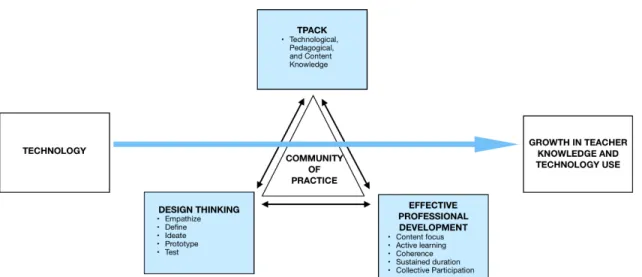
Figure 2. Conceptual framework utilizes literature ... 39
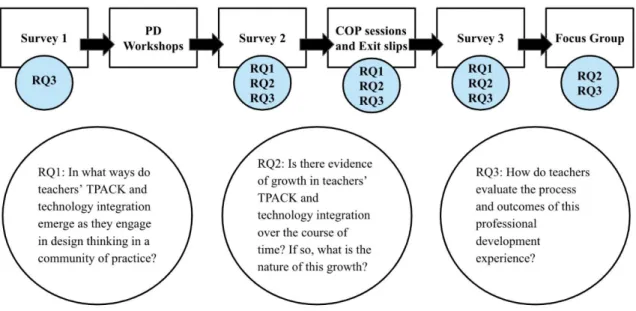
Figure 3. Data collection process ... 43
Figure 4. Research questions and instrumentation ... 53
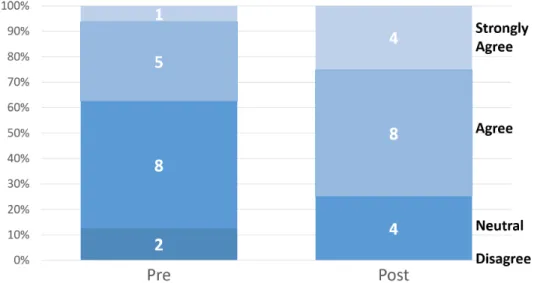
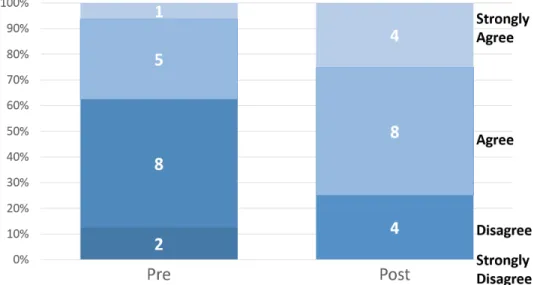
Figure 5. Teachers thinking more deeply about technology ... 61
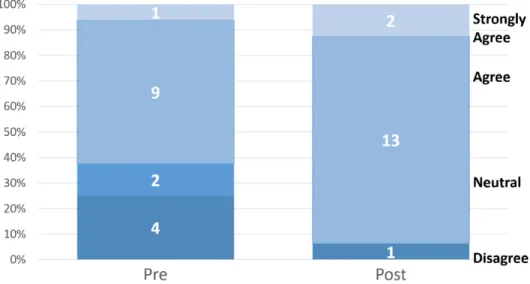
Figure 6. Teachers thinking critically about how to use technology ... 61
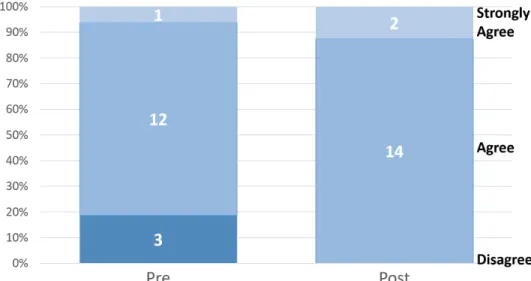
Figure 7. Adapting the use of technology to different learning activities ... 62
Figure 8. Using strategies that combine approaches ... 62
Figure 9. Selecting technologies to use in classroom that enhance teaching ... 63
Chapter 1: Introduction Overview
The role of professional development programs has become increasingly central to creating educators who are prepared to address the challenges of 21st century learning. The idea that schools should teach a fixed body of knowledge has given way to the understanding that students must learn skills to adapt to the demands of global citizenship, information economies, and a rapidly changing workforce (California Department of Education, 2018). With constant developments and innovations in
technology, teachers must remain current in their knowledge to be effective in preparing 21st century students (Henriksen, Richardson, & Mehta, 2017). For example, the
presence of educational technology has increased dramatically, with the number of on-site educational devices going from 3 million in 2010 to 14 million in 2017, an increase of 363% in seven years (Bushweller, 2017). Teachers need meaningful professional development to adopt new technological tools, to develop deep pedagogical knowledge of these tools, and become confident enough to adapt to new ways of learning (Enderson & Watson, 2019). Students need skilled teachers to motivate them and help them develop 21st century skills using relevant technologies. For their part, teachers, themselves, need these same skills to make learning timely and relevant. As a result, addressing teacher professional development is critical to ensuring that technology initiatives and
intervention programs are successfully implemented (Cheng & Xie, 2018).
All too often, curriculum and technology initiatives are decided by district offices, and professional development fails to adequately address the particular local needs of
teachers tasked with implementing those initiatives (Boshuizen & Wopereis, 2003; Groff & Mouza, 2008; Tondeur, Van Braak, Ertmer, & Ottenbreit-Leftwich, 2017;
Vongkulluksn, Xie, & Bowman, 2018). Such initiatives fail when professional
development focuses on the content to be learned, rather than the professional learning of the teachers who must use that content (California Department of Education, 2012). In fact, simply providing a program of professional development without actively engaging the teachers’ professional knowledge will seldom foster their willingness to experiment with new tools in the classroom (Figg & Jaipal, 2012; Finefter-Rosenbluh, 2016). The nature of professional development and learning is ongoing and continuing in teachers’ practice and daily lives. Desimone (2009) identifies five core elements of effective professional development: content focus, active learning, coherence, duration, and collective participation. Connecting content and activities on subject matter content and how students learn should become the focus, which results in increases in teacher knowledge, improvements in practice, and greater student outcomes (Desimone, 2009).
In addition to Desimone’s (2009) core elements, professional development must also engage teachers’ technological pedagogical content knowledge (TPaCK) in order to meet the demands of the new curriculum. TPaCK is comprised of technological knowledge, pedagogical knowledge, and content knowledge, as well as their intersection. Content knowledge refers to the subject matter, pedagogical knowledge refers to the methods for teaching and learning the content and technological knowledge refers to the tools and technologies that can assist in learning. Together, these bodies of knowledge can be combined to produce technological pedagogical knowledge, which refers to the
knowledge of how technological tools and resources can enhance teaching and learning in a particular subject matter. For the authentic integration of instructional technology to take place, teachers must have a flexible mindset for developing TPaCK. (Austin, Smyth, Rickard, Quirk-Bolt, & Metcalf, 2010; Sipilä, 2014). The unwavering changes and demands of 21st century learning can overwhelm teachers and by having an open mind, teachers can inquire, problem-solve, and reflect on how technology integration can be applied in the classrooms.
Design thinking, a model originally developed for product design, is beginning to receive recognition for its promise in educational settings (Henriksen et al., 2017; Wrigley & Straker, 2017), particularly as it applies to integrating new instructional technologies (Koh, Chai, Wong, & Hong, 2015; Mosely, Wright, & Wrigley, 2018). Design thinking can be an effective professional development process to develop
teachers’ TPaCK because it operates on the premise that those utilizing and applying the process must adopt a creative, entrepreneurial mindset and be open minded to a variety of possibilities (Koh et al., 2015). This creative and collaborative approach to problem-solving takes participants through a five-stage process: Empathizing, Defining, Ideating, Prototyping, and Testing. Design thinking may help overcome some of the barriers teachers face in integrating technology by grounding learning in the practical needs that teachers identify in their classroom; defining needs before integrating technological solutions; and encouraging teachers to test and refine ideas iteratively. However, the success of using design thinking, like any other professional development solution, depends on a deep understanding of what opportunities and constraints unfold during
implementation (Bryk, 2009). To date, very little attention has been paid to how teachers engage and refine their TPaCK and expand their use of instructional technologies through professional development activities informed by design thinking.
In this dissertation, I observed teachers as they employ design thinking in a
professional development setting, focusing on the ways in which they pose problems and design solutions as they learn to integrate instructional technologies into their curriculum. I also collected information about teachers’ perceptions of the approach to gain insights into how best to leverage design thinking to address an important gap in teacher
preparation for 21st Century learning. Problem Statement
When integrating technology into the classroom, teachers face the barriers of their own limited knowledge and skills, their attitudes and beliefs, and the limited support and resources they receive from their school and district (Ertmer, Ottenbreit-Leftwich, Sadik, Sendurur, & Sendurur, 2012; Vongkulluksn et al., 2018). Teachers’ experiences,
perceptions, and attitudes correlate to how much technology is being used in the classroom, and whether it is being utilized strategically, overused, or used in ways that duplicate other non-digital resources available to students (Polly & Hannafin, 2010).
Professional development implementation can often be ineffective in developing teachers’ TPaCK when teacher beliefs about technology’s potentiality (Cheng & Xie, 2018) and relevance to their pedagogy (Figg & Jaipal, 2012; Vongkulluksn et al., 2018) is not taken into account. Since technology integration is a focus in the district, current professional development programs must change to be effective. Effective professional
development models consist of active learning, coherence, content focus, sustained duration, and collective participation (Desimone, 2009). These elements can address teachers’ challenges in technology integration and can help with the growth of TPaCK in teacher’s pedagogy. The flexibility and differentiated teaching philosophies, styles, and approaches can be addressed in effective professional development programs. One example is by sharing curriculum-based activity types within each discipline area, encouraging teachers to address students’ learning needs and preferences, and selecting technologies to address these needs each time they plan a lesson, project, or unit (Harris, Mishra, & Koehler, 2009). Tailoring these professional development programs to
teachers’ values and allocating effort, resources, and time to improve interest level and the practicalities of technology use can support the increase of technological usage in the classrooms (Cheng & Xie, 2018; Tondeur, Pareja, van Braak, Voogt, Prestridge, 2017).
Communities of practice (CoP) in education have been shown to be an effective context for professional development because they are a group of people who come together to deepen their knowledge and expertise in an area of common concern by interacting on an ongoing basis (Ng & Tan, 2009; Wenger, McDermott, & Snyder, 2002). CoPs actively, collectively, and critically reflect on educational goals and values while also taking the initiative to learn (Ng & Tan, 2009). Collaboration and discussion through collaborative communities allow teachers to analyze and reflect about their teaching practices and students’ learning, which then contribute to teachers’ professional development. This creates a space where teachers can reflect on practice in ways that sustain instructional improvement. In fact, studies have shown that, both novice- and
inexperienced teachers become more participative, reflective, and confident as they participate in CoPs over time (Woolway, Msimanga, & Lelliott, 2019).
Combining design thinking and CoP might produce a context for teachers to engage, explore, and expand their TPaCK and integration of technology. The importance of instilling positive value beliefs in technology will help overcome teachers’ resistance to technology integration by making learning relevant to them. The CoP could support and instill teachers’ beliefs and applications of technological usage in the classroom and give them the ability to reflect and develop their professional learning (Wieczorek, 2017). In professional learning, reflection, discourse, and teacher differentiation must be
considered given teachers’ prior experiences and knowledge of technology usage (Ciampa & Gallagher, 2013). Opportunities of effective professional learning in the professional development workshops with CoP and the design thinking process will engage reflection, collaboration, and discourse that can contribute to technological teaching and learning experiences in the classroom. When teachers lead the process to create, present, and collaborate in professional development activities, teachers’ growth and student learning outcomes can occur (Wieczorek, 2017).
Purpose of the Study
This study will examine whether and how teachers demonstrate TPaCK in the integration of instructional technologies when they engage in a community of practice (CoP) structured around design thinking. In particular, this study will involve K-5 teachers at Laurelwood Elementary (pseudonym), a suburban elementary school in the San Francisco Bay Area of California.
Research Questions
1. Is there evidence of growth in teachers’ TPaCK and technology integration over the course of time? If so, what is the nature of this growth?
2. In what ways do teachers’ TPaCK and technology integration emerge as they engage in design thinking in a community of practice?
3. How do teachers evaluate the process and outcomes of this experience? Definition of Terms
Technological Pedagogical and Content Knowledge (TPaCK). TPaCK is an
understanding that emerges from interactions among content, pedagogy, and technology knowledge. TPaCK is the basis of effective teaching with technology, requiring an understanding of the representation of concepts using technologies; pedagogical techniques that use technologies in constructive ways to teach content; knowledge of what makes concepts difficult or easy to learn and how technology can help redress some of the problems that students face; knowledge of students’ prior knowledge and theories of epistemology; and knowledge of how technologies can be used to build on existing knowledge to develop new epistemologies or strengthen old ones” (Koehler & Mishra, 2009, p. 66).
Effective professional development.Garet, Porter, Desimone, Birman, and Yoon (2001) provide evidence that in order for professional development to be effective in improving teaching practice and student learning, at least five features must be in place:
● Content focus: activities that are focused on subject matter content and how students learn that content
● Active learning:opportunities for teachers to observe, receive feedback, analyze student work, or make presentations, as opposed to passively listening to lectures ● Coherence: content, goals, and activities that are consistent with the school
curriculum and goals, teacher knowledge and beliefs, the needs of students, and school, district, and state reforms and policies
● Sustained duration: professional development activities that are ongoing throughout the school year and include 20 hours or more of contact time ● Collective participation: groups of teachers from the same grade, subject, or
school participate in professional development activities together to build an interactive learning community (Desimone & Garet, 2015, p. 253)
Community of practice (CoP). According to Wenger (2011), a CoP is a group of people “who share a concern or a passion for something they do and learn how to do it better as they interact regularly” (Wenger, 2011, p. 1). CoP affects educational practices along three dimensions:
● Internally: How to organize educational experiences that ground school learning in practice through participation in communities around subject matters?
● Externally: How to connect the experience of students to actual practice through peripheral forms of participation in broader communities beyond the walls of the school?
● Over the lifetime of students: How to serve the lifelong learning needs of students by organizing communities of practice focused on topics of continuing interest to students beyond the initial schooling period?
Design thinking.A five-phase process of creative problem-solving developed by the Hasso-Plattner Institute of Design at Stanford University. The five phases of Design Thinking are as follows:
● Empathize with your users. This is the phase of setting aside assumptions to gain insight into the needs of users.
● Define your users’ needs, their problem, and your insights by reviewing information gathered from the Empathy stage.
● Ideate by challenging assumptions, finding alternative ways to look at the problem, and developing innovative solutions.
● Prototype solutions. The prototype phase explores ideas developed in the Ideate stage. Solutions are iteratively inspected, accepted, improved, and reviewed. ● Test solutions and find the best solution to the problem. This last phase is to
reconsider the problem and inform the understanding of the users with all the parameters such as the conditions of use, how people think, behave, and feel, and to emphasize.
Design thinking operates on the premise that those utilizing and applying the process must adopt a creative, entrepreneurial mindset to become open minded to a variety of possibilities. Design thinking, originally a model for product design, is beginning to receive recognition for its possibilities in education settings (Henriksen et al., 2017; Koh et. al., 2015; Wrigley & Straker, 2017).
Background and Role of the Researcher
I am currently a fourth-grade teacher and my research focus inherently questions established patterns of professional relationships, responsibilities, and, ultimately, power structures. I have past experience designing and facilitating professional development with instructional coaches, administrators, and other teacher leaders. Over the past 14 years, I have facilitated app-of-the-month technology updates, the design of the literacy curriculum, and the selection of English language development strategies. From my experience, many teachers have grown tired of a top-down model of curriculum training and implementation because they don’t feel respected as active participants in the changes being proposed. Over time this mindset becomes fixed and when opportunities arise that allow teachers to have a say and make a positive change, their mindset hinders any new development.
After being involved in designing and facilitating professional development programs in literacy, English language development, and technology, it was obvious to me that teachers also have just as much responsibility for making opportunities for further meaningful learning to their art and craft of teaching.
Chapter 2: Literature Review
Teachers face the barrier of integrating technology of their own limited knowledge and skills, their attitudes and beliefs, and the limited support and resources they receive. Teachers’ knowledge and attitudes correlate to technology use in the classroom.
Professional development implementation can be ineffective in developing teachers’ knowledge, beliefs, and attitudes. The chapter starts with the background of technology in the classroom and the resistance of professional development, effective professional development, TPaCK, Design Thinking, followed by the connections between TPaCK, Design Thinking, and CoP. The following research questions guide this investigation:
1. Is there evidence of growth in teachers’ TPaCK and technology integration over the course of time? If so, what is the nature of this growth? (RQ1)
2. In what ways do teachers’ TPaCK and technology integration emerge as they engage in design thinking in a community of practice? (RQ2)
3. How do teachers evaluate the process and outcomes of this professional development experience? (RQ3)
Unfortunately, schools have been rather slow in embracing the use of technology when it comes to signature pedagogies within specific content areas. This is significant, as education cannot hope to meet the demands of a globalized, knowledge-based society without leveraging available 21st-century
communication technologies that serve as both the delivery mechanisms for instruction as well as the future platforms in which students will work and perform. (Crippen & Archambault, 2012, p. 158)
Technology in the Classroom
The generation coming of age in our school systems today operates with a digital vocabulary and reservoir of technological knowledge and skills that cannot be ignored. In
response, teachers must learn to integrate this new paradigm meaningfully into the
curriculum both to engage students and to prepare them to engage with a changing world. The demands of our increasingly technological and online world increase the
expectations we put on our students to develop digital literacy, including basic hardware understanding, word processing skills, typing, online test taking, and navigating and understanding a variety of User Interface (UI) experiences for educational purposes and outcomes. The majority of students are up to the task as many participate in these skills in their personal interaction with technology, but they must also learn to apply these skills in academic and professional contexts that extend beyond their prior experience.
Crippen and Archambault (2012) suggest that research in educational technology needs to be integrated into the curriculum because of the potential impact on students’ scientific knowledge and their interest in science, technology, engineering, and math-related career paths. To address these new demands on students’ learning, teachers need to learn how to use digital technologies and evolve their teaching practices (Harris et al., 2009; Meyer, Abrami, Wade, & Scherzer, 2011) so they can keep up with 21st Century Learning (Niess, 2011; Sipilä, 2014).
Technology has become more widely utilized in the classroom in the past ten years. Students have become more inclined to use technology overall, and access to technology in school has surged. Laptop, tablet, and Chromebook use has increased by 363% over the past seven years from three million devices in 2010 to fourteen million in 2017 (Bushweller, 2017). Ninety-percent of available technologies in the classroom are
cell phones, and 35% are tablets and e-readers. More than two-thirds of teachers want more technology for the classroom; 74% of teachers use technology to reinforce and expand content knowledge, motivate students, and respond to a variety of learning tasks (Murray, 2017).
Despite these statistics, the benefits of instructional technology are not being
leveraged by most teachers (Groff & Mouza, 2008; Wood, Mueller, Willoughby, Specht, & Deyoung, 2005; Vongkulluksn et al., 2018). That is, although teachers are using technology in their classrooms, they are not strategically using it to develop 21st-century skills. According to Murray (2017), the most commonly used technological resources for teachers are online lesson plans (48%) and web-based interactive games and activities (45%). While 44% of teachers use technology to deliver class information, and 43% of teachers use technology as online videos, images, and articles (Murray, 2017), students report that their classroom technologies are used primarily for practice and rote activities, rather than critical thinking (Bushweller, 2017).
Educators may need to adapt to the current times, but they also need to have a critical eye on the technology being used in our schools (Kimmons & Hall, 2018). Because limiting screen time is considered important for students’ well-being (Merga & Williams 2016; Scoggin & Vander Ark, 2018), making strategic use of technology in the classroom becomes even more vital. Although some teachers are struggling with technology
integration, changes in access, student characteristics, and curriculum may drive teacher’s efforts (Ertmer et al., 2012).
And yet, despite all of these changes, teachers must begin with what they know in order to meaningfully integrate new technologies. Being able to draw on their
pedagogical experience and consider what is good practice will help educators
understand educational technology and its place in teaching and learning (Niess, 2011; Selwyn, 2008). Educators design experiences and learning environments from their pedagogical beliefs and valued practices, which ultimately influence their understanding and use of technological tools. Also, educators who use technology as a strategic tool help shape and enhance learning tasks by connecting content, technology, and pedagogy within their practice (Dillon & Åhlberg, 2006; Loveless, 2011; Luckin, 2008).
Professional development for educators should involve modeling technology integration in context and within learning communities (Loveless, 2011; Pea, 1993; Turner, Simon, Pickering, Daly, & Pachler, 2007). Knowledge and understanding are promoted through cognitive learning processes at individual, group, and systemic levels. In education, providing pedagogically-grounded learning methods and tools is ultimately more important than introducing any particular new technology (Niess, 2011; Sipilä, 2014). Professional Development
Earlier research has found that, for teachers, the motivation to improve upon existing practices increases with age (Kooij, de Lange, Jansen, Kanfer, & Dikkers, 2011; Kooij, & de Lange, 2015; Van der Heijden, Van Vuuren). This phenomenon may be due to older teachers having more confidence in using a variety of strategies and practices that are tried and true to them. In contrast, younger teachers are still building their repertoire of methods in the classroom and may not even consider the need for technology integration
until they master the basics. Newer teachers also may not see much of a need for more professional development in technology as they may already be comfortable with technology use. However, familiarity with technology in daily life may not always translate to classroom integration (Russell, Bebell, O’Dwyer, & O’Connor, 2003). New teachers transitioning from a teacher-preparation program to classrooms can also have a hard time finding ways to successfully use technology to enhance learning (Russell et al., 2003; Tondeur, Pareja, et al., 2017).
A variety of approaches to promoting educational technology have been taken over the years, such as software-focused initiatives; demonstrations of sample resources, lessons and projects; technology-based educational reform efforts; structured/
standardized professional development workshops or courses; and technology-focused teacher education (Harris et al., 2009; Starkey, 2011; Tondeur, van Braak, et al., 2017). However, technology in education is not just a new strategy or tool, but a new paradigm; it is a tall order to expect that teachers can become comfortable with integrating
technology effectively with the status quo of professional development. To meet the challenge, professional development in technology requires strong support from the local professional community, including principals, instructional coaches, and administrators (Wieczorek, 2017; Kimmons & Hall, 2018; Vongkulluksn et al., 2018). In addition, it requires measurability plans that recognize and support these efforts (Fabry & Higgs, 1997; Groff & Mouza, 2008; Hardy, Rönnerman, Moksnes Furu, Salo, & Forsman, 2010; Vongkulluksn et al., 2018; Wood et al., 2005).
Technology itself, however, can drive the collaboration needed to understand the technology tools adopted. Therefore, teachers should themselves use technology collaboratively, to understand how to apply it to classroom collaboration (Austin et al., 2010; Ciampa & Gallagher, 2013; Starkey, 2011). “Technology expands interactivity and the ability to create and share information; its adoption legitimates its use. Thus, we see traditional activities reinvented for the technological age in order that previously agreed subject matter might be better learnt” (Adams, 2011, p. 30). This can either be a tool that is used indefinitely within a school or district, such as the Google Suite, or it can be something grade-level teams do for a short period of time in order to gain knowledge of its inner workings. For example, Padlet can be used to facilitate idea sharing among teachers, and Sutori can be used to share lesson plans in a timeline fashion. By using various apps, programs, and technology for their own professional purposes, teachers gain valuable insight into how these applications can be applied to student learning. Even though teachers may be aware that collaborative learning is key to being a 21st-century
educator, collaborative learning among teachers has to be purposeful with useful outcomes. Professional development must reflect attention to the different kinds of knowledge and values that will increase and enhance teachers’ collaborative learning (Austin et al., 2010).
Technology never should be a placeholder for learning minutes in the school day, but rather a tool to enhance and redefine the process of learning (Gibson, 2001; Harris et al., 2009).To understand how a new technology tool would work in this capacity, educators would benefit from exploring what the tool has to offer. The Common Core Standards’
main goal is to create students that are ready for the rigors of college and careers. We will want their use of technology to mirror that goal. In 2015, the National Assessment of Educational Progress reported 61% fourth-grade reading teachers had received training in how to integrate technology in classroom instruction, up from 64% in 2009 (Bushweller, 2017). Although this upswing is promising, it may not be sufficient to meet the demands. The lack of professional development in this area is one of the most cited reasons for not implementing and integrating new technology (Fabry & Higgs, 1997; Figg & Jaipal, 2012; Groff & Mouza, 2008; Russell et al., 2003; Vongkulluksn et al., 2018). Despite efforts over the past twenty years, creating confident and willing educators that are prepared to implement technology in meaningful ways remains challenging. Resistance to Professional Development
Even as teachers encounter increased access to technology, many continue to resist change (Fabry & Higgs, 1997; Groff & Mouza, 2008). Howard (2013) found that teacher resistance to technology is due, in part, to uncertainty and risk perception. He
recommends that teachers be supported by professional development that addresses these real and perceived risks and provides continuous school-based support. Also, he suggests that professional development should give teachers time to gain familiarity with
technology tools to reduce anxiety. Teachers need the time to work with the tools within a safe environment before being able to evaluate and discover their possible benefits for teaching and learning (Crippen & Archambault, 2012; Russell et al., 2003; Wood et al., 2005). In order to minimize risks, technology integration and learning objectives need to be aligned and well communicated within the school (Austin et al., 2010; Howard, 2013).
It was found that teachers’ use of technology was based on their assumptions and beliefs about teaching, learning, and technology in general (Austin et al., 2010). In other words, the meaningful integration of technology comes only when it is consistent with and situated within teachers’ pedagogical understanding. Technology integration must
therefore be situated in the context of pedagogy and learning outcomes, rather than being presented as an end itself (Figg & Jaipal, 2012; Meyer et al., 2011; Price & Kirkwood, 2014).
While students forge ahead with technology in their personal lives, teachers, on the other hand, struggle with integrating technology meaningfully into their pedagogy (Koehler et al., 2011; Underwood & Dillon, 2011). Even new teachers, who should be more adapted to using technology, have a hard time finding ways to successfully use technology for learning outcomes (Tondeur, Pareja, et al., 2017). For many teachers, there is no clear or defining direction given by district and state agencies. Teachers are stuck in the middle of a dance between the state standards, district technology plans, decontextualized professional development, and inadequate pre-service training, leaving them hesitant to experiment in the classroom (Fabry & Higgs, 1997; Groff & Mouza, 2008; Vongkulluksn et al., 2018; Wood et al., 2005). To be successful, these efforts must be coordinated.
Alenezi (2017) discovered that when teachers implemented technology in the classroom, they felt that they lacked support. For example, when they attempted to implement or use the new innovations in their classroom, some teachers expressed that policies and security restrictions hindered their practice of new technologies and
innovations in the classroom. Teachers also mentioned that inaccessibility to resources, like computers, wireless networks, and other special devices, like iPads, or digital cameras also hinders implementation (Tondeur, van Braak, et al., 2017). According to one study, teachers do not want to lose instructional time to technology issues that may impede their effectiveness or student performance in class or on state assessments (Wood et al., 2005). This study also found that teachers feel that additional time is needed to create lesson plans that integrate technology with the right balance. At times, districts do not have enough funds to support access to technology for every staff member, teacher, and student in the classroom.
Many teachers pointed to obstacles in obtaining adequate professional development in technology, which included not being able to attend due to scheduling, the burden of having too many other obligations, and a general lack of comfort with technology.
Interestingly, many teachers who were viewed as relative experts in the use of technology stated they rarely participated in voluntary or school-sponsored professional
development. These self-taught teachers had an innate drive to tinker and experiment with new technologies on their own time and in the classroom. But teachers who are not able to support themselves in this way may not have the time, information, support, or incentives to continuously improve from year to year. The support of school leaders and continuous professional development are critical to helping teachers to implement new instructional strategies in line with legislative and district initiatives (Fabry & Higgs, 1997; Price & Kirkwood, 2014; Sanders & Hembrick-Roberts, 2013).
Teacher’s beliefs about learning, teaching, and knowledge affect their teaching practices, and these teaching practices in turn affect the use of digital technologies. In
Teacher Beliefs and Technology Integration Practices: A Critical Relationship, (Ertmer et al., 2012), the authors examine the external barriers that may impede pedagogically-integrated technology practices in the classroom. Their main goal in examining these barriers is to ultimately gather a clearer understanding of how the pedagogical beliefs of teachers align with their technology practices in the classroom. Their focus was built on earlier research that indicated that “external forces and expectations” and
“pre-determined curricular or assessment practices” are barriers that stand between teachers’ pedagogical ideals and their actual technology integration (Ertmer et al., 2012). In their own study, Ertmer and colleagues (2012) found that the small percentage of teachers (45 of 516 surveyed) who overcame such obstacles did so by rearranging their curriculum and adjusting their pedagogy in the classroom. Technology, of course, is constantly changing. The authors, therefore, frame their conclusions around the idea that it is paramount to pedagogically integrate technology in a way that promotes deeper thinking skills and helps students to choose the right tools to solve complex problems. In short, pedagogical ends must be established to justify the means.
Defining Effective Professional Development
Given these many challenges, what can be done to help teachers develop professionally in the area of educational technology? Blank and de las Alas (2009) conducted a meta-analysis on the elements of effective professional developments based on gains in student achievement. They concluded that effective programs included
coaching, mentoring, internship, professional network, study group, coursework, and in-service. Among 16 studies, evidence showed that active learning involves discussions with colleagues, observing other teachers, and developing professional networks. Previous studies have mentioned that “effective” professional development has three characteristics: (1) it is consistent with a teacher’s school curriculum or learning goals and/or aligned with district standards; (2) it is consistent with the day-to-day operations of schools, and (3) it is compatible with instructional practices and pedagogical
knowledge (Blank, de las Alas, & Smith, 2007). If these three parameters are met, it results in improvements in teaching and the long-term sustainability of practices. The integration of technology and professional development will become more effortless when problems—such as access, platform incompatibilities, and teachers’ attitudes of online collaborative work as being ‘technological game playing’—get ameliorated, but it will also take conscious effort to align technology integration with the curriculum.
Desimone (2002) argues that a common conceptual framework of teachers’
professional development would help the general understanding of how to create learning opportunities for teachers. Desimone (2009) goes on to argue that, based on empirical research, the core features of effective professional development are content focus, active learning, coherence, sustained duration, and collective participation. Content focus refers to activities that focus on subject matter content and how students learn that content. Active learning refers to opportunities for teachers to observe others, receive feedback, and analyze student work. Coherence involves content, goals, and activities that are consistent with teacher beliefs, student needs, school curriculum, and school, district, and
state goals. Sustained duration refers to professional development that is continuous throughout the school year and includes 20+ hours of contact time. Collective participation involves groups of teachers from the same grade, subject, and school to build an interactive learning community. Based on these core features, Desimone (2009) offers five observations. First, changing classroom procedures and behavior is easier than improving content knowledge or inquiry-oriented instruction techniques. Second,
teachers have different responses when given the same professional development. “Differentiated” professional development should be given to select their area of needed improvement and include collective participation. Third, professional development is more successful when linked to classroom lessons. Professional development is less effective when there is an imbalance of teachers’ pedagogy and alignment with teachers’ guidance, support, and lesson plans. Fourth, professional development research and implementation must address urban contexts (students and teachers mobility). Fifth, leadership plays a key role in supporting and implementing ideas and strategies from professional development.
The author then defines what is considered professional development. At times, professional development has formal and informal communities of learning, which cause conflicts in the measurement of effectiveness. Some types of professional development are embedded and learned within the teacher's own classroom through self- or observer- examination and reflection. Professional development is ongoing and embedded in teachers’ practice and daily lives. It should focus on the intersection of activities, subject
matter and how students learn, which results in teacher knowledge and skills, improvements in practice, and increased student achievement.
Technological Pedagogical and Content Knowledge (TPaCK)
Harris et al. (2009) argue that technology integration in classrooms is often
ineffective because educators and curriculum developers fail to account for the complex and dynamic relationships between content, context, pedagogy, and technology. To address this problem, the authors propose the Technological, Pedagogical, and Content Knowledge (TPaCK) framework, originated from Shulman (1986) to detail how teachers might effectively integrate technology into teaching practice. The authors emphasize the process of learning more than the tools:
Understanding that introducing new educational technologies into the learning process changes more than the tools used--and that this has deep implications for the nature of content-area learning, as well as the pedagogical approaches among which teachers can select--is an important and often overlooked aspect of many technology integration approaches used to date. (Harris et al., 2009, p. 395)
TPaCK approaches include technology-based educational reform efforts, structured and standardized professional development workshops and courses (such as software-focused initiatives), demonstrations of sample resources, lessons and projects, and technology-focused teacher education courses.
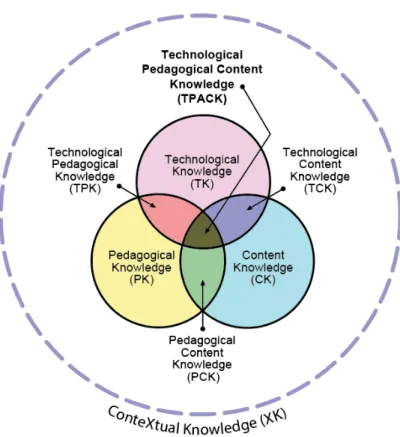
Figure 1. Revised version of the TPaCK framework. © Punya Mishra, 2018. Reproduced with permission.
The TPaCK theoretical framework (Figure 1) recognizes the ways in which technological knowledge (TK), pedagogical knowledge (PK), and content knowledge (CK) overlap to create unique and synthesized bodies of knowledge about how we use technology to achieve subject-specific learning outcomes. Pedagogical content
knowledge (PCK) draws on Shulman’s (1986) concept of knowing how to teach specific content in a discipline. Technological pedagogical knowledge (TPK) is the understanding of how learning changes when using specific technological tools that are developmentally and disciplinarily appropriate. Technological content knowledge (TCK) is the
understanding that technologies can influence the representation of knowledge across disciplines. Finally, at the intersection of the three knowledge types, TPaCK involves
understanding how pedagogical techniques that apply technologies can be used to teach content in differentiated ways. In addition, TPaCK also reveals how technology can redress conceptual gaps in students’ prior content-related understanding. Contextual knowledge (XK) is the understanding of available technology, knowledge of school, district, state, or national policies (Mishra, 2019). To better understand the levels of contextual knowledge there are micro, meso, and macro factors. Micro factors are factors that involve the classroom environment. Meso factors are factors in the school of the classroom environment. Macro factors are the societal conditions that impact teaching and learning of teachers (Rosenberg & Koehler, 2015). To provide a successful, differentiated, and contextual learning environment, teachers need to develop an open mind to connect the content to technology and pedagogy.
TPaCK has been used as a framework for understanding the successful
implementation of technology in schools. Harris and Hofer’s (2017) study of seven Canadian schools explored how TPaCK was applied to professional development. For teachers to develop TPaCK, teachers were taught to identify the range learning activity types then learned to match these activity types to digital and non-digital resources. Effective instruction of technology derives from defining the content, process, standards, and goals of a lesson in light of students’ preferences and learning needs. One suggestion is to share the range of curriculum-based activities and have teachers select among those activities to plan a new lesson, project, or unit and take account of their own students’ learning needs and preferences. Another suggestion is that teachers and researchers
should compare the efficacy of students’ learning through content-based activities with and without a technology focus.
Harris and Hofer’s (2017) findings indicate that each site’s professional culture is important and that providing the time and structure for planning curriculum and
professional initiatives with teachers, staff, and administrators is fundamental to fostering the growth of teachers’ TPaCK. Another major finding is TPaCK can be used as a
framework to connect district professional development initiatives to teacher learning needs, knowledge, and practice. The authors conclude that TPaCK helped with ‘meeting teachers where they are’ by not focusing on a specific tool but rather framing the focus on the students’ personalized learning needs. An additional finding was that the majority of participants in the study agreed that TPaCK should be viewed as applied knowledge rather than a theoretical framework, which means that it can be personalized for each teacher’s integration level. While the schools in the study interpreted and applied TPaCK quite differently from each other, the researchers still found that a balance in content, pedagogy, and technology was essential to promoting professional development.
Teachers’ strategic use of technology tools defies a one-size-fits-all approach to professional development; instead, technology use should be driven by the specific teaching and learning needs in a given context. In other words, technology use in the classroom should not be sorted, systemized, and packaged into an adoptable program or curriculum (Attard, 2017; Koehler & Mishra, 2009). The integration of technology in learning must be tailored to fit the particular learning needs of students vis-a-vis the demands of the curriculum. In addition, administrators and teachers face the ongoing
challenge of advances in technology that require ongoing adaptations to the curriculum (Wood et al., 2005). The lack of time for planning, implementing, integrating, and updating technology becomes a challenge for teachers’ TPaCK development. Having limited time to prepare, learn, and teach technology-integrated content appropriately can hinder TPaCK development and progress.
In addition, technology is not the solution to every problem, and it is reasonable to decide that digital technology is not appropriate to use for all student activities, tasks, or learning processes. Therefore, teachers should not feel compelled to turn to technology for its own sake (Chou, 2011, Gibson, 2001). Teachers must develop TPaCK not to make themselves effective users of educational technology, but rather effective designers of technologically rich learning experiences (Ciampa & Gallagher, 2013).
In that end, the TPaCK framework is just that, only a theoretical framework. While it indeed offers a viable and much-needed philosophy for integrating educational
technology successfully, it falls short of explaining what this looks like in action, how to measure its effectiveness, and how to employ it in various contextual learning processes. As Chai, Koh, and Tsai (2013) suggest, “TPaCK still needs to be further understood and developed into an actionable framework that can guide teachers’ design of ICT
[information and communications technology] interventions” (p. 31). Some studies, however, point to promising directions for promoting the development of TPaCK in teachers. Koehler and colleagues (2011) mention the idea of teachers themselves being designers since most technology is not designed for educational purposes. Teachers can recreate or explore other options for using a specific technology tool, rather than using it
for the one sole purpose for which it was designed. Teachers will need content
knowledge, pedagogical approaches, and technology know-how to be able to experiment with new ideas and technology uses (Malik, Rohendi, & Widiaty, 2019). This approach of learning technology with deep play, exploration, and reflection will advance teachers’ TPaCK. “Through the design process, learners must consistently work at the nexus of content (what to teach), pedagogy (how to teach it), and technology (using the tools)” (Koehler et al., 2011, p. 151).
Finding Innovative Solutions through Design Thinking
In many ways, design thinking is a perfect context for teachers to combine their knowledge of technology, content and learning to meet the needs of their students. It also embeds many of the features of effective professional development outlined by Desimone (2009). In the qualitative study, Design thinking: A Creative Approach to Educational Problems of Practice, the authors examine a graduate teaching course using design thinking to approach their problems of practice (Henriksen et al., 2017) and after working through the five core design thinking skills—empathizing, defining problems, ideating, prototyping, and testing, teachers deepened their understanding and practice. In each stage of design thinking, themes emerged from the process. In the empathy stage,
teachers discovered that questioning, recognizing, and challenging their own assumptions led them to help understand their students. During the definition stage, teachers viewed their problem from multiple perspectives, which enriched their understanding. In the ideation phase, teachers recognized ideas from brainstorming and prompted them to think of more than just one idea. In the prototype phase, they focused on building something
real from their ideas and risked failure. In the test phase, teachers found that this phase can be geared to learning and reflection. After failing, they discovered how
improvements could be made, and more learning took place.
In Design Thinking for Education, Koh, Chai, Wong, and Hong (2016) explore the design thinking cycle as a method for professional development and pedagogical design. The researchers view this as a potential system to foster the design mindset in teachers and pedagogy to promote deeper understanding among students that is integrated with technology. This study focused on Taiwanese preservice middle school teachers utilizing the design thinking method to create math lessons to promote extensive learning. The study concluded that the design thinking model can increase teachers' abilities to learn from their mistakes and grow as educators. The ability to generate new ideas beyond their knowledge base increased, which improved their teaching practices over time.
However, the researchers emphasized that developing and sustaining design thinking concepts among teachers requires continued support from administrators and the
development of a professional culture that promotes experimentation and reflection (Baran & Uygun, 2016). Administrators, district personnel, and teachers are responsible for changing their mindsets. As teachers dive into knowledge building with design concepts, so must administrators become learners and collaborators within the process (Wieczorek, 2017). Teachers and administrators that work together can continue to build new knowledge and the values of the school community.
TPaCK and Design Thinking
The act of integrating educational technology by the teacher mirrors the same skill set educators aim to develop in students, prompting the question, “When is it appropriate to use technology and which technological tools will be most effective at enhancing learning?” To create a fundamental change, this type of shift means emphasizing the learning process rather than the results. It foremost implies a focus on creating new adaptations to technological and pedagogical methods and design learning experiences (Starkey, 2011). Developing this mindset and skill-set among educators is where the TPaCK theoretical framework can be extended into a method that develops and promotes learning by a design mindset. Chai et al. (2013) consider learning by design to be a suitable focus for further research because teachers can change their teaching practices and pedagogical beliefs with technology.
This hands-on approach has helped teachers develop a deeper understanding of TPaCK (Harris et al., 2009, Koehler et al., 2007). At the heart of the design thinking method, an emphasis on what Stanford’s design school calls “bias towards action” refers to creating a new mindset of simply doing and learning from the process. Archambault, Wetzel, Foulger, and Williams (2010) examined curriculum projects addressing TPaCK, the impact of redesigned instructional units, instructors’ perceptions, and their roles within professional development workshops and activities. The instructors that participated in the professional development workshops and activities noticed that through various social networking tools, students and instructors were able to provide more feedback. In addition, students were able to reflect on the process of their learning,
therefore shifting their technological pedagogy, or their understanding of how they learn best from technology. This study offers insight into integration processes of student learning; the transformation of the instructor's role from lecturer to facilitator; and the transition from teaching to students to learning with students.
Again, in design thinking, one must first simply do and be able to reflect on the experience to develop contextualized knowledge that serves their pedagogical needs (Wrigley & Straker, 2017). This, of course, can be applied quite neatly in the context of developing teachers’ technological knowledge into TPK. Reimagining professional development will be essential to promoting this transition in teacher mindsets. Attempts at formulating an adoptable technology integration model or system, such as TPaCK, still fall short of being actively effective in the classroom when the professional development model itself does not mirror the theoretical construct inherently promoted by the
technology model (Foulger, Buss, Wetzel, & Lindsey, 2015; Kimmons & Hall, 2018). Effective professional development providers understand that teachers need to
develop more than just their knowledge of technological tools. To enhance the integration of technology, professional development should foster an experimental culture that prides itself on learning from mistakes and critical self-reflection (Ciampa & Gallagher, 2013). Putting this in perspective requires seeing each community of educators as the prime architects and critical designers of a student-driven learning process (Kirschner, 2015). Experimentation can only thrive in an environment that is driven by student needs. In other words, pedagogy design is not merely pre-written lessons, or a blind application of curriculum adopted by districts or schools, but rather an ever-changing set of practices
developed by experimentation, reflection, and redesign (Koehler et al., 2011; Meyer et al., 2011; Wrigley & Straker 2017). This is the professional environment that must be fostered in our schools. Professional development for educators and learning
professionals should model the integration of technology in context within their learning communities individually and in a group (Loveless, 2011; Pea, 1993; Pickering, Daly, & Pacher, 2007; Uerz, Volman, & Kral, 2018).
Harris et al. (2009) suggest that in order for teachers to develop TPaCK, the first step involves creating an awareness of all the possible learning activity types and matching them to both digital and nondigital methods. Effective instruction with technology combines students’ preferences and learning needs that derive from defining the content, process, standards, and goals of a lesson, project, or unit. As a result, it is less challenging for teachers to match particular digital and nondigital activities with the content of what the students are learning and what kind of technology is used. The selection process focuses on the students’ needs and preferences while taking into account their past experiences and the curriculum. The process should not be definite, and it shouldn’t be just an activity to be done. Teachers’ effective use and teaching are demonstrated through pedagogy, content, and technological expertise working together.
TPaCK-based professional development needs to provide an environment inclusive of a range of teaching philosophies, styles, and approaches that teachers bring to their work with students (Malik et al., 2019). One approach from Harris et al. (2009) is to share the range of curriculum-based activities and have them select among those activities to plan a new lesson, project, or unit and take into account their own students’ learning needs and
preferences. Another suggestion is that teachers and researchers should compare the efficacy of students’ learning through content-based activities with and without
technology focus. Another recommendation is to create additional models and examine other TPaCK-based professional development models, such as design thinking. Using content as a focus to organize learning, teachers can identify, discuss, select, and apply TPaCK-based activity types within the curriculum (Enderson & Watson, 2019). Teachers become the creators and designers of their instruction (Uerz et al., 2018).
For professional development to be meaningful, fostering technology use should be a two-way street. On one end, the presenter is taking into account the local education culture and providing pedagogical support that relates a broader understanding of the applications and effects of technology influence in the classroom. Professional
development for educators should model the integration of technology in context within authentic learning communities (Loveless, 2011; Pea, 1993; Pickering, Daly, & Pacher, 2007). On the other end, however, the educator has to be willing to become researchers themselves. By realizing that effective educational practices are rooted in evidence-based research, and dabbling in a bit of research themselves, they are empowered “to gain [their] own autonomy and respect from governments and researchers of all disciplines [and] become an increasingly important part of the systemic process of change” (Davis, 1999, p. 11).
Furthermore, educators that view themselves as technologically inept will have to become comfortable being the student, as they will need to learn the same language. An inside-out approach to professional development requires educators willing to invest in
research and maintain a student-like approach to experimenting with new practices (Kirschner, 2015; Uerz et al., 2018). Professional development is more effective when teachers bring something to the table. Teacher professionalism, in the context of
collaborative learning, means displaying the right values, using craft knowledge to turn big ideas into realistic classroom practice, and engaging in the kind of critical reflection that can get the best out of imperfect technology and adopt innovative ways of working (Austin et al., 2010; Ciampa & Gallagher, 2013). By giving opportunities to the teacher to become aware of their own knowledge, their willingness to learn can shape their own pedagogy, rather than continuing to use the one-size-fits-all approach (Loveless, 2011).
According to Rodgers (2002), in its ideal form, learning should take the form of inquiry, which comprises asking questions, investigating solutions, creating new knowledge as information being gathered, discussing discoveries and experiences, and reflecting on new-found knowledge. Educators are empowered when their pedagogy is student-centered and student-driven; it is immediate feedback and it is in opposition to data-driven analysis and planning. Wieczorek (2017) frames his study on earlier research from Bredeson (2000), who identified multiple domains that would allow teachers to become active decision makers for student learning and school resources. The principal would be required to be a leader by learning along with teachers. For districts and
administrators to understand this change, in which educators can experiment and develop technology-enhanced pedagogies with a direct reflection and meaningful connection to student learning, a safe inclusive environment needs to be established. The ever-changing nature of technology requires a different approach to professional development, one that
mirrors the skill-based development among students of the Common Core Standards rather than the content knowledge of past benchmarks (Enderson, & Watson, 2019). Design thinking offers a model which can bridge the change in teachers’ and leaders’ mindsets, creating a level playing field in which everyone becomes a collaborator. Allowing teachers to take the helm will give them confidence and ownership of technology integration:
Less tractable, however, is a tension between institutional concerns with standards and quality of teachers’ desire for freedom and creativity - a tension that could impinge on the acceptability of these tools to teachers, if they are introduced in a top-down manner. Thus, for research into design support tools to have a real impact on teachers’ practice... (Masterman & Manton, 2011, p. 244)
Effective Professional Development and Design Thinking
Design thinking supports professional development through the creation and design of play. When creating a purpose, the word design connotes that there are variables to take into consideration. Likewise, with respect to execution, to create means to take design into consideration. These two have a place in professional development as teachers should be in a state of designing and creating to meet students’ diverse needs.
While some examples of the inside-out model of professional development have been implemented, there is recognition (Darling-Hammond, 2006; Finefter-Rosenbluh, 2016; Polly & Hannafin, 2010) that more profound change is needed. Design thinking, in particular, is blossoming as a system that can be applied to different professional
development situations. Originally a model of thinking for product design, the process is getting recognition for showing promise in an education setting (Henriksen et al., 2017; Wrigley & Straker, 2017). Student needs would be placed in the center of the system and
the process would build solutions around these needs based on what teachers are doing in their classrooms (Tondeur, van Braak, et al., 2017)—rather than the top-down,
standardized version of professional development, which too many teachers receive now. In this model, teachers would be responsible for the agenda and outcomes of professional development. In a way, administrators would be learning from their teachers instead of merely dictating and facilitating. Cooperation and learning between teachers and
administrators will depend on openness, mutual trust, and communication (Vanblaere & Devos, 2016).
Self-reflection is another important component of an inside-out model of professional development. When teachers have a chance to share and reflect, they gain valuable feedback from their peers (Ciampa & Gallagher, 2013; Uerz et al., 2018). Teachers need time and experience in this kind of work to be able to stand back from the detail of managing what their pupils do to undertake the kind of critical reflection that leads to metacognition (Austin et al., 2010). This collaboration is essential to taking stock of what works and what does not work, discovering tweaks and revisions to current methods, then applying them once again to experimentation.
Community of Practice
For educators to draw value from professional development programs, including those in educational technology, collaborative learning and discussion needs to reflect a view from inside the classroom. Phillips (2012) reviews the literature on the CoP as a framework to develop teachers’ TPaCK and mentions Wenger’s perspective on CoPs. Wenger (2011) defines a CoP as collective learning within a shared domain of interest