Educational Policy Studies Dissertations Department of Educational Policy Studies
5-9-2018
The Principal's Influence on Teacher Efficacy to
Foster Student Engagement: A Case Study of Two
Elementary Schools
Emily Nelson
Follow this and additional works at:https://scholarworks.gsu.edu/eps_diss
This Dissertation is brought to you for free and open access by the Department of Educational Policy Studies at ScholarWorks @ Georgia State University. It has been accepted for inclusion in Educational Policy Studies Dissertations by an authorized administrator of ScholarWorks @ Georgia Recommended Citation
Nelson, Emily, "The Principal's Influence on Teacher Efficacy to Foster Student Engagement: A Case Study of Two Elementary Schools." Dissertation, Georgia State University, 2018.
This dissertation, THE PRINCIPAL’S INFLUENCE ON TEACHER EFFICACY TO FOSTER
STUDENT ENGAGEMENT: A CASE STUDY OF TWO ELEMENTARY SCHOOLS, by
EMILY NELSON, was prepared under the direction of the candidate’s Dissertation Advisory
Committee. It is accepted by the committee members in partial fulfillment of the requirements
for the degree, Doctor of Philosophy, in the College of Education and Human Development,
Georgia State University.
The Dissertation Advisory Committee and the student’s Department Chairperson, as
representa-tives of the faculty, certify that this dissertation has met all standards of excellence and
scholar-ship as determined by the faculty.
_________________________________ Kristina Brezicha, Ph.D.
Committee Chair
______________________________ _____________________________________ James Kahrs, Ed.D. Kim McDermon, Ed.D.
Committee Member Committee Member
______________________________ Date
______________________________ William Curlette, Ph.D.
Chairperson, Department of Educational Policy Studies
______________________________ Paul A. Alberto, Ph.D.
Dean
AUTHOR’S STATEMENT
By presenting this dissertation as a partial fulfillment of the requirements for the advanced degree
from Georgia State University, I agree that the library of Georgia State University shall make it
available for inspection and circulation in accordance with its regulations governing materials of
this type. I agree that permission to quote, to copy from, or to publish this dissertation may be
granted by the professor under whose direction it was written, by the College of Education and
Human Development’s Director of Graduate Studies, or by me. Such quoting, copying, or
pub-lishing must be solely for scholarly purposes and will not involve potential financial gain. It is
understood that any copying from or publication of this dissertation which involves potential
fi-nancial gain will not be allowed without my written permission.
NOTICE TO BORROWERS
All dissertations deposited in the Georgia State University library must be used in
accordance with the stipulations prescribed by the author in the preceding statement. The author
of this dissertation is:
Emily Wallace Nelson 3045 Brooks Trail Monroe, GA 30656
The director of this dissertation is:
Dr. Kristina Brezicha
Department of Educational Policy Studies College of Education and Human Development
CURRICULUM VITAE
Emily W. Nelson
ADDRESS: 3045 Brooks Trail Monroe, GA 30656
EDUCATION:
PROFESSIONAL EXPERIENCE:
2013-present Assistant Principal
Gwinnett County Public Schools
2004-2013 K-5 Teacher
Gwinnett County Public Schools
PRESENTATIONS AND PUBLICATIONS:
Nelson, E.W.. (2016, January). Promoting Student Engagement National SAM Conference, Tucson, Arizona.
Ed.S. 2015 Georgia State University Educational Policy Studies
Masters Degree 2008 Walden University
Reading and Literacy
THE PRINCIPAL’S INFLUENCE ON TEACHER EFFICACY TO FOSTER STUDENT ENGAGEMENT: A CASE STUDY OF TWO ELEMENTARY SCHOOLS
by
EMILY NELSON
Under the Direction of Dr. Kristina Brezicha
ABSTRACT
Student engagement has a significant impact on their school experiences and outcomes.
Affective, behavioral, and cognitive engagement constructs work as interconnected components
shaping students’ engagement. Considering the malleable nature of student engagement,
possi-bilities exist to address this construct early thereby influencing the educational trajectory of
stu-dents. Teacher efficacy, both individual and collective, impacts students’ engagement within
schools. School leadership facilitates teacher efficacy through avenues such as instructional
feedback, opportunities for collaboration, and shared decision making. This study’s purpose was
to understand how the interactions between teachers and leaders facilitate teachers’ strong
effica-cy beliefs and how teacher’s influence students’ engagement in the classroom. This qualitative
Using distributed, transformational, and instructional leadership theories, this study examined
practices of principals that support teacher efficacy and foster an environment that strengthens
student engagement. Participants included teachers with strong efficacy as well as school
lead-ers. Interviews with teachers and leaders, observations, and a review of artifacts identified
school practices perceived to positively influence teacher efficacy as well as practices that
pro-moted student engagement. Findings revealed participants demonstrated zeal through positive
interactions with stakeholders. Secondly, perceptions confirmed the value of affirming and
pre-cise feedback from principals to promote strong efficacy beliefs. Thirdly, findings determined
the importance of implementing customized supports for students’ emotional and academic
needs to foster engagement. Implications exist for principals to consider how they demonstrate
zeal through positive interactions within the school environment. Additionally, school leaders
should consider their practices for providing feedback as well as promoting a focus on
custom-ized supports for each student. This study highlighted these considerations for leadership
prac-tices that promote efficacy and thereby improve student engagement.
THE PRINCIPAL’S INFLUENCE ON TEACHER EFFICACY TO FOSTER STUDENT ENGAGEMENT: A CASE STUDY OF TWO ELEMENTARY SCHOOLS
by
EMILY NELSON
A Dissertation
Presented in Partial Fulfillment of Requirements for the
Degree of
Doctor of Education
in
Educational Leadership
in
Educational Policy Studies
in
the College of Education and Human Development
Georgia State University
DEDICATION
This dissertation is dedicated to my three, beautiful children. I entered the field of
educa-tion long ago with the passion to make a difference in children’s lives. I never anticipated how
much children would make a difference in mine. I am blessed to work with children each day as
I play a small part in helping them discover the world and the role they want to play in it. But,
most importantly, I have the extreme joy and proud honor of spending each day with three very
special children in my life. While it’s not always easy and we’ve encountered our fair share of
bumps, scrapes, and skinned knees, it is my hope that I have shown my children what it means to
persevere by establishing a goal and seeing it through. I hope that they have seen the importance
of remaining positive and taking life one step at a time. Through this experience, I hope they see
that laughter is the best cure for stress and nothing can replace a simple, heartfelt hug. Their
ACKNOWLEDGMENTS
First and foremost, I must acknowledge my family. I could not have completed this work
without my unwavering support system. My husband, Danny, is my rock and my constant beam
of positive light. Thank you for your supportive presence on this journey. To my three children,
thank you for always showing graciousness as my time was pulled in different directions over
the past few years. To my parents, giving me the gift of time to work helped me to finish this
race. Your love and encouragement pushed me to stay the course.
Secondly, I acknowledge the constant support that I felt from Anne Marie Keskonis, my
current principal. You believe in me. Your support to reach my goals and stretch myself
profes-sionally has contributed greatly to the leader I am today. To my colleagues, thank you for your
continual kindness and encouragement. Additionally, I have a special word of acknowledgement
for my leadership mentor, Dr. Kim McDermon. My leadership journey began because of your
encouragement and belief in my abilities. Thank you for cheering for me along this process as
well.
I acknowledge the many participants of this study. Thank you for taking the time to meet
with me to share your perceptions as well as the opportunity to observe you in your work.
Finally, I acknowledge Dr. Brezicha, my dissertation chair for all of your valuable
feed-back and consultation throughout this process. Additionally, many thanks to Dr. Berry, Dr.
Hendricks, Dr. Kahrs, and Dr. McDermon for your constructive feedback and support. Finally, a
word of gratitude to my cohort colleagues. I have learned so much from each of you and greatly
TABLE OF CONTENTS
LIST OF TABLES………IV
LIST OF FIGURES………V
1 THE PRINCIPAL’S INFLUENCE ON TEACHER EFFICACY TO FOSTER
STUDENT ENGAGEMENT: A CASE STUDY OF TWO ELEMENTARY SCHOOLS .... 1
Guiding Questions ... 2
Review ... 2
References ... 35
2 THE PRINCIPAL’S INFLUENCE ON TEACHER EFFICACY TO FOSTER STUDENT ENGAGEMENT: A CASE STUDY OF TWO ELEMENTARY SCHOOLS .. 44
Methods ... 45
Findings ... 64
Discussion ... 97
References ... 112
LIST OF TABLES
Table 1. Student Demographics of Lincoln Elementary ... 49
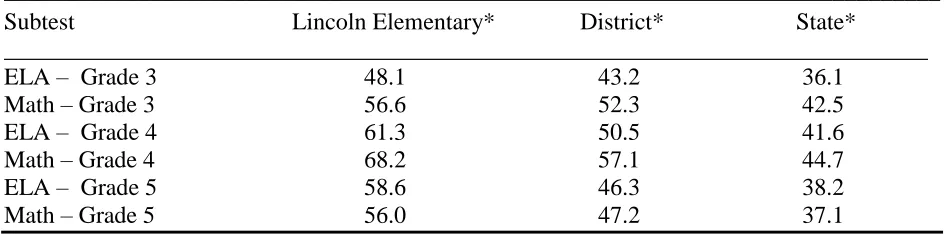
Table 2. Student Achievement at Lincoln Elementary ... 49
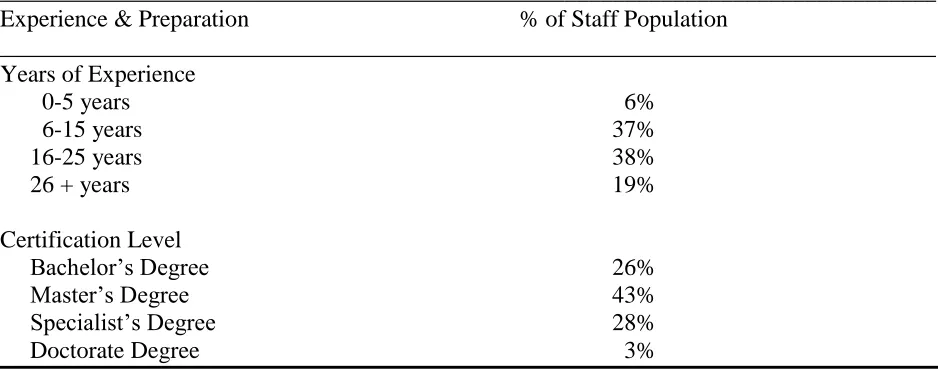
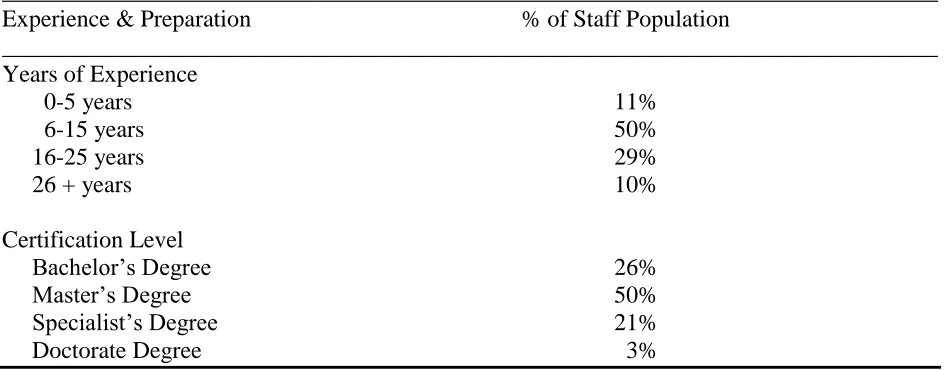
Table 3. Teacher Experience and Preparation at Lincoln Elementary ... 50
Table 4. Student Demographics of Washington Elementary ... 51
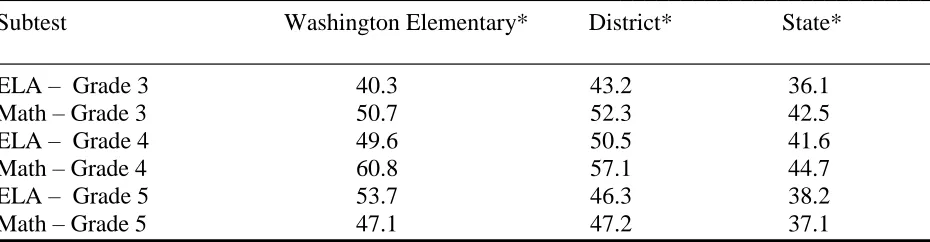
Table 5. Student Achievement at Washington Elementary ... 51
Table 6. Teacher Experience and Preparation at Washington Elementary ... 52
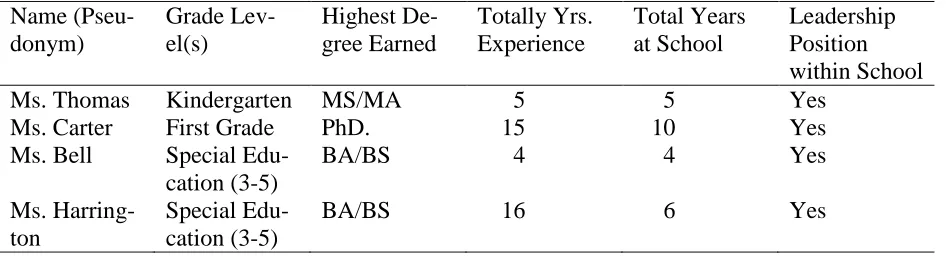
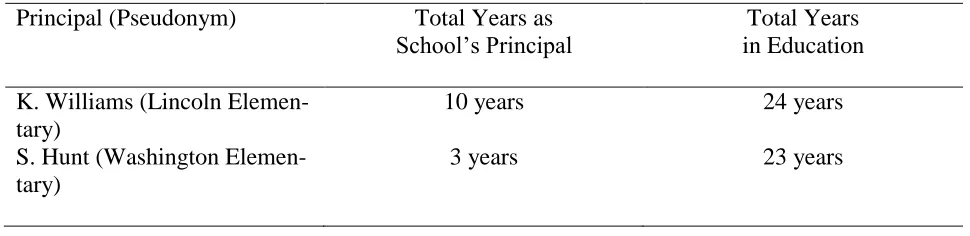
Table 7. Demographic Information of the Lincoln Elementary Participants ... 54
Table 8. Demographic Information of the Washington Elementary Participants ... 54
Table 9. Average Years of Experience Among All Respondents ... 55
Table 10. Average Individual and Collective Efficacy Scores Among All Respondents ... 55
LIST OF FIGURES
THE PRINCIPAL’S INFLUENCE ON TEACHER EFFICACY TO FOSTER STUDENT
EN-GAGEMENT: A CASE STUDY OF TWO ELEMENTARY SCHOOLS
When considering factors that lead to successful school outcomes, student engagement is
a construct that can potentially alter a student’s educational trajectory (Anderson, Christenson,
Sinclair & Lehr, 2004; Appleton, Christenson, & Furlong, 2008; Wang & Fredricks, 2014).
Withdrawal from school is an epidemic among secondary school students, yet schools have the
ability to change this path, especially through early interventions that improve engagement
(Ap-pleton et al. 2008; Furlong & Christenson, 2008). As a multidimensional construct, student
en-gagement is complex and incorporates emotional, behavioral, and cognitive factors (Appleton et
al., 2008; Finn & Zimmer, 2012; Fredricks, Blumenfeld, & Paris, 2004; Wang & Fredricks,
2014). Contextual factors in schools serve as facilitators of engagement for students and are a
place for intervention to occur (Furlong & Christenson, 2008). This study intends to examine
teacher efficacy and the role school leadership plays in supporting efficacy as it subsequently
impacts student engagement. Disengagement in school can be changed, thus researching
experi-ences of teachers and school leaders within the elementary setting provides insight for how
schools can support student engagement and achievement.
Disengagement at an early age can determine a path for a student’s educational outcomes
(Appleton, et al., 2008). The conceptual inconsistency between what schools should be doing to
promote engagement and what schools are actually doing to address engagement is a problem
worth exploring. The literature reveals a significant gap exists because the majority of research
is focused on student engagement at the secondary level (Appleton et al., 2008), often with
stud-ies that identify contextual factors for engagement through surveys, but lack the thick description
(Fredricks et al., 2004). This gap in knowledge at the elementary level presents a problem in
need of study to determine how schools can increase student engagement early and improve
stu-dent outcomes. Teacher efficacy is at the heart of how schools create engaging learning
experi-ences for students (Bandura, 1993). Therefore, understanding how leaders influence teacher
ef-ficacy to foster student engagement is a problem that can potentially inform the ways leaders do
business.
Guiding Questions
The purpose of this dissertation study is to examine how school leaders support and
de-velop teacher efficacy to indirectly influence student engagement and achievement. The
follow-ing overarchfollow-ing question guides this research study: What are the perceptions of teachers and
leaders regarding how school leadership facilitates teacher efficacy to foster student engagement
within two high-achieving urban elementary schools in the Southeastern United States?
Specifi-cally, the study uses the following guiding questions:
1. How do school leaders describe their perceptions of the administrative practices that
support teacher efficacy?
2. How do teachers with strong efficacy describe the perceived impact of their efficacy
on student engagement?
3. How do teachers and leaders describe the practices that promote student engagement?
Review
Introduction
A plague of disengagement affects many students in school that may lead to withdrawal
cess of disengagement occurs over time as students become academically frustrated and
unin-volved in the school experience (Appleton et al., 2008; Finn 1989; Rumberger & Rotermund,
2012). According to the National Center for Educational Statistics, 83% of public high school
students in the United States graduated during the 2014-2015 school year; albeit an improvement
from previous years, 17% of American students still fail to graduate with a regular diploma
with-in four years of startwith-ing nwith-inth grade (NCES, 2017). For those with-in school, disengagement often
results in a lack of participation, diminished sense of belonging, and little cognitive investment in
learning, thus reducing the likelihood of school success (Finn & Zimmer, 2012). The
globaliza-tion, competitiveness, and competency demands of the 21st century workforce requires more and
puts these dropouts at a significant financial disadvantage (Kortering & Braziel, 2008;
Rumberg-er & RotRumberg-ermund, 2012). Empirical research has concluded that a range of factors, both
institu-tional and individual, contribute to whether students drop out or graduate from high school
(Rumberger & Rotermund, 2012). A review of research literature contends that potential exists
to target engagement as a malleable factor that could influence the educational trajectories for
students at risk of withdrawal (Frawley, McCoy, Banks, & Thornton, 2014; Fredricks et al.,
2004; Skinner & Pitzer, 2012). “Conceptualizing student engagement as a malleable construct
enables researchers to identify features of the environment that can be altered to increase student
engagement and learning” (Wang & Degol, 2014, p.138). Specifically, interventions
implement-ed early to promote positive engagement constructs have the potential to influence long-term
student outcomes (Anderson et al., 2004; Appleton et al., 2008; Wang & Fredricks, 2014).
Dif-ferent contexts (i.e. peers, family involvement, schools) are considered alterable variables that
can enhance student engagement through direct intervention (Reschly & Christenson, 2012).
engagement. To interpret the research on student engagement a summary of the prevalent
en-gagement constructs is necessary.
Student Engagement
Student engagement as a concept has been a focus of educational researchers for only the
last few decades (Appleton et al., 2008; Fredricks et al., 2004; Lam et al., 2014). Within the
lit-erature, student engagement is a multidimensional construct that has varied definitions among
researchers (Appleton et al., 2008; Finn & Zimmer, 2012; Frawley et al., 2014; Fredricks et al.,
2004). Its broad definition can cloud its contribution within the research; however, defining it
carefully and clearly can improve its application within schools (Eccles & Wang, 2012). Most
studies support student engagement as a three-part typology consisting of affective, behavioral,
and cognitive constructs (Appleton et al., 2008; Fredricks et al., 2004; Law et al., 2014; Wang &
Fredricks, 2014). This review uses the majority consensus surrounding the three construct
com-position of student engagement.
Affective engagement.
Affective engagement encompasses a student’s emotional connection to school that
mani-fests in a sense of belonging perpetuated by positive interactions (Appleton et al., 2008;
Fredricks et al., 2004; Voelkl, 2012). Within research, affective engagement is often assessed
through external measures, yet it reflects an internal state (Finn & Zimmer, 2012). Students’
feelings about school are alterable and significantly influenced by relationships in school
(An-derson et al., 2004; Frawley et al., 2014; Furlong & Christenson, 2008). Affect develops over
time through interactions and experiences of students and is indirectly related to academic
factor in the early development of affective engagement, over time this construct becomes more
internalized and fueled by routine interactions with others (Finn & Zimmer, 2012).
Behavioral engagement.
The behavioral construct is a more external component of student engagement.
Participa-tion in school defines this construct fueled by a student’s connectedness with the classroom and
school contexts (Finn & Zimmer, 2012; Wang & Fredricks, 2014). The
participation-identification model developed by Finn (1989) explains a cycle that begins with behavioral
par-ticipation, which enhances identification or affective engagement with the school, leading to
fur-ther participation. While the course of a student’s educational career will likely have some
posi-tive and negaposi-tive experiences, the participation-identification cycle “serves a protecposi-tive
func-tion”, but the model also acknowledges “behavior in the early grades is considered an important
ingredient of school success” (Finn & Zimmer, 2012, p. 101). Successful performance
influ-ences identification and thus triggers increased participation, all of which bode well for early
in-terventions that can project students into this positive cyclical pattern of behavioral engagement
(Appleton et al., 2008).
Cognitive engagement.
The third component of engagement encompasses internal factors related to cognition
in-cluding self-regulation, value of learning, and a willingness to exert effort on difficult tasks
(Ap-pleton et al., 2008; Finn & Zimmer, 2012; Fredricks et al., 2004). Cognitive engagement is
con-sidered an investment of cognitive energy that pushes individuals to go beyond minimal
under-standing and engage in more complex learning activities and goal setting (Finn & Zimmer,
2012). When cognitively engaged, students recognize the relevance of learning for their future
distinction between motivation and engagement is a lingering debate among researchers. While
these concepts share similarities, a method for noting distinction is considering “engagement
be-ing action” and “motivation as intent” (Reschly & Christenson, 2012, p.14). Although
motiva-tion is linked to engagement within research, this review focuses on the acmotiva-tions that result from
cognitive and affective engagement rather than the underlying motivation. While each of these
dimensions have distinct qualities, they cannot be addressed in isolation, but rather as complex
interwoven threads that significantly contribute to a student’s school experience (Appleton et al.,
2008; Fredricks et al., 2004).
An understanding of the definitions of student engagement constructed in the literature is
needed to address the possibilities that exist for schools to tap into potential student outcomes.
Furlong and Christenson (2008) contend that the degree or state of engagement for a student can
be influenced by contextual factors. A review of current research intends to identify school and
classroom conditions that are positively associated with student engagement.
Teachers are a powerful catalyst for positive student engagement through their daily
in-teractions with students. Relevant literature on the teacher-student relationship will be examined
specifically focusing on the factors within the classroom environment and teacher actions as
an-tecedents of student engagement. Furthermore, an individual teacher’s efficacy deserves
atten-tion due to the strong connecatten-tion to effective practices in the classroom (Zakeri, Rahmany, &
Labone, 2016). While individual classrooms each contribute to the success of a school,
organi-zational interdependence generates collective efficacy, which fosters school culture (Bandura,
1993). This review of literature identifies the role of school culture in supporting student
en-gagement, specifically examining how leadership behaviors affect the culture by supporting the
reviewed to identify the leader’s role in promoting an efficacious culture. Student engagement is
a complex, dynamic concept. As a malleable factor in a child’s education (Frawley et al., 2014;
Fredricks et al., 2004; Skinner & Pitzer, 2012; Wang & Degol, 2014), engagement deserves
care-ful attention to determine how the actions of leaders and teachers as well as the culture within a
school can positively influence the educational experience for each student.
Teacher Influence of Student Engagement
The educational experience is greatly influenced by teachers. Relationships between
teachers and students contribute to educational outcomes, specifically engagement with school
(Anderson et al., 2004; Cadima, Doumen, Verschueren, & Buyse, 2015; Frawley et al., 2014).
Disengagement leads to withdrawal (Finn, 1989); therefore, a review of the literature on the
teacher influence of student engagement sheds light on implications for classroom practices and
teacher dispositions. “Youth who are engaged with school feel more academically competent,
are more connected to the institution, and elicit more positive reactions from their teachers and
parents” (Wang & Fredricks, 2014, p. 732). Identifying factors of teachers’ work is valid for
promoting student engagement. Thus, the review examines teachers’ effects on affective,
behav-ioral, and cognitive aspects of student engagement.
Teacher influence of affective student engagement.
School provides more than an academic foundation; a student’s well-being must also be
addressed. Affective engagement concerns a child’s attitude towards school (Frawley et al.,
2014); moreover, a sense of belonging generated through a teacher’s interactions with students
influences the emotional connection to school (Garza, Alejandro, Blythe, & Fite, 2014). A study
that asked students to describe the ideal school that promoted their well-being found the
neces-sary for their well-being (Simmons, Graham, & Thomas, 2015). Another study that measured
the validity of a student engagement measure revealed that teacher support had the highest
corre-lation to student engagement (Lam et al., 2014). Teachers are a significant factor in the support
students feel and the subsequent engagement students have (Anderson et al., 2004; Frawley et
al., 2014; Lam et al., 2014; Simmons et al., 2015). Affective engagement encompasses a
stu-dent’s sense of relatedness and belonging (Appleton et al., 2008); therefore, classroom
environ-ments that foster positive relationships build a greater sense of belonging (Garza et al., 2014),
and increase the likelihood that students can maintain healthy friendships that influence better
choices (Centers for Disease Control & Prevention [CDCP], 2010). Thus, the classroom
organi-zational structure developed by the teacher has the potential to influence positive peer networks
that improve affective engagement (Lynch, Lerner, & Leventhal, 2013).
Embedded within a teacher’s interactions with students is a sense of caring that
influ-ences affective engagement in the classroom. Research that has analyzed students’ perceptions
of teacher interactions demonstrates that students desire school relationships that provide
emo-tional support, such as feeling safe, loved, and cared for (CDCP, 2010; Lam et al., 2014;
Sim-mons et al., 2015; Smart, 2014). Likewise, a study on teacher perceptions of what teacher
be-haviors foster a caring learning environment found positive dispositions and an effort to get to
know students personally were acts of caring that were valued (Garza et al., 2014). Acts of
car-ing manifest in developcar-ing relationships with students that are built on trust (Simmons et al.,
2015), support physiological and safety needs (Garza et al., 2014), and embrace diversity (Rowe
& Stewart, 2011). Cultivating an emotionally supportive environment constructs “closer high
quality relationships that are associated with improved engagement in school” (Anderson et al.,
An influential factor of the quality of relationships built in the classroom is the teacher’s
specific dispositions. Smart (2014) found in a study of student motivation in middle grades
sci-ence that teachers’ cooperative behaviors of helpfulness and understanding led to increased
mo-tivation and efficacy. Conversely, oppositional interactions between teachers and students can
have just as significant negative outcomes as cooperative relationships can promote positive
re-sults (Cadima et al., 2015; Smart, 2014). A teacher’s positive affect plays a valuable part in
im-pacting students’ engagement (Smart, 2014), particularly as closeness is built in relationships
through authentic interactions (Cadima et al., 2015). A study that involved teachers in action
research to promote student engagement found:
The ways in which teachers express care and respect toward students, the multiple ways
in which they provide feedback, and how they respond to emotional and academic needs
influences the development of a classroom culture that can facilitate or hinder students'
motivation to engage in learning (Strambler, & McKown, 2013, p.91).
Teacher interactions and efforts to build relationships with students are paramount to fostering
student identification with school (Voelkl, 2012).
Teacher influence of behavioral student engagement.
Behavioral engagement as a construct is more easily observed in students due to its
ex-ternal identifiers, including involvement in academic, social, and extracurricular aspects of
school (Fredricks et al., 2004). Often identified through a student’s participation in the
class-room and school, behavioral engagement builds as connectedness to school increases (Finn &
Zimmer, 2012; Wang & Fredricks, 2014). Participation in school strengthens behavioral
en-gagement, and as students feel success their identification with school increases and leads to
approaches they take with students. A study conducted by Hughes, Wu, & West (2011)
exam-ined how teachers’ goal practices influenced students’ behavioral engagement from grades two
through five. They found that as students went up in grade, teachers became more performance
goal oriented in their instruction, which coincided with a decline in student engagement.
Teach-ers with a mastery goal orientation facilitate engagement in students by rewarding effort and
providing feedback on performance. When teachers emphasize performance-oriented goals,
students’ motivation stems from a desire to outperform others and receive recognition rather than
wanting to learn for mastery (Hughes et al., 2011). While motivation is not synonymous with
engagement, their relationship should be considered as engagement can change through
contex-tual factors (Appleton et al., 2008).
Beyond a teacher’s instructional goal practices, strong classroom organization creates a
setting that helps students establish meaningful interpersonal skills that support peer
relation-ships (Cadima et al., 2015; Cappella, Kim, Neal, & Jackson, 2013). A study of low-income
ele-mentary students found that classroom organization (i.e. behavior management, productivity, and
learning formats) was responsible for increasing behavioral engagement as well as creating an
environment that fostered positive peer relationships –another contributor to engagement
(Cap-pella et al., 2013). Specifically, Cadima et al. (2015) found that when these antecedents to
be-havioral engagement were in place in the primary years, students’ early exposure to the benefits
of classroom contextual factors provided “implications for their positive adaption to the
class-room demands from very young ages” (p.9). A study comparing efficacy beliefs of elementary
and middle school teachers found that those teachers with strong efficacy for managing peer
rela-tions were observed to also provide better instructional supports in the way of feedback to
2015). A study on the influence of school-wide peer culture on individual student outcomes
found that the unique peer culture of a school, including friendship quality and perceptions of a
positive peer culture significantly related to school engagement (Lynch et al., 2013). Students
are positively affected by a peer culture, both academically and emotionally.
Structures that foster positive relationships promote social network equity, in other
words, “equitably distributed and interconnected social ties” (Cappella et al., 2013, p.375). Peer
groups influence school connectedness, which has proven ties to choices that lead to school
completion (CDCP, 2010; Finn, 1989; Lynch et al., 2013). Teachers who establish positive
rela-tionships with students by developing classroom communities and closeness enrich student
en-gagement (Cadima et al., 2015). In their study on the importance of teacher relationships, Klem
and Connell (2004) found:
Students who perceive teachers as creating a caring, well-structured learning environment
in which expectations are high, clear, and fair are more likely to report engagement in
school. In turn, high levels of engagement are associated with higher attendance and test
scores (p. 270).
Additionally, classrooms with structured positive behavior management systems encourage
ap-propriate peer interactions that affect engagement (Cappella et al., 2013; Garza et al., 2014; Ryan
et al., 2015). A study on positive behavior interventions found that consistent praise notes not
only encouraged appropriate behavior, but also built stronger teacher-student relationships
(Howell, Caldarella, Korth, & Young, 2014).
Teacher influence of cognitive student engagement.
The learning environment that is fostered through the teacher’s work in the classroom has
& Sleegers, 2012; Smart, 2014). Efficacy among students is a considerable factor for building
cognitive engagement. According to Bandura (1993), “learning environments that construe
abil-ity as an acquirable skill, deemphasize competitive social comparison, and highlight
self-comparison of progress and personal accomplishments are well suited for building a sense of
ef-ficacy that promotes academic achievement” (p.125). An environment rich in positive feedback
and encouragement nurtures student motivation and engagement (Garza et al., 2014; Smart,
2014; Strambler & McKown, 2013).
The investment in learning, ability to self-regulate and willingness to accept challenges
encompasses cognitive aspects of engagement (Appleton et al., 2008; Finn & Zimmer, 2012;
Fredricks et al., 2004). Cognitive engagement is more challenging for researchers to investigate
due to its internal nature (Fredricks et al., 2004; Furlong & Christenson, 2008); however,
stu-dents who are more cognitively committed to education are more connected to school (CDCP,
2010). Many variables that affect student engagement are beyond the scope of control of the
school, but an area that can be a determinant is instruction (Furlong & Christenson, 2008).
Wang and Fredricks (2014) found in their study of the correlation between problem behaviors
and engagement that cognitive engagement was not a predictor of dropout compared to the other
engagement constructs; yet, cognitive engagement encompasses investment in learning,
self-regulation, and competence, which do play a role in student success (Appleton et al., 2008).
Students become motivated with opportunities to have voice in the curriculum, experiences with
relevant and cooperative learning, as well as participation in decision-making (Damiani, 2014;
Pianta, Hamre, & Allen, 2012; Rowe & Stewart, 2011; Simmons et al., 2015). Furthermore,
teachers who verbalize high expectations and positive feedback demonstrate care for students’
devel-opment of a supportive environment facilitates student efficacy (Smart, 2014) while decreasing
the chances of academic frustration or lack of participation that lead to school withdrawal (Finn,
1989). Academic paths are established early in a student’s career making teacher instruction in
elementary school a critical factor in laying the foundation for positive academic outcomes
(Ap-pleton et al., 2008; Guo, Sun, Breit-Smith, Morrison, & Connor, 2015).
The actions of the teacher matter with regard to student engagement. Effective teacher
feedback and instructional strategies that build student interdependence promote motivation –an
important factor that connects to cognitive engagement (Strambler & McKown, 2013). Klem
and Connell (2004) confirmed in their study of teacher influence on student engagement, a lack
of teacher support had the largest effect on the engagement of elementary students. While
indi-vidual teachers influence student engagement, the literature contends that school leadership also
plays a significant role in fostering a culture that supports the individual and collective work of
teachers, thus ultimately impacting students (Heck & Hallinger, 2010). In fact, Pianta et al.
(2012) contend a priority of school reform efforts should be the support teachers receive to form
relationships with students that promote learning opportunities rather than such areas as
curricu-lum and assessment. As a multi-dimensional construct, it is evident that student engagement is
supported through a variety of factors. To further explore these factors that support student
en-gagement, the review examines the role of teacher efficacy as it relates to not only individual
ef-ficacy, but also the collective efficacy of teachers as a factor influencing students’ experiences in
school.
Teacher Efficacy
Teacher efficacy is integral to a school culture that fosters engagement and achievement
moti-vate themselves” (Pierce, 2014, p. 315). Efficacy supports the perspective teachers have for
edu-cation and specific instructional practices (Bandura, 1993). More importantly, efficacy beliefs
about the capability of an individual or group affect the implementation of actions and attainment
of future goals (Goddard, Hoy, & Hoy, 2004). Strong efficacy beliefs cause teachers to invest
more energy and time into creating meaningful learning experiences for students whereas
teach-ers with weak efficacy can easily give up on students if they do not achieve desired results and
blame students for their failures (Bandura, 1993). This review considers both self-efficacy and
collective efficacy of teachers.
Individual teacher efficacy.
Individual teacher’s self-efficacy is defined as one’s belief in instructional efficacy, thus
influencing a classroom atmosphere that prioritizes and promotes mastery learning experiences
(Bandura, 1993). Teacher self-efficacy has an impact on teacher-student interactions and
achievement (Bandura, 1993; Stipek, 2012), and students’ experiences with teachers directly
re-lates to their engagement (Klem & Connell, 2004). High efficacy motivates individuals to set
goals, take on challenges, and maintain high aspirations (Bandura, 1997). Interestingly, teachers
with low efficacy beliefs often impact the efficacy of their students by creating environments that
cause students to doubt their academic capabilities (Bandura, 1993). With regard to teacher
emotions in the classroom, self-efficacy beliefs were found to be positive predictors of joy, but
were not found to be predictors of negative emotions, which more closely linked to contextual
factors (Hagenauer, Hascher, & Volet, 2015). Additionally, teachers with high efficacy are more
likely to visualize successful scenarios and permeate the belief systems of other teachers due to
the interpersonal nature of schools (Bandura, 1993). Teachers with higher efficacy demonstrate
Principals have an indirect effect on student engagement by implementing practices that
encourage the teachers’ efficacy (Bruggencate et al., 2012; Heck & Hallinger, 2010). Leadership
habits of providing teachers with descriptive feedback, encouragement, and recognition for
ef-forts are considered effective for growing teacher efficacy (Stipek, 2012; Zakeri et al., 2016).
Moreover, efficacy is found to be subject to social persuasion where if people are persuaded to
believe in themselves, their efficacy is likely to increase (Bandura, 1997). Research has also
found that as leaders build supportive environments for novice teachers through mentoring and
frequent interactions with experienced colleagues, self-efficacy beliefs strengthen as trust and
relationships form (Meristo & Eisenschmidt, 2014). As evidenced in the research, the teacher’s
efficacy beliefs not only affect students, but also play a larger role in the collective efficacy
among the whole staff.
Collective teacher efficacy.
Teachers’ individual efficacy is based on perceptions of their performance; however,
col-lective teacher efficacy is generated from an organization’s beliefs in the capability of the whole
staff to support student learning (Bandura, 1993; Demir, 2008; Zakeri et al., 2016). The concept
of collective teacher efficacy is an important consideration for the work of schools. Goddard,
Hoy, and Hoy (2000) contend that collective teacher efficacy is associated with student
achieve-ment, thus there is a “strong reason to lead schools in a direction that will systematically develop
teacher efficacy” (p.483). Teachers’ perceptions of not only themselves, but also the
organiza-tion influence their acorganiza-tions (Bandura, 1993; Calik, Sezgin, Kavgaci, & Kilinc, 2012; Pierce,
2014; Zakeri et al., 2016). Similar to individual efficacy, researchers define collective teacher
efficacy as “the perceptions of teachers in a school that the efforts of the faculty as a whole will
Strong perceptions of collective efficacy promote student achievement through a culture
that demonstrates resiliency and a committed effort to meet school goals (Goddard & Skrla,
2006). Moller, Mickelson, Stearns, Banerjee, and Bottia (2013) refer to this as a collective
ped-agogical teacher culture where a strong professional community and norms for collaboration
ex-ist. Common beliefs about effective pedagogy contribute to an inclusive school community that
values collaboration (Hazel & Allen, 2013); while collective norms within a school can influence
a teacher’s actions and perceptions of efficacy (Zakeri et al., 2016). Additionally, a leader’s
in-fluence on the collective pedagogical culture can establish beliefs that all within the school help
to produce positive student outcomes (Pierce, 2014). In their study of collective pedagogical
cul-ture on mathematics achievement Moller et al. (2013) found that schools could improve scores
and reduce achievement gaps in math by transforming the organizational culture because
teach-ers who perceive stronger collective pedagogical teacher cultures actually invest more time
working with individual children. A study on the relationship between elementary principals’
emotional intelligence and collective teacher efficacy highlights the significance of a leader’s
relationship management skills, specifically as it relates to connecting positively with others and
conflict management for fostering a culture that promotes collective teacher efficacy (Pierce,
2014).
Most studies focus on the outcomes of collective efficacy, whereas less research has been
conducted on the factors within an organization that influence perceptions of collective efficacy
(Goddard & Skrla, 2006). In a study focused on the association between collective teacher
effi-cacy and school socioeconomic status, Belfi, Gielen, De Fraine, Verschueren and Meredith
(2015) determined efficacy beliefs can be increased by improving school-based social capital,
investi-gation into how collective teacher efficacy can be increased, especially in schools with a lower
socioeconomic status, can contribute additional understanding for school leaders needed to
influ-ence student achievement (Belfi et al., 2015). Additional inquiry to examine teachers’
percep-tions of principal behaviors that influence the growth of collective teacher efficacy can also add
to current research (Pierce, 2014). While teacher self-efficacy and a collaborative school culture
serve as antecedents for collective teacher efficacy (Demir, 2008), the principal has a direct
ef-fect on the collective efficacy among teachers.
School Leadership and Teacher Efficacy
School leaders have direct and indirect effects on student outcomes (Bruggencate, et al.,
2012; Heck & Hallinger, 2010); therefore, identifying aspects of leadership that promote teacher
efficacy is essential. Research evidences a compelling correlation between teacher efficacy, both
individual and collective, and positive student outcomes (Bandura, 1993; Calik et al., 2012;
Demir, 2008; Stipek, 2012; Zakeri et al., 2016). School leadership bolsters teachers’ efficacy
beliefs by establishing a strong sense of purpose among staff members to work together to
trans-cend obstacles and reach achievement goals. (Bandura, 1993). However, the variability in
lead-ership practices and the subsequent effects on student engagement deserve further investigation.
Leaders have a strong influence on the development of a positive climate, effective
in-structional practices, and organizational structures, such as professional learning communities,
that directly and indirectly affect both individual and collective teacher efficacy (Calik et al.,
2012; Hazel & Allen, 2013; Ross & Gray, 2006; Zakeri et al., 2016). As a result, leadership
be-haviors have an indirect effect on student engagement (Bruggencate et al., 2012). Investigating
the leader’s role in developing teacher efficacy that improves student engagement is an area in
Steres, 2011); therefore, the leader’s influence cannot be overlooked. This review will examine
leadership through the lenses of distributed leadership, transformational leadership, and
instruc-tional leadership to explore the role each play in strengthening teacher efficacy.
Distributed leadership and teacher efficacy.
Distributed leadership influences teacher efficacy through interactions and organizational
decisions. By definition, distributed leadership spreads administrative functions among those
within the organization whereby multiple leaders create ownership and sustainability of practices
(Stronge, Richard & Catano, 2008). The principal plays a pivotal role in establishing trust in the
school environment for all stakeholders and developing organizational structures and processes
that are conducive for collaboration (Price, 2012). Heck and Hallinger (2010) found in a
longi-tudinal study that distributed leadership practices, specifically a focus on school improvement,
shared decision-making, and participation of teacher leaders, had an indirect positive effect on
student growth over time. In another study on principal-teacher interactions, Price (2012) found
that distributed leadership that encourages shared school decision-making improved the quality
of the work environment and principal-teacher relationships, which significantly improved
teacher satisfaction, cohesion, and commitment. Moreover, teachers demonstrate greater
trust-worthiness of superiors when they are included in decision-making (Tschannen-Moran & Hoy,
2000). The extent of perceived teacher leadership strengthens collective efficacy as teachers
be-lieve their colleagues are capable of supporting students at a high level of learning while also
taking on leadership roles (Angelle & Teague, 2014).
Transformational leadership and teacher efficacy.
While distributed leadership practices characterized by shared decision making and
be-tween collective efficacy and transformational leadership behaviors (Demir, 2008).
Transforma-tional leadership focuses on fostering the growth of individuals within the organization by
build-ing their capacity (Ross & Gray, 2006). By definition, transformational leaders engage and
em-power teachers in collaborative processes aligned to a common vision (Stronge et al., 2008).
Transformational leadership has direct influence on collective efficacy, but also indirectly
through individual teacher efficacy (Demir, 2008). Ross and Gray (2006) found that collective
efficacy was only a partial mediator between transformational leadership and teacher
commit-ment to the organization. However, transformational leadership practices did influence collective
efficacy through the principal’s work in providing the staff with feedback about instruction.
Conversely, in their study on the effects of transformational leadership, Leithwood and Jantzi
(2000) concluded that transformational leadership practices make a weak contribution to student
engagement, yet they do have an effect on the organizational conditions in the school which can
relate to stronger student engagement.
The crux of transformational leadership is fostering the growth of those within an
organi-zation and strengthening their commitment by motivating toward organiorgani-zational goals (Ross &
Gray, 2006). There is research on the elements of collective efficacy that suggest it is
strength-ened through vicarious experiences where teachers are affirmed in their practices by modeling,
observing others and sharing successes (Goddard et al., 2000; Goddard et al., 2004; Ross &
Gray, 2006; Zakeri et al., 2016). In some cases, the vicarious experience involves observing at
another school which may present instruction that is perceived below the standards of the
observ-ing school, yet collective efficacy still builds as those observobserv-ing confirm beliefs that they are
more capable (Zakeri et al., 2016). In a study about transformational leadership’s effect on
opportunities for teachers to interact and share knowledge. A principal who encourages teachers
to collaborate is likely to increase collective teacher efficacy" (p.105). Collaboration grants
sup-port to teachers which stimulates a professional culture where teachers exhibit more effort for
their organization (Thoonen, Sleegers, Oort, Peetsma, & Geijsel, 2011). The leader’s role in
co-ordinating, supporting, and nurturing the development of a collaborative teacher culture further
perpetuates collective efficacy (Pierce, 2014). Research defines a collaborative teacher culture
as having a strong professional community that focuses on student needs through an expectation
of collaboration (Moller et al., 2013). Thus, social persuasion through avenues such as
profes-sional development and feedback encourages teachers to believe in their capabilities and those of
others (Goddard et al., 2000; Ross & Gray, 2006; Zakeri et al., 2016).
Instructional leadership and teacher efficacy.
Instructional leadership incorporates a focus on teaching and learning where school
lead-ers are able to support teacher effectiveness through frequent observations and convlead-ersations
with teachers (Heck & Hallinger, 2014; Stronge et al., 2008). Instructional leadership practices
influence collective efficacy indirectly as teachers’ self-efficacy grows from evaluative feedback
about their instructional strategies (Calik et al., 2012). Importantly, though, the credibility and
expertise of the one giving performance feedback affects whether or not the feedback increases
efficacy beliefs of teachers (Zakeri et al., 2016). With regard to professional development,
prin-cipals need to become skilled in identifying the specific actions of teachers that achieve desired
results to more effectively influence efficacy (Ross & Gray, 2006). However, in one study of
New Jersey high schools, Fancera and Bliss (2011) found that while collective teacher efficacy
and instructional leadership related to student achievement, there was not a significant
In-structional Management Rating Scale (an instrument used to measure inIn-structional leadership)
and collective teacher efficacy. Instead, they found a stronger correlation between collective
ef-ficacy and a school’s socioeconomic status. Goddard & Skrla (2006) previously studied the
ways in which school composition is related to collective efficacy and found while a history of
achievement, socioeconomic status, and race are factors; a school’s collective efficacy is not
al-ways dependent on the composition of the student body. The empirical research focused on
col-lective efficacy demonstrates differences exist among schools studied, thus revealing the need
for further research on leadership’s relationship with teacher efficacy. Research posits collective
teacher efficacy has an association with achievement differences between schools (Goddard et
al., 2000). The reciprocal relationship that exists between individual and collective efficacy
among teachers demonstrates the importance of leadership behaviors that promote each because
as one grows stronger, so does the other (Bandura, 1993; Calik et al., 2012; Demir, 2008; Zakeri
et al., 2016).
Principals directly influence school processes that can enhance instructional practices
such as professional learning communities (Price 2012) as well as the structure and expected
frameworks for routines within school that promote an inclusive community (Hazel & Allen,
2013). Instructional leaders generating opportunities for teachers to routinely discuss instruction
and student learning are increasingly prevalent in schools (Kirtman, 2014). These professional
learning communities help erase teacher isolation by promoting a communal commitment to
im-proving student learning (DuFour & Mattos, 2013; Leclerc, Moreau, Dumouchel, &
Sal-lafranque-St-Louis, 2012). When instructional leaders build opportunities for collaboration
about the curriculum, a shared pedagogy builds into the culture that influences the daily work of
efficacy by using collaboration to send the message that the whole school plays a part in student
outcomes (Pierce, 2014). Perceived collective efficacy creates diligence among the members of
the organization to put forth extra effort and reach school improvement goals (Goddard et al.,
2004).
In research examining the relationships between the variables of self-efficacy, collective
efficacy, and instructional leadership, Calik et al. (2012) found a strong relationship between the
evaluation of the teaching process and students and teacher efficacy for implementing
instruc-tional strategies. More recently, the evolution of evaluation processes in schools to include
cy-cles of observation and dialogue that provide teachers with feedback for their professional
growth created a shift in culture to focus more on the observation and feedback process (Kraft &
Gilmour, 2016). In a study conducted to examine teacher’s efficacy beliefs in low income
schools, Stipek (2012) found that teachers’ perceived administrative support significantly
influ-enced their efficacy beliefs regardless of student ethnicity; thus supporting the notion principals
can strengthen teacher efficacy through encouragement and recognition of good work. Thus, the
direct work of principals with teacher evaluation and feedback supports teacher efficacy and
sub-sequently affects student outcomes (Calik et al., 2012; Stipek, 2012).
School Culture and Student Engagement
The literature contends that a relationship exists between school culture and student
en-gagement (CDCP, 2010; Wang & Fredricks, 2014). School leadership plays a key role in
foster-ing a culture that shares a common belief system to engage students (Stronge, et al., 2008).
Prin-cipals often set the tone for instructional initiatives, which can prioritize the work of a school and
establish a potential shift in culture (Daniels & Steres, 2011). However, teachers are also an
extra effort and resiliency develop among teachers with perceived collective efficacy causing
individuals new to the culture to quickly learn these organizational expectations (Goddard et al.,
2004). Efforts to create an inclusive community that has shared beliefs about pedagogy greatly
contribute to the culture (Hazel & Allen, 2013). In a study on novice teachers’ perceptions of
school climate and self-efficacy, Meristo and Eisenschmidt (2014) found that efforts to improve
school climate through trust, cooperation, teamwork, and consistent interaction among
col-leagues contributes to increasing the efficacy beliefs of teachers. Furthermore, a culture that
promotes connectedness benefits students and increases the likelihood of school completion
(Finn, 1989; Wang & Fredricks, 2014).
School culture has a direct effect on students through not only how instruction occurs, but
also how relationships are valued (Cadima et al., 2015; Daniels & Steres, 2011). A school
cul-ture that promotes connectedness and a sense of belonging supports students’ behavioral
en-gagement or emotional connection to school, resulting in improved academics and a decrease in
problem behaviors (CDCP, 2010; Lynch et al., 2013; Wang & Fredricks, 2014). School
con-nectedness relates to a student’s connection with the institution, which is fed through
participa-tion and a sense of belonging (Rowe & Stewart, 2011; Wang & Fredricks, 2014). Failure to
identify with school influences behaviors that depress academic achievement, often creating
bar-riers too large to overcome (Voelkl, 2012). Studies of adolescent problem behaviors concluded
that a decline in behavioral engagement correlated with an increased likelihood of problem
be-haviors over time (CDCP, 2010; Wang & Fredricks, 2014). A culture that promotes school
con-nectedness affords greater opportunities for students to connect emotionally through positive
in-teractions among staff and students (Rowe & Stewart, 2011). Identifying students at risk early is
school (Finn & Zimmer, 2012). Furthermore, research endorses that early interventions to
en-courage behavioral engagement have a reciprocal effect on lessening problem behaviors in youth
while improving school completion (Appleton et al., 2008; CDCP, 2010; Wang & Fredricks,
2014). Students who feel strong bonds with their school community are less likely to engage in
behaviors that contradict the values of those in the community (Lynch et al., 2013). Awareness
of the culture and efforts to strengthen these bonds is important for any school. In a case study
of three pedagogically different elementary schools that each had an inclusive community, Hazel
& Allen (2013) found an emphasis on community building and conscious attention to the culture
universal at each setting. The influence of school culture on student outcomes is acknowledged
throughout research and valid for future research. According to Appleton et al., (2008) an
op-portunity in education exists because “the cyclical nature of engagement implies that both early
efforts to engage students, as well as the failure to do so, may have led to drastically different
outcomes later in a student's educational career" (p.382).
High quality relationships are an imperative component to a school environment that
promotes engagement (Cappella et al., 2013). According to Anderson et al. (2004) dropouts
av-erage sixteen absences in first grade while graduates avav-erage ten days; moreover, each
subse-quent year with more than ten absences increases the chance of dropping out by five percent
(p.97). Interventions to combat factors such as low attendance, problem behaviors, or academic
frustration use high quality relationships as a means of engaging students (Anderson et al., 2004;
Garza et al., 2014; Rowe & Stewart, 2011). A study of one mentoring program designed to
ad-dress low attendance, academic frustration, and problem behaviors demonstrated increased
stu-dent engagement through routine communication to increase accountability (Anderson et al.,
culture and sustained by the individuals that value that culture (Rowe & Stewart, 2011).
Pro-grams to promote engagement are often designed for at-risk populations; however, interventions
that can be applied universally for all students need to be considered to create more long-range
effects especially since engagement is inextricably linked to improved student outcomes (Wang
& Degol, 2014). Li & Lerner (2011) suggest, “it might be worthwhile to design interventions to
help form bonding, positive affects, and a sense of belonging and connectedness among all
stu-dents, instead of narrowing the target audience to at-risk students” (p. 244). The culture of a
school guides what is valued, prioritized, and implemented in the teacher-student relationships as
well as professional collaboration that occurs.
Early intervention as a valued component of a school’s culture has a contingent
relation-ship with academic factors and engagement (Appleton et al., 2008). A review of the literature
would be remiss to discount the role that academics play in students’ educational trajectories.
While poor academic performance is a likely factor for why students drop out of school,
academ-ics alone do not explain why students leave school (Alexander, Entwisle, & Horsey, 1997). A
longitudinal study of kindergarten through fifth grade students found that reading achievement
was a predictor of behavioral engagement, but the converse was not supported that behavioral
engagement predicted later reading success (Guo et al., 2015). Early literacy skills are a key
in-gredient for establishing a path for students that leads to sustainable engagement in school (Guo
et al., 2015); however, a school-wide culture committed to reading has also been found to
pro-mote engagement as students embrace what it prioritized by school (Daniels & Steres, 2011).
Academic success is closely linked to engagement, thus early academic intervention plays an
in-tegral part in building students’ abilities to avoid frustration and lower self-esteem that occurs as
et al., 2014; Wang & Fredricks, 2014). In fact, “how children comport themselves at the
begin-ning of the schooling process anticipates how they fare toward the end –a sobering realization”
(Alexander et al., 1997, p.95).
A school’s culture influences academic priorities (Daniels & Steres, 2011) and the
col-laboration among educators (Pierce, 2014), but it also comprises the involvement of students.
Student engagement is positively impacted by a school culture that promotes student voice in
decision-making (Simmons et al., 2015). A study on health-promoting school structures found
mutual reciprocity was developed through whole-school interactions, especially leading to
stu-dents who perceived themselves as valued and needed in the school community because of their
involvement (Rowe & Stewart, 2011). A school environment where students feel opportunities
to have a voice in decisions as well as meaningful relationships builds school connectedness and
perpetuates engagement (CDCP, 2010).
School culture cultivates engagement through various avenues that promote
connected-ness and ownership. The values and beliefs of a school must be integral to the core busiconnected-ness of
supporting students, both academically and emotionally. School connectedness is one of the
most protective factors against problem behaviors (CDCP, 2010). Teachers help create the
cul-ture of the school through their interactions with students and the norms that guide their
profes-sional work. Therefore, it is necessary to account for the teachers’ direct influence on
anteced-ents of student engagement in the literature.
A comprehensive review of current literature demonstrates a relationship exists between
schools, specifically the actions of school leadership and teachers, and student engagement.
col-lective teacher efficacy to support student engagement. A detailed synthesis of the literature
es-tablished a conceptual framework to guide this research study.
Conceptual Framework
A conceptual framework developed from the research organizes the relationships
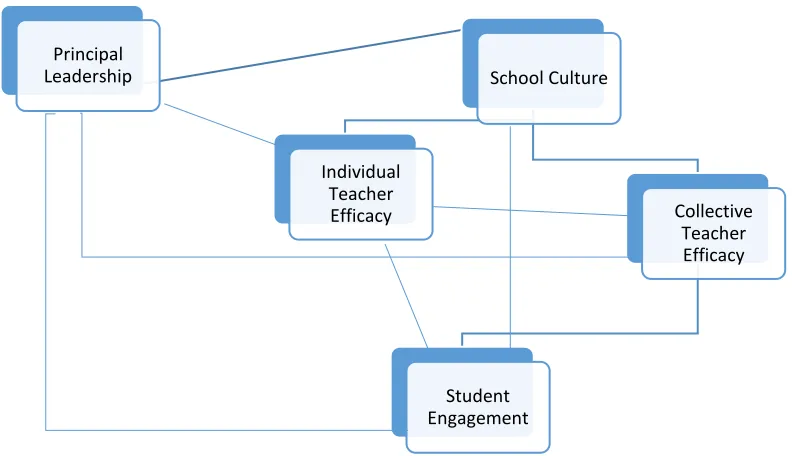
be-tween school leadership, culture, teacher efficacy, and student engagement. Figure 1 outlines the
[image:40.612.117.513.296.524.2]relationship among the different factors within this study.
Figure 1
Conceptual Framework
Considering the role of human interaction within a school serves as a basis for this
study. First developed by Herbert Blumer in 1969, symbolic interactionism theory emphasizes
that each individual creates meaning, is influenced by, and acts as a result of continuous
interac-tions with the world (Potts, 2015). Symbolic interactionists assert that human behavior, whether
it is individual or group, is a result of communication (Abrell & Hanna, 1978). The different
Principal
Leadership School Culture
Individual Teacher
Efficacy Collective
Teacher Efficacy
and students. Teachers fulfill their role in a manner consistent with their perceptions of their
leaders as well as their students and the school environment (Abrell & Hanna, 1978). Thus,
symbolic interactionism serves as a foundational theory for this study.
School leadership has direct and indirect influences on student outcomes through
organ-izational structures and supervisory practices (Bruggencate et al., 2012; Heck & Hallinger,
2010). A conceptual model for this study constructs around the theories of instructional,
trans-formational, and distributed leadership, specifically focusing on using these theories to influence
teacher efficacy. Instructional leadership practices create a path for fostering a culture of
collec-tive teacher efficacy, specifically by providing instructional feedback to teachers and promoting
collaboration throughout the organization (Calik et al., 2012; Price, 2012). Additionally,
distrib-uted leadership practices indirectly affect student growth especially through the practices of
shared decision-making and teacher leadership (Heck & Hallinger, 2010). Principals can
lever-age relational trust by sharing power and positively influence teacher attitudes resulting in a
stronger school climate (Price, 2012). Building the capacity of individuals within the
organiza-tion through transformaorganiza-tional leadership practices are also linked to teacher efficacy (Ross &
Gray, 2006). Transformational leaders create opportunities for teachers interact and share
knowledge, thus creating avenues for teacher efficacy to develop (Demir, 2008).
Research supports that teachers’ perceptions of collective efficacy within the organization
influences their individual actions, which ultimately supports student engagement (Bandura,
1993; Pierce, 2014). Therefore, the conceptual framework focuses on school leadership
practic-es as it relatpractic-es to individual and collective teacher efficacy. Through a constructionism
these actions they utilize; thus, these theories serve as the basis for the lens in which to view
school leadership in this study.
Organizational culture is defined as a pattern of shared assumptions that are integrated
deeply among those in the group to provide stability and influence the beliefs and actions of the
individuals (Schein, 2010). School leaders are a primary influence on the culture within an
or-ganization; but teachers are also an integral component (Gruenert & Whitaker, 2015). Culture is
often described through the norms and values that stabilize the organization (Schein 2010);
how-ever, it is also noted that a malleable target for intervention is school climate (Wang & Degol,
2015). This study’s conceptual model is built on the interactions between school leadership and
stakeholders to develop an efficacious school culture that promotes student engagement.
Specif-ically, literature supports that an association between school culture and student engagement
ex-ists by promoting school connectedness through relationships (Cadima et al., 2015; Daniels &
Steres, 2011). School connectedness encourages positive emotions with school through
mean-ingful relationships (Rowe & Stewart, 2011). Additionally, school culture can create an
inclu-sive community that has shared beliefs regarding pedagogy (Hazel & Allen, 2013) as well as a
communal commitment to improve student learning through professional learning communities
(Dufour & Mattos, 2013). This framework develops a bridge between leadership, school culture,
and teacher efficacy resulting in positive student outcomes.
An additional component for the conceptual model guiding this study includes classroom
conditions and interactions between students and teachers. The ability of a teacher to build
posi-tive relationships with students promotes increased student well-being and engagement with
school (Garza et al., 2014; Simmons et al., 2015). Research concludes that students value and