Evaluation of the
Evaluation of the Design & Dignity Programme
The following evaluation was conducted by University College Cork (UCC), led by the School of Nursing and Midwifery and commissioned through the All Ireland Institute of Hospice and Palliative Care (AIIHPC) in collaboration with the Irish Hospice Foundation. The Design & Dignity programme is a partnership programme of the Irish Hospice Foundation and the Health Service Executive (HSE).
Acknowledgements
The evaluation team would like to thank all the sites for their participation, facilitating site visits, responding to emails, and taking part in focus groups. Gratitude is extended to the research staff who worked on this project, namely Ms. Olivia Cagney and Dr Elaine Meehan.
ii
The Evaluation Team
Dr Nicola Cornally (PI) 1
Dr Serena FitzGerald (Co-PI)1
Ms Olivia Cagney (Research Assistant)
Dr Aileen Burton1
Dr Alice Coffey 2
Ms Caroline Dalton1
Dr Irene Hartigan1
Dr Jim Harrison3
Dr Margaret Murphy1
Dr Daniel Nuzum4
Ms Yvonne Pennisi5
Professor Eileen Savage1
Dr Catherine Sweeney6
Dr Suzanne Timmons7
Dr Patricia Leahy Warren1
Recommended Citation
Cornally, N., Cagney, O., Burton, A., Coffey, A., Dalton, C., Hartigan, I., Harrison, J., Murphy, M. Nuzum, D., Pennisi, Y., Savage,
E., Sweeney, C., Timmons, S., Leahy Warren, P., & FitzGerald, S. (2019). Evaluation of the Irish Hospice Foundation Design & Dignity Programme. University College Cork, Cork.
Contact person for communication:
Dr Nicola Cornally (PI) Email: [email protected] Tel: +353-21-4901478
1 Catherine McAuley School of Nursing and Midwifery, University College Cork 2 School of Nursing and Midwifery, University Limerick
3 Cork Centre for Architectural Education
4 Pastoral Care, Marymount University Hospital and Hospice Department of Obstetrics and Gynaecology, University College Cork.
5 Occupational Science and Occupational Therapies, University College Cork
Evaluation of the Design & Dignity Programme
Foreword
On behalf of the Irish Hospice Foundation (IHF), I am honoured to provide the foreword to this report, which also marks the announcement of our fourth round of Design & Dignity Projects.
Design & Dignity was launched in 2010 and at the time of this publication over 40 projects have been funded across Ireland.
The vision of Design & Dignity is that every adult, pediatric and maternity hospital in Ireland has warm and welcoming spaces to enable dignity and respect for patients and families facing dying, death and bereavement.
It is clear from the impact of the various projects described in this report alongside the evaluation by the UCC Research Team that Design & Dignity has succeeded in one of its major aims to create end-of-life sanctuaries for patients, families and staff at an extremely difficult time. In human terms, the impact of hearing bad news or saying farewell to a loved one in a space that is sensitively designed, appropriate and calm cannot be underestimated.
I am particularly struck by how this flagship project is significantly shaping the overall culture of end-of-life care in Irish hospitals. It is truly wonderful to see the level of pride that staff feel having played a vital role in bringing their Design & Dignity projects to fruition. I know their vision, dedication and tenacity to improving the standard of end-of-life care will be a source of inspiration and stimulation for others considering the Programme.
The success of Design & Dignity is due to a strong and long-lasting partnership between the IHF and HSE Estates. The IHF, through its dedicated administrative function and design expertise, has enabled this work to be prioritised but without the HSE Estates’ leadership and commitment these projects could not have been completed.
Much has been achieved through Design & Dignity but improvements are still needed. Together with HSE Estates, hospital staff and our Design & Dignity Committee, we will continue to pave the way for rooms and other spaces which are places of beauty and comfort for people and their families in Irish Hospitals. We commit to continue our work to create oases of calm, privacy and peace for families and staff throughout Ireland.
iv
Foreword
On behalf of HSE HBS Estates, I welcome this evaluation report by University College Cork (UCC) on the Design & Dignity initiative, which HBS Estates delivers in partnership with the Irish Hospice Foundation.
HBS Estates, the Estates unit within the HSE, is responsible for the development and management of the healthcare estate to enhance wellness in our patients and clients and to enable and encourage our healthcare staff. HBS Estates is also responsible for ensuring that the healthcare infrastructure supports the efficient delivery of services and delivers value for money.
In the past, all too often the focus of capital development and investment in healthcare has been on the provision of bed numbers and the expansion and improvement of clinical areas. The introduction and roll out of the Design & Dignity initiative and concept is challenging us to ensure that end-of-life care takes centre stage in the projects delivered by the initiative. As part of this, we aim to provide much needed private, respectful, dignified and comfortable spaces for patients and families within the wider hospital environment, during difficult times. HBS Estates is proud to have adopted the Design & Dignity style guidelines in all new building and refurbishments projects relating to end-of-life care in hospitals that we work in.
This evaluation report highlights the success of the Design & Dignity initiative in delivering a significant number of projects that deliver on the key aims and objectives of the initiative; to transform the way hospital spaces are designed for people at the end-of-life and their families, to foster ownership of these spaces by involving staff in their design and ultimately to create exemplar end-of-life facilities for patients and families.
The Design & Dignity initiative continues to develop and be driven by the experiences of the projects to date and from the expertise and input of both project stakeholders and the Design & Dignity committee. A lot can, and will, be taken and learnt from this evaluation report to further improve and strengthen the delivery of future projects part of the Design & Dignity initiative.
I would like to take this opportunity to thank all of those staff, stakeholders and designers who have invested time and resources, ideas and passion into the projects to date. We are committed to continuing to work with our wide range of internal and external stakeholders to support and deliver the objectives of Design & Dignity in partnership with the Irish Hospice Foundation.
Evaluation of the Design & Dignity Programme
Executive Summary
The Design & Dignity Programme, in partnership with the Irish Hospice Foundation (IHF) and Health Service Executive (HSE), was launched in 2010 to create a model or ‘exemplar’ projects within acute hospital facilities.
Through the use of the Design & Dignity guidelines this programme has provided support and funding for over 40 projects throughout Ireland. Hospital spaces have been redesigned in areas such as family rooms, mortuaries, viewing rooms and bereavement suites. This programme has ensured that hospitals offer quiet and peaceful places for family members and friends to avail of when someone close to them is dying. Empirical research has repeatedly highlighted the impact of evidence-based design in end-of-life acute care settings. Key factors associated with improved outcomes include the use of efficient space allocation, providing user friendly spaces and ensuring privacy for patients and their families. Homely environments, where personalisation and social interaction can occur is of key importance as well as having contact with nature, low noise levels and the option to avail of either single or mixed occupancy rooms.
The aim was to independently evaluate the Design & Dignity programme with a focus on establishing impact of Design & Dignity projects on patients, their families and acute hospital staff. The evaluation utilised a post occupancy framework which incorporated indicative and investigative data collection methods. To achieve this 18 site visits were conducted and data was collected on; physical dimensions (meters), light (lux) and noise (decibels), IHF audit tools and qualitative field notes. This report presents an evaluation of the impact of the first two rounds of Design & Dignity funded projects. These projects involved the development of nine family rooms, five mortuaries, an emergency department bereavement suite and three rooms to support families in maternity services. An in-depth evaluation was also undertaken in five key hospital sites; Roscommon Hospital, Mater Misericordiae University Hospital Dublin, Beaumont Hospital Dublin, St. James’s Hospital Dublin and St. Luke’s Hospital Kilkenny. These case studies were informed by focus groups with staff (n=18), patient/relative interviews (n=4) and real-time comment cards. This was in addition to site visits and analysis of facility documents.
vi
Project level challenges were identified by staff across all the sites, with common issues such as securing corporate commitment, negotiating timelines with contractors, educating staff on the function and use of the space. Many spoke about the facilitators to overcoming these issues and frequently referred to the support from the IHF, particularly in terms of the style guidelines and the architect. Having a dedicated committee with a genuine focus on improving end-of-life care in acute care was the facilitator for real progression and ensured on-going governance and sustainability. Once all levels of staff could see and experience the impact the new space had, a rippling effect took place throughout the organisation.
This report makes a number of recommendations for future builds including that the Design & Dignity facilities should be the norm, not a luxury. Such facilities should be included in the planning of all new builds, closely involving architects with an interest in this field from the outset. High quality furnishings and artwork should be available in these rooms and all rooms should be fully serviced and future-proofed to keep abreast with new technologies. Both the establishment of multi- disciplinary end-of-life care committees, as well as the development and implementation of staff education programmes on the use of these facilities is a key requirement in acute hospital settings.
In conclusion the Design & Dignity projects were described as symbolic of compassion and
demonstrated that the organisation valued the experience of those grieving. Design & Dignity grants not only transformed physical spaces but, according to staff, transformed end-of-life care and have been the catalyst for dignified care in acute care settings. The new spaces have ensured that these principles are no longer aspirational but rather rooted in the culture of end-of-life care.
Evaluation of the Design & Dignity Programme
Table of Contents
Chapter 1: Background ...01
1.1 Introduction ...02
1.2 The Design & Dignity Programme ...03
1.2.1 Funded projects directory ...04
1.3 Evidence-Based Healthcare Design ...05
Chapter 2: External Evaluation ...07
2.1 Introduction ...08
2.2 Methodology ...09
2.2.1 Post occupancy evaluation ...09
2.2.2 Indicative level ...09
2.2.3 Investigative level ...10
2.2.4 Healthcare and Support Staff ...10
2.2.5 Participants and Procedure ...10
2.2.6 Bereaved Relatives ...10
2.2.7 Comment Boxes ...11
2.3 Overview of Design & Dignity Projects ...11
2.3.1 Beaumont Hospital, Dublin – Family Room ...14
2.3.2 Connolly Hospital, Dublin – Family Room ...15
2.3.3 Galway University Hospital – An Seomra Ciuin Maternity Ward ...16
2.3.4 Mercy University Hospital, Cork – Mortuary ...17
2.3.5 Mayo University Hospital – Family Room ...18
2.3.6 Mid-Western Regional Hospital, Nenagh – Family Room ...19
2.3.7 Mid-Western Regional Hospital, Limerick – Mortuary ...20
2.3.8 Our Lady’s Hospital, Navan – Family Room ...21
2.3.9 Portiuncula Hospital, Galway – Family Room ...22
2.3.10 Sligo Hospital – Mortuary ...23
2.3.11 St John’s Hospital Limerick – Family Room ...24
2.3.12 University Maternity Hospital, Limerick – Maternity Room ...25
2.4 Indicative Level Summary Analysis ...26
2.4.1 Mortuary measurements and audit tool results ...26
2.4.2 Family room ...28
2.4.3 Bereavement suite (viewing suites and maternity units) ...30
2.5 Five Case Studies ...32
2.5.1 St. Luke’s Maternity Hospital – Maternity Room ...32
2.5.2 Mater Misericordiae University Hospital – Family Room ...34
2.5.3 Beaumont Hospital – Mortuary ...36
2.5.4 St. James’s Hospital Emergency Department – Bereavement Suite ...38
viii
2.6 Overarching Themes ...42
2.6.1 Investigative Level – Staff Focus Groups ...42
2.6.2 Investigative Level – Family and Patient Feedback ...48
Chapter 3: Recommendations & Reflections ...53
3.1 Key Challenges and Lessons Learned ...54
3.1.1 Project Level Challenges ...54
3.1.2 Project Level Facilitators ...55
3.2 Recommendations ...55
3.2.1 Project Type Level: Mortuary, Family Rooms and Bereavement Suites ...56
3.2.2 Organisational Level ...59
Bibliography ...63
Appendices ...65
Appendix 1 Summary of Empirical & Grey Literature ...65
Literature Review at a glance ...67
Overview of grey literature recommendations ...75
Appendix 2a Emergency Department Bereavement Suite Assessment Tool ...76
Appendix 2b Mortuary Assessment Tool ...78
Appendix 2c Family Room Assessment Tool ...80
Appendix 3 Topic guides ...81
Appendix 4 Light and Sound Recommendations for Hospital Settings ...84
Appendix 5 Qualitative Themes, Subthemes and Codes ...85
Appendix 6 Comment box responses...86
List of Tables Table 1. Funded projects directory ...04
Table 2. Total number of participants per sites ...10
Table 3. Indicative measurements/audit tool scores per mortuary site ...27
Table 4. Indicative measurements/audit tool scores per family room site...29
Table 5. Indicative measurements/audit tool scores per bereavement suite site ...31
List of Figures Figure 1. List of hospitals included in evaluation ...08
Figure 2. Facility documentation and POE per site and relationship to study objective ...09
Figure 3. Overview of project types...11
Figure 4. Figure 5. Field note synthesis of key terms used for mortuary sites...28
Figure 6. Field note synthesis of key terms used for family room sites ...30
Figure 7. Field note synthesis of key terms used for bereavement suite sites ...31
Figure 8. Impact on Staff ...46
Figure 9. Family and patient perspectives ...52
Evaluation of the Design & Dignity Programme
2
1.1 Introduction
In Ireland, on average, only 26% of 28,000 deaths each year take place in the home, while 43% occur in the hospital setting (Murrary et al., 2013).
The environment in which people die can have a huge impact on the individual’s experience as well as their relatives’ memories of the death.
The Design & Dignity Grants Scheme was officially launched in 2010 to highlight the importance of the often-overlooked physical environment in providing dignified end-of-life care to patients, their families and friends. The scheme endeavoured to create model or “exemplar” projects within hospital facilities to guide the development of future facilities related to end-of-life care. It also sought to enhance the culture surrounding end of life issues.
This report describes the work of eighteen hospital projects throughout the Republic of Ireland, which were created as part of the Design & Dignity Programme. The eighteen projects were developed to enhance the physical environment to support end-of-life care. This report was designed to evaluate the Design & Dignity Programme, with a focus on establishing impact of projects on patients, their families and acute hospital staff. The report is divided into three chapters:
Q Chapter one will introduce the Design & Dignity Programme and provide a background to its scope and purpose including an overview of evidence-based design in end-of-life care in acute care settings.
Q Chapter two will present each of the facilities involved in the evaluation. The facilities will be presented with photographs to capture its detail and design features and includes indicative level analysis. This chapter also will give in-depth evaluation of the experiences of staff and relatives who have used the Design & Dignity spaces.
Evaluation of the Design & Dignity Programme
1.2 The Design & Dignity Programme
The Design & Dignity Programme established by the Irish Hospice Foundation (IHF) and Health Service Executive (HSE) aims to ensure that hospitals offer quiet and peaceful spaces for family members and friends to help them cope when someone close to them is dying.
It highlights the importance of the often-overlooked physical environment in providing dignified end-of-life care to patients, their families and friends.
A review carried out in 2007 by Tribal Consulting on behalf of the IHF found hospital facilities were lacking in terms of care, death and bereavement care across Ireland (Irish Hospice Foundation, 2007). Specifically, the review highlighted concern in the following areas:
Q an absence of facilities to have private and sensitive conversations
Q a lack of dedicated family areas
Q shortage of single patient room accommodation for those at end of life
Q rundown mortuary facilities and family rooms
Q little attention to detail or natural surroundings
Q inflexible facilities for different religions and cultures
In October 2010 the Design & Dignity Grants Scheme was officially launched. Since its inception, the Design & Dignity programme has provided support to over 40 projects throughout Ireland. Such projects have created relaxing, spacious family rooms within busy acute wards, upgraded mortuaries into
4
Hospital Project Type Artwork type and Artist details
1 Beaumont Hospital, Dublin Family Room Artwork Yvonne Coomber, Gaslamp Gallery
www.thegaslampgallery.com
2 Beaumont Hospital, Dublin Mortuary Glass Art Michelle O’Donnell, Glasshammer studio, [email protected]
3 Connolly Hospital Blanchardstown, Dublin
Family Room Eunan Sweeney Photography
087 648 8660
4 Mater Misericordiae University Hospital
Family Room Artwork Rebeka Khan
www.rebekakahnartwear.com
5 Mayo University Hospital Family Room Artwork Francois Gunning
www.francoisgunning.com
6 Mercy University Hospital Cork
Mortuary Existing stained glass windows, interiors by Reddy Architects, wallpaper stock images
7 Mid-Western Regional Hospital, Limerick
Mortuary Monika Mulhall
8 Nenagh General Hospital, Tipperary
Family Room Gareth MCCormack
www.garethmccormack.com
9 Our Lady’s Hospital, Navan
Family Room Ceramic Artwork Diane McCormick
www.dianemccormick.co.uk
10 Portiuncula Hospital Ballinasloe, Galway
Family Room Patrick McKeown Photograher
mckeonphotography.com
11 Roscommon University Hospital
Family Room Shutterfever Photography
12 Roscommon University Hospital
Mortuary Orla Kennelly
13 Sligo General Hospital Mortuary Vera Gaffney Prints, Quilt by local Yeats Country Quilters, Breda McNeill, Glass butterflies by Anna’s Gift gallery. Framed poem by WB Yeats
14 St. James’s Hospital, Dublin
Bereavement Suite
Artwork and Feature Panels Michelle O’Donnell, Glasshammer studio, www.glasshammer.ie
15 St. Johns Limerick, Family Room Artwork Kilkenny Design Shop, Dublin 16 St. Luke’s General Hospital
Kilkenny
Maternity Family Room
Stained Glass Paschal Fitzmaurice
087 202 1633
17 University Hospital Galway, Maternity Inpatients Room
Marielle Macleman
18 University Maternity Hospital Limerick
Maternity OPD Meeting Room
Artist not known
Evaluation of the Design & Dignity Programme
1.3 Evidence-Based Healthcare Design
From 2007 to 2012, a total of 32 acute public hospitals, and 18 community hospitals were actively involved with the Hospice Friendly Hospitals (HfH) programme (Clarke and Graham, 2013).
As a result of this programme a working group including senior nurses, palliative care specialists, healthcare quality experts, HfH programme staff and consultant architects developed a set of guidelines for Physical Environments of Hospitals Supporting End-of-life care. Central to the programme is The Design & Dignity Scheme (Clarke and Graham, 2013, Walsh, 2013), a partnership programme between the Irish Hospice Foundation and Health Service Executive Estates. The HfH programme seeks to create positive change in the manner in which people die in acute hospitals. In Ireland, only 26% of 28,000 deaths each year take place in the home, while 43% occur in the hospital setting (Murrary et al., 2013)
The Design & Dignity scheme aims to bring design excellence to hospitals at a critical time at the end of life for the person who is dying, their family and for hospital staff. Support has been provided to 40 projects throughout Ireland e.g. hospitals have created relaxing, spacious family rooms within busy acute wards, upgraded mortuaries into welcoming, respectful environments and redesigned viewing rooms in emergency departments and mortuaries. Feedback from families and staff has been positive demonstrating that, with relatively small investments a difference can be made (Walsh, 2013).
6
The establishment of a dedicated hospital space can provide both privacy and family proximity at end of life for individuals who are unable to die at home (Slatyer et al., 2015). Control, comfort, sensitive communication, peace and family inclusion have been identified as influential factors that improve the quality of death and dying (Stajduhar et al., 2011, Willard and Luker, 2006). In addition, a sense of homeliness and aesthetic influences can encourage positive emotions (Timmermann et al., 2015)
Evaluation of the Design & Dignity Programme
Chapter 2:
8
Mayo
Sligo
Donegal
Tyrone
Fermanagh Armagh Down Antrim Derry Monaghan Cavan Leitrim Galway Roscommon Longford Clare Tipperary Limerick Cork Waterford Wexford Kilkenny Carlow Wicklow Kildare Laois Offaly Westmeath Meath Louth Dublin Kerry 13 10 17 5 16 6 8 9 1 2 4 14 3 11 12
7 15 18
2.1 Introduction
This section describes the methodology used to evaluate the Design & Dignity Programme.
As specified by the Irish Hospice Foundation, the aim was to independently evaluate the Design & Dignity programme with a focus on establishing impact of projects on patients, their families and acute hospital staff. In order to meet this aim, two objectives were proposed. The first, and primary objective was to assess the impact of evidence-based design from the perspectives of patients, families and staff (including frontline staff and HSE Estates), specifically focusing on: a) the impact on the culture of care, b) the impact on the organisation of care, c) the design features of the new facilities which have the most impact and d) knock-on and unforeseen benefits/challenges emerging from the projects. The secondary objective was to determine likely factors contributing to the successful completion and maintenance of Design & Dignity spaces. A total of 18 facilities were included in the evaluation illustrated in Figure 1. The type of facilities ranged from family rooms, maternity rooms, mortuaries and emergency department bereavement suites.
1. Beaumont Hospital, Dublin 2. Beaumont Hospital, Dublin 3. Connolly Hospital, Dublin 4. Mater Misericordiae University
Hospital
5. Mayo University Hospital 6. Mercy University Hospital, Cork 7. Mid-Western Regional Hospital,
Limerick
8. Nenagh General Hospital, Tipperary
9. Our Lady’s Hospital, Navan 10. Portiuncula Hospital Ballinasloe,
Galway
11. Roscommon University Hospital 12. Roscommon University Hospital 13. Sligo General Hospital
14. St. James’s Hospital, Dublin 15. St. John’s Hospital, Limerick 16. St. Luke’s General Hospital,
Kilkenny
17. University Hospital, Galway 18. University Maternity Hospital,
[image:18.595.62.536.344.727.2]Limerick
Evaluation of the Design & Dignity Programme
2.2.2 Indicative level
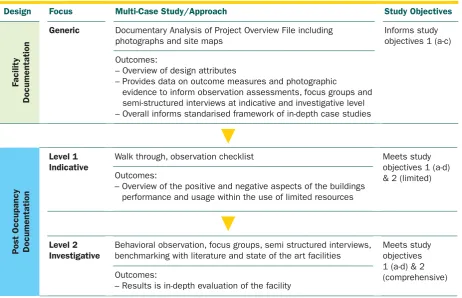
Indicative level evaluation involved a “walk-through” of all eighteen Design & Dignity spaces (while unoccupied) using a GoPro camera to capture detail on setting appearance and contents. In order to compare with universal standards, measures were taken of the spaces physical dimensions (meters), its light content (lux) and noise content (decibels). Additionally, IHF audit tools (on setting appearance and contents – see appendix 2 a-c). Qualitative field notes were taken by the researchers to describe what they saw, smelt, heard and felt during site visits.
Design Focus Multi-Case Study/Approach Study Objectives
F
acility
Documentation
Generic Documentary Analysis of Project Overview File including photographs and site maps
Informs study objectives 1 (a-c) Outcomes:
– Overview of design attributes
– Provides data on outcome measures and photographic
evidence to inform observation assessments, focus groups and semi-structured interviews at indicative and investigative level – Overall informs standarised framework of in-depth case studies
P
ost Occupancy Documentation
Level 1 Indicative
Walk through, observation checklist Meets study
objectives 1 (a-d) & 2 (limited) Outcomes:
– Overview of the positive and negative aspects of the buildings performance and usage within the use of limited resources
Level 2 Investigative
Behavioral observation, focus groups, semi structured interviews, benchmarking with literature and state of the art facilities
Meets study objectives 1 (a-d) & 2 (comprehensive) Outcomes:
[image:19.595.87.550.321.619.2]– Results is in-depth evaluation of the facility
Figure 2. Facility Documentation and POE per site and relationship to study objective
2.2 Methodology
2.2.1 Post occupancy evaluation
10
2.2.3 Investigative level
Investigative level was in-depth evaluation of five key hospital sites; Roscommon Hospital, Mater Misericordiae University Hospital Dublin, Beaumont Hospital Dublin, St. James’s Hospital Dublin and St. Luke’s Hospital Kilkenny. Investigative data collection included focus groups with staff members, semi-structured telephone interviews with bereaved relatives and comment boxes, where appropriate. Ethical approval was gained from three separate ethics boards nationally; Clinical Research Ethics Committee of the Cork Teaching Hospitals (CREC), Tallaght University Hospital/St. James’s Hospital Joint Research Ethics Committee and Research Ethics Committee HSE South East.
2.2.4 Healthcare and Support Staff
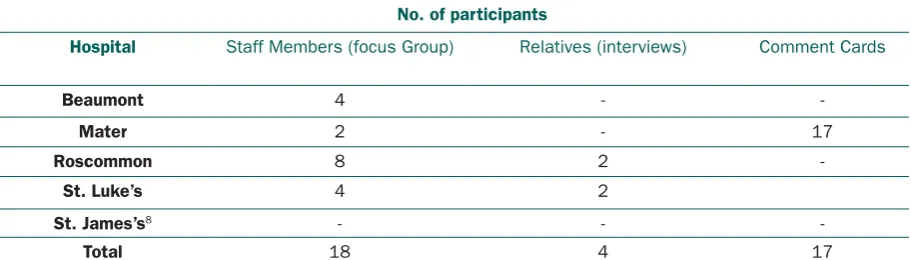
Focus groups were held with healthcare and support staff who were involved in the Design & Dignity project or who currently use the space in their day to day work. A total of 18 staff members participated (see Table 2 for more detail). Stakeholders were recruited by the End-of-life Care Coordinators or Clinical Nurse Managers at each hospital site via an invitation letter. Focus groups were conducted on site and navigated using a topic guide (see appendix 3). The purpose was to gain insight into staff perspectives of the impact of the spaces. Each focus group was audio-recorded, and participants were asked to give written consent prior to beginning.
[image:20.595.53.509.419.549.2]2.2.5 Participants and Procedure
Table 2. Total number of participants per site
No. of participants
Hospital Staff Members (focus Group) Relatives (interviews) Comment Cards
Beaumont 4 -
-Mater 2 - 17
Roscommon 8 2
-St. Luke’s 4 2
St. James’s8 - -
-Total 18 4 17
2.2.6 Bereaved Relatives
Semi-structured audio recorded phone interviews were held withbereaved relatives who made use of the end-of-life care facilities (i.e. family room/mortuary/bereavement suite) in the respective hospitals. Participants were screened via the End-of-Life Care Coordinator or Clinical Nurse Manager at each of the five hospital sites. If the hospital had a family room, the health-care records of patients who died on the ward where the family room was located were accessed to retrieve Next of Kin contact details. If the hospital had a mortuary or bereavement suite, the health care records of patients who had been reposed there were accessed to retrieve Next of Kin contact details. Once a list of potential participants was drawn, the End-of-Life Care Coordinator or equivalent (Co-Principle Investigator) sent a
Evaluation of the Design & Dignity Programme
letter of invitation, information leaflet and consent form to the bereaved relatives advising that a study was being conducted in consultation with colleagues in UCC and if they would like to participate they could send the consent form with their name, address and phone number and time preference to the Principle Investigator in UCC. On receipt of consent form, the Principle Investigator in UCC arranged a phone interview with the participant based on their time preference. Each hospital sent this letter to approximately twenty relatives to aim to achieve a sample size of no less than 3-5 participants, taking into account response rate and attrition. Unfortunately, only 2 sites received indications from relatives that they wished to be interviewed and all respondents were subsequently included (n=4 relatives/ patients).
2.2.7 Comment Boxes
To reach the wider population and obtain information from “real time” a concealed and secured comment box(and comment cards) was mounted in two of the case example spaces. Seventeen responses were received from one site, and no responses from the second data collection site. Other sites were deemed inappropriate to have a comment box in place, for example emergency departments or mortuaries.
2.3 Overview of Design & Dignity Projects
This section provides a summary of each of the projects included in the evaluation.
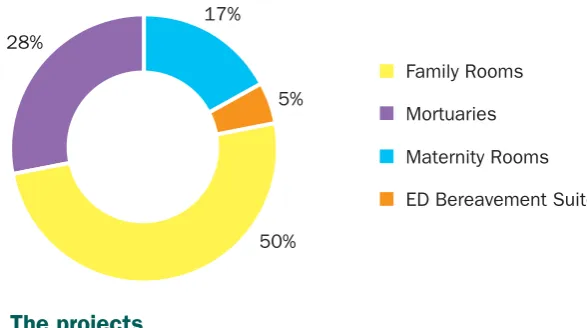
[image:21.595.80.374.498.662.2]Photographs of before and after the Design & Dignity project will highlight each of the site’s transformation process and their key design features.
Figure 3. Overview of project types
The projects
The 18 projects included
Q A bereavement suite in an Emergency Department Q Five mortuaries
Q Nine Family Rooms Q Three Maternity Rooms
Family Rooms
5% 28%
17%
50%
Mortuaries
Maternity Rooms
12
Firstly, the data extracted from the facility documentation will be presented followed by a summary of each project. This will be based on the facility documentation provided by each of the teams when originally applying for the Design & Dignity grants. Additionally, field notes and observations taken by the researchers during site visits provide a narrative of how the spaces look and feel today.
Facility Documentation
At the request of the Irish Hospice Foundation, there was a deliberate focus on Mortuaries and Family Rooms. Data was extracted from facility documentation of 12 sites. Details were extracted on makeup of project team, duration of project, budget, design concepts, use of Design & Dignity guidelines, input from family/patients, design attributes and anticipated benefits. Descriptions of the latter two areas are integrated into the site profiles sections.
Project teams included General Hospital Managers, Director or Assistant Director of Nursing, Clinical Prof/Clinical Staff, Risk Manager, Mortuary Manager, End-of-life care Co-Ordinator, Social Worker and Maintenance Manager.
Project timelines varied depending on the need to change the infrastructure of a space with some projects taking 7 weeks to complete while others took over 18 months. Most projects ran over time taking longer than anticipated.
Project cost also varied from €30,000 to over €376,000, again depending on the type of build i.e. structural versus aesthetics. Funding was provided by HSE Estates (& National lottery grant), the IHF and individual hospital contributions.
Design concepts, attributes and anticipated benefits are listed below per type of build and demonstrate the desire from project conception to ensure the new space would provide dignity, sanctuary, inclusivity and foster staff pride.
Q
Mortuary and Bereavement Suites
Privacy
Beaumont: “meeting needs of more than one family”
Portinuncula: “quiet, private space for families”
Roscommon: “private from rest of hospital”
Dignity
Roscommon: “to create a respectful/ dignified area for the decreased where their loved ones can spend as long as necessary” St. James’s “to shield families from the business of everyday hospital life”
Sligo: “seeks to improve the dignity of death for their patients and loved ones”
Mercy: “enhancing standard of care for patients and increasing hospitality for their families”
Inclusive
St. James’s: “to meet multicultural beliefs of individual patients/relatives”
Mercy: “embracing multicultural faiths” Roscommon: “the room would be inclusive of multinational faiths”
Sanctuary
Roscommon: “serene atmosphere gives respect and reassurance rather than clinical ward”
St. James’s: “ to shield families from busy ward environments”
Mercy: “to make the mortuary a place of “reverence & respect”
Portincula: “calm room”
Evaluation of the Design & Dignity Programme
Q
Family
Rooms
Accessible
Nenagh: “24hr access” “visible as to its whereabouts” Connolly: “self-contained, toilets, refreshments”
Navan: “wheelchair/bed bound accessible” “light box for way finding” “exit onto garden, so you don’t have to exit onto busy ward”
Mayo: “visible on ward” “a room that is soundproof”
Q
Maternity
Suites
Pride
Limerick: “staff no longer ashamed” “less stress on staff because can accommodate appropriately”
Privacy
Limerick: private, sensitive discussions with staff” “gentle, safe environment” St. Luke’s: “peaceful/private for discussions of bad news; counselling”
Atmosphere
Limerick: “compassionate atmosphere gives feeling you’re cared for” “soft lighting, changing floor material, including soft furnishings and art”.
St. Luke’s, Kilkenny: “aesthetic (furnished, natural colours) to provide sense of calm”
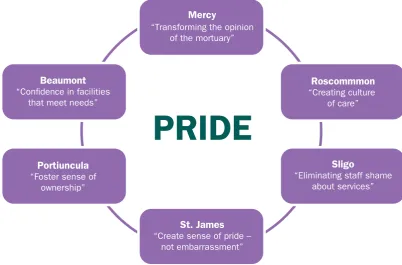
PRIDE
Mercy“Transforming the opinion of the mortuary”
Roscommmon
“Creating culture of care”
Sligo
“Eliminating staff shame about services”
Portiuncula
“Foster sense of ownership”
Beaumont
“Confidence in facilities that meet needs”
St. James
[image:23.595.108.511.439.704.2]“Create sense of pride – not embarrassment”
14
2.3.1 Beaumont Hospital, Dublin – Family Room
Beaumont Hospital’s second project was the Family Room upgrade in the General Intensive Care Unit (GICU). The two adjacent relative’s rooms that existed on the ward were very clinical and limited in terms of hospitality.
The team’s aim was to convert the two relative’s rooms into a space where families could find comfort, relax and have some privacy from the busy ward. Moreover, the aim was to install refreshment facilities to allow families to prepare food, shower and sleep over night. The project hoped to include features such as plentiful natural light, dimmed lighting fixtures, black out blinds for families sleeping overnight, a kitchenette, a second room for private discussions, upgrading the existing bathroom, TV, high quality furniture, wood
panelling and an outside garden. The team involved made up many various disciplines – both clinical and non-clinical making up a sub-committee of the End of Life Steering Committee.
Evaluation of the Design & Dignity Programme
2.3.2 Connolly Hospital, Dublin – Family Room
The Connolly Hospital team wanted a space for family bereavement and counselling to be used by the Social Work Department. At the time of submitting the proposal the hospital had approximately 250 deaths per annum. The team felt the introduction of the space was necessary as often news was broken on the corridors of the hospital. The proposals aim outlined a space which allowed for patients and relatives to relax and feel comfortable. The objective of the interior was to create a feeling of homeliness and relaxation. Tea making facilities would be incorporated as well as an accessible en suite facility.
16
2.3.3 Galway University Hospital – An Seomra Ciuin Maternity Ward
The development of the private room now named An Semora Ciuin began as the team believed those experiencing early pregnancy loss of up to 24 weeks gestation deserved a private space to process the emotions associated with miscarriage. The room was hoped to also provide for those who have received a terminal diagnosis to be in comfortable and dignified surroundings with their loved ones during end of life. The team decided to convert the Clinical Nurse Manager’s office, which was in a quiet area at the end of the ward but in proximity to the midwife’s/nurse’s station.
The aim of the room was to structurally convert the office into a bedroom and atttached ensuite bathroom. The bedroom had to have medical equipment such as medical gas and suction equipment to deliver safe emergency care. However, the team wanted to the room to look less clinical with design features such as art work of sea scenes or nature art. Overall the team’s aim was for a space that was homely, warm and peaceful.
Today, the room is a bright and homely space with beautiful art work. The muted blue colours are calming and one walls features wallpaper which illustrates birds of Ireland.
Evaluation of the Design & Dignity Programme
2.3.4 Mercy University Hospital, Cork – Mortuary
At the time of application, the Mercy Hospital’s mortuary was in a semi derelict condition. Staff, while delivering effective care, felt dignified care was not possible when the patient left the clinical area and was trasfered to the mortuary. This was due to not only the lack of facilities but the mortuary’s location, adjacent to waste disposal.
The ward environment was not an appropriate place for families and did not allow them privacy or dedicated time with their loved one. The team’s aim was to create a space where families could spend time with their loved one privately.
The team wanted the mortuary to be a space of reverence and respect for the dead and the bereaved. The team also wanted to improve the pathway from hospital to mortuary.
Now the mortuary sits in a quiet and separate area from the hospital marked by an entrance with the end-of-life symbol. The area is decorated with plants and a water feature, which can be heard in the mortuary giving a soothing effect or the idea that one is close to nature.
18
2.3.5 Mayo University Hospital – Family Room
The staff at Mayo University Hospital believed families needed a place for reassurance, a space to rest and feel comforted. The proposal outlined research that reported relatives can often feel devalued, dehumanised or disempowered when they do not receive adequate support. The team wanted to create an area that would be central to increase accessibility for families. An office space was proposed as the optimal location for the renovation, existing on a floor close to stairs, a lift and several main wards including ICU. The team wanted a space that could offer refreshment facilities and places to rest. Moreover, the room would be an appropriate space
to have private conversations with families rather than corridors. Overall, the proposal outlined a desire for a space that would send a message of its commitment to improve end-of-life care to families and the multidisciplinary team alike.
Today the space is located on the ward, marked by brightly coloured glass panels beside the door frame. Inside is a large space with the east wall featuring windows with primary coloured panels (blue, green, red, yellow).
Four leather couches sit beside the windows separated into two sections by a panel creating two private areas. Within the sections the couches face one another and can be made into beds.
Evaluation of the Design & Dignity Programme
2.3.6 Mid-Western Regional Hospital, Nenagh – Family Room
The team felt it was important to introduce a space for spirituality based on research highlighting its importance in aiding the bereavement process. The team wanted a room for family members where they could find privacy, quiet, comfort and peace and was flexible to multi-denominational faiths and cultures. The proposal outlined plans to convert a store room into the multi-faith room.
Sleepover facilities would be incorporated into the space to cater for families staying overnight, with 24-hour access. The location was chosen to be at the front of the hospital – to highlight their support for the Hospice friendly Hospitals programme and translate a message of care for all those at end of life. The project proposal outlined their hopes for a positive cultural change within the hospital organisation allowing for improved end-of-life care.
20
2.3.7 Mid-Western Regional Hospital, Limerick – Mortuary
The staff at MWRH Limerick wanted to renovate the walkway from hospital to mortuary. At the time of the proposal. the walkway was indirect and poor in appearance with families having to walk through an unofficial smoking area littered with cigarette butts, cups and rubbish bags. Moreover, the mortuary itself did not meet Design & Dignity standards.
The aim of the proposal was to create an alternative walkway for families that would be visible, easy to understand and respectful of family’s bereavement. The mortuary was proposed to have a store room converted into a second Chapel of Rest, a counselling/family room and refreshment
facilities. The family room was proposed to accommodate private conversation with family with
counsellors, Gardai or chaplains. An enclosed urban garden was suggested by the team to exist inside the build to allow individuals to see nature while in the waiting room. Designated parking facilities were also needed.
Evaluation of the Design & Dignity Programme
2.3.8 Our Lady’s Hospital, Navan – Family Room
The team wanted to update their “Day Room” into a private, accessible and therapeutic environment. The Day Room was situated in the centre of the hospital and adjacent to an outside area, which the team felt could be enhanced by creating a garden area with seating. Support for the project was received by local management, End-of-life care Committee, the Louth/Meath Hospital Senior Management Team and support of Local Management.
The proposal’s aim was to use the room as a place where staff could speak privately with families or break bad news in an environment that supports end-of-life care. By improving the physical space, the team hoped it would
enhance the quality of end-of-life care for patients and their families. Providing an area to connect with nature would provide a sense of calm for families and patients at end of life.
22
2.3.9 Portiuncula Hospital, Galway – Family Room
The project proposal was to refurbish the Family/Pastoral Care room into a private and dignified area for families of patients on all general wards (including ICU, paediatric unit).
The staff wanted the room to be dedicated to families whose loved ones were at end of life, to provide sleepover and refreshment facilities. Those involved included front line staff, senior management and a family member who was invited by the hospital. The particular individual had experienced two bereavements and her perspective was important to the team.
Aims outlined in the proposal included; a room which could seat up to 12 individuals; sleepover facilities/sofa bed, a kitchenette, natural light, colours and furnishings to provide a calm
atmosphere, TV/reading materials.
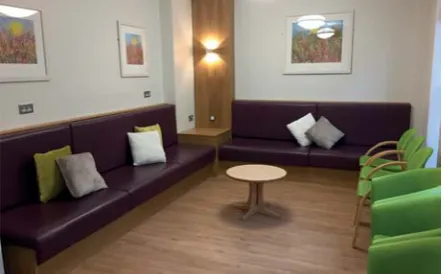
Today, the room is located beside the pastoral care room tucked in a private corridor off the ward. The room is full of natural light and vibrant colours. The green couches are spacious and convert to sleepover beds. Decorated with purple cushions, the green
Evaluation of the Design & Dignity Programme
2.3.10 Sligo Hospital – Mortuary
The mortuary at Sligo General Hospital provided excellent post mortem facilities, however the facilities for families were lacking in terms of space for grieving families and friends to congregate and view the deceased. The Slan Project was developed by the End-of-life care Committee and represents key stakeholders from Sligo General Hospital and North West Hospice.
The team’s aim was to create a mortuary that provides an atmosphere of reverence and respect for “life, death and bereavement”. The new build hoped to improve accessibility to the Mortuary from the main hospital and remove Portacabins near by the Mortuary to create a sensory garden.
The new design of the mortuary now includes an accessible route from the main hospital. The entrance of the Mortuary is clean, modern, well signposted and features nature. Inside the mortuary is separated into two distinct areas; one for the death of a child, one for the death of an adult. The largest space is dedicated to the adult mortuary and features two rooms - an open plan space with a kitchen and attached a smaller viewing room. The open space is bright and features a back wall of glass doors looking onto a courtyard.
24
2.3.11
St John’s Hospital, Limerick – Family Room
The team wanted to transform the space into a welcoming calming environment for families to relax or rest. The aim was to include overnight and en suite facilities. In addition to the Design & Dignity programme, Friends of St. Johns Hospital a voluntary fundraising group were committed to supporting the project. Overall it was felt that a family patient focused initiative was needed.
The team’s aim was to renovate the space into a self-contained private Family Room with an outside space featuring patio doors and decking area overlooking a green space. Inside the space would feature refreshment facilities and designed in a way that maintains privacy whilst evoking peace and quietness.
Evaluation of the Design & Dignity Programme
2.3.12 University Maternity Hospital, Limerick – Maternity Room
The staff at the hospital wanted to renovate the then existing “Rose Room”. The Rose Room is situated between the scan department and antenatal clinic.
Often if an abnormality is identified in an ultrasound scan or a diagnostic test, the room is used for private and compassionate conversations with women/couples. The proposal wanted to renovate the space to provide a message of sensitivity and compassion to women and their families when receiving bad news.
Design ideas outlined included fresh paint, new flooring, soft lighting, new furniture and art work. The aim was to create an atmosphere of dignity, respect and privacy in gentle surroundings.
26
2.4 Indicative Level Summary Analysis
The indicative level evaluation involved measuring each space in terms of physical dimensions (meters), light (lux) and noise content (decibels). Additionally, an audit checklist on setting, appearance and content was also completed. The following section provides an overview of measurements, audit tool results, and researcher field notes from each of the 18 projects. See Appendix 4 for a guide to light and noise levels recommended for a hospital setting9.
2.4.1
Mortuary measurements and audit tool results
During five site visits, seven mortuary rooms (Site A-E) were included in the indicative analysis. Of the seven mortuary rooms visited the light (lux) measurements ranged from 2x10 – 43x10, while sounds levels
ranged from 56.6 to 76.6 decibels. Room area varied greatly from readings of 11.54m2 to 148.91m2.
From a possible score of 28, the mortuary audit assessment tools based on the Design & Dignity StyleBook Guidelines (2014) scored between 21 and 27. The best example of a mortuary that was visited included one which was in line with the Design & Dignity StyleBook Guidelines (2014). Based on measurement data, audit assessment tools scores, and field note analysis (see 2.4.1.2) an exemplar type mortuary should ensure the following:
Q Be located within the hospital and avoids clinical traffic
Q Have ease of access to all visitors, including those with disability and cognitive impairments Q Have suitable privacy signage
Q Provide adequate space, with a viewing area and adjacent family room with facilities Q Provide adequate parking
Q Have access to toilet facilities
Q Exclude external noise where possible Q Include bariatric room where possible
Q Have natural light, ventilation, and suitable artwork for positive distraction Q Identify as a non/multi-denominational area
For a full overview of measurement results and audit tool assessments for the mortuary see Table 3.
Evaluation of the Design & Dignity Programme
Site Visit Area Light (Lux)* Sound (Decibels) Audit Tool Score Summary of shortfalls
Site A – Beaumont Hospital
rMortuary Room
09.05.2018
148.91m2 23x10 58.2 27/28
No vacant/ engaged signage
Site B – Sligo General Hospital rAdult Mortuary
(viewing room) rChild Mortuary
(viewing room) 24.05.2018 19.86m2 13.11m2 11x10 5x10 75.9 68.3 27/28 27/28 No vacant/ engaged signage
Site C – Roscommon Hospital
rMortuary Room
25.05.2018
37.34m2 19x10 77.0 24/28
Minimal parking; no ajoining family room
Site D – Mercy University Hospital rMortuary 1 rMortuary 2
26.05.2018 18.47m2 11.54m2 43x10 12x10 76.6 62.4 Unavailable Unavailable
Site E – University Hospital Limerick rMortuary Room
23.07.2018
30.25m2 2x10 56.6 21/28 Clinical/high traffic
area; minimal space for two families; room unable to maintain room temperature; no natural
ventilation
* Measurement was set at a medium range of 20,000 Lux. This measurement is recorded at 10 times the value of the reading i.e x10; 1lux=1 lumen per square metre.
28
2.4.1.1 Mortuary field notes
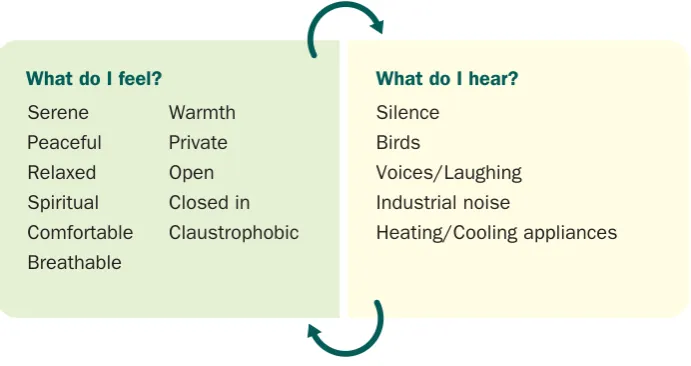
[image:38.595.53.399.195.378.2]Field notes were taken on the ‘walk through’ of each site and the audit team evaluated the sound and feel of each space. Overall the Mortuary sites were described positively as feeling peaceful and comfortable, with minimal noise except for occasional voices and white noise from appliances. See figure 5 for the most commonly used terms to describe what was felt and heard from the mortuary field notes.
Figure 5. Field note synthesis of key terms used for the mortuary sites
2.4.2 Family room
Nine family rooms (Site F-N) were also included in the indicative analysis. Light (lux) measurements ranged from 8x10 – 114x10, while sounds levels ranged from 50.8 to 75.5 decibels. Room areas
measured between 12.32m2 to 33.01m2. A family room assessment tool (based on the Design & Dignity
Style Book Guidelines, 2014) was used to audit all sites. From a possible score of 30, the family rooms scored between 23.5 and 30. An exemplar family room based on measurement data, audit assessment tools scores, and field note analysis (see 2.4.2.1) has been identified as requiring:
Q A location within the ward setting Q Be accessible and clearly signposted Q Adequate space to facilitate larger families
Q Have high quality sleeping and refreshment facilities
Q Decorated to a high standard with suitable artwork for positive distraction Q Include IT infrastructure
Q Have natural light, ventilation and access to nature where possible Q Have toilet and shower room facilities
Q Be clean and fully serviced
Q Provide a homely, non-clinical, quiet, and private atmosphere
For a full overview of measurement results and audit tool assessments for the family rooms see Table 4. What do I feel?
Serene Peaceful Relaxed Spiritual Comfortable Breathable
Silence Birds
Voices/Laughing Industrial noise
Heating/Cooling appliances Warmth
Private Open Closed in Claustrophobic
Evaluation of the Design & Dignity Programme
[image:39.595.87.549.124.738.2]Site Visit Area Light (Lux)*
Sound (Decibels)
Audit Tool Score
Summary of shortfalls
Site F - Mater Misericordiae University Hospital rFamily Room
03.04.2018
15.71m2 114x10 67.0 26/10
No microwave and toaster; TV unavailable; No shower; light fixtures are not controlable
Site G- Nenagh General Hospital rFamily Room
20.04.2018
13.07m2 31x10 57.7 24/30
Located off ward; No vacant/engaged signage; No fridge, toaster or microwave; minimal artwork
Site H - Our Lady’s Hospital Navan rFamily Room
04.05.2018
25.98m2 48x10 72.0
Unavailable Unavailable
Site I- Connolly Hospital rFamily Room
09.05.2018
18.24m2 16x10 75.5 23.5/30
Located off ward; Unable to accommodate 8 people; not designed for sleepover facilities; no TV available
Site J- Portiuncula Hospital
rFamily Room
23.05.2018
13.09m2 39x10 63.4 26/30
No toilet/shower; Unable to accommodate 8 people; light fixtures are not controllable; No microwave and toaster.
Site K- Mayo University Hospital rFamily Room
23.05.2018
33.01m2 53x10 50.8 24/30
No vacant/engaged signage; Unable to accommodate 8 people; light fixtures are not controllable; No toilet/ shower
Site L- Roscommon Hospital
rFamily Room
25.05.2018
14.23m2 91x10 63.5 30/30
N/A
Site M -St John’s Hospital Limerick rFamily Room
23.07.2018
12.32m2 8x10 63.5 23/30
Located off ward; No vacant/engaged signage; Unable to accommodate 8 people; muted colours; not assessible to families at all times
Site N- University Hospital Limerick rFamily Room
23.07.2018
14.93m2 14x10 75.4 Unavailable Unavailable
* Measurement was set at a medium range of 20,000 Lux. This measurement is recorded at 10 times the value of the reading i.e x10; 1lux=1 lumen per square metre.
30
2.4.2.1 Family room field notes
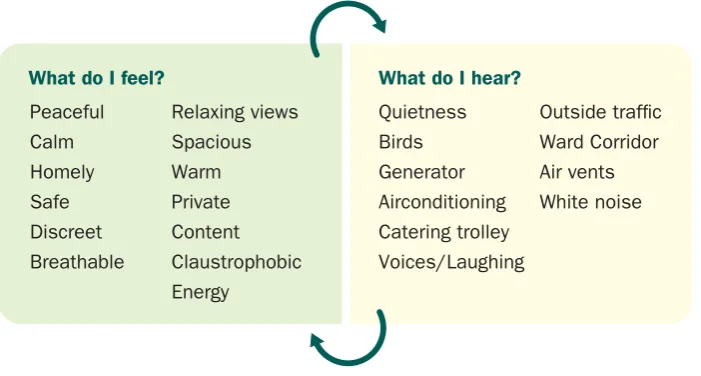
[image:40.595.52.403.200.388.2]The family rooms mainly conveyed a feeling of calm, privacy, and peacefulness. Few sites were described as claustrophobic, yet the description of noise levels varied in terms of hearing individual’s voices, catering trollies and air vents. See Figure 6 the most commonly used terms to describe what was felt and heard from the family room field notes.
Figure 6. Field note synthesis of key terms used to describe the family room sites
2.4.3 Bereavement suite (viewing suites and maternity units)
Within the five bereavement suites (Site O-R), the light (lux) measurements ranged from 12x10 – 69x10.
Sound ranges varied from 57.6 to 85.5 decibels. The room area measured between 6.88m2 to 26.95m2.
From the bereavement suite assessment tool (used on one site only- See Table 5) a score of 20 was identified from a potential score of 30. Based on measurement data, audit assessment tools scores, and field note analysis (see 2.4.2.1) an exemplar bereavement suite should facilitate the following:
Q Be located within the hospital and avoids clinical traffic
Q Have ease of access to all visitors, including those with disability and cognitive impairments Q Have suitable privacy signage on all door entering room
Q Provide adequate space, with a viewing area and adjacent family room with facilities Q Exclude external noise and soundproof where possible
Q Have natural light, ventilation, and suitable artwork for positive distraction Q Identify as a non/multi-denominational area
Q Provide a non-clinical atmosphere
For a full overview of measurement results and audit tool assessments for the bereavement suites see Table 5
What do I feel?
Peaceful Calm Homely Safe Discreet Breathable
Quietness Birds Generator Airconditioning Catering trolley Voices/Laughing
Outside traffic Ward Corridor Air vents White noise Relaxing views
Spacious Warm Private Content Claustrophobic Energy
Evaluation of the Design & Dignity Programme
Table 5. Indicative measurements/audit tool scores per bereavement suite site
[image:41.595.85.434.529.691.2]Site Visit Area Light (Lux)* Sound (Decibels) Audit Tool Score
Summary of shortfalls
Site 0 – St. James’s Hospital Dublin rSuite A rSuite B
09.05.2018 19.02m2 19.75m2 25x10 36x10 85.5 72.1 20/30 20/30
High clinical traffic area; No vacant/engaged signage; external noise; room unable to maintain room temperature; no access to natural light; worn furniture
Site P – St. Luke’s Hospital Kilkenny rMaternity Room
28.05.2018
26.95m2 26x10 71.3 N/A N/A
Site Q – University Maternity Hospital rLimerick
rWaiting Room
23.07.2018
6.88m2 12x10 82.2 N/A N/A
Site R – Galway University Hospital rMaternity Room
30.08.2018
15.91m2 69x10 57.6 N/A N/A
* Measurement was set at a medium range of 20,000 Lux. This measurement is recorded at 10 times the value of the reading i.e x10; 1lux=1 lumen per square metre.
2.4.3.1 Bereavement suite field notes
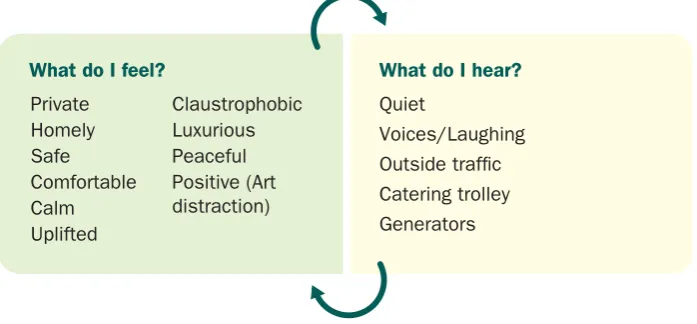
From the researcher’s field note the bereavement suites were primarily described as private and comfortable, with minimal noise except for catering trollies within the ward setting. See figure 7 for the most commonly used terms to describe what was felt and heard from the bereavement suite field notes.
Figure 7. Field note synthesis of key terms used for the bereavement suite sites
In additional to the above data the next section presents a purposefully-developed rating scale, which gives rooms a score of 1 – 5 for thirteen aspects of their design, including lighting, art-work, layout, accessibility, and overall comfort, was used for each of the five cases.
What do I feel?
Private Homely Safe Comfortable Calm Uplifted Quiet Voices/Laughing Outside traffic Catering trolley Generators Claustrophobic Luxurious Peaceful Positive (Art distraction)
32
2.5 Five Case Studies
2.5.1 St. Luke’s Maternity Hospital – Maternity Room
From the facility documentation it was clear that the hospital team in St. Luke’s Maternity Hospital wanted a room near the Early Pregnancy Assessment Unit. The proposal outlined the need for a space or counselling room in which to break bad news or provide privacy to women and partners experiencing the loss of a baby.
The proposal explained that bad news was often shared with women in the scanning room, an environment which did not provide comfort or consideration. The team recognised the need for this space to allow for private family time, or for blessing and baptismal ceremonies prior to burial. The outlines for the room considered design aspects such natural colours to evoke feelings of calm, peace and privacy.
They also felt the space needed to accommodate larger families. Today, the space is off the ward situated in a quiet area beside the stairs. The wall in which it is located is decorated with a bluebell scene and indicates whether the room is in use using a triskel symbol. Inside, the room is large and contains natural light. A kitchenette and table with couches lining the wall give the room a comfortable accessible feel.
A green couch sits in the right corner beside a beautiful stained-glass feature. The glass is lit by dimmed lighting and depicts a sunset and water scene. Similarly, other art work is presented in small lit shelves adding depth to the space. The wood finishes and colours give the room a calm and relaxing feeling.
Evaluation of the Design & Dignity Programme
Rating
Artificial Light Fixed
++++
Adjustable Not AvailableNatural Light Fixed
++++
+
Adjustable Not AvailableFurniture Layout Flexibility10 Limited
++++
Extensive Not AvailableMeal/Tea Preparation Limited
++++
Extensive Not AvailableAccessibility11 Inaccessible
++++
Accessible Not AvailableArt Use Random
++++
+
Themed Not AvailableColour Use Random
++++
+
Themed Not AvailableAccess to Nature Indirect
+++
Direct Not AvailablePathway/Signage Design Difficult
++++
+
Intuitive Not AvailablePrivacy Public
++++
Private Not AvailableAcoustics Bustling
+++
Tranquil Not AvailableComfort Low
+++
High Not AvailableFeel Clinical
++++
+
Non-Clinical Not AvailableAmbiance Chaotic
++++
Peaceful Not AvailableCase
Study
St. Luke’s Maternity Hospital
Maternity Room
Dra
wing: Yvonne P
ennisi and
Jim Har
rison,
UCC
10 Refers to ability to move furniture to create different configurations, if and when required.
34
2.5.2 Mater Misericordiae University Hospital – Family Room
St. Teresa’s Ward is an acute neurological ward with 31 patient beds. Due to the acute and complicated medical conditions on the ward, many patients receive end-of-life care support. Four rooms on the ward are mutli occupancy accommodating six individuals at a time. Due to this, the team felt a Family Room was necessary to support not only end of life patients, but those patients in the multioccupancy rooms and their family members.
The Family Room at the time of the proposal was tired and worn and was sometimes used for storing medical equipment. The room was co-funded by a Design & Dignity grant and fundraising by staff and the Mater Foundation. The teams aim was to design the room and decorate in such a way that would lift individual’s mood and enhance their care experience. Features outlined in the proposal included; a kitchenette, a wall mounted TV, three chairs/settees around a coffee table; a family
room sign which was informal in nature to indicate the room is open to all and is a comfortable space.
Today, the room is clearly signposted on the ward and leads you into a quiet comfortable space. In the room are three high quality couches in red and beige providing seating for eight people, one of which is a sofa bed allowing a family member stay overnight on the ward if their relative is seriously ill or dying. There is a kitchenette with tea coffee making facilities.
Views outside the window fill the room with natural light. Art work decorates the walls depicting scenes of hot air balloons, birds and nature. The bright wall colours of the space and the use of wood effect flooring and artwork lift the room and give the room a non-clinical feel.
Evaluation of the Design & Dignity Programme
Rating
Artificial Light Fixed
++++
Adjustable Not AvailableNatural Light Fixed
++++
+
Adjustable Not AvailableFurniture Layout Flexibility Limited
++
Extensive Not AvailableMeal/Tea Preparation Limited
++++
Extensive Not AvailableAccessibility Inaccessible
++
Accessible Not AvailableArt Use Random
+++
Themed Not AvailableColour Use Random
+++
Themed Not AvailableAccess to Nature Indirect
+++
Direct Not AvailablePathway/Signage Design Difficult
++++
Intuitive Not AvailablePrivacy Public
+++
Private Not AvailableAcoustics Bustling
+++
Tranquil Not AvailableComfort Low
+++
High Not AvailableFeel Clinical
++++
Non-Clinical Not AvailableAmbiance Chaotic
+++
Peaceful Not AvailableCase
Study
Mater Misericordiae University Hospital
Family Room
36
2.5.3 Beaumont Hospital – Mortuary
At the time when Beaumont Hospital applied for the Design & Dignity grant, the hospital’s mortuary represented 3% of the annual statistics for deaths in Ireland (approximately 1,000 deaths per year). The mortuary urgently needed a second viewing room to expand the services as often the mortuary facilitated several removals a day.
No facilities existed for families such as a space for formal identification or ceremonies to take place. Parking was an issue and families often had to park in another facility ten minutes walk away. Overall, the team wanted a serene, intimate family space that would provide for the requirements of the bereaved.
After the Design & Dignity project, the mortuary has been renovated into an open space with great amounts of natural light. The large family area is open and comforting, with green armchairs to sit and gather. A garden patio area has been built onto the east side of the room, accessed by sliding doors, to allow families to go into nature. From the family area is the main viewing room, also accessed by hinged doors and lit by a large sky light giving the room a bright, airy feel. Blue glass art work decorates all three walls in the viewing area.
A second family room and viewing area is built onto the west side of the build. Again, this area is bright airy and features high quality furniture (green) and the blue glass artwork – continuing the design throughout the build
Evaluation of the Design & Dignity Programme
Rating
Artificial Light Fixed
++++
Adjustable Not AvailableNatural Light Fixed
++++
+
Adjustable Not AvailableFurniture Layout Flexibility Limited
++++
Extensive Not AvailableMeal/Tea Preparation Limited
++++
Extensive Not AvailableAccessibility Inaccessible
++++
Accessible Not AvailableArt Use Random
++++
+
Themed Not AvailableColour Use Random
++++
+
Themed Not AvailableAccess to Nature Indirect
++++
+
Direct Not AvailablePathway/Signage Design Difficult
++
Intuitive Not AvailablePrivacy Public
++++
+
Private Not AvailableAcoustics Bustling
++++
+
Tranquil Not AvailableComfort Low
+++
High Not AvailableFeel Clinical
++++
+
Non-Clinical Not AvailableAmbiance Chaotic
++++
+
Peaceful Not AvailableCase
Study
Beaumont Hospital
Mortuary
38
2.5.4 St. James’s Hospital Emergency Department – Bereavement Suite
At the time of the grant application, the Emergency Department (ED) of St. James’s had over 150 deaths per year. The ED was lacking in private areas for families to view their loved one. The family room and viewing room were two separate spaces and families would have to walk down a busy corridor to access both. The team wanted to create a private space to shield families from the busy hospital atmosphere. They proposed the build of two family/viewing rooms. Staff felt embarrassed of the space and believed a new space was pivotal to help enhance staff support of families during a traumatic time of their lives.
Today, the two Bereavement suites are separate spaces off the busy ward. Both suites contain a relative’s room and viewing area separated by wooden sliding doors that can be pulled back expanding the space if necessary. Each relative’s room contains a black leather couch and armchair and three stained glass art works that are reminiscent of a sea scape in blues and greens.
Inside the viewing area is a trolly with a purple drape and white end-of-life symbol. Beside the trolley is a cabinet decorated with flowers and candles.