EVALUATION AND SELECTION OF DIFFERENT LEGUMES SPECIES BASED ON MORPHOLOGICAL AND
NODULATION DIFFERENCES UNDER WATER DEFICIENT
1,*
Martin Maluki,
1
South Eastern Kenya University, Department of Agricultural Sciences, School of Agriculture & Veterinary
Sciences, P
12
Turkana University College, P.O. BOX 69
ARTICLE INFO ABSTRACT
Soil fertility depletion is a major limiting factor affecting crop production in Kenya’s arid and semi arid lands
deficiency and low usage of commercial fertilizers. Amongst unexplored solutions that can mitigate these constraints includes potential role of rhizobia in crop performance
conditions. Thus the present study analyzed the effects of drought stress on nodule formation, growth and yield of four legumes (beans, cowpeas, dolichos lablab and green grams) commonly cultivated in Kenya’s ASALs county of Kitui.
block design with drought stress treatment (DST) induced through withholding total irrigation and well watered treatment (WWT) maintained as a control.
demarcated. The four legumes were randomly assigned to the plots and maintained under WWT. One month after planting (MAP), DST was randomly induced by withholding irrigation in two blocks while WWT was maintained in the other two blocks as controls. Upon t
experiment, root nodules were carefully harvested from each legume in both DST and WWT. The nodules were then
inoculant for specificity assays under gree DST had significantly (p
control or plants under WWT indicating the general deleterious impact of water deficit on legume nodulati
lessening GYD in legumes. Amongst the legumes, green grams had significantly (P GYD, TND and least WIX, dolichos, lablab and cowpeas exhibited moderate per
three traits while beans showed the least TND, GYD and high WIX under DST. Under DST, Green grams had significantly (p
was significantly affected by water stress to give
with GYD and negatively with wilting (WIX), potentially implying that higher nodulation might have enhanced nitrogen fixation thus higher legume YLD and tolerance to water deficit. Based on observed performance i.e. wilting index, root nodules number per plant and grain yield, green grams was considered drought tolerant and beans drought susceptible, therefore this study recommends adoption and growing of green grams (variety KS
Copyright©2019, Martin Maluki et al. This is an open distribution, and reproduction in any medium, provided
INTRODUCTION
Poverty and hunger in Africa are mainly concentrated in the arid and semi-arid lands (ASALs) (UN, 2007) where agriculture is the dominant source of livelihood (GoK, 2010).
Recent estimates (Nyage et al., 2011) show that agriculture
accounts for 35% of the continent’s GDP, 40% of export earnings and 70% of employment. In Kenya, agriculture is the backbone of the economic and social development (Anon, 2010).
ISSN: 0975-833X
Article History:
Received 12th January, 2019
Received in revised form 09th February, 2019 Accepted 16th March, 2019
Published online 30th April, 2019
Citation: Martin Maluki, Charles Orek and Thomas Akuja
nodulation differences under water deficient conditions of lower eastern Kenya
Key Words:
Legumes, Rhizobium species, Nitrogen fixation, Bio-fertilizer, Drought stress, ASALs.
*Corresponding author: Martin Maluki
RESEARCH ARTICLE
EVALUATION AND SELECTION OF DIFFERENT LEGUMES SPECIES BASED ON MORPHOLOGICAL AND
NODULATION DIFFERENCES UNDER WATER DEFICIENT CONDITIONS OF LOWER EASTERN KENYA.
Martin Maluki,
1Charles Orek and
1,2Thomas Akuja
South Eastern Kenya University, Department of Agricultural Sciences, School of Agriculture & Veterinary
Sciences, P.O. BOX 170-90200, Kitui, Kenya
University College, P.O. BOX 69-30500, Lodwar, Kenya
ABSTRACT
Soil fertility depletion is a major limiting factor affecting crop production in Kenya’s arid and semi arid lands (ASALs). In lower eastern Kenya, low crop yield has been associated with moisture deficiency and low usage of commercial fertilizers. Amongst unexplored solutions that can mitigate these constraints includes potential role of rhizobia in crop performance
conditions. Thus the present study analyzed the effects of drought stress on nodule formation, growth and yield of four legumes (beans, cowpeas, dolichos lablab and green grams) commonly cultivated in Kenya’s ASALs county of Kitui. The two seasonal field-based trials involved randomized complete block design with drought stress treatment (DST) induced through withholding total irrigation and well watered treatment (WWT) maintained as a control. Four blocks, each with four plots, were demarcated. The four legumes were randomly assigned to the plots and maintained under WWT. One month after planting (MAP), DST was randomly induced by withholding irrigation in two blocks while WWT was maintained in the other two blocks as controls. Upon t
experiment, root nodules were carefully harvested from each legume in both DST and WWT. The nodules were then cultured in the laboratory for isolations of rhizobia as well as preparation of an inoculant for specificity assays under greenhouse conditions. Results showed that plants subjected to DST had significantly (p≤0.05) less TND, NoP, lower LAI, more WIX and lower GYD compared to control or plants under WWT indicating the general deleterious impact of water deficit on legume nodulation, growth and yield. The reduced TND under DST could inhibit nitrogen fixation further lessening GYD in legumes. Amongst the legumes, green grams had significantly (P
GYD, TND and least WIX, dolichos, lablab and cowpeas exhibited moderate per
three traits while beans showed the least TND, GYD and high WIX under DST. Under DST, Green grams had significantly (p≤0.05) the highest yield followed by Cowpeas, Dolichos lablab and Beans was significantly affected by water stress to give lowest yield. Generally, TND positively correlated with GYD and negatively with wilting (WIX), potentially implying that higher nodulation might have enhanced nitrogen fixation thus higher legume YLD and tolerance to water deficit. Based on observed rmance i.e. wilting index, root nodules number per plant and grain yield, green grams was considered drought tolerant and beans drought susceptible, therefore this study recommends adoption and growing of green grams (variety KS-20) in the ASALs of Lower E
access article distributed under the Creative Commons Attribution the original work is properly cited.
Poverty and hunger in Africa are mainly concentrated in the arid lands (ASALs) (UN, 2007) where agriculture is the dominant source of livelihood (GoK, 2010). 2011) show that agriculture continent’s GDP, 40% of export earnings and 70% of employment. In Kenya, agriculture is the backbone of the economic and social development (Anon,
Kenya is food insecure even though it is the leading economy in East Africa as well as regional busi
2013; GoK, 2011). Approximately 83% of Kenyan land is ASALs, more often characterized by chronic food insecurity, extreme poverty and episodic famine (GoK, 2010). It is estimated that over 50% of the Kenyan population does not have access to adequate food, and what they have is of poor nutritional value (Anon, 2010). Low farm productivity due to declining soil fertility (Gachimbi al., 2002) and soil moisture constraint (GoK, 2009a) has been cited as the dominant cause of food insecurity in these regions.
International Journal of Current Research
Vol. 11, Issue, 04, pp.3206-3214, April, 2019
DOI: https://doi.org/10.24941/ijcr.35005.04.2019
Thomas Akuja, 2019. “Evaluation and selection of different legumes species based on morphological and nodulation differences under water deficient conditions of lower eastern Kenya”, International Journal of Current Research
EVALUATION AND SELECTION OF DIFFERENT LEGUMES SPECIES BASED ON MORPHOLOGICAL AND
CONDITIONS OF LOWER EASTERN KENYA.
Thomas Akuja
South Eastern Kenya University, Department of Agricultural Sciences, School of Agriculture & Veterinary
30500, Lodwar, Kenya
Soil fertility depletion is a major limiting factor affecting crop production in Kenya’s arid and semi-In lower eastern Kenya, low crop yield has been associated with moisture deficiency and low usage of commercial fertilizers. Amongst unexplored solutions that can mitigate these constraints includes potential role of rhizobia in crop performance under water deficit conditions. Thus the present study analyzed the effects of drought stress on nodule formation, growth and yield of four legumes (beans, cowpeas, dolichos lablab and green grams) commonly cultivated in based trials involved randomized complete block design with drought stress treatment (DST) induced through withholding total irrigation and Four blocks, each with four plots, were demarcated. The four legumes were randomly assigned to the plots and maintained under WWT. One month after planting (MAP), DST was randomly induced by withholding irrigation in two blocks while WWT was maintained in the other two blocks as controls. Upon termination of field experiment, root nodules were carefully harvested from each legume in both DST and WWT. The cultured in the laboratory for isolations of rhizobia as well as preparation of an Results showed that plants subjected to ≤0.05) less TND, NoP, lower LAI, more WIX and lower GYD compared to control or plants under WWT indicating the general deleterious impact of water deficit on legume on, growth and yield. The reduced TND under DST could inhibit nitrogen fixation further lessening GYD in legumes. Amongst the legumes, green grams had significantly (P≤0.05) higher GYD, TND and least WIX, dolichos, lablab and cowpeas exhibited moderate performance of the three traits while beans showed the least TND, GYD and high WIX under DST. Under DST, Green ≤0.05) the highest yield followed by Cowpeas, Dolichos lablab and Beans lowest yield. Generally, TND positively correlated with GYD and negatively with wilting (WIX), potentially implying that higher nodulation might have enhanced nitrogen fixation thus higher legume YLD and tolerance to water deficit. Based on observed rmance i.e. wilting index, root nodules number per plant and grain yield, green grams was considered drought tolerant and beans drought susceptible, therefore this study recommends adoption
20) in the ASALs of Lower Eastern Kenya.
License, which permits unrestricted use,
Kenya is food insecure even though it is the leading economy in East Africa as well as regional business center (Glopolis, . Approximately 83% of Kenyan land is ASALs, more often characterized by chronic food insecurity, extreme poverty and episodic famine (GoK, 2010). It is estimated that over 50% of the Kenyan population does not ccess to adequate food, and what they have is of poor nutritional value (Anon, 2010). Low farm productivity due to declining soil fertility (Gachimbi al., 2002) and soil moisture constraint (GoK, 2009a) has been cited as the dominant cause
ty in these regions.
INTERNATIONAL JOURNAL OF CURRENT RESEARCH
Evaluation and selection of different legumes species based on morphological and
Decline in soil fertility is attributed to soil leaching, erosion and mining of nutrients mainly through continuous mono-cropping of cereal crops without adequate soil fertility
replenishment (Gachimbi et al., 2002). Food security has been
an integral part of global efforts concerning development and reduction of poverty (Vink, 2012). In Kenya, many types of cereals and legumes are grown to alleviate food insecurity. Philips (1980) noted that leguminous crops continue to play a crucial role in agricultural production throughout history and attributes their success in N-deficient soils results from root nodules containing symbiotic Rhizobium bacteria that reduce
N2 to NH3. Rhizobia are soil-inhabiting bacteria that form the
root nodules where symbiotic biological nitrogen fixation occurs (Howieson and Brockwell, 2005; Weir, 2006). This process, where atmospheric N is captured for assimilation by plants is under-utilized by small-scale African farmers, in part because they do not understand its mechanism and
management (Woomer et al., 1997). For example, 95% of
farmers in East and Southern Africa are familiar with legume root nodules but only 26% consider them beneficial (Woomer
et al., 1997). In another study, the percentage of farmers who
use inoculants in Kenya is only 1% (Karanja et al., 2000).
The adaptability of indigenous rhizobia to their environment results in high levels of saprophytic competence, therefore continual identification of new, elite isolates offers the opportunity of improving Biological Nitrogen Fixation (BNF) with fine-tuned geographical targets (Zengeni et al., 2006; Appunu and Dhar, 2008). In this way, a wide diversity of rhizobial isolates ensures a sustainable source of strains for
commercial application into the future (Musiyiwa et al., 2005).
One empirical approach to rhizobia strain selection focuses upon the stepwise collection, isolation and authentication of native rhizobia, screening of the isolates against reference strains for symbiotic effectiveness, assessment of their competitive abilities and evaluation of their performance under
a range of field conditions (Howieson et al., 2000), with each
step eliminating the worst performing isolates for further consideration. In this way, the identified elite rhizobial strains are likely to colonize the soil, tolerate environmental stresses, and compete with background populations (Slattery and Pearce, 2002). Nitrogen is the most abundant element on the earth and about 78 % of the earth's atmosphere is nitrogen gas
(Sangakara et al., 2003). There are hundreds of tons of nitrogen
over every hectare of land surface. Despite the abundance of nitrogen in the atmosphere, plants are unable to use it directly
because it is present in an inert form (N2) and the nitrogen in
the soil is lost through microbial dinitrification, soil erosion, leaching, chemical volatilization, removal of nitrogen containing crop residues from land and Nitrogen is therefore most limiting plant nutrient for crop production in Africa
(Sangakara et al., 2003). Most legumes, through symbiosis
with rhizobia have the ability to reduce N2 through biological
nitrogen fixation (BNF) into a form usable for growth naturally
(Mugwe et al., 2007). The amount of nitrogen fixed varies
according to the legume species and variety. Within a species the amount of nitrogen fixed is directly related to (dry matter)
yield (Delfin et al., 2008). Legumes can fix as much as 200 kg
N ha-1 year-1 under optimal field conditions (Giller, 2001).
However, this can only be achieved in the presence of efficient
Rhizobial strains, which can be native to the soil or introduced
in-form of commercial inoculants (George et al., 2007). The
amount of N contributed to the soil system by the legume crops depends on the rate of symbiotic N fixing activity, growth and N harvest index of the legume crops (Zahran, 1999).
The rate of N fixation varies considerably, depending on type of legume cultivar, method of measurement, the presence of
appropriate Rhizobia, and certain soil and environmental
variables, including soil moisture, NO3 level, soil acidity, and P
nutrition (Danga et al., 2009 & 2010; Zahran, 1999). However,
the amount of biologically fixed N can be enhanced by different methods, including inoculation with proven strains, screening for improved microbial and host-plant materials, and
introduction of improved cultural practices (Zengenia et al.,
2006; Giller, 2001). Farmers are in the process of advancing from subsistence to market-based agriculture and seeking to
improve their field practices and yields (Woomer et al.,
1998).A large population of farmers continues cultivating legumes including beans, lablab, cowpeas and green grams as
increasingly important cash crops (Woomer et al., 1998).Most
of these grain legumes can obtain between 50 - 80% of their nitrogen concentration requirements through biological fixation
(Solomon et al., 2012). Scientific data on nitrogen fixation by
these legumes under water scarce conditions is either nascent or non-existent. This study aimed at analyzing legume nodulation, growth and yield under drought stress conditions in
Kitui County, Kenya.
MATERIALS AND METHODS
Description of experimental sites: The field experiment was
carried out in Kwa-Mulungu farm situated in Kitui County between January- March 2016 (first season) and June to August 2016 (second season). A plot experiment was conducted in
Kwa Mulungu farm located at, latitude 10 21’45.78” S,
longitude 370 52’48.18” E and altitude 1105m above sea level
(Meteorological department Kitui, 2002). As a semi-arid region, Kitui County is among the most drought-vulnerable regions in Kenya with annual rainfall of 500 – 1050 mm and 40% reliability (GOK, 2010). The annual mean minimum temperatures range from 22 – 28ºC, while the annual mean maximum temperatures range from 28 – 32º C (GOK, 2010). The area is semi-arid under AEZ IV with very erratic and unreliable rainfall. The rainfall pattern is bimodal ,The ‘long rains’ fall in April-May; the ‘short rains’ last from October to December, and are more reliable. Overall, approximately 90% of the annual precipitation falls during the long rain season (Hoogmoed, 2007). Greenhouse experiment was carried out at Kenya Agricultural and Livestock Research Organization (KALRO) sub-station at Kitui County located at latitude 10 36’48.19” S, longitude 380 43’37.86” E and altitude 1148m above sea level (Management Hand Book Ministry of Agriculture, 2010).
Selected Legume varieties:The experiment comprised of four
legume species namely: Beans (Variety - KAT 56) Cowpeas (Variety - K80), Dolichos lablab (Variety- 1001) and Green grams (Variety - KS20). These varieties had been researched, developed from KALRO in Machakos and recommended to farmers in ASALs field conditions (KALRO.org).
Field experiment: The field with no history of legume growth
and which had not been fallowed for long was selected to ensure crops grew in field free from pests and diseases according to Lenne (2000). It was then cleared of grasses and other prevalent weeds using mechanical methods, followed by demarcation. The fields were ploughed to a depth of 30 cm. To ensure high viability and quality, legume seeds to be planted were carefully sorted to increase chances of uniform germination.
Plots measuring 1.5 m x4 m were marked out with a path of one meter between the plots. Recommended spacing of 45cm by 15 cm for each legume was followed in sowing. Before sowing seeds into the plots, field capacity was determined
according to procedure by Zhen-tao Cong et al (2014). Field
capacity was used as a reference value to guide on quantity of water required for watering (Rodríguez-Iturbe and Porporato, 2004). Watering was done every day to maintain the moisture at field capacity. The two seasonal field-based trials involved randomized complete block design with drought stress treatment (DST) induced through withholding total irrigation and well-watered treatment (WWT) maintained as a control. Four blocks, each with four plots, were demarcated. The four legumes were randomly assigned to the plots and maintained under WWT. One month after planting (MAP), DST was randomly induced in two blocks until the legumes wilted while WWT was maintained in the other two blocks as controls. Once project was terminated, nodules were harvested and taken to the laboratory for isolation and rhizobium cultured was used to prepare an inoculant for specificity assays under greenhouse conditions.
Laboratory design:Roots were harvested and thoroughly and
carefully washed to remove soil. Ten nodules were collected from each plant by cutting the sever nodule about 0.5 cm on each side of the nodule. To reduce the risk of damaging the nodule, a forceps was used. The nodules were disinfected for thirty seconds in ethanol (95%) and for one minute in sodium hypochlorite (6%), adapted from Barrett and Parker (2006). They were then washed four times in sterilized water and finally crushed with a flame-sterilized glass rod. A loopful of the crushed nodule was then streaked across the surface of a Petri dish containing yeast mannitol agar (YMA; Vincent,
1970), and incubated at 25-300C in the dark. Typical
well-isolated colonies were re-well-isolated on diagnostic media, adapted from Odee et al. (1997): test tubes containing liquid YM (YMA without agar) with 25 mg kg-1 (w/v) bromethymol blue (BTB) as pH indicator; Petri dishes containing YMA with 25 mg kg-1 (w/v) Congo red. The bacteria in test tubes were incubated at 28°C on a shaker (220 rpm) and classified according to their ability to change the pH of the growth medium (alkaline, neutral or acid). Petri dishes were incubated at 28°C in the dark, until the colonies were evaluated. They were characterized according to color (white, pink, translucid, yellow or white with a pink center), to the amount of extracellular polysaccharides (EPS) production (none to moderate or moderate to copious) and to colony size (the colony diameter measured with a ruler, after 3, 6 and 8 days of incubation).Three replicates for each isolate were analyzed, and the mean growth rate was used to separate different categories
(Odee et al., 1997): very fast – colonies ≥ 5 mm in diameter
after 3 days of incubation; fast – colonies ≥ 3 mm diameter
after 3 days of incubation; intermediate – colonies ≥ 3 mm
diameter after 6 days of incubation; slow – colonies ≥ 3 mm
diameter after 8 days of incubation; very slow – colonies ≤ 3
mm diameter after 8 days of incubation. Color and EPS were only evaluated when the colonies reached the minimum diameter of 3 mm, except for the very slow growing ones, which did not reach this diameter until the eighth day.
Data collection and analysis
Days to seed germination:After land preparation, planting for
the four legume genotypes were done at the same time and all blocks given similar treatment of watering and drought stress
as assigned above. Data on germination was taken for each plot by physically counting the number of seeds that had germinated in the morning and evening and the results were tabulated according to Timson (1965).
Nodule number per plant: On termination of the experiment,
ten plants from the two middle rows were randomly selected and gently dug out. The plants were then washed through a fine sieve with water to remove soil particles and organic debris according to procedure outlined by Geetha et al (2012). The number of nodules on each plant was counted and the average nodules per plant calculated.
Determination of shoot dry weight:Ten plants were randomly
selected from the two border rows on each side of the treatment plot and cut at the ground level for shoot dry matter determination at the termination of the experiment. Total fresh shoot weight was measured using an electronic weighing balance. Plant materials were then put in brown envelopes and
oven dried at 650 C for 72 hours as outlined by Ping Huang
(2016). The dry materials were weighed and shoot dry weight recorded.
Leaf Area Index:Leaf area of third, fifth and seventh leaf of
the ten legume plants selected from the experimental plot were measured and determined against their ground area. The leaf
area was calculated as described by Xiong et al., 2006.
Leaf area (cm2) = leaf length (cm) × leaf width (cm) × 0.83.
Leaf surface Index = Leaf area /ground area m2.
Wilting Index: Leaf wilting is a fundamental trait used in
drought tolerance evaluation. Signs of wilting were observed after one week of stress, a visual assessment of wilting was done since leaf water potentials cannot be measured in dead leaves. The following visual characteristics were used
according to Bettina et al (2007).
Analysis of Data: The data collected on nodule number per
plant, shoot dry weight, leaf area index, wilting index, pod numbers, pod yield or weight and grain yield were subjected to analysis of variance (ANOVA) using SAS (version 8.0) and
Least Significant Difference (LSD) at P≤ 0.05 used to separate
treatment means of significant treatments.
RESULTS
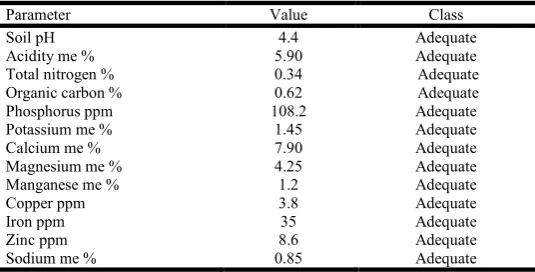
Soil analytical:The chemical characteristics of soil in the farm
was analysed and results tabulated and indicated in table 4.1.
Comparison of days to germination: The legumes varied
significantly (P≤0.5) for days to seed germination (Fig.4.1).
About 27% of Cowpeas (K80) germinated on 3rd day while
only 5% of Green grams (KS20), 0.5% of Dolichos lablab
(1001) and no beans germinated by that day. On the 4th day,
93% of planted Cowpeas (K80) had germinated while 66.2% of G/grams (KS20) and Beans (30.4%) had lowest seeds that had germinated. Cowpeas took shorter period of days to germinate followed by Green grams, Lablab and Beans in that order (Fig. 4.1).
Effects of water stress on leaf area index: The genotypes
varied significantly (P≤0.05) for leaf area index (Fig. 4.2
Figure 4.1. Mean germination of seeds in different legumes per day
[image:4.595.315.555.276.437.2]Figure 4.2 Mean leaf area index of stressed and unstressed legumes
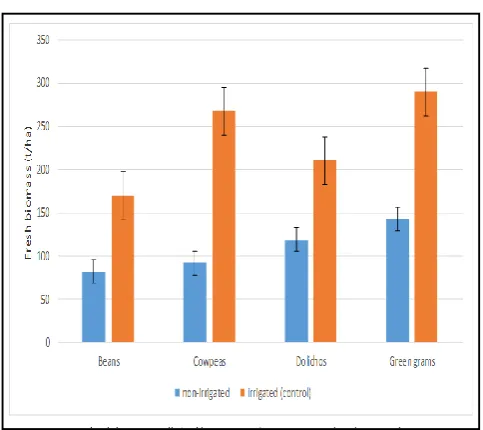
[image:4.595.46.281.318.518.2]Figure 4.3 mean fresh biomass (t/ha) of legumes under non irrigated and irrigated treatments
Figure 4.4. Mean dry biomass production per hectare
Figure 4.5. Mean number of root nodules in tons per ha
Figure 4.6 Mean number of wilted leaves on legume plants per hectare
Figure 4.7. Mean number of pods on legume plants
[image:4.595.317.551.469.611.2] [image:4.595.43.285.549.764.2] [image:4.595.322.546.642.784.2]Results indicated that beans and Dolichos had the largest leaf area index followed by cowpeas and green grams in that order.
Effects of water stress on fresh biomass: The genotypes varied
significantly (P≤0.05) in the production of fresh biomass (Fig.
4.3; Appendix 1V). Legume plants which were well watered had higher fresh biomass production compared to water stressed plants. Results showed that Green grams had the highest biomass production, cowpeas and Dolichos were not
significantly (P≤0.05) different from each other. Beans had the
lowest biomass production.
Effects of water stress on dry biomass production:There was
a significant (P≤0.05) difference in production of dry biomass
by the genotypes (Fig. 4.4 Appendix III). Genotypes which were not water stressed produced significantly higher dry biomass compared to the genotypes, which were not water stressed. Results reviewed that Green grams and Dolichos had
the highest dry biomass and were not significantly (P≤0.05)
different from each other. Beans and cowpeas were not
significantly (P≤0.05) different from each other and their dry
biomass production was lower than Green grams and Dolichos.
Effects of water stress on number of root nodules:There was
a significant (P≤0.05) difference between droughted plants
versus well watered plants in the number of root nodules in the respective roots of the genotypes (Fig. 4.5; Appendix VI). Unstressed genotypes had significantly more root nodules compared to stressed genotypes. Overall results reviewed that Green grams had the highest root nodules compared to other genotypes followed by Dolichos, cowpeas, and beans which
were not significantly (P≤0.05) different from each other.
Effects of water stress on wilting index on legume varieties:
Legumes varied significantly (P≤0.05) for leaf wilting.
Overall, Beans and Cowpeas had the highest number of number
of wilted leaves and were not significantly (P≤0.05) different
from each other followed by Dolichos and green grams in that
order. The irrigated plants showed significant (P≤0.05)
differences in the number of wilted leaves with Beans having
significantly (P≤0.05) the highest number of wilted leaves
while green grams had the lowest number (Fig. 4.6). Those that were not water stressed showed significant differences in the number of wilted leaves with cowpeas having the highest number of wilted leaves while green grams had the lowest number of leaves, which wilted (Fig. 4.6).
Effects of water stress on number of pods on legume plants:
Legumes varied significantly (P≤0.05) in the number of pods
produced per treatment. Overall, Dolichos had the highest number of pods followed by cowpeas and green grams, which were not significantly different from each other (Fig. 4.7). Beans had the least number of pods. In irrigated plants. Dolichos had the highest number of pods while Beans had the least number of pods. The non-irrigated genotypes, Dolichos had the highest number of pods while beans had the least number of pods (Fig. 4.7).
Effect of water stress on grain yield: Cowpeas (K80) under
irrigation produced significantly the highest yield (1.18 tons) followed by G/grams (KS20) Dolichos lablab (1001) and Beans (KAT 56) producing the lowest yields per plot (Fig. 4.8). Under water stress plot, Green grams had the highest yield (1.2 tons) followed by Cowpeas (K80) ,Dolichos lablab(1001) and Beans (KAT 56) was significantly affected by water stress to give lowest grain yield (Fig. 4.8).
DISCUSSION
Comparison of germination (days) between seeds of different
legumes: The significant differences observed for days to
germination in different legume species could be attributed to differences in the permeability of their seed coats. This is in
agreement with the recent study conducted by Mwami et al.
(2017) as well as earlier studies such as Baskin (2005) and
Borji et al., (2007) who attributed the differences in seed
[image:5.595.55.555.85.158.2]germination of different legumes to differences in seed coat permeability. From the results, it was deduced that the seed coat of cowpeas was more permeable and thus took shorter period to germinate compared to those of green grams, lablab and beans.
Table 1.1. Scoring scale for above ground symptoms for wilting
Severity score Severity Rating Visual characteristics
1 Normal (not wilted) No signs of wilting or drought stress
2 Slightly wilted Slight leaf angle changes but no folding, rolling or changes in leaf surface structure
3 Wilted Strong leaf angle change or protrusion of veins on the leaf surface but no cell death
4 Severely wilted Very strong change of leaf angle or protrusion of veins on the leaf surface with beginning necrosis
5 Nearly dead Most leaves necrotic, some young leaves still green near the midrib, leaf angles mostly near 0◦
6 Dead All above ground parts dead, no re-sprouting after re-watering at the end of the experiment
Table 4.1 Soil chemical analysis for the farm
Parameter Value Class
Soil pH 4.4 Adequate
Acidity me % 5.90 Adequate
Total nitrogen % 0.34 Adequate
Organic carbon % 0.62 Adequate
Phosphorus ppm 108.2 Adequate
Potassium me % 1.45 Adequate
Calcium me % 7.90 Adequate
Magnesium me % 4.25 Adequate
Manganese me % 1.2 Adequate
Copper ppm 3.8 Adequate
Iron ppm 35 Adequate
Zinc ppm 8.6 Adequate
Sodium me % 0.85 Adequate
[image:5.595.172.440.191.327.2]Fast germinators will take the advantage of the available moisture, nutrients and nitrogen flush besides reaching maturity early to evade moisture stress.
Effects of water stress on leaf area:The observed differences
between leaf area of stressed plants and unstressed plants could be due to the role of water in the translocation of plants nutrients within the plant. This is in agreement with an earlier study by Gunton and Everson (1980) that attributed the differences in the leaf area of stressed and unstressed legumes to the nature of the environment, in regard to access to water, where the genotypes grew. Some studies on the transport of recent assimilates under water stress within the plants from leaves to sink organs (Li et al..,2003)found the translocation of newly assimilated carbon from source leave to be delayed under severe water stress. Differences in leaf area among different legumes could be related to the genotypical differences among the legumes as observed by Baskin (2005.in the present study, under water stressed conditions, Dollicles leaves had the largest leaf area an indication that it had larger surface area for photosynthesis and respiration which lowers the atmospheric temperature around the leaf.
Effects of water stress on fresh and dry biomass: Different
quantities of biomass produced by legumes could be attributed to genotypical differences among the legumes. This is
supported by a previous study by Asfaw (2014) and porch et
al., (2009) who attributed differences in biomass production
among bean varieties to legumes inherent characteristics. Besides genetic characteristics, as a key factor for different biomass production, water could be cited as a factor which determined the differences in biomass production, as it plays a role in nutrients mobilization especially nitrogen which aids in biomass production. A study conducted by Mitova and Stancheva, (2013) attributed differences in biomass production to the role of water in mobilizing plants’ nutrients. In this study, under droughted plants, Green grams had the highest volumes of fresh and dry biomass production followed by cowpeas, Dolichos and Beans had the lowest biomass production. This implies that green gram is likely to give better yields under water stressed conditions because of high dry biomass as supported by Lee (2018) in his study which indicated a higher positive correlation between biomass and yield of crops.
Effects of water stress on number of leaves:Different number
of leaves between stressed and unstressed legumes could be linked to differences in translocation of organic compounds
which is necessitated by water. A study by Lazana et al., 2006
attributes differences between stressed bean genotypes and unstressed bean genotypes to differences in the translocation of organic compounds within the plant. Genetic differences could be cited as a factor responsible for differences in the number of leaves produced by bean legumes. A study conducted by porch
et al., (2009) relates genetic differences as responsible for differences in the number of leaves produced by legumes. Under water stressed conditions, legumes had lower number of leaves compared to those of well watered conditions, reduction of number of leaves under droughted conditions can be explained as a, This implies that, legumes mechanism of avoiding excessive transpiration or water conservation strategy as supported by studies conducted by Jones, (1992).
Effects of water stress on number of wilted leaves:There was
a significant difference in the number of wilted leaves between
stressed and unstressed legume species. The observed trend could be due to the fact that drought or water stress prevents water movement from the root zone to other plant parts such as leaves. This concurs with previous studies (Hsiao 2000;
Rahdari and Hoseini, 2012; Selvakumar et al., 2012) which
observed that drought or water stress prevents the movement of water soluble nutrients up the plant and this leads to wilting of
leaves. A similar study carried out by Jaleel et al., (2009)
reported that wilting of leaves in legumes was due to unavailability of water in the root zone. Differences in number of wilted leaves among the legumes in water deficit environment and well-watered environment could be attributed to differences in some inherent and environmental factors leading to differences in their adaptations. This agrees with the study conducted by White (2005) who attributed the differences in the number of wilted leaves of bean genotypes to in both water deficit and well-watered environment to their genetic pool. Under water stressed conditions, Green grams had the least number of wilted leaves implying that it had higher photosynthetic area compared to other legumes and was drought tolerant, beans had highest wilted leaves thus drought susceptible. Cowpeas had the highest number of wilted leaves in well watered conditions, while green grams had the lowest number of leaves, which wilted, wilting reduces photosynthetic area according to Wang (2018).
Effects of water stress on root nodules: The observed
differences in the number of nodules among the stressed and unstressed legumes could be due to genotypical differences. This is supported by a previous study conducted by Jaleel et al. (2009) which indicated that the differences in root nodules was due to genotypical differences existing among the bean genotypes. The reduction in root nodules in stressed legumes could be due to reduced nitrogenase activity within the plants. This is in agreement with two studies (Guerin et al., 1990; Kaur et al., 1985) that found out that reduced nodulation in the stressed legumes was as a result of low nitrogenase activity which resulted from low leaf water potential in water stressed legumes. Under drought stress green grams had the highest root nodules while beans had the least implying that green grams nodulated the most according to studies conducted by Janet and Sprent(1972) who noted a negative correlation between water stress in nitrogen fixation and root nodules. Further, according to studies done by Janet et al., (1972) indicated that reduced water content in the root nodules reduced nitrogen fixation by legumes. This implies that, green grams was drought tolerant due to high root nodules compared to beans which was susceptible to drought.
Effect of water stress on grain yield:The observed differences
among water deficit and well-watered bean legumes could be attributed to the differences to their genetic and environmental adaptability. This agrees with the previous studies conducted by Akcura (2011) and Ali and Shakor (2012) who cited genotype and environmental interaction as a key factor determining differences in yields from water stressed and well
watered environments. Peymaninia et al. (2012) noted variation
in yields between water stressed and well watered environment due to environmental variation such as soil water which is essential in plants’ nutrients movement. Under water stressed condition. Under water stressed conditions, green grams had the highest grain yield while under well-watered condition cowpeas had the highest grain yield, beans having the lowest grain yield, these differences agrees with latest study conducted by Jinpeng Li et al, (2018) who found out that irrigation
improved grain yield by increasing the uptake and utilization of water and nitrogen during grain filling.
REFERENCES
Akcura M 2011. The relationships of some traits in Turkish winter bread wheat landraces. Turk. J. Agric. For. 35:115-125.
Ali IH, Shakor EF 2012. Heritability, variability, genetic correlation and path analysis for quantitative traits in durum and bread wheat under dry farming conditions. Mesoptamia J. Agric. 404:27-39.
Anon 2010. Agricultural Sector Development Strategy 201-2020. Government of Kenya.
Appunu, C., Zoue, A. and Laguerre, G. 2008. Genetic Diversity
of Native Bradyrhizobia Isolated from Soybeans Glycine
max L. in Different Agricultural-Ecological-Climatic Regions of India. Journal of Applied and Environmental, American Society for Microbiology, pp.5991-5996. Bettina
et al 2007Visual assessment of wilting as a measure of leaf water potential and
Asfaw McCarthy N, Lipper L, Arsan A, 2014, Adoption and intensity of adoption of conservation farming practices in Zambia, pgs.72-86.
Barrett, C.F.; Parker, M.A. Coexistence of Burkholderia,
Cupriavidus, and Rhizobium sp. nodule bacteria on two
Mimosa spp. in Costa Rica. Appl. Environ. Microbiol. 2006,
72, 1198-1206.
Baskin JM, Baskin CC, Dixon KW 2006. Physical dormancy in the endemic Australian genus Stylobasium, a first report for the family Surianaceae Fabales. Seed Sci. Res. 16: 229-232 Danga, B.O., Ouma, J.P., Wakindiki, I.I.C. & Bar-Tal, A. 2009.
Legume-Wheat Rotation Effects on Residual Soil Moisture, Nitrogen and Wheat Yield in Tropical Regions. In Donald,
L. S. ed.. Advances in Agronomy Vol. 101. Burlington:
Academic Press, 2009, pp. 315-349. ISBN: 978-0-12-374817-1. doi:10.1016/S0065-21130800805-5
Danga, B.O., Ouma, J.P., Wakindiki, I.I.C. & Bar-Tal, A. 2010. Chickpea-Wheat Rotation for Higher Production in a
Humid Tropical Region. Agronomy Journal 102: 363-371.
doi:10.2134/agronj2009.0145 .
Ferreira, M. C. and Hungria, M. 2002. Recovery of soybean inoculant strains from uncropped soils in Brazil. Field Crops Research 79:139-152.
Gachimbi, L.N., de Jager, A., Van Keulen, K., Thuranira, E.G. & Nandwa, S.M. 2002. Participatory diagnosis of soil nutrient depletion in semi-arid areas of Kenya. Managing Africa‟s Soil No. 26. IIED:London.
Geetha et al. 2012, Isolation and characterization of nodule-associated Exiguobacterium sp. From the nodules of Fenugreek and their possible role in plant growth promotion. pgs. 126-134.
George, N. Chemining`wa, J.W. Muthomi & Theuri, S.W.M.
2007. Effect of Rhizobia Inoculation and Starter-N on
Nodulation, Shoot Biomass and Yield of Grain Legumes.
Asian Journal of Plant Sciences, 6: 1113-1118. doi: 10.3923/ajps.2007.1113.1118.
Giller, K.E. 2001. Nitrogen fixation in tropical cropping systems. CAB International, Walling ford, UK, pp 144 -168.
Glopolis, 2013. Food Security and Agricultural Trade in
Kenya, Prague: Glopolis. GoK, 2011. National Food and Nutritional Security Policy, Nairobi: Agricultural Sector Coordination Unit.
Government of Kenya [GoK]. 2009b. 10 years of fight against poverty 1999-2009. A report of the poverty eradication commission.
Government of Kenya [GoK]. 2011. Kenya Economic survey 2011 highlights.
Hoogmoed, M., 2007. Analyses of impacts of a sand storage dam on groundwater flow and storage. VU University, Amsterdam. 165 p.
Howieson, J. G. and Brockwell, J. 2005. “Nomenclature of legume root nodule bacteria in 2005 and implications for collection of strains from the field.” In J. Brockwell, editor, “14th Australian nitrogen fixation conference,” pages 17– 23. The Australian Society for Nitrogen Fixation, Katoomba, Australia.
Karanja N., Freire J., Gueye M. and DaSilva E. 2000. MIRCEN Networking: Capacity Building and BNF Technology Transfer in Africa and Latin America. AgBiotechNet, vol.2, March, ABN 043.
Lenne J 2000, Pests and poverty; the continuing need for crop production research, pgs. 1-16.
Management hand book, ministry of agriculture, department of agro meteorology.
Mugwe, J., Mugendi, D., Kungu, J. &Mucheru-Muna, M. 2007. Effect of plant biomass, manure and inorganic fertilizer on maize yield in the Central highlands of Kenya.
African Crop Science Journal, 15 3: 111 – 126.
Musiyiwa, K., Mpepereki, S., Giller, K.E. 2005. Symbiotic effectiveness and host ranges of indigenous rhizobia nodulating promiscuous soybean varieties in Zimbabwean soils. Soil Biol. Biochem. Vol. 37, pp. 1169-1176. 72. Nyage, N.E., Kingamkono, R.R., Kullaya, A.K. & Mneney,
E.E. 2011. Biotechnology for sustainable agriculture, food security and poverty reduction in Africa.
Odee DW, JM Southland, ET Makatiani,SG, SG, SG Mclnroy,JI, JI Sprint1997,Phenotypic characteristics and composition of rhizobia associated with woody legumes growing in diverse Kenyan conditions.Pgs.65-75.
Odee, D.W. Haukka, K., McInroy, S.G., Sprent, J.I., Sutherland, J.M., Young, J.P.W. 1995. Genetic and symbiotic characterization of rhizobia isolated from tree and herbaceous legumes grown in soils from ecologically diverse sites in Kenya. Soil Biology Biochemistry 34: 801-811.
Pauw, W.P., Mutiso, S., Mutiso, G., Manzi, H.K., Lasage, R. &Aerts, J.C.J. 2008. An Assessment of the Social and Economic Effects of the Kitui Sand Dams: Community based Adaptation to Climate Change.
Phillips, S. B., and G. L. Mullins. 2004. Foliar burn and wheat grain yield responses following topdress-applied nitrogen and sulfur fertilizers. Journal of Plant Nutrition 27: 921– 930.
Ping Huang et al. 2016, Evidence that fresh weight measurement is imprecise for reporting the effect of plant growth-promoting rhizobacteria on growth promotion of crop plants pgs. 199-208.
Rodríguez-Iturbe, I., and Porporato, A. 2004. Ecohydrology of Water-controlled Ecosystems: Soil Moisture and Plant Dynamics. Cambridge: Cambridge University Press. Sangakkara, U. R., Richner. W., Schnelder, M. K., Stamp, P.
2003. Impact of intercropping beans Phaseolus vulgaris L.
and sun hemp crotalaria juncea L. on growth, yields and
nitrogen fixation of maize Zea mays L. grown in the humid
and tropics during the minor season. Maydike 48:233-238. Sangakkara, U. R., Richner. W., Schnelder, M. K., Stamp, P.
and sun hemp crotalaria juncea L. on growth, yields and
nitrogen fixation of maize Zea mays L. grown in the humid
and tropics during the minor season. Maydike 48:233-238. Seedling drought survival pgs. 497-500
Slattery, J. and Pearce, D. 2002. “Development of Elite
Inoculant Rhizobium Strains in Southeastern Australia” In
D. Herridge, editor, “ACIAR Proceedings 109e” Inoculants and Nitrogen Fixation of Legumes, Vietnam.
Slattery, J. and Pearce, D. 2002. “Development of Elite
Inoculant Rhizobium Strains in Southeastern Australia” In
D. Herridge, editor, “ACIAR Proceedings 109e” Inoculants and Nitrogen Fixation of Legumes, Vietnam.
Solomon, T., Lalit, M. P., & Tsige, A. 2012. Effects of inoculation by Brady rhizobium strains on nodulation,
nitrogen fixation, and yield of soybean Glycine max l.,
merill varieties on Nitisols of Bako, Western Ethiopia. Department of natural resource management, collegue of
agric and env’tal science, Haramaya University.
International scholarly research network
Thomas, D.B., Sasol and MajinaUfansi. 1999. Where there is no water; a story of community water development and sand dams in Kitui District, Kenya. ISBN: 9966-9642-07 Timson J 1965, New methods of recording germination data.
pgs. 216-217
UN 2007. UN Millenium Development Goals. United Nations, New York.
Vincent, J. M. 1970. Root-nodule symbiosis with Rhizobium,
In A. Quispel ed., Biology of nitrogen fixation.
North-Holland Publishing Co., Amsterdam. pp. 265-347.
Vink, N., 2012. Food Security and African Agriculture. South
African Journal of International Affairs, 19 2, pp. 157-177.Wageningen: EAAP.
Wang, Y., Lin, M., Tian, Z., Elmerich, C. and Newton, E.W 2005. Biological Nitrogen Fixation: Sustainable Agriculture and the environment. Springer.
Weir, B. 2006. Systematics, Specificity, and Ecology of New Zealand Rhizobia. Thesis submitted in fulfilment of the requirements for the degree of Doctor of Philosophy, The University of Auckland New Zealand.
White J. W. 2005. Implications of carbon isotope
discrimination studies for breeding common bean under water deficits, in Stable Isotopes and Plant Carbon-Water Relations, edsEhleringer J. R., Hall A. E., Farquhar G. D., editors. San Diego, CA: Academic Press ;, 387–398. Woomer, P.L., Bekunda, M.A., Karanja, N.K., Moorehouse, T.
and Okalebo, J.R. 1998. Agricultural resource management by smallhold farmers in East Africa. Nature and Resources 34, 22-33.
Woomer, P.L., Karanja, N.K., Mekki, E.I., Mwakalombe, B., Tembo, H., Nyika, M. Silver, M., Nkwine, C., Ndakidemi P. and Msumali, G. 1997. Indigenous populations of
Rhizobia, legume response to inoculation and farmer awareness of inoculants in East and Southern Africa. Africa Crop Science Conference Proceedings 3, 297-308.
Xiong, Y.C., Li, F.M., Zhang, T., 2006. Performance of wheat crops with different chromosome 23 ploidy: root-sourced signals, drought tolerance, and yield performance. Planta 224, 710–718.
Zahran, H.H. 1999. Rhizobium-legume symbiosis and nitrogen fixation under severe conditions and in an arid climate. Microbiol Mol Biol Rev, vol. 63, pp. 968–989.
Zengeni, R., Mpepereki, S., Giller, K.E. 2006. Manure and soil properties affect survival and persistence of soybean nodulating rhizobia in smallholder soils of Zimbabwe. Appl. Soil Ecol., vol. 32, pp. 232-242.
Zhen-tao CONG., Hua-fang LÜ., Guang-heng NI., 2014. A simplified dynamic method for field capacity estimation
and its parameter analysis. Journal of Water Science and
Engineering, 2014, 74: 351-362.
APPENDICES
Appendix 1-Leaf area analysis of variance for leaf 3
Source of variation d.f. s.s. m.s. v.r. F pr.
Genotype 3 807.0 269.0 0.69 0.557
Treatment 1 842.2 842.2 2.18 0.142
Genotype.Treatment 3 10813.2 3604.4 9.31 <.001
Residual 152 58841.7 387.1
Total159 71304.0
Appendix II-Leaf area analysis of variance for leaf 5
Source of variation d.f. s.s. m.s. v.r. F pr.
Genotype 3 25946.5 8648.8 15.26 <.001
Treatment 1 426.1 426.1 0.75 0.387
Genotype.Treatment 3 26660.5 8886.8 15.68 <.001
Residual 152 86173.9 566.9
Total159 139207.0
Appendix III-Dry mass analysis of variance.
Source of variation d.f. s.s. m.s. v.r. F pr.
Genotype 3 1517.31 505.77 7.79 <.001
Treatment 1 112.90 112.90 1.74 0.189
Genotype.Treatment 3 314.70 104.90 1.62 0.188
Residual 152 9863.94 64.89
Total159 11808.84
Appendix IV-Fresh mass analysis of variance
Source of variation d.f. s.s. m.s. v.r. F pr.
Genotype 3 32771.2 10923.7 13.79 <.001
Treatment 1 6616.5 6616.5 8.35 0.004
Genotype.Treatment 3 9029.7 3009.9 3.80 0.012
Residual 152 120388.2 792.0
Total159 168805.5
Appendix V-Number of leaves analysis of variance
Source of variation d.f. s.s. m.s. v.r. F pr.
Genotype 3 984.319 328.106 48.36 <.001
Treatment 1 16.256 16.256 2.40 0.124
Genotype.Treatment 3 19.169 6.390 0.94 0.422
Residual 152 1031.350 6.785
Total 159 2051.094
Appendix VI-Root nodules analysis of variance
Source of variation d.f. s.s. m.s. v.r. F pr.
Genotype 3 1696.82 565.61 16.12 <.001
Treatment 1 110.56 110.56 3.15 0.078
Genotype.Treatment 3 179.72 59.91 1.71 0.168
Residual 152 5334.15 35.09
Total 159 7321.24
Appendix VII-Pods analysis of variance.
Source of variation d.f. s.s. m.s. v.r. F pr.
Genotype 3 50030.72 16676.91 661.65 <.001
Treatment 1 2287.66 2287.66 90.76 <.001
Genotype. Treatment 3 12154.22 4051.41 160.74 <.001
Residual 152 3831.15 25.20
Total 159 68303.74
Appendix VIII-wilting indexleaf analysis of variance
Source of variation d.f. s.s. m.s. v.r. F pr.
Genotype 3 118.0688 39.3563 47.27 <.001
Treatment 1 31.5063 31.5063 37.84 <.001
Genotype. Treatment 3 20.3688 6.7896 8.16 <.001
Residual 152 126.5500 0.8326
Total 159 296.4938