
Orodispersible tablets of meloxicam using disintegrant blends for improved efficacy
6
0
0
Full text
(2) www.ijpsonline.com. area was determined by spotting 6 µl of olmesartan medoxomil and hydrochlorothiazide solution on a TLC plate and developing the plate. The separated spot was scanned Þve times without changing the position of the plate and % RSD for measurement of peak area of olmesartan medoxomil and hydrochlorothiazide were found to be 0.42 and 0.72, respectively. To conÞrm the speciÞcity of the proposed method, the solution of the formulation was spotted on the TLC plate, developed and scanned. It was observed that the excipients present in the formulation did not interfere with the peaks of olmesartan medoxomil and hydrochlorothiazide.. and hydrochlorothiazide in bulk drug and tablet formulations.. ACKNOWLEDGEMENTS The authors are thankful to Sun Pharmaceuticals Ltd., Baroda for the gift sample of olmesartan medoxomil and hydrochlorothiazide. Authors are thankful to Principal and management for providing necessary facilities and encouragement.. REFERENCES 1.. Recovery studies of the drugs were carried out for the accuracy parameter. These studies were carried out at three levels i.e. multiple level recovery studies. Sample stock solution from tablet formulation of 100 µg/ml of was prepared. Dilutions were made and recovery studies were performed. Percentage recovery was found to be within the limits as listed in Table 2. The assay value for the marketed formulation was found to be within the limits as listed in Table 2. The low RSD value indicated the suitability of the method for routine analysis of olmesartan medoxomil and hydrochlorothiazide in pharmaceutical dosage forms.. 2. 3.. 4.. 5.. Sellin L, Stegbauer J, Laeis P, Rump LC. Adding hydrochlorothiazide to olmesartan dose dependently improves 24-h blood pressure and response rates in mild-to-moderate hypertension. J Hypertens 2005;23:2083-92. Klaus OS. Olmesartan compared with other angiotensin II receptor antagonists: Head-to-head trials. Clin Ther 2004;26:A33-7. Gonzalez L, Lopez JA, Alonso RM, Jimenez RM. A fast screening method for the determination of angiotensin II receptor antagonists in human plasma by high-performance liquid chromatography with ßuorimetric detection. J Chromatogr 2002;949:49-60. Venkata C, Ram S, Silfani T. A comparative analysis of the efÞcacy of olmesartan medoxomil (O)/hydrochlorothiazide (HCTZ), valsartan (V)/HCTZ, irbesartan (I)/HCTZ and telmisartan (T)/ HCTZ combinations. Am J Hypertens 2004;17:S121. Validation of Analytical Procedures, Methodology, ICH harmonized tripartite guidelines, 1996, 1.. The developed HPTLC technique is simple, precise, specific and accurate and the statistical analysis proved that method is reproducible and selective for the analysis of olmesartan medoxomil. Accepted 16 December 2007 Revised 22 June 2007 Received 8 August 2006 Indian J. Pharm. Sci., 2007, 69 (6): 834-836. Orodispersible Tablets of Meloxicam using Disintegrant Blends for Improved Efficacy P. V. SWAMY*, S. H. AREEFULLA, S. B. SHIRSAND, SMITHA GANDRA AND B. PRASHANTH Department of Pharmaceutics, H. K. E. Society’s College of Pharmacy, Sedam Road, Gulbarga - 585 105, India. Swamy, et al.: Orodispersible Meloxicam Tablets using Disintegrant Blends In the present work, orodispersible tablets of meloxicam were designed with a view to enhance patient compliance. A combination of super-disintegrants i.e., sodium starch glycolate- croscarmellose sodium or sodium starch glycolatecrospovidone were used along with directly compressible mannitol to enhance mouth feel. The prepared batches of tablets were evaluated for hardness, friability, drug content uniformity, wetting time, water absorption ratio and in vitro dispersion time. Based on in vitro dispersion time (approximately 10 s), two formulations (one from each batch) were tested for in vitro drug release pattern (in pH 6.8 phosphate buffer), short-term stability (at 45º for 3 *For correspondence E-mail: [email protected] 836. Indian Journal of Pharmaceutical Sciences. November - December 2007.
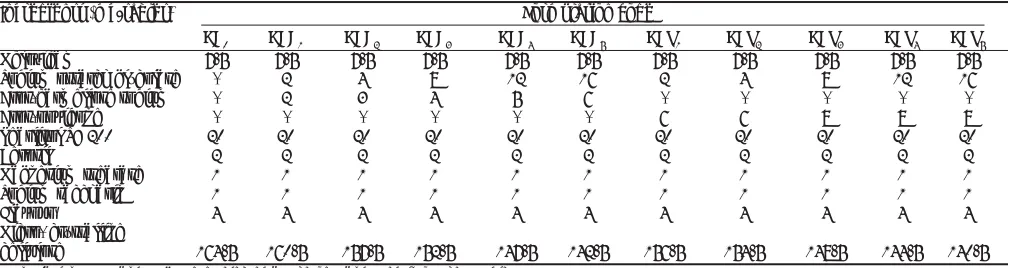
(3) www.ijpsonline.com. w) and drug-excipient interaction (IR spectroscopy). Among the two formulations, the formulation prepared by direct compression method using 2% w/w sodium starch glycolate and 1.5% w/w croscarmellose sodium was found to be a better formulation (t50%= 22 min) based on the in vitro drug release characteristics compared to conventional commercial tablet formulation (t50%= 68 min). Short-term stability studies on the formulations indicated that there are no significant changes in drug content and in vitro dispersion time (P<0.05). Key words: Orodispersible tablets, meloxicam, sodium starch glycolate, crospovidone, croscarmellose sodium. Many patients express difÞculty in swallowing tablets and hard gelatin capsules, tending to non-compliance and ineffective therapy1. Recent advances in novel drug delivery systems (NDDS) aim to enhance safety and efficacy of drug molecules by formulating a convenient dosage form for administration and to achieve better patient compliance. One such approach is orodispersible tablet1-4. Advantages of this drug delivery system include administration without water, accuracy of dosage, easy portability, alternative to liquid dosage forms, ideal for pediatric and geriatric patients and rapid onset of action. Meloxicam is an oxicam or enol carboxamide derivative. It is a nonsteroidal antiinßammatory drug (NSAID) with highly selective cyclo-oxygenase-2 (COX-2) inhibitory action. It is used in the treatment of rheumatoid arthritis, osteoarthritis, dental pain, and in the management of acute post-operative pain 5,6. It was selected as drug candidate, as it is not available in such dosage form. Aim of the present study was to develop such a NDDS for meloxicam by simple and cost-effective direct compression technique.. Mumbai), magnesium stearate (CDH, Mumbai) were used. All other chemicals used were of Analytical Reagent grade. Orodispersible tablets of meloxicam were prepared by direct compression7 according to the formulae given in Table 1. All the ingredients were passed through #60 mesh separately. Then the ingredients were weighed and mixed in geometrical order and tablets were compressed using 8 mm normal concave punches to get tablets of 200 mg weight on a 16-station rotary tablet machine (Cadmach). A batch of 60 tablets was prepared for all the designed formulations. Twenty tablets were selected at random and weighed individually. The individual weights were compared with the average weight for determination of weight variation8. Hardness and friability of the tablets were determined by using Monsanto Hardness Tester and Roche friabilator respectively. For content uniformity test, ten tablets were weighed and powdered. The powder equivalent to 7.5 mg of meloxicam was extracted into methanol and liquid was Þltered. The meloxicam content was determined by measuring the absorbance at 363.2 nm after appropriate dilution with methanol. The drug content was calculated using the standard calibration curve. The mean percent drug content was calculated as an average of three determinations9. For determination of wetting time and water absorption ratio10, a piece of tissue paper. Meloxicam and super-disintegrants were gift samples from Sun Pharma, Mumbai and Wockhardt Research Centre, Aurangabad, respectively. Directly compressible mannitol (Pearlitol SD200) was a generous gift from Strides Arcolabs, Bangalore. Microcrystalline cellulose (Loba Chemie Pvt. Ltd., Mumbai), colloidal silicon dioxide (Yucca Enterprises,. TABLE 1: COMPOSITION OF DIFFERENT BATCHES OF ORODISPERSIBLE TABLETS OF MELOXICAM Ingredients (mg/tablet) Meloxicam Sodium pstarch glycolate Cros-carmellose sodium Cros-povidone Pearlitol SD 200 Aerosil Magnesium stearate Sodium saccharin Flavour Micro- crystalline cellulose. Formulation code DC0 7.5 20 2 1 1 4. DCC1 7.5 2 2 20 2 1 1 4. DCC2 7.5 4 3 20 2 1 1 4. DCC3 7.5 8 4 20 2 1 1 4. DCC4 7.5 12 5 20 2 1 1 4. DCC5 7.5 16 6 20 2 1 1 4. DCP1 7.5 2 6 20 2 1 1 4. DCP2 7.5 4 6 20 2 1 1 4. DCP3 7.5 8 8 20 2 1 1 4. DCP4 7.5 12 8 20 2 1 1 4. DCP5 7.5 16 8 20 2 1 1 4. 164.5. 160.5. 157.5. 152.5. 147.5. 142.5. 156.5. 154.5. 148.5. 144.5. 140.5. Formulations DCC2 and DCP2 were selected as the best and used in further studies. November - December 2007. Indian Journal of Pharmaceutical Sciences. 837.
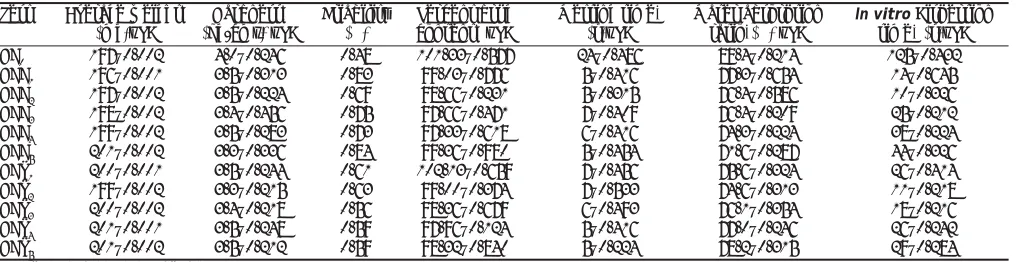
(4) www.ijpsonline.com. folded twice was placed in a small Petri dish (internal diameter of 5 cm) containing 6 ml of water. A tablet was placed on the paper and the time required for complete wetting was measured. The wetted tablet was then weighed. Water absorption ratio ‘R’ was determined using the equation, R=100(WbWa)/Wa, where, Wa is the weight of the tablet before water absorption and Wb is the weight of the tablet after water absorption. For determination of in vitro dispersion time, one tablet was placed in a beaker containing 10 ml of pH 6.8 phosphate buffer at 37±0.5º and the time required for complete dispersion was determined11. IR spectra of meloxicam and its formulations were obtained by KBr pellet method using Perkin-Elmer FTIR series (model-1615) spectrophotometer in order to rule out drug-carrier interactions.. direct compression method employing combination of two super-disintegrants at a time (Table 1). Sodium starch glycolate (SSG), croscarmellose sodium (CCS) and crospovidone (CP) were used as super-disintegrants while microcrystalline cellulose (MCC) and directly compressible mannitol (Pearlitol SD200) were used as diluent and sweetening agent respectively. A total of ten formulations and a control formulation DC0 (without super-disintegrants) were designed. Preliminary studies with tablets containing only one super-disintegrant, viz., SSG (5% w/w) or CCS (3% w/w) or CP (4% w/w) displayed in vitro dispersion time of 67, 60 and 71 s, respectively. Hence it was decided to use a combination of two super-disintegrants so that orodispersible tablets with in vitro dispersion time of less than 15 s may be developed.. In vitro dissolution of meloxicam orodispersible tablets was studied in USP XXIII type-II dissolution apparatus (Electrolab, Model-TDT 06N) employing a paddle stirrer at 50 rpm using 900 ml of pH 6.8 phosphate buffer at 37±0.5 o as dissolution medium12. One tablet was used in each test. Aliquots of dissolution medium were withdrawn at speciÞed intervals of time and analyzed for drug content by measuring the absorbance at 363 nm. The volume withdrawn at each time interval was replaced with fresh quantity of dissolution medium. Cumulative percent of meloxicam released was calculated and plotted against time. Short-term stability studies on the promising formulations (DCC2 and DCP2) were carried out by storing the tablets at 45±1o over a 3 w period. At intervals of one week, the tablets were visually examined for any physical changes, changes in drug content and in vitro dispersion time.. As the material was free flowing (angle of repose values <30o and Carr’s index <15), tablets obtained were of uniform weight (due to uniform die fill), with acceptable variation as per IP speciÞcations i.e., below 7.5%. Drug content was found to be in the range of 97–101%, which is within acceptable limits. Hardness of the tablets was found to be 3.3 to 4 kg/ cm². Friability below 1% was an indication of good mechanical resistance of the tablets. Water absorption ratio and wetting time, which are important criteria for understanding the capacity of disintegrants to swell in presence of little amount of water, were found to be in the range of 71 to 78% and 5 to 7 s respectively. Formulations DCC 2 and DCP 2 were found to be promising and displayed an in vitro dispersion time of approximately 10 s, which facilitates their faster dispersion in the mouth.. Orodispersible tablets of meloxicam were prepared by. Among the tablet formulations employing various combinations of SSG (1-8% w/w) and CCS (1-3%. TABLE 2: EVALUATION OF ORODISPERSIBLE TABLETS Test DC0 DCC1 DCC2 DCC3 DCC4 DCC5 DCP1 DCP2 DCP3 DCP4 DCP5. Average weight* Hardness* (mg)±SD (kg/cm²) ±SD 197±0.002 4.0±0.246 196±0.001 3.5±0.313 197±0.002 3.5±0.224 198±0.002 3.4±0.456 199±0.002 3.5±0.283 201±0.002 3.3±0.336 200±0.001 3.5±0.244 199±0.002 3.3±0.215 200±0.002 3.4±0.218 201±0.001 3.5±0.248 201±0.002 3.5±0.212. Friability (%) 0.48 0.83 0.69 0.75 0.73 0.84 0.61 0.63 0.56 0.59 0.59. Percent drug content* ±SD 101.33±0.577 99.03±0.776 98.66±0.231 97.66±0.471 97.33±0.618 99.36±0.980 102.13±0.659 99.00±0.374 98.36±0.679 97.96±0.124 98.32±0.840. Wetting time* (s)±SD 24±0.486 5±0.416 5±0.315 7±0.409 6±0.416 5±0.454 7±0.456 7±0.533 6±0.493 5±0.416 5±0.224. Water absorption ratio*(%) ±SD 89.4±0.214 77.3±0.654 76.4±0.586 76.4±0.209 74.3±0.224 71.6±0.287 75.6±0.324 74.6±0.313 76.1±0.354 77.0±0.246 78.2±0.315. In vitro Dispersion time* (s)±SD 125±0.432 14±0.645 10±0.326 25±0.212 38±0.224 44±0.326 26±0.414 11±0.218 18±0.216 26±0.242 29±0.284. *Average of three determinations. 838. Indian Journal of Pharmaceutical Sciences. November - December 2007.
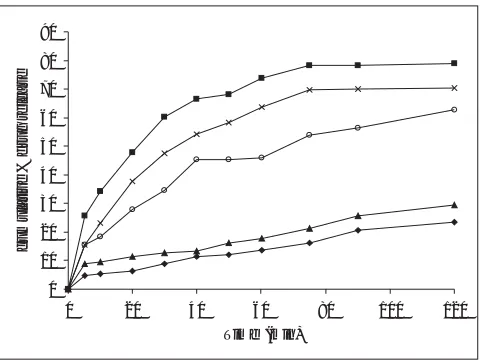
(5) www.ijpsonline.com. w/w) as super-disintegrants, the formulation DCC2 containing 2% w/w SSG and 1.5% w/w CCS was found to be promising, and has shown an in vitro dispersion time of 10 s, wetting time of 5s and water absorption ratio of 76% when compared to the control formulation (DCo) which shows 125 s, 24 s and 69.4% values, respectively for the above parameters (Table 2). Further increase in the amount of super-disintegrants increases the in vitro dispersion time (up to 44 s for formulation DCC5), which can be attributed to the gelling effect of SSG at higher concentration13,14. Among the tablet formulations employing various combinations of SSG (1-8% w/w) and CP (3-4% w/w) as super-disintegrants, the formulation DCP2 containing 2% w/w SSG and 3% w/w CP was found to be promising, and has displayed an in vitro dispersion time of 11 s, wetting time of 7 s and water absorption ratio of 75% when compared to the control formulation (DCo), which shows 125 s, 24 s and 69.4% values, respectively, for the above TABLE 3: IN VITRO DISSOLUTION PARAMETERS IN pH 6.8 PHOSPHATE BUFFER Formulation code MX DC0 DCC2 DCP2 CF. D10 (%) 5.46 2.9 34.17 23.06 18.53. DE30 min (%) 5.23 2.63 36.9 21.1 20.9. t50% (min) t70% (min) >120 >120 >120 >120 22 53 69 > 120 68 > 120. MX = Pure meloxicam, CF = Conventional commercial formulation, D10= Percent drug released in 10 min, DE30 min = Dissolution efÞciency in 30 min, t50% = Time for 50% drug dissolution, t70% = Time for 70% drug dissolution. parameters (Table 2). Further increase in the amount of super-disintegrants increases the in vitro dispersion time (up to 29 s for formulation DCP5) due to the same reasoning as stated above. In vitro dissolution studies on the promising formulations (DCC2 and DCP2), the control (DCo) and commercial formulation (CF) along with the pure drug (meloxicam) were carried out in pH 6.8 phosphate buffer, and the various dissolution parameter values viz., percent drug dissolved in 10 min (D10), dissolution efÞciency at 30 min (DE30 min)15, t50% and t70% are shown in Table 3, and the dissolution proÞles depicted in Þg. 1. This data reveals that overall, the formulation DCC2 has shown three–fold faster drug release (t50%=22 min) when compared to the marketed conventional tablet formulation of meloxicam (t50%=68 min) and released 12 times more drug than the control formulation in 10 min. IR spectroscopy indicated that the drug is compatible with all the excipients. The IR spectrum of DCC2 showed all the characteristic peaks of meloxicam pure drug, thus conÞrming that no interaction of drug occurred with the components of the formulation. Short-term stability studies of the above formulation indicated that there were no significant changes in drug content and in vitro dispersion time at the end of a 3 w period (P<0.05).. REFERENCES 1.. 90. cumulative % drug release. 80 70 60 50 40 30 20 10 0 0. 20. 40. 60. 80. 100. 120. Time (min). Fig. 1: In vitro cumulative percent drug release vs time proÞles of promising meloxicam formulations Plot showing cumulative percent drug release in pH 6.8 phosphate buffer from meloxicam (pure drug) (─!─); control tablet DC0 (─▲─); orodispersible tablet DCC2 (─■─); orodispersible tablet DCP2 (─x─); conventional commercial tablet formulation CF (─O─) November - December 2007. Seager H. Drug delivery products and the Zydis fast dissolving dosage forms. J Pharm Pharmacol 1998;50:375-82. 2. Chang RK, Guo X, Burnside BA, Couch RA. Fast dissolving tablets. Pharm Tech 2000;24:52-8. 3. Dobetti L. Fast melting tablets: Developments and technologies. Pharm Tech 2001;(Suppl):44-50. 4. Kuchekar BS, Arumugam V. Fast dissolving tablets. Indian J Pharm Edu 2001;35:150-2. 5. Sweetman SC, editor. Martindale: The complete drug reference. 33rd ed., London: Pharmaceutical Press; 2002. p. 52-3. 6. British Pharmacopoeia: The Department of Health, London: Social Services and Public Safety; 2001. p. 1064-5. 7. Kucherkar BS, Badhan AC, Mahajan HS. Mouth dissolving tablets of salbutamol sulphate: A Novel drug delivery system. Indian Drugs 2004;41:592-8. 8. Banker GS, Anderson NR. Tablets. In: Lachman L, Lieberman HA, Kanig JL, editors. The theory and practice of industrial pharmacy. 3rd ed. Mumbai: Varghese Publishing House; 1987. p. 293-9. 9. Indian Pharmacopoiea: Controller of Publications, Government of India, New Delhi: Ministry of Health and Family Welfare; 1996. p. 735-6. 10. Chaudhari PD, Chaudhari SP, Kolhe SR, Dave KV, More DM. Formulation and evaluation of fast dissolving tablets of famotidine. Indian Drugs 2005:42:641-9. 11. Bi YX, Sunada H, Yonezawa Y, Danjo K. Evaluation of rapidly disintergranting tablets by direct compression method. Drug Develop. Indian Journal of Pharmaceutical Sciences. 839.
(6) www.ijpsonline.com. Ind Pharm 1999;25:571-81. 12. Bhagwati ST, Hiremath SN, Sreenivas SA. Comparative evaluation of disintegrants by formulating ceÞxime dispersible tablets. Indian J Pharm Edu 2005;39:194-7. 13. Wade A, Weller PJ, editors. Handbook of pharmaceutical excipients. 2nd ed. London: The Pharmaceutical Press; 1994. p. 462-3. 14. Bolhuis GK, Zuuman K, Te Wienk GH. Improvement of dissolution of poorly soluble drugs by solid dispersion on superdisintegrant part 2: Choice of superdisintegrants and effect of granulation. Eur J Pharm. Sci 1997;5:63-9. 15. Khan KA. The concept of dissolution efÞciency. J Pharm Pharmacol 1975;27:48-9. Accepted 18 December 2007 Revised 5 July 2007 Received 21 August 2006 Indian J. Pharm. Sci., 2007, 69 (6): 836-840. Spectrophotometric Method for Ondansetron Hydrochloride SRADHANJALI PATRA*, A. A. CHOUDHURY, R. K. KAR AND B. B. BARIK University Department of Pharmaceutical Sciences, Utkal University, Vani Vihar, Bhubaneswar - 751 004, India. Patra, et al.: Spectrophotometric Method for Ondansetron A new simple, sensitive spectrophotometric method in UV region has been developed for the estimation of ondansetron in bulk and solid dosage form. It shows maximum absorbance at 310 nm with water. Beer’s law obeys in the concentration range of 5-15 µg/ml. Results of the analysis were validated statistically and by recovery studies. Key words: Spectrophotometric method, ondansetron HCL, optical characteristics, recovery study. Ondansetron, which is a speciÞc antiemetic drug, is used in cancer chemotherapy and induced nausea and vomiting1. Chemically, it is (±) 1,2,3,9-tetrahydro-9methyl-3-[(2-methyl-1H-imidazol-1-yl)methyl]-4Hcarbazol-4-one, monohydrochloride dihydrate2 is a selective 5HT3 antagonist. It acts both, peripherally on vagal nerve terminals and centrally in the chemoreceptor trigger zone of the area postrema3. The drug is white to off white crystalline powder, odourless, soluble in water, methanol and normal saline3. Literature survey revealed very few analytical methods which include only HPLC method for the estimation of ondansetron 2. The authors have developed a simple sensitive and reproducible UV spectrophotometric method for the determination of ondansetron in pure form as well as in dosage forms, which are described in present communication. All chemicals used were of analytical grade. The commercially available tablets were procured from local market. Spectral and absorbance measurements. *For correspondence E-mail: [email protected]. 840. were made on Shimadzu double beam UV/Vis spectrometer UV 2101. About 10 mg of pure ondansetron was accurately weighed and dissolved in 10 ml of water. The above stock solution was further diluted with the same to get a working standard solution of 5 to 15 µg/ml. Aliquots of test solution of ondansetron were transferred into a series of 10 ml volumetric ßask and the Þnal volume was brought to 10 ml with water. The absorbance was measured at 310 nm against water and the amount of ondansetron present in the sample solution was computed from calibration curve. The optical characteristics such as Beer’s law limits, Sandell’s sensitivity, Molar extinction coefficient TABLE 1: OPTICAL CHARACTERISTICS, PRECISION AND ACCURACY OF THE PROPOSED METHOD Parameters Beer’s law limit (µg/ml) Molar extinction coefÞcient (mol-1 cm-1) Sandell’s sensitivity (μg/cm2/0.001 absorbance unit) Correlation coefÞcient (r)1 Regression2 Slope (a) Intercept (b). Method 5-15 15.29×1000 0.002386 1.00 0.042 -0.006. Y = a + bC, where C is concentration of analyte (mg/ml) and Y is absorbance unit. 2Calculated from three determinations. 1. Indian Journal of Pharmaceutical Sciences. November - December 2007.
(7)
Figure
Related documents
This series programmable DC electronic load provides four kinds of basic operating mode including CV (constant voltage), CC (constant current), CR (constant resistance), CP
© Copyright 2000 worshiptogether.com Songs (ASCAP)/ sixsteps Music (ASCAP) (both admin. by EMI CMG Publishing). All rights reserved. Used by permission... Chorus.. Oh, the
For example, given triangle probability distributions that represent uncertain task durations, it is desirable to combine those individual uncertain durations in
With versatility, performance & sleek design the new SKKYE- LIGHT Tablet is flexible enough to be mounted inside a canopy or clamped on both rimless and framed aquariums
The cell culture media (CCM) was aspirated, the monolayers were washed with PBS to remove unattached dead cells and 1 ml of chlamydia growth medium (CGM) was added to each
Been looking mostly at pureology vs what are black ant pills used for does african black ant pills work. Please let me know if you’re looking for a article writer for
Mechanical, Aerospace, and Nuclear Engineering Department Five Year Co-terminal Degree Program Guidelines. • The five year co-terminal degree timeline is achievable by many students
Survivors were asked to rate how their physical, mental, emotional, and relationship health had changed as a result of working with the advocate on a scale of one to five (1: much
