World Maritime University World Maritime University
The Maritime Commons: Digital Repository of the World Maritime
The Maritime Commons: Digital Repository of the World Maritime
University
University
World Maritime University Dissertations Dissertations
2012
Quantification of the impacts of water hyacinth on riparian
Quantification of the impacts of water hyacinth on riparian
communities in Cameroon and assessment of an appropriate
communities in Cameroon and assessment of an appropriate
method of control : the case of the Wouri River Basin
method of control : the case of the Wouri River Basin
Jenette Tifuh. Mujingni Epse Cho World Maritime University
Follow this and additional works at: https://commons.wmu.se/all_dissertations
Part of the Environmental Studies Commons
Recommended Citation Recommended Citation
Mujingni Epse Cho, Jenette Tifuh., "Quantification of the impacts of water hyacinth on riparian
communities in Cameroon and assessment of an appropriate method of control : the case of the Wouri River Basin" (2012). World Maritime University Dissertations. 29.
https://commons.wmu.se/all_dissertations/29
i
The role of plants as important members of the marine environment can be
distinguished as that of provision of shelter and food for other plants and animals.
Some plants, when transported to non-endemic areas will undergo rapid growth and
reproduction to out-compete native plants, becoming troublesome and subsequently
becoming weeds that cause environmental and socio-economic problems (Mailu,
2001). The Water Hyacinth, Eichhornia crassipes, one of such weeds, considered the world’s worst invasive aquatic species of weed, was introduced in many parts of the
world as an ornamental plant. Today it is identified in more than 50 countries on five
continents (GISP, 2004).
It is a free-floating perennial aquatic invasive plant weed native to tropical South
America. With broad, thick, glossy, ovate leaves, it may rise above the surface of the
water as much as one meter in height. The leaves are 10-20 centimetres across, and
float above the water surface. It has long, spongy and bulbous stalks. The feathery,
freely hanging roots are purple-black. An erect stalk supports a single spike of 8 – 15
conspicuously attractive flowers, mostly lavender to pink in colour with six petals
(Henrylito, 2009)
Water hyacinths invade fresh water rivers and lakes, and grow rapidly, forming
expansive colonies of tall interwoven dense floating plants which create
impenetrable barriers and obstruct navigation (Wise et al, 2007). It infests wetlands, eutrophied lakes as well as fresh water rivers and its impacts on the riparian
communities range from socio-economic to environmental impacts (Mailu, 2001).
Due to its potential to grow rapidly and produce enormous amounts of biomass,
covering extensive areas of naturally open waters, it affects the environment and
humans in diverse ways (Cock, 2001).
WORLD MARITIME UNIVERSITY
Malmö, SwedenQUANTIFICATION OF THE IMPACTS OF WATER
HYACINTH ON RIPARIAN COMMUNITIES IN
CAMEROON AND ASSESSMENT OF AN
APPROPRIATE METHOD OF CONTROL
The Case of the Wouri River Basin
By
CHO MUJINGNI Jenette TIFUH
Cameroon
A dissertation submitted to the World Maritime University in partial Fulfilment of the requirements for the award of the degree of
MASTER OF SCIENCE
In
MARITIME AFFAIRS
(MARITIME SAFETY AND ENVIRONMENTAL ADMINISTRATION)
2012
i
DECLARATION
I certify that all the material in this dissertation that is not my own work has been identified, and that no material is included for which a degree has previously been conferred on me.
The content of this dissertation reflect my own personal views, and are not necessarily endorsed by the University.
Signature:……….
Date : 22nd October 2012
Supervised by: Professor Olof Linden
Director of Doctoral Program World Maritime University
Assessor: Professor Neil Bellefontaine Vice President Academics World Maritime University
Co-assessor: Dr. Carl Gustaf Lundin
ii
ACKNOWLEGMENTS
I owe sincere and earnest thankfulness to the Nippon Foundation and OPRF, for providing me with the opportunity to study in WMU through the Sasakawa Fellowship programme, and for their financial support to my research through the Sasakawa research grant which subsidized my air ticket to Cameroon for collection of data.
I would like to show my gratitude to Mr. Afangang Ernest for providing me with his expertise in GPS and GIS, leading me to the villages I visited, assisting me with collection of data and for his inputs and ideas.
I wish to express gratitude to my colleagues:
- My Director, Mr. SALIHOU, for his continuous encouragement and financial support throughout my research.
- Mr. Wepandje Emmanuel, for proposing to me many topics for dissertation from which I was able to choose my topic and for providing me with relevant information and documentation throughout my research.
- Mr. Ndifang Elvis Ndipmun, for taking time off his busy schedule to go round and assist me during collection of data and his inputs and ideas.
I’m truly indebted and thankful to my supervisor, Professor Olof Linden, for patiently guiding me through my work and for his constructive criticisms.
I wish to equally thank my English supervisor, Inger Battista, for carefully editing my work, cutting the Ts and dotting the Is.
Special thanks to my darling husband, Mr. Chick Canete Cho, for his support to my studies and for taking care of our kids while I was away. I’m thankful to my sisters, Emmaculate Muyan for being a mother to my children throughout my study period, and Mujingni Irene Mubat, for her contribution to my research.
To my parents, Mr. and Mrs. Mujingni, I say thank you for your words of encouragement.
I owe earnest thankfulness to my school mate and friend, Mr. Daupreye Franklin Matthew, for his numerous forms of support to my studies in general and my dissertation in particular.
This dissertation would not have been made possible without the support, assistance, supervision and contribution of a number of people whose names could not be cited because of limited space. Sincere thanks to you all.
iii
ABSTRACT
Title of Dissertation: Quantification of the impacts of Water Hyacinth on riparian communities in Cameroon and assessment of an appropriate method of control: The case of the River Wouri Basin.
Degree: MSc.
Some plants, when transported to non-endemic areas undergo reproduction and rapid
growth and will out-compete native plants and become weeds. These weeds then
become troublesome giving rise to socioeconomic and environmental impacts. Water
hyacinth (Eicchornia crassipes), one of such weeds is often considered the world’s worst invasive aquatic species of weed, indigenous to the Amazon Basin of South
America and has spread over the years to various areas in Africa and Asia.
This dissertation analyses the problem of water hyacinth infestation in the Wouri
River Basin, done through the quantification of its socio-economic and
environmental impacts on riparian communities. It aims at providing information to
decision-makers and other stakeholders to assist them invest in projects geared
towards preventing its spread thereby reducing the impacts on the riparian
communities.
The riparian communities are identified and data on the socioeconomic and
environmental impacts of water hyacinth are collected through focus group
discussions and interviews. The data are then presented and analysed.
Furthermore, the various available methods of control are examined taking into
account the benefits and setbacks of each method. Finally, a suitable strategy for the
control of water hyacinth in the Wouri River Basin is proposed. The method shows
that the total lost benefits of the communities due to water hyacinth infestations,
outweigh the cost of implementing the appropriate control measures; hence justifies
the need for urgent measures to be taken to manage water hyacinth in the Wouri
River Basin.
Key words: Water hyacinth, quantification, control, impacts, riparian communities,
iv
TABLE OF CONTENTS
Page N°s
- Declaration --- i
- Acknowledgments --- ii
- Abstract --- iii
- Table of contents --- iv
- List of Tables --- vi
- List of Figures --- vi
- List of Abbreviations --- viii
Chapter One: Introduction --- 1
1.1 Research hypothesis --- 4
1.2 Statement of the problem --- 5
1.3 Objectives of the study --- 6
1.3.1 General objectives --- 6
1.3.2 Specific objectives --- 6
1.4 Methodology --- 6
1.5 Literature review --- 7
Chapter Two: Area of study --- 11
2.1 The Republic of Cameroon --- 11
2.2 The River Wouri Estuary/Basin --- 12
2.3 The Riparian communities --- 15
Chapter Three: The Water Hyacinth plant --- 17
3.1 Introduction --- 17
3.2 Taxonomy --- 17
3.3 Morphology --- 18
3.4 Chemical composition of water hyacinth --- 19
3.5 Biology --- 20
3.6 Ecology --- 22
3.7 Distribution in Cameroon --- 24
3.8 Distribution in the Wouri River Basin --- 25
3.9 Factors influencing the growth of water hyacinth in the Wouri River --- 27
3.10Impacts of water hyacinth on riparian communities --- 28
3.10.1 Social impacts --- 28
3.10.2 Economic impacts --- 29
v
Chapter Four: Quantification of the impacts of water hyacinth on the riparian
communities in the Wouri River Basin --- 32
4.1Introduction --- 32
4.2Resources used --- 33
4.3Methodology --- 34
4.4Presentation and Analysis of data --- 38
4.4.1 Impacts on major economic activities--- 38
4.4.2 Impacts on minor economic activities --- 48
4.4.3 Social impacts --- 50
4.4.4 Environmental impacts --- 56
4.5Conclusion --- 56
Chapter Five: Water Hyacinth Control --- 58
5.1 Chemical control --- 58
5.2 Biological control --- 59
5.3 Physical --- 59
5.4 Integrated control --- 60
5.5 Industrial and local uses --- 61
5.6 Strategy for the management of water hyacinth infestation in the Wouri River Basin --- 65
Chapter Six: --- 71
6.1 Initiatives for water hyacinth management in Africa and the Middle East- 71 6.1.1 International initiatives--- 71
6.1.2 Regional initiatives --- 71
6.1.3 National initiatives --- 72
6.2 Constraints to water hyacinth management --- 75
6.3 Conclusion --- 77
6.4 Recommendations --- 78
References --- 80
Appendix 1: List of interviewees --- 88
Appendix 2: Interviewer’s Guide Questionnaire --- 90
vi
LIST OF TABLES
Page N°s
Table 1: Scientific classification of water hyacinth……….. 17 Table 2: Total surface are covered by water hyacinth in the Wouri
River Basin. ……… 26 Table 3: Sampled riparian communities in the Wouri River Basin………….. 34 Table 4: Statistics on fishing activities carried out by the sampled
communities before and after water hyacinth became a menace……. 39 Table 5: Statistics on the average daily income from sale of fish by the
sampled communities before and after water hyacinth became
a menace……… 41 Table 6: Statistics for sand extraction activities in the Wouri River
Basin before and after water hyacinth became a menace……...……... 42 Table 7: Statistics for the average weekly income from sales of sand
before and after water hyacinth became a menace………...…. 44 Table 8: Statistics on transport activities in the Wouri River Basin
before and after water hyacinth became a menace……… 45 Table 9: Statistics on the cost of transportation in the Wouri River
Basin before and after water hyacinth became a menace
compared with that on land……… 46 Table 10: Frequency of major and minor economic activities carried out
by men in the riparian communities before and after water
hyacinth became a menace………...….. 50 Table 11: Prevalence of diseases related to water hyacinth infestation
in the affected communities during the study period………. 52 Table 12: Population statistics of the sampled communities before and
after water hyacinth became a menace………... 55 Table 13: Population statistics of the major cities of the Littoral region….…..… 55
LIST OF FIGURES
Figure 1 The natural beauty of water-hyacinth's flower and foliage……... 2 Figure 2 Schematic representation of the selected methodology………. 6
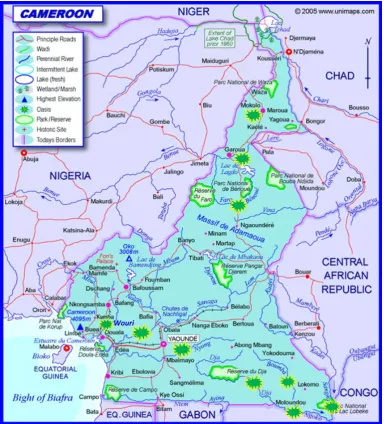
Figure 3 Map of the Republic of Cameroon………. 11
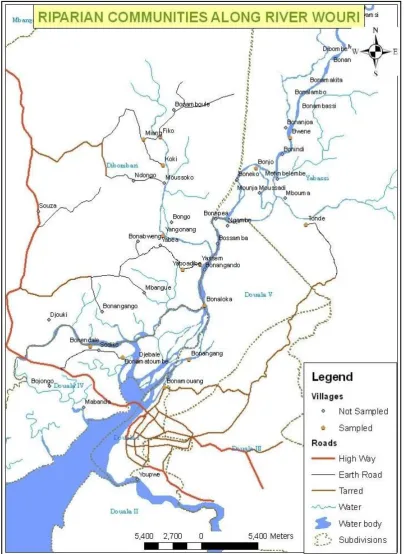
Figure 4 Map of the study area showing the riparian communities in
vii
Figure 5 Morphology of water hyacinth plant……….. 18
Figure 6 Chemical structure of water hyacinth………..…. 20
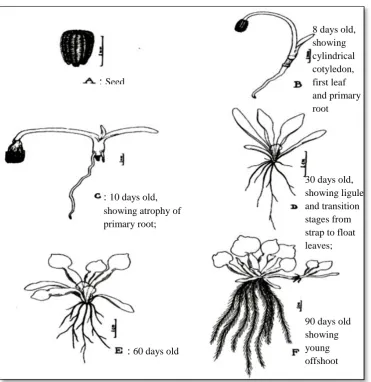
Figure 7 Stages in seed germination in water hyacinth………...… 21 Figure 8 Water hyacinth growing with another plant in the Abo creek
at Koki village……… 23
Figure 9 Map of Cameroon showing the distribution of water hyacinth…...…... 24 Figure 10 The distribution of water hyacinth in the Wouri River Basin………… 25
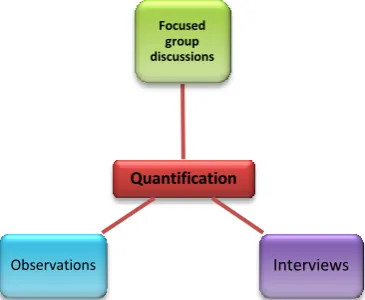
Figure 11 Schematic representation of the chosen methodology…………...…… 34
Figure 12 View of the Abo creek from both sides of the bridge completely
covered by water hyacinth………. 36 Figure 13 View of the Moundja Moussadi creek in Tonde, completely
covered by water hyacinth……….. 36
Figure 14 Transportation of sand to depot after extraction from the Wouri River Basin (left) and loading activities in a
sand depot in Bonangang (right)……… 37
Figure 15 Fishing activities in the sampled villages before and after
water hyacinth became a menace……… 40
Figure 16 Average daily income from sales of fish by sampled population
before and after water hyacinth became a menace………...…….. 41
Figure 17 Sand extraction activities in the Wouri River Basin before and
after water hyacinth became a menace……….….. 43
Figure 18 Average daily income from the sales of sand before and
after water hyacinth became a menace………..……… 44 Figure 19 Time spent for transportation to Douala by riparian
communities before and after water hyacinth became a menace….….. 45
Figure 20 Transport costs from riparian villages to Douala by land and
river before and after water hyacinth became a menace………….….. 47
Figure 21 120 litres of palm wine from two palm wine tappers at Fiko
village just arriving from their tapping sites across the river
on the 27th of August 2012……… 49 Figure 22 Frequency of major and minor economic activities carried out
by the riparian communities before and after water hyacinth
became a menace………...…. 50 Figure 23 Prevalence of diseases related to water hyacinth infestation
viii
Figure 24 Mr. Mateke Emmanuel and the writer (right), with 12 “Cameroon fish” (left) caught from the Abo creek on the
28th of August 2012………..…. 54
Figure 25 Trend in population increase in the major cities of
the Littoral region from1976 to 2005……… 56
Figure 26 Neochetina bruchi (left) and Neochetian eichhorniae
(right) adults……….…….. 59
Figure 27 The PIIMEF strategy for the integrated control of
water hyacinth in the Wouri River Basin……….……… 66
Figure 28 Management Blocks for water hyacinth control in the
Wouri River Basin………. 68
Figure 29 Water hyacinth infestations at the Fishing Port in Douala……… 69
Figure 30 Water hyacinth infestation at the quays UIC (left) and
Post 16 at the Container Terminal of the Douala Port (right)……….. 69
LIST OF ACRONYMS
ADF: African Development Fund BRN : Burma River Network
BUCREP: Bureau Central des Recensements et des Etudes de Population (Central Bureau of Census and Population Studies)
CABI: Centre for Agriculture and Biosciences International
CIA: Central Intelligence Agency
CNIC: Chantier Naval et Industriel du Cameroun CRD : Capital Regional District
CRD: Capital Regional District
CSC: Commonwealth Science Council
CSIRO: Commonwealth Science and Industrial Organization
CUD : Communauté Urbaine de Douala (Douala City Council)
CWPT: Civil War Preservation Trust
DAMVN: Direction des Affaires Maritimes et des Voies Navigables (Department of Maritime Affairs and Inland Waterways)
DPIPWE: Department of Primary Industries, Parks, Water and Environment
EBI: Encyclopedia Britanica Incorporation
ix
FAO/ACPD: Food and Agricultural Organization/ Agriculture and Consumer Protection Department
FCO: Foreign and Commonwealth Office GCI: Global Conscience Initiative
GIS: Geographic Information System
GISD: Global Invasive Species Database GISP: Global Invasive Species Programme
GNI: Gross National Income
GPS: Global Positioning System
IITA: International Institute for Tropical Agriculture IRDC : International Research Development Centre
ISSG : Invasive Species Specialist Group
IUCN: International Union for the Conservation of Nature
MINEPAT: Ministère de l’Economie, de la Plannification et de l’Amélioration du Territoire (Ministry of Economic Planning and Regional
Development)
MINEPIA : Ministère de la Pêche de l’Industrie Animale (Ministry of Fisheries and Animal Husbandry)
MINFOF : Ministère de la Forêt et de la Faune (Ministry of Forestry and Wildlife)
MINRESI: Ministry of Scientific Research
MINT: Ministry of Transport
NAS: National Academy of Sciences
NOAA: National Oceanic and Atmospheric Administration
PIA: Primary Industries Agriculture
PLaW: People’s Land and Water Initiative SDV: Société Delmas Vieljieux
UF/IFAS: University of Florida/ Institute of Food and Agricultural Sciences
UIC: Union Industrielle du Cameroun
US/EPA: United States Environmental Protection Agency USDA: United States Department of Agriculture
UZJ: University of Witswatersrand Johannesburg
WHIP: Water Hyacinth Information Partnership WSDE: Washington State Department of Ecology
WTG: Watershed Task Group
1
Chapter one
Introduction
Oceans, seas, rivers, lakes and estuaries are among the wide variety of aquatic
habitats found on earth, with oceans and major seas covering more than 70% of the
earth’s surface (De Poorter, Darby & MacKay, n.d.). These habitats are biologically
very productive; hence, people derive various benefits from them for their livelihood.
They provide various types of fish on which more than one billion people rely as
their main or only source of animal protein (De Poorter et al, n.d.). They are equally
favourable sites for recreational activities, tourism and research.
However, over the years these aquatic habitats have been under threat from human
activities such as pollution, over exploitation, habitat destruction, conflict of uses and
natural phenomena such as climate change. One of the most treacherous is threat
from alien invasive species of micro-organisms, plants and animals. Aquatic
organisms evolve in isolation in their environments, separated by natural barriers,
which have been overcome by humans, through shipping, travel by air and other
means of transport (De Poorter et al, n.d.).
Plants in particular, play an important role as members of the aquatic environment by
providing food and shelter for other plants and animals. Some plants, when
transported to non-endemic areas will undergo rapid growth to out-compete native
plants and become weeds. These weeds then become troublesome and cause
environmental and socio-economic problems (Mailu, 2001). The water hyacinth
plant, one of such weeds is considered by many to be one of the world’s worst
invasive aquatic species of weed, indigenous to the Amazon Basin of South America
(GISD, 2006). It was cultivated as a greenhouse and landscape exotic plant shortly
after the Civil war (Penfound & Earle, 1948), which took place from 1861 to 1865
(CWPT, 2011). However, the first authentic account details its introduction as an
ornamental plant in the United States in 1884 at the Cotton Centennial Exposition in
New Orleans, Louisiana (Gopal & Sharma, 1981). It was similarly introduced in
2
countries on five continents (GISD, 2006; Lowe, Brown, Boudjelas & De Poorter,
2000). In the last two centuries, it has spread throughout the tropics and has become
one of the major problems in water bodies of the tropics and sub-tropics.
Water hyacinth is a free-floating perennial, herbaceous, aquatic macrophyte that
invades fresh water rivers and lakes and grows rapidly, forming expansive colonies
of tall interwoven dense floating carpets of plants which often create impenetrable
barriers and obstruct navigation (Wise, van Wilgen, Hill, Schulthess, Tweddle,
Chabi-Olay & Zimmermann, 2007). It also infests estuaries, wetlands, streams,
ponds, waterways as well as eutrophied lakes and river mouth areas (Ndimele,
Kumolu-Johnson & Anetekhai, 2011). Its impacts on the riparian communities range
from social and economic to environmental impacts (Mailu, 2001) due to its potential
to grow rapidly and produce enormous amounts of biomass covering extensive areas
of naturally open water (Wittenberg & Cock, 2001).
Water hyacinth is known to have been introduced in Africa in the 1880s (Gopal,
1987) by tourists who were attracted to its brightly coloured purple flower (Figure 1).
It was brought to Africa to be used in flower gardens and has spread throughout
various regions of Africa and the Middle East. Looking at the attractiveness of the
flowers, there is no doubt why Gopal, 1987 described the weed as a “beautiful devil”.
The first introduction to the African continent was made in Egypt in the late 1880s
(Gopal, 1987; Navarro & Phiri, 2000) but the potential problem for water resources
Figure 1: The natural beauty of water-hyacinth's flower and foliage that has helped its spread to become a floating nightmare in many tropical areas.
3
was not described until 1932 (Navarro & Phiri, 2000). In general, Egypt had no
problem with water hyacinth before the construction of the Aswan High Dam [from
1960 to 1970 (Biswas, 2002; Clancy, 2009)]. Until then, the annual flood of the Nile
had flushed the weed out into the Mediterranean. It became a menace in Egypt
around 1975 to 1985 (Navarro & Phiri, 2000). Water hyacinth was first recorded in
South Africa on the Cape Flats in 1908 (Stent, 1913 cited in UWJ, 2012) and was
introduced into Kwazulu-Natal around 1910 (Edwards & Munsil, 1975). Since then,
nutrient-enriched waters have assisted its spread throughout the country (Hill &
Cilliers, 1999).
Furthermore, water hyacinth has been present in eastern and southern Africa for
more than four decades since it was recorded in Zimbabwe in 1937 (Navarro & Phiri,
2000). It continued to colonize important water bodies in the region, such as the
Incomati River in Mozambique in 1946, the Zambezi River and some important
rivers in Ethiopia in 1956, rivers in Rwanda and Burundi in the late 1950s (Navarro
& Phiri, 2000), the rivers Sigi and Pangani in Tanzania in 1955 and 1959
respectively (Mallya, Mjema & Ndunguru, 2001) and Kafue in Zambia in the 1960s,
the Shire River in Malawi in 1968 and Lake Naivasha in Kenya in 1982 – 1983
(Navarro & Phiri, 2000). Most recent records of infestations are from Lakes Kyoga
in Uganda in 1988-89, Victoria in 1989–1990, Malawi – Nyasa in 1996 and
Tanganyika in 1997 (Navarro & Phiri, 2000).
Water hyacinth was first reported in Cameroon between 1997 and 2000. Since then,
wetlands in Cameroon have become “homes” for water hyacinth which has been
reported to have colonized rivers Wouri, Nkam and Sanaga in the Littoral region,
Nyong in the Centre region, Benoue and Lake Lagdo in the North Region, Lake
Maga in the Extreme North region, rivers Sangha, Ngoko, Dja, Boumba in the South
and East regions, which form part of the Congo Basin (Forpah, 2009).
In the Wouri River Basin, water hyacinth was sighted around 1997. It has drawn the
attention of environmentalists because it has become a menace to communities and
4
nutrients from the many industries located around the estuary through run-offs which
cause eutrophication and the lack of natural enemies to destroy the weed. Also, the
lack of knowledge about the extent of damage to the riparian communities and the
cutting and releasing of bunches of water hyacinth into the river by upriver
communities has also contributed to its spread. The rich biodiversity of the Wouri
River Basin, its social importance acting as a site for cultural manifestations and
recreational activities as well as its economic importance acting as a source of
income for the local community, all make it very important to the riparian
communities. It is therefore important to control the spread of water hyacinth in the
short run and subsequently completely eliminating it in the long run.
This research attempts to quantify the socioeconomic and environmental impacts of
water hyacinth on riparian communities in the Wouri River Basin and propose an
appropriate strategy for its management.
1.1- Research hypothesis
This research is based on the following postulation:
- The Wouri River Basin is heavily infested by the alien invasive species of weed
called water hyacinth.
- The riparian communities derive their livelihood from the resources from the
Wouri River Basin.
- Water hyacinth infestation causes social, economic and environmental problems
for the riparian communities.
- Lack of knowledge about the extent of the water hyacinth infestation as well as
the degree of impacts to the riparian communities has made it difficult to sort for
a solution to the problem.
- Institutional, technical and financial problems are the main constrains to the fight
against the proliferation of the weed.
- The total lost benefits of the communities due to water hyacinth infestations
outweigh the cost of implementing the appropriate control measures.
- Integrated management strategy is the appropriate measure required to reduce the
5
1.2 - Statement of the problem
Water hyacinth, since its introduction in Cameroon, has been a menace to the
riparian communities, causing several problems. Inter alia, it forms dense mats on rivers, lakes and ponds due to its potential to grow rapidly. It hinders boats from
sailing hence disturbs boating activities, swimming and causes starvation as
inhabitants of riparian communities cannot carry out fishing which is their main
source of income and protein. Touristic activities are hindered and transportation of
goods through rivers is no longer possible because propellers are hooked by the
water hyacinth mats. It suffocates fish and other biodiversity by preventing the
penetration of oxygen through its thick mats to the bottom of the water body. It acts
as breeding grounds for mosquitoes, snakes, crocodiles and vectors of
schistosomiasis thereby causing disease to the communities. Therefore the use of the
river by these communities is limited by the knowledge of the presence of these
diseases.
Although the range of problems with water hyacinth infestation is in general terms
widely known, the real extent of the impacts on the socioeconomic status and welfare
of the people who depend on the affected water has not been well quantified and
documented. This is one of the most certain explanations for why water hyacinth
problem is still poorly understood. However, researchers and experts have realized
that this is one of the types of information decision-makers need the most. It is
therefore an important knowledge gap that this research is intended to fill.
This study will quantify the impacts of water hyacinth infestations on riparian
communities in the Wouri River Basin and provide information to decision-makers
who are concerned with the protection of the aquatic environment to make
appropriate decisions and invest in various projects aimed at preventing the spread of
water hyacinths to other areas. This will therefore reduce the impacts of existing
infestations on the riparian communities. Finally, an appropriate strategy for water
6
1.3 - Objectives of the study
1.3.1 - General objectives:
1. To provide information to decision-makers on the level of infestation and the
extent of impacts of water hyacinth on the riparian communities in the Wouri
River Basin.
2. To propose a comprehensive strategy for the management of water hyacinth
infestation in the Wouri River Basin.
1.3.2 - Specific objectives:
1. To assess the distribution of water hyacinth in the Wouri River Basin in order
to determine the number of hectares covered by water hyacinth as well as the
degree of infestation at particular sites;
2. To quantify the socioeconomic and environmental impacts of water hyacinth,
in order to determine the extent of impacts on the riparian communities;
3. To assess available methods for control of water hyacinth, in order to identify
the appropriate method suited for the management of water hyacinth in the
Wouri River Basin.
1.4- Methodology
Figure 2: Schematic representation of the selected methodology Water hyacinth assessment Quantification of impacts Assessment of control methods
Model
Integrated water hyacinth Management Strategy
recent mapping report production of maps GPS and GIS Snap shots
Tables Charts Graphs Pictures Water hyacinth control strategy Literature review
Text books
Peer review journals
Internet articles
Library
Field surveys Questionnaires observations
Interviews
Focused group discussions Information
7
Chapter one presents the problem of water hyacinth in the Wouri River Basin, the
objectives of the study and examines some literature on what has been done on this
issue.
Chapter two and three present the area of study and the water hyacinth plant
respectively, with special emphasis on the biology and ecology of water hyacinth, its
distribution as well as its impact on riparian communities.
Chapter four quantifies the impacts of water hyacinth on riparian communities. Data
collection, presentation and analysis methods were also presented.
Chapter five assesses the various methods available for water hyacinth control and
presents a comprehensive strategy for water hyacinth management in the Wouri
River Basin.
The last chapter identifies some initiatives that have been established to control water
hyacinth at the international, national and local levels and further explains some
constraints to the fight against its proliferation in Africa and the Middle East as well
as in Cameroon. Some recommendations are equally proposed.
1.5 - Literature review
Several studies have been carried out in the past years in many countries in the world
at large and in Africa and Cameroon in particular. Some of these studies will be
examined in order to get a broad knowledge of what has already been done in the
fight against the proliferation of water hyacinth and areas for further research.
Labradar, (1995) briefly describes the problems caused by water hyacinth in various
countries in Africa and Latin America and the actions undertaken by FAO, and other
agencies or institutions regarding the implementation of programs for the control of
this floating aquatic weed. The constraints posed by all available control methods are
also discussed. Labradar emphasized the fact that, under certain circumstances,
biological control of the weed alone will not be sufficient to effectively reduce the
plant in a reasonable period of time. Therefore, an integrated approach for the control
of the weed is recommended which may consist of mechanical and/or systematic
8
has its own economic and environmental constraints, and practical advice is needed
in choosing the short-term methods to complement the effect of biological control.
Similarly, Pieterse, Mangane, Traoré, van de Klashorst and van Rijn, (1995)
explained that water hyacinth was first observed in West Africa in the late 1970s.
Although the harmful effects of water hyacinth are generally known, it seems
impossible to stop its further spread. Due to the need to control the weed in the West
African region, the Economic Community of West African States (ECOWAS) was
funded to carry out a study on the current state of affairs. The distribution of the plant
in countries in West Africa and various methods of control were described as well as
some proposed follow-up projects by ECOWAS to control water hyacinth in West
Africa.
Furthermore, Neuenschwander, Ajuonu and Schade, (2001) explained that water
hyacinth, was first reported in Benin in 1977 and about 10 years later occurred as a
major floating water weed in the southeast, obstructing boat traffic and fisheries.
Further, the success of biological methods to control was appreciated in this area
when two weevil types; Neochetina eichhorniae and Neochetina bruchi were released. The weevils had a positive impact on the water hyacinth. However, they
found out that establishment of some species of weevils such as S. albiguttalis still shows no evidence of establishment up to twenty months after the first release.
On the other hand, Mallya et al., (2001) advocated for Integrated Weed Management
(IWM) strategies for the control of water hyacinth, which according to them, have
had significant impact on water hyacinth control in Tanzania. Furthermore, they
explained that water hyacinth has been reduced by over 70% within a period of 3
years and this was achieved mainly through biological control, manual removal,
quarantine regulations and management of nutrient enrichment. Through manual
removal, 60 landing beaches in Lake Victoria were kept free of water hyacinth.
9
Jones, (2000) stated that Water hyacinth was first recorded in South Africa in the
Cape Province of Kwa Zulu-Natal in 1910. It is believed to have been introduced as
an ornamental aquatic plant and has spread to numerous localities throughout the
country by gardeners, aquarium owners and boat enthusiasts. The article reported the
success of integrated approach to water hyacinth control which cleared a total of 18.9
km of the river between 1995 and 2000 through the combined use of chemical,
mechanical and biological control methods. Reports from the local rural communities
that rely on fish as a source of food indicated that their catches have improved which
is a sign that the control of water hyacinth in the system is having a positive
ecological impact.
Mailu, (2001) presents preliminary data collected in an assessment of the impacts of
water hyacinth in the Lake Victoria basin. A summary of the status of control and
strategies for the future is given. The report draws on field observations, studies
through interviews of affected communities and organisations, personal
communications and published reports by scientists in the region. This survey
indicates that currently water hyacinth biomass is declining slowly. However, Mailu
emphasized the great need to undertake research to quantify the levels of damage, the
cost of control, loss of livelihoods, disease, and disruption of normal operations
caused by water hyacinth. He further recommended that a common approach needs
to be implemented to the management of water hyacinth in order to enhance
understanding and alleviate some of the impacts associated with its infestation.
Wise et al, (2007) provides case studies of the economic impact of five invasive alien
species in different areas in Africa. The aim of their work was to provide detailed
information to administrators and managers. The report gives an overview of water
hyacinth and provides an overview of the approach to the economic assessments of
its impacts. It also presents data collected as well as findings. The authors further
recommends that if control and prevention programmes are to be effective in Africa,
it will be necessary to bring the results of studies such as this one to the attention of
10
purposes, so that they may better assist with the effective implementation and control
policies and projects.
Furthermore, Opande, Onyango and Wagai, (2004) stated that the real source of
water hyacinth in lake Victoria was through the Kagera River in Rwanda. This study
was to find out the effects of water hyacinth coverage on the livelihood of the
lakeshore community. Findings were done through survey and the result showed that
the weed is nomadic and impacted the lives of the community both positively and
negatively. However, the need for the quantification of the impacts of water hyacinth
on the life of the lakeshore communities in the Winam Gulf was deemed necessary in
order to establish whether this weed is an enemy or a friend of the lakeshore
communities.
Ndimele et al, (2011) present water hyacinth control in a different dimension. The authors stated that although water hyacinth has been described as the most
troublesome weed in the world, recent studies have shown that it has diverse uses.
They further recommended that the potential of this macrophyte should be fully
harnessed, which could change its status from a weed to an income-generating plant.
In the same light, Ndimele and Jimoh, (2011) carried out a study between April,
2007 and March 2008 to ascertain the use of water hyacinth as a phytoremediant.
The study showed that water hyacinth can accumulate heavy metals even when the
concentrations of the metals in the abiotic components (water and sediment) of the
11
Chapter two
Area of study
2.1 - The Republic of Cameroon
Cameroon got its name in the 15th century when the Portuguese explorer, Fernando Poo, first reached the River Wouri estuary in 1472 and because of the presence of
giant shrimps in the river at that time, he named it Rio dos Camaroes (River of Prawns) whence the name Cameroon is derived (Global Conscience Initiative, 2011).
12
The Republic of Cameroon is a Central African nation bordering the Bight of Biafra
between Equatorial Guinea and Nigeria and located 6 00N and 12 00E. It is bordered
by Nigeria to the northwest, Chad to the northeast, Central African Republic to the
east, the Republic of Congo to the southeast, Gabon and Equatorial Guinea to the
south and the Atlantic ocean to the southwest (Encyclopedia Britanica Incorporation,
2012).
Cameroon has a total surface area of 475,440 km2, 472,710 km2 of which is land and 2,730 km2 is water, giving a land: water percentage of 99:1 (Central Intelligence Agency, 2012). The human population is made up of 20,129,878 inhabitants (July
2012 estimate) with 58% of the population being the urban population and a growth
rate of 2.082% (CIA, 2012). The major cities are Yaoundé (capital) with a population
of 1.739 million inhabitants and Douala (economic capital) with a population of
2.053 million inhabitants (2009 estimate) (CIA, 2012). The coastline of Cameroon is
402 km (CIA, 2012). As at 2009, the Gross National Income (GNI) per capita is
US$1,160 (EBI, 2012).
The rivers of Cameroon form four large drainage systems. In the south the Sanaga,
Wouri, Nyong and Ntem rivers drain into the Atlantic Ocean, the Benue River and its
tributary, the Kébi, flow into the Niger River Basin of Nigeria, the Lagone and Chari
rivers, which form part of the eastern border with Chad, drain into Lake Chad,
whereas the Dja river joins the Sangha river and flows into the Congo River Basin
(EBI, 2012). Cameroon is often called “Africa in miniature” because of its
geographical, climatic and cultural diversity (Forpah, 2004)
2.2 - The River Wouri Estuary
Estuaries or deltas and the lands surrounding them are places of transition from land
to sea, and from freshwater to saltwater (United States Environmental Protection
Agency, 2009). They are ofte|n peaceful, beautiful landscapes that have attracted
artists, canoeists, bird/wildlife watchers, hunters, fishermen, photographers, scientists
and teachers (Capital Regional District, 2012). Although influenced by the tides,
13
reefs, barrier islands, or fingers of land, mud, or sand that surround them (US/EPA,
2009). They are one of the most biologically productive types of ecosystems on earth
(Burma River Network, 2012), and also one of the most valuable (CRD, 2012).
The sheltered tidal waters of estuaries support unique communities of plants and
animals which are specially adapted for life at the margin of the sea. A wide range of
habitat types is found in and around estuaries. These include beaches and dunes,
rocky foreshores, marshes and other wetlands, mud and sand flats, sea grass
meadows, kelp forests and rocky reefs (DPIWE, 2012).
Estuarine ecosystems are essential for the survival of many birds, fishes and
mammals and have therefore been referred to as the "nurseries of the sea", as they
provide many species of fish with sheltered waters for spawning and safe habitat for
juveniles to develop. Many commercially valuable fish species depend on estuaries
during some part of their life cycles. Some migratory water birds rely on estuaries as
resting and feeding grounds during their migrations (DPIWE, 2012).
People derive recreational, economic and cultural benefits from estuaries. Boating,
fishing, swimming and bird watching are just a few of the many recreational pursuits
people enjoy in and around estuaries. Estuaries are often cultural and historical
centres for coastal communities, serving as focal points for celebrations, customs and
heritage. Estuaries are extremely important both ecologically and for human
settlements. Of the 32 largest cities in the world, 22 are located on estuaries (NOAA,
2012). Estuaries are an irreplaceable natural resource that requires careful
management (DPIWE, 2012).
In Cameroon, the River Wouri estuary is equally very important to the communities
living around it. The Wouri River streams in south-western Cameroon at whose
middle is located the city of Douala, harbouring the country’s major industrial
centres and ports. Two head streams, the Nkam and the Mokombé, join to form the
Wouri, 20 miles (32 km) northeast of Yabassi (EBI, 2012). The river then flows in a
14
Guinea through the river Wouri estuary. It is navigable for 40 miles (64 km) along its
lower course, below Yabassi (EBI, 2012).
The Wouri River Basin is generally rich and harbours a lot of fish and crustacean
species, some sea mammals and several species of plankton. The basin is covered by
mangrove forests which are under high human pressure due to intensive logging. In
the adjacent urban areas like Douala the increasing populations has brought the
estimated total number of active loggers to 350 ( Atheull, Din, Longonje, Koedam &
Dahdouh-Guebas, 2009). The mangroves act as habitat for a variety of commercial
fish and shell fish species that breed, spawn, hatch or develop in the mangroves
(Atheull et al, 2009). Mangroves also protect the coast from the fury of cyclones, floods, sea level rise, wave action and coastal erosion (Kathiresan, n.d.).
Inhabitants of Cameroon’s major coastal cities situated around the Wouri River
Basin, receive many direct economic benefits from this area. Tourism, fisheries,
aquaculture, logging of mangroves and other commercial activities thrive on the
natural resources supplied by the basin. Its protected coastal waters also support
important public infrastructure, providing ports and harbours vital for shipping,
transportation and industries.
Every year, during the first weekend of the month of December, foreigners join the
five tribes constituting the Sawa clan in Douala to gather around the Wouri River to
celebrate “Myengu”, the gods of the waters, thanking them for their protection
during the year. The two days festival known as the “Ngondo festival” begins on
Saturday, with exciting activities such as Miss Ngondo competition, wrestling and
dance conquest of different Sawa dance groups. The main event of the festival takes
place on Sunday morning where a spiritualist is immersed with a sacred pot under
the river with gifts for “Myengu”. After 10 minutes underneath the water, he is
expected to return with a message from Myengu to Sawa people for the next year.
When the pot is brought back to the surface, it is not wet and contains the message
from the ancestors, which the spiritualist decodes before announcing it to the waiting
15
is equally organized. Over the years, the Ngondo festival has proven to be the best
display of culture in the River Wouri in Cameroon (Fri, 2010).
It is therefore evident, that the fundamental importance of the Wouri River Basin to
Cameroonians in general and the riparian communities in particular, from a social,
economic and environmental perspective cannot be overemphasized.
2.3 - The riparian communities
According to 2010 statistics, the Littoral region of Cameroon is home to 2,865,795
inhabitants constituting 14.8% of the total population of Cameroon, with a
population density of 141,5 inhabitants per km2 (BUCREP, 2010). The region is made up of four divisions namely; Moungo (with 11 sub-divisions), Nkam (with 4
divisions), Sanaga maritime (with 8 divisions) and Wouri (with 6
sub-divisions) (BUCREP, 2010). The Riparian communities that live and derive direct
benefits from the Wouri River Basin include villages in the Abo and Dibombari
sub-divisions (Moungo division), Yabassi sub-division (Nkam division) and Douala I,
Douala IV and Douala V sub-divisions (Wouri division). Generally, a total of about
873,017 inhabitants rely on the Wouri River Basin for their livelihood (BUCREP,
2010). The villages in the Wouri River Basin include, inter alia, Sodiko, Pillar, Tonde, Djebale, Lobe, Bonamatoumbe, Mbangue, Bonaloka, Bonamouang, Yassem,
Bonangando and Yabea (Figure 4). These communities depend on the fresh water
resources of the river for their livelihood and this is contributing significantly to
alleviating poverty among them. Their main economic activities are fishing, farming,
transportation, logging of mangroves, hunting, palm wine tapping and sand
extraction. Douala, the capital of the Littoral region, is the largest city in Cameroon
with a population of 2.05 million (FCO, 2012). The city is located at the mouth of
Wouri River and is host to about 60 % of the country’s industries (Dieudonné, 2004)
and largest port. It is the closest city to the riparian communities where their fish,
16
17
Chapter three
The water hyacinth plant
3.1 - Introduction
According to Gopal, 1987, the common name “water hyacinth” arose way back in
the 19th Century when Carlos Frederic Philipe Von Martius carried out a four years extensive floristic survey of Brazil from 1817 to 1820. While passing through the
Minas Gerais region adjoining the Bahia State, Von Martius collected near Malhada
from the pools of stagnant water along the river St. Francisco, an aquatic plant with
large swollen petioled leaves and beautiful lilac violet flowers arranged in spikes.
Von Martius (1824) named it as Pontederia crassipes which was later known as
Eichhornia crassipes. The flowers resembled those of hyacinth (family: Liliaceae, genus: Hyacinthus) in their beauty so closely that the plant was called water
hyacinth.
3.2 - Taxonomy
Eichhornia crassipes is in the Pontederiaceae, a taxonomically problematic family, which has recently been included in the Commelinales (Strange et al, 2004). Eight other genera occur in this family of predominantly neotropical, freshwater aquatics,
and eight species in the genus Eichhornia , all of which originated in South America, except Eichhornia natans, which is native to tropical Africa (Gopal, 1987). Only
Eichhornia crassipes is regarded as a pantropical aquatic weed (Coetzee et al, 2009).
Table 1: Scientific classification of water hyacinth.
Kingdom Plantae Plants
Subkingdom Tracheobionta Vascular plants
Division Magnoliophyta Flowering plants
Class Liliopsida Monocotyledons
Order Liliales
Family Pontederiaceae Water hyacinth family
Genus Eichhornia Water hyacinth
Species Crassipes
Scientific name Eichhornia crassipes (Mart.) Solms
18
The common name of Eichhornia crassipes has three spellings namely; « water hyacinth », « waterhyacinth » and « water-hyacinth », but no standardized usage
exists anywhere (Coetzee et al, 2009). For the purpose of this dissertation, the name
water hyacinth will be used.
3.3 - Morphology
A mature water hyacinth consists of seeds, flowers, leaves, stems (erect stems and
stolons) and roots (Figure 5). Seeds are found in capsules which are 1 to 1.5 mm long
and roughly egg-shaped, with ridges from end to end. They are long-lived and may
survive in mud for up to 20 years. Seeds have also remained viable over very long
periods in dry soil (PIA, 2010). The leave stalk is erect, about 50 cm long, spongy,
bulbous and carries at the top a single spike of 8-15 conspicuously attractive flowers.
The flowers have six petals, purplish blue or lavender to pinkish, the uppermost petal
with a yellow, blue-bordered central splotch (Henrylito, 2009).
19
Flowers are of three distinct types, differing in the relative length of styles within
single flowers (Barrett, 1977 cited in Julien et al., 1999). Its leaves are broad, thick, waxy, glossy and ovate with circular to kidney-shaped lamina and a thick, spongy,
aerenchyma-filled petiole (Julien, Griffiths & Stanley, 2001). It may rise well above
the surface of the water as much as one meter in height on stalks. The leaves are 10 -
20 centimetres in diameter with gently incurved, often undulate sides with leaf veins
which are dense, numerous, fine and longitudinal. The petioles vary from long and
relatively slender to swollen or bulbous. The shape of the petiole influences the
amount of air contained and consequently the capacity for the plant to float. Slender
petioles are typical of plants that occur within dense, crowded infestations, while
bulbous petioles characterise younger plants in open water or on the open-water
margins of infestations (Julien et al, 2001).
The vegetative stem, 10 cm long andknown as stolons consists of an axis with short
internodes which produces, at the numerous nodes, all the roots, leaves and new
daughter plants at its distal end (PIA, 2010; Penfound & Earle, 1948). The feathery,
freely hanging roots are fibrous, unbranched and with a conspicuous root cap
(Penfound & Earle, 1948). They are purplish in exposed situations but white when in
darkness or when rooted in the soil (Olive, 1894). They vary little in diameter but
greatly in length (0.3 ft. to 3.0 ft.) or possibly more (Penfound & Earle, 1948).
3.4 - Chemical composition
Studies have suggested that water hyacinth in its fresh form contains about 90%
water and about 15 – 20% solid materials (Ndimele et al, 2011). Generally, the dry weight contains about 25 – 35% protein-related matter, with about 17% amino acids
and the rest being amides. Amides are usually toxic; reason why water hyacinth is
not eaten fresh like other edible vegetables such as lettuce (Ndimele et al, 2011). The carbon content of the dry weed is about 36 – 40% (Edewor, 1988) and direct
carbonylation obtained 40 to 60% carbonates and nitrates respectively in yield ratios
20
highly impregnated by the amino group directly at the carbonyl structure, hence
represented as:
O O
R C and R C C
83% NH2 17% NH2 OH
Where R could be CH2 or long chain CH2-CH2
Figure 6: Chemical structure of water hyacinth
Source: Ndimele et al, 2011
Investigations carried out have revealed R to be more of the aliphatic chain.
Therefore, the elemental composition of water hyacinth consists of about 12.8%
nitrogen, 36 – 40% carbon, 8% hydrogen and about 13-14% oxygen. It also contains
heavy metals such as iron, magnesium and zinc, which justifies its use in
phytoremediation (Ndimele, 2003; Ndimele & Jimoh, 2010). Furthermore, Kumar,
undated, revealed that long and dwarf type water hyacinth contained 14.28 and
11.87% crude protein, 21.79 and 18.22% crude fibre, 2.01 and 1.18% ether extract,
44.49 and 52.85% Nitrogen Free Extract (NFE) and 17.43 and 15.88% total ash
respectively.
3.5 - Biology
Water hyacinth reproduce both by vegetative and sexual reproductive methods and
both are characterized by the potential for production of large numbers of individuals
in a short period of time (Barrett, 1980b). Seeds are produced in vast quantities, up to
300 seeds per capsule, and are long-lived, remaining viable for 5–20 years (Manson
& Manson, 1958; Matthews, 1967; Matthews et al., 1977 cited in Gopal, 1987). Seeds sink following release from the seed capsule and may subsequently germinate
as water level changes (Wright & Purcell, 1995, cited in Julien et al., 2001) (Figure 7). Dispersal of seed is likely to further contribute to the spread of this weed. Seeds
are released directly into the water column, from where they can be carried long
distances downstream. The numerous and tiny seeds can also be easily transported by
21
Although water hyacinth is known to reproduce sexually by producing seeds,
seedlings and fruits (Barrett, 1980b; Parija, 1934; Haigh, 1936; Penfound & Earle,
1948), seeds do not occur in natural populations in some areas of the world (Müller,
1883; Thomas & Mitchell, 1972; Bock, 1966). This implies that water hyacinth
reproduces sexually both in the native and adventive range of its distribution,
although, the extent of sexual reproduction and its contribution to the spread of the
weed varies greatly in different regions (Gopal, 1987). The quantity of fruits
produced as well as the production of mature capsules varies across different regions
(De Kimpe, 1957a; Tag el Seed & Obeid, 1975; Penfound & Earle, 1948; Barrett,
1980b). In terms of number of seeds produced per fruit, this is much more variable
(De Kimpe, 1957; Tag el Seed & Obeid, 1975 cited in Gopal, 1987; Matthews, 1967; : Seed
8 days old, showing cylindrical cotyledon, first leaf and primary root
: 10 days old, showing atrophy of primary root;
30 days old, showing ligule and transition stages from strap to float leaves;
: 60 days old
90 days old showing young offshoot
22
Penfound & Earle, 1948; Haigh, 1936), with those from the tropics having relatively
smaller number of seeds per capsule, but total seed production exceeding that from
temperate population because of greater proportion of flower producing capsules
(Gopal, 1987).
Flowering as well, does not occur in all plant populations (Freidel et al, 1978). Seed production is affected by humidity and temperature. Low relative humidity results in
low fruit setting. Maximum fruiting occurs at a relative humidity greater than 90%
and temperatures between 22.5oC and 35.0oC (Gopal, 1987). Although the flowers are attractive and well suited for insect pollination, such rarely occurs in nature
(Penfound & Earle, 1948). However, insects have been observed to pollinate in some
areas of the world. An insect, Trigona in Indonesia (Djalilm, 1979) and four groups of bees [Ancyloscelis sp and Megachilidae and the species of Trigona; Meliponidae
and Halictidae were observed to visit flowers in the lower Amazon (Barrette, 1980b).
A number of factors such as climate, absence of pollinating agents, pollen viability,
genetic barriers like self-incompatibility and factors affecting seed germination have
been considered responsible for limiting the efficiency of sexual reproduction
(Gopal, 1987).
On the other hand, vegetative reproduction is a common form of propagation in
water hyacinth (Julien et al, 1999). The daughter plants produced from the horizontal
stolons develop roots and eventually separate from the mother plant following decay
or breakage of the connecting stolon. These plants are readily distributed by currents,
winds, fishing nets and water craft (Julien et al; 1999). Under favourable conditions
a single plant can develop into a substantial infestation in a very short time. Doubling
days vary from 11.2 days to 15 days (Penfound & Earle, 1948). However, low
oxygen tension in infested area slows down vegetative reproduction (Gopal, 1987).
3.6 - Ecology
Water hyacinth grows in a variety of freshwater habitats from shallow temporary
23
which present a broad spectrum of physio-chemical environments (Gopal, 1987).
Optimum growth of water hyacinth occurs in eutrophic, still or slow-moving fresh
water with a pH close to 7, a temperature range between 28°C and 30°C, and
abundant nitrogen, phosphorus and potassium (Chadwick & Obeid, 1966; Knipling
et al., 1970; Reddy et al., 1991). Plants will, however, tolerate a wide range of growth conditions and climatic extremes, allowing the weed to infest countries
across a wide range of latitudes and climates. Good growth can continue at
temperatures ranging from 22°C to 35°C and plants will survive frosting (Wright &
Purcell, 1995). Although prolonged cold weather may kill plants, the seeds remain
viable (Ueki & Oki, 1979). Plants can infest pristine, relatively low nutrient
waterways (Hitchcock, Zimmerman, Kirkpatrick & Earle,1949) and can survive for
several months in low-moisture substrates. They can tolerate acidic waters but cannot
survive in salt or brackish water (Penfound & Earle 1948). Water hyacinth flowers
year-round in mild climates, producing abundant seeds in developed mats (Penfound
& Earle 1948).
Although water hyacinth forms dense free floating mats, covering the surface of the
water body where it is present, it also grows in association with a variety of plants
depending on the part of the world where it is found. In the Wouri River Basin, it
was observed that water hyacinth lives in association with a grass whose name was
unknown by the community (Figure 8). It was reported that once water hyacinth
24
establishes, this grass starts growing with the water hyacinth, intertwine with its mats
and form mats which are denser and more difficult to cut.
3.7 - Distribution of water hyacinth in Cameroon
Since water hyacinth became visible in Cameroon, it has been reported in rivers
Wouri, Nkam and Sanaga in the Littoral region, Nyong in the Centre region, Benoue
and Lake Lagdo in the North Region, Lake Maga in the Extreme North region, rivers
Sangha , Ngoko, Dja, Boumba in the South and East regions (Forpah, 2009). Wouri
25
Source: Constructed from mapping report of the WTG, 2011
3.8 -Distribution of water hyacinth in the Wouri River Basin
Water hyacinth has spread throughout the Wouri River Basin, with complete
coverage in some creeks, large patches in some areas and small patches in others.
North of the river is mostly affected with complete coverage some creeks (Figure
10). Worth noting is also the port of Douala where large areas of some quays such as
that of the fishing port is completely covered with dense mats of water hyacinth
(Figure 29).
Figure 10: Distribution of Water Hyacinth in the River Wouri Basin. Produced by Afangang Ernest Ekeocha
26
Days Communities visited Extent of infestation Water hyacinth coverage
1 Pillar High concentration 214,735m2 Lobe Bonendale Patches Tondo Djebale Sodiko Bonamatoumbe 2
Entrée Mbangue Patches
53,971m2 Bonaloka > 3 hectares
Bonamouang Patches Kong Patches
3
Mbangue
Very high concentration
542,947m2 Bonaloka
Etia Loka Yassem Bonangando
Yabea ~ complete coverage
4
Bonangando
Moderately high concentration
compared to Day 3 138,591m
2 Katanga Bossamba Etia Bossamba Bonamoumbe Bonandolo Bonepea 5
Bonamoussadi None
175,958m2 Yassa High Concentration
New Deido Patches Akwa Nord Bonamouang Mbanya Bonangang Bangue Bonabeyika Casablanca Bonaloka area 6 Youpwe None 0 Manoka Dahomey Sanje
Matanda Masidi no trace due to high salinity in this area Bikoro 7 Mbanga pongo None 4m2 Bafia
Ndogpassi I & II
Mabanda Small concentration
Total surface area covered by watery hyacinth 1,122,620.2m
2
or 112.26202 ha Table 2: Total surface area covered by water hyacinth in the Wouri River Basin.
27
3.9 - Factors influencing the growth of water hyacinth in the Wouri River Basin.
3.9.1 - Climate: The climate of the entire region is equatorial, particularly called
“Cameroonian”, characterized by a long rainy season that lasts for nine months with
rainfall of average 4m per year in Douala (Din, 2007). Average annual temperatures
are high (26.7°C) and relatively constant. The wind speed is low (< 3 m/s) outside
the periods of installation and removal of the monsoon (Din, 2007). Among major
climatic factors, rainfall, temperatures and winds have a significant influence on the
composition and quality of the vegetation of the forest areas (Din, 2007).
3.9.2 - Salinity: The hydrology of the Wouri River is influenced among other factors
by the general scheme of the Bight of Biafra, climate, topography and
geomorphology (Din, 2007). The mass of surface water remains warm between 25 –
28°C throughout the year with relatively low salinity less than 35g/l (Din, 2007). In
the estuary, the salinity is always less than 20g/l and the dilution is very fast. Less
than 30 km from the Atlantic Ocean, salinity is zero or almost zero for much of the
year due to inputs of fresh water from the rivers that feed the estuary (Din, 2007).
The annual variation of salinity in the Wouri is between 0 and 2g/l. During the long
rainy season, the salinity of water that irrigates the aquatic ecosystems and
hydromorphic of the Wouri is always less than 10g/l and in the dry season,
measurements show between 4 and 20g/l (Din, 2007).
3.9.3 - Tides: Tides influence the structure, composition and distribution of
mangrove vegetation. Similarly, they affect soil salinity and the rate of evaporation.
In return, they are influenced by wind, precipitation regimes and rivers (Din, 2007).
The tidal regime is semi-diurnal in Cameroon with maximum amplitude of about 3m.
Circulation patterns in estuaries depend on the interaction between tides and river
flows. When the tidal range is small, the less dense freshwater spreads over salt
water causing a vertical stratification of the water column (Din, 2007). When the
tidal range is large, the turbulence is much greater and the water column becomes
homogeneous. Tides therefore play an important role in plant nutrition and the spread
of the species. Tides are able to install and expand water hyacinth as they can