Community-Based Interventions for Improving Perinatal and
Neonatal Health Outcomes in Developing Countries:
A Review of the Evidence
Zulfiqar A. Bhutta, MBBS, FRCPCH, PhD*; Gary L. Darmstadt, MD, MS, FAAP‡§; Babar S. Hasan, MD*; and Rachel A. Haws, MHS§
ABSTRACT. Background. Infant and under-5 child-hood mortality rates in developing countries have de-clined significantly in the past 2 to 3 decades. However, 2 critical indicators, maternal and newborn mortality, have hardly changed. World leaders at the United Na-tions Millennium Summit in September 2000 agreed on a critical goal to reduce deaths of children <5 years by two thirds, but this may be unattainable without halv-ing newborn deaths, which now comprise 40% of all under-5 deaths. Greater emphasis on wide-scale imple-mentation of proven, cost-effective measures is required to save women’s and newborns’ lives. Approximately 99% of neonatal deaths take place in developing coun-tries, mostly in homes and communities. A comprehen-sive review of the evidence base for impact of interven-tions on neonatal health and survival in developing-country communities has not been reported.
Objective. This review of community-based
antena-tal, intrapartum, and postnatal intervention trials in de-veloping countries aimed to identify (1) key behaviors and interventions for which the weight of evidence is sufficient to recommend their inclusion in community-based neonatal care programs and (2) key gaps in knowl-edge and priority areas for future research and program learning.
Methods. Available published and unpublished data
on the impact of community-based strategies and inter-ventions on perinatal and neonatal health status out-comes were reviewed. Evidence was summarized system-atically and categorized into 4 levels of evidence based on study size, location, design, and reported impact, par-ticularly on perinatal or neonatal mortality. The evidence was placed in the context of biological plausibility of the intervention; evidence from relevant developed-country studies; health care program experience in implementa-tion; and recommendations from the World Health Or-ganization and other leading agencies.
Results. A paucity of community-based data was
found from developing-country studies on health status impact for many interventions currently being consid-ered for inclusion in neonatal health programs. However, review of the evidence and consideration of the broader context of knowledge, experience, and recommendations regarding these interventions enabled us to categorize them according to the strength of the evidence base and confidence regarding their inclusion now in programs. This article identifies a package of priority interventions to include in programs and formulates research priorities for advancing the state of the art in neonatal health care.
Conclusions. This review emphasizes some new
find-ings while recommending an integrated approach to safe motherhood and newborn health. The results of this study provide a foundation for policies and programs related to maternal and newborn health and emphasizes the importance of health systems research and evaluation of interventions. The review offers compelling support for using research to identify the most effective measures to save newborn lives. It also may facilitate dialogue with policy makers about the importance of investing in neo-natal health.Pediatrics2005;115:519–617.
ABBREVIATIONS. ARI, acute respiratory infection; CCS, case-control study; CHW, community health worker; CI, confidence interval; CKMC, community-based application of kangaroo mother care; CQ, chloroquine; DBRCT, double-blind, randomized, controlled trial; DBRPCT, double-blind, randomized, placebo-controlled trial; EFA, essential fatty acid; EPI, Expanded Pro-gramme on Immunization; FHW, family health worker; Hb, he-moglobin; HBeAg, hepatitis B virus “e” antigen; HBsAg, hepatitis B surface antigen; HBV, hepatitis B virus; HDN, hemorrhagic disease of the newborn; IM, intramuscular; IMR, infant mortality rate; IPT, intermittent presumptive treatment; ITN, insecticide-treated bed net; IUGR, intrauterine growth restriction; IV, intra-venous; IVH, intraventricular hemorrhage; KMC, kangaroo mother care; LBW, low birth weight; NIB, untreated bed net; NIH, National Institutes of Health; NMR, neonatal mortality rate; NTD, neural tube defect; OR, odds ratio; PCS, prospective cohort study; PMR, perinatal mortality rate; PROG, proguanil; PPROM, preterm premature rupture of membranes; PROM, premature rupture of membranes; QT, quasi-experimental trial; RCS, retrospective co-hort study; RCT, randomized, controlled trial; RDA, recom-mended dietary allowance; RPCT, randomized, placebo-con-trolled trial; RPR, rapid plasma reagin; RR, relative risk; SEARCH, Society for Education, Action and Research in Community Health; SGA, small for gestational age; SP, sulfadoxine-pyrimethamine; STD, sexually transmitted disease; TBA, traditional birth atten-dant; TEWL, transepidermal water loss; TT, tetanus toxoid; UNICEF, United Nations Children’s Fund; UTI, urinary tract in-fection; VLBW, very low birth weight; WHO, World Health Or-ganization; WIC, Women, Infants, and Children Supplemental Nutrition Program; VHW, village health worker.
From the *Department of Pediatrics and Child Health, Aga Khan Univer-sity, Karachi, Pakistan; ‡Saving Newborn Lives Initiative, Office of Health, Save the Children/USA, Washington, DC; and §Department of Interna-tional Health, Bloomberg School of Public Health, Johns Hopkins Univer-sity, Baltimore, MD.
Accepted for publication Aug 10, 2004. doi:10.1542/peds.2004-1441
No conflict of interest declared.
Reprint requests to (Z.A.B.) Department of Pediatrics and Child Health, Aga Khan University, Stadium Road, Karachi 74800, Pakistan. E-mail: [email protected]; or Gary L. Darmstadt, MD, Department of Inter-national Health, E8153, Bloomberg School of Public Health, Johns Hopkins University, 615 N Wolfe St, Baltimore, MD, 21205. E-mail: gdarmsta@ jhsph.edu
EXECUTIVE SUMMARY Background
A
lthough there has been considerableim-provement in child health globally, it is in-creasingly evident that important gaps and disparities remain. In particular, it is apparent that a disproportionate burden of infant and under-5 child-hood mortality relates to deaths within the neonatal period, which frequently occur within the first few days after birth. Moreover, the vast majority of peri-natal and neoperi-natal deaths occur in conditions of socioeconomic deprivation in developing countries. As the health of the newborn infant is inexorably tied to the health of the mother, strategies to improve the health and care of women in low-resource commu-nities and countries are also expected to improve both pregnancy and neonatal health outcomes. How-ever, although it is true that poverty, illiteracy, poor status and care of women, as well as dysfunctional health systems are critical underlying factors that adversely affect maternal and child health in many developing countries, these factors are relatively dif-ficult to change in the short term. Moreover, in sub-Saharan Africa, the devastating epidemic of human immunodeficiency virus (HIV)/acquired immuno-deficiency syndrome (AIDS) threatens to reverse many of the gains achieved during decades of child health programming. This review does not attempt to evaluate the benefits of investing in social devel-opment, reducing inequity, and promoting economic growth among impoverished populations of devel-oping countries. Although these are important long-term goals, pragmatic reality in most developing countries dictates the need for wide-scale implemen-tation now of evidence-based, cost-effective health programs and interventions to improve child health outcomes. Moreover, achievement of Millennium Development Goal 4 to reduce under-5 mortality by two thirds by the year 2015 is critically dependent on a substantial reduction in neonatal mortality over the next decade.
The objectives of this review of community-based antenatal, intrapartum and postnatal intervention trials in developing countries were to (1) identify key behaviors and interventions for which the weight of evidence is sufficient to recommend their inclusion in community-based neonatal care programs and (2) identify key gaps in knowledge and priority areas for future research and program learning.
Methods
Current practice of summarizing evidence for the impact of interventions through meta-analyses of randomized, controlled trials (RCTs), although of high scientific validity, has more limited relevance when applied to research in developing countries, because most studies meeting the rigorous criteria for inclusion in such analyses were conducted in developed-country settings. In addition, the evi-dence base made up of interventions deriving from effectiveness trials in health system settings is scanty. In this review, we evaluated the available evidence in the global literature for the benefits and impact of
various community-based interventions during the antenatal, intrapartum, and postnatal periods on perinatal and neonatal health status outcomes. The selection of interventions was based on biological plausibility and inclusion as a component in pro-grams of maternal and/or perinatal health care. We did not, however, review the evidence for impact of skilled birth attendants, because this is the sub-ject of other reviews.1–4The scientific evidence
avail-able from individual interventions or combinations thereof was reviewed, and information from pro-grams and effectiveness trials that used packages of interventions was specifically solicited and analyzed. Although our principal focus was to seek informa-tion from community-based RCTs, we extended the evaluation to include studies with a variety of other, less rigorous designs. A few studies with a quasi-experimental trial (QT) design were included, espe-cially if they represented information from develop-ing countries and pertained to an intervention with little other evidence base. Community was defined as extending from the household to the peripheral health facility level; in general, studies at secondary or tertiary referral-level health facilities were ex-cluded. However, where evidence for key interven-tions from community-based settings was sparse or not available, information was included from facili-ty-based settings in developing countries and occa-sionally from the developed world. The evidence from developed-country studies, however, was used primarily to provide perspective and context for con-clusions drawn from developing-country data. Evi-dence from the Cochrane database of RCTs and the World Health Organization (WHO) Reproductive Health Library was also considered, and studies from developing countries that were included in the Cochrane Reference Library were specifically evalu-ated. We also complemented the review of the sci-entific evidence based on intervention trials in devel-oping countries with an assessment of public health programs and interventions currently in place; rec-ommendations from the WHO and other expert in-stitutions and individuals; and biological plausibility and evidence from developed-country studies.
Sources for potentially eligible studies included journal articles, book chapters, technical reports, con-ference proceedings, and theses. The search for com-munity-based evidence encompassed all available electronic health and social science reference libraries (including indexed and nonindexed journals), and manual reviews of Safe Motherhood and Child Sur-vival books and technical reports. Additional details were solicited directly from most agencies and insti-tutions involved in community-based care in devel-oping countries, especially Reproductive Health, Safe Motherhood, or Child Survival programs. Most leading global public health researchers in the field of perinatal and maternal care were also individually approached for information and unpublished mate-rial. It is important to underscore that, although we specifically sought evidence from RCTs, we were cognizant of the danger of relying on RCTs as the sole source of evidence for interventions,5especially
is especially true for those interventions that must be nested within health systems.8
The principal reviewers independently evaluated the data, and a common reporting matrix was used in summarizing the findings. Studies were evaluated for size, setting, quality, and design, ie, either effi-cacy or effectiveness trials.9The final categorization
and assessment of evidence for impact of the inter-ventions was made by mutual agreement and con-sensus. Emphasis was placed on assessment of im-pact on perinatal or neonatal primary health status outcomes. However, for some interventions for which data on primary health status outcomes were lacking, other indicators were considered.
The evidence from various interventions was cat-egorized as follows:
1. No evidence of benefit: These interventions had been evaluated and found to have no demonstra-ble benefit either singly or in combination with other measures. In some cases, there was evidence of an adverse effect of the intervention. Therefore, these interventions were not recommended for inclusion in neonatal health care strategies. 2. Uncertain evidence of benefit: This category
in-cluded interventions for which there was some evidence of benefit, but contradictory evidence or issues such as study design, location, or size pre-cluded any firm conclusions. These interventions merited additional evaluation or research in de-veloping-country community settings using well-designed protocols.
3. Some evidence of benefit: These interventions had some positive impact on perinatal and/or neonatal outcomes, but the evidence remained preliminary or the location of studies was not representative of the developing world at large. Furthermore, the trial designs were mostly effi-cacy studies, and therefore their effectiveness, if any, in large-scale programmatic interventions re-mained to be assessed. Inclusion of interventions in this category in neonatal health programs was considered optional, but a recommendation was made to evaluate the benefits whenever these in-terventions were implemented.
4. Clear evidence of benefit: This category of inter-ventions was of incontrovertible benefit to moth-ers and/or newborn infants, and thus it was rec-ommended that they be included in community-based intervention programs for maternal and neonatal care.
This report principally presents the initial analysis of the data based on quality and availability of the evidence. We do not report the projections of the impact of these interventions, either singly or com-bined as packages, on the global or regional burden of neonatal mortality. A preliminary exercise of this nature on a limited number of maternal and neonatal interventions was conducted by the Bellagio Child Survival Study Group,10and a comprehensive
anal-ysis is forthcoming in the Lancet Neonatal Survival Series in March 2005.
Results
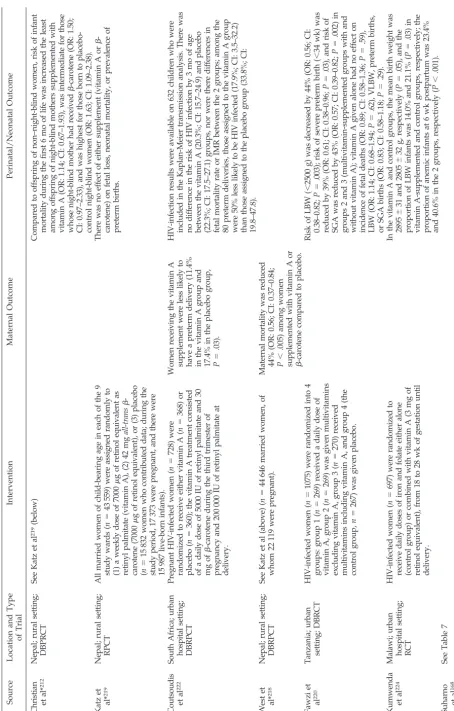
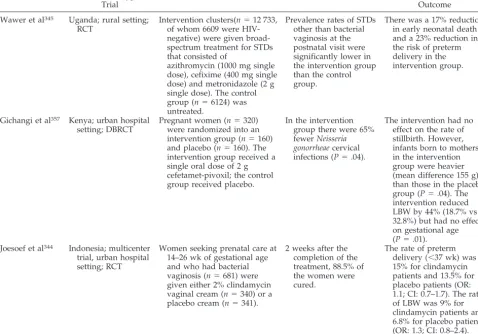
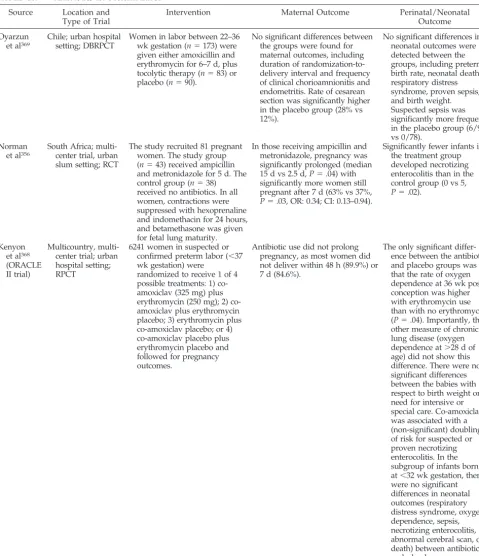
We found a paucity of data from community-based settings in developing countries and a remark-able lack of large-scale effectiveness trials of a num-ber of key interventions, especially in relevant health system settings. A total of 186 studies from develop-ing countries were identified for in-depth review, of which only 64 were community-based studies re-porting primary perinatal/neonatal health status outcomes such as stillbirths and perinatal and/or neonatal mortality, and 74 were community-based
studies reporting secondary perinatal/neonatal
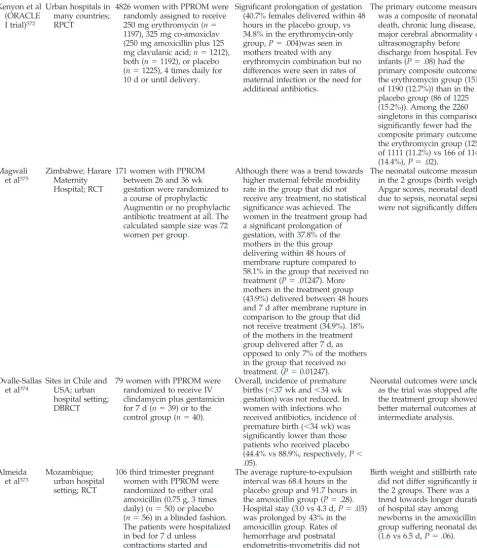
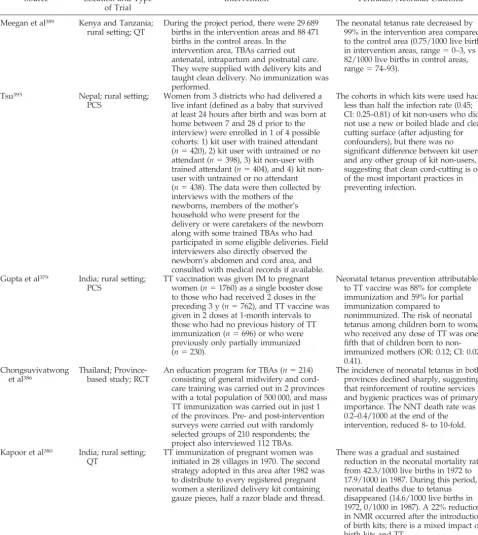
health outcomes such as low birth weight (LBW) and/or anthropometrics, preterm birth, breastfeed-ing rates, and morbidities (Table 1). Of these studies reporting health outcomes, there were very few RCTs: 31 community-based RCTs reported primary neonatal health outcomes, and 40 reported second-ary neonatal health outcomes. Only 10 studies were interventions conducted in health system settings, or effectiveness trials. Most interventions had been tested on relatively small numbers of individuals. There was also wide variation in the quality, size, location, design, and publication source of studies. This variability was considered while summarizing the information, although we refrain from direct comment on the quality of the evidence in individual studies, Table 2 (summarizing the strength of the evidence) represents a categorical ranking of inter-ventions based on review of individual studies. In addition, however, as noted above, the evidence was placed in the context of biological plausibility and knowledge from developed countries, experience with the intervention in the context of health pro-grams, and recommendations from the WHO and other leading maternal and child health agencies.
Discussion
Appropriate perinatal and neonatal care in any given circumstance in developing countries requires an integrated and holistic program of interventions at various levels. Interventions must not only include health-related measures that have a direct bearing on perinatal and/or neonatal outcomes but several other ancillary measures of equal importance. These measures include poverty alleviation; improved op-portunities for female education; and improvement of women’s social status, including empowerment and improvement of women’s decision-making abil-ity. Family size and short interpregnancy intervals are also critical factors in perinatal health.11–13
Implications for Programs
cluded several neonatal interventions because of their proven impact on infant and child survival. Not withstanding the above exercise, to broaden the rel-evance of the conclusions that can be drawn from the available data, we attempted to place the evidence in the context of biological plausibility, data from stud-ies in developed countrstud-ies, programmatic experi-ence, and recommendations by the WHO and other leading child health agencies. In so doing, it is clear that the evidence for benefit of a number of interven-tions (Table 2) warrants their broad programmatic implementation (Fig 1). Interestingly, this group of evidence-based interventions closely resembles those advocated by the WHO14–16 and also identified
re-cently through a strategic planning process at the international level and in multiple countries, led by the Saving Newborn Lives Initiative of Save the Chil-dren/USA.17 Thus, there seems to be broad
conver-gence of expert opinion and the evidence base re-garding priority interventions to advance perinatal and neonatal health and survival at the community level. Considering past experience of child health programs in implementation of various interventions and current recommendations of the WHO and lead-ing child health agencies, a few additional interven-tions (marked with an asterisk) have been added to Fig 1 despite the lack of rigorous, prospective scien-tific evidence for their impact. These interventions include birth preparedness; recognition of and
ap-propriate response to danger signs in the antenatal period; skilled health care at delivery (evidence re-viewed elsewhere); recognition of and response to intrapartum danger signs; and early postnatal visita-tion for provision of anticipatory guidance and rec-ognition/management of maternal and newborn ill-ness. Many of these interventions have been included in comprehensive packages of maternal and newborn interventions but have not been eval-uated per se for their specific contribution to the total impact of the package of care. Such evaluations must now be regarded as a priority, especially in health system settings.
Effective interventions span maternal and neonatal care, as anticipated when one considers that preg-nancy-related causes, delivery-related causes, and infections each account for approximately one third of neonatal deaths.18 This need for a continuum of
care serves to illustrate the importance of integrating maternal and neonatal care while avoiding vertical programs for either the mother or the newborn. Moreover, although we emphasize impact on peri-natal and neoperi-natal outcomes (summarized in Tables 4 – 42), this review has further illustrated the princi-ple that interventions in the antenatal and intrapar-tum periods frequently benefit both mother and newborn simultaneously.19Moreover, a coordinated
approach to postpartum care for mother and new-born would similarly benefit both. Thus, one would
anticipate that an approach to maternal and neonatal health integrated within Safe Motherhood and Child Survival programs would not only foster continuity of care across the life cycle but also enhance the cost-effectiveness of packages of interventions.
Research Gaps
Although a number of interventions have been shown to reduce perinatal and/or neonatal mortal-ity, there are fundamental gaps in our knowledge of how to most effectively improve perinatal and neo-natal outcomes in developing-country communities. We know that implementation of comprehensive neonatal care programs can substantially reduce perinatal and/or neonatal mortality, but there is an urgent need to adapt and evaluate culturally and regionally appropriate packages of interventions in a variety of settings. Among these gaps in our knowl-edge is the critical issue of the determinants of family and community practices and their influence on newborn care and care-seeking behaviors. Better documentation of how behavior-change interven-tions are implemented and evaluation of these meth-ods is needed to develop better tools for building individual, household, and community capacity for appropriate self-care and care seeking. In the context of the many parts of the developing world in which gender inequity and female feticide are major issues, this need for effective behavior-change approaches extends to newborn care and outcomes.
Pivotal questions regarding implementation of neonatal health care programs that demand addi-tional operaaddi-tional research include: Which cadre of health workers in various settings can most effec-tively deliver the needed services for newborns at the community level, and how can they be linked effec-tively with referral facilities to provide care for ma-ternal and neonatal illness? How will these workers be trained and supervised in a sustainable manner at scale, and what are the most effective methods for preservice and in-service training? What will be the scope of their service delivery (eg, with regard to client age, breadth of services, and geographic reach)? Is a team of skilled birth attendants and newborn care providers needed at the community level to provide simultaneous care for the mother and newborn during the critical intrapartum period? The Save the Children/USA conceptual frame-work for newborn care at the community level17calls
for provision of both preventive and curative care, particularly for birth asphyxia and infections. How-ever, in many settings, provision of curative care for these major causes of neonatal mortality is beyond the capacity of current health care systems. Thus, critical unanswered questions are: Can effective im-plementation of a behavior-change communications package at the domiciliary level, without active iden-tification and management of newborn illness, im-prove neonatal outcomes? What is the added benefit and cost-effectiveness of active identification and management of neonatal illness, particularly serious bacterial infections and intrapartum hypoxia/birth asphyxia? What are the most feasible and effective ways to deliver life-saving newborn resuscitation
and antibiotic therapy in the community? How can barriers to care seeking for newborn illness be over-come most effectively so that home-based care and care seeking can be effectively linked with referral-level care at facilities? What is the impact and cost-effectiveness of postnatal visitation for promotion of healthful behaviors and recognition of neonatal ill-ness? Can the same worker address the postnatal needs of both mothers and newborns? What is the optimal timing and number of routine visits with a health care provider?
Skilled care during delivery is universally recog-nized as a major long-term priority for improving the care of mothers and newborns, and plans for advanc-ing health system capabilities for providadvanc-ing this care are paramount. Based on a consideration of the fact that most births and neonatal deaths occur at home during the early neonatal period, due to birth as-phyxia and/or infections, and among LBW infants, the following emerge as major research gaps:
1. Understanding and improving household and community practices and their determinants: Lo-cal formative research is needed to better under-stand local beliefs and practices and the reasons behind them so that effective behavior-change strategies can be developed and evaluated.23This
must be followed by appropriate research to de-velop intervention strategies to improve care-seeking behaviors at the household and commu-nity levels.
2. Improving health systems’ capacity for providing essential preventive and special curative neonatal health care: As noted above, some of the most challenging questions in neonatal health care re-late to how to most effectively deliver services to newborns in an integrated way within existing programs for maternal and child health.20–22
Al-though difficult, determining the answers to these questions requires that many packages and com-binations of interventions be tested through effec-tiveness trials in health system settings.
3. Preventing and improving recognition and man-agement of birth asphyxia: Identification of sustainable interventions for management of in-trapartum hypoxia/birth asphyxia is urgently needed at the community level.24Solutions must
allow for immediate response at the time of deliv-ery in a cost-effective manner and necessarily will require integration with skilled health care for mothers at delivery16and links with referral
facil-ities.
strate-gies for neonatal infections,25we need to know the
agents of life-threatening infections in the commu-nity and their antibiotic susceptibility patterns.26
There is additional need for validated algorithms for accurate and rapid identification of infected neonates by community health workers (CHWs) and caregivers. We also must advance antibiotic-treatment strategies for serious infections, which may include simplified antibiotic-delivery sys-tems and/or regimens. The potential develop-ment and evaluation of simplified oral treatdevelop-ment regimens that include oral administration will be a major advance for public health programs. 5. Preventing and improving care for LBW infants:
Given that the majority of newborns who die in many developing countries are LBW, improved strategies for both prevention of and care for LBW infants are urgently needed. These strategies in-clude interventions to reduce preterm births and the incidence of intrauterine growth restriction (IUGR) or combinations thereof. Prevention may be achieved by improved maternal nutrition and detection and treatment of maternal infections. Improved postnatal care of LBW infants may be achieved in part by behavior-change communica-tions, topical emollient therapy, breastfeeding promotion, and widespread implementation of culturally adapted methods for skin-to-skin care (or variations thereof) with the mother and (when indicated) other household members. The devel-opment, validation, and availability of low-cost technology for the care of LBW infants in primary and secondary health care facilities is an impor-tant adjunct to community-based management strategies.
6. Improving information on the magnitude and causes of neonatal mortality: Lack of accurate global, regional, and country-specific data on the magnitude and causes of perinatal and neonatal morbidity and mortality currently is limiting ad-vocacy and program planning in newborn health. Strengthening of information systems, including birth and death registration, and dissemination of information at local levels about causes of new-born morbidity and mortality (and their determi-nants), are needed to guide resource allocation and program and research priorities. Moreover, as programs incorporate newborn care, their impact must be monitored and accurate data fed back to those involved in health policy and program de-cision-making to enable them to use scarce re-sources more effectively. Integral to documenting and monitoring newborn health status is the need for improved verbal autopsy instruments to en-able more accurate determination of causes of perinatal and neonatal deaths in the community and to assess the contribution of sociocultural and logistic factors. Perinatal audit may also be a powerful tool for identifying avoidable factors in deaths and mobilizing change in communities to improve maternal and neonatal health care. 7. Cost-effectiveness analyses: Assessment of
cost-effectiveness must be incorporated into neonatal
health research to guide selection of interventions and stimulate investment in neonatal health. 8. Development of indicators and simple
manage-ment tools for assessing and monitoring health system performance for perinatal and newborn care at the national level: An important impedi-ment to wider impleimpedi-mentation of neonatal health programming is lack of inclusion of perinatal and neonatal health indicators among global indica-tors for measuring progress in child survival (eg, Millennium Development goals). Moreover, pro-grams too often fail to monitor adequately and demonstrate the effectiveness of their programs. Tools for rapidly assessing the situation, prioritiz-ing program activities, and accurately monitorprioritiz-ing and documenting program effectiveness are ur-gently needed.
A major factor currently limiting our ability to identify effective interventions is the wide variation in study designs and indicators for assessing impact and the almost complete absence of cost-effective-ness data. In 2001, a group of neonatal health re-searchers met to discuss a common agenda and methodologies for neonatal health research in devel-oping-country communities.27 Our review further
highlights the need, as recommended at that time, for dialogue among researchers, policy makers, pro-gram managers, and donors in the selection of re-search priorities, use of common (and, whenever possible, rigorous) study designs, and for sharing of data-collection instruments and research results.
Conclusions
impor-tant that these intervention packages be structured as integrated maternal and newborn care strategies that can be implemented in appropriate health system settings. Close communication between program managers as they gain experience with intervention implementation, the researchers who can provide answers to operational questions, and the donors who fund the work will be critical to advancing maternal and neonatal health care at the community level.
INTRODUCTION AND BACKGROUND Infant and under-5 childhood mortality rates in developing countries have declined significantly in the past 2 to 3 decades, whereas neonatal mortality rates (NMRs) have remained relatively static.18,20,24,28
Neonatal mortality, amounting to an estimated 4 million deaths worldwide each year, now comprises nearly two thirds and two fifths of infant and un-der-5 childhood mortality, respectively, in develop-ing countries,29and 98% of global neonatal mortality
occurs in developing countries.30An equal number
of deaths are thought to occur during the last tri-mester of pregnancy, although data precisely quan-tifying the burden of stillbirths are lacking. Unfortu-nately, most of the countries with high rates of perinatal and neonatal deaths also have the lowest rates of vital registration of births and deaths.31,32
Moreover, the likelihood of missing live births is highest for very low birth weight (VLBW) infants,33
and rates of LBW are highest in developing coun-tries, especially Asia.18 In addition, neonatal health
indicators are seldom included in Safe Motherhood or Child Survival program evaluations, nor are they among the outcomes of interest of global agencies and initiatives. Thus, current estimates of perinatal and neonatal mortality, although startlingly high, may nevertheless underestimate the true burden.
It is now recognized that reducing perinatal and neonatal mortality is of paramount importance for additional gains in child survival to be real-ized.20,26,32,34,35 Moreover, because the majority of
perinatal and neonatal deaths in developing coun-tries occur in the home, there is an urgent need to identify solutions at the community level.18,20,22,26To
achieve Millennium Development Goal 4 of halving child mortality by the year 2015, major advances in neonatal survival must be achieved through wide-scale implementation of cost-effective interventions in the community.22
There is little debate that perinatal and neonatal mortality are profoundly affected by proximal fac-tors that influence maternal health such as socioeco-nomic deprivation, gender bias, illiteracy, and high fertility rates, and redress of these factors is critical to improving maternal and neonatal health in develop-ing countries.4,36However, these elements are
rela-tively resistant to change in the short term.37–42
Moreover, as a consequence of such systematic ne-glect, a sense of fatalism and inevitability of adverse fetal and neonatal outcomes sets in and further im-pedes care seeking.22,43,44 This in itself is a major
barrier to improvement in perinatal and neonatal outcomes. The concept that all people possess equal
rights to health, education, and social services is a key factor in creating demand for better allocation of health care resources for women and newborns. This must be coupled with greater participation of indi-viduals and communities in planning and meeting their own health care needs, particularly women within traditional societies through empowering them to participate in decision-making processes.
Because the health of the mother and newborn are intimately entwined, they must be considered to-gether when planning strategies to improve perinatal and neonatal outcomes. It is important to highlight that the peak period of vulnerability for both the mother and newborn is around pregnancy and child-birth. Thus, interventions must largely focus on ad-dressing joint outcomes. There is evidence, however, that this has not been widely adopted, that Safe Motherhood interventions have not adequately ad-dressed the newborn period, and that newborn in-terventions rarely focus on integration with existing maternal care programs and services.
To redress the burden of perinatal and neonatal mortality, several factors are required: (1) political commitment to newborn health at the global, re-gional, national, and local levels; (2) increased focus on the newborn within existing Safe Motherhood and Child Survival programs; (3) efficient allocation of resources; (4) effective implementation of cost-effective interventions; and (5) clear documentation of impact.18 To aid in garnering political and
pro-grammatic will and action to improve perinatal and neonatal health care and status, the magnitude of the problem and evidence for effectiveness of interven-tions to prevent and manage adverse outcomes must be documented clearly. A recent analysis of the neo-natal burden of disease in south Asia and sub-Sa-haran Africa, in which approximately three fourths of neonatal deaths occur, highlighted the dearth of information available on neonatal outcomes in devel-oping countries, particularly at the community lev-el.28 Similarly, a recent meeting of neonatal health
researchers highlighted the need for a review of available evidence for impact of interventions on perinatal and neonatal health and survival.27
Neonatal health experts agree that improving neo-natal health and survival in developing countries depends in large measure on more effectively im-plementing what has already been shown to work.18,26,34,35 Moreover, a number of health
inter-ventions for the mother and her newborn have been proposed by the WHO and others as global priorities for programmatic implementation.14,18,26,34,35,45,46
to devise, adapt, and evaluate sustainable solutions, particularly at the community level. Although re-views of the impact of certain antepartum, intrapar-tum, and postnatal interventions have been con-ducted, evidence for proven benefit, or lack thereof, of the many interventions that one might include in a neonatal health program at the community level has never been systematically evaluated and summa-rized. Major evidence gaps include lack of objective data on the methodologies of introducing interven-tions within health system settings and evaluating hard outcomes through effectiveness-trial designs. The limitations of the strictly randomized-trial de-sign have been recognized in health systems research and interventions.8
This review of community-based antenatal, intra-partum, and postnatal intervention trials in develop-ing countries was undertaken to (1) identify key behaviors and interventions for which the weight of evidence is sufficient to recommend their inclusion in community-based neonatal care programs and (2) identify key gaps in knowledge and priority areas for future research and program learning. We did not focus on long-term solutions of established and indisputable value in improving maternal and peri-natal outcomes, such as poverty reduction, gender equity, fertility regulation and control, and improved health system performance. Rather, the focus of this review was on specific targeted interventions that may impact perinatal and neonatal health status out-comes, primarily perinatal and neonatal mortality.
METHODOLOGY USED FOR LITERATURE SEARCH AND REVIEW
This review aimed to consider all available pub-lished and unpubpub-lished data on the impact of com-munity-based strategies and interventions on peri-natal and neoperi-natal health status outcomes. The community was defined as extending from the household to peripheral health facilities.
The search methodology included review of the following sources of information:
1. All available electronic reference libraries of in-dexed medical journals and analytical reviews 2. Electronic reference libraries of nonindexed
med-ical journals
3. Nonindexed journals not available in electronic libraries
4. Pertinent books, monographs, and theses 5. Project documents and reports
Electronic Reference Sources
The following principal sources of electronic refer-ence libraries were searched to access the available data on community-based intervention studies: Cochrane Reference Libraries, the WHO Reproduc-tive Health Libraries, Medline, PubMed, ExtraMed, Embase, and Popline. Several search strategies were employed using key words, combinations, and med-ical subject headings (MeSH) words including “com-munity-based care,” “community care,” “newborn or neonatal care,” “perinatal care,” “interventions,” “in-tervention strategies,” “perinatal or newborn care
programs,” “newborn survival,” “perinatal out-comes,” and “neonatal outout-comes,” among others.
Manual Literature Search
A detailed examination of cross-references and bibliographies of available data and publications was performed to identify additional sources of informa-tion. In particular, this search extended to reviewing the gray literature in nonindexed and nonelectronic sources. The bibliographies of 37 recently published textbooks or books with sections pertaining to com-munity-based maternal and/or newborn care were also searched manually. Requests for information were sent to major development and aid agencies including the World Bank, United Nations Chil-dren’s Fund (UNICEF), WHO, Department for Inter-national Development, United Nations Development Programme, United States Agency for International Development, MotherCare, JHPIEGO, the Wellcome Trust, LINKAGES, John Snow Inc, National Institute of Child Health and Human Development, National Institutes of Health (NIH) Institute of Medicine, CARE, Save the Children/USA, and several other nongovernmental organizations. In particular, re-quests for information were made to regionally ac-tive development agencies and research councils. In addition, personal requests for information on com-munity-based perinatal and neonatal interventions were made to leading public health scientists in the field.
For in-depth review, we selected 186 studies from developing countries that directly related to the re-search question of health status impact of communi-ty-based perinatal and neonatal health care. These studies were analyzed in detail and summarized in the tables according to a standardized, prearranged evaluation format as to their location, size, design, nature of intervention, and outcome. The informa-tion was categorized according to whether the target group consisted of mothers, newborn infants, or both.
The following categorization of interventions was made:
Maternal Interventions
1. Maternal schooling/health education 2. Antenatal care packages
3. Protein supplementation
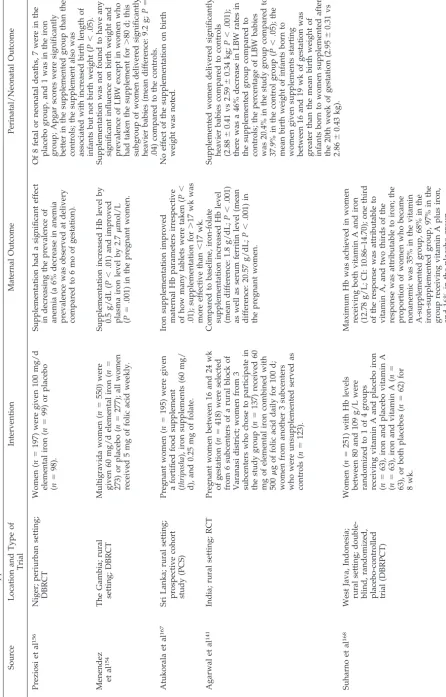
4. Balanced protein-energy supplementation 5. Iron supplementation
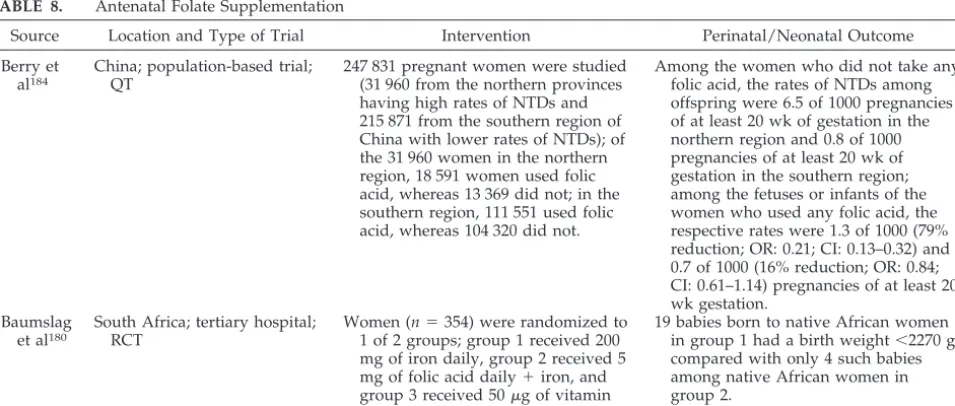
6. Folate supplementation 7. Iodine supplementation
8. Antenatal vitamin A supplementation 9. Zinc supplementation
10. Multiple micronutrient supplementation
11. Malaria chemoprophylaxis or intermittent pre-sumptive treatment (IPT)
12. Malaria protection using insecticide-treated bed nets (ITNs)
13. Deworming
14. Syphilis screening and treatment
17. Antibiotics for preterm labor
18. Antibiotics for preterm premature rupture of membranes (PPROM)
19. Tetanus toxoid (TT) immunization and clean de-livery
20. Maternal pneumococcal immunization
21. Promotion of smoking cessation during pregnancy
Composite Interventions
In addition to the specific community-based inter-ventions noted above, some studies evaluated pack-ages of maternal interventions in community set-tings:
22. Maternal care packages
Intrapartum Interventions
1. Maternal vaginal and newborn skin antisepsis
Postnatal Interventions
1. Newborn resuscitation
2. Delayed umbilical cord clamping 3. Umbilical cord antisepsis
4. Hypothermia prevention and management 5. Hypoglycemia prevention and management 6. Breastfeeding
7. Prevention and treatment of ophthalmia neona-torum
8. Vitamin K prophylaxis 9. Hepatitis B vaccination
10. Neonatal vitamin A supplementation 11. Kangaroo mother care (KMC) 12. Topical emollient therapy 13. Hyperbilirubinemia screening
14. Traditional birth attendant (TBA)/CHW training 15. Pneumonia case management
Composite Interventions
Apart from community interventions focusing on the aforementioned specific areas, some studies eval-uated packages of postnatal interventions or the functioning of hospitals in the community and inter-ventions performed within them, including use of alternative methods of care to compensate for mea-ger resources and facilities:
16. Neonatal care packages
17. Care in peripheral health facilities
Exclusions
Some interventions were excluded from this re-view because other investigators were evaluating the evidence base for their impact. Interventions ex-cluded inex-cluded the following:
1. Roles of skilled birth attendants 2. Family planning and birth spacing
3. Safe Motherhood strategies such as prevention and treatment for pre-eclampsia, pregnancy-in-duced hypertension, and antepartum hemor-rhage; newer strategies for prevention of preterm labor (eg, magnesium, calcium, fish oil); emer-gency obstetric care; emeremer-gency transport serv-ices; communications strategies; community wait-ing homes; and use of fetal partograph
4. HIV prevention and mother-to-child transmission reduction strategies
5. Maternal tuberculosis treatment
Synthesis of Evidence
The principal reviewers independently evaluated all the data, and a common reporting matrix was used in summarizing the findings. Emphasis was placed on assessment of impact on perinatal or neo-natal primary health status outcomes. For some in-terventions, however, for which data on primary health status outcomes were lacking, other indicators were considered.
The final categorization of the interventions was done by mutual agreement and consensus as follows:
1. No evidence of benefit: These interventions had been evaluated and found to have no demonstra-ble benefit either singly or in combination with other measures. In some cases, there was evidence of an adverse effect of the intervention. Therefore, these interventions were not recommended for inclusion in any neonatal health care strategy. 2. Uncertain evidence of benefit: This category
in-cluded interventions for which there was some evidence of benefit, but contradictory evidence or issues such as study design, quality, location or size precluded any firm conclusions. These inter-ventions merited additional evaluation or re-search using well-designed protocols and designs. 3. Some evidence of benefit: These interventions had some positive impact on perinatal or neonatal out-comes, but the evidence remained preliminary or the location of the studies was not representative of the developing world at large. Furthermore, the trial designs were mostly efficacy studies; there-fore, their effectiveness, if any, in large-scale pro-grammatic interventions remained to be assessed. Their inclusion in intervention programs was con-sidered optional, but a recommendation was made to include an evaluation of benefits when-ever they were included.
4. Clear evidence of benefit: This category of inter-ventions was of incontrovertible benefit to moth-ers and/or newborn infants, and thus it was rec-ommended that they be included in community-based intervention programs for maternal and perinatal care.
REVIEW AND ANALYSIS OF AVAILABLE DATA Antenatal Interventions
Maternal Schooling/Health Education
background. The relationship between maternal antenatal education and perinatal and neonatal out-comes is well established. Caldwell and McDonald47
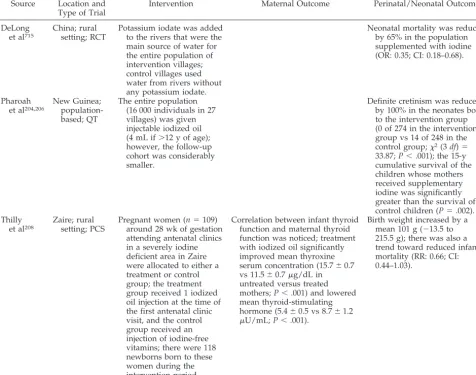
demonstrated the close relationship between mater-nal education level (ie, schooling) and infant mortal-ity from observations in Nigeria. Since then, this association has been borne out through a number of reviews.40,48–51 Victora et al,39 in a review of
cause-specific infant mortality rates (IMRs) in Pelotas, Bra-zil, found a significant inverse relationship between maternal schooling and deaths from perinatal condi-tions, particularly infectious diseases. The associa-tion between increased maternal educaassocia-tion and de-creased infant mortality, particularly in reducing postneonatal deaths, was further strengthened by a review of 34 cross-sectional World Fertility Surveys between 1974 and 1980,52 although the association
was weakened when the data were corrected for socioeconomic status53,54 (Table 3). The association
between maternal education and neonatal survival was also corroborated by analysis of data from 11 Demographic and Health Surveys; in this review, the association held even after correction for socioeco-nomic status.38,55 More recently, the importance of
maternal education in reducing birth weight–specific perinatal mortality in Nigeria was further stressed by Harrison,42and the association between educational
level of the maternal grandmother and utilization of health services for prenatal care and delivery by a skilled attendant was also demonstrated.56
There are surprisingly few intervention studies on the specific impact of maternal health education on perinatal and newborn outcomes. Kramer57
evalu-ated the evidence, including that from an interven-tion trial in Greece,58 of the potential benefit of
ma-ternal nutritional advice during pregnancy on several outcomes. Although an increase in energy and protein intake during pregnancy was notable, the overall impact on maternal, perinatal, and neo-natal outcomes was unclear.
Reasons for improved survival of neonates born to more highly educated mothers is not clear, but the association is only partly explained by the economic advantages and access to health care afforded by education. Potential links between maternal educa-tion and reduced perinatal and neonatal mortality also include appropriate birth spacing and health-seeking behavior, particularly for prenatal care.
There is strong evidence supporting the importance of community- and hospital-based maternal educa-tion and support programs on breastfeeding prac-tices59–62; these programs are reviewed below (see
“Breastfeeding”).
community-based evidence. Although there are data available from developed countries on maternal educational strategies specifically aimed to improve perinatal and neonatal outcomes,63–65 there are few
systematic studies that have prospectively evaluated their impact,57 particularly from developing
coun-tries. Woods and Theron66,67in South Africa
demon-strated a significant improvement in cognitive knowledge of midwives who participated in an ex-tended perinatal education program; however, im-pact on perinatal outcomes was not reported. In con-trast, providing postnatal maternal education in Nepal through a limited didactic educational inter-action met with little success in improving knowl-edge and practices, except for family-planning prac-tices.68 Although the impact of the didactic form of
education was not found to be effective, the authors of the latter study subsequently concluded that com-munity participation was a key to the success of educational strategies. These intervention strategies include the development of intervention strategies by community members themselves, based on their understanding of barriers to care seeking for new-born care.69,70
conclusions. Maternal educational level is clearly associated with improved perinatal and neo-natal survival. Thus, building the capacity of moth-ers through basic education is a key long-term strat-egy to improve perinatal and neonatal health in developing-country communities. More work is needed, however, to develop and test shorter-term maternal educational strategies targeted toward im-proving pregnancy outcomes in developing coun-tries, particularly at the community level. The exact nature and content of the educational package, roles of different cadres of health workers, and ways to convey the messages at the community level most effectively may best be developed and evaluated considering the principles of appropriate and partic-ipatory community-based research.71
Antenatal Care Packages
background. Antenatal care is well regarded as 1 of the 4 main pillars of Safe Motherhood by the WHO.14 Although the beneficial effects of antenatal
care for maternal health and outcomes are well rec-ognized and the practice is well established, there have been few systematic studies of the impact of “standardized” antenatal care programs on perinatal and neonatal outcomes.72,73No intervention studies
are available that directly compared groups of women who received antenatal care and those who did not, thus limiting conclusions regarding the ex-tent to which antenatal care improves perinatal/neo-natal outcomes.
The benefits of antenatal care for maternal and newborn outcomes, including assessment of the most effective components, were addressed in
sys-TABLE 3. Association of Maternal Education With RR of Neonatal Death (52)
RRs Years of Schooling
0 1–3 4–6 ⱖ7
Neonatal mortality
Unadjusted 1.00 0.87 0.76 0.57
Adjusted for socioeconomic factors 1.00 0.98 0.90 0.86 Postneonatal mortality
Unadjusted 1.00 0.82 0.73 0.45
tematic analyses by Bergsjo and Villar72,74and
Car-roli et al.75 Some of the major interventions
intro-duced during antenatal care and their impact on pregnancy outcomes are detailed in Table 4. TT im-munization, iron-folate supplementation, detection and management of pre-eclampsia, screening and treatment for bacteriuria, and where appropriate, screening and treatment for syphilis and malaria are priority activities. Although some studies have indi-cated that antenatal care alone may be insufficient for the identification of pregnant women at risk of ob-stetric complications and emergencies,76–78 there is
observational evidence from a variety of geographic settings that lack of antenatal care is associated with increased risk for late fetal death.79,80 Although the
evidence is somewhat mixed, the overall consensus is that quality antenatal care provided by a trained attendant within a functional health system reduces the risk of maternal mortality and adverse pregnancy outcomes.81
Although there is some evidence that antenatal care works, there is little consensus on critical related issues such as the minimum number of visits and the most cost-effective components of antenatal care. In an evaluation of antenatal care models in the United States, McDuffie et al82found comparable pregnancy
outcomes among women who had attended a mod-ified program of 2.7 fewer visits, on average, com-pared with the traditional program of 7 antenatal visits. To further evaluate whether a reduced system of 4 antenatal care visits was as effective as a pro-gram with more frequent visits, the WHO organized a multicenter trial involving urban centers in Saudi Arabia, Argentina, Cuba, and Thailand (Table 5).83,84
No impact was observed in this large trial on either preterm birth or IUGR.84 Women who received
in-formation about breastfeeding antenatally were more likely to initiate breastfeeding after birth. Those assigned to the reduced-visit model had similar ma-ternal (ie, morbidity index, urinary tract infection [UTI], and anemia rates) and neonatal (ie, perinatal mortality rate [PMR], NMR, LBW rate) outcomes as those who were given standard antenatal care,
al-though women who had ⬎4 antenatal visits were
more likely to feed their infants colostrum. The par-ticipants of the trials were generally satisfied with the quality of care in the new, modified system of antenatal care.85
A recent systematic review of randomized trials also yielded no strong evidence that the content, frequency, or timing of currently recommended an-tenatal care visits has an effect on reducing the inci-dence of IUGR or preterm delivery.75This systematic
review of pooled data on alternative models of re-duced numbers of antenatal care visits showed sim-ilar odds of multiple health outcomes compared with the standard care model, including pre-eclampsia (odds ratio [OR]: 0.91; 95% confidence interval [CI]: 0.66 –1.26), UTIs (OR: 0.93; CI: 0.79 –1.1), maternal mortality (OR: 0.91; CI: 0.55–1.51), incidence of LBW (OR: 1.04; CI: 0.93–1.17), and overall perinatal mor-tality (OR: 1.06; CI: 0.82–1.36).
TABLE
4.
Components
of
Antenatal
Care
Condition/Intervention
Test/Treatment
Expected
Impact
on
Maternal
and
Newborn
Outcomes
Prevention
of
anemia
Routine
supplementation
with
iron
and
folate
during
pregnancy
Prevents
or
reduces
fall
in
maternal
Hb
Malaria
chemoprophylaxis
Reduces
percentage
of
women
who
become
anemic
Treatment
of
iron-deficiency
anemia
Oral
iron
and
folate
Can
raise
maternal
Hb
by
0.4–0.7
g/dL
per
wk
Detection
and
investigation
of
hypertensive
disease
of
pregnancy
Measurement
of
blood
pressure
with
sphygmomanometer
using
fifth
Korotkoff
sound
Detects
maternal
hypertension
and
allows
selection
of
cases
at
higher
risk
of
maternal
and
perinatal
morbidity
Analysis
of
clean
catch
urine
Detects
maternal
proteinuria,
indicative
of
pre-eclampsia
in
the
presence
of
hypertension
Treatment
of
severe
pre-eclampsia
Transfer
to
first
referral
level
for
expert
care
Control
of
maternal
disease;
reduces
maternal
case
fatality
Screening
for
infection
Serological
screening
and
treatment
for
syphilis
Detects
asymptomatic
maternal
disease;
coupled
with
effective
treatment,
contact
tracing,
and
follow-up,
reduces
fetal
loss
and
maternal
and
infant
morbidity
Microbiological
screening
for
gonorrhea
Detects
asymptomatic
maternal
disease;
coupled
with
effective
treatment,
contact
tracing,
and
follow-up,
reduces
fetal
loss
and
maternal
and
infant
morbidity
Screening
for
bacteriuria
with
quantitative
culture
of
urine
Detects
asymptomatic
disease;
coupled
with
effective
treatment,
prevents
pyelonephritis
and
preterm
delivery/LBW
Prevention
of
infection
Tetanus
immunization
in
pregnant
and/or
child-bearing–age
women
Prevents
maternal
and
neonatal
conclusions. The benefits and importance of an-tenatal care in improving maternal health and preg-nancy outcomes are widely accepted, yet little direct evidence of impact exists from intervention trials. An antenatal care package that consists of fewer but qualitatively better and more goal-oriented visits is recognized to be more cost-effective than the “con-ventional” antenatal care packages promoted previ-ously, which involved more frequent visits. How-ever, this evaluation was also not undertaken as an effectiveness trial in health system settings. It is also important to point out that there are no studies eval-uating different community-based models of ante-natal care using primary heath care workers and CHWs.
The exact margin of improvement in neonatal mortality after antenatal care is unclear, and we could not cite a specific figure based on objective evidence and controlled trials. Moreover, a con-trolled trial to determine the level of effect would now be unethical. The exact contents of such a pack-age would need to be based on evidence of the efficacy of each individual component of the package plus the cost-effectiveness and relative ease of imple-mentation by primary care workers. Based on the available evidence elaborated in this review, the an-tenatal care package should contain, at a minimum, TT immunization, iron-folate supplementation, and promotion of clean delivery and exclusive breast-feeding. Based on health system capacity, the pack-age should also include supplementation with iodine and screening and treatment for bacteriuria, pre-eclampsia, and syphilis.
Nutrition Interventions in Pregnancy
Maternal malnutrition is widespread in develop-ing countries and is an underlydevelop-ing factor in fetal malnutrition and LBW as well as other adverse preg-nancy outcomes such as premature births, abruptio placentae, and stillbirths.86,87 A large proportion
(16%) of births in developing countries are LBW, which is a major underlying risk factor for morbidity and mortality in the perinatal and neonatal periods and later in infancy.86,88 Poor maternal nutritional
status is associated with adverse birth outcomes,11,89
but the association with fetal mortality is less clear. Given the recognized association between maternal malnutrition and LBW, there has been considerable interest in nutritional interventions that may im-prove birth weight as well as other adverse preg-nancy outcomes.87 With the emerging evidence of
the long-term implications of fetal malnutrition, nu-trition transition, and adverse metabolic outcomes such as diabetes,90it becomes even more imperative
to improve maternal and fetal nutrition in develop-ing countries. Two recent reviews evaluated the im-pact of nutrition interventions on prematurity91and
pregnancy outcomes92and underscored the fact that
few studies have addressed this problem in commu-nity settings in developing countries.
Evidence for impact of nutritional interventions on maternal, perinatal, and neonatal outcomes has been reviewed extensively, largely within the Cochrane collaboration using meta-analyses of RCTs.
Avail-able data have also been reviewed recently as part of an evaluation of the evidence base for Safe Mother-hood strategies93 and a review of the efficacy and
effectiveness of nutrition interventions.94Our
evalu-ation of the evidence was drawn largely from these sources, especially the individual community-based studies in developing countries within the Cochrane reviews. In addition, we evaluated recent studies that have not yet been included in the Cochrane reviews and others with a quasi-experimental design that were not considered as part of the meta-analy-ses.
Protein Supplementation
background. Benefits of unbalanced protein sup-plementation in pregnancy were largely refuted re-cently in a meta-analysis of available evidence.95
Such interventions have been tried historically in a variety of malnourished and at-risk populations in-cluding poor communities in developed coun-tries.96,97 In 3 studies among Asian women in the
United Kingdom and Chile, where the usual mater-nal energy intake was isocalorically replaced with 10% to 11% protein,98–100 there was no effect on
pregnancy outcomes, although there was a trend toward reduced birth weight. Even higher levels of protein supplementation (⬎25% of energy) in rela-tively well-nourished populations failed to show any benefit on pregnancy outcomes and birth weight.101,102Thus, protein supplementation alone is
no longer viewed as a viable intervention during pregnancy.103
conclusions. Based on a large body of evidence, pure or high levels of dietary protein supplementa-tion cannot be recommended as an antenatal inter-vention, nor is additional research warranted on this intervention.
Balanced Protein-Energy Supplementation
background. Balanced protein-energy supple-ments, by definition, provide ⬍25% of their total energy content in the form of protein. A systematic review done by the Cochrane collaboration on the effect of antenatal maternal balanced protein-energy supplementation95 concluded that this intervention
significantly improved fetal growth and reduced the risk of fetal and neonatal death. The findings of this review, however, were largely influenced by 1 large trial undertaken in The Gambia that indicated a sig-nificant reduction in perinatal mortality.104
How-ever, this efficacy study also included micronutrient supplementation in addition to balanced protein-en-ergy intake. Excluding this single study drastically altered the conclusions of this meta-analysis, leaving no demonstrable impact.
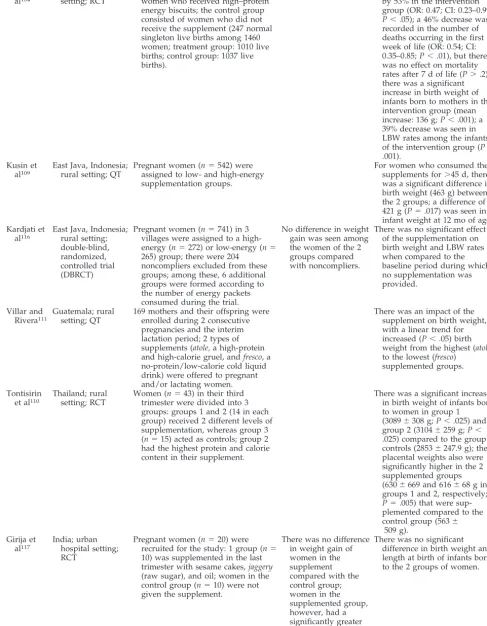
TABLE 6. Antenatal Balanced Protein-Energy Supplementation Source Location and Type
of Trial
Intervention Maternal Outcome Perinatal/Neonatal Outcome
Ceesay et al104
The Gambia; rural setting; RCT
Treatment group consisted of pregnant women who received high–protein energy biscuits; the control group consisted of women who did not receive the supplement (247 normal singleton live births among 1460 women; treatment group: 1010 live births; control group: 1037 live births).
Incidence of stillbirths decreased by 53% in the intervention group (OR: 0.47; CI: 0.23–0.99;
P⬍.05); a 46% decrease was recorded in the number of deaths occurring in the first week of life (OR: 0.54; CI: 0.35–0.85;P⬍.01), but there was no effect on mortality rates after 7 d of life (P⬎.2); there was a significant increase in birth weight of infants born to mothers in the intervention group (mean increase: 136 g;P⬍.001); a 39% decrease was seen in LBW rates among the infants of the intervention group (P⬍
.001). Kusin et
al109
East Java, Indonesia; rural setting; QT
Pregnant women (n⫽542) were assigned to low- and high-energy supplementation groups.
For women who consumed the supplements for⬎45 d, there was a significant difference in birth weight (463 g) between the 2 groups; a difference of 421 g (P⫽.017) was seen in infant weight at 12 mo of age. Kardjati et
al116
East Java, Indonesia; rural setting; double-blind, randomized, controlled trial (DBRCT)
Pregnant women (n⫽741) in 3 villages were assigned to a high-energy (n⫽272) or low-energy (n⫽
265) group; there were 204 noncompliers excluded from these groups; among these, 6 additional groups were formed according to the number of energy packets consumed during the trial.
No difference in weight gain was seen among the women of the 2 groups compared with noncompliers.
There was no significant effect of the supplementation on birth weight and LBW rates when compared to the baseline period during which no supplementation was provided.
Villar and Rivera111
Guatemala; rural setting; QT
169 mothers and their offspring were enrolled during 2 consecutive pregnancies and the interim lactation period; 2 types of supplements (atole,a high-protein and high-calorie gruel, andfresco, a no-protein/low-calorie cold liquid drink) were offered to pregnant and/or lactating women.
There was an impact of the supplement on birth weight, with a linear trend for increased (P⬍.05) birth weight from the highest (atole) to the lowest (fresco)
supplemented groups.
Tontisirin et al110
Thailand; rural setting; RCT
Women (n⫽43) in their third trimester were divided into 3 groups: groups 1 and 2 (14 in each group) received 2 different levels of supplementation, whereas group 3 (n⫽15) acted as controls; group 2 had the highest protein and calorie content in their supplement.
There was a significant increase in birth weight of infants born to women in group 1 (3089⫾308 g;P⬍.025) and group 2 (3104⫾259 g;P⬍
.025) compared to the group 3 controls (2853⫾247.9 g); the placental weights also were significantly higher in the 2 supplemented groups (630⫾669 and 616⫾68 g in groups 1 and 2, respectively;
P⫽.005) that were sup-plemented compared to the control group (563⫾
509 g). Girija et
al117
India; urban hospital setting; RCT
Pregnant women (n⫽20) were recruited for the study: 1 group (n⫽
10) was supplemented in the last trimester with sesame cakes,jaggery
(raw sugar), and oil; women in the control group (n⫽10) were not given the supplement.
There was no difference in weight gain of women in the supplement compared with the control group; women in the supplemented group, however, had a significantly greater increase in Hb levels.
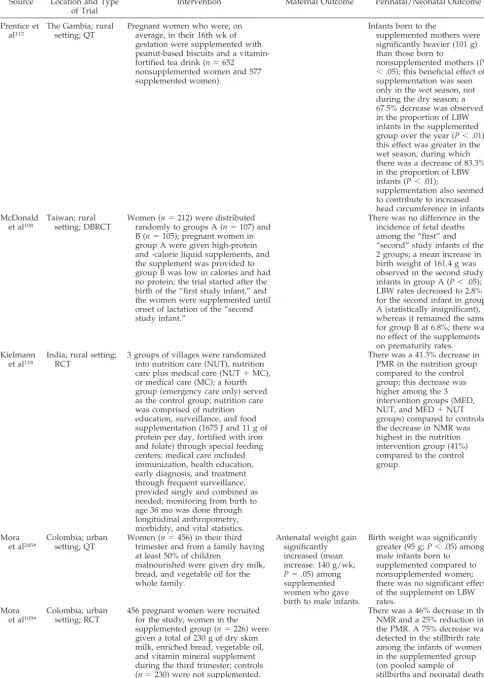
TABLE 6. Continued Source Location and Type
of Trial
Intervention Maternal Outcome Perinatal/Neonatal Outcome
Prentice et al112
The Gambia; rural setting; QT
Pregnant women who were, on average, in their 16th wk of gestation were supplemented with peanut-based biscuits and a vitamin-fortified tea drink (n⫽652
nonsupplemented women and 577 supplemented women).
Infants born to the
supplemented mothers were significantly heavier (101 g) than those born to
nonsupplemented mothers (P
⬍.05); this beneficial effect of supplementation was seen only in the wet season, not during the dry season; a 67.5% decrease was observed in the proportion of LBW infants in the supplemented group over the year (P⬍.01); this effect was greater in the wet season, during which there was a decrease of 83.3% in the proportion of LBW infants (P⬍.01);
supplementation also seemed to contribute to increased head circumference in infants. McDonald
et al108
Taiwan; rural setting; DBRCT
Women (n⫽212) were distributed randomly to groups A (n⫽107) and B (n⫽105); pregnant women in group A were given high-protein and -calorie liquid supplements, and the supplement was provided to group B was low in calories and had no protein; the trial started after the birth of the “first study infant,” and the women were supplemented until onset of lactation of the “second study infant.”
There was no difference in the incidence of fetal deaths among the “first” and “second” study infants of the 2 groups; a mean increase in birth weight of 161.4 g was observed in the second study infants in group A (P⬍.05); LBW rates decreased to 2.8% for the second infant in group A (statistically insignificant), whereas it remained the same for group B at 6.8%; there was no effect of the supplements on prematurity rates. Kielmann
et al118
India; rural setting; RCT
3 groups of villages were randomized into nutrition care (NUT), nutrition care plus medical care (NUT⫹MC), or medical care (MC); a fourth group (emergency care only) served as the control group; nutrition care was comprised of nutrition education, surveillance, and food supplementation (1675 J and 11 g of protein per day, fortified with iron and folate) through special feeding centers; medical care included immunization, health education, early diagnosis, and treatment through frequent surveillance, provided singly and combined as needed; monitoring from birth to age 36 mo was done through longitudinal anthropometry, morbidity, and vital statistics.
There was a 41.3% decrease in PMR in the nutrition group compared to the control group; this decrease was higher among the 3 intervention groups (MED, NUT, and MED⫹NUT groups) compared to controls; the decrease in NMR was highest in the nutrition intervention group (41%) compared to the control group.
Mora et al245*
Colombia; urban setting; QT
Women (n⫽456) in their third trimester and from a family having at least 50% of children
malnourished were given dry milk, bread, and vegetable oil for the whole family.
Antenatal weight gain significantly increased (mean increase: 140 g/wk;
P⫽.05) among supplemented women who gave birth to male infants.
Birth weight was significantly greater (95 g;P⬍.05) among male infants born to supplemented compared to nonsupplemented women; there was no significant effect of the supplement on LBW rates.
Mora et al105*
Colombia; urban setting; RCT
456 pregnant women were recruited for the study; women in the supplemented group (n⫽226) were given a total of 230 g of dry skim milk, enriched bread, vegetable oil, and vitamin mineral supplement during the third trimester; controls (n⫽230) were not supplemented.
There was a 46% decrease in the NMR and a 25% reduction in the PMR. A 75% decrease was detected in the stillbirth rate among the infants of women in the supplemented group (on pooled sample of