University of Pennsylvania
ScholarlyCommons
Publicly Accessible Penn Dissertations
Summer 8-13-2010
Evaluating Risks from Antibacterial Medication
Therapy
Sharon B. Meropol
University of Pennsylvania, [email protected]
Follow this and additional works at:
http://repository.upenn.edu/edissertations
Part of the
Therapeutics Commons
A version of Chapter 3 has been published: Meropol SB, Chen Z, Metlay JP. Reduced antibiotic use for acute respiratory infections in adults and children. Br J Gen Prac. Oct. 2009; 59(567)3321-328.DOI:10.3399/bjgp09X472610. E321-328 PMID: 19843412
This paper is posted at ScholarlyCommons.http://repository.upenn.edu/edissertations/424
Recommended Citation
Evaluating Risks from Antibacterial Medication Therapy
Abstract
ABSTRACT EVALUATING RISKS FROM ANTIBACTERIAL MEDICATION THERAPY USING AN OBSERVATIONAL PRIMARY CARE DATABASE Sharon B. Meropol Joshua P. Metlay Virtually everyone in the U.S. is exposed to antibacterial drugs at some point in their lives. It is important to understand the benefits and risks related to these medications with nearly universal public exposure. Most information on antibacterial drug-associated adverse events comes from spontaneous reports. Without an unexposed control group, it is impossible to know the real risks for treated vs. untreated patients. We used an electronic medical record database to select a cohort of office visits for non-bacterial acute respiratory tract infections (excluding patients with pneumonia, sinusitis, or acute exacerbations of chronic bronchitis), and compared outcomes of antibacterial drug-exposed vs. -unexposed patients. By limiting our assessment to visits with acute nonspecific respiratory infections, we promoted comparability between exposed and unexposed patients. To further control for confounding by indication and practice, we explored methods to promote further comparability between exposure groups. Our rare outcome presented an additional analytic challenge. Antibacterial drug prescribing for acute nonspecific respiratory infections decreased over the study period, but, in contrast to the U.S., broad spectrum antibacterial prescribing remained low. Conditional fixed effects linear regression provided stable estimates of exposure effects on rare outcomes; results were similar to those using more traditional methods for binary outcomes. Patients with acute nonspecific respiratory infections treated with antibacterial drugs were not at increased risk of severe adverse events compared to untreated patients. Patients with acute nonspecific respiratory infections exposed to antibacterials had a small decreased risk of
pneumonia hospitalizations vs. unexposed patients. This very small measurable benefit of antibacterial drug therapy for acute nonspecific respiratory infections at the patient level must be weighed against the public health risk of emerging antibacterial resistance. Our data provide valuable point estimates of risks and benefits that can be used to inform future decision analysis and guideline recommendations for patients with acute nonspecific respiratory infections. Ultimately, improved point-of-care diagnostic testing may help direct antibacterial drugs to the subset of patients most likely to derive benefit.
Degree Type Dissertation
Degree Name
Doctor of Philosophy (PhD)
Graduate Group
Epidemiology & Biostatistics
First Advisor
Joshua P. Metlay, MD, PhD
Keywords
Therapeutics
Comments
EVALUATING RISKS FROM ANTIBACTERIAL MEDICATION THERAPY
USING AN OBSERVATIONAL PRIMARY CARE DATABASE
Sharon B. Meropol
A DISSERTATION
in
Epidemiology
Presented to the Faculties of the University of Pennsylvania
in
Partial Fulfillment of the Requirements for the
Degree of Doctor of Philosophy
2010
Supervisor of Dissertation
Signature
Joshua P. Metlay, M.D., Ph.D.
Associate Professor of Medicine & Epidemiology
Graduate Group Chairperson
Signature
Daniel F. Heitjan, Ph.D., Professor of Biostatistics & Statistics
Dissertation Committee
Jalpa A. Doshi, Ph.D., Research Assistant Professor of Medicine A. Russell Localio, Ph.D. Associate Professor of Biostatistics Paul R. Rosenbaum, Ph.D. Professor of Statistics
EVALUATING RISKS FROM ANTIBACTERIAL MEDICATION THERAPY
USING AN OBSERVATIONAL PRIMARY CARE DATABASE©
2010
Dedication
Acknowledgement
I thank the faculties of the University of Pennsylvania Department of Biostatistics and
Epidemiology and the Center for Clinical Epidemiology and Biostatistics for their mentorship and
consistently open doors and minds. I’m particularly grateful to Brian Strom for providing me the
opportunity to be part of this exceptional community, to Josh Metlay for his scholarship, lucidity,
patience, and endless optimism, and to the members of my Committee for giving me the gifts of
their time, support, intellect, and inspiration. Special thanks go to Neal, Dan, and Hannah for
their continual support and love.
Zhen Chen provided statistical support for the early part of this work, especially Chapter
3. All authors have no competing interests to disclose
This work was supported in part by a Ruth L. Kirschstein National Research Service
Award (grant number F32-AI-073015-01A1) from the National Institute for Allergy and Infectious
Diseases, an Agency for Healthcare Research and Quality (AHRQ) Centers for Education and
Research on Therapeutics cooperative agreement (grant number U18-HS-016946) from the
Agency for Healthcare Research and Quality, by an NIH Clinical and Translational Science Award
(grant UL1-RR02-4134) and by a grant from CDC EPIC, London, U.K.. The content is solely the
responsibility of the authors and does not necessarily represent the official views of the Agency
for Healthcare Research and Quality.
This work was presented, in part, at the Pediatric Academic Societies Annual Meeting,
May 4, 2008, Honolulu, HA, and the 4th Annual International Conference on
Pharmacoepidemiology & Therapeutic Risk Management, August 20, 2008, Copenhagen,
Denmark.
The limited dataset used in this study is covered by a data use agreement between the
Center for Clinical Epidemiology and Biostatistics at the University of Pennsylvania and EPIC
Database Research Company. EPIC is a licence holder of an historical part of the GPRD
dataset. GPRD is owned by the Secretary of State for Health and is managed on his behalf by the
This study was granted exempt status by the University of Pennsylvania
Institutional Review Board, and approval by both the University of Pennsylvania THIN User
ABSTRACT
EVALUATING RISKS FROM ANTIBACTERIAL MEDICATION THERAPY
USING AN OBSERVATIONAL PRIMARY CARE DATABASE
Sharon B. Meropol
Joshua P. Metlay
Virtually everyone in the U.S. is exposed to antibacterial drugs at some point in their lives. It is
important to understand the benefits and risks related to these medications with nearly universal
public exposure. Most information on antibacterial drug-associated adverse events comes from
spontaneous reports. Without an unexposed control group, it is impossible to know the real risks
for treated vs. untreated patients. We used an electronic medical record database to select a
cohort of office visits for non-bacterial acute respiratory tract infections (excluding patients with
pneumonia, sinusitis, or acute exacerbations of chronic bronchitis), and compared outcomes of
antibacterial drug-exposed vs. -unexposed patients. By limiting our assessment to visits with
acute nonspecific respiratory infections, we promoted comparability between exposed and
unexposed patients. To further control for confounding by indication and practice, we explored
methods to promote further comparability between exposure groups. Our rare outcome
presented an additional analytic challenge. Antibacterial drug prescribing for acute nonspecific
respiratory infections decreased over the study period, but, in contrast to the U.S., broad
spectrum antibacterial prescribing remained low. Conditional fixed effects linear regression
provided stable estimates of exposure effects on rare outcomes; results were similar to those
using more traditional methods for binary outcomes. Patients with acute nonspecific respiratory
infections treated with antibacterial drugs were not at increased risk of severe adverse events
compared to untreated patients. Patients with acute nonspecific respiratory infections exposed to
antibacterials had a small decreased risk of pneumonia hospitalizations vs. unexposed patients.
This very small measurable benefit of antibacterial drug therapy for acute nonspecific respiratory
infections at the patient level must be weighed against the public health risk of emerging
antibacterial resistance. Our data provide valuable point estimates of risks and benefits that can
nonspecific respiratory infections. Ultimately, improved point-of-care diagnostic testing may help
Table of Contents
Title Page i
Copyright Notice ii
Dedication iii
Acknowledgement iv
Abstract vi
Table of Contents viii
List of Tables ix
List of Illustrations x
Chapter 1. Background: assessing drug safety using 1
observational data
Chapter 2. Specific aims 23
Chapter 3. Describing antibacterial drug use for nonspecific acute respiratory 27
illnesses in the U.K.
Chapter 4. Methods I: Misclassification and validation of pneumonia 42
hospitalizations in a primary care electronic medical record database
Chapter 5. Methods II: Using observational clustered data to study rare 52
outcomes, controlling bias and confounding
Chapter 6.Outcomes I, Potential risks of antibacterial drug use: Adverse events 92
associated with adult antibacterial drug use
Chapter 7. Outcomes II: Potential benefits of antibacterial drug use: Pneumonia 118
hospitalization outcomes after acute nonspecific respiratory infection;
assessing the influence of antibacterial drug treatment
Chapter 8. Conclusions/future Directions 134
Appendix 137
List of Tables
Table 1. Acute Nonspecific Respiratory Tract Infection Diagnostic Codes
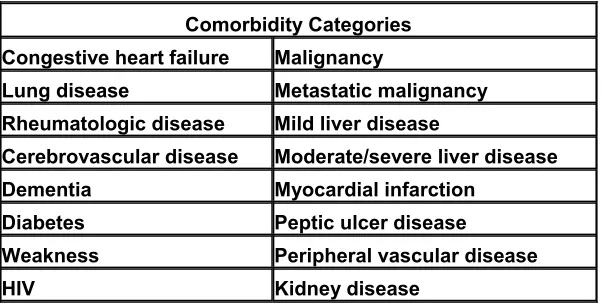
Table 2. Positive Predictive Value (PPV) of a THIN Adverse Event Hospitalization Table 3. Power, Difference, THIN Hospitalization Date vs. True Hospitalization Date Table 4. Comorbidity Categories
Table 5. Summary of Methods
Table 6. Visits for Acute Nonspecific Respiratory Infections, By Patient Table 7. Visits for Acute Nonspecific Respiratory Infections, By Practice
Table 8. Severe Adverse Events within 14 days of Visit for Acute Nonspecific Respiratory Infection, Grouped visits
Table 9. Regression Results, Summary Table 10. Simulation Results
Table 11, Power, Relative Risk of Severe Adverse Event, Exposed vs. Unexposed Visits Table 12. Antibacterial Drugs Prescribed
Table 13. Characteristics of Patients with Antibacterial drug-exposed vs.Antibacterial-unexposed Encouters
Table 14. Severe Adverse Events
Table 15. Adverse Event Outcomes
Table 16. Regression Results for Individual Adverse Event Types
Table 17. Regression Results by Antibacterial Drug Class: Severe Adverse Events Table 18. Pneumonia Diagnostic Codes
Appendix
List of Illustrations
Figure 1, Adult and Child Visit Rates for Acute Nonspecific Respiratory Tract Infections per 1000 Person-years
Figure 2, Adult and Child Antibacterial Drug Prescribing Rates for Acute Nonspecific Respiratory Tract Infections per 1000 Person-years
Figure 3, Probability of Antibacterial Drug Prescribing after Acute Nonspecific Respiratory Tract Infection Visit.
Figure 4. Broad Spectrum Antibacterial Drugs .per 1000 Person-years, Adults and Children Figure 5. Probability of Broad Spectrum Antibacterial Drug Prescribing after Acute Nonspecific
Respiratory Tract Infection Visit
Figure 6. Visits for Acute Nonspecific Respiratory Infections, by Patient Figure 7. Visits for Acute Nonspecific Respiratory Infections, by Practice
Figure 8. Antibacterial Drugs for Acute Nonspecific Respiratory Infections, by Practice Figure 9. Antibacterial Drug Use for Acute Nonspecific Respiratory Infections vs. Number of Visits, by Practice
Figure 10. Severe Adverse Events after Acute Nonspecific Respiratory Infections, by Practice Figure 11. Severe Adverse Events after Acute Nonspecific Respiratory Infections, by Practice, excluding zero-event practices
Figure 10. Severe Adverse Events after Acute Respiratory Infections, by Practice
Figure 11. Severe Adverse Events after Acute Respiratory Infections, by Practice, Excluding Zero-Event Practices
Figure 12. Simulated Practice Size vs. Estimated Slope and Power using xtreg
Chapter 1. Background: assessing drug safety using observational data
A. ANTIBIOTIC USE IN THE UNITED STATES
Virtually everyone in the U.S. will be exposed to at least one course of antibacterial
medications during his/her lifetime. In the year 2000, persons >age 15 received a total of
68,481,645 antibacterial prescriptions, averaging 0.31 prescriptions per person per year.[1-4] It is
doubtful that the U.S. population has such an extraordinarily high exposure to any other class of
medications.
Antibacterials are often prescribed for acute nonspecific respiratory tract infections,
despite the fact that they are unlikely to be of benefit; adults at approximately half of U.S. office
visits for acute nonspecific respiratory infections receive antibacterial prescriptions.[5, 6] At the
level of the physician-patient encounter, each decision to prescribe an antibacterial medication
weighs the potential benefits from the medication vs. the potential risks. For example, the risk of
a mild, severe, and fatal adverse drug event from amoxicillin is estimated to be approximately
.056-0.07, 0.0057, and 0.000006 respectively. [7-12] For acute nonspecific respiratory infections,
the risk of an adverse drug event from a single extra antibacterial drug prescription must often be
perceived as low, at least lower than the perceived benefit. Although the perceived risk of an
adverse event related to antibacterial use may be low, with such a high level of prescribing, the
population-attributable risk of serious adverse drug events due to this medication class could be
quite high.
There are several reasons why this is a particularly timely issue.
B. Trends in Antibacterial Drug Risk Exposure
1. Rising antibacterial drug resistance: Antimicrobial resistance is growing. Up to 30%
of U.S. Streptococcus pneumoniae isolates are penicillin resistant, pneumococcal
resistance to penicillin is associated with multi-drug resistance,[13-15] pneumococcal
macrolide and fluoroquinolone resistance are spreading,[14, 16] and resistance is
associated with worse clinical outcomes.[17-19] Most U.S. Staphylococcus aureus is
For most pathogens, the spread of antibacterial drug resistance is influenced by
selective forces related to the volume and types of community antibacterial drug
use.[20, 21] Outpatient antibacterial drug use is the most important driver of this
escalating resistance, [22]. Our ability to treat patients’ bacterial infections continues
to erode as the development of new effective antibacterial medications has not kept
pace with this pattern of increasing antibacterial resistance; our options for treating
antibacterial infections are shrinking over time.[23-25] There is increasing urgency
for new antibacterial drugs to combat this resistance,[23-25] Concomitantly, improved
methods are needed for utilizing population-based data to detect relatively rare
adverse event risks in any new medications after drug approval when the volume and
complexity of exposure to the new drug rapidly increases, discussed further
below.[26]
2. Antibacterial drug overuse: Antibacterial drugs, increasingly broad-spectrum
antibacterials, are often used to treat conditions for which they would be unlikely to
be of benefit, such as viral acute respiratory illnesses.[5, 6] Programs targeting
providers, patients, and the public can significantly decrease unnecessary
antibacterial prescribing.[27] Interventions in Finland[28] and Iceland[29] during the
1980’s and1990’s, led to decreases in both macrolide-resistant streptococcus in
Finland, and carriage of resistant pneumococcus in daycare children in Iceland and
demonstrated that it is possible to reverse the trend toward increasing antibacterial
resistance.
Studies in the U. S. have also demonstrated that multifaceted programs can
significantly decrease antibacterial drug prescribing, and recent efforts in this country
to curtail unnecessary antibacterial use have met with some success.[30-36] During
the 1990’s, adult antibacterial drug use fell by 23% for upper respiratory infections in
the U.S., but broad spectrum antibacterial use doubled. By 2001-2002, 49% of adult
received an antibacterial prescription, and 77% of these were for a broad spectrum
antibacterial drug, an increase of 87% over six years.[6] More recent data show that
while antibacterial drug use for acute nonspecific respiratory infections continued to
fall, by the 2005-2006, about half of U.S. patients over 5 years of age, diagnosed with
a nonspecific respiratory infection received an antibacterial drug prescription, and
broad spectrum antibacterial use for acute nonspecific respiratory infections
continues to rapidly increase.[37]
3. Antibacterial drugs to treat infections in the elderly: As the U.S. population ages,
there will be increasing incidence of conditions that are more common in the older
age groups; this may influence antibacterial drug use and associated adverse events
in this particularly vulnerable population.[38] Takahashi et.al. found that when
urinary tract infections were treated in the elderly, nursing home residents were more
likely than nonresidents to experience antibacterial drug-related adverse drug
events.[39] Juurlink et.al. showed that elderly patients hospitalized for drug toxicity
were more than six times as likely to have been treated with trimethoprim
sulfamethosazole, and those admitted with digoxin toxicity were about twelve times
more likely to have been treated with clarithromycin.[40] Gurwitz found that
antibacterials was the second most frequent class of drugs associated with adverse
drug events in elderly persons treated in the ambulatory setting, [38] and Budnitz
et.al. found that trimethoprim-sulfamethoxazole was among the most common
medications implicated in adverse drug events among elderly patients treated in U.S.
emergency departments.[41]
C. Adverse Events Related to Antibacterial Drug Use
After U.S. FDA approval, drugs are used for many more patients, for a wider variety of
indications, and for a more heterogeneous patient population than in pre-approval trials. The
In the U.S., we have virtually universal exposure to antibacterial medications; on average,
each adult receives 0.3 antibacterial prescriptions per year. Antibacterials are also among the
most common drugs implicated in adverse events.[41, 43, 44] Many adverse events have been
reported following antibacterial drug use. Certain antibacterial classes are believed to be
associated with certain types of adverse events. For example, antibacterial drugs account for
55% of reported cutaneous drug eruptions; penicillins and trimethoprim-sulfamethoxazole have
been most frequently implicated.[45, 46] The tetracyclines, amoxicillin-clavulanic acid,
erythromycin, clindamycin, sulfonamides, and trimethoprim sulfamethoxazole are most commonly
associated with liver injury.[47] Several cephalosporins and most of the penems are considered
nephrotoxic. Clostridia difficile colitis has been associated with cephalosporins, clindamycin, and
during a recent Canadian epidemic, with flouroquinolones.[48] The most common agents
associated with photosensitivity are the tetracyclines and sulfonamides.[49] Beta-lactams,
imipenum and quinolones have been associated with seizures,[50] and erythromycin and
clarithromycin with digoxin toxicity, prolonged QT syndrome and Torsades de Pointes.[51-55]
Of particular recent interest are drugs that are suspected of increasing the risk of cardiac
arrhythmia by prolonging the QTc interval and/or directly causing Torsades de Pointes;
macrolides and some fluoroquinolones are frequently implicated in adverse events through this
mechanism.[56] Also of recent interest are drugs with suspected adverse events related to their
relationship with the hepatic CYP3A4 pathway. For example, macrolides are metabolized by the
CP3A4 pathway and both macrolides and fluoroquinolones are inhibitors of the CYP3A4 pathway
and thus their interaction with other drugs could heighten the risk of associated adverse
events.[57, 58]
It is notable that most of these associations have been described with case reports and
cases series; they almost never include a control group measuring adverse events in unexposed
patients and thus the true absolute and relative risks of adverse events associated with these
Antibacterials are often prescribed for acute nonspecific respiratory tract infections,
despite the fact that they are unlikely to be of benefit; adults at about half of U.S. office visits for
acute nonspecific respiratory tract infections receive antibacterial prescriptions.[5, 37] As a
result, using observational data, we can compare adverse event rates between patients treated
vs. not treated with antibacterial medications for similar conditions.
D. Data Sources For Estimating Adverse Drug Event Risks
There are limited premarketing data regarding population-based antibacterial drug ADE
risks. Most premarketing studies include only ~3000 subjects, and are not designed to reveal
risks <1/1,000 exposed individuals.[26, 59] There are many examples of antibacterial
drug-associated adverse event risks that became apparent, usually with population-based
post-marketing studies, when more and increasingly medically complex patients experienced drug
exposure. For example, erythromycin was shown to be associated with sudden death[60]and
infantile pyloric stenosis,[61, 62] amoxicillin-clavulanic acid and telithromycin with severe
hepatotoxicity,[47, 63, 64] and gatifloxacin with dysglycemia.[65] However, after drug approval,
there are limited systematic reviews of antibacterial drug risks. The U.S. Food and Drug
Administration’s Adverse Event Reporting System database and the U.K’s Drug Safety Research
Unit’s Prescription-Event Monitoring contain spontaneous reports of adverse drug reactions.[66,
67] Without an unexposed control group, it is not possible to distinguish what portion of these
reported adverse events[68-72] is due to antibacterial drug exposure vs. other risk factors. In
2005, Brennan made this critique of his own iatrogenic death estimates in the 1991 Harvard
Medical Practice Study: “Researchers questioned the real effect on mortality…given the absence
of control groups to test the counterfactual situation.”[73, 74] Ecologic data, such as from large
prescription databases,[75] can examine associations between medication use and other
parameters, but cannot define individual-level factors related to outcomes from antibacterial drug
use, or address confounding by health status and other important covariates.[26, 76]
The growing availability and comprehensiveness of vast ambulatory electronic medical
Health Improvement Network (THIN), (CDC EPIC, London U.K.),[77-80] linked
inpatient/outpatient electronic medical records such as those provided by the U.S. EPIC Systems
Corporation and Eclipsys Corporation, and linked administrative datasets[31, 81, 82] (Kaiser,
Medicare), are adding breadth and depth to our ability to explore treatment-outcome relationships
at the individual level with improved ability to adjust for confounders.[26, 83, 84] Currently,
approximately 17% of U.S. ambulatory care practices have adopted electronic medical
records,[85, 86] and the availability of electronic medical record data is likely to increase rapidly
over the near future. The American Recovery and Reinvestment Act of 2009 and recent
Medicare and Medicaid legislation provides over $20 billion in funding and incentives for
development and adoption of health information technology by health care providers,[87] some
hospitals are offering further large incentives for practices to computerize and share data,[86]
while physician practices may forfeit up to 3% of their Medicare reimbursements if they have not
adopted an electronic medical record by the year 2014.[88] Concurrently, the importance of
enhanced post-marketing drug safety surveillance, is increasingly recognized.[42]
E. Advantages and challenges of using observational data
A randomized clinical trial is considered the best way to control confounding, by ensuring
balance of both measured and unmeasured confounding variables between exposed and
unexposed subjects,[89] however opportunities and resources to perform large prospective
randomized trials are limited. Randomized trials to investigate subtle, rare, or complex effects
would need to be quite large, would be infeasible to perform for every important research
question, and are not always ethical.[83] Observational data, available from a growing number of
clinical databases, can be used to help ascertain risks of antibacterial medication exposure.
Longitudinal observational data with individual-level links have the potential to help shed light on
the outcomes of antibacterial drug use. However, while observational data can helpfully address
addressing some of these issues would help us use observational data to yield helpful
information.
1. Adjustment for confounding
Ideally, to estimate the causal effect of antibacterial drug treatment we would want to
compare the effect of treatment and non-treatment on the same set of subjects at the same time;
but we cannot.[67, 90] Randomization balances on unobserved as well as observed covariates
and thus attempts to select a control group that is the same as the treated (exchangeable). In
non-experimental studies, we still seek to find an exchangeable control group but with much
difficulty because exposures are not randomly assigned.[91]
Our goal is to estimate the effects of antibacterial drug treatment by comparing treated
and untreated patients.[67, 92] In a randomized study, the treatment groups are considered
comparable prior to treatment. In non-experimental observational studies, since exposures are
not randomly assigned patients with different exposures are likely to have other underlying
differences, measured or unmeasured, Systematic differences between antibacterial drug-users
and the comparison group, especially confounding by indication, can limit the conclusions.[26, 92,
93] With observational data, any apparent temporal relationship between an episode of
antibacterial drug use and an adverse event may be confounded by patients’ demographic,
clinical, and prescribing physician characteristics. Schneeweiss suggested that longitudinal
observational studies can provide information regarding causal inferences between exposure and
effect, but potential biases due to differences between subgroups must be explored.[94]
a) Adjustment for measured confounding
Visible, recorded pretreatment differences (also called overt bias), can be removed by
adjustment, exclusion, stratification, matching, and by using propensity scores, most commonly
by utilizing combinations of some or all of these methods.[91] For example, comorbidity
adjustment has been used in the past to help address confounding by indication, most commonly
to study chronic diseases, [95] and less commonly in the study of acute conditions.[96] Hunter
address confounding using multivariate techniques and propensity scores.[83] Chan and
Shaw[89] advised that evidence from observational data is stronger if any risk persists after
adjustment for subject demographic characteristics, baseline health status, co-morbid conditions,
the tendency to be exposed to medical care, and other medication use. There are many possible
ways to attempt to adjust for co-morbidity and other patient-related factors; for studies of rare
outcomes, power becomes problematic when we start adding additional variables. Using a
propensity score is a way of efficiently modeling rare outcomes and common treatments.
Outcomes for treated and untreated patients are compared within strata of patients with a similar
propensity to have received treatment, or propensity score matching is performed; this maximizes
the balance of measured covariates between treatment and control groups.[97-99]
b) Adjustment for unmeasured confounding
While adjustment for a history of known, measured, and recorded comorbidities can be
useful, of course it does not adjust for unmeasured confounders.[100] Unobserved, or
unmeasured, pretreatment differences (also called hidden bias) must be estimated using other
methods.[67, 92] There are several ways to address unmeasured confounding that have been
used in the past, but experience is limited with their use in GPRD or THIN.
Studies vary in their degree of sensitivity to unmeasured factors.[90, 92] A sensitivity analysis
asks how hidden biases of various magnitudes might alter conclusions, [92] in other words, how
sensitive are the results are to unmeasured factors? [101, 102] Models for sensitivity analysis
can be expressed in terms of assignment probabilities: how large in magnitude would differences
in the probability of receiving treatment depending on hidden biases need to be to alter the
quantitative conclusions of a study? Alternatively, models for sensitivity analysis can be
expressed in terms of unobserved covariates: how large in magnitude would confounding due to
unobserved covariates need to be to alter the quantitative conclusions of a study?
Mathematically, these two types of models are equivalent.[90]
A sensitivity analysis shows how biases of different magnitudes might change
conclusions, but it does not determine if biases are present, and their possible extent.[90] An
additional method to address hidden bias involves measuring an additional outcome for which
there is no logical causal relationship with the studied treatment, or exposure.[90] If a systematic
difference in this outcome is detected between treated and untreated subjects, this cannot be an
effect of the treatment and must be evidence of a hidden bias. The use of multiple control groups
in a case-control study is a related method.
iii. Instrumental variables
Instrumental variables, observablefactors related to treatment choice but unrelated to
characteristicsof patients or to outcomes, can help adjust for unmeasured confounders.[101, 102]
A major potential limitation of the instrumental approach is that it is often difficult to find a suitable
instrument.
iv. Case-crossover studies
Case-crossover and crossover-cohort studies can also help minimize inter-individual
differences in indication for receiving antibacterials.[103, 104] In this analysis, only data from
patients experiencing adverse events are used. A window of case exposure time is defined
related to the adverse event occurrence, and exposure during this case-time is compared with
exposure during either all control time (crossover-cohort studies) or exposure during a portion of
the subjects’ control time (case crossover studies). In sensitivity analysis, we can determine how
much unmeasured confounding would be needed to change the odds ratio for serious adverse
events for antibacterial drug-exposed vs. unexposed patients.[97]
Utilizing these analytic methods with THIN data will support these research projects
regarding antibacterial drug use as well as inform future THIN research projects and other studies
using observational data where randomized clinical trials are not immediately feasible.
Electronic medical record data tend to have rich longitudinal clinical information
at the individual patient level. Most pharmacoepidemiology techniques for utilizing observational
data have come from studies of long-term drug use to treat chronic diseases and may not be as
appropriate for studying more short-term drug exposures for acute conditions, for example acute
infectious illnesses. For acute conditions, even modest errors in measuring the onset or duration
of acute conditions and/or exposures could bias the results. We need to develop or adapt, and
validate techniques developed using observational data to study chronic treatments and
outcomes of chronic diseases to study acute conditions and/or exposures
i. Misclassified outcome
Hospitalization outcomes in electronic medical record data.
Manually-entered outcomes may be particularly subject to error; for example hospitalizations,
which are important markers of severe adverse events. If hospitalization dates are incorrectly
recorded outside of a specified exposure window that is overly-narrow, we may systematically
miss important outcomes; using an unnecessarily long window risks introducing noise, thus errors
in either direction can reduce our power to reveal true relationships between drugs and adverse
events.
Data regarding hospitalizations often are not directly linked to the outpatient record but
instead need to be entered manually. THIN hospitalization data are entered manually by patients’
general practitioners after they review patients’ hospital discharge summaries.
There are four main areas of uncertainty to be addressed if electronic medical record
hospitalization data are to be useful for drug safety surveillance. First, when hospitalization
codes indicate a patient was hospitalized, did the patient truly have an overnight hospitalization,
or, what is the positive predictive value of the electronic medical record hospitalization codes for
identifying a hospitalization? Second, if the patient was indeed hospitalized, is the discharge
diagnosis recorded the true primary discharge diagnosis from the hospitalization? Third, and
important for studying acute exposures, what is the relationship between the recorded hospital
of the discharge summary, it may be recorded with a later date than the true admission date.
Even if the hospitalization date falls within the exposure window of interest, if the recorded date
erroneously falls outside the window, the adverse hospitalization event might be missed. Fourth,
what is the sensitivity of the electronic medical record for detecting adverse event
hospitalizations? The first three of these areas of uncertainty will be addressed with the current
projects within the U.K. electronic medical record The Health Improvement Network (THIN); the
fourth is beyond the scope of presently-available resources.
ii. Misclassified covariates/exposure
Electronic medical record prescription data are generally considered to be highly valid, as
data entry usually generates the prescription of interest, and prescriptions are usually linked to
their corresponding diagnostic indications.[105, 106] Prescriptions in THIN are generated with
data entry this way, and linked to a diagnosis at the time of entry; studies have supported good
concordance with other prescribing measures, for example, THIN prescribing rates for asthma
medication were similar to UK asthma prescribing rates using other national measures.[105]
However, there remain several routes of potential exposure misclassification. First, medications
not associated with a medical record entry may be missed, such as medications from emergency
department visits, administered in the hospital, or administered over the telephone without written
record. Second, these data describe what was prescribed, but not necessarily what medication
was obtained and/or ingested by the patient of interest; data on which prescriptions were filled are
not available in THIN. Previous studies have shown that approximately 2% of prescriptions
remain unfilled, and approximately 70% of these are for new prescriptions.[107] Medications may
be prescribed but not obtained, obtained but not ingested as directed, or, alternatively,
medications may be ingested by patients that are unrecorded in the medical record, for example,
given by medical provider as samples but not recorded, obtained from family members or friends,
or purchased over-the-counter or otherwise without a prescription. Third, exposure status will
depend on the definitions used for that study, for example, how encounters are included and/or
adherence rates are typically higher in patients with acute vs. chronic conditions,[108, 109] and,
unlike for many U.S. patients,[110] payment for medications should not be a barrier in THIN as
antibiotic prescriptions should be covered by the U.K.’s National Health Service. In this study, we
used a dichotomous exposure, exposed vs. unexposed. THIN does have medication dose and
days supplied fields, but due to the extra potential for misclassification with these further variables
described above, a dichotomous exposure was considered more useful for this study. In addition,
as the severe adverse events we were studying would mostly be considered Type B, or
idiosyncratic adverse drug events, less likely dose related than the more common Type A
adverse drug events,[111] the dose would not necessarily be as clinically relevant for this study.
F. Preliminary Data
1. Adverse events related to antibacterial drug use in the GPRD: In a preliminary study, a
50% sample of 2½ years of the GPRD was used to compare the incidence of adverse events for
patients on short term (<28 days) vs. prolonged (>28 days) therapy with one of the seven oral
antibacterial drugs: amoxicillin, amoxicillin-clavulanate, clarithromycin, azithromycin, ciprofloxacin,
levofloxacin, and doxycycline.[112] Serious adverse events resulting in hospitalization were
identified including: nephrotoxicity, hepatotoxicity, anaphylaxis, infectious colitis, phototoxicity,
seizures, and ventricular arrhythmias. No analysis of unexposed patients was performed, and
there was no adjustment for potential confounders. Overall, 24% of patients were exposed to an
antibacterial drugs of interest, including 542,817 person-years of observation. Overall adverse
event rates were highest for ciprofloxacin (24 events per 100,000 person days exposure)
amoxicillin-clavulanate (15 events per 100,000 person days exposure) and amoxicillin (6 events
per 100,000 person days exposure). For most events, the incidence rate ratio, comparing >28
vs. 0-28 person-days of antibacterial drug exposure was <1, showing limited evidence for
cumulative dose-related adverse events from long-term exposure. Limitations of this preliminary
study include its relatively smaller sample size than this current study, no control group of patients
2. The Health Improvement Network (THIN): THIN is a large longitudinal observational
database of anonymized computerized primary care medical records. The GPRD was originally
established by EPIC, London, U.K. in 1987 for research purposes; participating general
practitioners received practice computers and Vision clinical practice management software in
return for undertaking data quality training and submitting anonymized patient data. Beginning in
2002, a more formal collaboration of CDC EPIC with InPS, supplier of the Vision software, paved
the way for the introduction of THIN. THIN collects anonymised patient data records from general
practices throughout the UK using the Vision software to create a medical research database.
Within the UK, approximately 98% of the population is registered with general practitioner
physician who is responsible for almost the entirety of the patient’s medical care. THIN contains
primary care records including demographics, provider information, medical diagnoses that are
part of routine care or result from hospitalization, visits for acute conditions and diagnoses,
consultations, hospital referrals, new and repeat prescriptions with indications for all new
prescriptions (cross-referenced to medical events on the same date) and events leading to
withdrawal of a drug or treatment, preventive care, hospital admissions, mortality and cause of
death, lifestyle factors, and free text.[113] The most current THIN data used in this study include
information on 32.6 million person-years regarding 4.85 million patients from 326 practices.
These data are completely de-identified; there is no way for investigators to link THIN records
with any individual patient. Diagnoses are recorded with Read diagnostic codes, using a
comprehensive hierarchical nosologic system to group and define specific illnesses.
Prescriptions are recorded using codes issued by the Prescription Pricing Authority (PPA) of the
National Health Service in the UK. Practitioners are trained in data entry and their data are
reviewed on an ongoing basis for quality and completeness.[114, 115] THIN helps GPs improve
their data quality by offering training and analysis of the practice’s anonymised patient
information, and reports back to practices on a regular basis. Studies have confirmed very good
validity of general practitioners’ documented diagnoses,[105] prescription information,[105] and
data from GPs if needed, while maintaining complete anonymization of data; this can be
especially helpful for data validation. All studies using THIN data must be approved by the local
University of Pennsylvania THIN user committee, the local institution’s Institutional Review Board,
and EPIC in the UK, to ensure scientific and ethical standards for THIN data utilization.
G. Summary of background and relation to objectives of proposed study
Every individual in the U.S. is prescribed a short-term course of systemic antibacterial
drugs once every three years to almost twice per year, on average, resulting from a visit to an
ambulatory health care provider.[3, 4, 6, 37, 117, 118] This extraordinarily high exposure to
antibacterial medicines should command careful vigilance to the consequences. Much U.S.
antibacterial use is unnecessary, and contributes to rising antibacterial resistance. Yet the factors
that inform patient and provider expectations and decisions regarding antibacterial drug
prescribing at the individual encounter level are influenced less by societal issues and more by
prescriber and patient perceptions of patient-level attributes regarding individual benefit and
risk.[119] It is important to have a comprehensive understanding of the risk of adverse events
related to this class of medication to which the U.S. public has virtually universal exposure.
Several recent trends that are likely to influence antibacterial drug use make it even more
important to accurately assess risk. As we face increasingly resistant organisms, and our
antibacterial drug stewardship becomes ever more vital, providers are being urged to further
decrease the rate of unnecessary antibacterial drug use. However, an increasing prevalence of
relatively frail and medically complex elderly members of the U.S. population works against our
ability to use fewer antibacterial drugs. Advances in personalized medicine and more complex
decision modeling[120] require more precise information available regarding risk, adjusted for
individual characteristics.
Many adverse events associated with antibacterial drug use have been documented in
the past, those related to cardiac arrhythmia and CYP3A4 metabolism are of particular recent
event is not always evident, and risk models do not always address complex confounding issues,
especially confounding by indication.
More information about individual patient outcomes of antibacterial drug use might help
us learn how to better address antibacterial use and overuse at the individual level. While large
prospective randomized studies would be ideal to explore antibacterial drug outcomes, they are
not immediately feasible for every research question.
THIN offers unique access to individual patients’ longitudinal demographic, clinical,
pharmaceutical, and outcome data, and the opportunity for data validation. Although these
observational cohort data are more accessible than are the resources for performing a very large
randomized clinical trial, great care needs to be taken to assure that the antibacterial drug
-exposed and -un-exposed groups are as comparable as possible. Methods to control confounding,
especially confounding by indication, and confounding by practice in observational studies can be
used to enhance THIN studies regarding outcomes of medication use.
These studies expand on the preliminary study in that we use a subset of the entire THIN
cohort with an office visit for acute nonspecific respiratory infection, and compare adverse event
rates of antibacterial drug-exposed and antibacterial drug-unexposed patients. By limiting the
comparison to patients with visits for acute nonspecific respiratory infection, we promote
comparability between exposed and unexposed patients in the cohort. In addition, we explore a
set of secondary adverse event endpoints of less serious events resulting in outpatient office
visits. We also comprehensively address confounding issues by utilizing different ways to adjust
for practice-level confounding as well as patient-related covariates such as demographic
variables, underlying health status and intensity of exposure to the medical care system. The
rarity of our outcome presents an additional analytic challenge. To further assess our methods,
and put our results in perspective, we also consider other outcomes, both benefits and adverse
outcomes.
With its wealth of longitudinal clinical information, THIN is the most logical database
events from the confounding factors. We also validate THIN hospitalization dates, which is
pertinent for this study as well as for future studies of acute drug exposures using THIN data.
This study provides the opportunity to learn about important antibacterial drug risks, as
well as gain experience with methodologies that can be applied to future THIN studies to address
issues inherent in using observational data. As The Health Improvement Network (THIN) as well
as other electronic medical record databases continue to grow in number and size, experience
with effective and efficient methodologies will help us to exploit their potential.
References
1. Table 1: Annual Estimates of the Population by Sex and Five‐Year Age Groups for the United States: April 1, 2000 to July 1, 2004 (NC‐EST2004‐01). 2005, Population Division,
U.S. Census Bureau.
2. Table 1. Comparison of 2000 visit rates to physician offices, hospital outpatient
departments, and emergency departments using 1990‐based population estimates and 2000‐based population estimates. 2003, CDC Wonder, Center for Disease Control and
Prevention, U.S. Department of Health and Human Services.
3. McCaig, L.F., R.E. Besser, and J.M. Hughes, Antimicrobial drug prescription in ambulatory
care settings, United States, 1992‐2000. Emerg Infect Dis, 2003. 9(4): p. 432‐7.
4. Finkelstein, J.A., et al., Reduction in antibiotic use among US children, 1996‐2000.
Pediatrics, 2003. 112(3 Pt 1): p. 620‐7.
5. Gonzales, R., J.F. Steiner, and M.A. Sande, Antibiotic prescribing for adults with colds,
upper respiratory tract infections, and bronchitis by ambulatory care physicians. Jama, 1997. 278(11): p. 901‐4.
6. Roumie, C.L., et al., Trends in Antibiotic Prescribing for Adults in the United States‐1995
to 2002. Journal of General Internal Medicine, 2005. 20(8): p. 697‐702.
7. Diagnosis and management of acute otitis media. Pediatrics, 2004. 113(5): p. 1451‐65.
8. Burke, P., et al., Acute red ear in children: controlled trial of non‐antibiotic treatment in
general practice. Bmj, 1991. 303(6802): p. 558‐62.
9. Damoiseaux, R.A., et al., Primary care based randomised, double blind trial of amoxicillin
versus placebo for acute otitis media in children aged under 2 years. Bmj, 2000.
320(7231): p. 350‐4.
10. Little, P., et al., Pragmatic randomised controlled trial of two prescribing strategies for
childhood acute otitis media. Bmj, 2001. 322(7282): p. 336‐42.
11. Ehrlich, J.E., et al., Cost‐effectiveness of treatment options for prevention of rheumatic
heart disease from Group A streptococcal pharyngitis in a pediatric population. Prev Med, 2002. 35(3): p. 250‐7.
12. Lieu, T.A., G.R. Fleisher, and J.S. Schwartz, Cost‐effectiveness of rapid latex agglutination
13. Austrian, R., Confronting drug‐resistant pneumococci. Ann Intern Med, 1994. 121(10): p. 807‐9.
14. Klugman, K.P., Pneumococcal resistance to antibiotics. Clin Microbiol Rev, 1990. 3(2): p.
171‐96.
15. A Public Health Action Plan to Combat Antimicrobial Resistance: Part 1 Domestic Issues.
1999, Interagency Task Force on Antimicrobial Resistance.
16. Karlowsky, J.A., et al., Factors associated with relative rates of antimicrobial resistance
among Streptococcus pneumoniae in the United States: results from the TRUST Surveillance Program (1998‐2002). Clin Infect Dis, 2003. 36(8): p. 963‐70.
17. Metlay, J.P., et al., Impact of penicillin susceptibility on medical outcomes for adult
patients with bacteremic pneumococcal pneumonia. Clin Infect Dis, 2000. 30(3): p. 520‐ 8.
18. Lonks, J.R., et al., Failure of macrolide antibiotic treatment in patients with bacteremia
due to erythromycin‐resistant Streptococcus pneumoniae. Clin Infect Dis, 2002. 35(5): p.
556‐64.
19. Ho, P.L., V.C. Cheng, and C.M. Chu, Antibiotic resistance in community‐acquired
pneumonia caused by Streptococcus pneumoniae, methicillin‐resistant Staphylococcus aureus, and Acinetobacter baumannii. Chest, 2009. 136(4): p. 1119‐27.
20. Lipsitch, M., The rise and fall of antimicrobial resistance. Trends Microbiol, 2001. 9(9): p.
438‐44.
21. Lipsitch, M. and M.H. Samore, Antimicrobial use and antimicrobial resistance: a
population perspective. Emerg Infect Dis, 2002. 8(4): p. 347‐54.
22. Gonzales, R., et al., Excessive antibiotic use for acute respiratory infections in the United
States. Clin Infect Dis, 2001. 33(6): p. 757‐62.
23. Barrett, J.F., Can biotech deliver new antibiotics? Curr Opin Microbiol, 2005. 8(5): p. 498‐
503.
24. Amyes, S.G., The rise in bacterial resistance is partly because there have been no new
classes of antibiotics since the 1960s. Bmj, 2000. 320(7229): p. 199‐200.
25. Levine, D.P., Vancomycin: understanding its past and preserving its future. South Med J,
2008. 101(3): p. 284‐91.
26. Ray, W.A., Population‐based studies of adverse drug effects. N Engl J Med, 2003.
349(17): p. 1592‐4.
27. Mangione‐Smith, R., et al., The relationship between perceived parental expectations
and pediatrician antimicrobial prescribing behavior. Pediatrics, 1999. 103(4 Pt 1): p. 711‐ 8.
28. Seppala, H., et al., The effect of changes in the consumption of macrolide antibiotics on
erythromycin resistance in group A streptococci in Finland. Finnish Study Group for Antimicrobial Resistance. N Engl J Med, 1997. 337(7): p. 441‐6.
29. Stephenson, J., Icelandic researchers are showing the way to bring down rates of
antibiotic‐resistant bacteria. Jama, 1996. 275(3): p. 175.
30. Gonzales, R., et al., Decreasing antibiotic use in ambulatory practice: impact of a
multidimensional intervention on the treatment of uncomplicated acute bronchitis in adults. Jama, 1999. 281(16): p. 1512‐9.
31. Finkelstein, J.A., et al., Reducing antibiotic use in children: a randomized trial in 12
32. Belongia, E.A., et al., A community intervention trial to promote judicious antibiotic use and reduce penicillin‐resistant Streptococcus pneumoniae carriage in children.
Pediatrics, 2001. 108(3): p. 575‐83.
33. Perz, J.F., et al., Changes in antibiotic prescribing for children after a community‐wide
campaign. Jama, 2002. 287(23): p. 3103‐9.
34. Hennessy, T.W., et al., Changes in antibiotic‐prescribing practices and carriage of
penicillin‐resistant Streptococcus pneumoniae: A controlled intervention trial in rural Alaska. Clin Infect Dis, 2002. 34(12): p. 1543‐50.
35. Samore, M.H., et al., Clinical decision support and appropriateness of antimicrobial
prescribing: a randomized trial. Jama, 2005. 294(18): p. 2305‐14.
36. Get SMART: Know When Antibiotics Work, US Centers for Disease Control and
Prevention, US Department of Human Services. 1995, US Centers for Disease Control and
Prevention, US Department of Human Services.
37. Grijalva, C.G., J.P. Nuorti, and M.R. Griffin, Antibiotic prescription rates for acute
respiratory tract infections in US ambulatory settings. Jama, 2009. 302(7): p. 758‐66.
38. Gurwitz, J.H., et al., Incidence and preventability of adverse drug events among older
persons in the ambulatory setting. Jama, 2003. 289(9): p. 1107‐16.
39. Takahashi, P., et al., Antibiotic prescribing and outcomes following treatment of
symptomatic urinary tract infections in older women. J Am Med Dir Assoc, 2004. 5(2 Suppl): p. S11‐5.
40. Juurlink, D.N., et al., Drug‐drug interactions among elderly patients hospitalized for drug
toxicity. Jama, 2003. 289(13): p. 1652‐8.
41. Budnitz, D.S., et al., Medication use leading to emergency department visits for adverse
drug events in older adults. Ann Intern Med, 2007. 147(11): p. 755‐65.
42. Strom, B.L., How the US drug safety system should be changed. Jama, 2006. 295(17): p.
2072‐5.
43. Gandhi, T.K., et al., Adverse drug events in ambulatory care. N Engl J Med, 2003.
348(16): p. 1556‐64.
44. Budnitz, D.S., et al., National surveillance of emergency department visits for outpatient
adverse drug events. Jama, 2006. 296(15): p. 1858‐66.
45. Gruchalla, R.S. and M. Pirmohamed, Clinical practice. Antibiotic allergy. N Engl J Med,
2006. 354(6): p. 601‐9.
46. Fiszenson‐Albala, F., et al., A 6‐month prospective survey of cutaneous drug reactions in
a hospital setting. Br J Dermatol, 2003. 149(5): p. 1018‐22.
47. Navarro, V.J. and J.R. Senior, Drug‐related hepatotoxicity. N Engl J Med, 2006. 354(7): p.
731‐9.
48. Pepin, J., et al., Emergence of fluoroquinolones as the predominant risk factor for
Clostridium difficile‐associated diarrhea: a cohort study during an epidemic in Quebec. Clin Infect Dis, 2005. 41(9): p. 1254‐60.
49. Habif, T., Light‐Related Diseases and Disorders of Pigmentation, in: Clinical Dermatology.
4 ed. 2004, Philadelphia, PA: Mosby, Inc.
50. Delanty, N., C.J. Vaughan, and J.A. French, Medical causes of seizures. Lancet, 1998.
352(9125): p. 383‐90.
51. Antzelevitch, C., et al., Cellular and ionic mechanisms underlying erythromycin‐induced
52. Kamochi, H., et al., Clarithromycin associated with torsades de pointes. Jpn Circ J, 1999. 63(5): p. 421‐2.
53. Piquette, R.K., Torsade de pointes induced by cisapride/clarithromycin interaction. Ann
Pharmacother, 1999. 33(1): p. 22‐6.
54. Zeltser, D., et al., Torsade de pointes due to noncardiac drugs: most patients have easily
identifiable risk factors. Medicine (Baltimore), 2003. 82(4): p. 282‐90.
55. Gomes, T., M.M. Mamdani, and D.N. Juurlink, Macrolide‐induced digoxin toxicity: a
population‐based study. Clin Pharmacol Ther, 2009. 86(4): p. 383‐6.
56. Woosley, R., Anthony, M, Armstrong, EP, Brown, M, Grizzle, A, Malone, D, Murphy, JE,
Neville, J, Reel, SJ, Romero, K, Skrepnek, GH, QT Drug Lists by Risk Groups. 2008, Arizona
Center for Education and Research on Therapeutics: Tucson, AZ and Rockville, MD;
http://www.azcert.org/medical‐pros/drug‐lists/bycategory.cfm#, www.QTdrugs.org.
57. Pai, M.P., K.M. Momary, and K.A. Rodvold, Antibiotic drug interactions. Med Clin North
Am, 2006. 90(6): p. 1223‐55.
58. Flockhart, D., Drug interactions: Cytochrome P450 Drug Interaction Table. 2007, Indiana
University School of Medicine: http://medicine.iupui.edu/flockhart/table.htm.
59. Strom, B.L., Chapter 3, Sample Size Considerations for Pharmacoepidemiology Studies,
in: Pharmacoepidemiology. 4 ed. 2005, West Sussex, England: John Wiley & Sons Ltd.
60. Ray, W.A., et al., Oral erythromycin and the risk of sudden death from cardiac
causes.[see comment]. New England Journal of Medicine, 2004. 351(11): p. 1089‐96.
61. Honein, M.A., et al., Infantile hypertrophic pyloric stenosis after pertussis prophylaxis
with erythromcyin: a case review and cohort study.[erratum appears in Lancet 2000 Feb 26;355(9205):758]. Lancet, 1999. 354(9196): p. 2101‐5.
62. Cooper, W.O., et al., Very early exposure to erythromycin and infantile hypertrophic
pyloric stenosis. Archives of Pediatrics & Adolescent Medicine, 2002. 156(7): p. 647‐50.
63. Larrey, D., et al., Hepatitis associated with amoxycillin‐clavulanic acid combination
report of 15 cases.[see comment]. Gut, 1992. 33(3): p. 368‐71.
64. Clay, K.D., et al., Brief communication: severe hepatotoxicity of telithromycin: three case
reports and literature review.[see comment][summary for patients in Ann Intern Med. 2006 Mar 21;144(6):I42; PMID: 16481450]. Annals of Internal Medicine, 2006. 144(6): p.
415‐20.
65. Park‐Wyllie, L.Y., et al., Outpatient gatifloxacin therapy and dysglycemia in older
adults.[see comment]. New England Journal of Medicine, 2006. 354(13): p. 1352‐61. 66. Acute Inpatient Prospective Payment System. 2005, Centers for Medicare and Medicaid
Services, U.S. Department of Health and Human Services.
67. Morgan, S.L., Winship, C., Counterfactuals and Causal Inference: Methods and Principles
for Social Research. 2007, New York: Cambridge University Press.
68. Shaffer, D., et al., Concomitant risk factors in reports of torsades de pointes associated
with macrolide use: review of the United States Food and Drug Administration Adverse Event Reporting System. Clin Infect Dis, 2002. 35(2): p. 197‐200.
69. Drici, M.D., et al., Cardiac actions of erythromycin: influence of female sex. Jama, 1998.
280(20): p. 1774‐6.
70. Clark, D.W., et al., Profiles of hepatic and dysrhythmic cardiovascular events following
use of fluoroquinolone antibacterials: experience from large cohorts from the Drug Safety Research Unit Prescription‐Event Monitoring database. Drug Saf, 2001. 24(15): p.
71. Phillips, D., Increase in U.S. Medication‐Error Deaths between 1983 and 1993. The
Lancet, 1998. 351: p. 643‐644.
72. To Err is Human: Building a Safer Health System, I.o. Medicine, Editor. 2000, Institute of
Medicine, National Academy of Sciences: Washington, D.C.
73. Brennan, T.A., et al., Incidence of adverse events and negligence in hospitalized patients.
Results of the Harvard Medical Practice Study I. N Engl J Med, 1991. 324(6): p. 370‐6.
74. Brennan, T.A., et al., Accidental deaths, saved lives, and improved quality. N Engl J Med,
2005. 353(13): p. 1405‐9.
75. Corrao, G., et al., Generating signals of drug‐adverse effects from prescription databases
and application to the risk of arrhythmia associated with antibacterials.
Pharmacoepidemiol Drug Saf, 2005. 14(1): p. 31‐40.
76. Blais, L., et al., Impact of a cost sharing drug insurance plan on drug utilization among
individuals receiving social assistance. Health Policy, 2003. 64(2): p. 163‐72.
77. Bourke, A., H. Dattani, and M. Robinson, Feasibility study and methodology to create a
quality‐evaluated database of primary care data. Inform Prim Care, 2004. 12(3): p. 171‐ 7.
78. Hubbard, R., et al., Use of nicotine replacement therapy and the risk of acute myocardial
infarction, stroke, and death. Tob Control, 2005. 14(6): p. 416‐21.
79. Hubbard, R., et al., Bupropion and the risk of sudden death: a self‐controlled case‐series
analysis using The Health Improvement Network. Thorax, 2005. 60(10): p. 848‐50.
80. Nebeker, J.R., J.F. Hurdle, and B.D. Bair, Future history: medical informatics in geriatrics.
J Gerontol A Biol Sci Med Sci, 2003. 58(9): p. M820‐5.
81. Graham, D.J., et al., Risk of acute myocardial infarction and sudden cardiac death in
patients treated with cyclo‐oxygenase 2 selective and non‐selective non‐steroidal anti‐ inflammatory drugs: nested case‐control study. Lancet, 2005. 365(9458): p. 475‐81.
82. Weiner, M., et al., A practical method of linking data from Medicare claims and a
comprehensive electronic medical records system. Int J Med Inform, 2003. 71(1): p. 57‐ 69.
83. Hunter, D., First, gather the data. N Engl J Med, 2006. 354(4): p. 329‐31.
84. Classen, D., Medication safety: moving from illusion to reality. Jama, 2003. 289(9): p.
1154‐6.
85. DesRoches, C.M., et al., Electronic health records in ambulatory care‐‐a national survey
of physicians. N Engl J Med, 2008. 359(1): p. 50‐60.
86. Shea, S. and G. Hripcsak, Accelerating the use of electronic health records in physician
practices. N Engl J Med, 2010. 362(3): p. 192‐5.
87. Blumenthal, D., Launching HITECH. N Engl J Med, 2010. 362(5): p. 382‐5.
88. Stewart, R.F., et al., Do electronic health records affect the patient‐psychiatrist
relationship? A before & after study of psychiatric outpatients. BMC Psychiatry. 10: p. 3.
89. Chan, A.W. and J.C. Shaw, Acne, antibiotics, and upper respiratory tract infections. Arch
Dermatol, 2005. 141(9): p. 1157‐8.
90. Rosenbaum, P., Observational Studies. Springer Series in Statistics. 2002, New York:
Springer‐Verlag.
91. Rosenbaum, P.R., Design of Observational Studies. Springer Series in Statistics. 2010,
New York: Springer.
92. Rosenbaum, P., Covariance adjustment in randomized experiments and observational
93. Ray, W.A., Observational studies of drugs and mortality. N Engl J Med, 2005. 353(22): p.
2319‐21.
94. Schneeweiss, S., et al., Quasi‐experimental longitudinal designs to evaluate drug benefit
policy changes with low policy compliance. J Clin Epidemiol, 2002. 55(8): p. 833‐41.
95. Chirinos, J.A., et al., Evaluation of comorbidity scores to predict all‐cause mortality in
patients with established coronary artery disease. Int J Cardiol, 2007. 117(1): p. 97‐102.
96. Southern, D.A., H. Quan, and W.A. Ghali, Comparison of the Elixhauser and
Charlson/Deyo methods of comorbidity measurement in administrative data. Med Care, 2004. 42(4): p. 355‐60.
97. Rosenbaum, P., Rubin DB, Reducing Bias in Observational Studies Using Subclassification
on the Propensity Score. Journal of the American Statistical Association, 1984. 79(387): p. 516‐524.
98. Rosenbaum PR, R.D., The Central Role of the Propensity Score in Observational Studies
for Causal Effects. Biometrika, 1983. 70(1): p. 41‐55.
99. Joffe, M., Rosenbaum, PR, Invited Commentary: Propensity Scores. American Journal of
Epidemiology, 1999. 150(4): p. 327‐33.
100. Braitman, L.E. and P.R. Rosenbaum, Rare outcomes, common treatments: analytic
strategies using propensity scores. Ann Intern Med, 2002. 137(8): p. 693‐5.
101. Brookhart MA, W.P., Solomon DH, Schneeweiss S., Evaluating short‐term drug effects
using a physician‐specific prescribing preference as an instrumental variable.
Epidemiology, 2006. 17(3): p. 268‐75.
102. Wang, P.S., et al., Risk of death in elderly users of conventional vs. atypical antipsychotic
medications. N Engl J Med, 2005. 353(22): p. 2335‐41.
103. Maclure, M. and M.A. Mittleman, Should we use a case‐crossover design? Annu Rev
Public Health, 2000. 21: p. 193‐221.
104. Julious, S.A., M.J. Campbell, and D.G. Altman, Estimating sample sizes for continuous,
binary, and ordinal outcomes in paired comparisons: practical hints. J Biopharm Stat, 1999. 9(2): p. 241‐51.
105. Hollowell, J., The General Practice Research Database: quality of morbidity data. Popul
Trends, 1997(87): p. 36‐40.
106. Hall, G., Luscombe, DK, Walker, SR, Post‐marketing surveillance using a computerised
general practice database. Pharmaceutical Medicine, 1988. 2: p. 345‐351.
107. West, S., Strom, BL, Poole, C, Validity of Pharmacoepidemiologic Drug and Diagnosis
Data, in Textbook of Pharmacoepidemiology, B.L. Strom, Editor. 2006, John Wiley &
Sons Ltd.: West Sussex. p. 240‐257.
108. Enhancing prescription medicine adherence: a national action plan. 2007, National
Council on Patient Information and Education: Rockville, MD.
109. Osterberg, L. and T. Blaschke, Adherence to medication. N Engl J Med, 2005. 353(5): p.
487‐97.
110. Harman, J.S., M.J. Edlund, and J.C. Fortney, Disparities in the adequacy of depression
treatment in the United States. Psychiatr Serv, 2004. 55(12): p. 1379‐85.
111. Strom, B.L., Chapter 4, Basic Principles of Clinical Pharmacology Relevant to
Pharmacoepidemiology Studies. 4 ed. 2005, West Sussex, England: John Wiley & Sons Ltd.
112. Meropol, S.B., et al., Adverse events associated with prolonged antibiotic use.