1351
Eurita Tocilla
1, AFMJ Volume 3 Issue 02 February 2018
Volume 3 Issue 02 February-2018, (Page No.-1351-1364)
DOI:10.18535/afmj/v3i2.07, I.F. - 4.614
© 2018, AFMJ
Effect of Training for Security in Work
(Case study; Construction Sector)
Eurita Toçilla
1, Ymer Havolli
2Abstract
: Work is a conscious and voluntary activity, natural but troublesome for the fact that it contains attempts to create or to work a useful, material or non-material work. From a terminological point of view, work implies firstly manufacturing activity, namely performing a certain job and secondly the result of this activity, ie the work performed, the work successfu lly completed. Work is defined as a service, mental or physical implementation, it is defined as human, hand or intellectual activity exercised in the direction of a useful result, designated as a law-enforced effort.In workplaces where a large number of physical workers are built or built, one of the main problems besides that of workers' coordination is to care for the health and well-being of the project without any accident stopping work on the project. Workers can not always recognize the importance of safety training or think or pinpoint it as unnecessary because they have been doin g it for years. But an important benefit of security training is that there is a risk where no one can be immune to accidents. Therefore, it is important for workers to understand the purpose of the training session as to why it will be useful to them, and what m ay result to follow the rules and security procedures. Training, security should be organized so that the order in which the material is presented complies with the steps to be taken at work. It should also be ensured that every employee understands the train ing material not only that they have been present but also a test that is provided. These tips are relatively simple and inexpensive, but security gains are great.
In workplaces with a large number of workers, there must be rules and special requirements for the workers and the jobs they will make. Solving these problems has been thought and has been proven in several ways, for example, awareness and training of the team supervisor, so that he or she tends to tell the workers about the proper way of doing the job. The other way t hat has been proven has been the distribution of key-point books and very little detail for work safety.
These two ways were not efficient because the first problem was that a large number of employees and an attempt to show everyone how they would be doing to be safe for a person who may not be has the qualifications needed to explain that work has been very problematic.
Key words:
insurance, training, management, illness.TRAINING IMPORTANCE AND ITS ASSESSMENT
World-wide companies are experiencing major changes as a result of new technologies, knowledge development, globalization, Internet-based trade development, and are also taking steps to attract, retain, and motivate their workforce. Training is not a luxury but a necessity (Noah, 2010). However, training is not always considered as an activity that can help companies create value.
There are definitions and meanings that other authors have provided to human resources training. According to Reilly (1979), training implies the development of knowledge, skills and attitudes. Even according to Noe (2010), training implies a planned effort of the coman to facilitate employees' work-related competency learning. Goldstein (1980) takes a step further to the effect of training by saying that training is defined as the benefit and systematic development of skills, rules, concepts and attitudes that employees need to properly accomplish a task or function or to improve performance in the working environment. In the same line are Nadler and Wiggs (1986), according to whom the training focuses on acquiring the skills, knowledge and
attitudes required first to accomplish the function or task and then to improve performance in this task.
1352
Eurita Tocilla
1, AFMJ Volume 3 Issue 02 February 2018
definitions of different authors, see training as a systematic effort planned to modify or improve knowledge, skills, abilities or attitudes to perform properly in a task or position; learning as the process of gaining knowledge, skills and attitudes through experience, reflection, study or instruction; education as a whole of activities that enable an individual to assimilate and develop knowledge, skills, values and understanding with a view to defining, analyzing and solving a wide range of problems; while developing as a general improvement of an individual's abilities and capabilities through conscious and unconscious learning. According to Goldstein and Ford (2002), the training refers to a systematic learning approach and development aimed at improving individual, group and organizational effectiveness, while development aims at acquiring new knowledge and skills for the purpose of personal growth. Analysis of the works of different authors also often sets in place the uncertainty whether a research study has clearly dealt with only the training, only development, intermediate or both, ascertained by Aguinis et al., (2009) in meta -the latest analysis of empirical research on training. For this reason, it is necessary to emphasize that in this paper training and development will be included under the multi-dimensional term "training" by which the author implies: (i) equipping or introducing employees with new knowledge, skills and skills ; (ii) an instrument for changing behavior and / or attitudes; (iii) an activity with individual, group or organizational effects; (iv) an activity with current or future effects; and (iv) a system that, through increased (potential) performance of employees, aims to increase organizational performance.
2. Training Effectiveness and Research Strategies
The desire of human resource managers to show the rest of the company the value of what they do has long existed. Such a fact Drucker has pointed out in 1954 when he says "staff managers are constantly concerned about the inability to show that they are contributing to the enterprise" (p. 275). In support of this effort, many researchers have been proven that training is a function of multiple-source human resources. Summaries of empirical research on each decade's training by Aguinis and Kraiger (2009), Salas et al. (2001), Tannenbaum et al. (1992), Latham (1988), Goldstein (1980), Campbell (1971) reflect studies that have shown the benefits of training at an individual, group, organizational or social and national level.
The work involves a specific issue as it is the question of worker safety at work. Little attention is paid to us in Kosovo. However, it is an important component of the protection, health, social, and long-term sustainability of the workforce.
The objective of the objective protection approach is to protect the worker from occupational accidents, occupational disease, improve work satisfaction and
strengthen the functioning of the labor market and the quality of human capital or expertise. On the other hand, poor standards of occupational safety and health, work injuries, deaths and occupational diseases cause a heavy burden on the national economy due to payments from the social insurance scheme, hospital spending, retraining and replacement of employees and loss of productivity. In general, work safety is defined as the science of anticipating, recognizing, assessing and controlling the risks arising from or at work that could harm the health and well-being of employees, taking into account the potential impact on neighboring communities and the environment overall. The International Labor Organization (ILO) estimates that more than one million deaths occur each year due to work and hundreds of millions of employees worldwide suffer from workplace accidents and suffer from exposure to hazardous substances due to occupation. Therefore, 600,000 lives can be saved each year if security practices and appropriate information are used. According to statistics every year in the European Union, more than 5,500 people lose their lives as a result of accidents at the workplace. It is very difficult to determine the impact of occupational illnesses on health and there is no consensus of data on this issue. However, the International Labor Organization (ILO) estimates suggest that 159,000 people in the EU each year die as a result of occupational diseases.
Different companies in EU countries lose about 143 million workdays annually from work accidents. Estimates are different, but such accidents and bad health cost the EU economy at least 490 billion euros a year. Risk projections, the implementation of security measures and their rigorous follow-up are important for reducing these figures (EU-OSHA Healthy Jobs 2012-13).
Each year, more than two million women and men die as a result of accidents and work-related illnesses. Workers suffer roughly a loss of 270m euros each year associated with accidents and other 160,000,000 related to incidents and illnesses at the workplace.
Safety and Health at Work in Kosovo
1353
Eurita Tocilla
1, AFMJ Volume 3 Issue 02 February 2018
identifying and determining the security situation in a given country. Over the last two decades, Kosovo has faced a rapid shift where industrialization of the economy and innovation through technology use are the "motto" of the Government and many investors. Thus, an increasing number of Albanians are exposed to the physical, chemical, biological and psychological stresses at the workplace. In order to ensure the protection of workers from injuries and diseases related to work as well as prevention of accidents at work, the preparation of legal documents and the creation of favorable working conditions tailored to the needs of employers and employees are essential to increase the motivation of both parties to comply with those regulations, thus contributing to higher productivity at work. Over the last few years, Kosovo has made progress in terms of workplace safety policies and relevant governing bodies. There are a number of institutions dealing with health protection and implementation of legislation on occupational safety and health. information but mostly oriented to the employee and supervisor, the element that causes the greatest deficiency. In other elements of the most applicable system, a decrease in expected effectiveness is noted. Thus, reviewing design elements of the program can reveal an indicator of expected performance because most companies have consolidated plans for specific training programs and even individual development plans; trainings are planned to be provided by a variety of trainers as employees, external managers and trainers; the training objectives are generally integrated with the overall training objectives and are set with considerable but not enough participation of the trainees themselves. The high anticipation of on-the-job training makes the main approach of these plans largely the provision of the opportunity to be implemented. While training environments are mostly available from companies though not always with maximum capacity. The analysis of one of the most important aspects of the system's assessment of training also reveals an ineffective system effectiveness as most companies reach the level 3 rating (according to Kirkpatrick). The most commonly used method is performance appraisal and the relevance of the criteria comes down to the level of appreciation. The greatest de fi cit of this element comes from the purpose of the evaluation of the training which is more final in nature (Scriven, 1967).
EXISTING TRAINING SITUATION ANALYSIS IN CONSTRUCTION COMPANIES
Fig.1. How important is the training of employees Construction' company?
Source: Survey with employees of the Construction Sector, realized in September 2017,
From the research we have done with the workers, it turns out that most workers think it is very important. This category belongs to 73% of workers who consider the training process to be very important. There is also a part of the workers (23%) who think the training process is somewhat important. The category of workers who are neutral (2%) and those who think that training is a bit important (2%) are in small percentage. As a conclusion of this question is that training is important for over 96% of workers who answered our questions. Clarification of the training stages is mainly done by analyzing the interviews and complementary documentation, on the basis of which it is concluded that there is not a high degree of uniformity regarding the training process and its planning but it is possible to achieve a model general, ascertaining and special cases. When discussing the training function in the respective companies, the respondents naturally build their discussion according to the stages or stages they undertake to plan and carry out the training function.
Fig.2. As an individual, do you feel that you need a work safety training?
Source: Survey with employees of the Construction Sector, realized in September 2017,
1354
Eurita Tocilla
1, AFMJ Volume 3 Issue 02 February 2018
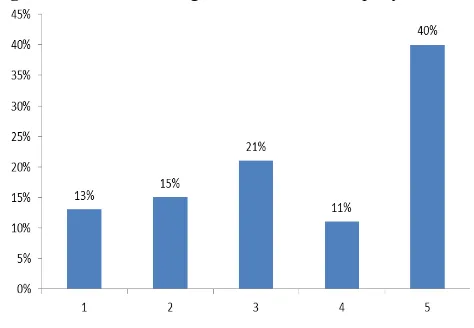
Fig.3. How much training is based on the company's needs?
Source: Survey with employees of the Construction Sector, realized in September 2017,
Even in other research in different fields, regarding training and is intentional training, many people think that trainings often do not yield the expected results because it is not a day-to-day training that employees perform, not increases the capacity of workers in the area where workers are engaged, and often the training is entirely from other areas. Identifying training needs is an activity that is carried out in all the companies under review. But there are differences between them regarding the levels of analysis of these needs, the methods of indicators used, the reasons for not realizing such a process, and the actors involved. Trainings based on the needs of the company, or the work of workers they carry out in the company, workers answered that 40% of their trainings are based on the needs of the company. Also a part (11%) share the view that the trainings are somewhat based on the needs of the company. However, this question is very interesting the high percentage of workers who are neutral (21%) and a high percentage (15%) slightly and 13% at no cost. So little and we do not have a very high category (28%). So 28% of these people think that the trainings are not at all and little is important. This is a signal to management and decision-makers to take more seriously with the issue of training, or the management itself is not sufficiently cautious about the training that results as companies need.
Fig.4. The initial training (when the work starts) is sufficient.
Source: Survey with employees of the Construction Sector, realized in September 2017,
From this research we have made to this question we have encountered a very diverse response from the employees of this company. From their response, we have realized that there is a lot of room to do in terms of initial training when they start work. Only 16% of them think that initial training is sufficient, while (28%) of workers say that initial training is somewhat sufficient. Neutral responses have provided about (21%) of workers and the largest percentage (33%) was that the training is very little when they start work while only (2%) have thought that training is not at all sufficient. Eventually (84%) of initial training workers is not enough and this affects a lot especially at the beginning of their work. Getting a training in a company related to work is not that easy.
Fig. 5. Your company should provide training periodically.
Source: Survey with employees of the Construction Sector, realized in September 2017,
1355
Eurita Tocilla
1, AFMJ Volume 3 Issue 02 February 2018
Fig. 6. Do you have attended trainings at the time you worked in this company?
Source: Survey with employees of the Construction Sector, realized in September 2017,
Even on this question, we have come across the answers as to whether they have attended trainings while working in this company. Only 7% of employees stated that they attended trainings while working in this company, while 24% ) have expressed some training during the time they work in this company, and yet the high percentage who express themselves neutral about this question (25%), and a fairly moderate percentage (11%) say they have followed a little training. The highest percentage (33%) noted the number of employees who stated that they did not attend any training while working in this company. Therefore, as a conclusion to this question with about (69%) of employees expressing dissatisfaction with training that they did not pursue while they work in the company, we address the company's top management to add more care to this issue.
Fig. 7. Encourage your superiors to attend various trainings.
Source: Survey with employees of the Construction Sector, realized in September 2017,
From the research conducted in this construction company on the question of whether they have encouragement to follow different courses, employees from their superiors have faced partially good encouragement. More than (52%) of workers feel encouraged, so they say (12%) feel very
encouraged and (40%) to some extent feel encouraged. Only (12%) of them are neutral, while (15%) say they have little encouragement and (21%) feel that they do not have any encouragement for training by their superiors. Finally, we can say that management should continue to encourage its workers for many job trainings.
Fig.8. Trainings are conducted as needed by the company.
Source: Survey with employees of the Construction Sector, realized in September 2017,
As can be seen in the charts, the highest percentage (47%) was marked by workers who think that the trainings are not performed according to the needs of the company, unlike this category only (1%) think that the trainings are performed little according to the company's needs , only (6%) of workers responded to neutral, while (11%) thought that training was done to some extent according to the needs of the company and (35%) of the employees answered that the trainings are organized according to the company's needs. Much is required by the management to organize trainings according to the needs of the company, as more than half of the workers do not think that those trainings are being conducted as needed by the company.
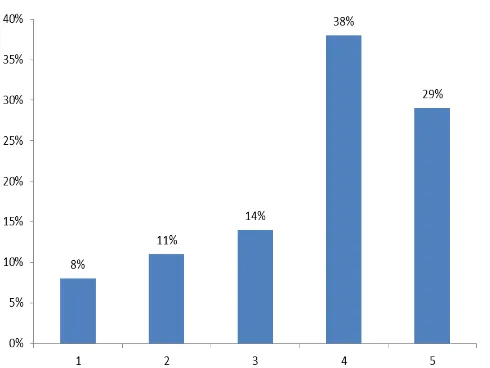
Fig.9. Trainings are generally conducted for staff.
1356
Eurita Tocilla
1, AFMJ Volume 3 Issue 02 February 2018
From this question we received a positive response from (67%) of employees who stated that trainings are generally performed for staff. (38%) think that trainings are performed somewhat in general for the staff. Neutral respondents (14%) and (11%) think that the trainings little is done for the staff and only (8%) have said nothing.
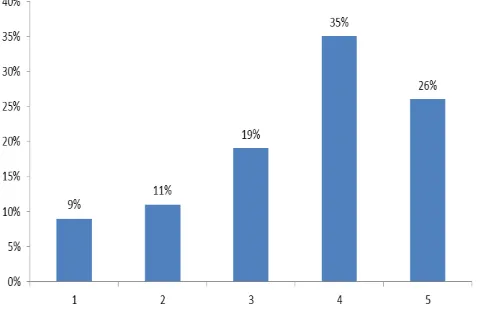
Fig.10. Trainings are conducted according to the individual's needs.
Source: Survey with employees of the Construction Sector, realized in September 2017,
According to the research, we have received a mostly positive answer with this (65%) regarding the training that is carried out according to the needs of the individual. (24%) of the employees stated that the trainings are conducted according to the needs of the individual, while (41%) say that the training is carried out to some extent according to the individual's needs. It is worth mentioning the very high percentage (18% (7%) and not at all (10%) The company should continue to carry out trainings according to the individual's needs even in the future to achieve the mission with well-trained staff .
Fig.11. Training by responsibility and helping to prevent risks at work.
Source: Survey with employees of the Construction Sector, realized in September 2017,
At this point, I think that management has not yet reached the goal of training related to responsibility and training that helps to prevent job risks, because (90%) of employees have responded positively, where m (18%) think they are doing (72%) of employees still have a dilemma and feel that these trainings are performed somewhat, neutral are expressed only (3%), too little has been expressed (3%), and not at all (4%). To accomplish this goal, management is required to add attention to this category of training.
Fig.12. Training by responsibility and helping to prevent risks at work.
Source: Survey with employees of the Construction Sector, realized in September 2017,
During this research, we learned that employees are informed in different ways before the training takes place. The highest percentage (70%) of workers answered that they are informed in different ways before training is completed, only (15%) have dilemmas and expressed somewhat, while neutral (2%), few thought they were informed (9%) and not at all (4%). We have concluded that management has found ways to keep informed workers before providing them with training.
Fig.13. Trainings should be short-term.
Source: Survey with employees of the Construction Sector, realized in September 2017,
1357
Eurita Tocilla
1, AFMJ Volume 3 Issue 02 February 2018
(16%) being neutral, (6%) think that the trainings should be a bit short-term and (14%) think at all.
Fig.14. Trainings should be long-term.
Source: Survey with employees of the Construction Sector, realized in September 2017,
Regarding that the training should be long-term, we have a neutral answer in the highest percentage with (43%), and (35%) of workers have expressed dilemmas by responding somewhat, while (14%) think little and only (35%) think at all. From this answer I think we have come to the conclusion that trainings should not be long-lasting.
Fig.15. Do you prefer free / informal training?
Source: Survey with employees of the Construction Sector, realized in September 2017,
On this question, what is happening is the high percentage of those who prefer little and do not prefer freely informal training at all. (29%) do not prefer this training, while (17%) prefer a little. Even the neutral answer is expressed in high percentage (27%), and only (17%) said they prefer to some extent. Workers who prefer this training are only (10%).
Fig.16. Do you get from the training program related to your safety?
Source: Survey with employees of the Construction Sector, realized in September 2017,
As a key point in this research, we have had work safety training. In this company, only (23%) of workers have been given the benefit of the work safety training program, while (30%) have dilemmas and say to some extent benefit from this security training program. (15%) are neutral, (15%) say they benefit little and (17%) do not benefit at all. So we can conclude that it was not done enough with this important training program that would impact much to safety at work.
Fig. 17. Do you take advantage of the training program related to the prevention of occupational hazards?
Source: Survey with employees of the Construction Sector, realized in September 2017,
1358
Eurita Tocilla
1, AFMJ Volume 3 Issue 02 February 2018
Fig.18. Get new ideas during training.
Source: Survey with employees of the Construction Sector, realized in September 2017,
(23%) of employees said that they received new ideas during the training, while (35%) expressed openly the dilemmas stating that they received new ideas to some extent, neutral (13%), about (11%) of workers receive little new ideas during training while (13%) do not take any new ideas during training. The company's priority remains to develop new ideas and unfold it during training for its employees.
Fig.19 Training after training brings added job satisfaction.
Source: Survey with employees of the Construction Sector, realized in September 2017,
From the graph we can see that in this question we have a balance of percentages between the answers. (19%) said that post-training training brings added job satisfaction, while (17%) said post-training training to some extent gives you added job satisfaction, the highest percentage (30%) (17%) are expressed by those who think that little and no training after training gives you added job satisfaction. It remains on the management to organize professional and effective trainings to train the workers completely.
Fig.20. Feel productive changes in workplace efficiency after training.
Source: Survey with employees of the Construction Sector, realized in September 2017,
In this question we have received the highest level of responsiveness (39%) from workers who have dilemmas about this issue, they say they feel fruitful changes to some extent on efficiency at work after training, only (15%) admitted they felt (17%) of employees were neutral, (21%) admitted that they felt little effective changes in efficiency at work after training and (8%) did not feel any of these changes at all. We believe that management to bring fruitful changes should organize effective trainings.
Fig.21. Does training improve your performance at work?
Source: Survey with employees of the Construction Sector, realized in September 2017,
1359
Eurita Tocilla
1, AFMJ Volume 3 Issue 02 February 2018
Fig.22. How do you assess the quality of training?
Source: Survey with employees of the Construction Sector, realized in September 2017,
The training was evaluated positively by (38%) of employees, with dilemmas somewhat evaluated (36%), neutral (13%) and only (4%) rated poorly the quality of training, while (9% ) have not rated the quality of the training at all.
Fig.23. Does the training increase company's efficiency?
Source: Survey with employees of the Construction Sector, realized in September 2017,
Trainings have been considered effective for the company (about 47%) of workers, while (32%) said that the training to some extent increases the company's efficiency, a fairly high percentage (17%) noted that respondents were neutral, and by (2%) said that the training increases little and the company's inefficiency. From this we have concluded that trainings are considered effective for the company.
Fig.24. Is training strengths security your work?
Source: Survey with employees of the Construction Sector, realized in September 2017,
Safety is considered to be the top priority of workers. However, only (32%) of workers have considered that training strengthens work safety, while (43%) of workers have responded that training strengthens some degree of safety at work, and factual appears to be the neutral answer with (21%) considered to be a fairly high percentage, and by (2%) consider that the training strengthens little and no safety at work. We conclude that management still has to be done in order for the training to strengthen work safety.
Fig.25. Is training on appropriation of new methods at work?
Source: Survey with employees of the Construction Sector, realized in September 2017,
1360
Eurita Tocilla
1, AFMJ Volume 3 Issue 02 February 2018
Fig.26. Do you think that training helps to create an environment?
Source: Survey with employees of the Construction Sector, realized in September 2017,
This research has confirmed that (39%) of the employees of this company think that training helps to create an environment, while about (30%) say that training helps to some extent in creating a neutral environment (25% ) (6%) think that training helps little to create an environment and none of the workers (0%) think that training does not help at all in creativity.
Fig.27. Are the regular safety trainings needed at work?
Source: Survey with employees of the Construction Sector, realized in September 2017,
The percentage presented in this graph clearly shows employee responses to regular training required for occupational safety. More than half of the workers (57%) said that regular work safety training is very much needed, (28%) considered the training to be somewhat necessary, about (13%) of the workers were present, and (2%) considered these trainings as less necessary. Regular work safety training should be the mission of any construction company anywhere
Fig.28. Is training hepling in professional information on occupational safety help?
Source: Survey with employees of the Construction Sector, realized in September 2017,
Vocational training was considered very important by some (68%) of workers while only (19%) of employees expressed dilemmas (11%) were neutral and (2%) thought that training does not help at all professional information on safety at work. As you see from the high percentage of positive responses, so it is considered that training really helps a lot in professional information on occupational safety. They have considered that any information on occupational safety improves job satisfaction and empowers the will and quality of work. They should feel secure in work safety and health protection. Education and training on occupational safety and health issues is important to create and develop professional knowledge, attitudes and desirable behavior on the part of employers and employees.
Fig.29. Does training prevent an accidents?
Source: Survey with employees of the Construction Sector, realized in September 2017,
1361
Eurita Tocilla
1, AFMJ Volume 3 Issue 02 February 2018
have carried out active training for their employees. These trainings have had the main purpose to raise awareness on occupational safety and prevention of accidents during work.
Fig.30. Are you becoming more motivated to continue working in company after training?
Source: Survey with employees of the Construction Sector, realized in September 2017,
The percentage larvae dominate in this graph. Mothers (23%) said that they feel more motivated to continue working in the company after training, while (30%) said they feel somewhat more motivated to continue working in the company after training, percentage high (25%) is observed with regard to the workers who are neutral and at an even percentage (11%) are expressed workers who feel little or feel no more motivated to continue working in the company after the training. Management should consider with the precision of the training it offers to the workers in order to motivate them to continue their work even after the training, aiming at the most accurate analysis of training needs and the provision of training in a contemporary manner. individual and institutional will, which will greatly affect them to be determined to work on the same after they have been trained.
Fig.31. Is your expectations matching what you really get from training?
Source: Survey with employees of the Construction Sector, realized in September 2017,
It is clear from the workers' responses that their expectations are consistent with what they receive from training. More than (63%) of workers have agreed that their expectations match those they actually get from training (23%) have expressed that the expectations match somewhat with what they actually receive from the training, (8%) are presented neutral, (6%) have expressed expectations
Slightly matching and (2%) expressed that their expectations do not match at all which they receive from training. The company should continue to carry out these types of training that help workers achieve their skills. Trainings have a primary role as they are not only one of the basic factors of any company's existence, but moreover they are also one of the inspirers and creators of other factors, therefore, and care and investment in training should constitute, and in fact constitutes the priority issue for the firmness of the company.
Fig.32. Would you like to suggest or make remarks about your training?
Source: Survey with employees of the Construction Sector, realized in September 2017,
Most of the workers (45%) stated that they would like to suggest or comment on the training they are doing, (30%) said they would somehow like to suggest or comment on the training they are doing, (21%) are neutral, (4%) would suggest little and (0%) at all. The trainings are considered important and always have room for suggestions, changes, and remarks. Creating a sustainable, motivated and above all professional service capable of facing work challenges must be at the heart of each company's agenda, especially construction companies. This would ensure stability and motivation of workers.
1. Main findings on research findings
1362
Eurita Tocilla
1, AFMJ Volume 3 Issue 02 February 2018
the identification of distinctive characteristics and judgment on them.
The training systems implemented in major construction companies in Kosovo converge into a training model which, by stages and relationships, resembles the Five Phase Model of Blanchard and Thacker (1999). Identification of training needs, synthesized in the annual training plan, is the phase that periodically with annual frequency gives impulse to the other possible stages of special training such as design / design, planning and evaluation, which in the most well, is expected to provide feedback on each of the trainings and training plan in general. Although almost all companies pass these stages during training, there is a diversity of policies and procedures at each stage, the level of integration between them, the relationship with environmental factors, and the different levels of involvement internal and external clients (according to the categorization of Adamson and Caple, 1996) of this open training system (Al-Khayyat, 1997). Below are the main actors ranked according to their involvement level.
The Human Resources Department plays a decisive role in the training system at large companies and in most companies, not necessarily those with the highest number of employees, there is also a special training and development section within this department and / or close to sales and service units with customers. In these administrative units, most of the training policies and procedures are drafted and their implementation is ensured by coordinating the necessary activities and the "ongoing" monitoring of responsibilities delegated to other actors, to a predominant internal dimension.
Managers are involved in all stages of the training process, but to varying degrees depending on the particular elements of the system, thus affecting the many dimensions of PPAT. The most important role that managers play is in identifying training needs where in most cases they find the skills shortages of subordinate staff through performance appraisal and the following are included in the design of training by defining the training objectives, also in most of the cases are foreseen as formative trainers although in all cases are included as job training supervisors, which applies to all organizations. Managers' involvement falls into the assessment phase as only a few companies apply performance appraisal as a method of assessing the effectiveness of the training. The involvement of managers falls much further in the context of creating an organizational supportive training transfer environment as in only a few cases it is offered the opportunity to engage in the identification of talents. So apparently, the involvement of managers follows the same trend as well as indicators of particular elements, thus becoming one of the major factors influencing the effectiveness of training, in support of previous researchers (Garvin et al., 2008 Tannenbaum et al., 1993; Cohen, 1990; McErny and McErny, 1987; Eden and Shan, 1982).
The focus on the trainee's training policy varies according to the training phases. As a dimension of training needs identification, it has resulted that a considerably-needed review of employee-level needs through performance evaluation and identification of skills shortages and to a predominant extent the trainees themselves are actively involved in the process of finding needs for their training mainly through performance dialogues. Meanwhile, the focus on the trainee falls to the design stage, whereby only companies produce personalized training plans for employees. Even less considered the individuality of trainees in the choice of methods, where a "one for all" method is generally applied, according to which although trainings aim to stimulate feedback (in 75% of cases), they are grouped and only in some companies that have on-line platform offer the desired flexibility and personalization of training (in terms of the training method) that is thought to affect the learning outcomes and the motivation of the trainee. Employee involvement is maximum in the assessment of training, but at the lowest level of assessment, that of opinions after training mainly through questionnaires. Unlike the authors' suggestions (Salas and Kozlowski, 2010; Tannenbaum et al., 1993; Baldwin and Ford, 1988; Mabe and West, 1982), the companies studied do not generally have training policies focusing on the trainee influencing this way negatively on most of the PPAT elements.
Employee involvement as a trainer is at a high level. Trainee colleagues are also actors in the training system with a very important role, that of the trainer in a significant part of the companies through the network of "trained trainers", thus enabling the design of personalized programs, reducing costs training, and the creation of a supportive climate for training (Aguinis et al., 2009; Wong and Wong, 2003). Senior executives are the actors that give the form of organizational training climate, but appear to be supportive to desirable levels in just a few companies that actually have the highest PPAT (confirming the results of Garvin et al. 2008; Burke and Hutchins, 2007; Al-Khayyat et al., 1997; McDonald, 1991). The opposite is also true as a non-supporting leadership is associated with low PPATs and negative outcomes in human resources.
1363
Eurita Tocilla
1, AFMJ Volume 3 Issue 02 February 2018
one outside the system, thus confirming the role of this factor widely mentioned in the literature (Garvin et al., 2008; Gilpin-Jackson and Bushe, 2007 , Burke and Hutchins, 2007; Kontoguorghes, 2004; Montesino, 2002; Lim and Johnson, 2002; Al-Khayyat et al., 1997; Tannenbaum et al., 1993).
The most positive change in the PPAT is the identification of training needs, a process spreading at all three levels (person, position, organization). However, seen in the light of the methods applied, where individual performance assessment prevails in most cases, it can be concluded that these needs are more employee-oriented, supported by the fact that in most cases this information is targeted to be used to design individual training plans or development from the superior in collaboration with the employee, which are the most widely used sources of information
Regardless of the accuracy of the finding of expected policy needs and effectiveness (Eerden et al., 2008; Athur et al., 2003; Wilson and Wester, 2000; Kupreans et al., 1999; Rouillard and Goldstein, 1993; McErny and McErny, 1987, Fleishman et al., 1955), not always the budget is sufficient for their completion and is generally chosen to undertake the design of mandatory or technical training and less interpersonal skills. Effectiveness falls behind the INT for the design training indicator. Most companies translate the identified needs into concrete training programs and plans, which are consolidated in terms of form but have a lack of personalization, inclusion in conceptualization and content. Only a few companies with the highest PPATs develop individual development plans, and in just a few self-trained companies are involved in designing, thus explaining the loss of value between these successive chains of the training system.
The variety of training methods is high but predominate the traditional ones. Encouraged by the cost reduction objective and the ability to put into practice as the main approach used in designing, on-the-job training results in the most applied method, either in an independent form, mentored by another employee or combined with methods of other training such as lectures and case studies, thus predicting moderate effectiveness (Chatzimouratidis et al., 2012; Arthur et al., 2003; Sánchez et al., 2003). There are a variety of commonly used methods, but companies that implement a variety of methods make up only half. The highest PPATs have those companies that own and provide on-line learning platforms, while verifying the findings of researchers (Krieger, 2008; Salzmann et al., 2006; Shank, 2004; Welsh et al., 2003). These companies are international and benefit from this investment of parent companies and at the same time from the possibility of personalization of learning (Salas and Kozlowski, 2010).
The evaluation of the training is partial. The overwhelming majority of the companies under study, carry out a post-mortem assessment, or as it calls the final Screven (1967), measuring only the effects of training and thus limiting
constructive feedback and eventual corrective actions in other elements of the system training. Such an approach is also reflected in the level of assessment (according to Kirkpatrick's categorization, 1959; 2006) where it appears that most companies remain only at the third level (change of behavior at work), which in most cases is measured through a performance. Lower-level assessment is done through participant questionnaires (first level) and less through tests to measure the impact of training on learning outcomes (second level) but inadequate for a full assessment of the effects of training due to and non-confirmation of the correlation between the criteria of evaluation by the researchers (Alleger et al., 1997).
Coordination between INT and training evaluation is low. If, during INT, companies conduct a thorough analysis of the deficiencies that can be addressed and resolved through training, the effectiveness assessment is not fully oriented towards finding the fulfillment of these shortcomings. Relevance, as an indicator of the validity of the training system suggested by Goldstein and Ford (2002), is complete only in the gathering of opinions (first level of assessment) and decreases with the increase of assessment levels. PPAT varies by company size and maturity. Larger companies and with a higher degree of formalization of training policies and procedures, have a higher PPAT, the same conclusion with Nikandrou et al. (2008). So PPAT is a variable that varies with the company's development. The above findings on the research findings regarding the expected performance of the training activity demonstrate the importance of each of the particular elements of the training system and their coordination. Considering training activity as a system within a system (Kozlowski and Klein, 2000), also implies the fact that the relationship between them and the level of integration are essential for the overall equilibrium. The combination of some methodological and conceptual approaches used to evaluate the training activity in an organizational environment and "exotic" business as far as research in the field of human resources provides the opportunity to encourage in-depth discussions to come to some implications theoretical.
LITERATURE
1. A.J. Romiszowski, (1984”,“Designing Instructional Text”, Routledge, Falmer
2. Acemoglua, D., Pischke, J.S., (1999), “Beyond Becker: Training in Imperfect Labour Markets”, The Economic Journal, 109, pp.112-142, Blackwell Publishers, USA
3. Adamson, P., Caple, J., (1996), “The training and development audit evolves: is your training and development budget wasted?”, Journal of European Industrial Training, 20/5, f. 3–12
1364
Eurita Tocilla
1, AFMJ Volume 3 Issue 02 February 2018
Organizations, and Society”, Annual Review of Psychology, 2009.60:451-474.
5. Alan, B., E., Bryman, A., (2011), “Business research methods” Third Edition, Oxford
6. Aldenderfer, S., Blashfield, R., (1984), “Cluster analysis”, Newbury Park, CA: Sage
7. Al-Khayyat M. R., Elgamal, A. M., (1997), “A macro model of training and development: validation”, Journal of European Industrial Training, 21 (3), p. 87–101
8. Alliger, G., Tannenbaum, S., Bennett, W., Traver, H., Shotland, A., (1997), “A Meta-Analysis of the Relations Among Training Criteria”, Personnel Psychology, 50 (2), pp. 341–358
9. Anderson, R. C., Faust, G. W., Roderick, M. C., (1968), “Overprompting in programmed instruction”, Journal of education psychology, 59, pp. 88-93
10. Aragón, A., Barba, M. I., & Sanz, R. (2003), “Effects of training on business results”, The International Productivity Review, 16(2), pp.371– 380
11. Arthur, J. B. 1992. “The Link Between Business Strategy and Industrial Relations Systems in American Steel Minimills.” Industrial and Labor Relations Review, (45), pp. 488-506.
12. Arthur, W., Bennett, W., Edens, P., Bell, S., (2003), “Effectiveness of Training in Organizations: A Meta-Analysis of Design and Evaluation Features”, Journal of Applied Psychology, 88 (2), pp. 234–245
13. Axtell C.M., Maitlis S. and Yearta S.K., (1997), “Predicting Immediate and Longer-term Transfer of Training”, Personnel Review, 26 (3), 201 – 213 14. Bailey, T., (1993), “Discretionary effort and the
organization of work: Employee participa-tion and work reform since Hawthorne”, Working paper, Columbia University, New York
15. Baldwin, T.T., & Ford, K.J. (1988), “Transfer of training: A review and directions for future research”, Personnel Psychology, 41, 63-105. 16. Bandura, A., (1982), “Self-Efficacy Mechanisms in
Human Behavior,” American Psychologist 37, pp.122–47
17. Barge, T., (1989), “Performance appraisal and personal development…the unholy alliance”, Training officer, 25 (12), pp. 359-60