University of South Carolina
Scholar Commons
Theses and Dissertations
2016
Enhancing Parent-Child Communication and
Promoting Physical Activity and Healthy Eating
Through Mobile Technology: A Randomized Trial
Danielle E. Schoffman University of South Carolina
Follow this and additional works at:https://scholarcommons.sc.edu/etd
Part of thePublic Health Education and Promotion Commons
This Open Access Dissertation is brought to you by Scholar Commons. It has been accepted for inclusion in Theses and Dissertations by an authorized administrator of Scholar Commons. For more information, please [email protected].
Recommended Citation
Enhancing Parent-Child Communication and Promoting Physical Activity and Healthy Eating Through Mobile Technology: A Randomized Trial
by
Danielle E. Schoffman
Bachelor of Arts Stanford University, 2008
Submitted in Partial Fulfillment of the Requirements
For the Degree of Doctor of Philosophy in
Health Promotion, Education, and Behavior
Norman J. Arnold School of Public Health
University of South Carolina
2016
Accepted by:
Gabrielle Turner-McGrievy, Major Professor
Sara Wilcox, Co-Chair, Examining Committee
James R. Hussey, Committee Member
Justin B. Moore, Committee Member
Andrew T. Kaczynski, Committee Member
Dedication
I dedicate this dissertation to my mom, Delores Schoffman, for her
unwavering support, pure love, and unending confidence in my ability to
persevere, even when I doubt myself the most. Thank you, mom, for all you have
sacrificed to cheer me on through this long journey. I am so grateful for you.
And, to my love, Bryan Jake-Schoffman, thank you for joining me during the
process of my doctoral education and showing me how wonderful life can be with
Acknowledgements
This study was partially funded by Provost’s grants from the Department
of Health Promotion, Education, and Behavior in the Arnold School of Public
Health, University of South Carolina.
I would like thank my mentors, Drs. Gabrielle Turner-McGrievy and Sara
Wilcox, for their continued support, constructive feedback, and encouragement
during this process; I am inspired by your work as scholars and mentors. Thank
you for believing in me and allowing me to take some risks along the way! I
would also like to thank Dr. James Hussey his years of patient instruction in
biostatistics, his assistance with my dissertation model building process, and his
refreshing sense of humor. Thank you also to the other members of my
dissertation committee, Drs. Justin B. Moore and Andrew T. Kaczynski for their
input and feedback throughout my doctoral education and on my dissertation
research.
I would also like to thank all of the student volunteers who worked on the
study, especially Klara Milojkovic for her dedication to the study and assistance
with the research process. Finally, an enormous thank you to all of the families
Abstract
Background
Although rates of pediatric and adult obesity remain high in the U.S., finding
scalable and engaging ways to disseminate obesity prevention and treatment for
families has been challenging. The purpose of the Motivating Families with
Interactive Technology (mFIT) study was to test the feasibility, acceptability, and
effectiveness of two remotely-delivered family-based health promotion programs
for improvements physical activity (PA), healthy eating, and parent-child
communication and relationship quality.
Methods
Parent-child (child age 9-12 years) dyads enrolled in a 12-week mobile
intervention to increase physical activity and healthy eating, which included
weekly email newsletters and the use of pedometers. Dyads were randomly
assigned to one of two family-based programs, one of which utilized a mobile
website and program materials that emphasized the importance of family
interactions for health behavior changes. At baseline and 12 weeks, height and
weight were measured by research staff, and participants completed web-based
questionnaires about their dietary intake, family dynamics (e.g., parent-child
Results
Dyads (n=33) were randomized (parents: 43+6 years, 88% female, 70% white,
BMI 31.1+8.3 kg/m2; children: 11+1 years, 64% female, 67% white, BMI
77.6+27.8 percentile) and 31 (93.9%) provided complete follow-up data. Overall,
there were no significant between-group differences in PA or dietary outcomes,
but families significantly increased their average daily steps and servings of fruit
during the intervention (marginally significant decrease in sugar-sweetened
beverages) and had excellent adherence to self-monitoring protocols. Family
functioning indicators were all high at baseline and most did not change
significantly over time; none of the family dynamics variables were significant
predictors of changes in average daily steps. Almost all parents (97%) and
children (86%) said that they would recommend the mFIT program to a friend.
Conclusions
Dyads in the present study had high scores on family functioning variables at
baseline, from both parent and child perspectives. Further research is needed to
develop domain-specific measures of family dynamics, as well as to test
family-based research with samples of families with more diverse baseline scores on
family dynamics variables. Overall, the mFIT program showed excellent
feasibility and acceptability as a low-cost, remotely delivered family intervention
for physical activity and healthy eating promotion, and could serve as a
Table of Contents
Dedication ... iii
Acknowledgements ... iv
Abstract ... v
List of Tables ... ix
List of Figures ... x
Chapter 1: Introduction ... 1
Chapter 2: Background and Significance ... 6
Chapter 3: Methodology ... 23
Chapter 4: Manuscripts ... 44
Chapter 5: Conclusions and Implications ... 116
References ... 127
Appendix A. ECPOP Recommended Strategies and Behavioral Targets for Pediatric Obesity Treatment ... 146
Appendix B: Examples of Application of Theoretical Model to mFIT Intervention Elements ... 148
Appendix C: Sample mFIT Recruitment Flyer ... 151
Appendix D: Comparison of Tech and Tech+ Programs ... 152
Appendix E: mFIT Newsletter Topics ... 155
Appendix G: IRB Approval Letter ... 166
List of Tables
Table 3.1: Demographic characteristics of Columbia, S.C. and the U.S. ... 23
Table 4.1: Comparison of mFIT Intervention Program Components ... 72
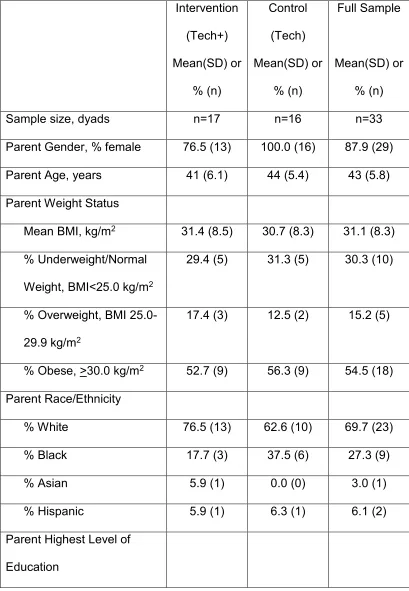
Table 4.2: Participant Demographic Characteristics at Baseline by Condition .... 75
Table 4.3: Mixed Model Estimates of MVPA by Parent/Child and Intervention Group ... 77
Table 4.4: Mixed Model Estimates of Average Steps from Self-Monitoring Logs by Parent/Child and Intervention Group ... 79
Table 4.5: Mixed Model Estimates of Average Dietary Intake by Parent/Child and Intervention Group ... 81
Table 4.6: Comparison of mFIT Intervention Program Components ... 107
Table 4.7: Participant Demographic Characteristics at Baseline by Condition .. 110
Table 4.8: Unadjusted Means of Family Functioning Variables at Pre- and Post-Intervention by Group and Parent/Child ... 112
List of Figures
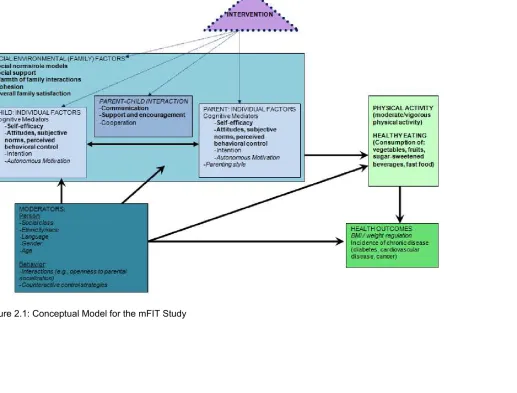
Figure 2.1: Conceptual Model for the mFIT Study ... 22
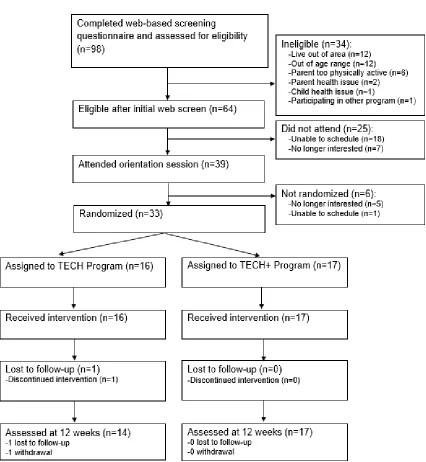
Figure 4.1: mFIT CONSORT: Participant (Dyad) Flow ... 70
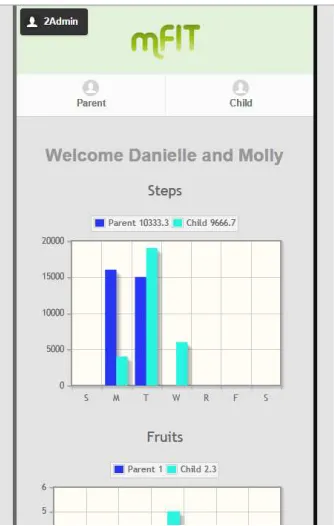
Figure 4.2: Screenshots of mFIT website (for example user) ... 71
Chapter 1: Introduction
Recent reports estimate that 16.9% of children in the U.S. are obese and
almost 30% of children are overweight or obese by age 5,1,2 putting them at risk
for health complications and future weight gain.3,4 At present, few adults or
children come close to reaching their recommended daily intake of fruits or
vegetables 5 and physical activity (PA) is low among all Americans.6 Among the
goals of Healthy People 2020 are targets for increased PA as well as increased
fruit and vegetable intake in all age groups.7,8 Among the actions recommended
by pediatric obesity experts are the promotion of PA and healthy eating (HE),9,10
as well as including the whole family in treatment.11 However, finding scalable
and innovative ways to disseminate obesity treatment and prevention programs
for children has been challenging.
Mobile applications (apps) are an engaging way to involve children in
health behavior changes, capitalizing on the portability and affordability of
delivering health information via mobile devices and the opportunity to use
gaming to make health information entertaining.12,13 While most children do not
own their own mobile device (e.g., smartphone, tablet), children have increasing
access to apps (e.g., through use of family tablets, their parent’s smartphone,
etc.).14,15 Seventy two percent of parents with children ages 0 to 8 years old
smartphones are for their children.15 Smartphones and tablets also offer an
opportunity to extend health interventions to traditionally underserved groups,
including African Americans and Latinos, as mobile device ownership among
these groups is growing faster than that of whites.14,16
Many health promotion apps are currently available. We completed the
first systematic review17 of mobile apps for the prevention and treatment of
pediatric obesity (children/teens <18) through weight loss, PA, and HE to
determine if expert-recommended strategies and behavioral targets were
promoted.16 Similar to other studies that examined the content of apps for adult
weight loss18 and smoking cessation,19 we found the apps for children to be
lacking in the use of theory or evidence-informed practices. Further, a pilot study
by our team tested the effectiveness of the highest-scoring apps from the review
as well four as PA monitoring devices (e.g., FitBit) for increasing the PA and HE
of parent-child dyads; the results suggested that there are deficiencies in the HE
apps and that no single PA device was significantly effective for the dyads.
Taken together, the review of apps and pilot results demonstrated that additional
levels of support and encouragement are needed to aid in behavior change for
parent-child dyads; an enhanced intervention is presented here.
In addition to the promotion of PA and HE, mobile technologies can
potentially encourage improved and increased family communication. Recently,
researchers have explored the idea of encouraging bi-directional family
communication,20 as opposed to the traditional view of top-down communication
the impact of mobile technologies on family communication is needed. Thus,
there exists a need for more effective family interventions for obesity prevention
as well as evidence-based interventions using mobile technologies. The present
study built upon the previous work of the research team to deliver a
mobile-based family intervention for the promotion of PA, HE and parent-child
communication about health behaviors.
1.1 Present Study
The aims of present study were to test the effectiveness of using
commercially available apps and a PA monitoring device (Tech) compared to the
apps and PA device plus a mobile website and theory-based family intervention
that encourages increased parent-child communication about PA and HE and
family behavior change (Tech+). The two programs were administered remotely
via email, mobile apps, and a mobile website to parent-child dyads (child 9-12
years old) over a 3-month intervention period. Parent-child dyads were
randomized to the two behavioral interventions: Tech (16 dyads) or Tech+ (17
dyads).
The study was guided by the Environmental Research framework for
weight Gain prevention (EnRG),21 Family Systems Theory,22 Family Systems
Theory framework related to youth health behaviors,23 the model of bidirectional
processes in parent-child relationships,24 the model of social context in health
Behavior.27 Further details about the conceptual model are presented below in
Section 2.6.
*Specific Aim 1: Test the effectiveness of an evidence-based mobile
intervention with enhanced parent/child communication (Tech+) versus
commercially available products alone (Tech) for improvements in child’s
average minutes of moderate- to vigorous-intensity physical activity (MVPA) per
day [primary outcome], changes in the parent’s average minutes of MVPA per
day, changes in self-monitored PA (average daily steps from pedometer), and
improvements in dietary quality as measured by meeting HE targets (e.g.,
increased fruit and vegetable consumption) [secondary outcomes].
Hypothesis1a: Improvements in both primary and secondary outcomes will
be significantly greater in participants randomized to the Tech+ program
relative to participants randomized to the Tech control program.
*Specific Aim 2: Examine the impacts of evidence-based family
intervention on parent-child relationship quality and communication about PA and
HE [secondary outcomes].
Hypothesis2a: Improvements in parent-child relationship quality and
communication will be significantly greater in participants randomized to the
Tech+ program relative to participants randomized to the Tech control
program.
Hypothesis2b: Increasing levels of utilization of the responsive design
systems) will be associated with greater frequency and quality of parent-child
communication.
1.2 Justification for the Research
The present research adds to what is currently known about family-based
health promotion by testing two low-cost remotely delivered interventions. The
study provides evidence about the feasibility, acceptability, and effectiveness of:
the recruitment strategies and materials, the study delivery method, the
study-designed website functionality, the use of commercial apps as part of a larger
program, and the content of the two family-based interventions. The present
research attempts to address currently defined needs in health promotion using
tools that have been designed and built by the research team with formative
Chapter 2: Background and Significance
While obesity, physical inactivity, and unhealthy dietary intake are
persistent problems in the U.S., the impact of few public health initiatives has
been limited.28 First, we outline the patterns of weight status, PA, and dietary
eating in the U.S. Second, we describe some of the expert recommendations for
tackling these health issues as well as past intervention strategies that have
been tested. Third, we discuss the promising area of Family Systems-Based
Research, and specifically examine how parent-child communication and
relationship quality could be important factors in health promotion research.
Fourth, we examine the use of mobile technology in health behavior
interventions, including our pilot research with families.
2.1 Obesity, Physical Inactivity, and Unhealthy Eating in the U.S.
Recent reports estimate that 16.9% of children in the U.S. are obese and
almost 30% of children are overweight or obese by age 5,1,2 putting them at risk
for health complications and future weight gain.3,4 Rates of obesity among adults
in the U.S. continue to be alarmingly high at 34.9%, despite growing public
awareness and willingness to support public interventions to help reverse the
trend.29,30 Obesity rates in South Carolina (S.C.) are among the highest in the
pediatric obesity experts are the promotion of PA and HE,9,10 as well including
the whole family in treatment.11 However, consumption of fruits and vegetables
and levels of PA are low among children and adults, with few individuals meeting
their recommended daily targets for either behavior.
Beyond its role in weight loss, the health benefits of PA are well known
and supported by extensive observational and clinical trial evidence.32-35 PA is
included among the recommendations for behavioral strategies for the prevention
and control of many chronic diseases, including diabetes, cardiovascular
disease, and cancer.36-39 In addition to the health benefits of PA, children who
are physically active are more likely to be successful in their schoolwork and
have less behavioral problems in school.40,41 Few Americans currently reach the
levels of PA recommended by national standards for a typical week.
Recommendations mandate that adults engage in a minimum of 150 minutes per
week of moderate intensity PA or 75 minutes of vigorous PA and at least two
days of strength training a week and children get a minimum of 60 minutes per
day of moderate-intensity PA most days, with vigorous activity on at least 3 days
per week.42 However, self-report estimates say that 60% of adults43 and 50% of
children44 meet these recommendations, while objective monitors estimate that
less than 5% of adults and less than 8% of adolescent children meet these
recommendations.6 Healthy People 2020 calls for increased PA for all age
groups in the U.S., and underscores the importance of focusing on increasing the
While girls of all ages tend to be less active than boys, there is a marked
decline in PA for all children during the important transitional period of
adolescence (ages 12-19 years).45 Estimates of the longitudinal PA trends
estimated from the Growing Up Today Study, a cohort of 12,812 boys and girls in
the U.S., showed that PA tended to increase until early adolescence and they
decline after age 13 for boys and girls.46 Given these trends in PA declines,
experts have recommended that interventions to increase PA should begin
before this decline and the transition to adolescence (i.e., age 12 and below).46,47
Additionally, research has shown that there have been some improvements in
recent years in the PA levels of white children between the ages of 6 to 11 years
but no corresponding improvement in Hispanic or black children of the same age,
signaling the potential for a growing racial disparity in children’s PA rates.45 The
different trends and influences on PA for different racial and ethnic groups points
to the need for interventions that can be disseminated to a large section of the
population, not limited to those groups traditionally represented in
university-based research.
In addition to low PA levels, the average dietary intake for adults and
children in the U.S. falls short on average of health standards and recommended
daily servings of healthy foods (e.g., fruits and vegetables) and exceeds
recommended daily servings of unhealthy foods (e.g., sugar-sweetened
beverages and fast food).48,49 S.C. and other regions of the southern U.S. are
also behind the already low national average on some dietary indicators, such as
than one time per day (fruit: S.C. 44.4% vs. U.S. 37.7%; vegetables: S.C. 27.3%
vs. U.S. 22.6%); similar trends are seen for adolescents (fruit: S.C. 50.6% vs.
U.S. 36.0%; vegetables: S.C. 47.8% vs. U.S. 37.7%).50 Additionally, regional
variations in dietary intake are associated with the regional variations in blood
pressure and stroke mortality, where the southern region has higher consumption
of salt and saturated fatty acids and also the highest rates of stroke mortality and
high blood pressure in the U.S.51 Thus, while nutritional improvements merit
national attention, there is a very pressing need to find solutions in the south,
including S.C.
2.2 Expert Recommendations and Past Intervention Strategies
In 2007, Expert Committee for Pediatric Obesity Prevention (ECPOP)
published a set of guidelines for the prevention and treatment of pediatric
obesity, including 8 strategies for intervention and 7 behavioral targets.9 The
ECPOP was made of representatives from 15 national health care organizations,
including the American Medical Association and the Centers for Disease
Prevention and Control; a steering committee appointed scientists and clinicians
to three writing groups that subsequently reviewed the existing literature and
provided recommendations for the prevention and treatment of pediatric obesity.9
In 2007, the ECPOP published a set of recommendations for the prevention and
treatment of pediatric obesity that build off the original ECPOP suggestions from
1995, incorporating evidence-based research as well as supplemental
research was unavailable.9 Among the actions recommended by pediatric
obesity experts are the promotion of PA and HE,9,10 as well as including the
whole family in treatment.11 (See Appendix A for complete list of recommended
strategies and behavioral targets recommended by the ECPOP.)
There have been many approaches taken to intervene and improve levels
of children’s PA, including programs centered at schools, in
neighborhoods/communities, and in family settings.52 The Community Preventive
Task Force, a collaborative team of researchers organized by the Centers for
Disease Control and Prevention (CDC), maintain a report and database (The
Community Guide) where they report on the effectiveness of strategies to
promote lifestyle behaviors.53 The Community Guide on “Increasing Physical
Activity: Behavioral and Social Approaches” has rated individually-adapted health
behavior-change programs, social support interventions in community settings,
and school-based physical education, as having sufficient evidence to
recommend for future use.52 However, among the intervention approaches rated
with “insufficient evidence” on which to judge are family-based social support
interventions. The Community Guide52 and other reviews of family-based PA
interventions,54 have concluded that family-based interventions hold promise for
future effectiveness, but there have been methodological quality issues with the
studies conducted to date that make it difficult to fully understand what
components of the interventions are most helpful. Additionally, there have been a
number of family-based interventions that have had null results in terms of
required to conduct them, leaving some skeptical about the effectiveness of
family-based approaches to intervention. Nevertheless, more research is needed
to understand if this approach can be used for PA, and using a
remotely-delivered intervention, such as the proposed study, could help to minimize costs
associated with intervening.58
2.2.1 Physical Activity Interventions
Research has also shown that wearing a pedometer or other monitoring
device can lead to increases in PA and enhanced weight loss during behavioral
interventions.59,60 In our pilot work we found that pedometers were the only PA
monitoring device that was associated with increased steps in children (as
compared to baseline steps). Qualitative feedback supplemented our quantitative
findings by teaching us that the children in the pilot study preferred the immediate
feedback that the pedometer offered (as opposed to having to sync to an app
with the other devices tested, e.g., FitBit). Our results are in line with other past
research, which found that pedometers had the potential to motivate children to
increase their PA, largely because of the screen display they provided with
instantaneous step information.61-63 Pedometers are also an appealing method
for PA monitoring because they are relatively low cost,64 have been used
extensively in behavioral research with parents and children, and are highly
2.2.2 Children’s Obesity Prevention
Obesity prevention and treatment programs for children have had similarly
mixed success.67 A recent review of 57 randomized controlled trials in
elementary and secondary school children with a school component, focused on
increasing healthy eating and PA, found that only 4 studies reported both
statistically and clinically significant differences between the intervention and
control groups in their respective outcomes (increased HE, reduced physical
inactivity, increased PA, increased HE and PA).67 From the studies reviewed, 19
targeted HE (1 significant result), 4 targeted reduced physical inactivity (1
significant result), 9 targeted increased PA (1 significant result), and 25 targeted
HE and PA (1 significant result).67 Among the common approaches to PA and HE
promotion are interventions where children attend weekly classes to receive
instructional materials at a university setting, or receive educational trainings in
their schools, then return home to continue with the skills they learned.67 The
authors concluded that the modest and mixed results are due to multiple factors
including a lack of implementation monitoring (for dose of program received by
participants) and an explicit theoretical basis for the intervention or interpretation
of the trial results.67
2.2.3 Parental Involvement in Children’s Obesity Prevention and Treatment
A growing body of research recognizes that parents play an important role
in the health behaviors of children, and several reviews have highlighted the
researchers began to test the combinations of family elements needed to create
meaningful change in obesity risk factors through interventions, examining the
impact of child-only interventions versus parent and child interventions, and most
recently parent-only interventions versus parent-child interventions. The findings
from child-only versus parent and child show that involving a parent is very
helpful for the achievement of better outcomes.70 However, the results for
parent-only versus parent and child interventions for obesity prevention are less straight
forward. A recent meta-analysis of parent-only versus parent-child
(family-focused) interventions concluded that there was a lack of high quality evidence
on which to judge the relative impact of both approaches.71
Another factor to consider when evaluating the effectiveness of
family-based interventions for obesity prevention is the true method in which they are
delivered. Traditional “family” interventions have been delivered in a top-down
fashion, where the parent receives all intervention materials and knowledge and
is charged with disseminating the intervention to their family.72 However, more
interventions have moved toward a family-based model where parents and
children are directly involved in the intervention,73 and more research is needed
to better understand the impacts of such interventions on future health outcomes.
Therefore, it is still worthwhile to continue to investigate family-based research
programs, especially those with potential to reduce the average cost of
intervention, such as a mobile-delivered program
Researchers have examined what strategies are most motivating to
children respond best to positively-framed health messages (i.e., increasing
healthy behaviors as opposed to focusing on reductions in unhealthy
behaviors).74 As such, the proposed research will focus on the main health
behavior targets of increasing time spent in MVPA and increasing consumption
of fruits and vegetables (other secondary goals include decreasing
sugar-sweetened beverage and fast food consumption).
2.3 Promise of Family Systems-Based Research
There is a growing consensus that family-based research holds promise
for obesity prevention and treatment research.9,11,75 Recently more studies have
begun to utilize Family Systems Theory,22 a theoretical framework that
emphasizes the interconnectedness of the family dynamics and the importance
of addressing the entire “system” of a family in order to impact meaningful
changes. Many of these interventions have been successful in promoting healthy
behaviors associated with the prevention and treatment of obesity by focusing on
elements of a warm, cohesive family environment, and parenting styles that
promote positivity and structured but flexible rules (i.e., authoritative
parenting).23,76
2.4 Parent-Child Communication and Relationship Quality
One important element of promoting a healthy family environment is the
quality and quantity of parent-child communication. Positive family
behaviors,73 and reduced health risk factors.77,78 Additionally, overall positive
relationships with parents have been associated with more PA and lower
participation in risk behaviors (e.g., tobacco usage).20,79
Researchers have also begun to investigate and model the ways in which
parent-child communication are truly reciprocal; that is that each party is
exchanging ideas and exerting influence on the other.24,80 Reciprocal
communication describes parent-child interactions in the context of their present
relationship, past interactions, and future interactions.24 Therefore, it moves
beyond the way that parenting interventions have focused almost solely on the
methods through which parents deliver information and support to children, and
interventions that focus solely on child disposition and reception to
information.24,80,81 Learning to view both of these components in a dynamic and
interactive system is crucial to the advancement of family-based health
promotion. However, measurement of this interaction has proven difficult and
little work has been completed to advance this area of research.24,80,81
One way in which parent-child interactions can be measured in more of a
real life dynamic context is with the use of mobile technology. Technology allows
for more real-time collection of data, such a nightly check-ins on goal progress.
Informed by research on the promotion of healthy family communication and
Family Systems Theory, the present study aimed to increase the quality and
frequency of communication between parents and children, as well as facilitate
family group activities. The proposed study aimed to fill this measurement void by
user statistics of a mobile website (see Chapter 3 for more details on mobile
website functionality).
2.5 Use of Mobile Technology in Health Behavior Interventions
Finding scalable and engaging ways to disseminate obesity treatment and
prevention for children has been challenging. Apps are an engaging way to
involve children in health behavior changes, capitalizing on the portability and
affordability of delivering health information via mobile devices and the
opportunity to use gaming to make health information entertaining.12,13 While
most children do not own their own mobile device (e.g., smartphone, tablet),
children have increasing access to apps (e.g., through use of family tablets, their
parent’s smartphone, etc.).14,15 Seventy two percent of parents with children ages
0 to 8 years old report that their child has used a mobile device for some type of
media activity, including using apps.14 Adults with children report that 30% of the
apps on their smartphones are for their children.15 Additionally, smartphone and
tablet ownership among teens is growing, (37% of teens aged 12-17 own a
smartphone and 23% own a tablet), and smartphone ownership is likely to
increase in younger children as mobile companies begin to offer smartphones for
free phone upgrades.82-84 Smartphones and tablets also offer an opportunity to
extend health interventions to traditionally underserved groups, including African
Americans and Latinos, as smartphone ownership among these groups is
Mobile technologies can be used to encourage obesity prevention through
the promotion of PA and HE, as well as the potential to encourage improved and
increased communication between parents and children. Research has shown
that many aspects of the parent-child relationship are crucial for fostering the
development of healthy behaviors in adolescence (e.g., increased PA, HE).85,86
Many health promotion apps are currently available. We recently completed the
first systematic review17 of mobile apps for the prevention of pediatric obesity
(children/teens <18) through weight loss, PA, and HE to determine if
expert-recommended strategies and behavioral targets were promoted,9 and we found
the apps for children to be lacking in the use of theory or evidence-informed
practices. Using data from a pilot study of the commercially available apps and
follow-up focus groups, developed a responsive-design mobile website for
parents and children to support PA, HE, weight loss, and increased
communication within the family unit.
Building upon extensive research about the strategies promoted in a
clinical setting for pediatric obesity prevention, the mFIT study examines the
translation of clinical obesity solutions to a mobile platform that engages parents
and children in changing their health behaviors. The present study tests the
effectiveness of the mobile website in a randomized trial of parent-child dyads to
2.6 Summary of the Current Status of Problem
The present research study will address the previously described
challenges by testing two family-based health promotion interventions, both
designed to promotion PA and HE using low-cost remote delivery methods. Both
interventions will also make use of mobile technology including apps for
children’s PA and HE to further engage children in making health behavior
changes. Further, the intervention condition will use a variety of strategies to
encourage positive parent-child communication about PA and HE, including
weekly suggestions for family activities, a messaging feature on the study
website, and the layout of the study website such that parents and children can
view each other’s progress.
The goals of the present study are two-fold. The first goal of the study is to
test the effectiveness of an evidence-based mobile intervention with enhanced
parent/child communication (Tech+) versus commercially available products
alone (Tech) for improvements in child’s average minutes of MVPA per day
[primary outcome], changes in the parent’s average minutes of MVPA per day,
changes in self-monitored PA (average daily steps from pedometer), and
improvements in dietary quality as measured by meeting HE targets (e.g.,
increased fruit and vegetable consumption) [secondary outcomes]. The second
goal is to examine the impacts of evidence-based family intervention on
parent-child relationship quality and communication about PA and HE [secondary
The conceptual model, shown in Figure 2.1, is adapted from the
Environmental Research framework for weight Gain prevention (EnRG),21 Family
Systems Theory,22 family systems theory framework related to youth health
behaviors,23 the model of bidirectional processes in parent-child relationships,24
the model of social context in health behavior interventions,25 Social Cognitive
Theory,26 and the Theory of Planned Behavior.27 The intervention was designed
to target multiple levels of influence on health behaviors, including cognitive
factors at the individual level (e.g., self-efficacy), as well as the social context,
including family-level factors (e.g., cohesion) and parent-child interactions. The
model emphasizes the importance and influence of moderators, broken down
here into person factors (social class, ethnicity, etc.) and behavior factors
(interactions and counteractive control strategies). These moderators act on the
multiple levels of factors (environmental and individual), as well as acting on
health behaviors and directly on health outcomes. Items in bold are main foci of
the intervention; items in italics will be measured but not acted directly upon.
The intervention targeted three main areas: family environment (e.g.,
cohesion, warmth), parent-child interpersonal factors (e.g., communication,
support) and individual factors. The family environmental factors were targeted
through tenets of Family Systems Theory, which describes the dynamic
interactions within the family unit, including the variety of interconnected
dimensions through which family functioning may impact the well-being of each
family member, including the level and quality of family support, relationship
members.87 Elements of Family Systems Theory have been applied to a range of
health behaviors related to the targets of the proposed research, such as
nutrition,88 obesity treatment,23 and PA.20,89
On an interpersonal level, the intervention targeted the quality and
frequency of parent-child communication. The conceptual model for the study
describes the reciprocal nature of parent-child interactions and communication,
and views them in the context of the broader parent-child relationship.24
Therefore, it moves beyond the way that parenting interventions have focused
almost solely on the methods through which parents deliver information and
support to children, and interventions that focus solely on child disposition and
reception to information.24,80,81 Using the conceptual model as a framework, the
study collected objective data on the interactions between parents and children in
the Tech+ group, as recorded by the mobile website.
On an individual level, the intervention used aspects of the theory of
planned behavior and social cognitive theory to impact decision making and
self-efficacy for PA. Self-self-efficacy was operationalized with the definition of Bandura 26
from social cognitive theory. Social cognitive theory, which emphasizes the
reciprocal relationship between the environment and internal beliefs and
attitudes, has been used to help explain exercise adherence and actual
participation in an exercise program.90 One aspect of this framework,
self-efficacy, been shown to have large influence on exercise behaviors. Self-efficacy
is the confidence someone has in overcoming barriers to accomplish
behaviors on a regular basis. Studies have shown a strong relationship between
self-efficacy for exercise and intention to start exercising as well as actual
exercise levels, making it a useful construct to target interventions.90-92
Additionally, self-efficacy has been shown to moderate the relationship between
the common declines in the levels of PA achieved by adolescent girls and their
perceived social support.93
The Theory of Planned Behavior explains that there are three main
aspects of an individual’s perceptions about a behavior that affect her intentions
to carry out that behavior and her actual actions.27 The three areas of
conceptualization are attitudes, subjective norms, and perceived behavioral
control as they relate to the specific behavior.27 In the conceptual model for the
present study, these factors were thought to act as individual mediators, or
potential factors that can influence the uptake and success of individual
participants in intervention activities. In addition to targeting an increase in
self-efficacy for PA, intervention materials aimed to increase participants’ perceived
behavioral control of PA, as well as attempting to change the attitudes and
subjective norms of the participants with respect to PA (changing the social
environment).
See Appendix B for details about how the conceptual model was
2
2
Chapter 3: Methodology
3.1 Overview
The overall goal of the present study was to test the effectiveness of a
standard family-based health promotion program versus an enhanced technology
program for improvements in PA, HE, and parent-child communication. The
intervention condition was designed to enhance parent-child communication and
child engagement in health behavior changes, and made use of a newly
designed mobile website. The first specific aim is to test the effectiveness of an
evidence-based mobile intervention with enhanced parent/child communication
(Tech+) versus a usual care “family-based” intervention focused on parents using
available products (PA and HE apps, PA device) alone (Tech) for improvements
in child’s minutes MVPA [primary outcome], improvements in the parent’s
minutes of MVPA, changes in self-monitored PA (average daily steps from
pedometer), and increased achievement of HE goals (e.g., increased fruit and
vegetable consumption) [secondary outcomes]. The second specific aim was to
examine the impacts of the evidence-based family intervention on parent-child
relationship quality and communication about PA and HE.
The present study was conducted through a 12-week two-arm randomized
trial; parent-child dyads were randomly assigned to the intervention condition
and program online assessment questionnaires, and baseline and
post-program in-person assessment visits (to objectively measure height and weight).
Additionally, dyads in both conditions used an accelerometer for one week at
baseline and again for one week at post program to provide objective
assessment of PA levels at both timepoints. The explicit goals of the intervention
are to increase MVPA, increase vegetable consumption, increase fruit
consumption, decrease sugar-sweetened beverage consumption, and decrease
fast food consumption.
3.2 Sample Description and Sampling Procedures
The present research took place in the Columbia, S.C. area at the
University of South Carolina’s Columbia campus. Columbia, S.C. was an ideal
setting for the present study, given the relevance of the research to medically
underserved and traditionally unrepresented populations in medical research, the
high percentage of African American families living there (42.2% of residents as
compared to 27.9% statewide), and the high rate of poverty (23.3% of residents
as compared to 17.0% statewide), (see Table 3.1).94 Thus, the portions of the
population of Columbia are exposed to many of the risk factors which are playing
a role in disparate health outcomes across the U.S.: low employment/income,
and high percentage of minority racial groups, both of which can lead to poor
TABLE 3.1: Demographic characteristics of Columbia, S.C., and the U.S.
Columbia S.C. U.S.
% African American 42.8% 28.0% 12.5%
% families with children under 18 years, below poverty in last 12 months
26.6% 20.4% 16.4%
% unemployed 6.4% 6.3% 5.6%
% Armed Forces 9.1% 1.0% 0.5%
Participants for the present research were parent-child dyads, where the
parent was not adequately physically active, owned a smartphone or tablet, and
the child was between 9-12 years old. See below for more details on specific
inclusion/exclusion criteria and sampling procedures. The target sample for the
proposed intervention did not include a body weight or BMI requirement for
eligibility; instead, the criteria are based on level of PA and access to technology.
While children who are overweight/obese have an increased risk of being
overweight/obese as adults, under- and normal-weight children are also at risk
for becoming overweight/obese and have been shown to have more severe
health risks when they become overweight later in life than children who were
overweight.67 Therefore, all children, regardless of their weight status in
childhood, can benefit from behavioral interventions that promote healthy
lifestyles and prevent excessive weight gain.67
3.3 Inclusion/Exclusion Criteria:
o Not currently meeting PA guidelines (participants were eligible if
they engaged in aerobic activities <3 days/week for 30 minutes/day
or strength training <2 days/week for ≥20 minutes/day)
Assessed with questions from the 2013 Behavioral Risk
Factor Surveillance System (BRFSS), previously found to
have adequate validity and test-retest reliability.
questions)96,97
o Owned and used a smartphone and/or a tablet with a data plan
(e.g., iPhone, iPad)
If they did not have a data plan for mobile device, required to
have reliable WI-FI Internet access in their home
o Lived in the same household as the child
• Child:
o Aged 9-12 years old
• Both:
o Willing to be randomized to one of the two intervention groups
o Willing and able to be physically active
o Free of major chronic diseases, including: heart disease, cancer,
diabetes, past incidence of stroke
o Did not have a psychiatric disease, drug or alcohol dependency, or
uncontrolled thyroid condition
o Were not participating in a concurrent weight loss program or taking
weight loss medications
3.4 Recruitment Strategy
Parents-child dyads were recruited through a variety of community
contacts. Low-cost methods included posting flyers in churches, afterschool
programs, schools, and fitness centers, email announcements through university
and community listservs, tabling at local health fairs, an informational blog post
on a local parenting blog, a brief appearance on the local news, and posts on
Craigslist (www.craigslist.com). Additionally, a paid advertisement in a local
newspaper was published two times in print (as well as on the newspaper’s
website) and a direct mail postcard campaign sent mailers to approximately 2000
families in the local area of the university. All recruitment materials also
encouraged people to pass on the study information to friends and family who
might be interested in participating and to encourage spread by word of mouth
(see Appendix C for sample recruitment flyer).
3.5Intervention Programs
The mFIT study tested the effectiveness of two family-based
theory-informed health promotion programs: the Tech program and the Tech+ program
(see Appendix D for detailed comparison of programs). Intervention materials for
both groups were informed by Social Cognitive Theory26 and the Theory of
goals, identifying and overcoming obstacles to behavior change, and
encouraging a shift in attitudes towards PA and healthy eating in the family unit.
Materials in the Tech+ program also incorporated elements of Family Systems
Theory87 and conceptualized parent-child relationships in the context of
reciprocal interactions.24
Dyads in both programs received a theory-based weekly email newsletter
(see Appendix E for topics and Supplemental File: Example TECH+ Newsletter
for sample), were asked to wear a study-provided pedometer daily, and were
sent a link to a free, commercially available mobile app for PA and/or healthy
eating to play each week. The five main behavioral goals of the study were:
increase steps (to at least 10,000/day), increase servings of vegetables (parents:
5-7 servings/day, children: 3-5 servings/day), increase servings of fruit (parents:
2-3 servings/day, children: 1-2 servings/day), decrease servings of
sugar-sweetened beverages (SSBs; work to decrease to 0-3 servings/week), and
decrease servings of fast food (work to decrease to 0-3 servings/week). All
participants were encouraged to self-monitor their progress toward study goals
daily as well as to set weekly goals for incremental progress and to set rewards
for reaching those goals. Study materials emphasized the need to set healthy
rewards for healthy goals, such as earning a trip to the park or a new book, as
opposed to earning sweets or large amounts of screen time.
Dyads randomized to the Tech program were asked to self-monitor via
study-provided paper logs. Content in the Tech intervention focused on standard
(top-down approach), and was based on standard obesity prevention and
treatment messages (e.g., Diabetes Prevention Program; Centers for Disease
Control and Prevention; Let’s Move! campaign; We Can! campaign).34,98-100
Dyads randomized to the Tech+ were asked to self-monitor using a mobile
responsive design website made for the mFIT study (see Appendix F for screen
shots of the mobile website). The Tech+ mobile website was developed with
input from parent-child dyads from formative research, and included features
such as a single log-in for each family (parents and children could toggle to their
information from within the same username/password), side-by-side graphs to
show the daily progress of parents and children toward study goals, and a
messaging feature where parents and children could send messages of support
and encouragement to one another to help reinforce behavioral goals. Content in
the Tech+ intervention focused on creating opportunities for parent-child
communication about PA and healthy eating, as well as encouraging family
activities (e.g., cooking together, exercising as a family). Additionally, the Tech+
intervention materials and website included sections directed to parents,
separate sections for children, and a section for the family, to encourage
collaboration.
3.6 Measures and Specification of Variables
3.6.1 Overview
Measures were collected from participants at a multiple timepoints and
timepoint), participants came to the university research center for a short
assessment visit; at baseline and post-program, participants also filled out an
online assessment questionnaire. Sample copies of the questionnaire can be
found in Supplemental Files: Example Parent Questionnaire and Example Child
Questionnaire.
3.6.2 Clinic Visit
At baseline and post-program, parents and children were measured at the
university research center by a research assistant who was blind to group
assignment. Using standard protocols, body weight (to the nearest 0.1 lbs) was
measured with a calibrated research-quality digital scale (seca model #869) and
height (to the nearest 0.25 inch) was measured with a research-quality
stadiometer (seca model #213). Body mass index was calculated as kg/m2, and
BMI percentile was calculated for children.
3.6.3 Accelerometer Data: Planned Methods
At baseline and post-program, parents and children each wore an
Actigraph GT1X accelerometer to objectively measure their PA level.
Accelerometers were worn on a belt around the waist, with the monitor
positioned above the right hip bone. Participants wore the accelerometers for a
7-day collection period, shown to be sufficient for estimation of the main outcome
in the present study, the MVPA of the children.101 Accelerometers stored the data
in 1 second epochs that were combined later for analysis. A monitored hour was
not considered valid if there are 60 or more consecutive minutes of 0 counts;
monitoring data with at least 10 hours/day of data.6 Accelerometer data were
processed using the Troiano cutpoints for adults6 and Evenson cutpoints for
children.102,103
3.6.4 Accelerometer Data: Revised Methods
Due to insufficient device memory to store PA data at the specified
1second epochs indicated at initialization, accelerometers stored a maximum of 2
days of data during the 7-day data collection period. Therefore, analysis methods
were revised accordingly and are reflected below.
Physical activity, accelerometry. At baseline and post-program, parents
and children each wore a GT1X Actigraph accelerometer to objectively measure
their PA level. Accelerometers were worn on a belt around the waist, with the
monitor positioned above the right hip bone. Participants wore the
accelerometers for a 7-day collection period, shown to be sufficient for estimation
of the main outcome in the present study, the MVPA of the children.101
Accelerometers stored the data in 1 second epochs were combined during
analysis. A monitored hour was not considered valid if there are 60 or more
consecutive minutes of 0 counts. Due to insufficient memory in the devices, all
devices stored only a maximum of 2 days of data. Therefore, participants were
only included in the analysis if they had 2 days of monitoring data with at least 10
hours/day of data.6
3.6.5 Self-Monitoring Records
Parents and children were all asked to wear a study-provided pedometer
recorded each day included servings of: vegetables, fruits, sugar-sweetened
beverages, and fast food. Additionally, parents and children set goals for all five
behavioral targets and potential rewards for meeting those goals each week,
which were recorded in their respective self-monitoring records. Records for the
Tech group were kept on paper and collected at the end of the intervention;
records for the Tech+ group were kept online and recorded in the study database
instantaneously. Using participant-entered daily records, averages for daily steps
and servings of the four food groups were calculated for weeks where at least
three days of data were available for a given behavioral target (e.g., steps).
3.6.6 Online Questionnaires
Online questionnaires were administered at baseline and the end of the
program. Questionnaires contained questions about participant demographics,
technology experience, health behaviors, as well as a group of psychosocial
questionnaires.
Demographic questions included standard questions: age, race/ethnicity,
grade level in school (child), highest level of educational attainment (parent),
marital status (parent), number of children under the age of 18 in the household
(parent), birth order of child enrolled in study (parent), roster of other related
family living in the household (parent).
Technology owned/used: A custom-designed set of 10 questions assessed
whether individuals used and or owned a range of technologies (e.g.,
Social media used: A custom-designed set of 6 questions assessed whether
individuals used a range of social media sites (e.g., Facebook, Twitter).
Rating of study website: At post-program, Tech+ participants were asked to rate
the usability of the study website on criteria such as how easy it was to enter
information.
Dietary consumption. To reduce participant burden of completing a long dietary
questionnaire, usual dietary consumption was assessed for adults with items
from the BRFSS 2013 questionnaire (8 questions) and for children with items
from the Youth Risk Behavior Surveillance System 2011 questionnaire (7
questions). The questionnaires provided data on usual consumption of fruits,
vegetables, and SSBs. A question was developed for the mFIT study that asked
how many times the participant ate at a fast food restaurant in an average week
during the past month.
Sedentary behavior: The Sedentary Behavior Questionnaire for adults was used
to measure parent’s sedentary behavior, on weekdays and weekend
days.104 Time spent in nine sedentary behaviors is measured in time per typical
week day. The scale has been shown to have adequate validity and
reliability.104 The Sedentary Behaviors Scale from the “Active Where? Survey”
was used to measure children’s sedentary behavior105 on weekdays and
weekend days.105 Time spent in nine sedentary behaviors was measured in time
per typical week day. The scale has high test-retest reliability, acceptable ICCs
Social support: The Ball and Crawford106 revision of the original Sallis107 social
support for health behaviors questionnaires was used to assess social support,
including recommended revisions from Kiernan et al.108 These revisions help to
match the number and type of questions asked between PA and HE. There were
8 questions about support or sabotage for HE and 9 questions for PA; the
questions are asked in two sets—one about support from family and the second
about support from friends. Internal consistency, discriminate validity, and
content validity are adequate.108
Family cohesion: Family cohesion was measured with 9 questions about a range
of family norms (e.g., “There is a feeling of togetherness in our family”).109
Dichotomous response choices included: “Mostly False” and “Mostly True”. The
scale has been shown to have adequate internal consistency reliability and
stability over time as well as good content and face validity.109
Family closeness and communication: A communication scale developed by Dr.
Dawn Wilson and colleagues (unpublished) was used to measure child
perception of parent-child communication. The scale is adapted from the
previously validated Health Care Climate Questionnaire (HCCQ), originally used
in health care settings.110 The measure was adapted to include “parent” in each
of the question stems, and now contains only 9 of the original 15 questions.
Parent-child communication, family engagement, and family closeness. Scales
measuring parent-child communication, parental engagement, and family
engagement were administered to parents and children. The measures are from
Health), and have been used previously to analyze parent-child relationship
quality in relation to health behaviors.20,111,112 The measures ask about typical
interactions over the past 4 weeks, and includes 3 questions about parent-child
communication, 6 questions about parental engagement, and 2 questions about
family closeness.
Parental monitoring of media use: Parental monitoring of media use was
measured with the Adult Involvement in Media Scale (AIM), designed to measure
3 facets of media that monitored children's television and video game habits:
limit-setting on amount (5 items), limit-setting on content (4 items), and active
discussion about media (2 items).113,114
Self-efficacy: Self-efficacy for PA was assessed with a 5-item scale that has been
previously validated and has been shown to differentiate between adults at
different stages of exercise behavior change.115
Data collected from mobile website: The back end of the mobile website allowed
us to collect objective data about the amount and type of self-monitoring of health
behaviors the participants engaged in. Additionally, we collected information
about participant goal setting, goal achievement, and reward setting. Lastly, we
collected information about parent-child communication (frequency, type
(encouragement, congratulations)). This monitoring provides objective data
allowed us to explore the reciprocal nature of the communication and its impact
on health behaviors in a novel way.
Qualitative data were collected using open-ended questions on the post-program
communication from the study staff (emails, newsletters); feedback on using the
pedometers (pros and cons of the devices); feedback on the commercial apps
used; general questions about the way parents and children felt about their
relationship with each other; and any other comments participants wanted to
leave for the study staff.
3.7 Data Collection
Data were collected from the participants at a number of timepoints
through objective and self-report methods. Data collection began with the online
screening questionnaire and continued through the post-program assessment.
All data were stored on a password-protected computer, and hard copies were
filed in a locked cabinet in a locked office. Participant privacy was ensured using
randomly generated 3-digit ID numbers generated at the time of the baseline
survey completion, and linked to participant names in one single file. The linking
file was password protected and stored on a password protected computer.
Study ID numbers were used for all study documents and questionnaires, but
participant first names were used in study emails (to avoid linking both sources of
information). Participants used their study ID and a unique investigator-generated
password to log on to the secure server linked to the mobile website. All online
questionnaires were administered through SurveyGizmo
(www.surveygizmo.com), a secure web portal.
Parents filled out a brief online screening questionnaire in order to assess
initial eligibility. The questionnaire asked about: age of child to participate, activity
level of parent, if/what type of smartphone/tablet the parent owns, presence of
any inhibitive chronic disease or mental health conditions in the parent or child,
etc. For more information, see eligibility criteria in Section 3.3.
3.9 Online Assessment Questionnaire
At baseline and post-program, parents and children each filled out a brief
online assessment questionnaire. The questionnaire asked a range questions
about use of technology, typical diet, parent-child communication, and a range of
psychosocial constructs (described in Section 3.6.6).
3.10 Accelerometer Data
At baseline and post-program, parents and children each wore an
accelerometer to objectively measure their PA level. Dyads were instructed about
how and when to wear the accelerometer at their assessment visits, and were
asked to keep a log of any interruptions in wear time especially noting any long
periods of non-wear. These logs were collected with the accelerometer units at
the end of the week of wear. PA data were downloaded from accelerometer units
3.11 Assessment Data
At baseline and post-program, dyads had a brief in-person assessment
visit at the university research center. During the session, a trained research
assistant (blinded to condition assignment) measured each individual’s height
and weight using standard protocols (see Section 3.6.2). During the
post-program visit, dyads filled out an assessment of the apps they tested during the
study and filled out an assessment of the program and their participation level.
3.12 Consent/Assent
All dyads that were deemed eligible for participation after the initial screening
process were invited to attend an in-person orientation session. Upon confirming
that they would attend a session, they were emailed further information about the
study expectations, including an informed consent form (approved by the
University of South Carolina Institutional Review Board USC IRB; see Appendix
G for approval letter, Appendix H for consent form). At the end of the in-person
orientation session, dyads were provided a paper version of the consent form
and asked to review it and ask questions. Dyads that were not ready to commit to
participation were told they could contact the research team to follow up at a later
time; dyads that were ready to sign up were asked to provide consent. Parents
were required to sign the consent form for themselves and their child; children
also provided assent for participation. Participants were encouraged to ask
questions about the consent/assent or the study in general; motivational
comprehended the commitment they were making to the study, and the
implications of being randomized to a study condition. Dyads received a signed
copy of the consent/assent form to keep in their program materials for their own
record. The study copy of the form was kept in a locked filing cabinet in a locked
office.
3.13 Data Quality Control
Data input into the online questionnaires were directly downloaded into
Excel files, read into SAS version 9.4 (Cary, NC), and checked for outlying
responses (see Section 3.14). Data from surveys administered in person (study
evaluation, apps evaluation) and height and weight measurements were input
into Excel by a trained research assistant. All hand-input data were double
checked with the original data source at least once to screen for data entry
errors. Any inconsistencies were checked again and corrected in the Excel
spreadsheets.
3.14 Analysis
3.14.1 Overview
The overall goal of the mFIT study was to test the comparative
effectiveness of two methods of family-based health promotion using mobile
technology. The intervention condition (Tech+) was designed to enhance
parent-child communication and parent-child engagement in health behavior changes, and
SAS version 9.4 (Cary, NC) and findings at p<.05 were considered statistically
significant.
*Specific Aim 1: Test the effectiveness of an evidence-based mobile
intervention with enhanced parent/child communication (Tech+) versus
commercially available products alone (Tech) for improvements in child’s
average minutes of MVPA per day [primary outcome], changes in the parent’s
average minutes of MVPA per day, changes in self-monitored PA (average daily
steps from pedometer), and improvements in dietary quality as measured by
meeting HE targets (e.g., increased fruit and vegetable consumption) [secondary
outcomes].
Hypothesis1a: Improvements in both primary and secondary outcomes will
be significantly greater in participants randomized to the Tech+ program
relative to participants randomized to the Tech control program.
Descriptive statistics were calculated for parents and children. Linear
mixed effects models were used to analyze MVPA, average daily steps, and
average daily servings of vegetables, fruits, SSBs, and fast food. The mixed
effects models allow for missing data for outcomes. A covariance structure was
used that allows for three types of correlation: the covariance between repeated
measures on an individual, covariance between measures on members of a dyad
at the same timepoint, and covariance between measures on members of a dyad
at different timepoints (e.g., parent MVPA at baseline and child MPVA at
post-program). Fixed effects were included for time (baseline, post-program),