Electronic Thesis and Dissertation Repository
May 2015
Mothers’ Perceptions and Experiences of Accessing Maternal
Mothers’ Perceptions and Experiences of Accessing Maternal
Health Care : Exploring the Role of Community Health Workers
Health Care : Exploring the Role of Community Health Workers
and Continuing Professional Development in Rwanda:
and Continuing Professional Development in Rwanda:
Germaine Tuyisenge Department of Geography
Supervisor Isaac Luginaah
The University of Western Ontario Graduate Program in Geography
A thesis submitted in partial fulfillment of the requirements for the degree in Master of Arts © Germaine Tuyisenge 2015
Follow this and additional works at: https://ir.lib.uwo.ca/etd
Part of the Human Geography Commons
Recommended Citation Recommended Citation
Tuyisenge, Germaine, "Mothers’ Perceptions and Experiences of Accessing Maternal Health Care : Exploring the Role of Community Health Workers and Continuing Professional Development in Rwanda:" (2015). Electronic Thesis and Dissertation Repository. 2832.
https://ir.lib.uwo.ca/etd/2832
This Dissertation/Thesis is brought to you for free and open access by Scholarship@Western. It has been accepted for inclusion in Electronic Thesis and Dissertation Repository by an authorized administrator of
Mothers’ Perceptions and Experiences of Accessing Maternal Health Care:
Exploring the Role of Community Health Workers and Continuing Professional
Development in Rwanda
(Thesis Format: Monograph)
by
Germaine Tuyisenge
Graduate Program in Geography
A thesis submitted in partial fulfillment
of the Requirements for the Degree of
Master of Arts
The School of Graduate and Postdoctoral Studies
The University of Western Ontario
London, Ontario, Canada
ii
Abstract
Reducing barriers to accessing maternal healthcare and training health professionals in
emergency maternal health care are critical components of improving overall maternal
health. This study used a qualitative approach to understand mothers’ perceptions and
experiences of accessing maternal health in Rwanda and explored the potential of
Community Health Workers (CHWs) and Continuing Professional Development (CPD)
to improve maternal healthcare. Socio-economic and geographical factors were found
to be the primary barriers to accessing maternal healthcare. The findings reveal the
important role of CHWs to improving maternal health and health professionals who
received CPD training indicated that they were more confident working as
interdisciplinary teams, which is a major obstacle to providing quality maternal health
care in Rwanda. Providing training and resources for CHWs and expanding CPD
programs would help to improve the quality of care provided to mothers. CPD can also
help to enhance the maternal health education which will encourage mothers to use
health facilities.
Key words
Maternal health, maternal healthcare, barriers to access, health professionals, CPD,
iii
Acknowledgments
This thesis is a result of the support in all forms, from different people, who, in
their busy schedules have always found time to provide constructive feedback along
with all sorts of encouragement and pieces of advice throughout this program.
I can’t thank enough my supervisor Professor Isaac Luginaah for your guidance,
advice, encouragement and all the work you’ve done for me during my Master’s
Program. You always gave me a reason to go higher in what I do and I will always be
grateful to have had a chance to work with you. My gratitude is extended to my
alternate-supervisor, Dr Stephen Rulisa. Thank you so much for dedicating your time to
my research during the field work in Rwanda. Thanks for your encouragement, advice
and for all the feedback you’ve been providing to improve my work.
My many thanks to Frederick, you have been such a blessing to me. I can’t
imagine getting here without your help. Thank you for your time and your constructive
feedback on my work, your prayers and your encouragement throughout my program.
Thank you for being such an inspiration to me. Many thanks to Hanson, for your
revisions on my thesis and for all the suggestions you’ve provided to help me achieve to
this final step. Many thanks to Ruben; I was really lucky to have my work revised by
someone from a different field and your critical review on my work has been always
constructive.
I would like to extend my gratitude to MNCHR team (Canada and Rwanda). My
iv
guidance, encouragement and revisions on my work have always made it possible for
me to cope with my program. Thanks to Cynthia, Yolanda and my fellow Rwandan
graduates (Yvonne, Pauline, Benoite and Celestin) for all of your encouragement and
support. I learned a lot from working with you and having you by my side. I would never
have enough words to express my gratitude to you. My special thanks to Carole, for
your hospitality in the last four months of my program. My very special gratitude goes to
David; nothing would have been possible without your encouragement, support in all the
ways, and trust in me. I’m blessed to work with you and be part of your family. Kim,
Clarisse, Luke, Noah, Naomi and Neal; you are all wonderful people. Thank you for
being with me at the beginning of this journey and for making my stay in Canada a very
memorable one. You will always have a place in my heart.
Thanks to the Department of Geography (both past and present graduates,
faculty and staff) for hosting me during the last two years. My brothers and sisters from
EEHL and from the department: Lydia, Faith, Andrea, Jenna, Sarah, Joseph, Kilian,
Rogers, Niyomi, Mette, Siera, Lucia, Chad, Vincent, May, Riley, Joshua; I was
overwhelmingly touched by your encouragement, support, prayers, love and jokes. I
can’t imagine an academic environment without you! Many thanks to the Professors I
TA-ed for: Professor Godwin Arku and Professor Don Lafreniere. Angelica, Lori, Karen,
Caroline; thanks for all of your support! Thanks to the brothers and sisters from the Love
Fellowship for your love and prayers. Many thanks to the women, Community Health
Workers and Health Professionals who participated in this study. Thank you for sharing
v
Finally, heartfelt thank you to my family, especially my mother, my sister, my
brothers, my cousins and my nieces ; your love, prayers, encouragement and support
are the motor that shaped me into the person I am now. I can’t thank you enough. You
mean the world to me.
vi
Table of Contents
Abstract ...ii
Acknowledgments ... iii
Table of Contents ...vi
List of Tables ... x
List of Figures ...xi
List of Appendices ... xii
List of Abbreviations ... xiii
Chapter 1 ... 1
1. Introduction ... 1
1.0 Background ... 1
1.1 Research Questions and Objectives ... 3
1.2 Community Context ... 4
2. Literature Review ... 9
2.1 Maternal Health and Maternal Mortality ... 9
2.2 Barriers to Accessing Maternal Healthcare ... 11
2.3 Geographical Barriers to Accessing Maternal Healthcare ... 13
2.4 Feminist Perspectives on Maternal Health ... 15
vii
Chapter 3 ... 19
3. Methodology ... 19
3.1 Study Design ... 19
3.2 Reflexivity and Positionality ... 22
3.3 Focus Group Discussions ... 23
3.4 In-Depth Interviews ... 26
3.5 Selection of Study Participants ... 27
3.6 Study Procedures ... 30
3.7 Ethical Considerations ... 31
3.8 Logistics ... 32
3.9 Data Analysis ... 32
Chapter 4 ... 34
4. Results ... 34
4.1 Mothers’ Perceptions and Experiences ... 34
4.1.1 Sample Characteristics ... 34
4.1.2 Mothers’ Perceived Needs and Experiences with the Utilization of Health Facilities ... 35
4.1.3 Attitudes of Healthcare Workers ... 38
4.1.4 Men’s Involvement in Maternal Health ... 39
viii
4.1.6 Religion and Maternal Health ... 41
4.1.7 What Mothers Would Like to See ... 43
4.2 Community Health Workers and Maternal Healthcare ... 44
4.2.1 CHWs Perceptions of the Gendered Barriers to Accessing Maternal Health Services ... 45
4.2.2 Empowering CHWs and Improvement in Maternal Health ... 48
4.3 CPD of Health Professionals ... 50
4.3.0 Sample Characteristics ... 50
4.3.1 Health Professionals Perceptions before CPD Training ... 51
4.3.1.1 Quality of Maternal Healthcare ... 51
4.3.1.2 CPD Training: Missed Opportunities ... 55
4.3.2 Post CPD Training ... 56
4.3.2.1 New Skills and New Approaches Learned from CPD ... 56
4.3.2.2 Maternal Mental Health ... 58
4.3.2.3 Organization of CPD Training ... 60
4.3.2.4 CPD Training Instructors ... 61
4.3.2.5 Upcoming CPD Activities ... 62
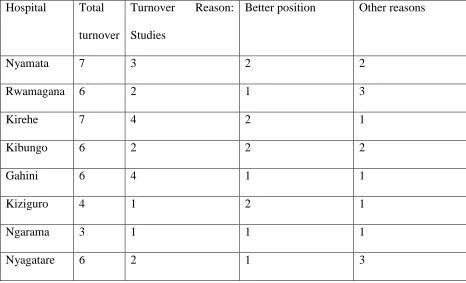
4.3.2.6 Turnover of Health Staff ... 63
Chapter 5 ... 65
ix
5.1 Mothers Perceptions and Experiences... 65
5.2 Community Health Workers and Maternal Health ... 71
5.3 CPD of Health Professionals ... 73
5.4 Contribution of the Research ... 76
References ... 79
x
List of Tables
Table 1 Number of IDI and FGD participant per hospital ... 28
xi
List of Figures
xii
List of Appendices
Appendix A : Western University Ethics Approval ... 88
Appendix B: Letter of Information for In-depth Interview (Women) ... 89
Appendix C: Letter of Information for In-depth Interview (Health Professional) ... 91
Appendix D: Letter of Information for Focus Group Discussion ... 92
Appendix E: Consent Form ... 94
Appendix F: Interview Guide (Women) ... 95
Appendix G: Interview Guide (Community Health Workers) ... 102
Appendix H: Interview Guide (Health Professionals- Non CPD) ... 105
Appendix I: Interview Guide (Health Professionals- Post CPD) ... 108
xiii
List of Abbreviations
AIDS: Acquired Immune Deficiency Syndrome
ALSO: Advanced Life Support in Obstetrics
CCT: Cross-Cutting Themes
CHWs: Community Health Workers
CPD: Continuing Professional Development
ETAT: Emergency Triage Assessment and Treatment
FGD: Focus Group Discussions
GIS: Geographic Information Systems
HBB: Helping Babies Breathe
HIV:Human Immunodeficiency Virus
IDI: In-Depth Interviews
MMH: Maternal Mental Health
MMR: Maternal Mortality Rate
MNCH: Maternal, Newborn and Child Health
MNCHR: Maternal, Newborn and Child Health in Rwanda
MOH: Ministry of Health
xiv
UN: United Nations
UNICEF: United Nations International Children's Emergency Fund
UNFPA: United Nations Fund for Population Activities
WB: World Bank
Chapter 1
1. Introduction
This thesis examines four interrelated objectives that together inform the challenges
of improving maternal health care in Rwanda. This chapter provides a brief background
to the dissertation, and outlines the main objectives. It also provides a brief community
context and concludes with an explanation of the organization of this thesis.
1.0 Background
Maternal health remains one of the most prominent health challenges in the
developing world. According to the World Health Organization (WHO, 2010), over 300
million women in the developing world experience significant maternal morbidity, and
99% of maternal deaths occur in developing countries (WHO, 2010). Estimates of
maternal mortality rate (MMR) in Rwanda for the year 2010 fall between 340 (UNFPA,
2012) and 476 deaths per 100,000 live births (National Institute of Statistics of Rwanda,
2012). Despite the overall improvement in maternal mortality in Rwanda, the estimated
rates remain quite high, implying that a lot needs to be done to improve maternal health
in the country.
The WHO (2009) reports that among countries with less than adequate maternal
health care, only 22% of them have near to sufficient number of health care workers
with adequate training to provide appropriate care, and that only 18.5% maternal health
providers are equipped to provide obstetrical emergencies. Meanwhile, it has been
system can offer up to 90% of needed maternal health care, thereby reducing maternal
deaths by two-thirds (Campbell & Graham, 2006). Consequently, the WHO (2009)
recognizes the importance of Continuing Professional Development (CPD) for health
professionals as a strategy of supporting learning and advancement of professional
competency in order to provide quality health care.
Invariably, in order to improve maternal health care and reduce mortality and
morbidity, we must better understand the barriers that women face in the health care
system. Although a number of studies have been conducted to examine barriers to
accessing and utilizing maternal health care in Rwanda, most of these studies have
relied on quantitative analysis using data from the demographic and health surveys
(Fosu, 1994; Babalola & Fatusi, 2009 ), and Geographic Information Systems (GIS)
data (Tanser, Gijsbertsen & Herbst, 2006) in the country. Studies designed to look
beyond the percentages and proportions to gain an in-depth understanding of women's
perceptions, experiences and viewpoints of the healthcare system are rare and
therefore necessary.
Recognizing the need for improved maternal healthcare in Rwanda, the
Maternal, Newborn and Child Health in Rwanda (MNCHR) as a larger project, was
launched with the aim of implementing a CPD program focused on emergency
Maternal, Newborn and Child Health (MNCH) training for in service health
professionals. MNCHR is a 3-year (2012-2015) project funded by the Canadian
Department of Foreign Affairs, Trade and Development as part of the Muskoka
Province of Rwanda with the highest MMR in the country (National Institute of Statistics
of Rwanda, 2012).
There were five modules taught in the CPD program. The first of these modules
was Advanced Life Support in Obstetrics (ALSO). ALSO training aimed to equip health
professionals with adequate knowledge and skills to effectively manage obstetrical
emergencies. Health professionals (nurses, midwives, physicians) were trained in ALSO
in all the nine hospitals in the Eastern Province. For each of the participating hospitals,
nine health professionals were trained in a ‘train the trainer’ mentorship approach. Other
CPD programs that were provided by the MNCHR project include: Helping Babies
Breathe (HBB) for newborn care, Emergency Triage Assessment and Treatment
(ETAT) for child health care, Maternal Mental Health (MMH), and Cross Cutting Themes
(CCT) which included training in ethics, gender and inter-professional collaboration. The
overall training program was aimed at improving maternal and child health care
provision and thereby reducing negative health outcomes. This thesis focuses on
maternal health aspects within the broader Rwandan context.
1.1 Research Questions and Objectives
This research aims to conduct an interpretative investigation of women’s
perceptions and experiences of accessing maternal health care; in the context of
community level initiatives and continuing professional development programs that
focus on improving maternal health care. The research seeks to answer three main
1) What are the mothers’ perceptions and experiences maternal health care?
2) What are the key gender-related and socio-economic access barriers to receiving
maternal healthcare in Rwanda?
3) What are the perceptions of Community Health Workers (CHWs) and health
professionals on the provision of maternal health care?
The specific objectives of the study are:
1) To assess women’s perceptions and experiences with maternal care in
Rwanda
2) To evaluate socio- economic and gender-related factors in relation to
accessing care
3) To examine CHWs perceptions on maternal healthcare provision
4) To explore maternal health professionals’ perceptions and experiences of
CPD initiatives aimed at improving maternal health care provision.
These research questions are answered within the specific community context.
1.2 Community Context
In the past 20 years since the Rwandan Genocide, a socio-economic and political
rebuilding process by the government of Rwanda made tremendous efforts to improve
is training maternal health professionals such as midwives, nurses and community
health workers. The emphasis has been to educate students during their pre-service
education. Such strategies are impacting maternal health in Rwanda. The WHO (2010)
states that the proportion of births assisted by formally educated healthcare providers in
Rwanda has increased from 26.7% in 2000 to 38.6% in 2005 and to 69% in 2010.
Additionally, there has been introduction of a postgraduate program in obstetrics-and
gynecology at the School of Medicine and Health Sciences in 2005. This has resulted in
an increase in the number of obstetrician-gynecologists to a total of 28 in 2011, as
compared to the near zero immediately following the genocide (Rwandan and
Expatriates).
The healthcare system in Rwanda has a four level of referral system: community,
health center, district hospital and tertiary hospital. At the community level, Community
Health Workers (CHWs) provide preventive and promotional maternal health services,
such as basic family planning. Primary health care is provided at health centers by
nurses. Secondary health care is provided at district hospitals by nurses and doctors,
while specialty health care is managed at the tertiary referral hospitals. In the last
decade, the number of health facilities has increased leading to an increase in the
geographical access to health facilities. There were 35 health posts that provide
preventive health care (immunization, family planning, basic primary health care) in
2009. This number increased to 125 in the year 2011. The number of health centers
that provide primary health care including delivery rose from 378 in 2009 to 413 in 2011
(Ministry of Health , 2012 & National Institute of Statistics of Rwanda, 2012). For women
health posts that act as dispensaries, where basic primary health care can be provided.
The health centers are the first points of contact of health system level where skilled
birth attendants assist mothers with normal deliveries. In case of complications during
pregnancy or deliveries, mothers are referred to district hospitals, where patients can
further be referred to the tertiary hospital (Ministry of Health, 2012).
The scaling up of a community-based health insurance along with a performance
based financing system for maternal health services have made some services more
affordable and accessible and these have improved maternal health indicators over the
last decade (Bucagu et al., 2012). Community based insurance and performance based
financing in Rwanda have more than tripled antenatal care visits from 10.4% in 2000 to
35.4% in 2010. In the same context, the number of skilled birth attendants doubled from
31% to 69%, the number of home deliveries reduced from 74% to 31.1%, and the rate
of contraceptive use increased from 4% to 45.1% all within a period of 10 years
(Bucagu et al., 2012). Another program in Rwanda has provided incentives such as
baby items and household materials to mothers who go for four standard antenatal care
visits as encouragement to other women who go less than four times.
Despite the improvements over the last decades, maternal health care remains
relatively inaccessible to much of the population in Rwanda and like many other health
indicators, the burden of maternal mortality seems highest among the poor (Abou Zahr,
2003; Ronsmans & Graham, 2006; Magadi, Diamond & Madise, 2001 ). With
of delivery complications. The proportion of women giving birth at home is estimated at
30 percent in rural areas compared with 16 percent in urban areas (Jayaraman,
Chandrasekhar & Gebreselassie, 2008).
Apart from community based health insurance (Mutuelle de Santé) that aimed to
reduce financial barriers to access health care, there was the scale up involvement of
CHWs in maternal health. CHWs are the direct contact to mothers in the communities
and provide maternal health education and information to mothers and members of the
community. The maternal health information that CHWs provide to mothers is to
promote the use of health care facilities and maternal health services. Such information
includes the use of antenatal services, information and services on family planning,
behaviour change, and delivery in health facilities as well as maternal mental health.
These strategies, combined with other government initiatives were aimed to help
Rwanda meet the 5th Millennium Development Goal on Maternal Health. However, the
process to reduce maternal deaths in Rwanda is still far from complete. With this
background, this thesis aims to examine mothers’ perceptions and experiences in
accessing maternal health and the role of CHWs and other staff in the context of CPD.
The rest of the thesis is organized into five chapters. Chapter two presents a
literature review related to maternal health more generally and the access to maternal
health care in developing countries. This chapter also covers literature on the role of
CPD in improving maternal health care and a brief theoretical framework. Chapter three
Chapter four presents the results. This is followed by Chapter five where a discussion of
Chapter 2
2. Literature Review
This chapter provides a review of the literature on maternal health and maternal
mortality. It discusses the barriers to accessing maternal health care in developing
countries. The chapter also reviews the literature on CPD in the broad context of
maternal health in Sub Saharan Africa.
2.1 Maternal Health and Maternal Mortality
The WHO conceptualizes maternal health as the health of women during pregnancy,
childbirth or during the postpartum period (WHO, 2010). Furthermore, maternal health
combines the health status of women and how health services are adequate to provide
the needs of women.
Giving birth can pose many risks to a woman’s health, including physical, mental
and social impacts. If these risks are not effectively managed in a timely manner these
conditions can create serious health problems for both mother and child, can even
result in death (WHO, 2010). Maternal deaths occur predominantly during labour,
delivery, or in the immediate postpartum period, often due to anaemia, infections, or
hypertensive disorders. Roughly half of maternal deaths take place within one day of
childbirth (Hogan, Goreman & Naghavi, 2010). Most of these deaths are preventable
(Jowett, 2000), but prevention hinges on women being able to access antenatal care
also related to delivery in a health facility ensuring women are close to emergency
services and sufficient skilled care should the need arise (Campbell and Graham,
2006). Despite international efforts to improve maternal health, this one remains one of
the most threatening health challenges.
The geography of maternal mortality rates is varied across nations. For instance,
according to the WHO (2010), Bangladesh, Nepal and Rwanda made remarkable
progress in reducing maternal deaths by more than 30% during the last decade. In the
same context there are however other countries like Burkina Faso and Chad where the
average reduction hovers only around 0.8 % (WHO, 2012). In all cases, differences in
the progress of maternal health are the result of multiple challenges that prohibit women
from accessing adequate healthcare.
Differences in maternal mortality rates demonstrate the disparity in maternal
health care between developed and developing countries (AbouZahr, 2003). There are
many factors that contribute to the challenges faced in maternal health globally. Some
of the main challenges include: political and poor health systems, socio-economic and
gender inequalities, and limited access to quality care. Political initiatives and advocacy
play a critical role in mobilizing and increasing resources allocation and in improving
accessibility and affordability to maternal health services (Horton, 2010).
Despite the importance and impact on nations, maternal health issues seem to
be low on the list of priorities for many developing countries. A number of studies (De
Savigny, 2008; WHO, 2009 & Shiffman, 2007) discussed the lack of credible evidence
need of attention. This happened in countries like Honduras, Nigeria, Guatemala, India
and Indonesia where advocates of reproductive health failed to win political trusts in
order for maternal health to be valued and considered as a hot issue for their national
agenda (Shiffman, 2007).
Alongside poor political commitment comes the lack of comprehensive policy
frameworks that addresses the costs of care as well as the inequalities in some health
settings. For example, in some regions of Vietnam, the issue of informal costs in
maternal health services particularly in settings with minority ethnic groups of people
has delayed advancement to better maternal health in the past (Målqvist et al., 2012) .
The same inferences are acknowledged by Johnson et al. (2012) whose findings
advocate for addressing the problem of the hidden costs in maternal health care as this
is one of the factors that have led to poor quality of care in Sub-Saharan African
countries. Although there has been considerable progress in improving the lives of
mothers around the World, there is a need to strengthen the health systems of
numerous countries through political advocacy and the adoption of comprehensive
policy frameworks that address the needs of care in all settings.
2.2 Barriers to Accessing Maternal Healthcare
Access to maternal healthcare translates into the affordability, physical
accessibility and acceptability of maternal health care services (Gulliford et al., 2002).
Poor access to maternal healthcare is usually associated with socio-economic and
geographical barriers faced by mothers while accessing maternal health care services
may include pervasive gendered issues such as women’s household demands and
cultural barriers such as the use of traditional (unskilled) birth attendants. Gender
inequalities and economic limitations of women in some select parts of the world
continue to hinder the advancement of maternal health. It is well recognised that the
participation of male partners in using family planning methods to limit and space the
births of their children can contribute to a reduction in maternal mortality (Mustafa,
Afreen & Hashmi, 2008 ; Ditekemana et al., 2012; Byamugisha et al., 2011, Shattuck et
al., 2011;).
This approach can allow women to have better control of their own bodies, and
subsequently engage in income generation activities, which can enable them to pay for
health insurance for themselves and their children without depending solely on their
husbands. Evidence also shows that in some countries the issue of financial constraints
in many households have been largely associated with poor access to maternal health
care services (Jehan et al., 2012). This challenge contributes to low levels of
improvement in maternal health particularly in developing countries where income of
households is largely dependent on the husband (Shattuck et al., 2011) and where
maternal health issues are consistently regarded as the responsibility of women
(Mustafa, Afreen & Hashmi, 2008) rather than a concern for both partners.
In her study in Rwanda, Umurungi (2011) found that birth order may influence a
mother’s decision to give birth in a health facility, whereby women were more likely to
deliver in a health facility during their first pregnancy when compared to subsequent
first incident. The explanation here is that mothers who have more than one child may
think they are more knowledgeable in childbirth and may rely on traditional birth
attendants or relatives (especially their mother-in-law) for pregnancy-related services
(Walraven, 2002). Also, a woman’s education tends to influence her awareness of
health services and decision-making in the utilization of available health services.
Furthermore, education also influences the relationship between literacy and the use of
family planning methods (Umurungi, 2011). Yet the National Institute of Statistics of
Rwanda (2012) indicated that the literacy rate among female of age 15 and above was
only 66 percent in 2010.
Joharifard et al. (2012) indicated that the possession of health insurance also
increases a woman’s access to maternal health care. The role of health insurance and
financial autonomy is stressed by the same authors, who revealed that the combination
of the two factors increases the likelihood to deliver in a health facility in Bugesera.
Harrisson (1997) and Gazmararian, Adams and Pamuk (1996) emphasize the role of
poverty in lack of access to maternal health services. Poverty is related to the cost of
health care, the cost of transport and lost income while at the health facility (Addai,
2000; Thaddeus & Maine, 1994) and hence considered a major determinant of maternal
health in many countries.
2.3 Geographical Barriers to Accessing Maternal Healthcare
Geographical access to health care focuses on location of health facilities and
the time it takes to travel to facilities when in need. This therefore tends to be
the availability of transport systems (Dixon et al., 2014). In Uganda, Kiwanuka et al.
(2008) reported that geographical access to health care varies among regions but also
varies among socio-economic status (the very poor, the poor and the rich). The World
Bank (2012) also reports that 12 % of the population in the central region of Uganda
encounter problems with geographical access to health, 15 % in the Western part, 21%
in the North and 25 % in the Eastern region. Gage (2007) working in Mali also noted
that the geography of the country and poor transportation infrastructure, affects the
access to maternal health care facilities. Here, most of the population have to walk
several kilometers to reach the health facility.
In Ghana, Gething et al. (2012) reveal that one out of three women live two hours
(or more) away from a health facility that can provide primary obstetrical emergency
care and half of these women live with a similar or longer distance to a health facility
that can offer advanced obstetrical emergency care. Gething et al. (2012) also indicated
that one-third of women are subject to maternal death due to delivery complications, as
a result of living four hours away from a well-equipped health facility.
Transportation availability including the conditions of roads to be used to reach
health facilities is an important geographic barrier to consider. For many places with
unpaved roads, this is particularly important during the rainy season (Kitui, Lewis &
Davey, 2003). In the case of Rwanda, the World Bank (2012) reported that 23 % of
patients in Rwanda still walk more than one hour or five kilometres in order to reach the
nearest health facility. These barriers cumulatively may be resulting in a high number of
In Rwanda, the number of home based-deliveries is still significant, with 30.1% in
2010 (Bucagu et al., 2012). When considering maternal health in Rwanda, there are
many possible explanations for why women in Rwanda are not delivering in health
facilities or why they may experience high rates of negative outcomes. One reason why
pregnant women may not be using health facilities is the low number of skilled health
professionals, which results in long hours of waiting (Kruk et al., 2010). Other studies
have suggested that the perceptions of the quality of the local health system influence
decisions to deliver in a health facility (Kruk et al., 2010; Thaddeus and Maine 1994).
Similarly, other studies have suggested that poor treatment of women by the health care
staff may be acting as a significant deterrent to seeking mainstream medical health care
(D’Ambruoso, Abbey & Hussein, 2005; Yakong et al., 2010). These barriers and
persistent challenges to accessing maternal health have led to some feminist
geographers interrogating issues on maternal health and access to health care within
feminist perspectives.
2.4 Feminist Perspectives on Maternal Health
A feminist philosophical approach provides a useful dimension to understanding
maternal health issues in Rwanda. According to Bowlby et al. (1989), feminist
geography tends to explore how gender relations and geographies are mutually
structured and transformed. Feminist epistemology is based on gaining an
understanding of gender diversity and complexities, with a recognition that these are
of feminism given by Maguire (1987) that women’s behavior and ability to respond to
different life experiences are influenced by individual and social images, roles and place
in the society at any given time. The feminist approach in this context will provide an
understanding of the barriers to accessing maternal health care based on women’s
perceptions and experiences. Feminists point to how gendered structuring of health
care provision may translate into mothers’ inability to access and utilize maternal care
(Dixon, Luginaah & Mkandawire 2014).
Rogers (2006) argues that feminist theory is associated with social economic
status of the women. Women who live in good conditions are exposed to better health
outcomes than women who live in poorly set conditions. His argument is based on
equity issues in public health, where women are more exposed to poor health outcomes
compared to men due to gender differentiations and associated factors. Rogers,
therefore, calls for attention from public health actors and the society in general to take
action for equitable health among men and women. Hesse-Biber (2012) suggests that
there is an intersectionality of individuals considering their characteristics that may have
an impact on health outcomes of individuals, and therefore needs to be taken into
consideration.
On the other hand, Anderson (2000) stresses that gender is socially structured
from the view of a feminist, and not biologically constructed. Persistent inequalities
between men and women translate into different power dynamics, resource availability
and use. These inequalities are disadvantageous to women and can lead to health
disparities and poor health outcomes. Feminist approaches on maternal health
theories suggest how gendered understanding must guide structures that aimed to
shape maternal health care. The aim of this study is to understand different interactions
of women’s social life in regard to the access and utilization of maternal health care
services. The study will seek to ascribe meanings to lived experiences and accounts on
maternal health from the perspective of the adult woman of child-bearing age.
2.5 CPD and Maternal Healthcare
CPD in healthcare reflects an individual or team’s engagement in a process of
life-long learning in order to remain current in relation to professional knowledge and
skills associated with practice standards and competencies in health care (DiMauro,
2000). Day and Sachs (2004) note that CPD learning opportunities must meet the
needs of novice professionals and should also reflect an aspiration model, wherein
participants can further improve upon their depth of expertise. Given the dynamic
changes that occur in practice settings, leaders in health care work environments must
recognize the value of CPD to enhance client care outcomes.
CPD strategies include formal education in online or face-to-face contexts,
participation in workshops or conferences, in-service sessions, peer coaching or
mentoring, and informal self-study or journal club involvement (Ridge, 2005). One of the
goals of CPD is to improve the service that is provided to patients. For example, in
South Africa, nurses believe that CPD needs to be embedded into professional practice
at an organizational and personal level in order to address changing health issues
In a number of African nations, CPD has been formalized and oversight is
directed by medical, nursing, and midwifery councils (Arunachallam, 2009; Peterson,
2002). Yet the literature on CPD for health professionals in sub-Saharan Africa is
limited, which might be attributed to factors such as limited resources to carry-out CPD
related research. In Ghana, CPD has been cited as a factor in nurses` consideration of
selecting staff positions in rural settings (Kwansah et al., 2012). In this case, CPD could
be seen as an intervention to support a more equal distribution of human resources in a
nation and hence improve health care quality. Providing adequate CPD to maternal
health providers may help to increase the quality of maternal healthcare to mothers.
This study explores the potential impact of CPD on maternal health outcomes from the
Chapter 3
3. Methodology
This chapter presents the study design, methods and procedures of data
collection that were used in this study. The chapter also discusses the data analysis
techniques that were utilized.
3.1 Study Design
The study is part of a larger study on maternal, newborn and child health in
Rwanda. To achieve the research objectives, in-depth interviews (IDIs) and focus group
discussions (FGDs), which are intrinsically qualitative, were used to provide a deeper
understanding of how participants’ experiences are linked to the broader social, political
and economic contexts. Guided by a feminist approach, this method helped to provide
rich data in the context of informing potential improvements to maternal health
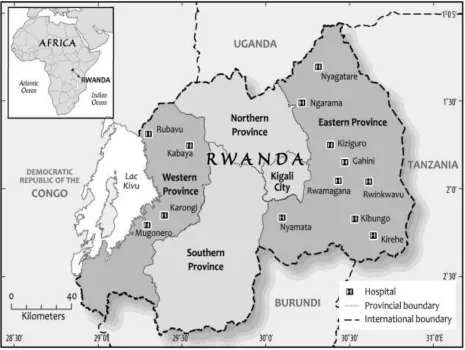
Figure 1: Map of Study Area and Sites
Produced by the Cartographic Section, Department of Geography, Western University, 2015
This study was conducted in two provinces of Rwanda: The Eastern and Western
Provinces. In the Eastern Province, data were collected in eight District Hospitals:
Nyamata, Rwamagana, Kibungo, Kirehe, Gahini, Kiziguro, Ngarama and Nyagatare
(Figure 1). In the Western Province, data were collected in four District Hospitals:
Karongi, Rubavu, Kabaya and Mugonero. Mothers who have had babies within a one
year period, which corresponds to the time CPD training was implemented, Community
(nurses, midwives, medical doctors) provided information that was needed to answer
the research questions. IDIs and FGDs were conducted with mothers who had their
babies at a health facility, as well as mothers who experienced home-based delivery
within one year. The involvement of mothers in FGDs was of great advantage since
they were able to share their perceptions and experiences in a group environment. IDIs
with mothers who gave birth in their homes explored reasons why mothers choose
home-based delivery. Conducting IDI with these mothers ensured they could share their
individual experiences and perceptions more openly than they would do in a FGD
(Harding, 2004).
Community Health Workers (CHWs) from the Eastern and Western provinces
also participated in the study. Focus group discussions were conducted with CHWs
operating in Kibungo and Mugonero Districts Hospitals in the Eastern and Western
Provinces respectively. Health professionals who participated in the study were also
from the hospitals in the two provinces. For the Eastern Province, interviews were
conducted with health professionals who participated in the CPD training on ALSO and
MMH, these two programs were the ones targeting particularly maternal health, among
others that were provided by the MNCHR in the hospitals of the Eastern Province. In the
Western Province, interviews were conducted with nurses, midwives and medical
doctors, who were working in maternity ward in each of the four hospitals, at the time of
the interview.
The Semi-structured interview and focus group discussion guides included open
their understanding of maternal health; 2) the factors that affect women’s health during
pregnancy and after childbirth; 3) the factors that contribute to the use of maternal
healthcare services; 4) Gaps and barriers in the implementation of CPD training and 5)
suggestions for improved care during pregnancy and postpartum period. The interview
guides were designed to gain information from participants, by giving them room to
express themselves.
3.2 Reflexivity and Positionality
The issue of reflexivity and positionality are central to this study and to the choice
of methods. At each step of the IDI and FGD research process, these two issues play
out. If we engage in reflecting on ourselves (reflexivity) we need to make what May
(2001) calls ‘a consideration of the practice of research, our place within it and the
construction of our fields of inquiry themselves’. Greenbank (2003) discusses the effects
of different types of values and interests. He points, for example, to the potentially
distorting effects on research of factors which are not often discussed such as the
career aspirations of the researcher. He argues that users of both quantitative and
qualitative methods need to recognize the influence of values on the research process.
The inclusion of reflexive accounts and the acknowledgement that educational research
cannot be value-free should be included in all forms of research and suggests that
researchers who do not include a reflexive account should be criticized.
Greenbank (2003) also draws attention to potential conflicts between a
researcher’s values or morality and generally accepted social values and the values of
relation to those of the researcher. He argues that researchers should be open to the
values and viewpoints of all concerned with the research and be willing to engage in
dialogue. This should be done with the researcher acknowledging his/her own values
and make sure the outcome judgment is not biased. In the context of this study, the
researcher’s values as female insider for the Rwandan society were taken into
consideration in regard to their influence on the study. The emphasis was put on
respecting the ideas shared by participants and taking them into consideration, whether
they match with the researcher’s values in the context of maternal health or not.
Considering the nature of the study topic, this research may be regarded as a
sensitive one, where women had to share their experiences and perceptions of
maternal healthcare. Hence, it was crucial to ensure a comfortable environment where
they can express themselves. Researchers may combine data collection methods for
triangulation (Olsen, 2004) or as a complementary method in a mixed method approach
(Morgan and Kreuger 1993; Pope & Mays, 1995) like it was the case while gathering
information from mothers. For CHWs and for health professionals, this study used both
FGD and IDI to gain information that would help to answer the research questions. The
following sections explain more about the nature of the methods that were used in this
study.
3.3 Focus Group Discussions
A FGD is defined by Powell and Single (1996) as “a group of individuals selected
and assembled by researchers to discuss and comment on, from personal experience,
groups have been used since the 1920s, and since then, they have been expanded
from market and political research techniques to data collection technique used in
health, medical and social sciences research from a qualitative approach (Babbie,
2013).
In the study of perceptions and experiences of accessing maternal health care,
FGDs were designed to explore the experiences of mothers who gave birth in a health
facility and their perceptions of maternal healthcare along with the experiences and
perceptions of CHWs who are involved in daily lives of mothers in the communities. In
terms of time, FGDs help to gain more information from more participants at a specific
time. For this study, the FGD was done in a social, organized and dynamic environment
with about six to seven participants per group, as recommended by Krueger (1988) and
Azzara (2010).
Kitzinger (1995) notes that the interactions and collectivity in focus groups
discussions help to gain mothers insights on the issues they share about the maternity
and delivery lived experiences in regard to the access and utilization of healthcare. At
the same time, they also give their perceptions of the subject matter. This approach
potentially provides a wide range of maternal health experiences and perspectives from
the participants. In this regard, participants were placed to share more about their
experiences, by reflecting the experiences from other participants and this led to the
richness of data gained in a FGD (Powell and Single, 1996). The nature of focus group
discussion where participants can express their opinions freely (Milena, Dainora & Alin
roots, where mothers may raise points that have not been anticipated by the researcher
and that could be tackled while conducting in-depth interviews ( Gibbs, 1997).
Challenges associated with f FGD
FGD, as any other research method, has challenges. For FGD, the challenges
are related to its nature, where different individuals are put together to discuss an issue.
One of the major challenges is to bring all the participants together at an agreed
location and time. The group dynamics and differences among participants can be of a
challenge and the moderator of the discussion has less control on the FGD interactions
(Krueger, 1988; Kitzinger, 1995). Another challenge of this technique lies in the fact that
the researcher might not be able to distinguish between individual or shared opinion.
These challenges were encountered during the conduct of this study.
Another crucial challenge of FGD is in regard to ethical issues, such as
confidentiality and anonymity. In case of group discussions, it is hard to ensure that
participants will keep the information from FGD confidential and anonymous, and having
this in mind might lead some participants to be quiet or share less of their experiences,
in the fear of sharing their own stories with strangers (Gibbs, 1997). Another challenge
of FGD is that they are time-consuming, both while being conducted and for the
3.4 In-Depth Interviews
Babbie (2013) defines a qualitative interview as “an interaction between an
interviewer and a respondent in which the interviewer has a general plan of inquiry,
including the topics to be covered but not a set of questions that must be asked with
particular words and in a particular order”. Knowledge of the subject matter is important
for the interviewee for a good process of the interview. Looking at the barriers to the
access of maternal healthcare with mothers as well as the experiences of health
professionals on the importance of CPD are sensitive issues that needed to be studied
using an approach that ensures mothers and health professionals who participate in the
study are comfortable enough to share their experiences and perceptions as they might
not be comfortable to share such information in a group setting (Milena, Dainora & Alin,
2008).
The benefits of using IDI as highlighted by Hennink, Hutter & Bailey (2010) apply
to this study because individual experiences and perceptions of maternal healthcare
may be similar or different from a mother to another or from one health professional to
another. Conducting IDI with mothers and health professionals helped to explore their
experiences and perceptions that are related to the access of maternal healthcare in a
deep and detailed fashion, as highlighted by Fitzpatrick & Boulton (1994) on the type of
knowledge gained from IDI.
Challenges associated with IDI
Due to the nature of IDI of collecting information from different individuals, it is
and due to the small sample size, such result cannot be considered to represent any
particular population (DiCicco‐Bloom & Crabtree, 2006). In-depth interview, similar to
focus group discussion, are time-consuming, especially when it comes to transcription
and analyses of the data (Boyce & Neale, 2006). In-depth interviews can also generate
emotional feelings, especially for this kind of sensitive research that is not easy to
handle by the researcher (Johnson, 2002). This last challenge was especially observed
for mothers who have given birth at home and for single mothers, who claimed they
lacked sufficient help during their pregnancy and childbirth period. In most cases, the
help that was evoked in these conditions was financial help.
3.5 Selection of Study Participants
Hospitals in the Eastern province represent the first cohort of CPD interventions
provided by MNCHR and data were collected in eight of those hospitals. To collect data
in Rwinkwavu hospital, a research based institution, an additional ethical approval was
needed and this could not be obtained in the time of data collection (June – September,
2014). The District Hospitals in the Western Province are not yet exposed to any formal
CPD interventions (Binagwaho et al., 2012) and the four District Hospitals where this
study was conducted are reported to be the ones with higher prevalence of home-based
child delivery in the Western Province (Binagwaho et al., 2012).
The sample size for qualitative research is not predetermined through a formal
sample size calculation (Hesse-Biber & Leavy, 2004). Hence, the focus groups and
interviews continued until theoretical and data saturation was reached. In the Eastern
experienced home based delivery, 19 women who delivered in a health facility, seven
CHWs, 13 ALSO trainees and three MMH trainees. The number of health providers who
were trained in MMH is related to the low number of the total number of trainees in the
Eastern Province (only four hospitals in nine received this training). In the Western
Province, saturation was reached after conducting the interviews with six women who
delivered at home, ten who delivered in a health facility, eight health care providers and
seven CHWs. All participants (women, CHWs and health care professionals) were over
18 years of age.
Table 1: Number of IDI and FGD participant per hospital
Hospital IDI FGDs
Eastern Province Women Health
Professionals Women CHWs
Nyamata 4 2
Rwamagana 4 2
Kibungo 2 1 1
Kirehe 3 2
Gahini 4 2
Kiziguro 3 2
Ngarama 2 2
Nyagatare 3 2
Western Province
Karongi 4 2
Mugonero 2 1 1
Kabaya 2 2
Rubavu 4 2
There is a community health officer based at the hospital who works directly with
the members of the community who follow up the health of the mothers at the
community level and give them information in regard to pregnancy, antenatal and
postpartum care. There are four community health workers in every village of about one
hundred households. Each of these community health workers keeps records on
maternal health and these ones will help them to identify eligible mothers to participate
in either FGD or IDI. Community health officers helped in the recruitment of CHWs and
the recruitment of women who have recently given birth. The meetings with hospital
directors helped to identify eligible health professionals. For the Eastern Province, these
have participated in either ALSO or MMH training. For the Western Province, the health
providers eligible were the ones working in maternity wards at the time of interviews.
Eligible participants were identified and were given written and verbal information
about the study and contact information by the community health workers. To build a
rapport with potential participants, the researcher made arrangement to meet with
interested women and community health workers to further explain the study, answer
questions, and schedule interviews and focus group discussions. While establishing a
relationship with participants, the researcher explained to them the goals and reasons of
conducting the research. To arrange interviews with health professionals, information
were circulated through the hospital administrators. Those who express an interest in
participating in the study were invited to call or email the researcher, and a meeting time
3.6 Study Procedures
Depending on participant’s choice of where they would feel more comfortable,
interviews took place either at home or in the health facility. Interviews with most of the
mothers took place in Health Centers, as these were scheduled on an immunization
day. Some mothers preferred to have interviews in their homes. Interview with health
professionals took place in the hospitals whereas FGD with mothers and with CHWs
took place at the health centers. All the FGD and some interviews with mothers were
scheduled on a vaccination day of the week at a health center where a room was
arranged in advance. In terms of location, it is important to conduct the interview in a
location familiar to participants (Kreuger, 1988; Gibbs, 1997) where they feel more
comfortable to share their stories.
The idea of holding the discussion in a room at health facility is familiar to
mothers who use health facilities in Rwanda as such rooms are used for meetings or
other gatherings, where mothers are given information related to the prevention of
diseases, especially after immunization sessions. The interviews and FGD proceeded in
a conversational manner to facilitate open dialogue. The interviews were audio recorded
with the participants’ permission, and were 30-45 minutes in length. FGDs were 60-80
minutes in length and were audio recorded as well. On a daily basis, one to two FGD
were conducted and three to six IDI were conducted (on different days, due to separate
To better understand the data, demographic information was also collected (age,
gender and education level, marital status and number of children). All the sampled
participants accepted to fully participate in the study and there was no refusal or
withdraw from the study. The first data were collected at Nyamata Hospital and this was
a pilot study. To get rich data from the interviews that followed, the interview guide for
women was revised after the pilot. The information related to family planning was
added, since this is one of the issues that is related to using maternal health care
services. Body languages and non-verbal communication were observed as well as field
notes. These were also used during the analysis to better understand the information
from interviews.
3.7 Ethical Considerations
In order to conduct a study that uses human participants and sensitive cases, it is
important to have ethical approval. For this study, the ethical approval was obtained
from the Research Ethics Board at Western University prior to commencement of the
study (File No: 103945). Before conducting the interviews and group discussions, the
letters of information were given to participants and the oral and written informed
consent were obtained from the participants. Participants were assured of voluntary
participation, confidentiality, anonymity and freedom to withdraw from the study at any
time. For both in-depth interviews and focus group discussions, informed consent is
crucial. As much as possible, the nature of the study and associated benefit were
explained to participants, after which consent to participate voluntarily in the study were
3.8 Logistics
All the expenses related to the study were covered by the MNCHR project. The
researcher will take responsibility for dissemination of the findings at completion of the
study to those participants who expressed interest in the results of the study.
3.9 Data Analysis
The analysis of findings of this study was done by the researcher. The audio
recordings were transcribed verbatim, translated from Kinyarwanda into English by the
researcher prior to analysis. Participants were given an ID number that was used for
analytical purposes. Initial analysis of transcripts was done by the researcher engaging
in reflection and highlighting key data from interviews (Prince, 2008). Notes on body
language and non-verbal communication as well as field notes were also analysed
along with the data from interviews to better explain the findings. Data from the pilot
data collection were analysed along with the rest of the data.
Data analysis involved line-by-line, open, and axial stages of coding in a constant
comparative, iterative manner to capture emergent themes. The researcher was going
constantly through the data to cross check the validity of the analysis. This helped the
researcher to stay true to the data to see what themes emerge as highlighted by
Bringer, Johnston & Brackenridge (2006), while interpreting and explaining the findings.
The analysis was done manually by grouping the themes and sub themes from the
collected data. Different concepts and data categories were then generated, based on
For this stage, different quotes were used to match different themes that emerged from
data. These were grouped into three major categories: perceptions and experiences
about maternal healthcare, barriers to access maternal health care and CPD
opportunities. The findings of the study were returned to participants for them to give
Chapter 4
4. Results
This chapter presents the findings of the study in terms of mothers’ perceptions and
experiences of maternal healthcare. The chapter also presents findings on the
perceptions of community health workers and health professionals who were trained
through CPD on how the training impacted health care delivery but also those who were
not exposed to training.
4.1 Mothers’ Perceptions and Experiences
This section presents the results from the interviews and focus group discussions
with mothers. It includes the sample characteristics, the perceived needs and
experiences of maternal healthcare utilization, the attitudes of healthcare professionals
and those of CHWs. Finally this section discusses what mothers would like to see as
the direction of maternal healthcare.
4.1.1 Sample Characteristics
The mothers interviewed were aged between 20 and 39 years old. Most of these
women were married (n=30) and living with their husbands. A few of them were
divorced or separated (n=11) and very few of them are never married (n= 4), and living
either in their own homes or with their parents. Participants had between one and eight
children and all of them had a baby in the last 12 months. Many of them had five to six
spacing varied from family planning, involuntary birth spacing, still births and other
negative pregnancy outcomes.
4.1.2 Mothers’ Perceived Needs and Experiences with the Utilization of Health Facilities
When asked about when a woman should seek for maternal healthcare for
pregnancy related services, some participants said that the ideal time is when a woman
suspects she is pregnant and thereafter. The participants agreed that a woman should
follow up the appointments for antenatal care until she delivers. A respondent indicated
that:
“When a woman thinks she is pregnant, she has to go to health facility so that they can do a pregnancy test. If the test is positive, she has to go for prenatal consultations in all the pregnancy semester, that is, three times”. (Woman, 27 years old, Karongi).
Several interviewees indicated that a woman should seek family planning services a
month and half after delivery. Few participants expressed that they had gone to the health
center a week after delivery for immunization programs. Those who indicated they had
gone to the health center did so because they had health problems. Few women
mentioned that when they go for immunization for their child a month after delivery, at
that time they also undergo check-up for any health problems if they have concerns. Most
participants mentioned that health professionals encouraged them to go for family
planning three months after delivery.
Several women agreed that a woman should go for prenatal consultations at least
identified health issue. Very few women indicated that a woman should go for antenatal
care four times during pregnancy. Those who went more than four times stressed that
they had other health concerns during their pregnancy. Few women said that they were
told to go for antenatal care before they were three months pregnant, because they had
to be tested for HIV/AIDS and in case of a positive test, there is a chance of follow up that
could help prevent mother to child HIV transmission. As indicated below several
interviewees highlighted that they use antenatal care services where both parents have
to go for HIV/AIDS test to benefit from maternal-child HIV/AIDS services offered in health
facilities:
“My husband and I have to use these services because we want to have a good health for our kids but also to make sure we are both healthy, we have to make sure we are not HIV+, so we need to go, because even if I know my status, I cannot be sure of his status or he cannot be sure of my status and in the end we want the baby to be HIV-”. (Woman 30 years old, Karongi)
All participants acknowledged the importance of going for antenatal care services
offered to pregnant women, since thus can have immense benefit on pregnant women.
Many interviewees also agreed that delivery in a health facility is the ideal, although a
few women indicated they did not see any problems with home based delivery, as long
as women delivering at home have been to antenatal care services and no issues were
found related to the mother or the baby. An interviewee said that:
“Delivery can happen in a health center or at home if the labor is approaching. It depends on where you are at the time you have to deliver”. (Woman, 32 years old, Kibungo)
Some of the mothers highlighted that they never went to health facilities, except when
(health posts) for antenatal care, but when it comes to delivery, they go to health
centers. Few participants explained that they delivered in hospitals because they were
transferred from health centers, due to pregnancy complications. Women who go to
health centers are only referred to hospitals if there is need. Mothers who had more
than two children relied on the past experience of home based deliveries to deliver at
home. When those who go to health facilities for deliveries were asked about their
motivation to do so they indicated they trust the health professionals at facilities to
handle maternal health issues. One of the participant said that:
“I gave birth for my first child in at home, but didn’t know about pregnancy at that time (19 years ago). All others [children] it was in a health center. They follow up and give all the services that are needed for health, any health
problem that you have you can go to health professionals and they tell you what to do”. (Woman 37 years old, Nyamata)
Several mothers talked about the services that are offered to pregnant women when
they have health problems including vaccination and HIV testing for spouses (both
partners). Pregnant women are also given relevant vitamins and other drugs. A
participant reported that they are never told what kinds of tests or exams are being done
to pregnant women by health professionals, and in most cases they are never told the
results either. Some participants also reported that for HIV positive mothers, they
educate them on protective and preventive measures, and they are also given
medication to prevent mother-to-child transmission. Pregnant women are also educated
on how to recognize early signs of pregnancy problems such as bleeding in order to
antenatal services and educated on the need to prevent malaria, family planning,
immunization of the newborn, nutrition, and hygiene.
4.1.3 Attitudes of Healthcare Workers
Several participants said that they were satisfied by the way they are treated by
health professionals and the quality of healthcare they receive. Very few of them said
that they have heard stories of mothers who were mistreated by certain health
professionals, but none of those interviewed was a victim of mistreatment at the hands
of health care providers. This is reiterated in the comments below:
“It depends on which health professional, sometimes there are some who are nice and treat patients nicely, but sometimes some treat people poorly.” (Woman, 35 years old, Rubavu)
Another interviewee:
“There are some who don’t treat patients well but they don’t send back anyone home. Sometimes if a patient asks for more care, that’s when they talk in a bad way, but generally they give a good service” (woman 27 years old, Mugonero).
Overall the participants complained about the wait times at health facilities due to the
fact that only a small number of health professionals are usually responsible for so
many women who frequently need maternal health services. A number of mothers also
said that there are times when they are prescribed medicines that are not available in
health facility pharmacies and in such cases these women have to buy medication on
their own from private pharmacies which tend to be very expensive. Some participants
also reported that when the treatment from health facilities do not seem to be working
for them, they normally turn to traditional medicine or to members of their churches for