Scholarship@Western
Scholarship@Western
Electronic Thesis and Dissertation Repository
2-13-2013 12:00 AM
Effects of Coordinated Bilateral Hearing Aids and Auditory
Effects of Coordinated Bilateral Hearing Aids and Auditory
Training on Sound Localization
Training on Sound Localization
Iman Elsabah Ibrahim
The University of Western Ontario Supervisor
Dr. Margaret Cheesman
The University of Western Ontario Joint Supervisor Dr. Vijay Parsa
The University of Western Ontario
Graduate Program in Health and Rehabilitation Sciences
A thesis submitted in partial fulfillment of the requirements for the degree in Doctor of Philosophy
© Iman Elsabah Ibrahim 2013
Follow this and additional works at: https://ir.lib.uwo.ca/etd
Part of the Speech and Hearing Science Commons
Recommended Citation Recommended Citation
Ibrahim, Iman Elsabah, "Effects of Coordinated Bilateral Hearing Aids and Auditory Training on Sound Localization" (2013). Electronic Thesis and Dissertation Repository. 1166.
https://ir.lib.uwo.ca/etd/1166
This Dissertation/Thesis is brought to you for free and open access by Scholarship@Western. It has been accepted for inclusion in Electronic Thesis and Dissertation Repository by an authorized administrator of
(Thesis format: Monograph)
by
Iman Ibrahim
Graduate Program in Health and Rehabilitation Sciences
A thesis submitted in partial fulfillment of the requirements for the degree of
Doctor of Philosophy
The School of Graduate and Postdoctoral Studies The University of Western Ontario
London, Ontario, Canada
ii
Abstract
This thesis has three main objectives: 1) evaluating the benefits of the bilateral coordination of the hearing aid digital signal processing features by measuring and comparing the auditory performance with and without the activation of this coordination, and 2) evaluating the benefits of acclimatization and auditory training on such auditory performance, and 3) determining whether receiving training in one aspect of auditory performance (sound localization) would generalize to an improvement in another aspect of auditory performance (speech intelligibility in noise), and to what extent. Two studies were performed. The first study evaluated the speech intelligibility in noise and horizontal sound localization abilities in hearing impaired listeners using hearing aids that apply bilateral coordination of wide dynamic range compression. A significant improvement was noted in sound localization with bilateral coordination on when compared to off, while speech intelligibility in noise did not seem to be affected. The second study was an extension of the first study, with a suitable period for acclimatization provided and then the participants were divided into training and control groups. Only the training group received auditory training for sound localization. The training group performance was significantly better than the control group performance in some conditions, in both the speech intelligibility and the localization tasks. The bilateral coordination did not have significant effects on the results of the second study.
This work is among the early literature to investigate the impact of bilateral coordination in hearing aids on the users’ auditory performance. Also, this work is the first to demonstrate
iii
Co-Authorship Statement
The study presented in Chapter 2 of this dissertation was accepted for peer-reviewed publication and was co-authored by Drs. Parsa, Macpherson, and Cheesman.
Drs. Parsa and Cheesman supervised the research, provided methodological guidance, and reviewed and revised draft of the manuscript and dissertation.
Dr. Macpherson contributed significantly to data analysis. Francis Richert, Dr. Laya Poost-Foroosh Bataghva and Dr. Paula Folkeard contributed significantly to participant recruitment and data collection.
iv
Keywords
speech intelligibility, speech in noise, horizontal sound localization, hearing aids,
v
Acknowledgments
This thesis would not have been possible without the constant support of many people. It is a pleasure to thank the following individuals for their support, patience, and guidance during my doctoral studies:
First and foremost, my utmost gratitude to my supervisors Dr. Margaret Cheesman and Dr. Vijay Parsa, who were abundantly helpful and offered their kind support and guidance throughout my doctoral studies. Thank you both for reading many drafts of many versions of several documents through the past few years.
I would like to thank Dr. Ewan Macpherson for being in my advisory and examination committees, for his kind help and support with study design, data analysis, and for providing insightful feedback on my research.
I would like to thank Dr. Paula Folkeard for being in my advisory committee, and for her invaluable support in recruiting participants, fitting the hearing aids, and for her clinical guidance.
I would like to thank members of my examination committee, Dr. Chantal Laroche, Dr. Jack Scott, Dr. Sheila Moodie, and Dr. Ewan Macpherson for generously committing their time and expertise in the review of my thesis document.
I am grateful for the help and support from faculty, staff, and friends in the Health and
Rehabilitation Sciences program, especially those at the National Centre for Audiology. I would like to thank Dr. Chris Lee for his support and feedback on my statistical analysis. I would like to thank the IT support team, Mr. Steve Beaulac, Mr. David Grainger, and Mr. David Lee.
Mrs. Lucy Kieffer, Mrs. Nancy Inchley, Mrs.Cathy Collins, and Ms. Amber Trent, thank you for the constant support in administrative issues and occasional chats.
Mr. Shane Moodie, thank you for allowing me to join your clinical course to learn how to take ear impressions.
vi
Support Centre. Special thanks go to Nadine Legros. Nadine, you are amazing, I learned a lot from you. Thank you so much. Dr. Natasha Patrito Hannon and Dr. Nanda Dimitrov, I learned a lot from attending the workshops you presented.
I would like to thank the instructors at the Western Writing Support Centre, for providing careful guidance and helpful advice.
My sincere thanks to my friend and colleague Dr. Laya Poost-Foroosh Bataghva, for her kind help and support in participants’ recruitment and hearing aid fitting processes.
Thank you my friend and colleague, Renita Sudirga for the time you spent editing and proofreading my thesis drafts, with care and patience, and for your insightful comments. I would like to thank Dr. David Purcell and Dr. Susan Stanton, I learned a lot from you during my PhD study years.
My gratitude to my fellow students, Nazanin Pourmand, Rufina Taylor, Christine Meston, and others without whom my years as a PhD student would have been far less fun, far less enriching.
I am very grateful to my participants without whom this research would not have been possible.
Last but not least, I would like to thank my husband, Mahmoud Ahmed and my sons, Salaheldin and Noureldeen. Mahmoud, I am truly indebted to you as a pillar of love and support. Thank you for believing in me and being here with me as I complete this milestone.
I dedicate this work to grandma, Zeynab Mansour.
Funding Acknowledgment
I would like to thank the hearing aid companies, Oticon and Siemens, for providing the hearing aids for the studies conducted.
vii
Table of Contents
Abstract ... ii
Co-Authorship... iii
Keywords ………...iv
Acknowledgments ... iv
Table of Contents ... vi
List of Figures ... xiii
List of Appendices ... …xvi
List of Abbreviations………...xvii
Preface………..1
Chapter 1………...4
1 Introduction ... ……...4
1.1 Background ……...………..4
1.2 Benefits of binaural hearing………..…………4
1.2.1 Benefits of binaural hearing in horizontal sound localization………..…...4
1.2.2 Benefits of binaural hearing in speech intelligibility in noise………...6
1.2.2.1 The relative contribution of ITD and ILD cues for binaural speech in noise (SIN)………....7
1.2.2.2 Other factors that affect speech intelligibility in noise………7
1.3 Effect of hearing loss on the binaural benefits………...………..9
1.3.1 Effect of hearing loss on horizontal sound localization…………..…………....9
viii
effect and binaural squelch……….12
1.4 Effect of hearing aid fitting on binaural hearing……….……14
1.4.1 Effect of hearing aids fitting on horizontal sound localization………...14
1.4.1.1 Effect of Wide Dynamic Range Compression (WDRC) on horizontal
sound localization………15
1.4.1.2 Effect of microphone configuration (multi-band adaptive directionality)
on horizontal sound localization…….……….17
1.4.1.3 Effect of mismatched microphone mode on horizontal sound
localization………...20
1.4.1.4 Effect of digital noise reduction algorithms on horizontal sound
localization………....22
1.4.2 Effect of hearing aid fitting on speech intelligibility in noise……….24
1.4.2.1 Effect of WDRC on speech intelligibility in noise………..25
1.4.2.2 Effect of Directional microphones on speech intelligibility in noise…...26
1.4.2.3 Effect of microphone mismatch on speech intelligibility in noise……...27
1.4.2.4 Effect of Noise Reduction on speech intelligibility in noise………27
1.5 References………...………...…….29
Chapter 2...………..36
ix
2.1
2.2 Background………..36
2.3 Material and method………....40
2.3.1 Participants………..……….40
2.3.2 Hearing aids………...41
2.3.3 Methods………...42
2.3.3.1 Speech intelligibility………..….44
2.3.3.2 Localization test………..44
2.4 Results……….47
2.4.1 Speech intelligibility………...47
2.4.2 Sound localization………....…49
2.5 Discussion………58
2.6 Summary and conclusions……… ...… ...63
2.7 References………....64
Chapter 3………....68
3. Auditory Plasticity and Auditory Training ... 68
3.1 Introduction...68
3.2 Neuroplasticity……….…..68
3.3 Auditory Plasticity……….…..69
3.3.1 Binaural hearing and auditory plasticity………....70
x
3.4.1 Improvement in localization with auditory training in NH individuals……..73
3.4.2 Improvement in localization with auditory training in HI individuals………75
3.5 Sound localization in hearing aid users………....77
3.6 AT Generalizability………..78
3.7 Proposed design for an auditory training program to improve the sound localization performance of hearing aid users………...79
3.8 Summary and conclusions……….81
3.9 References………..82
Chapter 4 ... ... 87
4. Evaluation of Sound Localization and Speech Discrimination with Hearing Aids that use Binaural Wireless Technology following Auditory Training…………...87
4.1 Introduction……….87
4.2 Background……….88
4.3 Material and method………...90
4.3.1 Participants………...90
4.3.2 Hearing aids………...91
4.3.3 Procedures………..93
4.3.3.1 Speech intelligibility……….94
4.3.3.2 Sound localization……….…95
4.3.3.3 Auditory training procedures………96
xi
4.4.1.1 Speech Intelligibility………..97
4.4.1.1.1 Anechoic environment………...97
4.4.1.1.2 Reverberant environment………..98
4.4.1.2 Sound Localization………...103
4.4.2 Individual level analysis strategies……….105
4.4.2.1 Training group individual results………....106
4.4.2.2 Control group individual results……….112
4.5 Discussion………116
4.6 Summary and conclusion……….119
4.7 References………122
Chapter 5 ... …..125
5 Discussion ... .125
5.1 Overview and main results ... 125
5.2 Contribution to literature and future research………..….130
5.3 Strengths and limitations……….………..131
5.3.1 Strengths………...131
5.3.2 Limitations………...132
5.4 Conclusions………133
5.5 References………..134
xii
xiii
List of Figures
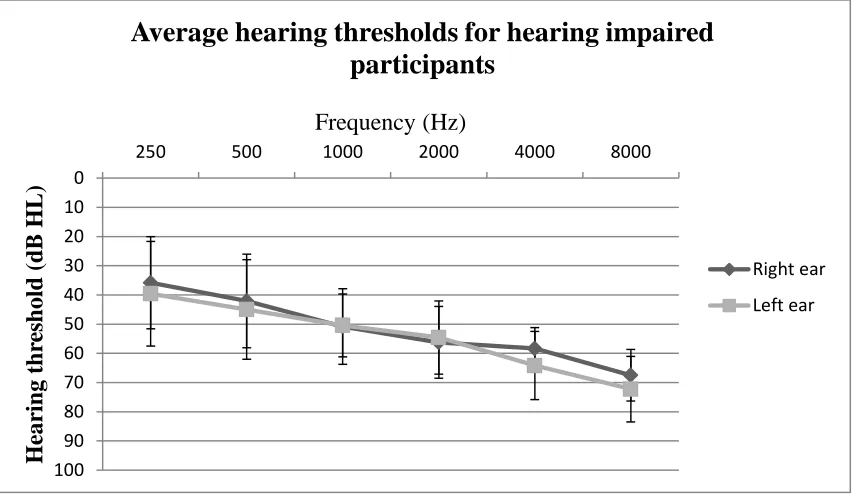
Figure 2-1: Means and standard deviations of hearing thresholds of HI
participants………...41
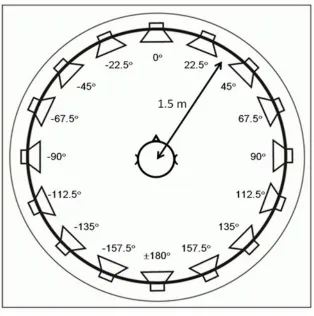
Figure 2-2: Speaker arrangement in the semi-anechoic chamber used for testing speech intelligibility and localization………..43
Figure 2-3: 1/3-octave spectrum of the car horn stimulus used in the sound localization experiment………....45
Figure 2-4: Spectrum of the traffic noise used in sound localization………..45
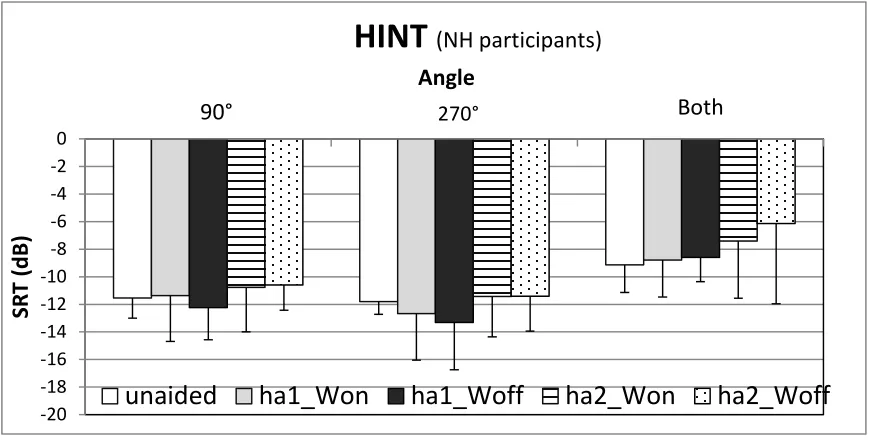
Figure 2-5: HINT results for the NH participants.…………..………...48
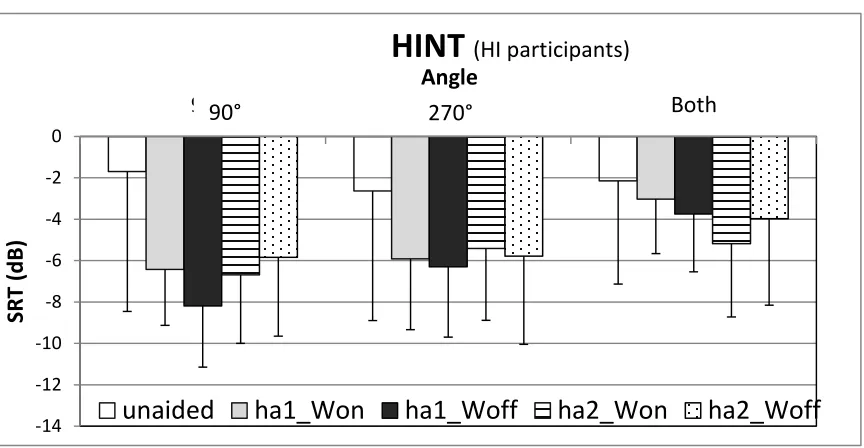
Figure 2-6: HINT results for the HI participants.………..…...49
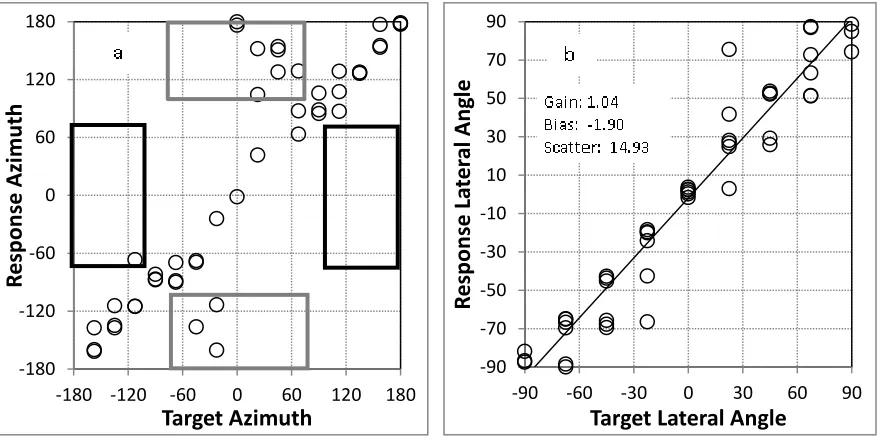
Figure 2-7: Sample localization data from one of the HI participants for an experimental condition.………...………..…50
Figure 2-8: F/B error rate for the NH listeners for the two test stimuli……….….51
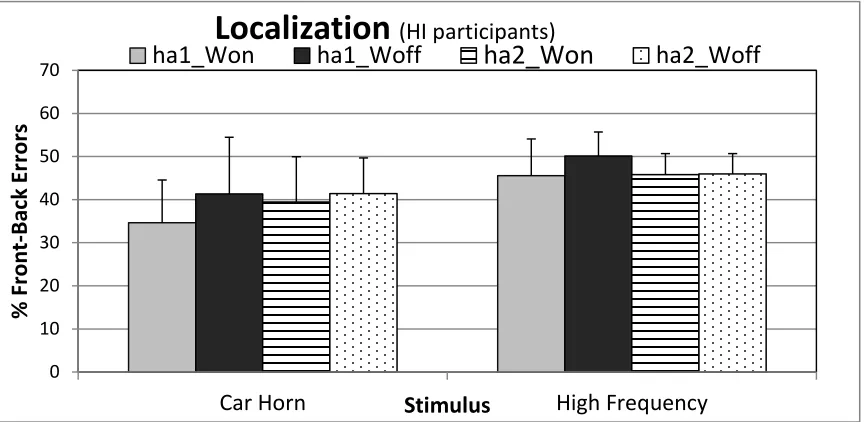
Figure 2-9: F/B error rate by HI listeners for the two test stimuli. ………..…...52
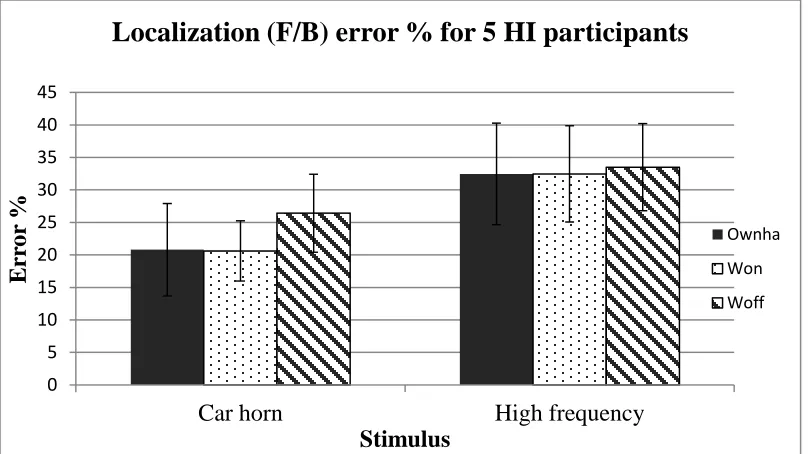
Figure 2-10: F/B error rate for five HI listeners ………..………...…....53
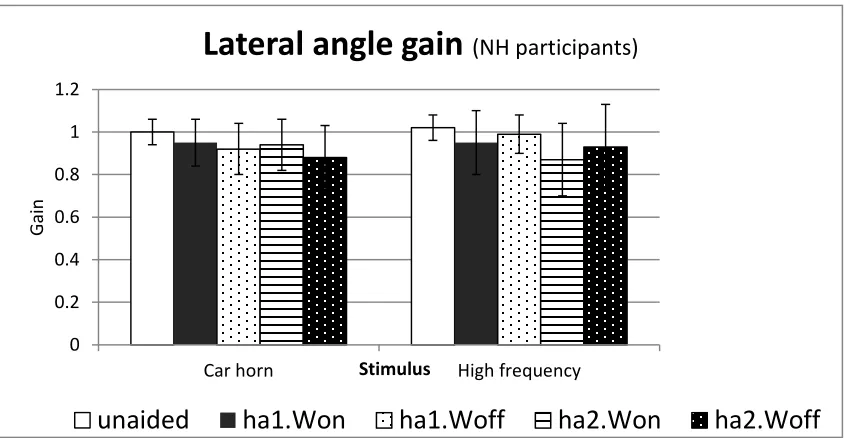
Figure 2-11: Lateral angle gain computed from the localization data obtained from NH listeners for the two test stimuli. ………...……….54
Figure 2-12: Lateral angle gain computed from the localization data obtained from HI listeners for the two test stimuli. ………....54
Figure 2-13: Lateral angle bias computed from the localization data obtained from NH listeners for the two test stimuli……….…..55
xiv
Figure 2-15: Lateral angle scatter computed from the localization data obtained from NH listeners for the two test stimuli……….………..57
Figure 2-16: Lateral angle scatter computed from the localization data obtained from HI listeners for the two test stimuli.………...…………...57
Figure 2-17: SpeechMap from AudioScan Verifit displaying the fit-to-targets for different levels of input speech………...…62
Figure 4-1: Means and standard deviations of pure tone thresholds of the participants…..…91
Figure 4-2: Timeline of the study………..………...93
Figure 4-3 a & b: HINT results in the anechoic environment for the single (a) and diffuse (b) noise sources………99
Figure 4-4 a & b: HINT results in the reverberant environment for the single (a) and diffuse (b) noise sources.………...101
Figure 4-5: HINT results for the training group after acclimatization (Time 1), and after training (Time 2)………...102
Figure 4-6: HINT results for the control group after acclimatization (Time 1), and after training (Time
2)....………...103
Figure 4-7: F/B error percentages for both the training and the control groups immediately after fitting the new hearing aids (Oticon Agil-Pro). Dark columns represent the training group, and the light columns represent the control group performances.…………... ……..104
xv
period, light columns) and after Time 2 (the training period, dark
columns)………....105
Figure 4-10: The performance of training participant # 1 in the four localization stimuli across the study period. ………..………...107
Figure 4-11: The performance of training participant # 2 in the four localization stimuli across the study period.……….108
Figure 4-12: The performance of training participant # 3 in the four localization stimuli across the study period.………..109
Figure 4-13: The performance of training participant # 4 in the four localization stimuli across the study period.………...…...110
Figure 4-14: The performance of training participant # 5 in the four localization stimuli across the study period………...111
Figure 4-15: The performance of control participant #1 in the four localization stimuli across the study period………..112
Figure 4-16: The performance of control participant # 2 in the four localization stimuli across the study period.……...113
Figure 4-17: The performance of control participant # 3 in the four localization stimuli across the study period………...………...114
xvi
List of Appendices
Appendix A: Ethics approval forms for the study “Evaluation of speech intelligibility and sound localization abilities with hearing aids using bilateral wireless coordination” and the study “Evaluation of Sound Localization and Speech Discrimination with Hearing Aids that
use Binaural Wireless Technology following Auditory Training”………..136
Appendix B: Pure Tone thresholds for the HI participants-chapter 2……….….138
Appendix C: HINT data for NH and HI listeners – chapter 2 ……….139
Appendix D: Localization data for NH listeners – chapter 2 ………...………...140
Appendix E: Localization data for HI listeners –chapter 2.………..………...141
Appendix F: Pure Tone thresholds for the training group- chapter 4 ……...142
Appendix G: Pure Tone thresholds for the control group-chapter 4 ………..……….143
Appendix H: Anechoic HINT data for the training and control groups-chapter 4………...144
xvii
List of Abbreviations
AT: Auditory training
BBN: Broad-band noise
BILD: Binaural intelligibility level difference
BTE: Behind-the-ear
CASPERsent: Computer-Assisted Speech Intelligibility Testing and Training at the Sentence Level
CATS: Computer Assisted Tracking Simulation
CNS: Central nervous system
CR: Compression ratio
DI: Directivity index
DNR: Digital noise reduction
DSP: Digital signal processing
DSL: Desired sensation level
F/B: Front/Back
FM: Frequency modulation
HA: Hearing aid
HI: Hearing impaired
HINT: Hearing in Noise Test
HPN: High-pass noise
HRTF: Head-related transfer function
xviii
ITD: Interaural time difference
ILD: Interaural level difference
IPD: Interaural phase difference
JND: Just-noticeable difference
KEMAR: Knowles Electronics Manikin for Acoustic Research
LACE: Listening and Communication Enhancement
LPN: Low-pass noise
L/R: Left/Right
MAA: Minimum audible angle
MCL: Most comfortable level
NBN: Narrow-band noise
NH: Normal hearing
PCP: particular communication partner
RECD: Real ear-to-coupler difference
RITE: Receiver in the ear
RMS: Root mean square
RT60: Reverberation time-60
xix
SNHL: Sensorineural hearing loss
SNR: Signal to Noise Ratio
SRT: Speech Reception Threshold
SSQ: Speech, spatial, and quality
T1: time 1 (after the acclimatization period)
T2: time 2 (after the training/control period)
W.on: Wireless synchrony enabled
W.off: Wireless synchrony disabled
VAD: Virtual auditory display
WDRC: Wide dynamic range compression
2-STDEV: 2 standard deviations
Preface
The objectives of this dissertation were: 1) to inspect the performance of hearing impaired listeners in some auditory tasks that reflect the processes of binaural hearing while evaluating the benefits of a hearing aid feature that enables two (right and left) hearing aids to communicate wirelessly with each other in order to synchronize the signal processing features, 2) to measure and evaluate the benefits of providing a period for acclimatization and auditory training together with the bilateral wireless coordination feature, and 3) to inspect and evaluate the possibility of improvement in one aspect of auditory performance (speech intelligibility in noise) after receiving auditory training in another aspect (horizontal sound localization).
Several studies pointed out that the independently-working digital signal processing (DSP) circuits in the right and left hearing aids could interfere with the naturally-occurring binaural cues (Bogaert et al. 2006; Keidser et al., 2006; Keidser et al., 2011). This interference could increase the localization errors and interfere with speech intelligibility especially in noisy backgrounds.
Recently, a new DSP feature has been incorporated into hearing aids - bilateral wireless coordination. It allows communication between a hearing aid pair, in order to apply the same signal processing algorithm in both aids. This feature is thought to improve the preservation of the interaural cues through coordinating the DSP and the volume settings of the two hearing aids.
Since this is a fairly new feature, there is a lack of studies that evaluate the benefits of applying wireless coordination in hearing aids and to what extent it preserves the naturally occurring binaural cues and improves the auditory functions that depend on these cues such as sound localization and speech understanding in noisy backgrounds.
in effect and 2) evaluate the effects of acclimatization and auditory training with this feature on localization and speech intelligibility in noise.
Chapter One reviews the relevant background literature that laid the foundation of the first study in this thesis work. First, the benefits of binaural hearing for both sound localization and speech intelligibility in noise were explained. Second, the effect of hearing loss on sound localization and speech intelligibility in noise were explored. Third, different digital signal processing features used in hearing aids were explained briefly and the studies investigating their effects on sound localization and speech intelligibility in noise were reviewed.
In Chapter Two, a study that evaluated the benefits of the binaural wireless synchrony for both sound localization and speech intelligibility in noise is presented. The research question addressed in Chapter Two is: Does bilateral coordination between the two hearing aids provide the listeners with improved binaural benefits, especially in terms of improving speech understanding in noise and sound localization?
Chapter Three reviewed the literature relevant to the auditory plasticity and auditory training, which is the basis for conducting the second study, to measure and evaluate the benefits of auditory training, and review the work done so far regarding auditory training for the HI listeners.
In Chapter Four, a study that evaluated the benefits of auditory training in combination with the bilateral wireless coordination feature is presented. The research questions addressed in Chapter Four are: 1) Would providing acclimatization and Auditory Training (AT), along with using the hearing aid that apply bilateral wireless coordination, significantly improve sound localization and speech understanding in noise? 2) Would training for localization only also result in improved speech intelligibility? 3) How would different acoustic environments (anechoic-reverberant) interact with and affect the results of AT?
Chapter 1
1. Introduction
1.1 Background
Several anatomical factors and neural mechanisms make auditory performance with two ears (binaural hearing) clearly superior to listening with one ear (monaural hearing). This chapter will discuss the following points in detail: 1) the benefits of binaural hearing in horizontal sound localization and speech understanding in noise, 2) how sensorineural hearing loss (SNHL) affects horizontal sound localization and speech understanding in noise, and 3) how different hearing aid features affect horizontal sound localization and speech understanding in noise. Finally, a rationale for conducting the study in Chapter 2, as well as a summary and outline for the thesis is provided.
1.2 Benefits of binaural hearing
1.2.1 Benefits of binaural hearing in horizontal sound localization
i. Binaural processing of difference in arrival times between the two ears (or the Interaural Time Differences (ITDs)) provides one localization cue. These timing differences are very small, ranging between 10-700 μs. Interaural phase differences (IPDs) occur coincidently with the ITDs and vary systematically with source azimuth and wavelength. IPDs dominate in localizing the low frequency sounds (up to 1.5 kHz) (Blauert, 1983).
ii. The head diffracts sound waves, causing a difference in intensity between the two ears, known as Interaural Level Differences (ILDs). ILDs are the most prominent cue in localizing high frequency sounds (above 1.5 kHz) and can result in up to 20 dB difference between the two ears at 6 kHz (Blauert, 1983).
iii. The shape of the head and the folds and convolutions of the pinna result in a frequency dependent response, which varies with the sound position. This results in spectral shape cues that function mainly on broadband high frequency sounds (4-12 kHz) (Blauert, 1983).
Although the shape of the head, and the folds and convolutions of the pinna serve as monaural sound localization cues, comparing and processing the acoustic inputs at the two ears are important for sound localization. In 1907, Lord Rayleigh proposed the “Duplex theory“(Strutt, 1907), which explained the different roles of ITDs and ILDs in
MAAs are usually smaller in the frontal midline, between 30º to -30º where they are about 1º-2º, than at the sides where they are about 15º (Middlebrooks & Green, 1991).
1.2.2 Benefits of binaural hearing in speech intelligibility in noise
Our ability to detect and understand speech in a background of noise is of significant importance in our everyday communication, because we are confronted daily with complex acoustic environments. Our auditory system processes simultaneously occurring complex acoustic signals to extract relevant information. There is substantial evidence that speech intelligibility is enhanced with binaural presentation (Arsenault and Punch, 1999; Bronkhorst and Plomp, 1988; Bronkhorst and Plomp, 1989; MacKeith and Coles, 1971). The binaural advantage for speech intelligibility in noise is due to a combination of a physical phenomenon, viz. the head shadow effect, and a neurological process, viz.
binaural squelch (Byrne, 1981).
Head shadow effect (HSE): Except when the sound sources lie directly in front (0° azimuth), or directly in the back (180° azimuth) of the listener, binaural listeners have one ear nearer to the source of the desired signal than the other. Therefore, they are in a better position compared to monaural listeners, regarding the relative levels of the signal and noise, because they will always have an ear closer to the sound source at any given position. A monaural listener may sometimes be positioned such that the head is interposed between the signal source and the functioning ear, leading to a considerable attenuation of frequencies above 1 kHz (Blauert, 1983).
squelch effect acts mainly on low frequency, steady-state information (Bronkhorst & Plomp, 1988).
1.2.2.1 The relative contribution of ITD and ILD cues for binaural speech in noise
(SIN):
Bronkhorst and Plomp (1988) tested the effect of ITDs and ILDs on binaural speech intelligibility in noise, using virtual auditory stimuli. They used three main noise types: FF (free field), dL (head shadow only), and dT (ITD only). The target speech material was recorded only from 0º (midline), while noise was recorded from seven azimuth angles, ranging from 0º to 180º. They found that when the benefits derived from ITDs and ILDs are separated, ILDs yield better speech reception thresholds (SRTs) than ITDs. Carhart et al. (1967) showed that ITD contributes only moderately to a gain in intelligibility, but yields a high gain for detection. Carhart also suggested that the presence of ILDs decreases the benefits derived from ITDs. In case of asymmetric hearing loss, deriving a benefit from ILDs depends on having the better ear closer to the sound source (presented with the higher SNR).
1.2.2.2 Other factors that affect speech intelligibility in noise
The number and nature of noise sources impact speech intelligibility in noise. The process of segregating and extracting information from a single target sound in a multi-source environment is known as the “Cocktail Party Effect” (Cherry, 1953; Pollack & Pickett, 1958), “sound source determination” (Yost, 1992, 1997), or “sound source segregation” (Bregman, 1990). Besides the binaural advantages, several other factors can either facilitate or complicate speech intelligibility in noise in multi-source environments. These factors depend on the nature of the target speech and the competing noises (such as the nature and the spatial separation between target and interfering noise). Some of these factors are discussed below:
“spatial release from masking” (Bronkhorst and Plomp, 1992; Hawley et al, 1999).
Determining the location of a sound source is a powerful tool for tracking it over time. Several studies such as Bronkhurst and Plomp (1990, 1992) and Arbogast et al. (2002) confirmed better speech recognition in noise when the target and the competing noise are separate in spatial location. Spatial location becomes the primary cue used to track a target signal when both target and interfering sources have the same frequency spectrum (Freyman et al., 1999). Spatial separation also provides a monaural advantage that results from the higher SNR at the ear closer to the target speech signal due to HSE. However, if multiple interferers are presented and spatially distributed to both sides of the head, the monaural advantage becomes insignificant (Hawley et al., 2004).
b) Temporal properties of interfering sound: It is easier to understand speech when the interfering sound has speech-like amplitude modulation. Speech has a fluctuating frequency spectrum and amplitude envelope, while noise generally lacks such modulation. These modulations cause dips in the temporal envelope and facilitates understanding of the target speech due to transient improvement in SNR (Hawley et al, 2004, Mackeith and Coles, 1971).
c) Differences in fundamental frequency (fₒ): When two concurrent voices have different
fundamental frequencies, listeners can easily separate and understand the target voice (Assmann and Summerfield, 1990). This explains why it is more difficult when target and background speakers are of the same sex and the fundamental frequencies of their voices are closer in frequency.
than the target signal. Spatial release from masking is greater for informational compared to energetic masking (Arbogast et al., 2005).
From the above, it can be concluded that differences between the signal and the noise at both ears are essential for detecting and understanding speech in noisy background because the listener compares the input at both ears and accordingly attempts to extract the useful stimulus, which is usually speech, and ignore the unwanted stimulus, which is usually noise. ITDs are more important for speech detection; however, ILDs provide more benefit for speech intelligibility. Other stimulus-related factors, such as spatial location, temporal properties, and linguistic contents, also contribute to speech intelligibility in noise.
1.3 Effect of hearing loss on binaural benefits
1.3.1 Effect of hearing loss on horizontal sound localization
For the individuals with SNHL, in general, a fair correlation of 0.3 to 0.4 (Portney & Watkins, 2000) was found between the localization performance in the horizontal plane and HTL. A slight predominance of low frequency hearing sensitivity was present in the frontal horizontal plane localization, while low and mid-to-high frequencies predominated localization in the lateral horizontal plane. A similar but weaker correlation was found at ½ MCL. The correlation was rather between HTL at 1, 2, and 4 kHz than HTL at low frequencies with performance in frontal horizontal localization.
The results of Noble et al. (1994) revealed that hearing thresholds have only a mild predictive power on localization performance. Other possible factors that could affect localization are reduced frequency selectivity, intensity and temporal resolution, measurement errors, or differences in pinna tuning properties. Reduced frequency selectivity could alter sound localization especially in multisource environments, where interfering sounds other than the target sound and similar or very close to the target sound in frequency spectrum exist. Noble et al. suggested that reduced intensity and temporal resolution could alter intensity and temporal localization cues. Smoski and Trahiotis (1986) reported that ITD thresholds for low frequency stimuli are slightly greater compared to normal hearing individuals.
From the above, it could be concluded that the degradation in horizontal sound localization abilities in hearing impaired individuals is not completely attributable to decreased audibility. Other factors must contribute to this degradation, such as reduced frequency selectivity.
1.3.2 Effect of hearing loss on speech intelligibility in noise
Plomp and Duquesnoy (1982) developed a quantitative model that describes hearing loss for speech as the sum of two factors: i) an attenuation factor, caused by the reduction of the levels of both speech and noise signals, and ii) a distortion factor, which reduces the “functional” signal-to-noise ratio, as it affects frequency and temporal resolution, and
hence, affects speech intelligibility. It is important here to note that it is not possible to separate the attenuation from the distortion factor in a hearing impaired listener. It is possible that the relative contribution of each of these factors to the hearing impairment leads to the wide variations in performance of different auditory tasks demonstrated by the HI listeners compared to the normal hearing listeners. Different aetiologies of hearing loss could result in different combinations of attenuation and distortion.
To test the effect of hearing impairment on binaural cues (ITDs and ILDs), Bronkhorst and Plomp (1988) tested the performance of NH and HI listeners. To simulate unilateral hearing loss, a condition with 20-dB attenuation was applied to the speech presented to the NH listeners. The results showed that the hearing-impaired listeners had significantly higher SRT in noise than the NH group. When considering the relative gain due to the ITD, there was hardly any difference in performance between the two groups. The hearing-impaired participants had mean Binaural Intelligibility Level Difference (BILD) of 4.2 dB, which was not significantly different from the 4.7 dB obtained by the NH group. BILD is defined as the difference in signal level in decibels between two binaural conditions for a given percent intelligibility (Levitt & Rabiner, 1966). Reducing the presentation level on either side had a limited effect on SRT. The ability to benefit from ITD varied within the hearing-impaired group, which suggests that it is related to the degree or configuration of hearing impairment.
listeners perform worse in speech in noise (SIN) during binaural listening mainly due to their inability to take full advantage of the ILD cue. Since the head shadow that results in the ILD at 90º azimuth is most prominent between 3-5 kHz, their binaural gain is affected by hearing loss in this frequency region. Listeners with bilaterally symmetric hearing loss benefit almost equally from the ITD when compared with normal hearing listeners. However, listeners with asymmetrical impairment benefit significantly less from ITD when it is the only cue available. HI listeners benefit less from ILD mainly due to elevated hearing thresholds, especially in the high frequency region. The following section will discuss how listeners’ hearing impairment might disrupt the binaural benefits
for SIN. This section will focus on individuals with mild-to-moderate SNHL that affects mainly the high frequency region, because this is the frequency region most commonly affected by mild-to moderate SNHL (Schmiedt, 2010).
1.3.3 Effect of bilateral mild-to-moderate SNHL on the benefits from
head-shadow effect and binaural squelch
Because some studies address more than one aspect of binaural benefits, only the relevant result(s) of each study will be discussed under the corresponding subsection.
a) Head shadow
Bronkhorst and Plomp (1989) reported that bilaterally HI individuals benefit less from the head shadow effect, compared to NH listeners. They found that spatial separation resulted in 9.8 dB of BILD for the NH participants and 7.1 dB for those with symmetrical hearing loss.
b) Binaural squelch
As mentioned above, binaural squelch refers to the ability of the auditory system to take advantage of the different inputs from the right and left ears in order to improve speech intelligibility in noise (Byrne, 1981). Arsenault and Punch (1999) measured and compared the benefit derived from binaural squelch between NH and HI listeners. They found that the HI listeners had less advantage of binaural squelch effects compared to NH listeners. A difference of 3.2 dB SNR (4.9 dB SNR benefit for NH listeners compared to 1.7 dB SNR benefit for HI listeners) was reported by Arsenault and Punch (1999). A similar difference of 2.7 dB in BILD benefit between NH and HI listeners was reported by Bronkhorst and Plomp (1989).
c) Other factors
Hawley et al. (2004) examined the effect of the type and number of interfering sounds. Interfering sources can be noise (energetic masking) or speech (informational masking) sources. When several interfering sources are present the binaural system can suppress the interference more effectively from speech than noise sources, particularly when these sources are spatially separated. SRTs are better with speech than with noise when one interferer is presented, but this changes in the presence of multiple interferers either because the auditory system is no longer able to utilize fₒ differences or informational
masking is occurring. When the interferers are speech, spatial separation is more beneficial than for noise interferers (i.e. spatial release from masking is greater for informational compared to energetic masking).
Arbogast et al. (2005) found that the HI listeners benefit less from spatial separation between the target speech and interfering informational masker, while the benefit was the same for both NH and HI groups when the masker was mainly energetic.
person with mild-to-moderate bilateral hearing loss will still benefit from ITD cues than a NH person. However, he/she will benefit considerably less from ILD cues due to both attenuation and distortion factors stemming from hearing loss.
1.4 Effect of hearing aid fitting on binaural hearing
1.4.1 Effect of hearing aids fitting on horizontal sound localization
When hearing aids are worn for the first time, localization is likely to be disrupted because different signal processing features in the hearing aids distort the familiar localization cues. There is substantial evidence that users adapt to these altered ITDs and ILDs. Within a few hours significant adaptation commences and continues for a few days and, to a lesser extent, for a few weeks (Bauer, Matusza & Blackmer, 1966; Byrne & Dirks, 1996). In mild to moderate SNHL, the decreased localization ability is most likely due to a decreased audibility of the signal rather than an inability to utilize the localization cues that are well above hearing threshold. Thus, a bilateral hearing aid fitting will provide better localization abilities than a unilateral hearing aid fitting whenever the signal is inaudible in the unaided ear. Because audibility is the main factor affecting localization, the bilateral fitting advantage in localization is more obvious in cases with moderate-to-severe hearing loss (Dillon, 2001). A signal is considered of adequate sensation level (adequately audible) if it is 10 dB above threshold (Markides, 1977). However, decreased frequency and temporal resolution also affect localization. Macpherson and Cumming (2012) reported that even when audibility is compensated for, individuals with low-frequency hearing impairment performed poorly in dynamic localization task.
the competition between both the direct and amplified sound paths in case of open ear fittings, hearing aid microphone location, and hearing aid processing delays resulting from implementing several signal processing algorithms, such as compression, directional microphones, and noise reduction (Chalupper et al., 2009). The effects of Wide Dynamic Range Compression (WDRC), microphone configuration (directional microphones, multiband adaptive directionality, and mismatched microphone mode), and Digital Noise Reduction (DNR), on horizontal sound localization will be discussed here.
1.4.1.1 Effect of Wide Dynamic Range Compression (WDRC) on horizontal sound localization
Compression is used in hearing aids mainly to decrease the dynamic range of input signals to match the restricted dynamic range of the HI user. Compression is also used to avoid discomfort, distortion and damage, maximize speech intelligibility, increase sound comfort, reduce noise, and normalize loudness (Dillon, 2001). Although several compression strategies, such as high level, low level, and WDRC exist in hearing aids, for the purpose of this paper, discussion will be restricted to WDRC, because it is the compression system used in the studies performed for this thesis.
In WDRC, a gradual reduction is applied over a wide range of input levels, so that the corresponding output levels are not compressed closely together. In most cases, hearing loss varies with frequency. If gain reduction is applied to the whole frequency range of the hearing aid, target signals might be attenuated just because noise signals have high level, although they have different frequency ranges. To avoid this problem, multichannel compression is applied, where every frequency band has its own compressor (Dillon, 2001).
asymmetric change in output level, thus, a distortion in ILD cues with WDRC in comparison with linear amplification.
Keidser et al. (2006) tested the effect of applying multi-band WDRC on the localization abilities of hearing aid users who had symmetrical hearing loss. Results revealed an insignificant effect of scheme (linear or multi-channel WDRC), and time provided for acclimatization. The interaction between scheme and time was insignificant as well. By comparing the ILDs measured in the reference (linear) and WDRC conditions, it was found that the ILDs were almost halved, corresponding to the 2:1 compression ratio applied. However, the authors concluded that the distortion of ILDs and spectral cues caused by the multi-channel WDRC did not significantly affect the localization performance. The reason for this could be that the unaffected ITD cues that helped preserve the localization performance.
1.4.1.2 Effect of microphone configuration (multi-band adaptive directionality) on horizontal sound localization
Directional microphones are constructed either from a single microphone with two entry ports, or by combining the electrical outputs from two or more microphones (Dillon, 2001). Sixty years ago, directional microphones were first used in public address systems to reduce acoustic feedback. In the early 1970s, hearing aids with directional microphones became available in the United States (Preves, 1997). Hawkins and Yacullo (1984) and Dillon and Macrae (1984) reported a 3-4 dB signal-to-noise ratio (SNR) advantage with directional microphone hearing aids compared to omnidirectional microphones in listeners with hearing loss.
Directional microphone systems can be activated manually, via remote control or program button, or automatically, via the signal processing decisions made for a given listening environment. Directional microphones have polar patterns (directionality) that show how sensitive the microphone is to sounds arriving at different angles about its central axis. The polar pattern can be cardioid, supercardioid, hypercardioid, or bi-directional (also known as figure 8 microphone) in nature. Polar patterns are typically less sensitive to signals at the sides or the back of the listener’s head.
resolution for isolating and suppressing noise sources that differ spectrally and spatially is provided by multiband directional systems (Fabry, 2005).
Hearing aids may mimic the pinna effect on signals by altering the spectral shape of the sound as a function of arrival direction (Keidser et al., 2009). A sound arriving from the front will have a greater high-frequency emphasis than the same sound arriving from the back, to approximate the frequency response alterations produced by the pinna shadow. This is expected to help to resolve the front/back (F/B) confusion that occurs when a microphone has constant directivity across frequencies, including the omnidirectional microphone. Limiting directivity to the high frequency is also expected to result in lower internal noise and higher available gain and output across the low frequencies (Keidser et al., 2009).
In the case of bilateral hearing aid fitting, where each hearing aid operates independently, applying adaptive directional microphones may cause more disruption to the interaural cues than would a pair of omnidirectional microphones. This is because different polar patterns will be generated in response to the acoustically varying environment. ITDs will be distorted because there will be different internal time delays used to implement each specific polar pattern. ILDs are distorted as well because: a) the polar pattern response shapes are affected by both the head and the free-space directivity patterns, and b) different gain-frequency responses will be applied on each side depending on the direction of the sound source. Spectral cues will be affected also with a microphone mode mismatch between the two ears, as polar patterns tend to vary with frequency. In multi-memory devices, unintentional use of different programs on the left and right ear will result in different microphone characteristics. Microphone drift (changes in output related to aging, averaging 0.25 dB/year) can also cause a mismatch in polar patterns across devices (Keidser et al., 2006; Tchorz, 2001).
microphones. In the left/right (L/R) localization dimension, there was a significant effect of microphone mode and significant interaction between the period of hearing aid use and microphone mode. The performance with the cardioids/figure-eight mode degraded significantly over time. At both two weeks and two months post-fitting, performance was significantly worse with the two microphone mode mismatch conditions than with the
two matched microphone mode conditions (cardioid/cardioid, and
omnidirectional/omnidirectional). In the microphone mismatch conditions, a significant bias occurs away from the ear wearing the cardioid microphone, almost exclusively in the rear hemisphere (where cardioid configuration is least sensitive).
In the F/B dimension, the two factors (microphone mode and time) and the interaction between them were significant. Localization performance improved over time with the cardioid/cardioid condition. At two weeks, the cardioid/omnidirectional condition yielded the best performance and, together with the cardioid/cardioid condition, both provided a significantly better performance than the other two conditions. So, a cardioid microphone on its own or in combination with an omnidirectional microphone reduced F/B confusions when listeners were given time to adjust to the signal processing.
After three weeks, participants made fewer F/B RMS errors with the partial-1 scheme than with other schemes. They also performed significantly better with the partial-2 than with the omni scheme. The partial-1 scheme significantly improved the F/B performance relative to omni scheme in the pink noise and cockatoo noise, and significantly improved the F/B localization relative to the full-directional scheme for the 3-kHz pulsed pink noise. The Speech, spatial, and quality questionnaire (SSQ) results revealed no strong preference for one scheme over the others.
Additionally, the two partial schemes had the best performances in the F/B dimension, while the omni and full directionality schemes performed the worst. The improvement in performance after three weeks in the partial-1 scheme suggested that HI listeners utilize alterations in the spectral shape cues rather than overall level change for F/B localization. The main effect of microphone configuration in this experiment was the relatively poor L/R localization with the full directional microphone with high-frequency weighted stimuli. This did not occur with partial directionality. These findings differ from that of Keidser et al. (2006), in which microphone mismatch increased the L/R errors; however, the Keidser et al. (2009) results could be attributed to the difference in settings. The full directional scheme was bilateral hypercardioid directionality in all frequency channels, a scheme that was not tested in Keidser et al (2006) and the hypercardioid microphone reduces some sounds from the sides. Also, the stimuli used in both studies are different. Keidser et al. (2006) used only pink noise and Keidser et al. (2009) used five different stimuli. The L/R errors were more prominent with the pink noise and cockatoo noise, which are high frequency stimuli not used in the earlier Keidser et al. study.
1.4.1.3 Effect of mismatched microphone mode on horizontal sound localization
Keidser et al. (2006) also showed that the two mismatched microphone conditions caused a substantial shift of the ILDs across the rear hemifield. More negative than positive ILDs were measured, meaning that higher input levels were arriving at the right ear (the one with the omnidirectional or figure-eight polar plot).
and sooner to the ear wearing figure-eight microphone. So, for the cardioid/figure-eight condition, both the ILD and ITD distortion causes a bias in response towards the ear fitted with a figure-eight microphone, while for the cardioid/omnidirectional condition, the ITD and ILD distortions pulled the bias in opposite directions. For the cardioid/omnidirectional mode, the shift in the mean L/R error correlated with both shifts in ILD and ITD, while for the cardioid/figure-eight, L/R error correlated only with the shift in ILD. Based on these results, the authors suggested that ILD is the dominant cue for L/R discrimination.
Keidser et al. (2006) concluded that the microphone mode mismatch significantly affected L/R discrimination. The sound direction was shifted toward the ear wearing either the omnidirectional or figure-eight microphone when each was paired with a cardioid microphone, mainly in the rear azimuth (where the cardioid microphone is least sensitive). The correlation analysis suggests that ILD is the main cue. This contradicts previous findings suggesting that ITD is the main cue for broadband stimuli that have low frequency components (Wightman & Kistler, 1992; Zurek, 1993). Macpherson and Middlebrooks (2002) quantified the relative weight of ITDs and ILDs for lateral angle localization using different stimuli, and found that listeners weighted the ITD cue strongly as a cue for lateral angle, while generally ignore ILDs at low frequencies. However, both cues were given substantial weight for wideband stimuli, with ITDs being the dominant cue for most listeners.
of the stimulus (1 s), which gives a chance for a slight head movement. Data analysis for the HI listeners revealed that, in general, performance was better in the unaided conditions than in all aided conditions. The omnidirectional and adaptive modes were not significantly different; however, the difference between them was close to significance (for a significance level of p=0.05, p was found to be 0.053).
The only condition in which the omnidirectional mode was significantly better than the adaptive directional mode was with the broadband (telephone ringing) in multi-talker babble. L/R confusions for the extreme left and right angles (±90º) were prominent with the adaptive directional mode. In general, only small differences in the number of lateralization errors occurred in adaptive and omnidirectional modes for the 500 Hz stimulus condition, but large differences were evident for the 3150 Hz stimulus in 5 out of the 10 listeners. This suggests that for those listeners, the extra distortion caused by the adaptive directionality is mainly ILD distortion. The authors stated that their results should be taken with caution, because hearing aids are multiband processing devices. Different frequency bands may be processed in different ways, producing not only distorted interaural cues, but also interfering interaural cues in these different frequency bands, a factor that adds extra confusion and hence increases the localization errors. Another contributing factor may be the unique reaction of each participant’s auditory system to these interfering cues.
1.4.1.4 Effect of digital noise reduction algorithms on horizontal sound
localization
by calculating the spectral power of the target (speech) plus noise signal, calculating the spectral power of the noise alone (when speech is absent), and then subtracting the noise alone from speech plus noise signal across frequency channels in order to reduce the gain in channels that have low SNR (Bentler & Chiou, 2006; Dillon, 2001).
Another approach to noise reduction is spectral subtraction, in which the noise spectrum is estimated during the pauses in the speech signal or before the speech signal begins. This is then subtracted from the speech plus noise spectrum (Bentler & Chiou, 2006; Dillon, 2001). Still other noise-reduction schemes rely on co-modulation. They depend on harmonic structure as the main factor for determining the target signal (Bentler & Chiou, 2006).
DNR algorithms can be described by three parameters: degree of gain reduction provided, time constants of the algorithm, and threshold of activation (Bentler & Chiou, 2006). Activating the noise reduction algorithm in a hearing aid can cause distortion in the ILD cues (Keidser et al., 2006). If a noise source is positioned close to one ear, and the target source is on the other side of the head, gain will be reduced on the side closer to the noise, increasing the ILD. As the DNR is activated independently in different frequency bands, a different amount of gain may be applied across frequencies. Distortion is expected to occur in spectral cues as well.
Keidser et al. (2006) tested the effect of digital noise reduction on localization performance. Two fitting schemes were compared, both using linear amplification with omnidirectional microphone, one with noise reduction off and one with maximum noise reduction. A loudspeaker at 80◦ azimuth was used to generate 65 dB SPL of constant
greater shift of response to the left side occurred when maximum noise reduction was applied. The authors explained this shift by the higher ILD values measured at the Knowles Electronics Manikin for Acoustic Research (KEMAR)’s left ear during stimulus recording.
From the above, we can summarize the effects of the different digital signal processing features discussed here on horizontal sound localization. WDRC tends to negatively affect localization only when applying short attack time and large CR. When inspecting the different microphone configurations in the studies reviewed here, we found a general trend that for the L/R localization, the matched microphone mode resulted in a better performance when compared to mismatched microphone modes. However, the presence of a directional microphone in one or both hearing aids would significantly improve the F/B localization performance. Digital noise reduction was found to worsen the L/R performance, and improve the F/B performance, however the differences in RMS errors were small, and the clinical effect of noise reduction on horizontal localization was clinically unimportant.
1.4.2 Effect of hearing aid fitting on speech intelligibility in noise
microphone configuration (directional microphones, multiband adaptive directionality, and mismatched microphone mode), and DNR, on speech intelligibility in noise will be discussed here.
1.4.2.1 Effect of WDRC on speech intelligibility in noise
Although WDRC is expected to enhance speech audibility, and hence improve speech intelligibility, research has failed to prove such an effect. The majority of studies revealed either no effect or even reduced speech intelligibility with WDRC (e.g., Souza et al., 2006). The different parameters of WDRC, such as fast attack time and high compression ratio, can result in degraded speech intelligibility in background noise (Dillon, 1996; Moore et al., 1999; Souza et al., 2000).
Souza et al. (2006) attempted to measure the acoustic effects of WDRC on speech intelligibility in noise. They used a phase inversion technique that allowed for separation of speech and noise. A comparison of the SNR after linear amplification, single channel WDRC, and multichannel WDRC revealed that while linear amplification did not change the output SNRs relative to the input SNRs, WDRC resulted in degradation in the output SNRs. Degradation was more prominent in less favorable SNRs than in more favorable SNRs and was also larger for the single channel WDRC than for the multichannel WDRC. The authors suggested that noise amplification during speech pauses could be the reason for the degraded SNRs with WDRC. Along with degradation in SNRs, the authors suggested that when WDRC is applied to speech in noise, the effective compression ratio is less than for speech in quiet, i.e., the amplitude envelope of speech is less affected by compression in noise when compared to speech in quiet, thus, the difference in amplitude of low-intensity sounds to high-intensity sounds in the speech signal remains high.
1.4.2.2 Effect of Directional microphones on speech intelligibility in noise
when the HA market was moving towards smaller-sized hearing aids, the paucity of instruments providing both omnidirectional and directional microphones, and the position of the hearing aid on the head which limited the directivity of the microphone (Ricketts, 2005).
Directional microphones in hearing aids can improve speech intelligibility in noise by attenuating sounds arriving from directions other than the front of the user, and the effectiveness of this attenuation is measured by the directivity index (DI). However, because everyday life situations vary greatly, it is not always the case that the signal of interest is at the front of the listeners and the unwanted signals are in the other directions. With this fact in mind, the use of hearing aids that have directional microphones (directional hearing aids) could be detrimental in certain situations. However, only directional microphones and frequency modulation (FM) technology have been proven to improve the SNR (Kim & Bryan, 2011). Valente and Mispagel (2008) reported a significant improvement in reception thresholds for sentences with the use of directional microphones compared to both unaided and omnidirectional performances, while there was no significant differences between the unaided and omnidirectional performances.
Several studies demonstrated the effectiveness of directional hearing aids in improving speech understanding in noise, including Ricketts and Hornsby (2003), Boymans and Dreschler (2000), Quintino et al. (2010), and Tawfik et al. (2010).
1.4.2.3 Effect of microphone mode mismatch on speech intelligibility in noise
Typically, directional microphones are enabled in the “noise program” in the hearing aids, while the omnidirectional microphones are usually enabled in the “quiet program”.
Kim and Bryan (2011) tested the difference in performance between four microphone settings: binaural omnidirectional, left asymmetric directional (left directional microphone and right omnidirectional microphone), right asymmetric directional, and binaural directional settings. They found that both the asymmetric directional and the binaural directional modes resulted in significantly better speech intelligibility in noise compared to the binaural omnidirectional mode, and the difference between the two asymmetric directional and the binaural directional modes was not statistically significant. These results confirm the benefits of directional microphones in improving speech understanding in noise and also suggest the use of the asymmetric directional microphone as a practical solution to improve speech understanding both in quiet and noisy environments without the need to manually switch between the two modes, and hence increase the gained benefits from the directional microphone.
1.4.2.4 Effect of noise reduction on speech intelligibility in noise
Different noise reduction algorithms have been discussed in section 1.5.1. Noise reduction algorithms in hearing aids function by detecting the different acoustic characteristics of speech signals and noise and then alter the gain in the frequencies where noise level is high. The studies that evaluated the benefits of noise reduction algorithms did not reveal consistent results. Some studies revealed no improvement in speech understanding in noise with the noise reduction algorithms, such as Alcántara et al. (2003), and other studies, such as Valente et al. (1998), and Berninger and Karlsson (1999), found that the improvement was limited only to self-assessment questionnaires and not measured speech intelligibility. However, Oliveira et al. (2010) found a significant improvement in speech perception with activation of the noise reduction algorithm. Zakis et al. (2009) also found a clinically significant improvement of 2 dB with activation of noise reduction algorithm.
provided by the directional microphone and not statistically significant (Boymans & Dreschler, 2000).
A few studies evaluated the effect of combining noise reduction algorithms with other digital signal processing features. Tawfik et al. (2010) found that combining directional microphones with noise reduction was significantly better with noise reduction algorithm only, while Boymans and Dreschler (2000) found adding the noise reduction to the directional microphone did not result in a noticeable difference in speech-in-noise performance. Peeters et al. (2009) found that both the directional microphone and noise reduction algorithms improved subjective and objective speech in noise performance measures (HINT scores and acceptable noise levels), however, combining noise reduction to directional microphone was most effective in improving SNR in noise. Similar results were reported by Prosser et al. (2009), where combining directional microphone and noise reduction algorithms improved SRT by 2-3 dB in the presence of diffuse noise sources.
From the above, we can conclude that the effect of the different digital signal processing features discussed here on speech intelligibility in noise is variable. WDRC had been shown to either degrade or have no effect on it. Reasons for this could be noise amplification during speech pauses, or decreased effective compression ratio when applied to speech in noise versus speech in quiet. Directional microphones are the only signal processing feature that can significantly improve speech in noise. Even when applied asymmetrically, they provide a significant benefit when compared to omnidirectional microphones. As for digital noise reduction, there were no consistent findings regarding its effect, however, it was found to be either of no effect or of minimal positive effect on speech understanding in noise.
Recently, communication between a hearing aid pair, in order to apply the same signal processing algorithm in both aids is presented in order to preserve the binaural cues that listeners depend on for sound localization and speech intelligibility in noise.
1.5 References
Alcántara, J. L., Moore, B. C. J., Kühnel, V., & Launer, S. (2003). Evaluation of the noise reduction system in a commercial digital hearing aid. International Journal of Audiology, 42(1), 34-42.
Arbogast, T. L., Mason, C. R., & Kidd, G. (2002). The effect of spatial separation on informational and energetic masking of speech. Journal of the Acoustical Society of America, 112(5), 2086-2098.
Arbogast, T. L., Mason, C. R., & Kidd, G. (2005). The effect of spatial separation on informational masking of speech in normal-hearing and hearing-impaired listeners. Journal of the American Academy of Audiology, 117(4), 2169-2180.
Arsenault, M. D., & Punch, J. L. (1999). Nonsense-syllable recognition in noise using monaural and binaural listening strategies. Journal of the Acoustical Society of America, 105(3), 1821-1830.
Assmann, P. F., & Summerfield, Q. (1990). Modeling the intelligibility of concurrent vowels - vowels with different fundamental frequencies. Journal of the Acoustical Society of America, 88(2), 680-697.
Bauer, R. W., Matusza, J. I., & Blackmer, R. F. (1966). Noise localization after unilateral attenuation. Journal of the Acoustical Society of America, 40, 441-444.
Bentler, R., & Chiou, L. K. (2006). Digital noise reduction: An overview. Trends in Amplification, 10(2), 67-82.
Bregman, A. S. (1990). Auditory scene analysis: The perceptual organization of sound.
Cambridge, Mass.: MIT Press.
Berninger, E., & Karlsson, K. K. (1999). Clinical study of Widex Senso on first-time hearing aid users. Scandinavian Audiology, 28(2), 117-125.
Blauert, (1983). Spatial hearing: The psychophysics of human sound localization.
Cambridge, MA: MIT Press.
Boymans, M., & Dreschler, W. (2000). Field trials using a digital hearing aid with active noise reduction and dual microphone directionality. Audiology, 39(5), 260-268.
Bronkhorst, A. W., & Plomp, R. (1988). The effect of head-induced interaural time and level differences on speech-intelligibility in noise. Journal of the Acoustical Society of America, 83(4), 1508-1516.