VOLUME 1 ISSUE 15 DECEMBER 2013 ISSN 2050-4349
An evaluation of foundation doctor training:
a mixed-methods study of the impact on workforce
well-being and patient care [the Evaluating the
Impact of Doctors in Training (EDiT) study]
training: a mixed-methods study of the
impact on workforce well-being and
patient care [the Evaluating the Impact of
Doctors in Training (EDiT) study]
S Mason,
1
* C O
’
Keeffe,
1
A Carter,
2
R O
’
Hara
1
and C Stride
2
1
School of Health and Related Research (ScHARR), University of Sheffield,
Sheffield, UK
2
Institute of Work Psychology, Sheffield University Management School,
Sheffield, UK
*Corresponding author
Declared competing interests of authors:none
Published December 2013
DOI: 10.3310/hsdr01150
This report should be referenced as follows:
ISSN 2050-4349 (Print)
ISSN 2050-4357 (Online)
This journal is a member of and subscribes to the principles of the Committee on Publication Ethics (COPE) (www.publicationethics.org/).
Editorial contact: [email protected]
The full HS&DR archive is freely available to view online at www.journalslibrary.nihr.ac.uk/hsdr. Print-on-demand copies can be purchased from the report pages of the NIHR Journals Library website: www.journalslibrary.nihr.ac.uk
Criteria for inclusion in theHealth Services and Delivery Researchjournal
Reports are published inHealth Services and Delivery Research(HS&DR) if (1) they have resulted from work for the HS&DR programme or programmes which preceded the HS&DR programme, and (2) they are of a sufficiently high scientific quality as assessed by the reviewers and editors.
HS&DR programme
The Health Services and Delivery Research (HS&DR) programme, part of the National Institute for Health Research (NIHR), was established to fund a broad range of research. It combines the strengths and contributions of two previous NIHR research programmes: the Health Services Research (HSR) programme and the Service Delivery and Organisation (SDO) programme, which were merged in January 2012.
The HS&DR programme aims to produce rigorous and relevant evidence on the quality, access and organisation of health services including costs and outcomes, as well as research on implementation. The programme will enhance the strategic focus on research that matters to the NHS and is keen to support ambitious evaluative research to improve health services.
For more information about the HS&DR programme please visit the website: www.netscc.ac.uk/hsdr/
This report
The research reported in this issue of the journal was funded by the HS&DR programme or one of its proceeding programmes as project number 08/1819/221. The contractual start date was in August 2008. Thefinal report began editorial review in August 2012 and was accepted for publication in December 2012. The authors have been wholly responsible for all data collection, analysis and interpretation, and for writing up their work. The HS&DR editors and production house have tried to ensure the accuracy of the authors’report and would like to thank the reviewers for their constructive comments on thefinal report document. However, they do not accept liability for damages or losses arising from material published in this report.
This report presents independent research funded by the National Institute for Health Research (NIHR). The views and opinions expressed by authors in this publication are those of the authors and do not necessarily reflect those of the NHS, the NIHR, NETSCC, the HS&DR
programme or the Department of Health. If there are verbatim quotations included in this publication the views and opinions expressed by the interviewees are those of the interviewees and do not necessarily reflect those of the authors, those of the NHS, the NIHR, NETSCC, the HS&DR programme or the Department of Health.
© Queen’s Printer and Controller of HMSO 2013. This work was produced by Masonet al. under the terms of a commissioning contract issued by the Secretary of State for Health. This issue may be freely reproduced for the purposes of private research and study and extracts (or indeed, the full report) may be included in professional journals provided that suitable acknowledgement is made and the reproduction is not associated with any form of advertising. Applications for commercial reproduction should be addressed to: NIHR Journals Library, National Institute for Health Research, Evaluation, Trials and Studies Coordinating Centre, Alpha House, University of Southampton Science Park, Southampton SO16 7NS, UK.
Professor Ray Fitzpatrick Professor of Public Health and Primary Care, University of Oxford, UK
NIHR Journals Library Editor-in-Chief
Professor Tom Walley Director, NIHR Evaluation, Trials and Studies and Director of the HTA Programme, UK
NIHR Journals Library Editors
Professor Ken Stein Chair of HTA Editorial Board and Professor of Public Health, University of Exeter Medical School, UK
Professor Andree Le May Chair of NIHR Journals Library Editorial Group (EME, HS&DR, PGfAR, PHR journals)
Dr Martin Ashton-Key Consultant in Public Health Medicine/Consultant Advisor, NETSCC, UK
Professor Matthias Beck Chair in Public Sector Management and Subject Leader (Management Group), Queen’s University Management School, Queen’s University Belfast, UK
Professor Aileen Clarke Professor of Health Sciences, Warwick Medical School, University of Warwick, UK
Dr Tessa Crilly Director, Crystal Blue Consulting Ltd, UK
Dr Peter Davidson Director of NETSCC, HTA, UK
Ms Tara Lamont Scientific Advisor, NETSCC, UK
Professor Elaine McColl Director, Newcastle Clinical Trials Unit, Institute of Health and Society, Newcastle University, UK
Professor William McGuire Professor of Child Health, Hull York Medical School, University of York, UK
Professor Geoffrey Meads Honorary Professor, Business School, Winchester University and Medical School, University of Warwick, UK
Professor Jane Norman Professor of Maternal and Fetal Health, University of Edinburgh, UK
Professor John Powell Consultant Clinical Adviser, National Institute for Health and Care Excellence (NICE), UK
Professor James Raftery Professor of Health Technology Assessment, Wessex Institute, Faculty of Medicine, University of Southampton, UK
Dr Rob Riemsma Reviews Manager, Kleijnen Systematic Reviews Ltd, UK
Professor Helen Roberts Professorial Research Associate, University College London, UK
Professor Helen Snooks Professor of Health Services Research, Institute of Life Science, College of Medicine, Swansea University, UK
Please visit the website for a list of members of the NIHR Journals Library Board: www.journalslibrary.nihr.ac.uk/about/editors
Abstract
An evaluation of foundation doctor training:
a mixed-methods study of the impact on workforce
well-being and patient care [the Evaluating the Impact
of Doctors in Training (EDiT) study]
S Mason,
1* C O
’
Keeffe,
1A Carter,
2R O
’
Hara
1and C Stride
21School of Health and Related Research (ScHARR), University of Sheffield, Sheffield, UK 2Institute of Work Psychology, Sheffield University Management School, Sheffield, UK *Corresponding author
Background:A major reform of junior doctor training was undertaken in 2004–5, with the introduction of foundation training (FT) to address perceived problems with work structure, conditions and training opportunities for postgraduate doctors. The well-being and motivation of junior doctors within the context of this change to training (and other changes such as restrictions in working hours of junior doctors and increasing demand for health care) and the consequent impact upon the quality of care provided is not well understood.
Objectives:This study aimed to evaluate the well-being of foundation year 2 (F2) doctors in training. Phase 1 describes the aims of delivering foundation training with a focus on the role of training in supporting the well-being of F2 doctors and assesses how FT is implemented on a regional basis, particularly in emergency medicine (EM). Phase 2 identifies how F2 doctor well-being and motivation are influenced over F2 and specifically in relation to EM placements and quality of care provided to patients.
Methods:Phase 1 used semistructured interviews and focus groups with postgraduate deanery leads, training leads (TLs) and F2 doctors to explore the strategic aims and implementation of FT, focusing on the specialty of EM. Phase 2 was a 12-month online longitudinal study of F2 doctors measuring levels of and changes in well-being and motivation. In a range of specialties, one of which was EM, data from measures of well-being, motivation, intention to quit, confidence and competence and job-related characteristics (e.g. work demands, task feedback, role clarity) were collected at four time points. In addition, we examined F2 doctor well-being in relation to quality of care by reviewing clinical records (criterion-based and holistic reviews) during the emergency department (ED) placement relating to head injury and chronic obstructive pulmonary disease (COPD).
Results:Phase 1 of the study found that variation exists in how successfully FT is implemented locally; F2 lacks a clearly defined end point; there is a minimal focus on the well-being of F2 doctors (only on the few already shown to be‘in difficulty’); the ED presented a challenging but worthwhile learning
environment requiring a significant amount of support from senior ED staff; and disagreement existed about the performance and confidence levels of F2 doctors. A total of 30 EDs in nine postgraduate medical deaneries participated in phase 2 with 217 foundation doctors completing the longitudinal study. F2 doctors reported significantly increased confidence in managing common acute conditions and undertaking practical procedures over their second foundation year, with the biggest increase in
Conclusions:There are ongoing challenges in delivering high-quality FT at the local level, especially in time-pressured specialties such as EM. There are also challenges in how FT detects and manages doctors who are struggling with their work. The survey was thefirst to document the well-being of foundation doctors over the course of their second year, and average scores compared well with those of other doctors and health-care workers. F2 doctors are benefiting from the training provided as we found improvements in perceived confidence and competence over the year, with the ED placement being of most value to F2 doctors in this respect. Although adequate quality of care was demonstrated, we found no significant relationships between well-being of foundation doctors and the quality of care they provided to patients, suggesting the need for further work in this area.
Contents
Glossary. . . .xi
List of abbreviations. . . xiii
Scientific summary. . . .xv
Chapter 1 Background 1
Introduction 1
Policy context and literature review 1
Summary 5
Chapter 2 Aims and objectives 7
Aims 7
Objectives 7
Chapter 3 Phase 1: consultation exercise and scoping study 9
Introduction 9
Aim and objectives 9
Methods 9
Results 10
Chapter 4 Longitudinal study 25
Aims and objectives 25
Methods 25
Results 34
Chapter 5 A clinical case notes review of foundation year 2 doctors’quality of care 47
Introduction 47
Aims 47
Methods 48
Results 52
Chapter 6 Analysing the relationship between foundation year 2 doctors’ job-related characteristics, work-related well-being and motivation,
quality of care and performance during (emergency department) placements 59
Introduction and aims 59
Methods 59
Results 60
Summary 62
Chapter 7 Discussion 65
Introduction 65
Principalfindings 65
Limitations 71
Future study 72
Acknowledgements 75
References 77
Appendix 1 Schematic of current postgraduate training in the UK following
the Tooke report21 83
Appendix 2 Summary of key components of the Foundation Programme 85
Appendix 3 National stakeholder interview schedule 87
Appendix 4 Regional stakeholder interview schedule 91
Appendix 5 Trainer stakeholder interview schedule 95
Appendix 6 Letter of invitation to postgraduate medical education stakeholders and emergency department consultants/training leads for participation in
phase 1 interviews 97
Appendix 7 Participant information sheet for phase 1 interviews 99
Appendix 8 Consent form for phase 1 interviews 101
Appendix 9 Foundation year 2 doctors focus group schedule (phase 1) 103
Appendix 10 Letter of invitation to foundation year 2 doctors for participation
in phase 1 focus groups 105
Appendix 11 Focus group participant information sheet 107
Appendix 12 Focus group consent form 109
Appendix 13 Website information/screenshot 111
Appendix 14 Letter of invitation to foundation year 2 doctors for participation
in phase 2 113
Appendix 15 Survey participant information sheet 115
Appendix 16 Survey consent form 119
Appendix 17 The EDiT study survey: pilot questionnaire 121
Appendix 18 Final questionnaire 135
Appendix 19 Expanded results tables 149
Appendix 20 Qualitative analysis of survey text comments 159
Appendix 21 Reviewer information sheet 163
Appendix 23 Head injury criteria and scoring 167 Appendix 24 Chronic obstructive pulmonary disease criteria and scoring 171
Appendix 25 Holistic review form 175
Appendix 26 Inter-rater reliability: consistency/rank scores 177
Appendix 27 Proportions of explicit review criteria met across all head injury
and chronic obstructive pulmonary disease case notes 181
Appendix 28 Distribution of holistic review scores across all head injury and
chronic obstructive pulmonary disease case notes 187
Appendix 29 Protocol (phase 1) 189
Glossary
Analysis of variance A psychometric test of the difference between two variables.
Chronic obstructive pulmonary disease A collection of lung diseases including chronic bronchitis, emphysema and chronic obstructive airways disease.
Clinical supervisor A consultant trained to supervise foundation doctors. A clinical supervisor is responsible for monitoring and‘signing off’those foundation doctors working in their department as part of their Foundation Programme.
Comparative study A comparative study is one in which only a small body of evidence exists to benchmark the results of the study against.
Conference of Postgraduate Medical Deans of the United Kingdom A quarterly conference of Medical Deans.
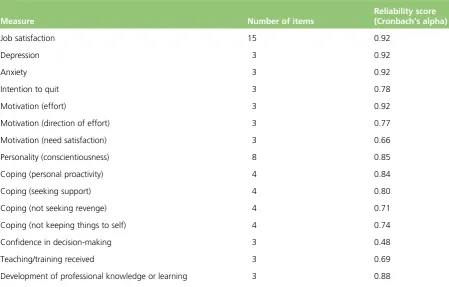
Cronbach’s alpha A measure of reliability with a higher correlation suggesting a stronger reliability.
Educational supervisor A medical practitioner trained to supervise foundation doctors during a specific specialty placement or through a number of placements across their Foundation Programme.
Electronic portfolio An online record of progress maintained by all foundation doctors. Includes the recording of scores from the Foundation Programme assessments of competency.
Emergency department Department within a hospital where emergency or acute patients are taken for initial assessment and management.
Emergency medicine Refers to the specialty of emergency medicine (or choice of career).
Evaluating the Impact of Doctors in Training (EDiT) study A national research study being undertaken by the Health Services Research section at the School of Health and Related Research (ScHARR), University of Sheffield. The study is funded by the Health Services and Delivery Research programme of the National Institute for Health Research as part of a programme of work examining the impact of staff motivation and well-being on patient care.
Foundation doctor Generic term for all foundation doctors (foundation year 1 and foundation year 2).
Foundation Programme assessments Assessments that must be completed by all foundation doctors to demonstrate competency against the Foundation Curriculum.
Foundation school A body that administers the Foundation Programme within a locality within the deanery area.
Foundation school administrator Administrative role within the foundation school.
Foundation training The term for the new structure for postgraduate medical training, introduced in 2004. It consists of a 2-year programme-based training structure giving trainees (foundation doctors) experience of a wide range of medical specialties before they choose their career specialty.
Foundation year 1 doctor A postgraduate doctor in his or her first year of training following graduation from medical school. At the end of this year doctors achieve full registration with the General
Medical Council.
Foundation year 2 doctor A doctor in the second and final year of his or her postgraduate training, now termed foundation training. Doctors at this level are usually expected to practice increasingly as independent and autonomous practitioners.
General Medical Council The statutory body/regulator of undergraduate and postgraduate medical training in the UK.
Intraclass correlation A measure of inter-rater reliability.
Junior doctor Previous title of foundation doctor.
Longitudinal study A type of research design in which participants are followed up for a specified period and data are collected at different time points.
Normative data A substantial body of evidence or data on a specific variable (e.g. job satisfaction) that can be used to benchmark the results of a study.
Placements The clinical specialties where foundation doctors obtain their training. Typically there are six placements in the 2-year Foundation Programme.
Postgraduate education stakeholders A study term to describe those individuals who work in postgraduate medical education, such as postgraduate deans and foundation school directors.
Postgraduate medical deaneries Administrative regional bodies responsible for the implementation of postgraduate medical training in the UK, in accordance with the standard set out by the General Medical Council.
Postgraduate Medical Education and Training Board The authority for training throughout the NHS before its merger with the General Medical Council in 2010.
Specialist training Period of specialised training leading to consultant recognition.
Trainee Generic term for all doctors in training, including foundation year 1 and foundation year 2 doctors.
List of abbreviations
ANOVA analysis of variance
COPD chronic obstructive pulmonary disease
CS clinical supervisor
CT computerised tomography
DOPs direct observation of procedures
ECG electrocardiogram
ED emergency department
EDiT Evaluating the Impact of Doctors in Training
EDTL emergency department training lead
EM emergency medicine
e-Portfolio electronic portfolio
ES educational supervisor
EWTD European Working Time Directive
F1/FY1 foundation year 1
F2/FY2 foundation year 2
FS foundation school
FSA foundation school administrator
FSD foundation school director
FT foundation training
GMC General Medical Council
ICC intraclass correlation
mini-CEX mini-clinical evaluation exercise
mini-PAT mini-Peer Assessment Tool
MMC Modernising Medical Careers
NICE National Institute for Health and Care Excellence
PES postgraduate education
stakeholder
PMD postgraduate medical deanery
PMETB Postgraduate Medical Education Training Board
SD standard deviation
SHO senior house officer
Scienti
fi
c summary
Background
There is a growing recognition amongst policy-makers that the health and well-being of NHS staff is a vital component of the continuing commitment to provide high-quality care for patients. NHS trusts with better records in improving the well-being of staff, evidenced by reduced sickness days and turnover, have demonstrated higher rates of patient satisfaction and better performance.
Postgraduate medical training has undergone major restructuring in recent years with the introduction of foundation training (FT), in part to improve the working conditions of postgraduate doctors. The new FT model introduced a 2-yearfixed programme of training for doctors, replacing the previous house officer structure. In the second year of FT (foundation year 2 or F2), doctors are expected to become increasingly independent members of health-care teams. This is particularly true in busy, shift-driven specialties such as emergency medicine (EM) where delivering patient care is challenging in a fast-paced, performance-driven service.
Little is known about the impact of FT on the well-being of foundation doctors, particularly evaluating change over the period of training and the impact of working in specialties such as EM. The link between doctor well-being and quality of patient care is also under-researched.
Theoretical concepts of motivation suggest that there is an energy pool from which amounts of energy are drawn according to demand allocation. It is likely that extra resources of energy will be required in the emergency work environment and we would anticipate variations in motivation and well-being of F2 doctors to be associated with emergency department (ED) placements.
Objectives
This study aimed to evaluate the well-being of F2 doctors in training and to examine associations with quality of care provided to patients attending the ED. It was carried out in two phases.
Phase 1 objectives
l To describe the national strategic view of the aims of delivering FT with a particular focus on the role of training in supporting the well-being of doctors.
l To assess how FT is implemented on a regional basis and in particular its impact on the specialty of EM.
Phase 2 objectives
l To undertake a longitudinal study using a structured survey to assess F2 doctors in terms of their well-being, motivation, confidence and competence at four time points over a 12-month period. l To conduct a survey at four time points [at the end of foundation year 1 (F1) and then after each F2
placement] to assess the level of and change in F2 doctor well-being, motivation, confidence and competence. One of these placements will be in EM and the impact of this placement can be assessed in relation to the study outcomes.
Methods
Phase 1
Consultation exercise and scoping study
A consultation exercise and scoping study was undertaken to describe the strategic aims and
implementation of FT in England, with a particular focus on the specialty of EM. The following qualitative methods were used.
Eighteen semistructured interviews with key stakeholders [national stakeholders, postgraduate deans, foundation school directors, training leads (TLs) in EDs] and four focus groups with F2 doctors in EM were undertaken to identify national structures, potential variation in the implementation of FT locally, the role of doctors in training, the provision of training by other staff within the specialty, the well-being of doctors in training and the quality of patient care being provided by foundation doctors.
Postgraduate education stakeholders (PESs), including postgraduate deans and foundation school directors, were recruited from four deaneries, and TLs and F2 doctors were recruited from four EDs in England between December 2008 and March 2010.
Three researchers were involved in conducting and analysing the interviews and focus groups to gain multiple perspectives and insights into the data collected. Overall themes validated by participants were derived for each stakeholder group. A summary template was then produced to bring together the similarities and differences across the groups.
Phase 2
Longitudinal study
A 12-month longitudinal study was undertaken with a sample of F2 doctors in England between August 2010 and August 2011 to measure levels of and changes in well-being and motivation at four time points.
Measures of work-related outcomes (well-being, motivation, intention to quit, confidence in managing acute conditions and experience in performing practical procedures) and job-related characteristics (e.g. work demands, task feedback, role clarity) were collected using an online survey at four time points, one before and three during the 12 months of the study, covering a range of specialties, one of which was a placement in EM.
A total of 30 EDs in nine postgraduate medical deaneries participated in the longitudinal study. In total, 654 F2 doctors had a placement in the participating EDs in the study period and were eligible to be included, with 217 doctors completing the study (33.2%). We analysed the pattern of change in sample mean scores over the four survey time points for each of the work-related outcomes and job-related characteristics. Variation in mean scores by time of placement in the ED was also compared with normative data.
A clinical case notes review of foundation year 2 doctors’quality of care
Quality of care, as documented in the clinical records of F2 doctors during their placement in the ED, was assessed using two well-established methods (criterion based and holistic review). The F2 doctors were all participants in the longitudinal study and were working in 10 of the 30 participating EDs. In total, 74 doctors were included in this part of the study and an average of 10 case notes per doctor were reviewed.
participating EDs and trained to review the clinical records relating to their own hospital using a standardised assessment process.
For the criterion-based review, criteria were developed for the two clinical conditions using relevant national and local clinical guidelines and validated by two ED consultants. Scoring of criterion-based data involved calculating a total score for each head injury and COPD patient record. To compare mean
criterion scores for the two conditions, a score for the proportion of the criteria met was also calculated by dividing the total score by the maximum potential score.
The holistic review allowed reviewers to assess different levels of health-care quality in the notes and rate the quality of care provided on a numerical scale (1 = unsatisfactory, 6 = very best care). Statistical analysis examined inter-rater reliability and the quality of care delivered by F2 doctors during ED placements.
Mean scores were calculated for criterion-based and holistic ratings across three levels of case complexity (low, average and high).
Analysing the association between work-related well-being and motivation, quality of care and performance in the emergency department
Associations between F2 doctor work-related well-being and F2 doctor quality of care were analysed at one point in time, during their placement in the ED.
Doctors with both ED quality-of-care data collected from the clinical case notes review and ED well-being data collected from the longitudinal study were included in the analysis to measure the pattern and strength of associations. Additional data on F2 doctor ED performance were also obtained, measuring performance against the 4-hour ED target and compared with the ED well-being outcomes.
Results
Phase 1
l National and regional PESs agreed that there was a clear national framework in place for FT but that variation existed at the regional level in how FT was implemented. To an extent the variation reflected local NHS service needs; however, differences in the quality and amount of supervision and feedback that trainees received was concerning.
l There was a lack of a clearly defined end point for the second year of FT, which meant inconsistency in the end points used (e.g. completion of FT assessments, demonstrating competence, successfully moving into specialty training).
l Three stakeholder groups [national and regional stakeholders and emergency department training leads (EDTLs)] agreed that F2 doctor well-being was a focus only for those F2 doctors already shown to be‘in difficulty’; there were no systems in place to identify periods of overwork or strain for the ‘average trainee’that could cause detriment to their performance.
l All stakeholders agreed that the ED presented a challenging but worthwhile learning environment requiring a significant amount of support from senior staff. In some cases this placed significant strain on already stretched ED senior staff.
Phase 2
Longitudinal study
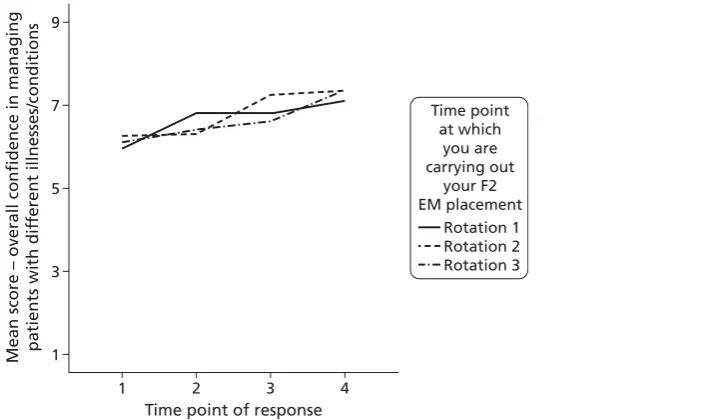
l F2 doctors reported a significant increase in confidence managing common acute conditions over the second foundation year.
l The biggest increase in confidence was associated with undertaking the ED placement.
l Competence managingfive common practical procedures improved significantly over the second foundation year.
l The biggest increase in competence in allfive practical procedures was associated with undertaking the ED placement.
l F2 doctors have comparable or better levels of job satisfaction and anxiety/depression than other NHS workers and on average expend a lower level of effort than those in managerial roles.
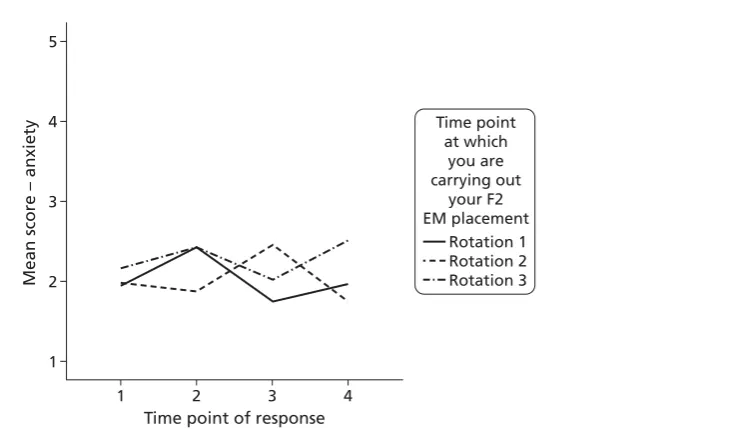
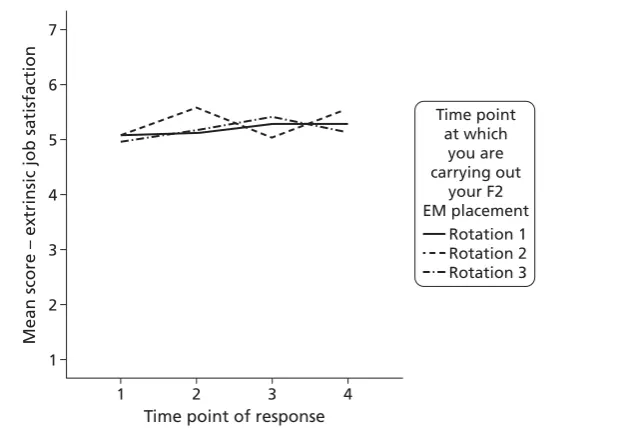
l However, the ED placement was associated with a slight increase in anxiety and effort (not significantly different from levels in the comparison groups) and, for some groups, a decrease in extrinsic job satisfaction (e.g. issues of pay and working conditions).
Summary of clinical case notes review of foundation year 2 doctors’ quality
of care
l Mean scores for the proportion of head injury and COPD criteria met were 50.8% and 54.9% respectively. A detailed breakdown of these results identified weaknesses in relation to the extent of clinical information recorded in case notes.
l Findings from an analysis of case mix for head injury and COPD cases revealed no significant differences in relation to quality and complexity of clinical presentation, indicating that any observed differences in quality of care are not attributable to case mix variation.
l A high level of agreement was found among reviewers across the sites for the criterion-based review [intraclass correlations (ICCs) of 0.65–0.94], but agreement for the holistic review was lower (ICCs of 0.08–0.65).
Relationship between foundation year 2 doctors’ work-related well-being
and job-related characteristics and quality of care during emergency department placements
l No statistically significant associations were found between work-related well-being and quality of care or performance outcomes.
l There was evidence of small- to medium-sized associations between anxiety and depression and two performance outcomes (with higher levels of anxiety or depression likely to be associated with poorer performance outcomes). A similar pattern of association was seen for motivation and two quality-of-care outcomes (with higher levels of effort likely to be associated with better quality-of-quality-of-care scores).
Conclusions
Our study was thefirst to systematically examine a sample of trainees at the end of theirfirst year (F1) and throughout the second year (F2). We used a multiple-perspective mixed-methods study to examine the current arrangements for the delivery of FT in England and to examine a group of 217 foundation doctors in 28 NHS trusts as they proceeded through their second year of training (from August 2010 to August 2011).
across F2, with the steepest rise occurring after the ED placement. Trainees had similar or better levels of well-being than other doctors and health-care workers but reported a slight rise in anxiety and effort (not significantly different from levels in the comparison groups) and, for some, a decrease in extrinsic job satisfaction associated with the ED placement. We have demonstrated that it is possible to systematically record levels of well-being of trainee doctors and compare these over time and with other normative studies, enabling appropriate interpretation. These measures could be incorporated within trainees’ electronic portfolios (e-Portfolios) to facilitate monitoring of trainee well-being and to enable any changes to be acted on.
Limitations
l The study has limitations in the sample providing stakeholder input, and focus group participants may have more experience in teaching hospitals than smaller NHS trusts. Further studies may benefit from including greater numbers of other staff who have more informal roles in supervising and supporting F2 doctors, such as senior nursing staff and nurse practitioners.
l Although 217 F2 doctors from 28 acute trusts participated in the longitudinal study, this is a small proportion of all F2 doctors training throughout the UK. This sample made up approximately one-third of the eligible population undertaking ED placements in the 28 trusts (654 doctors). It is possible that the F2 doctors participating in the study had greater levels of well-being than those who chose not to participate. However, we achieved the target of 210 F2 doctors calculated to be sufficient to show an effect on the measurement of well-being and motivation.
l Assessing quality of care through case-note review is reliant on information being recorded in the notes, which may not reflect every detail of the care provided.
Future study
l Further studies examining quality-of-care outcomes and junior doctors’well-being and motivation. These would need to be large-scale, multicentre studies to provide sufficient power to examine possible relationships.
l More large-scale studies looking at assessment of competence, feedback and case discussion conducted by a range of health-care staff may yield further good practice that can be incorporated into the FT assessment programme.
Implications for practice
l Disseminate thefindings of this study to encourage more general support for work-based learning and assessment as part of postgraduate medical education, especially to organisations such as the UK Foundation Programme Board. We would seek national communication of thefindings so that participating trusts can learn of thefindings through conferences such as the Health Services Research Network annual symposium and the NHS Confederation conferences.
l Trainees’levels of well-being and motivation can be measured accurately over time and would form an appropriate part of the e-Portfolio, but this would require timely feedback to supervisors to enable appropriate work demands and role clarity to be determined within the placement period. If this service cannot be provided within a useful time frame a trainee report measure regarding their well-being, work demands and role clarity and use of their abilities should be communicated to the trainees and their supervisors, enabling local changes in placements to be made. There is a
well-validated system for the recording of well-being amongst NHS staff [the National NHS Staff Survey, URL: www.nhsstaffsurveys.com/Page/1010/Home/Staff-Survey-2013 (accessed
foundation doctors. However, it would need to be acknowledged that this is an annual review and is not as accurate as placement measures.
l This study offers clear evidence that all F2 doctors would gain in confidence and competence from undertaking an ED placement; however, this should be accompanied by additional support for senior staff to enable them to provide the level of support that trainees need during this intense learning period. In addition, more consideration needs to be given to work–life balance issues during this placement period.
l The success of workplace learning depends on the provision of adequate levels of supervision and support for trainees. The exact level of support needs to be determined by working closely with senior trust staff who support trainees in the workplace and their educational supervisors. This by necessity will not be‘one sizefits all’as it will depend on a number of factors associated with service delivery and requires consultation with both the Foundation Programme and the trusts involved.
l The espoused educational philosophy of medical training (as problem-based education supported by workplace experiential learning) should be debated to articulate a clear and understood purpose of FT, enabling the implementation of agreed learning outcomes with supervisors and trainees.
l Further work should be carried out on work-based assessments, with close examination and
development of specific criteria that contribute to a clearly defined and measurable endpoint for F2. l Careful consideration should be given to incorporating formal processes for careers advice at both the
F1 and the F2 points in training to ensure that foundation doctors acquire the most appropriate training for their intended career track. Although the benefits of ED placements are acknowledged, this may not always be the case when intended career tracks involve service specialties such as laboratory medicine and radiology.
Funding
Chapter 1
Background
Introduction
There have been a number of changes made recently by the government to improve the working
conditions of NHS staff based on evidence that improved working conditions can improve staff well-being and in turn improve the quality of patient care. However, the evidence of a direct link between the well-being of staff and the quality of patient care within health care is limited. More evidence is required about which characteristics of working in the NHS influence staff well-being and which aspects of well-being influence patient care.
This study aims to evaluate the well-being of foundation doctors and compare this with the quality of care provided to patients attending the emergency department (ED). Key aspects of well-being that may influence quality of care include motivation, job satisfaction and confidence. Measures of these factors will have the potential to be developed into a tool that may be utilised more widely for doctors throughout the NHS.
Policy context and literature review
NHS policy context
The health and well-being of NHS staff has been of great interest to policy-makers in recent years, with a growing acknowledgement that good levels of health and well-being are likely to have benefits for organisations and patients. The role of organisations in contributing to the health and well-being of staff is recognised as key, with support structures aimed at improving the health of staff likely to positively influence staff retention, sickness absence, productivity and also, potentially, patient satisfaction and quality of care.1,2
The publication of two major reports has increased the focus on health and well-being in the UK workplace and NHS organisations.3,4The Black review3examined the health of the UK working-age population with a focus on the large-scale problem of sickness absence and reduced productivity
(including the role of common mental health conditions). There is evidence that reduced well-being is one of the major causes of reduced productivity for individuals in work. Alongside this, a growing literature links morale and job satisfaction with health outcomes and performance. Although individuals may differ in the importance they attach to issues such as salary or level of responsibility, this review identified key job-related characteristics that influence well-being at work, such as employee autonomy and adequate social support. Good management and leadership also play a vital role in promoting well-being and improving performance.3
These reports are consistent with pledges made in Lord Darzi’s 2008 report6regarding the need for a broader commitment to health and well-being in workplaces and the recognition that the health and well-being of NHS staff was an important component of the commitment of the NHS to provide high-quality care. National Institute for Health and Care Excellence (NICE) guidance has also been produced,7which recommends a strategic approach by employers to the well-being of staff. This includes ensuring that job design, selection, recruitment, training and appraisal promote well-being and that assessment of the well-being of employees is undertaken to identify areas for improvement.
Although the link between staff development, motivation and well-being and patient care is recognised as important,8,9the impact of staff stress, depression and other aspects of well-being on patient care has been generally under-researched. Evidence demonstrating a link between indicators of well-being and indicators of patient safety, experience and quality of care is rare and has primarily been collected in nurse settings in the USA. There is also a lack of good-quality evidence from data collected longitudinally.10
Training doctors in the NHS
Training and appraisal have been identified in the literature as important elements of appropriate people management, impacting on knowledge and skills, job satisfaction and well-being, which in turn may influence patient outcomes.11Previous studies have demonstrated relationships between the quality and extent of training and appraisal and the well-being of staff and better patient care.12–16Recently, postgraduate medical training has undergone changes in response to long-standing criticism of its
suitability in a modern, patient-centred NHS. A report by the Chief Medical Officer17highlighted a number of perceived problems with the job structure, working conditions and training opportunities in
postgraduate medical education, with the balance between medical training and service provision weighted too heavily in favour of providing for service delivery at the expense of a well-structured and well-planned training programme for postgraduate trainees [senior house officers (SHOs)]. SHO training placements were perceived as short term and stand-alone and not part of a clearly structured
training programme.
These issues called into question whether doctors were being appropriately trained to meet the demands of a modern, patient-centred NHS.18Postgraduate training was also criticised for failing to provide more trained specialists for a consultant-led NHS.2The report recommended the introduction of a new programme-based system of postgraduate training [foundation training (FT)] that would provide broad-based specialty experience andflexible training arrangements.
Foundation training
The new model of FT was piloted in 2004 and introduced nationally in 2005. The model introduced a
fixed 2-year Foundation Programme to address the perceived deficiencies of the previous postgraduate training grades (pre-registration house officer and SHO). Postgraduate training was structured around a formal programme with a national curriculum and structured assessment of clinical competencies (seeAppendix 2).
Thefirst year of FT (foundation year 1 or F1) focused on developing the skills and competencies learned during undergraduate medical training. The completion of core competencies was required during F1 to achieve full registration with the General Medical Council (GMC). The second year of FT (foundation year 2 or F2) was designed to enable doctors to become functioning members of the health-care team,
competent in the management of the acutely ill patient and with key skills in team working, time management and communication with both professionals and patients.
As well as introducing new structural arrangements, FT changed the delivery of training within placements. For thefirst time doctors were explicitly required to demonstrate competency to practise through the completion of a range of specific assessments (seeAppendix 2). These assessments were based on a new Foundation Curriculum.20The Foundation Programme also required the designation of educational supervisors (ESs) and clinical supervisors (CSs), charged with ensuring that foundation doctors were meeting their educational and training goals.
The well-publicised problems with selection processes in the early stages of MMC reform led to an inquiry into MMC, which also examined FT.21The inquiry highlighted a number of areas of concern with the FT model, including the insufficient breadth of clinical experience in foundation placements; a lack of
flexibility in programmes; and the length of programme placements. This contributed to a perception that foundation doctors were not reaching appropriate levels of clinical responsibility compared with their SHO predecessors. The report also recommended greater clarity about expectations of the role of F2 doctors in the health-care team and what their service contribution should be.
A more recent evaluation of the Foundation Programme reported improvements including a well-defined curriculum, trainees exposed to a wider range of medical specialties and implementation of a
comprehensive programme of trainee assessment.22However, the report stated that the programme still lacked an articulated purpose, found that there was confusion over the role of the F2 doctor and
questioned the ability of placements to accurately reflect the current and future needs of the NHS. Further, the assessment process placed excessive loads on ESs and there were safety and quality issues in the learning environment.
Reduced hours of working and the European Working Time Directive
As well as changes to the structure of postgraduate training, there has been a major change to the conditions of work for postgraduate foundation doctors. The New Deal for junior doctors, published in 1991,23highlighted the need for improved working conditions for this workforce group primarily focused on working hours. It was widely acknowledged that excessive hours of practice amongst foundation doctors was a risk to patients. In 2003 the working week was limited to 56 hours and the European Working Time Directive (EWTD)24further limited the hours that medical staff could work to a maximum of 48 hours. This was implemented in stages with the 48-hour limit enforced by law in 2012.
Health service staff motivation and well-being
High levels of stress among health-care professionals has been recognised as a problem for some time. A review of doctors’stress levels found that between 28% and 30% of doctors had above-threshold levels of stress compared with about 18% of the general population.16A survey of over 11,000 NHS staff5found staff reporting high levels of stress and that they did not consider that senior managers took a positive interest in their health. Some studies have also reported high levels of depression amongst doctors.25,26
Studies have also reported higher levels of stress among doctors (both consultants and junior doctors) working in emergency medicine (EM), with above-threshold scores for around half of the respondents from each group.27,28These levels of stress are again higher than might be expected among the
general population.29However, the impact of stress, depression and well-being on patient care has been generally under-researched.10
Foundation doctor well-being
There is a limited literature examining the well-being of doctors in training. One study looked at levels of psychological distress in SHOs working in the ED.27SHOs were selected from six EDs in London and received questionnaires to measure psychological outcomes and coping strategies. Over half of
after their graduation from medical schoolfinding thatfirst-year postgraduates reported levels of depression of 29%, dropping to 10% by their third postgraduate year.26
Foundation doctors and quality of care
Studies evaluating the impact of foundation doctors on the quality of patient care have evaluated the following outcomes: (1) numbers of patients seen; (2) reattendance of patients in the ED; and (3) confidence and competence in managing conditions.
A prospective observational study compared the productivity (numbers of patients seen) of F2 doctors and SHOs working across two EDs in Scotland.31Both groups demonstrated a significant rise in productivity between thefirst and last months of their attachments. There were no significant differences in productivity between the two groups of doctors over the 12-month study period. However, there were concerns about a reduction in the percentage of patients seen by junior doctors overall and an increased need for senior review of patients. Further analysis by Armstronget al.32investigated the number of patients seen by all junior doctors (SHO/F2) over a 3-year period. The study found a 4% decrease in the number of patients seen by junior doctors in this period. In addition, there was a significant reduction of 16.6% in the number of patients seen per hour (an indicator of work rate).
A study at an inner-city ED in England also found no significant differences in the mean number of patients seen by F2 doctors and SHOs over a 12-month period.33Individual doctor performance had a greater influence on the number of patients seen than type of doctor (either F2 or SHO), with a small number of F2 doctors seeing considerably more patients than their SHO colleagues.
A study by Whiticaret al.34compared reattendance rates of patients to the ED over a month in 2006 by grade of doctor assessing thefirst presentation. Junior doctors (SHOs and F2 doctors) had higher reattendance rates (2.83% vs. 2.32%;p= 0.52) than middle-grade doctors and nurse practitioners (although the result was not statistically significant).
Croft and Mason35assessed levels of confidence in foundation doctors’management of common minor clinical presentations in an inner-city ED. Foundation doctors’confidence in treating minor injury patients was identified as a problem, and a lack of exposure to minor injuries during daytime hours was cited by doctors as a possible cause.
A further study36evaluated junior doctors’experience in performing practical procedures in an ED. Two cohorts were measured: trainee doctors in the ED in June 2005 and June 2006. The study found that doctors in the later cohort reported significantly less experience in each procedure.
One study37measured SHO and pre-registration SHO knowledge of basic acute care in 12 topics. A total of 185 junior doctors from six UK hospitals were included in the study. This study found that knowledge was poor across a range of basic acute care topics and that junior doctors were poorly prepared to identify and treat critically ill patients.
Overall, these studies raise questions with regard to foundation doctors’confidence and performance in the ED which require further investigation.
NHS staff motivation, well-being and patient care
setting demonstrated that organisational climate (e.g. skill development, concern for employee welfare) was significantly associated with productivity and profitability, and that the relationship was mediated by employee job satisfaction.38There is an increasing literature on links between patient safety and
organisational culture and climate, with a range of tools and interview methods proposed.39
The link between staff development, motivation and well-being and the influence of these factors on patient care is recognised as important.8,9In one review of the literature,10a significant linear effect was found between levels of nurse stress and burn-out and patient outcomes (patient satisfaction, medication errors and patient falls). However, the cross-sectional designs of the studies and lack of control of
confounding variables (such as doctor sickness absence)40limits the usefulness of thesefindings.10
Few studies have evaluated the consequences of well-being for foundation doctors in terms of confidence, competence or patient outcomes. A study of SHOs working in 27 hospitals evaluated the relationship between psychological distress and confidence in performing clinical tasks.41The questionnaire was administered four times during the 6-month rotation. Overall, confidence levels in carrying out a range of practical and clinical tasks (recorded on a visual analogue scale) increased significantly between thefirst and fourth months of the SHO training rotation. SHOs with higher psychological distress scores at the end of months 1 and 4 had lower confidence scores. Factors associated with greater psychological distress were organisational, such as workload, certain clinical presentations and consultation issues such as communication.
Summary
Chapter 2
Aims and objectives
T
he study was conducted in two phases and used a mixed-methods approach across multiple sites to achieve the following aims and objectives.Aims
l To describe the current arrangements for the delivery of FT in England.
l To identify how the experiences of F2 doctors training in EDs influence their well-being and motivation. l To evaluate how the well-being and motivation of F2 doctors in EDs is associated with the quality of
patient care.
l To identify key measures of F2 doctor well-being and motivation that are associated with quality of patient care. Key measures that are identified may underpin the development of a tool to monitor well-being and motivation during training.
Objectives
Phase 1
l To conduct a national and regional consultation exercise with training stakeholders to:
¢ describe the national strategic view of the aims of delivering FT, with a particular focus on the role of training in supporting the well-being of doctors
¢ assess how the national view is implemented on a regional basis through the postgraduate deaneries and identify any regional variation to implementation within the specialty of EM ¢ undertake a scoping exercise to identify factors contributing to the well-being of F2 doctors in
training within up to four EDs to develop measures to inform a quantitative evaluation of foundation doctors in phase 2 of this study.
Phase 2
l To undertake a longitudinal study using a structured survey to assess F2 doctors in terms of their well-being, motivation, confidence and competence at four time points over a 12-month period. l To conduct a survey at four time points (at the end of F1 and then after each F2 placement) to assess
the level of and change in F2 doctor well-being, motivation, confidence and competence. One of these placements will be in EM and the impact of this placement can be assessed in relation to the study outcomes.
l Assess patient safety and quality of care by F2 doctors by reviewing the clinical records of patients receiving emergency care from F2 doctors and evaluating routine ED data to link workload and mean time with the patient for each of the participating F2 doctors.
We will examine thefindings from phase 2 to:
l evaluate whether there is a relationship between F2 doctor well-being and motivation and patient care l identify best-practice models of F2 doctor training, which might be generalised and implemented
across the NHS to promote a healthy and productive foundation doctor workforce
Chapter 3
Phase 1: consultation exercise and
scoping study
Introduction
A consultation exercise with national and regional postgraduate education stakeholders (PESs) and a scoping study with training leads (TLs) and F2 doctors in the ED were undertaken using qualitative methods to examine FT from multiple perspectives at the national, regional, trust and foundation doctor levels.
Aim and objectives
The aim of the consultation exercise and scoping study was to describe the current arrangements for the delivery of FT in England.
The objectives were to:
l describe the national strategic view of the aims of delivering FT, with a particular focus on the role of training in providing for the well-being of F2 doctors
l assess how the national view was implemented on a regional basis through the postgraduate medical deaneries (PMDs) and identify any regional variation to implementation within the specialty of EM l identify factors contributing to the well-being of F2 doctors within up to four EDs. The data collected
were to inform the development of measures to be used in a quantitative evaluation of F2 doctors in the phase 2 longitudinal study.
Methods
Ethical and governance arrangements
Ethical approval for phase 1 was received in May 2009 (ref.: 09/H1307/27).
Approvals from non-NHS organisations and research governance approvals from participating NHS trusts were obtained between June and November 2009.
Consultation exercise
To understand the strategic aims, national structure and implementation of FT, national and regional stakeholders from key postgraduate educational organisations involved in the delivery and implementation of FT were interviewed by telephone or videoconference. A semistructured interview schedule was
designed around the aims and objectives of the study, with a particular focus on identifying potential variation in the implementation of FT and provision within training of an appreciation of the well-being and motivation of F2 doctors (seeAppendices 3and4for interview schedules).
Scoping study
A scoping study involving interviews with TLs and focus groups with F2 doctors was carried out in four EDs to evaluate the impact of training in the ED on both F2 doctors and other health-care staff. The four EDs were selected from 15 EDs recruited for the phase 2 longitudinal study. There was a particular focus on well-being and motivation of F2 doctors in order to develop measures to inform the quantitative evaluation in the phase 2 longitudinal study.
Interviews took place with TLs in EDs. A semistructured interview schedule was designed to assess the training role of doctors, the impact of training on staff, the well-being of training doctors and the quality of care (seeAppendix 5). An Information sheet and interview questions were given to interviewees in advance (seeAppendix 7). Written, informed consent was received from each participant before each interview.
Focus groups were held with four groups of foundation doctors in their ED placement (mainly F2 doctors, although some F1 doctors were present in two groups). A semistructured schedule (seeAppendix 9) was also designed for the focus groups, which included issues around well-being, confidence, competence and ED training experiences. Written, informed consent was received from each individual before the focus groups.
Data analysis (consultation exercise and scoping study)
Three researchers were involved in the analysis of interview and focus group data in order to gain multiple perspectives and insights into the data collected and ensure inter-rater reliability. Interviews and focus groups were not recorded to maintain anonymity of the participants; however, data collected from all participants in the consultation exercise and scoping study comprised thematic accounts and reflections from each of the researchers,42the content of which was validated with the participants to gain a full understanding of meaning.43
One researcher produced templates for the four participant groups, aggregating themes at the group level for (1) national PESs, (2) regional PESs, (3) emergency department training leads (EDTLs) and (4) F2 doctors in the ED primarily by using the interview/focus group questions as a priori coding.44,45Each template was then examined by the other two researchers, checking for inter-rater reliability to reduce any potential bias. Agreement was high (92%), with issues of terminology being the main areas of correction; any areas of misunderstanding or possible bias were corrected on each template.
Individual templates derived from the interviews and focus groups were also reviewed by the three researchers for salience (agreement of themes across stakeholders) and difference (individual perspectives that add value to the enquiry) and key overall themes were derived for each group of participants. A summary template was then produced to bring together the similarities and differences between key themes across the groups (Table 1).
Results
Sample achieved
Consultation exercise
Scoping study
The scoping study took place between November 2009 and February 2010. Eight interviews with EDTLs were carried out across four EDs. The group comprised six consultants (two F2 TLs, four CSs or ESs) and two nurse practitioner tutors. The interviews lasted for approximately 60–90 minutes.
Four focus groups were held with F2 doctors in three EDs. Two focus groups were held within a teaching hospital site (with seven and four participants) and the other two focus groups were held in two separate large acute trust EDs (with eight and six participants). The focus groups lasted for approximately
90 minutes. A further planned focus group in a smaller district hospital was cancelled on two occasions because of staffing pressures.
TABLE 1 Main themes arising from comparison of perspectives of different phase 1 participant groups
National stakeholders Regional stakeholders
l A clear national structure was developed in 2005 with 8000 trainees per annum in England
l Variation in implementation across the regions was seen, matching training to service needs. Placements were similar to previous schemes with few new or innovative placements being created
l Attempts to assess the well-being of trainees were well meaning but confined to supporting the 1–2% of doctors described as‘in difficulty’. The trainee survey (2007/8) described a higher number of doctors‘coping with experience outside their competence’and
‘intending to leave’training
l Assessment processes were implemented in various ways with little consistency across the regions. There was concern that trainees were not all getting constructive feedback on their work
l The main issue identified was that the second year of FT was lacking in focus and did not achieve a milestone for trainees (compared with thefirst year, which led to registration as a doctor)
l A clear national approach was described but NHS trusts were rarely involved in the planning of placements
l Although following a similar framework, variations in training delivery were noted, in particular with regard to supervision and assessment
l There was no overall assessment of the well-being and motivation of trainees, although there were clear procedures concerning the support given to‘doctors in difficulty’
l Trainees emerging from the foundation scheme were fit for purpose and were‘better than before’
l E-Portfolios were being used by most trainees, although there were some challenges with regard to the availability and use of information technology
l Three issues were noted: (1) difficulty in getting consultants to spend time as ESs; (2) placements having different‘sign-off’criteria at their end; and (3) no assessment of the impact of training on patient care
TLs in NHS trusts F2 doctors
l No system to deal with trainees with well-being issues who lack motivation to learn. Informal mechanisms exist based on observation of support staff and feedback from ESs
l Training consisted of a mix of formal teaching and informal learning. Generic teaching sessions lacked value. The ED was seen as a challenging rotation where trainees needed much support from staff
l The 4-month rotations increased trainees’experience but it was felt that students could not achieve competence in their placements within the 4-month period:‘they are just becoming competent when they leave’
l The main issue was the variation in context of different placements; the ED was challenging but other roles were often supernumerary-type posts offering little involvement in clinical decision-making
l Trainees were confident if (1) they received feedback on their decisions; (2) they had previous experience of the condition; and (3) the patient was satisfied with his or her treatment
l Trainees were anxious about their ability to make decisions regarding patient discharge and how to deal with the associated risk
l Most trainees felt that they became competent in the last month or two of their 4-month placement period
l Teaching was not relevant to their practice and there were difficulties attending teaching sessions because of their shift patterns
l Balanced view on assessment; half of them saw its value
l All enjoyed the ED context,finding it challenging, and having the opportunity to make decisions about patient care
National stakeholder interview findings
In the following sections the numbers in parentheses indicate the numbers of participants agreeing with a particular statement. Statements without a number are the comments of one participant only.
Number of trainees and sufficiency
Two of the three PESs agreed that there were 7000 Foundation trainees in England and a further 800 in Scotland (2). All participants felt that the volume was sufficient as there is open access for places between trainees from the UK and trainees from other European countries (3). Additional places are required to allow non-European trainees to access the programme.
Strategic aims and national structure
All participants described the aims of FT as delivering a structured programme to provide a range of experiences to foundation doctors (3). The outcomes of the programme were designed to be common to all foundation doctors but these could be achieved in a variety of ways.
A clear national structure was described consisting of (1) a National Curriculum, (2) a national structure of FSs headed by the UK Foundation Office, comprising the directors of FSs who met with education leaders to maintain an overall strategy, (3) an Assessment Framework and (4) a national conference to share best practice (with deanery, foundation doctor and organisational representatives present) and a Foundation Programme website containing guides and review papers.
Two participants described the regulator of medical education as having overall responsibility for training (2). At the time of our interviews there was joint responsibility for F1 training between the GMC and the Postgraduate Medical Education Training Board (PMETB), with F2 training regulated completely by the PMETB. Various review groups (such as the Curriculum Group) met with Academy of Medical Royal Colleges representatives to discuss standards and assessment tools and recommend changes to the PMETB in the form of review documents. Since completion of the interviews the PMETB has merged with the GMC and the latter is now responsible for the regulation of all stages of postgraduate education and training.
Participants described a variety of approaches that are currently being used to manage the implementation of F2 training, such as stakeholder conferences (with deanery, foundation doctor and organisational representatives present) (2) and a website containing guides and review papers.
Variation in implementing foundation training at the regional level
Placements
Participants agreed that foundation doctors have six 4-month rotations managed by the deaneries (3).
Two of the three participants concluded that a uniform national implementation of FT was difficult to achieve, mainly because of regional variation within the UK in terms of local population health needs and different operating structures (2). Some deaneries have placements of varying length (from 4 months to 1 year), combining a variety of roles (2), and participants noted that variation was encouraged within the national framework as a way of producing innovation and a variety of placements (3):‘For example, combining GP and acute medicine placements with leadership development (was unpopular with F2 doctors atfirst) can produce a rounded programme’.
It was noted that up to 15 trainees per year worked their F2 placements outside the UK. Participants felt that foundation doctors were reluctant to try new learning opportunities that reflected current job
trainees until they were established in their use. However, although the governing body (PMETB) encouraged varied training experiences, one participant felt that it did not evaluate outcomes.
Evaluation of the well-being of foundation year 2 doctors in foundation training
It was noted that, although support for trainees was‘attempted and well meaning’, little systematic evaluation of trainees’well-being or motivation appeared to occur in practice. Participants felt that a good deal of time was spent discussing the few‘doctors in difficulty’within the training system (1–2% in total) and little time was spent evaluating the well-being or motivation of the‘average’trainee.
The former PMETB trainee survey asks questions of the trainees about themselves and the programme (e.g. how often they were forced to cope with problems beyond their competence or experience; their concern about the reporting of medical errors) (2). Further placement feedback forms and multisource feedback may offer some insights into whether problems had occurred in the workplace. A participant noted that‘medical training can be“over nurturing”and the idea of FT was to bring some sense of the reality to trainees about work’.
Assessments
A key part of achieving curriculum competencies is demonstrated by assessments (2) (e.g. observations, case-based discussions; seeAppendix 2). Participants described the assessment of training outcomes as variable, from both the trainees’and the supervisors’perspectives. PESs’concerns were that‘deaneries vary in their understanding of the assessment process’and‘constructive feedback is not always being given’. PESs felt that the trainees found the assessments to be‘just formfilling’.
Several comments focused on the need to change, for example‘Assessments need to be tightened up and not be so woolly’. In particular, it should be ensured that assessments‘demonstrate[d] the achievement of competencies’, assessments‘need[ed] to be refined and simplified for both the assessor and the trainee’ and they‘need to be thoughtful; and focused’. However, it was noted that the‘PMETB feel that work-based assessments are better than academic assessments’.
Evaluation of foundation training
Participants were asked how F2 training is evaluated and the following comments were made:
Deaneries are judged on how they meet their standards by QAFP [Quality Assurance of the Foundation Programme] assessments and visits.
Evidence of trainees completing their assessments in the electronic portfolio. (2)
Post placement questionnaires.
The Sign-off of the FY2 year.
In response to whether postgraduate training of doctors was‘fit for purpose’, two participants felt that it was moving‘in the right direction’and one that‘there are a lot of things in the FT that work better than the old system’. Much of this positive change was to do with‘work-based assessments’(2). FT has reduced the variability in training by setting a specific curriculum, which has been‘the driver for learning’.