R E S E A R C H A R T I C L E
Open Access
Implementation of a billable transitional
care model for stroke patients: the
COMPASS study
Sabina B. Gesell
1*, Cheryl D. Bushnell
2, Sara B. Jones
3, Sylvia W. Coleman
2, Samantha M. Levy
4, James G. Xenakis
5,
Barbara J. Lutz
6, Janet Prvu Bettger
7, Janet Freburger
8, Jacqueline R. Halladay
5, Anna M. Johnson
3,
Anna M. Kucharska-Newton
3,9, Laurie H. Mettam
3, Amy M. Pastva
7, Matthew A. Psioda
4, Meghan D. Radman
2,
Wayne D. Rosamond
3, Mysha E. Sissine
2, Joanne Halls
10and Pamela W. Duncan
2Abstract
Background:The COMprehensive Post-Acute Stroke Services (COMPASS) pragmatic trial compared the effectiveness of comprehensive transitional care (COMPASS-TC) versus usual care among stroke and transient ischemic attack (TIA) patients discharged home from North Carolina hospitals. We evaluated implementation of COMPASS-TC in 20 hospitals randomized to the intervention using the RE-AIM framework.
Methods:We evaluated hospital-level Adoption of COMPASS-TC; patient Reach (meeting transitional care
management requirements of timely telephone and face-to-face follow-up); Implementation using hospital quality measures (concurrent enrollment, two-day telephone follow-up, 14-day clinic visit scheduling); and hospital-level sustainability (Maintenance). Effectiveness compared 90-day physical function (Stroke Impact Scale-16), between patients receiving COMPASS-TC versus not. Associations between hospital and patient characteristics with Implementation and Reach measures were estimated with mixed logistic regression models.
Results:Adoption: Of 95 eligible hospitals, 41 (43%) participated in the trial. Of the 20 hospitals randomized to the intervention, 19 (95%) initiated COMPASS-TC.
Reach: A total of 24% (656/2751) of patients enrolled received a billable TC intervention, ranging from 6 to 66% across hospitals.
Implementation: Of eligible patients enrolled, 75.9% received two-day calls (or two attempts) and 77.5% were scheduled/offered clinic visits. Most completed visits (78% of 975) occurred within14 days.
Effectiveness: Physical function was better among patients who attended a 14-day visit versus those who did not (adjusted mean difference: 3.84, 95% CI 1.42–6.27,p= 0.002).
Maintenance: Of the 19 adopting hospitals, 14 (74%) sustained COMPASS-TC.
Conclusions:COMPASS-TC implementation varied widely. The greatest challenge was reaching patients because of system difficulties maintaining consistent delivery of follow-up visits and patient preferences to pursue alternate post-acute care. Receiving COMPASS-TC was associated with better functional status.
Trial registration:ClinicalTrials.gov number:NCT02588664. Registered 28 October 2015.
Keywords:Implementation Science, Stroke, Ischemic Attack, Transient, Transitional Care, Reimbursement Mechanisms
© The Author(s). 2019Open AccessThis article is distributed under the terms of the Creative Commons Attribution 4.0 International License (http://creativecommons.org/licenses/by/4.0/), which permits unrestricted use, distribution, and reproduction in any medium, provided you give appropriate credit to the original author(s) and the source, provide a link to the Creative Commons license, and indicate if changes were made. The Creative Commons Public Domain Dedication waiver (http://creativecommons.org/publicdomain/zero/1.0/) applies to the data made available in this article, unless otherwise stated. * Correspondence:[email protected]
1Department of Social Sciences and Health Policy, Department of Implementation Science, Wake Forest School of Medicine, One Medical Center Boulevard, Winston-Salem, NC 27157, USA
Background
Stroke is the fifth leading cause of death in the United States (US) and the leading preventable cause of disability [1]. Sig-nificant improvements in acute stroke care over the past two decades have reduced mortality and increased the num-ber of patients that need assistance transitioning to their communities in the presence of complex comorbidity and residual deficits. Substantial evidence supports the use of stroke rehabilitation and secondary prevention after stroke [2], and growing evidence supports transitional care (TC) models that have since become the standard of care in other countries [3,4]. However, in the US, there is still no stand-ard of care for stroke patients discharged home [5, 6]. In-stead, post-acute care for stroke patients discharged home is fragmented and poorly coordinated and lacks continuity. To encourage providers to offer transitional care management (TCM) services to patients discharged home, the Centers for Medicare and Medicaid Services (CMS) created billing codes for reimbursement. However, TCM billing remains underutilized (7% in 2015) [7].
The large, pragmatic, cluster-randomized COMpre-hensive Post-Acute Stroke Services (COMPASS) Study examined the comparative effectiveness of a compre-hensive TC model (COMPASS-TC) versus usual care for individuals discharged home following a stroke or transient ischemic attack (TIA). COMPASS-TC in-cluded evidence-based components of early supported discharge (ESD) [4, 8] and met CMS TCM reimburse-ment requirereimburse-ments. The primary results of the COM-PASS trial have been described [9]. Importantly, we observed considerable heterogeneity in delivery of COMPASS-TC, which suggests that there are hospital-level factors that drive implementation and warrant fur-ther investigation.
Given the importance of healthcare redesign to pro-vide more effective and sustainable chronic disease man-agement, it is critical to understand the factors that describe which hospitals were most likely to deliver an intervention that meets TCM billing requirements and which patients were most likely to receive it. This will inform future efforts to implement TC and use TCM billing codes. The aim of this implementation study was to leverage the experiences from the COMPASS Study to evaluate the first phase of implementation of a billable TCM model for patients discharged home with stroke or TIA in the context of real-world clinical practice across the state of North Carolina (NC).
Methods
Study design and sites
The COMPASS study design and selection of hospitals are described in detail elsewhere [10, 11]. Briefly, hospi-tals were randomized to either the intervention (COM-PASS-TC) or control (usual care) arm in Phase 1. In
Phase 2, usual care hospitals crossed over to implement the intervention, and the original intervention hospitals attempted to sustain COMPASS-TC with limited study support.
In this paper we analyzed implementation of COMPASS-TC in the 20 hospitals randomized to the intervention arm in Phase 1, including 2751 patients enrolled July 2016 through March 2018 [12]. We evaluated patient and hos-pital characteristics associated with successful implementa-tion. Our reporting follows the Standards for Reporting Implementation Studies (StaRI) guidelines for transparent and accurate reporting of implementation studies [13] and adheres to CONSORT guidelines.
Context: hospital engagement
As required by the Patient-Centered Outcomes Research Institute (PCORI), hospitals used their existing infra-structure, budget, and staffing to deliver the interven-tion. The study paid hospitals $50 per enrolled patient (plus $105 per patient who returned to the COMPASS follow-up clinic and received a care plan within 18 days of discharge) but did not pay for staff time to deliver the intervention. Hospitals also received $14,000 prior to im-plementation to offset costs of training and building in-frastructure. These payments were not meant to cover costs. In line with pragmatic trial design as well as PCORI funding guidelines, the financial assistance to hospitals was minimal [14]. The study did not provide fi-nancial assistance for intervention costs including com-pensation for personnel that were delivering the intervention and equipment and materials costs associ-ated with delivery of the intervention. COMPASS-TC was integrated into patient care without additional personnel resources provided to hospitals [10].
Study sample
This implementation analysis included all data from patients enrolled in the Phase 1 intervention arm (n= 2751 events among n= 2689 patients). Patients were eligible for enrollment if they were aged 18 years or older, spoke English or Spanish, were diagnosed with ischemic stroke, hemorrhagic stroke (excluding subdural or aneurysmal hemorrhage), or TIA, and were discharged directly home [10].
COMPASS-TC as a billable TCM intervention
The COMPASS-TC intervention was designed to be consistent with CMS TCM reimbursement requirements [15–17], which include requiring that the patient:
Transition from an inpatient setting (e.g., acute care hospital) to home;
Receive communication (direct contact, telephone, or electronic) within two business days of discharge or two or more documented attempts within two business days; and
Have a face-to-face clinical visit within seven dar days (for CPT Code 99496) or within 14 calen-dar days (for CPT Code 994965) of discharge from the inpatient setting [17].
The foundational component of the COMPASS-TC inter-vention was post-acute care coordination and management by a registered nurse (RN), post-acute care coordinator (PAC) and an advanced practice provider (APP), defined as a nurse practitioner (NP), physician assistant (PA), or phys-ician. The PAC and/or APP contacted the patient in-person before hospital discharge to home, by phone two days post-discharge (or two attempts), and saw the patient in-person at the COMPASS-TC clinic visit within 14 days of discharge. During the pre-discharge visit, the PAC/APP described COMPASS-TC to the patient and family. The hospital-based team utilized an electronic TC planning tool devel-oped by the study team to systematically evaluate patients [15] during both telephone and face-to-face follow-up. Dur-ing the two-day call, the PAC/APP asked if any cognitive or physical deficits became apparent at home, completed medi-cation review and reconciliation, referred to home health or outpatient care if indicated, provided patient education stroke symptoms, and reminded the patient of the upcom-ing clinic visit. Hospitals had flexibility in their COMPASS clinic setting (neurology clinic, hospital-based non-specialty clinic, primary care provider (PCP) clinic). During the clinic visit, the PAC/APP performed a standardized assessment of the patient’s functional status, medical and neurological care needs, social determinants of health, and caregiver’s capacity for assisting the patient during recovery [15,16]. The results of the comprehensive assessment were captured electronic-ally and generated an individualized electronic care plan (eCare Plan) that was shared with the patient, caregiver, PCP, and home health and outpatient therapy where applicable. The eCare Plan identified areas of patient/ caregiver need and directed the PAC/APP in appropri-ate referrals to relevant community-based services (e.g., caregiver support services, medication management). Each hospital, in partnership with the study team, as-sembled a community resource directory of available services in their county to populate the eCare Plan, and a network of service providers in their area (community resource network) to support these referrals.
Implementation strategies
An implementation strategy is defined as an activity that facilitates adoption, implementation, and sustainability [18]. We utilized a number of implementation strategies
[19] prior to hospital implementation and during active implementation of COMPASS-TC (Additional file 2: Table S1). After hospitals were randomized, training for intervention hospitals consisted of: two-day intensive training “boot camp” (to explain the care model), 6-h site visit (to tailor implementation, identify available community resources, and build community resource networks (CRN)), bi-monthly peer problem-solving calls, monthly data feedback on performance, and one-on-one same-day consulting as requested. Training and ongoing consultation was provided to all intervention hospitals by the study’s Director of Implementation who had both clinical and administrative experience, and a team of multidisciplinary providers with experience in stroke care. All training materials were approved by stake-holders, including patients and caregivers. Educational and training modules were made available online, and monthly educational webinars were provided on a var-iety of stroke/TIA topics relevant to clinical practice.
RE-AIM framework & measures
To assess implementation, we used the RE-AIM frame-work, the most widely used framework in implementation science for evaluation [20]. RE-AIM evaluates the Reach, Effectiveness, Adoption, Implementation, and Maintenance of health promoting interventions in real-world, complex settings, attending to both individual and organizational levels of impact, to address questions of translation into practice and generalizability. This framework focuses on features of the settings and participants, features of the im-plementers, and the frequency and intensity of intervention activities [13] and thus is suitable for process evaluations.
Effectivenessassesses what effect the intervention had on important outcomes [21]. The primary outcome for the COMPASS Study was physical function measured with the Stroke Impact Scale-16 (SIS-16) [23]. The Ef-fectiveness metric was defined as within-hospital mean differences in SIS-16 between patients receiving a 14-day clinic visit versus not. A comparison of COMPASS-TC versus usual care has been presented elsewhere [9].
Adoption assesses where the intervention was imple-mented [21]. The Adoption metrics were: the number and proportion of hospitals that initiated the interven-tion, number and characteristics of intervention agents (clinical team delivering the intervention: PAC, PAC back-up, APP, and APP back-up) that were trained, time it took to launch after training, and number of interven-tion agents that delivered the interveninterven-tion.
Implementationassesses how each component of the intervention was delivered [21] as intended, including time needed for the implementation [12] of the clinic visit, which is the core of the COMPASS-TC model. The Implementation metrics were defined as:
(1) Fidelity to each of the components of the intervention measured with quality measures that were created as part of the COMPASS Study to provide real-time feedback to hospitals (Appendixfor details):
Proportion of patients identified and enrolled within 2 days,
Proportion of patients who had a two-day call or documentation of two attempts (i.e., delivered per protocol),
Proportion of patient scheduled/offered a clinic visit within 14 days, even if patient did not attend (i.e. delivered per protocol),
Proportion of all completed visits occurring within 14 days, and
Proportion of all completed visits during which an eCare Plan generated.
(2) Clinic visit duration (minutes)
(3) Number of days from discharge to clinic visit among participants who attended a visit at any time.
Maintenance assesses how long the intervention was sustained. The maintenance metric was defined as the absolute number, proportion, and characteristics of hos-pitals that continued to enroll patients and deliver com-ponents of COMPASS-TC for a minimum of 6 months after the end of Phase 1.
Data collection
Process data, such as dates of completion and reasons for not completing a study-related task, were used to computequality measures.These were collected during the study by hospital staff using forms embedded in a web-based application.
Hospital characteristics were obtained from public data files (e.g., Rural-Urban Community Area (RUCA) code website [24], Joint Commission website [25], NC Stroke Care Collaborative hospital characteristics, Medi-care Provider of Services files) [26], and baseline hospital surveys [10, 27], which ascertained staff turnover, dates of training, and clinic locations. Additional surveys ad-ministered approximately 6 months into the study cap-tured clinic visit duration, organizational readiness, and partnership synergy. Organizational readiness was mea-sured by the Organizational Readiness to Implement Change (ORIC) Scale [28], which measures change com-mitment and change efficacy. ORIC is a validated instru-ment that was administered to the intervention agents (clinical team delivering the intervention: PAC, PAC back-up, APP, and APP back-up). The Partnership Syn-ergy Scale measured the level of engagement between the clinical team and their CRN, as a proxy for how much the community network assisted PACs with link-ing patients to community-based social services [29]. This is a validated instrument and was administered to intervention agents, site principal investigator, hospital leadership, and community network members (e.g., en-gaged community-based pharmacists, social service pro-viders, rehabilitation providers supporting the PAC in linking patients to needed services and resources outside the hospital).
Patient demographic and clinical characteristics were obtained from electronic health records and re-corded by hospital staff. Patient addresses were geo-coded using ArcMap 10.5.1 and the World Geocoding Service. Three (0.1%) patients did not have home ad-dresses and were not geocoded. Shortest distance to the COMPASS clinic visit location was computed using Open Streetmap and ArcGIS Network Analyst.
mildest strokes (NIH Stroke Severity Score 0 to 5), only 10% report full function on the SIS-16. The 16 items measure ADLS, IADLS, and physical activities on a scale of 0–100, with higher scores indicating higher function. Patient outcomes were collected by interviewers at the Carolina Survey Research Laboratory. Interviewers were trained on study-specific protocols that incorporated pa-tient feedback obtained during pilot testing. Interviewers were blinded to randomization arm and administered all interviews using standardized computer-assisted tele-phone interviewing software and scripts [10]. Inter-viewers were monitored biweekly by their supervisors for quality control.
Hospital audits Hospitals participated in two un-announced case ascertainment audits, each covering a 2 month period, to evaluate the proportion of eligible cases that hospitals correctly identified and enrolled.
ConsentInstitutional review board (IRB) approval was received through Wake Forest University Health Sci-ences (central IRB), or through local hospital IRBs. At 90 days, patients provided informed consent [22] for col-lection of outcomes. Additionally, participants consented to collection of process measures, including the ORIC and Partnership Synergy Scale via email survey.
Statistical analyses
Descriptive statistics were used to summarize each RE-AIM domain. Characteristics of enrolled patients who were reached versus not were compared using Fisher’s exact and Wilcoxon rank sum tests. General-ized linear mixed models (GLMMs) were used to evaluate patient characteristics associated with clinic visit attendance (a primary component of patient Reach) and were adjusted for clinic setting, distance to the clinic, and organizational readiness. Analyses were performed conditional on successful implementation of the 14-day visit (i.e., a visit being scheduled or of-fered to the patient).
Associations between hospital characteristics and both Reach and Implementation quality measures were esti-mated with GLMMs, adjusted for patient characteristics including age, race, gender, diagnosis, stroke severity, history of stroke or TIA, presence of at least one cardio-vascular comorbidity (i.e., cardiocardio-vascular disease, heart failure, atrial fibrillation, or diabetes), and distance to the COMPASS-TC follow-up clinic.
Linear mixed models were used to estimate overall and hospital-specific mean differences in SIS-16 [23] between patients who received a visit and eCare plan within 14 days compared with those who did not receive a visit (Effectiveness). These models were adjusted for age, race, stroke severity, diagnosis, and a log-transformed patient-specific propensity score. Propensity scores were con-structed to account for differences in patient
characteristics of those who did and did not attend the clinic visit. Propensity scores were estimated with condi-tional logistic regression and incorporated information such as medical history and comorbidity [9].
Finally, p-values for associations between hospital characteristics and Maintenance were obtained using Fisher’s Exact and Wilcoxon Rank Sum tests.
Missing DataSome covariate data were incompletely ascertained (e.g., 2% missing stroke severity). Multiple imputation with chained equations [32] was used to construct 100 complete datasets that were analyzed with GLMMs as described above and estimates were combined using standard techniques [33].
Results
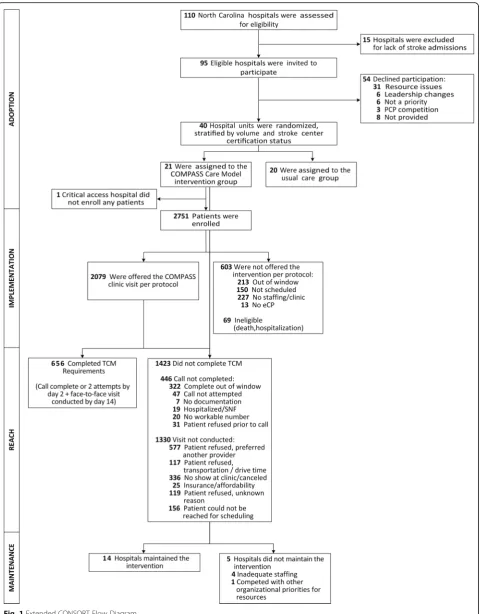
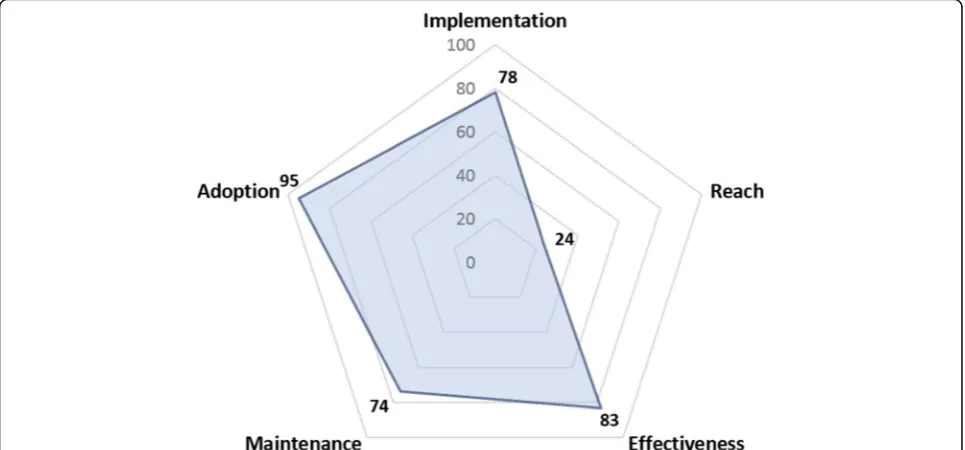
The extended CONSORT diagram [34] provides sum-mary information about each RE-AIM dimension in temporal order, beginning with adoption (Fig. 1). Taken together, hospital-level adoption of the intervention was moderate among all eligible hospitals, and high among enrolled hospitals. Implementation and Maintenance were high, and the effectiveness of treatment was largely consistent across hospitals; however, Reach was low (Fig. 2). Results for each RE-AIM dimension are de-scribed in detail below.
Adoption
Ninety-five hospitals were eligible and invited to partici-pate, of which 41 (43%) signed a letter of agreement to participate, received IRB approval, and were randomized in 40 units. Details of hospital recruitment have been published [11]. Participating hospitals, compared to non-participating hospitals, were more likely to be Primary Stroke Centers (59% vs. 41%), located in metropolitan areas (54% vs. 45%), and have high stroke volume (29% vs. 17% having≥300 stroke discharges per year) [11].
Of the 20 hospitals randomized to the intervention arm, 19 initiated the intervention (95%). The non-adopting site was a rural, critical access hospital. Reasons for non-adoption included having a small number of stroke patients (reported average of 7 per year) and a change in executive leadership after the letter of agree-ment was signed.
Median time from training to launch was 60 days (range 25–190; IQR [39–74]). Mean full time equiva-lent positions to deliver the intervention was 2.15 (1.64 for low-volume [< 300 patients per year] hospi-tals and 2.83 for high-volume [300+ patients per year] hospitals).
Implementation
Clinic setting for in-person follow-up varied according to the availability of staffing in each hospital and chan-ged over time for 21% (4/19) of hospitals. Neurology-based clinics (both in-hospital and ambulatory settings) were the most common (12 hospitals, 69% of patients). Five hospitals utilized hospital-based non-specialty clinics, and 7 utilized PCP-based clinics. The median hospital organizational readiness score was 4.3 and ranged from 1.95 to 5.0, with 5 indicating most ready. The median partnership synergy score was 3.8 and ranged from 2.25 to 5.0, with 5 indicating that the hos-pital staff and their CRN partners collaborated to a large extent to respond to patients’needs when transi-tioning home.
Hospital performance on case ascertainment and enrollmentWithin the 4-month audit period, 58% (796/ 1376) of eligible patients were enrolled [9], with wide variability (5 to 100%) across intervention hospitals (Fig. 3). Enrolled patients were typical of those dis-charged directly home after a stroke [9]. The most com-mon reason hospital staff reported for not ascertaining and enrolling cases was COMPASS staffing challenges
(e.g., shortages, turnover). Other reasons included pa-tient discharge over the weekend or while the PAC was out of the office or having been missed in screening (e.g., no presumptive stroke diagnosis, discharged dir-ectly from emergency department). Among enrolled pa-tients, 47% were provided an introduction to the study in person before discharge, while the remainder were contacted post-discharge by phone or mail. Fifty-eight percent of patients were scheduled for a follow-up visit before discharge.
Hospital performance on quality measures On average, 41.7% (n= 2751) of patients were screened, identified, and enrolled concurrent with care (within 2 days of discharge), and 75.9% received a two-day call (or two attempts). Further, 77.5% of eligible patients were scheduled for or offered a clinic visit. Among 975 completed clinic visits occurring at any time after dis-charge, 98.5% included an eCare Plan, 78% occurred within 14 days as required for CPT Code 994965, and 28% within 7 days as required for CPT Code 99496 (Additional file 1: Figure S1). Shortly after im-plementation began, PACs estimated that, on average, they spent 43 min (SD 21 min) with patients at the clinic visit. Six months later, they reported an average 29 min (SD 17 min).
In adjusted analysis, higher organizational readiness was associated with higher odds of scheduling a clinic visit (OR = 1.60; 95% CI 1.00 to 2.58; Table1). High vol-ume and urban location were associated with lower odds of scheduling a clinic visit. Neurology clinics had lower
[image:7.595.57.540.89.314.2]odds of scheduling than hospital-based non-specialty clinics or PCP-based clinics (Table1).
Reach
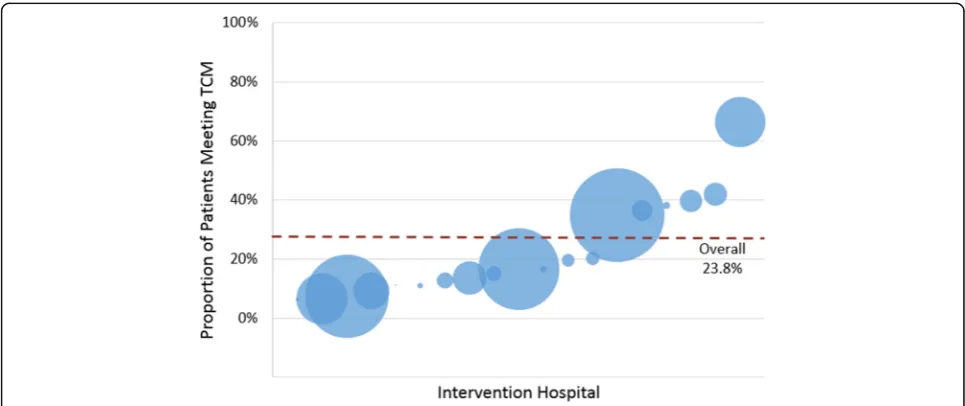
A total of 656/2751 (24%) of patients enrolled at interven-tion hospitals received care under the COMPASS-TC model that met TCM billing code requirements. This ranged from 6 to 66% across hospitals (Fig.4). Not receiv-ing a 14-day clinic visit, independent of whether or not it was scheduled, was the primary reason patients were not reached (see CONSORT diagram Fig.1 for reasons why). Of those not reached, 977 (69%) received the two-day call but did not attend the clinic visit, 353 (25%) failed to re-ceive both the call and visit, and 93 (7%) had the visit but no call. Reach was lower at both PCP-based clinics and hospital-based non-specialty clinics compared with neurology-based clinics (Table 1). Urban hospitals had lower Reach compared with non-urban hospitals. Patients introduced to the intervention before discharge were more frequently reached than those notified post-discharge by mail or phone (34% vs. 15%, p< 0.0001), as were those with a clinic visit appointment scheduled prior to dis-charge versus not (32% vs. 12%,p< 0.0001).
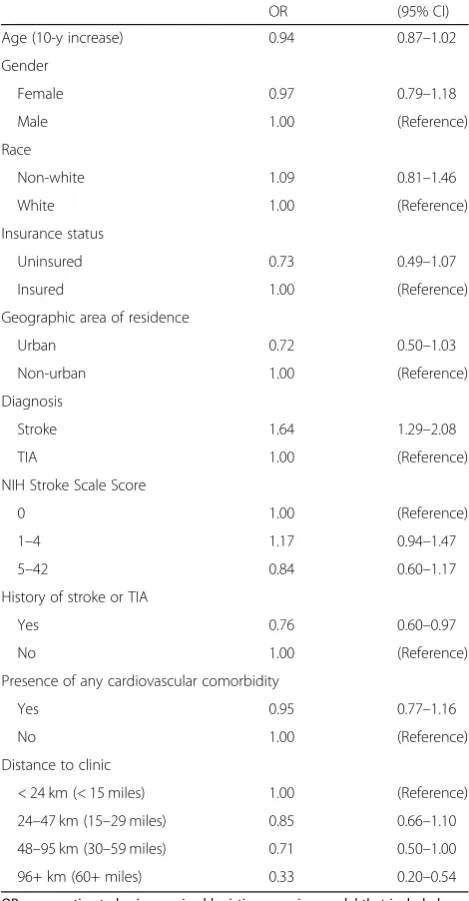
Patient characteristics independently associated with clinic visit attendance when one was offered or sched-uled included diagnosis with stroke versus TIA (OR =
1.64, 1.29 to 2.08) and mild stroke severity (Table 2). Having a history of previous stroke or TIA, lack of in-surance, living farther from the clinic, and urban resi-dence were associated with lower odds of clinic visit attendance (Table2). Age, gender, race, and presence of a cardiovascular-related comorbidity were not strongly associated with odds of clinic visit attendance in this analysis model that also adjusted for lack of insurance, rural residence, and other characteristics.
Effectiveness
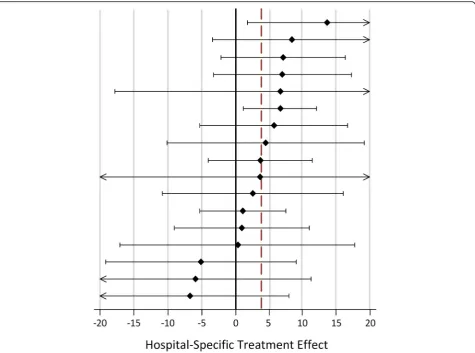
Mean SIS-16 among patients attending a visit within 14 days was 83.0 (SD 19.1) compared with 78.7 (SD 22.1) among those with no visit (adjusted mean difference 3.84 (95% CI 1.42 to 6.27, p= 0.002)). Hospital-specific estimates are shown in Fig. 5. The estimated difference in SIS-16 for patients who attended a clinic visit after 14 days (15–30 days) compared with non-attendees (5.35; 95% CI 0.76 to 9.94) was similar; however, we had lim-ited sample size to evaluate visit timing.
Maintenance
Fourteen of 19 (74%) hospitals sustained COMPASS-TC beyond Phase 1 for at least 6 months. Sustaining hospitals had higher partnership synergy than non-sustaining hospi-tals (median 4.1 vs. 3.0, p= 0.0067). No other measured
[image:8.595.56.539.86.373.2]Table 1Associations Between Hospital Characteristics and Implementation and Reach
Implementation: Scheduling 14-day Clinic Visit Reach: TCM Billing Criteria Met
Characteristic (no. of patients) N (%) meeting metric OR (95% CI) N (%) meeting metric OR (95% CI)
Primary Stroke
Center Certification
PSC (n= 2270) 1713 (77.3) 0.96 (0.38, 2.41) 524 (30.6) 0.75 (0.31, 1.81)
Not PSC (n= 481) 366 (78.7) 1.00 (Reference) 128 (35.0) 1.00 (Reference)
Annual Stroke Volume
300+ patients (n= 1643) 1173 (77.3) 0.51 (0.21, 1.23) 323 (27.5) 0.78 (0.32, 1.90)
< 300 patients (n= 1108) 906 (83.6) 1.00 (Reference) 329 (36.3) 1.00 (Reference)
Geographic Region
Urban (n= 2405) 1755 (75.0) 0.19 (0.07, 0.53) 479 (27.3) 0.58 (0.19, 1.81)
Non-urban (n= 346) 324 (94.5) 1.00 (Reference) 173 (53.4) 1.00 (Reference)
Clinic Setting
PCP (n= 389) 318 (84.1) 2.02 (0.82, 5.02) 71 (22.3) 0.78 (0.32, 1.89)
Hospital-based (n= 461) 358 (79.0) 1.70 (0.64, 4.56) 68 (19.0) 0.69 (0.26, 1.84)
Neurology (n= 1901) 1403 (75.8) 1.00 (Reference) 513 (36.6) 1.00 (Reference)
Organizational Readinessab 1.60 (1.00, 2.58) 1.25 (0.75, 2.07)
0–3.9 759 (71.7) 166 (21.9)
4.0–5.0 1320 (81.3) 486 (36.8)
Partnership Synergyac 1.13 (0.61, 2.08) 1.38 (0.77, 2.48)
0–3.9 951 (75.2) 203 (21.3)
4.0–5.0 1128 (79.5) 449 (39.8)
OR were estimated using mixed logistic regression models adjusted for age, sex, race, diagnosis, insurance status, history of stroke/TIA, presence of cardiovascular-related comorbidity, and stroke severity
Abbreviations:OROdds Ratio,PSCPrimary Stroke Center,PCPPrimary Care Practice
a
OR is for 1-unit increase. Subgroups based on a cut-point of 4 are shown to summarize the number and proportion of patients meeting each metric for different levels of readiness and synergy
b
Organizational Readiness to Implement Change Scale was used to measure change commitment and efficacy [27]
c
Partnership Synergy Scale was used to measure the level of engagement between the post-acute coordinator and the community resource network [28]
[image:9.595.56.539.492.695.2]hospital characteristics (Primary Stroke Center status, an-nual stroke volume, geographic region, academic affili-ation, adequate backup for PAC and APP, PAC turnover, APP turnover, clinic setting, organizational readiness) sig-nificantly differed by maintenance status.
Discussion
In the cluster-randomized pragmatic trial of COMPASS-TC, our analysis suggests that implementation of this
comprehensive, evidence-based model of post-acute care that met TCM billing requirements was: (1) challenging; (2) multi-dimensional; and (3) impacted by both patient-and system-level factors. There was significant heterogen-eity in hospital infrastructure, staffing, site performance, and diversity of the settings in which intervention was delivered. Delivering the care model in hospitals in rural areas and with higher organizational readiness was associated with successful implementation. Within-hospital analysis revealed a clinically meaningful differ-ence in physical function when COMPASS-TC was re-ceived according to CMS standards of TCM billing compared with non-receipt of COMPASS-TC. The treatment effect did not diminish when visits occurred beyond the 14-day TCM window.
We employed several unique strategies to enhance COMPASS-TC use. First, it was designed, implemented, and continuously refined in collaboration with a broad range of stakeholder groups (stroke survivors, family caregivers, clinicians, advocacy organizations, com munity-based services, hospitals and health systems, in-dustry partners, payers, and policy makers), which en-couraged patient-centeredness and system-level buy-in for adoption [35]. Second, unlike many standard re-search studies, hospitals in this pragmatic trial used their own infrastructure, budget and staffing to deliver the intervention with a small per-participant stipend from the coordinating center. Third, we monitored quality metrics and provided monthly reports on these metrics to aid hospitals in their implementation-related continu-ous quality improvement (QI) efforts. Performance indi-cators are a commonly-used method of implementation of stroke quality of care [36, 37]. By using performance indicators, as we were evaluating the impact of the care model on patient outcomes, we were simultaneously evaluating implementation. These measures are the first to be established for post-stroke community-based care and could be an important foundation for future post-acute care QI efforts.
[image:10.595.56.291.111.562.2]The RE-AIM framework is a widely-used and vali-dated approach for assessing implementation [12]. Using RE-AIM, we found that, while hospitals overall had success with Adoption and Maintenance in COM-PASS, Implementation and Reach were low. System-level characteristics associated with successful delivery of COMPASS-TC included meeting the patient in the hospital and scheduling the clinic visit before discharge. Another critical system-level characteristic was staff turnover rate, which impeded consistent delivery of the intervention. Organizational readiness, a modifiable system-level characteristic [38, 39], was positively asso-ciated with both Implementation and Reach. These findings suggest that effective Implementation will most likely occur at hospitals that already score high on Table 2Patient Characteristics Associated with Clinic Visit
Attendance within 14 Days
OR (95% CI)
Age (10-y increase) 0.94 0.87–1.02
Gender
Female 0.97 0.79–1.18
Male 1.00 (Reference)
Race
Non-white 1.09 0.81–1.46
White 1.00 (Reference)
Insurance status
Uninsured 0.73 0.49–1.07
Insured 1.00 (Reference)
Geographic area of residence
Urban 0.72 0.50–1.03
Non-urban 1.00 (Reference)
Diagnosis
Stroke 1.64 1.29–2.08
TIA 1.00 (Reference)
NIH Stroke Scale Score
0 1.00 (Reference)
1–4 1.17 0.94–1.47
5–42 0.84 0.60–1.17
History of stroke or TIA
Yes 0.76 0.60–0.97
No 1.00 (Reference)
Presence of any cardiovascular comorbidity
Yes 0.95 0.77–1.16
No 1.00 (Reference)
Distance to clinic
< 24 km (< 15 miles) 1.00 (Reference)
24–47 km (15–29 miles) 0.85 0.66–1.10
48–95 km (30–59 miles) 0.71 0.50–1.00
96+ km (60+ miles) 0.33 0.20–0.54
ORs were estimated using a mixed logistic regression model that included age, sex, race, insurance status, diagnosis, history of stroke/TIA, presence of cardiovascular-related comorbidity, stroke severity, urban residence, distance to the clinic, organizational readiness, and clinic setting. Analysis included participants that were offered or scheduled a clinic visit
readiness for organizational change or that create readi-ness before implementation. We found that increasing partnership synergy was associated with better Reach. Neurology-based clinics had greater Reach than other types of clinics, possibly because patients were more in-clined to seek a stroke-trained specialist after discharge. Future research would need to investigate the effect of clinic type on patient decision-making and if these find-ings generalize outside of this study.
Patient factors influenced whether patients were reached by the intervention. Patient preference to seek follow-up care with providers they already had a relationship with, often primary care, was the most prevalent reason for clinic visit non-attendance. Stroke (versus TIA) diagnosis and having insurance were positively associated with clinic visit attendance, and history of stroke or TIA was negatively associated with attendance. Because the majority of patients were seen in specialty follow-up clinics, future
implementation studies should identify strategies to address staffing and resource issues and to engage pa-tients for specialty follow-up. The majority of papa-tients in this study were seen in specialty rather than pri-mary care clinics for follow-up. Studies are needed to identify the adequate financial and staffing resources required to fully engage stroke patients for follow-up and the ability of TCM reimbursement to support this level of care.
Other cluster-randomized trials of stroke interven-tions have been conducted, exhibiting different degrees of success with implementation and effective-ness. A trial of a stroke caregiver training strategy at discharge from the stroke unit in the United Kingdom (UK) showed no improvement in the primary out-come in the intention-to-treat analysis, similar to COMPASS, and the investigators noted variable up-take of the training strategy by the participating hos-pitals, with an average compliance of 44% [40]. A
[image:11.595.62.538.87.440.2]complex, highly effective intervention, ESD has been incorporated into standard care practices in the UK and Canada and has effectively reduced mortality and dependence among patients after mild to moderate stroke [41], but has not been adapted for the US healthcare system. In a qualitative assessment of im-plementation of ESD, there was clear buy-in and per-ceived benefits reported by inpatient and outpatient providers in both an urban and a semi-rural practice setting; however, challenges remained with integrating and streamlining care, specifically social care referrals [42]. An implementation analysis of a complex stroke rehabilitation trial, AVERT (A Very Early Rehabilitation for stroke Trial), also reported that successful implemen-tation was due to interdisciplinary teamwork, education and stroke leadership to achieve buy-in, and developing different ways of working [43].
Our study has limitations. Small sample sizes lim-ited our ability to precisely estimate associations be-tween hospital and patient characteristics with Reach and Implementation of individual components of the intervention. Estimates of Effectiveness within inter-vention hospitals could be subject to unmeasured confounding, but propensity scores accounted for differences in important patient characteristics (e.g., stroke severity) between those treated and not treated within the same hospital. We are uncertain whether TCM was actually billed during the clinic visits; rather, we extrapolated this based on meeting the TCM billing criteria. Future analyses of adminis-trative claims will inform how often TCM billing ac-tually occurred. Implementation costs were not measured concurrently during implementation due to PCORI funding stipulations, but future analyses will evaluate implementation costs retrospectively through an ancillary funding source.
Conclusion
Understanding the barriers and facilitators of COMPASS-TC implementation is essential for scaling and disseminating evidence-based, comprehensive TC to additional clinical settings. COMPASS-TC was designed to be consistent with CMS reimbursement requirements and the current US healthcare system. In this large-scale pragmatic trial, participating hospitals made substantial changes to both processes and structures of care to de-liver COMPASS-TC within their everyday clinical prac-tice using locally-determined hospital infrastructure and staffing. This systematic analysis of COMPASS-TC im-plementation informs how, and under which enabling contextual circumstances, this model of care may be ef-fective. A future paper will describe the barriers and fa-cilitators of implementation from the perspective of the front line providers.
Appendix
Quality Measure Definitions
Telephone follow-up by day two
Description: Follow-up telephone call within two busi-ness days of hospital discharge or two attempts made
Denominator:
Inclusion criteria:
COMPASS eligibility criteria
Exclusion criteria:
Patient hospitalized
Patient transferred to a skilled nursing facility
Patient deceased
Numerator: The metric was met if any of the fol-lowing occurred
Follow-up call completed within two business days
Two attempts were made to complete the call
Call was attempted, but not completed because the patient refused, could not complete, or did not have a workable number
COMPASS clinic visit offered or scheduled by 14 days
Description: Receipt of follow-up visit within 14 days of hospital discharge or documentation that visit was of-fered/scheduled
Denominator: Inclusion criteria:
COMPASS eligibility criteria
Exclusion criteria:
Patient transferred to nursing home
Patient hospitalized
Patient deceased
Numerator: The metric was met if any of the fol-lowing occurred
Follow-up clinic visit completed by day 14
Documentation of visit scheduled or offered but patient refused or did not show at the clinic
Receipt of eCare Plan at a COMPASS TC visit
Description: Receipt of eCare plan during follow-up clinic visit
COMPASS eligibility criteria
Attended a post-discharge clinic visit at any time after discharge
Numerator:
eCare Plan generated electronically using the iPad or on paper and shared with the patient.
Supplementary information
Supplementary informationaccompanies this paper athttps://doi.org/10. 1186/s12913-019-4771-0.
Additional file 1: Figure S1.Days to Clinic Visit After Discharge. Histogram of percent of patients seen for follow up clinic by days after discharge.
Additional file 2: Table S1.Implementation Strategies Used in the COMPASS Cluster-Randomized Pragmatic Trial. Strategies used for the im-plementation of COMPASS.
Abbreviations
APP:Advanced practice provider; AVERT: A Very Early Rehabilitation for stroke Trial; CMS: Centers for Medicare and Medicaid Services;
COMPASS: COMprehensive Post-Acute Stroke Services; COMPASS-TC: Comprehensive Post-Acute Stroke Services - Transitional Care model; CRN: Community resource networks; eCare Plan: Electronic care plan; ESD: Early supported discharge; GLMMs: Generalized linear mixed models; IRB: Institutional review board; NC: North Carolina; NP: Nurse practitioner; ORIC: Organizational Readiness to Implement Change; PA: Physician assistant; PAC: Post-Acute care coordinator; PCORI: Patient-Centered Outcomes Research Institute; PCP: Primary care provider; QI: Quality improvement; RN: Registered nurse; RUCA: Rural-Urban Community Area; SIS-16: Stroke Impact Scale-16; StaRI: Standards for Reporting Implementation Studies; TC: Transitional care; TCM: Transitional care management; UK: United Kingdom; US: United States
Acknowledgments
We thank our study participants and their caregivers for making this study possible and our study stakeholders for their contributions in shaping the study design and intervention; in particular, stroke program managers across NC, the Piedmont Triad Regional Council Area Agency on Agency, Community Pharmacy Enhanced Services Network (CPESN® Network), Justus-Warren Heart Disease and Stroke Prevention Task Force, Stroke Advisory Council, NC Department of Health and Human Services, Wake Forest Baptist Health, FaithHealth Division, Carolina Center for Cognitive Rehabilitation, and the American Heart Association/American Stroke Association. We thank par-ticipating hospitals for their commitment to this study and their patient care.
Authors’contributions
SG, CB, and SJ contributed equally to the manuscript with substantial contributions to the conception and design of the work; the acquisition and interpretation of the data; they drafted and revised the manuscript critically for important intellectual content. SJ, SL, JX, and MP performed the statistical analysis. PD and WR supervised the research team. SG, CB, SJ, SC, JX, BL, JPB, JF, JH, AJ, AKN, LM, AP, MP, MR, WR, MS, JH, and PD made substantial contributions to the conception and design of the work; the acquisition and interpretation of the data; and revised the manuscript for important intellectual content. All authors read and approved the final manuscript for publication; and agree to be accountable for all aspects of the work in ensuring that questions related to the accuracy or integrity of any part of the work are appropriately investigated and resolved.
Funding
This project received funding from the Wake Forest CTSA through National Center for Advancing Translational Sciences (NCATS) National Institutes of Health (NIH) Grant Award UL1TR001420 and through PCORI Contract Award PCS-1403-14532.
All statements in this report, including its findings and conclusions, are solely those of the authors and do not necessarily represent the views of the NIH or PCORI, its Board of Governors, or Methodology Committee. The funders had no role in the design of the study, analysis, interpretation of data, or in the writing of the manuscript. The funders received monthly updates on data collection.
Availability of data and materials
The datasets generated and/or analyzed during the current study are not publicly available due to the trial is ongoing and data sharing will follow the PCORI Policy for Data Access and Sharing but are available from the corresponding author on reasonable request.
Ethics approval and consent to participate
Institutional review board (IRB) approval was received through Wake Forest University Health Sciences (central IRB), or through local hospital IRBs. At 90 days during the telephone survey, patients provided informed, verbal consent [22] for collection of outcomes, the ethics committees agreed with the verbal consent and HIPAA authorization process and approved this procedure. Additionally, participants consented to collection of process measures, including the ORIC and Partnership Synergy Scale via email survey.
Consent for publication Not applicable.
Competing interests
Drs. Duncan, Bushnell, and Dr. Bushnell: ownership Interest, Care Directions, the company that integrates the electronic care plan application used in the study (COMPASS-CP) into electronic health records; Others: None.
Author details 1
Department of Social Sciences and Health Policy, Department of Implementation Science, Wake Forest School of Medicine, One Medical Center Boulevard, Winston-Salem, NC 27157, USA.2Department of Neurology, Wake Forest School of Medicine, Winston-Salem, NC, USA. 3
Department of Epidemiology, University of North Carolina at Chapel Hill, Gillings School of Global Public Health, Chapel Hill, NC, USA.4Department of Biostatistics, University of North Carolina at Chapel Hill, Gillings School of Global Public Health, Chapel Hill, NC, USA.5Department of Family Medicine, University of North Carolina at Chapel Hill, Chapel Hill, NC, USA.6University of North Carolina at Wilmington, School of Nursing, Wilmington, NC, USA. 7
Duke University, School of Medicine, Durham, NC, USA.8University of Pittsburgh, School of Health and Rehabilitation Sciences, Pittsburgh, PA, USA. 9
Department of Epidemiology, University of Kentucky, College of Public Health, Lexington, KY, USA.10Department of Earth and Ocean Sciences, University of North Carolina at Wilmington, Wilmington, NC, USA.
Received: 17 July 2019 Accepted: 22 November 2019
References
1. Mozaffarian D, Benjamin EJ, Go AS, Arnett DK, Blaha MJ, Cushman M, et al. Heart disease and stroke Statistics-2016 update: a report from the American Heart Association. Circulation. 2016;133:e38–360.https://doi.org/10.1161/CIR. 0000000000000350.
2. Winstein CJ, Stein J, Arena R, Bates B, Cherney LR, Cramer SC, et al. Guidelines for adult stroke rehabilitation and recovery: a guideline for healthcare professionals from the American Heart Association/American Stroke Association. Stroke. 2016;47:e98–e169.https://doi.org/10.1161/str. 0000000000000098.
3. Cameron JI, O'Connell C, Foley N, Salter K, Booth R, Boyle R, et al. Canadian stroke best practice recommendations: managing transitions of care following stroke, guidelines update 2016. Int J Stroke. 2016;11:807–22. https://doi.org/10.1177/1747493016660102.
4. Fearon P, Langhorne P. Services for reducing duration of hospital care for acute stroke patients. Cochrane Database Syst Rev. 2012:Cd000443.https:// doi.org/10.1002/14651858.CD000443.pub3.
6. Gallacher K, Morrison D, Jani B, Macdonald S, May CR, Montori VM, et al. Uncovering treatment burden as a key concept for stroke care: a systematic review of qualitative research. PLoS Med. 2013;10:e1001473.https://doi.org/ 10.1371/journal.pmed.1001473.
7. Bindman AB, Cox DF. Changes in health care costs and mortality associated with transitional care management Services after a discharge among Medicare beneficiaries. JAMA Intern Med. 2018;178:1165–71.https://doi.org/ 10.1001/jamainternmed.2018.2572.
8. Prvu Bettger J, Alexander KP, Dolor RJ, Olson DM, Kendrick AS, Wing L, et al. Transitional care after hospitalization for acute stroke or myocardial infarction: a systematic review. Ann Intern Med. 2012;157:407–16.https:// doi.org/10.7326/0003-4819-157-6-201209180-00004.
9. Duncan P, Bushnell CD, Jones SB, Psioda MA, Gesell SB, D'Agostino RB Jr, et al. A transitional care intervention to improve outcomes after stroke or TIA: the COMprehensive post-acute stroke Services (COMPASS) study. International Stroke Conference. Honolulu; 2019.
10. Duncan PW, Bushnell CD, Rosamond WD, Jones SB, Gesell SB, D'Agostino RB Jr, et al. The comprehensive post-acute stroke Services (COMPASS) study: design and methods for a cluster-randomized pragmatic trial. BMC Neurol. 2017;17:133.https://doi.org/10.1186/s12883-017-0907-1.
11. Johnson AM, Jones SB, Duncan PW, Bushnell CD, Coleman SW, Mettam LH, et al. Hospital recruitment for a pragmatic cluster-randomized clinical trial: lessons learned from the COMPASS study. Trials. 2018;19:74.https://doi.org/ 10.1186/s13063-017-2434-1.
12. Glasgow RE, Vogt TM, Boles SM. Evaluating the public health impact of health promotion interventions: the RE-AIM framework. Am J Public Health. 1999;89:1322–7.https://doi.org/10.2105/ajph.89.9.1322.
13. Pinnock H, Barwick M, Carpenter CR, Eldridge S, Grandes G, Griffiths CJ, et al. Standards for reporting implementation studies (StaRI) statement. BMJ. 2017;356:i6795.https://doi.org/10.1136/bmj.i6795.
14. Loudon K, Treweek S, Sullivan F, Donnan P, Thorpe K, Zwarenstein M. The PRECIS-2 tool: designing trials that are fit for purpose. BMJ. 2015;350:h2147. https://doi.org/10.1136/bmj.h2147.
15. Duncan PW, Abbott R, Rushing S, Johnson AM, Condon C, Lycan S, et al. COMPASS-CP: an electronic application to capture patient-reported outcome measures to develop actionable stroke care plans. Circ Cardiovascular Qual Outcomes. 2018;11:e004444.https://doi.org/10.1161/ CIRCOUTCOMES.117.004444.
16. Bushnell CD, Duncan PW, Lycan SL, Condon CN, Pastva AM, Lutz BJ, et al. A person-centered approach to Poststroke care: the COMprehensive post-acute stroke Services model. J Am Geriatr Soc. 2018;66:1025–30.https://doi. org/10.1111/jgs.15322.
17. Transitional Care Management Services. In: Medicare learning network. Centers for Medicare and Medicaid 2016. https://www.cms.gov/outreach-and-education/medicare-learning-network-mln/mlnproducts/downloads/ transitional-care-management-services-fact-sheet-icn908628.pdf. Accessed 24 July 2019.
18. Leeman J, Birken SA, Powell BJ, Rohweder C, Shea CM. Beyond "implementation strategies": classifying the full range of strategies used in implementation science and practice. Implement Sci. 2017;12:125.https:// doi.org/10.1186/s13012-017-0657-x.
19. Powell BJ, Waltz TJ, Chinman MJ, Damschroder LJ, Smith JL, Matthieu MM, et al. A refined compilation of implementation strategies: results from the expert recommendations for implementing change (ERIC) project. Implement Sci. 2015;10:21.https://doi.org/10.1186/s13012-015-0209-1. 20. Gaglio B, Shoup JA, Glasgow RE. The RE-AIM framework: a systematic review
of use over time. Am J Public Health. 2013;103:e38–46.https://doi.org/10. 2105/AJPH.2013.301299.
21. Gaglio B. The fundamentals of the RE-AIM framework. Paper presented at: PCORI annual conference. Arlington; 2017.https://doi. org/10.2105/ajph.2013.301299.
22. Andrews JE, Moore JB, Weinberg RB, Sissine M, Gesell S, Halladay J, et al. Ensuring respect for persons in COMPASS: a cluster randomised pragmatic clinical trial. J Med Ethics. 2018.https://doi.org/10.1136/ medethics-2017-104478.
23. Duncan PW, Lai SM, Bode RK, Perera S, DeRosa J. Stroke impact Scale-16: a brief assessment of physical function. Neurology. 2003;60:291–6.https://doi. org/10.1212/01.wnl.0000041493.65665.d6.
24. Katzan IL, Fan Y, Uchino K, Griffith SD. The PROMIS physical function scale: a promising scale for use in patients with ischemic stroke. Neurology. 2016;86: 1801–7.https://doi.org/10.1212/wnl.0000000000002652.
25. Katzan IL, Lapin B. PROMIS GH (patient-reported outcomes measurement information system Global Health) scale in stroke: a validation study. Stroke. 2018;49:147–54.https://doi.org/10.1161/strokeaha.117.018766.
26. Provider of Services Current Files. 2019; https://www.cms.gov/Research- Statistics-Data-and-Systems/Downloadable-Public-Use-Files/Provider-of-Services/. Accessed 3 March 2019.
27. Prvu-Bettger J, Jones SB, Kucharska-Newton AM, Freburger JK, Coleman SW, Mettam LH, et al. Meeting Medicare requirements for transitional care: do stroke care and policy align? Neurology. 2019.https://doi.org/10.1212/WNL. 0000000000006921.
28. Shea CM, Jacobs SR, Esserman DA, Bruce K, Weiner BJ. Organizational readiness for implementing change: a psychometric assessment of a new measure. Implement Sci. 2014;9:7.https://doi.org/10.1186/1748-5908-9-7. 29. Oetzel JG, Zhou C, Duran B, Pearson C, Magarati M, Lucero J, et al.
Establishing the psychometric properties of constructs in a community-based participatory research conceptual model. Am J Health Promotion. 2015;29:e188–202.https://doi.org/10.4278/ajhp.130731-QUAN-398. 30. Duncan P, Lai S, Tyler D, Perera S, Reker D, Studenski S. Evaluation of proxy
responses to the stroke impact scale. Stroke. 2002;33:2593–9.https://doi.org/ 10.1161/01.str.0000034395.06874.3e.
31. Kwon S, Duncan P, Studenski S, Perera S, Lai SM, Reker D. Measuring stroke impact with SIS: construct validity of SIS telephone administration. Qual Life Res. 2006;15(3):367–76.https://doi.org/10.1007/s11136-005-2292-2. 32. van Buuren S. Multiple imputation of discrete and continuous data by fully
conditional specification. Stat Methods Med Res. 2007;16:23.https://doi.org/ 10.1177/0962280206074463.
33. Rubin DB. Teaching statistical inference for causal effects in experiments and observational studies. J Edu Behav Stat. 2004;29:343–67.https://doi.org/ 10.3102/10769986029003343.
34. RE-AIM. Figures and Tables. 2018; http://www.re-aim.org/resources-and-tools/figures-and-tables/. Accessed 13 November 2018.
35. Gesell SB, Klein KP, Halladay J, Bettger JP, Freburger J, Cummings DM, et al. Methods guiding stakeholder engagement in planning a pragmatic study on changing stroke systems of care. J Clin Transl Sci. 2017;1:121–8.https:// doi.org/10.1017/cts.2016.26.
36. Xian Y, Xu H, Lytle B, Blevins J, Peterson ED, Hernandez AF, et al. Use of strategies to improve door-to-needle times with tissue-type plasminogen activator in acute ischemic stroke in clinical practice: findings from target: stroke. Circ Cardiovasc Qual Outcomes. 2017;10.https://doi.org/10.1161/ circoutcomes.116.003227.
37. Di Carlo A, Pezzella FR, Fraser A, Bovis F, Baeza J, McKevitt C, et al. Methods of implementation of evidence-based stroke Care in Europe: European implementation score collaboration. Stroke. 2015;46:2252–9.https://doi.org/ 10.1161/strokeaha.115.009299.
38. Armenakis AA, Harris SG, Mossholder KW. Creating readiness for
organizational change. Hum Relat. 1993;46:681–703.https://doi.org/10.1177/ 001872679304600601.
39. Weiner BJ, Amick H, Lee SY. Conceptualization and measurement of organizational readiness for change: a review of the literature in health services research and other fields. Med Care Res Rev. 2008;65:379–436. https://doi.org/10.1177/001872679304600601.
40. Forster A, Dickerson J, Young J, Patel A, Kalra L, Nixon J, et al. A structured training programme for caregivers of inpatients after stroke (TRACS): a cluster randomised controlled trial and cost-effectiveness analysis. Lancet. 2013;382:2069–76.https://doi.org/10.1016/s0140-6736(13)61603-7. 41. Langhorne P, Baylan S. Early supported discharge services for people with
acute stroke. Cochrane Database Syst Rev. 2017;7:Cd000443.https://doi.org/ 10.1002/14651858.CD000443.pub4.
42. Chouliara N, Fisher RJ, Kerr M, Walker MF. Implementing evidence-based stroke early supported discharge services: a qualitative study of challenges, facilitators and impact. Clin Rehabil. 2014;28:370–7.https://doi.org/10.1177/ 0269215513502212.
43. Luker JA, Craig LE, Bennett L, Ellery F, Langhorne P, Wu O, et al. Implementing a complex rehabilitation intervention in a stroke trial: a qualitative process evaluation of AVERT. BMC Med Res Methodol. 2016;16: 52.https://doi.org/10.1186/s12874-016-0156-9.
Publisher’s Note