University of South Carolina
Scholar Commons
Theses and Dissertations
12-14-2015
Preparation and Characterization of PT-RU
Bimetallic Catalysts Using Electroless Deposition
Methods and Mechanistic Study of RE and CS
Promoters for AG-Based, High Selectivity Ethylene
Oxide Catalysts
Weijian Diao
University of South Carolina - Columbia
Follow this and additional works at:https://scholarcommons.sc.edu/etd Part of theChemical Engineering Commons
This Open Access Dissertation is brought to you by Scholar Commons. It has been accepted for inclusion in Theses and Dissertations by an authorized administrator of Scholar Commons. For more information, please [email protected].
Recommended Citation
Diao, W.(2015).Preparation and Characterization of PT-RU Bimetallic Catalysts Using Electroless Deposition Methods and Mechanistic Study of RE and CS Promoters for AG-Based, High Selectivity Ethylene Oxide Catalysts.(Doctoral dissertation). Retrieved from
PREPARATION AND CHARACTERIZATION OF PT-RU BIMETALLIC CATALYSTS
USING ELECTROLESS DEPOSITION METHODS AND MECHANISTIC STUDY OF RE
AND CS PROMOTERS FOR AG-BASED, HIGH SELECTIVITY ETHYLENE OXIDE
CATALYSTS
by
Weijian Diao
Bachelor of Science Jilin University, 2010
Submitted in Partial Fulfillment of the Requirements
For the Degree of Doctor of Philosophy in
Chemical Engineering
College of Engineering and Computing
University of South Carolina
2015
Accepted by:
John R. Monnier, Major Professor
Donna A. Chen, Committee Member
John R. Regalbuto, Committee Member
Christopher T. Williams, Committee Member
John W. Weidner, Committee Member
DEDICATION
I dedicate this work to my wife Yunya Zhang, for her love, support, help, and
company through my graduate studies. You mean more to me than anything in the whole
world.
I dedicate this work to my parents Shengnian Diao and Youmei Wang for their
ACKNOWLEDGEMENTS
First I want to give my greatest acknowledgment to my advisor Dr. John R.
Monnier, thank you for giving me the opportunity to study in the group and teaching me
the ‘sweet science’ of catalysis. I can’t imagine how I could finish my graduate school
without your guidance and help. Thank you for teaching me so much about designing,
improving, and repairing equipment. I have learned so many things I didn’t expect to
learn when I came to graduate school. Also, thank you for taking the time to introduce me
to your industrial contacts. I believe that I will have the chance to use what I have learned
from you in industrial R&D in the near future. You taught me more than science, also
how to be a good man. I will remember all the ‘bonus knowledges’ from you, such as
super bowl bracket and fishing skills. You have worried about me like a father; thank you
very much for your genuine concern.
I also want to acknowledge my PhD committee, Dr. Donna A. Chen, Dr. John R.
Regalbuto, Dr. Christopher T. Williams, for your precious time dedicated to teach me.
Thanks Dr. Chen for teaching me surface science which brings me to a new world of
science. Your circumspect and serous attitude to science impressed me as what a
successful scientist should be. Thanks Dr. Williams for all your discussion and guidance
in my study. I still remember the first time I met you in Jilin. Thank you for being so
friendly and helpful during these years. Thanks Dr. Regalbuto for teaching me SEA and
all the useful suggestions. I enjoyed a lot working with you and your students. Thank you
In addition, I want to thank the chemical engineering department staffs, Marcia
Rowen, Loretta Hardcastle, Kay Dorrell, Vernon Dorrell and Brian Loggans, for their
assistance and excellent work on providing a friendly and nice working environment. I
also want to give the special thanks to Carol Stork for her generous help on experimental
work.
I also want to thank Dr. Christopher DiGiulio, Dr. Shuai Tan, Dr. Xiaojing Sun,
Dr. Hyeran Cho, Dr. Abraham Rodriguez, Dr. Randima Galhenage, who has already left
USC but taught me a lot on experiments setup and data analysis. I would like to thank my
group members and colleagues, John Tengco, Kerry O’Connell, Shuo Cao, Kangmin Xie,
Qiuli Liu, Jose Contreras, I am happy to work with you and learn from each other. I want
to express my sincere gratitude to my dearest friends, Long Cai, Xiaojing Sun, Fan Wu,
Shuai Tan, Qiang Gao, Jingjie Wu, Fusheng Ke, Jingyi Huo, Tingting Yang, Hong Liu,
Fang Fang, Kejian Yao, Yiling Dai, Zhiyong Wang, Tianyuan Xie, Yating Mao, Qiuli
Liu, Zhuonan Song, Chao Wang, Lei Wang. With all of you, I have spent one of the
ABSTRACT
Pt-Ru bimetallic catalysts are widely used for direct methanol fuel cells, biomass
upgrading and hydrocarbon refining and offer unique properties compared to Pt or Ru
monometallic catalysts due to ensemble effects, electronic effects, and/or bifunctional
effects. To achieve better performance, strong metal-metal interactions and true
bimetallic surface are needed. Electroless deposition (ED) methods are used in our
laboratory to synthesize such bimetallic catalysts. In this study, two series of Ru@Pt/C
(Pt deposited on Ru surfaces) and Pt@Ru/C (Ru deposited on Pt surfaces) catalysts have
been synthesized. Characterization data from temperature programmed reduction (TPR),
selective chemisorption, X-ray photoelectron spectroscopy (XPS), and scanning
transmission electron microscopy (STEM) are presented to confirm formation of Pt-Ru
bimetallic surfaces with strong metal-metal interactions.
The second part of this study describes the roles of high-valent Re oxyanions and
alkali metal promoters for high selectivity ethylene epoxidation catalysts. The
world-wide production of ethylene oxide (EO) currently exceeds 25 Mt/yr, placing the synthesis
of this oxygenated organic chemical high on the list of the world’s most commonly
produced chemicals and the highest volume chemical produced by catalytic oxidation.
Ag, Cs, Re are the main components for current generation EO catalysts. Even though the
first patent describing Re-promoted EO catalysts appeared in 1984 only three
peer-reviewed publications had appeared in the literature (prior to our work) addressing the
extensive series of Cs-Ag, Re-Ag, Cs-Re-Ag and Cs-Re-Mo-Ag catalysts, all supported
on a commercial α-Al2O3 carrier; they have been evaluated for ethylene epoxidation at
industrially-relevant conditions (high pressure and 200-1000 hrs on-line) to determine the
mechanism of EO selectivity enhancement from high-valent Re oxyanions and other
co-promoters. Analyses by XPS and SEM suggest the origin of both Re and Cs promotions
are electronic. A reaction scheme detailing the mechanism of EO formation over
TABLE OF CONTENTS
DEDICATION ... iii
ACKNOWLEDGEMENTS ... iv
ABSTRACT ... vi
LIST OF TABLES ...x
LIST OF FIGURES ... xi
CHAPTER 1INTRODUCTION AND LITERATURE REVIEW ...1
1.1CATALYSIS AND BIMETALLIC CATALYSTS ...2
1.2PREPARATION METHODS OF BIMETALLIC CATALYSTS ...4
1.3ELECTROLESS DEPOSITION METHOD ...12
1.4PT-RU BIMETALLIC CATALYSTS...20
1.5ETHYLENE OXIDE AND ETHYLENE EPOXIDATION CATALYSTS ...22
CHAPTER 2EXPERIMENTAL PROCEDURES ...27
2.1CATALYST PREPARATION OF PT-RU BIMETALLIC SYSTEM ...28
2.2CATALYST CHARACTERIZATION OF PT-RU BIMETALLIC SYSTEM ...29
2.3CATALYST PREPARATION OF AG-BASED EOCATALYSTS ...32
2.4CATALYST CHARACTERIZATION OF AG-BASED EOCATALYSTS ...33
2.5EPOXIDATION REACTIONS ...34
CHAPTER 3PREPARATION AND CHARACTERIZATION OF PT-RU BIMETALLIC CATALYSTS SYNTHESIZED BY ELECTROLESS DEPOSITION METHODS ...35
3.2INTRODUCTION ...36
3.3EXPERIMENTAL ...39
3.4RESULTS AND DISCUSSION ...44
3.5CONCLUSION ...66
CHAPTER 4AN INVESTIGATION ON THE ROLE OF RE AS A PROMOTER IN AG-CS-RE-AL2O3 HIGH SELECTIVITY ETHYLENE EPOXIDATION CATALYSTS ...68
4.1ABSTRACT ...69
4.2INTRODUCTION ...69
4.3EXPERIMENTAL ...70
4.4RESULTS AND DISCUSSION ...75
4.5CONCLUSION ...94
CHAPTER 5CONCLUSIONS ...96
REFERENCES ...99
APPENDIX A–LIST OF PUBLICATIONS ...109
LIST OF TABLES
Table 1.1 Common metal ion sources for electroless deposition. ...16
Table 1.2 Complexing agents used in the electroless deposition for common metals. ...18
Table 1.3 Stablizing agents used in the electroless deposition for common metals. ...19
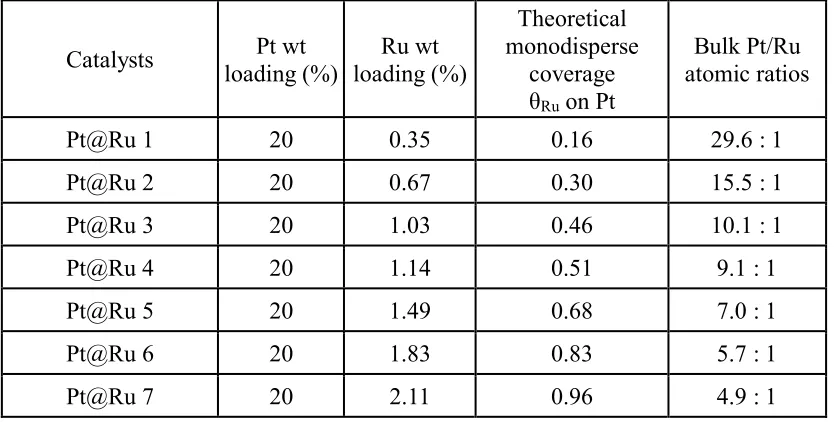
Table 3.1 Summary of Pt@Ru/XC-72 catalysts prepared by ED. ...48
Table 3.2 Summary of Ru@Pt/XC-72 catalysts prepared by ED. ...50
Table 3.3 Summary of binding energies for Ru 3d5/2 and Pt 4f7/2. ...60
Table 4.1 Nominal vs. analyzed Ag and Cs loadings for two representative catalysts. ....71
Table 4.2 Comparison of catalyst activity and selectivity for Cs, Re and/or Mo promoted EO catalysts. ...82
Table 4.3 Effects of Cs and/or Re on catalyst activity and selectivity. ...84
LIST OF FIGURES
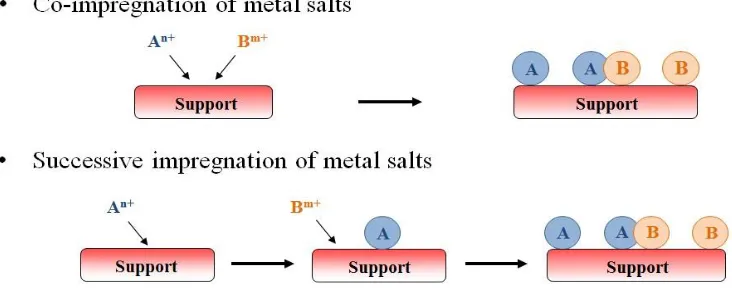
Figure 1.1 Processes of co-impregnation and successive impregnation ...5
Figure 1.2 Phase diagram for a precipitate in equilibrium with its solution and in the presence of a support. ...7
Figure 1.3 Electrostatic adsorption mechanism ...8
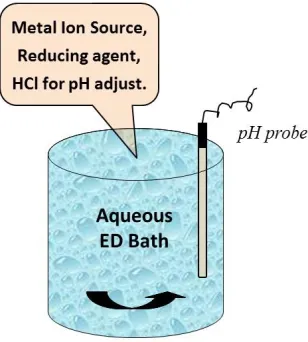
Figure 1.4 Configuration of a typical electroless deposition bath. ...15
Figure 1.5 Catalytic activities of metals for anodic oxidation of different reductants ...17
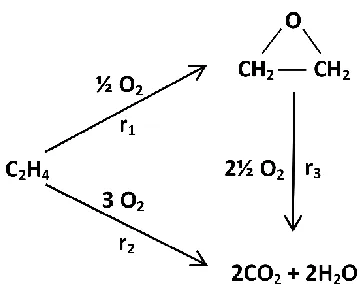
Figure 1.6 Reaction network for the production of EO from ethylene ...23
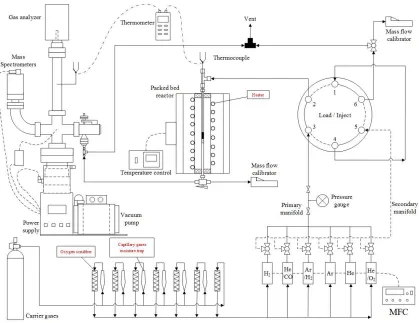
Figure 2.1 Schematic of the TPR-MS system ...31
Figure 2.2 Pictures of (A) SA5562 α-Al2O3 rings (B) Ag-Cs-Re-Mo/α-Al2O3 catalyst (C) sieved Ag-Cs-Re-Mo/α-Al2O3 catalyst for reaction. ...33
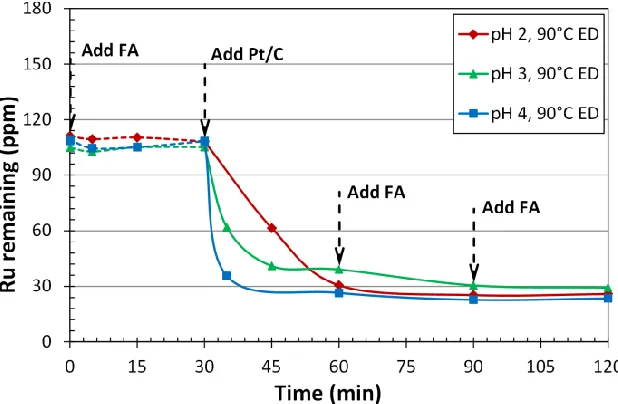
Figure 3.1 Temperature effect of Ru deposition on Pt/XC-72. ...46
Figure 3.2 Bath pH effect of Ru deposition on Pt/XC-72...47
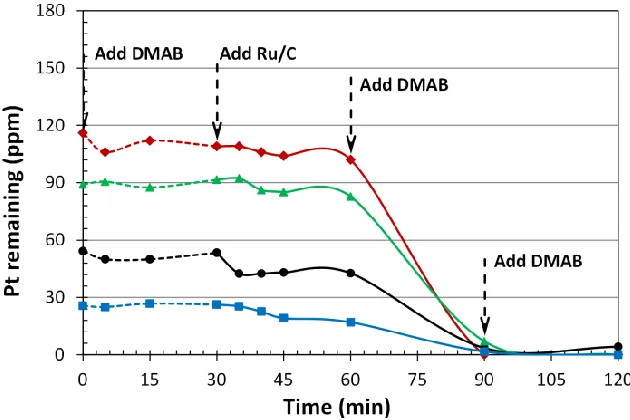
Figure 3.3 Pt deposition on Ru/XC-72 with different initial concentrations of PtCl62-. ....50
Figure 3.4 H2 pulse titrations for O pre-covered (A) 20 wt% Pt/XC-72 and (B) 20 wt% Ru/XC-72 at 40°C. ...52
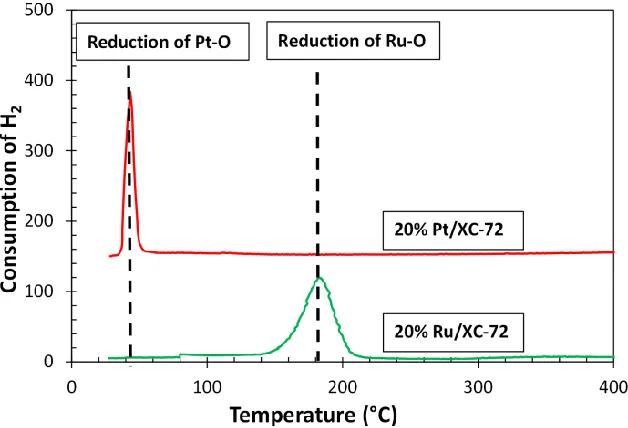
Figure 3.5 TPR of O pre-covered Ru/XC-72 and Pt/XC-72 samples ...53
Figure 3.6 H2 pulse spectrum for titration of O pre-covered Ru/XC-72 at 250 °C. ...53
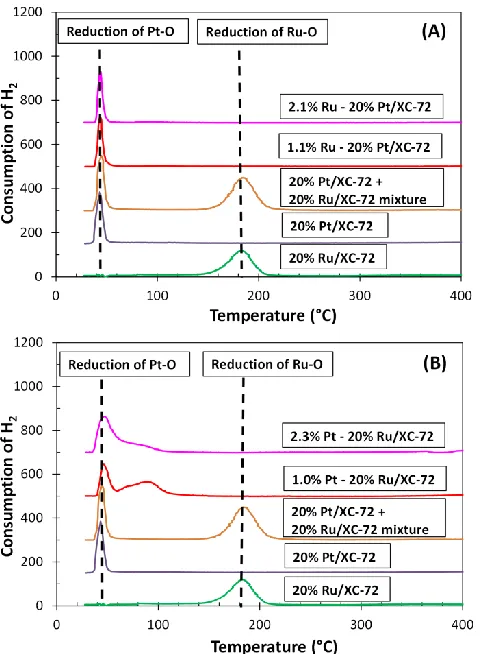
Figure 3.7 TPR of O pre-covered (A) Pt@Ru/XC-72 and (B) Ru@Pt/XC-72 samples....55
Figure 3.8 XPS of base catalysts before reduction (BR) and after reduction (AR) at 280°C for (A) Ru 3d5/2 and (B) Pt 4f7/2 ...57
Figure 3.10 Pt 4f7/2 peaks for Pt/C, Pt@Ru/C and Ru@Pt/C (A) before and (B) after
280°C reduction ...59
Figure 3.11 XRD patterns of Pt/C, Ru/C, Pt@Ru/C and Ru@Pt/C with standard patterns of Pt and Ru phases. ...61
Figure 3.12 STEM-HAADF micrographs for (A) 20 wt% Pt/C and (B) 20 wt% Ru/C ....62
Figure 3.13 STEM-HAADF micrographs and XEDS maps of (A) – (D) for Pt@Ru/C and (E) - (H) for Ru@Pt/C ...63
Figure 3.14 Proposed mechanism for H2 titration of O pre-covered bimetallic surface of (A) Ru@Pt/C catalysts and (B) Pt@Ru/C catalysts ...65
Figure 4.1 An example of a typical run for evaluation of EO catalysts. ...76
Figure 4.2 The effect of Cs addition on EO selectivity for 12 wt % Ag/α-Al2O3 EO
catalyst ...77
Figure 4.3 The effects of Re promotion, support modification and catalyst pretreatment on EO selectivity and activity for a series of Re-promoted 12 wt % Ag, 350 ppm Cs/α-Al2O3 catalysts ...79
Figure 4.4 Determination of the optimum Mo co-promoter loading required for a 12 wt % Ag, 350 ppm Cs, 200 ppm Re/α-Al2O3 catalyst ...81
Figure 4.5 Summary detailing the effects of Cs, Cs-Re and Cs-Re-Mo promotion on a 12 wt % Ag/ α-Al2O3 catalyst ...82
Figure 4.6 SEM micrographs demonstrating the size and morphology of Ag for the following EO catalysts: 12 wt% Ag/α-Al2O3 (top left), 12 wt% Ag, 350 ppm Cs/α-Al2O3
(top right), 12 wt% Ag, 350 ppm Cs, 200 ppm Re/α-Al2O3 (bottom left), 12 wt% Ag, 350
ppm Cs, 200 ppm Re, 150 ppm Mo/α-Al2O3 (bottom right) ...85
Figure 4.7 Ag 3d5/2 spectra of 12 wt% Ag/α-Al2O3 for (1), as prepared sample, (2), after
pretreatment in 100% H2 at 280 °C for 12 h, and (3), after pretreatment in 10%
O2/balance He at 280 °C for 12 h...87
Figure 4.8 Ag 3d5/2 spectra for (1), 12 wt% Ag/α-Al2O3, (2), 12 wt% Ag, 350 ppm
Cs/α-Al2O3, (3), 12 wt% Ag, 200 ppm Re/α-Al2O3, and (4), 12 wt% Ag, 350 ppm Cs, 200 ppm
Re/α-Al2O3 after in situ pretreatment in 10% O2/balance He at 280 °C for 12 h ...89
Figure 4.9 Re 4f7/2 spectra of 12 wt% Ag, 350ppm Cs, 200ppm Re/α-Al2O3 for (a), as
prepared sample (b), after pretreatment in 10% O2/balance He at 280 °C for 12 h, and (c),
Figure 4.10 Mechanistic scheme for ethylene epoxidation using Cs-Re(Mo) promoted Ag catalysts ...92
CHAPTER 1:
1.1Catalysis and Bimetallic Catalysts
Catalysts were first used in industrial processes for production of sulfuric acid in
1746; however they were not studied and understood until the late 1800’s[1,2]. In 1895
Ostwald realized catalysis as a common phenomenon and defined a catalyst as “a
substance which accelerates a chemical reaction without affecting the position of the
equilibrium” in terms of the laws of physical chemistry [2]. From petroleum refining to
pharmaceuticals to automobile emission control, catalysts are widely used in industrial
processes and daily life. Recent studies have shown that catalysts are used for synthesis
of over 75% of all chemical products [3]. Catalysts can be arbitrarily be divided into three
groups-metals, metal oxides, and acid-base catalysts.
There are two main types of metal catalysts – homogeneous and heterogeneous.
Homogeneous catalysis is a sequence of reactions that involve a catalyst in the same
phase as the reactants. Most commonly, a homogeneous catalyst is co-dissolved in a
solvent with the reactants. This dissertation focuses only on heterogeneous catalysts in
which the phase of the catalyst differs from that of the reactants. The great majority of
practical heterogeneous catalysts are solids and the great majority of reactants are gases
or liquids [4]. A typical solid catalyst is a transition metal which is the active phase
maintained on an inert solid support that provides critical surface area and stability for the
supported metal(s). Alumina, silica, and carbon are often used as supports for deposition
of metal salts. Catalytic activity, selectivity, lifetime, surface area, thermal and
mechanical strength are general parameters for evaluation of metal catalysts.
Bimetallic catalysts have been studied since the 1940’s [5], since bimetallic
electronic effects, and/or bifunctional effects between the two different metallic
components [6,7]. Ensemble effects occur when one of the surface components is
catalytically-inactive and serves only to dilute the active metal component into discrete
aggregates, or ensembles, of atoms. Desirable effects result when the ensemble size
permits only certain (desirable) reactions to occur, but prohibit unwanted and
non-selective reactions due to larger ensemble requirements for the unwanted reaction. One
example of an ensemble effect is the selective hydrogenation of acetylene to form
ethylene in the presence of excess ethylene in our recent work for Ag-Pd catalysts [8].
Electronic effects take place when there is electron transfer between the two metal
components. For some reactions, e-density changes can modify performance of catalytic
reactions. Electronic effects can occur along with ensemble effects, so it can be difficult
to isolate effects as being due to only changes in e--density of the active catalytic
component. Bifunctional effects offer the greatest potential for changes in catalyst
performance and occurwhen both metallic components are active for a catalytic reaction.
This takes place for bimetallic surfaces where both metallic components are uniformly
distributed on the surface to form discrete bimetallic site geometries, such as site pairs.
In one application, a site pair of Ma-Mb can activate different atoms of a reactive
substrate molecule to alter reaction rates or pathways, such as in the selective oxidation
of glycerol over Au-Pd catalysts in work recently published from our group [9]. In other
cases, each metal can activate different molecules of a bimetallic reaction to give more
favorable reaction kinetics, such as the oxidation of CO using O2 using Ag-Ir catalysts,
contiguous Ag and Ir sites selectively adsorb O2 and CO, respectively, to form CO2 at
higher reaction rates because of more favorable surface kinetics.
1.2 Preparation Methods of Bimetallic Catalysts
Various methods have been developed for bimetallic [11]. The composition and
subsequent catalytic performance of bimetallic catalysts are often related to the methods
of catalyst preparation. For example, a slight change in parameters (metal salt precursor,
pH, temperature, etc.) can significantly change catalyst properties and performance. Only
a few methods are used for chemical industry because of the cost of raw materials,
limited methods of production, storage and transportation, and potential for scale-up.
Impregnation [12], deposition-precipitation [13], strong electrostatic adsorption [14,15]
and redox reactions [16] are the most commonly-used methods.
Impregnation
The most widely used method of catalyst preparation is impregnation, either by
incipient wetness (dry impregnation) or wet impregnation of the active components
(metal salts) on supports [17]. These methods are always followed by drying, calcination
and/or reduction of the impregnated support. The most attractive advantage of this
method is its simplicity in practical operation at both laboratory and industry levels.
Dry impregnation is a process where an impregnation solution containing the
active metal salt component is added to the dry support. The volume of the impregnation
solution is equal to or slightly greater than the pore volume of the support. The procedure
occurs rapidly, and the active components are transported by convection and capillary
The second common procedure is wet impregnation in which the support is
immersed in an excess volume of solution containing the metal salt precursor. It is a slow
process because the active component dissolved in solution has to diffuse into the pores
of the support. It can take several hours to reach equilibrium between the solution in the
bulk and in the pores of the support. The excess solution can be removed by decanting
and/or evaporation. If removed by evaporation alone, uneven distribution of the metal salt
on the support typically results.
There are two commonly-used methods for impregnation of salts for preparation
of bimetallic catalysts: co-impregnation and successive impregnation. Co-impregnation is
simultaneous impregnation of both active metal precursor components in a single
solution onto the support. Successive impregnation is a two-step process in which
impregnation of first metal salt on a support is followed by impregnation of second metal
on the monometallic catalyst. Typically, after the first metal salt is impregnated, it is
calcined or reduced to render it insoluble for the second impregnation step. Figure 1.1
shows the processes for co-impregnation and successive impregnation.
Although impregnation methods are easy to scale-up and are low cost production
methods, they are not good pathways for preparation of bimetallic catalysts. The
disadvantage of co-impregnation and successive impregnation is that both form
monometallic particles, as well as bimetallic particles with variable compositions.
Therefore, they are not true bimetallic catalysts, but a wide range of materials with a
rather random distribution of monometallic and bimetallic particles. When these catalysts
are evaluated, correlation of catalyst composition with performance is highly
questionable.
Deposition-Precipitation
The deposition-precipitation method involves the conversion of a highly soluble
metal salt precursor into a less soluble substance which precipitates only on the support
and not in solution [18]. Typically, this process is achieved by a change in solution pH,
addition of a precipitation agent, addition of a reducing agent, or change in the
concentration of a complexation agent. There are two main conditions which must be
fulfilled to make sure that the precipitation occurs only on the support instead of in
solution: a strong interaction between the soluble metal precursor and the surface of the
support and controlled concentrations of the precursor in solution to avoid spontaneous
precipitation. Usually in the presence of the support, the solubility limit shifts to lower
concentrations compared to the solubility limit in solution to favor deposition on the
support. The concentration of the metal salt should be maintained between the solubility
point and the super-solubility (SS) point in solution to prevent precipitation in the liquid.
The super-solubility curve is the boundary of the metastable zone and labile zone (liquid
Figure 1.2 Phase diagram for a precipitate in equilibrium with its solution and in the presence of a support [18].
An explanation of deposition-precipitation mechanism is shown above in Figure
1.2. For successful deposition-precipitation, the precipitation agent must be added
gradually to keep the local concentration below the super-solubility point to avoid the
precipitation in solution [18].
In practice, the support is slurried in the solution containing the soluble precursor.
The suspension is thoroughly stirred, and then the precipitating agent is gradually added.
Afterwards, the supported solid sample is washed, dried and activated. For preparation of
bimetallic catalysts, two metal salts can be precipitated simultaneously or sequentially on
the support. However, again this method has poor control of metal distribution and
surface composition, which also makes it difficult to prepare true bimetallic catalysts
with controlled compositions.
Strong Electrostatic Adsorption (SEA)
Another preparation method has been developed for preparation of monometallic
strong electrostatic interaction between the charged metal complex and the support is
used to synthesize supported catalysts [19-23].
The mechanism for catalyst preparation using SEA method has been developed
and refined by Regalbuto [14,15,24]. Hydroxyl groups on the surface of an oxide can be
protonated or deprotonated depending on the pH of the contacting solution. The pH at
which the hydroxyl groups are neutral and no precursor-support interaction occurs is
termed the point of zero charge (PZC) [25]. As shown in Figure 1.3, above the PZC, the
hydroxyl groups de-protonate and become negatively charged, and the cations such as
[(NH3)4Pt]2+ can be strongly adsorbed. Below the PZC, the hydroxyl groups protonate
and become positively charged, and the surface can adsorb anionic metal complexes such
as [PtCl6]2-. In both cases, the metal complex deposit onto the surface via SEA [24].
Figure 1.3 Electrostatic adsorption mechanism [24].
By using different metal ion sources (both cations and anions) on different
supports (different PZC values), a variety of bimetallic catalysts can be prepared using
simultaneous SEA (co-SEA) or sequential SEA. With the different adsorption abilities of
different precursors, targeted weight loadings of two metals can be achieved by
offers the ability to synthesize monometallic and bimetallic catalysts with highly
dispersed and well distributed metal particles.
Redox Methods
Another preparation method that has been developed for preparation of bimetallic
catalysts is based on reduction-oxidation (redox) reactions. The main goal of bimetallic
catalyst synthesis is to create metal particles having close interactions between the two
metallic components to provide unique properties for the catalyst. Intuitively, the
maximum bimetallic interaction occurs when two metal components form bimetallic
surfaces where both metals are in intimate or proximal contact rather than existing as
separate particles. Compared to impregnation and deposition-precipitation, the redox
method offers the best opportunity to form close metal interactions. Redox procedures
typically begin with a monometallic (primary metal) catalyst to which controlled amounts
of a secondary metal are added. The four major classes of redox methods which have
been developed for preparation of bimetallic catalysts are (1), direct redox reaction, (2),
redox reaction of adsorbed reductant, (3), underpotential deposition, and (4), catalytic
reduction [26].
In the direct redox process, also called galvanic displacement, the primary metal
is oxidized by reaction with the oxidized form of the secondary metal to reduce the
secondary metal. The requirement for the direct redox process is that the secondary metal
must have a higher standard electrochemical potential than the primary metal. The
difference in their respective equilibrium potentials is the driving force for galvanic
displacement. The secondary metal can also be selectively deposited on specific sites
equilibrium potentials of the two metal components is small [1,26]. In practice, the direct
redox process can be used to deposit a noble metal with higher standard electrochemical
potential onto a non-noble metal with lower standard electrochemical potential, e.g.,
deposition of Pd2+ on Ago [27]. This method provides the ability to prepare true
bimetallic catalyst with strong metal interactions; however, the mechanism also limits the
application of this method. One serious limitation is that this method is not applicable for
the bimetallic systems in which the electrochemical potential of the secondary metal is
lower than that of primary metal. A second limitation is that the maximum amount of the
second metal that can be added is controlled by the stoichiometry of the redox reaction.
In the case of Pd2+ deposition on a Ago surface, only 0.5 monolayer (ML) of Pd can be
deposited (2Ago + Pd2+ 2Ag+ + Pdo).
In the adsorbed reductant method, a primary metal with a selectively pre-adsorbed
reducing agent, typically dissociatively-adsorbed H2, is generated by bubbling H2 through
a solution. The second metal is deposited by reduction of a metal salt with the
pre-adsorbed hydrogen on the primary metal. One limitation is that the primary metal (Pt, Pd,
Rh, Ru, Ir, etc.) be able to dissociatively chemisorb H2 and to then add a secondary metal
salt (Cu, Re, Ir, Rh, Pd, Pt, Au, etc.) that is reducible by adsorbed hydrogen. Many
bimetallic catalysts with a combination of above metals have been prepared by this
method. However, only a limited amount of secondary metal may be deposited due to
limitations of adsorbed hydrogen. Further, this method is not applicable if the primary
metal cannot dissociatively adsorb H2. Metals such as Ag, Au, Cu, and are unable to
dissociatively adsorb H2 and even metals such as Ru, Co, and Ni exhibit limited ability to
metal has a higher standard electrochemical potential than the primary metal, the overall
reaction will be complicated since it will involve not only a redox reaction by adsorbed
reductant but also a direct redox reaction [1,26].
Underpotential deposition (UPD) refers to a process in which a single layer of
atoms can be electrochemically deposited on a primary metal. It is different from the
other deposition methods because it does not result in three-dimensional deposition, but
rather in the formation of a single monolayer deposition. UPD occurs when the potential
of a noble, primary metal is higher than the standard potential necessary for bulk
deposition of the secondary metal [28,29]. Modification of the standard potential of the
primary metal can be achieved by electrochemical methods for conductive supports such
as carbon or by using a supplementary redox system for non-conductive supports such as
silica. A hydrogen redox system is used as a supplementary system in solution to adjust
the primary metal potential. Hydrogen redox can be controlled by changing the solution
pH. Although underpotential deposition can provide controlled coverage of the second
metal, the materials and surfaces may be unstable due to diffusion and rearrangement of
atoms on the surface, especially at the high temperatures commonly used for most
catalytic reactions [26].
Finally, bimetallic catalysts may also be synthesized by the catalytic reduction of
a reducible metal salt on a primary metal with an organic, water-soluble reducing agent.
This method of bimetallic catalyst preparation is often referred to as electroless
deposition (ED). The reducing agent is activated on the primary metal surface to form an
active reducing agent (typically assumed to be a hydride-like species) which serves as the
on the primary metal to form a bimetallic surface. After the deposition of secondary
metal, the freshly-deposited second metal may also serve as a site for activation of the
reducing agent, resulting in three dimensional deposition of the secondary metal occurs
on the base catalyst. This type of catalytic reduction (ED) can be applied to a very wide
range of combinations of primary metal and secondary metal salts, since the selection of
the proper organic reducing agent provides activation on virtually all metal surfaces; this
is not the case for adsorption of molecular H2, which also requires adequate solubility of
H2 in the aqueous solution for activation on the primary metal surface. Hydrogen
solubilities are typically quite low at ambient pressures in aqueous solutions. Thus,
electroless deposition provides a way to prepare bimetallic catalysts with variable and
controlled levels of coverage of the second metal on the first to better explore
possibilities of enhanced activities, selectivities and lifetimes for a wide range of catalytic
applications. It is discussed in more detail in the following Section.
1.3Electroless Deposition Method
The electroless deposition method (ED) is a catalytic method in which a metal is
deposited on a pre-existing metal substrate in a controlled manner. The ED method was
first mentioned by von Liebig in 1835 when he deposited a Ag (I) salt on Ag metal [30].
There was little significant development in the ED method until 1946 when Brenner and
Riddell successfully used electroless deposition for deposition of Ni to give smooth Ni
films [30]. They defined electroless deposition as an autocatalytic process in which a
metal (Ni, in their case) was deposited on just-deposited metal (again, Ni) without using
since the goal was to produce continuous metal films. This initial definition was used to
distinguish from electro-deposition. Technically, electroless plating is a broad area which
can be divided into three different types of deposition processes: displacement deposition
or galvanic displacement [32], contact or substrate-catalyzed deposition [30], and
catalytic/autocatalytic deposition.
Displacement deposition, which has been discussed in section 1.2, involves a
process in which a secondary metal ion with higher standard potentials is reduced and
deposited at the surfaces of an active metal, as a result of dissolution (oxidation) of the
active metal [32]. Potential difference between secondary and primary metal is the
driving force for displacement deposition, so this method cannot be used for any
bimetallic system in which secondary metal has a lower electrochemical potential, which
limits the application of this method.
In the contact deposition process, an auxiliary metal is used as an anode and then
is dissolved (oxidized), and another metal acts as the cathode. The electrons transferred
between two metals which are physically and/or electrically connected are then used for
reduction of a third metal from solution onto the cathodic metal. Similar to galvanic
displacement, the amount of metal deposition is limited. As the concentration of
dissolved auxiliary metal increases, the solution usually becomes unstable; thus, practical
applications for contact deposition are very limited.
The ED method in this study will focus on both catalytic and autocatalytic
depositions. In catalytic deposition, a soluble metal salt in solution is selectively
deposited on a metal substrate with a reducing agent which has been activated by an
reducing agent, the remaining metal salt can also be reduced on freshly-deposited
secondary metal and this process is called autocatalytic deposition. Electroless deposition
always begins with catalytic deposition, and at some point catalytic deposition and
autocatalytic deposition occur simultaneously, or successively, depending on the
selection of the reducing agent and catalytic properties of the primary and secondary
metals. If only catalytic deposition takes place, a mono-dispersed monolayer of the
secondary metal will be deposited on the surface of the primary metal. On the other hand,
three-dimensional deposition of the secondary metal can result if autocatalytic deposition
becomes dominant at some point during the reduction process. If autocatalytic deposition
occurs only after the primary metal surface is covered, then a core-shell bimetallic
particle is formed, as in the case of Co core-Pt shell and Pd core-Pt shell structures
[33,34]. The most attractive advantage of electroless deposition is that most of the metals
that can be deposited by electrodeposition can also be deposited electrolessly when
proper deposition conditions are used. Many bimetallic catalysts with different metal
compositions have been synthesized by deposition of metal salts, including Co, Ni, Cu,
Ru, Rh, Pd, Ag, Ir, Pt, Au, etc [8-10, 33-40].
Studies of the stabilities and activities of bath compositions are key to the
development of electroless deposition processes for preparation of bimetallic catalysts.
Figure 1.4 shows a typical electroless deposition bath. It is typically an aqueous bath
maintained at a predetermined pH containing a secondary metal ion salt, a reducing
agent, an optional complexing/stabilizing agent [30]. A supported monometallic catalyst
is always used as the primary or base catalyst for preparation of bimetallic catalysts. A
kinetically stable (in the absence of a catalytic surface) at deposition conditions.
Development of bath compositions will be discussed at a later point in this dissertation.
Figure 1.4 Configuration of a typical electroless deposition bath.
Metal Ion Source
Water-soluble and stable (with respect to precipitation) salts are two basic
requirements for metal ion sources in an electroless deposition bath. Furthermore,
thermodynamic/kinetic and pH stabilities, solubility, and environment concerns should
also be considered for choosing metal ion salt. Soluble metal salts, such as sulfates,
chlorides, acetates, cyanides and etc., can be used as secondary metal sources. Table 1.1
Table 1.1 Common metal ion sources for electroless deposition.
Reducing Agent
The reducing agent provides the electrons to reduce the secondary metal salts in
solution, so selection of reducing agent is very important. The reducing agent must have a
favorable oxidation potential to thermodynamically reduce the metal ion, but not be so
strong that thermally reduction metal occurs in solution before activation on a primary
metal surface. Thus, strong reducing agents such as BH4- are typically not used in ED
because it will lead to thermal reduction before catalytic activation on the primary metal
surface. Hydrazine (N2H4), formaldehyde (HCHO), hypophosphite (H2PO2-), and
dimethylamine borane (DMAB) are commonly used reducing agents [42]. A more
negative standard redox potential for reducing agent than the secondary metal is required
for the ED method. The catalytic activity of different metals (Au, Pd, Pt, Ag, Ni, Co and
Cu) for activation of the above reducing agents was measured and compared by Ohno et
al. [42]. Figure 1.5 shows comparison of the anodic oxidation potential of these reducing
agents for different metal electrodes at a reference current density. If the reducing agent
dominated process in ED. Conversely, if reducing agent activity on the primary metal
surface is higher, deposition of the second metal on the first metal (i.e., catalytic
deposition) will be favored over autocatalytic deposition. Usually, catalytic deposition is
desired, since the goal is to form bimetallic surfaces. For example, to deposit Au on Pd,
DMAB and hydrazine are good candidates, since higher activity for these reducing agents
on Pd surface will favor catalytic deposition. For synthesis of Pd on Au, hypophosphite
anion and formaldehyde would be used.
Figure 1.5 Catalytic activities of metals for anodic oxidation of different reductants [42].
Complexing Agent
A complexing agent is a coordinating and electron donating group that displaces
hydrated water molecules to occupy metal ion coordination sites in aqueous solutions
[43]. Complexing agents are used in electroless deposition to prevent precipitation of
hydroxides and metal salts if the ED bath is basic. It also increases the kinetic stability of
the ED bath [30], since the coordination reaction between ion and complexing agent
lowers the “free” metal ion concentration in solution. In addition, the complexing agent
(or salts of organic acids), including glycolic, citric, succinic, and tartaric acids (or their
salts) [30]. Table 1.2 is a summary of typical complexing agents used for some transition
metal ions [44].
Table 1.2 Complexing agents used in the electroless deposition for common metals [44].
Stabilizers
Stabilizing agents are sometimes used during ED process for reasons similar to
those of complexing agents. They help prevent precipitation of the metal salts in solution
to increase thermal stability and lifetime of the ED bath [30]. The stabilizer effectively
shields the solution from active nuclei without having negative impact on the deposited
material or causing compatibility problems with other bath components [43,45].
Stabilizers can also be used to optimize the deposition rate by changing the concentration
of free ions. The commonly used stabilizing agents for some metals are listed in Table
Table 1.3 Stablizing agents used in the electroless deposition for common metals [30].
Agitation, pH and Temperature
Apart from the bath compositions discussed above, operating conditions such as
agitation, pH and temperature also have significant effects on deposition results.
Increasing bath agitation may increase the rate of deposition by decreasing external mass
transfer limitations. For external mass transfer limitations to be operative, the rate of
diffusion must be slower than the rate of deposition. This is not necessarily detrimental,
but often increasing the stirring rate minimizes diffusion [35]. On the other hand,
excessive agitation can attrite the base catalyst to the fine powder which is difficult for
filtration and may cause pressure drop in flow reactors during any subsequent evaluation
process. A more effective approach is to lower the deposition temperature which lowers
the rate of deposition more than lowering the rate of external mass transfer. A recent
study has indicated ultrasonic agitation can increase the deposition rate by 15 times [35].
The effect of pH is another important factor in ED method, since stability of some
metal salts in solution varies with pH. In some cases, high OH- concentrations cause
precipitation of metal ions as insoluble hydroxides or oxides. Thus, a particular range of
have a large impact on the standard potential of the reducing agent. For example, the
standard potentials for oxidation of both formaldehyde and hydrazine can change by ~1
V due to pH changes [30,45]. Thus, changes in pH can cause changes in the rate of
deposition. Finally, the effect of temperature has also been studied for electroless
deposition [43], since temperature is exponentially related (Arrhenius factor) to the rate
of deposition regardless of which reducing agent is used. However, ED baths can also
become unstable at high temperatures. Therefore, choosing an appropriate temperature
with the balance of bath stability and deposition rate is one of the important parameters in
ED bath development process. Further, since a controlled rate of deposition is desired
during formation of bimetallic catalysts, lower temperatures are often preferred. A
deposition period of 15 – 60 min typically gives well-defined bimetallic compositions.
1.4Pt-Ru Bimetallic Catalysts
The platinum-ruthenium (Pt-Ru) bimetallic system has been extensively studied
since the early 1900s. Synergistic effects have been observed for a variety of reactions,
primarily skeletal isomerization reactions (hydrogenolysis of C−C bonds) for catalytic
reforming of alkanes to increase octane values by conversion into aromatics,
cycloalkanes, and branched acyclic alkanes [46-48]. Pt-Ru catalysts have also been used
for the selective hydrogenation of multi-functional olefins for the production of higher
value chemicals [49]; exemplary reactions include selective hydrogenation of
cinnamaldehyde [50,51], citral [52], ortho-chloronitrobenzene [53,54], glycerol [55] and
α, β-unsaturated aldehydes [56,57]. With the combination of high activity for
from Pt, specific Pt-Ru catalysts have shown high activity for hydrogenation of a variety
of chemicals and selective hydrogenation of specific functional groups of
multi-functional olefins.
More recently, Pt-Ru catalysts have been used for fuel cell applications where
alcohols are used as H2 sources at the anode of PEM fuel cells. Specifically, it has been
shown that anodic Pt-Ru catalysts provide optimal performance for direct methanol fuel
cells (DMFC) relative to Pt monometallic catalysts. Platinum catalysts typically lose
activity due to poisoning from strongly-adsorbed CO generated during methanol
reforming. The presence of surface Ru minimizes effects of CO poisoning by the direct
interaction between Ru and Pt surface sites. Electrochemical studies have suggested that
the existence of the Ru-OH species (from the H2O vapor co-feed) helps remove CO
adsorbed on adjacent Pt surface sites [58]. The reaction scheme is shown in equations 1.1
and 1.2 below.
Ru + H2O → Ru − OH + H++ e− Eq. 1.1
Ru − OH + Pt − CO → Ru + Pt + CO2+ H++ e− Eq. 1.2
This interaction can occur only when the two metallic components form
bimetallic surface compositions instead of separate particles or ensembles of separate
metal atoms on the catalyst surface. Several research groups have reported that bimetallic
Pt-Ru catalysts with a 1:1 bulk molar ratio give the best performance [59-62]. It is
intuitive that the bifunctional mechanism described above requires the Pt and Ru sites to
be in contiguous positions to facilitate CO removal. However, in most cases, the Pt-Ru
impregnation, galvanostatic pulse electrodeposition) that do not necessarily form surface
compositions which are consistent with overall composition, since conventional
preparation methods usually have poor control of surface composition; co-impregnation
and successive impregnation typically result in both monometallic and bimetallic
particles (of variable composition) which make it difficult to determine the position of the
two metallic components. New preparation methods for true bimetallic Pt-Ru catalysts
are crucial to improve catalysts performance.
1.5Ethylene Oxide and Ethylene Epoxidation Catalysts
The world-wide production of ethylene oxide (EO) currently exceeds 25 Mt/yr,
placing the synthesis of this oxygenated organic chemical high on the list of the world’s
most commonly produced chemicals [66,67]. In 1931, Theodore Lefort developed a
Ag-based catalyst capable of directly epoxidizing ethylene to EO, which replaced the
previously used chlorohydrin process [68]. Since 1937, when Union Carbide started their
first EO plant, the selective, partial oxidation of ethylene has been performed using
Lefort’s Ag-based catalyst [66,68-71]. The reaction pathway, as typically displayed in
many catalysis textbooks, is shown in Figure 1.6 and is deceptively simple. It involves
only 2 reactants and 3 potential products, where r1 represents the desired, mildly
exothermic and selective pathway leading to the formation of EO (ΔH= –105 kJ/mol).
Alternatively, ethylene and/or EO can undergo combustion to CO2 and H2O by one or
both of two highly exothermic pathways including the parallel (r2: ΔH= –1326 kJ/mol)
and sequential routes (r3: ΔH= –1222 kJ/mol). Industrially, the relative rates of the three
runaway) are of the utmost importance. Over the past 70 years, this reaction has been
studied extensively and considerable progress has been made in understanding the
fundamental kinetic and mechanistic details of this reaction [68-82]. One theme that has
emerged is the importance of having an atomic oxygen adsorbed on the Ag surface
during reaction conditions that is considered to be electron deficient or
“electrophilic-type” which is responsible for the selective reaction (r1) leading to the formation of EO.
Alternatively an electron rich or “nucleophilic-type” Ag-O species can abstract a
hydrogen atom from adsorbed ethylene by the non-selective reaction pathway (r2) to form
CO2 and H2O. Reaction pathway (r3) typically represents acid-catalyzed isomerization of
gas phase EO to form acetaldehyde, which undergoes facile combustion to CO2 and H2O
because of the high reactivity of both the aldehydic C-H bond as well as the three
equivalent C-H species at the α-position [83].
Figure 1.6 Reaction network for the production of EO from ethylene.
In addition to Ag and a “promoting amount” of Cs, Re and Re co-promoters must
be added to current catalyst formulations to improve the selectivity to EO [84-86]. A
chlorine-containing moderator such as ethyl chloride (CH3CH2Cl) is also continuously
use of Cs as a promoter has been discussed at length, but its specific role in the selective
oxidation of ethylene is still the subject of considerable debate [87-96]. For example,
Waugh and coworkers [71,87-89] recently argued that the role of Cs is mainly geometric
in nature and claimed that Cs is preferentially bound to Ag on unselective, stepped silver
sites. In this mechanism, Cs is thought to be responsible for blocking adsorption of
oxygen onto these inherently less selective sites. This contradicts earlier work by
Lambert and coworkers [90-92] who argued that Cs promotion was mainly electronic in
nature. In their interpretation, Cs affected the secondary chemistry by decreasing the rate
of EO isomerization to acetaldehyde [reaction (r3)], which at typical reaction conditions
combusts immediately in the presence of Ag. Monnier and coworkers [93-96,97]
proposed a different type of electronic argument regarding the role of Cs as a promoter in
the epoxidation of butadiene to form 3,4-epoxy-1-butene (EpB). In their case, the highly
polarizable nature and large ionic radius of Cs+ was hypothesized to lower the desorption
energy of the EpB precursor adsorbed on Ag by shifting electron density from Cs+ to
those Ag sites. Experiments were conducted using Cs+, Tl+, Rb+ and K+ salts sharing
identical counter-anions and revealed that the promoter enhancement of catalytic
selectivity decreased as follows: Cs+≈Tl+ > Rb+ >> K+. The Pauling polarizabilities
(and, hence, the ability to respond to changes in the positive character of the active Agδ+
sites) of Tl+, Cs+, and Rb+ are the largest of all ions in the periodic table [93,95]. This
trend permitted the authors to argue that promotion by Cs cannot be explained by a site
blocking mechanism since all of these cations, including K+, have rather similar ionic
radii and should be present in similar positions on the surface of the Ag (and possibly the
[77,98] have also suggested that Cs may interact with the oxametallacyle intermediate
through long-range, dipole-dipole electrostatic effects to shift the reaction path towards
EO instead of acetaldehyde.
Similar arguments have also been proposed regarding the role of Cl as a
moderator and include both ensemble/geometric [99] and electronic effects
[70,88,92,100-102]. In the case of Cl, however, an electronic effect is more clearly
favored. For example, Lambert et al. [100] investigated the effect of using different
halogen-containing moderators (F, Cl, Br, I) on the selectivity to EO and found that
selectivity decreases as follows: Cl > F ≈ Br > I, which tracks with the reported electron
affinities (3.61, 3.40, 3.36 and 3.06 eV for Cl, F, Br, I, respectively). From this trend,
Lambert concluded that the electronic nature of Cl promotion was unequivocal, with
valence charge withdrawal from an oxygen adsorbed to an adjacent Ag site by Cl being
responsible for the observed selectivity increases. The charge withdrawal resulted in a
more electrophilic oxygen atom under reaction conditions that preferentially added to the
electron-rich C=C double bond to form EO, rather than undergo nucleophilic attack at a
C-H bond, thus increasing the selectivity to EO. Interestingly, a recent DFT investigation
has also postulated that subsurface Cl may lower the desorption energy, as in the case of
Cs, of the adsorbed EO intermediate in addition to drawing electron density from
adjacent oxygen atoms [102].
The use of Re as a promoter is much less understood, as recently stated by
Barteau [103]. This is especially relevant because the patent literature as early as 1988
[84-86] described that significant enhancements in EO selectivity were achieved by Re
(HS) series of catalysts containing high-valent Re oxyanions to the marketplace with
significant improvements in EO selectivity relative to their previous high activity (HA)
supported Cs-Ag series of catalysts. Selectivity improvements of 5-7 percentage points
were obtained by incorporation of promoter amounts of Re salts [104]. More recent
patent examples [69,105-108] describe EO catalysts containing not only Cs and Re
promoted silver but also Re co-promoters consisting of high-valent oxyanions of the
transition metals Mo, W, Cr, Ti, Hf, Zr, V, Ta, Hf, and Nb, as well as high-valent
oxyanions of non-metals such as S, P, and B. In all cases, these catalysts achieved
selectivities to EO in excess of the previously-hypothesized, upper limit of 85.7% [69].
In some cases, the reported selectivity was even as high as 92% [105]. Given the
overwhelming industrial significance of EO and the use of Re-containing high selectivity
EO catalysts for more than 25 years, it is surprising to find so few open literature reports
[103,109,110] addressing the role of Re in the current generation of high-selectivity
Ag-Cs-Re/α-Al2O3 catalysts or the role and significance of adding Re co-promoters to the
Ag-Cs-Re system. It is important to study the mechanism of how Cs, Re and Re
CHAPTER 2:
2.1 Catalyst Preparation of Pt-Ru Bimetallic System
Two series of Pt@Ru/C and Ru@Pt/C bimetallic catalysts have been prepared by
electroless deposition (ED) method. For Pt@Ru/C compositions, a new ED bath was
developed using Ru(NH3)6Cl3 as the Ru precursor salt and formic acid (HCOOH) as the
reducing agent. For Ru@Pt/C preparations, a standard bath using H2PtCl6 and
dimethylamine borane (DMAB) as Pt precursor salt and reducing agent, respectively, was
employed. Sample sizes of 0.5 g base catalysts (Pt/C or Ru/C) in a 100 mL ED bath were
used for all ED experiments. Conditions for the ED baths were chosen based on the PZC
of the base catalyst, the rate of deposition of the secondary metal, and the stability of the
bath.
For Pt@Ru/C catalysts (Ru deposition on Pt/C), Ru(NH3)6Cl3 and HCOOH were
dissolved using DI water to form stock solutions. Based on the desired weight loadings of
Ru on Pt/C, the proper volumes of Ru(NH3)6Cl3 solution and DI water were added to a
PyrexTM beaker to give 100 mL of ED bath and the desired initial concentrations of
Ru(NH3)63+. The bath pH was adjusted to a specific value between pH 2-4 with
hydrochloride acid (HCl) and the bath temperature was maintained at values between 70
– 120 °C by immersion into a temperature-regulated oil bath. At temperatures > 100 °C, a
reflux condenser was used to maintain H2O in the ED bath. HCOOH was next added to
the bath solution to determine thermal stability. For ED experiments, 0.5 g of 20 wt%
Pt/XC-72 base catalyst was added to the bath after a 30 min time interval (final bath
stability check). Additional aliquots of HCOOH were added at different time intervals
during the ED experiment to ensure adequate concentrations of reducing agent. One mL
analysis using atomic absorption spectroscopy (AAS) performed by a Perkin Elmer
AAnalyst 400 spectrometer.
For Pt deposition on Ru/C, H2PtCl6 and DMAB, were used as the Pt salt and
reducing agent, respectively. H2PtCl6 and DMAB were dissolved in DI water to form
separate stock solutions, and proper volumes of H2PtCl6 solution and DI water were used
to form a 100 mL ED bath with desired Pt salt content. Bath pH was adjusted between pH
9-11 using a NaOH solution. The ED bath temperature was maintained at specific
temperatures between 50 – 90 °C. 0.5 g of 20 wt% Ru/C base catalyst was added into ED
bath. Additional DMAB was also added during ED to ensure complete deposition of
PtCl62-. One mL samples were periodically taken from the bath and concentrations of
unreacted PtCl62- were analyzed by atomic absorption spectroscopy (AAS).
Once deposition of Ru or Pt was completed, samples were filtered using a
Büchner flask and funnel. After filtration, catalysts were then rinsed with an amount of
deionized water at least five times the total volume of the ED bath, and left to dry in the
Büchner flask and funnel overnight. The catalysts were then stored at ambient conditions
in sealed bottles.
2.2 Catalyst Characterization of Pt-Ru Bimetallic System
Monometallic Pt/C, Ru/C and bimetallic Pt@Ru/C, Ru@Pt/C catalysts were
characterized using H2 titration of oxygen pre-covered metal sites. A Micromeritics
Autochem II 2920 automated chemisorption analyzer with a high sensitivity thermal
conductivity detector (TCD) was used for all chemisorption measurements. All samples
for 0.5 h before cooling to 40 °C in Ar. A gas flow of 10% O2/balance He was passed
over the samples for 30 min to form O-covered Pt or Ru surface species. After purging
with pure Ar flow for 30 min to remove residual gas phase and weakly adsorbed O2,
pulses of 10% H2/balance Ar were dosed at 5 min intervals until all surface oxygen
reacted with H2 to form H2O and Pt-H or Ru-H surface species.
Temperature programmed reduction (TPR) using a CHEMBET-3000
(Quantachrome Instruments) was used to determine optimal H2 titration temperatures of
O-precovered surfaces and the subsequent extent of Pt-Ru interactions for the bimetallic
compositions. All catalysts were reduced in flowing H2 for 3 h at 300 °C and then purged
with flowing N2 for 30 min at 300 °C before cooling to 40 °C in N2. A gas stream of O2
was then flowed for 30 min to form O-precovered Ru and Pt surface species. After
purging with N2 for 30 min to remove residual gas and weakly adsorbed O2, 10%
H2/balance N2 was passed over the sample while heating from 40 °C to 400 °C at 10
°C/min ramp rate. Hydrogen consumption was measured using a thermal conductivity
Figure 2.1 The schematic of the TPR-MS system.
X-ray photoelectron spectroscopy (XPS) measurements were collected using a
hemispherical analyzer on a Kratos Axis Ultra DLD XPS with a monochromated Al Kα
x-ray source. The monochromatic Al Kα source was operated at 15 keV and 150 W,
incident at 45° with respect to the surface normal. The pass energy was fixed at 40 eV for
the detailed scans. All samples were pretreated at 280 °C in H2 for 2 h followed by Ar
flow for 2 h and cooled to room temperature in Ar flow in a catalysis chamber attached to
the UHV chamber by means of a gate valve and a linear translation arm. After
pretreatment, the samples were transferred without exposing to air into the UHV chamber
Scanning transmission electron microscopy (STEM) was used to obtain High
Angle Annular Dark Field (HAADF) images of the base catalysts and the ED prepared
bimetallic catalysts using a cold field emission, probe aberration corrected, 200 kV
electron microscope, the JEOL JEM-ARM200CF. The JEM-ARM200CF has an imaging
resolution of down to below 0.078 nm and energy resolution of 0.35 eV. HAADF
micrographs were acquired with either of the two detectors (JEOL and Gatan) for
HAADF fitted in the JEM-ARM200CF. Microanalyses of the catalysts were done using
X-Ray Energy Dispersive Spectroscopy (XEDS) to generate elemental maps of Ru and
Pt. The XEDS maps were acquired through an Oxford Instruments X-Max100TLE SDD
detector also fitted to the JEM-ARM200CF. The ED prepared catalysts with the highest
loading of secondary metal were selected for STEM imaging and XEDS in order to
obtain the best possible imaging contrast and spectroscopic signal, respectively.
2.3 Catalyst Preparation of Ag-based EO Catalysts
Different series of Ag, Ag-Cs, Ag-Re, Ag-Cs-Re and Ag-Cs-Re-Mo compositions
supported on α-alumina were prepared using the incipient wetness (plus 5% excess
liquid) method. Ag2C2O4 and α-Al2O3 rings (SA5562, 8mm rings, BET surface area =
0.60 m2g-1 using Kr adsorption, and pore volume = 0.53 cm3g-1 from Norpro-St. Gobain)
were used as the Ag precursor salt and support, respectively. The silver (Ag2C2O4) and
promoter salts (CsNO3, NH4ReO4 and (NH4)2MoO4) were added to an aqueous solution
containing sufficient ethylenediamine (EN) to give a 3:1 molar ratio of EN to Ag, or
[EN]/[Ag2(C2O4) = 1.5:1. For each impregnation batch, the appropriate amount of
tumbled under vacuum at 60 °C until the rings tumbled freely. The rings were then
calcined using forced air flow (100 L/min) at 260 °C for a total of 5 – 7 min. The rings
were crushed and sieved to 20-40 mesh (850-425 μm) before evaluation. Figure 2.2
shows the rings before impregnation, rings after impregnation and calcination, and after
crushing to 20-40 mesh sieved particles.
Figure 2.2 Pictures of (A) SA5562 α-Al2O3 rings (B) Ag-Cs-Re-Mo/α-Al2O3 catalyst (C)
sieved Ag-Cs-Re-Mo/α-Al2O3 catalyst for reaction.
2.4 Catalyst Characterization of Ag-based EO Catalysts
The weight loadings of Ag, Cs and Re for selected samples were measured by
inductively coupled plasma (ICP) using a Perkin-Elmer Optima 2100 DV for Re and by
atomic absorption spectroscopy (AAS) using a Perkin Elmer AAnalyst 400 spectrometer
for Ag and Cs. Solid samples were dissolved, digested, and diluted to appropriate
concentrations before elemental analysis.
Scanning electron microscopy (SEM) micrographs were collected using a Zeiss
Ultraplus Thermal Field Emission Scanning Electron Microscope. Electrons were
collected using a high efficiency scintillator detector with an optically-coupled
photomultiplier. The incident electron beam energy was set to 6.0 keV. Micrographs
were cut in half and only the interior portions of the samples were scanned to ensure that
only non-attrited surfaces were analyzed.
XPS measurements were performed using a Kratos AXIS Ultra DLD XPS system
equipped with a hemispherical energy analyzer and a monochromatic Al Kα source. The
monochromatic Al Kα source was operated at 15 keV and 150 W; pass energy was fixed
at 40 eV for the detailed scans. All samples were prepared as pressed powders supported
on a gold-plated stainless steel stub for the XPS measurements. A catalyst pretreatment
cell attached to the UHV system permitted samples to be pretreated in H2-containing and
O2-containing gas streams at elevated temperatures.
2.5 Epoxidation Reactions
The crushed and sieved 20-40 mesh (850-425 μm) catalysts were evaluated in a
tubular, 316 stainless steel reactor. The reactor with 0.19 in. ID, 0.25 in. OD was tightly
encased (press-fitted) in a 1 in. OD aluminum jacket to better ensure isothermal
operation. A gas hourly space velocity (GHSV) of 4500 hr-1 feed with 8% O2, 25% C2H4,
1-3 ppm ethyl chloride (EtCl), and balance CH4 at 250 psig were regulated using Brooks
5850E mass flow controllers. Two g of 20/40 mesh catalyst particles were loaded into the
reactor for the epoxidation reaction. After exiting the reactor, the pressure was reduced to
1 atm by a Veriflo back pressure regulator, and the gas flow was directed into Valco
switching valves containing a sample loop that diverted gas contents to either a thermal
conductivity or flame ionization detector. Analysis was performed using an on-line,
Agilent 7890A gas chromatograph with two Poraplot Q columns for quantitative analysis
CHAPTER 3:
PREPARATION AND CHARACTERIZATION OF PT-RU BIMETALLIC CATALYSTS
SYNTHESIZED BY ELECTROLESS DEPOSITION METHODS
Reprinted with permission from [W. Diao, J. M. M. Tengco, J. R. Regalbuto, J. R. Monnier, ACS Catal. 5 (2015) 5123-5134].
DOI: 10.1021/acscatal.5b01011
3.1 Abstract
Two series of Pt@Ru/C and Ru@Pt/C bimetallic catalysts have been prepared by
electroless deposition (ED) method. For Pt@Ru/C compositions, a new ED bath was
developed using Ru(NH3)6Cl3 as Ru precursor and HCOOH as reducing agent. For
Ru@Pt/C preparations, a standard bath using H2PtCl6 and DMAB as Pt precursor and
reducing agent, respectively, was employed. The Pt@Ru/C and Ru@Pt/C bimetallic
catalysts have been characterized by temperature programmed reduction (TPR), selective
chemisorption, X-ray photoelectron spectroscopy (XPS), and scanning transmission
electron microscopy (STEM) with X-ray energy dispersive spectroscopy (XEDS). TPR
and selective chemisorption (H2 titration of oxygen pre-covered surfaces) experiments
have confirmed the existence of strong surface interactions between Pt and Ru as
evidenced by hydrogen spillover of Pt to Ru (Pt-assisted reduction of oxygen pre-covered
Ru). XPS analyses also showed e- transfer from Pt to Ru on the bimetallic surface, again
indicating strong surface interactions between Pt and Ru. Finally, the STEM images and
XEDS elemental maps provided strong visual evidence of targeted deposition of the
secondary metal on the primary metal. The elemental maps confirmed that individual
nanoparticles of both Pt@Ru/C and Ru@Pt/C catalysts prepared by ED were bimetallic,
with excellent association between the primary and the secondary metals.
3.2 Introduction
As we discussed in section 1.3, Pt-Ru bimetallic catalysts are widely used for
direct methanol fuel cells, biomass upgrading and hydrocarbon refining. Ensemble effect,