Article
1
Effect of Plyometric Training on Speed and Change
2
of Direction Ability in Elite Field Hockey Players
3
Jasdev Singh 1, Brendyn B Appleby 2,3 and Andrew P Lavender 1,*
4
1 School of Physiotherapy and Exercise Science, Curtin University, Perth 6102, Australia;
5
6
2 Hockey Australia High Performance Unit, Perth 6102, Australia
7
3 School of Medical and Health Science, Edith Cowan University, Perth, AUSTRALIA
8
9
* Correspondence: [email protected]; Tel.: +61-8-9266-3678
10
11
Abstract: This study investigated the effects of two plyometric training protocols on sprint and
12
change of direction (COD) performance in elite hockey players. A parallel-group randomized
13
controlled trial design was used and seventeen elite male and female field hockey players were
14
randomly allocated into either low-to-high (L-H, n = 8) or high-to-low (H-L, n = 9) training groups.
15
Each group performed separate variations of the drop jump exercise twice weekly for six weeks,
16
with an emphasis on either jump height (L-H) or drop height (H-L). Performance variables assessed
17
included sprint times over 10 m and 20 m, as well as 505 time. A two-way repeated measures
18
analysis of variance was performed and Cohen’s d effect sizes were calculated. The H-L group
19
displayed significant small ES improvement from baseline to post-training in the 10 m sprint (1.893
20
± 0.08 s pre vs 1.851 ± 0.06 s post) (ES = −0.44) (P = <0.05). Small but not statistically significant
21
differences between groups were observed for 10 m and 20 m sprint performance, and no significant
22
differences were observed within or between groups for 505 time. These findings highlight the
23
difficulty in substantially enhancing speed and COD ability in highly trained athletic populations
24
through the addition of a low volume, short duration plyometric training protocol.
25
Keywords: change of direction; speed; plyometric; drop jump; eccentric; team sport; hockey
26
27
1. Introduction
28
Change of direction (COD) ability refers to an athlete’s ability to rapidly decelerate, reverse or
29
change direction of movement, and accelerate again in a new direction [1]. Field hockey (as
30
distinguished from ice hockey, herein referred to simply as hockey) is a sport that requires frequent
31
changes of direction and repeated sprint efforts throughout the duration of a match [2]. Hockey
32
players, as in many other team sports such as soccer, rugby, and Australian Rules football, depend
33
heavily on their speed and COD ability when attempting to evade opposition defenders, closely mark
34
opposition attackers, or gain positional advantage [1-2]. Whilst perceptual abilities such as
35
knowledge of situations and anticipation also contribute to an athlete’s overall sport-specific agility,
36
COD is the term used to address the physical aspects of agility, without consideration of the cognitive
37
and decision making factors [3]. Three main phases exist within the performance of a COD task; the
38
braking (eccentric) phase, plant (isometric) phase, and propulsive (concentric) phase [4]. Strength and
39
Conditioning (S&C) practitioners often implement a variety of training methods aimed at developing
40
the key physical qualities that influence speed and COD ability. The ability to produce powerful
41
concentric muscle actions in order to maximize propulsive force is believed to be a key determinant
42
of speed [5-6], whilst COD ability is believed to also be dependent on eccentric and isometric strength
43
of the lower limb muscles, as well as neuromuscular control throughout the various phases of a COD
44
task [4, 7-8].
45
Traditionally, commonly used methods of enhancing these physical qualities include strength
46
and power training exercises such as squats and deadlifts, as well as power cleans and other
47
weightlifting variants [9-10]. Another popular means of improving speed and COD ability is through
48
plyometric training, which refers to a wide range of jumping, hopping, and bounding exercises
49
designed to utilize the elastic nature of the stretch-shortening cycle (SSC) in order to produce greater
50
forces than would normally be produced by concentric-only muscle actions [9, 11]. Previous studies
51
have demonstrated enhancements in speed and COD ability can be achieved through the use of
52
plyometric training methods [9, 12-15], however the majority of this research has focused on the
53
development of concentric power of the lower limbs, and resulting enhancements in performance
54
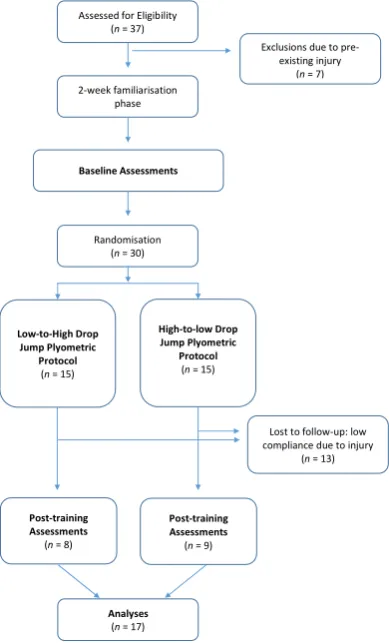
during the propulsive phase of COD tasks. A relative lack of studies has investigated the most
55
appropriate training methods for the development of the physical qualities that influence
56
performance during the braking and plant phases of COD tasks, despite the established importance
57
of deceleration to overall COD ability [16-17].
58
Some more recent studies, however, have demonstrated that improvements in muscle power,
59
speed, eccentric and isometric strength, and various COD and jumping performance tests can be
60
achieved through the use of training interventions involving eccentric overload [18-21]. Lockie and
61
colleagues [22] found that emphasizing deceleration during speed and agility training improved
62
unilateral strength, as well as performance in COD tests and 40 m sprint time. It has been suggested
63
that eccentric overload training resulting in enhanced eccentric strength can improve athlete’s COD
64
performance during the braking and plant phases, as athlete’s who are able to produce greater force
65
eccentrically are able to produce greater decelerations from faster approach velocities [20, 23]. In
66
support of this, de Hoyo and colleagues [24] found that ten weeks of eccentric overload training
67
resulted in improved kinetic parameters including time spent braking, relative peak braking, and
68
relative braking impulse during COD tasks. Further, increased braking impulse may enable more
69
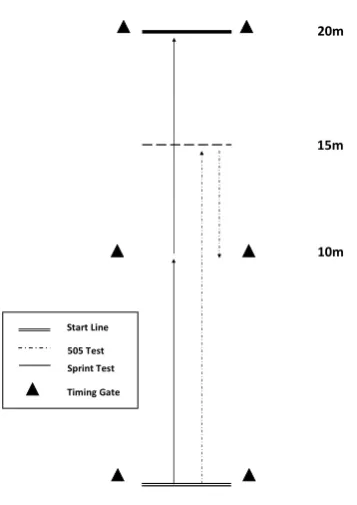
rapid reacceleration during a COD task as a result of the storage and utilization of elastic energy [1].
70
However, Bourgeois and colleagues [18] found that although eccentric-overload training resulted in
71
greater isometric strength and improvements in 180º COD performance, performance in a 45º COD
72
task improved only in athlete’s categorized as fast, and worsened in slower athletes. The authors
73
suggested that performance benefits from eccentric overload training may be specific to the COD task
74
(such as the angle of COD and the distance of sprints between changes of direction) and athlete
75
category (such as faster or slower). Nonetheless, the results of these studies are promising with
76
regards to the enhancements in sprint and COD performance that can be achieved through eccentric
77
overload training.
78
The importance of speed and COD ability to team sport athletes is well established [2, 4, 9-10],
79
and as such S&C practitioners are constantly seeking information regarding the most effective
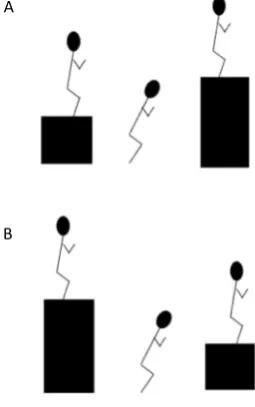
80
training methods for the development of these athletic qualities. Although many training methods
81
have been found to be successful at enhancing sprint and COD performance, there appears to be little
82
agreement regarding which methods of training are optimal. This may be in part because, as
83
mentioned above, enhancements in COD ability may be dependent on the specificity of the training
84
intervention to the specific COD task, as well as the type and level of athlete involved [18]. Plyometric
85
exercises have been found to be beneficial and are commonly implemented in speed and COD
86
training, however the focus of these exercises has primarily been on the development of concentric
87
power and resulting enhancements during the propulsive phase of sprint and COD tasks [9, 12-15].
88
Given the recent interest and promising enhancements observed in sprint and COD performance
89
following training interventions involving eccentric overload, it is possible that plyometric exercises
90
slightly altered to include an accentuated eccentric phase may have a beneficial effect on speed and
91
COD ability. Additionally, very little research has investigated the effects of plyometric training in
92
hockey players specifically, and no studies to date have investigated the effects of plyometric training
93
on speed and COD ability in hockey players at the elite level.
94
The present study aimed to investigate the effects of two plyometric training protocols on speed
95
plyometric training protocol performed with an accentuated eccentric portion of the exercise,
97
compared with a conventional plyometric training protocol, on sprint and 180º COD performance.
98
We hypothesized that whilst both interventions would enhance sprint performance, the training
99
group with an accentuated eccentric portion of the exercise would display greater improvements in
100
COD performance compared with the conventional plyometric training group, due to improved
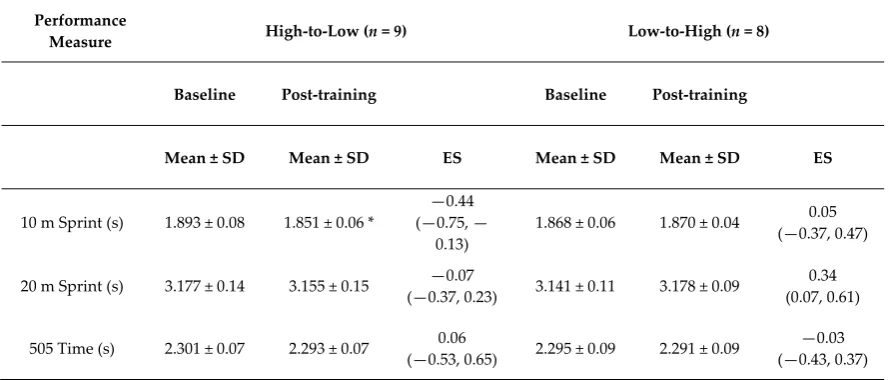
101
performance in the braking and plant phases.
102
2. Materials and Methods
103
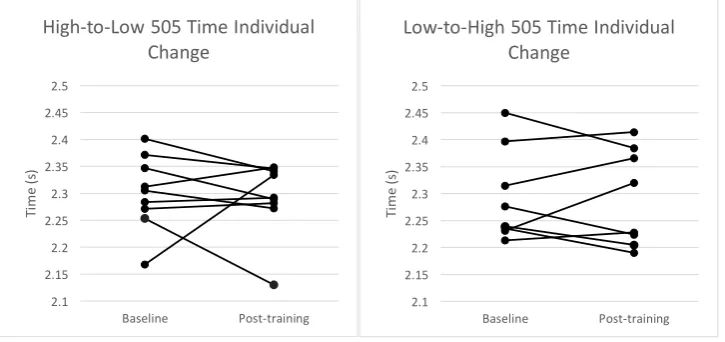
2.1 Participants
104
Thirty-seven elite athletes from the men’s (n = 16) and women’s (n = 14) Hockey Australia High
105
Performance Program were invited to participate in this study. All national squad field players were
106
eligible for inclusion except in the case of pre-existing injuries, which resulted in the exclusion of
107
seven participants prior to baseline. As a result of individual subject modifications due to overall
108
training load and physical management concerns, a further thirteen participants failed to achieve
109
minimum compliance of plyometric training set at <70%.[25] (Figure 1). The high rates of drop-out
110
due to injury during the intervention period were not related to the study protocol itself, but rather
111
occurred during the performance of additional skills training and games completed as part of the
112
participant’s regular national squad training. Age, height, body mass, and number of international
113
caps for the final sample (males, n = 11; females, n = 6) were 23 ± 2.4 yr, 1.76 ± 0.76 m, 73 ± 8.5 kg, and
114
45 ± 43 (mean ± SD). All participants received written and verbal information about the interventions
115
and their role in the study and gave their informed consent for inclusion before they participated in
116
the study. The study was conducted in accordance with the Declaration of Helsinki, and the protocol
117
was approved by the Curtin University Human Research Ethics Committee (HRE2017-0107).
118
Figure 1. Study design and sample size at various stages of the study.
119
AssessedforEligibility
(n=37)
2-weekfamiliarisation
phase
Exclusionsdueto
pre-existinginjury (n=7)
BaselineAssessments
Randomisation (n=30)
Low-to-HighDrop JumpPlyometric
Protocol
(n=15)
High-to-lowDrop JumpPlyometric
Protocol
(n=15)
Post-training Assessments
(n=8)
Losttofollow-up:low
complianceduetoinjury
(n=13)
Analyses
(n=17)
Post-training Assessments
2.2 Procedures
120
A two group, parallel randomized controlled trial design was used for this study. As part of
121
their High Performance Program participants were completing five to six additional training sessions
122
a week throughout the study period, comprising of a combination of skills, conditioning, and
123
strength training. The testing and training procedures involved in this study were integrated into the
124
High Performance Program schedule. All eligible participants who agreed to take part in the study
125
and provided written informed consent were randomized into low-to-high (L-H) or high-to-low
(H-126
L) drop jump training groups. Randomization was generated electronically following the completion
127
of baseline testing.
128
2.3 Assessments
129
All assessments related to the study were conducted at the Western Australian Institute of Sport,
130
Perth, Australia. Baseline and post-training assessments were conducted in the week immediately
131
prior, and the week immediately following the training intervention, respectively. Assessments were
132
scheduled before any training sessions on that day in order to minimize the negative influence of
133
fatigue on performance. Assessments were performed on an indoor synthetic track and involved a
134
20 m sprint (with 0-10 m split) and 505 COD test, which followedpreviously reported procedures
135
[26]. Thetest area set-up and positioning of the timing gates (SMARTSPEED Pro, Fusion Sport Pty
136
Ltd, Australia) are illustrated in Figure 2. An adequate warm up was performed by each participant
137
15 minutes prior to performance assessment, consisting of three minutes of jump rope skipping,
138
followed by eight minutes of various lower body dynamic stretches, and finally speed runs at
self-139
determined gradually increasing intensities. Each participant then completed two trials of the 20 m
140
sprint and four trials of the 505 COD test, turning off each leg twice. Sufficient rest of at least three
141
minutes was allowed between trials to minimize the influence of fatigue and ensure each trial was
142
performed at maximum intensity. The order of assessments was randomized across participants and
143
sessions. Measures of time for 0-10 and 0-20 m splits were recorded for the sprint assessment, and
144
505 time was recorded as a measure of COD ability. All times were recorded to the nearest 0.001
145
seconds.
146
Figure 2. Structure and dimensions of the sprint and change of direction (COD) tests.
147
20m
10m 15m
505 Test
2.4 Training Protocol
148
A two-week familiarization phase was included in the training protocol prior to randomization
149
and baseline testing, during which time all participants performed two sets of four reps of each of the
150
L-H and H-L drop jumps twice weekly. Participants also practiced the 505 test once each week during
151
this phase, with the purpose of controlling for the effect of motor learning on improvements in COD
152
and sprint performance [25].
153
A standardized warm up consisting of 15 minutes of aerobic exercise, general mobilization, and
154
ballistic exercises was completed by all participants before each training session throughout the
155
intervention period. The plyometric drop jumps performed by the two training groups are illustrated
156
in Figure 3. The intention was to emphasize drop height in the H-L training group, placing a greater
157
demand on the eccentric portion of the exercise [27-29]. The L-H training group performed
158
conventional drop jumps with an emphasis on vertical jump height. Both training groups completed
159
five sets of four reps of their respective drop jump exercises twice weekly for a duration of six weeks,
160
with 48-72-hour rest periods allowed between training sessions. Due to the high intensity nature of
161
the plyometric exercises performed, and as the exercises were an addition to the athlete’s regular
162
training schedule, a relatively low volume protocol was required. In order to achieve overload
163
participants were progressed individually, based on analysis of drop jump execution and technique
164
by accredited S&C coaches (Australian Strength and Conditioning Association, Pro-structure). For
165
the L-H group, drop height was fixed at 30 cm for women and 40 cm for men, based on
166
recommendations of previous research [27-29]. Jump height was progressed by an increase in height
167
of the finishing box. Mean finishing box height for the L-H group progressed from 75 cm in the first
168
week to 90 cm in the final week of the intervention. Conversely, progression for the H-L group
169
involved an increase in drop height, as determined by the height of the starting box, with the finishing
170
box height fixed at 30 cm for women and 40 cm for men. Mean starting box height for the H-L group
171
progressed from 70 cm in the first week to 85 cm in the final week of the intervention. The plyometric
172
protocol was integrated into each athlete’s regular strength training program. These programs
173
involved the completion of four to six sets of three to eight repetitions of various lower and upper
174
body resistance training exercises such as squats, deadlifts, step-ups, bench press and pull-ups. All
175
athletes across both groups performed these strength training exercises at the same relative intensities.
176
Figure 3. Illustration of the Low-to-High (L-H) drop jump (A), emphasizing jump height, and
High-to-177
Low (H-L) drop jump (B), emphasizing drop height. Boxes were placed 100 cm apart.
178
A
2.5 Statistical Analyses
179
Statistical analyses were conducted using IBM Statistics for Windows, version 24.0 (IBM Corp.,
180
Armonk, N.Y., USA). The best times at baseline and post-training for all assessments (fastest trial on
181
preferred leg for the 505) were used for analyses. All baseline and post-training data for the 10 m, 20
182
m, and 505 COD tests were assessed for normality using a Shapiro-Wilk test. A two-way repeated
183
measures ANOVA was then conducted with one between-subjects factor (group: H-L vs. L-H) and
184
one within-subjects factor (time: baseline vs post-training). Where a significant F-value occurred for
185
effects of group, time, or the group-time interaction, Fisher’s Least Significant Difference (LSD) post
186
hoc procedures were performed. The level of significance was set to P < 0.05 and all values are
187
reported as mean ± standard deviation. Additionally, Cohen’s d effect sizes (ES) were determined
188
using a custom spreadsheet [30] and are expressed with 90% confidence limits. For comparison of
189
group means, outcomes were adjusted to the fastest baseline value.Where the confidence interval
190
overlapped thresholds for substantial positive and negative values, the effect was deemed unclear
191
[31]. The effect was otherwise clear and reported as the magnitude of the observed value. Threshold
192
values for assessing magnitudes of ES were 0.20, 0.60, 1.2, and 2.0 for small, moderate, large, and very
193
large, respectively [31].
194
3. Results
195
The changes in group means for the H-L and L-H groups from baseline to post-training and ES’s
196
for each performance variable assessed are displayed in Table 1. A small significant within-subjects
197
effect for the group-time interaction was found in 10 m sprint time (F1,7 = 7.1, P < 0.05) from baseline
198
to post-training in the H-L group (Table 1). Small but not statistically significant differences were
199
observed between groups for 10 m and 20 m sprint times (ES = 0.57 and 0.40, respectively). No
200
statistically significant differences were observed within or between groups for 505 time. Figures 4-6
201
illustrate the individual changes in performance from baseline to post-training for each performance
202
variable.
203
204
Table 1. Changes in performance from baseline to post-training for each group.
205
Performance
Measure High-to-Low (n = 9) Low-to-High (n = 8)
Baseline Post-training Baseline Post-training
Mean ± SD Mean ± SD ES Mean ± SD Mean ± SD ES
10 m Sprint (s) 1.893 ± 0.08 1.851 ± 0.06 *
—0.44 (—0.75, —
0.13)
1.868 ± 0.06 1.870 ± 0.04 0.05 (—0.37, 0.47) 20 m Sprint (s) 3.177 ± 0.14 3.155 ± 0.15 —0.07
(—0.37, 0.23) 3.141 ± 0.11 3.178 ± 0.09
0.34 (0.07, 0.61) 505 Time (s) 2.301 ± 0.07 2.293 ± 0.07 0.06
(—0.53, 0.65) 2.295 ± 0.09 2.291 ± 0.09
—0.03 (—0.43, 0.37)
* Significantly different from baseline, P < 0.05.
Figure 4. Individual changes in performance in the 10 m sprint from baseline to post-training for each group.
207
Figure 5. Individual changes in performance in the 20 m sprint from baseline to post-training for each group.
208
Figure 6. Individual changes in performance in the 505 test from baseline to post-training for each group.
209
210
1.7 1.75 1.8 1.85 1.9 1.95 2 2.05 2.1
Baseline Post-training
Ti
m
e
(s
)
Low-to-High 10m Sprint Individual Change
1.7 1.75 1.8 1.85 1.9 1.95 2 2.05 2.1
Baseline Post-training
Ti
m
e
(s
)
High-to-Low 10m Sprint Individual Change
2.9 3 3.1 3.2 3.3 3.4 3.5
Baseline Post-training
Ti
m
e
(s
)
High-to-Low 20m Sprint Individual Change
2.9 3 3.1 3.2 3.3 3.4 3.5
Baseline Post-training
Ti
m
e
(s
)
Low-to-High 20m Sprint Individual Change
2.1 2.15 2.2 2.25 2.3 2.35 2.4 2.45 2.5
Baseline Post-training
Ti
m
e
(s
)
High-to-Low 505 Time Individual Change
2.1 2.15 2.2 2.25 2.3 2.35 2.4 2.45 2.5
Baseline Post-training
Ti
m
e
(s
)
4. Discussion
211
The aim of the present study was to examine the effects of two plyometric training protocols,
212
performed in either a conventional manner or with an accentuated eccentric phase of the exercise, on
213
measures of sprint and COD performance in elite hockey players. A small but statistically significant
214
improvement in 10 m sprint performance was observed in the H-L group following the training
215
intervention. While this result is interesting, the results should be interpreted with some caution.
216
Since the number of participants in the study is low, a large difference by one participant may have
217
a profound effect on the overall group score. It is important to note that the slowest participant in the
218
H-L group improved the most while the two fastest in the L-H group got slower as did a third
219
participant. The difference in times are approximately 50 to 100 milliseconds, so these are very small
220
changes and we should be careful when drawing conclusions from these result. No other significant
221
improvements in performance were observed for either group. A small though not statistically
222
significant difference between groups was observed for 10 m and 20 m sprint performance. These
223
findings highlight the difficulty in practical interventions designed to substantially enhance speed
224
and COD ability in highly trained athletic populations through the addition of a low volume, short
225
duration plyometric training protocol.
226
One limitation of the present study is the relatively small final sample, as this reduces the
227
statistical power and ultimately limits the strength with which conclusions can be drawn based on
228
the results. The power calculation that was done prior to beginning the study revealed that twelve
229
subjects for each group would be sufficient to provide statistical power based on previous studies
230
[12, 15, 18, 22, 32-35]. Thirty athletes were initially recruited, however thirteen failed to complete the
231
intervention. As this study was conducted to investigate hockey players specifically at the elite level,
232
there was no opportunity to recruit additional participants in order to increase the sample size. It
233
may have been useful to include some assessments of strength or analyses of kinetic and kinematic
234
variables during the assessment of sprint and COD tasks in order to gain a greater understanding of
235
adaptations to the training protocols and the mechanisms underlying any observed changes in
236
performance. Nonetheless, some conjecture regarding these adaptations and mechanisms can be
237
made based on the synthesis of these findings with previous research, and provides direction for
238
future studies. To the best of the authors’ knowledge, no previous studies have examined the effects
239
of a plyometric training intervention involving drop jumps performed in the manner of the H-L
240
group in this study, with a greatly accentuated eccentric component. This is also one of very few
241
studies that have investigated the effects of plyometric training in elite hockey players, and included
242
both male and female athletes. Further, we believe the findings of this study are of strong practical
243
relevance given the integration of the training protocol with the regular training program of the men’s
244
and women’s national teams. These findings should, however, be interpreted with consideration of
245
the specific population involved, and care should be taken when generalizing the results to athletic
246
populations of different training status or sports with physical requirements that are different from
247
hockey.
248
Whilst little research has investigated the effects of drop jumps performed in the manner of the
249
H-L group, much more research has involved conventional style drop jumps such as those performed
250
by the L-H group, and found mostly positive effects on measures of lower limb muscular power and
251
linear sprint performance [12, 15, 34, 36-37]. It has previously been posited that the rate of progress
252
in strength and power development diminishes with increased strength levels and resistance training
253
experience, and as a result a limited scope exists for gains in muscular strength and power and their
254
related performance variables in elite athletes or athletes with greater resistance-training experience
255
[38-39]. Additionally, strength and power related training performed concurrently with high
256
volumes of running can significantly decrease gains in lower body strength and power related
257
measures [40]. Ronnestad and colleagues [35] found that the addition of a specific plyometric training
258
program in professional soccer players who were already performing high volumes of strength and
259
sport-specific training during their preseason preparation phase produced no further improvements
260
in strength and power-related measures. It is therefore possible that the high training experience of
261
strength, conditioning, and sport-specific training concurrently performed throughout the
263
intervention period, contributed to the general lack of significant improvements observed.
264
Furthermore, due to the integration of the training intervention into an ongoing high performance
265
training program, and the intensive nature of the drop jumps performed, this intervention was of
266
relatively low volume and short duration, which may have also contributed to the lack of significant
267
improvements in performance. Future research in elite field sport athletes may involve higher
268
volumes of plyometric training than utilized in the current study, however, risk of overload injury in
269
athletes with an already high training load may be a concern. However, constraints on program
270
duration and available training volume in team sport athletes are common in real world scenarios,
271
and as such these findings are of practical relevance. Practitioners should be aware of the seemingly
272
limited scope for substantial improvement in sprint and COD performance in highly trained athletic
273
populations, in order to set appropriate short-term physical performance goals. Available duration
274
and training volume, as well as the type and volumes of additional training concurrently being
275
performed, are possible constraints that should be taken into consideration.
276
Given the limited scope for improvement among highly trained athletes, the large volumes of
277
additional training concurrently being performed, and the relatively low volume and short duration
278
of the intervention discussed above, the significant enhancement in 10 m sprint performance
279
observed in the H-L group provides promise for this type of training as a means of enhancing short
280
distance sprint performance, and warrants further investigation. Previous biomechanical analyses
281
have demonstrated that incremental increases in drop height during drop jump performance are
282
associated with increased vertical ground reaction force, ground contact time, braking and total
283
impulse, and greater activation of the rectus femoris muscle, which acts eccentrically to decelerate
284
the body upon landing [27-29]. The H-L drop jump training protocol implemented in the present
285
study was designed based on these previous findings, such that the H-L training group would
286
experience greater loading during the eccentric portion of the exercise compared with the L-H group.
287
Recent studies have demonstrated that eccentric overload and eccentrically-accentuated training can
288
enhance muscle strength, power, and SSC function, resulting in improved sprint and COD
289
performance [18-19, 21, 41-42]. In their systematic review of the chronic adaptations to eccentric
290
training, Douglas and colleagues [41] highlighted the growing body of evidence in support of
291
eccentric training as a means of inducing a novel adaptive signal for neuromuscular adaptations that
292
can improve athletic qualities such as those mentioned above, including strength, power, and SSC
293
performance. The review explored the mechanisms likely underlying the observed improvements in
294
muscle power and SSC performance, including an increased ability to rapidly recruit large motor
295
units, enhanced eccentric force control and coordination during the eccentric phase within SSC tasks,
296
and increases in tendon stiffness and cross-sectional area, which influence the storage and return of
297
elastic strain energy. Whilst the research surrounding eccentrically-biased training has primarily
298
revolved around strength training methods so far, the findings of the current study warrants further
299
investigation into the use of eccentrically-accentuated plyometric exercises for the enhancement of
300
athletic qualities. It is possible that plyometric exercises performed with an accentuated eccentric
301
phase can provide a novel stimulus and induce similar adaptations to those seen in the
eccentrically-302
accentuated strength training protocols outlined above.
303
Despite the observed improvements in 10 m sprint performance for the H-L group,
non-304
significant and unclear results were observed in COD performance for both groups, as assessed by
305
the 505 test. It was hypothesized that the H-L group would significantly improve their performance
306
during the 180º COD task, and improve to a greater extent than the L-H group. This hypothesis was
307
based on previous literature, which indicates that eccentrically-accentuated training can enhance
308
athlete’s ability to produce and control force eccentrically, allowing for greater decelerations from
309
faster approach velocities during COD tasks involving a large braking component [20, 23-24].
310
Additionally, the greater braking impulses produced by athlete’s with superior eccentric strength
311
capacities may also allow for more rapid reacceleration during a COD task as a result of the storage
312
and utilization of elastic energy [1, 24]. However, the results of the present study revealed that the
313
of highly trained athletes despite the improvements in short distance sprint performance for the H-L
315
group, indicating that an alternative stimulus may be required for COD enhancement. It has been
316
suggested that the effectiveness of plyometric training for improving COD ability may be dependent
317
on the manner in which they are performed, with regards to force-vector specificity [32-33, 43-46].
318
Differences between plyometric training performed unilaterally compared to bilaterally have also
319
been observed [19, 47]. Brughelli and colleagues [10] noted traditional strength and power training
320
exercises performed in a bilateral vertical manner have often failed to elicit improvements in COD
321
performance, and exercises that more closely mimic the demands of COD tasks, including unilateral
322
and bilateral horizontal and lateral jump training, more often report COD improvements. Some
323
investigations into force-vector specificity and comparisons of unilateral and bilateral exercises
324
within eccentric-overload training have also been conducted, with unilateral multidirectional
325
exercises producing more robust adaptations in COD performance, and bilateral vertical exercises
326
displaying more robust adaptations in vertical jump, and sometimes linear sprint, performance [19,
327
47]. Dello Iacono and colleagues [43] compared the effects of vertical and horizontal single-leg drop
328
jump training in elite handball players and found stark differences in favor of the horizontal drop
329
jump training group with regards to sprint and COD performance. It is therefore possible given the
330
highly trained nature of the subjects that drop jumps performed in the present study may have been
331
more suitable for enhancements in COD ability if they were performed in a unilateral
332
multidirectional, rather than bilateral vertical, manner. Future research will be required to investigate
333
the effects of eccentrically-accentuated plyometric exercises performed in a unilateral
334
multidirectional manner, although the highly demanding nature of this type of exercise should be
335
considered.
336
It should be noted that although the L-H group demonstrated no significant improvements in
337
any performance variables based on analysis of group means, further analysis of individual
338
responses reveals that two participants from this group responded poorly to the intervention and
339
displayed a notably worsened performance in post-training sprint assessments (Figures 4-6). It is
340
estimated that with the exclusion of these two participants, comparable effects in sprint performance
341
would likely have been observed between the groups following each training intervention. Although
342
the exclusion of these data from the analysis is not statistically warranted, the effect of individual
343
responses on overall group means in a relatively small sample should be considered when
344
interpreting the results, and in particular when comparing the training protocols. This demonstrates
345
the need for individualization of imposed training demands to elicit favorable adaptation in highly
346
trained participants. As noted above, several previous studies have demonstrated drop jump training
347
performed in the conventional manner can improve muscular power and sprint performance, and
348
the weight of current literature still supports the use of conventional drop jumps as an effective
349
method of training for power, speed, and perhaps COD [12, 15, 34, 36-37].
350
5. Conclusions
351
This investigation aimed to compare the effects of two plyometric training protocols, involving
352
either conventional drop jumps (L-H) or drop jumps performed with an accentuated eccentric phase
353
(H-L), on sprint and COD performance in elite hockey players. Although the H-L training group
354
significantly improved 10 m sprint time following the intervention, it is difficult to be sure that the
355
intervention is truly responsible for this result. It is important to recognise that these are elite athletes
356
and the duration of the test is very short and could be affected by variables including central and
357
peripheral fatigue. This intervention was an addition to regular training and no statistically
358
significant improvements were observed for any other performance variables. However, since speed
359
and COD ability are integral to overall performance in sports such as hockey that require repeated
360
rapid accelerations, decelerations, and changes of direction, the optimal methods and parameters of
361
training for the enhancement of these athletic qualities are of constant interest to S&C practitioners.
362
The findings highlight the practical difficulty in substantially enhancing speed and COD
363
performance in highly trained elite athletes, particularly when the intervention is an additional to
364
for the use of eccentrically-accentuated plyometric training as a means of inducing novel stimuli for
366
the enhancement of short distance sprint performance. It appears that whilst the drop jumps
367
performed by the H-L group in this study were suitable to elicit some improvements in short distance
368
sprint performance, enhancements in COD performance may require an alternative stimulus. Future
369
research may wish to investigate the effects of eccentrically-accentuated plyometric training
370
performed unilaterally and horizontally, rather than bilaterally and vertically. Additionally, the
371
inclusion of strength assessments and analyses of kinetic and kinematic variables in training studies
372
involving plyometric exercises performed with an accentuated eccentric phase would provide greater
373
insight into the responses and adaptations following this type of training. Finally, it should be noted
374
that, as discussed above, the weight of current literature still supports the use of drop jumps
375
performed in the conventional manner as an effective means of enhancing muscular strength and
376
power, and related performance variables such as speed. The findings of this investigation present
377
drop jumps performed in the manner of the H-L group as an alternative or additional approach to
378
plyometric training.
379
Author Contributions: Jasdev Singh was involved with study design, data collection, data analysis, data
380
interpretation, and manuscript writing. Andrew Lavender was involved with study design, data interpretation,
381
and manuscript writing. Brendyn Appleby was involved with study design, data collection, data interpretation
382
and manuscript writing.
383
Funding: This research received no external funding
384
Acknowledgments: The authors would like to thank Hockey Australia and the athletes of the men’s and
385
women’s national hockey teams for their collaboration and participation in the study. The authors would also
386
like to thank the Western Australian Institute of Sport for allowing the use of their facilities.
387
Conflicts of Interest: The authors declare no conflict of interest.
388
References
389
1. Spiteri, T.; Cochrane, J. L.; Hart, N. H.; Haff, G. G.; Nimphius, S., Effect of strength on plant foot kinetics
390
and kinematics during a change of direction task. European Journal of Sport Science 2013,13 (6), 646-652.
391
2. Spencer, M.; Lawrence, S.; Rechichi, C.; Bishop, D.; Dawson, B.; Goodman, C., Time–motion analysis of elite
392
field hockey, with special reference to repeated-sprint activity. Journal of sports sciences 2004,22 (9), 843-850.
393
3. Sheppard, J. M.; Dawes, J. J.; Jeffreys, I.; Spiteri, T.; Nimphius, S., Broadening the View of Agility: A
394
Scientific Review of the Literature. Journal of Australian Strength and Conditioning 2014,22 (3), 6-25.
395
4. Spiteri, T.; Newton, R. U.; Binetti, M.; Hart, N. H.; Sheppard, J. M.; Nimphius, S., Mechanical Determinants
396
of Faster Change of Direction and Agility Performance in Female Basketball Athletes. Journal of Strength and
397
Conditioning Research 2015,29 (8), 2205-2214.
398
5. Buchheit, M.; Samozino, P.; Glynn, J. A.; Michael, B. S.; Al Haddad, H.; Mendez-Villanueva, A.; Morin, J.
399
B., Mechanical determinants of acceleration and maximal sprinting speed in highly trained young soccer players.
400
Journal of Sports Sciences 2014,32 (20), 1906-1913.
401
6. Hunter, J. P.; Marshall, R. N.; McNair, P. J., Relationships between ground reaction force impulse and
402
kinematics of sprint-running acceleration. Journal of applied biomechanics 2005,21 (1), 31-43.
403
7. Jones, P.; Bampouras, T. M.; Marrin, K., An investigation into the physical determinants of change of
404
direction speed. Journal of Sports Medicine and Physical Fitness 2009,49 (1), 97-104.
405
8. Naylor, J.; Greig, M., A hierarchical model of factors influencing a battery of agility tests. Journal of Sports
406
Medicine and Physical Fitness 2015,55 (11), 1329-1335.
407
9. Asadi, A.; Arazi, H.; Young, W. B.; Sáez de Villarreal, E., The Effects of Plyometric Training on
Change-of-408
Direction Ability: A Meta-Analysis. International journal of sports physiology and performance 2016,11 (5), 563.
409
10. Brughelli, M.; Cronin, J.; Levin, G.; Chaouachi, A., Understanding Change of Direction Ability in Sport: A
410
Review of Resistance Training Studies. Sports Medicine 2008,38 (12), 1045-63.
11. Flanagan, E. P.; Comyns, T. M., The use of contact time and the reactive strength index to optimize fast
412
stretch-shortening cycle training. Strength & Conditioning Journal 2008,30 (5), 32-38.
413
12. Chelly, M. S.; Ghenem, M. A.; Abid, K.; Hermassi, S.; Tabka, Z.; Shephard, R. J., Effects of in-season
short-414
term plyometric training program on leg power, jump-and sprint performance of soccer players. The Journal of
415
Strength & Conditioning Research 2010,24 (10), 2670-2676.
416
13. Fernandez-Fernandez, J.; Villarreal, E. S. D.; Sanz-Rivas, D.; Moya, M., The Effects of 8-Week Plyometric
417
Training on Physical Performance in Young Tennis Players. Pediatric Exercise Science 2016,28 (1), 77-86.
418
14. Miller, M. G.; Herniman, J. J.; Ricard, M. D.; Cheatham, C. C.; Michael, T. J., The effects of a 6-week
419
plyometric training program on agility. Journal of sports science and medicine 2006,5 (3), 459-465.
420
15. Vaczi, M.; Tollar, J.; Meszler, B.; Juhasz, I.; Karsai, I., Short-Term High Intensity Plyometric Training
421
Program Improve Strength, Power and Agility in Male Soccer Players. Journal of Human Kinetics 2013,36 (1),
17-422
26.
423
16. Hewit, J.; Cronin, J.; Button, C.; Hume, P., Understanding deceleration in sport. Strength & Conditioning
424
Journal 2011,33 (1), 47-52.
425
17. Kovacs, M. S.; Roetert, E. P.; Ellenbecker, T. S., Efficient Deceleration: The Forgotten Factor in
Tennis-426
Specific Training. Strength and Conditioning Journal 2008,30 (6), 58-69.
427
18. Bourgeois, F. A.; Gamble, P.; Gill, N. D.; McGuigan, M. R., Effects of a Six-Week Strength Training
428
Programme on Change of Direction Performance in Youth Team Sport Athletes. Sports 2017,5 (4), 83.
429
19. Gonzalo-Skok, O.; Tous-Fajardo, J.; Valero-Campo, C.; Berzosa, C.; Bataller, A. V.; Arjol-Serrano, J. L.;
430
Moras, G.; Mendez-Villanueva, A., Eccentric-Overload Training in Team-Sport Functional Performance:
431
Constant Bilateral Vertical Versus Variable Unilateral Multidirectional Movements. International journal of sports
432
physiology and performance 2017,12 (7), 951-958.
433
20. Jones, P. A.; Thomas, C.; Dos’Santos, T.; McMahon, J. J.; Graham-Smith, P., The role of eccentric strength in
434
180 turns in female soccer players. Sports 2017,5 (2), 42.
435
21. Maroto-Izquierdo, S.; García-López, D.; de Paz, J. A., Functional and Muscle-Size Effects of Flywheel
436
Resistance Training with Eccentric-Overload in Professional Handball Players. Journal of Human Kinetics 2017,
437
60, 133-143.
438
22. Lockie, R. G.; Schultz, A. B.; Callaghan, S. J.; Jeffriess, M. D., The Effects of Traditional and Enforced
439
Stopping Speed and Agility Training on Multidirectional Speed and Athletic Function. Journal of Strength and
440
Conditioning Research 2014,28 (6), 1538-1551.
441
23. Dos' Santos, T.; Thomas, C.; Jones, P. A.; Comfort, P., Mechanical determinants of faster change of direction
442
speed performance in male athletes. The Journal of Strength & Conditioning Research 2017,31 (3), 696-705.
443
24. de Hoyo, M.; Sañudo, B.; Carrasco, L.; Mateo-Cortes, J.; Domínguez-Cobo, S.; Fernandes, O.; Del Ojo, J. J.;
444
Gonzalo-Skok, O., Effects of 10-week eccentric overload training on kinetic parameters during change of
445
direction in football players. Journal of sports sciences 2016,34 (14), 1380-1387.
446
25. Liew, B. X.; Morris, S.; Keogh, J. W.; Appleby, B.; Netto, K., Effects of two neuromuscular training programs
447
on running biomechanics with load carriage: a study protocol for a randomised controlled trial. BMC
448
musculoskeletal disorders 2016,17 (1), 445.
449
26. Nimphius, S.; Callaghan, S. J.; Spiteri, T.; Lockie, R. G., Change of Direction Deficit: A More Isolated
450
Measure of Change of Direction Performance Than Total 505 Time. Journal of Strength and Conditioning Research
451
2016,30 (11), 3024-3032.
452
27. Peng, H.-T., Changes in biomechanical properties during drop jumps of incremental height. The Journal of
453
Strength & Conditioning Research 2011,25 (9), 2510-2518.
28. Peng, H.-T.; Kernozek, T. W.; Song, C.-Y., Quadricep and hamstring activation during drop jumps with
455
changes in drop height. Physical Therapy in Sport 2011,12 (3), 127-132.
456
29. Wallace, B. J.; Kernozek, T. W.; White, J. M.; Kline, D. E.; Wright, G. A.; Peng, H.-T.; Huang, C.-F.,
457
Quantification of vertical ground reaction forces of popular bilateral plyometric exercises. The Journal of Strength
458
& Conditioning Research 2010,24 (1), 207-212.
459
30. Batterham, A. M.; Cox, A. J., Spreadsheets for analysis of controlled trials, with adjustment for a subject
460
characteristic. Sportscience 2006,10, 46-51.
461
31. Hopkins, W.; Marshall, S.; Batterham, A.; Hanin, J., Progressive statistics for studies in sports medicine and
462
exercise science. Medicine+ Science in Sports+ Exercise 2009,41 (1), 3.
463
32. Manouras, N.; Papanikolaou, Z.; Karatrantou, K.; Kouvarakis, P.; Gerodimos, V., The efficacy of vertical vs.
464
horizontal plyometric training on speed, jumping performance and agility in soccer players. International Journal
465
of Sports Science & Coaching 2016,11 (5), 702-709.
466
33. McCormick, B. T.; Hannon, J. C.; Newton, M.; Shultz, B.; Detling, N.; Young, W. B., The effects of
frontal-467
and sagittal-plane plyometrics on change-of-direction speed and power in adolescent female basketball players.
468
International journal of sports physiology and performance 2016,11 (1), 102-107.
469
34. Mirzaei, B.; Norasteh, A. A.; de Villarreal, E. S.; Asadi, A., EFFECTS OF SIX WEEKS OF DEPTH JUMP VS.
470
COUNTERMOVEMENT JUMP TRAINING ON SAND ON MUSCLE SORENESS AND PERFORMANCE.
471
Kinesiology 2014,46 (1).
472
35. Ronnestad, B. R.; Kvamme, N. H.; Sunde, A.; Raastad, T., Short-term effects of strength and plyometric
473
training on sprint and jump performance in professional soccer players. The Journal of Strength & Conditioning
474
Research 2008,22 (3), 773-780.
475
36. Arazi, H.; Mohammadi, M.; Asadi, A., Muscular adaptations to depth jump plyometric training:
476
Comparison of sand vs. land surface. Interventional Medicine and Applied Science 2014,6 (3), 125-130.
477
37. Ramírez-Campillo, R.; Gallardo, F.; Henriquez-Olguín, C.; Meylan, C. M.; Martínez, C.; Álvarez, C.;
478
Caniuqueo, A.; Cadore, E. L.; Izquierdo, M., Effect of vertical, horizontal, and combined plyometric training on
479
explosive, balance, and endurance performance of young soccer players. The Journal of Strength & Conditioning
480
Research 2015,29 (7), 1784-1795.
481
38. Appleby, B.; Newton, R. U.; Cormie, P., Changes in Strength over a 2-Year Period in Professional Rugby
482
Union Players. The Journal of Strength and Conditioning Research 2012,26 (9), 2538-2546.
483
39. Baker, D. G.; Newton, R. U., Adaptations in upper-body maximal strength and power output resulting
484
from long-term resistance training in experienced strength-power athletes. Journal of Strength and Conditioning
485
Research 2006,20 (3), 541.
486
40. Wilson, J. M.; Marin, P. J.; Rhea, M. R.; Wilson, S. M.; Loenneke, J. P.; Anderson, J. C., Concurrent training:
487
a meta-analysis examining interference of aerobic and resistance exercises. The Journal of Strength & Conditioning
488
Research 2012,26 (8), 2293-2307.
489
41. Douglas, J.; Pearson, S.; Ross, A.; McGuigan, M., Chronic adaptations to eccentric training: a systematic
490
review. Sports Medicine 2017,47 (5), 917-941.
491
42. Tous-Fajardo, J.; Gonzalo-Skok, O.; Arjol-Serrano, J. L.; Tesch, P., Enhancing change-of-direction speed in
492
soccer players by functional inertial eccentric overload and vibration training. International journal of sports
493
physiology and performance 2016,11 (1), 66-73.
494
43. Dello Iacono, A.; Martone, D.; Milic, M.; Padulo, J., Vertical-vs. horizontal-oriented drop jump training:
495
chronic effects on explosive performances of elite handball players. Journal of Strength and Conditioning Research
496
2017,31 (4), 921-931.
44. King, J. A.; Cipriani, D. J., Comparing preseason frontal and sagittal plane plyometric programs on vertical
498
jump height in high-school basketball players. The Journal of Strength & Conditioning Research 2010,24 (8),
2109-499
2114.
500
45. Loturco, I.; Pereira, L. A.; Kobal, R.; Zanetti, V.; Kitamura, K.; Abad, C. C. C.; Nakamura, F. Y., Transference
501
effect of vertical and horizontal plyometrics on sprint performance of high-level U-20 soccer players. Journal of
502
sports sciences 2015,33 (20), 2182-2191.
503
46. Singh, D.; Singh, S., Effects of vertical and horizontal plyometric exercises on running speed. Human
504
movement 2013,14 (2), 144-147.
505
47. Núñez, F. J.; Santalla, A.; Carrasquila, I.; Asian, J. A.; Reina, J. I.; Suarez-Arrones, L. J., The effects of
506
unilateral and bilateral eccentric overload training on hypertrophy, muscle power and COD performance, and
507
its determinants, in team sport players. PloS one 2018,13 (3), e0193841.