Pharmacy Department, Faculty of Technology and Engineering,
The M.S. University of Baroda, Baroda-390 001,
Gujarat, INDIA.
ADDRESS FOR CORRESPO
ADDRESS FOR CORRESPO
ADDRESS FOR CORRESPO
ADDRESS FOR CORRESPONDENCE
NDENCE
NDENCE
NDENCE
Mr. Jagdish L. Kaka
Mr. Jagdish L. Kaka
Mr. Jagdish L. Kaka
Mr. Jagdish L. Kakadiya
diya
diya
diya
Pharmacy Department,
Pharmacy Department,
Pharmacy Department,
Pharmacy Department,
Faculty of Technology and Engineering,
Faculty of Technology and Engineering,
Faculty of Technology and Engineering,
Faculty of Technology and Engineering,
The M.S. University of Baroda,
The M.S. University of Baroda,
The M.S. University of Baroda,
The M.S. University of Baroda,
Baroda
Baroda
Baroda
Baroda----39001
39001
39001
39001
Phone 09825882922
Phone 09825882922
Phone 09825882922
Phone 09825882922
[email protected]
[email protected]
[email protected]
[email protected]
Diabetes mellitus is a metabolic disorder characterized by hyperglycemia (high blood sugar) and other signs, as distinct from a single disease or condition. The World Health Organization recognizes three main forms of diabetes: type 1, type 2, and gestational diabetes (occurring during pregnancy) (1), which have similar signs, symptoms, and consequences, but different causes and population distributions. Type 1 is usually due to autoimmune destruction of the pancreatic beta cells which produce insulin. Type 2 is characterized by tissue-wide insulin resistance and varies widely; it sometimes progresses to loss of beta cell function. Gestational diabetes is similar to type 2 diabetes, in that it involves insulin resistance; the hormones of pregnancy cause insulin resistance in those women genetically predisposed to developing this condition.
The prevalence of type 2 diabetes is showing is showing a rapid progression world wide. Type 2 diabetes currently affecting 5 % to 10 % of most population, has become the most frequently encountered metabolic disorder in the world. The global prevalence of type 2 diabetes will rise from 171 million in the year 2000 to 366 millions by the year 2030 and these figures are higher the earlier estimates (2).
In developing countries, the majority of people with diabetes are in 45 to 64 year range, similar to the finding reported previously. In contrast, the majority of people with diabetes in developed countries are > 64 years of age. 2030, it is estimated that the number of people with diabetes > 64 years of age will be > 682 million in developing countries and > 48 million in developed countries. India being one of the fastest developing country, and youth being force for it, which will be hampered at the most is not a good sign. Types 1 and 2 are incurable chronic conditions, but have been treatable since insulin became medically available in 1921, and are nowadays usually managed with a combination of dietary treatment, tablets (in type 2) and, frequently, insulin supplementation. Gestational diabetes typically resolves with delivery.
The next challenge in India is the quality of diabetes care varies considerably depending upon the awareness levels, expertise available, attitudes and perceptions amongst diabetes care provides. An estimate shows that on sales of anti-diabetic pharmaceutical agents shows that on an average only 10-12 % of people with diabetes receive modern pharmacological treatment in India (3). The management of type-1 diabetes depends on insulin mainly, whereas the management of type-2 diabetes is mainly managed using oral hypoglycemic agents (OHAs) (4).
†
Undergoing clinical trials, ‡ Withdrawn from market, §
Development halted.
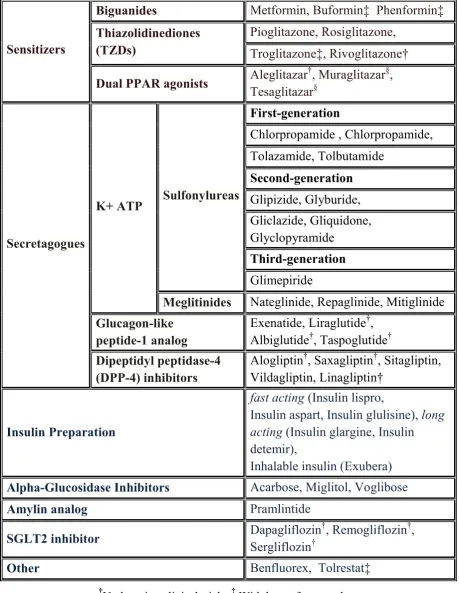
Table 1 Classification of Anti Diabetic agent.
Tolazamide, Tolbutamide
Second-generation
Glipizide, Glyburide,
Gliclazide, Gliquidone,
Glyclopyramide
Third-generation
Sulfonylureas
Glimepiride
K+ ATP
Meglitinides
Nateglinide, Repaglinide, Mitiglinide
Glucagon-like
peptide-1 analog
Exenatide, Liraglutide
†,
Albiglutide
†, Taspoglutide
†Secretagogues
Dipeptidyl peptidase-4
(DPP-4) inhibitors
Alogliptin
†, Saxagliptin
†, Sitagliptin,
Vildagliptin, Linagliptin†
Insulin Preparation
fast acting
(Insulin lispro,
Insulin aspart, Insulin glulisine),
long
acting
(Insulin glargine, Insulin
detemir),
Inhalable insulin (Exubera)
Alpha-Glucosidase Inhibitors
Acarbose, Miglitol, Voglibose
Amylin analog
Pramlintide
SGLT2 inhibitor
Dapagliflozin
†
, Remogliflozin
†,
Sergliflozin
†ORAL HYPOGLYCEMIC AGET
1)
SESITIZERS
A)
BIGUAIDES
Biguanide can refer to a molecule, or to a class of drugs based upon this molecule. Biguanides can function as oral antihyperglycemic drugs used for diabetes mellitus or prediabetes treatment. They are also used as antimalarial drugs. The disinfectant polyaminopropyl biguanide (PAPB) features biguanide functional groups.
Examples of biguanides:
• Metformin - widely used in treatment of diabetes mellitus type 2 combined with obesity
• Phenformin - withdrawn from the market in most countries due to toxic effects • Buformin - withdrawn from the market due to toxic effects
Pharmacotherapy
Biguanides do not affect the output of insulin, unlike other hypoglycemic agents such as sulfonylureas and meglitinides. Therefore, not only are they effective in Type 2 diabetics but they can also be effective in Type 1 patients in concert with insulin therapy.
Mechanism of action
Metformin improves hyperglycemia primarily through its suppression of hepatic glucose production (hepatic gluconeogenesis). The "average" person with type 2 diabetes has three times the normal rate of gluconeogenesis; metformin treatment reduces this by over one third. Metformin activates AMP-activated protein kinase (AMPK), a liver enzyme that plays an important role in insulin signaling, whole body energy balance, and the metabolism of glucose and fats; activation of AMPK is required for metformin's inhibitory effect on the production of glucose by liver cells. Research published in 2008 further elucidated metformin's mechanism of action, showing that activation of AMPK is required for an increase in the expression of SHP, which in turn inhibits the expression of the hepatic gluconeogenic genes PEPCK and Glc-6-Pase.Metformin is frequently used in research along with AICAR as an AMPK agonist. The mechanism by which biguanides increase the activity of AMPK remains uncertain; however, research suggests that metformin increases the amount of cytosolic AMP (as opposed to a change in total AMP or total AMP/ATP).
Figure 1 Mechanism of Metformin
In addition to suppressing hepatic glucose production, metformin increases insulin sensitivity, enhances peripheral glucose uptake, increases fatty acid oxidation, and decreases absorption of glucose from the gastrointestinal tract. Increased peripheral utilization of glucose may be due to improved insulin binding to insulin receptors.AMPK probably also plays a role, as metformin administration increases AMPK activity in skeletal muscle.AMPK is known to cause GLUT4 translocation, resulting in insulin-independent glucose uptake. Some metabolic actions of metformin do appear to occur by AMPK-independent mechanisms; a recent study found that "the metabolic actions of metformin in the heart muscle can occur independent of changes in AMPK activity and may be mediated by p38 MAPK- and PKC-dependent mechanisms."
Figure 2 Mechanism of antihyperglycaemic effect of Metformin
Indiacations
diabetes drugs, the sulfonylureas, metformin (taken alone) does not induce hypoglycemia. Hypoglycemia during intense exercise has been documented, but is extremely rare. It also does not cause weight gain, and may indeed produce minor weight loss. Metformin also modestly reduces LDL and triglyceride levels. It is also being used increasingly in polycystic ovary syndrome (PCOS), non-alcoholic fatty liver disease (NAFLD) and premature puberty, three other diseases that feature insulin resistance; these indications are still considered experimental. Although metformin is not licensed for use in PCOS, the United Kingdom's National Institute for Health and Clinical Excellence recommends that women with PCOS and a body mass index above 25 be given metformin when other therapy has failed to produce results. The benefit of metformin in NAFLD has not been extensively studied and may be only temporary. It may reduce weight gain in patients taking atypical antipsychotics.
Side-effects and toxicity
The most common side-effect is diarrhea and dyspepsia, occurring in up to 30% of patients. The most important and serious side-effect is lactic acidosis. Phenformin and buformin are more prone to cause acidosis than metformin; therefore they have been practically replaced by it. However, when metformin is combined with other drugs (combination therapy), hypoglycemia and other side-effects are possible.
B)
THIAZOLIDIEDIOES (TZDS)
The medication class of thiazolidinedione was introduced in the late 1990s as an adjunctive therapy for diabetes mellitus (type II) and related diseases.
Mode of action
Thiazolidinediones act by binding to PPARs (peroxisome proliferator-activated receptors), a group of receptors molecules inside the cell nucleus, specifically PPARγ (gamma). The normal ligands for these receptors are free fatty acids (FFAs) and eicosanoids. When activated, the receptor migrates to the DNA, activating transcription of a number of specific genes. Genes upregulated by PPARγ can be found in the main article on peroxisome proliferator-activated receptors.
By activating PPARγ:
• Insulin resistance is decreased
• Adipocyte differentiation is modified
• VEGF-induced angiogenesis is inhibited (abstract).
• Leptin levels decrease (leading to an increased appetite)
Figure 3. Aldosterone and Sgk1–edd4-2–EaC Pathway (left) and effects of PPAR-γ activation (right).
Aldosterone interacts with its mineralocorticoid receptor (MR) and directly upregulates the mRNA levels of ROMK, ENaC-α, and Sgk-1. Sgk-1 inactivates Nedd4-2, stimulates basolateral Na+K+ATP-ase, and activates ROMK (data not shown in this panel). The right panel illustrates a possible convergence point of the insulin and TZD-mediated pathways at Sgk-1 level. Thiazolidinediones (TZDs) activate PPAR- γ, which in turn increases the expression of ENaC- γ and inactive form of Sgk-1 (although not confirmed by Guan et al.). Insulin acts via phosphatidylinositol 3-kinase (PI3K) and phosphoinositide-dependant kinase (PDK) pathway which converts inactive Sgk-1 to its active form by phosphorylation.
Members of the class
These include:
• rosiglitazone
• pioglitazone
Troglitazone was withdrawn from the market due to an increased incidence of drug-induced hepatitis in patients who were using the drug. It is now common practice that liver enzymes are monitored during the first year of treatment with the "newer" thiazolidinediones.
Pioglitazone is a thiazolidinedione antidiabetic agent that depends on the presence of insulin for its mechanism of action. It is decreases insulin resistance in the periphery and in the liver resulting in increased insulin-dependent glucose disposal and decreased hepatic glucose output.
(PPARγ). PPAR receptors are found in tissues important for insulin action such as adipose tissue, skeletal muscle, and liver. Activation of PPARγ nuclear receptors modulates the transcription of a number of insulin responsive genes involved in the control of glucose and lipid metabolism.
Since pioglitazone enhances the effects of circulating insulin (by decreasing insulin resistance), it does not lower blood glucose in animal models that lack endogenous insulin.
Shown Figure 4
(a) Schematic representation of the domain structure of PPARγ, denoting the location of several of the natural mutations and polymorphisms which have been identified in the human receptor. F360L and R397C in PPARγ1 correspond to the F388L and R425C mutations in PPARγ2.
(b) Addition of ligand (L) to the DNA-bound PPARγ-RXR heterodimer promotes recruitment of a transcriptional 'coactivator' protein complex, which in turn modulates the transcription of target genes regulating different physiological processes.
(c) Dominant negative human PPARγ mutants retain the ability to heterodimerize with RXR on DNA, but fail to bind ligand and recruit transcriptional coactivators. Instead they recruit a 'corepressor' protein complex, leading to silencing of target gene transcription.
Shown Figure 5
(a) At the cellular level, insulin stimulated glucose uptake is mediated by GLUT4, a specific glucose transporter. Activation of PI (3) K (phosphatidylinositol-3-OH kinase) promotes trafficking of GLUT4 containing vesicles from intracellular sites to the plasma membrane. In addition phosphorylation of Cbl (c-Cbl protooncogene), which associates with CAP (c-Cbl-associated protein), provides a second signal that acts in parallel with the PI (3) K pathways to augment this process. Molecules which are potential targets for regulation by PPARγ are asterisked.
Figure 5 Potential sites of regulation by PPARγ in mammalian Glucose homeostasis
Figure 6 Mechanism of antihyperglycaemic effect of pioglitazone.
Figure 7 Possible mechanism of action of TZDs on beta-cell and beneficial effects
Indications
Pioglitazone is used for the treatment of diabetes mellitus type 2 (previously known as non-insulin-dependent diabetes mellitus, NIDDM) in monotherapy and in combination with sulfonylurea, metformin, or insulin. Pioglitazone has also been used to treat non-alcoholic steatohepatitis (fatty liver), but this use is presently considered experimental.
Contraindications
Side effects
The risk of hypoglycemia is low in the absence of other drugs that lower blood glucose. Pioglitazone can cause fluid retention and peripheral edema. As a result, it may precipitate congestive heart failure (which worsens with fluid overload in those at risk). It may cause anemia. Mild weight gain is common due to increase in subcutaneous adipose tissue. Patients on pioglitazone had a slightly increased proportion of upper respiratory tract infection, sinusitis, headache, myalgia and tooth problems.
A meta-analysis released subsequently showed that pioglitazone reduced the number of ischemic cardiac events rather than increase the risk, but increases CHF, a common class effect of the TZD. Therapy with pioglitazone raised HDL, and lowered triglyceride and hsCRP, these are all beneficial effects on risk factors for coronary artery disease, however to date, and no oral anti-diabetic drug has been shown to reduce the risk of cardiovascular complications.
C)
DUAL PPAR AGOISTSAgonist acting on both PPARα and PPARγ
Ex. Muraglitazar Farglitazar Ragaglitazar Raglitazar Tesaglitazar
Muraglitazar – first NDA for a PPAR dual (alpha & gamma) agonist
• PPAR alpha -10 times as potent as fenofibrate but dose of muraglitazar 10-fold less than fenofibrate
• PPAR gamma – potency comparable to rosiglitazone with similar dose range
• non-thiazolidinedione structure
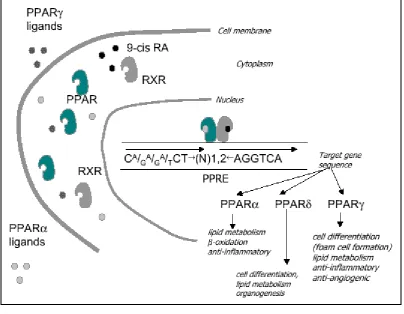
Aleglitazar is a peroxisome proliferator-activated receptor agonist (hence a PPAR modulator) with affinity to PPARα and PPARγ, which is being developed by Hoffmann–La Roche for the treatment of type II diabetes. It is currently in phase II clinical trials. Peroxisome proliferator - activated receptors (PPARs) belong to a subfamily of transcription, nuclear factors. Until now three PPARs isoforms: alpha, ß/ , and were isolated. They are encoded by different genes and distributed in various tissues.
Figure 8 The short characteristic of PPARs.
Safety Profile
• Excellent preclinical safety profile for most PPAR-related toxicities, (e.g., liver, kidney, skeletal muscle).
• Preclinical cardiovascular safety profile is similar to the approved PPAR gamma products
• No premature cardiovascular mortality in 2 year studies in mice or rats at high doses (> 50 times clinical exposures) or in monkeys treated for up to one year.
• No evidence of pericardial/thoracic fluid, atrial dilation or thrombi in animals treated chronically with muraglitazar (as seen with other gamma and dual agonists).
• Ragaglitazar was Phase II terminated because in rodent Bladder cancer
2)
SECRETAGOGUES
A)
K+ ATP
I) SULFOYLUREAS
Sulfonylureas were the first widely used oral hypoglycemic medications. They are insulin secretagogues, triggering insulin release by direct action on the KATP channel of the
Sulfonylureas bind strongly to plasma proteins. Sulfonylureas are only useful in Type II diabetes, as they work by stimulating endogenous release of insulin. They work best with patients over 40 years old, who have had diabetes mellitus for under ten years. They can not be used with type I diabetes, or diabetes of pregnancy. They can be safely used with metformin or -glitazones. The primary side effect is hypoglycemia.
First-generation agents
Tolbutamide
Acetohexamide
Tolazamide
Chlorpropamide Second-generation agents
Glipizide
Glyburide
Gliclazide
Glyclopyramide
Gliquidone
Third-generation agents
Glimepiride
Sulfonylureas, derived from sulfonic acid and urea, were initially developed in the 1950's and have remained a cornerstone of therapy for type 2 diabetes. The combination of their proven efficacy in most patients, low incidence of adverse events, and low cost has contributed to their success and continued use. They are frequently classified as either 1st generation or 2nd generation agents. First generation sulfonylureas possess a lower binding affinity for the ATP-sensitive potassium channel, their molecular target (vide infra), and thus require higher doses to achieve efficacy, increasing the potential for adverse events. In addition, the plasma half-life of 1st generation sulfonylureas is extended (e.g. 5-36 h) compared to the 2nd generation agents. Chlorpropamide was once the most commonly used oral agent, but now it is rarely prescribed. Unique complications associated with chlorpropamide are hyponatremia (SIADH) and an alcohol flushing reaction (disulfiram-Antibuse reaction). In addition, tolbutamide, acetohexamide and tolazamide generally require 2 or 3 doses per day and are rarely used.
More recently, 2nd generation sulfonylureas including glyburide were introduced, and are now widely used. The 2nd generation sulfonylureas are much more potent compounds (~100-fold), possess a more rapid onset of action, and generally have shorter plasma half-lives and longer duration of action compared to the 1st generation agents.
Mechanism of Action
sulfonylureas and ATP, and is designated as the sulfonylurea receptor type 1 (SUR1). The other subunit is the potassium channel, which acts as the pore-forming subunit. Either an increase in the ATP/ADP ratio or ligand binding (by sulfonylureas, meglitinides) to SUR1 results in the closure of the KATP channel and insulin secretion. Studies comparing
sulfonylureas and non-sulfonylurea insulin secretogogues have identified several distinct binding sites on the SUR1 that cause channel closure. Some sites exhibit high affinity for glyburide and other sulfonylureas, while other sites exhibit high affinity for the non-sulfonylurea secretogogues.
Figure 9. Sites of action of the current pharmacological therapies for the treatment of type 2 diabetes.
The over clinical efficacy of sulfonylureas in patients with type 2 diabetes is related to the pre-treatment levels of fasting plasma glucose and HbA1C. The higher the fasting glucose
level, the greater the effect will be. In patients with a pre-treatment glucose level of approximately 200 mg/dl (11.1 mmol/l), sulfonylureas typically will reduce glucose by 60-70 mg/dl (3.3-3.9 mmol/l) and HbA1C by 1.5-2%. The most responsive patients are those who
exhibit mild-to-moderate fasting hyperglycemia (<200-240 mg/dl; <12.2-13.3 mmol/l), along with adequate residual β-cell function (evidenced by elevated fasting C-peptide). When used at maximally effective doses, results from well-controlled clinical trials have not indicated a superiority of one 2nd generation sulfonylurea over another. Similarly, 2nd generation sulfonylureas exhibit similar clinical efficacy compared to the 1st generation agents. The principal advantage of glimepiride and glipizide compared to other agents is the once daily dosing regimen. Approximately 10-20% of patients will exhibit a poor initial response to sulfonylureas (primary failures). While these patients are typically those who have severe fasting hyperglycemia (>280 mg/dl; >15.5 mmol/l) and reduced fasting C-peptide levels, these tests are not specific enough to help decide on the usefulness of a sulfonylurea for an individual patient. In addition, treatment with sulfonylureas results in the eventual loss of therapeutic effectiveness (secondary failure) in the range of 3-10% per year.
Side Effects
cells in a similar manner to sulfonylureas but at a separate binding site. This inhibits a tonic, hyperpolarizing outflux of potassium, which causes the electric potential over the membrane to become more positive. This depolarization opens voltage-gated Ca2+ channels. The rise in intracellular calcium leads to increased fusion of insulin granulae with the cell membrane, and therefore increased secretion of (pro) insulin.
Examples of meglitinides include:
• Nateglinide
• Repaglinide
• Mitiglinide
Mechanism of Action
As mentioned, meglitinides are insulin secretogogues, controling blood glucose levels by directly stimulating first-phase insulin secretion in the pancreatic β cells. Repaglinide is approximately 5 times more potent than glyburide in stimulating insulin secretion. Unlike sulfonylureas, repaglinide does not stimulate insulin secretion in vitro in the absence of glucose. Rather, it enhances glucose-stimulated insulin secretion especially at 180 mg/dl glucose. Repaglinide is approximately 5 times more potent than glyburide in stimulating insulin secretion.
In-vitro, the onset of action of nateglinide is three-fold more rapid than that of rapaglinide. When nateglinide is removed from the KATP channel, its effect is reversed twice
as quickly as glyburide and five times more quickly than rapaglinide. Thus, nateglinide initiates a more rapid release of insulin that is shorter in duration compared to rapaglinide.
Side-effects
Side effects include weight gain and hypoglycemia. While the potential for hypoglycemia is less than for those on sulfonylureas, it is still a serious potential side effect that can be life-threatening. Patients on this medication should know the signs and symptoms of hypoglycemia and appropriate action to take.
B)
GLUCAGO-LIKE PEPTIDE-1 AALOG
GLP-1 as a gut hormone. The biologically active forms of GLP-1 are: GLP-1-(7-37) and GLP-1-(7-36) NH2.GLP-1 is also a neuropeptide regulating several neuroendocrine and
autonomic responses.
GLP-1 secretion by L cells is dependent on the presence of nutrients in the lumen of the small intestine. The secretagogues (agents that causes or stimulates secretion) of this hormone include major nutrients like carbohydrate, protein and lipid. Once in the circulation, GLP-1 has a half life of less than 2 minutes, due to rapid degradation by the enzyme dipeptidyl peptidase-4.
Examples of meglitinides include:
•
Exenatide
Mechanism of Action
Figure 10
Mechanisms of GLP-1.
GLP-1 possesses several physiological properties that make it a subject of intensive investigation as a potential treatment of diabetes mellitus (11-13). The known physiological functions of GLP-1 include:
• increases insulin secretion from the pancreas in a glucose-dependent manner.
• decreases glucagon secretion from the pancreas.
• increases beta cells mass and insulin gene expression.
Incretin hormones (glucagon-like peptide-1 (GLP-1) and glucose-dependent insulinotropic polypeptide (GIP)) play an important physiological role in regulating blood glucose levels (15, 16). Meal ingestion stimulates the release of incretins, which stimulate insulin synthesis and release (GLP-1 and GIP), suppress glucagon release (GLP-1), delay gastric emptying (GLP-1), and increase satiety (GLP-1) (17, 18). The effects to enhance insulin and suppress glucagon levels are glucose-dependent—only observed when glucose levels are normal or elevated, and not seen when glucose levels are low (14, 19, 20).These mechanisms attenuate the post-meal rise in glucose, and contribute also to lowering of fasting glucose concentrations. These glucoregulatory effects of GLP-1 and GIP are short-lived owing to rapid inactivation by DPP-4 (21).
C)
DIPEPTIDYL PEPTIDASE-4 (DPP-4) IHIBITORS
Dipeptidyl peptidase-4 (DPP-4) inhibitors represent a new class of oral antihyperglycemic agents to treat patients with type 2 diabetes (14) DPP-4 inhibitors improve fasting and postprandial glycemic control without hypoglycemia or weight gain.
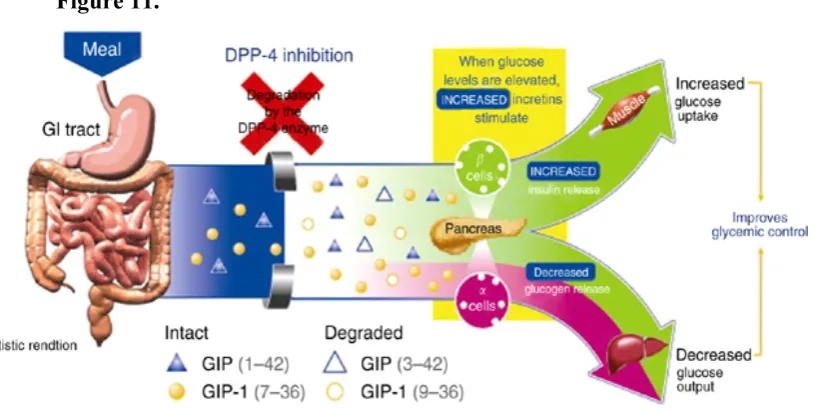
DPP-4 inhibitors enhance incretin action by blocking their degradation, and hence inactivation. Inhibition of DPP-4 extends the half-life and increases the concentrations of circulating intact (active) GLP-1 and GIP (22, 23).In patients with type 2 diabetes, DPP-4 inhibition leads to higher levels of active incretins both fasting and post-meal, in turn leading to higher insulin release, lower glucagon levels, and improved fasting and post-meal glucose concentrations (Fig. 12). Patients with type 2 diabetes have reduced post-meal GLP-1 concentrations, with normal GLP-1 action (24) thus, DPP-4 inhibition addresses one defect that may contribute to hyperglycemia in this disease. (25).
inhibitors like sitagliptin inhibit breakdown of incretin hormones, thereby increasing active GLP-1 and GIP levels and promoting fasting and postprandial glycemic control.
Early proof of concept of the therapeutic potential of DPP-4 inhibitors came from studies of DPP-4-deficient mice that are healthy and fertile, have increased levels of active GLP-1, and improved glucose tolerance (26, 27). Moreover, these DPP-4-deficient mice are protected from streptozotocin-induced hyperglycemia and have reduced weight gain with a high fat diet. Several orally active DPP-4 inhibitors have now been developed to treat type 2 diabetes, including sitagliptin, vildagliptin, and Saxagliptin (28-30) Sitagliptin was approved in the United States in October 2006 for the treatment of patients with type 2 diabetes (31). An important tool that facilitated the early clinical development of sitagliptin was the use of proximal and distal biomarkers of DPP-4 action. The following sections summarize the beneficial impact of sitagliptin on proximal or target engagement biomarkers (e.g., inhibition of plasma DPP-4 activity and augmentation of active GLP-1 and GIP levels) and distal biomarkers (e.g., changes in blood levels of insulin, C-peptide, glucagon levels and glucose) in both the preclinical and clinical setting.
Figure 12.
adverse effects were similar between the 2 groups.
GI side effects
Although nausea was the most common adverse effect of the GLP-1 receptor analog exenatide, occurring in 45% to 51% of patients (versus 7% to 23% with placebo), this side effect was uncommon with sitagliptin use (reported by only 1% to 2% of patients) and was not statistically significant with placebo (0% to 1% of patients). Yet, in 1 study the overall incidence of GI adverse effects was significantly higher with sitagliptin compared with placebo: 14% and 6%, respectively.6 Other side effects reported with slightly higher frequency with the use of sitagliptin compared with placebo (less than 3% difference between the 2 groups) were upper respiratory infection, running or stuffy nose, headache, diarrhea, and arthralgia.
Effect on hypoglycemia
Importantly, the incidence of hypoglycemia with sitagliptin was similar to that with placebo with no reports of severe hypoglycemia. This advantage may be attributed, at least in part, to the glucose-dependency action of GLP-1; ie, the insulin stimulatory and glucagon inhibitory effects of GLP-1 are more pronounced in the setting of hyperglycemia and become minimal or absent when blood glucose drops below the normal range.
Effect on body weight
Effects on lipids
Small beneficial effects on lipid profile have been recorded in 1 trial of sitagliptin in conjunction with metformin, and another trial of vildagliptin monotherapy. However, the 2 agents have no significant lipid-lowering effect.
Use of sitagliptin in renal and hepatic insufficiency
Elimination of sitagliptin occurs primarily via renal excretion. It is necessary therefore to evaluate renal function before starting therapy and periodically thereafter. In cases of moderate renal dysfunction (defined as creatinine clearance between 30 and 49 mL/min or serum creatinine levels between about 1.8 and 3.0 mg/dL in men and 1.6 and 2.5 mg/dL in women), it is recommended to decrease the dosage to 50 mg once daily. In patients with more advanced renal dysfunction and those on dialysis, the recommended dosage is 25 mg once daily. Sitagliptin may be given irrespective of the time of hemodialysis.
3)
ALPHA-GLUCOSIDASE IHIBITORS
Alpha-glucosidase inhibitors are oral anti-diabetic drugs used for diabetes mellitus type 2 that work by preventing the digestion of carbohydrates (such as starch and table sugar). Carbohydrates are normally converted into simple sugars (monosaccharides), which can be absorbed through the intestine. Hence, alpha-glucosidase inhibitors reduce the impact of carbohydrates on blood sugar.
Examples of alpha-glucosidase inhibitors include:
• Acarbose
• Miglitol
• Voglibose
Even though the drugs have a similar mechanism of action, there are subtle differences between acarbose and miglitol. Acarbose is an oligosaccharide, whereas miglitol resembles a monosaccharide. Miglitol is fairly well-absorbed by the body, as opposed to acarbose. Moreover, acarbose inhibits pancreatic alpha-amylase in addition to alpha-glucosidase.
Role in clinical use
Alpha-glucosidase inhibitors are used to establish greater glycemic control over hyperglycemia in diabetes mellitus type 2, particularly with regard to postprandial hyperglycemia. They may be used as monotherapy in conjunction with an appropriate diabetic diet and exercise, or they may be used in conjunction with other anti-diabetic drugs. Alpha-glucosidase inhibitors may also be useful in patients with diabetes mellitus type 1; however, this use has not been officially approved by the Food and Drug Administration.
Mechanism of action
Fig.13
Digestion of Carbohydrate in the body inhibitors by Acarbose.
Side effects & precautions
4) SGLT2 IHIBITOR
Dapagliflozin is the first in a new class of oral selective sodium-glucose cotransport 2 (SGLT2) inhibitors designed for treating type 2 diabetes. Dapagliflozin improves hyperglycemia by inhibiting renal glucose reabsorption through SGLT2. SGLT2 is a sodium-solute cotransport protein located in the kidney proximal tubule that reabsorbs the majority of glomerular-filtered glucose.
Both phlorizin, an O-glucoside, nonspecific renal glucose reabsorption inhibitor, and individuals with SGLT2 genetic mutations provided early insight into the potential value of this therapeutic approach. Phlorizin was shown to reduce hyperglycemia by inhibiting glucose reabsorption. however, clinical application was limited by glucosidase degradation and lack of SGLT2 selectivity. Dapagliflozin is highly SGLT2 selective and contains a C-glucoside for increased in vivo stability, characteristics that prolong half-life and produce consistent pharmacodynamic activity. Dapagliflozin induces steady rates of glucosuria in healthy volunteers and type 2 diabetic patients, amounting to 70 g glucose excreted daily (16). Individuals with familial renal lycosuria, a condition caused by genetic mutations in SGLT2, have been characterized as having largely benign phenotypes with normal life expectancies and no longterm renal deterioration or known health consequences.
Examples of sodium-glucose cotransport 2 inhibitors include:
•
Dapagliflozin
•
Remogliflozin
•
Sergliflozin
Mechanism of action
4. Cantrill JA, Wood J. Diabetes Mellitus. In: Walker R, Edwards C, Editors. Clinical pharmacology and Therapeutic. 3ed Ed. New York: Churchill Livingstone 2003; 657-77.
5. Kahn SE, Porte DJ. The pathophysiology of type II (noninsulin-dependent) diabetes mellitus: Implications for treatment. In: Rifkin H, Porte DJ, eds. Ellenberg
and Rijkin’s Diabetes Mellitus: Theory and Practice. New York: Elsevier Science; 1990:436-456.
6. Leibowitz HE. Oral hypoglycemic agents. In: Rifkin H, Porte DJ, eds. Ellenberg nd Rijkin’s Diabetes Mellitus: Theory and Practice. New York: Elsevier Science; 1990:554-574.
7. American Diabetes Association, Standards of Medical Care in Diabetes, Diabetes Care, 2008, 31: 12-54
8. Alice Y. Y. Cheng, I. George Fantus. Oral antihyperglycemic therapy for type 2 diabetes mellitus. CMAJ, 2005; 172(2): 213-226
9. Inzucchi SE. Oral antihyperglycemic therapy for type 2 diabetes: scientific review. JAWA. 2002;287:360-72
10. Blicklé JF. "Meglitinide analogues: a review of clinical data focused on recent trials". Diabetes Metab 2006. 32 (2): 113–20.
11. "Diabetes and Intestinal Incretin Hormones: A New Therapeutic Paradigm" at medscape.com (slide 36)
12. Toft-Nielsen M, Madsbad S, Holst J (2001). Determinants of the effectiveness of glucagon-like peptide-1 in type 2 diabetes.. J Clin Endocrinol Metab 86 (8): 3853-60.
13. Meier J, Weyhe D, Michaely M, Senkal M, Zumtobel V, Nauck M, Holst J, Schmidt W, Gallwitz B (2004). Intravenous glucagon-like peptide 1 normalizes blood glucose after major surgery in patients with type 2 diabetes.. Crit Care Med 32 (3): 848-51.
15. Kieffer, T.J. & Habener, J.F. The glucagon-like peptides. Endocr. Rev. 20, 876–913 (1999).
16. Meier, J.J. & Nauck, M.A. Clinical endocrinology and metabolism. Glucose-dependent insulinotropic polypeptide/gastric inhibitory polypeptide. Best Pract. Res. Clin. Endocrinol. Metab. 18, 587–606 (2004).
17. Drucker, D.J. Biological actions and therapeutic potential of the glucagon-like peptides. Gastroenterology 122, 531–544 (2002). |
18. Drucker, D.J. The biology of incretin hormones. Cell Metab. 3, 153–165 (2006).
19. Nauck, M.A. et al. Normalization of fasting hyperglycemia by exogenous glucagon-like peptide 1 (7-36 amide) in type 2 (non-insulin-dependent) diabetic patients. Diabetologia 36, 741–744 (1993).
20. Nauck, M.A. et al. Effects of glucagon-like peptide 1 on counterregulatory hormone responses, cognitive functions, and insulin secretion during hyperinsulinemic, stepped hypoglycemic clamp experiments in healthy volunteers. J. Clin. Endocrinol. Metab. 87, 1239–1246 (2002).
21. Mentlein, R., Gallwitz, B. & Schmidt, W.E. Dipeptidyl-peptidase IV hydrolyses gastric inhibitory polypeptide, glucagon-like peptide-1(7-36) amide, peptide histidine methionine and is responsible for their degradation in human serum. Eur. J. Biochem. 214, 829–835 (1993).
22. Weber, A.E. Dipeptidyl peptidase IV inhibitors for the treatment of diabetes. J. Med. Chem. 47, 4135–4141 (2004).
23. Deacon, C.F., Ahren, B. & Holst, J.J. Inhibitors of dipeptidyl peptidase IV: a novel approach for the prevention and treatment of Type 2 diabetes? Expert Opin. Investig. Drugs 13, 1091–1102 (2004).
24. Vilsboll, T., Krarup, T., Deacon, C.F., Madsbad, S. & Holst, J.J. Reduced postprandial concentrations of intact biologically active glucagon-like peptide 1 in type 2 diabetic patients. Diabetes 50, 609–613 (2001).
25. Green, B.D., Flatt, P.R. & Bailey, C.J. Dipeptidyl peptidase IV (DPP IV) inhibitors: a newly emerging drug class for the treatment of type 2 diabetes. Diab. Vasc. Dis. Res. 3, 159–165 (2006).
26. Marguet, D. et al. Enhanced insulin secretion and improved glucose tolerance in mice lacking CD26. Proc. Natl. Acad. Sci. USA 97, 6874–6879 (2000).
27. Conarello, S.L. et al. Mice lacking dipeptidyl peptidase IV are protected against obesity and insulin resistance. Proc. Natl. Acad. Sci. USA 100, 6825–6830 (2003).
34. Barnett A. DPP-4 inhibitors and their potential role in the management of type 2 diabetes. Int J Clin Pract. 2006; 60(11):1454-1470.
35. Aschner P, Kipnes MS, Lunceford JK, et al. Effect of the dipeptidyl peptidase-4 inhibitor sitagliptin as monotherapy on glycemic control in patients with type 2 diabetes. Diabetes Care. 2006; 29(12):2632-2637.
36. Charbonnel B, Karasik A, Liu J, et al for the Sitagliptin Study 020 Group. Efficacy and safety of the dipeptidyl peptidase-4 inhibitor sitagliptin added to ongoing metformin therapy in patients with type 2 diabetes inadequately controlled with metformin alone. Diabetes Care. 2006;29(12):2638-2643.
37. Rosenstock J, Brazg R, Andryuk PJ, et al; for the Sitagliptin Study 019 Group. Efficacy and safety of the dipeptidyl peptidase-4 inhibitor sitagliptin added to ongoing pioglitazone therapy in patients with type 2 diabetes: a 24-week, multicenter, randomized double-blind, placebo-controlled, parallel-group study. Clin Ther. 2006; 28(10):1556-1568.
38. Pratley RE, Jauffret-Kamel S, Galbreath E, Holmes D. Twelve-week monotherapy with the DPP-4 inhibitor vildagliptin improves glycemic control in subjects with type 2 diabetes. Horm Metab Res. 2006; 38(6):423-428.
39. Pi-Sunyer FX, Schweizer A, Mills D, Dejager S. Efficacy and tolerability of vildagliptin monotherapy in drug-naive patients with type 2 diabetes. Diabetes Res Clin Pract. 2007; 76(1):132-138.
40. Garber AJ, Schweizer A, Baron MA, et al. Vildagliptin in combination with pioglitazone improves glycaemic control in patients with type 2 diabetes failing thiazolidinedione monotherapy: a randomized, placebo-controlled study. Diabetes Obes Metab. 2007; 9(2):166-174.
41. Samantha J. Venable; Diane S. Aschenbrenner. Drug Therapy In Nursing. Hagerstown, MD: Lippincott Williams & Wilkins.