111
_______________________________________________________________
_______________________________________________________________
PARKINSON’S DISEASE: A PHYTOCHEMICAL APPROACH
S. Divya
1*, S. Kavimani
1, S. Sudha Rani
2, S.Subashree
2, Syam Praveen Kumar
2,
G.Mahalakshmi
1, T.Nirmala
1, R.Samundeswari
1, D.Sivassoupramanian
11
Department of Pharmacology, Mother Theresa Post graduate and Research Institute of Health Sciences, Puducherry -605 006, Tamil Nadu, India.
2
Department of Biochemistry and Molecular Biology, Pondicherry University, Puducherry -605 014, Tamil Nadu, India.
ABSTRACT
Parkinson’s disease (PD) is a progressive and age-dependent neurodegenerative movement disorder. It is characterized by a selective loss of dopaminergic neurons in the substantia nigra pars compacta (SNPC) region of the midbrain that culminates in the major clinical symptoms of PD. The et iology of the neuronal cell death is still unclear, but mitochondrial dysfunction, oxidative stress and subsequent apoptotic cell death have been considered as underlying mechanisms of dopaminergic cell death. Although the current therapeutics applied for this disorder produce a symptomatic relief, treatment strategies for slowing down the disease progression are yet to be developed. Under these circumstances with no causal therapy is yet available, biomedical researchers are turning their interests towards exploiting the wealth of traditional knowledge on medicinal plants. This review presents the current scientific information on the neuroprotective potential of traditional plants like Mucuna pruriens, Gingk o biloba, Panax ginseng, Centella asiatica, Bacop a monnieri, Withania somnifera, Scutellaria baicalensis and some popular phytochemical constituents. This information may contribute largely for developing better protective neurotherapeutics for Parkinson’s disease in near future.
Key words: Parkinson’s disease, Substantia nigra pars compacta (SNPC), Bradykinesia, Oxidative stress, Neuro-degeneration, Mono Amine Oxidase, α-synnuclein protein, 6-hydroxy dopamine (6-OH-DA).
INTRODUCTION
Parkinson’s disease is the second most common neuro-degenerative disorder affecting at least 2% of the worldwide population aged 65 and older [1]. In general, symptoms of Parkinson’s disease appear when there is loss of nearly 50% of dopaminergic neurons in the substantia nigra pars compacta (SNpc) region resulting in decreased level of dopamine in brain[2].The neuro-degeneration in Parkinson’s disease progresses slowly after the onset and the current treatment strategies do not halt this. As plants are unexplored source of potentially useful drugs researchers are focusing to find therapies based on phytochemical constituents and food supplements for their neuroprotective or neurorestorative effects in Parkinson’s disease [3].
PARKINSON’S DISEASE – A SHORT PREVIEW The pathological hallmark of Parkinson’s disease is the cell loss within substantia nigra pars compacta
(SNpc) region [4] and the disease is charactrised by
bradykinesia, rigidity, postural instability, orofacial dyskinesia, muscular stiffness and tremor. Other non motor complications includes sleep disorders and cognitive impairment [5], depression [6], mood fluctuations[7], psychosis and dementia [8], etc.
Though the exact etiology of the disease remain largely unknown, several studies have indicated about the genetic and environmental risk factors which alo ne or possibly in combination cause the disease. Studies with numerous animal models have shown microglial activation in dopaminergic degeneration in substantia nigra pars compacta (SNpc) [9].While some neuropathological investigations of parkinsonian brains have shown the neuronal depigmentation which is accompanied by insoluble intra-cellular proteinaceous lewy bodies and lewy neuritis[10].
On the other hand oxidative stress, defective mitochondrial function, impaired protein metabolism also contributes to the development of Parkinsonism.
*Corresponding Author S.Divya E mail: [email protected]
International Journal
of
Pharmacy Review & Research
www.ijprr.com
112 Especially, the oxidative stress and derangements
in mitochondrial complex-I lead to the accumulation and aggregation of α-synnuclein protein and demise of dopaminergic neurons. This was studied in an MPTP mice model of Parkinson’s disease [11]. In addition, exposure to pesticides, herbicides and environmental toxins may also trigger parkinsonism by causing mitochondrial dysfunction.
CURRENT TREATMENT STRATEGIES – ITS
ADVANTAGES AND LIMITATIONS 1. Dopaminergic Therapy
Levodopa, a precursor or a prodrug of dopamine remains a standard drug for the treatment of parkinsonism. Ameliorating motor symptoms like rigidity, bradykinesia etc, by relatively crossing the blood brain barrier to release the active form of drug, its economically cheaper cost are some of its advantages.
However deterioration of speech, gait, posture and balance with long term use [12], acceleration of neuronal degeneration by oxidative metabolism upon prolonged levodopa therapy [13] are few of its limitations. Hence levodopa could neither retard nor reverse the disease progression.
1a. Dopamine Agonists
Dopamine agonists such as pramipexole, ropinirole and pergolide [14]exert their action by directly stimulating the striatal postsynaptic dopamine receptors.Some reports suggest that combined treatment of carbegoline and levodopa decreases motor fluctuations[15].However sleep disturbances and cognitive problems do occur with dopamine agonists.
1b. Monoamine Oxidase–B Inhibitors (MAO – B Inhibitors)
Selegeline, a selective MAO – B inhibitor acts by preventing the breakdown of dopamine and when given in conjunction with levodopa reduces motor fluctuations an d dosage requirements [16].Although it has not been confirmed by many other studies,a growing concern about an increased mortality risk rate were seen in patients receiving a combination of selegeline and levodopa.
On the other hand Rasagiline, a selective and a reversible inhibitor of MAO – B when evaluated in phase III clinical trial was found to be effective in early stages of parkinson’s disease [17].However for the studies are required to analyse its long term effects.
1c. Catechol – O - Methyl Tranzsferase Inhibitors (COMT Inhibitors)
COMT inhibitors like tolcapone,entacapone increase the plasma half life of levodopa by inhibiting the conversion of levodopa to its metabolite 3-O-methyl dopa.An in-vivo studyin rats have stated about the COMT inhibitors increasing striatal levodopa and dopamine concentrations[18]. Tolcapone the 1st discovered COMT inhibitor was suspended on grounds of liver toxicity whereas entacapone is still being used.
2. Anticholinergics
Anticholinergics are the oldest anti-parkinsonism medications which are effective in subsiding symptoms like tremor, rigidity, etc. These drugs act by blocking post synaptic muscarinic receptors thereby restoring dopamine and acetylcholine balance in the striatum antagonizing the hyperactive cholinergic transmission.The most commonly used anticholinergics for parkinsonism includes trihexyphenidyl, biperiden, orphenadrin, benztropine and procyclidine.
However undesirable effects such as dry mouth, blurred vision, sweating inhibition, urinary retention are more common with anticholinergics [19].
3. Amantadine
Amantadine, an effective anti-viral drug was introduced for treating Parkinson’s disease in late 1960s.Its possible mode of action includes facilitation of presynaptic dopamine release and blockade of dopamine reuptake blockade. It also functions as a NMDA(N-methyl D-aspartate) receptor antagonist [20].Since NMDA receptor antagonist are known for its neuro -protective effects, amantadine eliciting antidyskinetic effect has gained great attention in treating parkinson’s disease[21].
4. Apomor phine
For treating parkinsonism apomorphine is one of the specialized but certainly underused drug [22]. Studies with apomorphine provides stronger evidences of significantly reduced dyskinesia, akinesia and rigidity like symptoms even with advanced parkinsonism [23].
Profound nausea, vomiting, orthostatic hypotension, neuropsychiatric disturbances and nodule formation are some of its adverse effects. Apomorphine may also cause Coombs positive haemolytic anaemia when used as an adjunct to levodopa.
5. Surgical Procedures
Neuro surgical procedures such as pallidotomy or deep brain stimulation of subthalamic nucleus serve as neuro-restorative treatments of parkinson’s disease in case of failure with medical therapies[24].Most common deep brain stimulatory procedures are generally carried out to reduce the symptoms like bradykinesia, tremor and rigidity.Other neurosurgical procedures which were proven to be effective are selective stereotactic thalamotomy, subthalamotomy, fetal dopaminergic cell transplantation, etc.
Note worthily, improved bradykinesia with subthalamotomy [25] and effectively treated contralateral tremor with stereotactic thalamotomy [26] have been reported. Fetal dopaminergic cell trans plantation have even shown functional and biochemical improvement in animal models of parkinson’s disease [27]. Apart from this,additional non pharmacological therapies such as acupuncture, speech therapy are also in common use [28].
Limitations of Surgical Procedures
113 slowdown the disease progression nor could prevent
worsening of gait, balance and cognitive disturbances [29].Although fetal cell transplantation largely offers targeted neuro-anatomical approach in dopamine replacement therapy, dependence on fetal tissues raises both ethical and practical concerns.
Complementary Approaches For Parkinson’s Disease Although the current therapeutics produces a symptomatic relief for this disorder, treatment strategies for slowing down the disease progression are lagging behind. Under these circumstances traditional knowledge on medicinal plants and current scientific information on their phyto-chemical constituents may pay way for finding cure for this disease.
Mucuna pruriens
Synonyms:Cowhage beans; Cowitch beans; Velvet beans; Kaunch; Kiwanch; Mucuna pruriens linn, an ancient medicinal plant of India has been used for treating Parkinsonism in ayurvedic system of medicine [30]. Some anecdotal evidences have suggested the usefulness of
Mucuna pruriens in parkinsonism [31].Reports reveal that the seeds of Mucuna pruriens contains levodopa as one of its active constituents [32].
One study has proven the antagonistic activity of
Mucuna pruriens against motor and sensory deficits in 6-hydroxy dopamine (6-OH-DA) rat model of Parkinson’s disease [33]. In another study, Mucuna pruriens have shown positive effects of reduced dyskinesias in MPTP monkey models[34] and hemi-parkinsonian rat models [35]
Eco-friendly biosynthesis and characterization of gold nanoparticles from Mucuna pruriens plant extract has been reported [36].Such green synthesized nanoparticles may find future applications in the treatment of Parkinson’s disease with miracle herb like Mucuna pruriens.
Ginkgo biloba
Synonyms: Maidenhair tree
Gink go biloba is one of the widely studied Chinese herb known for its anti-oxidant property and
Gink go biloba has been reported for its neuroprotective effects in several studies. By chelating certain transition metals like excess iron, it also helps in slowing down the oxidative process [37] which is said to play an important role in neuron degeneration. EGb761, a Gink go biloba leaf extract, reduced the behavioral deficits with improved cellular integrity in 6-hydroxy dopamine (6-OH-DA) rat model of Parkinson’s disease[38,39]. In the same way, EGb761 produced inhibitory effects against the oxidative stress induced by MPTP in Parkinson’s mice model [40].Studies have suggested that the neuro -restorative effects produced by pretreating mice with EGb761, against MPTP induced Parkinson’s disease is possibly attributed by Mono Amine Oxidase (MAO) inhibitory effect in brain [41,42]. Moreover, the neuro-toxic effects of levodopa has also been reduced by EGb761 when given as a combination [43].
Panax ginseng Synonym : Panax
The most popular traditional herbal medicine of China, Korea and Japan is the ginseng root of Panax
species. Currently, the use of Panax ginseng has globally increased due to the accumulating evidences on pharmacological effects against neurodegenerative diseases. The possible neuroprotective mechanisms include anti-inflammatory, anti-apoptotic, antioxidant and immuno-stimulatory properties.
The extracts of Panax ginseng have been reported for its protective effects against neurotoxicity in vitro and in vivo models of Parkinson’s disease. An extract of Panax ginseng, G115 blocked the loss of tyrosine hydroxylase (TH) (+) cells in substantia nigra and reduced the locomotor dysfunction in MPTP induced Parkinson’s disease model C57BL/6 mice and Sprague Dawley rats [44]. Likewise, positive effects of enhancing the neuritic growth of dopaminergic SK-N-SH neuroblastoma cells by ginseng saponins have been studied in vitro [45].Similarly, Rb1 and Rg1 ginsenosides have been reported for
increasing neuritic growth in MPP+ or glutamate stressed primary cultured mesencephalic dopaminergic cells in vitro [46,47]. Additional data demonstrating the neuro protective potential of ginsenosides includes inhibition of NMDA and non NMDA receptors thereby reducing Ca2+ over influx into the neurons thus protecting the cells from neuro-degeneration evoked by Ca2+ overload [48,49].
Centella asiatica
Synonyms: Gotu Kola, Asiatic pennywort, Indian
pennywort, Indian water navelwort, wild violet, and tiger herb.Centella asiatica , commonly known as “Gotu Kola”
is a native tropical plant to Southeast Asia. Traditionally, it has been used as a brain tonic in ayurvedic and Chinese medicines [50].Many researchers are focusing on its neuroprotective effects in order to confirm the conventional use on a scientific basis.
Centella asiatica extract was found to diminish the oxidative stress and mitochondrial dysfunction induced by a fungal-derived neurotoxin (3-nitropropionic acid), in brains of male prepubertal mice, by influencing the parameters such as malondialdehyde (MDA) and radical oxygen species [51].In a related study on rats, C. asiatica
extract has also been reported for its protective effects against mitochondrial damage in PD by oxidative stress [52].Chloroform-methanol (4 : 1) extract of the plant have also been reported for its radical scavenging effects by increasing SOD and CAT levels in monosodium glutamate-stressed Sprague-Dawley female rats [53].
Another study investigating the effect of Centella asiatica extract in the cortex, hypothalamus, striatum, cerebellum and hippocampus regions of old aged rat brains have shown neuroprotective effects by significant decreasing the protein carbonyl (PCO) contents and lipid peroxidation [54].
114
Bacopa monnieri is an ayurvedic medicinal plant possessing antioxidant [55], anti-inflammatory [56], anti apoptotic [57] and memory enhancing properties [58] which reasons to study the beneficial effects of Bacopa monnieri on neurodegenerative PD. Bacopa, as well, has been used for cognitive issues for many years in the herb world. In fruit flies, Bacopa monnieri was shown to decline the levels of oxidative stress and thereby inhibiting dopamine depletion with decreased mortality rate [59].In another study, Caenorhabditis elegans, a transgenic model expressing "human" alpha synuclein protein associated to parkinson’s disease was used for investigating the anti parkinson’s effect of Bacopa monnieri.
Positive results of decreased alpha synuclein aggregation, preventing dopaminergic neurodegeneration and restorating lipid contents in nematodes has been reported in Bacopa monnieri treated 6-hydroxy dopamine (6-OHDA) models of parkinson’s disease [60] . Bacopa monnieri thereby has its proven potential as an anti-Parkinsonian agent.
Withania somnifera
Synonyms: Ashwagandha, Indian ginseng.
Withania somnifera, a 4000 year old traditional herbal medicine of India, do have optimistic effects on neural growth and locomotor function. Scientists contemplate that some of ashwagandha’s benefits spring from its antioxidant properties and ability to scavenge free radicals associated with aging and numerous diseased states [61].
The anti-parkinsonian effects of Withania somnifera extract was evaluated in 6-Hydroxydopamine (6-OHDA) induced Parkinsonian rats. Treatment with
Withania somnifera extract reversed some of the symptoms of Parkinsons disease such as s ignificantly decreased striatal dopamine (DA) level, increased lipid peroxidation, increased number of striatal dopaminergic D2 receptors, reduced nigral glutathione levels, reduced
activity of superoxide dismutase, catalase and lessened tyrosine hydroxylase expression in a dose dependent manner [62].Similar results revealing the neuroprotective role of Withania somnifera has been reported in maneb-paraquat (environmental toxins) induced parkinsonian mice [63].
Treatment with Withania somnifera root extract in MPTP mice model of Parkinson’s disease cauused increase in the levels of dopamine (DA),3,4-dihydroxy-phenylacetic acid (DOPAC) and homovanillic acid (HVA); glutathione (GSH) and glutathione peroxidase (GPx); and normalized levels of lipid peroxidation marker-thiobarbituric acid reactive substance (TBARS) in the corpus striatum [64]. Hence Ashwagandha, could be a promising alternative for Parkinson’s disease due to its potential anti-oxidant, anti-peroxidative and free radical quenching properties .
Scutellaria baicalensis
Synonyms: Baikal skullcap, Chinese skullcap
Scutellaria baicalensis Georgi (SBG), is native of China and the dried roots are rich in distinctive flavones,
specifically baicalin, baicalein and wogonin. They commonly used as antiallergic, diuretic, hypotensive, antibacterial, antiviral, tranquilizer and as antipyretic in Chinese medicine.
The antioxidant and anti-inflammatory properties expressed by the major isolated components (baicalin and baicalein) of Scutellaria baicalensis [65,66] had made the Scientists to anticipate beneficial effects on parkinson’s disease. Since Parkinsonism is an age related neurological disorder, researchers induced the ageing effects in mice using D-galactose and Sodium nitrite (NaNO2) since
D-galactose causes oxidative damage, inflammation, cognitive impairment and abnormality in biochemistry markers such as SOD,MDA and catalase in nervous system [67] and Sodium nitrite (NaNO2) causing memory
consolidating disablity in mice [68].
Thereby a study was conducted to investigate the effect of Scutellaria baicalensis Georgi (SBG) against ageing in ICR female mice. D-galactose and NaNO2
induced oxidative stress,changes like decreased SOD and catalase activities, increased MDA levels in mice brains and impaired cognitive function were reversed and significantly improved by Scutellaria baicalensis Georgi ethanolic extract [69]. These findings demonstrate the valuable role of Scutellaria baicalensis against oxidative stress in parkinsonism.
PHYTOCHEMICAL CONSTITUENTS EXHIBITING
NEUROPROTECTIVE ACTIVITY Baicalein
Baicalein, a bioactive component of Scutellaria baicalensis have exhibited its antiparkinsonism effects in several studies. Significant attenuation of muscular tremor, mitigation of astroglial response and increased tyrosine-hydroxylase-(TH-) positive neurons in substantia nigra have been reported in 6-OHDA-lesioned rat models
in vivo and in vitro [70].Similar results were also seen in MPTP mice models of Parkinson’s disease along with inhibition of dopamine turn over [71]. Additionally, baicalein has also been reported for increasing the dopamine and 5-HT levels in the striatum with inhibition of oxidative stress and astroglial response in MPTP mice models of Parkinson’s disease [72].
Paeoniflorin
Paeoniflorin (PF), a major bioactive component of Chinese herb, Paeoniae alba Radix have shown neuroprotective effects in 1-methyl-4-phenyl-1,2,3,6-tetrahydropyridine (MPTP) mouse models of Parkinson's disease(PD) where dopamineregic neurodegeneration, pro inflammatory gene upregulation, microglial and astrocytic activation has been attenuated by Paeoniflorin in a dose dependent manner [73]. Subchronic treatment of
Paeoniflorin had shown an alleviating effect on 6-OHDA-induced neurological impairments in Sprague - Dawley rats, reducing apomorphine induced rotations [74].
Curcumin
115 rhizomes of Curcuma longa, contains curcuminoids,
comprised of curcumin, demethoxy curcumin (DMC), and bisdemethoxy curcumin (BDMC) as its active phyto-chemical constituents. Curcuminoids, in the face of exhibiting anti-inflammatory, antioxidant, proapoptotic, antiproliferative, wound healing and antimalarial properties [75], had also shown anti-parkinsonism effects in several studies.
A study on curcuminoids had revealed neuroprotective effects in MPTP induced inflammatory -neurodegeneration in vivo. Confirmatory results of preventing MPTP mediated TH-positive neurons and dopaminergic depletion, mitigating the expression of protein inflammatory markers in the striatum thereby improving motor deficits in MPTP-intoxicated mice has been reported [76]. Apart from MPTP model, curcumin has even exposed its neuro protective effect in induced hemiparkinsonian mice model where 6-OHDA-induced loss of striatal TH fibers and nigral TH-immunoreactive neurons has been decreased [77].
Resveratrol
Resveratrol, a naturally occurring polyphenolic phytoalexin, present in plants such as grapes, peanuts, berries, and pine [78] holds antioxidant and cardio -protective properties [79]. Resveratrol had shown significant neuroprotective action in Balb/c mice by alleviating the MPTP-induced motor in-coordination, oxidative stress, and TH positive neuronal cell loss [80]. Similar results of relieving oxidative stress, microglial activation, neuroinflammation besides increasing the number of TH-positive cells and DA
content have been reported in paraquat and maneb model of parkinsonism [81]. The neuroprotective effects of resveratrol has also been demonstrated in rotenone-induced [82] and OHDA-rotenone-induced [83] dopaminergic cell death.
Gastrodin
Gastrodin, a major compound present in
Gastrodia elata (GE), has been traditionally used as a folkmedicine in Oriental countries for its therapeutic benefits [84]. Gastrodin has been reported for its dose dependent neuroprotective effect on dopaminergic neurons, ameliorating motor impairments in subchronic MPTP mouse PD model [85].
Tenuigenin
Traditional Korean medicine uses the dried root of Polygala tenuifolia rich in tenuigenin for treating various cognitive problems associated with ageing and parkinson’s disease [86,87]. Tenuigenin has proven its neuroprotective effect against 6-OHDA-induced cytotoxicity in SH-SY5Y cells by protecting the mitochondrial damage, markedly by boosting up glutathione and superoxide dismutase (SOD) expression thereby increasing the cell viability [88]. Tenuigenin also protects the neuro-inflammatory damage induced by lipopolysaccharide in adult male Sprague Dawley rats by improving TH-immunoreactive neurons in the SNpc and DA levels in the striatum. Furthermore, lipopolysaccharide induced upregulation of TNF-𝛼 and IL-1𝛽 was also overturned by tenuigenin [89].
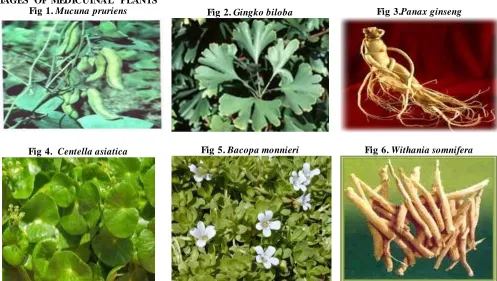
IMAGES OF MEDICUINAL PLANTS
Fig 1. Mucuna pruriens Fig 2. Gingko biloba Fig 3.Panax ginseng
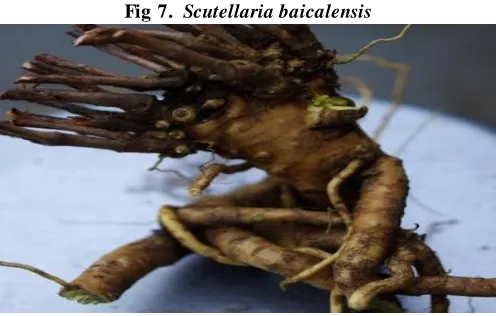
116 Fig 7. Scutellaria baicalensis
CONCLUSION
Though the currently available conventional treatments are not efficient in targeting the multifactorial pathological mechanisms of Parkinson’s disease, use of medicinal plants and its bioactive compounds can serve as an alternative therapy for modifying or slowing down the disease progression. From the ethno botanical and
ethnopharmaceutical resources, many of the bioactive compounds from natural sources have also been reported for their neuroprotective effects in various experimental models of PD. Hence it is speculated that, medicinal herbs and its bioactive constituents may bring an alternative therapeutic approach in parkinsonism treatment.
REFERENCES
1. De Lau LML, Breeder MM. Epidemiology of Parkinsons disease. Lancet Neurol, 5, 2006, 525-535.
2. Whitten PS. Inflammation as a causative factor in the etiology of Parkinsons disease. British J.Pharmacology, 150, 2007, 963-976.
3. Dawson TM, Dawson VL. Neuroprotective and neurorestorative strategies for parkinsons disease. Nat.Neuro Sci, 5, 2002, 1058-1061.
4. Davie CA. A review of parkinsons disease. Britsh Medical Bulletin, 86, 2008, 109-127.
5. Vendette M, Gagnon JF, Decary A et al. REM sleep behavior disorder predicts cognitive impairment in parkinsons disease without dementia. Neurology, 69, 2007, 1843-1849.
6. Dooneret G, Mirabello E, Bell K et al. An estimate of the incidence of depression in idiopathic Parkinsons d isease.
Arch.Neurol., 49, 1992, 305-307.
7. Richard IH, Frank S, Mc.Dermott MP et al, The ups and downs of parkinson disease ,a prospective study of mood and anxiety fluctuations.Cogn.Behav. Neurol, 17, 2004, 201-207.
8. Naimark D, Jackson E, Rockwell E et al. Psychotic symptoms in Parkinsons disease patients with dementia.
J.Am.Geriatr.Soc, 44, 1996, 296-299.
9. Watanabe Y, Kato H, Araki T. Protective action of neuronal nitric oxide synthase inhibitor in the MPTP mouse model of Parkinsons disease. Metab.Brain.Dis, 23, 2008, 51-69.
10. Tanner CM, Ottman R, Goldman SM et al. Parkinsons disease in twins, An etiologic study. JAMA, 281, 1999, 341-346. 11. Dawson TM, Dawson VL. Molecular pathways of neurodegeneration in Parkinsons disease. Science AAAS, 302, 2003,
819.
12. Cao XB, Guan Q, Xu Y, Wang L, Sun SG. Mechanism of over activation in direct pathway mediated by dopamine D(1) receptor in rats with levodopa induced dyskinesia. Neurosci.Bull, 22(3), 2006, 159-164.
13. Pahwa R, Lyons KE. Levodopa related wearing off in parkinsons disease identification and management. Curr.Med Res Opin, 25(4), 2009, 841-849.
14. Antonini A, Barone P. Dopamine agonist-based strategies in the treatment of Parkinsons disease rat. Neurol Sci, 29(5), 2008, 371-374.
15. Binder S, Deuschl G, Volkmann J. Effect of Cabergoline on Parkinsonian Tremor Assessed by Long -Term Actigraphy.
Eur Neurol, 61, 2009, 149-153.
16. Lew MF, Pahwa R,Leehey M, Bertoni J, Kricorian G. The Zydis Selegiline Study Group. Safety and efficacy of newly formulated selegiline orally disintegrating tablets as an adjunct to levodopa in the management of off episodes in patients with Parkinsons disease. Curr Med Res Opin, 23(4), 2007, 741-750.
17. Weinreb O, Mandel S, Bar-Am O, Yogev-Falach M, Avramovich tirosh Y, Amit T et al. Multifunctional Neuroprotective Derivatives of Rasagiline as Anti-Alzheimers Disease Drugs. Neurotherapeutics, 6(1), 2009, 163–174.
18. Brannan T, Martinez-Tica J, Yahr MD. Catechol-O-methyl transferase inhibition increases striatal l-dopa and dopamine, An in vivo study in rats. Neurology, 42, 1992, 683-685.
117 20. Walker R, Edwards C. Clinical Pharmacy and therapeutics.3rd edition.2003.Neurological and psychological disorder,
Parkinsons disease. CH, 30, 489-491.
21. Verhagen-Metman L, Del Dotto P, Le Poole K et al, Amantadine for levodopa - induced dyskinesias. Archives of Neurology, 56, 1999, 1383-1386.
22. Poewe W, Wenning GK. Apomorphine, an under-utilized therapy for Parkinsons disease. Movement disorders, 15, 2000, 789-794.
23. Colzi A, Turner K, Lees AJ. Continous subcutaneous waking day apomorphine in the long treatment of L-Dopa induced interdose dyskinesia in parkinsons disease. Journal of Neurology, Neurosurgery & Psychiatry, 64, 1998, 573-576.
24. Lyons KE, Pahwan R. Deep brain stimulation and tremor. Neurotherapeutics, 5(2), 2008, 331-338.
25. Bergman H, Wichman T, Debong MR. Reversal of experimental parkinsonism b y lesion of the sub thalamic nucleus.
Science, 249, 1990, 1436-1438.
26. Deidrich N, Goetz CG, Stebbins GT et al. Blinded evaluation confirms long term asymmetric effect of unilateral thalamotomy or subthalamotomy on tremor in Parkinsons disease. Neurology, 42, 1992, 1311-1314.
27. Wijeyekoon R, Barker RA. Cell replacement therapy for Parkinsons disease. Biochem Biophys Acta, 1792 (7), 2009, 688-702.
28. Wright JC. Nonpharmacological management strategies. Med Clin North Am, 83, 1999, 499-503.
29. Tsai ST, Lin SH, Chou YC, Pan YH, Hung HY, Li CW et al, Prognostic factors of subthalamic stimulation in Parkinsons disease. A comparative study between short and long term effects. Stereotact Funct Neurosurg, 87(4), 2009, 241-248. 30. Bhusan P, Ashok DBV. Natural products drug discov ery, accelerating the clinical candidate development using reverse
pharmacology approaches. Indian Journal of Experimental Biology, 48, 2010, 220-227.
31. Vaidya AB, Rajagopalan TG, Mankodi NA, Antarkar DS, Tathed PS, Purohit AV, Wadia NH. Treatment of Parkins onʹs disease with the cowhage plant‐Mucuna pruriensBak . Neurol.India, 26, 1978, 171‐176.
32. Damodaran M, Ramaswamy R. Isolation of l‐3,4‐dihydroxyphenylalanine from the seeds of Mucuna pruriens. Biochem. J,
31, 1937, 2149‐2152.
33. Kasture S, Pontis S, Pinna A, Schintu N, Spina L, Longoni R, Simola N, Ballero M, Morelli M. Assessment of symptomatic and neuroprotective efficacy of Mucuna pruriens seed extract in rodent model of Parkinsonʹs disease.
Neurotox. Res, 15, 2009, 111‐122.
34. Lieu CA, Venkiteswaran K, Gilmour TP, Rao AN, Petticoffer AC, Gilbert EV, Deogaonkar M, Manyam BV, Subramanian T. The AntiParkinsonian and Antidyskinetic Mechanisms of Mucuna pruriens in the MPTP‐Treated Nonhuman Primate. Evid. Based. Complement Alternat. Med, 2012, 840247.
35. Lieu CA, Kunselman AR, Manyam BV, Venkiteswaran K, Subramanian T. A water extract of Mucuna pruriens provides long‐term amelioration of Parkinsonism with reduced risk for dyskinesias. Park insonism Relat Disord., 16, 2010,
458‐465.
36. Arulkumar S, Sabesan M.Biosynthesis and characterization of gold nanoparticle using antiparkinsonian drug Mucuna pruriens plant extract. Int. J. Res. Pharm. Sci., 1(4), 2010, 417-420.
37. Voss, P, et al, Ferritin oxidation and proteasomal degradation, protection by antioxidants. Free Radic Res. 40(7), 2006, 573-583.
38. Kim MS, Lee JI, Lee WY, Kim SE. Neuroprotective effect of Gink go biloba L. extract in a rat model of Parkinsons disease. Phytother. Res,18, 2004, 663-666.
39. Ahmad M, Saleem S, Ahmad AS, Yousuf S, Ansari MA, Khan MB, Ishrat T, Chaturv edi RK, Agrawal AK, Islam F.
Gink go biloba affords dose-dependent protection against 6- hydroxydopamine-induced parkinsonism in rats, neurobehavioural, neurochemical and immunohistochemical evidences. J.Neurochem, 93, 2005, 94-104.
40. Rojas, P, et al. G6761 protects against nigrostriatal domaminergic neurotoxicity in 1-methyl-4-phen-1,2,3,6- tetrahydropyridine-induced Parkinsonism in mice, role of oxidative stress. Eur J Neurosci., 28(1), 2008, 41-50.
41. Wu WR, Zhu XZ. Involvement of monoamine oxidase inhibition in neuroprotective and neurorestorative effects of
Gink go biloba extract against MPTP-induced nigrostriatal dopaminergic toxicity in C57 mice. Life Sci., 65, 1999, 157-164.
42. Rojas P, Rojas C, Ebadi M, Montes S, Monroy -Noyola A, Serrano-García N. EGb761 pretreatment reduces monoamine oxidase activity in mouse corpus striatum during 1-methyl-4- phenyl pyridinium neurotoxicity. Neurochem. Res. 29, 2004, 1417-1423.
43. Cao F, Sun S, Tong ET. Experimental study on inhibition of neuronal toxical effect of levodopa by Ginkgo biloba extract on Parkinson disease in rats. J. Huazhong Univ. Sci. Technolog. Med.Sci., 23, 2003, 151-153.
44. Van Kampen J, Robertson H, Hagg T, Drobitch R. Neuroprotective actions of the ginseng extracts G115 in two rodent models of Parkinsons disease. Exp Neurol., 184, 2003, 21–29.
45. Tohda C, Matsumoto N, Zou K, Meselhy MR, Komatsu K. Axonal and dendritic extension by protopanaxadiol-type saponins from ginseng drugs in SK-N-SH cells. Jpn J Pharmacol., 90, 2002, 254–262.
46. Radad K, Gille G, Moldzio R, Saito H, Ishige K, Rausch WD. Ginsenosides Rb1 and Rg1 effects on survival and neurite growth of MPP+-affected mesencephalic dopaminergic cells.J Neural Transm., 111, 2004, 37–45.
118 48. Liao B, Newmark H, Zhou R. Neuroprotective effects of ginseng total saponin and ginsenosides Rb1 and Rg1 on spinal
cord neurons in vitro. Exp Neurol., 173, 2002, 224–234.
49. Liu M, Zhang J. Effects of ginsenoside Rb1 and Rg1 on synaptosomal free calcium level, ATPase and calmodulin in rat hippocampus. Chin Med J., 108, 1995, 544–547.
50. Howes MJR, Houghton PJ, Plants used in Chinese and Indian traditional medicine for improvement of memory and cognitive function. Pharmacology Biochemistry and Behavior, 75(3), 2003, 513–527.
51. Shinomol GK, Muralidhara K.Effect of Centella asiatica leaf powder on oxidative markers in brain regions of prepubertal mice in vivo and it’s in vitro efficacy to ameliorate 3-NPA-induced oxidative stress in mitochondria. Phytomedicine, 15(11), 2008, 971–984.
52. Haleagrahara N, Ponnusamy K.Neuroprotective effect of Centella asiatica extract (CAE) on experimentally induced parkinsonism in aged Sprague-Dawley rats, Journal of Toxicological Sciences, 35(1), 2010, 41–47.
53. Hussin M, Abdul-Hamid A, Mohamad S, Saari N, Ismail M, Bejo MH. Protective effect of Centellaasiatica extract and powder on oxidative stress in rats, Food Chemistry, 100(2), 2007, 535–541.
54. Bajpai M, Pande A, Tewari SK, Prakash D. Phenolic contents and antioxidant activity of some food and medicinal plants.
International Journal of Food Sciences and Nutrition, 56(4), 2005, 287–291.
55. Bhattacharya SK, Bhattacharya A, Kumar A, Ghosal S. Antioxidant activity of Bacopa monniera in rat frontal cortex, striatum and hippocampus . Phytother Res, 14, 2000, 174-179.
56. Channa S, Dar A, Anjum S, Yaqoob M, Atta Ur R. Anti-inflammatory activity of Bacopa monniera in rodents. J Ethnopharmacol, 104, 2006, 286-289.
57. Mohanty IR, Maheshwari U, Joseph D, Deshmukh Y. Bacopa monniera protects rat heart against ischaemia -reperfusion injury, role of key apoptotic regulatory proteins and enzymes . J Pharm Pharmacol, 62, 2010, 1175-1184.
58. U.S. Vollala VR, Nayak S, Effect of Bacopa monniera Linn. (brahmi) extract on learning and memory in rats – a behavioral study. Journal of Veterinary Behavior, Clinical Applications and Research, 5, 2010, 69–74.
59. Hosamani R et. Al. Neuroprotective efficacy of Bacopa monnieri against rotenone ind uced oxidative stress and neurotoxicity in Drosophilia melanogaster. Neurotoxicology, 30(6), 2009, 977-985.
60. Jadiya P, Khan A, Sammi SR, Kaur S, Mir SS, Nazir A. Anti-Parkinsonian effects of Bacopa monnieri, insights from transgenic and pharmacological Caenorhabditis elegans models of Parkinsons disease. Biochemical and Biophysical Research Communications, 413 (4), 2011, 605-610
61. Govindarajan R, Vijayakumar M, Pushpangadan P. Antioxidant approach to disease management and the role of Rasayana herbs of Ayurveda. J Ethnopharmacol, 99(2), 2005, 165-178.
62. Ahmad M, Saleem S, Ahmad AS, Ansari MA, Yousuf S, Hoda MN, Islam F. Neuroprotective effects of Withania somnifera on 6-hydroxydopamine induced Parkinsonism in rats. Hum Exp Toxicol, 24(3), 2005, 137-147.
63. Prakash J, Yadav SK, Chouhan S, Singh SP. Neuroprotective role of Withania somnifera root extract in maneb -paraquat induced mouse model of parkinsonism. Neurochem Res, 38(5), 2013, 972-980.
64. RajaSankar S, Manivasagam T, Sankar V, Prakash S, Muthusamy R, Krishnamurti A, Surendran S. Withania somnifera root extract improves catecholamines and physiological abnormalities seen in a Parkinsons disease model mouse. J Ethnopharmacol, 125(3), 2009, 369-373.
65. Huang WH, Lee AR, Yang CH. Antioxidative and anti-inflammatory activities of polyhydroxyflavonoids of Scutellaria baicalensis GEORGI. Biosci Biotechnol Biochem, 70, 2006, 2371-2380.
66. Yoon SB, Lee YJ, Park SK, Kim HC, Bae H, Kim HM, Ko SG, Choi HY, Oh MS, Park W. Anti-inflammatory effects of
Scutellaria baicalensis water extract on LPS-activated RAW 264.7 macrophages. J Ethnopharmacol, 125(2), 2009, 286-290.
67. Cui X, Zuo P, Zhang Q, Li X, Hu Y, Long J, Packer L, Liu J. Chronic systemic D-galactose exposure induces memory loss, neurodegeneration, and oxidative damage in mice, protective effects of R-alpha-lipoic acid. J Neurosci Res, 83, 2006, 1584-1590.
68. Fang F, Liu G. A novel cyclic squamosamide analogue compound FLZ improves memory impairment in artificial senescence mice induced by chronic injection of D-galactose and NaNO2. Basic Clin Pharmacol Toxicol, 101, 2007,
447-454.
69. Jeong K, Shin YC, Park S, Park JS, KimN, Um JY, Go H, Sun S, Lee S, Park W, Choi Y, SongY, Kim G, Jeon C, Park J, Lee K, Bang O and Ko SG. Ethanol extract of Scutellaria baicalensis Georgi prevents oxidative damage and neuroinflammation and memorial impairments in artificial senescense mice . Journal of Biomedical Science, 18(1), 2011, 14 .
70. Mu X, He G, Cheng Y, Li X, Xu B, and Du G. Baicalein exerts neuroprotective effects in 6-hydroxydopamine-induced experimental parkinsonism in vivo and in vitro. PharmacologyBiochemistry and Behavior, 92(4), 2009, 642–648.
71. Mu X, He G.-R, Yuan X, Li X.-X, and Du G.-H. Baicalein protects the brain against neuron impairments induced by MPTP in C57BL/6 mice. Pharmacology Biochemistry andBehavior, 98(2), 2011, 286–291.
119 73. Liu HQ, Zhang WY, Luo XT, Ye Y, Zhu XZ. Paeoniflorin attenuates neuroinflammation and dopaminergic neurodegeneration in the MPTP model of Parkinsons disease by activation of adenosine A1 receptor. British Journal of
Pharmacology, 148( 3), 2006, 314–325.
74. Liu D-Z, Zhu J, Jin D.-Z et al. Behavioral recovery following sub-chronic paeoniflorin administration in the striatal 6-OHDA lesion rodent model of Parkinsons disease. Journal of Ethnopharmacology, 112(2), 2007, 327–332.
75. Gupta SC, Patchva S, Koh W, Aggarwal BB. Discovery of curcumin, a component of golden spice, and its miraculous biological activities. Clinical and Experimental Pharmacology and Physiology , 39(3), 2012, 283–299.
76. Ojha RP, Rastogi M, Devi BP, Agrawal A, Dubey GP. Neuroprotective effect of curcuminoids against inflammation -mediated dopaminergic neurodegeneration in the MPTP model of Parkinsons disease. Journal of Neuroimmune Pharmacology, 7, 2012, 609–618.
77. Tripanichkul W, Jaroensuppaperch EO. Curcumin protects nigrostriatal dopaminergic neurons and reduces glial activation in 6-hydroxydopamine hemiparkinsonian mice model. International Journal of Neuroscience, 122(5), 2012, 263–270. 78. Fr´emont L. Biological effects of resveratrol. Life Sciences, 66(8), 2000, 663–673.
79. Bhat KPL, Kosmeder II JW, Pezzuto JM. Biological effects of resveratrol. Antioxidants and Redox Signaling, 3(6), 2001, 1041–1064.
80. Lu KT, Ko MC, Chen BY et al. Neuroprotective effects of resveratrol on MPTP-induced neuron loss mediated by free radical scavenging. Journal of Agricultural and Food Chemistry, 56(16), 2008, 6910–6913.
81. Srivastava G, Dixit A, Yadav S, Patel DK, Prakash O, Singh MP. Resveratrol potentiates cytochrome P450 2 d22-mediated neuroprotection in maneb- and paraquat-induced parkinsonism in the mouse. Free Radical Biology and Medicine, 52(8), 2012, 1294–1306.
82. Chang CY, Choi DK, Lee DK, Hong YJ, and Park EJ. Resveratrol confers protection against rotenone -induced neurotoxicity by modulating myeloperoxidase levels in glial cells. PLoS ONE, 8(4), 2013, Article IDe60654.
83. Jin F, Wu Q, Lu YF, Gong QH, Shi JS. Neuroprotective effect of resveratrol on 6-OHDA-induced Parkinsons disease in rats. European Journal of Pharmacology, 600(1–3), 2008, 78–82.
84. An H, Kim IS, Koppula S et al. Protective effects of Gastrodia elata Blume on MPP+ induced cytotoxicity in human dopaminergic SH-SY5Y cells. Journal of Ethnopharmacology, 130(2), 2010, 290–298.
85. Kumar H, Kim IS, More SV, Kim BW, Bahk YY, Choi DK. Gastrodin protects apoptotic dopaminergic neurons in a toxin-induced Parkinsons disease model. Evidence-Based Complementary and Alternative Medicine, vol. 2013, 2013, Article ID 514095,13 pages.
86. Yan M. Studies on antiaging action of Polygala tenuifolia Wild. Journal of Clinical Pharmacy and Therapeutics, 6, 2006, 80.
87. Zhang H, Han T, Zhang L et al. Effects of tenuifolin extracted fromradix polygalae on learning and memory, a behavioral and biochemical study on aged and amnesic mice. Phytomedicine, 15(8), 2008, 587–594.
88. Liang Z, Shi F, Wang Y et al. Neuroprotective effects of tenuigenin in a SH-SY5Y cell model with 6-OHDA-induced injury. Neuroscience Letters, 497(2), 2011, 104–109.