plasma and its application on
bioequivalence studies
R. Gopinath
1, S. T. Narenderan
2, M. Kumar
1and B. Babu
2*Abstract
A simple, sensitive, and specific liquid chromatography-tandem mass spectrophotometry (LC-MS/MS) method was developed and validated for the quantification of lenalidomide in human plasma. The separation was carried out on a symmetry, C18, 5-μm (50 × 4.6 mm) column as stationary phase and with an isocratic mobile phase of 0.1%
formic acid in water-methanol in the ratio of (15:85, v/v) at a flow rate of 0.5 mL/min. Protonated ions formed by electrospray ionization in the positive mode were used to detect analyte and fluconazole (internal standard). The mass detection was made by monitoring the fragmentation of m/z 260.1/148.8 for lenalidomide and m/z 307.1/ 238.0 for internal standard on a triple quadrupole mass spectrometer. The developed method was validated over the concentration range of 10–1000 ng/mL for lenalidomide in human plasma with a correlation coefficient (r2) was 0.9930. The accuracy and precision values obtained from six different sets of quality control samples analyzed on separate occasions ranged from 99.41 to 106.97% and 2.88 to 4.22%, respectively. Mean extraction recoveries were 98.06% and 88.78% for the analyte and IS, respectively. The developed method was successfully applied for analyzing lenalidomide in human plasma samples.
Keywords:Lenalidomide, LC-MS/MS, Human plasma, Electrospray ionization, Pharmacokinetics
Introduction
Lenalidomide is aderivative ofthalidomide; it was initially intended as a treatment for multiple myeloma for which thalidomide is an accepted therapeutic treatment. Lenalido-mide has also shown efficacy in the class of hematological disorders known as myelodysplastic syndromes (MDS). Lenalidomide has significantly improved overall survival in myeloma (which generally carries a poor prognosis), al-though toxicity remains an issue for users (Gupta et al.
2001; Hideshima et al.2006; McCarthy et al.2012; Palumbo
et al.2008; Shah Tran2007; Tariman2007). Lenalidomide is rapidly absorbed following oral administration. Following single and multiple doses in patients with multiple mye-loma or MDS, the maximum plasma concentrations oc-curred between 0.5 and 6 h post-dose. The single- and multiple-dose pharmacokinetic disposition of lenalidomide is linear with AUC andCmaxvalues increasing
proportion-ally with dose. Lenalidomide undergoes limitedmetabolism. Unchanged lenalidomide is the predominant circulating component in humans. It is eliminated primarily in renal, and the mean half-life of lenalidomide is 3 h in healthy sub-jects and 3 to 5 h in patients (MYOPATHY n.d.; Richard-son et al.2002).Few analytical methods have been reported
for the estimation of lenalidomide in bulk form and capsule dosage forms (Darwish et al. 2012; Reddy et al. 2012;
© The Author(s). 2019Open AccessThis article is distributed under the terms of the Creative Commons Attribution 4.0 International License (http://creativecommons.org/licenses/by/4.0/), which permits unrestricted use, distribution, and reproduction in any medium, provided you give appropriate credit to the original author(s) and the source, provide a link to the Creative Commons license, and indicate if changes were made.
* Correspondence:[email protected]
2Department of Pharmaceutical Analysis, JSS College of Pharmacy,
Udhagamandalam (Constituent college of JSS Academy of Higher Education & Research), The Nilgiris, Tamilnadu 643001, India
Saravanan et al.2007; Sastry et al.2009); besides few analyt-ical methods, determination of lenalidomide in human plasma and other biological matrices have been reported (Hasnain et al. 2013; Khalil et al.2013; Ranganathan et al.
2018; Saha2019; Veeraraghavan et al.2014; Veeraraghavan et al.2015). Some of these reported methods have their in-dividual advantages of short runtime and improved method sensitivity and sample treatment. However, it is essential to have one method which is economical and has significant advantages over a group of methods. Hence, the aim of the present study is to develop an economical, reliable, sensi-tive, and validated method for the estimation of lenalido-mide in human plasma by tandem mass spectrometry using liquid-liquid extraction method.
Experimental Chemicals and reagents
Lenalidomide working standards (99.9%) were obtained from Vivan Life Sciences Pvt. Ltd. (Mumbai, India), and flucona-zole working standards (98.85%) were obtained from Tablets India Ltd. (Chennai, India). Methanol (LC-MS CHROMA-SOLV®) and formic acid (LC-MS ultra) were obtained from Sigma Aldrich (St. Louis, MO, USA). Ethyl acetate (HPLC grade) was obtained from Rankem Chemicals (India). All other reagents were of analytical grade unless stated other-wise, and all solutions were prepared using a Milli-Q water purification system from Millipore (Bangalore, India). Blank human plasma (K2EDTA as an anticoagulant) was obtained
from Sri Venkateshwara Blood Bank, Chennai, India.
Instrument and conditions
The LC-MS/MS analyses were performed using an Agi-lent 6460 triple quadrupole LC-MS system (AgiAgi-lent Technologies, Palo Alto, CA) with a column of Sym-metry C18(50 × 4.6 mm) 5μm (Waters, USA). The
mo-bile phase was 0.1% formic acid in water-methanol (15: 85, v/v) at a flow rate of 0.5 mL/min. The column temperature was maintained at 30 °C. A quadrupole mass spectrometer equipped with an electrospray ionization source was set with a capillary voltage 3500 V, Nozzle voltage 1500 V, drying gas (N2) flow of 5 L/min,
nebulizer pressure of 25 psi, drying gas temperature of 350°C, sheath gas temperature 300°C, sheath gas flow 11 L/min, collision energy 8 and positive ion mode. Quanti-tation was performed in multiple reaction monitoring modes (MRM) with the transition of parent ions to the product ions m/z 260.1/148.8 for lenalidomide and m/z 307.1/238.0 for fluconazole; fragment or voltage was 100 V; resolution was maintained at unit resolution, and dwell time was set at 100 ms. System control and data analysis were performed by MassHunter workstation (version B.05.01).
Preparation of calibration standards and quality control samples
Stock solutions of lenalidomide and fluconazole (IS) were prepared in methanol at a concentration of 1000μg/mL, respectively (Tohnya et al.2004). A series of lenalidomide working standard solutions in the concentration range of
Fig. 1Representative chromatogram of human blank plasma sample of lenalidomide and IS
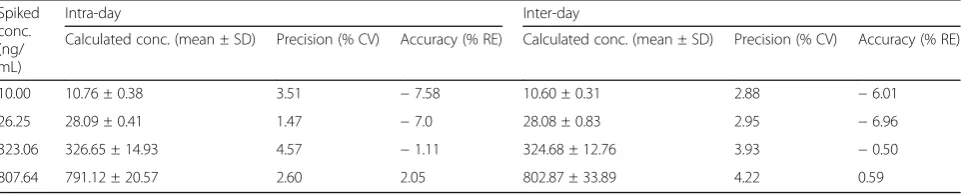
Table 1Precision and accuracy results for lenalidomide in human plasma
Spiked conc. (ng/ mL)
Intra-day Inter-day
Calculated conc. (mean ± SD) Precision (% CV) Accuracy (% RE) Calculated conc. (mean ± SD) Precision (% CV) Accuracy (% RE)
10.00 10.76 ± 0.38 3.51 −7.58 10.60 ± 0.31 2.88 −6.01
26.25 28.09 ± 0.41 1.47 −7.0 28.08 ± 0.83 2.95 −6.96
323.06 326.65 ± 14.93 4.57 −1.11 324.68 ± 12.76 3.93 −0.50
500–50000 ng/mL were obtained by further diluting the stock solution with 50% methanol in water solution. The fluconazole working solution of a final concentration of 1000 ng/mL was obtained by the same method. All solu-tions were stored at 4 °C until analysis. The plasma calibration standards of lenalidomide with final concentra-tions of 10, 25, 50, 150, 300, 500, 700, 900, and 1000 ng/ mL were prepared by spiking a 980μL aliquot of blank plasma with a 20μL aliquot of lenalidomide working standard solutions. Quality control samples (LLOQ, lower limit of quantification; LQC, low-quality control; MQC, middle-quality control; HQC, high-quality control) of 10, 25, 325, and 800 ng/mL were prepared in the same way as calibration standards. The bulk samples were aliquoted (300 mL) into polypropylene tubes and stored at −80°C for further analysis.
Extraction of plasma samples
An aliquot of 200μL plasma sample and 50μL of IS so-lution (1000 ng/mL fluconazole) were added into 5 mL polypropylene tube. Add 50μL of 0.1% formic acid and vortex and add 2.5 mL of ethyl acetate, the sample was placed on a platform shaker for 10 min at 2000 rpm, followed by centrifugation at 4000 rpm for 10 min. The organic layer was separated from the aqueous and evap-orated to dryness at 50 °C under a nitrogen stream. The residue was reconstituted in 400μL of the mobile phase, and10μL was injected for LC-MS/MS for analysis.
Optimization of MS condition
A standard solution of lenalidomide and fluconazole (IS) was directly infused along with the mobile phase into the mass spectrometer in the ESI source. The mass spec-trometer was tuned in positive ionization mode for the optimum response of lenalidomide and fluconazole. In the positive precursor ion full-scan spectra, the most abundant ions were protonated ions [M+H]+, m/z 260.1 and 307.1 for lenalidomide and fluconazole, respectively. Parameters such as gas flow, gas temperature, nebulizer
pressure, fragmentation, and capillary voltage were opti-mized for fine-tuning to obtain the best response. The product ion scan spectra showed high abundance frag-ment ions at m/z 148.8 for lenalidomide and m/z 238 for fluconazole. The fragmentation voltage and collision energy were optimized for the maximum response of the fragmentation of m/z 148.8 for lenalidomide and m/z 238 for fluconazole. The ion transitions of m/z 260.1→ 148.8 and m/z 307.1 →238.0 were chosen for lenalido-mide and fluconazole, respectively.
Optimization of LC condition
The chromatographic conditions were modified to ob-tain high sensitivity and sample throughput. The separ-ation and ionizsepar-ation of lenalidomide and fluconazole were affected by the composition of the mobile phase. The chromatographic conditions were optimized with different compositions of the mobile phase system using formic acid, ammonium acetate, methanol/acetonitrile being used for the determination. The highest ionization efficiency of lenalidomide and fluconazole was achieved when the ration of 0.1% formic acid in water and metha-nol (15:85 v/v). The chromatographic column, Agilent Zorbax Eclipse XDB-C18 (4.6 × 50 mm) 5μm, and Sym-metry C18 (50 × 4.6 mm) 5μm were investigated in the
chromatographic separation. The Symmetry C18 (50 ×
4.6 mm) 5μm column was proved to be better than the others, which was tested to achieve shorter run time (2.0 min), better resolution, and symmetric peak shapes for lenalidomide and fluconazole.
Table 2Absolute and IS normalized matrix effect of lenalidomide in human plasma
Spiked conc. (ng/mL)
Absolute matrix factor
IS normalized matrix factor
26.25 0.97 0.89
807.64 1.02 0.91
Clinical study design
Twelve healthy Indian female volunteers participated in the study following Helsinki declaration (Protocol No: 1924 version 1.0 Feb 26 2016). After an overnight fast-ing, each volunteer received one capsule containing 25 mg lenalidomide, either test or reference formulation. Blood was sampled pre-dose and at 0.25, 0.5, 0.75, 1.0, 1.25, 1.50, 2.0, 2.5, 3.0, 3.5,4.0, 5.0, 6.0, 7.0, 8.0, 10.0,12.0, 16.0, and 24.0 h post-dose for the determination of plasma concentration of lenalidomide (Iqbal et al.2013; Liu et al.2008).
Pharmacokinetic analysis
Model-independent pharmacokinetic parameters were cal-culated for lenalidomide. The maximum plasma concentra-tions (Cmax) and the time to those (tmax) were noted directly.
The elimination rate constant (kel) was calculated by linear
regression of the terminal points of the semi-log plot of plasma concentration against time. Elimination half-life (t1/2) was calculated from the formulat1/2= 0.693/kel. Area
under the plasma concentration-time curve (AUC0–24) was
calculated by the linear trapezoidal rule.
Results and discussion
Validation of the method
Full method validation was performed according to guidelines set by the US Food and Drug Administration (USFDA) (USFDA 2001; Gopinath et al. 2011; Hasnain et al.2013). Specificity was determined by analyzing six blank human plasma samples without adding an internal standard to determine the interference of the analyte. Matrix effects for lenalidomide were evaluated by com-paring the peak areas of analyte in extracted blank plasma samples from six different drug-free volunteers spiked the known concentrations with the corresponding peak areas obtained by direct injection of standard solu-tions, IS normalized matrix effects were also investi-gated. Linearity was analyzed by weighted linear regression (1/X2) of analyte–internal standard peak area ratios. The calibration curves (n = 8) were prepared by spiking blank human plasma with a standard solution of
Fig. 3Representative chromatogram of blank plasma sample spiked with lenalidomide at the HQC of 800 ng/mL and I.S (1000 ng/mL)
concentration at which the precision expressed by the coefficient of variation (CV) was lower than 20% and the accuracy evaluated by the deviation of the mean from the true value (Dev) was lower than 20%.
Intra-day, inter-day precision and accuracy were deter-mined by analyzing QC samples (n= 6) on three differ-ent days. The extraction recoveries of lenalidomide were determined by comparing the results obtained from the spiked plasmas to standard solutions. Stability tests in-cluding five freeze-thaw cycles, dry extract stability in room temperature, autosampler stability at 4 °C, bench-top stability, and long-term stability in plasma at−20 °C and−80 °C were evaluated by QC samples at two differ-ent concdiffer-entrations.
Method validation
Specificity and selectivity
Specificity and selectivity were evaluated by comparing chromatograms of six blank plasma lots with the spiked
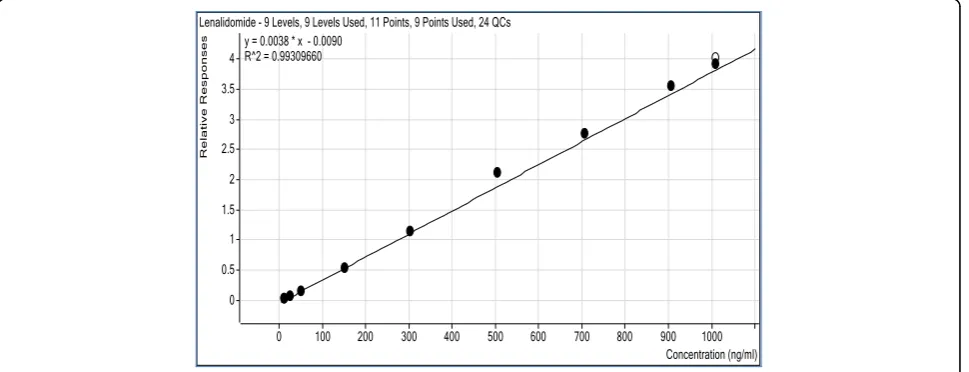
The linearity was determined in the range of 10.0 to 1000.0 ng/mL by plotting the peak area ratio (y) of lenalidomide to IS versus the nominal concentration (x) of lenalidomide in plasma. The average regression equation for the calibration curve (n= 9) wasy= 0.0038x−0.0090,r2= 0.9930, which is represented in Fig.4. The slopes of the regression equa-tions were consistent for the calibration curves prepared on five separate days. The LLOQ was set at the level of the lowest calibrators for the analyte (10 ng/mL) and was evalu-ated for the other QC samples individually spiked to at least 6 different lots of plasma, with precision and accuracy re-ported in Table1with RE % within ± 20% and % CV lower than 20%.
Precision and accuracy
Validation runs were conducted on three consecutive days. In each run, QC samples were evaluated in sets of six replicates to evaluate the intra-day and inter-day pre-cision and accuracy. The percentage deviation of the
Table 4Stability of lenalidomide in plasma samples
Nominal concentration (ng/mL) Obtained concentration (ng/mL) % CV % RE
Autosampler stability
26.25 26.63 ± 0.89 3.34 −1.46
807.64 815.27 ± 29.37 3.6 −0.94
Freeze-thaw stability
26.25 27.56 ± 0.70 2.54 −4.99
807.64 805.36 ± 29.96 3.72 0.28
Bench top stability
26.25 27.02 ± 1.17 4.33 −2.94
807.64 808.84 ± 6.81 0.84 −0.15
Dry extract stability in room temperature
26.25 26.26 ± 1.26 4.81 −0.04
807.64 792.79 ± 30.55 3.85 1.84
Long term stability in plasma at 65 days in–80 °C
26.25 25.47 ± 0.36 1.42 2.95
807.64 786.65 ± 6.01 0.76 2.60
Long term stability in plasma at 65 days in–20 °C
26.25 25.01 ± 0.49 1.96 4.71
mean from true values, expressed as a relative error (RE), and the % CV served as the measure of accuracy and precision, respectively. Summary of precision and accuracy data are presented in Table1. The values were all within the acceptable range.
Matrix effect
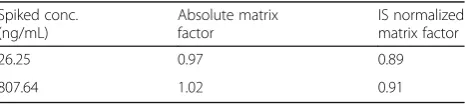
The absolute matrix effects for lenalidomide were assessed at low and high concentrations. It was assessed by comparing the mean peak areas of the analyte spiked at two concentrations into the ex-tracts originated from six different blank human plasma samples the mean peak areas for neat solu-tions of the analytes in 50% methanol in water. Summary of matrix effect data are presented in Table 2 and shown in Figs. 2 and 3. It is demon-strated that the matrix effect was not independent of the concentration.
Extraction recovery
Ethyl acetate was chosen as the extraction solvent for its higher extraction efficiency to the two target compounds.
The extraction recoveries of lenalidomide and fluconazole can be promoted by acidifying the plasma samples with formic acid, so 50μL of 0.1% formic acid was added to 200μL of plasma sample before extraction. Recovery was calculated by comparison of the peak areas of lenalido-mide extracted from plasma samples with those of injected standards. The mean recovery of lenalidomide and IS from human plasma with ethyl acetate was 98.06 ± 1.62% and 88.78 ± 4.0%. The results are shown in Table3.
Stability
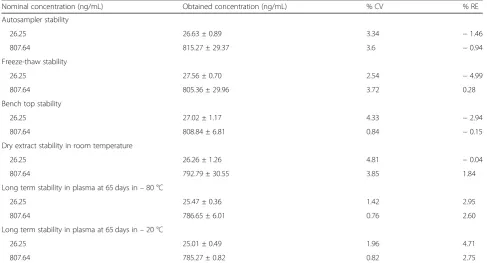
QC samples (LQC and HQC) of six replicates were subjected to the conditions below. Autosampler stability was assessed by analyzing processed QC samples kept in the autosampler at 4 °C for 47 h 33 min to evaluate post-preparative stability, with −1.46 and −0.94% and precision of 3.34 and 3.60%. Freeze-thaw stability was investigated after five freeze-thaw cycles (−80 °C), with RE of−4.99 and 0.28% and precision (% CV) of 2.54 and 3.72%. Bench stability was assessed by analyzing QC plasma samples kept at room temperature for 15 h 45 min which exceeded the routine preparation time of samples, with RE of−2.94 and−0.15% and precision of 4.33
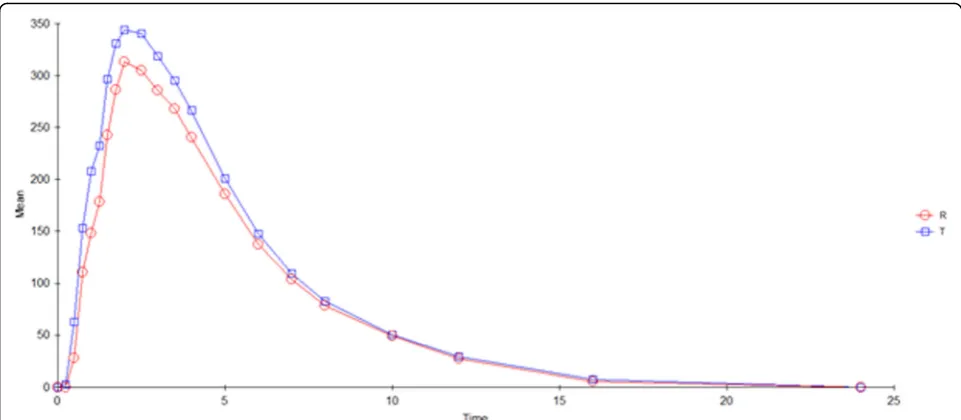
Fig. 5Mean plasma concentration (ng/mL) profile of lenalidomide following 25 mg oral dose of test (T) and reference (R) preparation to 12 healthy human volunteers
Table 5Mean pharmacokinetic parameters of lenalidomide in 12 human volunteers
Parameters Reference (mean ± SD) Test (mean ± SD)
Cmax(h) 338.73 ± 87.44 390.50 ± 144.47
AUC0–t(ng.h/mL) 1669.63 ± 620.29 1883.66 ± 757.12
AUC0–∞(ng.h/mL) 1792.35 ± 681.77 1982.24 ± 791.43
tmax(h) 2.03 ± 0.70 2.08 ± 0.61
kel 0.26 ± 0.05 0.26 ± 0.05
(323.06 ng/mL) after storage at 4 °C for 20 days. The re-sults were obtained by a comparison with freshly prepared solutions, lenalidomide, and IS stock solutions was stable at refrigerated condition. Lenalidomide proved to be stable under all testing conditions. No significant degradation of lenalidomide was observed under any of these conditions. Results are summarized in Table4.
Application
The method described above was successfully applied to the bioequivalence study to determine the plasma con-centration of lenalidomide up to 24 h after an oral ad-ministration of the reference and the test formulations of lenalidomide to 12 healthy Indian female volunteers. This study was approved by the Madras ethical commit-tee, Chennai, India. All volunteers gave their signed in-formed consent to participate in the study according to the principles of the Declaration of Helsinki. The mean plasma concentration-time curve of lenalidomide is shown in Fig. 5. The mean pharmacokinetic parameters of lenalidomide in 12 volunteers were calculated and summarized in Table 5. Both the mean values and standard deviations of the main pharmacokinetic param-eters such as Cmax, tmax, AUC0−24, and AUC0−∞ were
found to be close, between test and reference prepara-tions, indicating that plasma profiles generated by test preparations were comparable with those produced by reference preparations. In addition, the calculated 90% CIs for mean Cmax, AUClast, and AUC0−∞ of two drugs
lay within the FDA’s accepted range of 80–125%. There-fore, it could be concluded that the two lenalidomide preparations (test and reference) analyzed were bio-equivalent in terms of rate and extent of absorption.
Conclusion
The above-developed method achieved good sensitivity and specificity for the determination of lenalidomide in human plasma. No significant interferences and matrix effect caused by endogenous compounds were observed. This simple and sensitive assay is suitable for bioequiva-lence and bioavailability studies of lenalidomide in hu-man subjects. The characteristics of this analytical method are suitable for the routine analysis in a clinical
Not applicable.
Authors’contributions
All the authors have contributed equally to this research work. All authors read and approved the final manuscript.
Funding
This research did not receive any specific grant from funding agencies in the public, commercial, or not-for-profit sectors.
Availability of data and materials Not applicable.
Competing interests
The authors declare that they have no competing interests.
Author details
1Faculty of Pharmacy, Vinayaka Mission’s Research Foundation (Deemed to
be university), Salem, Tamilnadu 636308, India.2Department of
Pharmaceutical Analysis, JSS College of Pharmacy, Udhagamandalam (Constituent college of JSS Academy of Higher Education & Research), The Nilgiris, Tamilnadu 643001, India.
Received: 21 August 2019 Accepted: 31 October 2019
References
Darwish IA, Khalil NY, Bakheit AH, Alzoman NZ. A highly sensitive fluorimetric method for determination of lenalidomide in its bulk form and capsules via derivatization with fluorescamine. Chem Central J. 2012;6:118.
Gopinath S, S Kumar R, Alexander S, Danabal P. Development and validation of a rapid and sensitive assay for simultaneous quantification of lenalidomide and dexamethasone in human plasma by liquid chromatography coupled to tandem mass-spectrometry. Curr Pharm Analysis. 2011;7:240–7.
Gupta D, Treon S, Shima Y, Hideshima T, Podar K, Tai Y, Lin B, Lentzsch S, Davies F, Chauhan D. Adherence of multiple myeloma cells to bone marrow stromal cells upregulates vascular endothelial growth factor secretion: therapeutic applications. Leukemia. 2001;15:1950.
Hasnain MS, Rao S, Singh MK, Vig N, Gupta A, Ansari A, Sen P, Joshi P, Ansari SA. Development and validation of LC–MS/MS method for the quantitation of lenalidomide in human plasma using Box–Behnken experimental design. Analyst. 2013;138:1581–8.
Hideshima T, Richardson PG, Anderson KC. Current therapeutic uses of lenalidomide in multiple myeloma. Expert opinion on investigational drugs. 2006;15:171–9.
Iqbal M, Wani TA, Khalil NY, Darwish IA. Development and validation of ultra-performance liquid chromatographic method with tandem mass
spectrometry for determination of lenalidomide in rabbit and human plasma. Chem Central J. 2013;7:7.
Khalil NY, Darwish IA, Wani TA, Al-Majed A-RA. Trace determination of lenalidomide in plasma by non-extractive HPLC procedures with fluorescence detection after pre-column derivatization with fluorescamine. Chem Central J. 2013;7:52.
simultaneous quantification of lenalidomide and flavopiridol in human plasma. Ther Drug Monit. 2008;30:620.
McCarthy PL, Owzar K, Hofmeister CC, Hurd DD, Hassoun H, Richardson PG, Giralt S, Stadtmauer EA, Weisdorf DJ, Vij R. Lenalidomide after stem-cell
transplantation for multiple myeloma. N E J Med. 2012;366:1770–81. MYOPATHY LA. (n.d.) HIGHLIGHTS OF PRESCRIBING INFORMATION.
Palumbo A, San Miguel J, Sonneveld P, Moreau P, Drach J, Morgan G, Einsele H. Lenalidomide: a new therapy for multiple myeloma. Cancer Treat Rev. 2008; 34:283–91.
Ranganathan P, Gunasekaran V, Singhvi I, Ansari MJ. Development and validation of lenalidomide in human plasma by LC-MS/MS. Saudi Journal of Biological Sciences. 2018.
Reddy LM, Reddy KJ, Reddy LB, Reddy PR. Development of a rapid and sensitive HPLC assay method for lenalidomide capsules and its related substances. J Chem. 2012;9:1165–74.
Richardson PG, Schlossman RL, Weller E, Hideshima T, Mitsiades C, Davies F, LeBlanc R, Catley LP, Doss D, Kelly K. Immunomodulatory drug CC-5013 overcomes drug resistance and is well tolerated in patients with relapsed multiple myeloma. Blood. 2002;100:3063–7.
Saha A. (2019) Bioequivalence studies of lenalidomide capsule under fasting and fed conditions in Indian volunteers: application of an advanced UPLC-MS/MS method. Saravanan G, Rao B, Ravikumar M, Suryanarayana M, Someswararao N, Acharyulu
P. Development of an HPLC assay method for lenalidomide. Chromatographia. 2007;66:287–90.
Sastry B, Gananadhamu S, Prasad S, Venu G. New spectrophotometric methods for estimation of lenalidomide in pharmaceutical formulations. Int J PharmTech Res. 2009;1:416–9.
Shah SR, Tran TM. Lenalidomide in myelodysplastic syndrome and multiple myeloma. Drugs. 2007;67:1869–81.
Tariman JD. Lenalidomide: a new agent for patients with relapsed or refractory multiple myeloma. Clin J Oncol Nurs. 2007;11:569.
Tohnya TM, Hwang K, Lepper ER, Fine HA, Dahut WL, Venitz J, Sparreboom A, Figg WD. Determination of CC-5013, an analogue of thalidomide, in human plasma by liquid chromatography–mass spectrometry. J Chromatography B. 2004;811:135–41.
USFDA. Guidance for industry, bioanalytical method validation.http://www.fda. gov/cder/guidance/index.htm. 2001.
Veeraraghavan S, Thappali S, Viswanadha S, Nalla S, Chennupati S, Golla M, Vakkalanka S, Rangasamy M. Simultaneous quantification of idelalisib, fludarabine and lenalidomide in rat plasma by using high-performance liquid chromatography coupled with heated electrospray ionization tandem mass spectrometry. J Chromatography B. 2014;949:63–9.
Veeraraghavan S, Viswanadha S, Thappali S, Govindarajulu B, Vakkalanka S, Rangasamy M. Simultaneous quantification of lenalidomide, ibrutinib and its active metabolite PCI-45227 in rat plasma by LC–MS/MS: application to a pharmacokinetic study. Journal of pharmaceutical and biomedical analysis. 2015;107:151–8.
Publisher’s Note