ScholarWorks @ Georgia State University
ScholarWorks @ Georgia State University
Nursing Dissertations (PhD) School of Nursing
Fall 2012
Factors Influencing Sexual Behavior Among HIV Positive Men
Factors Influencing Sexual Behavior Among HIV Positive Men
Who Have Sex With Men
Who Have Sex With Men
Noreen McDonough
Follow this and additional works at: https://scholarworks.gsu.edu/nursing_diss
Recommended Citation Recommended Citation
McDonough, Noreen, "Factors Influencing Sexual Behavior Among HIV Positive Men Who Have Sex With Men." Dissertation, Georgia State University, 2012.
https://scholarworks.gsu.edu/nursing_diss/30
This dissertation, Factors Influencing Sexual Behavior among HIV Positive Men Who Have Sex with Men by Noreen McDonough was prepared under the direction of the candidate’s dissertation committee. It is accepted by the committee members in partial fulfillment of the requirements for the degree of Doctor of Philosophy in Nursing in the Byrdine F. Lewis School of Nursing and Health Professions, Georgia State University.
________________________________________ Mary Catherine Gebhardt, PhD, RN, MSN
Committee Chairperson
________________________________________ Cecelia Gatson Grindel, PhD, RN, FAAN
Committee Member
________________________________________ Barbara Blake, PhD, RN, ACRN
Committee Member
________________________________________ Date
This dissertation meets the format and style requirements established by the Byrdine F. Lewis School of Nursing and Health Professions. It is acceptable for binding, for placement in the University Library and Archives, and for
reproduction and distribution to the scholarly and lay community by University Microfilms International.
______________________________ Ptlene Minick, PhD, RN
Associate Director for Graduate Nursing Programs Byrdine F. Lewis School of Nursing
______________________________ Joan Cranford, EdD, RN
ii
AUTHOR’S STATEMENT
In presenting this dissertation as a partial fulfillment of the requirements for an advanced degree from Georgia State University, I agree that the Library of the University shall make it available for inspection and circulation in accordance with its regulations governing materials of this type. I agree that permission to quote from, to copy from, or to publish this dissertation may be granted by the author or, in his/her absence, by the professor under whose direction it was written, or in his/her absence, by the Associate Dean for Nursing, Byrdine F. Lewis School of Nursing and Health Professions. Such quoting, copying, or publishing must be solely for scholarly purposes and will not involve potential financial gain. It is understood that any copying from or publication of this dissertation which involves potential financial gain will not be allowed without written permission from the author.
iii
NOTICE TO BORROWERS
All dissertations deposited in the Georgia State University Library must be used in accordance with the stipulations prescribed by the author in the preceding statement.
The author of this dissertation is:
Noreen McDonough 209 Lee Road 155 Opelika, AL 36804
The director of this dissertation is:
Dr. Mary Catherine Gebhardt Clinical Assistant Professor
Byrdine F. Lewis School of Nursing and Health Professions Georgia State University
P.O. Box 3982
Atlanta, GA 30302-4019
Users of this dissertation not regularly enrolled as students at Georgia State University are required to attest acceptance of the preceding stipulations by signing below. Libraries borrowing this dissertation for the use of their patrons are required to see that each user records here the information requested.
NAME OF USER ADDRESS DATE
TYPE OF USE
iv
CURRICULUM VITA
Personal Information:
Noreen Elizabeth McDonough 209 Lee Road
Opelika, AL 36804
Education:
2012 Georgia State University Doctorate of Philosophy in Nursing
Atlanta, Georgia
1989 Troy State University Master of Science in Nursing
Montgomery, Alabama
1983 Troy State University Bachelor of Science in Nursing
Troy, Alabama
Academic Appointments and Other Significant Work Experience:
2003 - Present Assistant and Associate Professor, Nursing Columbus State University, Columbus, GA
2002 – 2007 Per Diem Registered Nurse
East Alabama Medical Center, Opelika, AL
Provided direct patient care to patients admitted to critical care units and functioned as nursing supervisor.
1992 – 2003 Nursing Faculty/Exposure Control Officer
Southern Union State Community College, Opelika, AL Nursing Faculty with subsequent responsibilities of course coordinator.
Exposure Control Officer: developed the college Exposure Control Plan, implemented and coordinated all biohazard training for college employees, and developed student activities related to prevention of communicable diseases.
1990 – 1992 Unit Manager
East Alabama Medical Center, Opelika, AL
Fiscal budget responsibilities and management of nursing
v
1989 – 1990 Nurse Manager
Phenix Medical Park Hospital, Phenix City, AL
Full administrative responsibility for Coronary Care Unit, Telemetry Unit and Orthopedic floor. Developed alternative staffing patterns, maintained customer relations, screened and selected employees, and managed operations.
1988 – 1989 Registered Nurse
East Alabama Medical Center; Opelika, AL
Comprehensive responsibilities in monitoring homeostasis of thoracic surgical patients, predominantly those who had undergone coronary artery bypass grafting.
1983 – 1988 Registered Nurse
Cobb Memorial Hospital, Phenix City, AL
Served in a variety of registered nurse positions including intensive care, telemetry and orthopedics
Membership:
Sigma Theta Tau, International Nursing Honor Society, member American Association of Critical-Care Nurses, member
National League of Nursing, member
Georgia Association of Nursing Education, member
Professional Activities:
Reviewer
Columbus State University. (2011). Perspectives.
Smith-Temple, J., & Johnson, J. (2009). Nurses’ guide to clinical procedures (6th ed.). Lippincott Williams & Wilkins.
Publication
McDonough, N. (1992). Hospital admission and discharge. In V. Bolander (Ed.), Sorensen and Luckmann’s basic nursing: A psychophysiologic approach (3rd
ed., pp. 381-397). Philadelphia: W. B. Saunders Company.
Presentations
Taylor, G.A., Blake, B.J. Sanchez-Jones, T. & McDonough, N. Health literacy among adults aging with HIV. 23rd Annual Association of Nurses in AIDS Care Annual Conference, Reno, NV, November 18 – 20, 2010 (Podium Presentation)
vi Grants/Projects
McDonough, N. (2011). STEPS (Supporting Technology Enhanced PhD Studies) Project. Byrdine F. Lewis School of Nursing, Georgia State University ($3,000).
Awarded.
McDonough, N. (2011). STEPS (Supporting Technology Enhanced PhD Studies) Project. Byrdine F. Lewis School of Nursing, Georgia State University ($5,500).
Awarded.
McDonough, N. (2010, Summer). STEPS (Supporting Technology Enhanced PhD Studies) Project. Byrdine F. Lewis School of Nursing, Georgia State University ($5,000). Awarded.
McDonough, N. (2009, Aug – 2010, May). STEPS (Supporting Technology Enhanced PhD Studies) Project. Byrdine F. Lewis School of Nursing, Georgia State University ($11,000). Awarded.
McDonough, N. (2008, Aug – 2009, May). STEPS (Supporting Technology Enhanced PhD Studies) Project. Byrdine F. Lewis School of Nursing, Georgia State University ($25,000). Awarded.
vii ABSTRACT
FACTORS INFLUENCING SEXUAL BEHAVIOR AMONG HIV POSITIVE MEN
WHO HAVE SEX WITH MEN
By
NOREEN MCDONOUGH
Men who have sex with men (MSM) are disproportionately affected by HIV
infection and account for more than half of all new HIV infections diagnosed in
the U. S. The purpose of this study was to explore factors that influence sexual
behavior among sexually active HIV positive MSM using constructs from the
health belief model (HBM).
A cross-sectional, correlational study was conducted with a
non-randomized sample of 216 HIV positive MSM. Participants were predominantly
Black/African American (85.6%). The mean age of the sample was 43.02 years
(SD = 9.74) and ages ranged from 19 to 66. More than 90% reported a high
school educational level or greater; and nearly half (47.2%) had been diagnosed
with HIV for more than 10 years.
The overall model predicted that participants who had perceived less
severity of living with HIV and who had a positive attitude toward condom use
were more likely to practice safer sex, accounting for 24% of the variance in
viii
(age, number of years diagnosed as HIV positive, number of recent sexual
partners, and current antiretroviral medication use), the overall model accounted
for 41% of the variance (p < .001). Participants who had a fewer number of
recent sex partners and who had a positive attitude toward condom use were
more likely to practice safer sex. Additionally, those who practiced safer sex (n =
58, 27%) reported significantly higher levels of perceived severity of living with
HIV (p = .037), perceived benefits of safe sex (p = .018), perceived barriers to
safe sex (p < .001), and self-efficacy for negotiating safe sex (p = .013)
compared to those who did not practice safer sex (n = 157, 73%).
Results from the study indicated there was a high prevalence of unsafe
sexual practices among the participants. These findings support the need for
additional research to explore factors that influence sexual behavior among HIV
positive MSM with an emphasis on testing interventions that support safe sex
ix
FACTORS INFLUENCING SEXUAL BEHAVIOR AMONG HIV POSITIVE MEN
WHO HAVE SEX WITH MEN
by
NOREEN MCDONOUGH
A DISSERTATION
Presented in Partial Fulfillment of Requirements for the Degree of Doctor of Philosophy in Nursing in the Byrdine F. Lewis
School of Nursing and Health Professions Georgia State University
Atlanta, Georgia
2012
Copyright by
Noreen McDonough
x
ACKNOWLEDGEMENTS
As I reflect on my experiences toward completing this dissertation, I am
reminded of the words of John Donne who wrote “No man is an island, entire of
itself”. I hold those words close to my heart knowing that I could not have
completed this process without the influence and guidance of so many people.
I would like acknowledge my dissertation committee for their tireless
efforts toward my success. Thank you to Dr. Mary Catherine Gebhardt for
agreeing to be chair of my committee. Her enthusiasm, encouragement, and
resolute dedication to ensuring I completed this project were invaluable. My
thanks also to Dr. Cecelia Grindel, whose wisdom, knowledge and commitment
to the highest academic standards inspired and motivated me throughout the
entire program. I am also truly indebted to Dr. Barbara Blake for her excellent
tutelage and for making everything possible. Without her, I wouldn’t have known
where to start.
To the faculty, thank you all for your clarity of instruction and dedication to
nursing research. We are better scientists because of all of you. To Georgia
State University and the University System of Georgia, thank you for the financial
support that made this possible. To my cohort, thank you for always being there;
xi
A special thanks to my family and friends who provided confidence and
support. Thank you to my parents, James and Annemarie, to my brothers, Brian
and Steve, to my aunt, Elizabeth Haigis, to my friends, Janeen, Kim, Sandy and
Suzanne, and especially to Mike; I could not have done this without him. God
has blessed me by placing each of them in my life and I am thankful each and
xii
TABLE OF CONTENTS
Section Page
List of Tables ... xviii
List of Figures ... xix
List of Abbreviations ... xx
Chapter I. INTRODUCTION ... 1
Problem ... 2
Purpose and AIMS ... 3
Background and Significance ... 5
Theoretical Framework ... 7
Demographic and Sociopsychological Variables ... 11
Structural Variable: Knowledge of Transmission of HIV ... 11
Perceived Susceptibility... 11
Perceived Severity ... 12
Perceived Benefits ... 13
Perceived Barriers ... 14
Perceived Risk ... 14
Cues to Action ... 15
xiii
Section Page
Summary ... 16
II. REVIEW OF LITERATURE ... 18
Use of Safe Sex Behaviors ... 19
Knowing One’s HIV Status ... 19
Abstaining from Sexual Behaviors or Monogamy ... 21
Correct and Consistent Condom Use ... 22
Knowledge of Transmission of HIV ... 24
Perceived Susceptibility to Becoming Re-infected with a Different Strain of HIV 26 Perceived Severity ... 28
Perceived Benefits ... 31
Perceived Barriers ... 32
Perceived Risk ... 33
Peer Influence ... 36
Health Care Provider Influence ... 38
Self-efficacy for Negotiating Safe Sex ... 41
Disclosure of HIV Status ... 42
Condom Use... 43
Summary ... 44
III. METHODOLOGY ... 46
Research Design ... 46
Participants and Setting ... 46
xiv
Section Page
Protection of Human Subjects ... 47
Inclusion of Minorities ... 47
Risks and Benefits ... 48
Protection Against Risks and Confidentiality ... 48
Compensation ... 49
Instruments ... 49
Sexual Behavior ... 50
Knowledge of HIV Transmission ... 52
Susceptibility to Becoming Re-infected ... 53
Severity of Living with HIV ... 54
Benefits of Safe Sex Behavior ... 56
Barriers to Safe Sex Behavior ... 57
Risk of Transmitting HIV infection ... 58
Peer Influence ... 58
Health Care Provider Influence ... 59
Self-efficacy for Negotiating Safe Sex ... 60
Data Collection Procedures ... 62
Data Analysis ... 63
Summary ... 69
IV. RESULTS ... 70
Participant Characteristics ... 70
xv
Section Page
Relationship Among Independent Variable and Sexual Behavior... 76
Statistical Examination of the Specific AIMS ... 76
AIM 1 ... 76
AIM 2 ... 79
AIM 3 ... 81
AIM 4 ... 81
AIM 5 ... 81
AIM 6 ... 82
AIM 7 ... 82
AIM 8 ... 83
AIM 9 ... 83
AIM 10 ... 83
AIM 11 ... 84
Summary ... 84
V. DISCUSSION AND CONCLUSIONS ... 85
Knowledge of Transmission of HIV ... 87
Perceived Susceptibility to Re-infection ... 88
Perceived Severity of Living with HIV ... 88
Perceived Benefits of Safe Sex Behavior ... 90
Perceived Barriers to Safe Sex Behavior ... 91
Risk for Transmitting HIV ... 92
xvi
Section Page
Health Care Provider Influence ... 93
Self-efficacy for Negotiating Safe Sex ... 94
Number of Recent Partners ... 95
Limitations ... 96
Convenience Sampling ... 96
Scale Reliability ... 97
Self-reporting Questionnaires ... 98
Limitations of the Health Belief Model ... 98
Implications... 100
Suggestions for Future Research ... 101
Anecdotal Information and Future Research ... 102
Conclusion ... 104
REFERENCES ... 105
APPENDICES ... 146
Appendix A: Informed Consent ... 146
Appendix B: Demographic Characteristic Form ... 149
Appendix C: HIV Risk-taking Behaviour Scale ... 153
Appendix D: HIV Knowledge Questionnaire-18 ... 156
Appendix E: Items for Susceptibility to Re-infection ... 159
Appendix F: Quality of Life SF-12 Scale ... 161
Appendix G: Severity Subscale of the Treatment Optimism Scale ... 165
xvii
Section Page
Appendix I: Attitude Subscale of the Sexual Risk Scale ... 169
Appendix J: Susceptibility Subscale of the Treatment Optimism Scale ... 172
Appendix K: Normative Subscale of the Sexual Risk Scale ... 175
Appendix L: Items for Health Care Provider Influence ... 177
Appendix M: Brief HIV Disclosure and Safer Sex Self-efficacy Scale ... 179
xviii
LIST OF TABLES
Table Page
Table 3-1: Overview of Data Collection ... 50
Table 4-1: Participant Characteristics ... 72
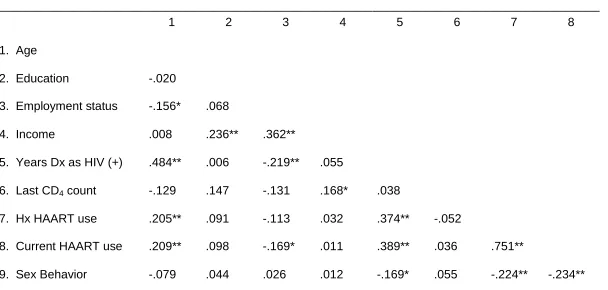
Table 4-2: Relationships Among Demographic Data and Sex Behavior ... 75
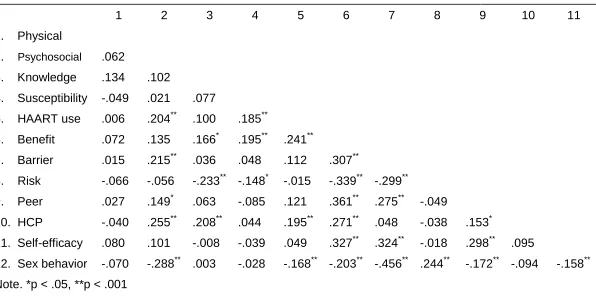
Table 4-3: Relationships Among Study Variables and Sex Behavior ... 77
Table 4-4: Summary of Simultaneous Linear Regression Analysis ... 79
xix
LIST OF FIGURES
Figure Page
Figure 1-1: Health Belief Model ... 8
Figure 1-2: Adapted Health Belief Model ... 10
xx
LIST OF ABBREVIATIONS
ART Antiretroviral Therapy
CD4 Cluster of Differentiation 4
CDC Centers for Disease Control
CRF’s Circulating Recombinant Forms
HAART Highly Active Antiretroviral Therapy
HBM Health Belief Model
HCP Health Care Provider
HIV-K-Q HIV Knowledge Questionnaire
HIV-KQ-18 HIV Knowledge Questionnaire-18
HRBS HIV Risk-taking Behavior Scale
IOM Institute of Medicine
MCS Mental Component Summary
MSM Men Who have Sex with Men
MSMW Men Who have Sex with Men and Women
OSM Other Sensitive Motivation
PCS Physical Component Summary
QOL-SF-12 Quality of Life Short Form 12
TOS Treatment Optimism Scale
U.S. United States
UAI Unprotected Anal Intercourse
URAI Unprotected Receptive Anal Intercourse
CHAPTER I
INTRODUCTION
With more than 33 million infected individuals worldwide (World Health
Organization [WHO] & UNAIDS, 2009), the HIV/AIDS pandemic has prompted
medical and scientific communities to conduct research in an effort to discover
appropriate treatment and preventive health care options to address this national
and global issue. Unfortunately, efforts to find a cure or vaccine for HIV infection
have been ineffective and attempts to further minimize contagion have been
inconsistent in producing long lasting and significant reductions in transmission
rates.
In the United States (U.S.), more than 600,000 individuals have died from
HIV/AIDS complications (Centers for Disease Control [CDC], 2010b) and more
than one million are estimated to be living with the disease (CDC, 2012). Thus
far, the most successful attempts to curtail the impact of HIV/AIDS have been in
the area of biomedical research, the most significant being the introduction of
highly active antiretroviral therapy (HAART) in the mid 1990s. These
pharmaceutical agents have a profound effect in controlling symptoms and the
course of HIV infection; however, epidemiology data indicate that the virus is
continuing to be transmitted to others, most frequently through sexual exposure
(CDC, 2010e).
Problem
For thirty years, HIV/AIDS has been a primary health concern that has
disproportionately affected men who have sex with men (MSM). According to the
CDC, MSM comprise the largest proportion of new HIV infections in the United
States; and, in 2009, MSM accounted for 57% of all new diagnoses of HIV
infection among men in the 40 states with confidential name-based reporting
(CDC, 2011b).
Because there is neither a cure for HIV/AIDS, nor a vaccine to prevent
infection, safe sex practices provide the only protection against sexual
transmission. Prior efforts to reduce sexual risk behavior associated with HIV
transmission have focused on strategies directed at the uninfected population;
however, stopping the spread of any communicable disease requires interrupting
the process at the source. Given the consequences of continued unprotected
sexual practices among HIV positive individuals, there is an urgent need to
identify specific characteristics and factors associated with unsafe sexual
behaviors among this population.
With the finite resources available for HIV prevention education, it is
important for researchers to identify the relationships between variables that play
a role in HIV related sexual risk behaviors so that appropriate interventions may
be developed. Recent approaches to reduce HIV transmission have emphasized
education regarding risk factors directed at changing behavior, particularly sexual
behavior (CDC, 2010a). Demographic and psychosocial factors among high risk
correlate with high risk sexual behavior (Courtenay-Quirk, Wolitski, Hoff,
Parsons, & The Seropositive Urban Men’s Study Team, 2003; Marks et al., 2009;
Reilly, Woodruff, Smith, Clapp, & Cade, 2010). Such research, however, has
focused primarily on the incidence of high-risk behavior or has only minimally
examined correlates that influence the decision to practice safe sex. The present
study extends the research regarding specific correlates of high-risk sexual
behavior among MSM. Additionally, the research describes the differences in the
specific correlates of high-risk sexual behavior between HIV positive MSM who
practice safe sex behaviors and those who do not practice safe sex behaviors.
The findings from this study provide information specific to those most frequently
infected, MSM, in the hope of developing interventions expressly for this
population.
Purpose and Aims
The purpose of the study was to examine the relationship between
knowledge of transmission of HIV, perceived susceptibility of becoming
re-infected with a different strain of HIV, perceived severity of living with HIV,
perceived benefits of and barriers to safe sex behavior, perceived risk of
transmitting HIV infection, peer and health care provider (HCP) influence,
self-efficacy for negotiating safe sex, and the use of safe sex behaviors among HIV
positive MSM. The specific aims of the study were:
To explore the relationship between knowledge of transmission of HIV,
perceived susceptibility of becoming re-infected with a different strain of
barriers to safe sex behavior, perceived risk of transmitting HIV infection,
peer and HCP influence, self-efficacy for negotiating safe sex, and the
practice of safe sex among HIV positive MSM.
To explore the relationship between knowledge of transmission of HIV,
perceived susceptibility of becoming re-infected with a different strain of
HIV, perceived severity of living with HIV, perceived benefits of and
barriers to safe sex behavior, perceived risk of transmitting HIV infection,
peer and HCP influence, self-efficacy for negotiating safe sex, and the
practice of safe sex among HIV positive MSM, controlling for selected
demographic variables (age, number of years living with HIV, and number
of recent partners).
To determine the difference in knowledge of transmission of HIV between
HIV positive MSM who practice safe sex and those who do not practice
safe sex.
To determine the difference in perceived susceptibility of becoming
re-infected with a different strain of HIV between HIV positive MSM who
practice safe sex and those who do not practice safe sex.
To determine the difference in perceived severity of living with HIV
between HIV positive MSM who practice safe sex and those who do not
practice safe sex.
To determine the difference in perceived benefits of practicing safe sex
between HIV positive MSM who practice safe sex and those who do not
To determine the difference in perceived barriers to practicing safe sex
between HIV positive MSM who practice safe sex and those who do not
practice safe sex.
To determine the difference in perceived risk of transmitting HIV infection
between HIV positive MSM who practice safe sex and those who do not
practice safe sex.
To determine the difference peer influence has on safe sex between HIV
positive MSM who practice safe sex and those who do not practice safe
sex.
To determine the difference HCP influence has on safe sex between HIV
positive MSM who practice safe sex and those who do not practice safe
sex.
To determine the difference in self-efficacy for negotiating safe sex
between HIV positive MSM who practice safe sex and those who do not
practice safe sex.
Background and Significance
Considered by some to be the sentinel population in the HIV/AIDS
epidemic (Mansergh et al., 2010), MSM account for 57% of new case reports of
HIV infection (CDC, 2011b). MSM also account for nearly half of all HIV
infections among men, women, and children in the U.S. (CDC, 2010d) “and are
the only group in which new HIV infections have been increasing steadily since
HIV among MSM reinforces the need to examine sexual practices within this
population.
Three primary factors generally account for the rapid spread of HIV
infection: sexual contact with an infected person, parenteral transmission
including injection drug use and blood transfusion, and perinatal transmission
from an infected mother to her child (CDC, 2010a). Of the three, sexual
transmission is the most prevalent and because HIV is predominantly spread
through risky sexual behaviors that are largely avoidable, efforts directed toward
changing individual sexual behaviors have been promoted as an essential
approach to curb transmission rates (Bonnell & Imrie, 2001). Indeed, “prevention
efforts should be intensified for those individuals living with HIV as, ultimately,
only infected individuals can transmit HIV” (DiClemente, Wingood, del Rio, &
Crosby, 2002, p. 393).
Recent reports suggest that some MSM have abandoned the use of safe
sex practices and are intentionally seeking partners for unprotected anal
intercourse (UAI) (Bimbi & Parsons, 2005; Sheon & Crosby, 2004). In fact, one
study indicated the incidence of UAI to be as high as 84% among study
participants (Halkitis & Parsons, 2003). Another study of HIV positive (n = 31)
and HIV negative (n = 89) MSM was conducted to assess motives for
intentionally engaging in UAI. Overall, participants reported participation in
unprotected receptive anal intercourse (URAI) on multiple occasions with HIV
positive participants reporting a greater number of URAI occurrences.
reports of high levels of unprotected sex among MSM, more research is needed
to identify other variables associated with sexual risk behavior.
Identifying the theoretically and empirically recognized factors associated
with sexual risk behavior among MSM is an important process in designing
appropriate behavioral interventions. Theories and models of health behavior
are important tools for identifying HIV risk behavior among MSM and for
designing interventions to reduce transmission risk. Previously, researchers
have drawn on a wide range of theories and models to describe relationships
between variables that are believed to predict the adoption of protective sexual
practices. These theoretical frameworks have been used to guide identification
of variables which affect the expected outcome, but can also serve as explicit
blueprints for the development of behavioral interventions to change sexual
practices among those most likely to transmit the virus.
Theoretical Framework
The health belief model (HBM) guided the design of the study and has
been used extensively to examine how health beliefs affect behavior (Figure 1-1).
In studies particular to HIV transmission and infection, the HBM has been used to
predict HIV preventive behavior (Neff & Crawford, 1998; Steers, Elliott, Nemiro,
Ditman, & Oskamp, 1996; Vanlandingham, Suprasert, Grandjean, & Sittitrai,
1995; Winfield & Whaley, 2002), to identify factors influencing change in behavior
(Hollar & Snizek, 1996; Stiles & Kaplan, 2004), and to drive the development of
scales of measure applied to HIV risk behaviors (DeHart & Birkimer, 1997; Lux &
Figure 1-1 The Health Belief Model
The model was developed in the 1950s to explain the failure of healthy
individuals to participate in preventive behaviors, such as screening and
immunization programs, at little or no cost to the individual. The basic constructs
were derived from the behavioral and psychological sciences and identified
subjectively determined factors that influence individual compliance with health
recommendations. In summary, the model posits that individual compliance with
any given health behavior can be explained by six major concepts: 1) perceived
susceptibility or the individual’s subjective risk for contracting a disease, 2)
perceived severity or the perceptions an individual has of the seriousness of
contracting a disease or of leaving the disease untreated, 3) perceived benefits
or the individual’s beliefs of the effectiveness of available courses of action to
reduce personal susceptibility to the disease, 4) perceived barriers or the major
costs believed to be associated with compliance to the recommended behavior,
5) cues to action or specific stimuli necessary to trigger appropriate health
behavior, and 6) self-efficacy or the individual’s confidence in their ability to
Individual Perceptions Modifying Factors Likelihood of Action
Demographic variables Sociopsychological variables
Structural variables
Perceived Susceptibility
Perceived Seriousness Perceived Threat
Perceived Benefits Perceived Barriers
Likelihood of Taking Recommended Preventive
Action
Cues to Action
execute the recommended health behavior. In addition, the HBM posits that in
order for an individual to take preventive action, he would first need to believe he
is susceptible to the disease and that consequences of the disease would be
perceived as severe. These two concepts (perceived susceptibility and perceived
severity), when combined, form a single construct, perceived threat or risk of
developing the illness or condition. The HBM predicts that when an individual’s
perceived threat or risk of developing the disease or illness increases, the
likelihood of taking preventive action increases as well.
The HBM concepts are based on the assumptions that an individual will
take a health related action if a) a negative health condition can be avoided, b)
taking a recommended action can prevent the negative health condition, and c)
one believes himself capable of successfully taking the recommended action.
The authors theorized that an individual’s perception of susceptibility to a disease
or condition, and the perception for avoiding the disease, would increase the
likelihood that actions would be taken to prevent the disease from occurring
(Rosenstock, 1974; Rosenstock, Strecher, & Becker, 1988).
The HBM also posits that the personal experience of an individual rather
than the physical environment determines that individual’s behavior.
Demographic factors, such as age, ethnicity or race, education, income, and
socioeconomic status can either mediate or moderate the relationship between
the key HBM constructs and the likelihood of taking the recommended health
with the disease, can also mediate or moderate the relationship between the
primary constructs and the likelihood of taking action (Rosenstock, 1974).
An adapted HBM (Figure 1-2) was used to examine the constructs of the
structural variable of knowledge of transmission of HIV, perceived susceptibility
to becoming re-infected with a different strain of HIV, perceived severity of living
with HIV, perceived benefits of and barriers to safe sexual behaviors, perceived
risk of transmitting HIV infection, peer and HCP influence, self-efficacy for
negotiating safe sex, and the use of safe sex among HIV positive MSM. The
adapted figure more clearly fits the focus of the study by displaying the salient
features specific to the HBM constructs as associated with safe sex behavior.
[image:31.612.107.504.429.677.2]Additionally, the construct of self-efficacy has been added to the figure.
Figure 1-2 Adapted Health Belief Model and Safe Sex Behaviors among HIV
Positive MSM
(Adapted from Becker & Maiman, 1975)
Perceived Susceptibility
to becoming re-infected with a different strain of HIV
Perceived Severity
of living with HIV
Demographic/ Sociopsychological/ Structural Variables
Knowledge of transmission of HIV
Perceived Benefits
of safe sexual behavior
Perceived Barriers
to safe sexual behavior
Use
of safe sex behaviors
Perceived Risk
of transmitting HIV infection
Self-efficacy
for negotiating safe sex
Cues to Action
Demographic and Sociopsychological Variables
From the original model, demographic and sociopsychological variables
are defined as modifying variables that have the potential to alter the causal
relationship between the constructs under study (Burns & Grove, 2005; Reed &
Shearer, 2009). According to the theory, demographic variables include traits of
age, sex, race or ethnicity, or other individual identifiers. Sociopsychological
variables add other characteristics such as personality, social class, and peer or
reference group pressure (Rosenstock, 1974). For this study, demographic and
sociopsychological data, as well as clinical background information, were
collected in an effort to describe the sample.
Structural Variable: Knowledge of HIV Transmission
Knowledge is defined in context as a structural variable that influences
personal perceptions and can be a positive health motivation (Becker, Maiman,
Kirscht, Haefner, & Drachman, 1977). The review of literature, however,
provides evidence of inaccuracies in knowledge of HIV transmission which may
affect sexual practices. Knowledge, in the context of this study, was conceptually
defined as an individual’s understanding or comprehension of information related
to HIV transmission.
Perceived Susceptibility of Becoming Re-infected with a Different Strain of
HIV
Perceived susceptibility refers to the probability an individual assigns to
his personal vulnerability for developing an adverse health condition, and has
anywhere on the susceptibility continuum; in other words, he may perceive he is
highly susceptible to the condition, extremely unlikely of developing the condition,
or anywhere in between (Janz & Becker, 1984, Maiman & Becker, 1974;
Rosenstock, 1974).
In the case of medically established HIV infection, the individual
perception of susceptibility is based on the consequences of the illness and/or
susceptibility to re-infection with different strains of the virus. Current evidence
suggests that HIV re-infection can occur in the presence of a detectable viral load
(Campbell et al., 2009) and that re-infection with a different strain of HIV can lead
to an increase in viral load (Jurriaans et al., 2008). Additionally, HAART
resistance can be transferred between sexual partners (Smith, Richman, & Little,
2005) and re-infection can occur in the presence of drug-resistant HIV (Koelsch
et al., 2003). Because documented cases of HIV re-infection have been
identified in the literature, the conceptual definition of perceived susceptibility for
this study was the individual’s perception of susceptibility to becoming re-infected
with a different strain of the virus.
Perceived Severity of Living With HIV
Perceived severity is the individual’s belief of how serious the
consequences of developing the disease would be. The individual is more likely
to take action if he believes that possible negative effects of the condition will
produce serious physical, emotional, or social consequences (Janz & Becker,
Increased HAART success in the treatment of HIV infection has prolonged
the lives of individuals living with HIV, increasing beliefs that the disease is not as
severe as previously considered, and thus raising concerns of a potential
increase of HIV transmission rates (Peterson & Bakeman, 2006). Because the
participants already have the disease, perceived severity for this study was
defined as the individual’s perception of the severity of living with HIV.
Perceived Benefits of Safe Sex Behavior
Perceived benefits refer to the effectiveness of engaging in protective
behavior. Motivation to take action to change requires the belief that the
protective behavior effectively prevents the condition. Perceived benefits may
also be activities which reduce the severity of the condition when prevention is
not possible (Janz & Becker, 1984, Maiman & Becker, 1974; Rosenstock, 1974).
Proper and consistent use of condoms prevents transmission of HIV and
other sexually transmitted diseases (CDC, 2010c); yet research has
demonstrated that condom use is not consistent among sexually active
individuals (Lewis, Kaysen, Rees, & Woods, 2010; Peterman et al., 2009).
Benefits to condom use identified in the literature include pregnancy prevention
(Kennedy et al., 2007; Smith, Fenwick, Skinner, Merriman, & Hallet, 2011;
Widdice, Cornell, Liang, & Halpern-Felsher, 2006), reduction in risk for
contracting sexually transmitted diseases (Kennedy et al., 2007; Widdice et al.,
2006), and responsibility for protecting self and partner (Tung, Farmer, Ding,
individual’s perception of the benefits of safe sexual behavior, specifically, a
responsibility to protect others from contracting the disease.
Perceived Barriers to Safe Sex Behavior
Perceived barriers are the individual’s belief about the obstacles to taking
preventive action (Janz & Becker, 1984), and the negative influence the
likelihood of taking the recommended preventive health action may have.
Barriers are the characteristics of a preventive measure that may lead an
individual away from taking the preventive health action and are typically
represented as being inconvenient, expensive, unpleasant, painful, or
psychologically upsetting (Rosenstock, 1974). In other words, perceived barriers
are the challenges that need to be overcome in order for an individual to perform
the recommended behavior.
Perceived barriers to safe sexual behavior identified in the literature
include protective devices, such as condoms, which may change physical
sensations during intercourse or partner preference related to condom use (Lux
& Petrosa, 1995; Serovich, Craft, McDowell, Gafsky, & Andrist, 2009), fear of
sexual rejection (DeHart & Birkimer, 1997), and fear for physical safety (Betron &
Gonzalez-Figueroa, 2009; Serovich et al., 2009). In this study, perceived
barriers were defined as the individual’s belief about the barriers to practicing
safe sex and were examined in context of condom use.
Perceived Risk of Transmitting HIV Infection
Perceived risk is an interaction effect of individual perceptions and
changes (Rosenstock, Strecher, & Becker, 1994; Von Ah, Ebert, Ngamvitroj,
Park, & Duck-Hee, 2004). The original HBM does not focus on perceived risk as
a primary construct; but rather as an outcome or effect of other physical or
psychosocial events. For the purpose of this study, perceived risk of transmitting
HIV infection was conceptually defined as the perception of an HIV seropositive
individual’s ability to transmit the virus to others. This perception of transmission
ability is affected by their knowledge (accurate or inaccurate) of HIV
transmission, perceived susceptibility to a different strain of the virus, perceived
severity of HIV infection, and cues to action.
Cues to Action (Peer and HCP Influence)
Cues to action are factors that prompt an individual to make a health
change (Becker, Drachman & Kirscht, 1974) and have been described as
modifying factors that indirectly affect an individual’s perception of risk for
developing a disease (Rosenstock, 1974). In essence, cues to action are factors
or events that prompt an action and trigger an individual to move from wanting to
make a health change to actually making the change. These triggers occur
through familial or social relationships, life experiences, media campaigns or
relationships with health care providers (Maiman & Becker, 1974).
Primary cues to action identified from the HIV literature are peer and
health care provider interaction (Aspinwall, Kemeny, Taylor, Schneider, &
Dudley, 1990; Hingson, Strunin, Berlin, & Heeren, 1990). Cues to action in this
study were defined as the peer or HCP influence on the use of safe sexual
Self-Efficacy for Negotiating Safe Sex
In an attempt to improve predictability, researchers expanded the HBM to
include the concept of self-efficacy (Rosenstock et al., 1988). Bandura (1977)
defined self-efficacy as the belief in one’s ability to perform a certain behavior.
An individual will not try to do something unless they think they can be
successful. In the HBM, if the individual believes the new behavior is useful, but
does not think he is capable of performing the behavior, he is not likely to take
the recommended action (Rosenstock et al., 1988).
In HIV prevention literature, self-efficacy has emerged as a fundamental
construct for predicting behavior and behavioral change (Forsyth & Carey, 1998).
Kalichman and Nachimson (1999) reported that self-efficacy beliefs were closely
related to the ability to negotiate safe sexual practices among HIV positive
individuals as well as to effectively disclose seropositive status. According to the
authors, self-efficacy is of theoretical importance in behavioral research due to its
predictive value. For this study, the conceptual definition of self-efficacy was the
individual’s belief in their ability to disclose their HIV positive status and to
negotiate for safe sex practices by using condoms when intimate with their
partners.
Summary
The HBM expands demographic, sociopsychological, and structural
variables to the explanation of preventive health behavior by examining
motivational factors. Additionally, unlike other theories, the model posits that
This is evidenced by the application of the model to a broad range of behaviors
and the demonstrated flexibility of use among various participant populations
(Nejad, Wertheim, & Greenwood, 2005). Early applications of the model
concentrated on preventive behaviors that required little skill or were conducted
in the absence of disease; however, since the addition of the self-efficacy
construct, the model has broader application that addresses skill and confidence
(Winfield & Whaley, 2002).
A large body of evidence has demonstrated the ability of the HBM to
account for an individual’s efforts toward preventive health actions, including the
use of safe sex behaviors. Substantial empirical evidence has demonstrated the
HBM constructs as important contributors to the explanation and prediction of
health related behaviors thus making the HBM a useful framework for examining
CHAPTER II
REVIEW OF LITERATURE
As of 2009, the Centers for Disease Control (CDC) reported that men
accounted for the highest proportion of HIV infections (76%) in the United States
(U. S.). From 2006 to 2009, the number of HIV infections among men who have
sex with men (MSM) increased with 57% of all new diagnoses being attributed to
MSM sexual transmission (CDC, 2011b). These high rates of HIV infection may
be explained by previous empirical evidence which suggests that knowledge of
transmission of HIV, perceived susceptibility of becoming re-infected with a
different strain of HIV, perceived severity of living with HIV, perceived benefits of
and barriers to safe sexual behavior, perceived risk of transmitting HIV infection,
peer and health care provider (HCP) influence, and self-efficacy for negotiating
safe sex are factors that are statistically predictive of the use of safe sex
behaviors. In this chapter, a review of research studies that address these
factors among MSM and other populations will be presented. Due to the limited
number of recent U. S. studies which examined some of the factors, such as
barriers to safe sex and self-efficacy for negotiating safe sex, some studies
published before 2005 will be used.
Use of Safe Sex Behaviors
Use of safe sexual behaviors has been chosen as the outcome variable
for this study and involves sexual activities that reduce the risk of HIV
transmission from one person to another. Safe sexual behavior
recommendations from the CDC include knowing one’s HIV status, abstaining
from sexual activity or participating in a monogamous relationship with an
uninfected individual, and correct and consistent use of condoms. Other
recommendations are avoidance of intravenous drug use, utilization of a clean
needle and injection paraphernalia with each injection, and male circumcision,
which has been shown to reduce transmission risk between infected females to
men (CDC, 2010a). Literature relevant to the incidence of safe sexual behavior
practices will be presented in this section.
Knowing one’s HIV status
Recommendations from the CDC for knowing one’s HIV status advise that
individuals between the ages of 13 and 64 should be tested for HIV at least once.
Individuals with high risk behavior classifications, such as MSM, illicit injection
drug users, and individuals with multiple sex partners, should be tested at least
annually (CDC, 2010a). A 2008 CDC study of urban MSM found that 44% of the
study group were HIV seropositive yet were unaware they were infected.
Notably, 55% of those participants indicated they had not been tested in the
previous year as recommended (CDC, 2010c).
Unrecognized HIV infection was also identified among participants of a
Francisco and Los Angeles. Among 543 participants in the Los Angeles cohort,
9% were HIV positive and did not know it prior to the study; among the 386 San
Francisco participants, 5% were unaware they were HIV positive. Similar
findings of unknown HIV positive status were also demonstrated by MacKellar et
al. (2006). Among 1,075 MSM who believed they were HIV negative, 7% were
actually positive for HIV infection. Additionally, more than 33% of the study
participants had not been tested in the previous year.
The CDC currently recommends annual HIV testing among MSM, more
frequently in the presence of risky sexual behavior (CDC, 2010c); but this
recommendation may be insufficient to curtail HIV transmission rates. A
longitudinal study of 4,295 HIV negative MSM examined the incidence of
seroconversion based on sexual risk factors. The participants were assessed for
periods up to 48 months during the study and demonstrated an overall incidence
of HIV infection of 2.1 per 100 person-years (95% CI, 1.9-2.4) (Koblin et al.,
2006). It is well documented that unprotected receptive anal intercourse (URAI),
particularly with an HIV positive partner, has the highest risk for seroconversion
(CDC, 2010a).
These studies support the notion that HIV positive MSM do not know their
HIV serostatus and are not being tested at least annually as recommended by
the CDC. The following sections will support the assumption that HIV positive
individuals are engaging in high risk sexual behaviors and are not participating in
the recommended safe sexual practices of abstinence or monogamy and correct
Abstaining from sexual behaviors or participating in a monogamous
relationship with an uninfected individual
A substantial percentage of HIV positive MSM continue to engage in
sexual behaviors that put others at risk for contracting HIV infection. A
meta-analysis of unprotected anal intercourse (UAI) practices among MSM in the U. S.
demonstrates a high prevalence of high risk sexual behaviors among HIV
infected individuals. Aggregate findings from 30 studies with more than 18,000
participants conducted between 2000 and 2007 found that UAI was practiced by
43% of the participants (95% CI = 37- 48). UAI prevalence was higher among
seroconcordant HIV positive partners (30%) than serodiscordant partners (13%)
or serostatus unknown partners (16%) (Crepaz et al., 2009).
Studies of individuals who use the internet to pursue sexual interests and
to arrange off-line meetings have demonstrated similar results in discordance for
the recommended practice of sexual abstinence. In a sample of 2,716 MSM who
completed on-line surveys, a study explored the relationship between compulsive
sexual behavior and the incidence of UAI. Among the participants, 49% reported
having anal intercourse with their most recent sexual partner whom they met
on-line and 26% of those individuals reported having UAI. Additionally, 40% of
those who completed the survey indicated they had anal intercourse with
individuals they had met off-line with 28% of those encounters involving UAI. In
each instance, participants who engaged in UAI had statistically significant higher
In another study, 240 MSM internet users were surveyed with similar
results. The author investigated the term ‘barebacking’ in which participants
intentionally practice UAI. Participants were grouped as MSM who intentionally
practice UAI (n = 94) and those who do not (n = 146). Results indicated that
more than 30% of the participants intentionally practiced UAI. Additionally, those
who intentionally sought UAI experiences (M = 5.50) reported a greater
frequency of UAI compared to men who did not intentionally seek UAI (M = 0.58)
(r = 0.496, p = < 0.001) (Berg, 2008).
The CDC does not recommend UAI among MSM and considers such
behavior a high risk for transmission of HIV infection. Results from the
aforementioned studies indicate abstinence and monogamy practices are not
being implemented by all MSM.
Correct and consistent use of condoms
Correct and consistent use of condoms is another recommended
prevention method against HIV transmission; however, empirical evidence
indicates errors in condom application among men and women. Additionally, the
literature supports the premise that condoms are not consistently used among
HIV positive individuals.
A study of 158 college men evaluated condom use errors determined by
self-report. Among the participants, 74% failed to check the condom for visible
damage and 61% did not check the packaging for an expiration date prior to
usage. Regarding actual condom usage, 43% applied the condom after initiating
Additionally, 40% did not leave the recommended space at the tip of the condom,
30% placed the condom on upside down, and more than 42% did not change
condoms when switching between oral, anal or vaginal positions (Crosby,
Sanders, Yarber, Graham, & Dodge, 2002).
Similar findings were identified in a study of men (n = 118) and women
(n = 142). Thirty-eight percent reported condom application after the initiation of
sexual activity and 14% indicated condoms were removed prior to completion of
sexual activity (Crosby, Sanders, Yarber, & Graham, 2003).
The CDC recommendation for consistent use of condoms has also been
evaluated. A study of 183 MSM was conducted to investigate sexual behaviors
at a MSM social gathering; 51% of the study participants reported having sexual
relations with a total of 116 partners during the social event. In opposition to
recommended condom use, 34% of the participants engaged in unprotected oral
sex, and 15% participated in UAI (Patel et al., 2006). Further evidence of
inconsistent use of condoms can be verified by evaluating the incidence of
sexually transmitted diseases. In 2008, of the more than 46,000 cases of syphilis
diagnosis, 63% occurred among MSM (CDC, 2009b).
Summary
The use of safe sexual behaviors is inconsistent among the MSM
population. Noncompliance with the CDC’s risk reduction strategies (knowing
one’s HIV status, practice of sexual abstinence or monogamy, and correct and
Further studies are indicated to identify factors that may impact
recommendation compliance. From the literature, knowledge of transmission of
HIV, perceived susceptibility to becoming infected with a different strain of HIV,
perceived severity of living with HIV, perceived benefits of and barriers to safe
sexual behavior, perceived risk of transmitting HIV infection, peer and HCP
influence, and self-efficacy for negotiating safe sex have been identified as
variables which influence use of safe sexual behaviors.
Knowledge of Transmission of HIV
For individuals living with HIV/AIDS, sexual practice decisions are closely
linked to knowledge of sexual transmission and beliefs about infectiousness.
Although early concerns of infection influenced individual behavior, current
successes of highly active antiretroviral therapy (HAART) have lowered concerns
of threat among HIV positive individuals (Kalichman, Cherry et al., 2010; van der
Snoek, DeWit, Mulder, & van der Meijden, 2005). Some asymptomatic
individuals with low or undetectable viral loads believe they are incapable of
transmitting the virus, and although transmission may be reduced, infection can
occur (Wilson, 2010).
Erroneous knowledge of transmission of HIV has been identified among
various populations. A national telephone survey of 1,283 heterosexual adults
(44% male and 56% female) found inaccuracies in knowledge of HIV
transmission. One third of male participants and 45% of the female participants
believed a man could become HIV infected following unprotected sex with a
transmission was more apt to occur between uninfected MSM than between an
uninfected man and woman; and one in five participants indicated that sex
between two seronegative individuals could result in HIV infection if a condom
was used (Herek, Widaman, & Capitanio, 2005).
Research has also found that knowledge of HIV transmission risk does not
always prompt safe sexual behaviors. A randomized digit dialing telephone
survey was conducted to explore respondent knowledge and beliefs about HIV
transmission. Respondents who believed condoms were effective in preventing
HIV transmission and worried they might contract HIV through sexual activity
were 3.1 times more likely to use condoms all the time. However, of those who
were sexually active, 31% (n = 320) reported always using a condom, 32% (n =
345) sometimes used a condom, and 37% (n = 385) never used a condom
(Hingson et al., 1990).
Summary
While early research showed no significant relationship between
knowledge of HIV transmission and use of safe sexual behaviors (Baldwin &
Baldwin, 1988), accuracy of knowledge has been correlated to perceived benefits
of and barriers to safe sexual behavior and to perceived risk of transmitting HIV
(Kalichman et al., 2000). Subsequently, although knowledge of HIV transmission
cannot ensure the practice of safe sex, it is a necessary condition for determining
Perceived Susceptibility to Becoming Re-infected with a Different Strain of
HIV
Two types of HIV have been identified since the pandemic began: HIV-1
and HIV-2. Transmission routes and clinical presentation are the same although
HIV-2 is less easily transmitted and has a longer window between infection and
clinical presentation (AVERT, 2011). HIV-1 is the most frequently identified
cause of infection; however, cases of co-infection with both strains have been
identified (Gunthard et al., 2009).
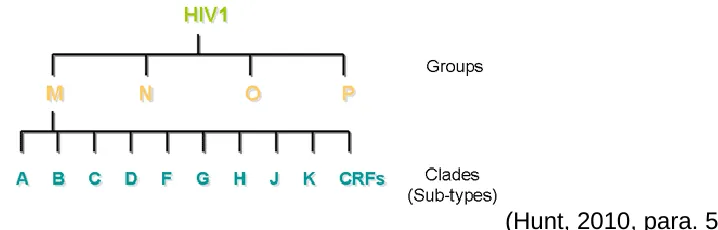
HIV-1 has been further classified into four groups that reflect the vector of
transmission to humans (Figure 2-1). The most common of these, group M, has
multiple genetically distinct clades (AVERT, 2011; Gupta, Sahni, Jena, & Nema,
2005; Hunt, 2010). Infection with two clades can occur simultaneously (Smith, et
al., 2005) or after the primary strain has been established and seroconversion
has occurred (Campbell et al., 2009; CDC, 2009a; Smith et al., 2004).
Circulating recombinant forms of the virus also develop when two clades of the
virus infect a single individual (AVERT, 2011; Fung, Gambhir, van Sighem, de
Wolf, & Garnett, 2010; Kalish et al., 2004). This superinfection or re-infection of
different viral subtypes can lead to viral mutations with drug resistance
capabilities (Quan, Liang, Brenner, & Wainberg, 2009; Smith et al., 2004) and
hasten progression of the disease with adverse outcomes (Clerc, Colombo,
Yerly, Telenti, & Cavassini, 2010; Gottlieb et al., 2004; Gottlieb et al., 2007;
Figure 2-1 HIV-1 Groups and Clades
(Hunt, 2010, para. 5)
In a study of 121 HIV positive serologic samples, 47% of the participants
demonstrated clinical resistance to antiretroviral therapy (ART). Thirty two
percent of those were resistant to one ART drug classification, 12% were
resistant to two ART drug classifications, and 3% demonstrated drug resistance
to three ART classifications (Sethi et al., 2004). Another study of 333 HIV
positive individuals identified 27% of the participants with ART resistant forms of
the virus (Kozal et al., 2004).
In spite of the evidence which supports the occurrence of HIV re-infection,
few recent studies have been identified which examine the HIV re-infection
beliefs among HIV positive individuals. Colfax et al. (2004) examined re-infection
beliefs among 554 MSM. Most participants (85%) had heard that HIV
re-infection could occur and more than half indicated they practiced safer sex
because of their concerns about re-infection. Kalichman, Eaton et al. (2010) had
similar results among 490 men, women and transgender participants. Results
demonstrated that super-infection beliefs were significantly associated with safer
sex practices among those who believed re-infection occurred and was
Summary
Studies confirm re-infection with a second strain of HIV after primary
infection. Different strains of HIV can be passed between two HIV infected
individuals, making treatment of the infection less successful especially in the
presence of drug resistant strains. Although ART has transformed the lives of
many infected with HIV, few studies have examined concerns about becoming
re-infected with a resistant strain of HIV or whether such concerns may prompt
individuals to reduce risk behavior.
Perceived Severity of Living with HIV
HIV disease is a highly stigmatized disease associated with chronic illness
that can significantly decrease an individual’s physical quality of life and
emotional well-being (Whetten, Reif, Whetten, & Murphy-McMillan, 2008). In the
early history of the HIV/AIDS pandemic, infected individuals presented with fatal
and rare physical conditions such as pneumocystis carinii pneumonia, Kaposi’s
sarcoma, or other diseases linked to deficiencies of the immune system (Wilcox
& Saag, 2008). Currently, gastrointestinal disorders account for a high proportion
of symptoms among HIV infected individuals (Senya et al., 2003) as do flu-like
symptoms that occur at time of seroconversion (Dosekum, Kober, Richardson,
Parkhouse, & Fisher, 2010) such as fever, sore throat, rash, headache, myalgia,
diarrhea, and fatigue (Schacker, Collier, Hughes, Shea, & Corey, 1996; Sudarshi,
Pao, Murphy, Parry, Dean, & Fisher, 2008). HIV/AIDS related metabolic and
physiologic conditions (lipid abnormalities, insulin resistance, subcutaneous fat
effects of some HAART drugs, cause increased cardiovascular disease risk
(Grinspoon et al., 2008).
Since the introduction of HAART in the 1990s, mortality and morbidity
rates from HIV infection have decreased; however, the spectrum of complications
associated with use of these drugs has been persistent. A significant number of
patients receiving ART experience drug toxicities such as peripheral neuropathy
and gastrointestinal problems (Heath et al., 2003) resulting in pharmaceutical
adjustments within and between ART drug classifications (Dieleman et al., 2002).
The benefit of controlling the disease and extending life through pharmaceutical
management may be mitigated by the side effects of the medications (Burgoyne
& Tan, 2008).
A study comparing HIV positive women (n = 1,574) and MSM (n = 955)
examined the prevalence of self-reported symptoms among individuals receiving
HAART. Nearly 70% of the HIV positive participants reported gastrointestinal,
neurologic, and/or metabolic symptoms or had complaints of general malaise,
weight loss, or night sweats. Additionally, 20 – 25% of the participants reported
four or more symptoms during the data collection periods. Regardless of race or
ethnicity, both gender cohorts (41.4% of the women; 43.1% of the MSM) reported
neurologic symptoms most frequently. A comparison group of demographically
similar HIV negative women (n = 711) and MSM (n = 1126) were also recruited
and although the type of symptoms were similar by gender cohort, overall
authors posit that HIV disease and the use of HAART are predictors of symptom
prevalence (Silverberg, Jacobson, French, Witt, & Gange, 2009).
In addition to the physical conditions associated with HIV disease,
psychosocial aspects have been examined to determine the severity of living with
the disease. Addressing mental health concerns of HIV positive individuals is an
important component of providing quality HIV healthcare; however, studies of
overall psychosocial well-being among HIV positive individuals, and particularly
HIV positive MSM, are uncommon. Identified in the literature have been studies
which examine stigma and individual perception of quality of life (Holzemer et al.,
2009), coping ability, social support, and depression effects on subjective health
status (Mosack et al., 2009), stress and affective symptomology (Gayner et al.,
2012), and beliefs concerning treatment optimism and general well-being
(Peterson, Miner, Brennan, & Rosser, 2012). No studies were identified which
specifically examined perceived severity of living with HIV from a physical and
psychosocial outlook.
Summary
For nearly three decades, HIV/AIDS has progressed from a fatal disease
to one of frequently manageable chronic conditions. Treatment modalities have
increased life expectancy among those infected and co-morbidities such as
hepatitis, organ failure, and malignancies are increasingly included as causes of
death (Selwyn & Rivard, 2003). HIV/AIDS related symptoms attributed to either
perception of well-being (Carrieri et al., 2003; Lorenz, Cunningham, Spritzer, &
Hays, 2006; Preau et al., 2004; Saunders & Burgoyne, 2002).
Perceived Benefits to Safe Sex Behavior
The literature suggests that consistent use of condoms may reduce HIV
transmission by as much as 80% to 95% (Davis & Weller, 1999; Hallett, Smit,
Garnett, & de Wolf, 2011; Pinkerton & Abramson, 1997; WHO, 2012). Few
studies were identified that specifically examined perceived benefits associated
with HIV and safe sex; however, among adolescents, identified benefits to using
a condom included risk reduction of pregnancy, prevention of contracting
sexually transmitted diseases, and demonstration of love for sexual partner
(Parsons, Halkitis, Bimbi, & Borkowski, 2000; Widdice et al., 2006).
Among MSM, benefits of condom use have been reported to include
protection against HIV re-infection or infection with another sexually transmitted
disease, prevention of HIV transmission to another (Harawa, Williams,
Ramamurthi, & Bingham, 2006; Nimmons & Folkman, 1999; O’Dell, Rosser,
Miner, & Jacoby, 2008; Rosser et al., 2010), and prolongation of erections
(Harawa et al., 2006). A qualitative study demonstrated that moral and altruistic
values influence the practice of safe sex. Among the 250 HIV positive MSM
participants, 72% spontaneously described a perception of responsibility for
preventing HIV transmission (Wolitski, Bailey, O’Leary, Gomez, & Parsons,
2003). Carballo-Diequez and Dolezal (1996) demonstrated a 90% response for
Summary
The findings from the identified studies indicate perceived benefits to safe
sexual behaviors are related to personal norms and are largely determined by
moral concerns or personal feelings of responsibility to protect others from
infection (Godin, Savard, Kok, Fortin, & Boyer, 1996; van Kesteren, Hospers, van
Empelen, van Breukelen, & Kok; 2007). Further study is recommended to
examine altruism as a factor that would support the practice of safe sex.
Perceived Barriers to Safe Sex Behavior
Practicing safe sexual behavior is known to decrease HIV transmission
rates, and condoms are a primary method promoted to reduce HIV transmission
risk when sexual activity is planned (Laurence, 1999). In a qualitative study of 57
HIV positive MSM, participants reported decreased sensation with condom use
as a reason for not using condoms. Fear of sexual rejection and fear for physical
safety were other reasons reported by participants for restricted condom use. In
circumstances where the individual sensed danger, such as a possible
confrontation, or when a belief that a meaningful relationship could develop,
participants were more likely to implement different communication techniques to
promote condom use. However, not all participants indicated condom use
occurred despite their strategies (Serovich et al., 2009).
In a quantitative study of 452 participants (88.9% male), 62% of the
participants felt condoms decreased pleasure during intercourse and 46%
considered using condoms during sex as a “hassle” (Lux & Petrosa, 1995). In