• No results found

Perceptions of Adaptive Technology Usage in Secondary Math Classrooms

N/A
N/A
Protected

Academic year: 2021

Share "Perceptions of Adaptive Technology Usage in Secondary Math Classrooms"

Copied!
110
0
0

Loading.... (view fulltext now)

Full text

(1)

Student Theses, Dissertations, Portfolios and

Projects Theses and Dissertations Collections

2020

Perceptions of Adaptive Technology Usage in Secondary Math

Perceptions of Adaptive Technology Usage in Secondary Math

Classrooms

Classrooms

Ryan J. Benjamin

(2)

PERCEPTIONS OF ADAPTIVE TECHNOLOGY USAGE IN SECONDARY MATH CLASSROOMS

By: Ryan Benjamin

A dissertation submitted to the faculty of Lynn University in partial fulfillment of the requirements for the degree of DOCTOR OF EDUCATION in EDUCATIONAL LEADERSHIP

Boca Raton, Florida APPROVED BY:

_________________________________________ Richard Jones, Ph.D.

Chairperson, Dissertation Committee

_________________________________________ Jennifer Lesh, Ph.D.

Member, Dissertation Committee

_________________________________________ Kathleen Weigel, Ed.D.

Member, Dissertation Committee

(3)

Abstract

Adaptive learning is an emerging technology in education that teachers use to instruct, reinforce, and assess student performance (Smith, 2016). Adaptive technology is powerful because it gives teachers an opportunity to differentiate based on individual needs (Bilous, 2019). It is efficient, allows students to get instant feedback, and can improve the learning experience for students (Matherson & Windle, 2017). Like many other technologies, it is constantly evolving; this makes it difficult to research and update curriculum because programs are constantly changing (Parsons, 2014).

With these changes, teachers are also required to update how they manage their

classroom and how they deliver instruction. Students are no longer expected to “sit and get”, a term used for when teachers lecture to uninterested or disengaged pupils (McLeskey & Waldron, 2002). Lecture-based learning is no longer seen as an effective method for teaching children (McLeskey & Waldron, 2002). Instead, students are given more autonomy and teachers are expected to deliver lessons that are interactive, engaging, and impactful (Matherson & Windle, 2017).

EdTechXGlobal estimated that $252 billion would be spent on education technology by 2020 (EdTechXGlobal, 2016). School leaders believe in investing in technology; however, research suggests that simply investing in software and smart devices is not enough (Zhu, Yu, & Riezebos, 2016). Teachers must also know how to use the tools effectively. Students must buy into the concept of computer-based curriculum. Based on the results of this study, there is plenty of room for growth in this educational technology and adaptive learning.

Prior to this study, there was little empirical research to address adaptive technology, specifically. Without that research, there are simply too many questions that have not been

(4)

answered about how adaptive technology impacts the classroom. This dissertation sought to provide a current snapshot into adaptive technology, the benefits of using it, and the challenges teachers and students currently face in using it.

(5)

Acknowledgments

My journey at Lynn University was incredible. I made lifelong friends, grew as a professional, and had the opportunity to work alongside brilliant educators. That being said, there are a few people I would like to personally acknowledge for the guidance, support, and kindness they have shown toward me over the last three years.

First, I would like to thank my wife, Jennifer Gleason Benjamin. She was the one who encouraged me to enter the doctoral program to pursue my passion in education. She critiqued my presentations, provided an honest opinion, and listened when I needed to talk. Her expertise in research and grammar came in handy, as she was quickly appointed as in-house editor on assorted papers and presentations. We have always said that we are “in this together” and that statement could not do a better job of capturing the essence of our relationship.

Next, I would like to thank Jennifer’s parents and my parents. Brenda, David, Colleen, and William, you have provided an unbelievable amount of support throughout my journey. You encouraged me to be a better person and helped me push through the difficult times. Thank you for inspiring me and helping me grow.

I would like to also thank my classmates, professors, and specifically, the members of my dissertation committee. Dr. Jones, Dr. Weigel, Dr. Lesh, you have each made a positive impact on my life and I feel very grateful for that. Lynn University is lucky to have such an amazing group of educators on campus.

Lastly, I would like to thank everyone who participated in my survey on adaptive

technology. Your insights were thoughtful and gave me plenty to reflect on. I literally could not have finished this dissertation without your participation.

(6)

Table of Contents Copywrite I Abstract II Acknowledgments IV Chapter I: Introduction 9 Statement of Purpose 9 Background 10 Theoretical Framework 11 Motivation 13 Problem Statement 13 Conceptual Framework 14 Research Questions 14 Rationale 15 Significance 15 Assumptions 16 Definitions 17 Organization 19 Dissemination 20

Chapter II: Literature Review 21

(7)

Adaptive Tools and Resources 24 Software 26 Hardware 27 Comparisons 29 Misperceptions 30 Assessment 31 Perceptions of Technology 32 Support 34 Criticism 34 Agreement 35 Opportunities in Research 36 Adaptive Technology 36 Summary 37

Chapter III: Methodology 39

Purpose 40 Research Questions 41 Setting 41 Historical Context 41 Market Growth 42 Research Design 43 Participants 44

(8)

Instrumentation 45

Data Sources and Collection 46

Response. 47 Procedures 47 Data Analysis 48 Ethical Considerations 49 Validity 50 Reliability 50 Limitations 50

Figure 1: Number of Students by Grade (2018-2019) 51 Figure 2: Student Demographics (2018-2019) 52 Figure 3: Teacher Demographics (2018-2019) 53 Figure 4: Male Teacher Demographics (2018-2019) 53 Figure 5: Female Teacher Demographics (2018-2019) 54

Delimitations 54

Summary 55

CHAPTER IV 56

Introduction 56

Reliability and Validity 57

Table 1: Reliability Statistics for Electronic Survey on Adaptive Technology 57

(9)

Descriptive Statistics 58

Inferential Statistics 59

Qualitative Analysis 76

CHAPTER V 79

Introduction 79

In Regard to Adaptive Technology 80

Summary of Findings 81

Reliability and Validity 81

Implications 82 Conclusions 82 Research Question #1 82 Research Question #2 83 Research Question #3 84 Recommendations 84 Future Research 85 Improvements to Technology 85 Final Thoughts 86

Appendix A: Explanatory Email and Invitation to Participate 100

Appendix B: Google Forms Online Informed Consent 102

(10)

Chapter I: Introduction Statement of Purpose

The purpose of this study was to research adaptive technology to better understand how it is used in secondary mathematics classrooms. Participants for the study worked in large urban school districts in the southeast United States during the 2018-2019 school year. Prior to the study, much of the existing research (Vie, Popineau, Bruillard, & Bourda, 2017; Pearson, 2016) was devoted to assessment, educational gains, and the many types of education technology that are used in today’s classrooms. Not as much research was devoted to adaptive technology or how to design and implement adaptive curriculum to improve student learning (Liu et al., 2017).

Adaptive technology refers to “software that learns and alters itself based on the user’s inputs, while allowing for interaction with a broad base of learning styles” (Izumi, Fathers, & Clemens, 2013). What this means is that adaptive tools change based on how the user answers questions or inputs information. An example of adaptive versus non-adaptive technology would be a computer-based quiz that has a bank of questions, each question representing a different degree of difficulty. An adaptive quiz would become more and more difficult with each correct answer. A non-adaptive quiz would follow the same sequence of questions regardless of the user’s inputs. Both types of assessment use technology and are valuable to educators (Vie, Popineau, Bruillard, & Bourda, 2017). Non-adaptive testing provides a summative measure of learning, while adaptive assessment provides the scorer with unique information that could be used to personalize learning (Bilous, 2019).

This dissertation focused on adaptive technology and how it is used in the high school math setting. The researcher sought to gain information about how adaptive technology is used,

(11)

when and how often, and the teacher-perceived advantages and disadvantages to using it for math-based curriculum.

Background

Technology has transformed the way students learn and access information (Zhu, Yu, &

Riezebos, 2016). It is estimated that 63% of K-12 teachers in the United States use technology

with their students on a daily basis (University of Phoenix, 2017). The most commonly used technologies include laptop computers, interactive smartboard displays, and handheld devices like tablets and cell phones (Nagel, 2018). Schools use these tools to supplement learning,

increase student engagement, and offer opportunities to students from diverse backgrounds (Godzicki, Godzicki, Krofel, & Michaels, 2013). Technology is also used to differentiate instruction and create learning plans that are specific to individual learning needs (Bilous, 2019). These benefits contribute to a learning environment that is efficient and individualized, both of which are very important to educational success (Zhu, Yu, & Riezebos, 2016).

The hype surrounding technology has led many school districts to prioritize funding to upgrade outdated technologies and offer a “cutting edge” education. The emphasis on

technology is generally seen in a positive light (Nagel, 2018). In a recent survey by David Nagel (2018), teachers overwhelmingly endorsed the use of technology in classrooms. The study found

that 75% of teachers believe technology has an extremely positive impact on education or a

mostly positive impact on education; only 25% of respondents reported that technology has a mostly negative impact on education. The support from teachers can be attributed to a number of educational benefits. The most-commonly cited impacts include higher student engagement, better preparedness for college and careers, and a decrease in the achievement gap (Godzicki, Godzicki, Krofel, & Michaels, 2013; Bill and Melinda Gates Foundation, 2015). Student

(12)

motivation is another influential argument in favor of technology (Francis, 2017; Forsyth, Kimble, Birch, Deel, & Brauer, 2016). Empirical studies have found that technology has the ability to increase student engagement by offering new and exciting ways of learning, such as educational applications (“apps”) and learning games (Gee, 2004; Liu et al., 2017). This is called gamification and it allows students to learn in an entertaining or competitive manner, which compels students to take an active role in their learning (Gee, 2004). Research has proven that higher student engagement leads to deeper learning and higher academic performance (Shute, Ventura, & Kim, 2013; Dillon, 2017).

Still, educators must be very careful and intentional when introducing new learning tools. Having technology, in itself, is not enough to change the learning landscape; educators must also know how to use the technology to create a learning environment that is efficient and standards-based (Zhu, Yu, & Riezebos, 2016). This is a difficult task that warrants further

research. It is unclear how adaptive technology fits into the bigger picture of educational

technology. This dissertation aimed to clarify by gaining empirical data on the effectiveness and observations of teachers who use adaptive technology within high school math curriculum. Theoretical Framework

The theoretical framework used for this study was based on phenomenography (Marton, 1986) and variation learning theory (Miller, 2012). Phenomenography refers to “the

qualitatively different ways in which people experience or think about various phenomena” (Marton, 1986). Variation learning theory suggests that “groups of learners have qualitatively varied experiences in learning situations, and that there are a finite number of categories of these experiences” (Miller, 2012). Variation theory, therefore, combines the act of learning with the context in which the student learns.

(13)

Travis Miller, from the University of Pennsylvania, outlined two important theories

pertaining to this study in a textbook entitled Educational Technology, Teacher Knowledge, and

Classroom Impact (2012). The first theory Miller presented states that “With appropriate TPACK, teachers can weave technology into the learning process to assist students in discovering and exploring the variation of mathematics content and learning experiences”

(Miller, 2012). TPACK refers to Technological Pedagogical Content Knowledge and is widely

accepted by theorists who have researched educational technology in mathematics. TPACK is based on Lee Shulman’s 1986 theory that asserts that teachers must combine pedagogical knowledge with content knowledge to effectively teach students (Shulman, 1986). In 2005, Koehler and Mishra added technology to the combination, requiring teachers to understand pedagogy, content, and technology to be able to effectively teach math concepts through the use of computers (Koehler & Mishra, 2015).

The second of Miller’s theories argues “technology use can be implemented and

researched in a structured yet inclusive fashion” (Miller, 2012). This is the second piece of the theoretical puzzle to researching educational technology in math. It suggests researching technology is valid with solid research design and planning.

This study was based on the TPACK theories and Miller’s suggestion that teachers can effectively teach math with computers under two conditions - if they understand TPACK and if students have the proper context, perceptions, and learning opportunities (Miller,

2012). Learning is a complex task (Karwowski, 2018); the researcher followed the theoretical framework to provide meaningful data that is valid and accurately evaluates adaptive technology in high school math classrooms.

(14)

Motivation

The researcher was the primary investigator for the proposed study. He has a master’s degree in career and technical education and works as a high school math teacher in a large urban school district. He is part of the Teaching with Technology Trailblazers initiative, which provides teachers with professional development, classroom computers, and interactive flat panel displays (Trailblazers, n.d.).

With this dissertation, the researcher intends to make meaningful contributions to education. He believes technology will continue to dominate how we live, learn, and receive information. He also believes adaptive technology is a powerful tool that educators can use to benefit student learning if it is used properly. This motivated him to research adaptive

technology to propose actionable measures for improving existing education technology. Problem Statement

It is difficult for researchers and schools to keep up with rapidly-evolving technology (Borba et al., 2016). Educational reform takes time and technology advances so rapidly that many innovations are outdated before researchers have studied their effectiveness (Borba et al., 2016). The costs of introducing new technology have historically been cost-preventative to schools (Izumi, Fathers, & Clemens, 2013). With the decreasing costs of purchasing and replacing outdated technology, “high-tech” classrooms are more attainable and less cost-prohibitive as they have been in the past (Izumi, Fathers, & Clemens, 2013).

The problem that was addressed in this study was the degree of up-to-date information regarding adaptive technology. Prior empirical studies researched many new technologies that are not necessarily adaptive - they examined specific tools and programs, as well as, the effects

(15)

assessment (Pearson, 2016). The researcher believes there is much more to education than assessment. This philosophy is backed by many empirical studies and universities, including Carnegie Mellon University, an institution that cites three components to course planning; learning objectives, assessment, and instructional strategies (Carnegie Mellon University, n.d.). If existing data focuses primarily on testing, there are equally important components of education that have been overlooked in research. This study was designed to provide information on adaptive technology in the contexts of learning, assessment, and instruction.

Conceptual Framework

The literature review suggested a gap in literature exists on adaptive technology, and specifically, when it pertains to instructional strategies (Liu et al., 2017). The researcher argues that learning objectives, curriculum planning, and instruction should also be researched. What are teachers using adaptive technology for? Is it to supplement learning by letting students practice math skills? Is it being used for formative or summative assessment more than it is for instruction? Is adaptive technology mainly being used by teachers to allow students to self-learn or review concepts from class? These are very important questions the researcher sought to answer through research. If adaptive technology is as powerful some school leaders believe, it is essential that it can also be used outside of testing. It is also critical that educators understand how adaptive technology works within each realm so that existing tools can be used to facilitate learning and plan curriculum.

Research Questions

The researcher sought to answer the following research questions:

1. What is the frequency and purpose of adaptive technology being used in secondary math classrooms?

(16)

2. What are the teacher-perceived advantages and disadvantages to using adaptive technology in math-based curriculum?

3. How can existing adaptive technology be improved as an educational tool? Rationale

The methodology for this study was appropriate for two reasons: there was a gap in literature pertaining to adaptive technology and much of the prior research on education technology was obsolete.

1. There was a gap in literature pertaining to adaptive technology. Prior to this study, there was much research (Pearson, 2016) on what types of technology exist and the pros and cons to using different programs. Most of the research omitted adaptive technology entirely (Liu et al., 2017). The studies that included adaptive technology focused mostly on self-learning or assessment rather than teacher-led instruction and planning curriculum (Liu et al., 2017). Researching these realms allowed for greater understanding of how adaptive programs can be improved to benefit student learning.

2. As technology advances, researchers need to update the focus of their studies because previous research becomes less meaningful (Parsons, 2014). Technology evolves quickly and many of the existing studies were already out-of-date by the time this study was conceptualized (Borba et al., 2016). This gave the researcher reasonable cause to study adaptive technology and how it impacts education in today’s classroom.

Significance

There is little consensus regarding the best way to utilize technology in the classroom (Selwyn, 2016). There is research into the types of technology that exist (Nagel, 2018). Studies have looked at specific programs to measure whether or not these programs improve student

(17)

gains or test scores (Pearson, 2016). However, there is not much research on adaptive

technology in the context of instructional practice (Liu et al., 2017). Rosen et al. (2018) argued that “Despite the promise of adaptive personalized learning, there is a lack of evidence-based instructional design, transparency in many of the models and algorithms used to provide adaptive technology (Rosen et al., 2018).”

The purpose of this dissertation was to give educators and administrators more

knowledge about the adaptive technologies that are already being used in classrooms. There are adaptive programs like Khan Academy and IXL that help students practice math skills and review important topics. Adaptive technology is also becoming a widely-accepted method for assessing student performance (Vie, Popineau, Bruillard, & Bourda, 2017). Students even have

the option to take an adaptive version of the ACT college admission exam (ACT, 2016).

The ACT is just one of the many examples of a non-adaptive tests becoming

adaptive. Many industries, including, private business, government, and education, have turned to adaptive technology to measure growth and content knowledge (Kingsbury, Freeman, &

Nesterak, 2014). For that reason, the researcher believes is imperative that industry leaders

understand adaptive technology when creating or changing policy. This dissertation was intended to provide empirical data to suggest how adaptive education fits within high school curriculum and instruction.

Assumptions

The researcher made the following assumptions regarding adaptive technology when undertaking this study.

• Teachers who were included in the study use adaptive technology in a meaningful

(18)

• Participants did not confuse all technology with adaptive technology. To prevent this, the researcher provided a throughout explanation of adaptive technology with examples of adaptive programs in the initial email (Appendix A) and again in the informed consent document (Appendix B).

• Data obtained from teachers who use adaptive technology one time per month will be less

meaningful than teachers who use it daily or weekly. To measure this, teachers were asked how often adaptive technology was used and in what capacity.

• There is an imbalance between how adaptive technology is used in math

classrooms. Because most of the research that includes adaptive technology is about assessment, it was assumed adaptive programs were being used for assessment more than for it is for instruction.

• Prior to the study, there was a limited amount of literature that pertained to adaptive

curriculum and instruction. Definitions

Adaptive technology refers to “software that learns and alters itself based on the user’s inputs, while allowing for interaction with a broad base of learning styles.” (Izumi, Fathers, & Clemens, 2013).

Assistive technology includes “any item, piece of equipment or product system, whether acquired commercially off the shelf, modified, or customized, that is used to increase, maintain, or improve the functional capabilities of children with disabilities” (Individuals with Disability Education Act, 2004).

(19)

Bubble tests is a term used to describe paper-and-pencil tests that students circle answers or fill in choice forms such as Scantrons (Duncan, 2010). It can also refer to multiple-choice assessments on the computer that do not adapt or change based on how students answer.

Computer adaptive technology (CAT) is a term that has been included in empirical research since the 1970s and 1980s. It refers to computerized programs that adapt to user input. (Kingsbury, Freeman, & Nesterak, 2014)

Chromebooks are laptop computers that are able to access the internet. Most

Chromebooks do not have the capacity to store information (i.e. a hard drive) but allow students to access course materials online. Chromebooks are commonly used in schools because they are cost-effective and offer many of the benefits of PCs or MacOS computers, without the added costs associated with hard drives that are capable of storing user data. (Google, n.d.)

Devices refers to any electronic devices that can be used to access, learn, or practice course content, including, but not limited to computers, tablets, e-readers, and cell phones (Zhu, Yu, & Riezebos, 2016). Google Chromebooks also fall under the category of smart devices

E-books, e-learning, e-tivities, and e-resources are adaptations of “traditional” resources. E- is a prefix that stands for electronic (Borgman, 2007). E-learning refers to learning that is completed on computers or other smart devices. E-tivities are activities or applications that are accessed on electronic devices. E-resources are resources that are accessed electronically, with or without access to the internet.

Hardware is defined by Merriam-Webster as “major items of equipment or their components used for a particular purpose” (Hardware, 2019). For the purpose of this

dissertation, hardware will include electronic instruments students use to access course materials, including, but not limited to computers, Chromebooks, tablets, and cell phones.

(20)

Gamification is “the use of a computer games-based approach to deliver content, support and enhance teaching, or improve learning, assessment, and evaluation” (Chappuis & Chappuis, 2017).

Smart or smart devices refers to small, portable electronics that allow students to access class information whenever they have access to the internet (Zhu, Yu, & Riezebos, 2016). “Devices” and “Smart Devices” refer to the same technologies in this study.

Software is defined by Merriam-Webster as “programs for a computer” (Software, 2019). For the purpose of this dissertation, software will include any computer program, website, application (app), or educational game that students use to learn, review, or practice foundational math skills.

Tablets are handheld devices are capable of many of the same functions as desktop computers. They are larger than cell phones, but portable. Tablets are a popular tool in

education technology because of their functionality and relatively low costs. (Major, Haßler, & Hennessy, 2017).

Trailblazers refer to teachers in the SDPBC who are part of the Teaching with Technology initiative. They complete professional development training sessions and are required to take an exam to become Google-certified educators. Once they complete the Trailblazer training, they are provided with a Chromebook computer cart and interactive SMART flat panel display. (Trailblazers, n.d.)

Organization

This study is as a traditional, five-chapter dissertation. Chapter I includes and introduction and a general outline of the study. Chapter II is a review of existing literature. Chapter III outlines the methodology. These chapters were defended during the initial proposal

(21)

defense at Lynn University. Approval was granted by the dissertation committee and Lynn’s Institutional Review Board (IRB), and the researcher submitted a listserv request form to the Florida Department of Education (FLDOE) to obtain email addresses for secondary math teachers in seven large, urban school districts. Finally, participants were contacted to request their participation in the study.

Chapter IV includes the data analysis. Chapter V presents findings from the research and makes recommendations for improvements to adaptive education and future research.

Dissemination

This dissertation was completed in partial fulfillment of the degree of Doctor of

Education in Educational Leadership at Lynn University. The final report and summary will be housed in the Eugene M. and Christine E. Lynn Library and on electronic university databases. It is intended to be accessible to all students and will be offered free-of-charge for students and administrators who would like to review and or/or cite the researcher’s work.

Additionally, the report will be linked to the researcher’s professional website. Readers will have full access to the document, free-of-charge, and the recommended APA citation will be included.

(22)

Chapter II: Literature Review

Technology has taken a stronghold in American society and education. It deeply impacts how teachers approach learning in their classrooms. It also affects how school leaders plan for the future (Grady, 2011). It was expected the global educational technology market will grow to $252 billion by the year 2020 (EdTechXGlobal, 2016). This represents an enormous investment in technology; it affirms that school leaders believe in technology and the educational

opportunities it provides for students.

The purpose of this study was to gain insights from teachers who use technology within math curriculum. The researcher chose to focus on adaptive technology because it is often left out of empirical research (Liu et al., 2017). Adaptive technology is popular tool that has garnered a lot of attention when it comes to assessing knowledge or learning (Vie, Popineau, Bruillard, & Bourda, 2017). However, there are many things educators still do not understand about adaptive technology. Can it be used in group instruction or is it only useful for self-learning and assessment? Is there empirical data that indicates adaptive technology helps

students learn or retain information? Does adaptive technology provide a more authentic way to assess students? There were too many unanswered questions that have already been researched for other types of technology. This research aimed to reduce the knowledge gap on adaptive technology to make recommendations on how it can be used to improve student learning.

The literature review for this study was systematic. It outlined the most meaningful research available and served as the framework used to answer very specific questions about adaptive technology within secondary math classrooms. The review included topics and themes within the existing research, including, specific adaptive tools, the effects of adaptive technology

(23)

on learning, perceptions on technology, comparisons between old methods of learning (“low-tech”) and new methods of learning (“high-(“low-tech”), and assessment.

Historical Context

The world’s first computers were built in the 1930s (Purdue University, n.d.). They were enormous machines that cost a small fortune to purchase and maintain (Izumi, Fathers, &

Clemens, 2013). They were not accessible to the general public and were cost- and logistically-restrictive to schools because of the expense and immense size (Izumi, Fathers, & Clemens, 2013). Since then, computers have become smaller, more efficient, “smart”, and cost-effective. From the 1980s and 1990s until now, the expansion of technology has exploded in growth and computers have become a staple in global classrooms (Selwyn, 2016).

The 1990s were also foundational years for the internet (Leiner, Kahn, & Postel, 2009). The world experienced a paradigm shift that prioritized personal computer use, digitization, and internet reliance. Regardless of some of the negative perceptions about the internet, it has created enormous opportunities to access information quickly and with little effort. This means there are more opportunities to become educated than ever before. There has been extensive research on educational technology in the past (Pearson, 2016); it seems every new product that is released is studied and analyzed to “prove” why it is the

next-best-thing. This phenomenon repeats itself over and over; every time new products are released, research on obsolete technology becomes less meaningful (Borba et al., 2016).

Computer adaptive testing (CAT) was first introduced in the 1970s (Weiss & Betz, 1973). It refers to assessments that have larger question banks than “traditional” paper-and-pencil tests. This allows the computer to adapt the test based on how the student answers questions. Adaptive testing has been found to accurately represent student knowledge with

(24)

fewer questions (U.S. Department of Education, n.d.). This provides a more user-friendly testing experience than non-adaptive tests that are much longer and time-restrictive (Kingsbury,

Freeman, & Nesterak, 2014). It is preferred by students and educators for providing immediate and accurate feedback (Kingsbury, Freeman, & Nesterak, 2014). It can also be used with tests that are not “academic”, in nature. Vocational fields like nursing, business, and information technology use performance assessment to measure competency and award industry

certifications (Choice and Career Academy Programs, 2017). In the southeastern United States, public school students have access to over 300 choice and career programs in vocational

education (Choice and Career Academy Programs, 2017). Many of these programs use adaptive assessment to measure students’ level of proficiency. There are certification tests that are adaptive and range from Microsoft Office and Adobe Photoshop to Carpentry and Phlebotomy (Choice and Career Academy Programs, 2017). The certifications earned can then be used to strengthen the resumes of students who will eventually enter the workforce.

The article entitled Beyond the Bubble Tests: The Next Generation of Assessments

outlines the U.S. Department of Education’s vision for technology back in 2010. Former Secretary of Education, Arne Duncan, discussed many of the nation’s goals in a series of “For the first time…” statements.

For the first time, many teachers will have the state assessments they have longed for-tests of critical thinking skills and complex student learning that are not just fill-in-the-bubble tests of basic skills but support good teaching in the classroom. (Duncan, 2010)

(25)

For the first time, state assessments will make widespread use of smart technology. They will provide students with realistic, complex performance tasks, immediate feedback, computer adaptive testing, and incorporate accommodations for a range of students. (Duncan, 2010)

These statements indicate the Department of Education’s view on technology use and assessment. It was written in 2010, but it implies that Education in the United States will be meaningful, adaptive, and technology-based. The only problem is that adaptive education has taken much longer to achieve than Arne Duncan anticipated. Testing methods that claim to be adaptive are rarely such; instead, they are “bubble-in” tests that are taken on the

computer. Assessments are not adaptive because they are taken on a computer; assessments are

adaptive because they adapt to user inputs. There is still a lot of work to be done on adaptive

technology. The funding and focus are present. Educators just need a better understanding of how to use adaptive technology to benefit their students.

Adaptive Tools and Resources

There is an incredible amount of technological resources available to teachers and students (Pearson, 2016). There are websites, games, and learning “apps” that can be used to learn or reinforce math topics. Students are generally receptive to working on computers and existing research indicates technology improves student engagement (Francis, 2017). Since engagement leads to educational gains, it is not surprising that school leaders are very supportive of using technology in curriculum (Grady, 2011). This leads to educational policies that

encourage, even mandate, the use of technology within curriculum.

A good portion of the research on technology deals with specific programs that have already been rolled out and implemented with students. One of the prominent themes within the

(26)

research pertains to new technology. Researchers have looked at specific software programs and the hardware that runs them in an attempt to find correlations to student learning. The tools examined include interactive response systems, talking books, Kindles, iPads, e-books, online assessments, learning games, learning platforms, and interactive, flat-panel whiteboards.

One noteworthy study is about the eVIVA project (McGuire, 2005). This was an early initiative to increase the use of e-portfolios. It allowed students to create online portfolios to share their work and highlight their skills. The study found that students who maintained an online profile took more pride in their work, felt empowered, and were more fully engaged in course content (McGuire, 2005). E-portfolios have changed since 2005, but further research has been completed through the years. Eynon, Gambino, and Török linked e-portfolios to higher retention rates, pass rates, and grade point averages (Eynon, Gambino, & Török,

2014). Buzzetto-More (2010) found that e-portfolios helped student reflect on their learning. Many other studies have indicated that e-portfolios lead students to career discovery and a greater sense of self (Buyarski & Landis, 2014; Nguyen, 2013).

Another study looked at a very specific feature of e-books; it found that if professors make annotations in the margins of textbook readings, student learning is improved (Dennis, Abaci, Morrone, Plaskoff, & McNamara, 2016). The point to mentioning these studies is that there is research on hundreds of different types of technology that are used in today’s

classrooms. It makes it very difficult to compare or replicate studies, which makes generalizability difficult to achieve in educational research.

There are two major components to educational technology that must be addressed; software and hardware. Software refers to programs, games, and applications that are used to learn or supplement learning. Hardware refers to the physical device that is used to interact with

(27)

the software. It is important to differentiate between the two because the relationship is symbiotic, but existing research varies between the two.

Software

Two of the most-commonly used math software programs in secondary education are Khan Academy (https://www.khanacademy.org) and IXL (https://www.ixl.com), both of which are adaptive. The adaptive portions of these programs change the sequencing and difficulty of questions based on student answers. If students answer questions correctly, following questions become more difficult. If they answer incorrectly, the program gives another problem at the same level of difficulty or gets easier. This provides an effective learning environment that is personalized, standards-based, and “meet[s] students where they are at” (Smith, 2018).

Khan Academy. Programs like Khan Academy and IXL typically have the backing of

empirical research before they gain widespread support in education. In 2017, Khan Academy and the College Board (maker of the SAT college-entrance exam) found that “20 hours of practice is associated with a 115-point average score increase from the PSAT/NMSQT to the SAT, nearly double the average gain of students who do not practice on Official SAT Practice” (Khan Academy Official SAT Practice, n.d.). An important distinction is that this study was on

SAT practice and not math, specifically. The gains may not correlate exactly to math, but

represent significantly higher scores for students who used the program versus students who did not use the program. These gains can be attributed to a number of factors, including, the

scaffolding of the content, written and video explanations, or the effectiveness of the software. It is backed by a powerful quotation from a first-generation college student, saying:

For all the times I couldn’t turn to my parents for homework help, I had Khan Academy videos to help me. Khan Academy was the private tutor that my family

(28)

could not afford. For all the times I wanted to learn for the sake of learning, I would pick from the hundreds of Khan Academy videos. (Khan Academy, 2015)

IXL. There are several empirical studies listed on the IXL.com website. The most

significant statistics listed on the site include:

• more than 7 million registered students use the software

• 1 in 8 students in the United States uses IXL

• Over 350,000 teachers use IXL with their students

• IXL is used in 95 of the top 100 school districts in the United States (IXL Research, n.d.)

Use Caution!. It is important to look at research on a developer’s cite with a critical

eye. One must ask questions like “Who completed this research?”, “Why?”, and “Did they get paid to research the program?” Any personal or financially-beneficial relationship between the researcher and developer could be viewed as a conflict of interests, rendering the data from that study to be less meaningful. This was taken into consideration when compiling information in the literature review of adaptive technology in math curriculum.

Hardware

Hardware refers to the electronic devices on which students access adaptive

technology. The most-commonly used hardware in secondary classrooms includes laptops and Chromebooks, tablets, and cell phones (Nagel, 2018). Research on hardware suggests each of the technologies have perceived benefits and detriments to using them.

Laptops and Chromebooks. Computer-usage in classrooms has proliferated in recent

years. Three million Google Chromebooks were used in American classrooms in 2014, and Chromebooks only make up half of the market (Newman, 2017). With that many computers in use, it is imperative that educators understand how this impacts learning.

(29)

A 2016 meta-analysis of one-to-one computer programs found that laptops contribute to improved academic achievement and “significantly positive average effect sizes in English, writing, mathematics, and science” (Zheng, Warschauer, Lin, & Chang, 2016). Another study suggested that computers are so prevalent in elementary math curriculum that removing computers from curriculum would “separate [students’] classroom experiences from their life experiences” (Powers & Blubaugh, 2005). There is ample research that outlines the benefits of computers in classrooms; most of this research is positive, but there is also critical research that disputes educational gains from technology.

Tablets and Cell Phones. Conflicting research is very prevalent when in reference to

research on cell phones and tablets. There are studies that suggest mobile devices can enhance learning gains and enrich learning opportunities (Traxler & Wishart, 2011; Kim & Frick, 2011). Another study on mobile devices in math curriculum found that using mobile devices with math applications made a “positive impact on learning outcomes as well as learning atmosphere both in class and outside the classroom” (Supandi et al., 2018). There are many specific learning gains cited in empirical research.

Many studies have also discredited the positive effects to using mobile devices in education. Research has found a number of issues that should cause concern for educators who plan on or are currently using mobile devices with their students. McCoy (2013) found that students use mobile devices an average of 10.93 times per school day for non-class related reasons (McCoy, 2013). More than 80% of the respondents to the study also acknowledged that cell phones cause them to pass less attention to instruction (McCoy, 2013).

With so many conflicting opinions, it can be difficult for educational leaders to decide whether or not mobile devices should be incorporated within curriculum design. One of the tools

(30)

leaders use to make policy decisions is the SAMR Model, which was introduced by Ruben Puentedura in 2013. It provides a framework for mLearning (learning by mobile device) by focusing on the four themes of substitution, augmentation, modification, and redefinition (Puentedura, 2013). The SAMR Model is used to evaluate programs. Leaders can then use the information to decide whether or not the proposed technology transforms learning and, if so, the appropriate amount of time and energy to devote to integration (Puentedura, 2013). The SAMR Model has also been researched extensively. Romrell, Kidder, and Wood (2014) found that at the lower levels of substitution and augmentation, the effort of implementing the new technology is not worth the learning gains. They also found that “At the levels of modification and

redefinition...mobile technologies become integral to the design of the activity and may potentially be worth the problems” (Romrell, Kidder, & Wood, 2014).

Comparisons

Outside of electronic devices and software, studies have focused on a number of thematic strands. One of the major themes is the comparison between old and new technologies. Old technologies may be described as outdated, antiquated, or “low-tech”. New technologies embrace the buzzwords people hear about in popular culture - smart, adaptive, innovative, etc. Paper-based learning is perceived as an “old-school” way of learning; this is why schools that brand themselves with technology and innovation are perceived as being more

desirable. Traditional education simply does not offer the same excitement or “Wow Factor”. Research pertaining to educational technology compares traditional classroom tools to the newest and most innovative products available. The best place to start the comparison of “old versus new” is textbooks. Lee, Messom, and Yau (2013) suggested that e-texts have the potential to replace printed textbooks in their entirety. The benefits are clear; smartphones and

(31)

tablets allow students to access their books from almost anywhere in the world. They are convenient, fast, and accessible. They can also be much cheaper than their printed alternatives (Lee, Messom, & Yau, 2013). Still, research suggests that a lot of students prefer printed textbooks over e-books (Millar & Schrier, 2015).

Research has also been devoted to perceptions regarding technology. How students and teachers feel about educational technology greatly influences its impact in the

classroom. Researchers suggest that there are correlations between implementing e-books and enhanced learning and engagement (Martinez-Estrada & Conaway, 2012). Others indicate a positive relationship between online formative assessments and higher levels of motivation and confidence (McGuire, 2005). Godzicki, Godzicki, Krofel, & Michaels (2013) found that interactive textbooks lead to higher content retention. Dennis, Abaci, Morrone, Plaskoff, and McNamara (2016) found that e-learners faired the same as regular students on multiple choice questions but exhibited higher levels of competency on open-ended questions. These are all benefits that suggest educational technology can lead to deeper learning.

Misperceptions

There are two misperceptions commonly made regarding adaptive technology. The first

is that all the newest tools and programs are adaptive just because they are new. Printed books

that are converted to a .PDF or similar file are not adaptive. Adaptive e-books are interactive. They might allow users to edit text, change the colors or sizes of font, write notes in the margins, or enable the device to read text aloud. Adaptive tests are also much different than non-adaptive tests. Adaptive tests change the sequence and difficulty of questions (outputs) based on user response (inputs). Fixed-bank “bubble” tests are still bubble tests regardless of if they are

(32)

completed on the computer or with pencil and paper. Many times, products that are referred to as adaptive are nothing more than electronic adaptations of traditional resources.

The second misperception is that adaptive technology and assistive technology are one in the same. Adaptive technology is designed to differentiate instruction or assessment to suit individual needs (Izumi, Fathers, & Clemens, 2013). It is meant for educators to be able to take a more authentic measure of knowledge and progress. It is a great tool for formative assessment and self-learning. Assistive technology is more-commonly used when referring to students with disabilities. The Individuals with Disabilities Education Act (IDEA) defines assistive technology as “any item, piece of equipment, or product system, whether acquired commercially off the shelf, modified, or customized, that is used to increase, maintain, or improve functional capabilities of a child with a disability” (Individuals with Disability Education Act, 2004). Assistive technology was not addressed in the proposed research because the study did not focus on special needs or exceptional student education. Any data regarding assistive technology was purely incidental and collected within the context of individual learning differences.

Assessment

Another major theme within the research was assessment. Testing is an important part of the educational system for a number of reasons; it is used to measure progress and assess student learning (Croft, Roberts, & Stenhouse, 2015). It is also used to evaluate teachers and

instructional effectiveness (Croft, Roberts, & Stenhouse, 2015). Assessment provides

accountability and hard data to make comparisons between students, teachers, and educational institutions (Croft, Roberts, & Stenhouse, 2015).

The three main types of assessment are diagnostic, formative, and summative (Formative and Summative Assessment, n.d.). Diagnostic testing is used to “diagnose” (Formative and

(33)

Summative Assessment, n.d.); it is used to understand what students know prior to

instruction. This is based on previous content knowledge, critical thinking, and lived experience. The results of these tests allow educators to design curriculum to meet the needs of the

learners. Diagnostic testing, although important, was not studied in this dissertation. Formative and summative assessments are more commonly used to assess progress (Formative and Summative Assessment, n.d.). Formative assessment is an ongoing method of monitoring that provides educators and students with regular feedback (Chappuis & Chappuis, 2007). It includes daily assignments, exit tickets, and observation. The data that is collected is used by educators to check progress and understanding and alter curriculum to address specific

needs. Formative assessment is commonly known as assessment for learning (Chappuis &

Chappuis, 2007).

Summative assessment is known as the assessment of learning (Chappuis & Chappuis,

2007). This is the result of learning and is taken after instruction has been completed. Common examples of summative assessment include papers and projects, content exams, and standardized assessments.

Formative and summative assessments can both be adaptive (Izumi, Fathers, & Clemens, 2013). Teachers are able to keep formative tabs on their students through programs like IXL and Khan Academy. Adaptive summative assessment is not as prevalent and is perceived as a “new” technology that takes more time to develop, is costly, and requires continuous attention in

educational policy (Izumi, Fathers, & Clemens, 2013). Perceptions of Technology

Another theme in the literature review included perceptions about technology. Many of the studies on adaptive technology are qualitative and pertain to how students and teachers feel

(34)

about using technology in education. Hilton (2016) outlined a number of statistics regarding open educational resources (or OER), electronic learning tools that are free to access. He found that “83% of students believed the OER supported their work in the course and 78% would recommend OER to classmates” (Hilton, 2016). He also found that “Half of the instructors said OER was of equal quality as traditional texts, with 33% favoring OER and 17% favoring

traditional textbooks” (Hilton, 2016). These findings indicate that teachers and students support electronic learning tools and find value in their usage.

An important phenomenon related to favorable perceptions about technology is that having a high self-efficacy does not necessarily translate into higher learning. For example, one study found that students believed they would have a higher final grade after adopting e-text over the traditional textbook. In reality, non-adopters received an average final grade that was five points higher than e-text users (Terpend, Gattiker, & Lowe, 2014). This is an interesting disconnect that warrants further review.

Another part of perception is comfort-levels and how they affect the frequency that electronic tools are used within curriculum. Fishman, Riconscente, Snider, Tsai, and Plass (2014) found that teachers who are more comfortable using technology implement more

innovative lessons. While these findings may not be surprising, they are significant because they indicate teachers are willing to integrate technology to benefit student learning. Technology allows teachers to create more engaging lessons that incorporate activities like learning games, enrichment exercises, and adaptive “apps”. These are all tools that could allow educators to take formative or summative assessments of student learning.

(35)

Support

Training and support directly relate to how comfortable teachers are with using

educational technology. Teachers need to have training on new technologies before they can be expected to implement them in their classrooms. The study by Armellini and Aiyegbayo (2010) mentions a new term called “e-moderation” and argues that e-tivities become increasingly difficult to implement if instructors and tutors do not have the training and support they

need. This reverts to the idea that technology can be very powerful, but problematic if it is not used properly. The cause-and-effect relationship between support and success should not be taken lightly; strategic plans must be created by leaders who truly understand educational technology and the impacts it has on learning.

Criticism

The literature review documented a lot of the positive impacts of technology on education. There was also research that disputes the positive impacts of technology in curriculum. The most commonly cited downfall to educational technology is distraction (McCoy, 2013). Research has proven that humans are not effective multitaskers (Mayer & Moreno, 2003). Yet students continue to use their cellphones even though they acknowledge cellphones cause them to pay less attention in class (McCoy, 2013). Sana, Weston, and Cepeda (2013) took it a step further by reporting that students in-view of multitaskers experienced reduced comprehension. It seems some students increase engagement with technology and others increase distraction.

There are also studies that suggest there are no (or at least no significant) advantages to

implementing technology. A 2015 study reported that “Our findings are not stringent enough to encourage such efforts because the differences in examination results and competence gains

(36)

between online and offline students are not significant (Dennis, Abaci, Morrone, Plaskoff, & McNamara, 2015).” Terpend, Gattiker, and Lowe (2014) found no meaningful difference in grades between students who used e-books and students who used p-books (print). If there is consolation to these studies, it is that research does not indicate that technology negatively impacts students or learning.

Other challenges to educational technology were outlined by Lee, Messom, and Yau (2013). The researchers found eight challenges in their extensive literature review, including, cost, standardization, service reliability, quality and accuracy of content, ownership of content, visual fatigue, readability, and copyright concerns (Lee, Messom, & Yau, 2013). Not all findings from their review were damning; they found that e-resources improve accessibility and can often be cheaper for students (Lee, Messom, & Yau, 2013). The point is that literature indicates some of the perceived challenges do not make a significant impact one way or the other. Electronic resources that are more affordable for students could be costlier to schools. Policies meant to improve accessibility could widen the learning gap for students who cannot afford the technology needed to implement them. Technology impacts students differently than it impacts schools and districts. Perception is individual and based on the lens through which it is seen; this is a major reason for why research on perception yields a wide variety of results. Agreement

The literature review indicated that there were some topics researchers generally agree on. Ideas that were prevalent in much of the literature include: a) technology can be helpful if it is properly implemented, b) computers and other electronic resources are becoming increasingly important in education, and c) constant research is needed on educational technology.

(37)

Opportunities in Research

Daniel Newman, from Forbes Magazine, listed the most cutting-edge trends in

educational technology in the article Top 6 Digital Transformation Trends in Education. In the

list are augmented/virtual reality, classroom sets of computers or tablets, redesigned learning space, artificial intelligence, personalized learning, and gamification (Newman, 2017). This reaffirms many of the suggestions prior researchers have made regarding future research. It is a great starting point to determining where educational technology is heading, and thus, what research opportunities exist.

Most of the items on Newman’s list refer to very specific types of technology.

Researchers have also made suggestions about the framework for future research. Many have suggested longitudinal studies on educational technology. One consideration for longitudinal research is that technology is constantly changing. It is very difficult to study products and their impacts when those products are always evolving or being updated. Software updates improve usability. If a software update directly improves usable features from a program, existing research framework might not apply to the newest software. For context: A graduate student is researching the math website IXL.com and its effect on student motivation. When IXL adds learning games to their site, the framework used for the research would not apply to the next study. Replicability is very important in empirical research; lack of replicability makes longitudinal research very difficult to plan for and design.

Adaptive Technology

One thing that is often excluded from empirical research is adaptive technology. “Although there is growing global interest in using learning analytics and adaptive learning technologies to improve teaching and learning, there are not many studies detailing concrete

(38)

outcomes” (Johnson et al., 2016). The literature review outlined many different types of electronic devices and software programs. Adaptive technology includes both hardware and software. It is critically important that these technologies differentiate between users. Many of the prior studies pertaining to educational technology did not address adaptive technology. The grand majority of existing research on adaptive technology was only in reference to

assessment. This created an informational gap the researcher was aiming to reduce. Adaptive technology is related to all six of the educational trends outlined by Forbes Magazine. The literature review indicated further examination on adaptive technology, specifically, was warranted.

Summary

Obsolescence is an enormous challenge to technological research (Borba et al., 2016). It is problematic because existing research becomes less meaningful with each advancement in technology. The researcher for this study recognizes that his research could lose meaning over time. He argues that adaptive technology is likely to become increasingly important in

upcoming years. Any technology that is used in classrooms impacts students and increases the stakes at which it is implemented.

Much of the literature review pertained to technology and not adaptive technology,

specifically. The reason for this is that adaptive technology has not be researched extensively. This dissertation was designed to reduce the informational gap. If adaptive technology is used to assess learning, what does it offer as an instructional tool? Self-learning and discovery are important to the cognitive development of students. Adaptive technology seems to be an effective tool for self-learning. It is also used as a progress report (formative) and for summative assessments like the ACT. However, teachers have struggled to differentiate with

(39)

this technology in whole-group instruction (Bellman, Foshay, & Gremillion, 2014). This study sought to explore adaptive technology in-depth. The researcher hoped to gain insight from the educators who already use adaptive technology within mathematics curriculum. This

information is invaluable because it may influence how teachers teach and how leaders create policy.

(40)

Chapter III: Methodology

This study utilized case study design to allow the researcher to gain a comprehensive understanding of adaptive technology through the lens of the educators who use it in daily planning, instruction, or assessment.

Data was collected through an online survey that included, multiple choice, select all, and open-ended questioning (outlined in Appendix C). Close-ended responses were used to

understand the context through which each participant uses adaptive technology; this includes courses taught and math proficiency of their students (higher-level learners vs. lower-level learners). Open-ended questions were opinion-based and designed to provide perceptions and experiences about adaptive technology in math curriculum. This data provided a depth and breadth that could not have been accomplished with only close-ended responses.

All responses are stored on Google Drive and a password-protected computer that is only accessible to the researcher. The online database requires two-step authentication and

identifying characteristics were removed from responses. Participants accessed the survey through Google Forms. The majority of participants work for school districts that use Gmail for electronic communication. The survey was originally only open to users who had a Gmail account. This was done to prevent participants from submitting data more than one time. Because the initial response was lower than anticipated, this constraint was lifted so that participants could complete the survey without logging into a Gmail account. Email addresses were not recorded or accessible to the researcher; participants are guaranteed anonymity. Contact information for the researcher was also provided to all participants upon completion.

(41)

Purpose

The purpose of this study was to examine adaptive technology in secondary math education. Many types of educational technology have been evaluated throughout the years. Researchers have often found correlations between technology, engagement, retention, and academic success (Francis, 2017; Liu et al., 2017). There have also been studies that found negative impacts from the introduction of educational technology, such as, costs and distraction (Grover, 2016; McCoy, 2013). Regardless of findings, much of the existing research fails to include adaptive technology (Liu et al., 2017). Of the research that does exist on adaptive technology, the great majority of it pertains to computerized adaptive testing (Kingsbury, Freeman, & Nesterak, 2014).

The importance of assessment in today’s classroom is undeniable. Assessment data provides a baseline for school administrators (Croft, Roberts, & Stenhouse, 2015); it is used to measure student performance, as well as, teacher effectiveness (Croft, Roberts, & Stenhouse, 2015). It is estimated that “7,000 school districts representing 30,000 schools are currently using some form of computerized adaptive testing” (Kingsbury, Freeman, & Nesterak,

2014). Research indicates that some educators prefer adaptive assessment because it allows students to receive immediate feedback, is more efficient, and provides a more authentic measure of learning than traditional paper-and-pencil tests (U.S. Department of Education, n.d.).

Less is known about the instructional potential of adaptive technology (Johnson et al., 2016). It seems testing has taken priority when it comes to funding and focus in adaptive

technology in education. This presented an opportunity to research adaptive technology through a different lens. The study was holistic; it compiled insights from teachers to understand how adaptive testing has a multi-faceted effect on education. Education is not just about assessment;

(42)

it is important to research adaptive tools without sacrificing emphasis on course planning, learning objectives, instructional practice.

Research Questions

The study was guided by the following questions:

1. What is the frequency and purpose of adaptive technology being used in secondary math classrooms?

2. What are the teacher-perceived advantages and disadvantages to using adaptive technology in math-based curriculum?

3. How can existing adaptive technology be improved as an educational tool? Setting

The survey was completed using Google Forms. Respondents were asked to fill out an online survey representing their feelings and experiences with adaptive technology in the classroom. To add a level of authenticity, the researcher designed an adaptive survey that changed the sequence and questioning based on participants’ responses. It is believed that adaptive technology can provide the same depth of information with fewer questions (U.S. Department of Education, n.d.). The researcher hoped to capitalize on the improved user-experience to collect more responses and reduce survey attrition.

Historical Context

Adaptive technology is not a new idea (Kingsbury, Freeman, & Nesterak,

2014). Computerized adaptive testing (CAT) has been researched since the 1970s (Weiss & Betz, 1973; Kingsbury, Freeman, & Nesterak, 2014). Still, adaptive technology is perceived as one of the newest and most innovative educational tools (Pearson, 2016). This is likely due to the advances in the hardware (electronic devices) that is used with adaptive technology. New

(43)

products lead to new features and heightened attention, thus, creating the perception that adaptive software is new or innovative. More often than not, investment in “new” technology refers to hardware; it includes computers, tablets, and other smart devices, rather than the adaptive programs or assessments schools use in combination with hardware and electrical devices. This is likely due to the fact that many of today’s adaptive resources for math, like Khan Academy, IXL, and Algebra Nation are license- or subscription-based and can be difficult to purchase with increasing budgetary constraints (Izumi, Fathers, & Clemens, 2013).

Market Growth

The global market for educational technology has exploded in growth over the last several years (Schaffhauser, 2015). School districts across the United States were expected to spend $4.7 billion on educational technology in 2015 (Schaffhauser, 2015). While this figure

seems to inflate with each policy reform, it does not include all spending in educational

technology. Corporations and venture capital firms have also joined the effort. In 2017, investment in educational technology had reached $9.56 billion globally (Adkins, 2018). This emphasis on technology foreshadows a strong presence of technology in future classrooms.

The U.S. Department of Education affirmed support of adaptive technology in 2010. Statements by the then-Secretary of Education Arne Duncan made it clear that America would become a leader in adaptive assessment. In 2019, adaptive testing had still not gained the traction that was predicted. Adaptive assessment was less widespread than it was anticipated in 2010. This could be because of budgetary and policy constraints that make real policy change slow to come to fruition (Johnson et al., 2016). It could also be because assessment had overshadowed other areas of education (Croft, Roberts, & Stenhouse, 2015); adaptive learning

(44)

tools and curriculum are even slower to catch up than assessment. This study was designed to

research adaptive technology as an educational tool for assessment and instruction.

Research Design

This dissertation was a case study analysis that utilized purposeful sampling of secondary math teachers. The rationale for utilizing case study design was that it allowed for the greatest depth and breadth of information to be gained from research data (Yin, 2017). The study was nonexperimental and allowed the researcher to study how a very specific type of technology, adaptive technology, was used in math classrooms. It expanded the research base by examining adaptive technology through the context of leaning, curriculum design, instructional strategy, and assessment. There was little research to indicate concrete learning gains from adaptive

technology (Johnson et al., 2016). There was even less information on how adaptive technology is used outside of testing (Liu et al., 2016); a case study was designed to provide specific insights that could be valuable to teachers and educational technology developers.

An extensive literature review was conducted to explore existing research and

correlations between adaptive technology and learning and assessment. The review outlined many of the positive benefits to using technology in the classroom (Gee, 2004; Liu et al., 2017; Martinez-Estrada & Conaway, 2012; Godzicki, Godzicki, Krofel, & Michaels, 2013). It also suggested that adaptive technology is an underrepresented field of educational technology (Liu et al., 2017; Johnson et al., 2016). More research on curriculum side of adaptive technology was warranted, and the researcher hoped to reduce this gap in understanding.

The study was designed to further educational knowledge on adaptive technology by compiling the data from the educators who use it in secondary math curriculum. Insights from teachers captured a current snapshot into adaptive educational technology, its usage, and

Figure

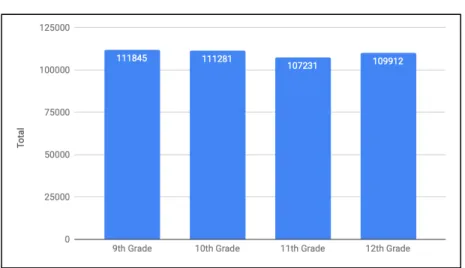
Figure 1: Number of Students by Grade (2018-2019)
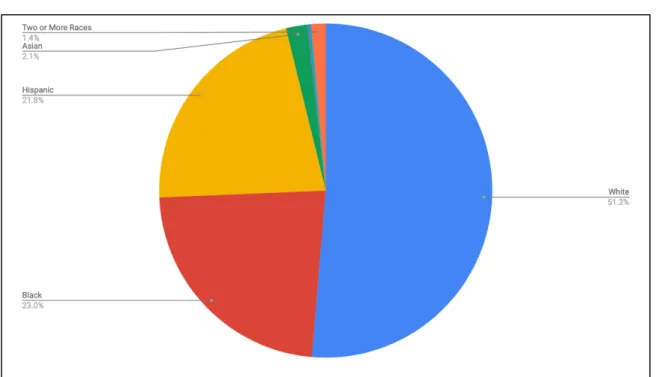
Figure 2 displays student demographics for all high school students in the included  districts
Figure 3: Teacher Demographics (2018-2019)
Figure 5 represents the demographic statistics for female secondary teachers.  This  includes all female teachers in the included districts
+7

References

Related documents