ARTIGO ORIGINAL
RESUMO
Introdução: Este estudo objetiva adaptar culturalmente e explorar as propriedades psicométricas da versão portuguesa do the Alco-hol, Smoking and Substance Involvement Screening Test em estudantes do ensino superior.
Material e Métodos: Estudo de validação, transversal, com dados recolhidos através de questionário composto por questões sociode -mográficas e medidas para avaliação do consumo de substâncias (teste de Fagerström para dependência nicotínica; Drinking Motives Questionnaire – Revised e The Alcohol, Smoking and Substance Involvement Screening Test versão 3.1). A amostra foi constituída por 338 estudantes (51,8% homens), com uma idade média de 20,6 anos (desvio-padrão = 3,4). A análise fatorial exploratória foi utilizada para o estudo da estrutura fatorial. Foram ainda avaliadas a consistência interna e a validade convergente.
Resultados: As subescalas ‘Tabaco’ e ‘Cannabis’ apresentaram-se ambas compostas por um único fator e a de ‘Bebidas Alcoólicas’ por dois fatores. A consistência interna variou entre 0,556 e 0,842 (ɑ de Cronbach). Observaram-se associações estatisticamente significativas entre ser fumador, binge-drinking e motivos de consumos etílicos com consumos de risco (subescalas ‘Tabaco’, ‘Bebidas Alcoólicas’ e ‘Cannabis’).
Discussão: As associações observadas entre os consumos de risco, os motivos de consumos e os comportamentos de consumo, poderão ser explicadas pela relação entre o consumo de álcool (como parte da experiência académica) com o comportamento de consumo de substâncias e consumos concorrentes, fundamentando a adequada validade convergente observada. Ainda, a pressão de pares poderá influenciar estes comportamentos relativamente a consumos.
Conclusão: A versão em Português europeu do the Alcohol, Smoking and Substance Involvement Screening Test (‘Tabaco’, ‘Bebidas Alcoólicas’ e ‘Cannabis’) apresentou características psicométricas satisfatórias, mostrando ser uma ferramenta confiável para avaliar consumos de risco em estudantes universitários.
Palavras-chave: Estudantes; Fumar; Inquéritos e Questionários; Portugal; Transtornos Relacionados ao Uso de Álcool; Transtornos Relacionados ao Uso de Substâncias; Universidades
Validation of The Alcohol, Smoking and Substance
Involvement Screening Test (ASSIST) Among University
Students
Validação do
The Alcohol, Smoking and Substance
Involvement Screening Test
(ASSIST) em Estudantes
Universitários
1. Centro de Investigação em Didática e Tecnologia na Formação de Formadores. Departamento de Educação e Psicologia. Universidade de Aveiro. Aveiro. Portugal. 2. Centro de Investigação em Tecnologias e Serviços de Saúde. Departamento de Educação e Psicologia. Universidade de Aveiro. Aveiro. Portugal.
3. Unidade de Cuidados Saúde Personalizados Albergaria-a-Velha. Agrupamento de Centros de Saúde Baixo Vouga. Aveiro. Portugal. 4. Centro de Saúde Universitário. Serviços de Ação Social. Universidade de Aveiro. Aveiro. Portugal.
Autor correspondente: António Ramalho Mostardinha. [email protected]
Recebido: 12 de abril de 2018 - Aceite: 22 de novembro de 2018 | Copyright © Ordem dos Médicos 2019
António Ramalho MOSTARDINHA1, Ana BÁRTOLO2, José BONIFÁCIO3,4, Anabela PEREIRA1
Acta Med Port 2019 Apr;32(4):279-288 ▪ https://doi.org/10.20344/amp.10650 ABSTRACT
Introduction: The present study aims to culturally adapt and explore the psychometric properties of Portuguese version of the Alcohol, Smoking and Substance Involvement Screening Test, among university students.
Material and Methods: A validation, cross-sectional study, with data collected through a questionnaire comprised of sociodemographic and substance consumption measures (Fagerström test for Nicotine Dependence; Drinking Motives Questionnaire – Revised, and The Alcohol, Smoking and Substance Involvement Screening Test version 3.1). The sample was composed by 338 students (51.8% male), with a mean age of 20.6 years old (standard deviation = 3.4). To examine the factor structure, an exploratory factor analysis was performed. The internal consistency and convergent validity were also evaluated.
Results: The ‘Tobacco’ and ‘Cannabis’ subscales were composed by 1 factor and ‘Alcoholic Beverages’ by 2 factors. Internal consistency ranged between 0.556 and 0.842 (Cronbach’s ɑ). Statistically significant associations were observed between being a current smoker, binge-drinking and drinking motives with hazardous consumption (subscales ‘Tobacco’, ‘Alcoholic Beverages’ and ‘Cannabis’).
Discussion: The observed associations between hazardous consumption, consumption motives and behaviors, may be explained by the relation between alcohol consumption (as part of the academic experience) with substances consumption behavior and polydrug consumption, supporting the adequate convergent validity observed. Also, peer pressure may influence these consumption behaviors.
Conclusion: The Portuguese version of the the Alcohol, Smoking and Substance Involvement Screening Test (‘Tobacco’, ‘Alcoholic Beverages’ and ‘Cannabis’) presented satisfactory psychometric characteristics, showing that it is an adequate instrument to assess hazardous consumption behaviors among university students.
ARTIGO ORIGINAL INTRODUÇÃOSubstance use, frequent among young adults, namely
in university students,1,2 has been receiving an increasing
attention and action by healthcare professionals and edu
-cators due to problems related to substance misuse3,4 for
which students may not be aware of.5 Due to the transition
period in their lives6 related to the development of social
identity7 in addition to peer pressure,8 university students
may be more susceptible to substance use initiation (both legal and illegal).9,10
In Portugal, a 20.0% prevalence rate of smokers aged 15 and older has been found in the 2014 Health National Survey (Inquérito Nacional de Saúde de 2014).11 In addition,
a daily alcohol use has been described by 34.5% of people within the same age group, throughout the same year. A 5.1% prevalence rate of cannabis use in young adults has been found based on data from the 2017 European Drug Report.12
Subject of study
A maximum prevalence rate of substance use has been found between the age of 18 and 25, making university stu
-dents a target population for the implementation of actions aimed at health promotion through the development and implementation of healthy policies.13,14
The academic environment could have an influence on student’s intention and motivations for tobacco and alcohol use,15 sometimes associated with cannabis use (polydrug
use).8,16 In addition, the study, development and validity of
instruments aimed at the identification / screening of sub
-stance misuse and risk behaviours in this population is cru
-cial due to motivations and intentions, as well as due to the risk of substance misuse in this population.
Therefore, the Alcohol, Smoking and Substance Involve
-ment Screening Test (ASSIST), developed by the World Health Organization (WHO) stands out from other instru
-ments such as the Alcohol Use Disorders Identification Test (AUDIT),17 as it is aimed at the identification of misuse of dif
-ferent substances and related problems (tobacco, alcohol, cannabis, cocaine, amphetamine type stimulants, inhalants, sedatives, hallucinogens, opioids and other drugs).18
The application of the ASSIST is therefore explained by the need for action with university students, aimed at reducing substance misuse. According to literature, brief motivation interventions, health education, among others, have been used in primary prevention, reducing the risk of the development of health consequences.19,20 Other studies
have described benefits of the use of the ASSIST in this population, due to its flexibility for the application within dif
-ferent settings.21,22
Good psychometric properties have been found with this scale in countries such as Australia, Brazil, United Kingdom, South Africa, Mexico, Spain and France, among others.18,23–26 However, to our knowledge, the validity of the
Portuguese version of the ASSIST has not yet been ap
-proached. In order to fill this gap, this study was specifically aimed at (i) the cultural adaptation and (ii) the approach to
the psychometric properties of the Portuguese version of the instrument involving a group of university students.
MATERIAL AND METHODS Participants and procedures
Data collection was carried out at the Universidade de Aveiro, throughout school year 2016/2017, involving 8,842 registered students. The recruiting of the participants took
place between Feb and May 2017 and data were collect
-ed by use of a questionnaire including sociodemographic items and self-report measures aimed at the assessment of substance use. Questionnaires were distributed by four undergraduate psychology students (previously trained on the composition and instructions on filling the questionnaire to clarify respondent’s doubts).
A total of 400 questionnaires were obtained by conveni
-ence sampling, from which 62 incomplete questionnaires
were excluded. A group of 338 respondents has been in
-cluded in the study (51.8% male, mean age 20.6 ± 3.4 years).
All the approvals for the study were obtained as well as an informed consent from all the respondents. The sample characteristics are shown in Table 1, including absolute and relative (%) frequencies of sociodemographic variables as well as variables related to substance use.
Study inclusion criteria were defined as follows: (i)
respondents aged 18 to 27 (stage 1 and 2 of early adult
-hood);27 (ii) attending the first/second cycle degree and (iii)
native Portuguese speakers.
Instruments
Description of the ASSIST
The ASSIST has been recommended by the Norm no. 36 of the General Directorate of Health (Direção-Geral da Saúde DGS) in 2014 for the assessment of polydrug use and brief intervention.28 This is a 10-subscale instrument
(‘Tobacco’, ‘Alcohol’, ‘Cannabis’, ‘Cocaine’, ‘Amphetamine type stimulants’, ‘Inhalants’, ‘Sedatives’, ‘Hallucinogens’, ‘Opioids’ and ‘Other drugs’). A first question (“In your life, which of the following substances have you ever used?”) is followed by questions 2 to 7 related to the assessment of a specific substance involvement (identification of the level of substance use). Responses to items 2 to 5 are scored on a five-point Likert type scale (never; once or twice; monthly; weekly; daily or almost daily) and to items 6 and 7 on a three-point scale (no, never; yes, in the past three months; yes, but not in the past three months). Scoring of each sub
-scale (substance) is obtained by adding up the responses to the corresponding items, leading to a specific substance involvement score.29 The higher the score the higher is the
student’s substance involvement.
The version 3.1 of the ASSIST30 was selected for this
study after a comparison with the version 3.0.28 No differenc
ARTIGO ORIGINAL Table 1 – Sociodemographic characteristics and substance use in our group of respondents (n = 338)
Variable n (%)
Sociodemographic characteristics
Gender Male 175 (51.8)
Female 163 (48.2)
Age < 19 65 (19.3)
[19; 21[ 139 (41.4)
≥ 21 132 (39.3)
Course year 1st* 109 (32.3)
2nd* 92 (27.3)
3rd* 85 (25.2)
4th† 38 (11.3)
5th† 13 (3.9)
Co-living Parents 117 (34.6)
Other family members 24 (7.1)
Friends 81 (24.0)
Colleagues 82 (24.3)
Others 34 (10.1)
Place of origin Rural 141 (41.8)
Urban 196 (58.2)
Substance use in respondent’s social networks
At least one drinker No 38 (11.3)
Yes 297 (88.7)
At least one smoker No 132 (39.5)
Yes 202 (60.5)
More than two drinkers No 6 (1.8)
Yes 332 (98.2)
More than two smokers No 21 (6.3)
Yes 315 (93.8)
Current use or having ever used one of the following
Tobacco No 135 (40.3)
Yes 200 (59.7)
Alcohol No 18 (5.4)
Yes 317 (94.3)
Cannabis No 231 (70.2)
Yes 98 (29.8)
Cocaine No 327 (98.5)
Yes 5 (1.5)
Amphetamine type stimulants No 323 (97.3)
Yes 9 (2.7)
Inhalants No 328 (99.4)
Yes 2 (0.6)
Sedatives No 315 (94.9)
Yes 17 (5.1)
Hallucinogens No 318 (95.8)
Yes 14 (4.2)
Opioids No 330 (99.4)
Yes 2 (0.6)
ARTIGO ORIGINAL the closest language to European Portuguese (for instance, Question 2: version 3.0 “Durante os três últimos meses,
com que frequência você utilizou essa(s) substância(s) que mencionou?”vs. version 3.1: “Durante os últimos três me-ses, quantas vezes usou as substâncias que mencionou?”. No translation was required, as the Brazilian Portu
-guese version of the ASSIST (version 3.1) was used, which
was made available by the WHO; however, a cultural adap
-tation to European Portuguese was carried out30: i) change
in sentence structure [for instance, item 5: “Nos últimos três meses, quantas vezes não fez aquilo que normalmente se esperaria de si devido ao uso de (…)?” changed into “Nos últimos três meses, quantas vezes não fez aquilo que nor-malmente seria esperado de si (…)”]; ii) cultural adaptation [for instance, “Cocaína (coke, crack, etc.)” into “Cocaína (coca, crack, etc.)”]
Pretesting and cultural adaptation of the ASSIST
Pretesting has been used during the development of the questionnaire, according to the guidelines of the WHO,31
aimed at the evaluation of the cultural adaptation of the ASSIST version that was used and a group of 19 students (mean age of 22.7 ± 3.0 years) were involved. Cognitive interviewing (according to the same guidelines) was carried out after the questionnaire was filled in. Based on the re
-sults of these interviews, the questions were correctly un
-derstood and no misunderstandings occurred and therefore no changes were required.
Other measures
A questionnaire including issues related to sociodemo
-graphic aspects and consumption behaviours was used in data collection.
The Drinking Motives Questionnaire – Revised (DMR-Q) was used to evaluate drinking motives. This instrument was aimed at the identification of alcohol use and its conse
-quences within four domains: social, coping, enhancement and conformity motives.32 The translated Portuguese ver
-sion was used for the present study and 18 from the origi
-nal 20 items were included.33 Responses are scored on a
five-point Likert type scale (almost never / never; some of the time; half of the time; most of the time; almost always / always). Scoring of this instrument was obtained by adding up all the scores to each response on a 0-100 scale (the higher the score, the higher the drinking motive within each domain).
An adequate internal consistency was found within the four domains (0.748 ≤ Cronbach’s alpha ≤ 0.902).
Fagerström test for nicotine dependence (FTND), which was already validated for Portuguese,35 was used in the
evaluation of this dependence, as recommended by the Circular Normativa no. 26/DSPPS.34 Satisfactory internal
consistency (Cronbach’s alpha = 0.651) was shown in the study.
Data analysis
Exploratory factor analysis (EFA) was approached by
Principal Axis Factoring (PAF), aimed at the evaluation of the different subscales of the ASSIST. Bartlett’s test of sphericity was used to test whether the correlation matrix is significantly different from an identity matrix, while Kaiser-Meyer-Olkin (KMO) measure of sampling adequacy was used to test factor analysis validity. Varimax rotation was used in factor extraction, while Kaiser criterion was used to determine the number of factors for consideration,36 in
addition to the percentage of explained variance and the scree-plot criterion (graph observation).37 Upon the decision
on the number of factors to be retained, each item’s factorial weight and corresponding communalities were evaluated (h2). Additionally, the factorial structure was also examined,
by use of the Principal Component Analysis (PCA) in order to check for the presence of any difference associated with the method that was applied. Only data regarding the PAF were presented in the results section, as this method was considered as the most reliable, due to the fact that no dif
-ferent factorial structures were found with the use of other methods.38
The following indices were used in order to assess the adjustment of the factorial model and each value was
used as an acceptable cut-off for data adjustment: Good
-ness of Fit Index (GFI) ≥ 0.90, adjusted GFI (AGFI) ≥ 0.9039
and Standardized Root Mean Square Residual (SRMR) ≤ 0.08.40 The formulas were used for the calculation of those
indices, according to Marôco,37 using Microsoft Office Excel
2016 software. In addition, maximum likelihood method was used to assess model adequacy adjustment to data.37
Item-total and inter-item correlation coefficients were obtained in order to assess the reliability of the models, while Cronbach’s alpha was used for the evaluation of in
-ternal consistency, which was considered as adequate at alpha ≥0.700.41
As regards convergent validity, Pearson’s (r) correlation coefficients were obtained in order to study the association between ‘Tobacco’, ‘Alcohol’ and ‘Cannabis’ subscales and other variables regarding substance use, considering a nor
-mal distribution of data. In addition, the association between dichotomous variables and the scores obtained within each ASSIST subscale was obtained by use of point-biserial correlation coefficient (rpb). Dichotomous variables were therefore coded (e.g. 0-No; 1-Yes and in FTND: 0-Minimally dependent; 1-Largely dependent).
Only ‘Tobacco’, ‘Alcohol’ and ‘Cannabis’ subscales were submitted to EFA, reliability and convergent validity analy
-sis, in the absence of sufficient data for the analysis of the remaining substances (≤ 5,1% rate of use, as shown in Ta
-ble 1).
A significance level (a) at 0.05 has been used for data analysis, which was carried out by use of the IBM SPSS Statistics, version 23 software.
RESULTS
ARTIGO ORIGINAL
Factorial validity
KMO values were obtained in order to evaluate the ad
-equacy of the sample to the factorial analysis. Values above 0.60 are required, while KMO values of 0.825, 0.720 and 0.788 were obtained for ‘Tobacco’, ‘Alcohol’ and ‘Cannabis’ subscales, respectively, corresponding to an appropriate factorial analysis to data.42 In addition, significant Bartlett’s
test of sphericity was obtained (χ²(10) = 660,532; p < 0.001, χ²(15) = 239,137; p < 0.001 and χ²(15) = 439,378; p < 0.001, for ‘Tobacco’, ‘Alcohol’ and ‘Cannabis’, respectively), showing that the EFA is executable.42 The results of PAF have sug
-gested that the extraction of one factor accounted for 63.0% of the explained variance regarding ‘Tobacco’, two factors accounted for 56.5% of ‘Alcohol’ and one factor for 48.8% of ‘Cannabis’ (Table 3).
Factorial weights ranging between 0.368 and 0.857 were found in items related to ‘Tobacco’ subscale; the low
-est factorial weight was found in ‘Health, social, legal or fi
-nancial problems (past three months)’ item, while factorial weights ranging between 0.399 and 0.830 were found in items related to ‘Alcohol’, with the application of a Varimax rotation. Within this subscale, a factorial weight of 0.399 was found in ‘Failed to do what would normally be expected due to substance use (past three months)’ item while facto
-rial weights ranging between 0.456 and 0.712 were found in the items regarding the ‘Cannabis’ subscale (Table 4). When looking at the factorial structure adjustment, the model for ‘Tobacco’ showed unmatched data (χ²(5) = 21,402; p = 0.001), which could suggest the removal of the ‘Health, social, legal or financial problems (past three months)’ item from this model. In addition, the model for ‘Alcohol’ showed matched data (χ²(4) = 2,936; p = 0.569), suggesting that the
‘During the past three months, how often have you failed to do what was normally expected of you because of your substance use?’ item should not be removed. The model for ‘Cannabis’ showed unmatched data (χ²(9) = 59,331; p <
0.001).
Even though a factor loading <0.400 has been found in these items (cut-off rationale provided by Field),42 through
PAF and the evaluation of the quality of these models, the indicators that were provided were considered as adequate to the adjustment. GFI values of 0.989, 0.999 and 0.970, AGFI values of 0.968, 0.997 and 0.930 and SRMR values of 0.033, 0.020 and 0.075 have been found (for ‘Tobacco’, Alcohol’ and ‘Cannabis’ subscales respectively) and the items that were described before were not removed from subsequent analyses.
Therefore, ‘Tobacco’ (five items) and ‘Cannabis’ (six items) subscales consisted of a single factor called ‘ Con-sumos e problemas relacionados com Tabaco / Cannabis’ (‘Consumption frequency and problems related to the use of Tobacco / Cannabis’). ‘Alcohol’ subscale consisted of two
factors, called ‘Problemas relacionados com consumo de
álcool’ (‘Problems related to alcohol use’ – factor 1 / four items) and ‘Consumo de álcool’ (‘Alcohol consumption fre
-quency’ – factor 2 / two items).
Reliability
Data regarding the evaluation of ASSIST reliability are shown in Table 5.
An item-total correlation ranging between 0.347 and
0.789 and a Cronbach’s alpha if item deleted ranging be
-tween 0.783 and 0.883 were found in ‘Tobacco’ subscale. Globally, an adequate internal consistency was shown
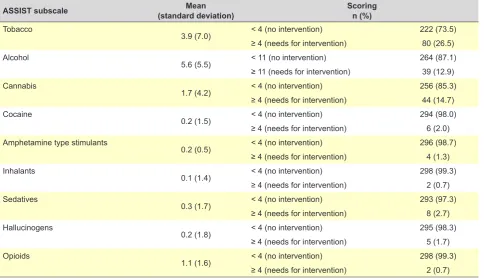
Table 2 – Characteristics of substance use, assessed by the ASSIST (n = 338)
ASSIST subscale (standard deviation)Mean Scoringn (%)
Tobacco
3.9 (7.0) < 4 (no intervention) 222 (73.5) ≥ 4 (needs for intervention) 80 (26.5) Alcohol
5.6 (5.5) < 11 (no intervention) 264 (87.1) ≥ 11 (needs for intervention) 39 (12.9) Cannabis
1.7 (4.2) < 4 (no intervention) 256 (85.3) ≥ 4 (needs for intervention) 44 (14.7) Cocaine
0.2 (1.5) < 4 (no intervention) 294 (98.0) ≥ 4 (needs for intervention) 6 (2.0) Amphetamine type stimulants
0.2 (0.5) < 4 (no intervention) 296 (98.7) ≥ 4 (needs for intervention) 4 (1.3) Inhalants
0.1 (1.4) < 4 (no intervention) 298 (99.3) ≥ 4 (needs for intervention) 2 (0.7) Sedatives
0.3 (1.7) < 4 (no intervention) 293 (97.3) ≥ 4 (needs for intervention) 8 (2.7) Hallucinogens
0.2 (1.8) < 4 (no intervention) 295 (98.3) ≥ 4 (needs for intervention) 5 (1.7) Opioids
ARTIGO ORIGINAL
alpha = 0.842). The lowest item-total correlation was found in ‘Health, social, legal or financial problems (past three months)’ item with a higher Cronbach’s alpha if item de
-leted when compared to the factor’s Cronbach’s alpha. In addition, inter-item coefficients for ‘Tobacco’ have ranged between 0.279 and 0.786.
As regards ‘Alcohol’, factors have shown a Cronbach’s alpha ranging between 0.641 and 0.556 (factor 1 and 2 re
-spectively), while item-total correlation values ranged be
-tween 0.334 and 0.501 and alphas if item deleted ranged between 0.603 and 0.662. Inter-item correlation coefficient values ranged between 0.112 and 0.387.
As regards ‘Cannabis’ subscale, a 0.788 internal con
-sistency has been found (Cronbach’s alpha). The item-total correlation in this factor has ranged between 0.399 and 0.619 and Cronbach’s alpha if item deleted between 0.716 and 0.779. In addition, inter-item correlation coefficient values for this subscale have ranged between 0.205 and 0.630.
Convergent validity
The correlations between ASSIST ‘Tobacco’, ‘Alcohol’ and ‘Cannabis’ subscales and the variables regarding con
-sumption patterns are shown in Table 6.
Globally, statistically significant associations have been found between binge-drinking and ASSIST subscales (‘(‘To
-bacco’: rpb = 0.342; p < 0.001 ‘Alcohol’: rpb = 0.455; p <
0.001 and ‘Cannabis’: rpb = 0.262; p < 0.001) and between current cigarette smoking and the same subscales (‘To
-bacco’: rpb = 0.766; p < 0.001 ‘Alcohol’: rpb = 0.405; p <
0.001 and ‘Cannabis’: rpb = 0.459; p < 0.001). In addition, statistically significant associations were found between all drinking motives (evaluated by the different domains of the DMQ-R) and ‘Tobacco’, ‘Alcohol’ and ‘Cannabis’ subscales.
DISCUSSION
This study was aimed at the cultural adaptation and the analysis of factorial structure and convergent validity of the Portuguese version of the ASSIST (version 3.1),30 regarding
‘Tobacco’, ‘Alcohol’ and ‘Cannabis’. Adequate psychometric characteristics have been found with this measure involving a group of university students.
The approach to psychometric properties of ‘Cocaine’, ‘Amphetamine type stimulants’; ‘Inhalants’; ‘Sedatives’; ‘Hallucinogens’ and ‘Opioids’ subscales was not possible, due to the low rate of substance use found in our group of respondents. This constraint was found in other studies, when applied to the general population23,26 or to specific Table 3 – Data values and percentages of explained variance regarding each subscale ‘Tobacco’, ‘Alcohol’ and ‘Cannabis’
Tobacco Alcohol Cannabis
Factor Eigenvalue percentage of Cumulative
variance Eigenvalue
Cumulative percentage of
variance Eigenvalue
Cumulative percentage of
variance
1 3.151 63.011 2.038 38.869 2.930 48.833
2 0.835 79.720 1.041 56.485 0.943 64.557
3 0.460 88.921 0.792 70.470 0.702 76.257
4 0.342 95.760 0.627 81.467 0.599 86.238
5 0.212 100.000 0.502 91.886 0.470 94.072
6 2.038 100.000 0.356 100.000
Table 4 – Factorial weights and communalities (h2) of each item in retained factors, by substance, following an EFA with factor extraction by the Principal Axis Factoring method
Tobacco h2 Alcohol* h2 Cannabis h2
Item Factor 1¶ Factor 1¤ Factor 2● Factor 1■
Substance use (past three months) 0.857 0.734 0.136 0.432 0.205 0.666 0.444
Desire/urge for substance use (past three
months) 0.857 0.735 0.173 0.830 0.719 0.712 0.506
Health, social, legal or financial problems
(past three months) 0.368 0.135 0.775 0.023 0.602 0.456 0.208
Not doing what would be expected due to
substance use (past three months) N/A N/A 0.399 0.178 0.191 0.625 0.391
Expressed concern by friends/family/other
due to substance use 0.756 0.572 0.488 0.355 0.364 0.614 0.377
Failed attempt to reduce substance use 0.783 0.612 0.444 0.278 0.275 0.642 0.412
N/A: not applicable; * Varimax rotation. ¶: Factor 1 (Consumption frequency and problems related to tobacco use); ¤: Factor 1 (problems related to alcohol use); ●: Factor 2 (alcohol consumption frequency) ■: Factor 1 (Consumption frequency and problems related to cannabis use).
ARTIGO ORIGINAL
populations (university students, for instance).24
A low factorial weight has been found in the analyses of the factorial structure and internal consistency of ‘Health, social, legal or financial problems (past three months)’ item (< 0.400) and a Cronbach’s alpha if item deleted higher than a factor’s Cronbach’s alpha, suggesting the removal of this item. This conclusion may be due to the fact that smoking-related problems (financial, social, legal and health prob
-lems) could have not been correctly regarded by students as a consequence of their own tobacco use.
Therefore, as regards health consequences, these usu
-ally develop over the medium and long term and sometimes with no symptoms,43 with a possible influence on student’s
perception, underestimating the identification of smoking-related problems. In social context, the definition of sub
-stance use self-concept (for in-stance, regular smoker, social smoker) is influenced by the number of cigarettes smoked
and smoking frequency as well as by the perception of the associated problems.44,45 In addition, social smoking45 is a
common habit in the academic environment46 and therefore,
smoking experimentation and/or initiation could be encour
-aged by social environment (peer pressure).47 In addition,
as regards financial problems associated with smoking, students’ perception could have been influenced by the presence of financial dependence from their parents, by student’s purchasing power48 as by smoking frequency and
number of cigarettes smoked. As regards legal problems, these perceptions could have been influenced by student’s self-concept49 and compliance or non-compliance with ant
-ismoking policies within certain locations (for instance, pub
-lic buildings, university campus, restaurants, bars, etc.).49,50
Therefore, considering the relationships between health, social, legal or financial problems with substance misuse and the outcomes in terms of quality indicators of Table 5 – Internal consistency for ‘Tabaco’, ‘Alcohol’ and ‘Cannabis’
Tobacco Alcohol* Cannabis
Item
Item-total correlation
Cronbach’s alpha if item
deleted
Item-total correlation
Cronbach’s alpha if item
deleted
Item-total correlation
Cronbach’s alpha if item
deleted
Substance use (past three months) 0.787 0.786 0.334 0.662 0.598 0.722
Desire/urge for substance use (past three
months) 0.789 0.783 0.449 0.627 0.619 0.716
Health, social, legal or financial problems
(past three months) 0.347 0.883 0.416 0.638 0.399 0.779
Not doing what would be expected due to
substance use (past three months) N/A N/A 0.349 0.659 0.542 0.746
Expressed concern by friends/family/other
due to substance use 0.704 0.809 0.501 0.603 0.548 0.735
Failed attempt to reduce substance use 0.728 0.803 0.434 0.629 0.541 0.738
Cronbach’s alpha --- 0.842 --- 0.671 --- 0.788
N/A: not applicable; * Varimax rotation
Table 6 – Correlations between ASSIST ‘Tobacco’, ‘Alcohol’ and ‘Cannabis’ subscales and other evaluation instruments of substance use (DMQ-R and Fagerström test)
ASSIST
Tobacco ASSISTAlcohol CannabisASSIST
Current drinker 0.144* 0.276** 0.104
Binge-drinking 0.342** 0.455** 0.262**
Current smoker 0.766** 0.405** 0.459**
Nicotine dependence 0.303* 0.174 0.288
DMQ-R Enhancement 0.330** 0.288** 0.283**
DMQ-R Coping 0.311** 0.308** 0.194**
DMQ-R Conformity 0.134* 0.172** 0.161**
DMQ-R Social 0.280** 0.269** 0.273**
ASSIST Tobacco 1.000 0.582** 0.627**
ASSIST Alcohol --- 1.000 0.468**
ASSIST Cannabis --- --- 1.000
ARTIGO ORIGINAL each model (GFI, AGFI and SRMR), these may give a reason for item’s non-exclusion.
As regards the factorial validity of ‘Tobacco’ and ‘Canna
-bis’, factorial structures with one factor have been found in other studies.24 Two factors have been obtained as regards
the factorial structure of ‘Alcohol’ item. However, a factor accounted for 35% of the explained variance, with a 0.760 internal consistency, in a different validity study.23
‘Alcohol’ subscale was divided into 2 factors in our group
of respondents: ‘Problemas relacionados com o consumo
de álcool’ and ‘Consumo de álcool’. The factors that were
obtained can be explained and confirmed by the relation
-ship between alcohol use and alcohol-related problems. There is an association between use problems aimed at the regulation of negative effects (coping motives) and with the use involving drinking to enhance positive moods (en
-hancement motives).51 In addition, it has been found that
those who experience negative consequences are willing to repeat those experiences, suggesting that negative conse
-quences are considered as a mean to reach positive conse
-quences.52
In this context, the relationship between alcohol use and alcohol-related problems is mediated both by the type of drink (in which negative personal and social consequences can be found) and by age (an early use is associated with negative personal and social consequences).53
As regards reliability, internal consistencies have been found in other studies, evaluated by the Cronbach’s alpha, ranging between 0.74054 and 0.86023 for ‘Tobacco’ and be
-tween 0.73024 and 0.87023 for ‘Cannabis’. Other studies
have found an internal consistency ranging between 0.66054
and 0.84055 in ‘Alcohol’ subscale. Similar characteristics of
internal consistency were found in our group of respond
-ents.
As regards convergent validity of the study subscales, students with higher levels of tobacco misuse were those who (i) were current drinkers; (ii) present with binge-drink
-ing behaviours; (iii) with higher nicotine addiction and (iv) higher levels of motives for alcohol use. As regards alcohol, students presenting with higher levels of misuse are those who (i) present with binge-drinking behaviours; (ii) current smokers and (iii) with higher levels of drinking motives. As regards cannabis, students with higher levels of risk behav
-iours of consumption are those who (i) present with binge-drinking behaviours, (ii) current smokers and (iii) with higher levels of drinking motives. These were statistically signifi
-cant associations between the use of different substances and could be explained by the findings obtained by Bravo et al.,56 in which significant associations were found between
alcohol use beliefs as part of an academic experience and the different drinking motives (as evaluated by the DMQ-R) as with binge-drinking.
Significant positive associations between the different ASSIST subscales regarding the convergent validity have been found which could reflect the presence of polydrug use. A-type polydrug use (alcohol and cigarettes) and B-type (cannabis together with alcohol and/or cigarettes) have
been found in this group of respondents, according to the EMCDDA polydrug tipology,57 in line with other studies.58,59
Limitations of the study
Geographical restriction was a major limitation of the study, with an influence on the evaluation of substance mis
-use. In addition, divergent validity was not evaluated (only internal consistency and convergent validity were), in order to reach a more comprehensive evaluation of the construct validity.
In addition, the low use rate of other substances pre
-vented the study of psychometric properties of the remain
-ing subscales. Such low rate could have been biased by socially desirable responding, as sensitive matters such as substance use were involved.60
Therefore, these limitations could be minimised with a study covering other universities as well as with the use of the scale in other populations, specifically involving patients with addictive disorders.
CONCLUSION
The cultural adaptation of the ASSIST questionnaire version 3.1 for European Portuguese was made possible with this study and adequate factorial characteristics, inter
-nal consistency and convergent validity for ‘Tobacco’, ‘Alco
-hol’ and ‘Cannabis’ subscales have been shown. However, the evaluation of the psychometric properties of ‘Cocaine’ ‘Amphetamine type stimulants’; ‘Inhalants’; ‘Sedatives’; ‘Hallucinogens’ and ‘Opioids’ were not possible due to the low use rate found in this group of respondents. The use of ‘Tobacco’, ‘Alcohol’ and ‘Cannabis’ subscales could be adequate for the evaluation of the involvement of university students with those substances. Further studies should be
focused on the discriminatory power, among other proper
-ties, for the screening of substance misuse in this popula
-tion. In addition, these should be aimed at other methodolo
-gies, deepening the study of construct validity.
HUMAN AND ANIMAL PROTECTION
The authors declare that the followed procedures were according to regulations established by the Ethics and Clini
-cal Research Committee and according to the Helsinki Dec
-laration of the World Medical Association.
DATA CONFIDENTIALITY
The authors declare that they have followed the proto
-cols of their work centre on the publication of patient data.
Informed consents were obtained.
CONFLICTS OF INTEREST
The authors declare that there were no conflicts of inter
-est in writing this manuscript.
FINANCIAL SUPPORT
ARTIGO ORIGINAL REFERENCES
1. O’Malley PM, Johnston LD. Epidemiology of alcohol and other drug use among American college students. J Stud Alcohol. 2002:23–39. 2. Nolen-Hoeksema S. Gender differences in risk factors and consequences
for alcohol use and problems. Clin Psychol Rev. 2004;24:981–1010. 3. World Health Organization. Toolkit for oral health professionals to
deliver brief tobacco interventions in primary care [Internet]. 2017. [consultado 2018 mar 3]. Disponível em: http://apps.who.int/iris/bitstre am/10665/255628/1/9789241512510-eng.pdf.
4. World Health Organization. WHO Expert Committee on Problems Related to Alcohol Consumption [Internet]. 2007. [consultado 2018 mar 3]. Disponível em: http://www.who.int/substance_abuse/expert_ committee_alcohol_trs944.pdf.
5. Kilmer JR, Hunt SB, Lee CM, Neighbors C. Marijuana use, risk perception, and consequences: Is perceived risk congruent with reality? Addict Behav. 2007;32:3026–33.
6. Baer JS, Kivlahan DR, Marlatt GA. High-risk drinking across the transition from high school to college. Alcohol Clin Exp Res. 1995;19:54–61. 7. Rimal RN, Real K. How behaviors are influenced by perceived norms.
Communic Res. 2005;32:389–414.
8. Lamont AE, Woodlief D, Malone PS. Predicting high-risk versus higher-risk substance use during late adolescence from early adolescent higher-risk factors using Latent Class Analysis. Addict Res Theory. 2014;22:78–89. 9. Borsari B, Carey KB. Peer influences on college drinking: a review of the
research. J Subst Abuse. 2001;13:391–424.
10. Reed MB, McCabe C, Lange JE, Clapp JD, Shillington AM. The relationship between alcohol consumption and past-year smoking initiation in a sample of undergraduates. Am J Drug Alcohol Abuse. 2010;36:202–7.
11. Instituto Nacional de Estatística. Inquérito Nacional de Saúde 2014 [Internet]. 2016. [consultado 2018 jun 2]. Disponível em: https://www.ine.pt/xportal/xmain?xpid=INE&xpgid=ine_ publicacoes&PUBLICACOESpub_boui=263714091&PUBLICACOESm odo=2.
12. Observatório Europeu da Droga e da Toxicodependência -EMCDDA. Relatório Europeu sobre Drogas 2017: Tendências e evoluções [Internet]. Serviço das Publicações da União Europeia. 2017. [consultado 2018 jun 2]. Disponível em: http://www.emcdda.europa.eu/ system/files/publications/4541/TDAT17001PTN.pdf.
13. World Health Organization. Ottawa Charter for Health Promotion [Internet]. 1986. [consultado 2018 fev 1]. Disponível em: http://www. euro.who.int/__data/assets/pdf_file/0004/129532/Ottawa_Charter.pdf. 14. World Health Organization. Declaration of Alma-Ata: International
Conference on Primary Health Care [Internet]. 1978. [consultado 2018 Jun 3]. Disponível em: http://www.who.int/publications/almaata_ declaration_en.pdf.
15. Kraemer KM, McLeish AC, O’Bryan EM. The role of intolerance of uncertainty in terms of alcohol use motives among college students. Addict Behav. 2015;42:162–6.
16. Davoren MP, Shiely F, Byrne M, Perry IJ. Hazardous alcohol consumption among university students in Ireland: a cross-sectional study. BMJ Open. 2015;5:e006045.
17. Babor TF, Higgins-Biddle JC, Saunders JB, Monteiro MG. AUDIT The Alcohol Use Disorders Identification Test - Guidelines for Use in Primary Care [Internet]. 2nd ed. World Health Organization; 2001. [consultado 2018 jan 16]. Disponivel em: http://www.who.int/substance_abuse/ publications/audit/en/.
18. WHO ASSIST Working Group. The Alcohol, Smoking and Substance Involvement Screening Test (ASSIST): development, reliability and feasibility. Addiction. 2002;97:1183–94.
19. Teeters JB, Borsari B, Martens MP, Murphy JG. Brief motivational interventions are associated with reductions in alcohol-impaired driving among college drinkers. J Stud Alcohol Drugs. 2015;76:700–9. 20. Yurasek AM, Borsari B, Magill M, Mastroleo NR, Hustad JT, Tevyaw
TO, et al. Descriptive norms and expectancies as mediators of a brief motivational intervention for mandated college students receiving stepped care for alcohol use. Psychol Addict Behav. 2015;29:1003–11. 21. Denering LL, Spear SE. Routine use of screening and brief intervention
for college students in a university counseling center. J Psychoactive Drugs. 2012;44:318–24.
22. Andrade AG, Duarte PC, Barroso LP, Nishimura R, Alberghini DG, Oliveira LG. Use of alcohol and other drugs among Brazilian college students: effects of gender and age. Rev Bras Psiquiatr. 2012;34:294– 305.
23. Rubio Valladolid G, Martínez-Raga J, Martínez-Gras I, Ponce Alfaro G,
de la Cruz Bértolo J, Jurado Barba R, et al. Validation of the Spanish version of the Alcohol, Smoking and Substance Involvement Screening Test (ASSIST). Psicothema. 2014;26:180–5.
24. Sainz MT, Rosete-Mohedano MG, Natera Rey G, Martínez Vélez NA, Carreño García S, Pérez Cisneros D, et al. Validity and reliability of the Alcohol, Smoking, and Substance Involvement Screening Test (ASSIST) in University students. Adicciones. 2016;28:19.
25. van der Westhuizen C, Wyatt G, Williams JK, Stein DJ, Sorsdahl K. Validation of the Alcohol, Smoking and Substance Involvement Screening Test in a low- and middle-income country cross-sectional emergency centre study. Drug Alcohol Rev. 2016;35:702–9.
26. Khan R, Chatton A, Nallet A, Broers B, Thorens G, Achab-Arigo S, et al. Validation of the French version of the Alcohol, Smoking and Substance Involvement Screening Test (ASSIST). Eur Addict Res. 2011;17:190–7. 27. Tavares J, Pereira AS, Gomes AA, Monteiro SM, Gomes A. Manual de psicologia do desenvolvimento e aprendizagem. Porto: Porto Editora; 2007.
28. Direcção-Geral da Saúde. Norma no 36/2012: Diagnóstico de policonsumos e intervenção breve em adolescentes e jovens [Internet]. 2014 [consultado 2016 mai 28]. Disponível em: https://www.dgs.pt/... dgs/normas...normativas/norma-n-0362012-de-30122012-png.a. 29. World Health Organization. The Alcohol, Smoking and Substance
Involvement Screening Test (ASSIST) -Manual for use in primary care [Internet]. Humeniuk R, Henry-Edwards S, Ali R, Poznyak V, Monteiro MG, editors. 2003. [consultado 2017 mar 2]. Disponível em: http://www. who.int/substance_abuse/activities/en/Draft_The_ASSIST_Guidelines. pdf.
30. World Health Organization. Teste de triagem (ASSIST v. 3.1) do envolvimento com bebidas alcoólicas, fumo e fármacos [Internet]. 2010. [consultado 2018 abr 12]. Disponível em: http://www.who.int/ substance_abuse/activities/assist_3.1_portuguese.pdf.
31. World Health Organization. Process of translation and adaptation of instruments [Internet]. 2017. [consultado 2016 set 15]. Disponível em: http://www.who.int/substance_abuse/research_tools/translation/en/. 32. Cooper ML. Motivations for alcohol use among adolescents:
development and validation of a four-factor model. Psychol Assess. 1994;6:117–28.
33. Fernandes-Jesus M, Beccaria F, Demant J, Fleig L, Menezes I, Scholz U, et al. Validation of the Drinking Motives Questionnaire - Revised in six European countries. Addict Behav. 2016;62:91–8.
34. Nunes E, Candeias A, Mendes B, Pardal C, Fonseca J, Oliveira L, et al. Programa-tipo de actuação em cessação tabágica - Circular Normativa No: 26/DSPPS [Internet]. Direcção-Geral de Saúde. 2007. [consultado 2016 dez 2]. Disponível em: http://www.dgs.pt/upload/membro.id/ ficheiros/i009309.pdf.
35. Ferreira PL, Quintal C, Lopes I, Taveira N. Teste de dependência à nicotina: validação linguística e psicométrica do teste de Fagerström. Dependência tabágica [Internet]. 2009. [consultado 2016 abr 28]. Disponível em: http://www.uc.pt/feuc/pedrof/docs/Publicacoes/ AN200908.pdf.
36. Kaiser HF. The application of electronic computers to factor analysis. Educ Psychol Meas. 1960;20:141–51.
37. Marôco J. Análise estatística com utilização do SPSS. 3a ed. Lisboa:
Edições Sílabo; 2007.
38. Njeri Ngure J. Principal component and principal axis factoring of factors associated with high population in urban areas: a case study of Juja and Thika, Kenya. Am J Theor Appl Stat. 2015;4:258.
39. Sivo SA, Fan X, Witta EL, Willse JT. The search for “Optimal” dutoff properties: fit index criteria in structural equation modeling. J Exp Educ. 2006;74:267–88.
40. Schreiber JB, Nora A, Stage FK, Barlow EA, King J. Reporting structural equation modeling and confirmatory factor analysis results: a review. J Educ Res. 2006;99:323–38.
41. Terwee CB, Bot SD, de Boer MR, van der Windt DA, Knol DL, Dekker J, et al. Quality criteria were proposed for measurement properties of health status questionnaires. J Clin Epidemiol. 2007;60:34–42. 42. Field A. Discovering statistics using SPSS. 3rd edition. London: Sage
Publications; 2009.
ARTIGO ORIGINAL
https://www.surgeongeneral.gov/library/reports/50-years-of-progress/ exec-summary.pdf.
44. Lindgren KP, Neighbors C, Gasser ML, Ramirez JJ, Cvencek D. A review of implicit and explicit substance self-concept as a predictor of alcohol and tobacco use and misuse. Am J Drug Alcohol Abuse. 2017;43:237– 46.
45. Waters K, Harris K, Hall S, Nazir N, Waigandt A. Characteristics of social smoking among college students. J Am Coll Heal. 2006;55:133–9. 46. Rigotti NA, Moran SE, Wechsler H. US college students’ exposure to
tobacco promotions: prevalence and association with tobacco use. Am J Public Health. 2005;95:138–44.
47. Eisenberg D, Golberstein E, Whitlock JL. Peer effects on risky behaviors: new evidence from college roommate assignments. J Health Econ. 2014;33:126–38.
48. Bono RS, Barnes AJ, Dick DM, Kendler KS. Drinking, cigarette smoking, and employment among American college freshmen at a four-year university. Subst Use Misuse. 2017;52:182–93.
49. Berg CJ, Lessard L, Parelkar PP, Thrasher J, Kegler MC, Escoffery C, et al. College student reactions to smoking bans in public, on campus and at home. Health Educ Res. 2011;26:106–18.
50. Baillie L, Callaghan D, Smith M, Bottorff J, Bassett-Smith J, Budgen C, et al. A review of undergraduate university tobacco control policy process in Canada. Health Educ Res. 2009;24:922–9.
51. Merrill JE, Wardell JD, Read JP. Drinking motives in the prospective prediction of unique alcohol-related consequences in college students. J Stud Alcohol Drugs. 2014;75:93–102.
52. Wicki M, Mallett KA, Delgrande Jordan M, Reavy R, Turrisi R, Archimi A, et al. Adolescents who experienced negative alcohol-related consequences are willing to experience these consequences again in
the future. Exp Clin Psychopharmacol. 2018;26:132-7.
53. De Bruyn S, Wouters E, Ponnet K, Van Damme J, Maes L, Van Hal G. Problem drinking among Flemish students: beverage type, early drinking onset and negative personal; & social consequences. BMC Public Health. 2018;18:234.
54. Khan R, Chatton A, Thorens G, Achab S, Nallet A, Broers B, et al. Validation of the French version of the alcohol, smoking and substance involvement screening test (ASSIST) in the elderly. Subst Abuse Treat Prev Policy. 2012;7:14.
55. Humeniuk R, Ali R, Babor TF, Farrell M, Formigoni ML, Jittiwutikarn J, et al. Validation of the alcohol, smoking and substance involvement screening test (ASSIST). Addiction. 2008;103:1039–47.
56. Bravo AJ, Pearson MR, Pilatti A, Read JP, Mezquita L, Ibáñez MI, et al. Cross-cultural examination of college drinking culture in Spain, Argentina, and USA: measurement invariance testing of the College Life Alcohol Salience Scale. Drug Alcohol Depend. 2017;180:349–55. 57. European Monitoring Centre for Drugs and Drug Addiction. Polydrug
use: patterns and responses [Internet]. Spain: European Monitoring Centre for Drugs and Drug Addiction (EMCDDA); 2009. [consultado 2018 abr 12]. Disponível em: http://www.emcdda.europa.eu/publications/ selected-issues/polydrug-use-patterns-and-responses_en.
58. Hernández-Serrano O, Font-Mayolas S, Gras ME. Polydrug use and its relationship with the familiar and social context amongst young college students. Adicciones. 2015;27:205–13.
59. Lee CK, Corte C, Stein KF. Relationships between early alcohol experiences, drinker self-schema, drinking and smoking in college students. Subst Abus. 2018;1–26.