Screening for Bladder Cancer: A Systematic Review
By Blake Wynia
A Master‟s Paper submitted to the faculty of the University of North Carolina at Chapel Hill
in partial fulfillment of the requirements for the degree of Master of Public Health in
the Public Health Leadership Program.
Chapel Hill 2010
__________________________ Advisor:
_____________________________ Date
_________________________________ Second Reader:
Abstract
Objectives: We performed a systematic review of the literature to evaluate the potential benefits and
harms of a screening program for bladder cancer in a targeted, primary care population of men over age
50. We sought to answer five Key Questions deemed necessary to make a recommendation for or against
screening: 1) Does screening for bladder cancer lead to decreased morbidity or mortality?, 2) Do potential
screening modalities have appropriate test characteristics to warrant their use as a screening test?, 3) Does
earlier treatment of early stage reduce morbidity and mortality more than later treatment?, 4) What are the
harms of screening?, and 5) What are the harms of a full urologic workup?
Methods: For each Key Question, we searched MEDLINE, EMBASE, and the Cochrane database of
reviews and trials for studies published in English between 1982 and 2010. Data was extracted from
articles that met our eligibility criteria by two independent observers. Study quality was assessed using
criteria adapted from the US Preventive Services Task Force, and results were synthesized qualitatively.
Results: Two studies were identified that performed a trial of screening and reported long-term mortality
results. A mortality benefit of screening was found in one study, but both were poorly designed and
definitive conclusions cannot be drawn. Eleven studies of diagnostic accuracy for potential screening
tests were identified that met our eligibility criteria. None of the six examined tests (hemoglobin dipstick,
urine cytology, NMP22, BTA stat, ImmunoCyt and Urovysion FISH) were found to have an adequate
combination of sensitivity and specificity for use as a screening test, and overall study quality was poor.
We found no studies examining the effects of earlier treatment versus later treatment of early stage
bladder cancer, and no studies examining the harms of screening. Harms identified for a urologic workup
include urinary tract infection and sexual dysfunction from cystoscopy, and heavy doses of radiation from
Conclusions: The available evidence is not sufficient to recommend screening for bladder cancer in a
primary care population. There is a need for a widespread, randomized controlled trial examining both
Introduction
Overview
Urothelial cell carcinoma of the bladder is the most commonly diagnosed malignancy of the
urological system. The American Cancer Society estimates that there will be 70,980 new cases diagnosed
in 2009, with 52,810 of these cases occurring in men and 18,170 occurring in women (1). The ACS
obtained these estimates using incidence data from the SEER (Surveillance, Epidemiology and End
Results) program, a cancer registry that estimates nationwide rates. Cancer registration is incomplete in
some states, and SEER data is based on rates that are three to four years old. These estimates are adjusted
using a spatiotemporal model and considered to be a good indicator of overall disease burden.
Bladder cancer is the fourth most common malignancy in males and the eighth most common in
females in the United States. The incidence of urothelial cell carcinoma was estimated to be 21 per
100,000 persons in the United States in the year 2000 by the CDC (2). According to calculations by the
World Health Organization bladder cancer accounted for 109,000 Disability Adjusted Life-Years
(DALY‟s) in the United States, Canada and Cuba (America A region) in the year 2000 (3), comprising
1.9% of DALY‟s due to malignant neoplasms in that region. Calculations of DALY‟s by WHO should be
viewed in light of the quality of cancer outcome data available in the particular regions being examined,
and data from the America A region should be considered comparably reliable to other WHO regions.
Additionally, ACS estimates that there will have been 14,330 deaths due to bladder cancer in 2009, with
10,180 occurring in men and 4,150 occurring in women (1). While the number of bladder cancers
diagnosed in the United States increased by more than 50% from 1985 to 2008, mortality decreased from
5.1/100,000 to 4.0/100,000 among males and from 1.8/100,000 to 1.5/100,000 among females from
A screening program in the US directed at the subpopulation at greatest risk, males over age 50,
could potentially reduce this substantial mortality. Using conservative estimates of attributable risk for
disease due to age and gender,1,4 we calculate that nearly 80% of cases occur within this subgroup. Death
due to bladder cancer is highly dependent on muscle invasion, and no studies thus far have demonstrated
a link between age or gender and grade of disease at diagnosis. Therefore, the percentage of deaths due to
bladder cancer occurring in the group of men over the age of 50 would also be expected to approach 80%.
Disease characteristics
Morbidity and mortality of urothelial cell carcinoma is highly dependent on the degree of muscle invasion
at diagnosis. Pelucchi and colleagues observed through a systematic review of clinical outcomes
literature that almost 95% of bladder malignancies are classified as Transitional Cell Carcinomas (TCCs);
these cancers exhibit a distinctly dichotomous behavior pattern (5). Approximately 55% of newly
diagnosed TCCs are low- or moderate-grade superficial lesions, whereas 45% of newly diagnosed lesions
are high-grade (6). These two categories of TCCs tend to behave in very different manners. In a
multivariate analysis of 1529 patients with superficial bladder cancer, none of the patients with low-grade
cancer died of the disease (7). Additionally, none of the tumors in this group progressed to more serious
disease. On the other hand, 9.5% of patients with high-grade tumors eventually died of the disease, and
an additional 15% had progression. This indicates that the vast majority of mortality risk belongs to those
in the high-grade category.
While low- to moderate-grade lesions frequently recur after resection, they almost never invade
muscle; this is illustrated by the fact that only 2% of grade 1 lesions do so (8). In contrast, 11% of grade
2 lesions and 25% of grade 3 lesions will invade muscle. The high rate of recurrence among low-grade
tumors, however, has led the American Urological Association to recommend lifelong surveillance, with
cystoscopy performed every three months for the first two years after tumor resection (9). This
No randomized controlled trials have been performed to evaluate the most effective surveillance schedule.
On the other end of the spectrum, 60% of newly diagnosed high-grade lesions are muscle invasive at the
time of diagnosis, and those that had not yet invaded muscle will later do so in 45% of cases (8). For a
potential screening program to be effective, these high-grade tumors must be found via screening before
they have progressed to muscle invasion.
The management of bladder cancer also entails a significant financial burden. Because of the
need for lifetime surveillance to detect recurrences, the cost per patient from diagnosis to death is the
highest among all cancers, as calculated by Bottemann et al. through a comprehensive review of bladder
cancer economic literature (10). Lifetime costs range from $96,000 to $187,000 in 2001 dollars in the
United States. Bladder cancer accounts for almost $37 billion (2001 values) in direct costs to the US each
year, making it the fifth most expensive cancer overall in terms of total medical care expenditures. Total
expenditures are especially impressive when considering the relatively low prevalence of the disease.
The review by Bottemann is limited by the small number of economic papers devoted to bladder cancer
since 1990; however, it gives us a general idea of the substantial economic burden of this disease.
Risk factors
The diagnosis of urothelial cell carcinoma is disproportionately weighted towards older individuals and
males. The incidence of the disease ranges from 3 to 4 times higher in men than in women in the United
States (1). This is thought to be due to higher levels of exposure to environmental risk factors in men,
namely cigarette smoke and occupational hazards leading to exposure to aromatic amines (11).
Additionally, bladder cancer is typically diagnosed in older individuals in the US. The median
age at diagnosis is 69 in men and 71 in women, according to SEER data examined by the ACS (1).
Incidence increases with age; the incidence in men age 65-69 of 142 per 100,000 males rises to 296 per
mortality also exist. Scosyrev and colleagues found that while incidence for white males is roughly twice
the incidence for African American males, African Americans are more likely to present with muscle
invasive disease (12). Furthermore, black patients experience higher mortality, with a hazard ratio for
death of 1.71 for the first 1-2 years after diagnosis (12). However, this ratio decreases to 1.26 when
adjusting for grade of disease at presentation. Scosyrev and colleagues obtained these estimates of risk
from analysis of the SEER database. While these data may be subject to inaccuracies in pathological
diagnoses and causes of death due to variance in pathological technique and death certificates between
institutions, it is not likely that these inaccuracies were distributed unequally between races.
An estimated 50-80% of bladder cancers are directly attributable to environmental risk factors,
14-18
the most prominent of which in the United States is exposure to cigarette smoke. Estimates of the
fraction of risk attributable to these risk factors should be interpreted with caution, as they are almost
entirely based on analysis of case-control studies. According to a CDC analysis of the 2005 National Health Interview Survey (NHIS), 20.9% of US adults were current smokers in that year (13). 23.9% of
men in the survey were smokers, compared to 18.1% of women. Overall smoking prevalence was 24.4%
for those age 18-24, 24.1% for those age 25-44, 21.9% for those age 45-64, and 8.6% for those over 65.
In a pooled analysis of 11 case-control studies, Brennan and colleagues estimated that the odds ratio of
disease for those who had smoked less than 10 years was approximately 2, whereas those who had
smoked for greater than 40 years had an odds ratio in excess of 4 (14).
A dose-response relationship has been observed between the number of cigarettes smoked per
day and bladder cancer, up to a threshold of 15-20 cigarettes per day, after which no increased risk is
observed (14). This meta-analysis has the advantage of being able to demonstrate a dose-response
relationship that the individual case-control studies were too small to detect, although again results should
be interpreted with caution since case-control studies alone were used as evidence. Although this analysis
stratified analysis by control group type did not significantly affect results. Brennan et al. estimated the
proportion of all bladder cancer cases attributable to smoking to be 66% among all men and 73% for men
younger than 60 (14). 30% of cases in women are attributable to smoking. Using the 2009 American
Cancer Society projections for disease, this equates to 35,000 cases in men and 5,000 cases in women due
to smoking in the year 2009 (1). Smoking cessation is associated with an immediate decrease in risk,
with a 30% decrease in risk of disease in the first one to four years after quitting (14). This decrease rises
to 60% after 25 years of smoking cessation; however, risk never reaches the level of decreased risk for
never-smokers.
In addition to cigarette smoke, there are several well-characterized occupational risk factors for
the development of urothelial cell carcinoma. Jung and colleagues estimated that industrial exposure to
aromatic amines is responsible for 10 to 20 percent of bladder cancer development (15). Using the 2009
projections for disease by the American Cancer Society, that would equate to 7,000 to 14,000 cases in
2009 due to occupational exposure (1). Industries that have been linked with an increased risk include the
metal, leather, rubber, paint, diesel, textile and dye industries (16). The elevation of risk in each such
industry varies widely based on the level of exposure to these particular carcinogenic compounds. For
example, in a compelling meta-analysis of 35 studies examining the relationship between diesel exhaust
and bladder cancer, Boffetta and colleagues found that the summary relative risk was 1.13, with a
confidence interval that included the null value (17). In contrast, the British investigator Robert Case
found in 1954 that substantial exposure to aromatic amines in the dye industry produced a relative risk of
nearly 200 for those with substantial exposure compared to those with no exposure (18). Due to the wide
variety of industries linked with bladder cancer development, we did not find enough information to
accurately estimate the size of this subpopulation at risk.
Knowledge of strong risk factors for bladder cancer could potentially be useful in the
high-grade disease are those at greatest risk of progression to muscle invasion, and thus death,
identification of specific risk factors associated with high-grade tumors would be of great use. For
instance, if smoking more than two packs of cigarettes a day were strongly associated with high-grade
disease then it is possible that only heavy smokers could be targeted in a screening strategy. In this way,
the positive predictive value of the test being used would increase. Additionally, meaningful cases (those
that could cause significant morbidity and mortality) would be found, while low-grade disease would be
left to be discovered by symptoms. Unfortunately, there is a distinct lack of information in the bladder
cancer literature linking different risk factors with specific subtypes of cancer. Such information would
be invaluable in the formation of an effective screening program, and is one of the greatest areas of need
for future research.
Potential Screening Tests
Bladder cancer is an attractive candidate for screening in that evidence of tumor growth can be
found in the urine itself. This offers the possibility of screening tests that are extremely simple to
administer, assuming they have appropriate sensitivities and specificities for screening purposes. One
such test is urine dipstick testing for hematuria. Painless gross hematuria is often one of the first visible
symptoms of bladder cancer (5). However, early asymptomatic bladder cancer can also be associated
with microscopic bleeding (19). Urine dispticks are a very quick and inexpensive way of searching for
such occult bleeding. False-positives may result from myoglobin in the urine, and false-negatives may be
produced by high concentrations of ascorbic acid or from prolonged exposure of dipsticks to air.
Microscopic hematuria in patients with asymptomatic bladder cancer is often intermittent; therefore, the
ability to test multiple times at home is desirable. Urine dipsticks allow for this possibility.
One major drawback to testing for hematuria as a screening modality is the low specificity of
hematuria for bladder cancer. Results of a prospective study of 1,034 patients by Muramaki and
and up to 55% of these men had no identifiable source of bleeding (20). Other possible causes of
asymptomatic hematuria include bladder stones, benign prostatic hypertrophy, renal cysts, exercise,
asymptomatic infection, and many more. For hematuria testing to be useful as a screening test, the target
group would need to have a sufficiently high prevalence of bladder cancer such that the positive
predictive value of the test is reasonable.
Urine cytology is another potential screening test for bladder cancer. Urothelial cells involved in
cancerous processes will undergo cytologic changes, and when these cells are shed into the urine they can
be viewed and interpreted by a pathologist. The use of cytology as an initial screening test is limited by
several factors, including the need of a pathologist for interpretation and its relatively high cost. Another
possible screening test is office cystoscopy. Using a flexible cystoscope, the urologist is able to achieve
direct visualization of the urothelium, and it is the gold standard for the initial diagnosis and staging of
bladder cancer. The utilization of cystoscopy as a screening tool for a broad population, however, is
extremely limited due to its invasive nature and high cost. No trials have been performed to evaluate its
effectiveness as a screening tool, even in a very high-risk population.
More promising are newer, urine-based bladder tumor markers (UBBTMs), which detect
tumor-specific molecular markers that are shed into urine. Like urine testing for hematuria, these offer the
advantages of being quick, painless, and easy to administer. Also similar to dipstick testing for
hematuria, they will need to have acceptable sensitivities and specificities to be useful as screening tools.
Some of these markers include nuclear matrix protein-22 (NMP-22), bladder tumor antigen (BTA),
UroVysion FISH, and ImmunoCyt. These markers have been studied extensively with regards to cancer
Necessary Evidence for Recommendation of Screening
The underlying premise behind any given successful screening program is that early detection will
improve disease-specific morbidity and/or mortality. Thus, it is necessary that studies involving
asymptomatic screened and unscreened groups show an improvement in either morbidity or mortality for
the screened group through long-term follow-up (preferably shown through a randomized controlled
trial). Inherent in this improved prognosis is the principle that treatment of the disease is more effective
when the disease is detected before symptoms manifest (22). Furthermore, a disease that is suitable for
screening must be detectable during this preclinical phase by a relatively inexpensive test. Any benefit
that is derived from earlier detection of the disease must outweigh costs of screening, including financial
cost, psychological burden of false positives, and health-related costs, to be detailed below (23). To
summarize, an effective screening program must detect the specific disease in a preclinical state,
treatment of the disease must work better in this preclinical state than when the disease presents clinically,
screened patients must experience improved disease-specific outcomes, and the benefits of screening
must outweigh the costs.
Since the purpose of screening is to detect disease in its preclinical state, the disease needs to
have a reasonably long preclinical phase for screening to be successful. Longer preclinical phases lead to
higher prevalence of people in this phase. If this phase is short and patients rapidly progress to become
symptomatic, then the purpose of screening is lost. Integral to the necessity of having a relatively long
preclinical phase is the importance of having a high predictive value, both positive and negative, for the
screening test. If the prevalence of people in the preclinical phase is high, then the positive predictive
value will be higher. However, a short preclinical phase will produce a lower prevalence of people in this
state and a low positive predictive value. Although the natural history of bladder cancer is not entirely
clear, it appears that this disease may not have a long preclinical phase. This is evidenced by the fact that
purpose must have a relatively high sensitivity and specificity. This is particularly important in a disease
like bladder cancer, which has a prevalence that is significantly lower than many other diseases that are
currently detected with screening. High sensitivity and specificity for the chosen test will limit false
positives and false negatives, which can produce both psychological and bodily harm.
Potential Harms of Screening
The harms of any screening program can be broken down into different types of “costs”. The first is
literal financial cost. A potential screening test must be relatively inexpensive; if it is extremely costly, it
cannot be used in a widespread manner. Furthermore, very expensive tests are not likely to outweigh
their cost through improved disease prognosis. Another possible harm involves false positive and false
negative results. False positives are harmful for a number of reasons. These results give the patient a
label and the mistaken prospect of dealing with a disease they do not have, creating significant anxiety.
Further, positive results lead to further confirmatory testing, which is unnecessary and involve significant
risk. For example, initial testing for bladder cancer is followed up with cystoscopy, which is invasive in
nature and not without certain risks. False negatives are also harmful in that those with the disease are
provided false reassurance about the absence of disease.
Even in the case that the result of a screening test is a true positive, there may still be overall
harm from screening. Apart from the true positive scenario wherein the patient‟s disease course will be
improved based on the fact that it was detected preclinically, there are several other scenarios where
screening would not be helpful. The first is the patient who has rapidly progressive disease, and who
would have died at the same time regardless of when they were diagnosed. The second is the patient who
has easily treated disease. In this case, their disease would have been treated just as well if it had been
discovered clinically. The last scenario is the patient whose disease would have never manifested
clinically during the patient‟s lifetime. This is an example of overdiagnosis, and necessarily leads to
regard to bladder cancer screening may or may not be a problem. The fact that bladder cancer is almost
never found incidentally on autopsy implies that all bladder cancer eventually becomes problematic, and
thus overdiagnosis would not occur through screening. However, since a majority of newly diagnosed
bladder tumors are low-grade, and these tumors are unlikely to invade muscle, these cancers may be
classified as overdiagnosed. Unfortunately we do not know the natural history of such tumors, as no
studies have compared treatment versus “watchful waiting” in these patients; these tumors are always
immediately resected, and the patient is placed on a rigorous surveillance schedule (9). Therefore, it is
difficult to know whether overdiagnosis occurs. In every true positive scenario, the patient is receiving a
label earlier in the disease course than they would have if diagnosed clinically, entailing a psychological
burden.
Research Question/Study Design
To evaluate the potential benefits and harms of screening for bladder cancer, I will conduct a
systematic review of the literature. In the absence of our ability to conduct a large, prospective,
randomized controlled trial, this may be the most informative way to move forward on the issue. This
systematic review will attempt to answer several key questions:
1. Does screening for bladder cancer lead to decreased morbidity or mortality?
2. Do potential screening modalities have appropriate test characteristics, including a high
sensitivity and specificity, low cost, and an acceptable ease of administration to warrant their use
as screening tests in asymptomatic, high-risk populations?
3. Does earlier treatment reduce morbidity and mortality more than later treatment?
4. What are the harms of screening?
Methods
Key Question 1
Perhaps the most important question when considering the implementation of a widespread
screening protocol is whether screening leads to decreased disease-specific morbidity or mortality. If
those screened experience the same burden of disease as those who are not screened, then the potential
harms of screening, including anxiety, extensive and expensive diagnostic workups, and possible
overtreatment will be the determining factors in whether or not to implement a screening program. In this
case, a lack of benefits will lead to a recommendation against screening. However, if screening can be
found to significantly improve morbidity and mortality, then these benefits may outweigh the potential
harms. I will not be reviewing articles studying sensitivity or specificity of certain tests or harms of
testing and treatment here, which will be covered in separate key questions.
Eligibility Criteria
Articles included to answer this focused question were limited to prospective, randomized,
controlled trials published between 1982 and 2010. 1982 was chosen as the starting date since this was
the year that information regarding the natural history of bladder cancer was first published (8).
Non-English-language articles were excluded. Only studies published in a peer-reviewed journal were
included. Studies were limited to those with at least 1,000 screened subjects in order to capture a
population large enough to have a reasonable chance of finding prevalent disease. Studies involving
groups screened from high-risk urological clinics were excluded. Similarly, only studies with
asymptomatic screened groups were considered. Follow-up periods were required to average at two years
for studies to be included. Extensive follow-up periods are necessary in order to appropriately measure
differences in morbidity and mortality. Although we believe that the population that may be most
analysis in terms of population demographics, nor were studies excluded on the basis of control group
characteristics. Studies were likewise not limited to a specific screening test or a specific testing interval.
Only studies reporting the outcomes of disease-specific mortality rates and/or morbidity, including
recurrences, disability-adjusted life-years (DALY‟s), and quality-adjusted life-years (QALY‟s) were
included.
As database searching proceeded, the eligibility requirements were expanded to include any
observational study, due to a lack of any studies meeting all of the eligibility criteria listed above.
Additionally, studies lacking a control group were also admitted in order to allow one of the two studies
widely cited as the best available evidence on bladder cancer screening currently available (41-44). A full
listing of inclusion criteria is presented in table 1 below:
Table 1: Inclusion Criteria (Key Question 1)___
Randomized trials or observational studies published
between 1982 and 2010
Published in a peer-reviewed journal
English-language
Full-text articles
>1,000 subjects in screened group
Subjects in screened group were asymptomatic
Minimum 2 years mean follow-up
Outcomes: disease-specific mortality and/or indices of
morbidity
Search Strategy
Searches were performed through MEDLINE, EMBASE, and the Cochrane database of reviews and trials
during April 2010. We initially searched MEDLINE using the MeSH term “urinary bladder neoplasms”,
which we combined with other MeSH terms “mass screening”, “early detection of cancer”, “morbidity”
and “mortality”, as well as the text words “bladder cancer”, “carcinoma”, “transitional cell”, “screening”,
“treatment outcome”, “mortality” and “morbidity”. All MeSH terms are by default “exploded”. The full
search as entered into MEDLINE is shown below:
("urinary bladder neoplasms"[MeSH Terms] OR bladder cancer[text word] OR bladder carcinoma[text
word] OR “transitional cell carcinoma”[text word]) AND ("mass screening"[MeSH Terms] OR "early
detection of cancer"[MeSH Terms] OR screening[text word]) AND (("mortality"[Subheading] OR
"mortality"[All Fields] OR "mortality"[MeSH Terms]) OR ("epidemiology"[Subheading] OR
"epidemiology"[All Fields] OR "morbidity"[All Fields] OR "morbidity"[MeSH Terms] OR “treatment
outcome” [MeSH Terms]))
This search was then repeated for EMBASE and the Cochrane library. Reference lists of relevant review
articles were then searched for further potential sources. Finally, personal collections of articles from
practicing urologists were searched for any remaining studies that fit our eligibility criteria.
Quality Criteria
We critically appraised and quality-rated individual studies that met eligibility criteria by using quality
criteria adapted from the methods described by the United States Preventive Services Task Force (26).
The USPSTF has delineated quality criteria that are specific to study design, dividing studies into five
and diagnostic accuracy studies. These criteria focus on grading the internal validity, or the degree to
which causal inferences can be made based on the design of the study. The specific criteria used for
case-control studies, randomized case-controlled trials and cohort studies are presented in appendix 1 below.
A rating of “good”, “fair”, or “poor” was assigned for each study for its internal validity. A “good” study
met all or nearly all of the criteria for that particular research design, a “fair” study did not meet all
criteria but did not have a flaw that invalidated its findings, and a “poor” study did have a flaw that
invalidated its findings.
External validity, or the generalizability of results to other populations, was also considered in the overall
quality rating. Again, a rating of “good”, “fair,” or “poor” was assigned for each study for its external
validity. The main variables that factored into this judgment included the degree of similarity between
the population studied and the potential screening population, similarity in setting between the study
population and a screening population, and the degree of similarity between the test being studied and the
test that would be available for use in a widespread screening program. Additionally, the research design
used (i.e. case-control or RCT) was also factored into the overall quality rating, according to the
USPSTF-defined hierarchy of research design (26). This hierarchy is as follows:
I: Properly conducted randomized controlled trial (RCT)
II-1: Well-designed controlled trial without randomization
II-2: Well-designed cohort or case-control analytic study
II-3: Multiple time series with or without the intervention; dramatic results from uncontrolled experiments
III: Opinions of respected authorities, based on clinical experience; descriptive studies or case reports;
reports of expert committees
Thus, for each study an overall quality rating of “good”, “fair” or “poor” was given. The main variables
studies that may rank lower on the hierarchy of research design with a high degree of internal and external
validity may in fact provide more accurate information than poorly-designed studies that are higher on the
hierarchy. Likewise, a study‟s research design may be so weak as to be less informative than an RCT
with several flaws.
Finding and selecting articles
The author and a second reviewer performed the main database searches. Both reviewers examined titles
and abstracts of the results of the search. Articles that clearly did not address the key question were
excluded. Full-text review of the remaining articles was then performed by both reviewers, and studies
that did not meet eligibility criteria were excluded. The final set of studies was then dually examined, and
study information was exported to three separate evidence tables by the author. These tables are
presented in appendix 2. The first table was designed to capture general descriptive characteristics of
each study. The second table captured criteria used for determination of internal and external validity, and
the third table was designed to present overall results of the studies. The data abstracted into the tables
was then verified by the second reviewer, and disagreements about data abstraction or quality appraisal
was resolved by consensus. Evidence from these abstraction forms was then synthesized in a qualitative
manner given the lack of comparability in study designs between the included studies. Any discrepancies
in interpretation were resolved between the two reviewers, and further disagreements were adjudicated by
a third party.
Key Question 2
Another necessary question to consider when evaluating potential screening programs is whether
there are existing screening tests that have appropriate characteristics for screening purposes.
Specifically, these tests need to have a reasonably high sensitivity and specificity, they need to be
unique in that evidence of the cancer can be detected in urine, making bladder cancer an attractive
candidate for a screening program. I will be reviewing the sensitivity, ease of administration, and cost
characteristics of urinalysis testing for hematuria and urine cytology. Additionally, I will be reviewing
the following FDA-approved urine-based bladder tumor markers: nuclear matrix protein 22 (NMP22),
bladder tumor-associated antigen stat-test (BTA-stat), UroVysion FISH, and ImmunoCyt. The potential
harms of each test reviewed will not be examined here, but rather in key question 4.
Eligibility Criteria
Articles included to answer this focused question were limited to randomized trials, observational studies
and systematic reviews and/or meta-analyses published between 1982 and 2010. 1982 was chosen as the
starting date since this was the year that information regarding the natural history of bladder cancer was
first published (8). Non-English-language articles were excluded. Articles were included in our study if
they included one of the six possible screening modalities listed above. Studies were only included if
they used invasive cystoscopy and/or histopathology as the reference standard. We excluded studies that
did not report enough information to produce a 2x2 contingency table. Finally, the modality being tested
was required to make a diagnosis of primary bladder cancer, as opposed to recurrent cancer. In this way,
the studies included would be testing for the same type of bladder cancer as a screening program. We
required studies to report both sensitivity and specificity in order to be included. We did not limit our
analysis in terms of population demographics, nor were studies excluded on the basis of control group
characteristics. Our analysis was similarly not limited on the basis of research design (cohort or
Table 2: Inclusion criteria (Key Question 2)
Randomized trials, observational studies and systematic
reviews/meta-analyses published between 1982 and 2010
Published in a peer-reviewed journal
Full-text articles
English-language
Tested diagnostic accuracy of hematuria, urine cytology, NMP22,
UroVysion, BTA-stat or ImmunoCyt
Used cystoscopy and/or histopathology as reference standard
Information provided for construction of 2x2 contingency table
Diagnosis of primary bladder cancer made
Search Strategy
Searches were performed through MEDLINE, EMBASE, and the Cochrane database of reviews and trials
during April 2010. We initially searched MEDLINE for studies of diagnostic accuracy that looked at
hematuria by using the MeSH terms “Urinalysis” and “hematuria” combined with the MeSH terms
“sensitivity and specificity” and “urinary bladder neoplasms”, as well as the text words “bladder cancer”,
“carcinoma”, and “transitional cell”. All MeSH terms are by default “exploded”. The full initial search
(“Urinalysis”[MeSH] OR “hematuria”[MeSH]) AND ("urinary bladder neoplasms"[MeSH Terms] OR
bladder cancer[text word] OR bladder carcinoma[text word] OR “transitional cell carcinoma”[text word])
AND (“sensitivity and specificity”[MeSH Terms])
This search was then repeated in an altered form by replacing the term “sensitivity and specificity” with
the MeSH term “costs and cost analysis”. These two searches were then performed to search for studies
of diagnostic accuracy looking at urine cytology by replacing the terms “urinalysis” and “hematuria” with
the MeSH term “cytological techniques” and the text word “urine cytology” as shown below:
(“Cytological techniques”[MeSH] OR “urine cytology”[text word]) AND ("urinary bladder
neoplasms"[MeSH Terms] OR bladder cancer[text word] OR bladder carcinoma[text word] OR
“transitional cell carcinoma”[text word]) AND (“sensitivity and specificity”[MeSH Terms])
Next, searches were performed that focused on the four urine based bladder tumor markers, NMP22,
BTA-stat, UroVysion and ImmunoCyt. To search for studies of diagnostic accuracy concerning NMP22,
the text words “NMP22” and “nuclear matrix protein 22” were combined with the MeSH terms
“sensitivity and specificity”, “tumor markers, biological”, and “antigens, neoplasm” as shown below:
(“NMP22”[text word] OR “nuclear matrix protein 22”[text word]) AND (“sensitivity and
specificity”[MeSH Terms]) AND (“tumor markers, biological”[MeSH Terms] OR
“antigens,neoplasm”[MeSH Terms])
This search was then repeated by replacing “sensitivity and specificity” with the MeSH term “costs and
cost analysis”. These two searches were then repeated for the other three urine based tumor markers,
using the text words “ImmunoCyt”, “bladder tumor-associated antigen”, “BTA-stat”, “UroVysion”,
“UroVysion FISH”, and the MeSH term “In Situ Hybridization, Fluorescence”. All searches were then
for further potential sources. Finally, personal collections of articles from practicing urologists were
searched for any remaining studies that fit our eligibility criteria.
Quality Criteria
The criteria used for assessing the methodological quality of each study were again adapted from
USPSTF guidelines (26). These criteria for internal validity are listed in appendix 3. Studies of
diagnostic accuracy are susceptible to several unique types of bias and variation (27). These biases can be
attributed to five general sources, including the population used, the test protocol performed, the reference
standard and verification procedure used, interpretation of the test, and analysis of results. The study
population selected can have an effect both on the generalizability of the study as well as the performance
of the test itself. Tests may perform differently in various samples; therefore, it is important that a wide
spectrum of subjects is included. Choice of controls is similarly important. For example, healthy controls
are expected to yield fewer false positive results than patients with other urological disorders, affecting
specificity (27). Furthermore, if the study population is not similar to the population in which the test will
be used in practice, in this case a primary care population, then the external validity of the study is
weakened.
Differences in test protocol are also sources of variation between studies of diagnostic accuracy.
In each study, it is important that the authors provide a sufficient description of the execution of both the
index test and reference standard. Additionally, the reference standard should be applied in a reasonable
amount of time following the index test. Disease progression bias can occur if the index test is performed
an unusually long time before the reference standard, at a time when the disease is likely to be at a more
advanced stage (27). Although it may seem obvious, the reference standard should be the “gold standard”
for diagnosis of the disease; errors of an imperfect reference standard can bias the measurement of
diagnostic accuracy of the reference test. The reference standard should be applied to all subjects,
decision to perform the reference test is based on the results of the index test (27). This bias is partial
when only a sample of negative index tests are subjected to the reference standard, and differential when
patients with a certain index test result receive a different reference standard. In studies of diagnostic
accuracy, it is also important that all patients presenting with the relevant condition are included in order
of entry in order to avoid selection bias (52). Another method is to include a random subset of these
patients. Inclusion of subjects that are non-random and non-consecutive is a clear source of selection
bias.
Interpretation and analysis of index test results also can have a large impact on the internal
validity of a study of diagnostic accuracy. The reference standard and index test should be interpreted
independently of the results of the other test in order to avoid review bias. Review bias occurs when
interpretation of one test is influenced by knowledge of the results of the other test, often leading to
overestimation of diagnostic accuracy of the test being studied. For this reason, it is important that
interpretation of each test is blinded to the results of the other test. Analysis of indeterminate results can
also play a large role in the study of diagnostic accuracy. Often these results are not reported, but rather
simply removed from the analysis (27). This can lead to biased assessment of the test characteristics.
Selection of the threshold value for the index test should be specified by the authors. Finally, it is
important to note industry sponsorship of studies, as this has been shown to affect diagnostic accuracy
(29). All of the aforementioned potential sources of bias and variation were examined and incorporated
into our assessment of internal validity for each study.
Similar to key question 1, we qualitatively assessed the internal validity, external validity, and
overall quality of each study. For each of these three assessments, we again assigned a grade of “good”,
“fair”, or “poor”. Research design was also taken into consideration. For studies of diagnostic accuracy,
overestimations of sensitivity and specificity (28). This generally occurs because in a case control study,
a relatively sick population is compared to a relatively healthy population.
A separate set of criteria was used to evaluate the quality of systematic reviews and/or
meta-analyses. Several characteristics have been deemed extremely important in the formation of a
well-conducted systematic review, as defined by the PRISMA (Preferred Reporting Items for Systematic
reviews and Meta-Analyses) statement (51). First, the review must be based on a focused key question.
A comprehensive literature search strategy should be used and reported. The authors should use a
standard method to appraise the internal validity of included studies. Publication bias should be assessed,
wherein studies that have “significant” results are more likely to be published than those that do not.
Finally, the authors must address statistical heterogeneity, and the statistical analysis must be adequate.
An overall quality rating of “good”, “fair”, or “poor” was assigned to each systematic review or
meta-analyses included.
Finding and selecting articles
The author and a second reviewer performed the main database searches. Both reviewers examined titles
and abstracts of the results of the search. Articles that clearly did not address the key question were
excluded. Full-text review of the remaining articles was then performed by both reviewers, and studies
that did not meet eligibility criteria were excluded. The final set of studies was then dually examined, and
study information was exported to four separate evidence tables by the author. These tables are presented
in appendix 4. The first table was designed to capture general descriptive characteristics of each study.
The second table captured criteria used for determination of internal and external validity, and the third
table was designed to present overall results of the studies. The fourth table represents the abstraction
form for systematic reviews and/or meta-analyses. The data abstracted into the tables was then verified
by the second reviewer, and disagreements about data abstraction or quality appraisal was resolved by
Key Question 3
For a widespread screening program for bladder cancer to be successful, it is necessary for earlier
treatment of the disease to have morbidity and/or mortality benefits over later treatment. The purpose of
screening is to find disease at an earlier, hopefully more treatable stage. In the case of bladder cancer,
screening would be effective if those tumors that are bound to become muscle-invasive are discovered
before they have invaded muscle. If these cancers are subsequently treated, it would be reasonable to
expect a mortality benefit for these patients than if they had presented clinically with muscle-invasive
disease. However, identifying which tumors are most likely to invade muscle may prove to be difficult.
Furthermore, for other bladder cancers which may not invade but have a high chance of recurrence,
earlier treatment may have no benefit at all over later treatment. The highest level of evidence to answer
this question would be a randomized controlled trial. In such an RCT, patients diagnosed with bladder
cancer would be divided into two groups: one which is treated immediately, be it with surgery,
radiotherapy, or chemotherapy, and the other which is treated at a later time. In the unlikely event that
such a trial has been performed, cohort or case-control studies would also provide some evidence as to the
benefit of treating bladder cancer earlier in its disease course as opposed to later. Evidence for answering
this key question need not come specifically from a study on screening.
Eligibility Criteria
Articles included to answer this focused question were limited to randomized trials and observational
studies published between 1982 and 2010. Non-English language articles were excluded. We were most
interested in treatment of primary bladder cancer as opposed to recurrences, as any prevalent cancer
identified through screening would necessarily be a primary cancer. Therefore, we excluded studies that
also looked at treatment decisions after finding recurrent cancers. Follow-up was to be at least two years
after time of diagnosis. Only studies reporting the outcomes of disease-specific mortality rates and/or
(QALY‟s) were included. We did not limit our analysis in terms of population demographics, nor were
studies excluded on the basis of control group characteristics. Full inclusion criteria are listed in table 3
below:
Table 3: Inclusion Criteria (Key Question 3)
Randomized trials and observational studies published
between 1982 and 2010
Published in a peer-reviewed journal
Full-text articles
English-language
Diagnosis of primary bladder cancer made with
subsequent treatment decision and follow-up
Comparison between two groups made: immediate
treatment vs. expectant management among those with
early-stage tumors
At least 2 years of average follow-up
Outcomes: disease-specific mortality and/or indices of
morbidity
Setting: primary care
Search Strategy
Searches were performed through MEDLINE, EMBASE, and the Cochrane database of reviews and trials
during April 2010. We initially searched for the MeSH term “urinary bladder neoplasms”, which we
“prognosis”, “survival”, and “transitional cell carcinoma” and “bladder carcinoma”. The full search as
entered into MEDLINE is shown below:
("urinary bladder neoplasms"[MeSH Terms] OR “bladder cancer”[text word] OR “bladder
carcinoma”[text word] OR “transitional cell carcinoma”[text word]) AND (“early detection of cancer”
[MeSH terms]) AND ("mortality"[Subheading] OR "mortality"[All Fields] OR "mortality"[MeSH Terms]
OR "morbidity"[All Fields] OR "morbidity"[MeSH Terms] OR “treatment outcome”[MeSH terms] OR
“survival”[text word]) AND “delay”[text word])
This search was then repeated for EMBASE and the Cochrane library. Reference lists of relevant review
articles were then searched for further potential sources. Finally, personal collections of articles from
practicing urologists were searched for any remaining studies that fit our eligibility criteria.
Quality Criteria
We again used quality criteria adapted from the methods described by the USPSTF (26) to critically
appraise and rate the quality of individual studies. The criteria for randomized controlled trials, cohort
studies and case-control studies are listed in appendix 1. These criteria were used for the determination of each study‟s internal validity, which again was given a score of “good”, “fair” or “poor”. Likewise, we
also gave a score of “good”, “fair” or “poor” to each study for its external validity, as well as for the
overall study quality. Research design was again factored into our appraisal of overall study quality and
persuasiveness of findings.
Finding and selecting articles
The approach for finding and selecting articles, as well as data abstraction and evaluation was the same
for this key question as that described for key questions 1 and 2 listed above. Specific evidence tables
Key Question 4
Every widespread screening program entails some risk of harm to those who are screened. As outlined in
potential harms of screening above, screening programs are effective when disease is found at an
earlier, more treatable stage, and treating at this stage results in better outcomes than treating at a later
stage. However, there is still a chance that many patients who are screened can experience harm, both
psychological and physiological. Patients who receive a false positive result on their screening test are
then subjected to further invasive tests. In the case of bladder cancer, the next step is a full urologic
workup including cystoscopy, which is certainly invasive and subjects the patient to a certain degree of
physiological risk. Patients are also subjected to comprehensive imaging, increasing their radiologic
exposure greatly. Screening also entails some psychological risk, as those who receive a positive result
(either true or false) are given a label, in addition to potentially significant psychological anxiety. For this
key question, I will be reviewing the literature for potential harms of screening. I will focus on the effects
of increased testing and psychological burden on those who are screened, and therefore the literature
search will necessarily focus on those studies that have implemented screening trials. I will include the
amount of unnecessary testing and treatment among patients with false positive results as evidence
towards answering this question; however, detailing the actual harms of treatment will be left to key
question 5.
Eligibility Criteria
Our eligibility criteria for key question 4 were the same as those outlined for key question 1 out of
necessity. Since key question 1 identified those studies that had actually implemented a trial of screening
for bladder cancer, this key question identified the only studies that have the ability to detail the harms of
screening. The full inclusion criteria are listed in table 4 below. We included only studies that had a
minimum of 2 years of follow up from initial screening. Many of the potential harms could take months
overdiagnosis. Our key outcomes for this question were different than those listed for key question 1;
here, we were interested in the psychological effects of screening, as well as estimates of the amount and
invasiveness of unnecessary testing and treatment. We did not exclude studies on the basis of research
design, nor on the basis of patient demographics. Due to the small number of available studies that have
focused on screening trials for bladder cancer, we likewise did not exclude studies on the basis of what
instruments the authors may have used to assess harms of screening.
Table 4: Inclusion Criteria (Key Question 4)___
Observational studies published between 1982 and 2010
Published in a peer-reviewed journal
English-language
Full-text articles
>1,000 subjects in screened group
Subjects in screened group were asymptomatic
At least 2 years of average follow-up
Outcomes: psychological harm, unnecessary testing and
treatment
Setting: primary care
Search Strategy
Searches were performed through MEDLINE, EMBASE, and the Cochrane database of reviews and trials
during April 2010. We initially searched MEDLINE using the MeSH term “urinary bladder neoplasms”,
psychological”, “Psychiatric status rating scales”, “health status”, “severity of illness index”, “quality of
life”, “false positive reactions” and “false negative reactions”, as well as the text words “bladder cancer”,
“bladder carcinoma”, “transitional cell carcinoma”, and “screening”, in addition to the subheadings
“adverse effects”, “complications”, and “statistics and numerical data”. The full search as entered into
MEDLINE is shown below:
("urinary bladder neoplasms"[MeSH Terms] OR bladder cancer[text word] OR bladder carcinoma[text
word] OR “transitional cell carcinoma”[text word]) AND ("mass screening"[MeSH Terms] OR "early
detection of cancer"[MeSH Terms] OR screening[text word]) AND (“Stress, psychological”[MeSH
Terms] OR “Psychiatric Status Rating Scales”[MeSH Terms] OR “Health Status”[MeSH Terms] OR
“Severity of Illness Index”[MeSH Terms] OR “Quality of Life”[MeSH Terms] OR “False Positive
Reactions”[MeSH Terms] OR “False Negative Reactions”[MeSH Terms] OR "adverse
effects"[Subheading] OR "complications"[Subheading] OR “statistics and numerical data”[Subheading])
This search was then repeated for EMBASE and the Cochrane library. Reference lists of relevant review
articles were then searched for further potential sources. Finally, personal collections of articles from
practicing urologists were searched for any remaining studies that fit our eligibility criteria.
Quality Criteria
We again used quality criteria adapted from the methods described by the USPSTF (26) to critically
appraise and rate the quality of individual studies. The criteria for randomized controlled trials, cohort
studies and case-control studies are listed in appendix 1. These criteria were used for the determination of each study‟s internal validity, which again was given a score of “good”, “fair” or “poor”. Likewise, we
also gave a score of “good”, “fair” or “poor” to each study for its external validity, as well as for the
overall study quality. Research design was again factored into our appraisal of overall study quality and
Finding and selecting articles
The approach for finding and selecting articles, as well as data abstraction and evaluation was the same
for this key question as that described for key questions 1 and 2 listed above. Specific evidence tables
designed for answering key question 4 are listed in appendix 6 below.
Key Question 5
When a screening test for bladder cancer is positive, a full urologic workup is necessary. Such a workup
includes cystoscopy, urine cytology, and a radiographic evaluation of the upper urinary tract, which
currently consists of CT or MR urography, or renal ultrasound for those who have contraindications to
contrast material (64). This extensive workup is not without risks. The principal risks with cystoscopy
are the same as with any invasive procedure, namely bleeding and infection (28). Radiographic imaging
entails varying amounts of radiologic exposure depending on the method used. When evaluating a
potential screening program, it is important to know the potential harms that could result to patients who
receive a positive result on the screening test. In this way, we are able to evaluate whether the potential
benefits of screening (delineated by the answers to key questions 1 and 3) outweigh the harms and risks of
screening (detailed in key questions 4 and 5).
Eligibility Criteria
Articles included to answer this focused question were limited to observational studies and systematic
reviews published between 1982 and 2010. Non-English language articles were excluded. We were most
interested in the specific harms incurred by the various components of the urologic workup; therefore, we
required each study included to specifically address harms. We did not limit our search on the basis of
types of publication. We also did not limit our search on the basis of patient demographics; many case
series are expected to be published from a high-risk, urologic population.
Search Strategy
Searches were performed through MEDLINE, EMBASE, and the Cochrane database of reviews and trials
during April 2010. We initially searched MEDLINE using the MeSH term “Cystoscopy”, combined with
the subheadings “adverse effects”, “complications”, “mortality”, and “statistics and numerical data”, as
well as the MeSH term “mortality” and the text word “cystourethroscopy”. The full search as entered into
MEDLINE is shown below:
(“Cystoscopy”[MeSH Terms] OR “Cystourethroscopy”[text word]) AND (“mortality”[MeSH terms] OR
“mortality”[Subheading] OR “adverse effects”[Subheading] OR “complications”[Subheading] OR
“statistics and numerical data”[Subheading])
The search was then repeated three separate times for the three imaging modalities (CT urogram, MR
urogram, and renal ultrasound). For CT urogram, the MeSH terms “Tomography, X-Ray Computed” and
“urography” were combined with the text words “abdomen”, “pelvis”, “abdominal CT”, “pelvic CT”,
“urogram” and “CT”, along with the other terms of the search. For MR urogram, the MeSH term
“Magnetic Resonance Imaging” and “urography” were combined with the text words “MRI”, “MR”, and
“urogram”, along with the other terms of the search. For renal ultrasound, the MeSH term
“ultrasonography” was combined with the text word “renal ultrasound” and the other terms of the search.
All searches were then repeated for EMBASE and the Cochrane library. Reference lists of relevant
review articles were then searched for further potential sources. Finally, personal collections of articles
Quality Criteria
We again used quality criteria adapted from the methods described by the USPSTF (26) to critically
appraise and rate the quality of individual studies. The criteria for randomized controlled trials, cohort
studies and case-control studies are listed in appendix 1. These criteria were used for the determination of each study‟s internal validity, which again was given a score of “good”, “fair” or “poor”. Likewise, we
also gave a score of “good”, “fair” or “poor” to each study for its external validity, as well as for the
overall study quality. Research design was again factored into our appraisal of overall study quality and
persuasiveness of findings.
Finding and selecting articles
The approach for finding and selecting articles, as well as data abstraction and evaluation was the same
for this key question as that described for key questions 1 and 2 listed above. Specific evidence tables
Results
Key Question 1
Search Results
Performance of our search through MEDLINE, EMBASE, and the Cochrane database, in addition to
review of reference lists yielded an initial total of 222 articles. Of these, we excluded 142 citations. The
majority of these exclusions were done on the basis of title review, as they were clearly not related to our
study question. 125 of the 222 initial citations were excluded in this manner, leaving 97 citations for
abstract review. Of the 97 abstracts up for review, 16 were excluded because they were only published in
abstract form. Another two abstracts were excluded because we were unable to retrieve the full text;
however, these articles would also have been excluded in the abstract review on the basis of failing to
answer our key question (33,34). On abstract review, a further 17 articles were excluded as the studies
clearly did not meet eligibility criteria. This left 62 articles for full-text review.
Of the 62 articles reviewed in full-text form, 46 were review articles on the subject of screening
for bladder cancer, and were thus excluded. The remaining 16 articles all reported data from actual
screening trials. Six of these screening trials were excluded for the following reasons: three did not report
mortality or indices of morbidity as an outcome (35-37), two did not use primary care patients as the
study population in addition to a lack of mortality/morbidity reporting (38, 39), and one lacked the correct
study population and had too few subjects (40). After all exclusions, 10 articles remained (41-50),
representing longitudinal data from two distinct screening studies that met our eligibility criteria. All ten
articles were included because they each contained unique information on the methodology and results of
these studies that was not reported in the other articles. These two studies will be described in detail
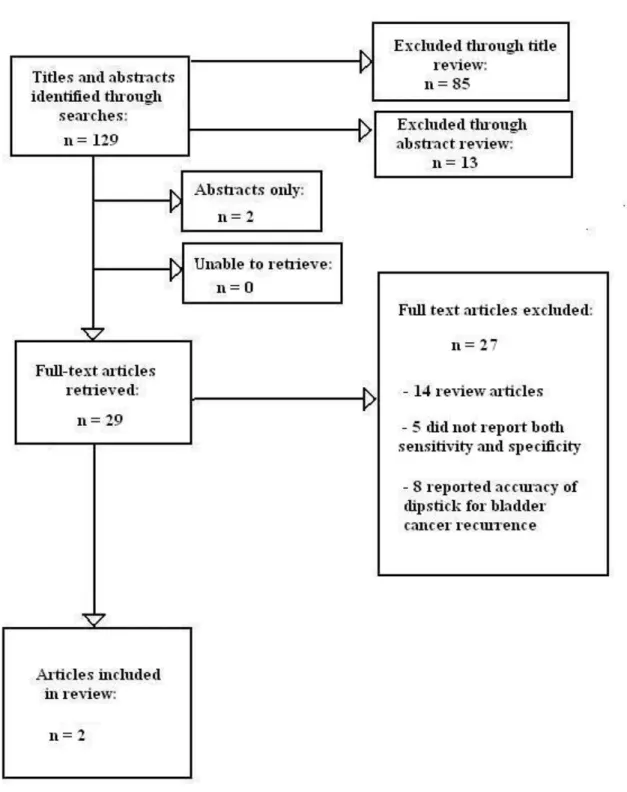
Figure 1: Flow chart of included and excluded studies, Key Question 1 Titles mHI absh':lcts
hlentifie(l tlu·ough searches:
1---- - -- --N" Exclude(! tlrrouglt title
V
reviPw:1\ = 125
1\ = 222
"
';::::
======:::::=.
L - - - r -
-
--_l'-
- - -
-
---..f'l.,.
Exclutie(lllu·ough absiJ':lct review:1\ = 17
t-
-
--"r::.
Abst:J":Icts only:~-' n= 16
t-- ---1"1)1 U11.~ble to renieve: V II= 2
Full text artifles excluded:
1\ =52
Full-text articles renieve(l: n= 62
1---~"l
-
46 review/baclq~l'O\UHI -yArticles inclu(le(l in review:
n= 10
Representing :uiides reporting longitudinal d.~ta
fi·om 2 di.<tinct studies.
-3 \nong outcome
-2 "l'ong llOiml.~tion :mel outcome
Description of included studies
Two studies of bladder cancer screening met our eligibility criteria and have presented longitudinal data
on mortality. The first, conducted by Britton and colleagues in Leeds, England (41-44), was a
nonrandomized, non-controlled, prospective trial in which 3,152 men age 60 and older from five general
practices were invited to participate in a bladder cancer screening trial from 1987 to 1989. Of these,
2,356 men (74.7%) accepted and entered into the trial. Participants‟ urine was tested for hemoglobin by
dipstick at an initial clinic, and thereafter subjects tested their own urine at home either once a week for
ten weeks (1,604 men) or once a day for ten days (752 men). The authors do not report how participants
were divided into these two groups, and results are not reported for individual groups, only as a whole. If
any one of the eleven total urinary dipsticks was positive for hemoglobin, the participants were offered a
full urologic workup, consisting of urine microscopy and culture, urine cytology, excretory urography
and/or renal ultrasound, and cystoscopy and biopsy.
Of the 2,356 men who underwent screening, 474 (20%) had at least one positive test result for
hematuria. Of these, only 319 agreed to further urologic workup. Upon pathologist review, 17 bladder
cancers were detected. This represents 0.7% of the entire screened cohort. Additionally, the positive
predictive value (PPV) is reported by the authors as 5.3% (17/319). However, a more conservative
estimate is 3.6% if using the total number of participants who received a positive result (474). The true
PPV for this cohort is likely somewhere between the two estimates.
Of the 17 bladder cancers detected through screening, only one (5.9%) was initially
muscle-invasive. This figure is much lower than the 30% of disease that is typically muscle-invasive when
diagnosed clinically (8). These 17 patients were followed as a cohort for the next seven years and
monitored for recurrences and progression of disease. At seven years, 5 of the 17 cases (29%) had
progressed to muscle invasion. Further, there were recurrences among four other patients (23%). At the
cancer-specific mortality 17.6%. Three patients had died of other causes, for an all-cause mortality of
35.2%. The authors do not report any outcome data for study participants that did not have bladder
cancer diagnosed, including those with a positive screen but negative urologic workup.
These results show that prevalent cases of bladder cancer can be detected through a screening
program looking for hematuria, as we would expect. Furthermore, it is possible that screening detected
tumors that were destined to become muscle-invasive, as only one of the 17 detected cancers was
invasive. However, the study has a number of large weaknesses that make drawing conclusions from it
extremely difficult, if not impossible. Perhaps its greatest weakness is the study‟s lack of a control group.
An ideal comparison group would have been a cohort of men over age 60 in the same geographical area
that were not screened for bladder cancer. Without this comparison, we cannot draw any conclusions as
to whether screening was effective in reducing bladder cancer-related mortality. Additionally, we do not
know the outcome of the participants who did not have bladder cancer diagnosed. We have no
information on the rate of false negatives among these patients.
Another significant weakness with this study is its small size. While only 2,356 men were
screened, most screening trials have on the order of 70,000 to over 100,000 participants in order to catch a
large enough number of prevalent cases to make meaningful evaluations. The number of cancers detected
in this study (17) is too small to evaluate the efficacy of screening, even if a control group were present.
This is one factor tempering any conclusions drawn from the fact that only one of 17 cases was initially
muscle-invasive. This could be a down-staging due to screening; however, it could have been simply due
to the role of chance in the small number of tumors detected. Furthermore, it could also have been due to
the presence of length-time bias, wherein down-staging appears to have occurred but in reality more
indolent tumors are detected.
The study has several other inherent weaknesses. All participants were volunteers, creating