THE SURVEILLANCE EXPERIENCE OF CHINESE UNIVERSITY STUDENTS AND THE VALUE OF PRIVACY IN THE SURVEILLANCE SOCIETY
Chengyuan Shao
A dissertation submitted to the faculty of the University of North Carolina at Chapel Hill in partial fulfillment of the requirements for the degree of Doctor of Philosophy in the Hussman
School of Journalism and Media
Chapel Hill 2020
Approved by
Tori Smith Ekstrand Daniel Riffe
ABSTRACT
Shao Chengyuan: The Surveillance Experience of Chinese University Students and the Value of Privacy in the Surveillance Society
(Under the direction of Dr. Victoria Smith Ekstrand)
Against the backdrop of China’s expanding surveillance infrastructure, this study focuses on the young generation internet users in China and examines their experience with government and commercial surveillance as they engage on Chinese social media and online service
platforms. A nation-wide mixed-mode survey was distributed to university students in five Chinese cities. Research findings suggest that the young generation internet users in China live in a fundamental paradox where their desire to fully engage in the digital world confronts the growing concerns about mass surveillance from the increasingly powerful platforms and the traditional state power. As a result, they would make situationally contextualized privacy
To my advisor, Dr. Tori Ekstrand, for opening the door to a great adventure for me and guiding my academic life with so much grace and wisdom. I truly could not have done this without you. To my parents, Mama and Baba, for always cheering me on. I would not have the courage to go explore the world halfway across the globe without knowing that you are always there for me at
home.
To my boyfriend, Hu Min, for all his love and inspiration in the past seven years. This journey would have been a lot more lonely and difficult without you in my life.
ACKNOWLEDGEMENTS
I wish to thank the members of my dissertation committee: Dr. Daniel Riffe, Dr. Amanda Reid, Dr. Torin Monahan, and Prof. Joseph Kennedy for generously offering their time, guidance and good will throughout this project.
Special thanks to Dr. Chen Juan at South China University of Technology and Dr. Li Bing at Zhejiang University of Technology for their generous contribution to this project. I would also like to thank Dr. Lu Juan, Dr. Wang Wenjie, Dr. Liu Jinhong, Dr. Peng Guibing, Dr. Wang Lingning, and Dr. Li Yifei for their local support in obtaining the necessary
documentations that helped put this project through the Institutional Review Board.
TABLE OF CONTENTS
LIST OF TABLES ... viii
LIST OF FIGURES ... ix
CHAPTER 1: INTRODUCTION ... 1
Understanding the Surveillance Society ... 6
The Subject of Privacy in the Surveillance Society ... 8
Contextualizing Privacy ... 10
The Chinese Surveillance Society ... 11
Significance of Study ... 13
Chapter Outline ... 16
CHAPTER 2: LITERATURE REVIEW ... 18
Classical Free Speech Theories and Surveillance ... 19
Conceptualizing Privacy in the Surveillance Society ... 25
Surveillance Studies and the Chinese Internet ... 31
The Chinese Concept of Privacy ... 36
Research Questions ... 39
CHAPTER 3: METHODS ... 42
Using Survey to Study Privacy and Surveillance in China ... 43
Sampling ... 44
Data Collection ... 45
Survey Measures ... 46
CHAPTER 4: SURVEY FINDINGS... 55
Sample Demographics ... 56
Descriptive Statistics... 57
Surveillance Concerns and Personal Information Sharing (RQ1) ... 59
Personal Information Sharing in Context (RQ2) ... 62
Web-based vs. Paper-based Survey (RQ3) ... 64
CHAPTER 5. DISCUSSION ... 67
Surveillance Concerns and Personal Information Sharing ... 67
Contextualized Information Sharing Attitudes ... 71
Studying Privacy and Surveillance in China: Survey Modes ... 74
Implications of Study ... 76
Limitations ... 81
Future Research ... 83
APPENDIX 1. TABLES AND FIGURES ... 85
APPENDIX 2: SURVEY QUESTIONNAIRE ... 97
LIST OF TABLES
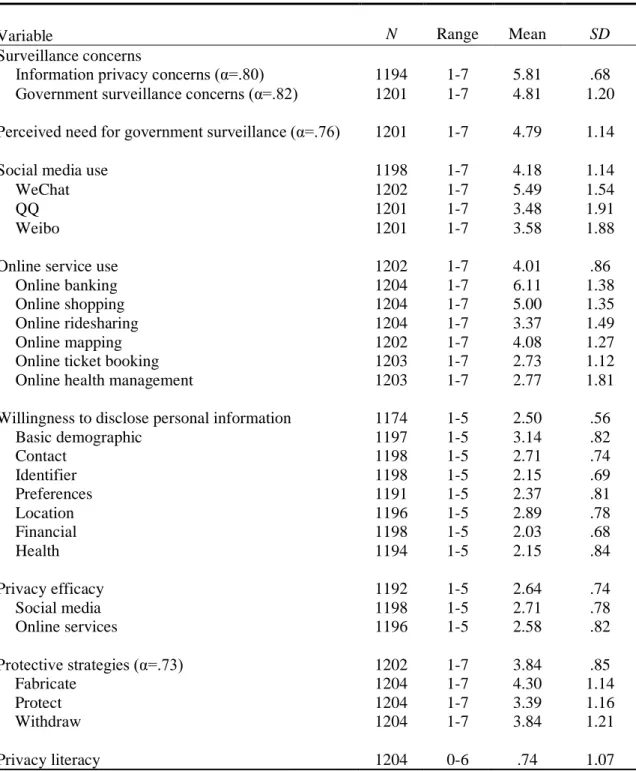
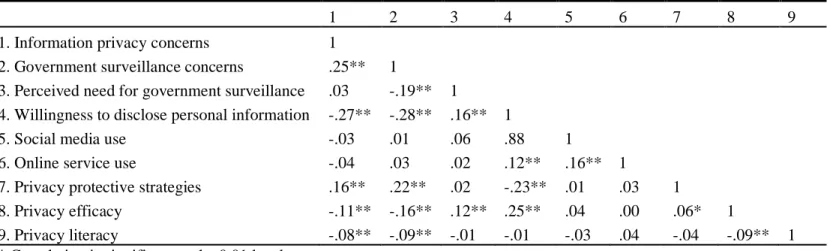
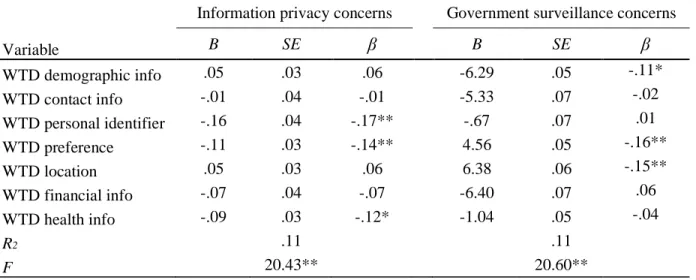
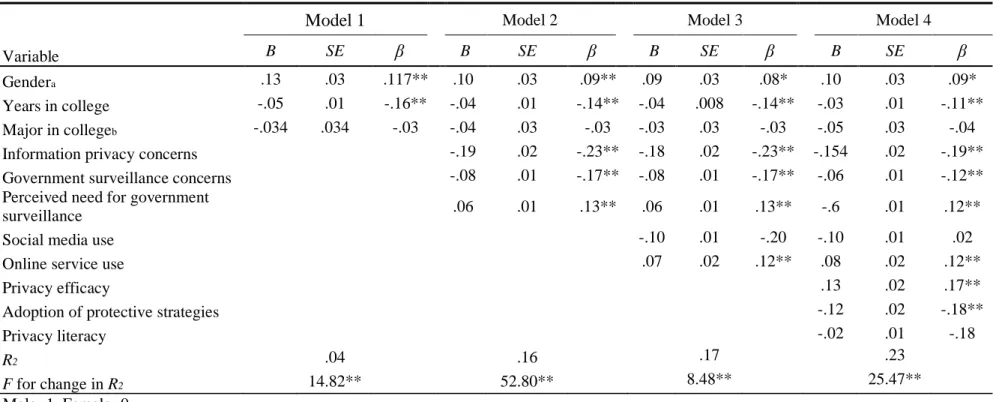
Table 1 Sample Demographics ... 85 Table 2. Descriptive Statistics for Key Variables ... 86 Table 3. Pearson Correlation Coefficient for Key Variables ... 87 Table 4. Summary of Simple Regression Analyses for Willingness to Disclose Personal
Information (WTD) Predicting Information Privacy Concerns and Government
Surveillance Concerns ... 88 Table 5. Summary of Hierarchical Regression Analysis for Variables Predicting Willingness to
LIST OF FIGURES
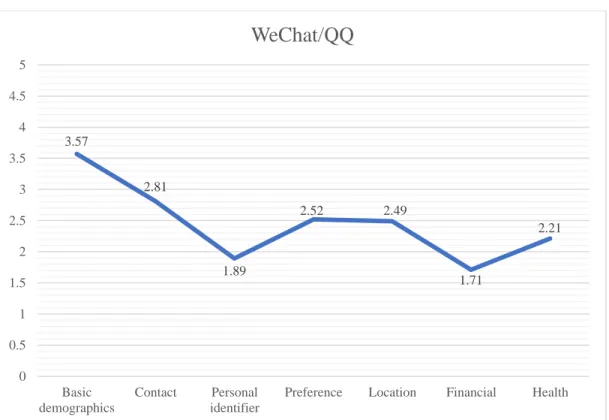
Figure 1. Willingness to Share Personal Information on WeChat/QQ ... 91
Figure 2 Willingness to Share Personal Information on Weibo ... 91
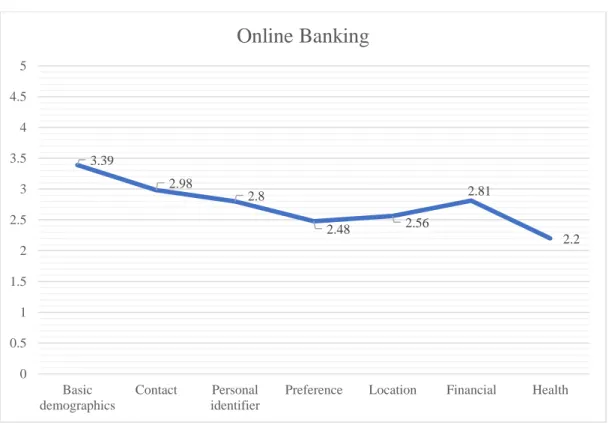
Figure 3. Willingness to Share Personal Information on Online Banking Platforms ... 92
Figure 4. Willingness to Share Personal Information on Online Shopping Platforms ... 92
Figure 5. Willingness to Share Personal Information on Online Ridesharing Platforms ... 93
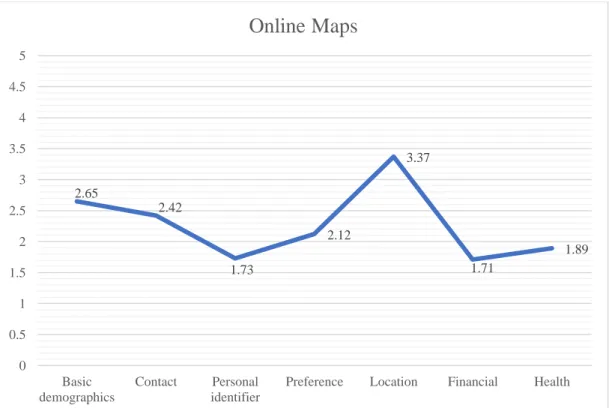
Figure 6. Willingness to Share Personal Information on Online Maps Platforms... 93
Figure 7. Willingness to Share Personal Information on Online Ticket Booking Platforms ... 94
CHAPTER 1: INTRODUCTION
The rise of the surveillance society in the past two decades has called for renewed attention to theory and policy on emerging surveillance practices that have penetrated every corner of contemporary social life (Lyon, 2002, 2015; Cohen, 2008, 2003, 2015; Richards, 2013). In this surveillance society, precise details of individuals’ personal lives are “collected, stored, retrieved, and processed within huge computer databases” by corporations and
governments to influence and manage people and populations (Lyon, 1994, 2002). In recent years, cutting-edge artificial intelligence based on networked machine-learning systems and new wave sensor-enabled devices has magnified the capacity of governments and internet platforms around the world to collect and process massive information about individuals and groups. This development of contemporary life is creating growing challenges to dominant approaches to privacy, which were inadequate in pinpointing sources of disruption and addressing the harms caused by a burgeoning array of contemporary surveillance practices.
As traditionally understood, privacy is the right to be left alone and the right to maintain control over personal information flow (Warren & Brandeis, 1890; Westin, 2003). In a time of significant transformation in data practices enabled by information and computational
entrenched regulatory approaches while doing so, it is necessary that concepts and policies around privacy be revisited in the context of an emerging surveillance society on a global scale.
When considering the major changes initiated by new communication technologies, to borrow the words from Balkin (2014), asking what is genuinely new is to ask the wrong
question; the focus ought to be on what features of the human condition a technology has made particularly salient that went relatively unnoticed before, and what consequences it will have for human freedom. Facing the new wave of privacy threats as identified above, it is simply not enough to note the ever-expanding capability of governments and private internet platforms to collect and monitor new personal data, such as location history, biological indicators, and intellectual preference. New perspectives need to be brought forward about the nature of contemporary surveillance practices and the purpose of privacy in the networked society;
questions need to be asked about conventional wisdom on the binary oppositions between public and private and between authoritarianism and democracy that contemporary surveillance systems have made problematic. Only by highlighting these issues can new understandings about privacy be formed and new approaches to information policies around privacy and surveillance be properly addressed.
China, as the world’s largest internet population and a long-time one-party
3; Carney, 2018, Sept 17). One of the new developments captured in the media is that China’s facial recognition technologies are now capable of detecting and labeling people’s ethnicities and that such technologies are used to monitor the activities of Uyghur Muslims, a population that has been under severe state surveillance in recent years (Mozur, 2019, April 14; Doffman, 2019, May 3).
However, as Richards (2013) points out, while authoritarian regimes have long been the primary villains in stories the West tells about surveillance, such one-dimensional Orwellian portraits of surveillance fail to grasp the essence of the harm of surveillance in contemporary societies. For instance, democratically elected governments in the West have also stepped up their surveillance of the public in the name of counter-terrorism, protecting cybersecurity, and a growing list of other concerns. Government surveillance, such as the NSA wiretapping of citizen’s communications and the British data-retention regulation, are some evident examples. Recent investigative pieces also found that U.S. universities, private foundations, and retirement funds have invested hundreds of millions of dollars into the facial recognition technologies behind state surveillance in China (Mac, Adams, & Rajagopalan, 2019, June 5). More
importantly, the Orwellian digital dystopia account of surveillance risks losing sight of a vital component of contemporary surveillance systems—commercial surveillance for the purposes of marketing and profit making that is led by the business sector and has largely infiltrated many aspects of modern people’s lives.
the development of Smart City and industry transformation, China has seen accelerated growth in the use of big-data technology in different industries, including manufacturing, transportation, healthcare, retail, and e-commerce, which fuels the growth of business analytics services in recent years (The Financial, 2015). Moreover, business analytic services are increasingly cooperating with public institutions in government-related fields, thus nurturing a neoliberal form of governance and data politics in China (Hou, 2017).
Against that backdrop, the Chinese surveillance society as well as the surveillance experience of young generation internet users in China are fundamentally multi-dimensional, shaped by the combined force of a traditionally strong state surveillance system and a dynamic commercial surveillance network. Such a surveillance system transcends what, by far, has only been characterized as an Orwellian digital dystopia and calls for more nuanced treatment of surveillance power in a non-Western context. This dissertation explores this subject by investigating how both state and commercial surveillance are experienced among the young generation internet users in China and how such experience has shaped the privacy beliefs and information-sharing behaviors among this unique population. This investigation seeks to shed light on how new generation Chinese internet users perceive surveillance practices from the government and internet platforms, their concerns about state and commercial surveillance power, and how they make contextualized privacy decisions in the emerging surveillance society in China.
The population under investigation in this dissertation is university students currently enrolled in higher education institutions in China. This population is chosen because it is the most actively engaged group in contemporary Chinese information society. According to
among the most active users of social media platforms, such as WeChat, QQ, and Weibo, and service platforms such as AliPay (online payment), Taobao (online shopping), and Meituan (online food-ordering). Unlike university students in the late 1980s, who played an important part in galvanizing social change during the democratic movements, the currently enrolled university students, mostly born after 2000, grew up in a time of rapid economic transformation and technological advancement in China. They are the generation shaped by the Chinese
information society, which is characterized as a form of “authoritarian informationalism” that combines elements of capitalism, authoritarianism, and Confucianism (Jiang, 2010). As active users of social media and online services, these university students are also the subjects of mass surveillance from the state and private actors on the Chinese Internet. Their perceptions and behaviors regarding government and commercial surveillance practices are particularly relevant to an updated understanding of the Chinese surveillance society.
relationship. In this manner, the survey project helps to identify the contextualized information privacy management strategies that Chinese university students practice as they engage with social media and online service platforms, and how much of a mode effect is present in surveillance attitude survey research in the China context.
The theoretical perspectives and analytical tools of this dissertation are largely informed by the emerging field of surveillance studies, as well as recent legal and social science
scholarship on theories and policies around privacy and surveillance. Believing that revisiting the concept of privacy and its purposes in the context of the surveillance society is the key to
reiterating the value of privacy and formulating new regulatory approaches, this study builds its theoretical framework on research that has examined the characteristics of the modern
surveillance system, the subject of privacy, and the contextual nature of privacy in the past two decades. It also seeks to interpret the Chinese surveillance society from these theoretical perspectives in the search for a more nuanced treatment of the surveillance experience in
contemporary Chinese society. This chapter reviews the theoretical framework and then presents the chapter outline of this dissertation.
Understanding the Surveillance Society
exists a “public/private cooperation and co-optation” where the government is increasingly willing to target the owners of private infrastructure for cooperation to engage in surveillance (Balkin, 2014). It is, therefore, too restrictive to assume that the state is the predominant agent of surveillance in the digital era. Rather, the surveillance society has superseded the Orwellian totalitarian state-centered control, and is comprised of both state and non-state efforts to monitor different populations through mass surveillance (Haggerty & Ericson, 2000).
The surveillance system is fundamentally networked. It exploits correlations between behaviors and predictive cues from different corners of modern life to make connections between systems of data and integrate them into a larger system. In this sense, the surveillance system is also radically decentralized. Haggerty and Ericson (2000) refer to it as the “surveillant
assemblage,” in which surveillance grows “across a series of interconnected roots which throw up shoots in different locations.” Such features of the surveillance system enable deductive, inductive, and sematic reasoning based on voluminous assemblages of data and generate new knowledge about individuals that extends beyond recorded data and the context in which such data is collected (Nissenbaum, 2019). This remarkable potential of the surveillance system is at the core of the new challenge to privacy from information and computational technologies— the system’s ability to draw new knowledge from observed phenomena using sophisticated statistical analyses.
role in the extension of mass surveillance in modern society. A better understanding about the surveillance society requires recognition that popular support for efficient information processing has played an important role in accelerating the growth of modern surveillance. As noted by Rule (2007), the public’s expectations of “justice in treatment of individuals on the bases of their full record” have greatly fueled the surveillance society (p.21). It, therefore, can be argued that the extension of mass surveillance is not simply an institutional imposition on passive publics; it is rather the result of trained public expectations for efficient interactions and transactions plus the advancement of analytical power.
The Subject of Privacy in the Surveillance Society
The initial theoretical question this dissertation seeks to address is what kind of selfhood should information policies concerning privacy and surveillance seek to promote. The dominant approaches to privacy theory traditionally consider the subject of privacy to be the autonomous individual who possesses the capacity for rational choices and self-determination. As will be explained extensively in the chapters to follow, this traditional conception of the subject of privacy is presented with fundamental challenges on both theoretical and practical levels. In this dissertation, the subject of privacy is regarded as the “networked self,” which Cohen (2013) has conceptualized as the “dynamic, emergent subjectivity” that practices “socially situated
boundary management.” This subject is constituted by its social and political culture, which in turn shapes the form of self-determination and participation. However, the liberal self that is autonomous and the social constructed subject are not irreconcilable opposites. They are
This networked self also lives in a fundamental paradox. Quantitative social science research on privacy attitudes and behaviors has identified a “privacy paradox,” referring to the phenomenon that people’s concerns about privacy are unrelated to their privacy behavior. Those who have substantial concerns with regard to their online privacy engage in self-disclosing behaviors that do not reflect their concerns (Norberg, Horn, & Horne, 2007; Dienlin & Trepte, 2015; Young & Quan-Haase, 2013). Although some studies did not, or only partially, support the privacy paradox due to measure construct adjustment (Baruh, Secinti, & Cemalcilar, 2017; Dienlin & Trepte, 2015; Wu, Huang, Yen, & Popova, 2012), the privacy paradox phenomenon is a perfect reflection of the conflicting situation in which the subject of privacy has to constantly balance the desire for privacy and the desire for disclosure and communication in the
surveillance society. It is through this process that the subject of privacy practices socially situated boundary management.
Contextualizing Privacy
Nissenbaum (2012)’s theory on contextual integrity has significantly informed the way privacy is conceptualized in this study. The contextual integrity framework proposes that protecting privacy means not “strictly limiting access to personal information, or assuring people’s right to control information about themselves,” but ensuring that personal information “flows appropriately” (Nissenbaum, 2012, p. 2). Stated simply, the context in which personal information is collected and shared matters to whether privacy is invaded or not. This is because our social life is constituted by distinct social contexts, and privacy norms, or what is considered an appropriate information sharing principle, ought to be determined by information’s social contexts. The theory of contextual integrity posits that parameters such as “who sent the
information, who received it, about whom it is, what types of information are involved, and the constrains imposed on them” should define contextual information norms; and it is regarded as infringing on privacy only if the contextual norms, or expectations of appropriate behaviors and practices, are violated (Nissenbaum, 2019).
An important advantage of the theory of contextual integrity is that it negates the
definition of privacy as secrecy or stoppage of flow as in traditional privacy theories. Contextual integrity acknowledges at the outset the critical importance of personal information sharing in contemporary social life. It does not necessarily consider collecting and sharing, even leakage of information about persons, as privacy harm. As Nissenbaum (2019) argues, when seen as
in contradiction to information flows needed to promote those imperatives because it allows for flows that are appropriate in the information context in which the exchange happens.
Building on this theory, this study measures information sharing behaviors in a contextualized manner based on types of personal information and online service platforms. “Personal information” in this case is information about an identified person. The usage practice of the community defines personal information as “any information relating to an identified or identifiable natural person (‘data subject’); an identifiable person is one who can be identified, directly or indirectly, in particular by reference to an identification number or to one or more factors specific to his physical, physiological, mental, economic, cultural or social identity” (European Parliament and Council, 1995, Oct 24).
In the survey, personal information is grouped into seven categories: basic demographics (age, gender, education), contact (email, phone, address, social media accounts), personal
identifiers (government ID, name), personal preference (browsing/keyword search/shopping history), location (real-time location, location history), financial (bank account, debit/credit card), and health (medical history, health condition). Moreover, based on knowledge of the popular online service applications among young people in China, online service is sorted into six types: banking, shopping, ridesharing, mapping, travel ticket booking, and health
management. When asking about participants’ information sharing behaviors, both the information type and service type will be specified so that privacy attitudes and behaviors are captured in contextualized settings.
The Chinese Surveillance Society
Orwellian rhetoric is neither an accurate description nor an informed and thoughtful way of examining the Chinese surveillance society. Neither will simplistic dichotomies of state versus society, authoritarian versus democracy, control versus freedom help to nurture insightful observations about the issues of surveillance in contemporary societies. As surveillance studies scholars have noted, the modern surveillance society, as the everyday routine surveillance that we know and experience today, is a product of modernity and the prominent features that define and constitute modernity (Giddens, 1985; Lyon, 2002). Therefore, surveillance has two faces: the fearful system that keeps track of personal lives also serves to enhance life quality and promote justice. Therefore, the “merely paranoid” and all negative perspectives on surveillance can always be challenged, and thus are “almost always inappropriate” (Lyon, 2002). Furthermore, post-structural analytical tools, such as Foucault’s theory of power, have prompted theorists to ponder surveillance’s role in modern society beyond mere repression and to ask whether surveillance has a productive dimension, as in whether it contributes to the shaping of modern subjects.
As a result, predominant theses on surveillance in China and the complications surrounding it remain limited, even though research on Chinese Internet has been abundant (Yang, 2014). Many examples of creeping surveillance have been given, but little theoretical novelty and imagination is provided about the lives that are under heavy surveillance from both the state and private actors.
Nevertheless, state surveillance remains an important focus of this study. China’s unique political system and the lack of procedural transparency in a one-party non-democratic state, coupled with its bad record on human rights issues, invite questions about possible abuse of surveillance power and its effects on the lives of average Chinese people. To illustrate this point, the survey method employed in this study uses a special design: both a web-based and paper-based survey, identical in content, will be administered to sampled university students. This will address whether participants answer differently to the questions about surveillance and privacy in the online environment because of fear of government oversight. Moreover, questions about government surveillance concern and the perceived need for government surveillance are asked in the survey in order to determine the young generation’s perception of government surveillance in relation to commercial surveillance on the Chinese Internet.
Significance of Study
The significance of this dissertation is threefold. First, theoretically, it seeks to bridge the dialogue between legal scholarship on surveillance, specifically the U.S. legal theories on
reform in information policy, theory must open itself to and address the postmodernist critique of the fundamental assumptions regarding the liberal selfhood and reconsider the relationship between selfhood and surveillance. As our understanding of surveillance and the information society in general deepen, it is critical that the value of privacy be reconceptualized beyond “the right to be left alone” as stated in Warren and Brandeis (1890) and “the right to control the flow of personal information” as advanced by Westin (2003; 2015), to address the emerging problems facing information policy on privacy and surveillance. Despite the focus on the Chinese
surveillance society, much of the theoretical insights in the English-speaking scholarship are of significant reference value to this study. These theoretical considerations address problems regarding global information societies of which China is an increasingly important participant.
This dissertation seeks to turn from the one-dimensional focus on authoritarian state control to a perspective informed by surveillance studies scholarship, which views surveillance as a dynamic, decentralized system that encompasses everyday encounters in modern life across democratic and authoritarian states. State-centered censorship and control has been dominating discussions about the Chinese Internet. However, as new information and communication technologies evolve, surveillance as an expanding social control tool that has been widely employed in China is worth more attention. By examining the surveillance experience of university students, this study will demonstrate how young, educated, technologically savvy populations in China understand and react to surveillance encounters in which the state and the private industry are cooperative in enforcing mass surveillance.
information, and privacy literacy, and connects the quantitative methods with legal and social theories on privacy and surveillance. Research on consumer privacy concerns and behaviors, which will be addressed in the method chapter, contributes to the manner in which concepts around privacy are measured quantitatively with good validity and reliability scores. However, they often speak more to consumer behavior models than to information policies on privacy. This study works to bridge the quantitative measures with theories on privacy’s subject and context and explores the connections among concepts.
A number of published English works have addressed issues of privacy in China in various ways (Zhu, 1997; McDougall & Hansson, 2002; Yao-Huai, 2005; Cheung, 2009; Wang, 2009; Xue, 2010; Wu et al. 2011), but few have taken an empirical approach to examine the attitude and behaviors of Chinese Internet users using quantitative survey methods. The limited number of Chinese scholars who used surveys to investigate privacy behaviors (Shen 2015, 2017) focused solely on consumer behaviors. This study aims to fill this empirical gap in English literature on privacy and surveillance in China.
Lastly, with regard to policy and regulation, by examining the subject of information policy and the value of privacy in the surveillance society theoretically and empirically, this dissertation addresses the inadequacies of the current privacy policy framework and its underlying assumptions about the human self. Furthermore, it explores new ways of
discussions about the framework of information policy on privacy and surveillance in the global information society. Furthermore, because this dissertation is situated in China and among the young, educated, technologically savvy users, it will address specifically the unique
characteristics of the Chinese surveillance society and the contemporary Chinese concept of privacy, which should inform law and regulations regarding surveillance and privacy in China. Chapter Outline
This dissertation comprises five chapters. The present Chapter I is an introduction, providing the background, general framework, and aims and objectives of the study. The theoretical framework of this study is laid out in this chapter. The significance and organization of this dissertation are introduced.
Chapter 2 is devoted to a review of literature in law, social science, and surveillance studies that have informed the theories and methods used in this dissertation. Existing scholarship is synthetized into four distinctive themes: classical free speech theories and its limitation, theories and concepts of privacy, surveillance studies and the Chinese internet, and the Chinese concept of privacy. Research questions are proposed at the end of this chapter.
Chapter 3 introduces the research methods employed in this dissertation. Details of survey methods, including sampling, implementation, measures and measurement, data collection and analysis, as well as justifications for using a mix-mode survey design are explained.
platform types. This chapter also presents the differences between online and paper survey responses in key variables.
Chapter 5 reviews the findings of this study concluded from the survey project.
CHAPTER 2: LITERATURE REVIEW
This chapter reviews existing literature that has informed the theories and methods employed in this dissertation. This literature review covers scholarship under four distinct themes. First, a review of classical free speech theories and their relationship to surveillance lays out the traditional legal framework under which the right of privacy emerged and the harm of surveillance is identified. The limitations of this traditional approach when applied to the issues around surveillance will be addressed. The second part on conceptualizing privacy in the surveillance society reviews the primary ways in which privacy has been theorized in existing scholarship and identifies two theoretical perspectives that are particularly helpful in
understanding the value of privacy in surveillance contexts: the theory of contextual integrity and the conceptualization of the subject of privacy in the surveillance society.
Classical Free Speech Theories and Surveillance
The commitment to freedoms of thought, belief, and intellectual privacy lie at the foundation of classical theories on freedom of speech within the Anglo-American civil liberties tradition (Richard, 2013). The First Amendment of the U.S. Constitution as interpreted by the U.S. Supreme Court in the past hundred years strives for broader protection of free and unfettered thought and belief, prioritizing free speech over other social values with which it comes into conflict (Shiffrin, 2016, p.7). Under this tradition, the expansion of surveillance in modern societies is harmful to this tradition in two ways. First, surveillance by government and private actors threatens freedom of thought by creating a “chilling effect” that stifles the
“breathing space” that free speech needs in order to survive. Second, surveillance creates a power imbalance between the watched, often understood in individual terms, and those who are watching, and increases the risk of an Orwellian tyranny (Richard, 2013). This understanding of surveillance heavily influenced the prevailing form of analysis about the emerging surveillance practices and its relationship to privacy. It is therefore necessary to revisit this literature and examine its place in contemporary understanding of surveillance in the information society.
Freedom of speech has been interpreted to promote many values including truth-seeking self-governance, autonomy, tolerance, and associated cultural values. The three prominent theories of free speech include the marketplace of ideas theory derived from the work of John Milton (1644) and John Stuart Mill (1966), self-governance theory developed by American philosopher Alexander Meiklejohn (1961), and a general theory of individual autonomy
speech. Nevertheless, these mainstream free speech theories have been challenged by theoretical development in fields like feminist theory, critical race theory and literary theory, as well as by social science studies on human behaviors, leaving the traditional liberal political theory’s picture of the “atomistic individual” in doubt (Bunker, 2001, p.100).
Marketplace of ideas
Marketplace theory is by far the most widely acknowledged and the most questioned theory on free speech. It posits that there exists a free market for ideas where different views and opinions can battle with each other and, given enough time, truth will eventually win out as a result of free competition. As stated in Justice Holmes’ famous dissenting opinion in Abram v. United States (1919), “The ultimate good desired is better reached by free trade in ideas,” and “the best test of truth is the power of the thought to get itself accepted in the competition of the market.”
Marketplace theory finds its root in the enlightenment philosophy. In an article titled What is Enlightenment?, Immanuel Kant (1784) called for the public use of reason in bringing about enlightenment and argued that enlightenment is almost inevitable if freedom is allowed. The enlightenment philosophers believed that reason is a distinct capacity and property of the human mind and called upon humanity to use reason to think for itself and to discover the truth for itself instead of following what the authorities had to announce. Likewise, marketplace theory invests heavily on human rationality in telling truth from falsity in the battle between received views and new ideas in the marketplace, an idea that has been described as “wildly optimistic” (Bunker, 2001, p.6).
the topic of surveillance because, looking from a postmodernist perspective, it is primarily power that determines the production of discourses of truth. As stated by philosopher Michel Foucault (1980), “We are subjected to the production of truth through power and we cannot exercise power except through the production of truth” (p. 93). In other words, truth is what is allowed to have truth effects by the powerful in a society. The marketplace is never actually free and equal in terms of access and power. Certain dominant groups could have enormous control over the mass media and exclude viewpoints that challenge the status quo (Bunker, 2001, p.8). Most importantly, under the marketplace logic, privacy restrictions would be deemed as barriers to truth-discovery and efficiency, hampering markets from responding to consumer preferences (Cohen, 2012, p.11). Thus, the marketplace justification for free speech encourages personal-information processing, and is therefore often antithetical to privacy protection.
Self-governance
speech in a democratic society, specifically in the American model, which renders it a justification that can hardly transcend the world of Western democracies.
Self-governance theory is not well-equipped to respond to the issues around surveillance for several reasons. First, political power infiltrates every aspect of modern life including not only state institutions, such as governments, police, and courts, but also schools, hospitals, prisons, and in the streets under surveillance cameras. Postmodernist analysis of power calls into question the traditional identification of power with political power and the concentration of power analysis on state institutions (Lemke, 2011, p.10). Second, like in marketplace theory, self-governance theory commits to “an abstract and disembodied vison of the self,” one that possesses the possibility of “rational value-neutrality” (Cohen, 2012, p.4). Such an atomistic individual with certain claims of autonomy from power relations has been posited as the basis for extensive individual rights by liberal theorists from John Locke to John Rawls (Bunker, 1996). This “liberal self” is challenged by the structuralism notion of the human self that is constructed by culture or language, and by communitarian views of the human self that is created and realized through community and society in which individuals are raised. This tension between the autonomous self and the socially constructed self is at the core of the debate on information policy between legal theory and contemporary social theory. Nevertheless, the autonomous human self underlines much of the classical free speech theories, including individual autonomy theory.
Individual-autonomy
nonconsequentialist approach, freedom of speech is an end in itself rather than a means to achieve a collective good (Baker, 1989, p.5). It recognizes freedom of speech as a moral
imperative to regard individuals as rational and autonomous beings. In other words, freedom of speech underlines what it means to be human; it is valuable even if it does not in fact further human development. Individual autonomy theory therefore argues for freedom of thoughts as a moral imperative primarily centered with the individual, which makes it less susceptible to critiques that the liberal self is an inaccurate representation of individual compared to the other two theories (Bunker, 1996). Thus, individual autonomy theory could be a strong analytical tool to deploy when it comes to excessive mass surveillance of personal information and activities.
These three classical free speech theories, which generally reside in the tradition of liberal political theory, display some common weaknesses such as the assumption of an abstract, atomistic, disembodied human self and a one-dimensional static power relation. However, because classical free speech theories have been very wary of the expansion of government power over individual rights and freedoms, they are relevant where governments operate
surveillance programs on individuals’ personal information and communication (e.g. NSA mass surveillance programs targeting citizens of the U.S. and other countries) and arguably very helpful in pushing back at state surveillance. In such scenarios, classical free speech theories provide sufficient theoretical justifications for containing government surveillance power and protecting individual rights to freedom of thought and intellectual privacy.
automated data collection and monitoring, and government and nongovernment surveillance deeply intertwined. Therefore, the solution to the problems of surveillance can no longer be confined to regulation of government actors, as classical free speech theories have focused on. Under the new-school speech regulation (Balkin, 2014), state and private surveillance are related parts of the same problem. Thus, classical free speech theories and First Amendment law, which requires state action to be invoked, is not sufficient in addressing the complex and dynamic power relations involved in modern surveillance practices.
Second, as mentioned above, classical free speech theories’ heavy investment in the rational autonomous individual is inadequate in understanding the surveillance subject that is the modern individual. Philosophies after structuralism have generally understood the human self as socially constituted, an extension of the structure and community in to which one is born and raised. From the Foucauldian notion of panopticon, referring to the modern society since the late nineteenth century, individuals have been placed in a state of constant visibility and become the “object of information, never a subject of communication” (Foucault, 2012, p. 200). The
autonomy of the modern individual is highly limited under this poststructuralist view of power and control in modern society. Therefore, to properly examine the individuals under surveillance, the traditional conception of the liberal self needs to be accommodated to address the challenges brought by postmodern notions of the surveillance subject.
Finally, there exists a strong cultural tendency in classical free speech theories to
that people only wish their favorite to wear (p.102). As such, discussions about the value of free speech seldom reach beyond the limited number of countries in North America and the Europe. However, as noted by Richards (2013), in today’s world, authoritarian regimes are not the only institutions that wish to surveil; democratic governments in the West have committed to monitoring the public in the name of counter-terrorism and protecting cybersecurity. The Orwellian Big Brother shows itself in both forms of governance in the surveillance age. This is crucial to acknowledge if any substantial understanding is to be obtained about what modern surveillance is and what its purposes are.
Conceptualizing Privacy in the Surveillance Society
Surveillance, as “the rapidly increasing ways in which personal details are collected, stored, transmitted, checked, and used as means of influencing and managing people and population,” makes visibility a social and a political issue in a new way (Lyon, 2002).
Surveillance invites the question of privacy. Yet privacy, as a concept and a way to frame the various challenges brought by a growing surveillance society globally, has been widely criticized for being profoundly inadequate in the face of the challenges brought by surveillance. Like the classical free speech scholarship, privacy scholarship tends to be dominated by legal approaches and methods, and is therefore faced with serious critique from the surveillance scholarship. Much of the critique of privacy, interestingly, resembles those received by free speech theories: reliance on the liberal assumption about the human self or subjectivity, too implicated in right-based discourse, culturally relative, and ultimately practically ineffective (Bennett, 2011).
Addressing the critique of privacy scholarship, including individualism, spatial
broadening and deepening of surveillance.” Although some surveillance studies scholarship has been resistant to the concept of privacy to the extent of intentionally avoiding using the term (Aas, Gundhus, & Lomel, 2008), discussion around the regime of privacy is unlikely to go away because, for all the critique, it can still “displays a remarkable resilience as a way to regulate the processing of personal information by public and private organization” (Bennett, 2011).
The concept of privacy and its value in the surveillance context is a crucial component of this study because of its focus on the individual experience with personal information gathering and surveillance by state and private actors. The following sections will discuss how privacy has been theorized in recent scholarship and the conceptual adjustments that have been made to address the challenges brought by the emerging surveillance society. Three important theoretical perspectives will be addressed in this section: Alan Westin’s privacy constructs, Helen
Nissenbaum’s theory of contextual integrity, and Julie Cohen’s conceptualization of the subject of privacy in the surveillance society.
Westin’s Privacy Constructs
legitimacy of government. On the individual level, privacy was connected with individual life in Western democracies, emphasizing that the individual’s right to choose between self-revelation and reservation is essential to self-development. Such theorization of privacy, one that echoes strongly with the classical free speech theories of democratic governance and self-realization, is an essential component of the framework on which current privacy policies are built.
In addition to his theoretical contributions, Westin conducted a series of public opinion surveys that helped to build the basis for how privacy is measured and regulated in the U.S. In his series of survey research, Westin introduced three categories of individuals in relation to privacy—fundamentalist (high privacy concern and high distrust in privacy protections),
pragmatists (mid-level concern and distrust), and unconcerned (low concern and distrust)—based on respondent answers to three questions about privacy concerns. Using this categorization, Westin testified to the U.S. Congress that privacy policy should focus on the “privacy pragmatists” who are willing to trade privacy off against other gains (Martin & Nissenbaum, 2016). Westin’s characterization of privacy pragmatist as “Homo Economicus” who try to maximize the expected utility of personal information in the market through consumer choice, and who would favor a notice and choice approach to privacy policies (Hoofnagle & Urban, 2014), laid the foundation for privacy policies in the U.S. This framework had since greatly influenced the privacy policies model of today’s Internet platforms across the world. Westin’s substantial contribution to the study of information privacy is highly respected today, but his methodologies and the underlying assumption about the privacy in his public opinion survey research has been criticized in recent scholarship.
Martin & Nissenbaum (2016) pointed out that terms such as “pragmatists” or
privacy off against free services or other benefits, a mentality from which companies and regulators made individual choices the nexus of regulation. As a result, the burden on privacy regulators to commit to protecting privacy rights is lessened because the focus of privacy policy is shifted to informed choices rather than the more fundamental question of whether privacy as an important social value is in fact protected by such polices. Hoofnagle & Urban (2014) made a special note on the nature of Westin’s series of survey research, highlighting that these research were largely tailored to address public policy issues concerning their various sponsors and were rarely published in academic journals. Despite the problems, Westin’s recognition of privacy as a liberal value and its essential place in modern society has been described as “prescient” in its time (Solove, 2015).
Privacy as Contextual Integrity
Nissenbaum (2010) parted way from Westin’s notion of privacy protection, which entails “strictly limiting access to personal information or assuring people’s right to control information about themselves” by proposing that privacy ought to be considered in terms of contextual integrity (p. 2). Paying particular attention to the context in which privacy is expected,
Nissenbaum proposed that protecting privacy means ensuring that personal information “flows appropriately” based on “context-relative information norms” (p. 129). From this perspective, privacy does not mean that no information flows or that information is only allowed to flow only when the information subject consents, but that information flow is allowed as long as the actor (sender, recipient), the attributes (information types), and transmission principles (commercial or noncommercial) are legitimate in the context (Nissenbaum, 2010, p.140-147; Martin &
Understood as a contextual integrity, privacy is not given away or violated simply because control over personal information is ceded; privacy is violated only if personal information is disclosed inappropriately. When an individual gives up information, it doesn’t necessarily mean that he or she had given up privacy as well. As such, privacy as contextual integrity can account for the fact that people often willingly release and disclose information about themselves even when they show high concern for privacy, a phenomenon named the “privacy paradox,” which has been addressed in a line of empirical research (Barnes, 2006; Norberg, Horn, & Horne, 2007; Young & Quan-Haase, 2013; Dienlin & Trepte, 2015; Baruh, Secinti, & Cemalcilar, 2017).
The theory of contextual integrity acknowledges the critical importance of personal information sharing in contemporary social life. It does not necessarily regard the collecting and sharing of information about persons, even the leakage of such information, as privacy harm. This perspective makes the theory of contextual integrity stand out in the surveillance era. As Nissenbaum (2019) argued, privacy as contextual integrity is not in contradiction to information flows needed to promote security, efficiency, convenience, public health, ect, because it allows for flows that are appropriate in the information context where the exchange happens, thus lifting privacy from its long-time loser’s position when balanced against the cutting-edge imperatives in the information age.
Reconceptualizing the Subject of Privacy
exit and never has. What should be the real subject of privacy law and policy is a self that is socially constructed and emerged from preexisting cultural and relational basis (Cohen, 2012, p. 19). In this sense, the self could not have an autonomous core because we are born and remain situated within cultural context and power relations; privacy should also not be a fixed condition because the self’s relationship to social and cultural context is fundamentally dynamic (Cohen, 2013).
What Cohen has accomplished with this theorization is to bring what she calls “a postliberal theory of selfhood” into the legal and theoretical discussions about privacy. More importantly, she pointed out that the autonomous selfhood and social shaping are not mutually exclusive. Cohen (2013) argued that recognizing that the self is socially constructed and remains situated in its cultural and social contexts does not forfeit individual autonomy; instead, it puts subjectivity correctly in the space between the experience of autonomous selfhood and the reality of social shaping. When put this way, privacy can be defined as “a function in the interplay between emergent selfhood and social shaping” (Cohen, 2013).
Cohen’s critique of the liberal self does not stand alone. Bunker (1996) addressed the conception of the liberal self and its problems in thinking about theories of free speech. Solove (2013) also provided insightful critique of current privacy policies, which he argues find its root in liberal individualism that presuppose an autonomous self who are able to make informed, rational decisions about personal information sharing. This view of privacy self-management, according to Solove, is tasked with doing work beyond its capabilities because of the cognitive problems lying within the individuals and structural problems beyond individual control.
of liberal political economy, and the emerging field of surveillance studies that rely on the Foucauldian poststructuralist analysis of the relationship between surveillance and the
development of situated subjects and communities (Cohen, 2015). By recalibrating the privacy subject to account for a poststructuralism notion of subjectivity, Cohen reconceptualized privacy as a protection of the “dynamic, emergent subjectivity from the surveillance efforts of
commercial and government to render individuals as fixed, transparent, and predictable” (Cohen, 2013).
Under this framework, the value of privacy no longer carries the spatial implication as inherent in “the right to be left alone” (Warren & Brandeis, 1890); nor does privacy simply mean individual control of personal information flow (Westin, 2013). The value of privacy becomes the interest in the breathing room where the autonomous self practices contextualized boundary management while living through the daily surveillance of the networked society. Thus, Cohen’s conception of privacy is connected with the surveillance studies scholarship that emphasizes controlling nature of contemporary surveillance while still allowing a space for autonomous self-formation and self-determination.
Surveillance Studies and the Chinese Internet
93). In this line of thinking, the concentration of power analysis solely on state institutions is challenged; the idea that power relations are primarily repressive is also called into question (Lemke, 2011, p.10-11).
Surveillance scholars have employed Foucault’s analysis of power and control to grasp the larger operations of power within atomized, decentralized surveillance encounters
(Andrejevic, 2005; Marwick, 2012; Staples, 2014). Some surveillance theorists even argue that in networked societies surveillance operations are more decentralized than Foucault’s work suggests. Drawing from the work of Deleuze and Guattari (1987) on the system of social control, Haggerty & Ericson (2000) proposed the concept “surveillant assemblage,” referring to the prevailing model of surveillance “abstracting human bodies from their territorial setting and separating them into a series of discrete flows,” which are then reassembled into distinct “data doubles” for scrutiny and targeted intervention. This assemblage operates “across both state and extra-state institutions” instead of “exemplifying Orwell’s totalitarian state-centered Oceana” (Haggerty & Ericson, 2000). The assemblage perspective transforms the purpose and hierarchies of surveillance and have led to the field’s more nuanced treatment of surveillance in the Western context. However, such theoretical depth has not been observed in the narratives of surveillance in non-Western countries such as China.
Surveillance and China
dissidents historically and now. As have been well illustrated in recent reports on the Chinese surveillance state, the emerging virtual social credit system in China can easily be used by the state powers to punish those who are deemed the enemy of the state through total disabling of their participation in the information society (Botsman, 2017).
It is, however, reasonable to suspect that the Chinese surveillance society stretches more complicated dimensions beyond the authoritarian state and its political dissidents. As Hou (2017) observed, scholarship on surveillance in the Western context is often treated differently than in China: When academia talks about surveillance practices in the Western context their focus includes not only the impact of surveillance on democratic development but also on issues such as neoliberal governance, marketing, discrimination and equality; however, discussions of surveillance in the context of China focus almost solely on political control by the authoritarian state on its people, allowing simplistic dichotomies of state versus society and control versus freedom. As important as it is to highlight the overt state surveillance in China, discussions around mass surveillance in China requires new analytical tools and theoretical novelty in order to develop nuanced and insightful understandings about contemporary surveillance in China and the global surveillance society in general.
governance can be investigated, and stifles theoretical imagination for studying surveillance in China. Moreover, it has become a reality that both authoritarian regimes and democratically-elected governments in our time have committed to monitoring and managing the population through the assistance from modern surveillance technologies. In this regard, moving beyond the binary oppositions between authoritarianism and democracy might help reveal substantial
insights about the nature of modern surveillance and its purpose. Studying Online Surveillance in China
Questions about how the state deters and monitors the internet in China have attracted extensive academic attention in the English-speaking academia in the past two decades. From the early works that detailed the practices of Internet control deployed by the state against dissident activities in cyberspace (Chase & Mulvenon, 2003; Wu & Goldsmith, 2006), to empirical research that examined Chinese online censorship tactics, structure, and actors (MacKinnon, 2009; Bamman, O’Connor & Smith, 2012; King, Pan & Roberts, 2013), to critical studies that reflected on early works that overemphasized the revolutionary potential of the Internet in China (Leibolo, 2011; Lee, Liu & Li, 2013; Lee & Liu 2016; Hou, 2017), scholarly interests shifted from the digital libertarian ideal that regards the Internet as a regime-changing force in the authoritarian state to broadened discussions about Internet governance. Debates have been brought beyond issues of dissidents-versus-the state and toward more complex issues concerning power and control on the Chinese Internet.
In as early as 2003, Christopher Hughes had proposed that Chinese Internet studies apply the Foucauldian Panopticon concept to explain the culture of surveillance in cyberspace
(Hughes, 2003). This call has recently been answered by surveillance studies scholars,
governance and governmentality (Vuori & Paltemaa, 2015; Hou, 2017). These new perspectives have brought the study of Chinese Internet control to a more sophisticated level of analysis by connecting it to the discussion of techniques of government for the first time.
It is important to note that the Foucauldian and Deleuzian analysis of the system of control in modern society, on which much of the surveillance scholarship is built, is very much targeted at capitalism and neoliberalism. So how could it be applied to the Chinese context? In fact, contemporary China after the “Opening and Reform” program in the late 1970s has undergone a series of dramatic social transitions. These changes led to “the abandon of the effective massline politics that characterized the Maoist era in favour of a reconfigured version of ‘scientific social engineering and socialist planning’ combined with neo-liberal strategies of ‘governing from a distance’ through the development of new technologies of the self” (Jeffereys & Sigley, 2009, p.2). In other words, China’s adoption of market-based economic reforms has resulted in a “hybrid socialist-neoliberal form of political rationality,” which is both authoritarian in a familiar political and technocratic sense and also seeks to govern through planning and administrative rationality (Jeffereys & Sigley, 2009, p.5). Therefore, concerns of
governmentality can and need to be extended to the Chinese context to highlight the changes in the nature of the Chinese Internet governance, particularly the enactment of online security practices.
the Chinese Internet intend not so much on deleting all together forbidden content, but instead focused on distraction, cheerleading, and preventing meaningful collective action (King et. al, 2013). Others have found that the post-totalitarian China protects its political core by trying to prevent public discourse on its leaders and key opponents from going viral (Vuori & Paltemaa, 2015), and utilizes the market for online opinion surveillance (Hou, 2017).
As noted by Yang (2014), our understanding of the multidimensional Chinese Internet and the dynamics of contestation surrounding it remains limited despite the abundant and still thriving research on the Chinese Internet. The reason for this limitation, Yang argues, is a bias in these studies toward “sweeping and dichotomous analytical categories,” including state versus netizens and authoritarianism versus democracy (Yang, 2014). Studying online surveillance in China requires a resistance to such a binary dichotomy and a more sophisticated level of analysis informed by the surveillance studies scholarship, which is what the this research aims to achieve. The Chinese Concept of Privacy
Understanding the value of privacy in the cultural context of China is necessary to inform future information policy on privacy in a contextualized manner. Given its long history,
geographical spread, large population, and ethnic diversity, it is reasonable to suspect that there exists a wider range of variation in China about the concept of privacy (McDougall & Hansson, 2002). Chinese people at various times and places have demonstrated an acute awareness and appreciation of privacy, although the ways of thinking about privacy differ greatly in different times and places and among different groups of people.
the Warring States period (475-221 BC). Confucian debates about gong and si can be found in writings throughout the Tang and Song period (618-1270). Based on analyses of the vocabulary for the debate between gong and si in the Tang texts, historians noted that, acting for private interests in the public domain is always considered bad, while acting for private interests in the private domain could be either good or bad depending on circumstances (McDougall, 2002). In the twelfth century philosophical texts, the term si retained positive as well as negative attributes. The Song intellectual Sima Guang drew a clear distinction between gong and si, and argued that government institutions must always function in the interests of the survival of the state’s political integrity, but did not propose that private interests should be challenged or suppressed for that purpose (Bol, 1993).
Confucianism as the most prominent philosophical tradition in China values intimate relationships and self-discovery. The central role of the family in Confucianism gives family a far greater doctrinal importance than it has in most Western systems of thought (Whitman, 1985). While Confucian ideology emphasizes an orderly society built on a parallel hierarchy system where people are guided toward correct attitudes and behaviors, Taoists place no comparable emphasis on family and social bounds. Instead, Taoism stresses the virtues of inwardness and of things concealed. This withdrawal is regarded as a means of survival and a necessity in troubled times (Whitman, 1985). Both Confucianism and Taoism value intimate relationships, but the ultimate goal in both philosophies is to rise above particular human ties to achieve a greater union, either with a society ordered according to the patterns innate to human nature or with the Tao (Whitman, 1985). This is distinct from the Western concept of
understand themselves best when separate from others. Despite the differences between Western and Chinese conception of human autonomy, Western thoughts became an important influence on the Chinese understanding of privacy as history moved on.
The impact of Western thoughts on privacy became evident in the early twentieth century. By the late imperial era, elite awareness of a Western notion of privacy and an
appreciation of its benefits had been raised (McDougall, 2002). Faced with the chaotic political conditions of the late Qing period (1840-1912), that is an old and corrupted dynasty cornered by colonial powers of the West, and the need to build a strong nation state, the late Qing
intellectuals were forced to reconsider the entire cultural and social basis of the traditional Chinese society. The adoption of Western-derived notions during this time, coupled with the urgency for reformation, created a new context in which privacy was imagined in the early twentieth century China (Zarrow, 2002; McDougall, 2002).
right that belongs to individuals over their personal information and private activities that have no relation with public interest. These scholarly definitions of privacy are based on the
international clauses including Universal Declaration of Human Rights and the International Covenant on Civil and Political Rights, which accorded privacy the status of a basic right to all human beings.
While the Chinese legal scholarship on privacy generally applies a framework that draws heavily from legal traditions in the U.S. and E.U., the Chinese social science research on privacy commonly follows the quantitative research tradition on consumer privacy in English-speaking academia (Shen, 2015; 2015; 2017). By far, little research on privacy in China, either in English or Chinese, has incorporated the theoretical insights from traditional legal theory and
contemporary social theory and applied them on meditating the value of privacy in the
surveillance society. This is the theoretical and empirical research gap that this dissertation seeks to fill. As our understandings of modern surveillance technology and its relationship to the idea of privacy deepens, and as the surveillance society rapidly unfolds around the world, making such theoretical connection and conducting empirical research become an imperative before meaningful insights about the value of privacy can be gained in the new historical context. Research Questions
Guided by the above theoretical framework, this dissertation asks three major research questions. First, it asks whether information sharing behaviors among Chinese university
concerns, government surveillance concerns, social media and online service use, willingness to disclose personal information, adoption of protective measures, privacy literacy will help inform this research question. Secondary research questions include: (1) what is the association between concerns for information privacy/government surveillance and behaviors regarding use on social media/online services? (2) what is the association between concerns for information
privacy/government surveillance and willingness to disclose personal information? (3) what is the association between concerns for information privacy/government surveillance and adoption of privacy protective measures? (4) what is the association between privacy literacy and,
respectively, privacy/surveillance concerns, social media/online service use, and willingness to disclose personal information?
The second research question asks whether privacy judgments about personal information are contextualized as Chinese university students navigate through various online platforms. With the way personal information and online service platforms are categorized in the study design, this research question will help illustrate how students make contextualized decisions about information sharing based on the type of personal information being shared and the nature of the platform that requires such information. Secondary research questions include: (1) how does willingness to share personal information vary based on the type of personal information being shared? (2) how does willingness to share personal information vary based on the type of platform with whom the information is shared? (3) how does privacy efficacy vary across different types of information on social media and online service platforms?
policy. This research question is informed primarily by the survey design of this study. The first part of the question is answered by examining the differences in key variables between those who answered online and those who filled the same questionnaire on paper. A finding of a mode effect would suggest that knowledge and experience of online surveillance have had an impact on the way young people express themselves online, though methodological questions about using online survey methods to examine privacy attitudes and behaviors would also be implied. The final questions about implication for the Chinese surveillance society and information policy in general is answered using key findings from the survey in connection with theories on
CHAPTER 3: METHODS
The research method used in this dissertation is analytical survey. A nationwide mixed-mode survey—web-based and paper-based questionnaires—is employed to investigate Chinese university students’ surveillance experiences and privacy behaviors. This chapter presents the research design for the study and describes the details of sampling, operational definitions, measurements, implementation, and a data analysis .
As one of the most frequently used methods in communication research, a survey, or constructed question asking, is a great tool to learn about respondents’ cognitive beliefs or perceptions, factual knowledge, active feelings or emotional responses, and behaviors (Baxter & Babbie, 2004, p. 167). The survey method has the advantage of providing close estimations of the distribution of characteristics in a population by surveying only some members of that population (Dillman, Smyth, & Christian, 2014, p. 2). It helps in deciphering factors that might serve as “explanations or predictors of certain viewpoints or a particular phenomenon” through using analytical methods (Luther, 2011, p. 146).
design (Wright, 2005; Moy & Murphy, 2016), some of which are salient and need to be addressed in this study.
Using Survey to Study Privacy and Surveillance in China
Surveying people about digital privacy using online questionnaires invites
methodological questions, especially those that concerns sampling. Using web-based surveys to measure an individual’s attitude toward online privacy and surveillance issues may produce what is known as sample nonresponse error, which happens when the characteristics of respondents differ from those who chose not to respond in a way that influences the study’s results (Dillman et al., 2014, p. 5). Indeed, research have suggested that the invasiveness of online surveys makes it highly possible that individuals with higher privacy concerns are already excluded in the sampling process (Evans & Mathur, 2005; Deutskens et al., 2006). A recent meta-analytical review on research about online privacy concerns highlighted the effect of the data collection mode (online vs. offline) on study results, indicating that studies conducted offline reported a weaker positive association between privacy concerns and the adoption of privacy protection measures than studies conducted using online methods (Baruh, Secinti, & Cemalcilar, 2017).
Furthermore, that this survey study takes place in China poses an interesting question about validity, one that concerns the probability of self-censorship among participants who presumably are aware of government oversight on the internet. While self-report measurements are generally subject to validity issues, concerns about participants’ candidness in this specific context is a valid given the widely known “Great Firewall” on the Chinese Internet and the expanding online surveillance in recent years.
To address these methodological concerns, this study employs a mixed-mode survey design combining web-based and paper-based surveys. This approach would clarify whether a mode effect exists and if so, to what extent participants’ responses differ when they respond online and when they fill in a paper questionnaire on campus. Methodologists have increasingly encouraged the use of mixed-mode surveys because they help improve response rates and reduce survey errors as technology has made coordination across modes easier and response rates to single-mode surveys has declined (Dillman et al., 2014, p. 400-403).
Sampling