
ROLE OF NOVEL QUORUM SENSING MOLECULES (DKPS-DIKETOPIPERAZINES) AS ACTIVATORS OF BACTERIAL VIRULENCE AND HOST RESPONSE
Alex Gillone
A thesis submitted to the faculty of the University of North Carolina at Chapel Hill in partial fulfillment of the requirements for the degree of Master of Science in the Department of
Periodontology in the School of Dentistry.
Chapel Hill 2016
ii © 2016 Alex Gillone
iii ABSTRACT
Alex Gillone: Role of Novel Quorum sensing molecules (DKPs-Diketopiperazines) as activators of bacterial virulence and host response.
(Under the direction of Steven Offenbacher)
Objectives: The aim of this project was to establish the functional role of novel quorum sensing molecules (Diketopiperazines – DKPs) on activation of bacterial virulence properties and the potential effects on host cells as activators of the innate immune response. Methods: The effect of DKPs on the growth and virulence properties of the periodontal pathogen, Porphyromonas gingivalis (P.g.) A7436 strain was examined. Secondarily, the effect of DKPs
iv
To my family and Acela, I couldn’t have done this without your continued love and support.
v
ACKNOWLEDGEMENTS
vi
TABLE OF CONTENTS
LIST OF FIGURES……….……...viii
LIST OF ABBREVATIONS……….……...ix
CHAPTER I Review: Synergistetes, Fretibacterium fastidiosum, cyclodipeptides and periodontitis.……...………..……….1
Introduction………..………….….1
Synergistetes and Fretibacterium fastidiosum ………...….………….….2
Cyclodipeptides………..………..…………....13
Statement of purpose, hypothesis and specific aims………...17
Aim 1……… ………...17
Aim 2……….…………....………...17
References……….…...18
II Role of novel quorum sensing molecules (DKPs-Diketopiperazines) as activators of bacterial virulence and host response. ………..………..……..26
Introduction……….…...26
Materials and methods……….……29
Porphyromonas gingivalis experiments.……....………...29
THP-1 experiment……… …………....………...31
RNA isolation and quality control ...………....………...31
vii
Statistics………....…...32
Results……….…...32
Porphyromonas gingivalis growth curves…....………...32
Gingipain activity……… …………....………...33
THP-1 cells viability and number …………....………...33
IL-1β change……….…………....………...33
Discussion………...……….……34
Figures………..41
viii
LIST OF FIGURES
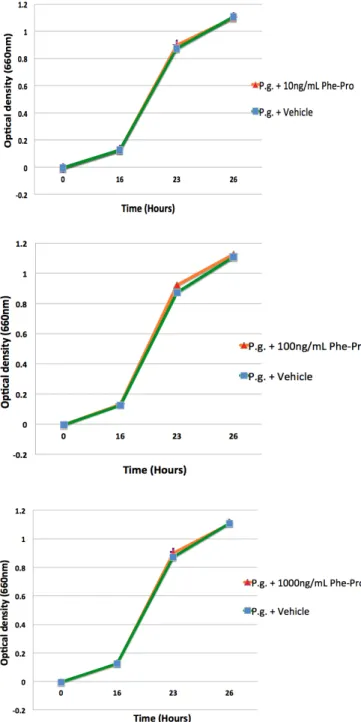
Figure 1. Effect of different concentrations of cyclo(Phe-Pro) on the growth of
Porphyromonas gingivalis …….………...41
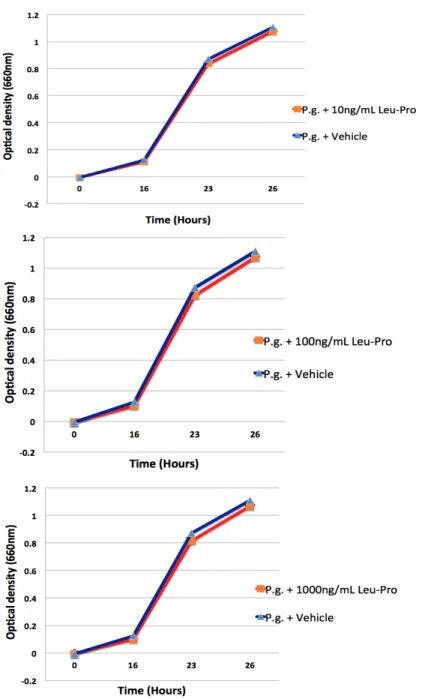
Figure 2. Effect of different concentrations of cyclo(Leu-Pro) on the growth of
Porphyromonas gingivalis …….………..42 Figure 3. Trypsin-like activity of Porphyromonas gingivalis A7436 treated with
variable concentration of diketopiperazines [cyclo(Leu-Pro) and cyclo(Phe-Pro)]
after 4 hours of treatment………...43 Figure 4. Monocytic cell viability (%) upon LPS and DKP cyclo(Leu-Pro)
treatments. ……….………...43 Figure 5. Monocytic cell growth/survival upon LPS and DKP cyclo(Leu-Pro)
treatments………. 44 Figure 6. Monocytic cell inflammatory response upon LPS and DKP cyclo (leu-pro)
ix
LIST OF ABBREVIATIONS
AHL N-acyl homoserine lactones
BGI Biofilm-gingival interface
CSI Conserved signature indels
CNS Central Nervous System DKP Diketopiperazine
E.c. Escherichia Coli e.g. exempli gratia
FISH Fluorescence in situ hybridization Gly Glycine
h Hour
His Histidine
i.e. id est
IL Interleukin
INF Interferon
LPS Lipopolysaccharide
MCP Monocyte chemoattractant protein
MeOH Methanol
MMPs Matrix metalloproteinases nmol nanomole
NF-Kb nuclear factor kappa-light-chain-enhancer of activated B cells
Nrf Nuclear factor-like
x
NUG Necrotizing Ulcerative Gingivitis OD Optical Density
OTU Operational Taxonomic unit
PCR Polymerase Chain Reaction P.g. Porphyromonas gingivalis
Phe Phenylalanine
p-NA p-nitroaniline
Pro Proline
QS Quorum sensing
ROS Reactive oxygen species rRNA Ribosomal RNA
S. aeureus Staphylococcus aureus
THP-1 Human acute monocytic leukemia cell line
TRH Thyrotropin-releasing hormone
TNF Tumor Necrosis Factor
Tpr thiol protease
Tyr Tyrosine
Val Valine
1
CHAPTER 1: REVIEW OF SYNERGISTETES, FRETIBACTERIUM FASTIDIOSUM, CYCLODIPEPTIDES AND PERIODONTITIS
Introduction
2
that activate bacteria and possibly eukaryotic cells and are known entities in marine, food (spoilage) and plant-associated microbiology 6-8.
Synergistetes and Fretibacterium fastidiosum
The Synergistetes are a phylogenetic cluster of Gram-negative anaerobes related to Synergistes jonesii, sufficiently distinct from all other phyla to be considered a distinct phylum or Division. They have been demonstrated in several environmental ecosystems: human, animal, terrestrial and ocean habitats 9. Synergistes jonesii was the first species belonging to this phylum that was isolated in 1992 10. It was found in culture from a goat rumen and was able to degrade the toxic compound, 3-hydroxy-4(IH)-pyridone, that is produced in the rumen from mimosine. Degradation of 3-hydroxy-4(IH)-pyridone by these ruminal microbes is critical for protection of animals from leucaena toxicity. The isolates showed not to ferment carbohydrates, but were able to use arginine and histidine as substrates for growth. The name Synergistes for the genus was chosen to highlight their role of co-workers with the animal 10. There is confusion in the literature about the name of this new phylum, in fact in 1998 11, the candidate phylum “Synergistes” was first described in a phylogenetic study upon the global diversity of bacteria. However, this name was illegitimate due to its prior use for a genus 10 and for this reason Jumas-Bilak and colleagues in 2009 suggested the name “Synergistetes” 12. Furthermore, most oral Synergistetes phylotypes were originally assigned/misclassified to the Flexistipes or
Deferribacteres groups (phylum Diferribacteres) and Selenomonas genus, Syntrophomonadaceae family (Firmicutes phylum) 12-17, but further phylogenetic re-analysis placed them in the Synergistetes group 12, 18.
3
termite hindguts 26, 27, pig intestinal tract 28, human subgingival ecosystems and dental caries 13-15, 29. Godon et al. in 2005, explored the Synergistetes in 93 anaerobic environments (soils,
4
peritoneal isolates and had an 85% similarity to Synergistes jonesii (cluster I). The isolates from soft-tissue infections, on the other hand, formed two distinct lineages moderately related to each other with a similarity of approximately 78% (cluster II). In addition, by using a newly designed 16S rRNA gene-based PCR assay with intended target specificity for Synergistetes, they found that the dominant phylotype from a human fecal sample was nearly identical to that of the strains obtained from peritonitis. On the contrary, sequence types detected in periodontal pockets, from patients with chronic and aggressive periodontitis, formed a separate cluster (III), that shared a similarity of only 80% with the soft-tissue isolates. The proportion of Synergistetes relative to the total microbiota was only 0.04% in these oral samples. In conclusion, their findings suggested a high diversity of medically important Synergistetes clades, which apparently are unique to individual ecological niches in the human body, and a possible pathogenic role for these microorganisms 30.
5
short-chain fatty acids and sulphate for terminal degraders such as the methanogens and sulphate-reducing bacteria 9.
In 2007 Jumas-Bilak et al. reported Jonquetella anthropi as the first characterized species of this new phylum that has been isolated in man. This microorganism was described as an anaerobic, Gram-negative rod with fastidious growth recovered in cultures from a peritoneal fluid sample, wounds, cysts and abscesses 31. In 2009 another group 32 isolated a new species, Pyramidobacter piscolens, from the human oral cavity (odontogenic abscess), that is closely related to Jonquetella anthropi. The genus Pyramidobacter comprises strains that are anaerobic, non-motile and asaccharolytic bacilli 32. The same year Jumas-Bilak and co-workers proposed that the genera Aminiphilus, Aminobacterium, Aminomonas, Anaerobaculum, Dethiosulfovibrio, Jonquetella, Synergistes, Thermanaerovibrio and Thermovirga should be assembled in the same
high-level taxon, the phylum Synergistetes, on the basis of 16S rRNA gene phylogeny 12. Another genus, Cloacibacillus, belonging to the phylum Synergistetes, was derived from a municipal wastewater treatment plant and was described by Ganesan et al. in 2008 33.
6
were not occasional contaminants, but that they are part of the commensal human microflora and may act as opportunistic pathogens 35.
In 2015 Domingo et al. proposed Cloacibacillus evryensis and Cloacibacillus porcorum as potential human pathogens associated with bacteremia 36. The same year Jumas-Bilak and
co-workers described Rarimicrobium hominis, a species belonging to the fifth genus in the phylum Synergistetes that includes human clinical isolates from gynecological material 37.
7
protein homologues from any other organisms. As CSIs are present in most or all Synergistetes and absent in other taxonomic groups, they provide strong evidence that species of the Synergistetes phylum constitute a monophyletic group that is distinct from all other prokaryotic
taxa. Among these CSIs, 22 are specifically present in Jonquetella and Pyramidobacter indicating a close association between these two species. Additionally, they demonstrated that several CSIs were commonly shared by Synergistetes and some species from other bacterial phyla suggesting potential cases of lateral gene transfers 39.
Synergistetes are found in the human mouth where they appear to be more numerous in
dental and gingival disease than health 2, 3, 9, 13, 40-42. Human oral Synergistetes can be divided into two main groups 9: cluster B, which comprises Jonquetella anthropi 31 and Pyramidobacter piscolens 32, and cluster A, which comprises 22 other taxa (such as Fretibacterium fastidiosum) for which one cultivable representative is available 43, 44.
Synergistetes are now not only considered a dominant phylum in the subgingival plaque,
8
Spirochaetes, Synergistetes, and Bacteroidetes were identified as the dominant phyla in
periodontitis patients 47. More importantly, using HOMIM methods, patients with refractory periodontitis (based on mean attachment loss (AL) and/or >3 sites with AL ≥2.5 mm after SRP, surgery and systemically administered amoxicillin and metronidazole (within one year post-therapy) have been distinguished from those with treatable severe periodontitis and healthy patients by significantly higher frequency of specific pathogens, including Synergistes species cluster II, that belong to the Synergistetes phylum, in subgingival plaque 48.
Baumgartner et al. 2012 49, in a Chinese population, demonstrated that Synergistetes cluster A bacteria, but not cluster B bacteria or Jonquetella anthropi, are more strongly associated with Necrotizing Ulcerative Gingivitis (NUG) than with gingivitis (9.4 fold higher numbers). Therefore, the mounting evidence points to the central importance of Synergistetes as an important phylum in the context of periodontal disease and in poor treatment outcomes. Synergistetes cluster A, but not cluster B, bacteria were found at higher prevalence, numbers and
proportions in saliva from patients with periodontitis (generalized aggressive and chronic periodontitis), than non-periodontitis subjects in a Turkish population. The proportion of Synergistetes cluster A tended to be higher in generalized aggressive periodontitis patients than
9
a crucial etiological role in periodontal diseases 49, 50. In periodontitis patients Marchesan et al. in 2015 showed that the microbial community comprising Synergistetes was highly associated with clinical parameters for periodontitis (high probing depth and high bleeding on probing); they also hypothesized that since Synergistetes were associated with trans-4-hydroxyproline, a marker of collagen metabolism, these microorganisms could be associated in the destruction of soft tissue and bone 5.
10
correlated not only with probing pocket depth, but also with bone loss, suppuration, and bleeding on probing, potentially indicating their stronger association with the severity of peri-implantitis than Spirochetes 53. In conclusion there has been an association of Synergistetes with peri-implantitis 54, but it is still less well established than with periodontitis.
11
Fretibacterium fastidiosum (or strain SGP1T) has been identified as a key periodontal
disease-associated species 5. Park and colleagues, through pyrosequencing analysis of subgingival microbiota associated with distinct periodontal conditions in a Korean population, found that F. fastidiosum, Fretibacterium genus and other unclassified Synergistetes are highly increased in periodontitis subjects. Among the taxa assigned by Abusleme to the “core” periodontitis-associated microbiome Fretibacterium fastidiosum and other Fretibacterium species were also included 52. Furthermore, You and colleagues showed that Fretibacterium fastidiosum is more prevalent in subgingival plaque samples from patient with periodontitis than
periodontitis-free controls 45. Lourenço et al., in 2014, using HOMIM, noted that absence of Fretibacterium spp., Fusobacterium naviforme/Fusobacterium nucleatum ss vincentii and Granulicatella adiacens/ Granulicatella elegans was associated with a higher risk for aggressive
periodontitis in relation to chronic periodontitis 61. This finding will need to be confirmed in the future with other studies. Fretibacterium fastidiosum is not only associated only with periodontal disease, in fact it was found both before and after chemo-mechanical preparation of the root canals of teeth with endodontic-periodontal lesions 62 as well as of single-rooted teeth with apical periodontitis 63.
Although Synergistetes have been traditionally classified as non-cultivable, Vartoukian and colleagues in 2010 were able to cultivate this new strain after isolation from the human subgingival plaque of a deep periodontal pocket by means of colony-hybridization-directed enrichment and co-culture with other oral bacteria 43.
12
extracts from, selected other oral bacteria (such as Fusobacterium nucleatum). Independent culture of SGP1T on blood agar resulted in a varying amount of growth, ranging from no growth to a biomass equivalent to approximately a quarter of that resulting from co-culture with the feeder strain 44. More recent studies from the same group confirmed these results, implying a possible dependence of this species on helper strains to form a viable biofilm. The relationship between helper and recipient strain could be the result of a dependence on the helper for the provision of specific chemical factors, such as siderophores, because they have lost the ability to produce them 64.
13
was not reduced and neither catalase nor indole were produced. A predominance of myristic, palmitic and stearic cellular fatty acids was found. Antibiotic susceptibility included amoxicillin, ampicillin, metronidazole and penicillin; the colonies were moderately susceptible to erythromycin; and resistant to ciprofloxacin and other antibiotics 44.
Cyclodipeptides
Cyclodipeptides [also known as 2,5-diketopiperazines; 2,5 dioxopiperazines; cyclic dipeptides; or dipeptide anhydrides] are among the simplest naturally occurring peptide derivatives 65. They are considered relatively stable and inert molecules with a peculiar heterocyclic, chiral, rigid and functionalized structure that responsible for their unique biological properties 65-67. They are derived from the head-to-tail cyclization of two linear α amino acids to form a lactam 6. In fact, these compounds show a common scaffold, easily obtained by standard synthesis procedures, that favors structural diversity as a function of substituent side chains particularly oriented. Favorable pharmacodynamic and pharmacokinetic characteristics are acquired by the compounds through these properties 66. In addition, the core scaffold of DKPs makes these molecules resistant to proteolysis and enables them to cross the intestinal wall and even the blood–brain barrier 68. Generally, biosynthesis of cyclodipeptides can be achieved in three different ways. The first one is by a dedicated nonribosomal peptide synthetase (NRPS), a multimodular enzyme complex; an alternative second route that also uses NRPS but produces truncated side products during the synthesis of larger peptides, or by a novel type of synthetases named cyclopeptide synthases that use aminoacyl-tRNAs 69, 70.
14
order to examine their interesting physicochemical properties and biological roles 65. Another early report comes from Abderhaden and Komm in 1924 72. Recently these compounds attracted attention due to their various therapeutic possibilities 66.
Most cyclopeptides are isolated from natural sources, as secondary functional metabolites or side products of terminal peptide cleavage, but because of their structural simplicity they also could be easily synthetized 66. In later years, some of the cyclic dipeptides have emerged as by-products of food processing under certain chemical, thermal and storage conditions. They also have been derived from proteins, polypeptide hydrolysates, fermentation broths and cultures of yeast, lichens, and fungi 65. Many cyclic dipeptides are endogenous to members of animal and plant kingdoms; these include cyclo(Pro-Leu), cyclo(Pro-Val), cyclo(Pro-Phe), cyclo(Ala-Leu), cyclo(Pro-Tyr), cyclo(Pro-Trp), cyclo(Pro-Gly) and cyclo(His-Pro) 65, 68.
A well-defined group of DPKs are those that derive from marine organisms. In the review from 2010 by Huang et al., a total of 124 DKPs molecules where described, covering the literature up to December 2008. They reported that some of these compounds have been found to possess various bioactivities including cytotoxicity, antibacterial, antifungal, antifouling, plant-growth regulatory, and other activities. They also described the marine sources and distribution of these molecules, 76% from marine microorganisms, 19% from sponges, 1% from sea stars and tunicates (ascidians) and 3% from red algae 69. The same group in 2014 published an update on the ninety 2,5-diketopiperazines from marine organisms, reported from 2009 to the first half-year of 2014 6.
15
the best of our knowledge, have been shown to be endogenous to mammals. On the contrary, cyclo(Leu-Gly), cyclo(Tyr-Arg), and cyclo(Asp-Pro) are structurally related to endogenous peptides Pro-Leu-Gly-NHs (melanocyte-stimulating hormone release inhibiting factor), Tyr-Arg (kyotorphin), and Val-Pro-Asp-Pro-Arg (enterostatin), respectively, which may serve as precursor peptides 65, 73.
Cyclo(His-Pro), due to its structural similarity, has been regarded as having a precursor-product relationship with thyrotropin-releasing hormone (TRH) 65, 66, 68. Cyclo(His-Pro) has been found in various human fluid compartments, such as central nervous system (CNS), pancreas, milk, blood, cerebrospinal fluid, semen, urine and amniotic fluid. In the CNS, Cyclo (His-Pro) appears to modify the sedative effects of ethanol (through mediation of the GABA ionotropic receptor), ketamine and pentobarbital, and also to play an important role in the perception of pain stimuli, hypothermia and anorectic effects 65, 66. Moreover it was described to have antioxidant and TRH-regulatory activities 66, 67 and to exert an anti-inflammatory effect in vivo in the CNS by counteracting LPS-induced reactive gliosis 74.
Diketopiperazines have been proposed as a new family of signaling compounds, used in
QS 66, 75, 76, that is a mechanism of cell-to-cell communication via secreted small molecules, used
by bacteria 68. Furthermore, several reports have prompted the proposal that DKP could represent a new class of QS signals and potentially even interspecies and interkingdom signals 65, 76-78. Some studies reported that DKPs from a range of Gram-negative bacteria were able to modulate LuxR, TraR, or LasR activity in AHL-sensitive biosensor strains, in which the LuxR-type proteins are overproduced, previously considered specific for N-acyl homoserine lactones (AHL)
79-82. Campbell et al. 2009 challenged this concept and failed to demonstrate the same results and
16
In general, many DKPs show interesting biological activities such as: alteration of cardiovascular (heart rate, cardiac output) and blood-clotting functions, antiviral (e.g., the gliotoxins and sporidesmins), phytotoxic [e.g., cyclo(Pro-Tyr)], antibacterial (e.g., bicyclomycin), antifungal, antiprion, antiprotozoal, antitumor and antihyperglycemic properties, inhibition of glycosidase, inhibition of plasminogen activator inhibitor-1, inhibition against aflatoxin production, affinities for calcium channels, opioid, GABAnergic, serotoninergic 5-HT1A and oxytocin receptors 65, 66, 70.
Semon in 2010 hypothesized that cyclodipeptides from food (such as malt, cocoa and beer) and intestinal yeast cyclodipeptides synthetized by Candida albicans may play a role, throughout fetal development and postnatal development, in causing psychiatric disorders. This hypothesis is based on cancer research, where cyclic dipeptides such as cyclo(Pro-Phe) have been found to activate the pathways of apoptosis and to cause programmed cell death. Activation of such pathways is also thought to be central in causing the neurodevelopmental abnormalities seen in disorders such as schizophrenia, autistic disorder, and perhaps Alzheimer’s disease 83. Conversely Bellezza et al. in 2014 argue that, because of its capacity to regulate inflammation via glial cells and induce a protective response in neuronal cells, cyclo(His-Pro) has potential therapeutic utility in an array of neuroinflammatory diseases 68.
According to the literature and within the limits of the available investigations, we hypothesize that DKPs could act as QS molecules in the oral biofilm inhibiting P.g. growth and gingipain production as well as modify cytokine production by THP-1 cells.
One of the basic science goals of this study is to try to understand the role of these
17
other ecosystems. In addition, understanding their mechanism of action may lead to new treatment modalities.
Statements of purpose, hypothesis and specific Aims:
The role of these cyclo dipeptides in the oral ecosystem has not been explored. Previous studies, from other ecosystems, define them as QS molecules. We seek to establish the functional role of these molecules on activation of bacterial virulence properties and the potential effects on host cells. Two specific aims are developed to test our hypothesis that these molecules act as QS molecules within the oral biofilm.
Aim 1: To assess the role of DKPs on the growth of periodontal pathogens and on the expression of virulence genes of key pathogens (e.g., P. g. expression of gingipain).
We will grow P.g. strain A7436 and we will treat it with different concentrations of DKPs. Growth curves will be recorded and analyzed. Supernatant will be collected at the early stationary phase in order to assess gingipain activity through the use of a colorimetric assay. Aim 2: Measure the effect of DKPs on the LPS-mediated inflammatory cytokine response in a human monocytic cell line (THP-1).
18
REFERENCES
1. Dewhirst FE, Chen T, Izard J, et al. The human oral microbiome. J Bacteriol 2010;192:5002-5017.
2. Kumar PS, Griffen AL, Moeschberger ML, Leys EJ. Identification of candidate periodontal pathogens and beneficial species by quantitative 16S clonal analysis. J Clin Microbiol 2005;43:3944-3955.
3. Vartoukian SR, Palmer RM, Wade WG. Diversity and morphology of members of the phylum "synergistetes" in periodontal health and disease. Appl Environ Microbiol 2009;75:3777-3786.
4. Zijnge V, van Leeuwen MB, Degener JE, et al. Oral biofilm architecture on natural teeth. PLoS One 2010;5:e9321.
5. Marchesan JT, Morelli T, Moss K, et al. Association of Synergistetes and Cyclodipeptides with Periodontitis. J Dent Res 2015;94:1425-1431.
6. Huang RM, Yi XX, Zhou Y, Su X, Peng Y, Gao CH. An update on 2,5-diketopiperazines from marine organisms. Mar Drugs 2014;12:6213-6235.
7. Skandamis PN, Nychas GJ. Quorum sensing in the context of food microbiology. Appl Environ Microbiol 2012;78:5473-5482.
8. Venturi V, Fuqua C. Chemical signaling between plants and plant-pathogenic bacteria. Annu Rev Phytopathol 2013;51:17-37.
9. Vartoukian SR, Palmer RM, Wade WG. The division "Synergistes". Anaerobe 2007;13:99-106.
10. Allison MJ, Mayberry WR, Mcsweeney CS, Stahl DA. Synergistes jonesii, gen. nov., sp.nov.: A Rumen Bacterium That Degrades Toxic Pyridinediols. Systematic and Applied Microbiology 1992;15:522-529.
19
12. Jumas-Bilak E, Roudiere L, Marchandin H. Description of 'Synergistetes' phyl. nov. and emended description of the phylum 'Deferribacteres' and of the family Syntrophomonadaceae, phylum 'Firmicutes'. Int J Syst Evol Microbiol 2009;59:1028-1035.
13. Paster BJ, Boches SK, Galvin JL, et al. Bacterial diversity in human subgingival plaque. J Bacteriol 2001;183:3770-3783.
14. Munson MA, Pitt-Ford T, Chong B, Weightman A, Wade WG. Molecular and cultural analysis of the microflora associated with endodontic infections. J Dent Res 2002;81:761-766.
15. Hutter G, Schlagenhauf U, Valenza G, et al. Molecular analysis of bacteria in periodontitis: evaluation of clone libraries, novel phylotypes and putative pathogens. Microbiology 2003;149:67-75.
16. Garrity GM, Bell JA, Lilburn TG. Taxonomic outline of the Prokaryotes. Bergey’s Manual of Systematic Bacteriology 2004;2nd edition, Release 5.0. New York: Springer.
17. Baena S, Fardeau ML, Woo TH, Ollivier B, Labat M, Patel BK. Phylogenetic relationships of three amino-acidutilizing anaerobes, Selenomonas acidaminovorans, ‘Selenomonas acidaminophila’ and Eubacterium acidaminophilum, as inferred from partial 16S rDNA nucleotide sequences and proposal of Thermanaerovibrio acidaminovorans gen. nov., comb. nov. and Anaeromusa acidaminophila gen. nov., comb. nov. . Int J Syst Bacteriol 1999;49(Pt3):969–974.
18. Godon JJ, Moriniere J, Moletta M, Gaillac M, Bru V, Delgenes JP. Rarity associated with specific ecological niches in the bacterial world: the 'Synergistes' example. Environ Microbiol 2005;7:213-224.
19. Voordouw G, Armstrong SM, Reimer MF, et al. Characterization of 16S rRNA genes from oil field microbial communities indicates the presence of a variety of sulfatereducing, fermentative, and sulfide-oxidizing bacteria. Appl Environ Microbiol 1996;62:1623–1629.
20. Orphan VJ, Taylor LT, Hafenbradl D, Delong EF. Culture-dependent and culture-independent characterization of microbial assemblages associated with high-temperature petroleum reservoirs. Appl Environ Microbiology 2000; 66:700–711.
20
22. Sekiguchi Y, Kamagata Y, Syutsubo K, Ohashi A, Harada H, Nakamura K. Phylogenetic diversity of mesophilic and thermophilic granular sludges determined by 16S rRNA gene analysis. Microbiology 1998;144:2655–2665.
23. LaPara TM, Nakatsu CH, Pantea L, Alleman JE. Phylogenetic analysis of bacterial communities in mesophilic and thermophilic bioreactors treating pharmaceutical wastewater. Appl Environ Microbiol 2000;66:3951–3959.
24. Wu JH, Liu WT, Tseng IC, Cheng SS. Characterization of microbial consortia in a terephthalatedegrading anaerobic granular sludge system. Microbiology 2001;147.
25. Rossetti S, Blackall LL, Majone M, Hugenholtz P, Plumb JJ, Tandoi V. Kinetic and phylogenetic characterization of an anaerobic dechlorinating microbial community. Microbiology 2003;149:459-469.
26. Ohkuma M, Kudo T. Phylogenetic diversity of the intestinal bacterial community in the termite Reticulitermes speratus. Appl Environ Microbiol 1996;62:461–468.
27. Hongoh Y, Ohkuma M, Kudo T. Molecular analysis of bacterial microbiota in the gut of the termite Reticulitermes speratus (Isoptera; Rhinotermitidae). FEMS Microbiol Ecol 2003;44:231–242.
28. Leser TD, Amenuvor JZ, Jensen TK, Lindecrona RH, Boye M, Moller K. Culture-independent analysis of gut bacteria: the pig gastrointestinal tract microbiota revisited. Appl Environ Microbiol 2002;68:673–690.
29. Munson MA, Banerjee A, Watson TF, Wade WG. Molecular analysis of the microflora associated with dental caries. J Clin Microbiol 2004;42:3023-3029.
30. Horz HP, Citron DM, Warren YA, Goldstein EJ, Conrads G. Synergistes group organisms of human origin. J Clin Microbiol 2006;44:2914-2920.
31. Jumas-Bilak E, Carlier JP, Jean-Pierre H, et al. Jonquetella anthropi gen. nov., sp. nov., the first member of the candidate phylum 'Synergistetes' isolated from man. Int J Syst Evol Microbiol 2007;57:2743-2748.
21
33. Ganesan A, Chaussonnerie S, Tarrade A, et al. Cloacibacillus evryensis gen. nov., sp. nov., a novel asaccharolytic, mesophilic, amino-acid-degrading bacterium within the phylum ‘Synergistetes’, isolated from an anaerobic sludge digester. Int J Syst Evol Microbiol 2008;58:2003-2012.
34. Grice EA, Kong HH, Conlan S, et al. Topographical and temporal diversity of the human skin microbiome. Science 2009;324:1190-1192.
35. Marchandin H, Damay A, Roudiere L, et al. Phylogeny, diversity and host specialization in the phylum Synergistetes with emphasis on strains and clones of human origin. Res Microbiol 2010;161:91-100.
36. Domingo MC, Yansouni C, Gaudreau C, et al. Cloacibacillus sp., a Potential Human Pathogen Associated with Bacteremia in Quebec and New Brunswick. J Clin Microbiol 2015;53:3380-3383.
37. Jumas-Bilak E, Bouvet P, Allen-Vercoe E, et al. Rarimicrobium hominis gen. nov., sp. nov., the fifth genus in the phylum Synergistetes that includes human clinical isolates. Int J Syst Evol Microbiol 2015.
38. Hugenholtz P, Hooper SD, Kyrpides NC. Focus: Synergistetes. Environ Microbiol 2009;11:1327-1329.
39. Bhandari V, Gupta RS. Molecular signatures for the phylum Synergistetes and some of its subclades. Antonie Van Leeuwenhoek 2012;102:517-540.
40. de Lillo A, Ashley FP, Palmer RM, et al. Novel subgingival bacterial phylotypes detected using multiple universal polymerase chain reaction primer sets. Oral Microbiol Immunol 2006;21:61–68.
41. Perez-Chaparro PJ, Goncalves C, Figueiredo LC, et al. Newly identified pathogens associated with periodontitis: a systematic review. J Dent Res 2014;93:846-858.
42. Al-hebshi NN, Al-Alimi A, Taiyeb-Ali T, Jaafar N. Quantitative analysis of classical and new putative periodontal pathogens in subgingival biofilm: a case-control study. J Periodontal Res 2015;50:320-329.
22
44. Vartoukian SR, Downes J, Palmer RM, Wade WG. Fretibacterium fastidiosum gen. nov., sp. nov., isolated from the human oral cavity. Int J Syst Evol Microbiol 2013;63:458-463.
45. You M, Mo S, Watt RM, Leung WK. Prevalence and diversity of Synergistetes taxa in periodontal health and disease. J Periodontal Res 2013;48:159-168.
46. Park OJ, Yi H, Jeon JH, et al. Pyrosequencing Analysis of Subgingival Microbiota in Distinct Periodontal Conditions. J Dent Res 2015;94:921-927.
47. Griffen AL, Beall CJ, Campbell JH, et al. Distinct and complex bacterial profiles in human periodontitis and health revealed by 16S pyrosequencing. ISME J 2012;6(6):1176-1185.
48. Colombo AP, Boches SK, Cotton SL, et al. Comparisons of subgingival microbial profiles of refractory periodontitis, severe periodontitis, and periodontal health using the human oral microbe identification microarray. J Periodontol 2009;80:1421-1432.
49. Baumgartner A, Thurnheer T, Luthi-Schaller H, Gmur R, Belibasakis GN. The phylum Synergistetes in gingivitis and necrotizing ulcerative gingivitis. J Med Microbiol 2012;61:1600-1609.
50. Belibasakis GN, Ozturk VO, Emingil G, Bostanci N. Synergistetes cluster A in saliva is associated with periodontitis. J Periodontal Res 2013;48:727-732.
51. Yu XL, Chan Y, Zhuang LF, et al. Distributions of Synergistetes in clinically-healthy and diseased periodontal and peri-implant niches. Microb Pathog 2015.
52. Abusleme L, Dupuy AK, Dutzan N, et al. The subgingival microbiome in health and periodontitis and its relationship with community biomass and inflammation. ISME J 2013;7:1016-1025.
53. Belibasakis GN, Mir-Mari J, Sahrmann P, Sanz-Martin I, Schmidlin PR, Jung RE. Clinical association of Spirochaetes and Synergistetes with peri-implantitis. Clin Oral Implants Res 2015:1-6.
23
55. Siqueira JF Jr, Rôças IN. Molecular detection and identification of Synergistes phylotypes in primary endodontic infections. Oral Dis 2007;13:398-401.
56. Siqueira JF Jr, Rôças IN. Uncultivated phylotypes and newly named species associated with primary and persistent endodontic infections. J Clin Microbiol 2005;43:3314-3319.
57. Siqueira JF Jr, Rôças IN. The microbiota of acute apical abscesses. J Dent Res 2009;88:61-65.
58. Vengerfeldt V, Spilka K, Saag M, et al. Highly diverse microbiota in dental root canals in cases of apical periodontitis (data of illumina sequencing). J Endod 2014;40:1778-1783.
59. Vianna ME, Conrads G, Gomes BPFA, Horz HP. Quantification and characterization of Synergistes in endodontic infections. 2007;22:260-265.
60. Fernandes Cdo C, Rechenberg DK, Zehnder M, Belibasakis GN. Identification of Synergistetes in endodontic infections. Microb Pathog 2014;73:1-6.
61. Lourenço TG, Heller D, Silva-Boghossian CM, Cotton SL, Paster BJ, Colombo AP. Microbial signature profiles of periodontally healthy and diseased patients. J Clin Periodontol 2014;41:1027-1036.
62. Gomes BP, Berber VB, Kokaras AS, Chen T, Paster BJ. Microbiomes of Endodontic-Periodontal Lesions before and after Chemomechanical Preparation. J Endod 2015;41:1975-1984.
63. Rôças IN, Neves MA, Provenzano JC, Siqueira JF Jr. Susceptibility of as-yet-uncultivated and difficult-to-culture bacteria to chemomechanical procedures. J Endod 2014;40:33-37.
64. Vartoukian SR, Adamowska A, Lawlor M, Moazzez R, Dewhirst FE, Wade WG. In Vitro Cultivation of 'Unculturable' Oral Bacteria, Facilitated by Community Culture and Media Supplementation with Siderophores. PLoS One 2016;11:1-19 e0146926.
65. Prasad C. Bioactive cyclic dipeptides. Peptides 1995;16:151-164.
24
67. Delaforge M, Bouillé G, Jaouen M, Jankowski CK, Lamouroux C, Bensoussan C. Recognition and oxidative metabolism of cyclodipeptides by hepatic cytochrome P450. Peptides 2001;22:557-565.
68. Bellezza I, Peirce MJ, Minelli A. Cyclic dipeptides: from bugs to brain. Trends Mol Med 2014;20:551-558.
69. Huang R, Zhou X, Xu T, Yang X, Liu Y. Diketopiperazines from marine organisms. Chem Biodivers 2809-29 doi: 101002/cbdv200900211 2010;7:2809-2829.
70. de Carvalho M, Abraham, W-R. Antimicrobial and Biofilm inhibiting diketopiperazines. Current Medicinal Chemistry 2012;19:3564-3577.
71. Curtius T, Goebel F. Uber Glycollather. J Prakt Chem 1888;37:150-181.
72. Abderhalden E, Komm, E The formation of diketopiperazines from polypeptides under various conditions. Z Physiol Chem 1924;139:147-152
73. Boiko SS, Gudasheva TA, Vichuzhanin MV, Zherdev VP, Seredenin SB. Regional and subcellular localization of cycloprolylglycine in rat brain. Bull Exp Biol Med 2010;149:709-711.
74. Bellezza I, Grottelli S, Mierla AL, et al. Neuroinflammation and endoplasmic reticulum stress are coregulated by cyclo(His–Pro) to prevent LPS neurotoxicity Int J Biochem Cell Biol 2014;51:159-169.
75. Abraham W-R. Controlling Gram-negative pathogenic bacteria by interfering with their biofilm formation. Drug Design Rev Online 2005;2:13-33
76. de Kievit TR, Iglewski BH. Bacterial quorum sensing in pathogenic relationships. Infect Immun 2000;68:4839-4849.
77. Shiner EK, Rumbaugh KP, Williams SC. Interkingdom signaling: Deciphering the language of acyl homoserine lactones. FEMS Microbiol Rev 2005;29:935-947.
25
79. Campbell J, Lin Q, Geske GD, Blackwell HE. New and unexpected insights into the modulation of LuxR-type quorum sensing by cyclic dipeptides. ACS Chem Biol 2009;18:1051-1059.
80. Degrassi G, Aguilar C, Bosco M, Zahariev S, Pongor S, Venturi V. Plant growth-promoting Pseudomonas putida WCS358 produces and secretes four cyclic dipeptides: cross-talk with quorum sensing bacterial sensors. Curr Microbiol 2002;45:250-254.
81. Holden MTG, Chhabra SR, de Nys R, et al. Quorum-sensing cross talk: isolation and chemical characterization of cyclic dipeptides from Pseudomonas aeruginosa and other Gram-negative bacteria. Mol Microbiol 1999;33:1254-1266.
82. Park DK, Lee KE, Baek CH, et al. Cyclo(Phe-Pro) modulates the expression of ompU in Vibrio spp. J Bacteriol 2006;188:2214-2221.
83. Semon BA. Dietary cyclic dipeptides, apoptosis and psychiatric disorders: a hypothesis. Med Hypotheses 2014;82:740-743.
84. Zhang D, Chen L, Li S, Gu Z, Yan J. Lipopolysaccharide (LPS) of Porphyromonas gingivalis induces IL-1beta, TNF-alpha and IL-6 production by THP-1 cells in a way different from that of Escherichia coli LPS. Innate Immun 2008;14:99-107.
26
CHAPTER 2: ROLE OF NOVEL QUORUM SENSING MOLECULES (DKPS-DIKETOPIPERAZINES) AS ACTIVATORS OF BACTERIAL VIRULENCE AND
HOST RESPONSE Introduction
27
the oral metabolome of the healthy control group (uninfected patients). This metabolite was shown to be paired with Fusobacteriaceae Fusobacterium 7.
These DKP molecules are putative QS signaling molecules that activate bacteria and possibly eukaryotic cells and are known entities in marine biology 8, 9, food (spoilage) microbiology and likely bacteria swarming 10-12. Fuqua and Winans introduced the term QS to describe a cell-to-cell communication signaling pathway, based on population density, used by bacteria to detect changes in their environment and consequently to apply specific strategies that allow adaptation to environmental stress in space and time 13. This mechanism is regulated by small, diffusible signal molecules known as autoinducers, and their associated protein receptors
14-17. There are two main groups of signal molecules involved in bacterial QS; one is the peptide
derivatives typically used by Gram-positive bacteria, while fatty acid derivatives are exploited by the Gram-negative bacteria 10. Quorum sensing in Gram-negative bacteria was first characterized in Vibrio fischeri, a luminous symbiotic species that provides its marine eukaryotic host with light, and is under the control of AHL signals and the LuxR-type family of cytoplasmic receptors
14, 17-21. The AHL ligands are most frequently generated by LuxI-type synthases, and their local
28
signals to attenuate QS and thus can be used as novel therapeutic strategies for the control of the human microbiome 14, 21, 23, 24. Certain 2,5-diketopiperazines have been isolated from bacteria and reported to activate or inhibit LuxR-type proteins 25-27.
Porphyromonas gingivalis is a recognized periodontal pathogen and is described as belonging to the red complex, a group of bacteria associated with severe forms of periodontal disease 28. Moreover, significant negative correlations were found, in a study on primary endodontic infections, between Synergistetes and P. gingivalis. Since both species have a proteolytic capacity, and because the small amount of available carbohydrates in an infected root canal is quickly depleted, substrate (i.e. proteins) competition among these groups might be the most plausible reason 29. For all these reasons we decided to study the effect of DKPs on P. gingivalis growth and virulence factor production. Virulence factors are molecules expressed and
secreted by pathogens (bacteria, viruses, fungi, and protozoa) that enable them to replicate and disseminate within a host in part by subverting or eluding host defenses 21. Gene expression of tpr proteases (thiol protease), a known virulence factor of P. gingivalis, has been shown to be regulated by peptide nutrients in vitro. Addition of the dipeptide phenylalanyl-phenylalanine to the growth medium resulted in a 10-fold decrease in tpr expression, underlying the importance of phenylalanine-containing peptides as a controlling factor 30. Gingipain proteases are the major virulence factor produced by the periodontopathogenic bacterium P. gingivalis and thus will be the focus of our study 31.
29
a few hours, a large variety of cytokines, such as IL-1, IL-6, IL-8, IL-10, IL-12, TNF-α, IFN-α, IFN-γ, MCP-1, MCP-3, MIF, M-CSF et al. 33. Macrophages, central cells of the innate immune system, recognize invasive microbial pathogens and for this reason are of paramount importance in periodontal disease 34. Monocytic cell lines, such as THP-1 cells, have been shown to produce several cytokines in response to stimulation by LPS, either from E.coli and P.gingivalis 35, 36. In mammals, DKPs such as Cyclo(Hys-Pro) have been shown to act on glial cells, the resident macrophages of the CNS, to control a conceptually homologous behavioral switch between homeostatic and inflammatory modes, as well as inducing a protective state in neuronal cells, with implications for the control of neurodegenerative disease 21. Considering this action of DKPs on macrophage cells in the CNS and since Synergistetes were found in close contact with immune system cells in the oral biofilm 5, we are interested in exploring the effect of these molecules on monocytic cells.
Thus, in this study we are aiming to establish the functional role of these novel QS molecules on activation of bacterial virulence properties and their potential effects on host cells. Firstly, we assessed the role of DKPs on growth of a specific periodontal pathogen, P. gingivalis and on its expression of virulence genes (gingipain). Secondly, we measured the effect of DKPs on the LPS-mediated inflammatory cytokine response in a human monocytic cell line (THP-1). Materials and Methods
Porphyromonas gingivalis experiments
Periodontal pathogen P. gingivalis A7436 was cultivated in Wilkins-Chalgren (WC) broth (Oxoid LTD, Basingstoke, Hampshire, England) under anaerobic conditions at 37ºC. P. gingivalis strain A7436 was incubated with variable concentrations of cyclo(Leu-Pro) and
30
DKP concentrations were 1000 ng/ml, 100 ng/ml and 10 ng/ml for both cyclopeptides. Cyclo(Leu-Pro) and cyclo(Phe-Pro) were initially dissolved in methanol (Fisher Scientific, Fair Lawn, New Jersey) (50 mg/ml in MeOH), following the company instructions. A final concentration of 0.002% MeOH was reached for each cyclopeptide. Porphyromonas gingivalis not treated with cyclopeptides and treated with the vehicle alone (0.002% MeOH) were used as negative controls. The OD was assessed with the use of a spectrophotometer equipped with cuvette port reader (Spectra Max M2, Molecular Devices, Sunnyvale, CA), at a wavelength (λ) of 660nm at different time points (0, 16, 23, 26 hours) until the stationary phase was reached. During the early stationary phase 1 ml of supernatant was collected from each sample and was stored at -80ºC in order to evaluate gingipain activity.
31 THP-1 Experiment
Human monocytic cells, THP-1[THP-1] (ATTC® TIB-202tm) were cultivated in RPMI-1640 (ATTC® 30-2001tm) with 10% fetal bovine serum (Sigma-Aldrich, Saint Louis, MO, USA), and 0.05mM Beta Mercaptoethanol (Sigma-Aldrich) at 5% CO2 and 37°C. 500,000 cells were plated in each well, and were treated for 24 hours with a combination of different concentrations of LPS (0, 300 and 3000 ng/mL) from E. coli 0111:B4 (cat # L2630, Sigma-Aldrich Co) and cyclo(Leu-Pro) (0, 10, 100 ng/ml) (Bachem AG, Bubendorf. Switzerland). Cells were collected and counted with an automated cell counter (CellometerTM AutoT4, Nexcelom Bioscience LLC, Lawrence, MA, USA) and cell lysate was evaluated for IL-1β mRNA expression, with results normalized to housekeeping GAPDH.
RNA isolation and quality control
Cells were lysed with RIPA buffer (R0278 from Sigma-Aldrich) and homegenized with a QIAshredder homogenizer (Qiagen, Valencia, CA, USA). RNA was isolated from cell lysate using RNeasy Mini kit (Qiagen) according to the manufacturer's instructions. The RNA was quantified using the NanoDrop ND-1000 spectrophotometer (Nanodrop Technology, Montchanin, DE, USA).
Quantitative Real-time PCR and IL-1β expression analysis
32
(Applied Biosystems). The mRNA expression levels were normalized using GAPDH as the housekeeping gene.
Statistics
The data analysis for this paper was generated using SAS 9.4 software. Copyright,
SAS Institute Inc. SAS and all other SAS Institute Inc. product or service names are
registered trademarks or trademarks of SAS Institute Inc., Cary, NC, USA. Statistical
significance was set at p<0.05. Mean and standard errors were determined to describe the
data. ANOVA and ANCOVA modeling were performed using SAS Proc GLM to calculate
p-values. ANCOVA was used to assess P. gingivalis growth curves at different time points as
well as trypsin-like activity. ANOVA was utilized to evaluate THP-1 cell viability and
number of cells/ml, after logarithmic transformation, since the baseline number of cells
(500000 cells per well) was equal in each group. ANOVA was used to study IL-β mRNA fold
change (IL-β/GAPDH).
Results
Porphyromonas gingivalis growth curves
33 Gingipain activity
Trypsin-like activity of P. gingivalis strain A7436 treated with differing concentrations of DKPs, cyclo(Leu-Pro) and cyclo(Phe-Pro), after 4 hours of treatment is shown in Figure 3. The two cyclopeptides seemed not to enhance or inhibit the virulence factor production compared to the control (P. gingivalis alone). The vehicle showed higher but not statistically significant inhibition of this enzymatic activity (ANCOVA p≤0.05).
THP-1 cells viability and number
Our results demonstrated that Cyclo(Leu-Pro) had no statistically significant effect on cell viability at any of the concentrations tested both alone or upon LPS treatment (ANOVA p≤0.05), in fact the viability was between 81-97% for all the groups (Figure 4). Our results also showed that cyclo(Leu-Pro) alone did not significantly alter the number of cells (p=0.2) if compared to baseline (500000 cells per well), but it seemed to inhibit cell replication at higher doses. LPS significantly altered the cell number at 3000ng/mL when combined with DKP, as expected (p=0.09 and p=0.018, general linear models) (Figure 5). There was a non-significant trend for slightly lower cell numbers when DKPs were present, but it was not a large effect. IL-1β change
34 Discussion
Biofilms are structured microbial communities, where microorganisms are embedded in extracellular matrix, formed when bacteria adhere to inert or living surfaces. They are found in several chronic diseases such as periodontal disease 37. Within the biofilm, bacteria are protected against toxic agents and shear forces and can survive and grow in a hostile environment; they also can produce pathogenic factors. It has also been reported that microorganisms that grow in a biofilm are much more resistant to antibiotics than planktonic cells 22. Within, and in order to build this organized structure, bacteria communicate with each other, through a phenomenon known as QS, that is based on small, water-soluble molecules, which act as auto-inducers 22, 38. A number of reports suggested that DKPs could comprise a novel family of signaling compounds, but some of them were conflicting. Their potential to act as auto-inducer antagonists, preventing bacterial biofilm formation has been described. However, to date the precise role played by DKPs in bacterial cell-to-cell communication still remains not fully established and speculative
38-40.Certain 2,5-diketopiperazines have been isolated from bacteria and reported to activate or
inhibit LuxR-type proteins in AHL biosensor strains, albeit at significantly higher concentrations (up to 106 times higher) than native lactones 14, 25-27, 39, 40. Holden et al. in 1999 showed that several Gram-negative bacteria produced and secreted cyclic dipeptides with the ability to activate and/or antagonize different LuxR-based QS systems. They reported that cyclo(L-Pro-L-Val) could activate violacein production in the mutant strain of Chromobacterium violaceum and cyclo(Phe-Pro) could induce bioluminescence in E.coli 25. Degrassi et al. in 2002 reported that Pseudomonas putida WCS358 could produce and secrete four cyclic dipeptides, and some of
35
factors, cholera toxin and toxin-coregulated pilus, by activating the expression of a LysR-family regulator, and thus down-regulating the expression of ToxRregulon 27. Also Bina et al. in 2013 confirmed these results 41. Moreover, Li et al. in 2011 showed that the human vaginal isolate Lactobacillus reuteri RC-14 produces cyclo(Phe-Pro) and cyclo(Tyr-Pro) that are able to interfere with the staphylococcal agr QS system, a key regulator of virulence genes, and repress the expression of toxic shock syndrome toxin-1 in Staphylococcus aureus MN8, a prototype of toxic shock syndrome S. aureus strains 42. These reports have prompted the proposal that DKPs represent a new class of QS signals and potentially even interspecies or interkingdom signals 43-46. Campbell et al. in 2009 described and screened a library of synthetic DKPs, along with
several previously reported natural DKPs, to determine the structural features necessary for LuxR-type protein activation and inhibition and probe their mechanisms of action. These DKPs, using lower concentrations than previous studies, were screened in bacterial reporter gene assays 14. In contrast to earlier reports 25-27, the native DKPs failed to exhibit either antagonistic or
agonistic activities in these assays testing the same biosensor strains 14. However, non-natural halogenated cyclo(L-Pro-L-Phe) derivatives were capable of inhibiting luminescence in Vibrio fischeri. Interestingly, additional experiments revealed that these DKPs do not compete with the
natural lactone signal, N-(3-oxo-hexanoyl)-L-homoserine lactone, to inhibit luminescence. Together, their data suggested that DKPs are not QS signals within the bacteria examined in their study. The authors concluded that although these compounds can influence QS-regulated outcomes, it seems that they do not do so through direct interaction with LuxR-type proteins and therefore their mechanisms of action and physiological relevance remain unknown 14.
36
function as QS signal molecules, from the extracellular metabolites of Shewanella baltica, the specific spoilage organism of Pseudosciaena crocea during 4 °C storage. By supplementation of four synthesized DKPs, the spoilage capability of Shewanella baltica was significantly enhanced 11.
Kim et al. in 2013 studied the effect of cyclo(L-Phe-L-Pro) on the expression of the total mRNA in V. vulnificus, using next-generation sequencing. They reported that the genes most highly induced by cyclo(L-Phe-L-Pro) comprised those associated with the transport and metabolism of inorganic molecules, particularly iron. The genes negatively regulated included those associated with energy production and conversion, as well as carbohydrate metabolism. Noticeably, numerous genes related with biofilm formation were modulated by cyclo(L-Phe-L-Pro) 47. In our study we did not find an effect of cyclo(Phe-Pro) and cyclo(Leu-Pro) on the production of the virulence factor gingipain by P. gingivalis. Nevertheless, these molecules could be implicated in the enhancement or inhibition of other virulence factors produced by P. gingivalis or other periodontopathogens and this is worthy of further investigation.
37
W, isolated from two Streptomyces species, was shown to inhibit the growth of vancomycin-resistant enterococci (VRE)-vancomycin-resistant Enterococcus faecalis strains and to have cytostatic activity against leukemic cell lines at the studied concentrations 49, 50. Cyclo(L-Leu-L-Pro), cyclo(L-Phe-L-Pro), cyclo(L-Leu-L-trans-4-OH-Pro), and cyclo(L-Phe-L-trans-4-OH-Pro) retrieved from the fermentation broth of an Aspergillus fumigatus isolate from soil were described as weakly antibacterial inhibiting the growth of Staphylococcus aureus and Micrococcus luteus 51. Cyclo(L-Phe-L-Pro), from a Psychrobacter species showed a protective effect against Vibrio vulnificus and induced cytotoxicity in human intestinal epithelial cells 52. Brack et al. in 2014 showed that several DKPs produced by Bacillus pumilus induced growth inhibition of pregrown bacteria, including gram-positive Staphylococcus aureus, Micrococcus luteus, Bacillus subtilis, and A. citreus. They also showed that the soil bacteria Bacillus pumilis produces cyclo(Leu-Pro) and
cyclo(Phe-Pro) during bacteriolysis of Arthrobacter citreus 53. One of the limitations in considering these studies for comparison is that different stereoisomers could have distinct activities, indeed some studies revealed that at least one D-amino acid was required for antibacterial activity 54.
38
aeruginosa MTCC 2642 56. It is noteworthy that Gowrishankar et al. in 2014 reported the inhibitory efficacy of cyclo(L-leucyl-L-prolyl) from mangrove rhizosphere bacterium, Bacillus amyloliquefaciens (MMS-50) toward cariogenic properties of Streptococcus mutans in vitro 57. The same group reported on the combination of these and other DKPs with conventional antibiotics showing promising results 58, 59.
In this investigation cyclo(Leu-Pro) did not show to be toxic to monocytic THP-1 cells, indeed it did not affect cell viability (Figure 4) but it demonstrated at higher concentrations to inhibit cell replication (Figure 5). On the contrary, two DKPs from marine fungi, from mud origin, Prenylcyclotryprostatin B and 9-hydroxyfumitremorgin C, isolated from Aspergillus fumigatus, were shown to be moderate inhibitors of human leukemic monocyte lymphoma (U937) cells 60.
macrophage-39
like cell line J774A.1 after stimulation in vitro. Results suggested that these five DKPs, especially DKP 1 bearing 3-hydroxyl-L-proline (L-Hyp), might be useful as a mild macrophage cytokines stimulator 33. Kim et al. in 2015 showed that cyclo(Phe-Pro) suppressed the production of proinflammatory cytokines (TNF-α, IL-6, or IL-1β), nitric oxide, and reactive oxygen species in a LPS-stimulated monocyte/macrophage cell line and in bone marrow-derived macrophages. Specifically, cyclo(Phe-Pro) inhibited inhibitory kB(IkB) kinase (IKK) phosphorylation, IkBα degradation, and NF-kB translocation to the cell nucleus, indicating that this cyclopeptide affects the NF-kB pathway. Cyclo(Phe-Pro) did not show a significant level of cytotoxicity in the range of 0 to 10 mM 63.
An alternate hypothesis that could explain the association found between Synergistetes and cyclo(Leu-Pro) and cyclo(Phe-Pro) could be that these bacteria are the target of these molecules . Cyclopeptides may also cause damage to the host cells directly and this one could be another mechanism used by pathogenic bacteria. Indeed, gene expression analysis of mammalian cells (INT-407 cell, U2OS cells and Huh7) treated with cyclo(Phe-Pro) revealed that a subset of genes related to regulation of reactive oxygen species (ROS) scavenging and production is suppressed by the treatment with DKPs. It was found that cyclo(Phe-Pro) induces perturbation of the mitochondrial membrane, resulting in increased ROS, especially superoxide, production. This finding may help explain some of the roles these cyclopeptides have in the deep periodontal pocket 64.
40
If DKPs will be shown to have a role in the oral biofilm and to enhance its formation and the production of virulence factors from the periodontal pathogens, they could represent a suitable target for new drugs that could result in a shift in the biofilm composition to create a more favorable, steady-state healthy environment.
In conclusion, we have confirmed that both DKPs, cyclo(Leu-Pro) and cyclo(Phe-Pro) have minimal effects on the growth of P. gingivalis and in the production of gingipain during early stationary phase. DKP cyclo(Leu-Pro) does not appear to be toxic to THP-1 cells upon LPS challenge but seems to inhibit cell replication in 24 hours treatment. Cyclo(Leu-Pro) showed inhibition of the expression of IL-1β, possibly suggesting that DKPs expressed by bacteria could be inhibiting a host response in order to survive. Further studies are needed to elucidate the role of these molecules in the oral biofilm and their association with Synergistetes.
41
Figure 1. Effect of different concentrations of cyclo(Phe-Pro) on the growth of Porphyromonas gingivalis
42
Figure 2. Effect of different concentrations of cyclo(Leu-Pro) on the growth of Porphyromonas gingivalis t.
43
Figure 3. Trypsin-like activity of Porphyromonas gingivalis A7436 treated with differing concentrations of diketopiperazines [cyclo(Leu-Pro) and cyclo(Phe-Pro)] after 4 hours of treatment.
The two cyclopeptides seemed not to enhance or inhibit this enzymatic activity if compared to the control (P. gingivalis alone). The vehicle showed higher but not statistically significant inhibition (ANCOVA, p≤0.05).
Figure 4. Monocytic cell viability (%) upon LPS and DKP cyclo(Leu-Pro) treatments.
44
Figure 5. Monocytic cell growth/survival upon LPS and DKP cyclo (leu-pro) treatments.
Cyclo(Leu-Pro) had no statistically significant effect on cell numbers (p=0.2), but LPS treatment with cyclo(Leu-Pro) significantly diminished the cell number (p=0.01) (ANOVA, p≤0.05*). The yellow dashed line indicates the baseline number of cells (500000 cells/well).
Figure 6. Monocytic cell inflammatory response upon LPS and DKP cyclo (leu-pro) treatments.
45
REFERENCES
1. Perez-Chaparro PJ, Goncalves C, Figueiredo LC, et al. Newly identified pathogens associated with periodontitis: a systematic review. J Dent Res 2014;93:846-858.
2. Dewhirst FE, Chen T, Izard J, et al. The human oral microbiome. J Bacteriol 2010;192:5002-5017.
3. Kumar PS, Griffen AL, Moeschberger ML, Leys EJ. Identification of candidate periodontal pathogens and beneficial species by quantitative 16S clonal analysis. J Clin Microbiol 2005;43:3944-3955.
4. Vartoukian SR, Palmer RM, Wade WG. Diversity and morphology of members of the phylum "synergistetes" in periodontal health and disease. Appl Environ Microbiol 2009;75:3777-3786.
5. Zijnge V, van Leeuwen MB, Degener JE, et al. Oral biofilm architecture on natural teeth. PLoS One 2010;5:e9321.
6. Marchesan JT, Morelli T, Moss K, et al. Association of Synergistetes and Cyclodipeptides with Periodontitis. J Dent Res 2015;94:1425-1431.
7. Brown RE, Ghannoum MA, Mukherjee PK, Gillevet PM, Sikaroodi M. Quorum-sensing dysbiotic shifts in the HIV-infected oral metabiome. PLoS One 2015;10:e0123880.
8. Huang R, Zhou X, Xu T, Yang X, Liu Y. Diketopiperazines from marine organisms. Chem Biodivers 2809-29 doi: 101002/cbdv200900211 2010;7:2809-2829.
9. Huang RM, Yi XX, Zhou Y, Su X, Peng Y, Gao CH. An update on 2,5-diketopiperazines from marine organisms. Mar Drugs 2014;12:6213-6235.
10. Skandamis PN, Nychas GJ. Quorum sensing in the context of food microbiology. Appl Environ Microbiol 2012;78:5473-5482.
46
12. Daniels R, Vanderleyden J, Michiels J. Quorum sensing and swarming migration in bacteria. FEMS Microbiology Reviews 2004;28:261-289.
13. Fuqua WC, Winans SC. A LuxR-LuxI type regulatory system activates Agrobacterium Ti plasmid conjugal transfer in the presence of a plant tumor metabolite. J Bacteriol 1994;176:2796 –2806.
14. Campbell J, Lin Q, Geske GD, Blackwell HE. New and unexpected insights into the modulation of LuxR-type quorum sensing by cyclic dipeptides. ACS Chem Biol 2009;18:1051-1059.
15. Bassler B, Losick, R. Bacterially speaking. Cell 2006;125:237-246.
16. Waters CM, Bassler BL, Losick R. Quorum sensing: cell-to-cell communication in bacteria. Annu Rev Cell Dev Biol 2005;21:319-346.
17. Fuqua C, Greenberg EP. Listening in on bacteria: acyl-homoserine lactone signalling. Nat Rev Mol Cell Biol 2002;3:685-695.
18. Whitehead NA, Barnard AM, Slater H, Simpson NJ, Salmond GP. Quorum-sensing in Gram-negative bacteria. FEMS Microbiol Rev 2001;25:365-404.
19. Welch M, Mikkelsen H, Swatton JE, et al. Cell-cell communication in Gram-negative bacteria. Mol Biosyst 2005 Sep 2005;1:196-202.
20. Fuqua C, Parsek MR, Greenberg EP. Regulation of gene expression by cell-to-cell communication: acyl-homoserine lactone quorum sensing. Annu Rev Genet 2001;35:439–468.
21. Bellezza I, Peirce MJ, Minelli A. Cyclic dipeptides: from bugs to brain. Trends Mol Med 2014;20:551-558.
22. de Carvalho MP, Abraham WR. Antimicrobial and Biofilm inhibiting diketopiperazines. Current Medicinal Chemistry 2012;19:3564-3577.
47
24. Gonzalez JE, Keshavan ND. Messing with bacterial quorum sensing. Microbiol Mol Biol Rev 2006;70:859–875.
25. Holden MTG, Chhabra SR, de Nys R, et al. Quorum-sensing cross talk: isolation and chemical characterization of cyclic dipeptides from Pseudomonas aeruginosa and other Gram-negative bacteria. Mol Microbiol 1999;33:1254-1266.
26. Degrassi G, Aguilar C, Bosco M, Zahariev S, Pongor S, Venturi V. Plant growth-promoting Pseudomonas putida WCS358 produces and secretes four cyclic dipeptides: cross-talk with quorum sensing bacterial sensors. Curr Microbiol 2002;45:250-254.
27. Park DK, Lee KE, Baek CH, et al. Cyclo(Phe-Pro) modulates the expression of ompU in Vibrio spp. J Bacteriol 2006;188:2214-2221.
28. Socransky SS, Haffajee AD, Cugini MA, Smith C, Kent RL Jr. Microbial complexes in subgingival plaque J Clin Periodontol 1998;25:134-144.
29. Siqueira JF Jr, Rôças IN. Molecular detection and identification of Synergistes phylotypes in primary endodontic infections. Oral Dis 2007;13:398-401.
30. Lu B, McBride BC. Expression of the tpr protease gene of Porphyromonas gingivalis is regulated by peptide nutrients. Infect Immun 1998;66:5147-5156.
31. Potempa J, Sroka A, Imamura T, Travis J. Gingipains, the major cysteine proteinases and virulence factors of Porphyromonas gingivalis: structure, function and assembly of multidomain protein complexes. Curr Protein Pept Sci 2003;4:397-407.
32. Cavaillon J. Cytokines and macrophages. Biomed Pharmacother 1994;48:445-453.
33. Chen JH, Lan XP, Liu Y, Jia AQ. The effects of diketopiperazines from Callyspongia sp. on release of cytokines and chemokines in cultured J774A.1 macrophages. Bioorg Med Chem Lett 2012;22:3177-3180.
48
35. Zhang D, Chen L, Li S, Gu Z, Yan J. Lipopolysaccharide (LPS) of Porphyromonas gingivalis induces IL-1beta, TNF-alpha and IL-6 production by THP-1 cells in a way different from that of Escherichia coli LPS. Innate Immun 2008;14:99-107.
36. Harrison LM, van den Hoogen C, van Haaften WC, Tesh VL. Chemokine expression in the monocytic cell line THP-1 in response to purified shiga toxin 1 and/or lipopolysaccharides. Infect Immun 2005;73:403-412.
37. Socransky SS, Haffajee AD. Periodontal microbial ecology. Periodontol 2000 2005;38:135-187.
38. Martins MB, Carvalho I. Diketopiperazines: biological activity and synthesis. Tetrahedron 2007;63:9923-9932.
39. de Kievit TR, Iglewski BH. Bacterial quorum sensing in pathogenic relationships. Infect Immun 2000;68:4839-4849.
40. Abraham WR. Controlling Gram-negative pathogenic bacteria by interfering with their biofilm formation. Drug Design Rev Online 2005;2:13-33
41. Bina XR, Taylor DL, Vikram A, Ante VM, Bina JE. Vibrio cholerae ToxR downregulates virulence factor production in response to cyclo(Phe-Pro). MBio 2013;4:e00366-00313.
42. Li J, Wang W, Xu SX, Magarvey NA, McCormick JK. Lactobacillus reuteri-produced cyclic dipeptides quench agr-mediated expression of toxic shock syndrome toxin-1 in staphylococci. PNAS 2011;108:3360–3365.
43. Prasad C. Bioactive cyclic dipeptides. Peptides 1995;16:151-164.
44. Shiner EK, Rumbaugh KP, Williams SC. Interkingdom signaling: Deciphering the language of acyl homoserine lactones. FEMS Microbiol Rev 2005;29:935-947.
![Figure 3. Trypsin-like activity of Porphyromonas gingivalis A7436 treated with differing concentrations of diketopiperazines [cyclo(Leu-Pro) and cyclo(Phe-Pro)] after 4 hours of treatment](https://thumb-us.123doks.com/thumbv2/123dok_us/8270393.2190592/53.918.116.776.173.456/trypsin-activity-porphyromonas-gingivalis-differing-concentrations-diketopiperazines-treatment.webp)

